
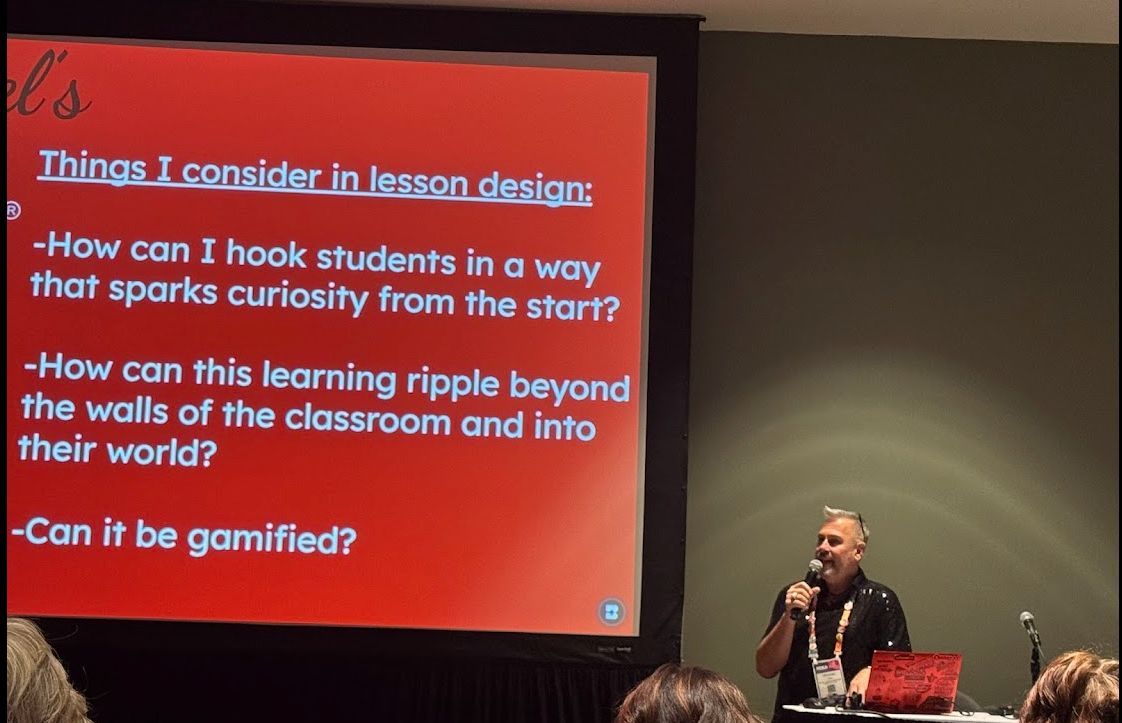
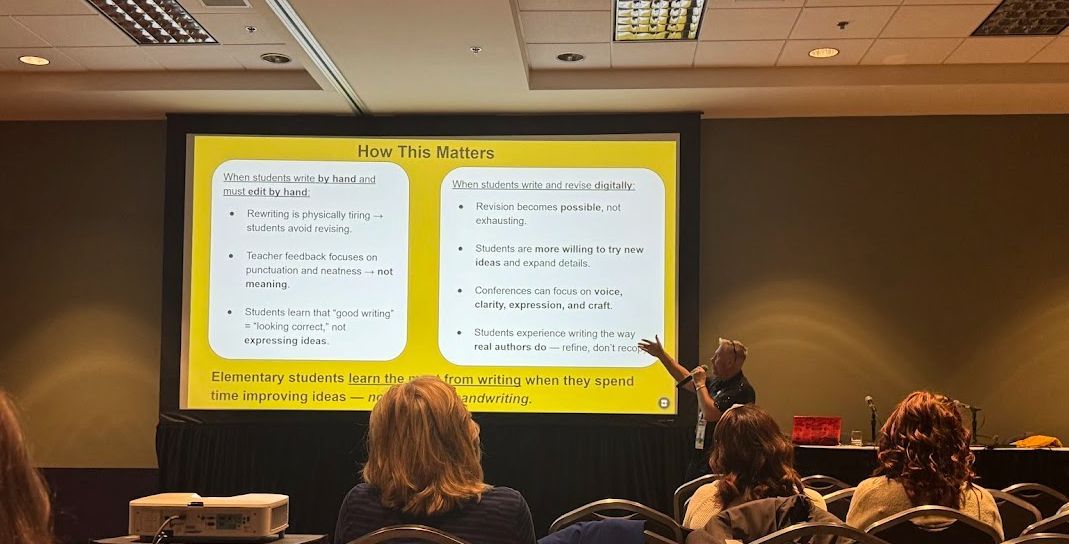
This session was 🔥
Engaging students starts with curiosity, connection, and yes—gamification. So many takeaways that actually work in classrooms.
#TCEA #LessonDesign #EdTech @TechWarriorKES
@Julie_Kuzma
2
4
10
305

Differentiation Made Easy - not all learners start at the same level, so why should your simulations? With PhET Studio, you can easily create custom versions for different experiences, simplifying #lessonDesign. #interactYourWay #PhETStudio
Learn more: phet.colorado.edu/en/studio/…
3
6
414

15 Jul 2025
HOOK ’EM EARLY, HOLD ’EM STRONG
If we want students leaning in, thinking critically, and engaging deeply, it all starts in the first five minutes. The beginning of a lesson isn’t just a warm-up—it’s a launchpad.
Here’s what the research says:
Experts like Doug Lemov (Teach Like a Champion), John Hattie (Visible Learning), and Robert Marzano have emphasized for years the critical role of opening routines and attention-capturing strategies.
•Hattie’s work shows that “teacher clarity” and “student engagement” both have effect sizes above 0.70, which is considered highly impactful. @VisibleLearning
•Lemov champions the “Do Now” and “Cold Open” as ways to immediately immerse students into learning. @Doug_Lemov
•Marzano identifies “anticipatory sets” as essential tools to activate prior knowledge and prime the brain.
@robertjmarzano
So how do you make it come alive? Here are a few high-impact strategies:
•Mystery Box: Bring in a sealed box and offer a riddle. Let students guess the content and its connection to the lesson. A great strategy for science, social studies, or ELA.
•Short Video or Meme: Play a 30-second video clip with no context. Ask students to make connections to the learning objective.
•Provocative Question: Pose something bold like, “What if we banned grades?” or “What would happen if we removed gravity for one day?”
•Personal Story: Begin with a real moment or anecdote from your life. Connect it to today’s lesson in a way that feels authentic and human.
•Song Lyric or Quote: Use a line from a song or a powerful quote and ask, “How could this relate to our topic today?”
The key is to awaken curiosity, build suspense, or surface emotion—because once students are mentally in, deeper learning can begin.
A well-crafted hook isn’t fluff—it’s a lever for engagement, memory, and motivation. Start strong, and students will follow your lead.
#InstructionalCoaching #LessonDesign #StudentEngagement #StartStrong #EveryMinuteMatters
4
10
983

17 Jun 2025
🚀 New episode! 🎧 Join Ashley & Leslie on the Class-Act Coaching Podcast to explore AI in lesson design. Listen now: sreb.org/post/summer-ai-seri… #AICoaching #LessonDesign #CognitiveDemand #EdTech #TeachersOfInstagram #InstructionalCoaching #ClassActCoaching
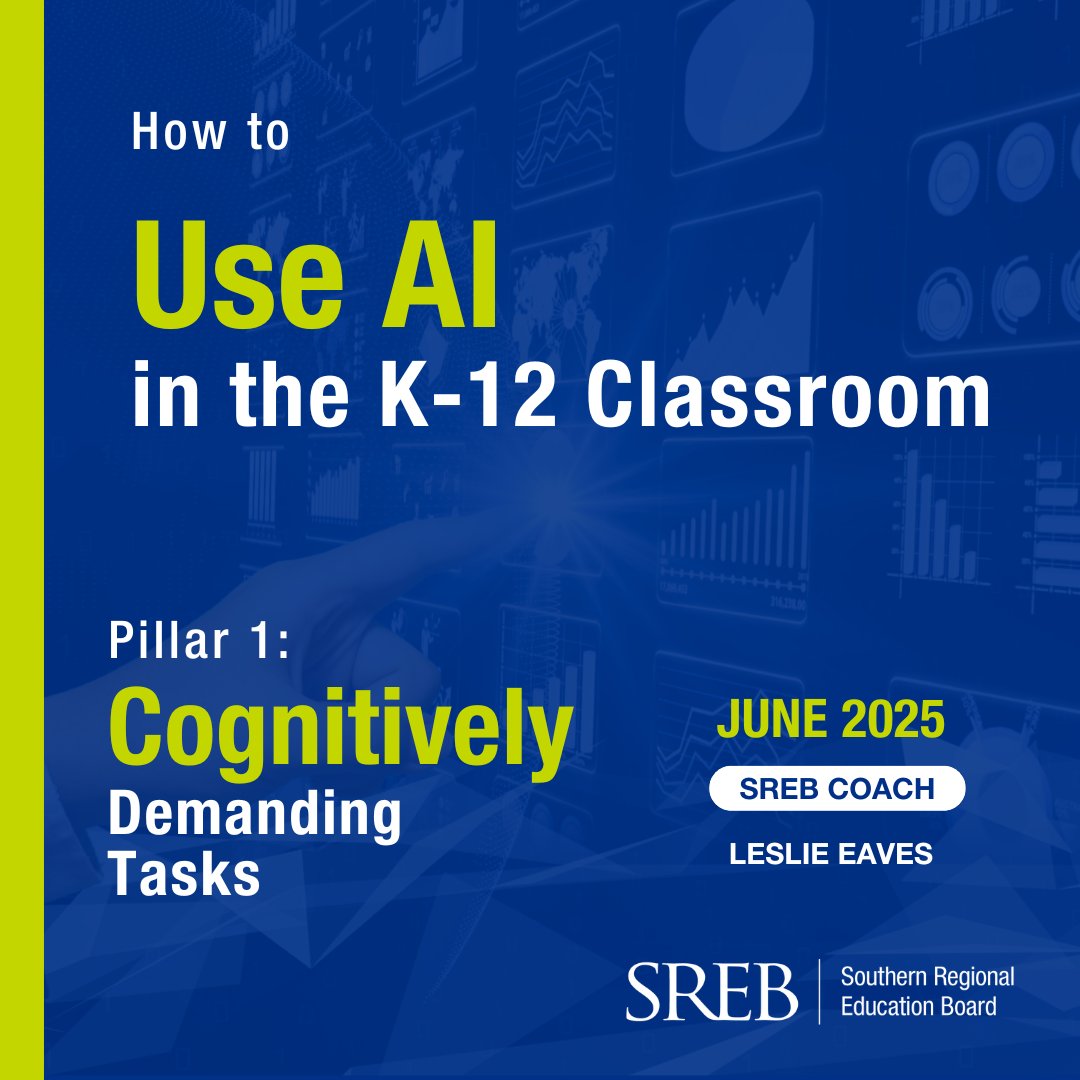
ALT How to Use AI in the K-12 Classroom: Creating Cognitively Demanding Tasks
2
225


4 Nov 2024
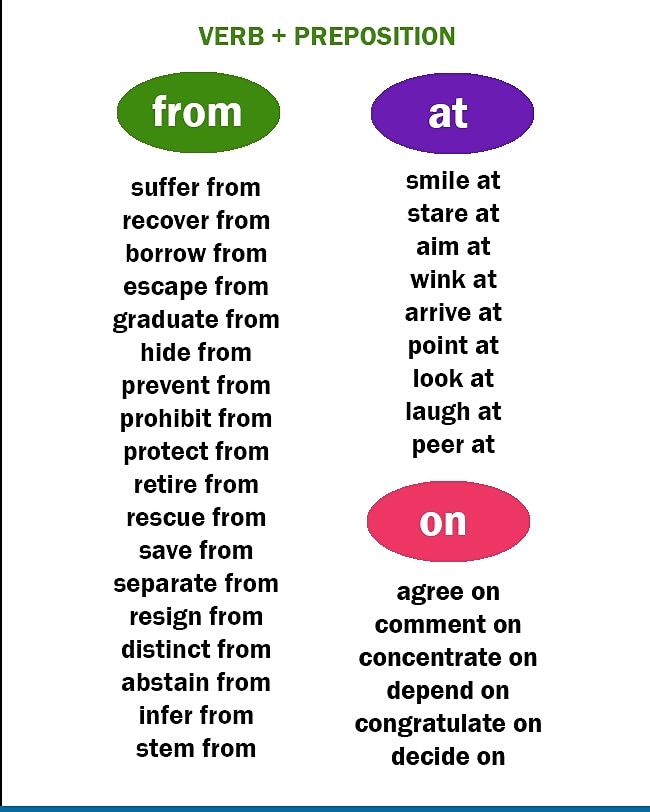
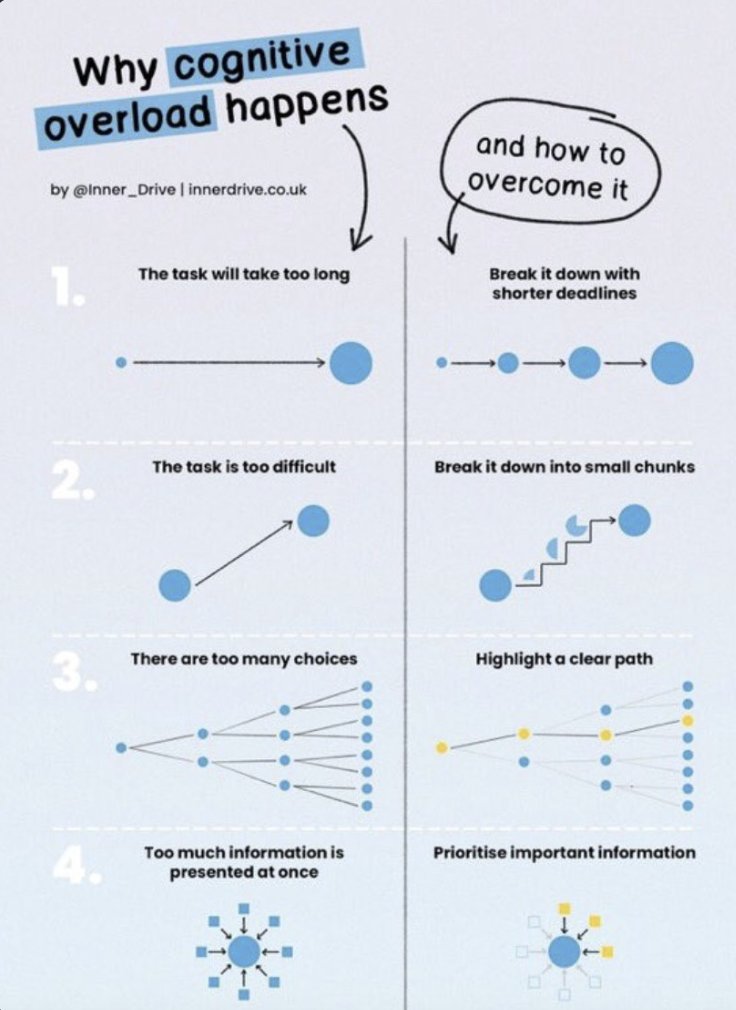
Take a minute to consider everything in this infographic.
#abbyschools #LessonDesign
6
294

1 Nov 2024
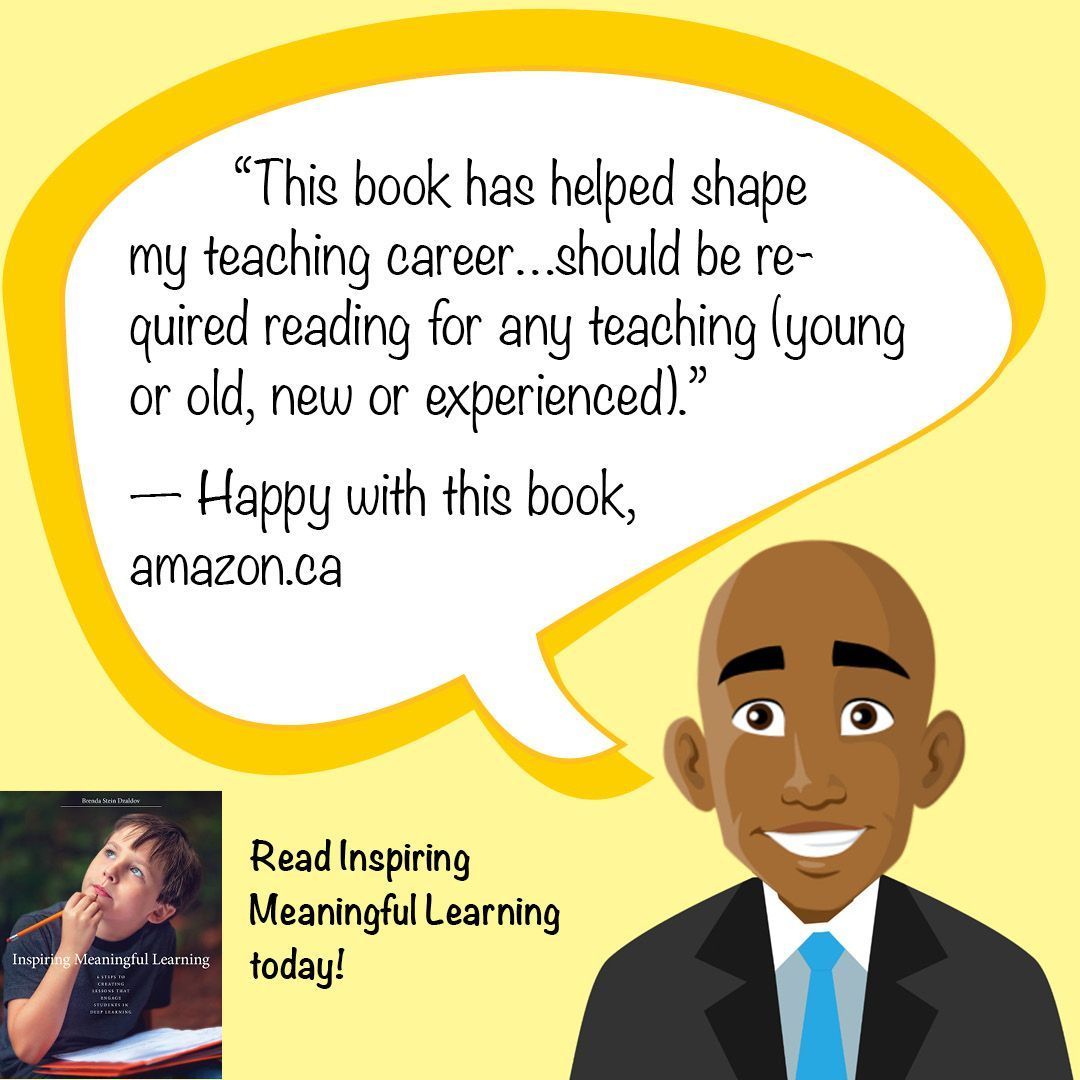
Your peers just LOVE #InspiringMeaningfulLearning! Check out this inspirational guide to thoughtful, purposeful lesson design: buff.ly/3YPwEJv
#edchat #profdev #teaching #lessons #lessondesign #edutwitter
2
3
56

30 Aug 2024
🎥 Get a peek behind the scenes at our Lesson Design Institutes! 🚀 Educators come together to learn, collaborate, and get PAID—$1500 for creating a unit of 3 lessons. 💡
Shape the future of teaching with us! ✨ @CADeptEd
#TeacherLife #LessonDesign #EduInspiration
2
3
8
349

22 Jul 2024
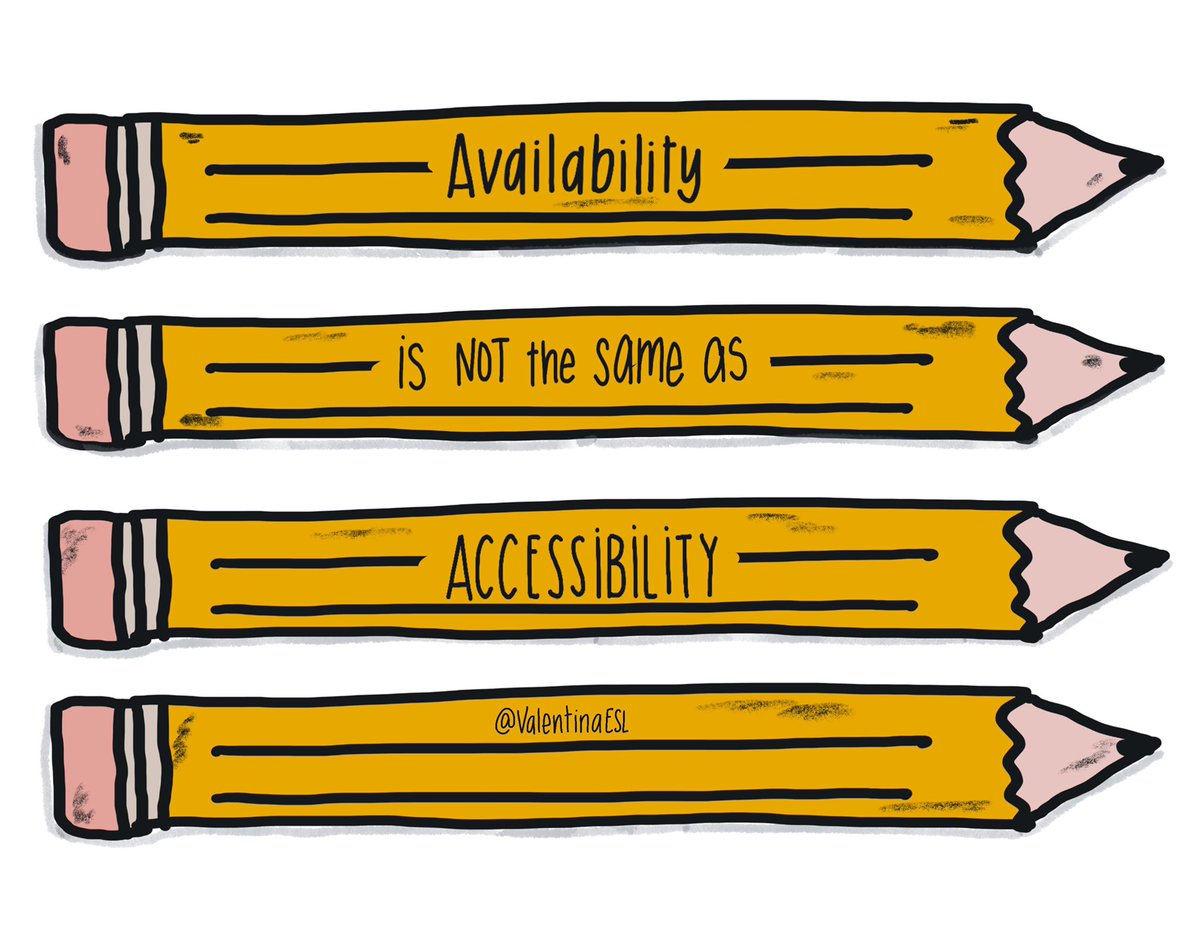
💡Making content and curriculum accessible goes beyond availability. It's about ensuring comprehension for all learners. Let's create equitable learning experiences for every student! #InclusiveEducation #AccessibilityMatters #ComprehensibleInput #LessonDesign
21 Dec 2020

Availability is not🚫 the same as accessibility
#Teaching #edutwitter #joyfulleaders #edugladiators #leadupchat #MondayVibes #sketchnotes #tchr2tchr @teacher2teacher @MindShiftKQED
3
6
621
25 Apr 2024
👩🏫📚Meet our new friend Alexis from Santa Clarita! She just submitted her first unit based on the novel 1984…she made a $1000 doing it and received 2 CEU’s! Join our movement! #teacher #sidehustle #caedutogether #lessondesign
2
220

19 Apr 2024
What is the difference between lesson design and lesson planning? Education thought leaders @jtalmarode and @DFISHERSDSU compare #lessondesign and #lessonplanning.
Enjoy this exclusive clip & join the community on Facebook to gain full access: ow.ly/zScZ50R7J61
1
5
7
2,406

18 Apr 2024
Design for the medium! Was it designed for paper? What CHANGES will you make to have it take advantage of digital?
alicekeeler.com #lessondesign

1
1
1,215

10 Apr 2024
🧡How do you provide multiple means of representation in math? Discover more in this article: greatminds.org/math/blog/eur…
#UDL #Mathematics #LessonDesign
5 Apr 2024

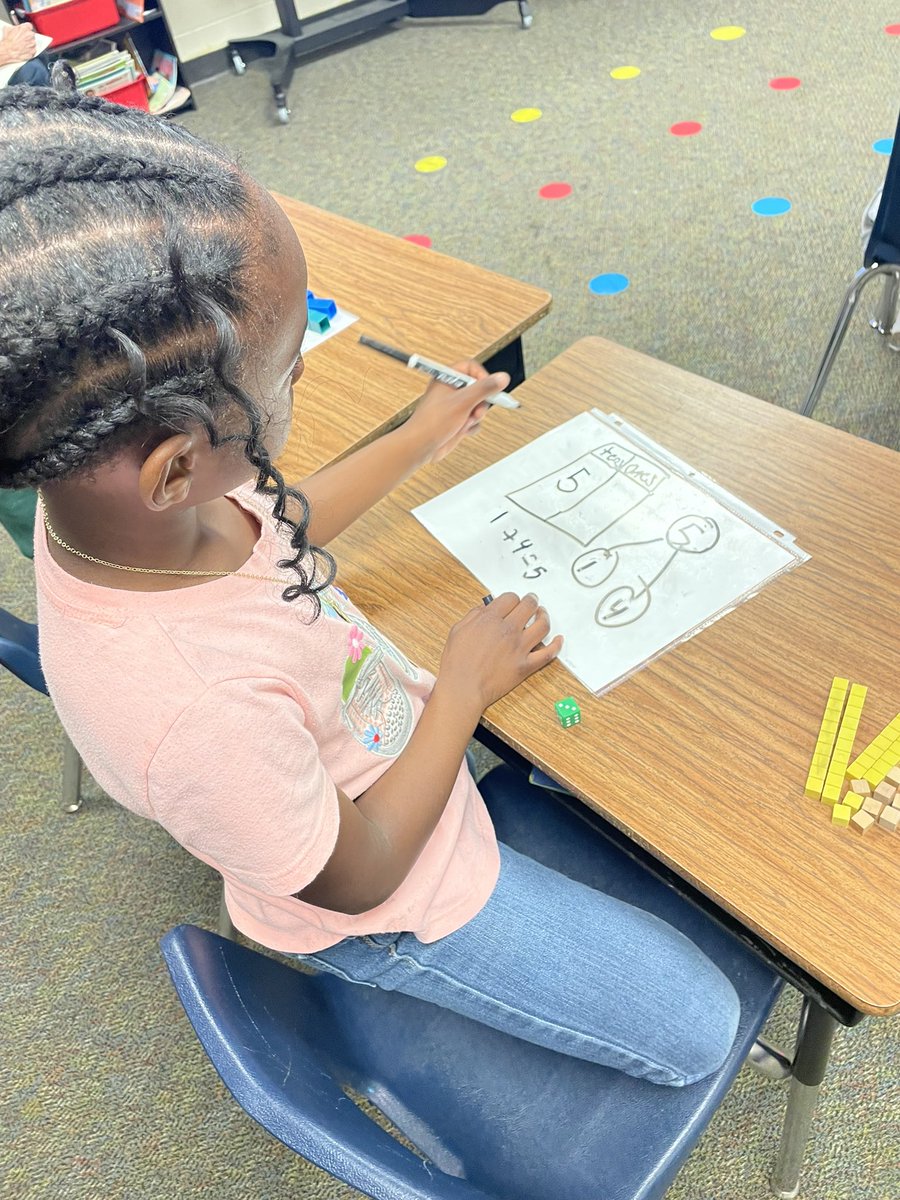
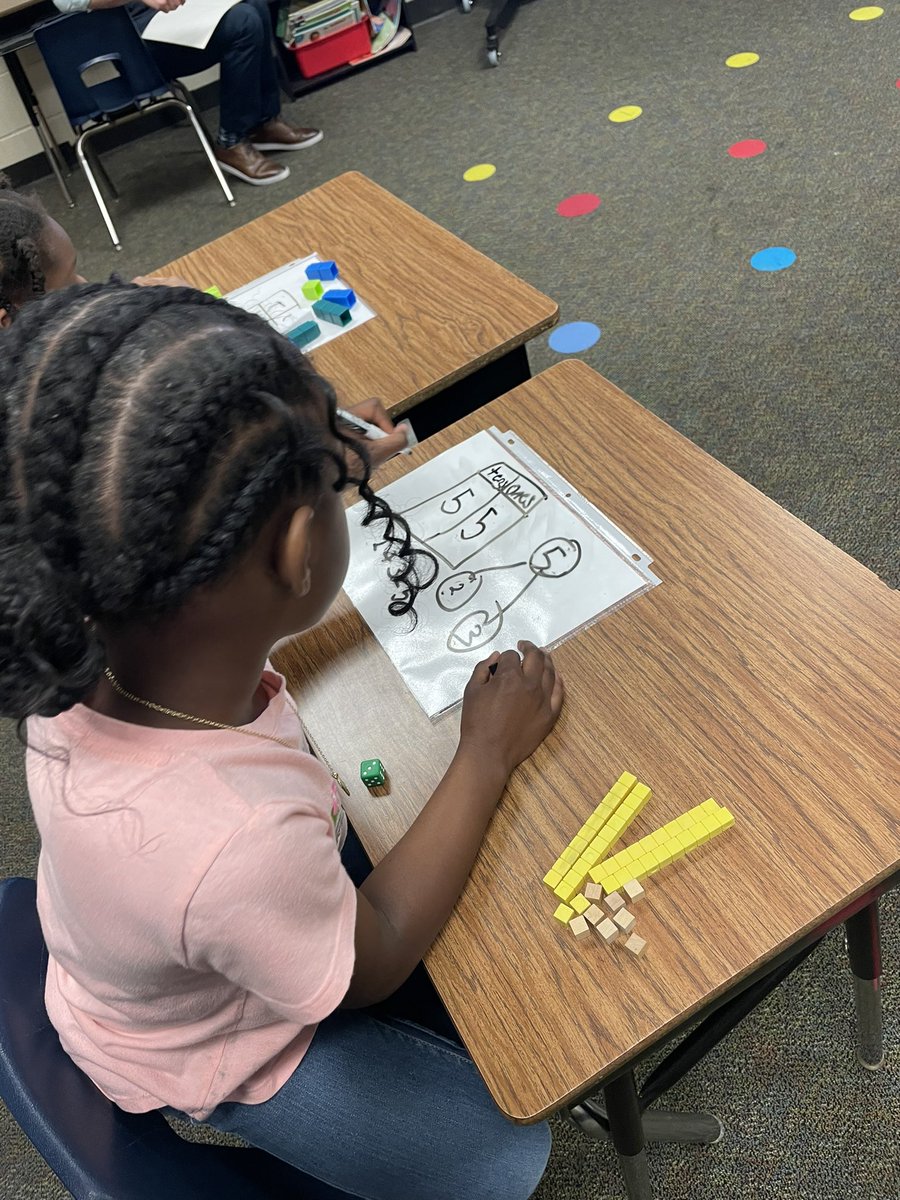
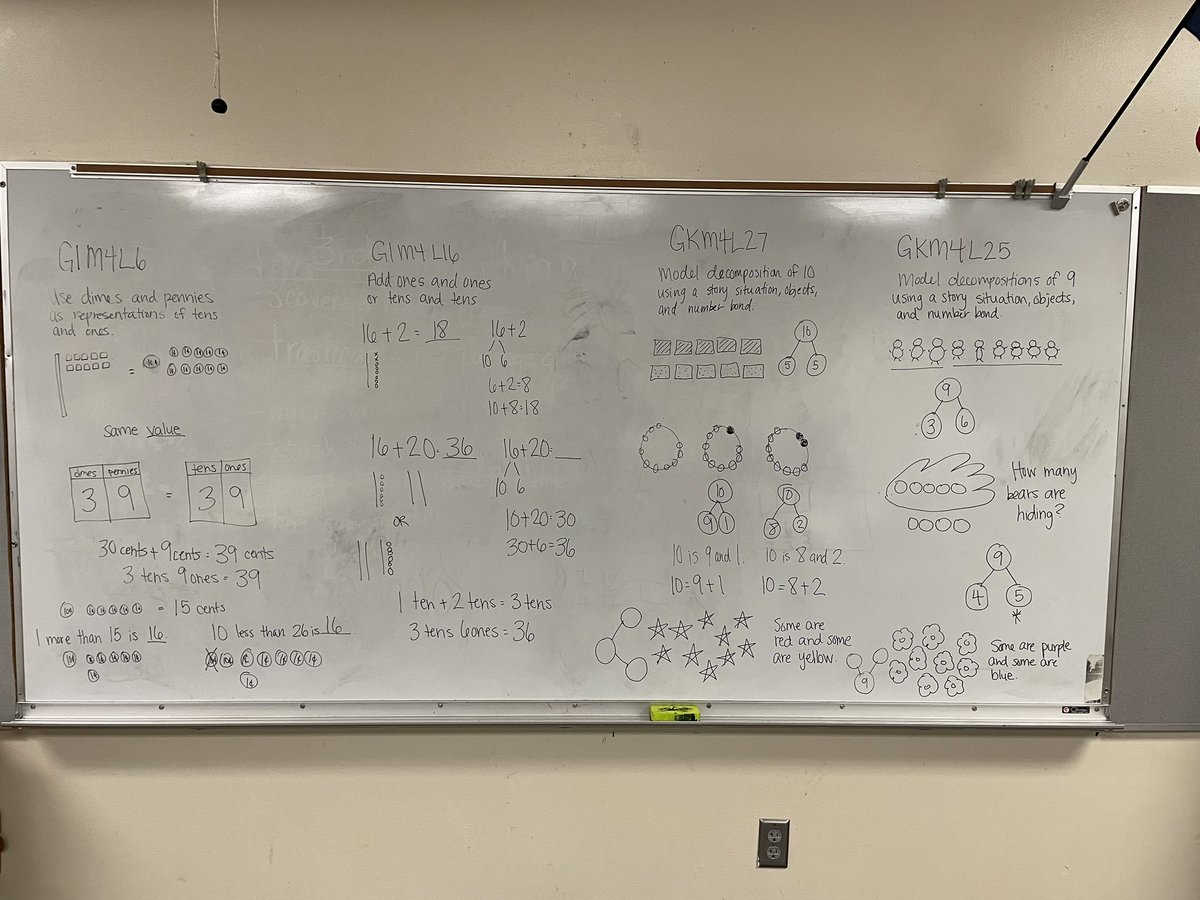
Had the pleasure of observing high numeracy development in 1st graders @AndersonGators this week in @SpringISD! This little one blew me away with her self-generated use of multiple models to support and justify her thinking! 👏🏽👏🏽 @jasonldavila @GreatMindsEd @eureka_math
1
1
756
26 Mar 2024
Design for the medium! Was it designed for paper? What CHANGES will you make to have it take advantage of digital?
alicekeeler.com #lessondesign

2
1,409
2 Mar 2024
Design for the medium! Was it designed for paper? What CHANGES will you make to have it take advantage of digital?
alicekeeler.com #lessondesign

4
1,481

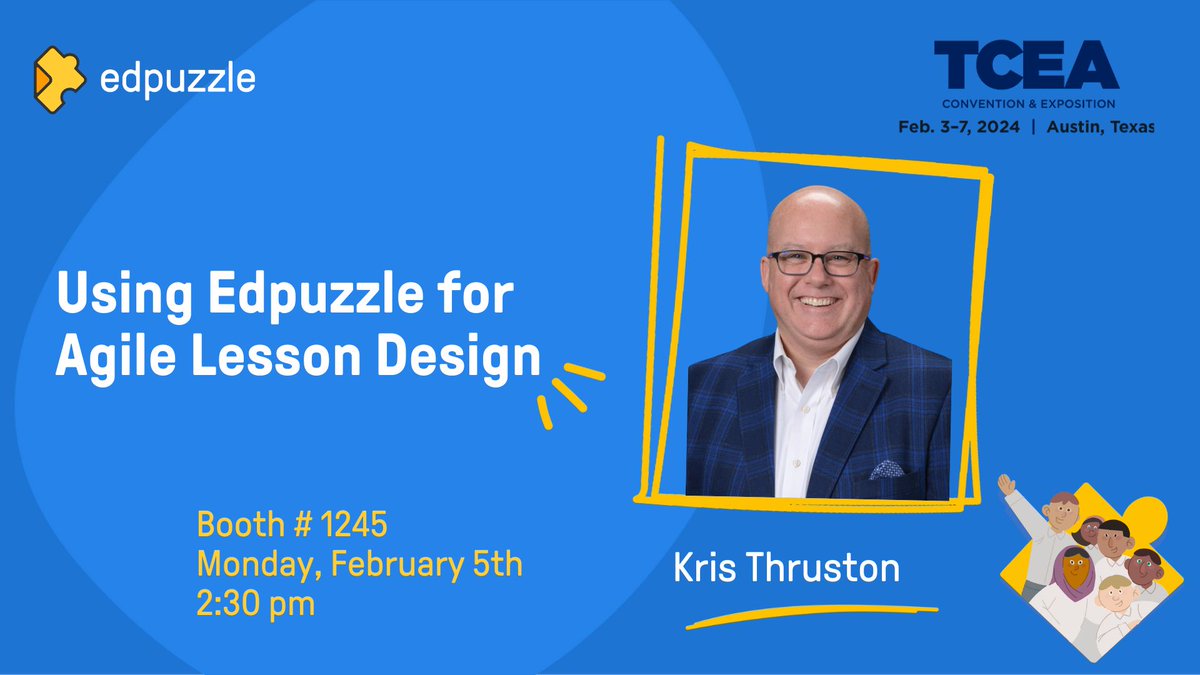
Wooohooo Super ✨💛 @KrisThurston will present at the #TCEA #TCEA24 @edpuzzle
✨Mr. Director of Technology knows his stuff
💛 Using Edpuzzle for Agile Lesson Design
#Edpuzzleis creating a lesson experience heeeny yaaas! #flippedclassroom #lessondesign #Yaaas
1
6
237
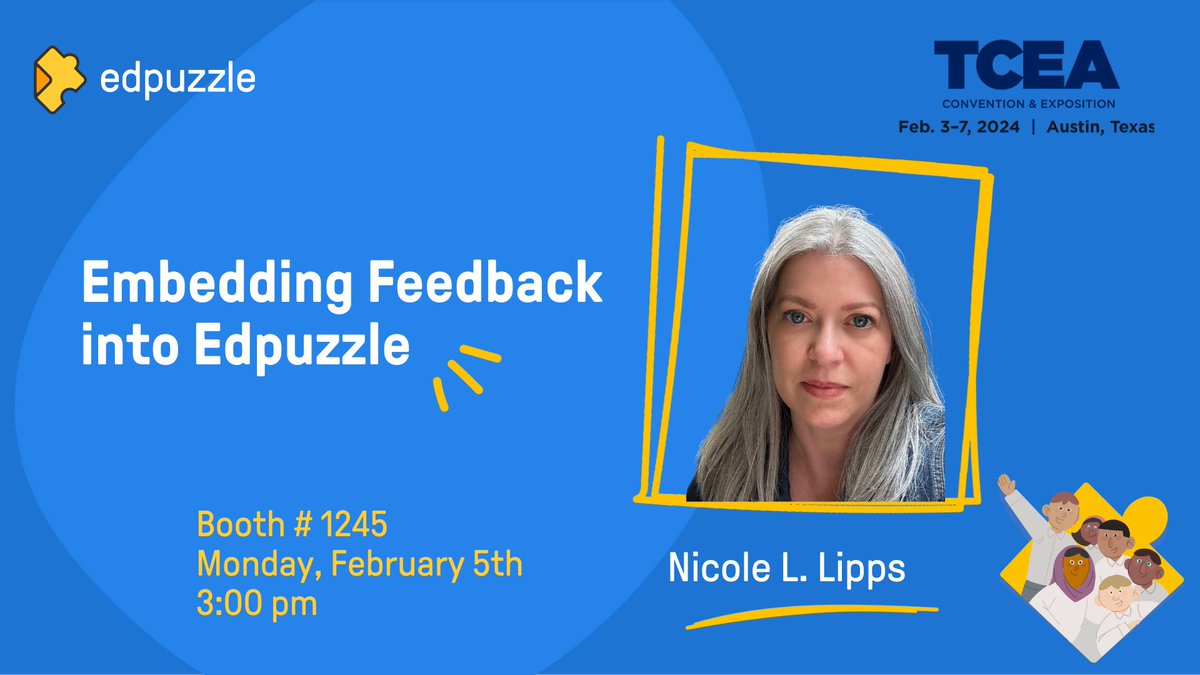
✨💛 @NancyBonds27 will present at the #TCEA #TCEA24 @edpuzzle
✨@ConroeISD Super star
💛 Embedding Feedback into Edpuzzle
#Edpuzzleis giving you immediate feedback #flippedclassroom #lessondesign #Yaaas
1
7
847
✨💛 @NancyBonds27 will present at the #TCEA #TCEA24 @edpuzzle
✨@ConroeISD Super star
💛 Embedding Feedback into Edpuzzle
#Edpuzzleis giving you immediate feedback #flippedclassroom #lessondesign #Yaaas
2
272
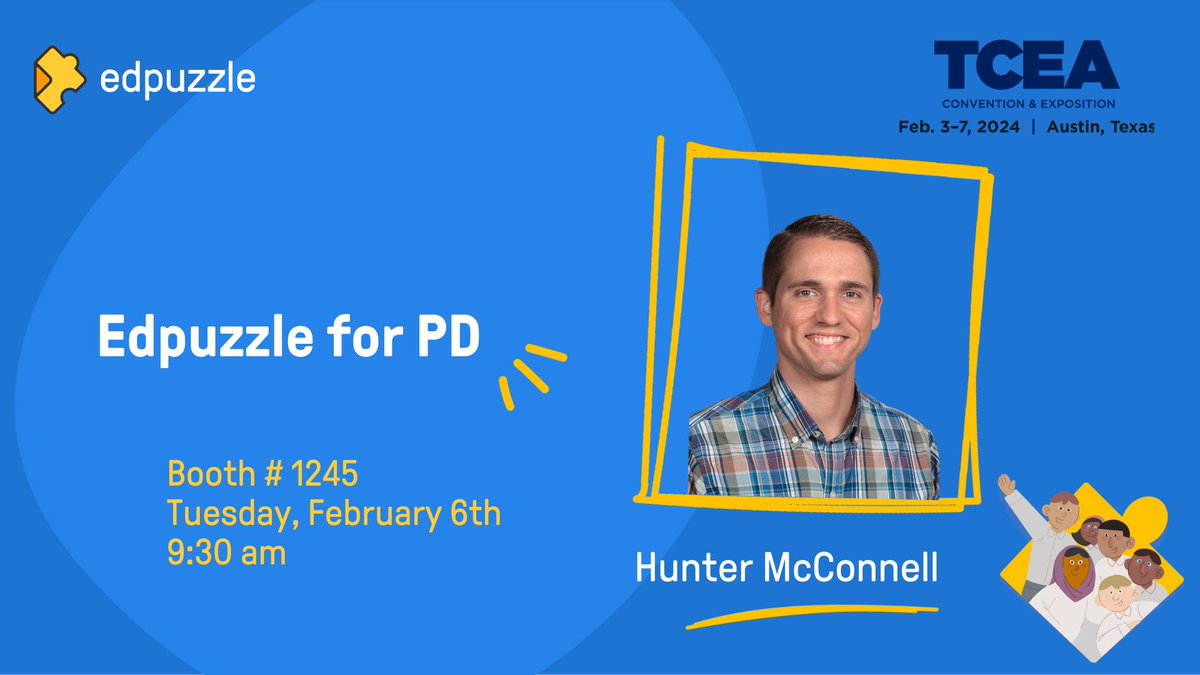
✨💛 @mcconnellh88 will present at the #TCEA #TCEA24 @edpuzzle
✨For all #SchoolAdmin #EdTechCoach ✨
💛 Edpuzzle User Conference: Designing Edpuzzle PD for Your District!
#Edpuzzleis is also for teacher/admin PD #adultlearning #lessondesign #Yaaas
4
259