
Mar 18
Media pushing letterlocking scams as 'amazing' to distract from real scandals, kinda wild
3
325

 Johnny


Feb 27
THIS is amazing stuff, so cool indeed.
🔻Letterlocking Was the ‘Cybersecurity’ of Medieval Times, And It Was Wildly Clever and Cool…
cypher-news.com/2026/02/lett…
7
13
303

Feb 14
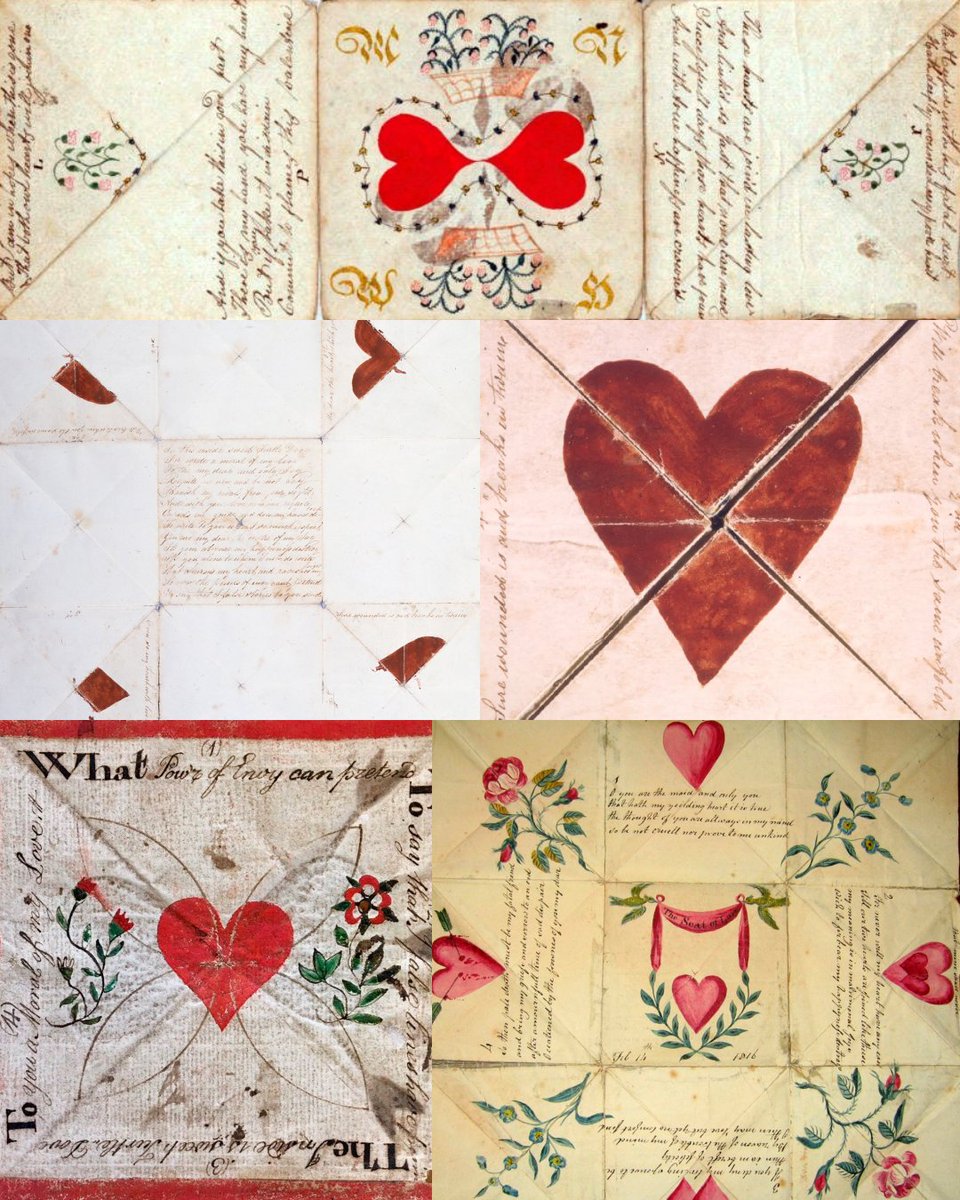
Valentine's Day puzzle purse love letters, c. 1790-1826. Medium: Watercolor, pen and ink on paper. Collection: The Postal Museum, London (1790 example) and The Metropolitan Museum of Art, New York (1826 example).
In the late 18th and early 19th centuries, the British postal system worked very differently than it does today. The delivery fee wasn't paid by the sender, but usually by the recipient.
Postal officials calculated this cost based on the number of sheets of paper used, not the weight of the letter. If a sender placed the letter inside a separate envelope, the envelope counted as an extra sheet -- meaning the recipient was charged for two sheets. This made delivery quite expensive for ordinary people. That's why lovers turned to this special folding method called "letterlocking." They crafted their drawings and poems on a single sheet of paper, then folded it into a self-closing square. This way, the letter became its own envelope, saving the recipient from paying higher postage fees. Plus, this folding process kept private messages safe from the eyes of postal workers or nosy family members.
9
379
1,658
54,192

7 Nov 2025
There was a whole artform of epistolary origami in the Renaissance and early modern period called "letterlocking". Before they used envelopes, the letters themselves were the envelope and seal, like a puzzle.
youtube.com/watch?v=XNHH1qEz…
1
2
30
2,267

5 Jun 2025
in der #verschlagwortung gabs diese woche ebooks zu syntax (hbz-ulbms.primo.exlibrisgrou…) und zu laien-sprachkritik in frankreich (hbz-ulbms.primo.exlibrisgrou…), ein spannendes buch zum "letterlocking" (hbz-ulbms.primo.exlibrisgrou…) und …
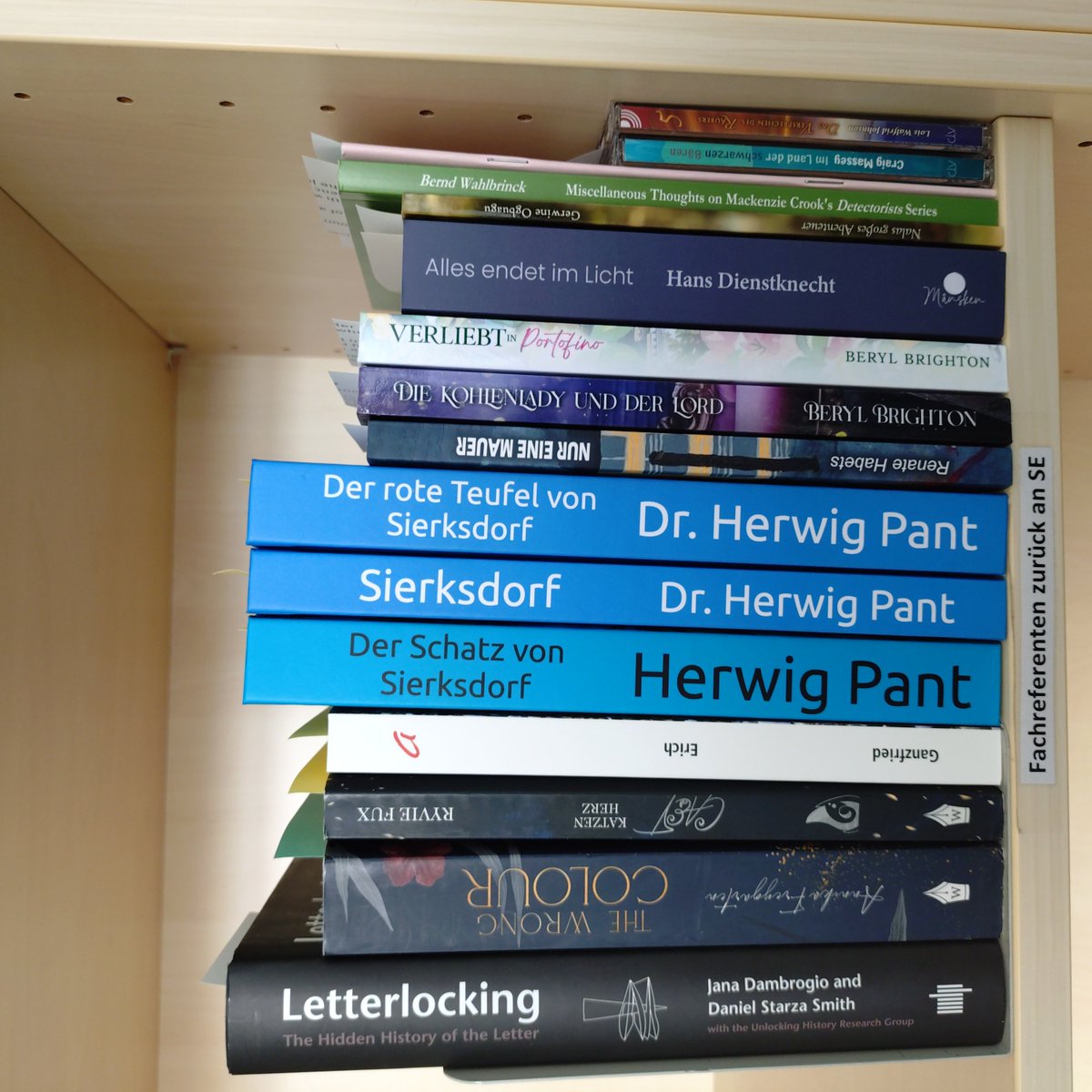
ALT foto einiger bücher in einem regalfach; zu besseren lesbarkeit der titel auf den buchrücken wurde das foto um 90 grad nach links gedreht
1
2
57
3 Jun 2025
liebes tagesbuch, heute war wieder einmal ein sehr abwechslungsreicher tag in der #bibliothek: heute vormittag mit kolleginnen aus uganda über bibliotheksstrukturen, open access und publikationsservices gesprochen, heute mittag bücher zum "letterlocking" und zu katzen mit …
1
1
4
108

21 May 2025
すみません「レターロック(letterlocking)」です😭
一行目から間違ってました。
王侯貴族も基本的には同じ方法を使ってましたが、ルイ14世の宮廷などでは別個の封筒が使われた秘書官の記録があります。
貴族はステータスを反映する豪華な紙や装飾的な印章が使われることが多かったようです。
1
1
7
218

14 Apr 2025
BEFORE ENCRYPTION, THERE WAS LETTERLOCKING — THE LOST ART OF PAPER-BASED PRIVACY ✉️🔐
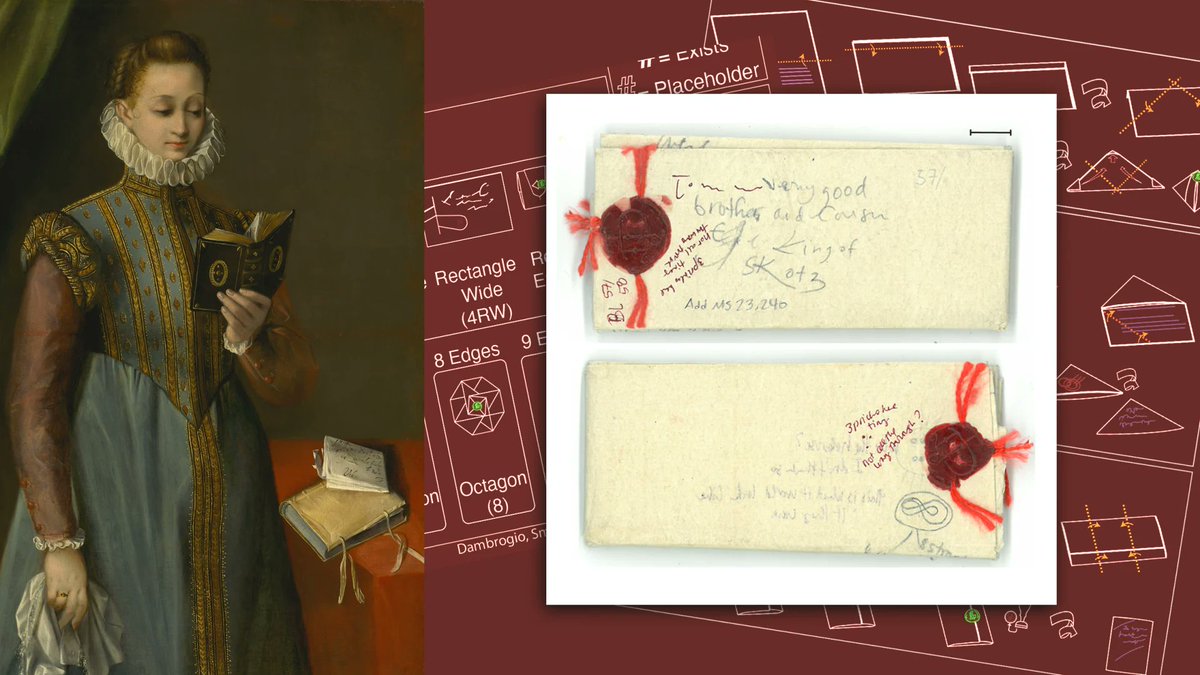
Centuries before digital encryption, people protected their most sensitive messages with physical security engineering. Queen Elizabeth I, Emily Dickinson, and even spies used intricate folds, wax seals, and self-locking mechanisms to create tamper-evident messages in a practice now called “letterlocking.”
Now, researchers from MIT and King’s College London are uncovering these techniques—building hundreds of paper models, scanning unopened 17th-century letters with X-rays, and developing “virtual unfolding” algorithms to digitally preserve the secrets inside.
🔍 Highlights from their research: – Locks made from the letter itself—slits, folds, and sliced tabs threaded through the paper
– Used for authenticating senders and detecting tampering
– Cited in fields from cryptology to AI to antenna design
– Charles I once confirmed a secret agent’s identity by fold pattern alone
– Letters reflect their writers’ personalities—even John Donne’s complex poetic style showed in his physical locks
Researchers created a “periodic table” of letterlocking methods, and their project, the Unlocking History Research Group, has become a hub for historians, scientists, and curious technologists alike.
As our communication becomes increasingly digital, the core need remains: to share messages safely, privately, and beautifully. Letterlocking proves that privacy isn't just about code—it's about care, craft, and context.
This was analog security with an artistic soul.
🔗 fastcompany.com/91315486/how…
3
124


24 Feb 2025
I am so excited for this book! Their research inspired the letterlocking scenes in my Mary Bennet series.
3
69

8 Feb 2025
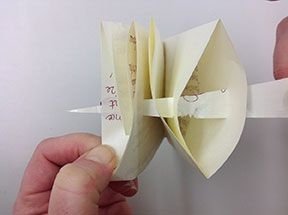
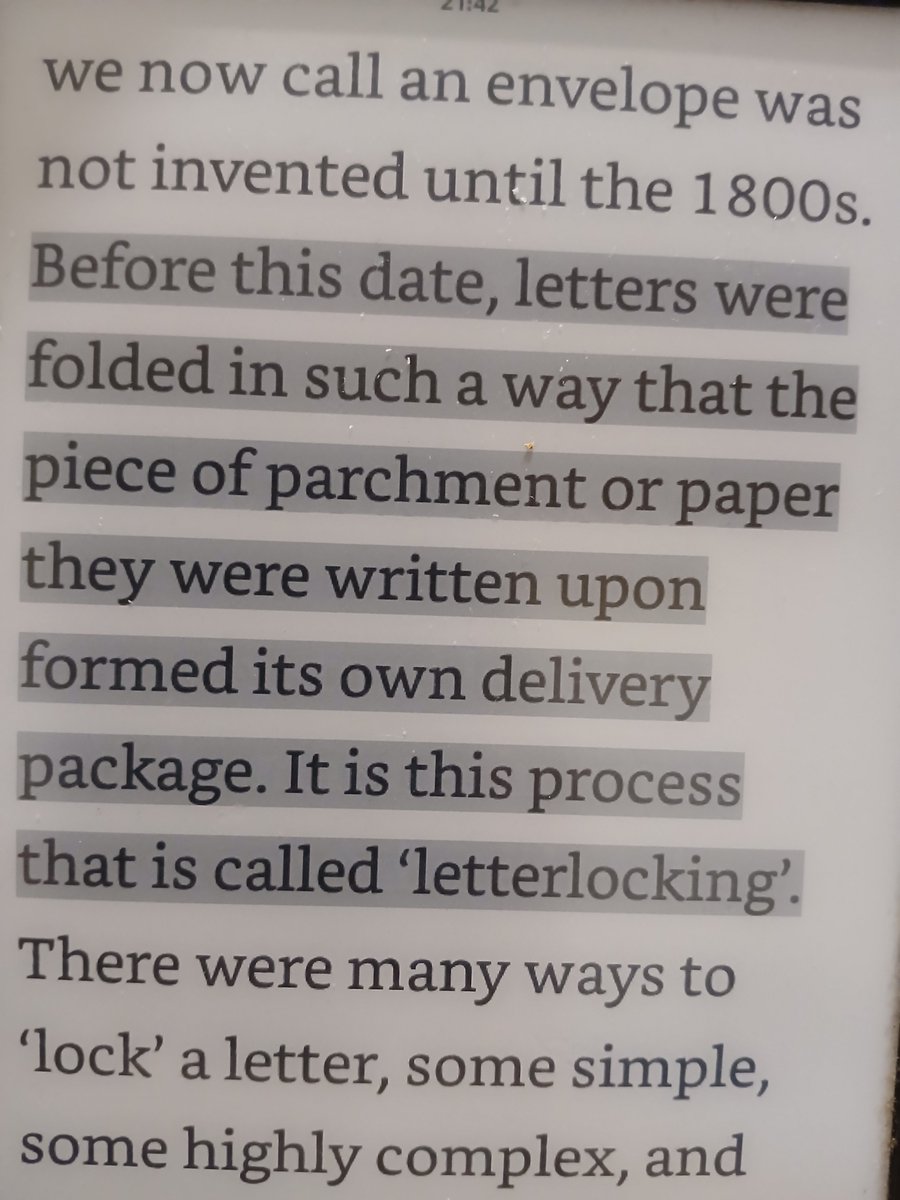
Envelopes appeared in the 19th century. Earlier, letters were folded in various ways. An art of letterlocking emerged: folding a letter so elaborately that if someone else would open the letter on a way, the recipient would later notice it was opened (seals served the same goal).
1
6
416

2 Jan 2025
Fully-funded PhD opportunity with @komldsp and @MarloweProject:
'Editing Lost Copy-Texts: Christopher Marlowe's Plays and Poems'
komldsp.org.uk/projects/edit…
Supervisors: @loughnrv and @letterlocking
How to Apply: komldsp.org.uk/how-to-apply/
9
15
3,774


10 Dec 2024
How awful, I am so sorry. My deepest condolences to her family
2
76
