
Christopher Fishell retweeted

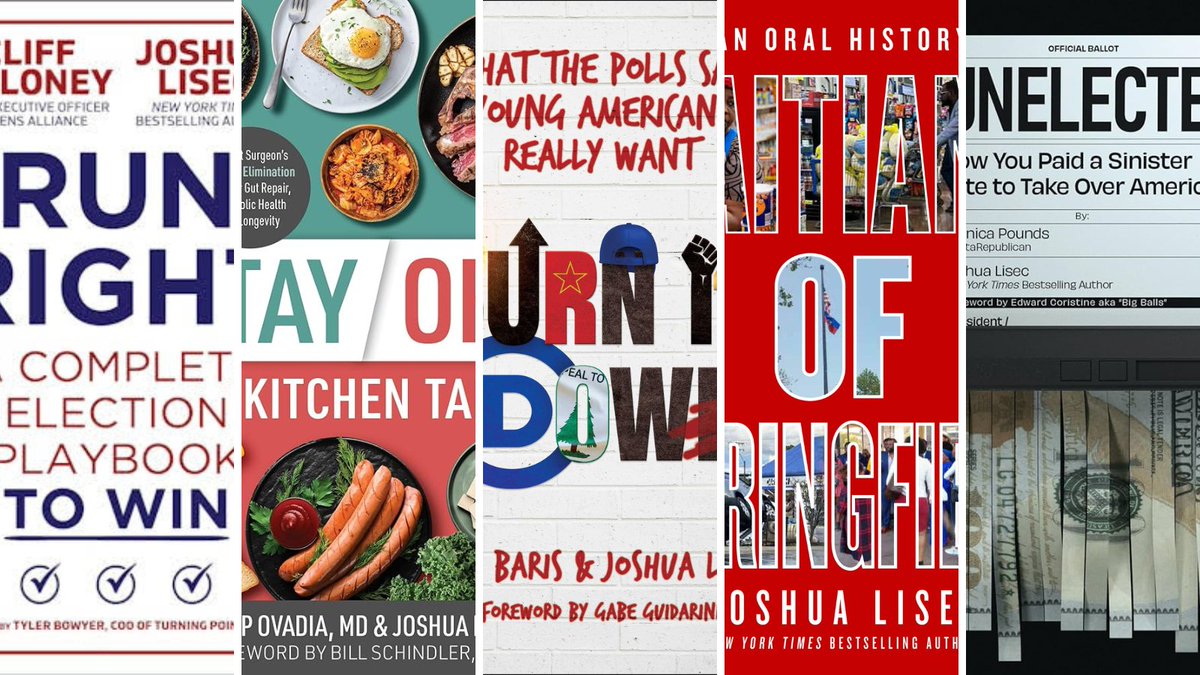
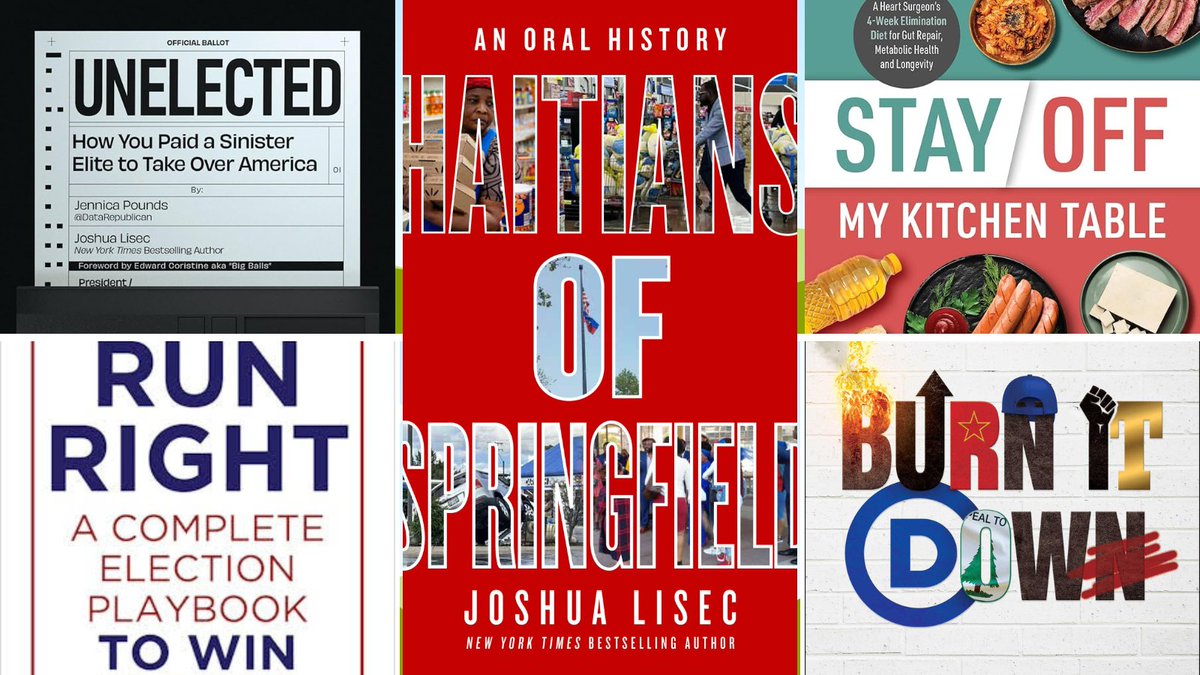
Which Joshua Lisec book of 2026 are you most excited for?

3
1
6
935
Ajay K retweeted

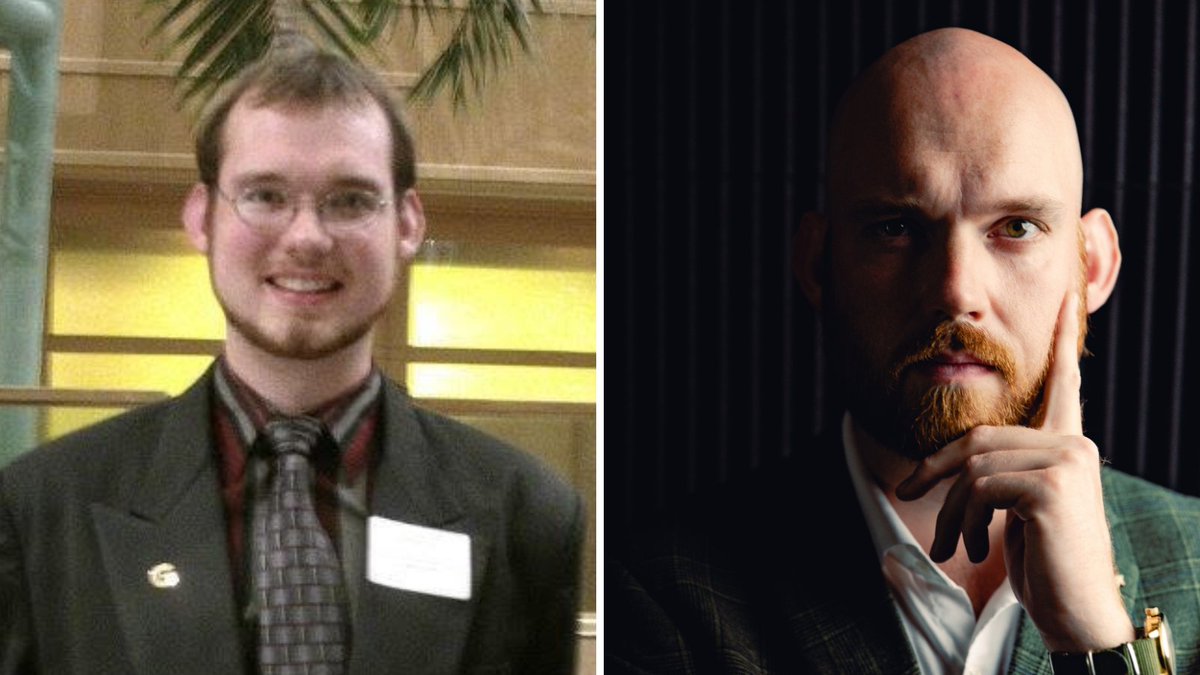
Joshua Lisec is one of the smartest guys on the Internet. If you want to learn more about persuasion and writing, stop what you’re doing and give him a follow.
15 Provocative Lessons from 15 Years Ghostwriting
15 years ago today, I became a ghostwriter.
My first paid writing gig paid $1.67/hour.
Since then, I’ve written 110 books, authored and co-authored my own, added New York Times bestsellers to my name (plus appearances on every other major bestseller list), made millions with words, watched AI eat my industry, and learned most things the hard way.
So here we go, 15 lessons from 15 years as a ghostwriter:
1. Nobody pays for “writing.”
I figured out early that “$ per word” and other such freelance writer pricing was silly. Clients aren’t paying you to write; they’re paying you to persuade people to read, buy, click, scroll, think differently, and tell others to do all the same. Charge like it. We’re persuaders in print.
2. Most authors didn’t really want to be authors.
This surprised me. Many of my best clients have been reluctant authors. They hadn’t really aspired to get published, but everything hard about business becomes easy when you’re the go-to industry authority. I learned very early that this is what authorship grants, and it’s what I’ve been paid to provide for the last decade and a half.
3. The best nonfiction reads like fiction; the best fiction, like nonfiction.
My first ghostwriting projects came from aspiring authors who wanted to publish memoirs, but they worried their manuscripts would read like Wikipedia profiles of themselves. Because I had two novels in print already, I had proof I could tell a story well—and so, these first memoir clients asked me to write, essentially, what amounted to the novelization of their life story.
4. A ghostwriter is a therapist, lawyer, and priest.
You’ve heard of attorney-client privilege? The author-ghostwriter relationship is similar. Often, I’ve heard confessions and admissions in confidence the author told me they’d never shared with anyone else in their life—not even their spouse. Especially not their spouse, in some cases. Typically, when “dropping a bomb,” so to speak, women clients have sought my non-judgmental total validation whereas male clients sought absolution in print from someone who knows how to reframe the downright awful into mixed bittersweetness for public consumption.
5. Sometimes, a ghostwriter is an editor—and that’s more work.
I learned this early. I’d be hired as the ghostwriter for a nonfiction project, but the author found great catharsis writing first rough drafts of chapters themselves. It’d then be my job to restructure, revise, and refine into a modified second draft. Ironically, this takes greater time and far more effort than writing from scratch. You can probably guess why.
6. Traditional publishers are normal people, too.
Among the general public, there is an ivory-tower perception of literary agents, publishing houses, and major book deals. The people who work with, for, and in these presses, however, are normal, everyday people, who ask one question of every aspiring author: “Will it sell?” This is the difference between a deal and no deal. Publishers are taking great risk by offering a debut author a chance, so that person’s book proposal better show they will be able to move a LOT of copies. Getting authors trad. book deals is one of the more rewarding aspects of my career—and it’s now something I’ve done for myself 8 times. Yes, some editors are “woke,” and I’ve had multiple editors insert THEIR opinions into MY work to be, for example, pro-abortion (no, not pro-choice; I said pro-abortion). Sometimes your pushback can win. Sometimes.
7. Celebrity clients are likewise real people.
The general public asks me this a lot. “Who are your most famous clients?” Like I’m going to tell you, anon. What I will share for educational purposes only is that my most famous ghostwriting clients are known by name by heart by hundreds of millions (billions?) of people. I’ve created mass movements in clients’ household-name industries; catchphrases and reframes of mine, “laundered” through my clients’ works, are now the zeitgeist. It’s fun, and it pays. I am the invisible hand, and that hand has a laptop.
8. Ghostwriting pays the big bucks, which makes it uniquely vulnerable.
You’ve heard the saying, “Good, fast, or cheap—pick two.” I realized in 2018 when I saw a preview of GPT-2 from OpenAI that AI writing would be all three. In 2023’s ‘So Good They Call You a Fake,’ my first solo-authored nonfiction book, I predicted that ChatGPT and other such apps would come for my industry—for ghostwriting—and for me, personally. And they have. Just yesterday, Tim Ferriss, the perennially bestselling nonfiction author, reported that sales of prescriptive how-to nonfiction, including Self-Help, is down 26.3% since the same time last year. That’s literally my niche! If you can use AI to write a book, and many are, then people can use AI instead of reading that book—and they are. Oh, dear.
9. AI slop has overtaken book publishing services.
“If you can’t beat them, join them,” Elon Musk said of AI to Joe Rogan in the incredible content that was their first smoke-laden interview. That’s exactly what my so-called competition has done. Old frenemies in this industry, their clients’ books now read every other sentence that “it’s not just about X—it’s about Y.” It’s embarrassing to all involved because, apparently, these service providers are not informing their clients that they’re copy-pasting AI output—which means they have no copyright protection! (My new course The Best Way® to Edit AI and Rehuman Your Writing exists for a reason.) A Fortune 500 CEO whose company has a major sports stadium named after the brand used AI instead of me for his book; we talked for weeks, but he finally went the good, fast, cheap route. And, uh, it shows.
10. Ghostwriting is more than proofreading a transcript of an author interview.
I “hear between the lines” when I interview an author. Yes, some verbatim they say goes right into the book. But most of the time, I subtly (or unsubtly) reframe what they say to find a more potent, more compelling, or simply more edgy way to say it. Dare I say I find . . . The Best Way To Say It®, literally the Lisec trademark.
11. Niche, niche, niche.
Nowadays, most obvious niches are taken by perennial bestsellers penned by a baby boomer. Now if you want to become the trusted authority in a subject matter, you’ve got to get hyperspecific. For example, zoom in from “divorce law book” to “divorce book for high-net-worth husbands who need to think clearly before filing.” I did that one, by the way. I do them all. Except . . .
12. The niche with no book.
I’ve long challenged guests of social functions to name a niche I’ve not done a book in. Finally, someone beat me: taxidermy. I’ve done a book on just about everything. But not taxidermy. Turns out, it’s a highly-guarded space with myriad trade secrets from its hunter and fisherman artists. I get it. I got a lifetime Ohio hunting and fishing license after 10 years of chronic veganism. ‘The Best Way® To Taxidermy It’ by Joshua Lisec, coming soon?
13. Marketing is proximity achievement plus value demonstration.
This, I learned from one of my wealthiest clients, and it’s a wealth of wisdom in a single sentence. Expanded, it goes like so: Get near the people who can buy, refer, endorse, invite, platform, fund, or elevate you. Then, show them enough value that ignoring you feels expensive. Being called a fake can be a milestone. If your results are ordinary, nobody cares enough to accuse you of cheating. When the work becomes unbelievable, the market starts investigating. Good. This is what I do for you.
14. Only personal brands will survive AI.
My one caveat is the hyperniche mentioned above; faceless ecommerce and other brands will fare well in the post-AI economy. But for services providers, expert consults, and others . . . you have to become literally famous or you are hosed. I saw this coming for ghostwriters like me, as I said, back in 2018, and realized I had to transition out of anonymous, creditless projects and into a better-known book-writer brand. So I did. It worked. But will it keep working?
15. Ghostwriting is (probably) over.
Since 2024, all nonfiction book ghostwriting projects I’ve gotten have been because someone first saw either (a) a book I authored or co-authored, or (b) a book I ghostwrote, and its author recommended me publicly. That said, nowadays, the vast majority of my inbound is someone who used AI to write their first full draft of a manuscript—and they “just” need a proofreader to “just” edit a couple things here and there, maybe “just” make sure real quick it doesn’t read like AI wrote it. Yeah, no, sorry, we can all tell.
Even so, spending the big bucks for a human ghostwriter makes less sense than ever when AI is $20/month. The trouble still remains: You need to actually read what the AI spat out before you send it off to your publishing house—or go right to market. Data shows that a majority of the general reading public PREFERS content from AI (!) but only if they don’t KNOW it’s from AI (!). To sound like AI myself now, “that difference matters—and that gap is not just about perceived authenticity; it’s about human-to-human connection. And the harsh truth? You need more than ‘vibes’—you need persuasion in print.”
So if you don’t want your entire book to read like that, you probably don’t need a ghostwriter. You might need an editor—and not just an editor. Not just a publishing expert. But the kicker? Joshua Lisec.
Sigh.
We’re done here.
2
1
27
4,603

JanitorOfWhiteNoir retweeted

Great explanation there Mr Lisec. Antiwhiteism and the resulting guilt and shame from antiwhite propaganda is the fuel that feeds the wide social acceptability of antiwhite policy in private and governmental spheres.
2
37

Verily it needs countering. Joshua Lisec and Jack Posobiec do good work.
On Pride
Sin, Privilege, and Why It's OK to Be Gay But Not White
14
Joshua Lisec and @jack Posobiec both use the terms antiwhite and antiwhites.
They are good men. Watch this short video and see if you are with me.
On Pride
Sin, Privilege, and Why It's OK to Be Gay But Not White
14

Ich. retweeted

Jun 15
Da pa ti ljudje plačujejo davke, te pa ne moti. Tomaž Lisec, si še eden izmed, žal, številnih fašistov v Sloveniji.
1
1
8
PJB “We fight for our freedom, for our children” retweeted

Jun 15
Joshua Lisec reveals the Marxist agenda behind plant-based diets
4
20
84
37,549
shinseikatsu 🍊🇺🇸復活 retweeted
There it is, the exclusive announcement:
HAITIANS OF SPRINGFIELD: An Oral History
By Joshua Lisec
I investigated all the claims that were "debunked" the last 2 years as "hoaxes" and documented everything I found. You will be shocked (you won't).
Publishes October 6th!

MSM DEBUNKED: "HAITIANS OF SPRINGFIELD" CONFIRMED
"I have debunked all of the debunking...that the MSM has been doing to make Clark county residents out to be liars, racists, and worse. Now between 8-15k Haitians in Springfield. Confirm quote on quote hoaxes..." @JoshuaLisec
@JackPosobiec
7
32
112
29,933
@DangItPeople retweeted

Jun 15
BREAKING: Joshua Lisec announces next book will be a full investigation of the 'Haitians of Springfield' after spending 10 weeks in the town
thepostmillennial.com/vindic…
15
46
276
56,021
Joshua Lisec, The Ghostwriter retweeted
Which Lisec book releasing in 2026 are you most stoked for?
Up next is the MAHA guidebook meets my ex-vegan memoir, 'Stay Off My Kitching Table,' publishing next month:
amazon.com/Stay-Off-Kitchen-…
2
1
4
748

🚚⏱️ When precision matters, speed is everything. For LiSEC, headquartered in Austria, and Glasscorp, based in New Zealand, delivering spare parts quickly and reliably across 18,000 km is no small feat.
windoorexpert.eu/news/news,3…
#GlassProcessing

1
6