
Jun 10
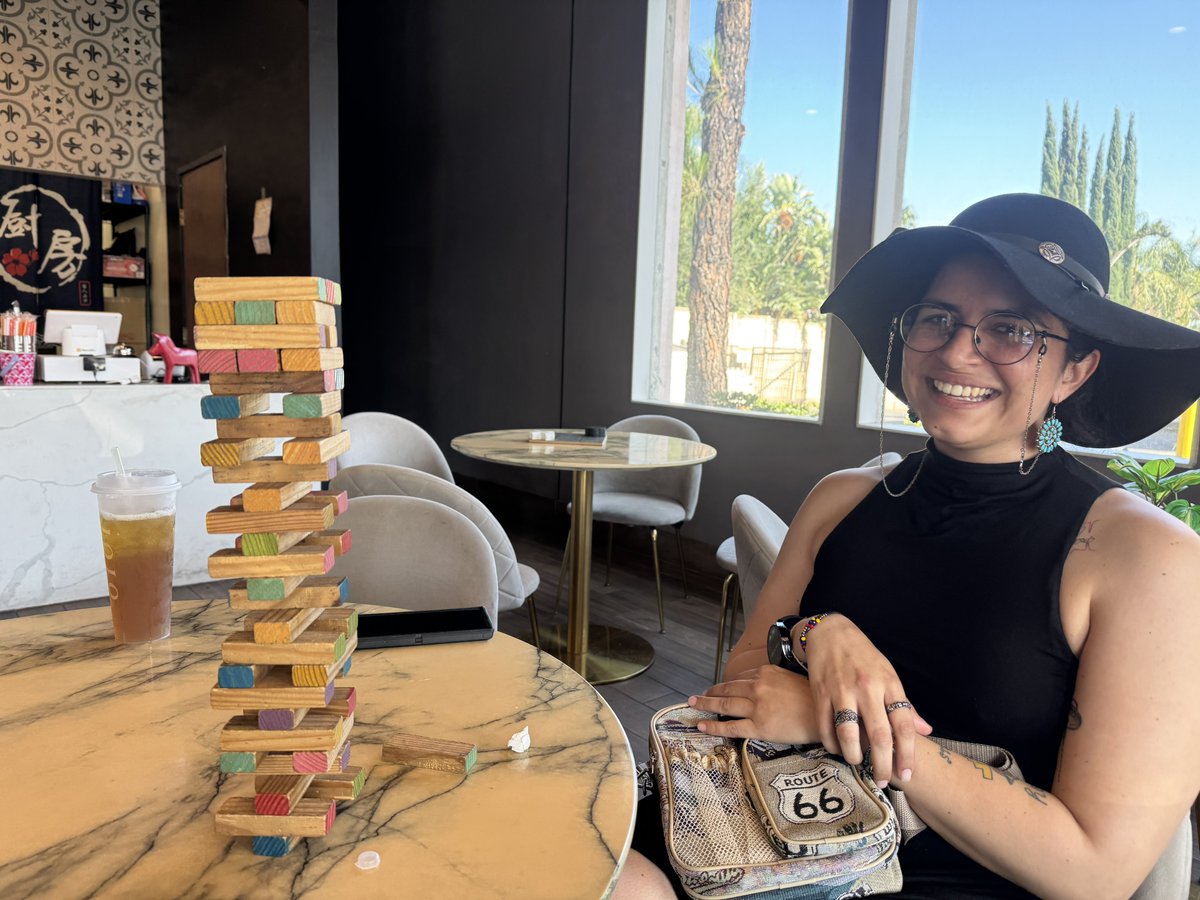
Yesterday evening, Rose performed some fairly accomplished structural engineering.
#LivingProcessLLC
2
48
May 15
Suburbs offering larger square footage and a private yard is THE benefit, to the detriment of nearly all else. And the formulation of “city dangerous, suburb safe” remains an operative mechanism of flight, but has been revealed as useless long ago. Many cities have areas much safer than some suburbs and teenagers in suburbs have higher rates of drug use than city kids. Crime isn’t rooted in the (false) supposition that because some place is a city it brings danger, or that another place is safe because is a suburb.
One of my better architecture professors at the GSD (Sanford Kwinter) once told us that television did as much to build the suburbs as cars did. The TV was the first “virtual reality” set that made even a terrible place among the suburbs more palatable.
Office towers are the other side of the coin to detached homes. Paired with the suburbs, office towers created a daily “respiration” of traffic - pumping commuters in and out - like the city was a single celled organism with a pulse. (Wright destroyed this “with facts and logic” as far back the 30s, see “when democracy builds” and “the disappearing city”) The Tower/Suburb organization that people like Robert Moses pushed so hard for, is rigid and fragile. It was eloquently criticized from the pre-automobile beginning of the gridded mass-industry city (see Otto Wagner vs Camillo Sitte) but now in the era of the “long tail of the demand curve” after smartphones, after COVID, after remote work… aside from any applied theory, objectively seeing office towers half to 3/4 empty, the prospect of remote work from home IN A SUBURB makes both men AND women feel stranded like a Stepford Wife.
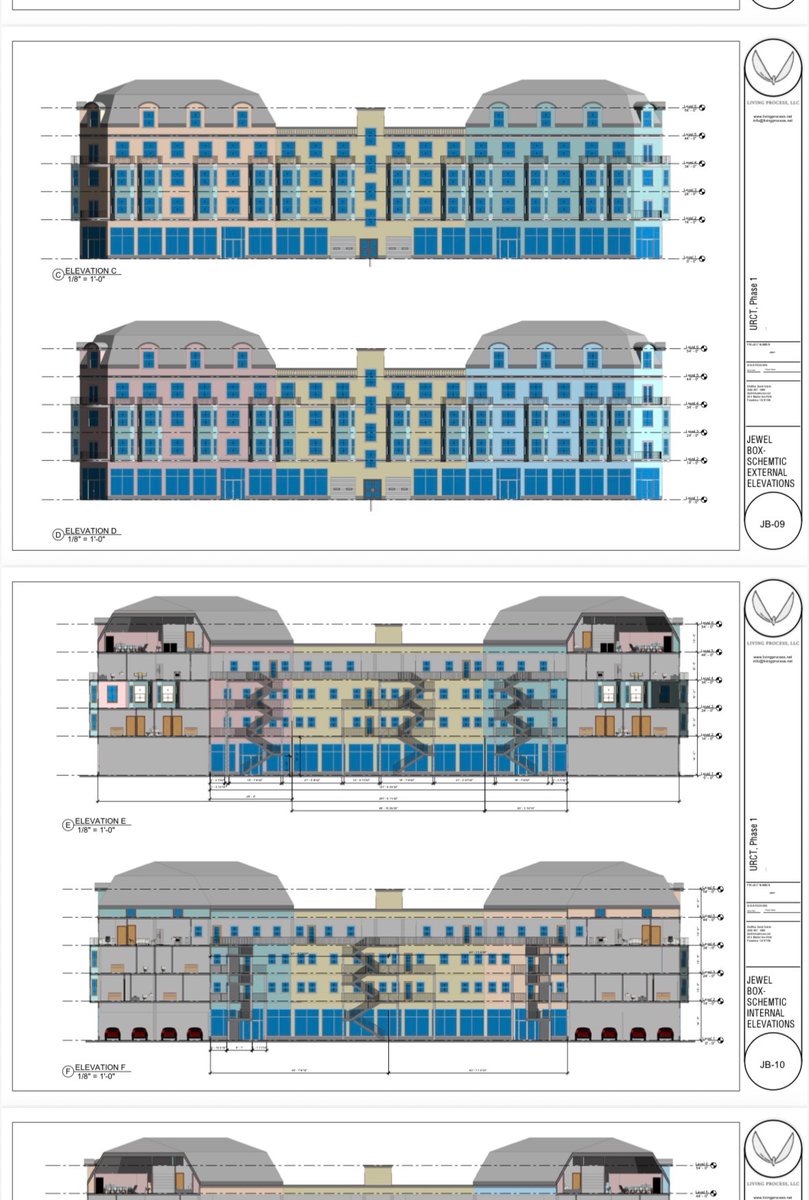
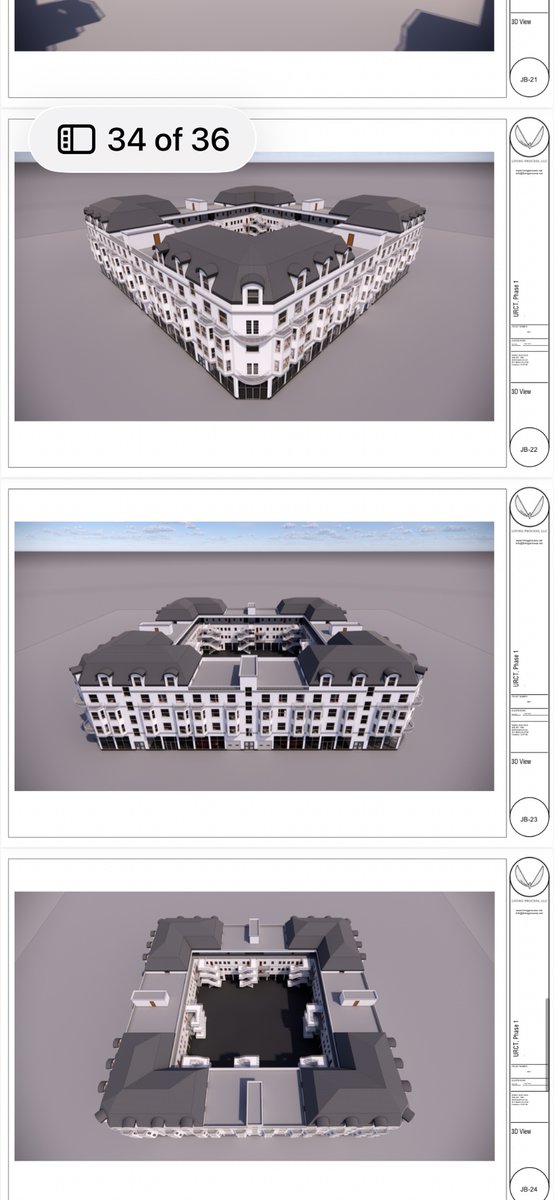
Urban Courtyards are the best step that I have seen for addressing the shift in work/life balance that has been building since the 90s and hit “no more denial” critical-mass in 2020.
And as is appropriate to the 21st century - this is NOT a monoculture of a solution. Not only does the typology have a huge variability in of itself between sites (already demonstrated in some conceptual models and one site-specific plan) but we don’t need to “convince everyone” to live there. The people who live it (and millions do) can have it while their implementation *benefits* the people who don’t live there get: shops, parks, more-effective property tax utilization - all kinds of things.
Unlike the Monoculture feeling many people have from the late 20th century (Your workplace will ONLY use either a PC or a Mac! People will ONLY live in either skyscrapers or suburban homes. You will ONLY trust news from either Dan Rather or MacNiel/Lehrer. Your daily travel will ONLY be either public transit or a car.)
A big part of the tension is the fear on both sides that comes from assuming these either/or propositions are still the pressure they once actually were in the 80s and 90s. Human expectations sometimes take a LONG time to shift.
The NEW organism of the city unlike the 20th century diurnal heartbeat of the tower-><-car-><-house, 21st century life has become less rigid, more flexible and regains a vigorous health that does in many ways resemble what people love from the past. Why? Because we are always human with human bodies, senses and emotions and some traditional will never stop being good.
The challenge is to express these known-good traditions in a way suited to how people live now. And that’s literally what Urban Courtyards along with #LivingProcessLLC is building.
4
1
15
5,008

Mar 27
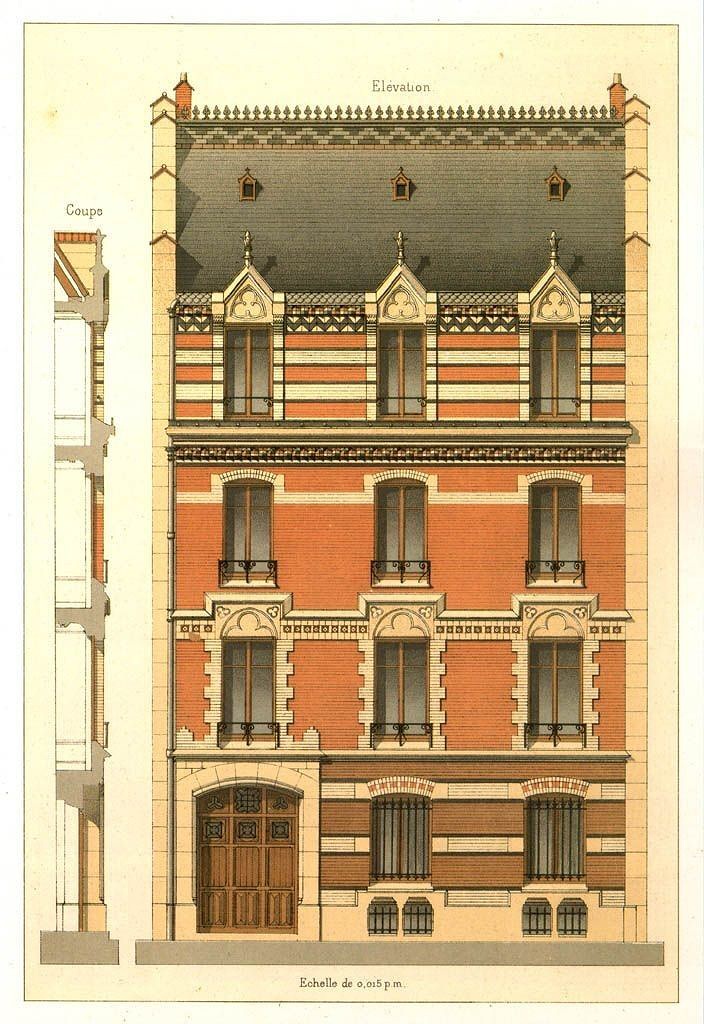
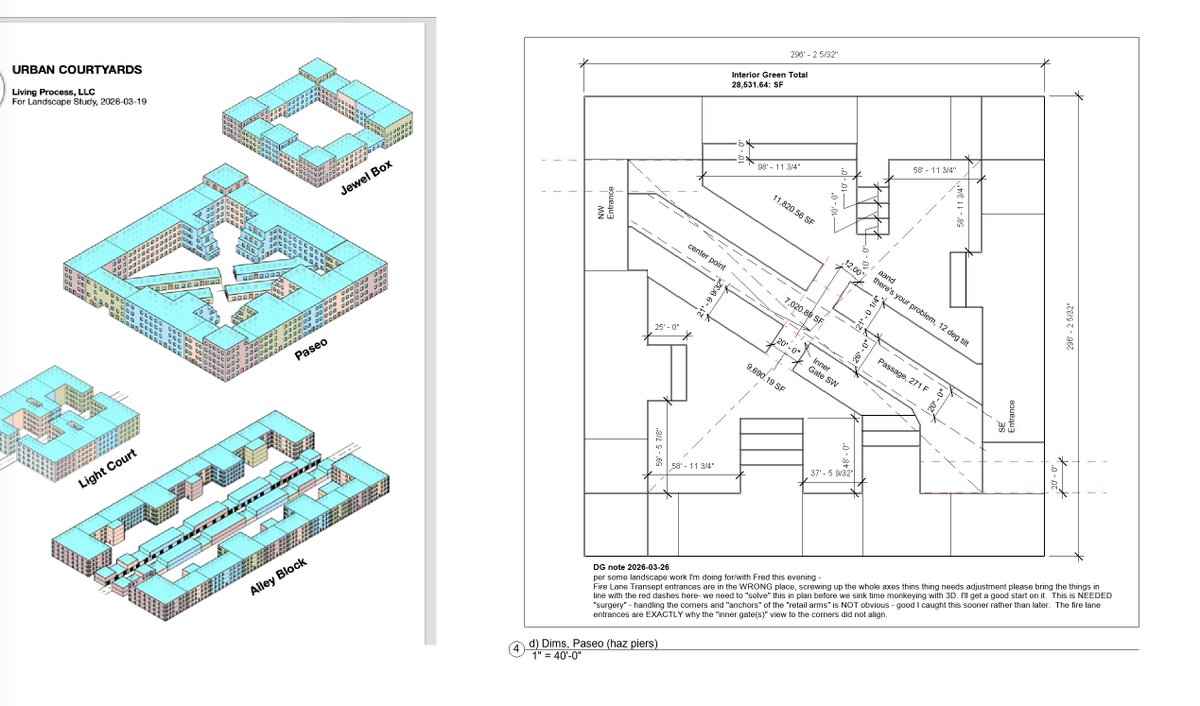
Oh man, is there a LOT of subtle yet important geometry involved in the spatial "tuning" and harmony for an @UrbanCourtyard . I'm glad I discovered this improvement we need this early.
I almost want to blank out my note to our team so people can "GUESS what I found!" today. The only way to "perfect axis" is to blitz the fire lane gate through the most valuable and beautiful part of retail ground floor:
The Corner
And thus: design as "best fit balance" takes place.
The simple and "obvious" in retrospect usually has a thorny path to discover it.
#LivingProcessLLC
2
2
61
Mar 20
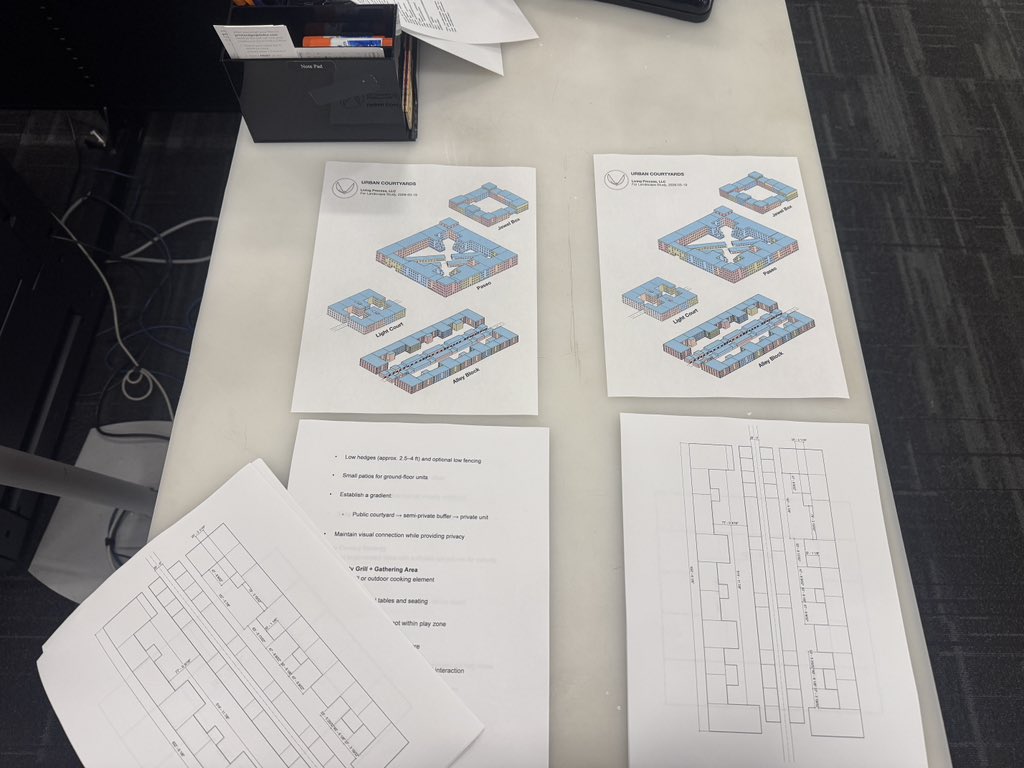
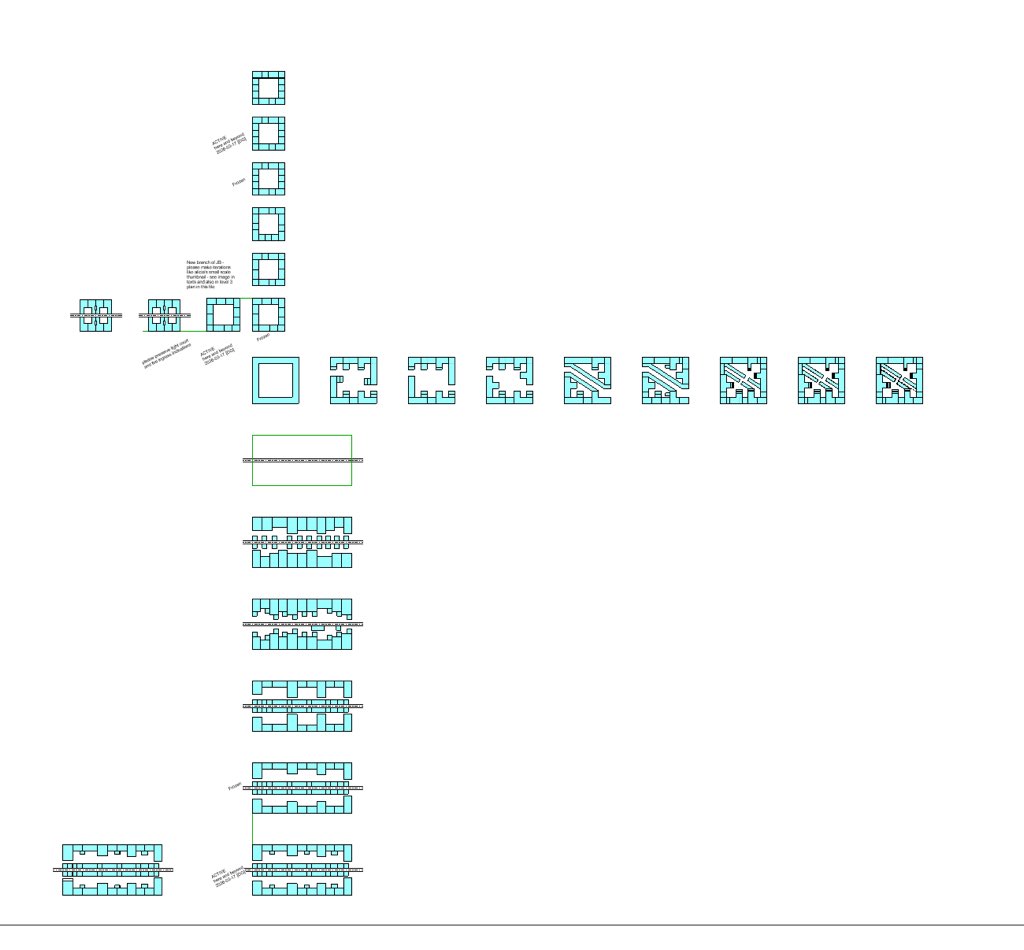
One for me, one for Fred. (team Landscape Lead)
Of course, I’m emailing the client and team on the simple little summary document.
Phase one of phase one has officially clicked into phase TWO of phase one, right on time. And landscape design now has grist for the mill instead of blank slates. The #PatternLanguage fed into the Form Languages and these @UrbanCourtyard s get more and more vibrant as we go.
The further we go - the LESS these will look like 1950s/60s buildings.
#LivingProcessLLC
1
4
178
Mar 16
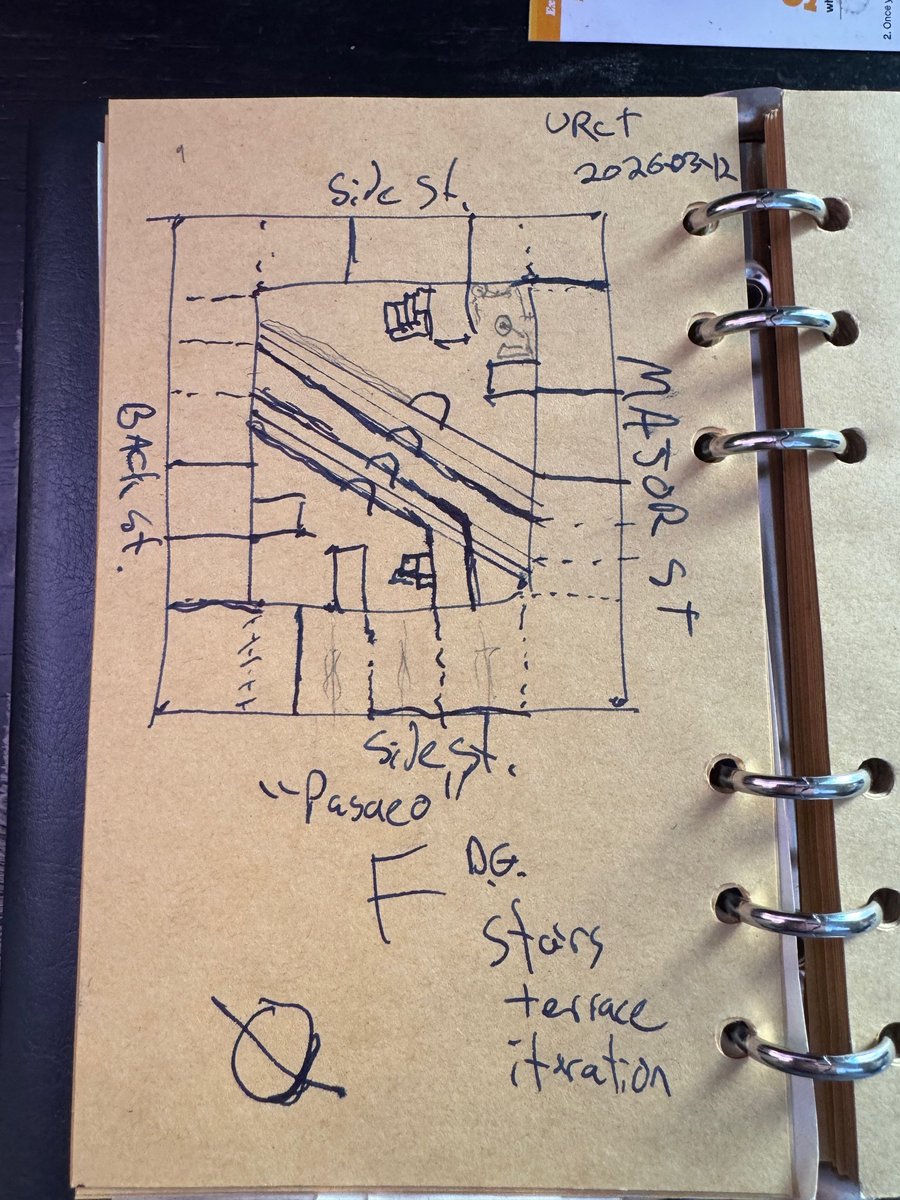
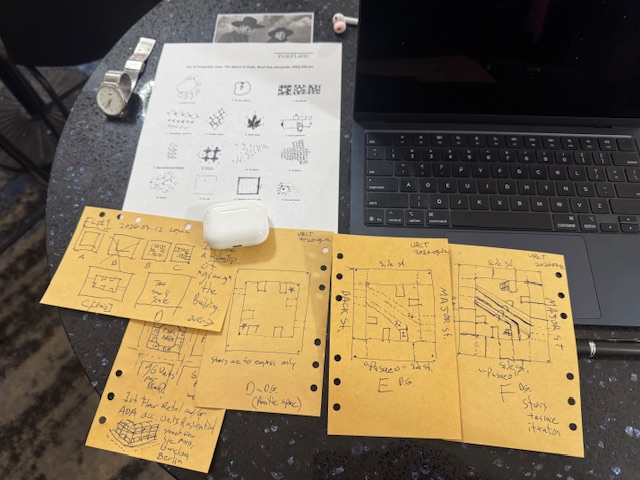
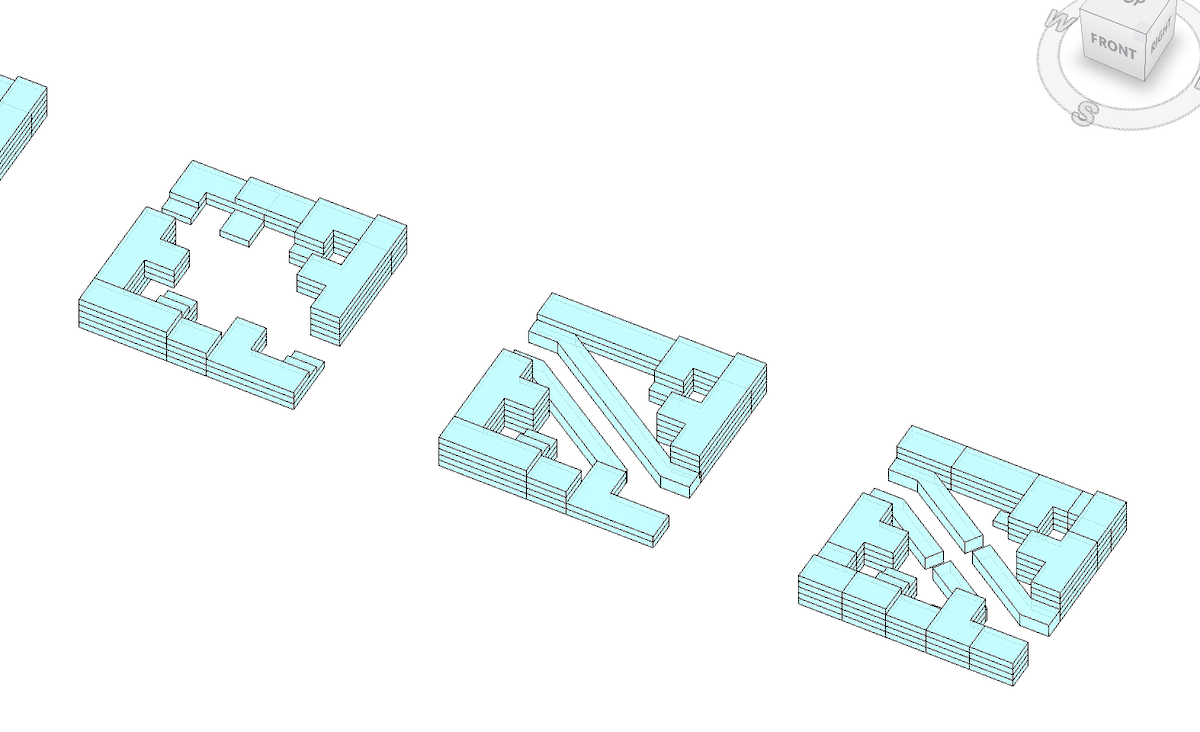
Massing and scaling work continues on the @UrbanCourtyard blocks with #LivingProcessLLC .
Coming to a city near you?
Out of dozens of beautiful, useful typologies, we are adapting a preliminary three. Using #PatternLanguage and Form Language methods, some good design grows further. Stay tuned for more.
3
10
86
64,360
Mar 9
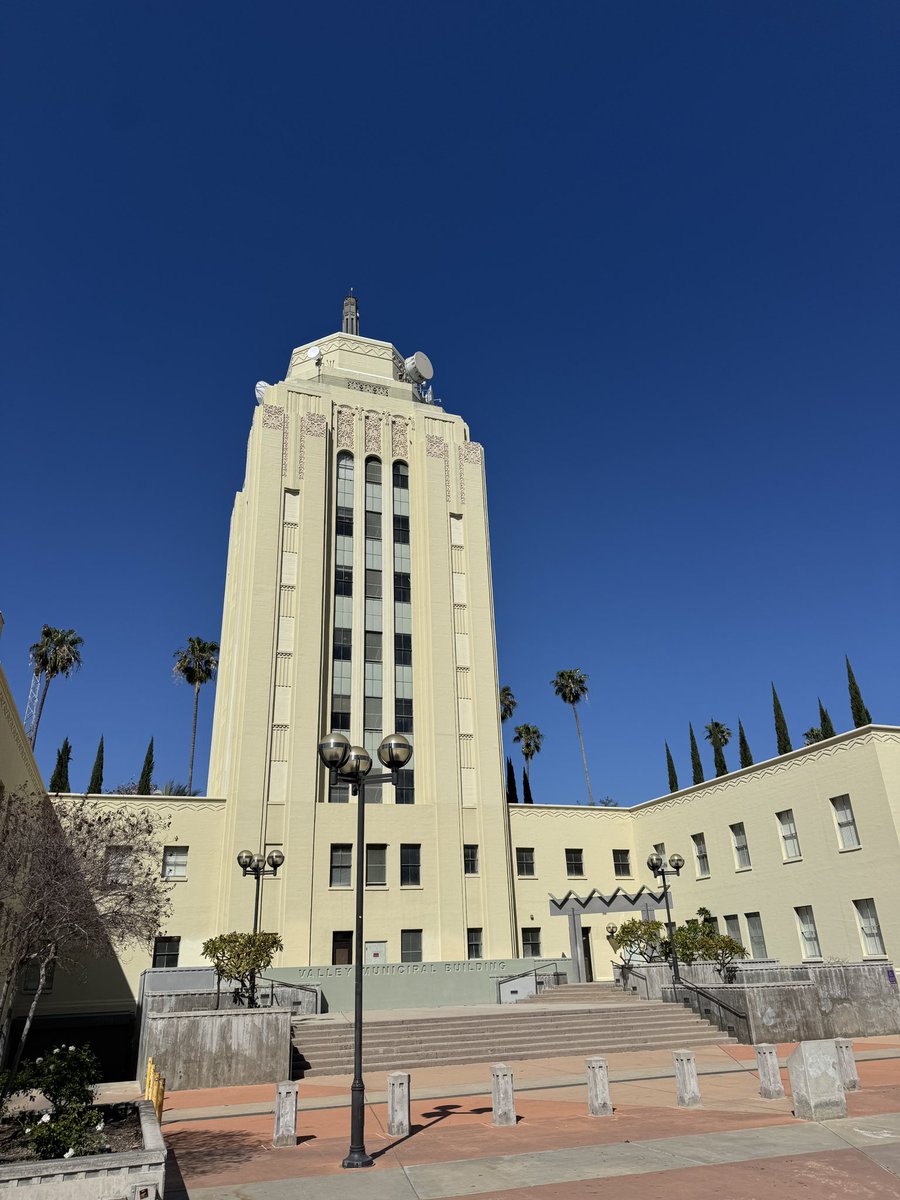
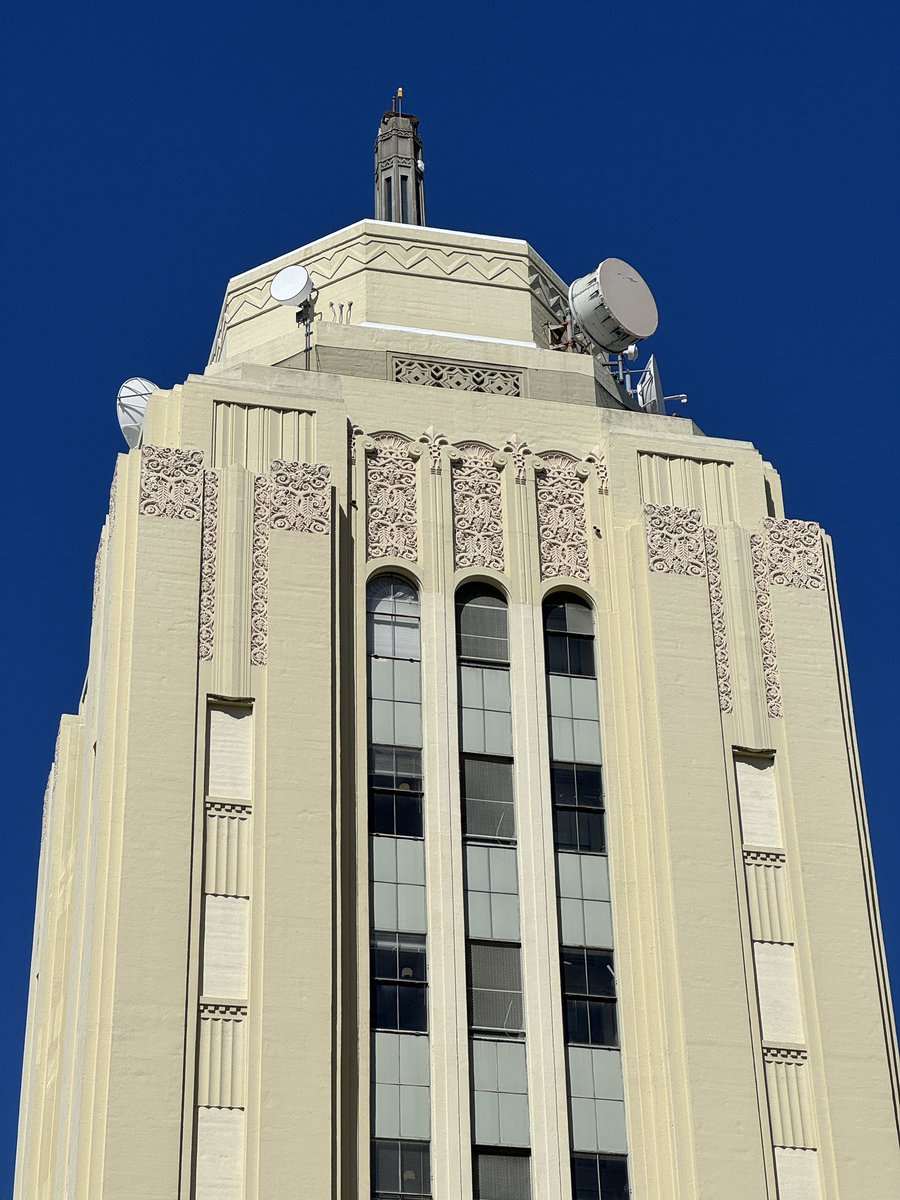
One of the really nice things about going to a permit plan check meeting at the Van Nuys permit center for City of LA is you get to bask in the glory of this old thing:
#ArtDeco
The Valley Municipal Building
The new municipal building adjacent is a (mostly) tasteful early-90s seeming Pomo place with mission style references. It’s a shame they chose to do that, rather than unify with this beautiful precedent - but the newer place is WAY better than the blight of the 60s and 70s pieces of junk nearby.
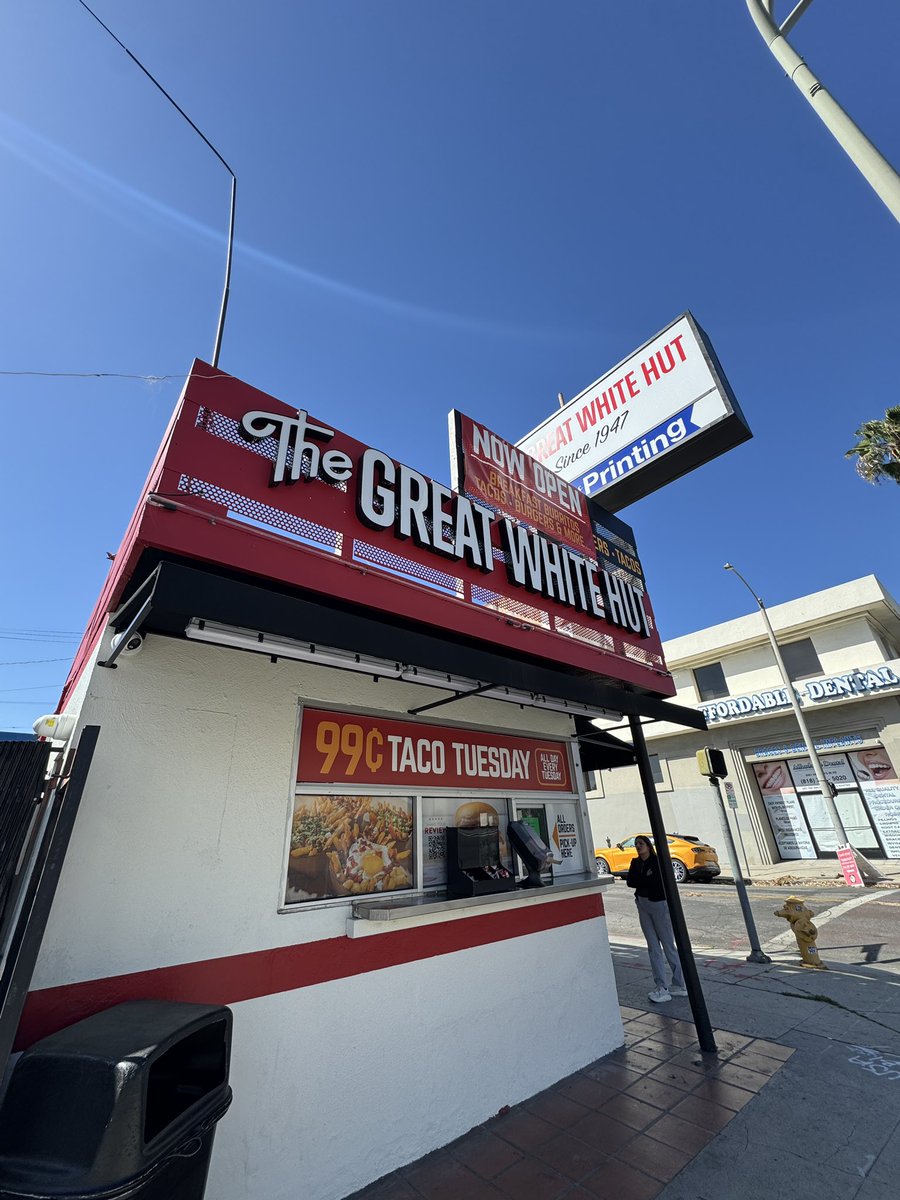
The OTHER nice thing about going to a permit plan check meeting at the Van Nuys Permit Center (apart from the good rapid transit - which is set to only get better) is the excellent fast food at the Great White Hut. I think they meant it to be like Pizza Hut but sharks. For some reason.
They *might* use beef tallow for the fries which are very good - and the carne asada in garlic sauce on top of them is amazing.
This area is set to KABOOM from transformation in the coming years and decades as the G line goes light rail - they finish the rapid transit flyover now under construction - and the north south light rail (also under construction) connecting the MetroLink Commuter Rail Stations completes. As all that happens, I hope The Great White Hut sticks around.
But hey let’s remember - these Entertainment law Experts say “LA has a CAR culture” so maybe all the completed constriction work and transit I rode on today is in my head and “urbanists who don't like LA shouldn't move here.”
We don’t want any ideology, right?
#LivingProcessLLC
x.com/dilanesper/status/2030…
Mar 9

The current lot works fine. Ingress and egress are important. LA has a car culture. We should just keep the lot there and urbanists who don't like LA shouldn't move here!
1
3
104
Feb 18
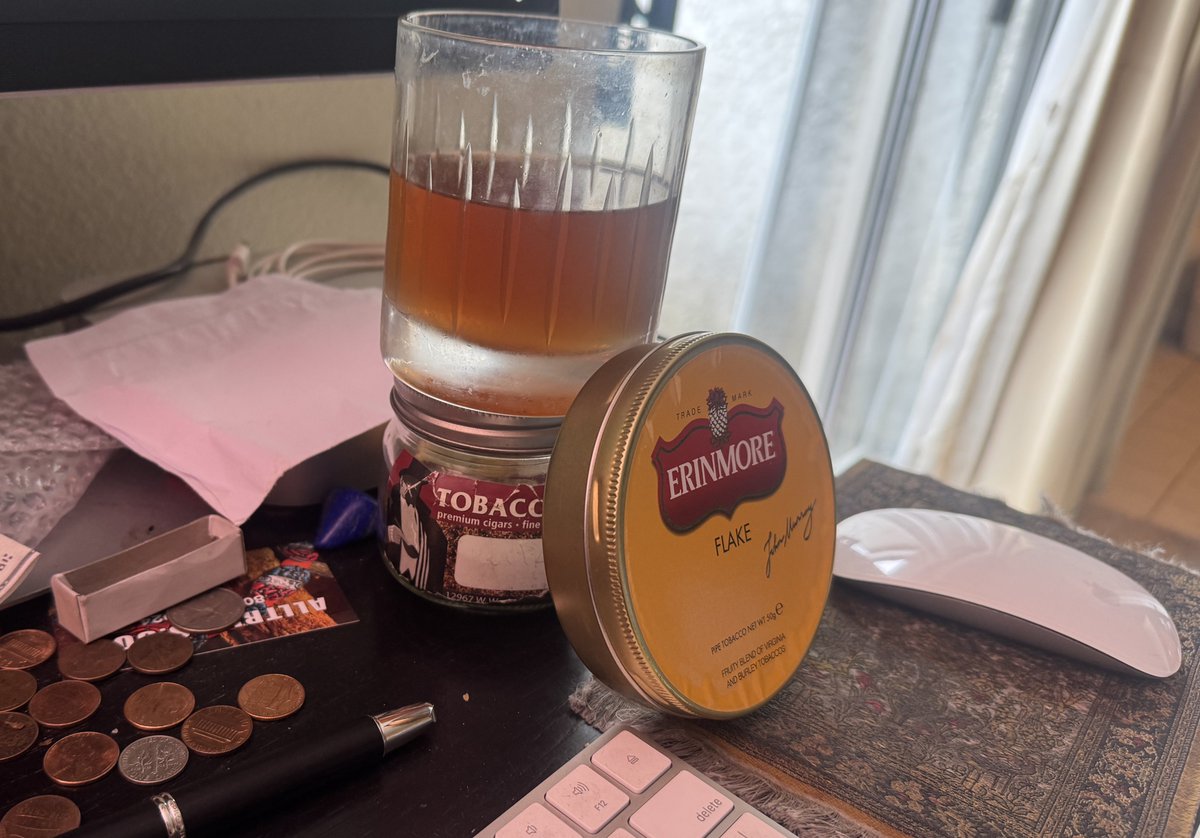
Wow - I have an unopened tin of Erinmore Flake pipe tobacco, nice.
Now that’s some prospera-TEA!
Fun things coming up on many fronts from #LivingProcessLLC within the next month, including our newly iterated strategic partnership with the arts boutique, Jeweled Universe.
1
8
143
11 Jul 2025
I love @Polycam3D !
This saves our team repeat onsite visits for basic facade detail measurements - very crucial.
I couldn’t do this three years ago.
#LivingProcessLLC
1
2
71
26 May 2025
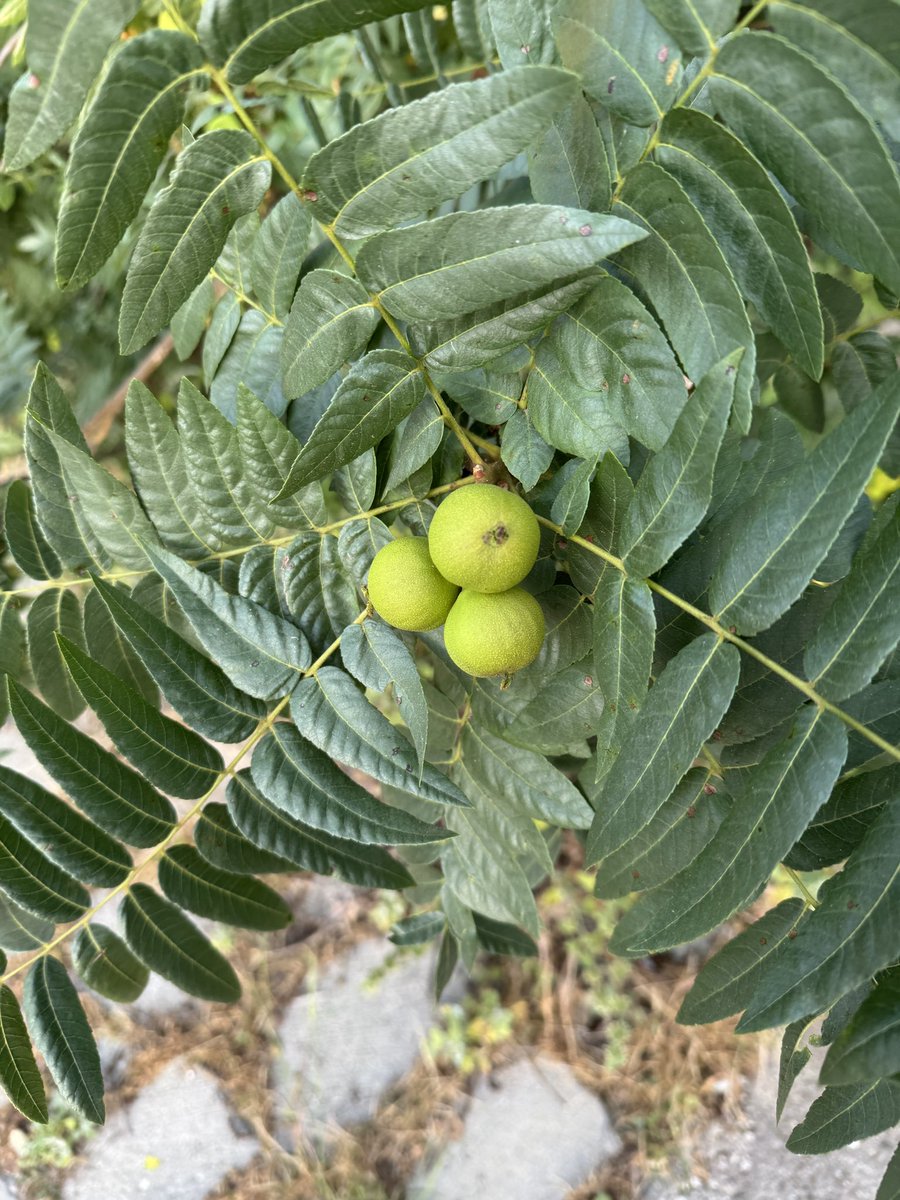
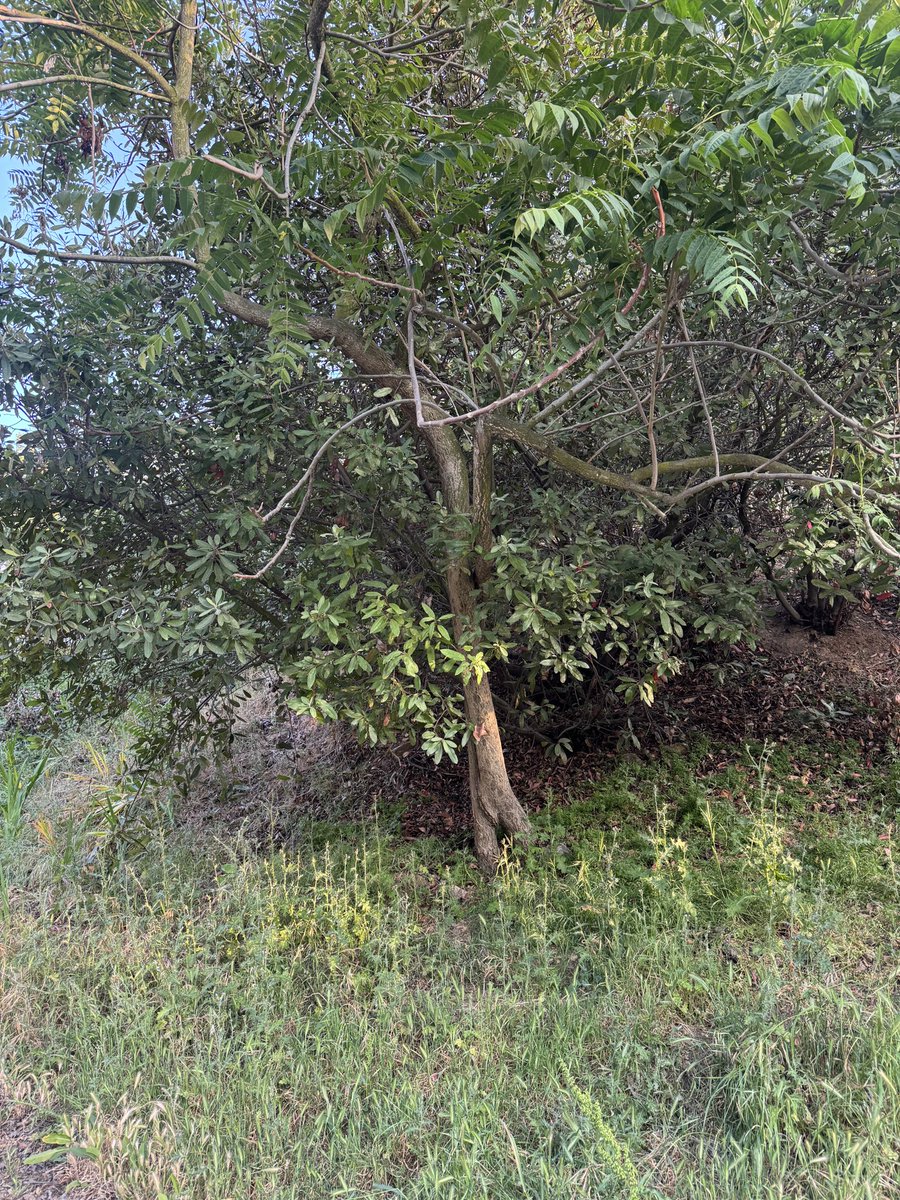
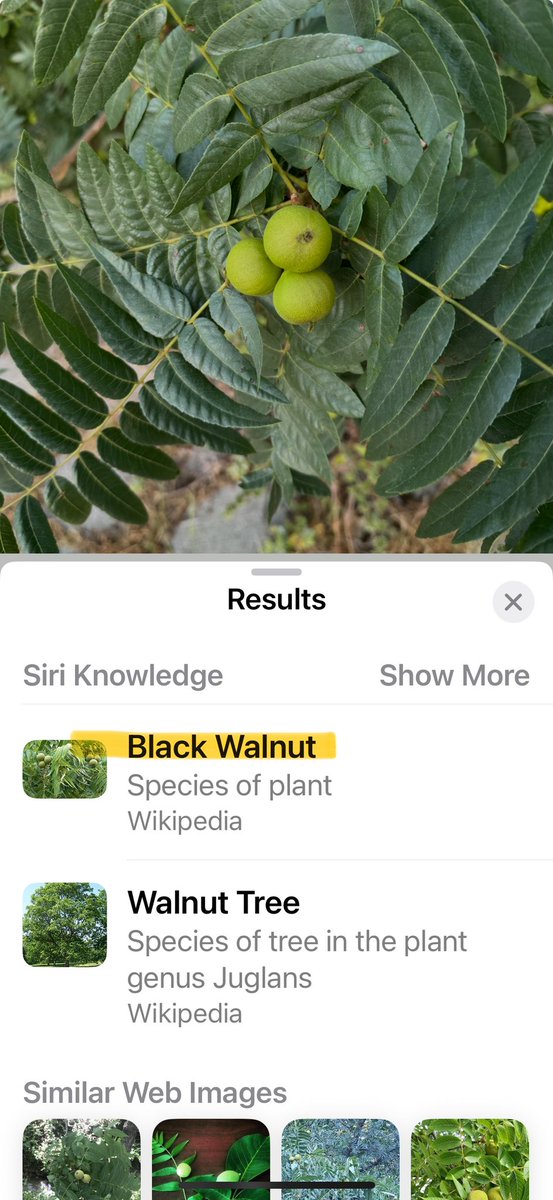
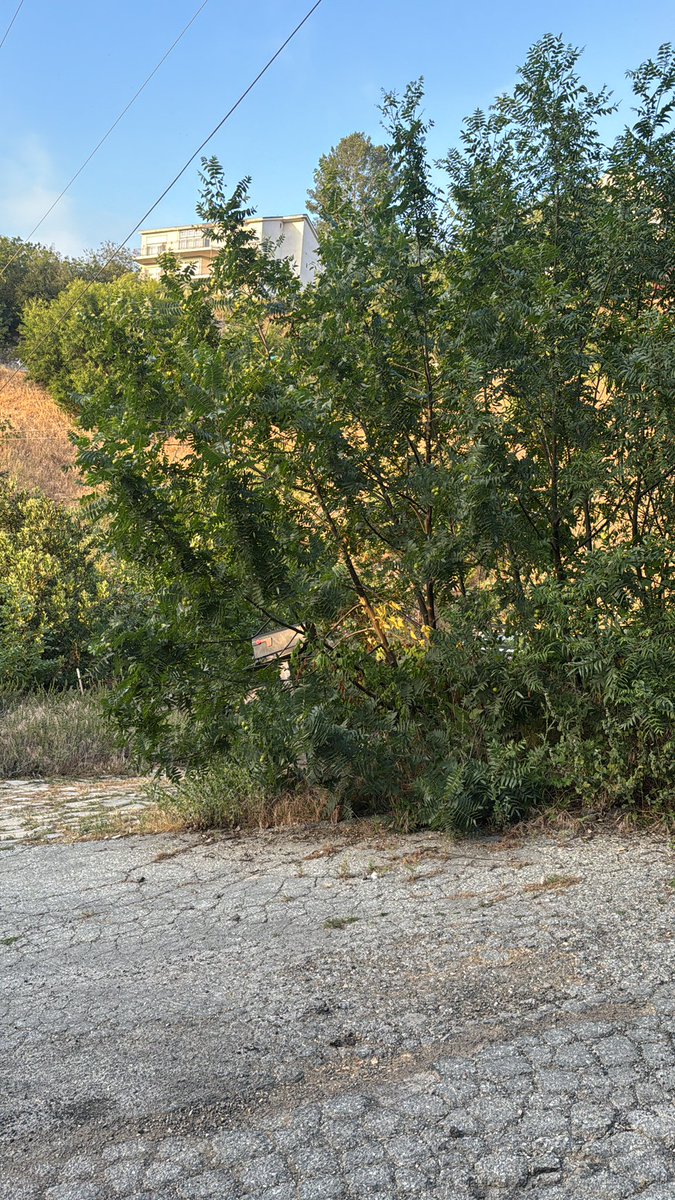
Making a site visit in South Pasadena to greet better the land and light where an upcoming #LivingProcessLLC house (or two) will go.
We have sumac (mmm, ok, good art glass for that) but also a BLACK WALNUT
That thing will get HUUUGE!
Neighbors not allowed to cut that :)
1
1
118
19 May 2025
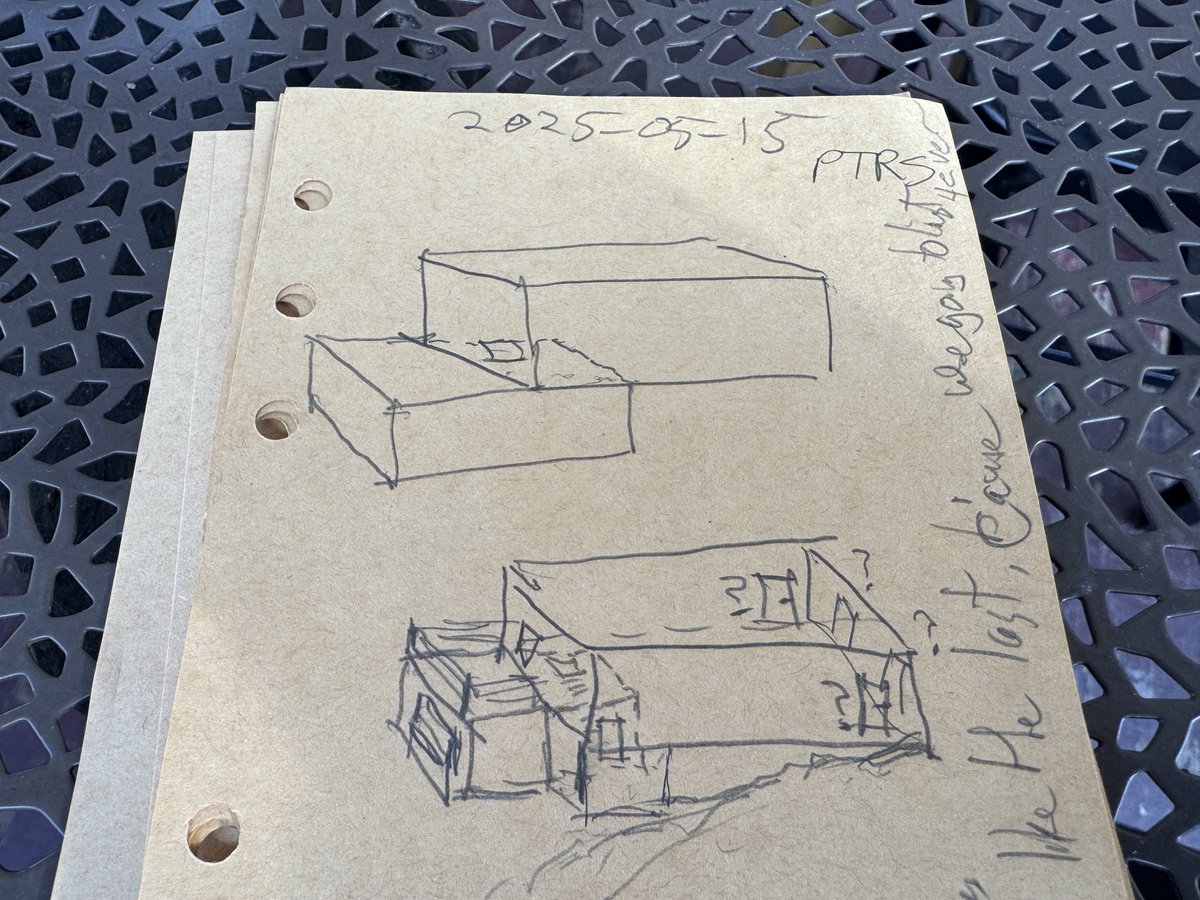
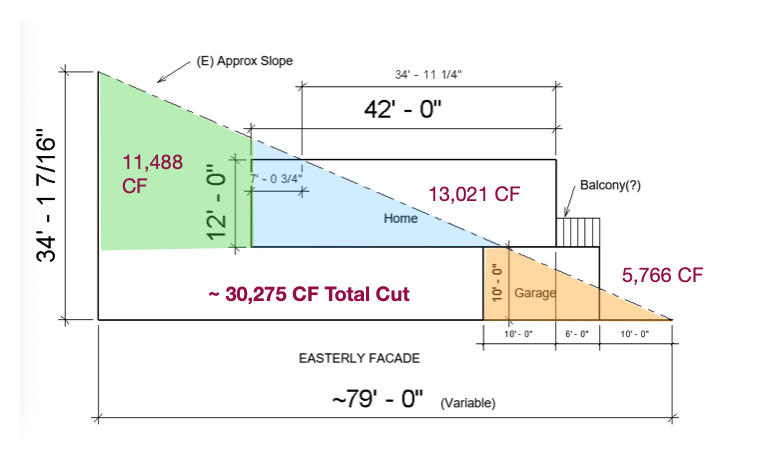
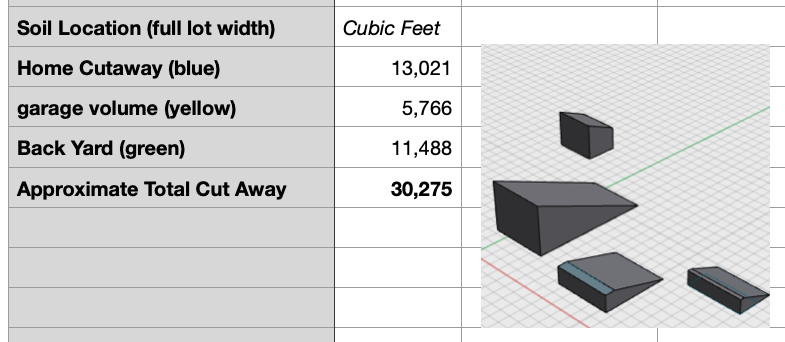
And now we have Cubic Feet approximate estimates on the Peterson project (PTRS) - thanks to @Shapr3D for being extremely awesome software. - It is a genuine killer app for the Apple VisionPro. (I don't use one… yet)
#LivingProcessLLC
2
99
10 Dec 2024
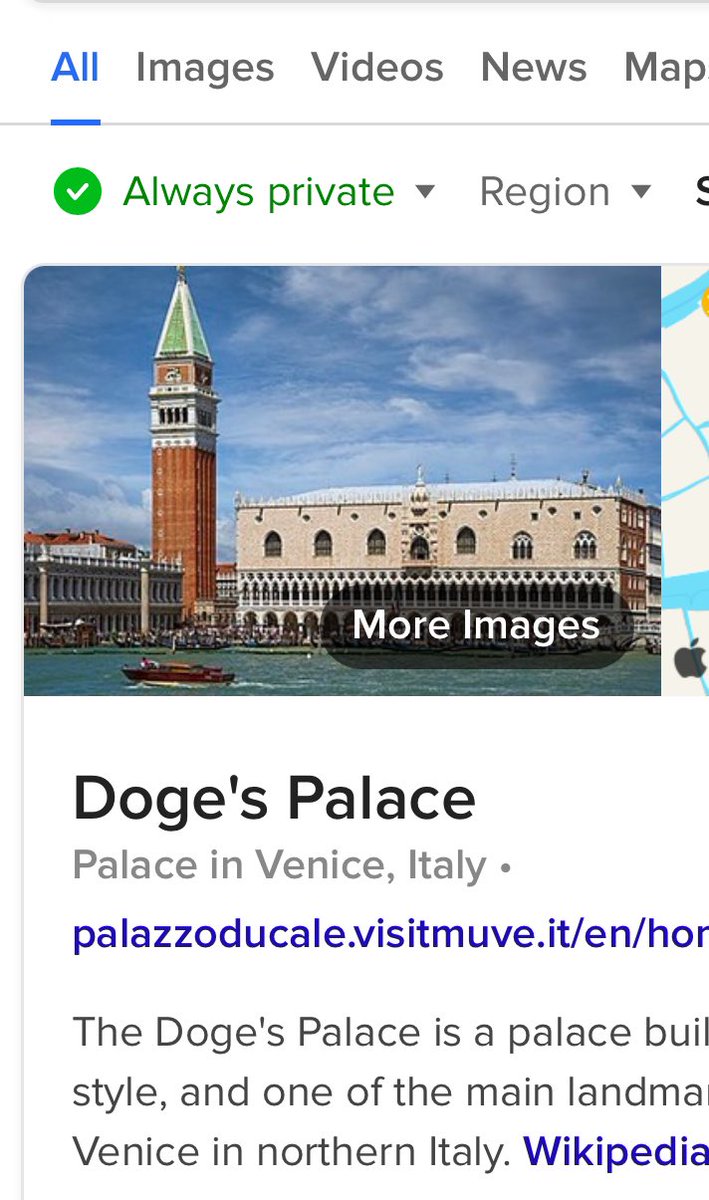
Am I the only person wondering what the DOGE ‘s Palace will look like?
What even IS a palace of efficiency?
What do you think?
I’m not mostly but am LARGELY German-American.
#LivingProcessLLC is well-positioned to imagine such a palace.
Let’s have a pattern language. :)
@stevemouzon
@BrianRoemmele
@Parthenon1
@dnahinga
@UrbanCourtyard
@elonmusk
@ElonMuskAOC

3
1
3
264
5 Dec 2024
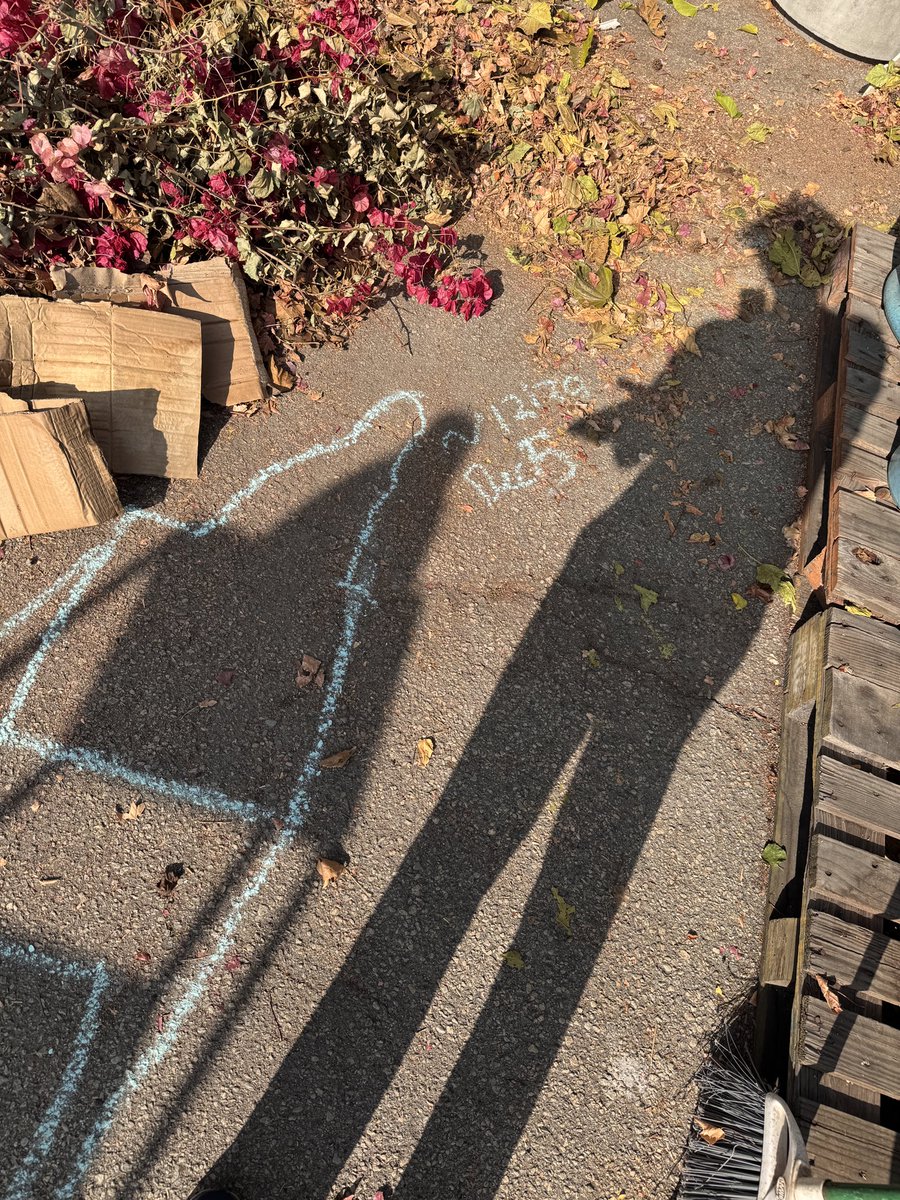
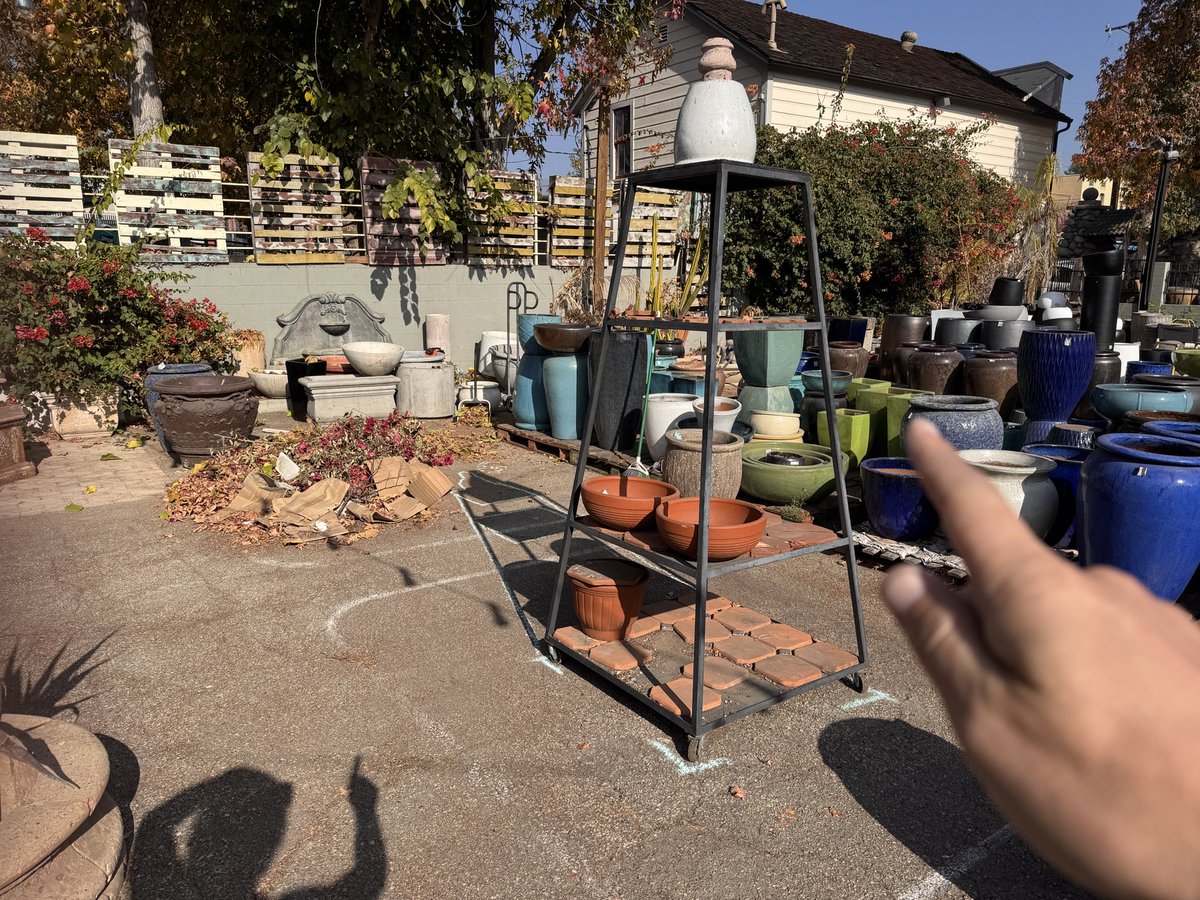
The post Faustian logiks eMerge:
And the Bauhaus did want something like an obelisk - a green glass “jewel” - very Bruno Taut.
Water should be involved.
As the magian mosaic want on the wall…
Ce n'est pas un obélisque.
#Obelisk #LAExpo250 #LivingProcessLLC
@ArtyArtHistory
@Naifalbidh
2
3
171
18 Nov 2024
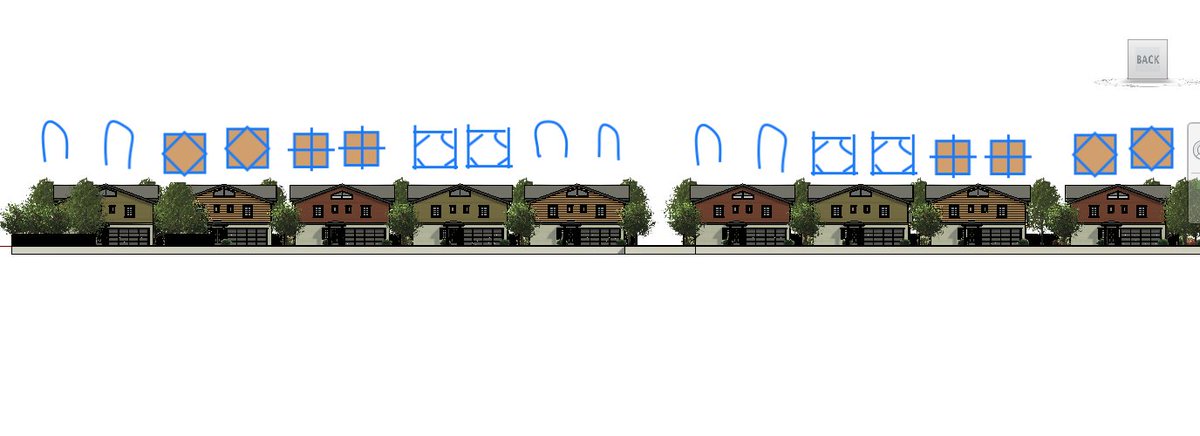
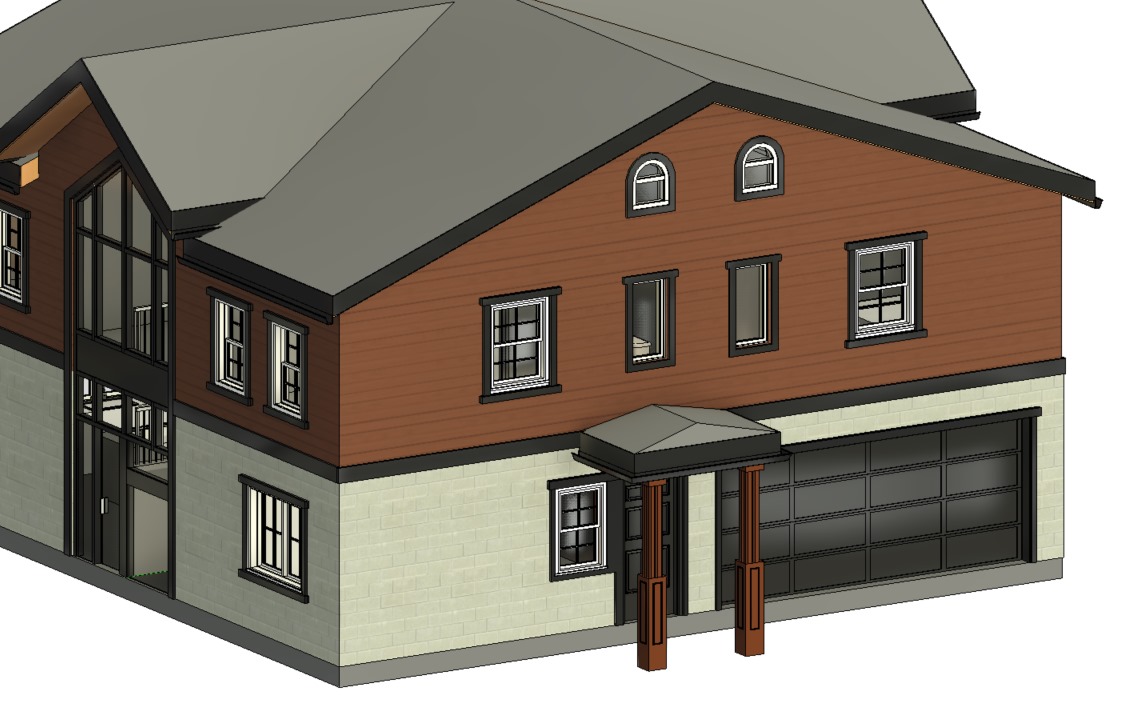
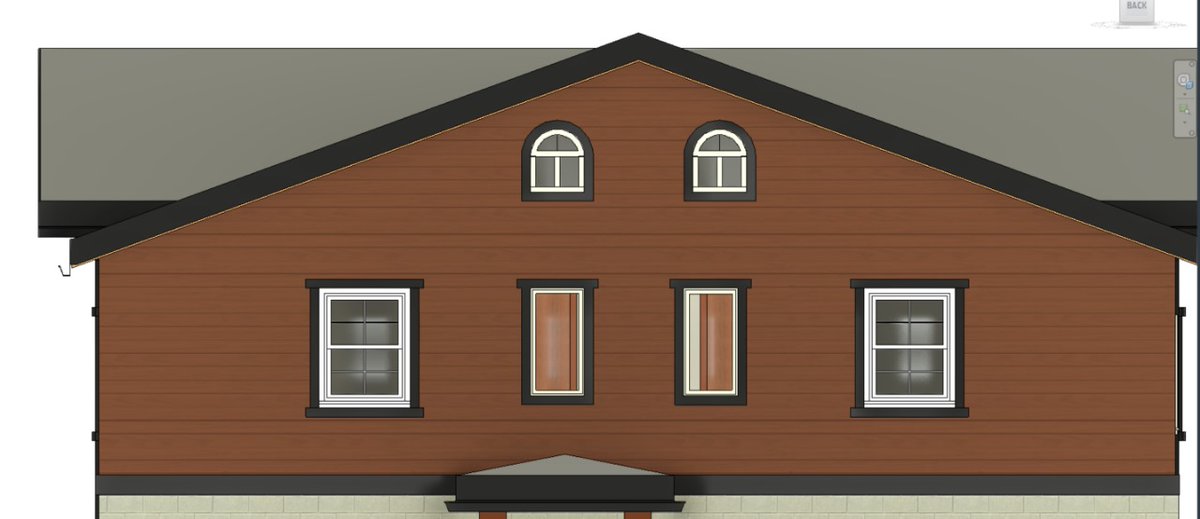
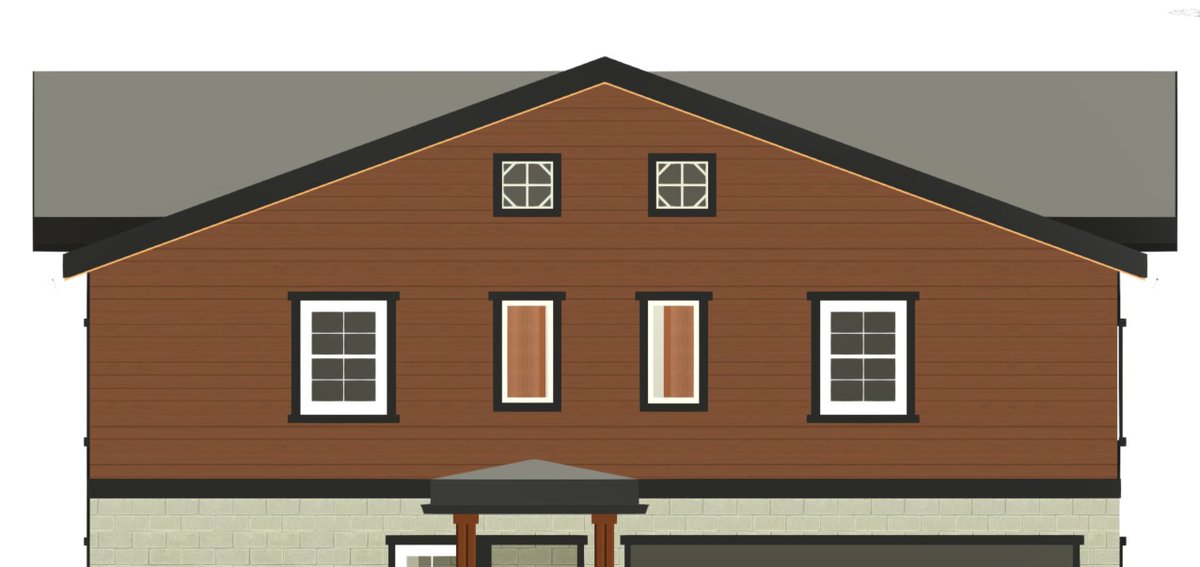
Attic window-shapes along the streetscape,
#LivingProcessLLC , Riverside project, north site.
Window shapes and order not final.
Variety and unity - differentiation and adaptation.
This is a #FormLanguage in action.
1
1
141
4 Nov 2024
Here, I agree with Elon.
We HAVE a “new” philosophy in Leibniz’ monadic non-mechanistic “everything is degrees of life” world view.
And #LivingProcessLLC designs new buildings from this standpoint applying Christopher Alexander’s iterative methods.
My masters’ theses was on this. And clients are glad to see how our company RUNS on this “new” philosophy. It embraces automation and Ai, and shows us how the world CAN advance into reintegration of beauty and harmony to daily life.
@Flora1pt618
@stevemouzon
@StrongTowns
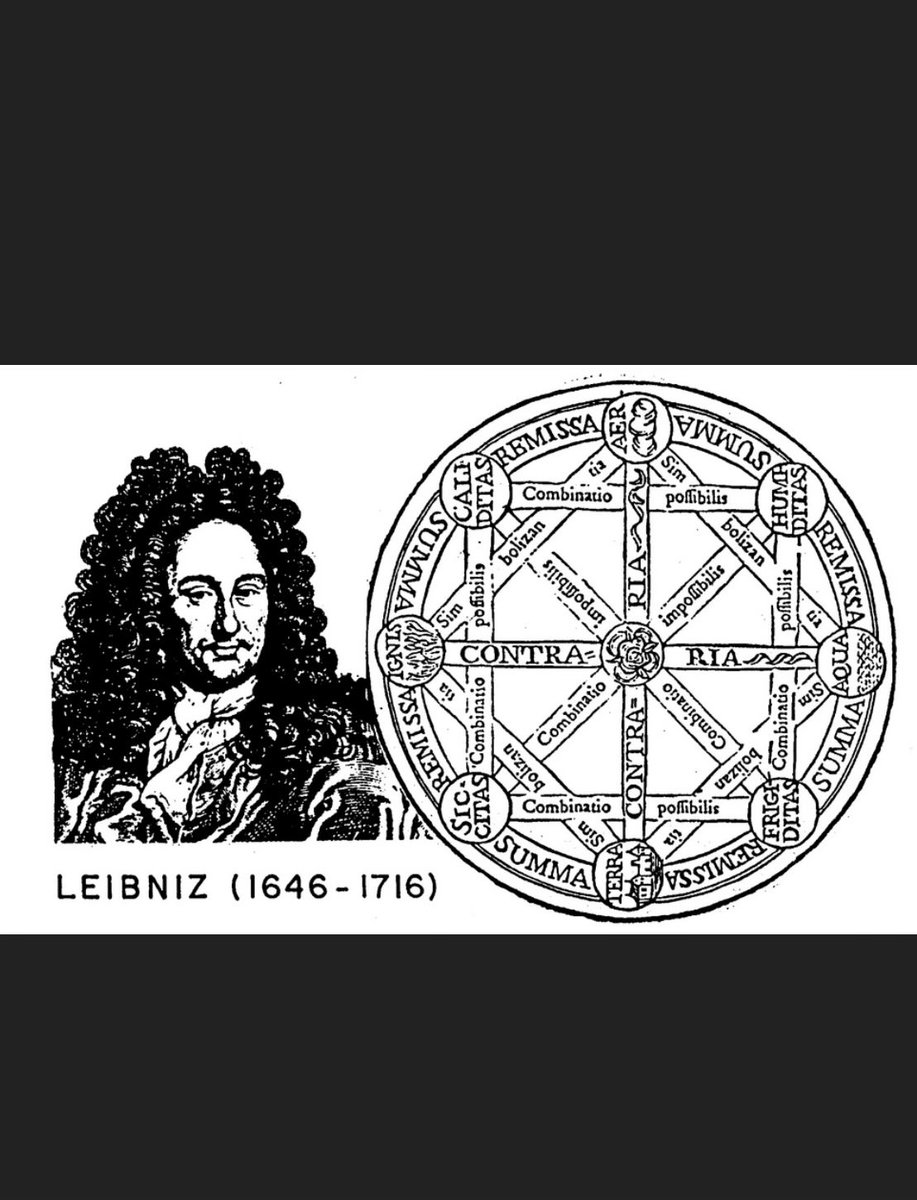
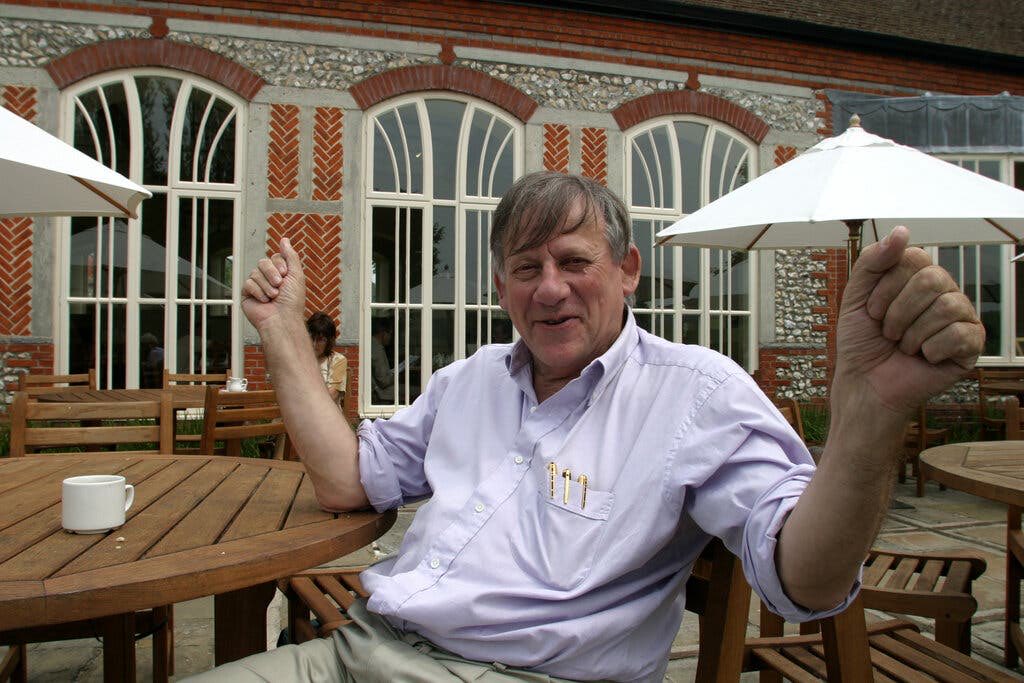

Too many people have lost faith in the future. A new philosophy is needed.
1
119
27 Sep 2024
Conceptual drafting on the new iPad for riverside homes. . - sending to team later.
Freeform is NiCE (mostly)
Selection modality sucks.
Nested on next granularity is awesome.
Tap and hold with pencil or finger should activate selection quasi mode - the NEWTON did it.
#LivingProcessLLC
@stevemouzon @AustinTunnell @dnahinga @Parthenon1
3
2
186
27 Apr 2024
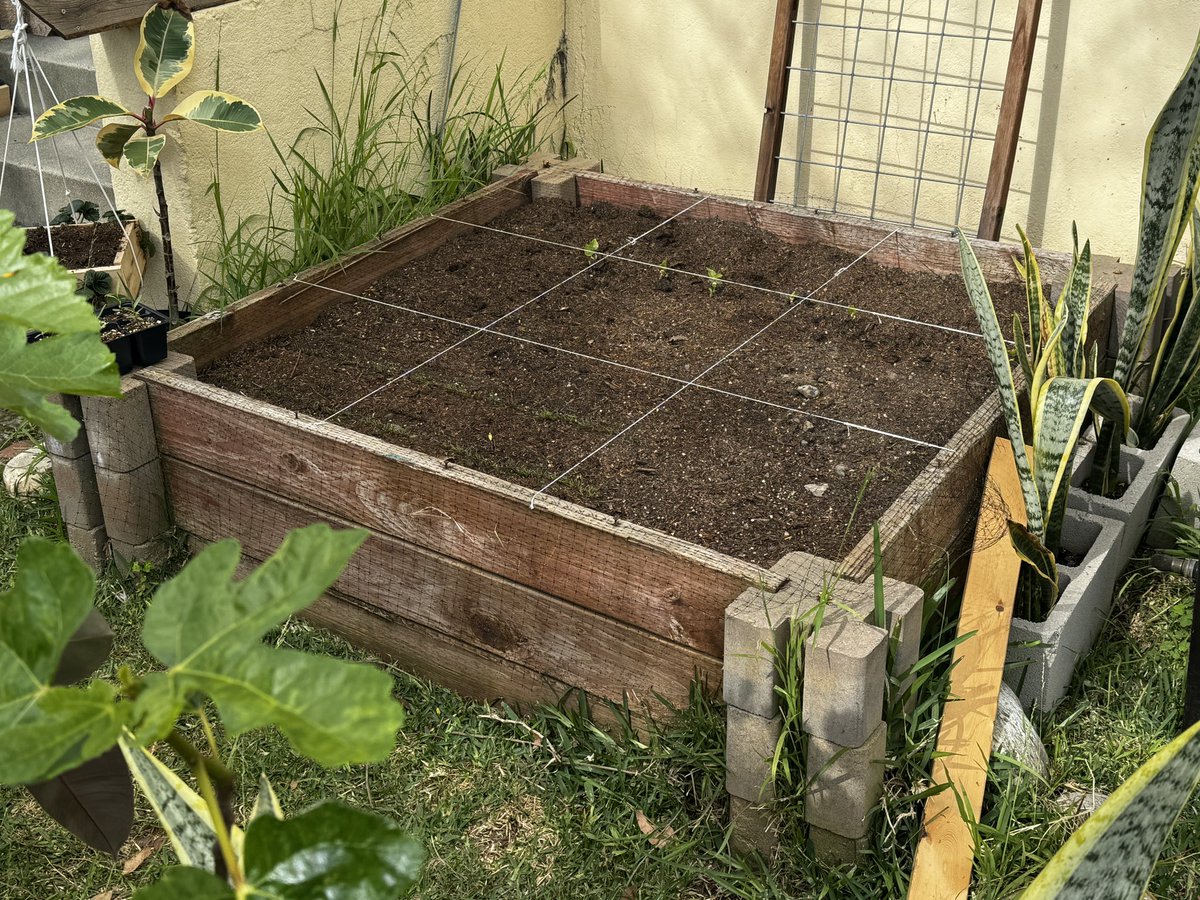
There are raised garden boxes expected for the big riverside houses project - I just noticed this today in the walk to work - NICE solution with the “textile block” CMU with center rebar slotting into the wood - extremely elegant.
Very Frank Lloyd Wright
#LivingProcessLLC
2
95
25 Mar 2024
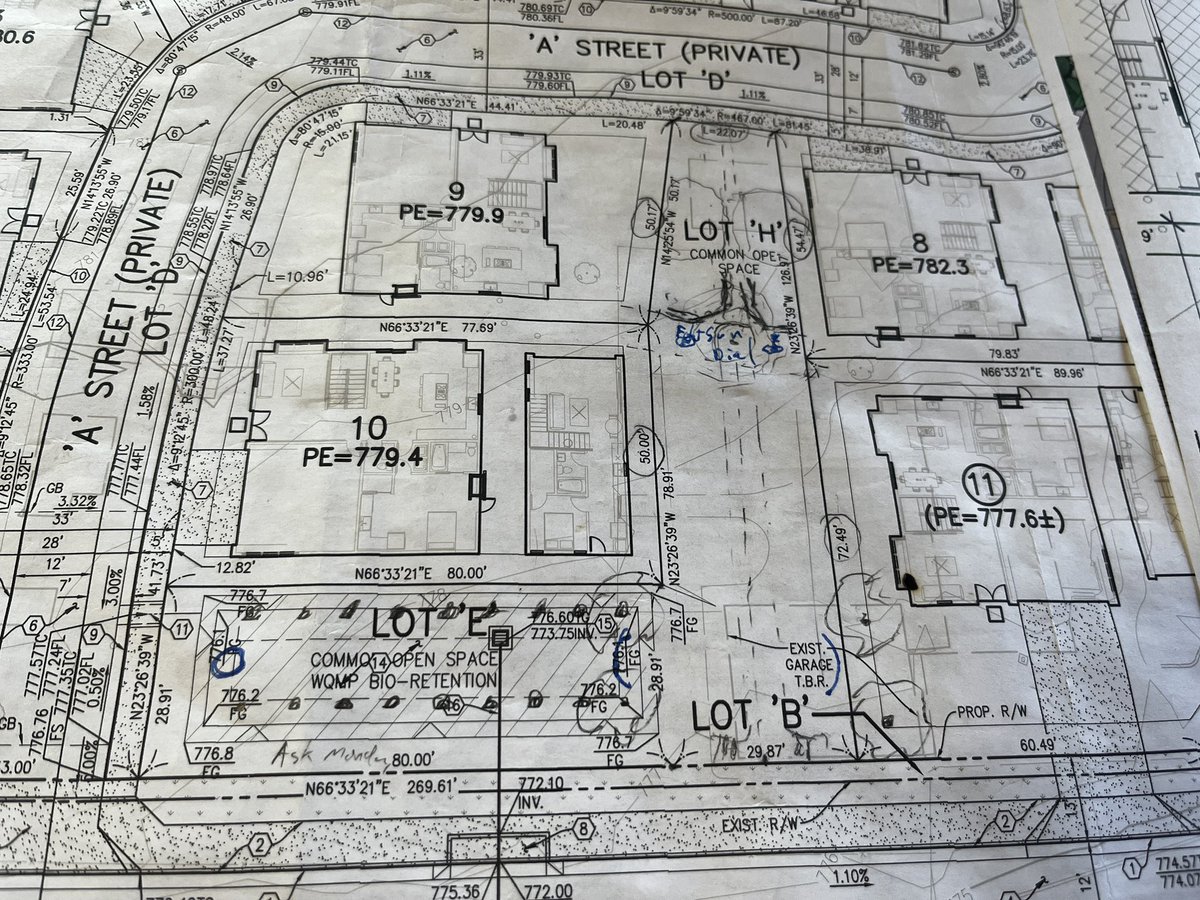
Now what MATERIAL should one use for (comfortable!) outdoor benches in a Southern California climate these days?
Not wood - as much as I’d love that. Metal gets HOT - fiberglass is junk and tends to toxic-splinter-hellscape in a few years.
Concrete?
3D print concrete.
Good design call with my colleague Fred today. He had an idea for a central sundial. That’s a good idea.
#LivingProcessLLC
1
3
151
16 Mar 2024
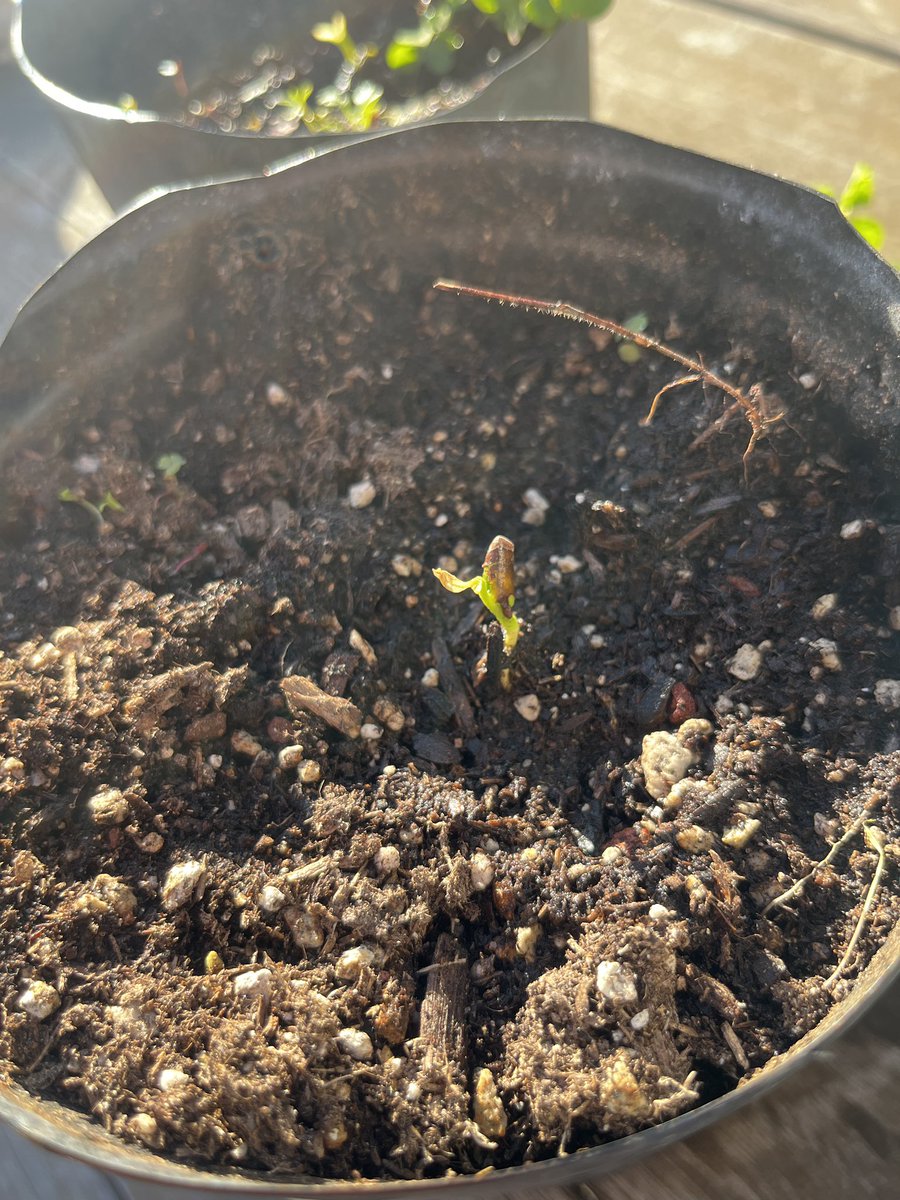
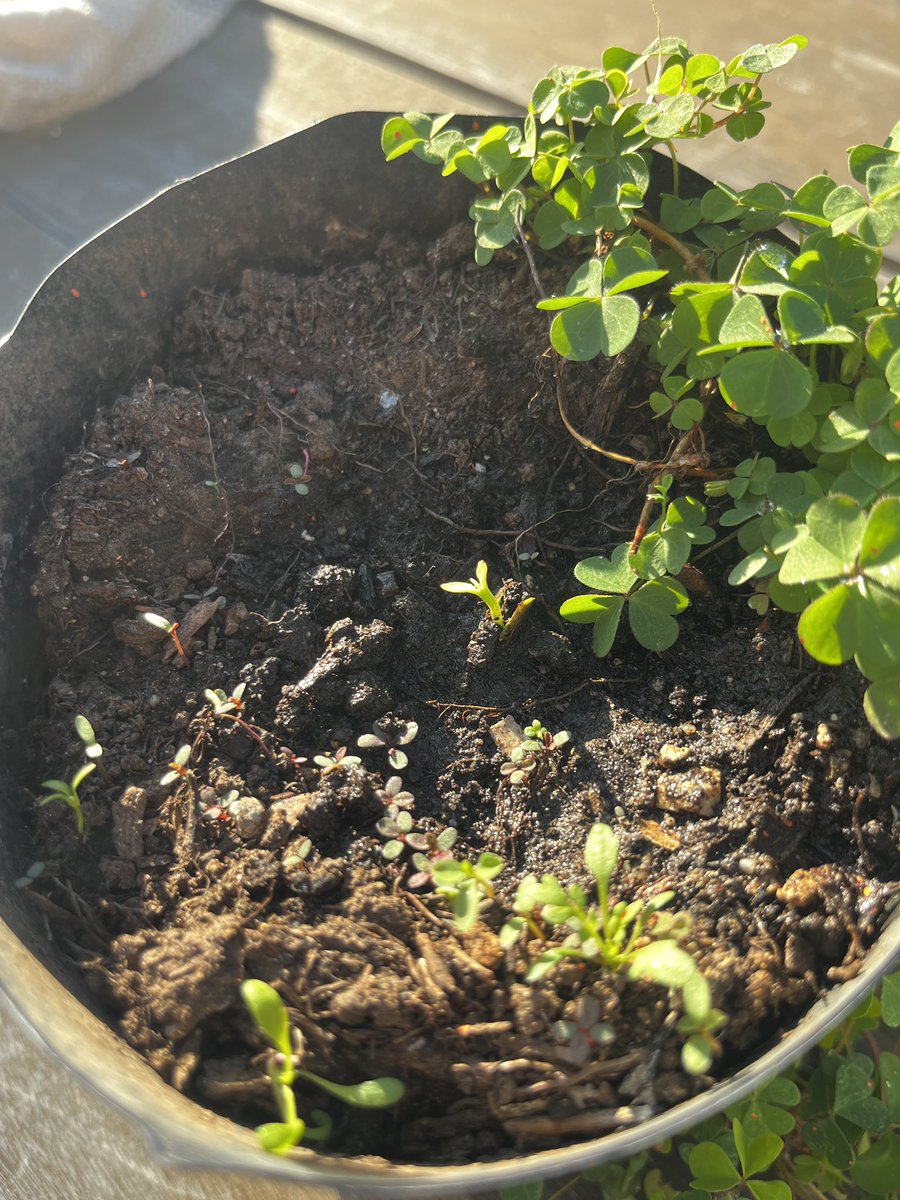
Orange seedlings’ progress.
I’m using rainwater - no chlorine and no chloramine in the tap water for these tiny guys.
I dropped an earthworm in the one with the stiff soil. No idea if the earthworm is still there. Burrowed right in.
I’m concerned about the pale leaves.
#LivingProcessLLC
2
109
15 Mar 2024
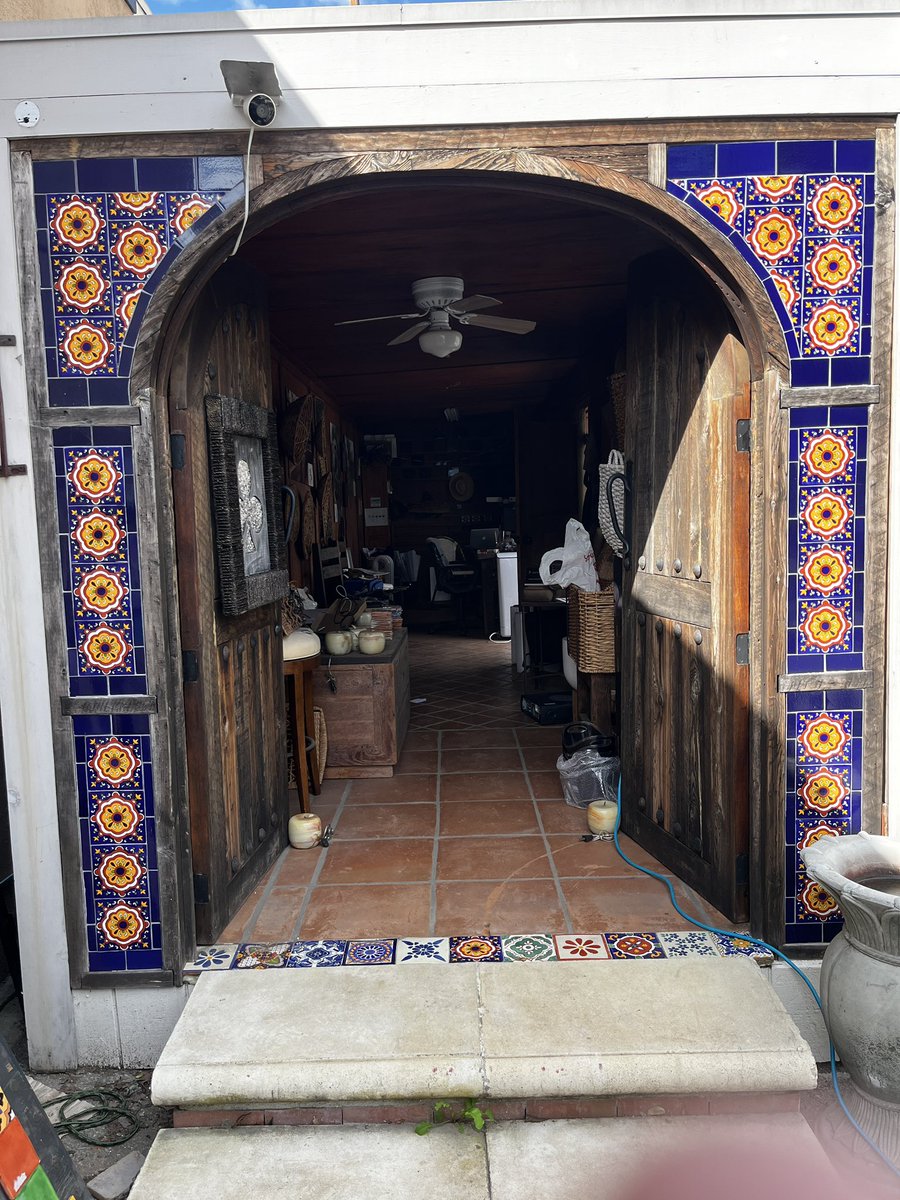
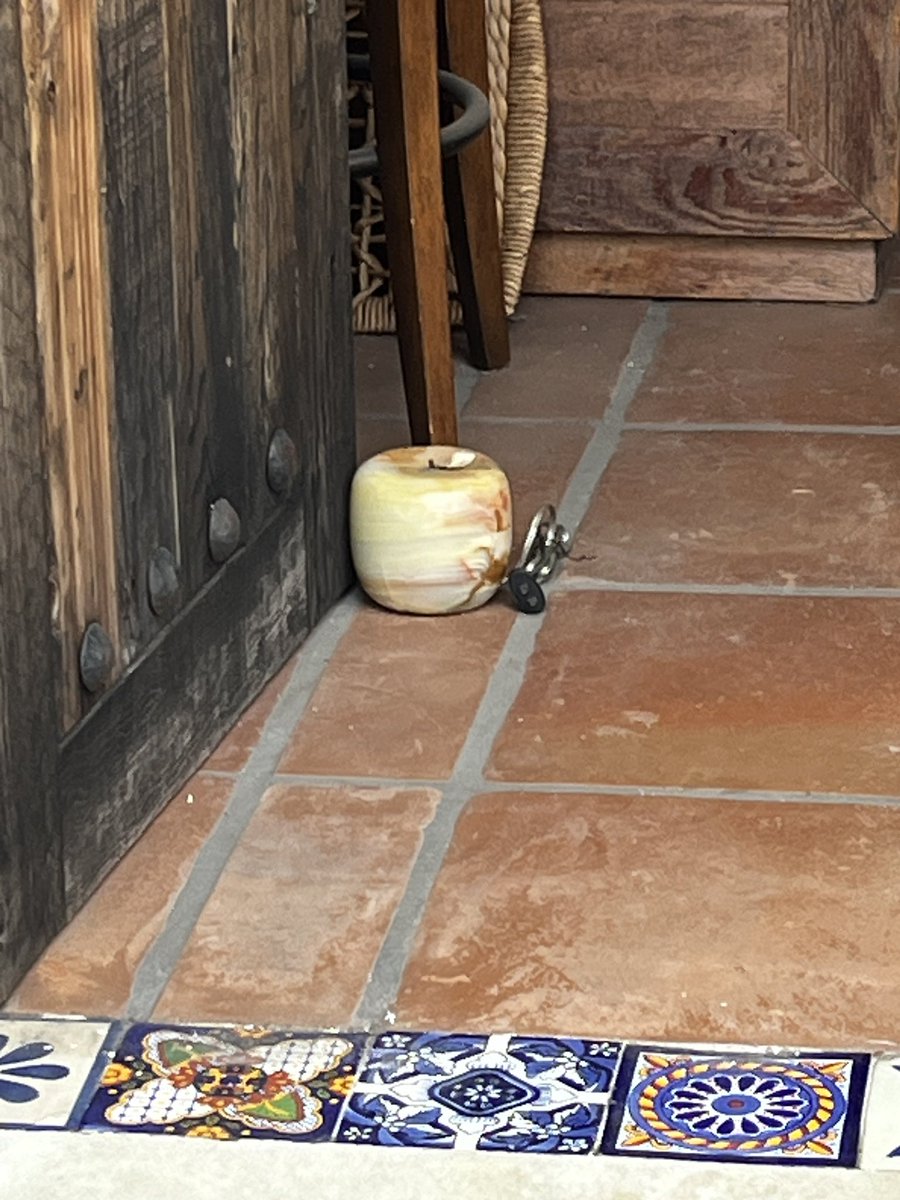
Why didn’t I think of this before?
“I shall call them - thee apples of Concorde.”
They glow in the dark - no, really.
#LivingProcessLLC
Office.

2
65