
Jun 12
Nigeria is taking a bold step toward a healthier, more resilient future.
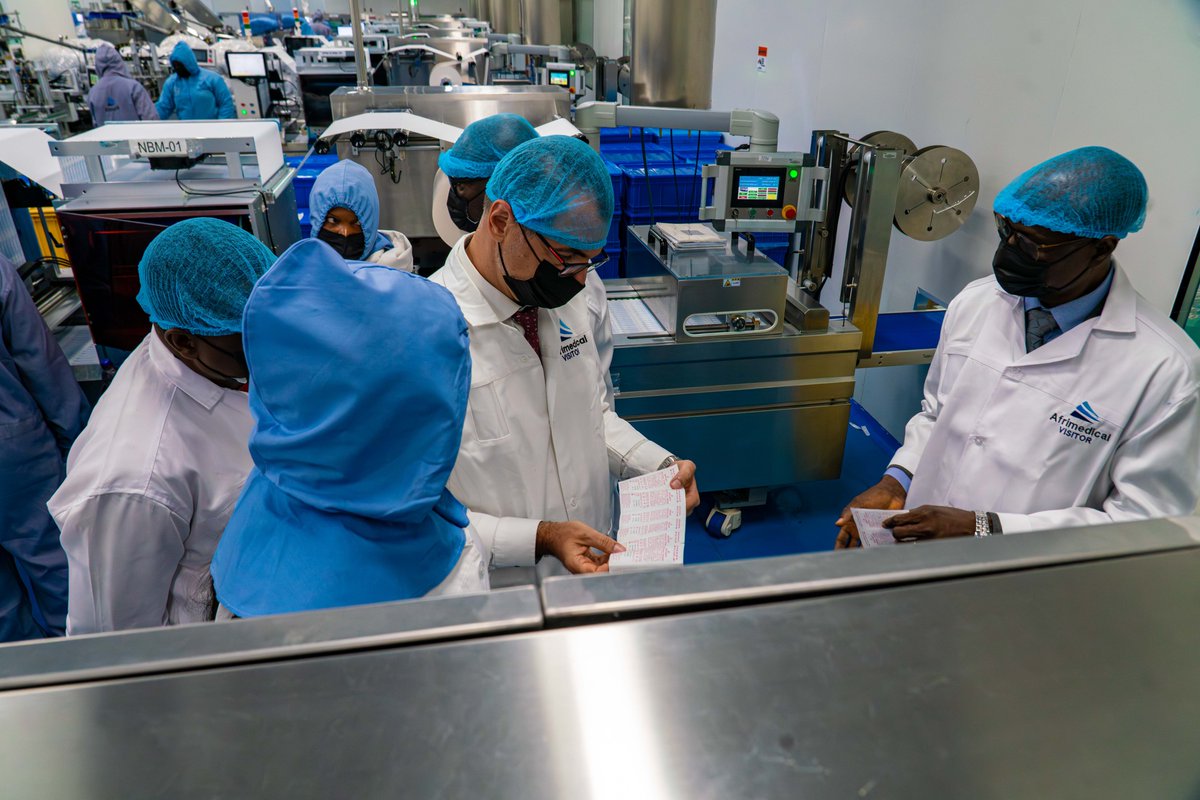
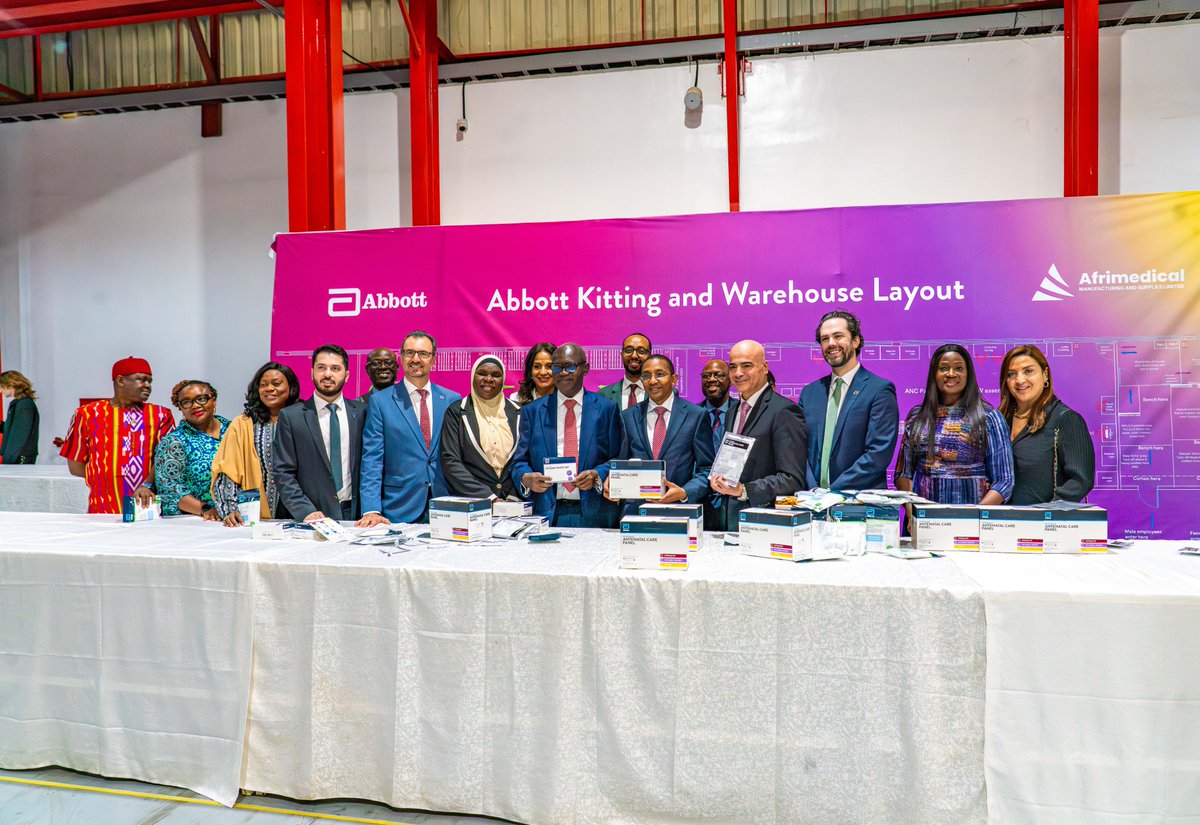
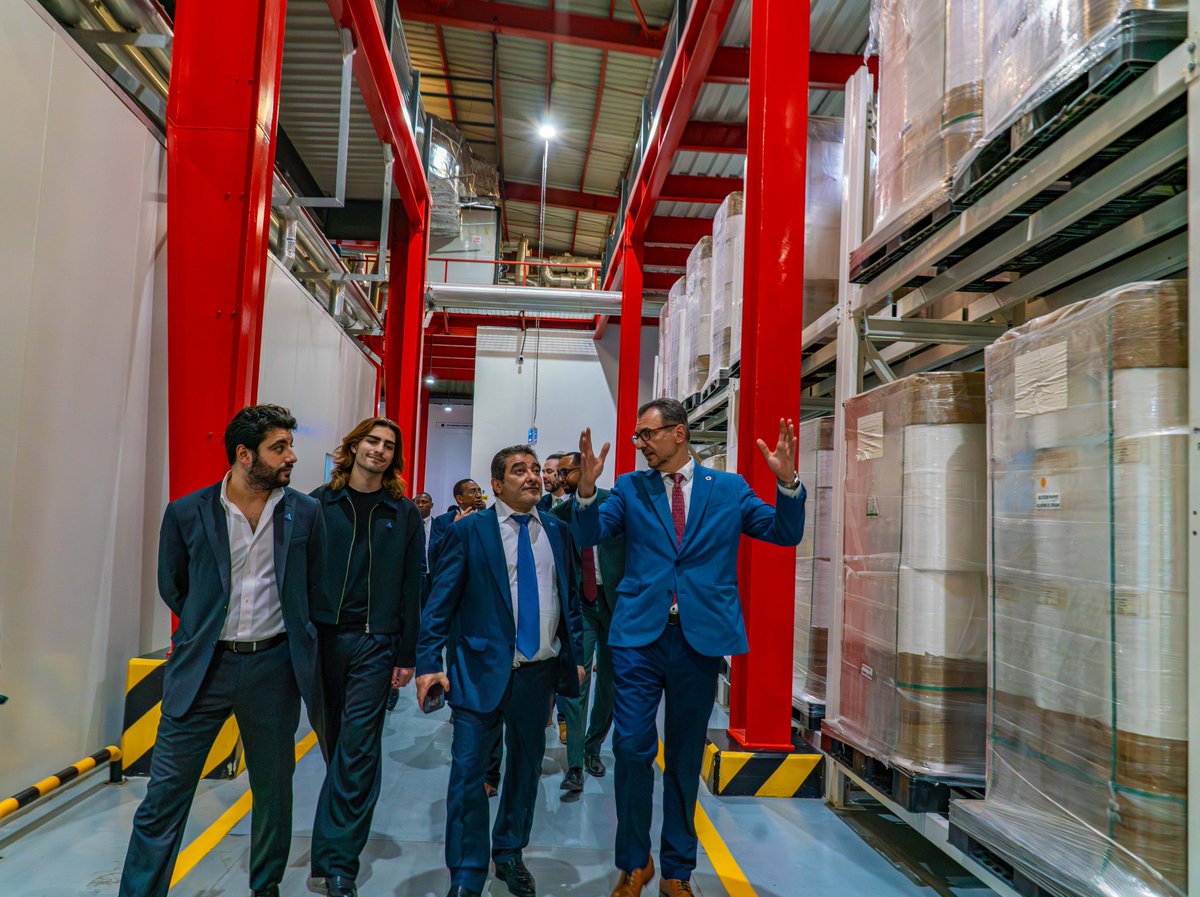
The groundbreaking Localization Project in Ogun State marks a major investment in local production — strengthening health security, creating jobs, and reducing reliance on imported medical products. Today, 80% of diagnostics used in Africa are still imported, underscoring the importance of expanding domestic manufacturing.
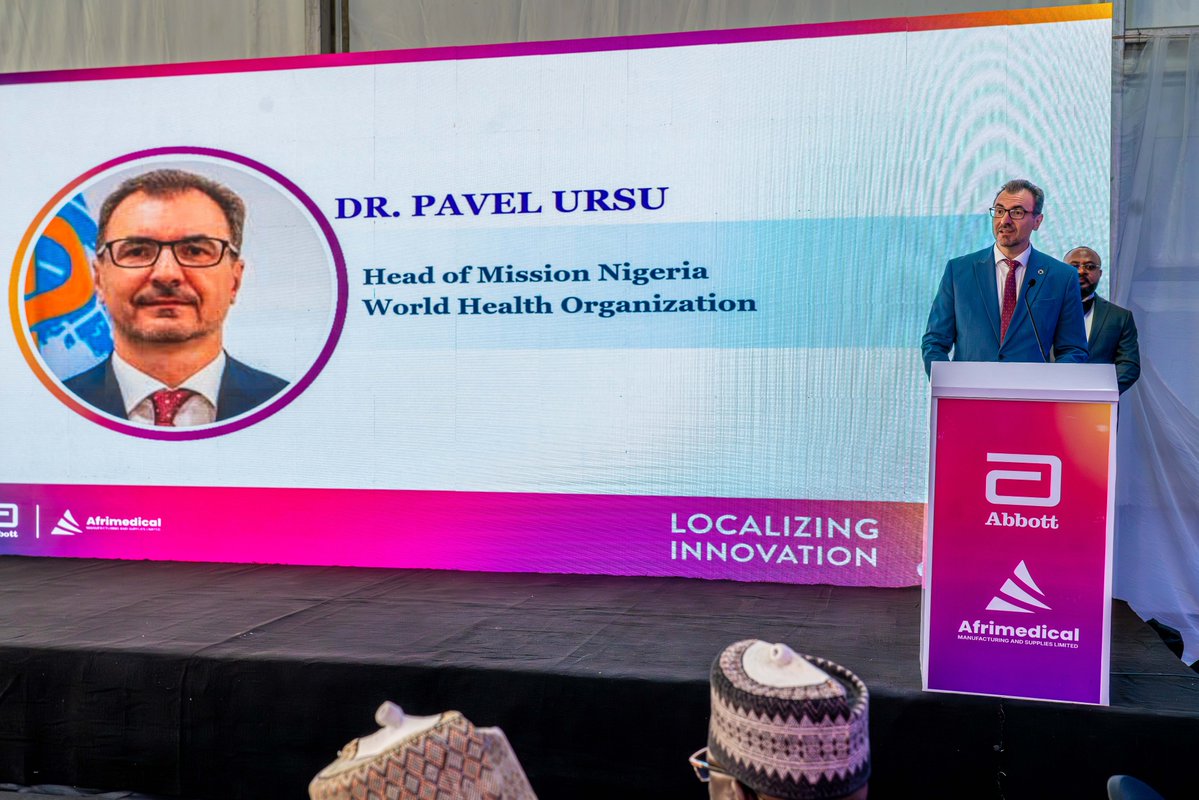
Local manufacturing is more than an economic opportunity — it is a public health imperative. As @DrPavelUrsu highlighted, expanding domestic production of diagnostics, medicines, and essential health technologies helps ensure faster access, stronger supply chains, and better preparedness for future health emergencies. The new facility is expected to create skilled jobs, contribute to economic growth, improve access to essential health tools, and support Nigeria’s target to eliminate HIV by 2030.
This initiative supports Nigeria’s Healthcare Value Chain agenda and contributes to Africa’s goal of increasing locally produced health commodities. It reflects what is possible when national leadership, innovation, and global partnerships come together. Across the region, @WHO is supporting local production initiatives to strengthen regulatory systems, expand manufacturing capacity, and improve access to quality assured health products.
WHO remains committed to supporting countries to build sustainable local production ecosystems — from technical guidance to regulatory strengthening and partner coordination.
On behalf of the @UN_Nigeria, @WHO commends the Federal Government of Nigeria @NigeriaGov, @PVAC_NG, and all partners whose leadership made this milestone possible.
Learn more: afro.who.int/countries/Niger…
#HealthForAll
#Nigeria
#LocalProduction
#HealthSecurity
8
19
819
Blue Seal Energy Group retweeted

28 Nov 2024
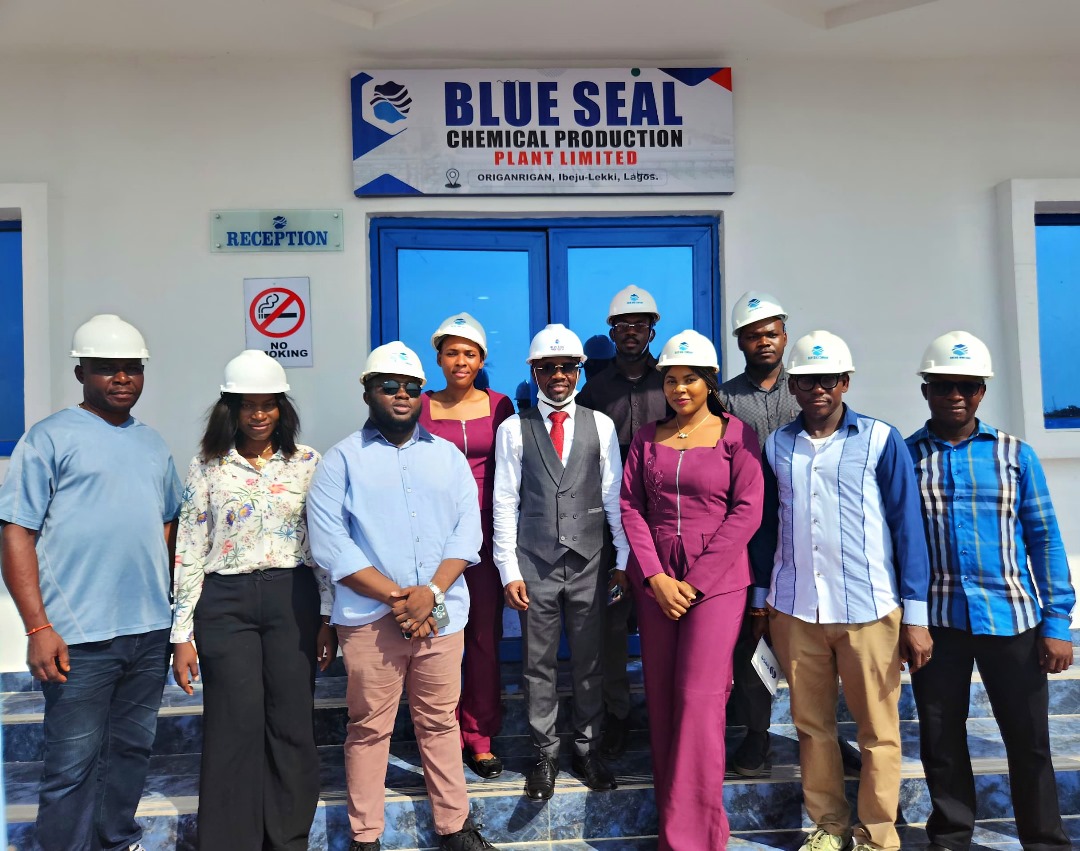
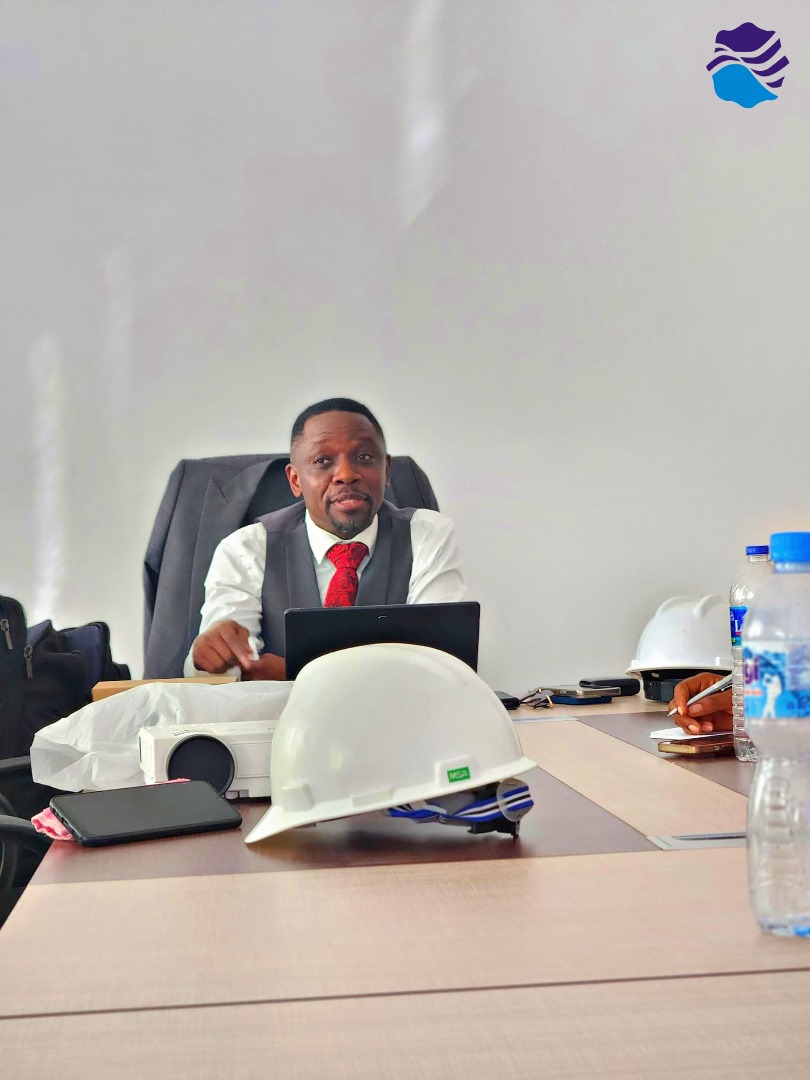
Dr. Doyle Edeni Hosts Strategic Staff Meeting at Ibeju-Lekki Factory Ahead of 2025 Launch
#innovation
#localproduction
#BlueSealEnergyGroup
#thinklocalactglobal
#excellenceineverystep
1
3
43

Jun 10
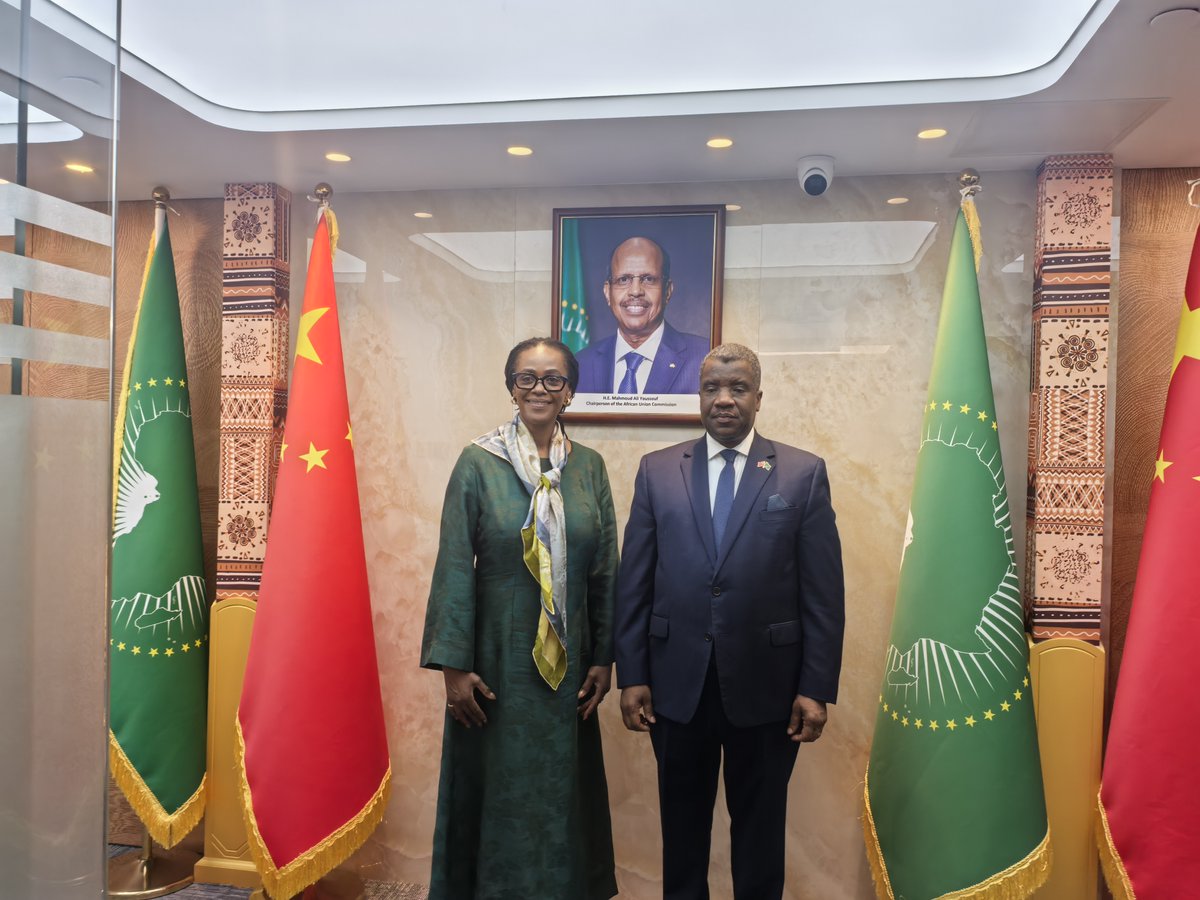
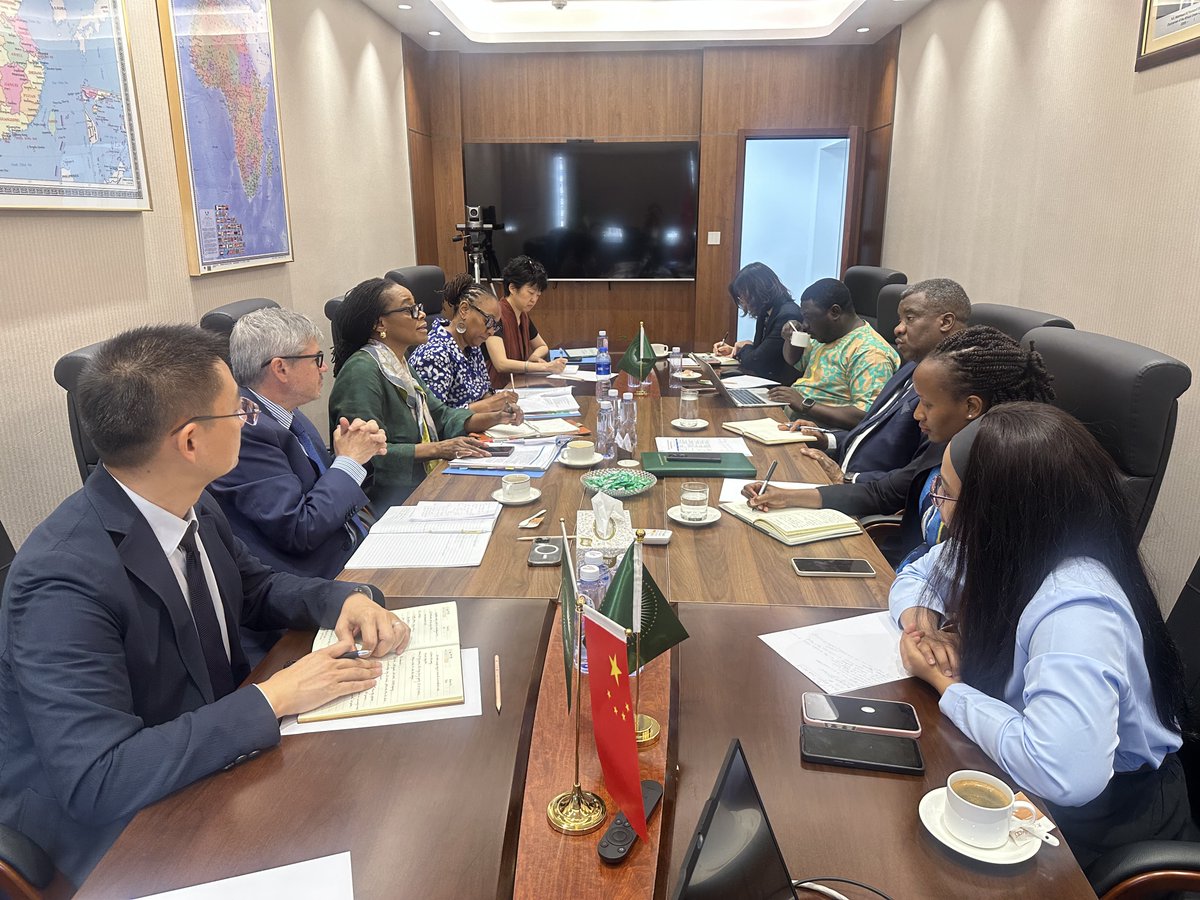
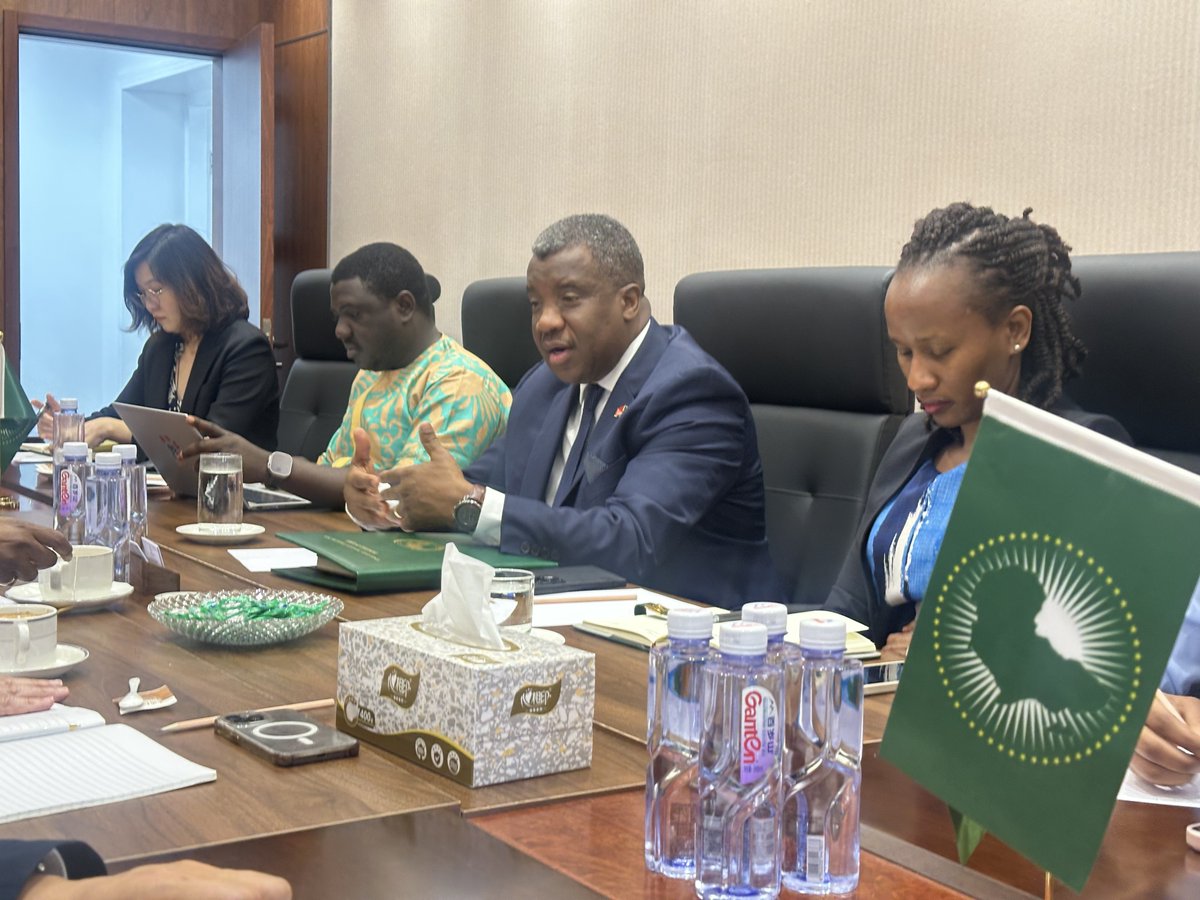
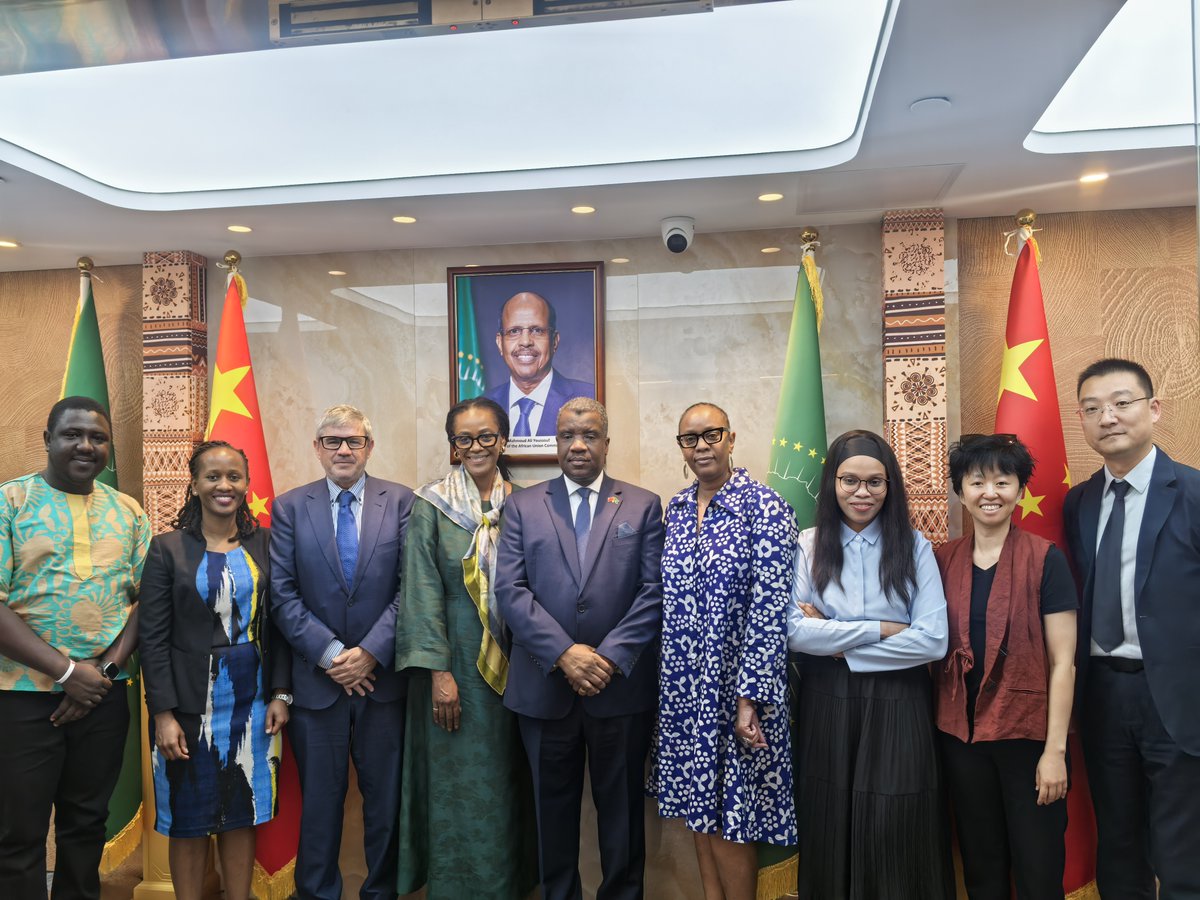
UNAIDS delegation honored to meet H.E. Ambassador @SarjohBah3 on @AfricanUnion’s priorities under #FOCAC Beijing Action Plan 2025–2027. We discussed opportunities to strengthen China–Africa–UN collaboration to advance #CommoditySecurity and #LocalProduction across the continent.
5
17
1,362
Jun 10
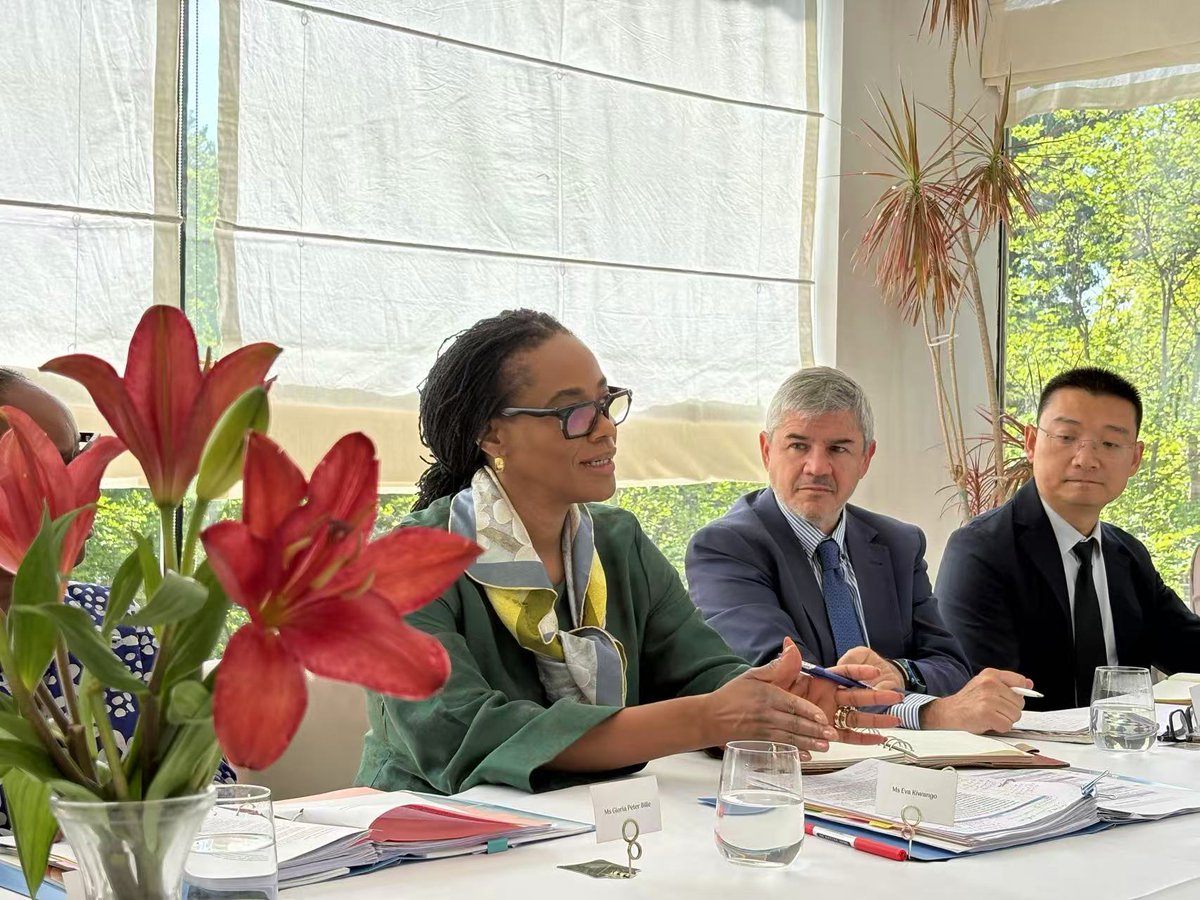
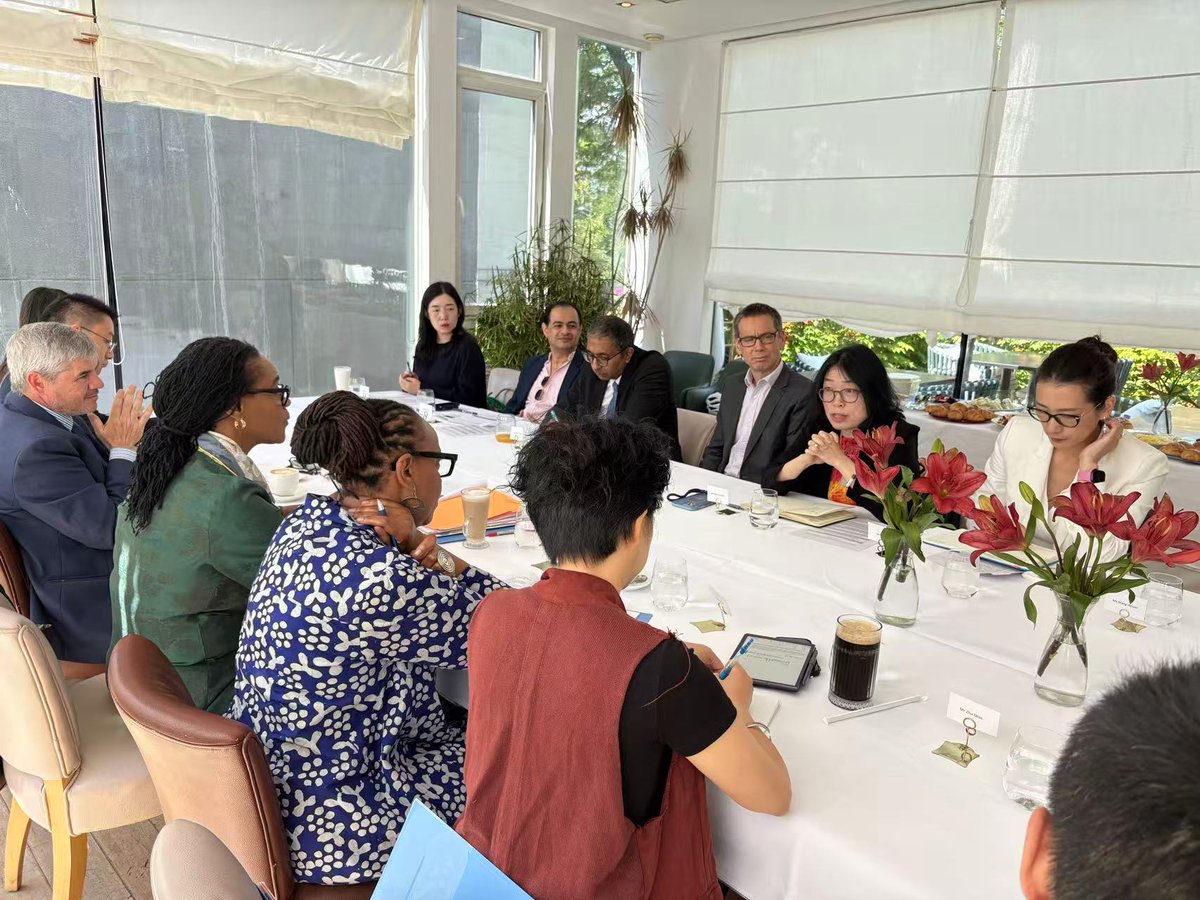
@UNAIDS delighted to meet colleagues from WHO China, @UNICEFChina and @UNDPChina. We exchanged agency experiences on #SSC, #LocalProduction & pooled procurement, explored opportunities to strengthen joint efforts to advance health equity and innovative financing for HIV responses
2
7
130

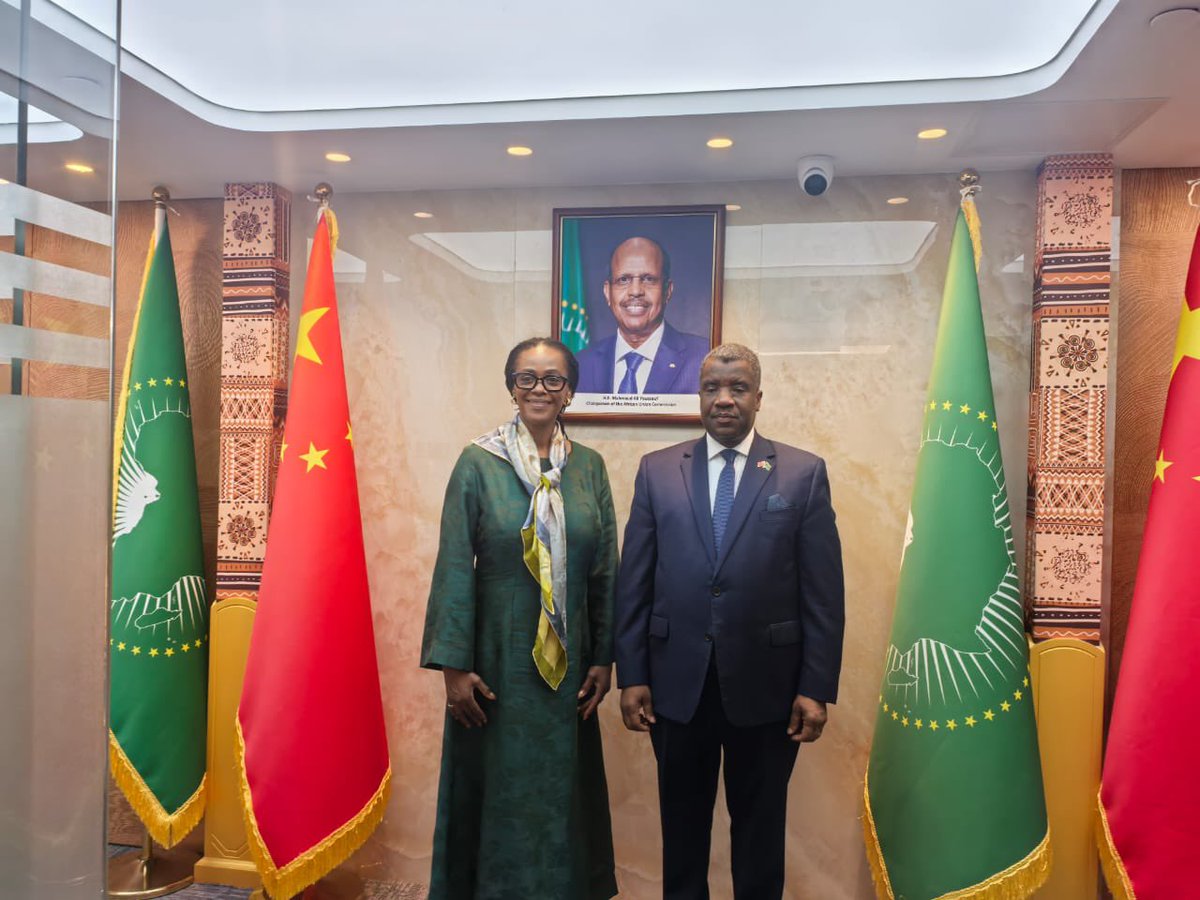
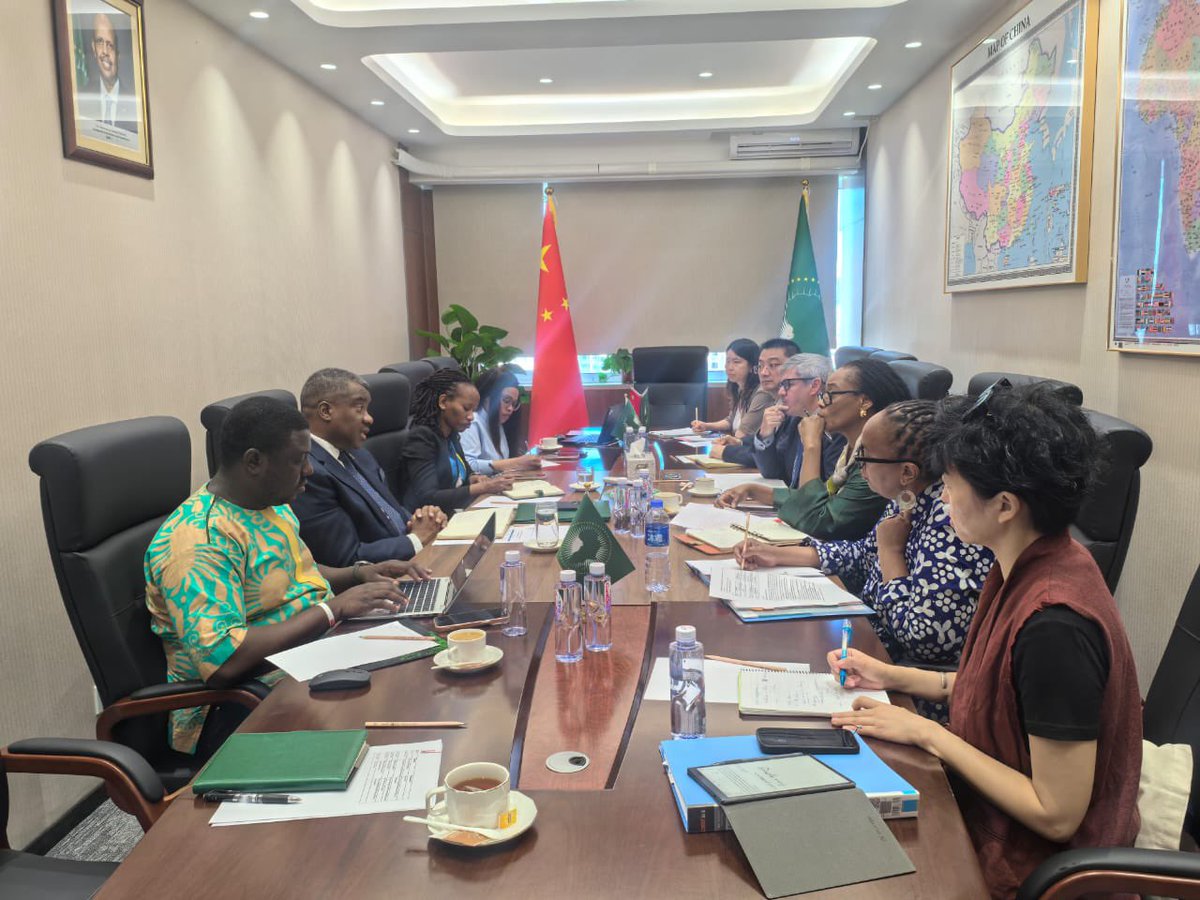
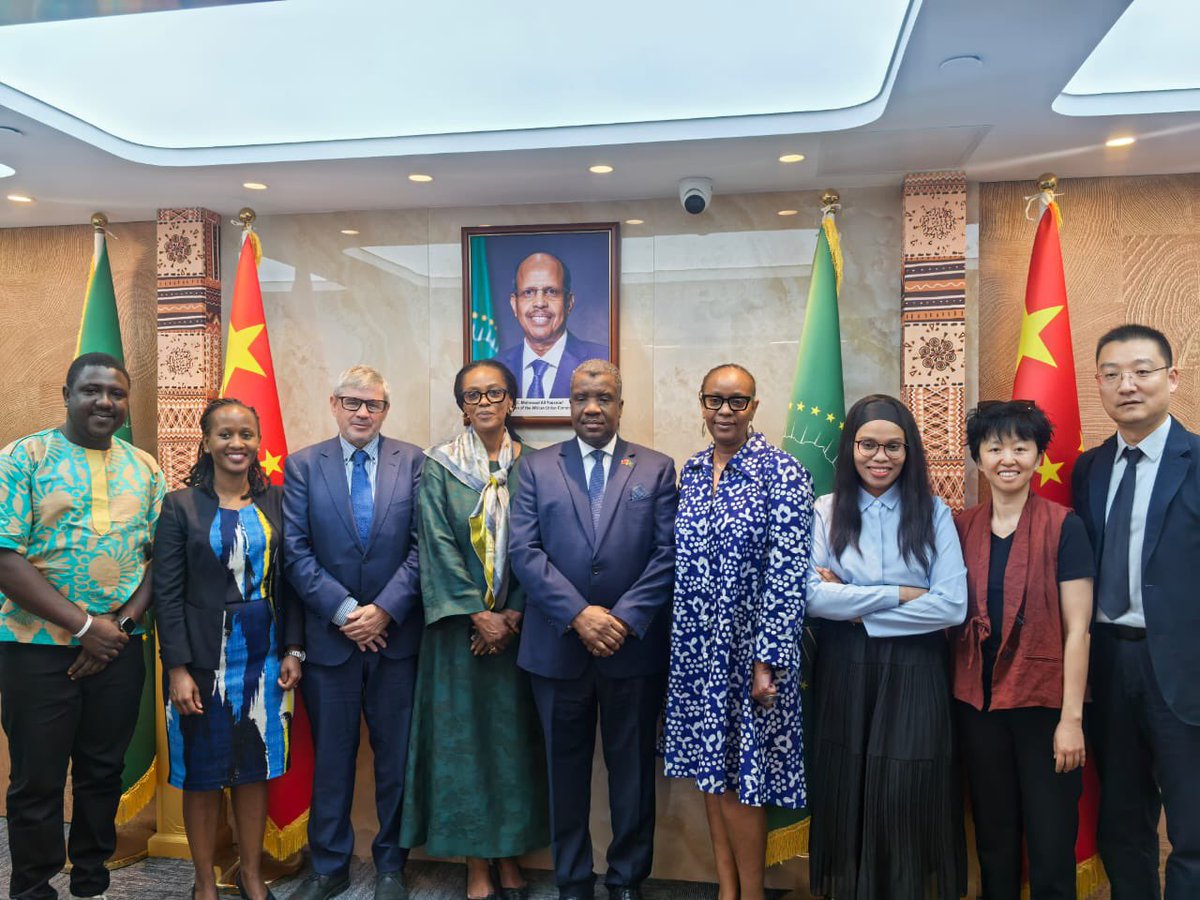
Amb. @sarjohbah3, AU Permanent Representative to China, held productive discussions with the UNAIDS South-South Exchange delegation on advancing sustainable HIV/AIDS management and broader medical-related responses through local pharmaceutical production in Africa.
The meeting underscored the importance of strengthening Africa-China cooperation in health, regulatory harmonisation, and investment in regional manufacturing capacity. Discussions highlighted the critical role of the African Medicines Agency (AMA), regional integration, and pooled procurement mechanisms in ensuring commodity security and reducing dependence on external funding. Both sides reaffirmed their commitment to supporting Agenda 2063 and the FOCAC Beijing Action Plan through strategic partnerships, technology transfer, and innovative financing.
Amb. Bah emphasised the need for coordinated continental action, stronger engagement with regional economic communities, and deeper collaboration with Chinese partners to build resilient health systems and sustainable pharmaceutical supply chains across Africa.
The delegation comprised Ms Eva Kiwango, Director and Representative of the UNAIDS China office, Mr Jaime Atienza Azcona, Director of the UNAIDS Global Centre - Equitable Financing Department and Ms Gloria Peter Bille, Senior Advisor for Policy Prevention and Regional Coordination – East and Southern Africa Regional Support Team.
#AfricaChina #FOCAC #Agenda2063 #HealthSecurity #LocalProduction #AMA #HIVResponse #SADC #UNAID
5
16
1,296

ඔබගේ නිවසට විශ්වාසනීය ආරක්ෂාවක්...!
අමතන්න: 07 2200 2200
පිවිසනේන: ideametals.com
#madeinsrilanka #localproduction #environmentalfriendly #hardwarefittings #numberonehardwarefittings


May 29
Africa cannot continue importing security during crises.
No continent of 1.4 billion people should depend almost entirely on external vaccine supply when outbreaks strike.
Local production of Ebola vaccines is not only an industrial agenda — it is a matter of health sovereignty, resilience, and survival.
The next outbreak should find Africa better prepared, better protected, and better equipped to respond.
#LocalProduction #Vaccines #HealthSovereignty #Ebola
1
7
13
525

May 19
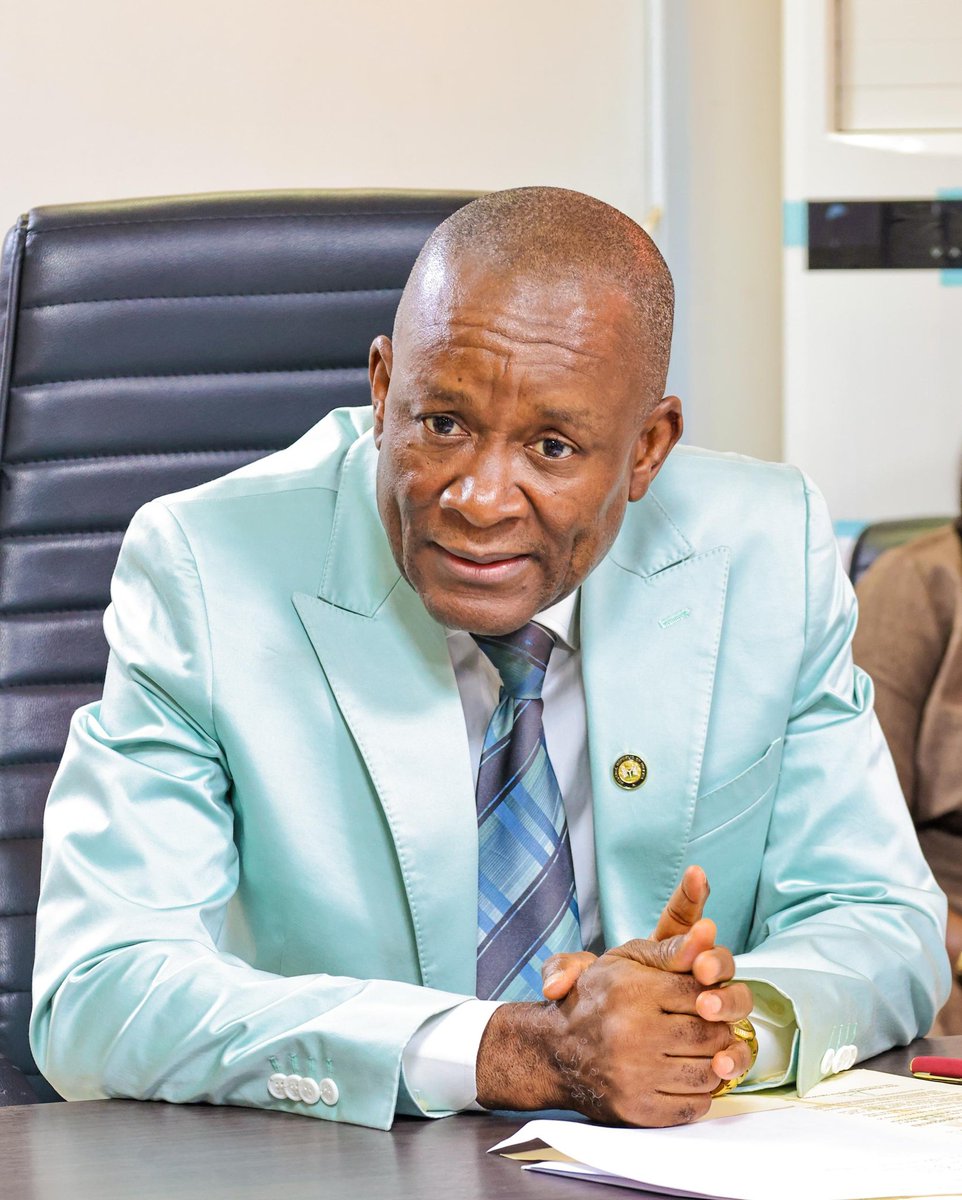
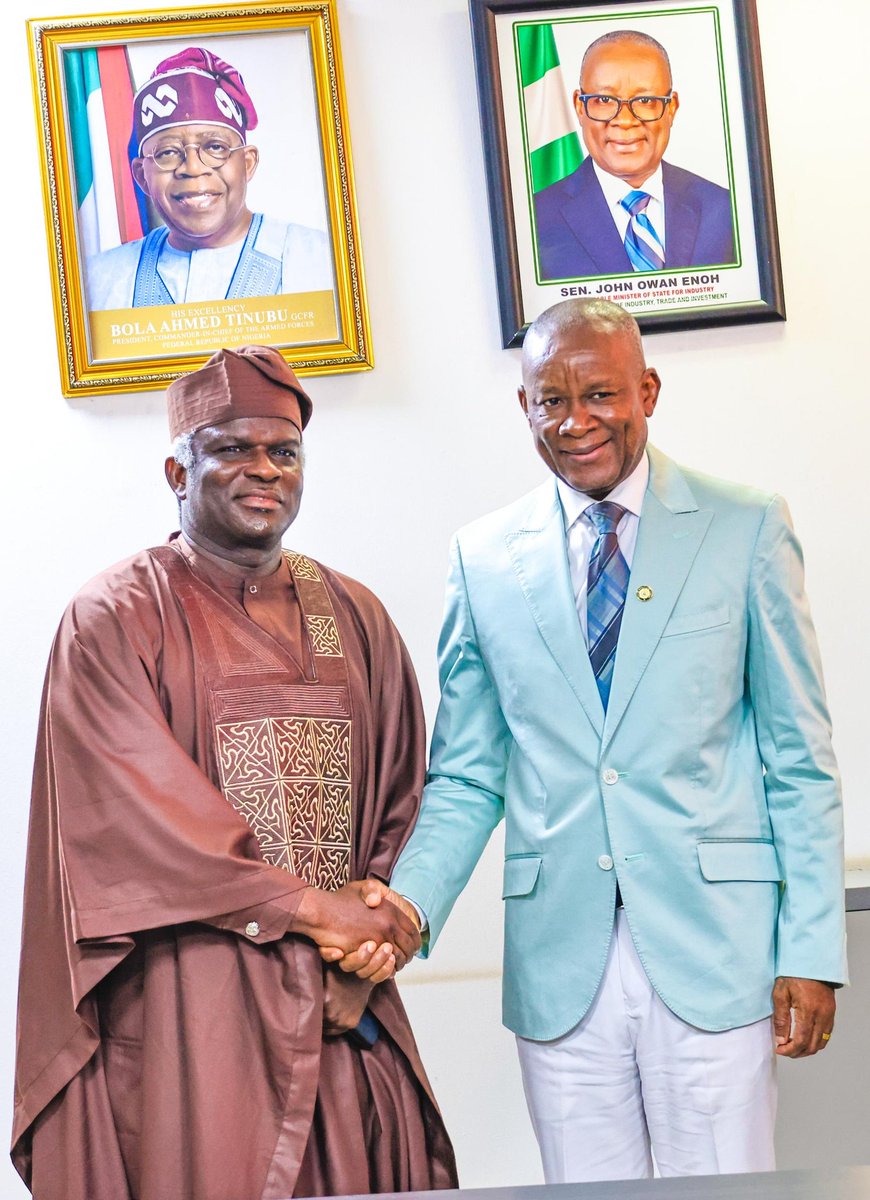
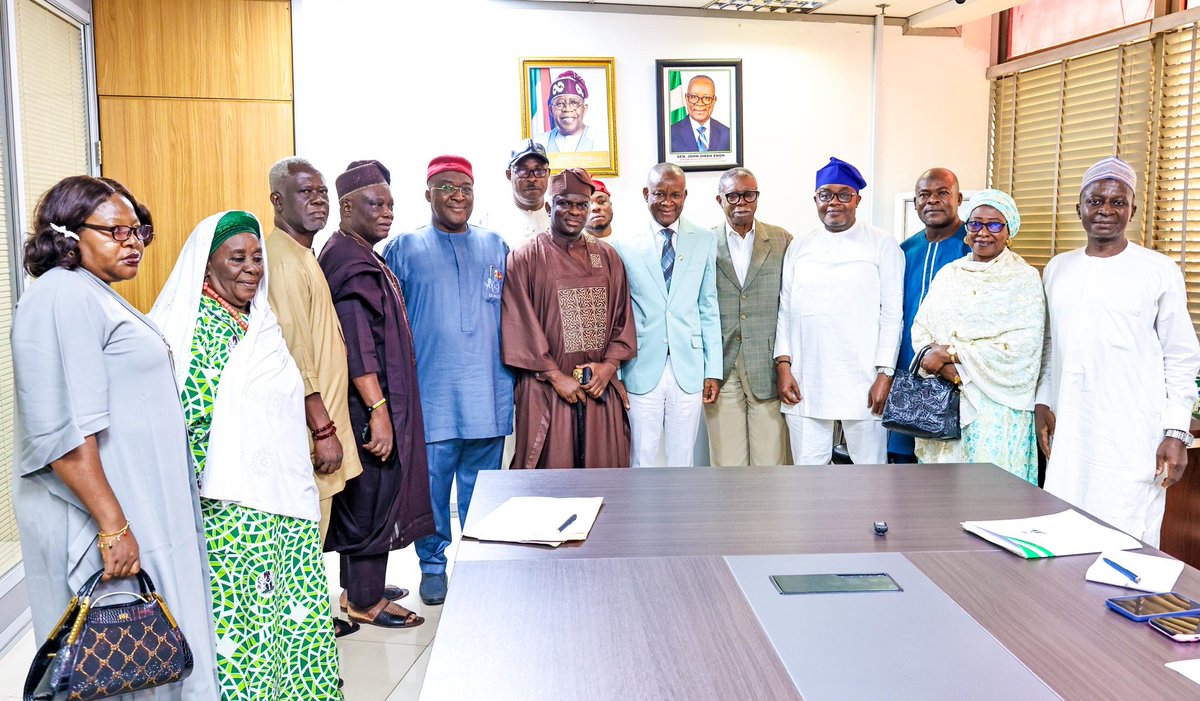
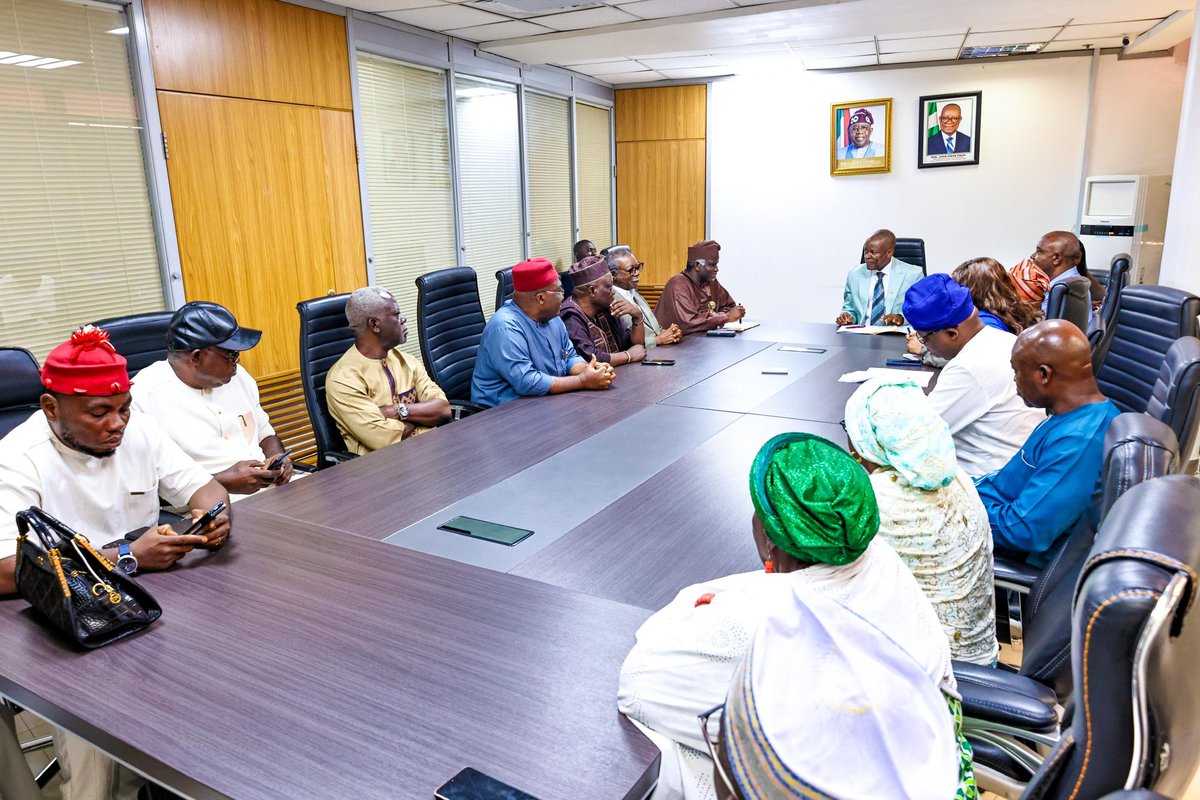
I received members of the Parliamentary Support Group for President Bola Ahmed Tinubu on a courtesy visit to my office, led by their National Coordinator, Hon Nnanna Igbokwe under the leadership of former Speaker of the House of Representatives, HE Femi Gbajabiamila.
Their mission was clear, to promote good governance by projecting the achievements of Mr President across various MDAs, while also protecting the integrity and image of the legislature in the discharge of its constitutional responsibilities.
The acknowledgement of the resolutions reached during their Northern Dialogue and Southern Summit, particularly their position on power sharing, is commendable. It reflects the legislature’s understanding of the importance of national cohesion, unity, and inclusive governance in strengthening our democracy.
I also briefed the forum on the ongoing efforts of the Federal Ministry of Industry, Trade and Investment, including the launch of the Nigerian Industrial Policy, the revival of moribund CTG industries, MSMEs empowerment, the shea nut export ban and its impact on local value addition, as well as interventions addressing industrial challenges such as energy access, financing, skills development, and the promotion of Made-in-Nigeria products through agencies under the Ministry like NADDC, SON etc.
Providing this background remains central to the message of Renewed Hope Agenda, as industry continues to play a vital role in the growth, stability, and long-term development of our economy.
~Senator John Owan Enoh
Minister of State for Industry
Federal Ministry of Industry, Trade and Investment
#hmsindustry #FMITI #PBAT #RenewedHopeAgenda #industrialdevelopment #localproduction #EconomicGrowth
6
10
598
May 18
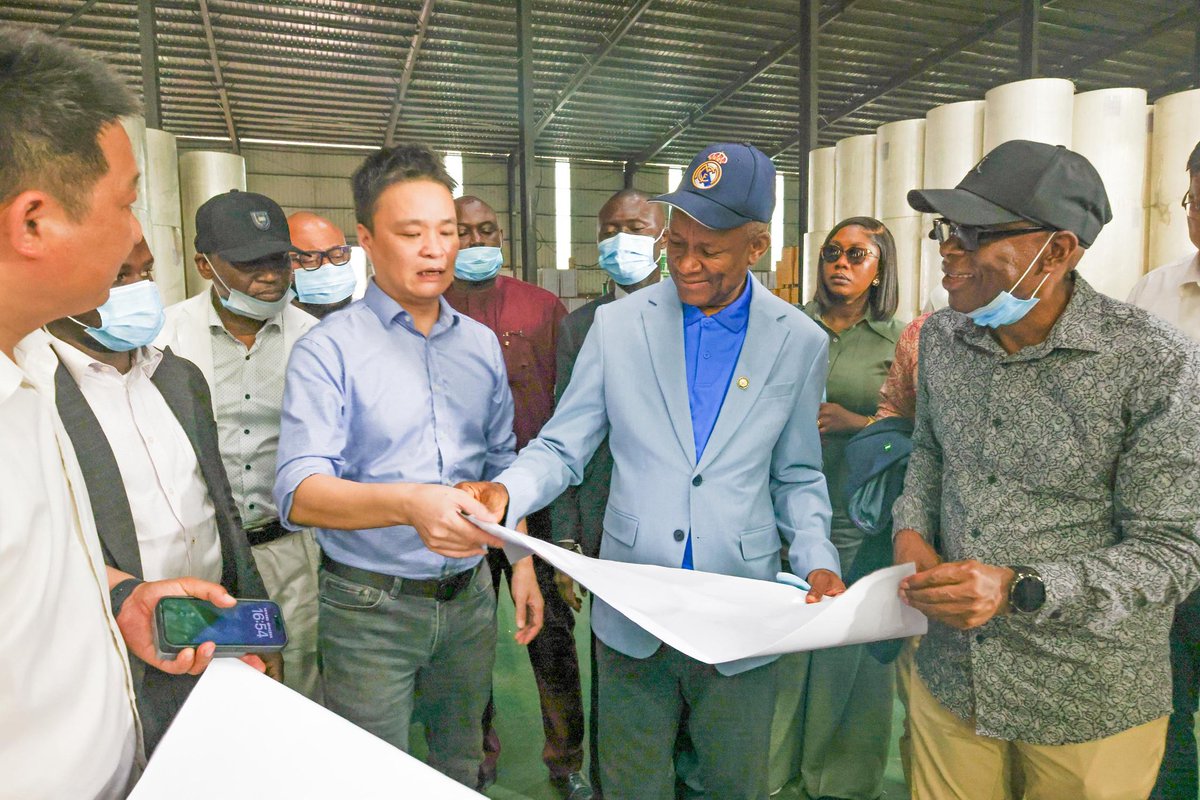
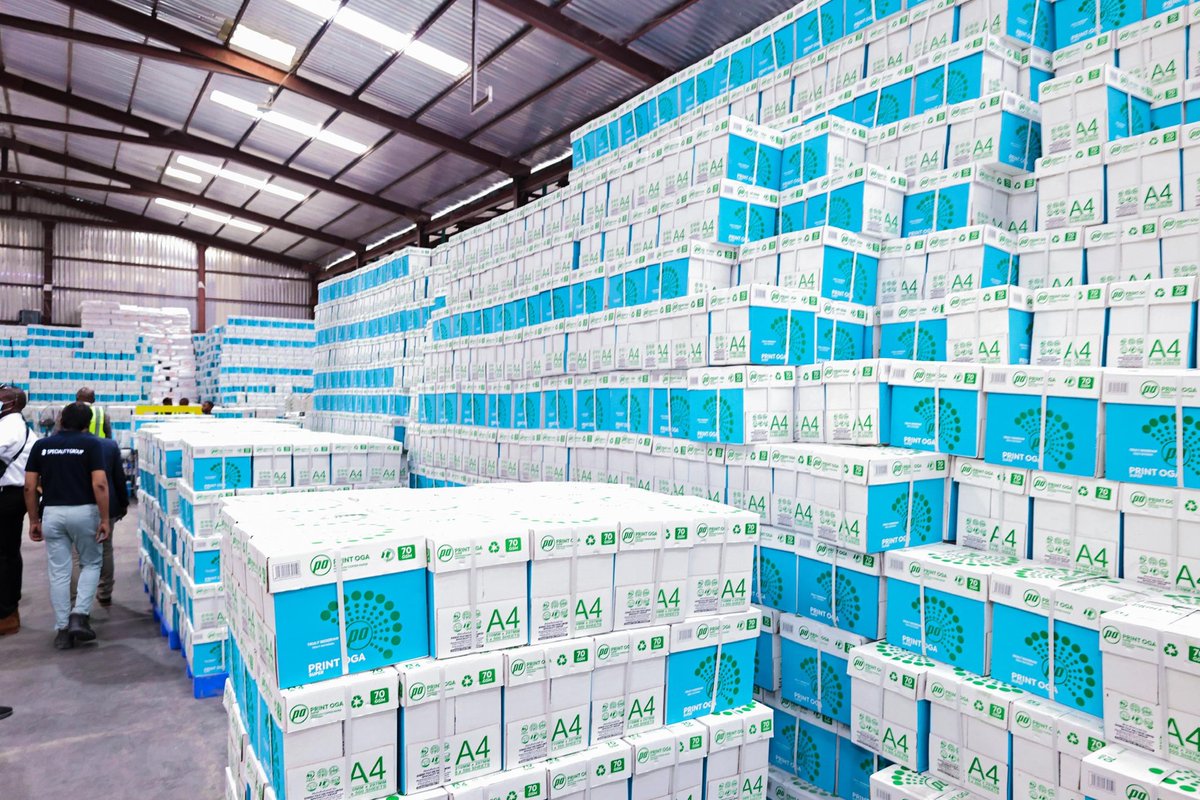
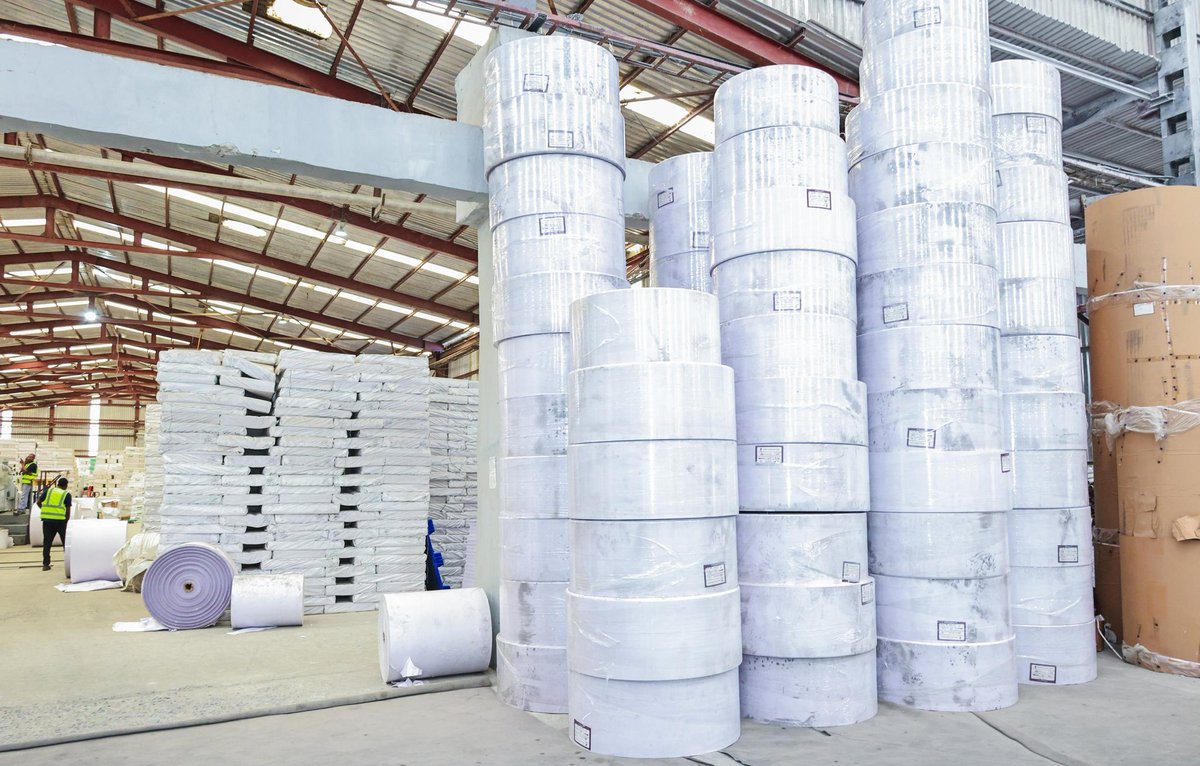
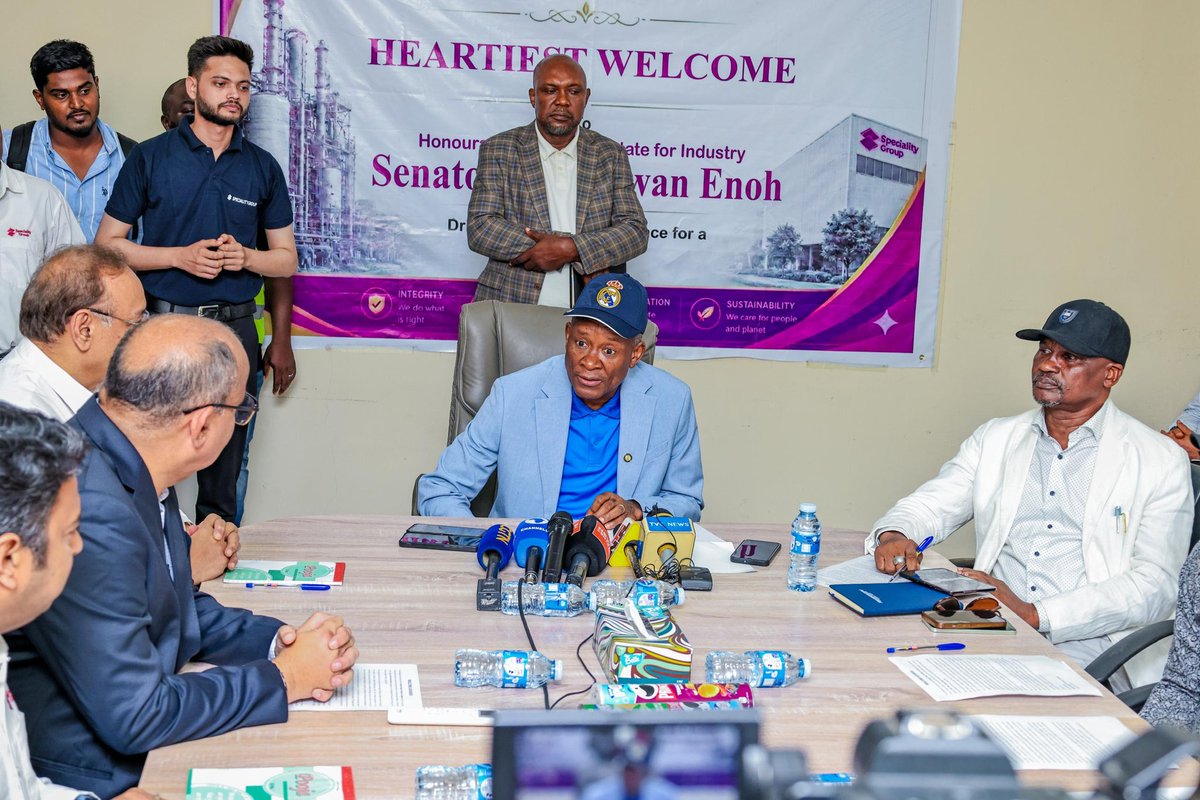
A visit to Everest Paper Production Limited and NIXIN Papermills Nigeria Limited on an industrial tour and facility assessment.
#IndustrialTour #PaperIndustry #ManufacturingNigeria #LocalProduction #IndustrialDevelopment #MadeInNigeria #PaperManufacturing #EconomicGrowth #Investment #IndustryAndTrade #SustainableManufacturing #NigeriaIndustries #ProductionSector #CapacityBuilding #RenewedHopeAgenda
3
5
280
May 16
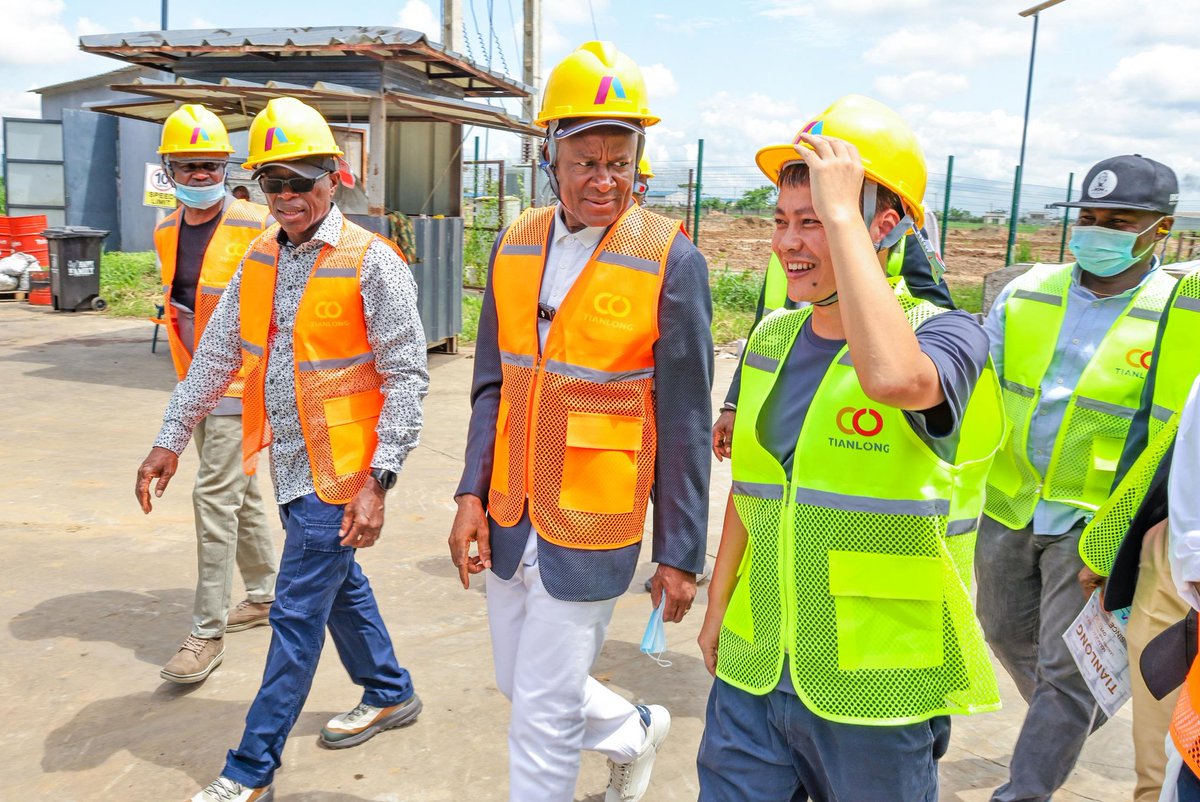
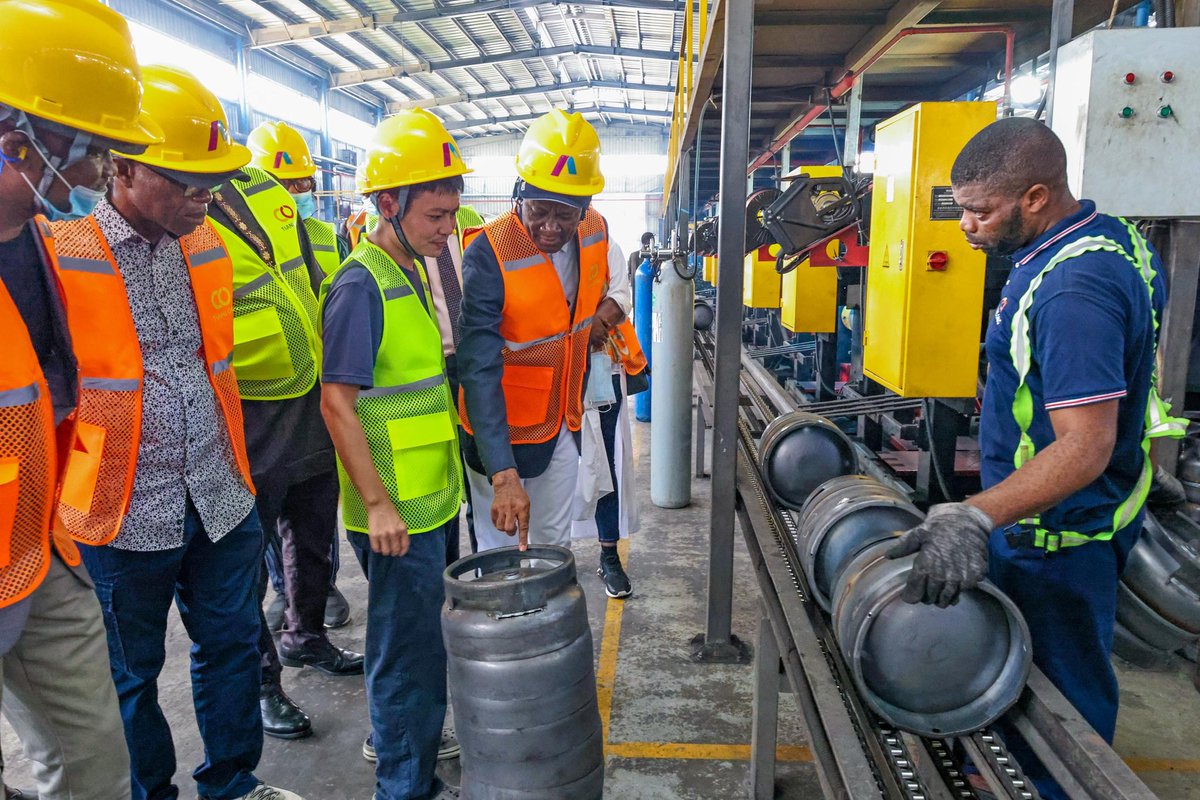
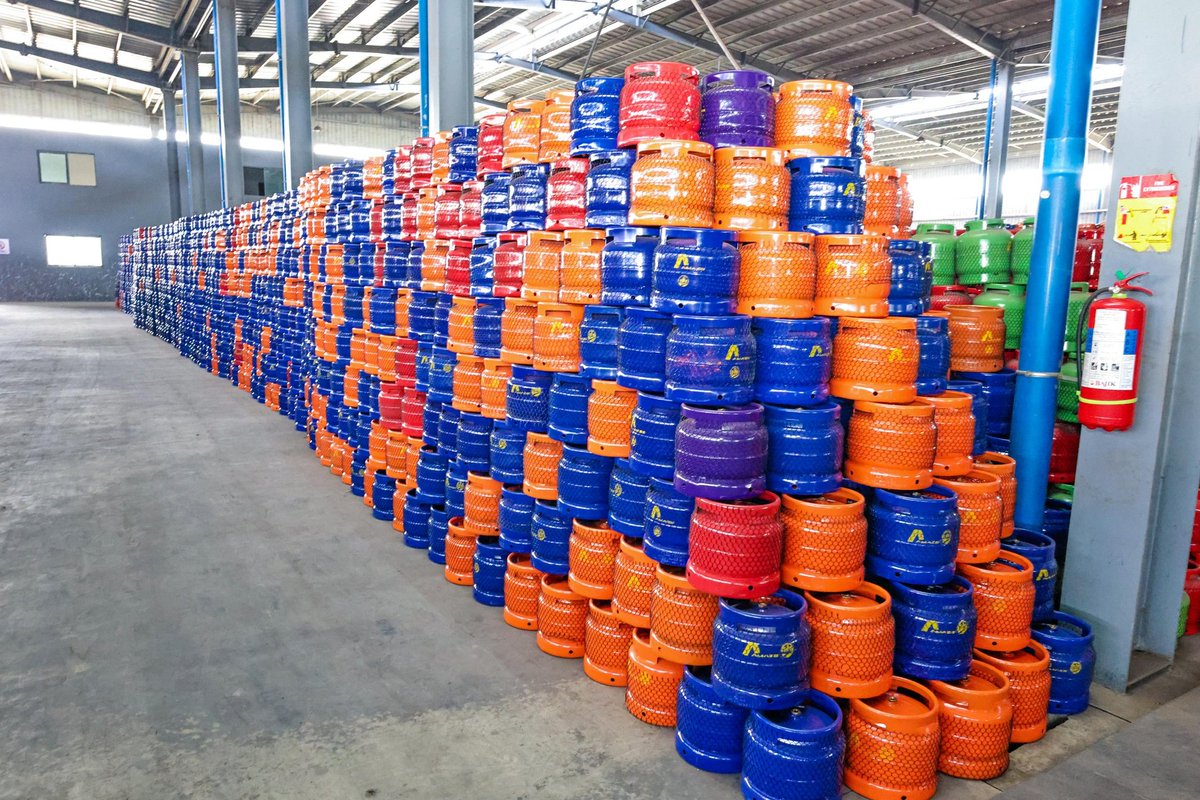
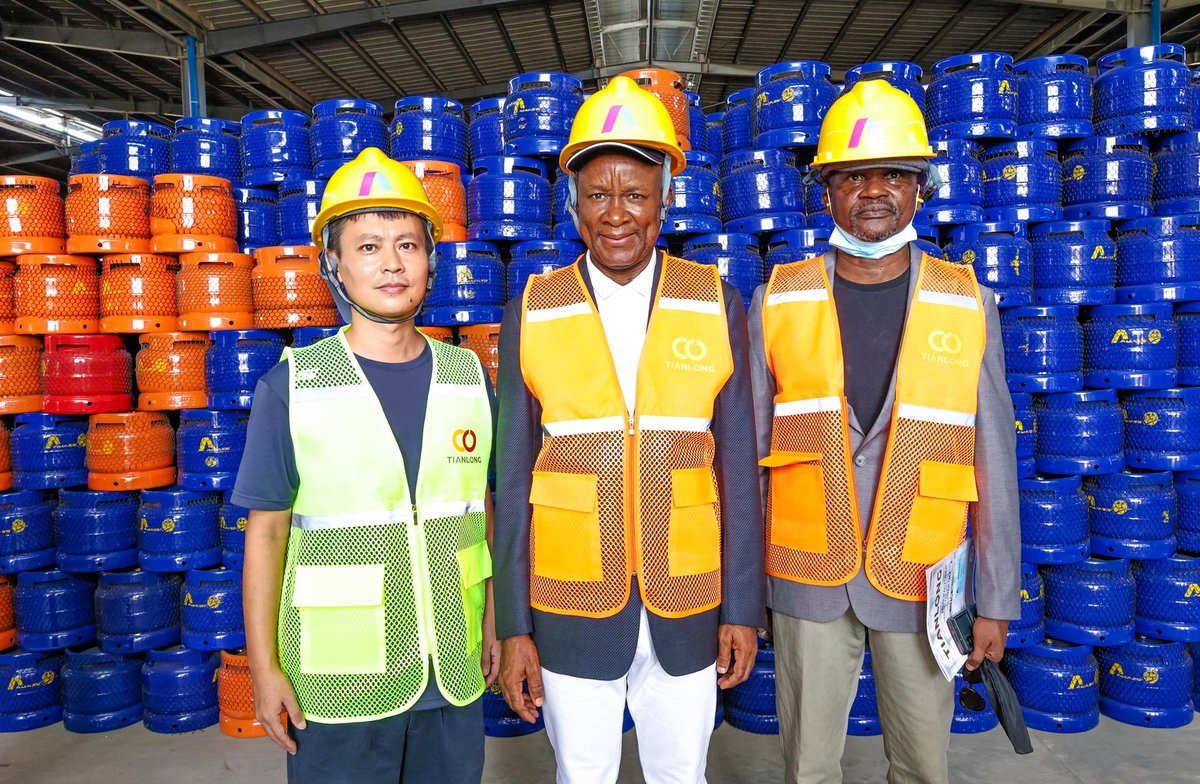
Today, I visited Azame Oil and Gas Limited, a company specialising in the local manufacturing of LPG cooking gas cylinders as part of the move to strengthening Nigeria’s manufacturing sector.
Local manufacturing plays a critical role in reducing dependence on imports, conserving foreign exchange, creating jobs, supporting technology transfer, and strengthening the national economy.
The Government of President Asiwaju Bola Ahmed Tinubu is committed to industrialisation and economic diversification, prioritising policies that encourage indigenous manufacturers to invest in local production.
Nigeria has the market potential, workforce, and industrial capacity required to become a major hub for LPG cylinder manufacturing in Africa. As demand for LPG and other gas related infrastructure continues to grow, supporting local manufacturers will be essential in meeting national demand while building a stronger and more sustainable industrial value chain.
There is however a growing need to address disparities existing within the sector, especially regarding importation policies, import duties, and the operational advantages available to companies within Free Trade Zones. While incentives and waivers are important for attracting investment, there must also be fairness for manufacturers operating fully within the domestic economy who contend with higher production costs, infrastructure challenges, taxes, logistics expenses, and foreign exchange pressures. A balanced policy framework is necessary to ensure that local producers are not placed at a disadvantage against imported products.
The LPG cylinder manufacturing sector remains strategic to Nigeria’s energy transition and economic growth agenda. Beyond supporting cleaner cooking energy adoption, the sector has the capacity to stimulate employment, steel fabrication, logistics, technical training, and broader industrial development.
~Senator John Owan Enoh
Minister of State for Industry
#hmsindustry #FMITI #localproduction #madeinnigeria #manufacturingsector #industrialdevelopment #EconomicGrowth #LPG
3
14
31
1,380

May 16
My visits to Everest Paper Limited and subsequently to NIXIN Paper Mill Nigeria Limited on an industrial tour reflect the Federal Government’s continued commitment to revitalising Nigeria’s industrial and manufacturing sector, particularly the paper and pulp industry which once stood as a major contributor to national economic growth and industrial development.
The paper and printing industry remains indispensable to national productivity. Virtually every institution, including schools, offices, government establishments, publishing firms, and private companies, depends on paper products for daily operations. This signifies the strategic importance of strengthening local manufacturing capacity within the sector.
Nigeria once enjoyed remarkable progress as a leading force in paper production and cultural paper manufacturing across the region. These visits provided an opportunity to assess ongoing efforts aimed at restoring the industry, improving local production capacity, encouraging sustainable practices, and positioning the sector to surpass its previous achievements.
Government remains determined to support initiatives that will accelerate this revival.
The contribution of industry to national GDP cannot be overstated. Companies such as Everest and NIXIN continue to play significant roles in advancing economic growth through sustainable industrial practices, recycling operations, job creation, and the promotion of circular production systems that reduce waste while enhancing productivity and environmental responsibility.
We also acknowledge the concerns and challenges raised during the engagements, particularly issues relating to taxation and policy implementation affecting industrial operations. We are committed to engaging constructively with the Federal Ministry of Finance and other relevant stakeholders to critically examine these concerns with the aim of creating a more enabling environment for manufacturers and investors within the sector.
~Senator John Owan Enoh
Minister of State for Industry
#hmsindustry #FMITI #IndustrialDevelopment
#MadeInNigeria #PaperIndustry #ManufacturingSector #EconomicGrowth #LocalProduction
4
8
315

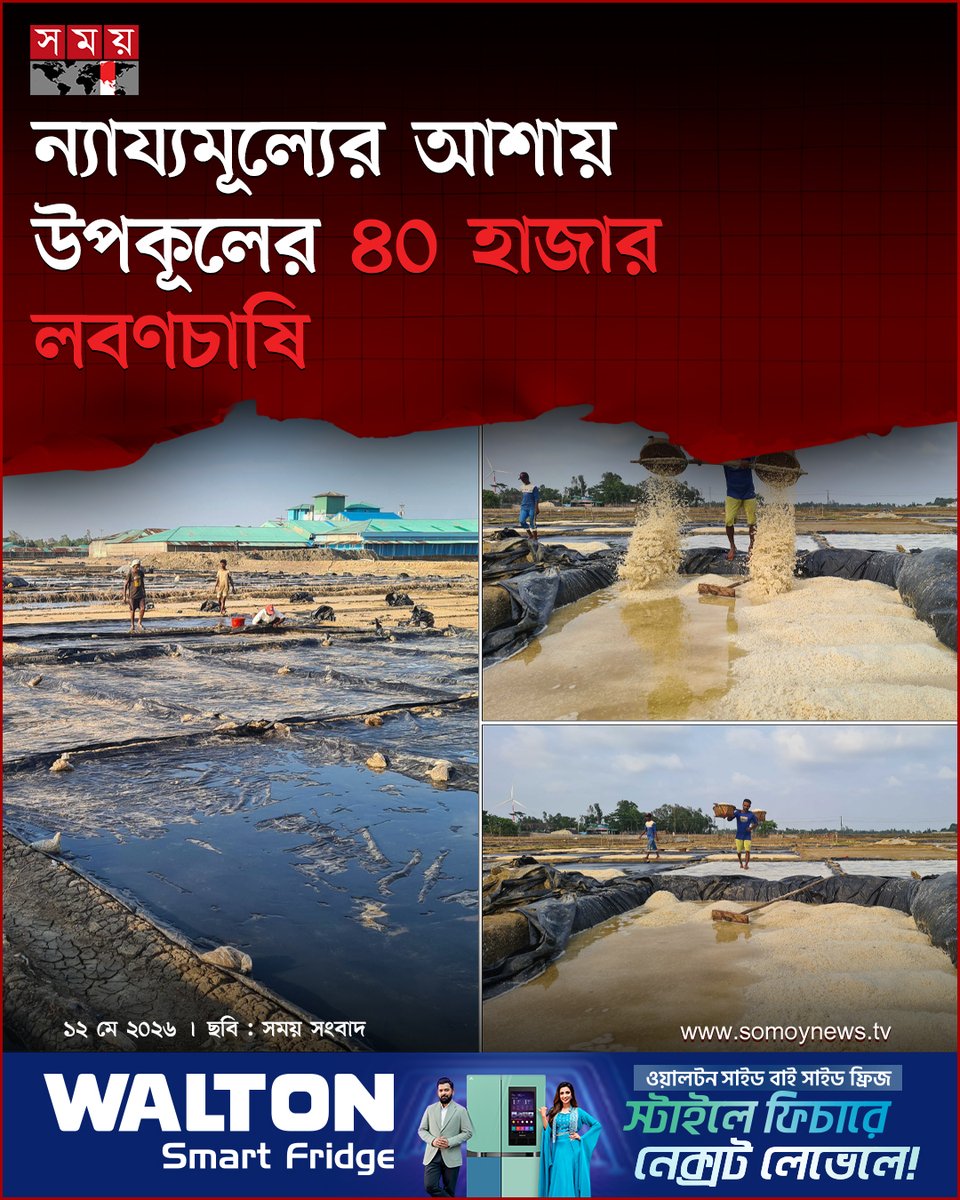
দেশে লবণ শিল্পে স্বয়ংসম্পূর্ণতা অর্জন, আমদানি কমানো এবং উৎপাদন খরচ অনুযায়ী ন্যায্যমূল্য নিশ্চিতের উদ্যোগ নেয়ার কথা জানিয়েছে সরকার। চাষিদের প্রত্যাশা, সরকারের এ আশ্বাস দ্রুত বাস্তবায়ন হলে লবণ শিল্পে আবারও স্বস্তি ফিরবে
বিস্তারিত : somoynews.tv/news/2026-05-12…
#SaltIndustry #LocalProduction #FairPrice #somoytv
3
288

Did you know?
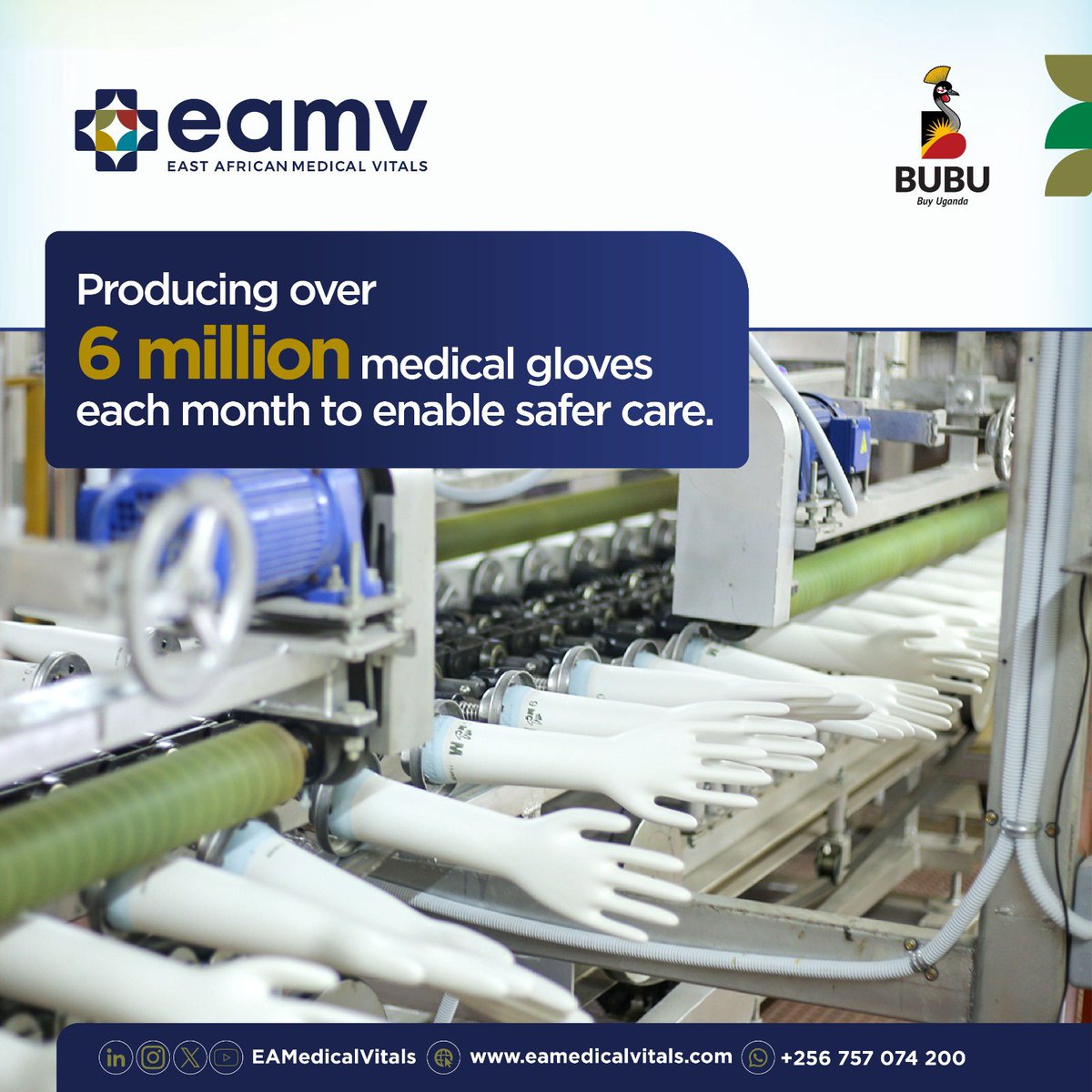
EAMV meets most of Uganda’s market demand with its medical gloves. With 2 production lines, we are producing over 6 million medical gloves every month, enabling safer care and supporting the hands that save lives.
What does this level of local production mean for Uganda’s future?
#safercare
#localproduction
8
125

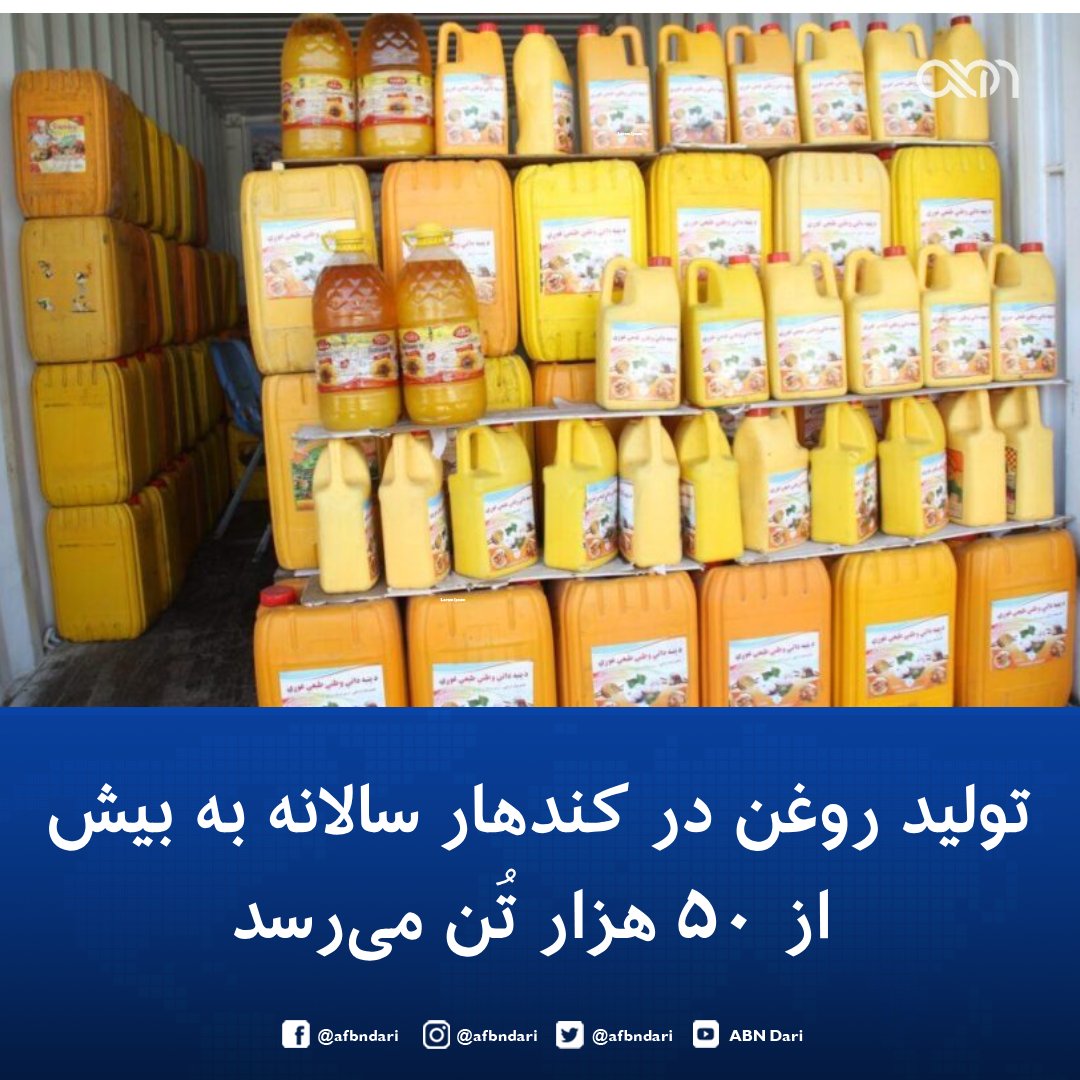
در ولایت کندهار تولید روغن افزایش یافته و کارخانههای تولیدی آن به سطح خودکفایی رسیدهاند.
رییس اتاق صنایع و معادن کندهار گفته، که در این ولایت حدود ۲۴ کارخانه تولید روغن فعال است که بهگونهٔ سالانه میان ۵۰ تا ۶۰ هزار تُن روغن تولید میکنند.
سید سرور امانی گفته است که این روغنها از تخم پنبه تولید میشوند.
به گفتهٔ امانی، در این ولایت سه کارخانهٔ معیاری روغن را بهگونهٔ آماده به بازار عرضه میکنند و سایر کارخانهها به شکل خام تولید انجام میدهند.
او افزوده است که با آغاز فعالیت کارخانههای تازه تولید روغن، زمینه برای تأمین نیازهای روغن در حوزه کندهار فراهم خواهد شد.
مسئولان کارخانههای خصوصی در کندهار خواستار حمایت از تولیدات داخلی هستند.
آنها میگویند اگر از ورود روغنهای بیکیفیت به بازار جلوگیری شود، رقابت تولیدات داخلی تقویت خواهد شد و برای هزاران نفر زمینهٔ کار فراهم میگردد.
#ABN | #Kandahar | #OilProduction | #AfghanistanIndustry | #LocalProduction
21
609

That's the part the Western aid model never wants discussed: local production.
Zambia doesn't need a billion dollars in conditioned medicine. Zambia needs a billion dollars invested in its own pharmaceutical manufacturing capacity.
One creates dependency. The other creates sovereignty.
Self-sufficiency isn't a slogan — it's a strategy. And every African nation should be building it right now.
Aid fills gaps. Industry closes them forever.
#Zambia #LocalProduction #SelfSufficiency #AfricaRising
3
32
1,722


Apr 23
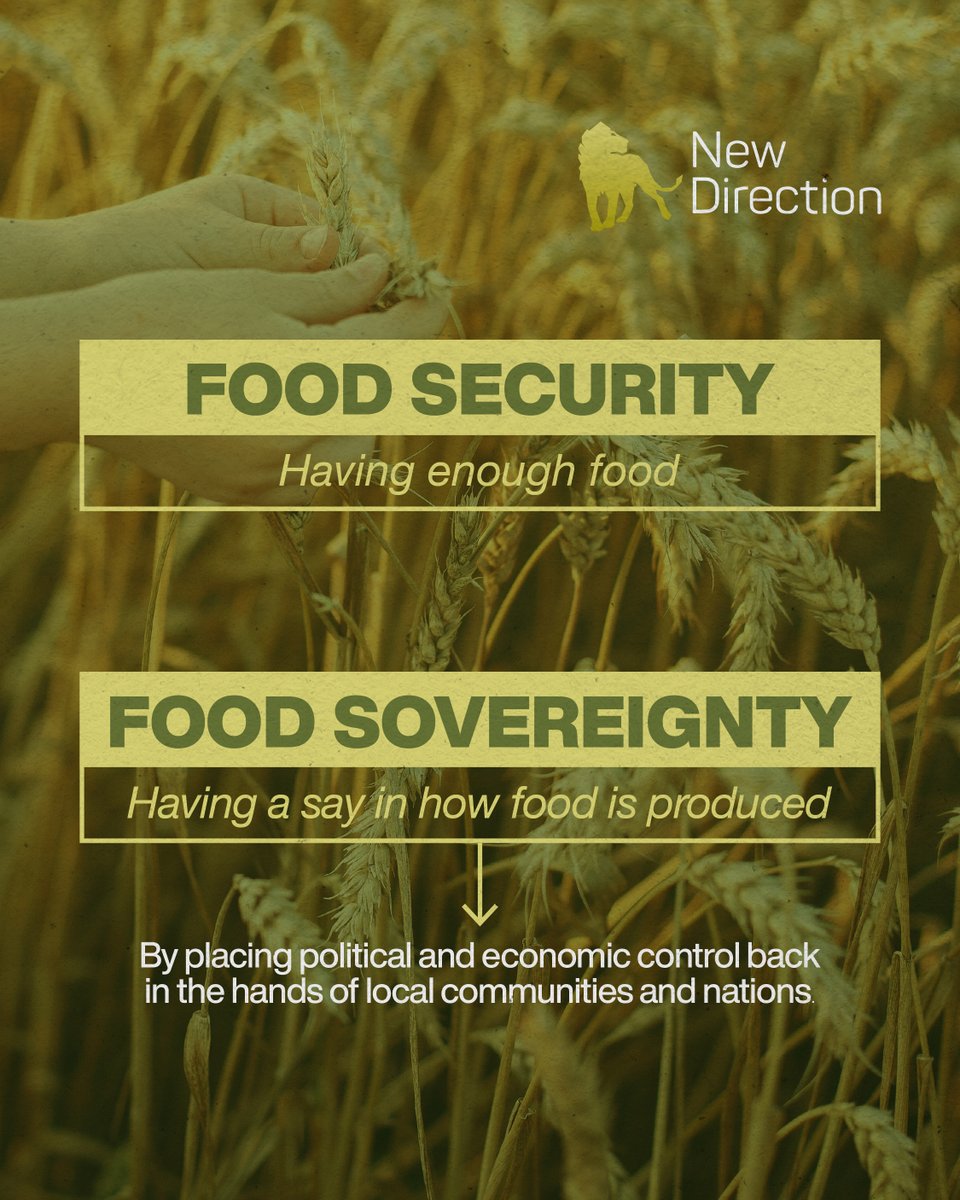
The #MediterraneanDiet is a compelling case study where #localproduction, culinary heritage and #publichealth align, you find stronger supply chains and more self-sufficient societies. (1/3)

1
2
2
131

Apr 20
Vice President highlights priority interventions in agriculture to boost local production 3news.com/news/highlighted-p… #Agriculture #LocalProduction #Ghana
1
1
2
1,081

Apr 16
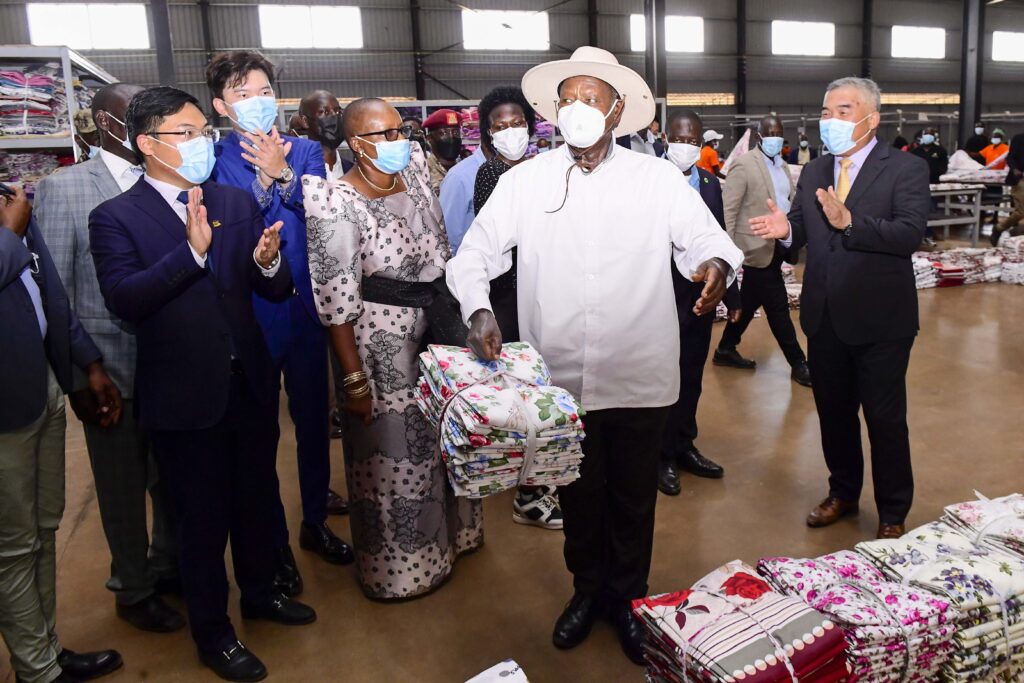
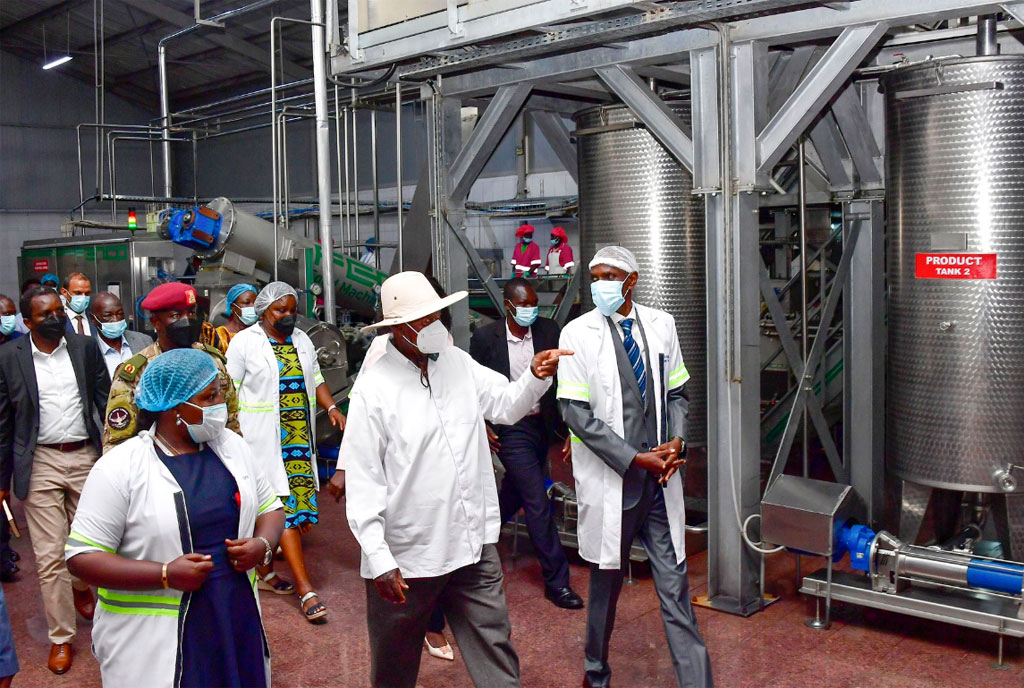
Promoting local production, fewer imports stronger economy.
Backing domestic industries creates jobs & builds national self-reliance — a strategy President Museveni consistently champions.
#GoldenPosts
#BuyUgandaBuildUganda #LocalProduction #UgandaEconomy
3
11
103