Lorenzo Bty retweeted

Jan 24
@goodboysobey has issued me a challenge, so y’all get to decide my next lockup period:
1 like = 1 Hours
1 Comment = 2 hours
Repost = 6 hours
New follower = 24 hours (Now 5852)
You also get to decide the cage I’ll do it in; left or right ?
Challenge ends in 24hrs starting now


181
999
6,552
320,605

It’s a retail trap… forcing the index funds to allocate and ending insider lockup before December rebalancing is one of the biggest SCAMS in history and a redistribution of wealth from pensions and 401k to insiders…
11


sissymarinadx🍏 retweeted

what do you crave most once you take off that chastity cage?
gooning, or the impending next lockup?
11
7
146
7,137


33m
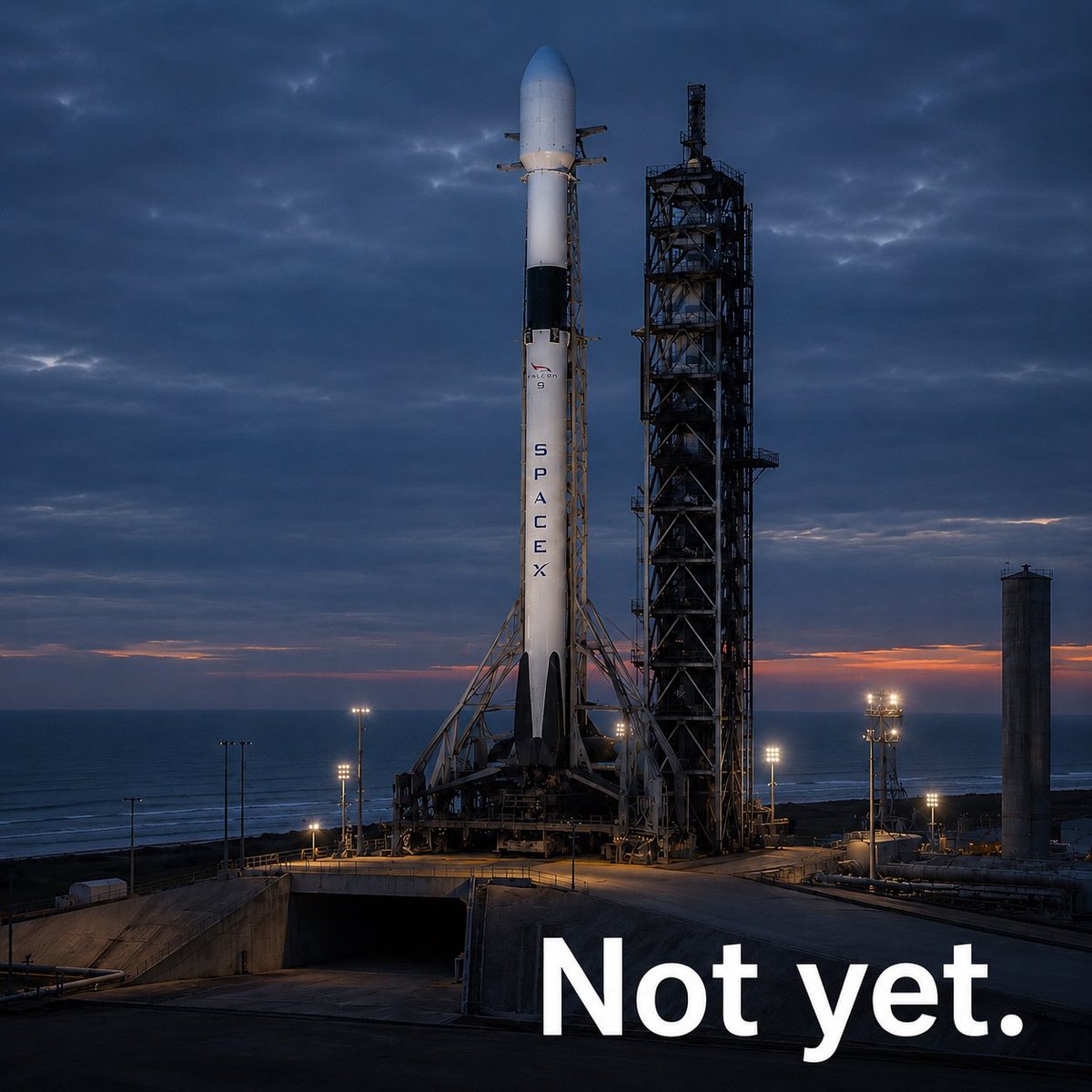
$SPCX. The question is not whether it is a great company. It is when you get paid.
SpaceX has built what is arguably the strongest competitive position in aerospace, with a near-monopoly in reusable heavy launch and a dominant LEO constellation in Starlink. The open question is when a public shareholder actually gets paid, and the filing answers it more honestly than the price.
At around $2.1T, $SPCX trades near 112x revenue. The only profitable segment is Starlink, roughly $4.4B in operating income. Launch appears to generate lower economic returns than Starlink and is increasingly used to support internal demand. The AI segment is consuming capital at a pace that likely exceeds $30B annually. You pay a monopoly multiple for one profitable network alongside a lower-return launch business and a capital-intensive AI segment.
History sets the base rate. Seven of the ten largest US IPOs of the past decade were underwater a year later. Didi fell 84%, Rivian 64%. Facebook spent over a year below its offer price before it became a great investment.
The timing sits in the lockup. There is no single 180 day wall. After the Q2 report in late July, 20% of insider shares unlock, then 7% tranches roll for months, then 28% more after Q3. Up to 2.4B shares, roughly 4.3x the float, become sellable within 90 days. That supply lands while index funds are forced to buy $SPCX into the Nasdaq 100. Musk himself is locked until June 2027.
My framework suggests a buy zone around $35 to $55. There you pay 30 to 50x Starlink forward EBITDA and the AI segment is free, which is where I value it until compute leasing becomes a revenue line instead of a cost line.
No position. This is a wait. What gets me long is a price in that zone combined with one fundamental confirmation: either stabilising Starlink ARPU or compute leasing proving it can become a meaningful revenue stream.
1
56
𑣲a retweeted

EK KO LOCKUP MAIN JANA HAI,
EK KO BB20 MAIN
RICHA KI CASTING 🧎
2
7
28
595

The biggest liars are the corrupt Republicans they support pedophiles they support and protect Lies ! They hate women they want to control women why would any of you vote for a republican? Their liars they have children, infants, toddlers in lockup think about that.

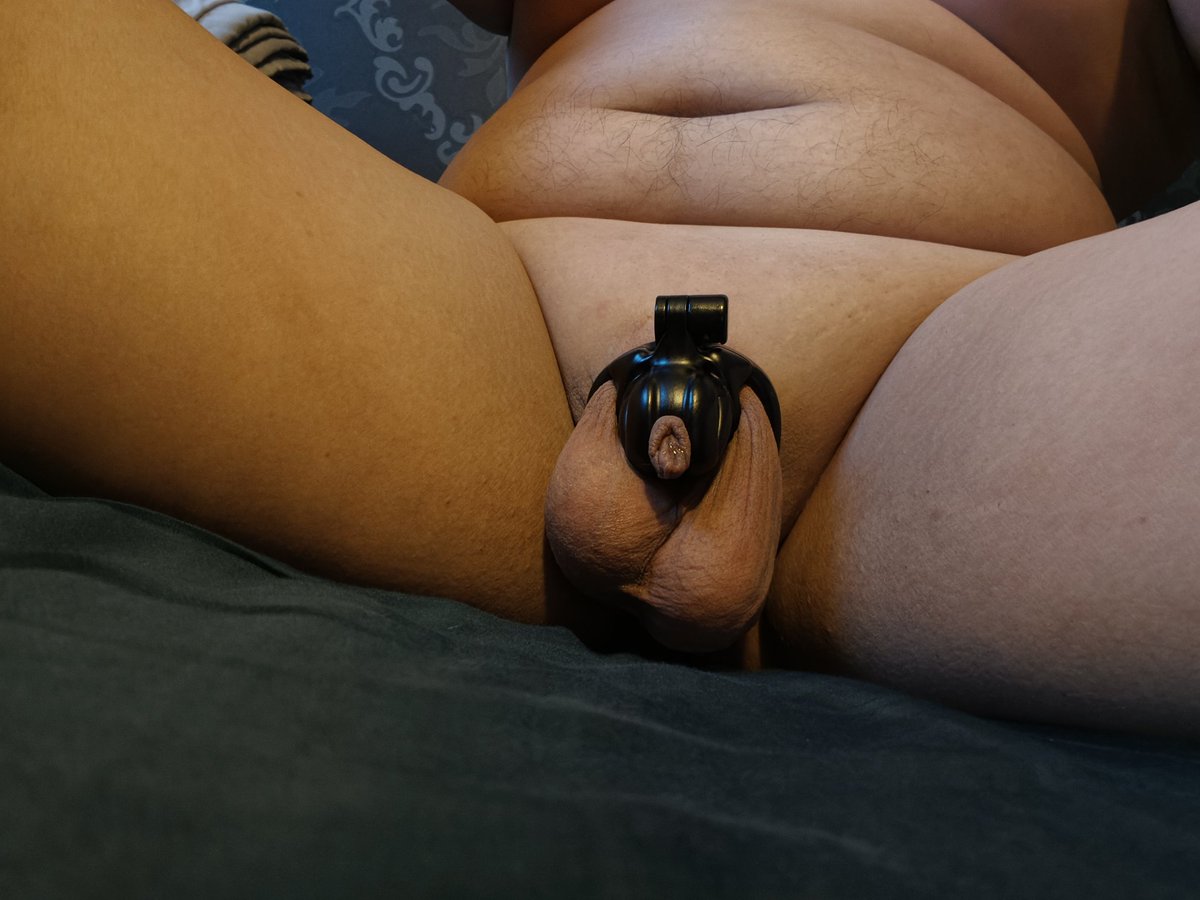
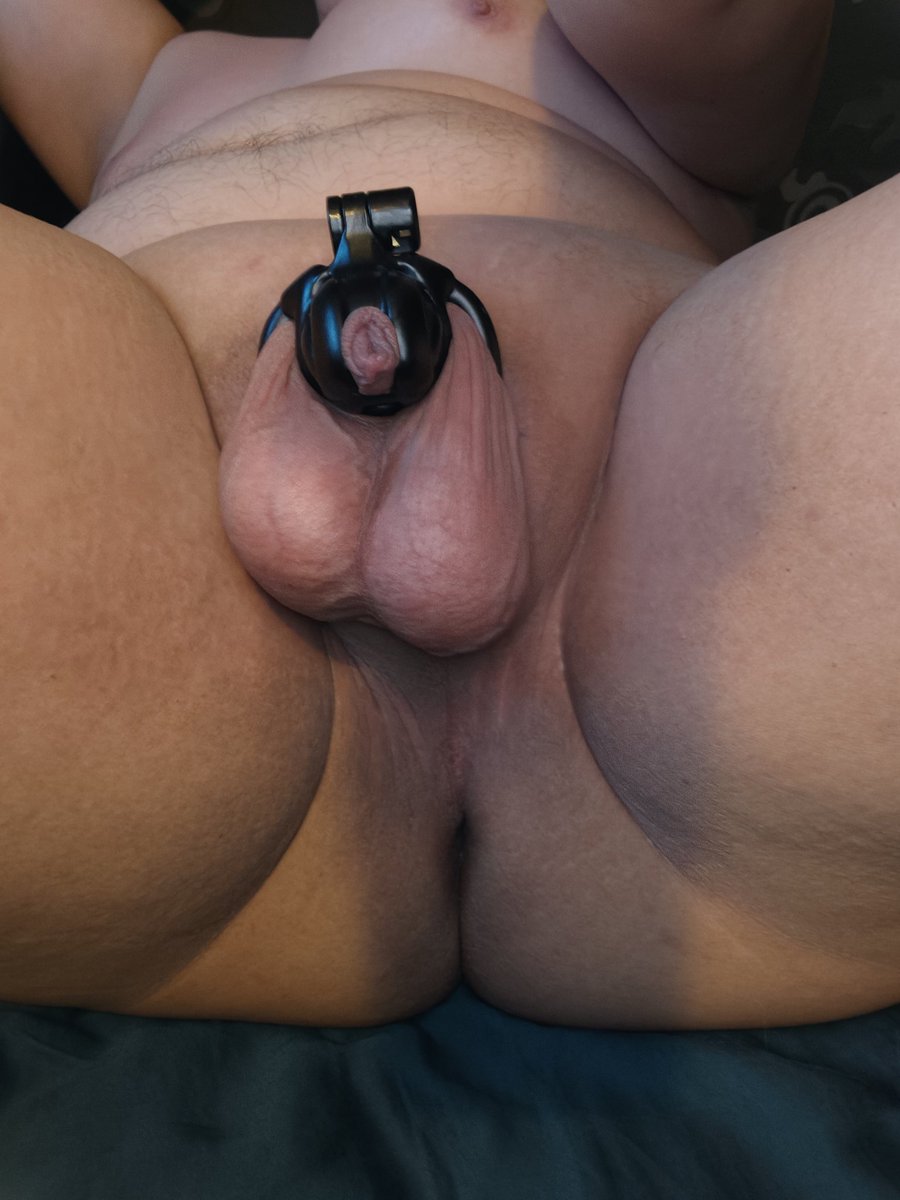
As much as my tiny nub makes me feel less of a man, I m really proud of my balls, especially during a lockup period, they do look nice and low hanging and full in my scrotum
Anyone wants to put my balls in their mouth and suck on them?

1
6
106


1h
Day 15 lockup signals insiders pricing exit windows more than retail enthusiasm.
When SPAC-style instruments hit $2T valuations on debut, it's distribution mechanics not demand fundamentals.
Watch the calendar.
68

America is ending the MAGA cult for pedos & insurrectionists. The midterms will be the start of this massive shift.
After the ‘28 election, President Newsom will approve legislation to lockup the MAGA criminals & institutionalize others. 🫵
1
9