
May 22
It’s so crazy how different the common birds are in different places. Like how in ZA I’d wake up to hear crested barbets & piet my vrou & hadadas & grey loeries and what have you… such magnificent birds but they become so mundane when you’re used to them.
2
2
74

Apr 30
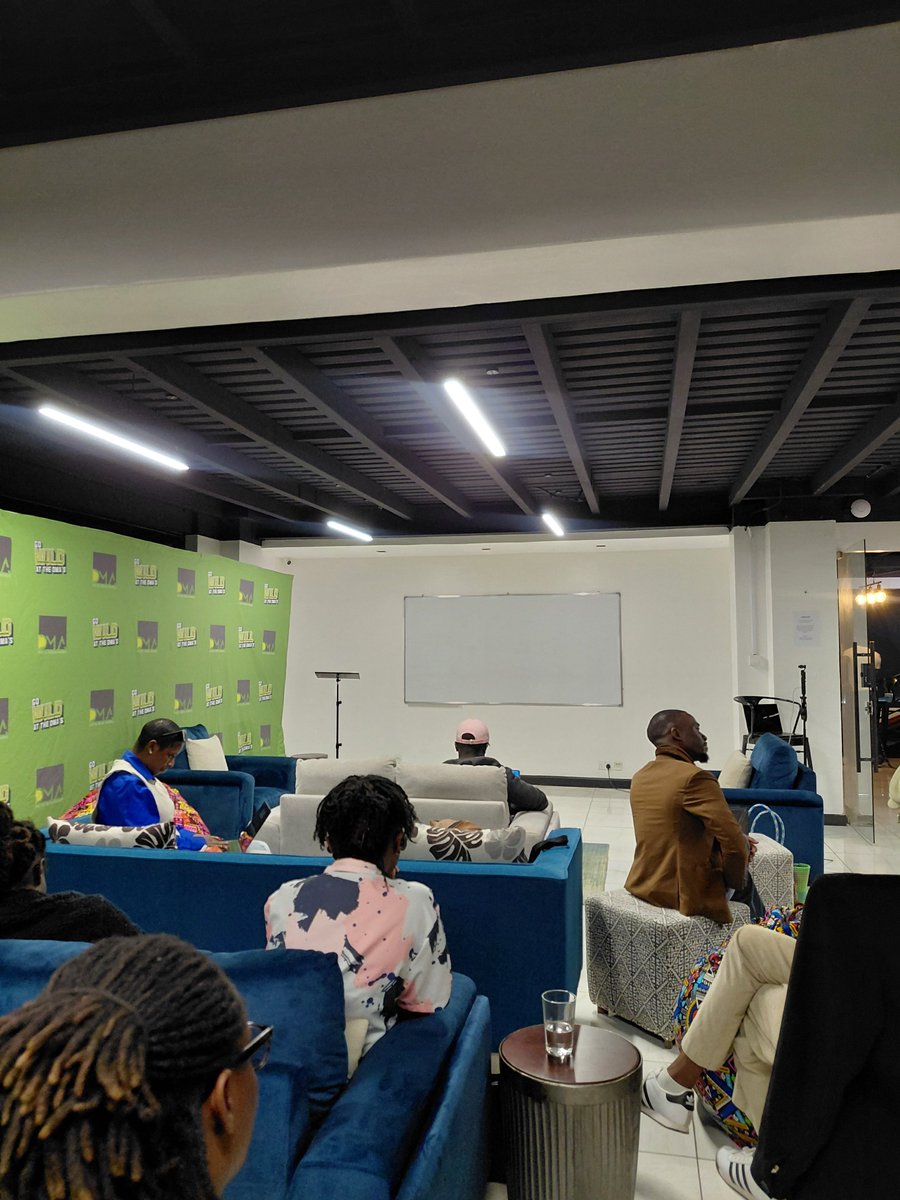
Office of the evening before the long weekend.
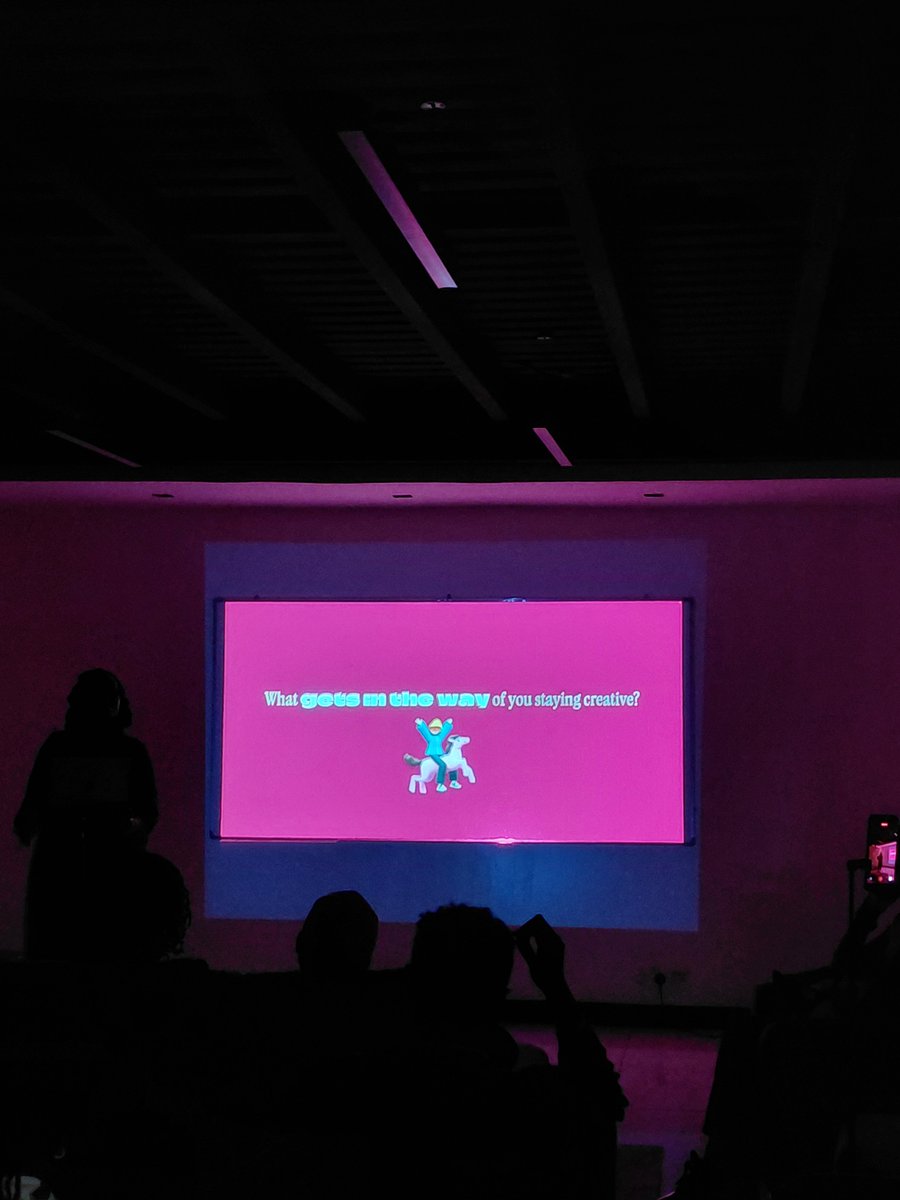
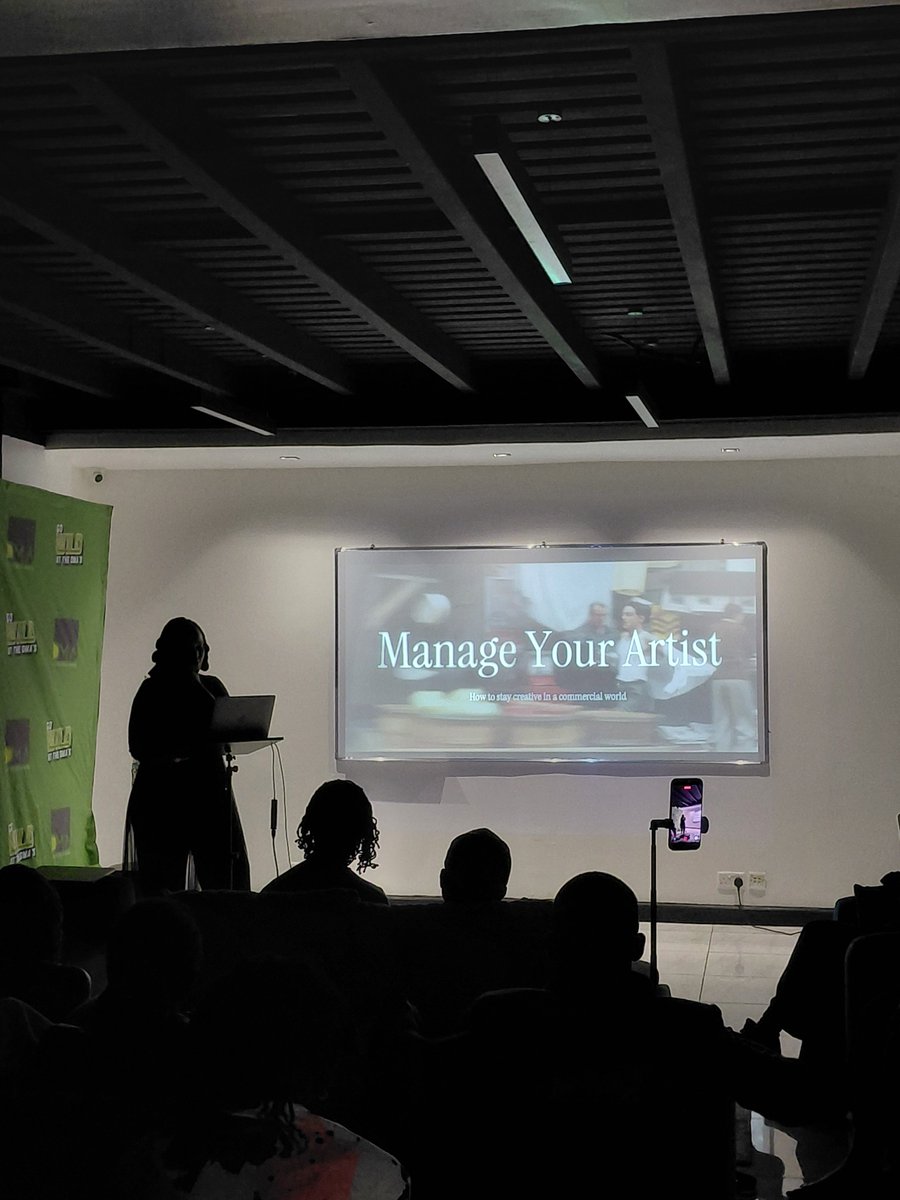
DMA Masterclass at The Quocollective.
With the Loeries Young Committee.
1
5
16
244

To give more context, here’s a quick summary of my academic and professional background 👇🏽
I studied Mass Communication at the University of Lagos and graduated with a 4.45/5 CGPA. Over the last 10 years, I’ve built a career across media, marketing, communications and advertising, working in senior roles at three of the leading agencies in Africa. I currently work as Head of Communications at Africa’s leading civic tech organization, where my work sits within the development space, using media and storytelling to support accountability, citizen engagement, and outcomes aligned with the SDGs.
I don’t have academic research or publications, but my work has earned international creative recognition, including Cannes Lions, D&AD Awards, and Loeries.
Alongside this, I run a disability advocacy agency where I create empowerment initiatives for women and creatives with disabilities. Through my agency, I organize advocacy events for disability communities using unconventional platforms like pageantry and fashion shows. Last year, I executed Nigeria’s first albinism advocacy pageant, and received both local and international media recognition.
I’ve also volunteered with several leading NGOs, and all the scholarships I applied to were aligned with my work as a media and development communications professional. I’m currently building a digital platform focused on disability inclusion education called IncluNorm. And I just wrote the first practical dictionary of disability-inclusive language available for free download tomorrow, May 1st 💜
4
18
97
5,936

Be inspired by work that defines creative excellence. Take a look at the 2025 Gold winner for Design Category - Environmental Signage: GHOST TOWN, CARREFOURSA by TBWA\Istanbul.
Entries for the Loeries 2026 are now open.
#loeries2026
1
2
209

Apr 2
The Great Cape Town Grift: How Your Skyrocketing Property Rates Fund Elite Salaries, Parade Grants, and Pure Contempt for Actual Residents
In the so-called "City of Hope," the only thing hopeful is the brazen audacity of the DA-led elite as they pick your pockets while the rest of Cape Town drowns in potholes, blackouts, crime, and broken promises. The draft 2026/27 budget is a taxpayer-funded middle finger to every hardworking Capetonian still bleeding from last year's tariff restructuring debacle. They trimmed the rates increase slightly after public backlash and AfriForum's legal challenges, but make no mistake. This document is a masterclass in waste, self-enrichment, and tone-deaf priorities that scream: "We eat first."
Let us start with the most obscene line. The top 13 city managers, the Municipal Manager plus 12 Executive Directors, are budgeted a jaw-dropping R45,954,278 in total remuneration for 2026/27. Over forty-six million rand of your rates money going straight into the pockets of thirteen executives. The Municipal Manager alone pockets R4,515,050 a year, up from the R4.49 million reported for 2023/24. The CFO, Corporate Services, Energy, Human Settlements, Urban Waste Management directors, each raking in R3.6 million-plus. These are not the people fixing your pipes or chasing criminals. These are the same overpaid suits who keep delivering the same mediocre service year after year while patting themselves on the back for "prudent governance." While the average Capetonian scrapes by on a fraction of that, these thirteen parasites live like minor royalty on money extracted from your property valuation. Disgraceful does not even begin to cover it.
Then there is the political gravy train. The entire political office-bearer package for the DA-majority council, salaries, vehicle allowances, cell phones, office support, and "councillor support operations," clocks in at around R207 million. Every single councillor gets their slice, all rubber-stamped under national gazette regulations they love to hide behind. Councillors in Grade 6 metros like Cape Town can pull salaries north of R1 million, with additional cell phone allowances of R3,600 per month, data bundles, vehicle reimbursement, risk insurance covering property up to R1.5 million, and life and disability cover worth twice their total package. It is not "governance costs." It is an insider club where the same people who vote themselves these packages then lecture you about "fiscal discipline." Meanwhile, the city tightens debt collection on the poor and hikes fixed charges linked to property values, because apparently the real priority is protecting their own cushy lifestyles.
Now here is the part nobody in the media wants to touch honestly. The Pride and events slush fund. In Annexure 25 of the approved budget, the City openly funnels R550,000 per year directly to the Cape Town Pride Festival through the organiser Outreach Africa. That is not traffic management or street cleaning, which cost extra on top. That is a straight grant, repeated every year across the medium-term expenditure framework, R550,000 in 2025/26, R550,000 in 2026/27, R550,000 in 2027/28. Nothing against anyone's lifestyle or identity. That is their business. But ratepayers are not asking to bankroll parades and Mardi Gras parties. Most households in this city are trying to keep the lights on and put food on the table. They did not sign up to sponsor festival floats and rainbow spectacles. The city treats this as untouchable "social cohesion" spending. The residents footing the bill see it differently. They see half a million rand a year going to a party they never asked to fund, while their roads crumble and their water bills climb.
And the Pride grant is just the tip of the events iceberg. The total iconic events budget runs to R74.6 million per year. The Cape Town Carnival gets R3.1 million. The Jazz Festival gets R2.5 million. The Cycle Tour pulls R4.3 million. Africa Travel Week gets a staggering R4.5 million. The HSBC Cape Town Sevens, another R4.5 million. The Sanlam Marathon, R3.9 million. The Loeries Awards, R3.63 million. The Silwerskerm Film Festival, R2 million. All of it funded by you, the ratepayer, so the city can produce Instagram reels and tourism brochures while the townships still wait for dignified sanitation and running water.
Then there is the R6.8 billion safety and security budget, the largest in the city's history, and apparently the most useless. GOOD Party councillor Sandra Dickson rightly calls it a "militarised" fantasy that throws cash at cameras, drones, consultants, and fancy tech while crime remains out of control in the very communities that need it most. JP Smith, the mayoral committee member for safety, admits the budget covers fire, rescue, disaster management, and emergency coordination on top of crime prevention, meaning the actual crime-fighting portion is smaller than the headline figure suggests. Meanwhile Cape Town still ranks among the most dangerous cities on the planet. More cameras, same body count. The ANC's Xolani Mtsweni wants a "pro-poor, people-centred approach." He is right about the diagnosis even if his party has no credibility delivering the cure.
And the tariff hikes keep coming. Electricity up 6.67% on average. Water and sanitation up 4.5%. Refuse and cleaning up 3.75%. The city claims 60% of households will see no change or even a small decrease in rates, thanks to a 10.2% cut in the rate-in-the-rand and raising the rates-free threshold from R450,000 to R500,000. Sounds generous until you realise that property valuations jumped 17.1% for residential properties between GV2022 and GV2025, from R1.396 trillion to R1.634 trillion. Cut the rate-in-the-rand by ten percent but jack the assessed value by seventeen percent and you are still extracting more. Classic shell game. AfriForum has warned the tariff structures are potentially unconstitutional. SAPOA and ratepayer groups across the metro have filed objections. The fixed charges linking water, sanitation, and cleaning costs to property values hit middle-class homeowners hardest, exactly the "asset-rich but cash-poor" households Dickson describes.
This budget is not about hope. It is about entrenching elite capture. It is about ensuring the top brass and their political allies stay fat and happy while the rest of us foot the bill for their salaries, their perks, their festival grants, and their image-laundering events. Every rand that goes to these overpaid executives, these cushy councillor allowances, or these feel-good spectacles is a rand ripped from pothole repairs, from fixing leaking pipes, from actual crime-fighting that works, or from keeping the lights on without another load-shedding contingency excuse.
Cape Town's ratepayers are not cash machines for this arrogant, disconnected cabal. The draft budget is open for public comment until 30 April 2026. But the DA has zero intention of slashing their own salaries or reconsidering their spending priorities. This is systemic waste dressed up as "progressive governance." It is theft by spreadsheet. And until the people demand better, the elite will keep laughing all the way to the bank with your hard-earned money.
Disgusting. Outrageous. And completely unsustainable.
Wake up, Cape Town. Your property rates are funding the wrong party.
1
1
6
277

Mar 19
#YGK March 2026: Bernice Puleng Mosala. This Cannes Lions and Loeries winning senior copywriter is Young, Gifted & Killing It! — an interview by @TheNduna . marklives.com/article/44537-…
2
2
379
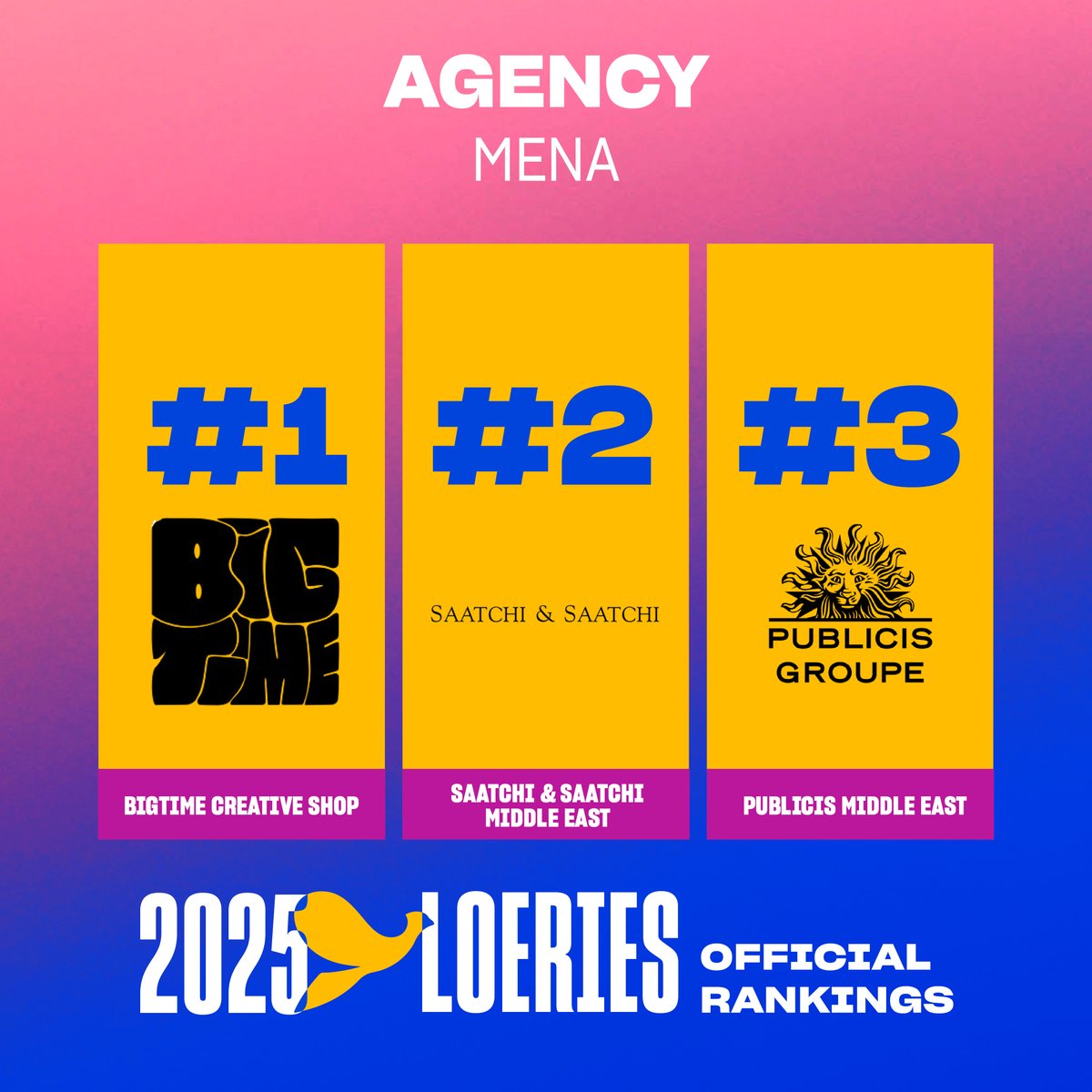
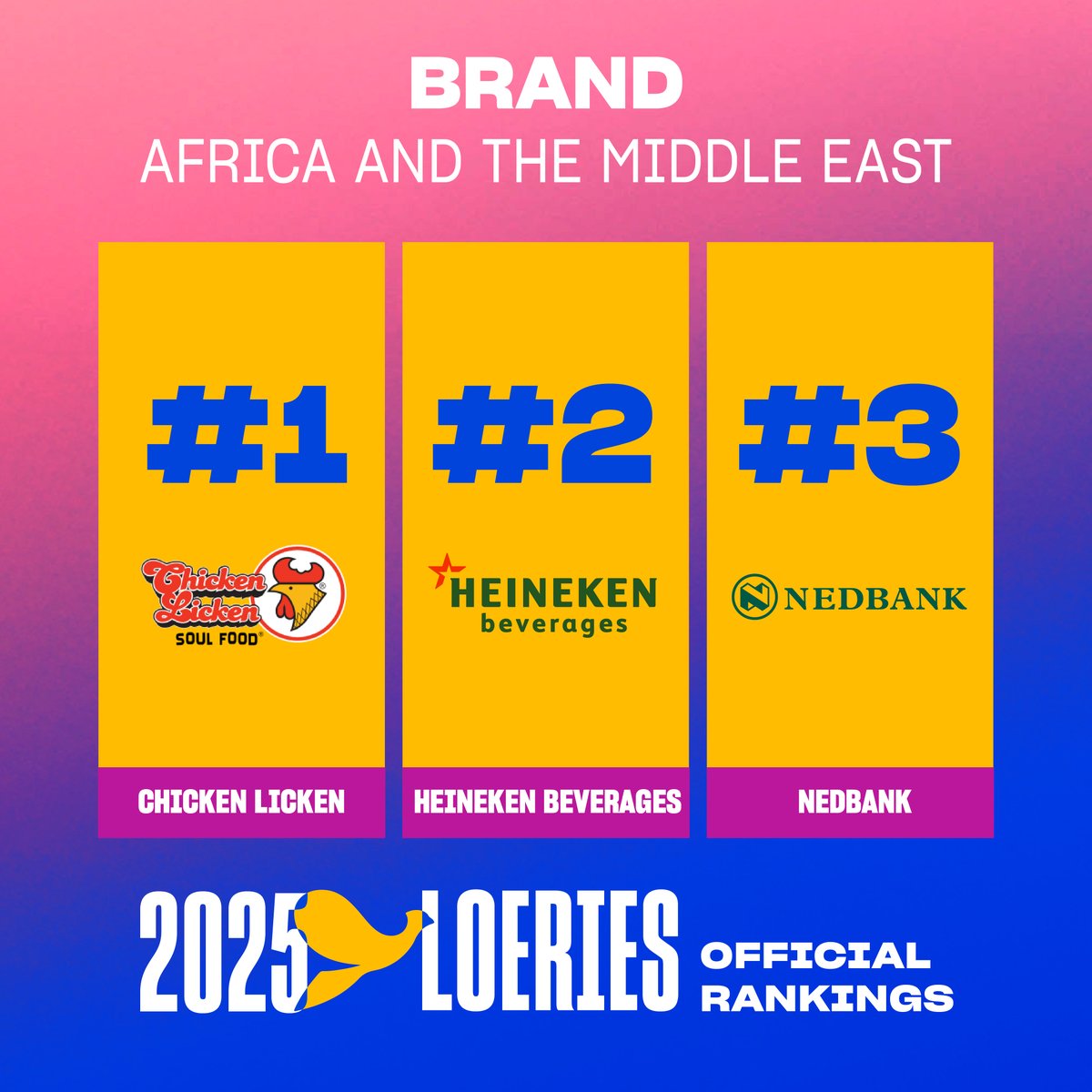
The Loeries 2025 Official Rankings have been released. View all the rankings at loeries.com
#loeriesofficialrankings2025
2
85
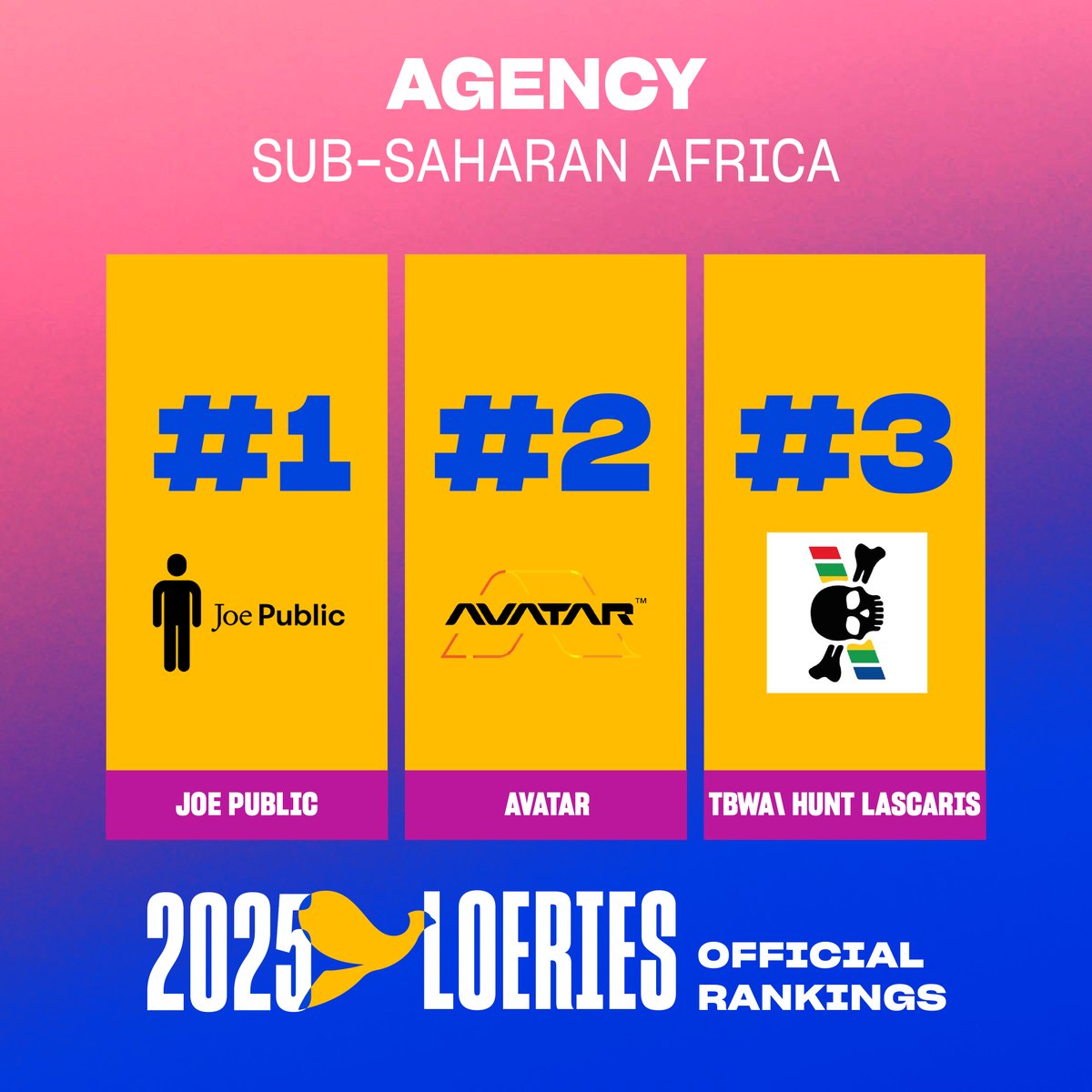
The Loeries 2025 Official Rankings have been released. View all the rankings at loeries.com
#loeriesofficialrankings2025
3
5
506

#السعودية
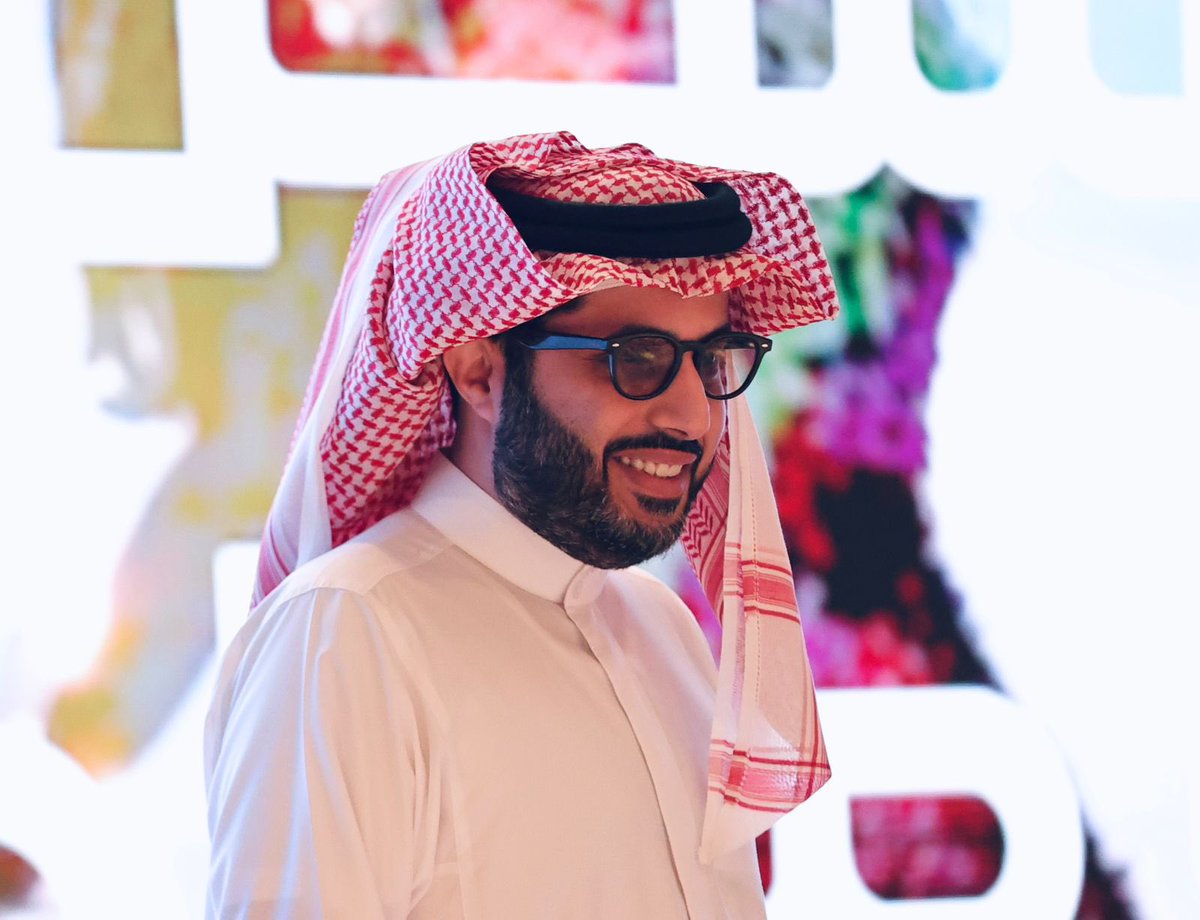
معالي المستشار تركي آل الشيخ رئيس الهيئة العامة للترفيه، هو العقل المدبر الرئيسي وراء نجاح الموسم منذ إطلاقه.
جهوده تشمل التخطيط والإدارة يعلن تفاصيل كل نسخة في مؤتمرات صحفية، مثل نسخة 2025 التي تضمنت 11 منطقة ترفيهية، 15 بطولة عالمية، 34 معرضًا، وآلاف الفعاليات (حوالي 7000 فعالية)، مع التركيز على المحتوى المحلي والسعودي.
الابتكار والتوسع: أشرف معاليه على تحويل الموسم إلى منصة عالمية، بما في ذلك مسيرات ضخمة، حفلات عالمية، دعم المحتوى السوري والخليجي، وفعاليات رياضية كبرى (مثل الملاكمة والمصارعة).
تعزيز العلامة التجارية:
تحت قيادته، حقق الموسم إنجازات مثل تصدر جوائز Loeries كأفضل علامة تجارية في الشرق الأوسط وشمال أفريقيا.
الدعم الاقتصادي والاجتماعي:
يركز على خلق فرص عمل، دعم الشباب والنساء، وتعزيز الاقتصاد من خلال شراكات مع شركات محلية وعالمية، مع إعلانات مستمرة عن المفاجآت (مثل سحوبات جوائز).
موسم الرياض ليس مجرد حدث ترفيهي، بل أصبح أداة استراتيجية للتنمية الاقتصادية والثقافية، وجهود تركي آل الشيخ كانت حاسمة في تحويله إلى ظاهرة عالمية تدعم الاقتصاد السعودي بشكل مستدام.
5
109
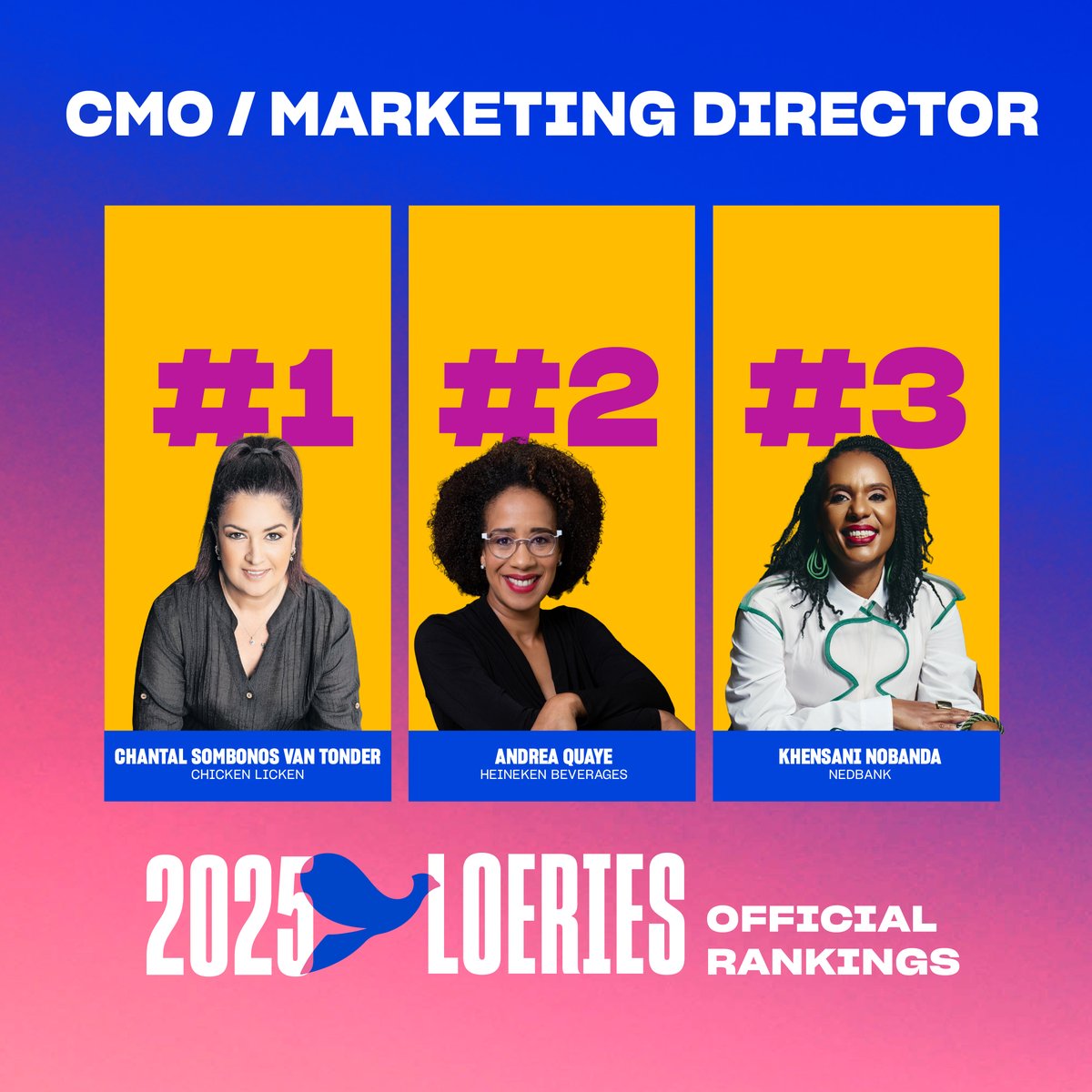
The Loeries 2025 Official Rankings have been released. View all the rankings at loeries.com
#loeriesofficialrankings2025
2
2
137

Feb 9
أعلن تركي آل الشيخ تصدّر موسم الرياض العلامات التجارية في الشرق الأوسط وشمال أفريقيا وحصوله على المركز الأول في جوائز Loeries، فيما تصدّر شريكه الإبداعي BigTime Creative Shop وكالات المنطقة، في إنجاز يعكس قوة الإبداع السعودي وحضوره العالمي.
2
3
726
The Loeries 2025 Official Rankings have been released. View all the rankings at loeries.com
#loeriesofficialrankings2025
1
2
92

Feb 9
الموسم الأضخم عالميًا..
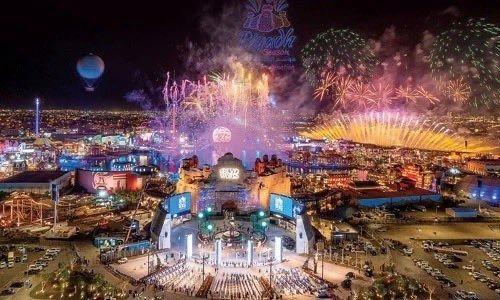
موسم الرياض الأول بين العلامات التجارية في الشرق الأوسط وشمال أفريقيا، وفق جوائز Loeries.
1
3
336

Feb 8
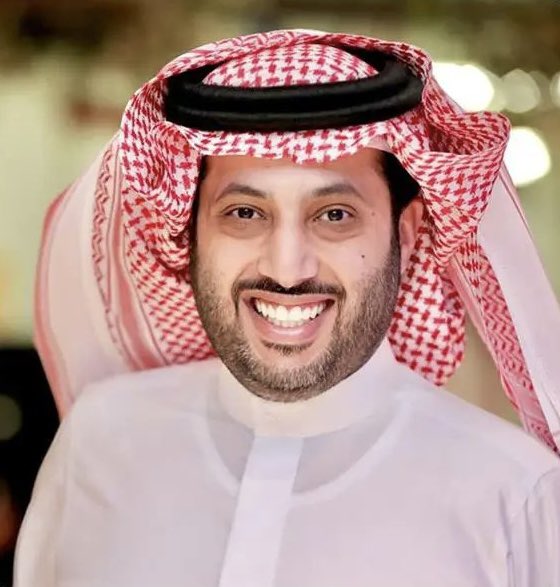
تركي آل الشيخ: #موسم_الرياض يتصدر العلامات التجارية في الشرق الأوسط وشمال أفريقيا ويحصل على المركز الأول في جوائز Loeries.
-
#الكويت #السعودية #فلسطين #القدس #غزه #اليمن #لبنان #السودان #سوريا #مصر #العراق #الأردن #حماس #ترمب #ترامب #أمريكا #تركيا #الرياض #ايران #ليبيا #صباح_الخير #يوم_الجمعة #ليلة_الجمعة #ساعة_استجابة #جمعة_مباركة #مساء_الخير #موسم_الرياض #الشتاء_وشبه #لحظه_صادقه #الخميس_الونيس #كلمه_تطيب_خاطر #الاجواء_الجميله
#حضرموت #المهره #الصومال
#Gaza #Syria #Iran #Trump
#patlama #zeudiners #bbvipks4 #deprem
#Venezuela
دول الخليج
الدول العربيه
الولايات المتحده
الشرق الاوسط
مجلس الامن
الامم المتحدة
الرئيس الفنزويلي
مدريد
صوت المطر
صوت الرعد
مطر الليل
276

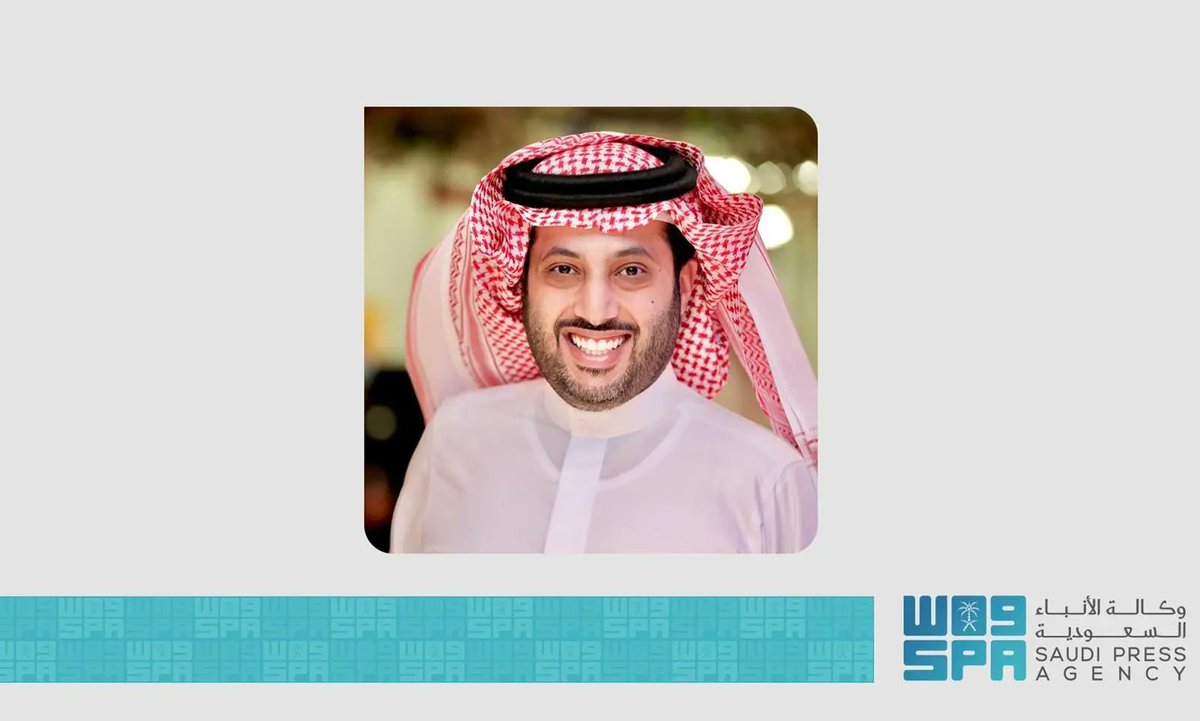
GEA Chairman: Riyadh Season Named Top Brand in MENA, Wins First Place at Loeries.
spa.gov.sa/en/w2507347
#SPAGOV
4
10
1,031

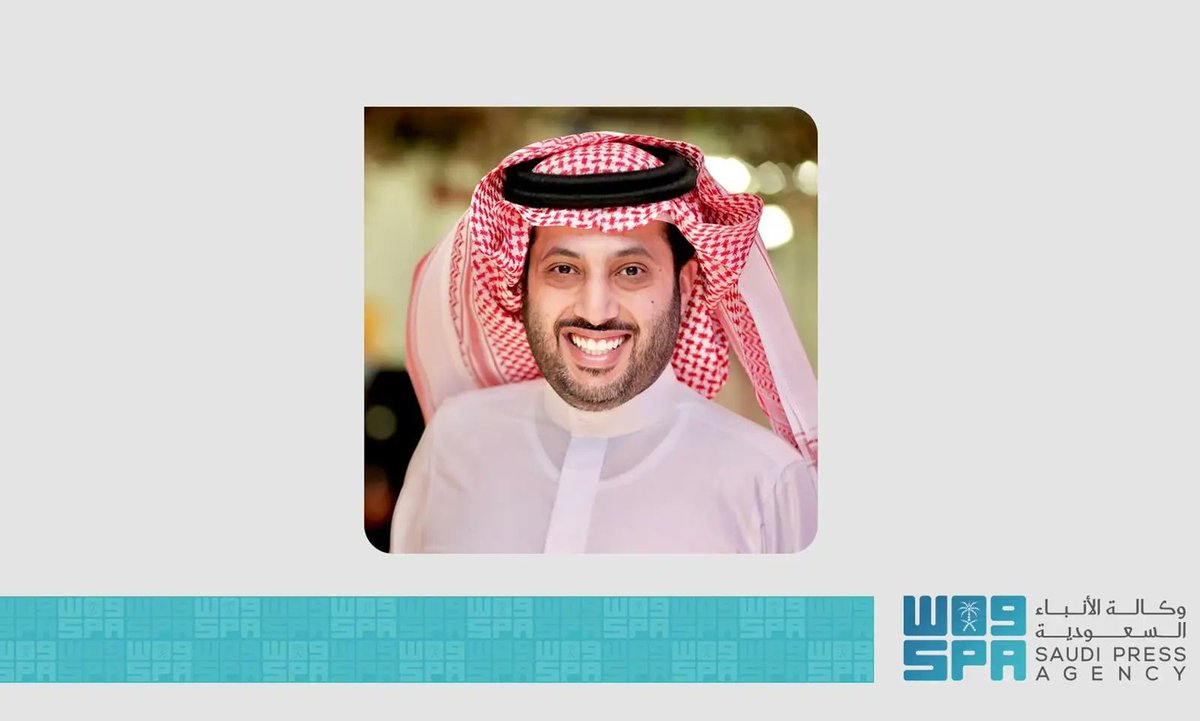
تركي آل الشيخ: موسم الرياض يتصدر العلامات التجارية في الشرق الأوسط وشمال أفريقيا ويحصل على المركز الأول في جوائز Loeries.
spa.gov.sa/ar/w2507246
#واس
66
126
435
306,791

Feb 8
#موسم_الرياض يحصد " الأول" بجوائز Loeries متصدرا العلامات التجارية
#BigTime
#RiyadhSeason
مجاناً على شاهد
برنامج اكشن مع وليد يومياً الساعة 11:00مساءً بتوقيت السعودية على MBCAction
onshahid.net/6017oyEiT
2
2
16
19,485

Feb 8
تركي آل الشيخ: موسم الرياض يتصدر العلامات التجارية في الشرق الأوسط وشمال أفريقيا ويحصل على المركز الأول في جوائز Loeries
أعلن معالي المستشار تركي بن عبدالمحسن آل الشيخ، رئيس مجلس إدارة الهيئة العامة للترفيه (#GEA)، اليوم السبت، عن تحقيق موسم الرياض إنجازاً إبداعياً جديداً بتصدّره قائمة العلامات التجارية في منطقة الشرق الأوسط وشمال أفريقيا، وحصوله على المركز الأول ضمن جوائز Loeries، فيما تصدّر الشريك الإبداعي للموسم BigTime Creative Shop قائمة الوكالات الإبداعية في المنطقة.
ويُعد #موسم_الرياض أحد أبرز المواسم الترفيهية في المنطقة، ومن أهم المشاريع الوطنية التي أسهمت في إعادة تعريف صناعة الترفيه محلياً وإقليمياً، من خلال محتوى متنوع وتجارب عالمية المستوى، وشراكات إبداعية وتسويقية أسهمت في بناء علامة تجارية سعودية ذات حضور دولي، وقدرة تنافسية عالية في كبرى المحافل العالمية.
جوائز #Loeries من أعرق وأهم الجوائز المتخصصة في مجالات الإعلان، والاتصال التسويقي، والإبداع المؤسسي في أفريقيا والشرق الأوسط، حيث تأسست عام 1978، وتُمنح وفق معايير دقيقة تعتمد على جودة الفكرة، والابتكار، والتنفيذ، والأثر الإبداعي. ويُنظر إلى الفوز بها بوصفه اعترافاً دولياً رفيع المستوى بالتميّز والريادة في الصناعات الإبداعية.
#إذاعة_ألف_ألف
1
2
764

Feb 8
موسم الرياض يتصدر العلامات التجارية في الشرق الأوسط ويحصل على المركز الأول في جوائز Loeries
youtube.com/watch?v=RpvNSf_T…
1
876

Feb 8
معالي المستشار تركي آل الشيخ يعلن أن #موسم_الرياض يتصدر العلامات التجارية ويحصل على المركز الأول في جوائز Loeries
@Turki_alalshikh
@RiyadhSeason
#نشرة_التاسعة
4
16
1,991