Santiago Tresor retweeted


5
2
7
1,484

Introducing the EvidenceMD API: Clinical Reasoning for Modern Healthcare
As healthcare becomes increasingly complex, access to transparent, evidence-based clinical reasoning is more important than ever. The EvidenceMD API enables healthcare organizations, digital health platforms, and developers to incorporate clinical reasoning capabilities directly into their products and workflows.
Designed for modern healthcare applications, the API helps transform medical knowledge and evidence into structured, context-aware reasoning that can support a wide range of clinical and operational use cases.
evidencemd.ai/developers
Key capabilities include:
• Evidence-based clinical reasoning
• Seamless integration with healthcare applications and workflows
• Scalable infrastructure for enterprise environments
• Secure and reliable access to clinical intelligence
• Structured outputs built for interoperability and innovation
Whether you’re building provider tools, AI-powered healthcare solutions, care management platforms, or next-generation health technologies, the EvidenceMD API provides a foundation for bringing clinical reasoning into modern healthcare experiences.
Built for healthcare teams. Powered by evidence. Designed for modern clinical reasoning.
#physicians #doctors #healthtech #medtwitter #healthcaredevelopers #developers #aihealth #ClinicalReasoning #ModernHealthcare #HealthcareAPI #DigitalHealth #HealthTech #EvidenceBasedMedicine #HealthcareInnovation #MedicalTechnology #Interoperability #AIinHealthcare
5
Oscar Andres retweeted

45
130
2,595

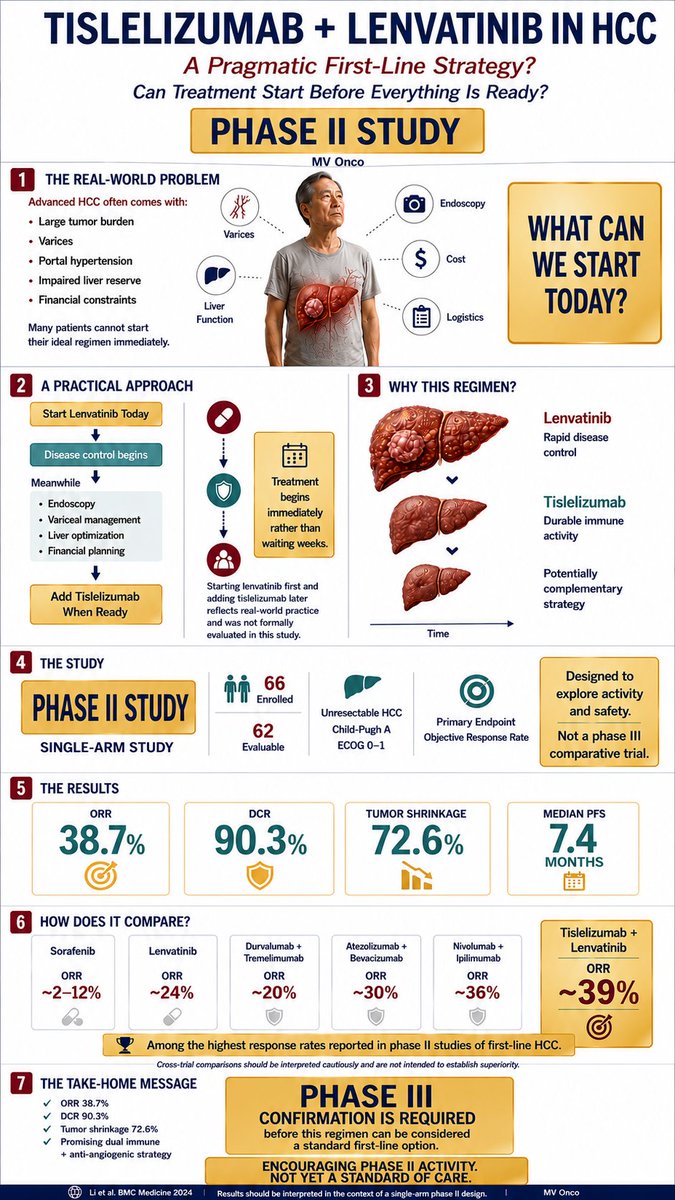
Can treatment start before everything is ready?
Advanced HCC often presents with barriers—varices, impaired liver reserve, logistics, or cost—that may delay the preferred first-line regimen.
This phase II study of Tislelizumab Lenvatinib reported:
✓ ORR 38.7%
✓ DCR 90.3%
✓ Tumor shrinkage 72.6%
✓ Median PFS 7.4 months
The study is signal-generating, not practice-changing.
It also raises an important real-world question:
When optimal therapy is delayed, should effective systemic treatment begin while clinical and logistical barriers are being addressed?
This specific sequencing strategy was not formally tested.
Promising phase II activity.
Not yet a standard of care.
#HCC #LiverCancer #Oncology #MedTwitter #OncoX #MedicalOncology #MVOnco
23
RADIOLOGY HUB retweeted

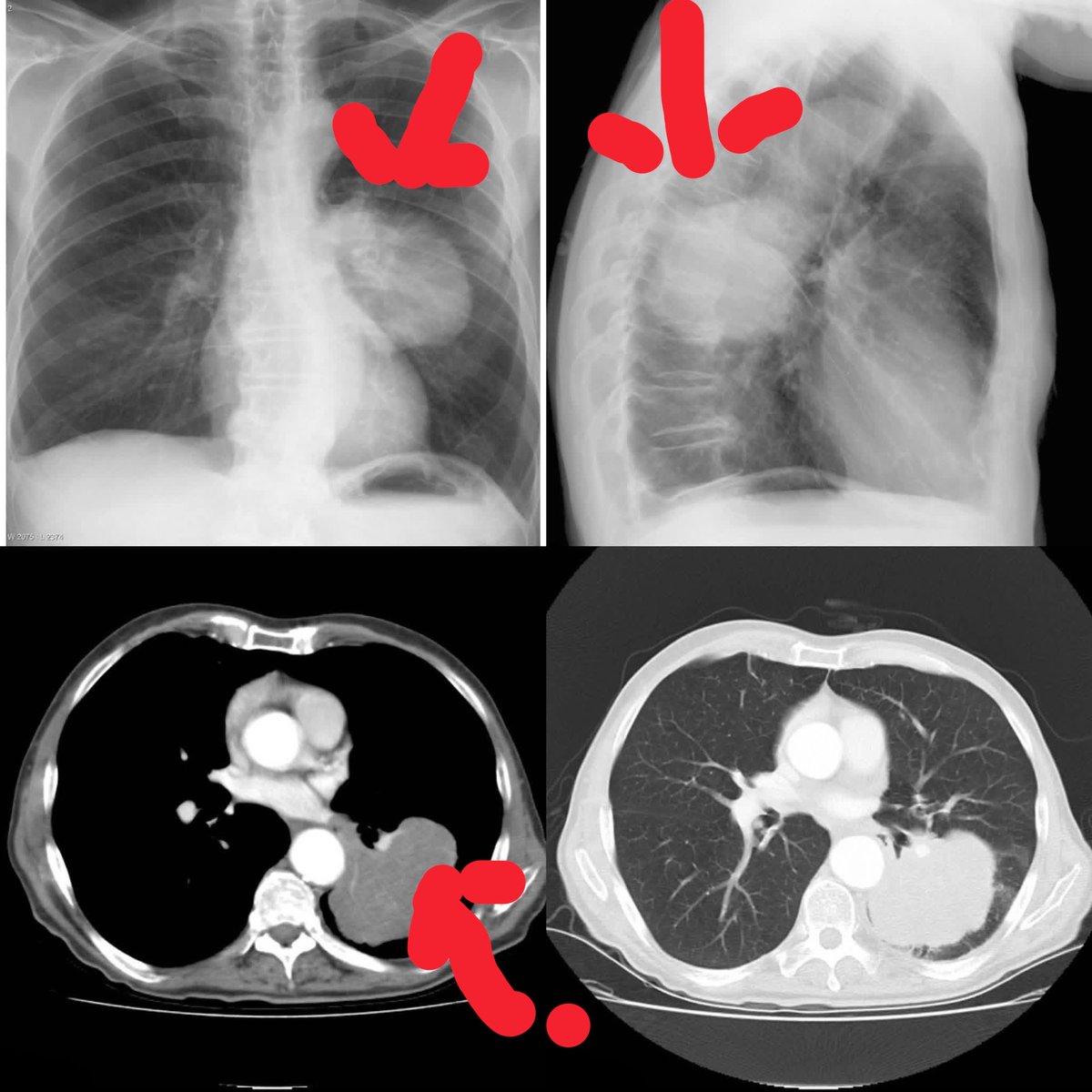
What mediastinal compartment is this lesion?
What are your top 3 differential diagnosis ?
#MedTwitter
1
2
5
94

For Medtwitter #
Most doctors blame our DMARDs like tofacitinib or methotrexate for recurrent severe tinea infections in patients with rheumatoid arthritis
In most cases in our practice it is the steroids / poor clothing / lifestyle / blood sugars which are the main culprit. Most patients will be able to take care of their fungal infections when we take them off steroids and guide to take care of blood sugar / clothes / hygiene / washing practices.
Rarely any patient ever has severe tinea on dmards without steroids
3
54

One Of known Rheumatologists close to me has been treating Scleroderma patient with Steroids since 12 years. No other Immunomodulators in treatment. Came in Flash Pulmonary Oedema today secondary to scleroderma renal crisis.
#MedX
#MedTwitter
#RheumTwitter
6
Mohammad Aleidi retweeted

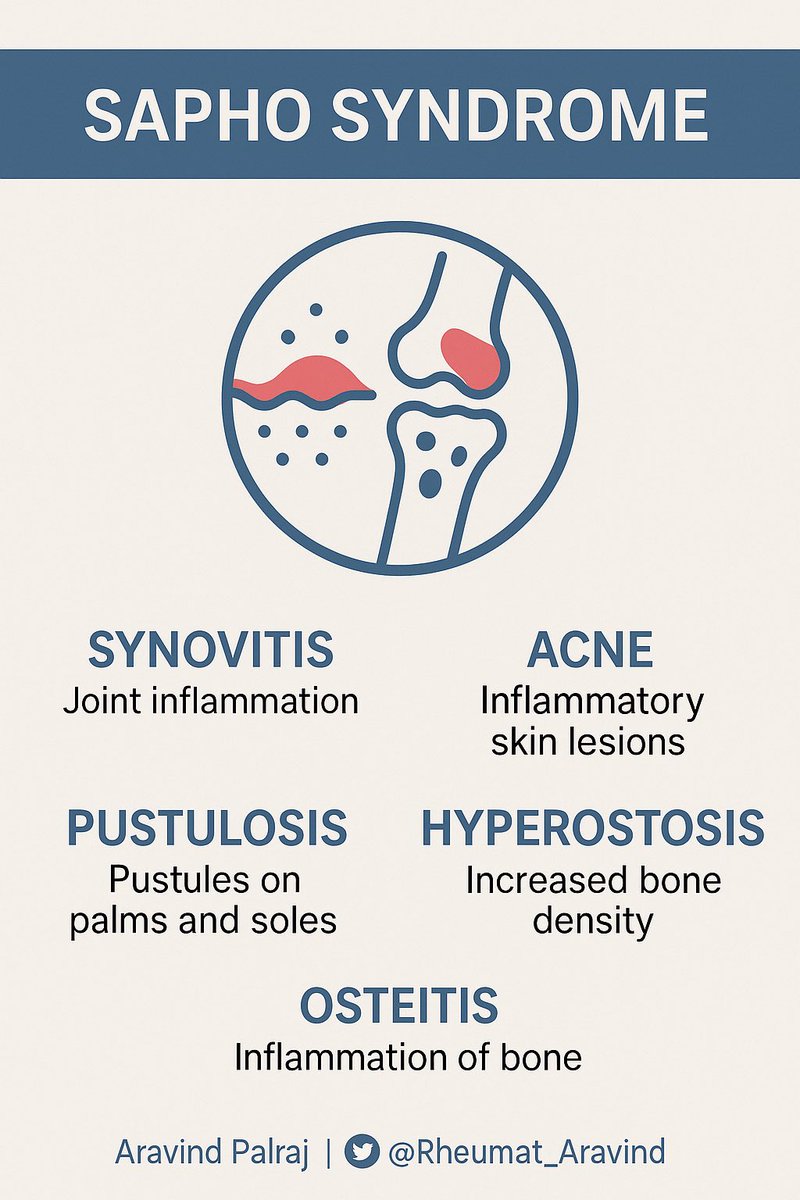
SAPHO Syndrome:
#MedTwitter @IhabFathiSulima
30 Aug 2025

🧵 SAPHO Syndrome: The Skin–Bone Connection
1/
Ever seen acne arthritis osteitis in the same patient?
That strange cluster could be SAPHO syndrome — a rare, under-recognised autoinflammatory disorder.
Let’s break it down 👇
@IhabFathiSulima @DrAkhilX @CelestinoGutirr #MedTwitter #RheumatX
9
26
1,169
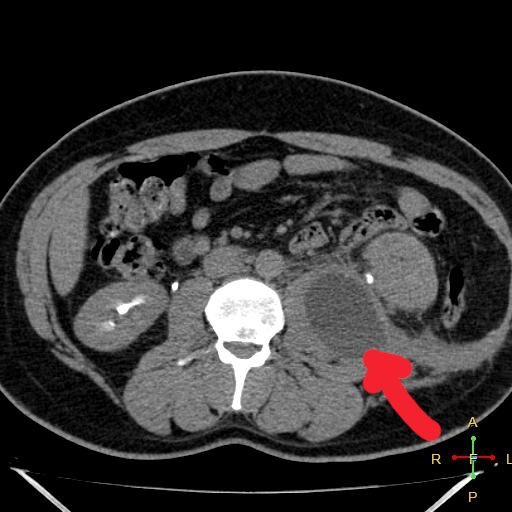
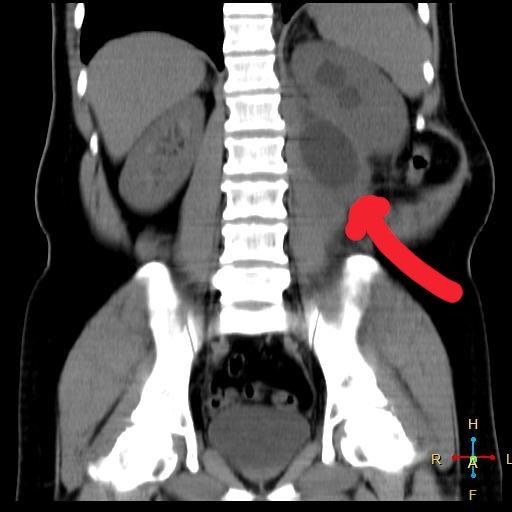

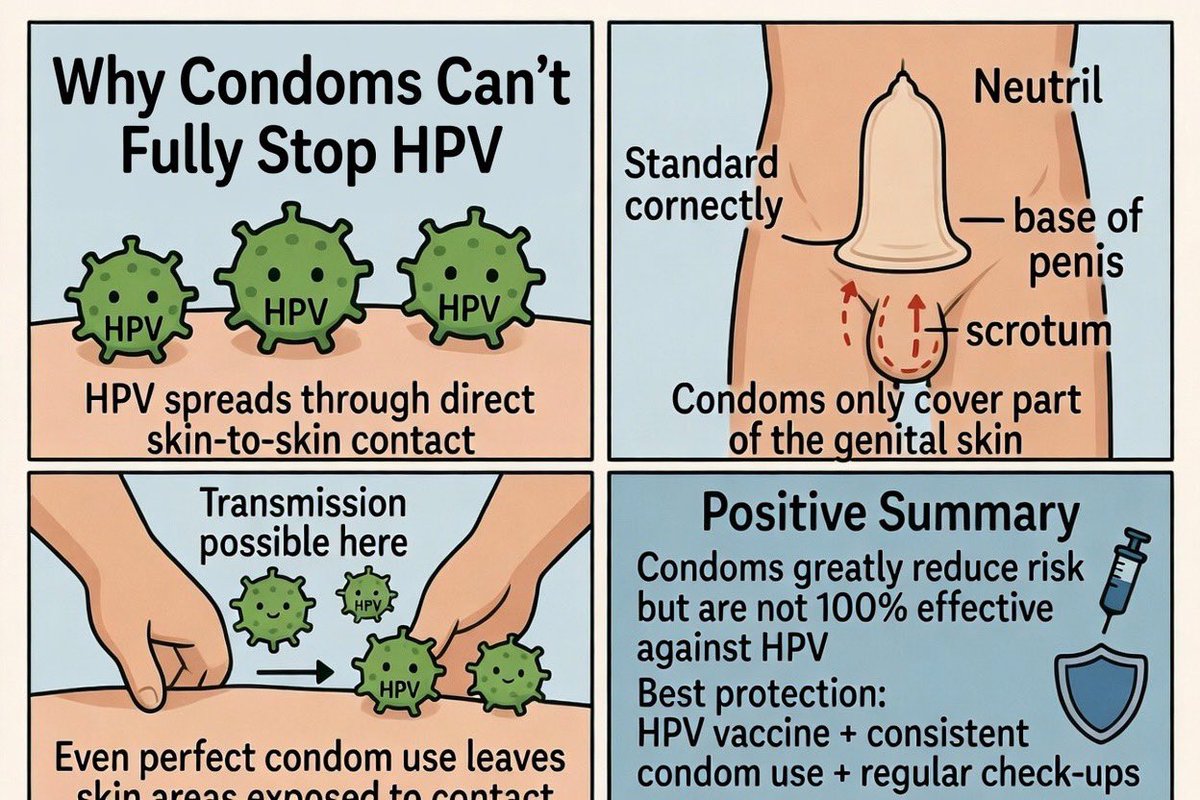
The answer is C) HPV
HPV: The Stealth STD Condoms Can’t Fully Block
—————————————————
Most people believe a condom equals 100% protection against STDs. That’s not quite true for one of the world’s most common infections: human papillomavirus (HPV).
HPV spreads through direct skin-to-skin contact, not just bodily fluids. The virus lives on genital skin — including the scrotum, base of the penis, vulva, perineum, and anus — areas a condom simply doesn’t cover. Even with perfect condom use, any touching of these uncovered surfaces before, during, or after sex can pass the virus. cdc.gov
In contrast, chlamydia, gonorrhea, and HIV are mainly fluid-borne. When used correctly and consistently, condoms create a strong barrier against them. HPV doesn’t need fluids to travel — it only needs skin contact.
That’s why HPV is incredibly common (most sexually active people get it at some point) and why condoms only reduce risk rather than eliminate it. The virus can be present with no symptoms or visible warts, making transmission easy to miss.
Bottom line: Condoms are still smart and lower your chances, but they’re not enough on their own against HPV. The real game-changers are the HPV vaccine (best before exposure), regular screenings, and open conversations with partners. Don’t let false security catch you off guard — know what condoms can and can’t stop
#MedTwitter #MedEd #MedX @IhabFathiSulima @sanjoychakra
1
4
5
402


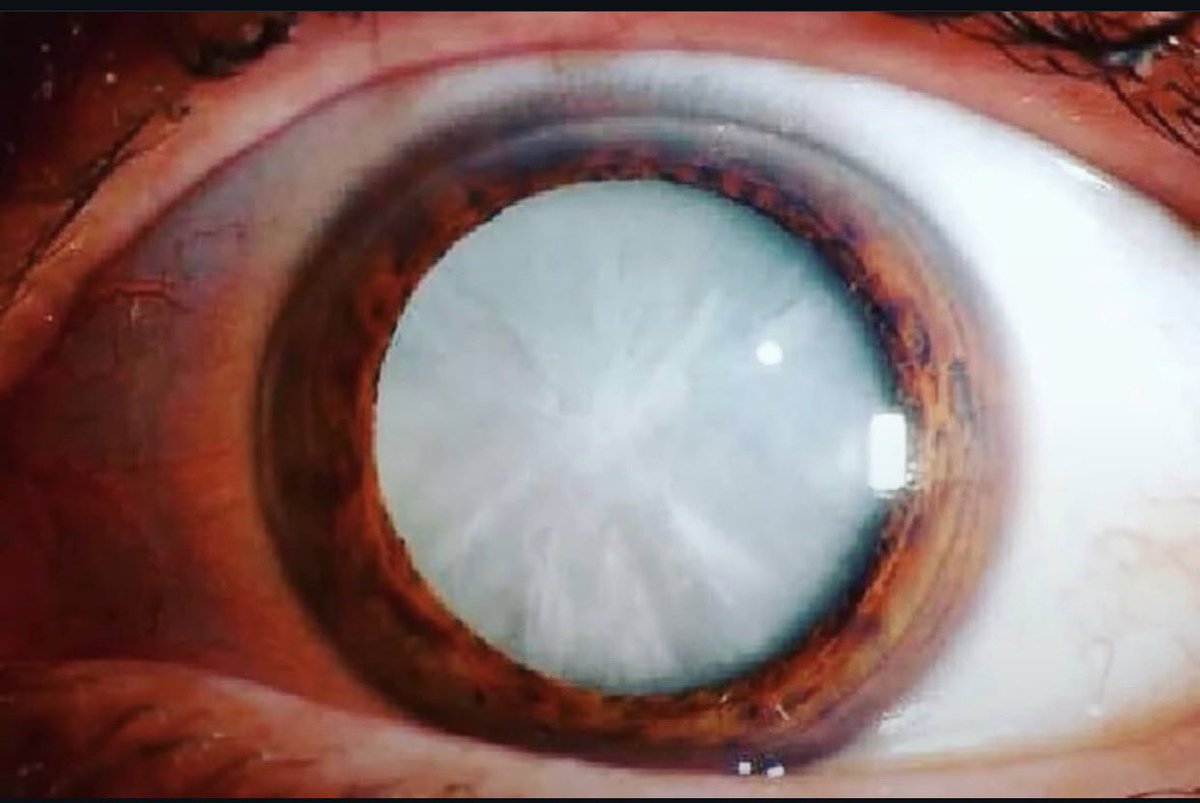

#MedCase - 3 months after starting secukinumab for psoriasis and ankylosing spondylitis, a patient developed chronic diarrhea.
Investigation revealed #CrohnsDisease, which resolved after the IL-17A inhibitor was discontinued.
👉️ buff.ly/PaHsaKi
#MedTwitter
25
सुdhaरஷN retweeted

If you get an STD from having sex with someone you work with, is it an occupational disease? #medtwitter
6
1
24
635

 Yash Raj Films

🧠 Childhood Brain Tumors
Brain tumors are the most common solid tumors in children and the second most common childhood malignancy after leukemia.
#MedTwitter #Pediatrics #NeuroOncology #MedEd #ChildHealth
Check the comment section for the types.
2
5
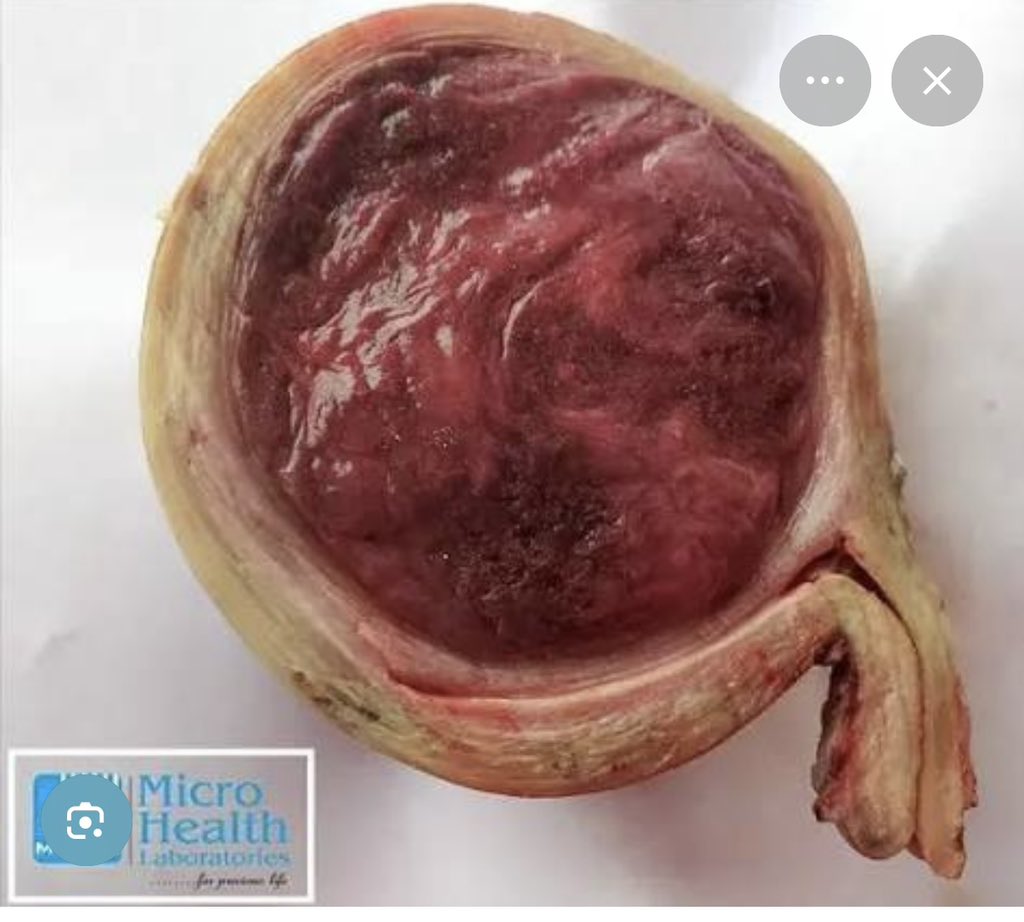
The Deadly Bloom: When a “Benign” Uterine Fibroid Turns Life-Threatening
-RED DEGENERATION
————————————————-
Uterine fibroids, also known as leiomyomas, are incredibly common non-cancerous growths affecting up to 70-80% of women by age 50. Most remain silent, causing no symptoms. Yet in some cases, these seemingly harmless tumors unleash serious complications that demand urgent medical intervention.
The striking image above captures one such dramatic complication — a large, degenerated fibroid removed during surgery. The smooth, reddish upper portion suggests areas of red (carneous) degeneration, where the fibroid outgrows its blood supply, leading to internal bleeding, tissue death, and intense pain. The irregular, darkened lower sections reveal necrosis and possible secondary infection or calcification. Such changes often occur during pregnancy or in rapidly growing tumors, triggering severe abdominal pain, fever, and heavy bleeding.
Common complications of fibroids include:
• Heavy menstrual bleeding leading to anemia
• Pelvic pressure and urinary/bowel dysfunction
• Torsion of pedunculated fibroids causing acute agony
• Infertility and pregnancy complications
• Rare malignant transformation (leiomyosarcoma)
When fibroids grow large or degenerate, they can mimic ovarian tumors or cause life-threatening hemorrhage. Treatment ranges from medications and minimally invasive procedures (embolization, myomectomy) to full hysterectomy in complex cases like the one pictured.
Early detection through ultrasound can prevent such advanced complications. Women experiencing persistent pelvic pain, abnormal bleeding, or rapid abdominal growth should seek prompt gynecological evaluation. What starts as a common benign growth can, if ignored, become a surgical emergency. Awareness is the best defence
.#MedTwitter #MedEd #MeX
2
2
96
SAGE MEDICAL⚕️ retweeted
1
2
3
968