
14 Mar 2025
Global Organic Textile Standard (GOTS), owned by non-profit organisation Global Standard, has become a member of the Make the Label Count coalition to ensure credible textile sustainability claims in the EU.
just-style.com/news/global-s…
#gots #makethelabelcount
2
42

17 Apr 2023
"Be clear about where the green claim you're making starts and ends." That's the advice from #MakeTheLabelCount member @GHardingRolls for brands to avoid greenwashing.
2
4
181
10 Apr 2023
As environmental claims by fashion brands face increased scrutiny, #MaketheLabelCount member @GHardingRolls shares advice on navigating product labelling and avoiding greenwashing.
1
3
149
3 Apr 2023
Fashion is drowning in greenwashing due to self-governed ‘sustainability’ definitions by brands. As a result, regulation & harmonised sustainability language for consumers are crucial. @GHardingRolls from #MaketheLabelCount explains why sustainability claims need regulation.
4
5
342
23 Mar 2023
We welcome the @EU_Commission proposal to substantiate environmental claims & are pleased to see PEF’s shortcomings recognised. We will review the recommended criteria & work with lawmakers to ensure the law is aligned with the EU’s goals.
#MakeTheLabelCount
2
122
16 Mar 2023
>50% of green claims made by clothing & textile brands are unsubstantiated or untrue, according to the @EU_Commission's recent webpage sweep. PEF methodology can substantiate these claims if updated to include key environmental impacts. Hear from #MaketheLabelCount @WhiteDalena.
1
3
202
7 Dec 2022
Credible sustainability labelling has the potential to make the fashion and textile industry greener and empower consumers to make informed choices. EU policy makers have a crucial role to play in ensuring the PEF methodology is robust and complete. #MakeTheLabelCount
3
14
19 Oct 2022
2/2 The omission of indicators linked to synthetic clothing, including microplastics, plastic waste and circularity will result in clothing made from fossil materials being shown as more sustainable, misleading well-intended consumers. #MakeTheLabelCount
1
1
4

14 Sep 2022
14 Sep 2022

Our clothing is made up of a broad range of fibres with an even broader range of impacts on society and the natural world.
We have identified three key improvements for the current PEF methodology - microplastic pollution, circularity, and plastic waste.
3
20 Jul 2022
#MakeTheLabelCount
#ClimateEmergency
Please ensure upcoming textile legislation is based on science. We've just run out of time for fiddling about.
@Europarl_BE
31 Jan 2022

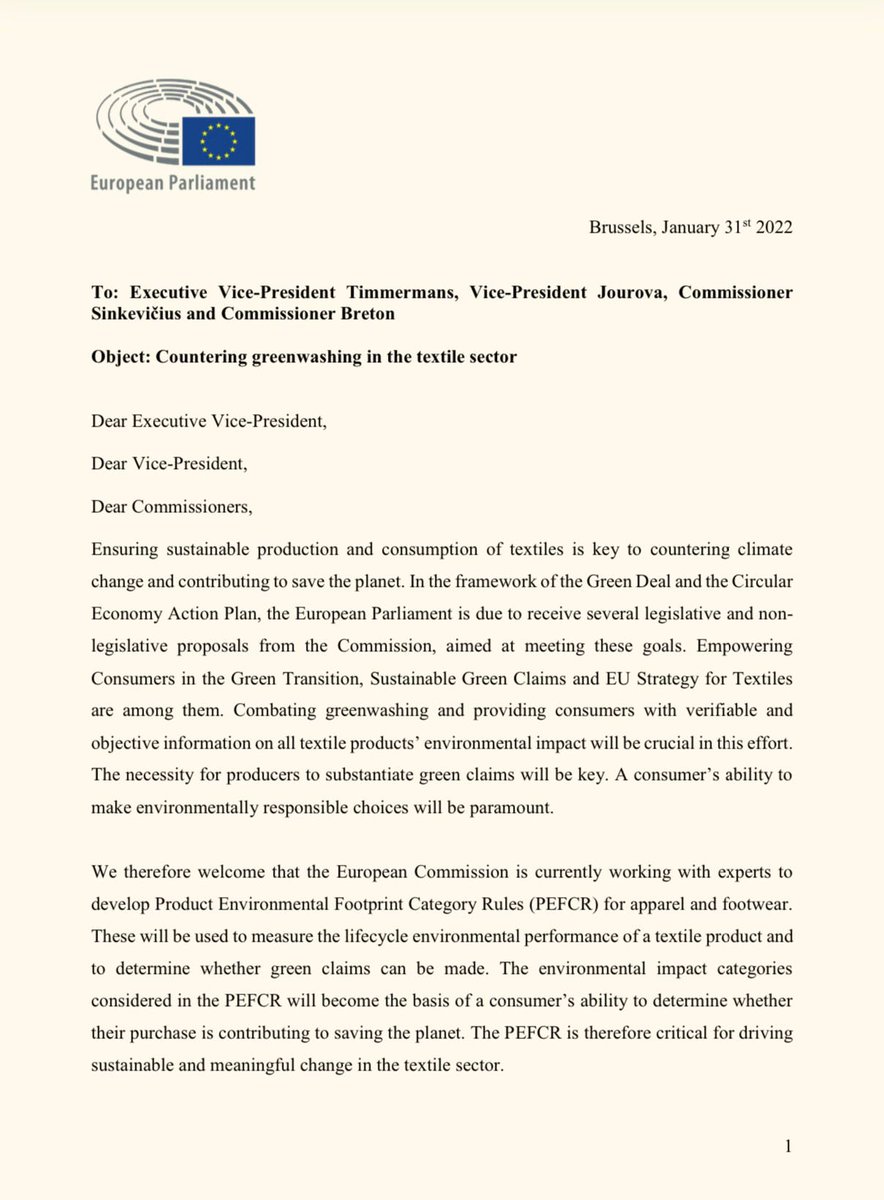
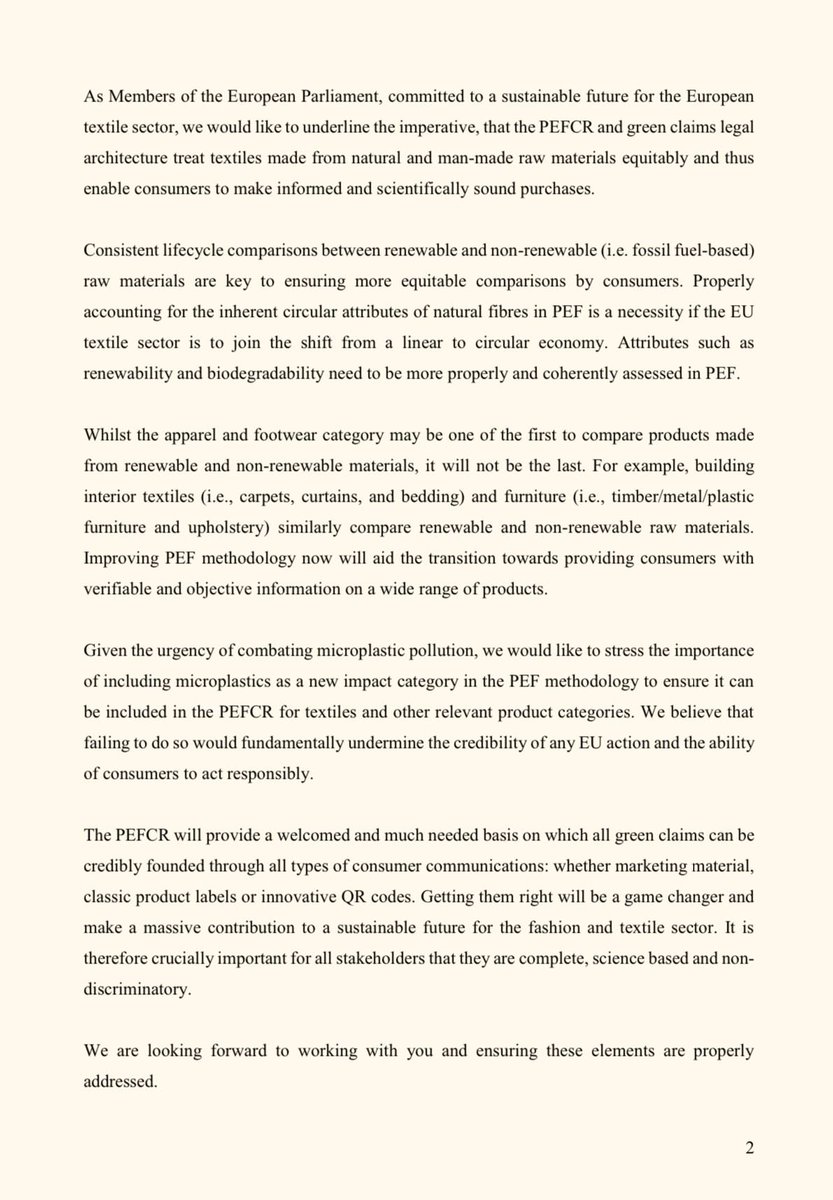
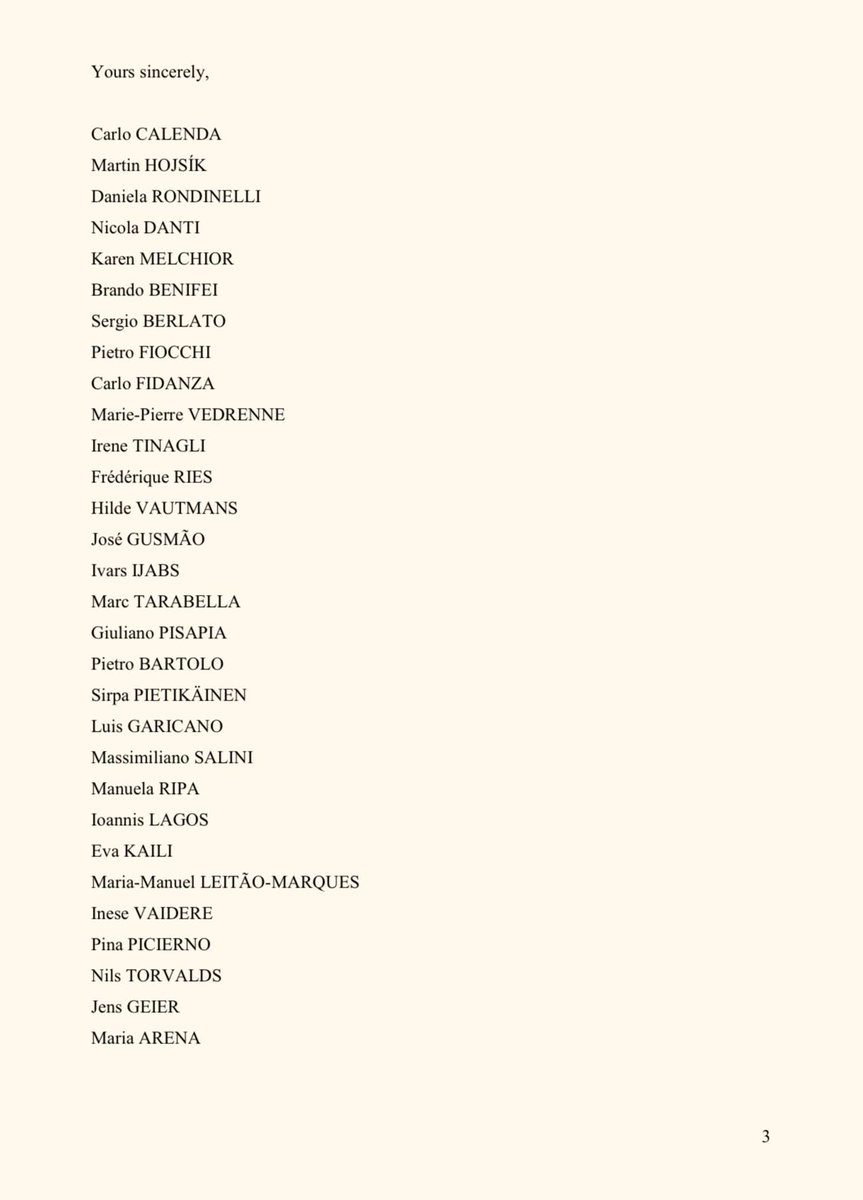
Ensuring sustainable production and consumption of textile is key to countering #ClimateChange! Clear message to @EU_Commission about combatting greenwashing and informing consumers on products’ environmental impact 👇
1
27 Jun 2022
The conversation about greenwashing in fashion is growing. It is vitally important that assessments of the sustainability impacts of our clothing are credible. #MakeTheLabelCount
nytimes.com/2022/06/12/clima…
1
14
38
15 Jun 2022
The European Commission could make huge strides in helping consumers choose more sustainable clothes with the upcoming green claims proposals. But the plans will only be credible if the PEF methodology is complete. #MakeTheLabelCount
5
8
9 Jun 2022
The EU aims to put a stop to greenwashing claims through a new labelling methodology. We need to make sure it’s robust and credible to avoid misleading consumers.
We're working to ensure the EU's clothing sustainability claims are complete to #MakeTheLabelCount
6
23

3 Jun 2022
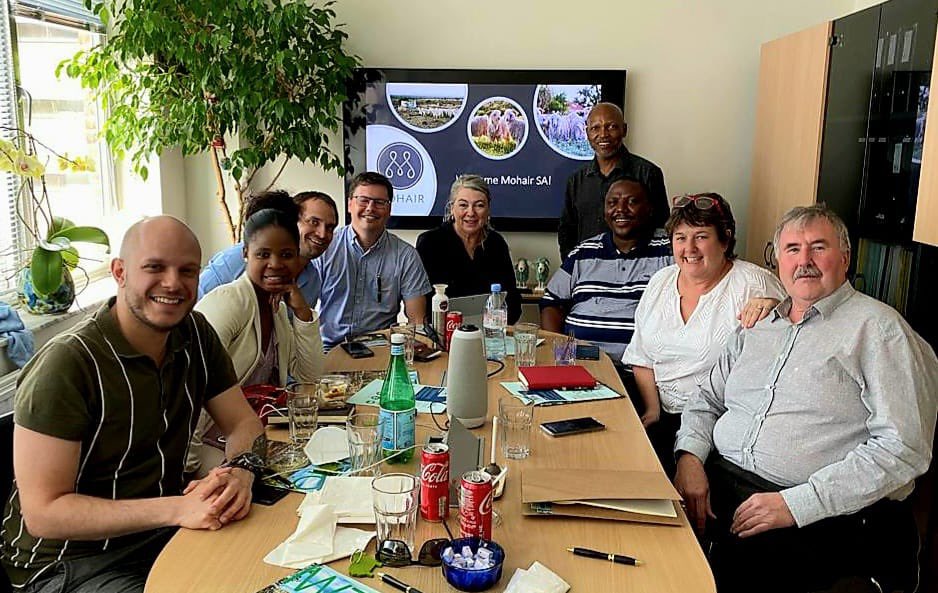
Last stop of tour was the meeting with IWTO, to discuss the @makethelabelcount campaign.
#EUmohairtour #TEInvest4SA #SA_EUtalk #TeamEurope @EUinSA
1
2
26 May 2022
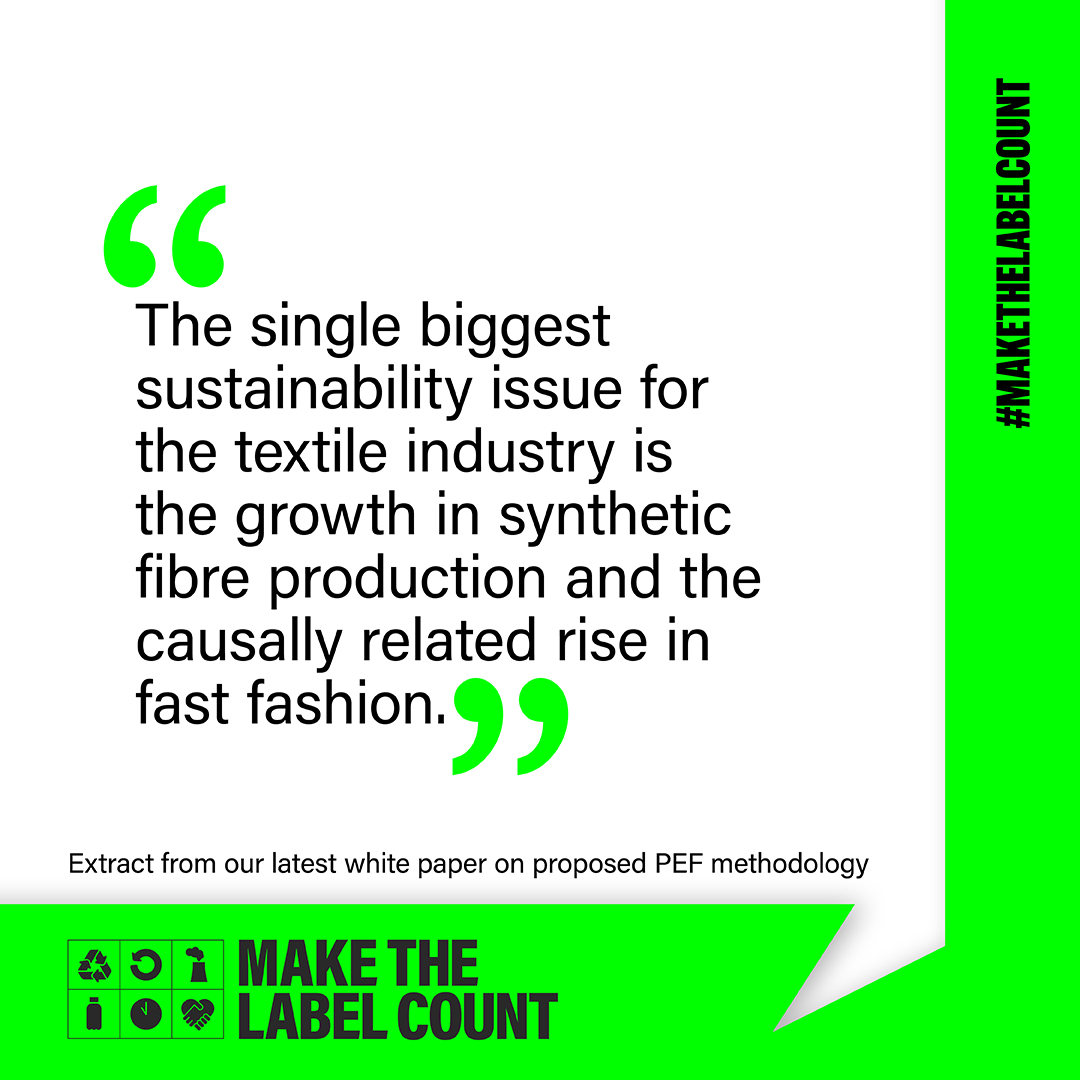
PEF is a commendable initiative that has the potential to enable the EU to shift textile supply chains towards more sustainable consumption. But the system is not ready.
Click below for our expert analysis on how the PEF unfairly benefits synthetic fibres. #MakeTheLabelCount
2
10

24 May 2022
Only products made from renewable raw materials can be truly sustainable. The inherently circular attributes of natural fibers, including renewability at start-of-life and biodegradability at the end of life need to be accounted for in a credible product claim. #MakeTheLabelCount
24 May 2022
The raw materials for fossil fuel-derived fibres – even recycled ones – took 60m years to form. Natural fibres take as little as 3 months to a year. This needs to be factored in to sustainability labels.
Click below to learn more.
1
2
24 May 2022
24 May 2022
The raw materials for fossil fuel-derived fibres – even recycled ones – took 60m years to form. Natural fibres take as little as 3 months to a year. This needs to be factored in to sustainability labels.
Click below to learn more.
4
18 May 2022
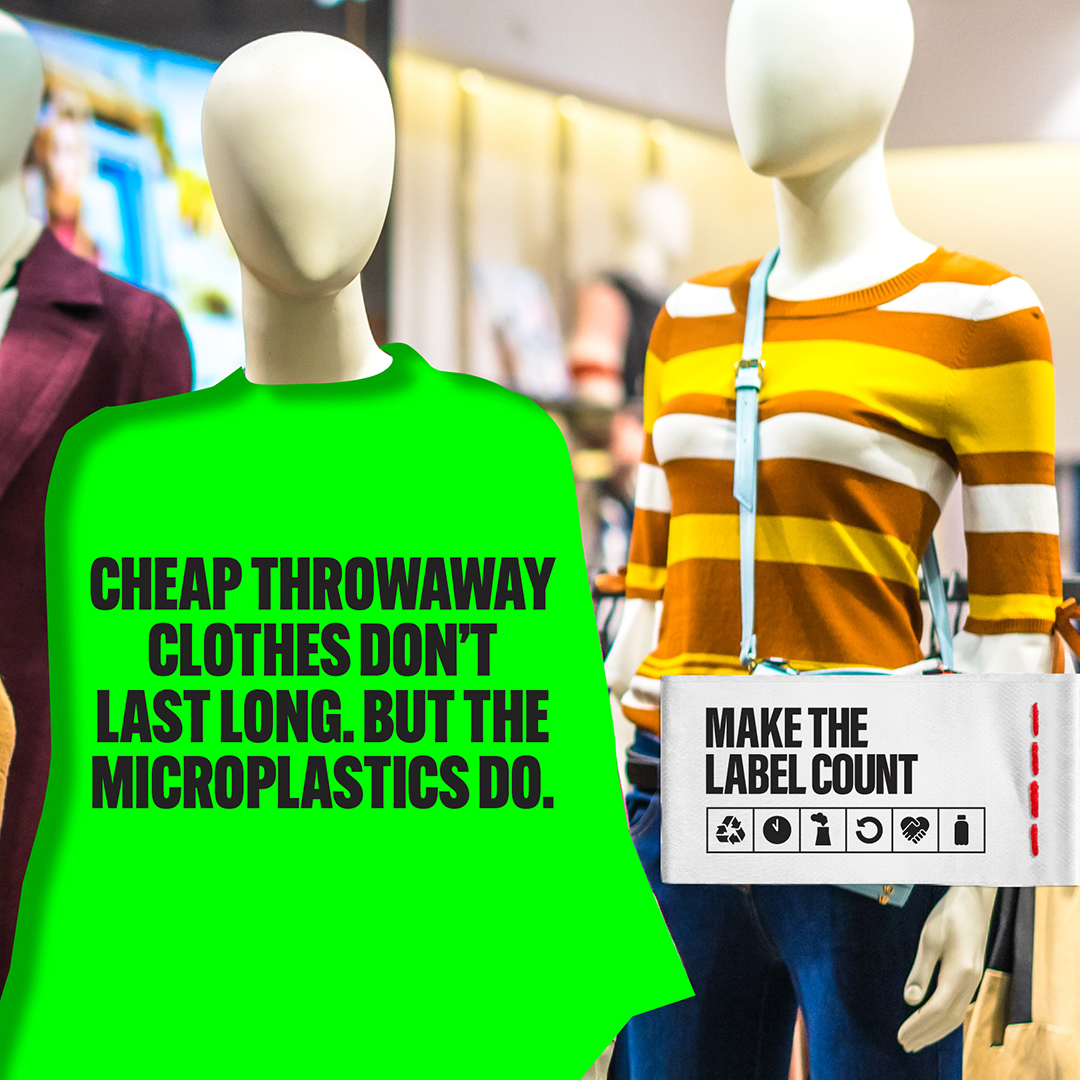
Synthetic fibres shed microplastics. Natural fibres don’t.
Consumers deserve the whole truth.
A sustainability label for clothing that does not account for microplastics is incomplete and misleading. #MakeTheLabelCount
7
10
10 May 2022
'Turning PET bottles into textiles is not a good idea.'
#makethelabelcount
10 May 2022
A very informative session. @VSinkevicius is working to address the issue of microplastics by preventing the use of synthetics where they can be avoided and replacing them with more sustainable materials. @EU_ENV
#MakeTheLabelCount
2
3
10 May 2022
A very informative session. @VSinkevicius is working to address the issue of microplastics by preventing the use of synthetics where they can be avoided and replacing them with more sustainable materials. @EU_ENV
#MakeTheLabelCount
29 Apr 2022

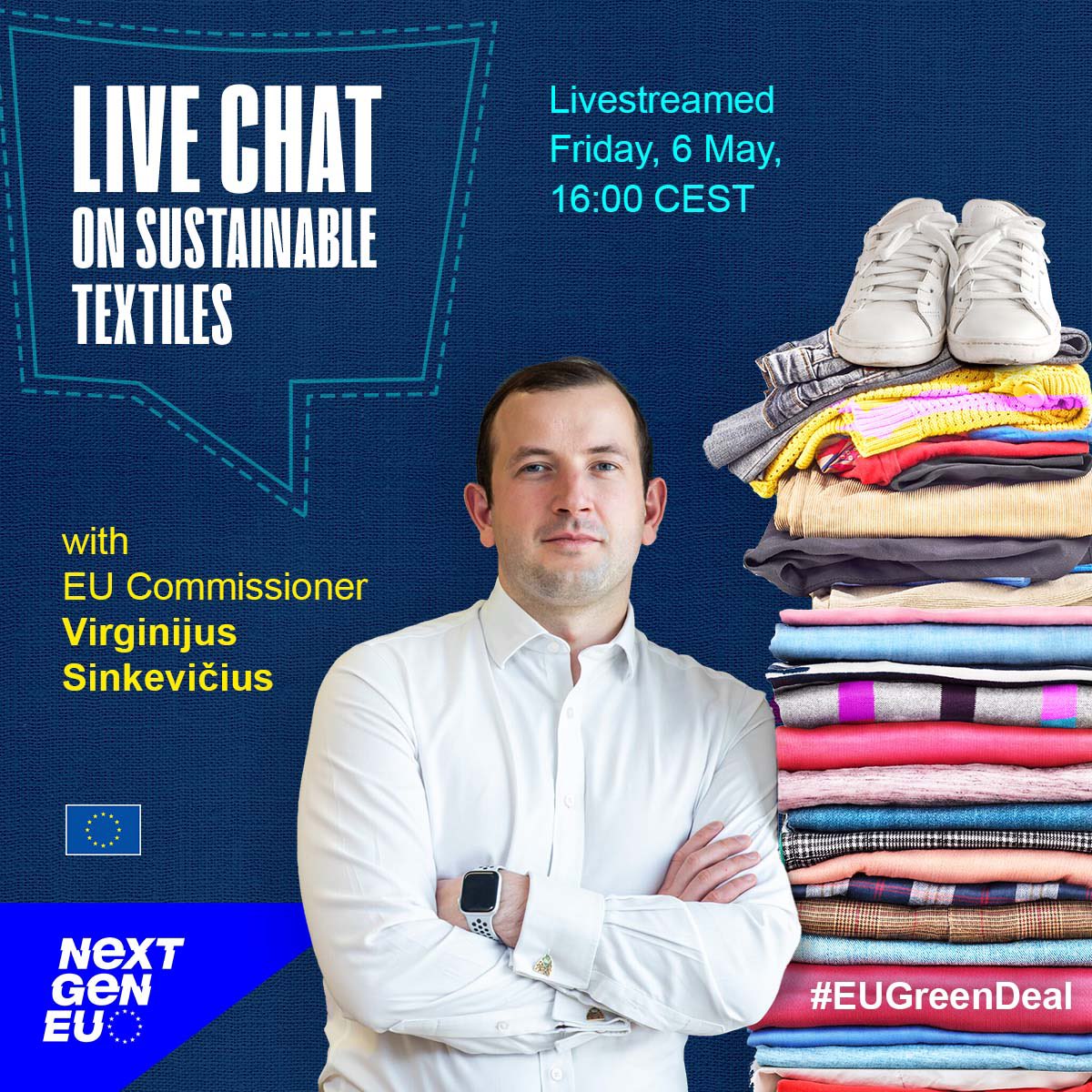
How can we make fashion more eco-friendly and sustainable? 👕🌱
Join us for a 💬 LIVE chat on our new 🇪🇺 Textiles Strategy with EU Commissioner @VSinkevicius
📆 Friday, May 6, 16:00 CET
📱 Instagram @ourplanet_eu
Share your questions below 👇 and tune in to see them answered!
2