
Jun 13
6/
Ihr Tweet ersetzt die eigentliche Frage:
„Ist es problematisch, historische Sklaverei als effizientes Managementsystem zu gamifizieren?“
durch die für Sie bequemere Frage:
„Warum darf Gewalt in anderen Spielen vorkommen?“
1
26

ISMS nach ISO 27001: Struktur, Rollen und Sicherheitsrichtlinien
Ein Informationssicherheits-Managementsystem (ISMS) nach ISO/IEC 27001 umfasst deutlich mehr als technische Schutzmaßnahmen. Ziel ist es, Informationssicherheit durch klare Strukturen, Prozesse, Verantwortlichkeiten und verbindliche Richtlinien dauerhaft im Unternehmen zu verankern.
Ein ISMS bildet einen systematischen Rahmen, um Risiken zu identifizieren, Sicherheitsmaßnahmen umzusetzen und das Sicherheitsniveau kontinuierlich weiterzuentwickeln. Die Norm gibt dabei keinen festen Organisationsaufbau vor, fordert jedoch ein nachvollziehbares und wirksames Managementsystem.
Die Struktur eines ISMS besteht typischerweise aus mehreren Ebenen. Die Governance definiert Sicherheitsziele und Verantwortlichkeiten auf Managementebene. Die Organisationsstruktur regelt Rollen wie ISMS-Manager, IT-Leitung oder Datenschutzbeauftragte. Auf Prozessebene werden Abläufe wie Risikoanalyse, Incident-Management oder Lieferantensteuerung festgelegt. Ergänzend sorgen technische Maßnahmen wie Zugriffsschutz, Verschlüsselung und Monitoring für die operative Umsetzung.
Ein zentraler Bestandteil sind Sicherheitsrichtlinien. Dazu gehören unter anderem Regelungen zu Zugriffen, Authentifizierung, Vorfallmanagement, Datensicherung, Dienstleistersteuerung und Mitarbeiterschulungen.
Ebenso wichtig ist eine nachvollziehbare Dokumentation, beispielsweise durch Richtlinien, Risikoanalysen, Auditberichte oder Nachweise über Schulungen.
In der Praxis entstehen Schwachstellen häufig durch unklare Zuständigkeiten, veraltete Dokumente oder fehlende Integration in Geschäftsprozesse. Für erfolgreiche Audits und eine nachhaltige Informationssicherheit ist daher das Zusammenspiel von Organisation, Prozessen und Technik entscheidend.
Quelle:
it-news-blog.com/?p=3701
NIS2 und KRITIS Compliance praxisnah mit tec4net umsetzen
tec4net.com/web/nis-2-richtl…
Wir sind Experten für Datenschutz und IT-Sicherheit
Profitieren Sie von unserer umfassenden Beratung zu den Themen Datenschutz und IT-Sicherheit. Unser erfahrenes Team unterstützt Sie dabei, Ihre Website und digitalen Dienste datenschutzkonform zu gestalten um die gesetzlichen Vorgaben zu erfüllen.
Kontaktieren Sie uns noch heute und sichern Sie sich praxisnahe Beratung zur Umsetzung der DSGVO und Normen wie ISO 27001, PCI-DSS oder TISAX.
Datenschutz und IT-Sicherheit praktikabel umsetzen – tec4net GmbH
tec4net.com – it-news-blog.com – it-sachverstand.info – datenschutz-muenchen.com – it-sicherheit-muenchen.com
Alle unsere NEWS -> news.tec4net.com
11

UNIMED-Hack: Fördermittel, Personenwechsel und offene Governance-Fragen
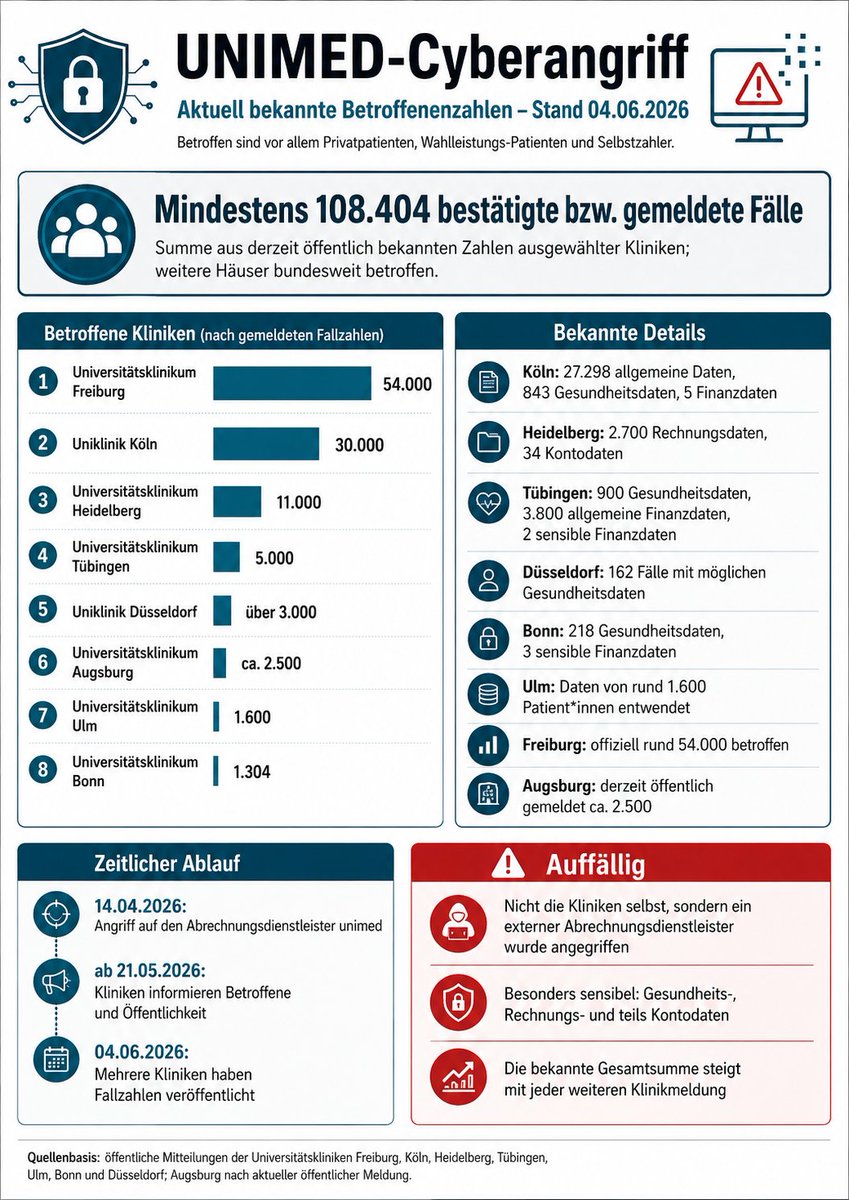
Der Cyberangriff auf die unimed Abrechnungsservice für Kliniken und Chefärzte GmbH wirft nicht nur technische und datenschutzrechtliche Fragen auf. Ein Blick in öffentlich zugängliche Unternehmens- und Registerdaten zeigt weitere Auffälligkeiten, die aus journalistischer Sicht prüfungsbedürftig sind.
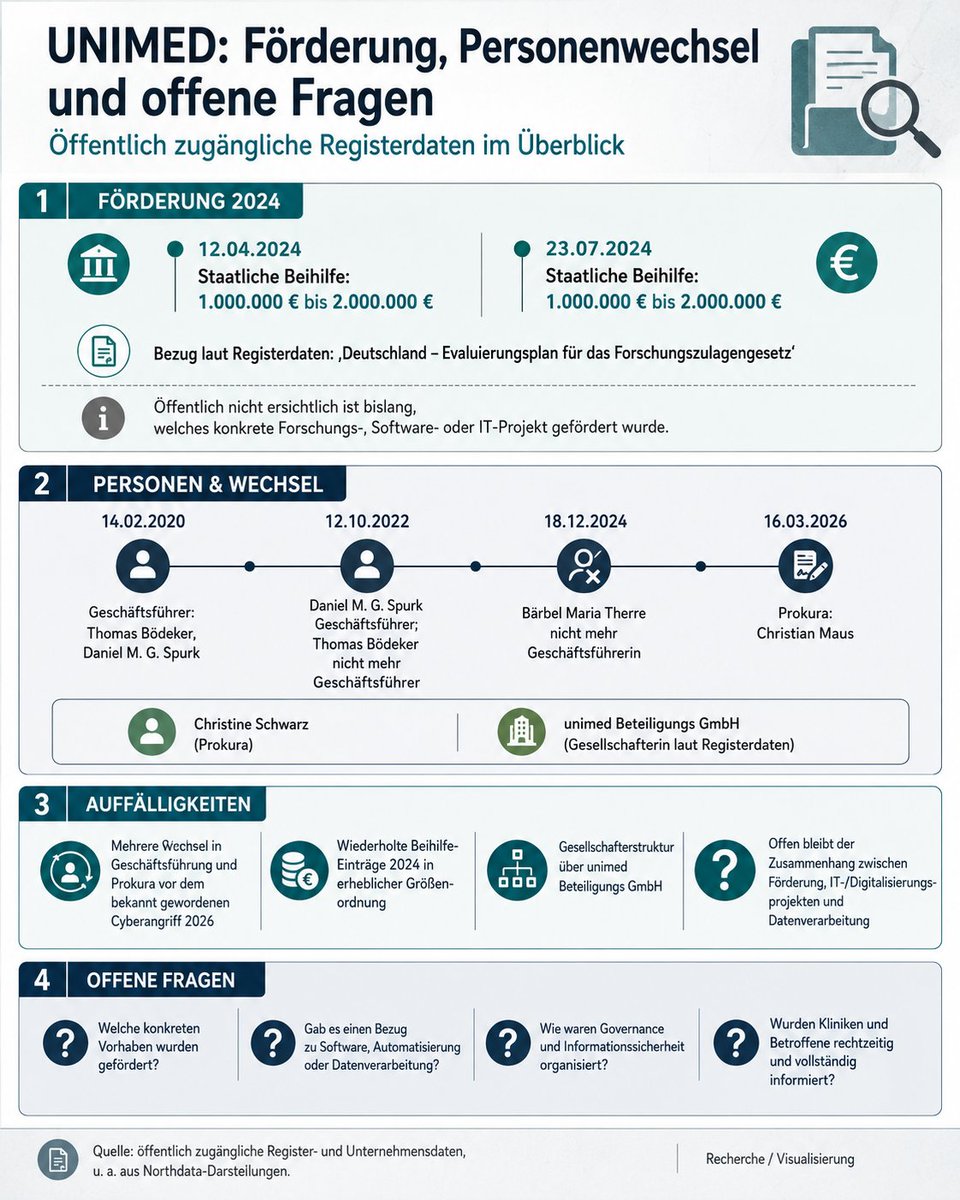
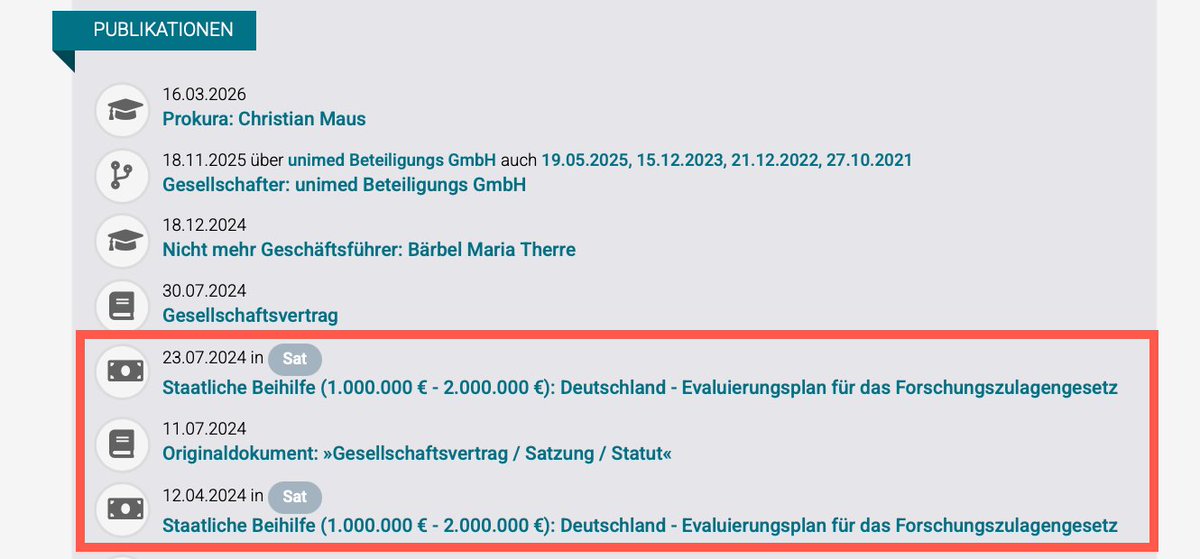
Nach den bei Northdata dargestellten Publikations- und Registerinformationen erhielt bzw. meldete UNIMED im Jahr 2024 staatliche Beihilfen in erheblicher Größenordnung.
Konkret werden zwei Einträge ausgewiesen:
12.04.2024: Staatliche Beihilfe in Höhe von 1.000.000 € bis 2.000.000 €
23.07.2024: Staatliche Beihilfe in Höhe von 1.000.000 € bis 2.000.000 €
Als Bezug wird jeweils genannt:
„Deutschland – Evaluierungsplan für das Forschungszulagengesetz“
Bislang ist öffentlich nicht erkennbar, welches konkrete Forschungs-, Software-, Automatisierungs- oder IT-Projekt mit diesen Mitteln gefördert wurde. Genau diese Frage ist jedoch im Zusammenhang mit dem später bekannt gewordenen Cyberangriff von erheblicher Bedeutung.
Denn UNIMED verarbeitet hochsensible Gesundheits-, Abrechnungs- und Patientendaten zahlreicher Kliniken, darunter Daten von Privatpatienten, Selbstzahlern und Wahlleistungspatienten.
Sollten die Fördermittel in einem Zusammenhang mit digitaler Abrechnung, Plattformentwicklung, Automatisierung, künstlicher Intelligenz, Datenverarbeitung oder IT-Infrastruktur gestanden haben, müssten aus meiner Sicht auch Fragen nach Projektkontrolle, Mittelverwendung, technischer Umsetzung, Informationssicherheit und Managementverantwortung gestellt werden.
Auffällig ist zudem der zeitliche Ablauf in der Unternehmensführung.
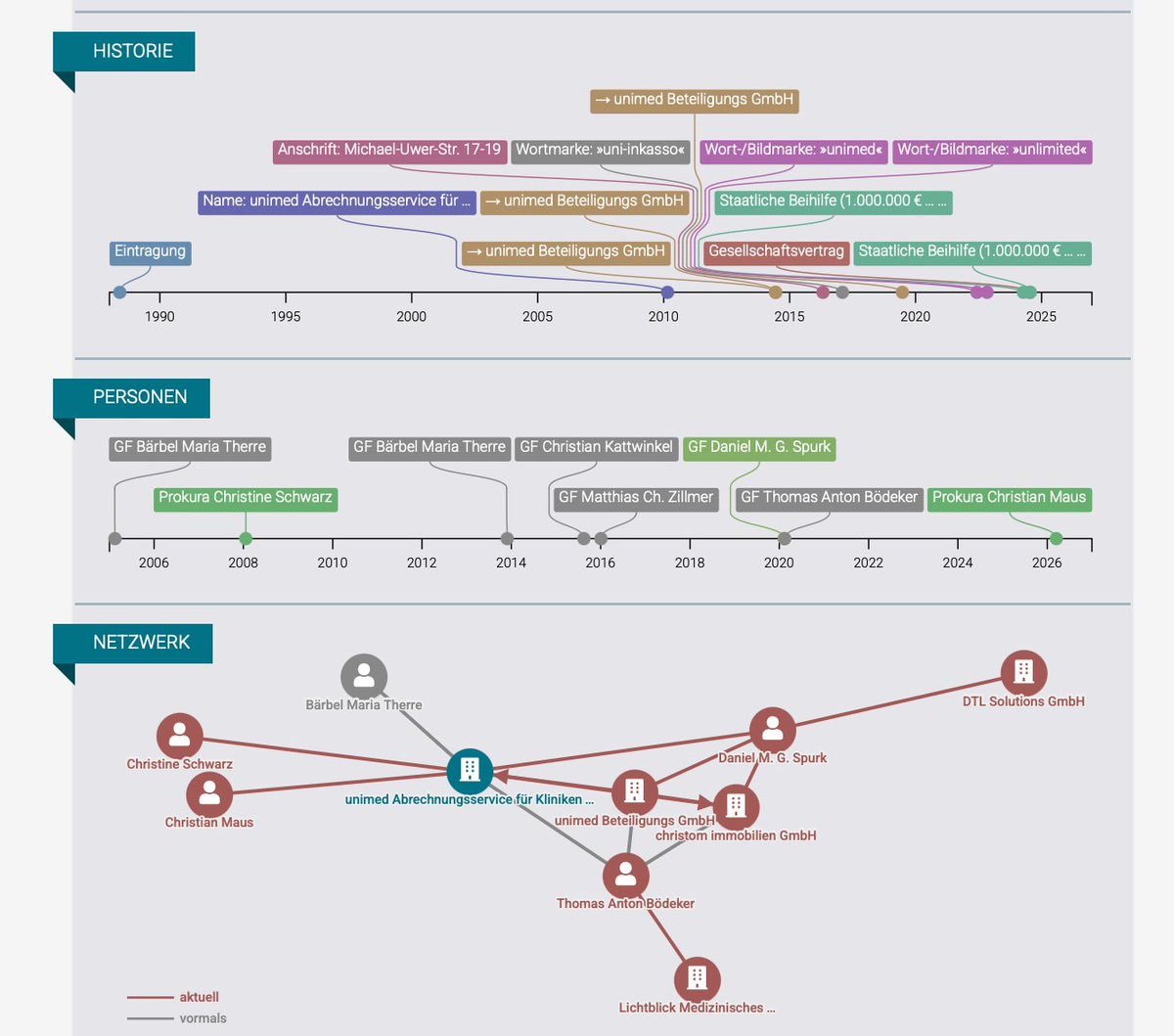
Am 14.02.2020 erscheinen Thomas Bödeker und Daniel M. G. Spurk als Geschäftsführer. Am 12.10.2022 wird Daniel M. G. Spurk als Geschäftsführer genannt; Thomas Bödeker wird zu diesem Zeitpunkt als nicht mehr Geschäftsführer ausgewiesen. Am 18.12.2024 wird Bärbel Maria Therre als nicht mehr Geschäftsführerin genannt.
Am 16.03.2026 wird Christian Maus als Prokurist eingetragen — zeitlich nur wenige Wochen vor dem öffentlich bekannt gewordenen Cyberangriff im April 2026.
Für sich genommen belegen diese Wechsel natürlich kein Fehlverhalten. Sie zeigen aber, dass es in den Jahren vor dem Cybervorfall mehrere Veränderungen in Geschäftsführung, Prokura und Gesellschaftsstruktur gab.
Gerade bei einem Unternehmen, das zentrale Abrechnungsdienstleistungen für Kliniken erbringt und damit besonders schützenswerte Gesundheitsdaten verarbeitet, sind solche Wechsel für die Frage der Verantwortlichkeit relevant.
Auch die Gesellschafterstruktur ist bedeutsam. In den Registerdaten wird wiederholt die unimed Beteiligungs GmbH als Gesellschafterin genannt. Damit stellt sich die Frage, ob der Vorfall tatsächlich nur als isolierter IT-Sicherheitsvorfall einer operativen Abrechnungsgesellschaft betrachtet werden darf — oder ob auch Beteiligungsstruktur, Governance, Aufsicht, Kontrollmechanismen und fachliche Eignung der verantwortlichen Leitungsebene geprüft werden müssen.
Aus meiner Sicht ergeben sich daraus mehrere offene Fragen:
▪️ Welche konkreten Vorhaben wurden im Rahmen der Forschungszulage gefördert?
▪️ Standen diese Vorhaben in Zusammenhang mit Software, Abrechnungsplattformen, Digitalisierung oder Datenverarbeitung?
▪️ Gab es ein belastbares Informationssicherheits-Managementsystem, etwa nach ISO/IEC 27001?
▪️ Wurden Risiken aus zentralisierter Verarbeitung hochsensibler Patientendaten angemessen bewertet?
▪️ Welche Rolle spielten Geschäftsführung, Prokura, Gesellschafter und verbundene Unternehmen bei Aufsicht, Kontrolle und IT-Governance?
▪️ Wurden Kliniken und Patienten rechtzeitig und vollständig informiert?
Der UNIMED-Fall zeigt damit ein grundsätzliches Problem im Gesundheitswesen: Nicht nur Kliniken selbst müssen geschützt sein. Auch externe Abrechnungsdienstleister, Beteiligungsgesellschaften, Softwareanbieter und IT-nahe Dienstleister können zum zentralen Risiko für Patientendaten werden.
Wenn öffentliche Fördermittel in Millionenhöhe in einem solchen Umfeld auftauchen, muss transparent werden, wofür sie verwendet wurden — und ob Informationssicherheit, Datenschutz und Governance dabei den Anforderungen eines hochsensiblen Gesundheitsdatenumfeldes entsprachen.
Der Cyberangriff ist deshalb nicht nur eine Frage von Hackern. Er ist auch eine Frage von Verantwortung.
#RückTrittWarken
3
37
82
1,245
Das geht aber nicht so easy durch.
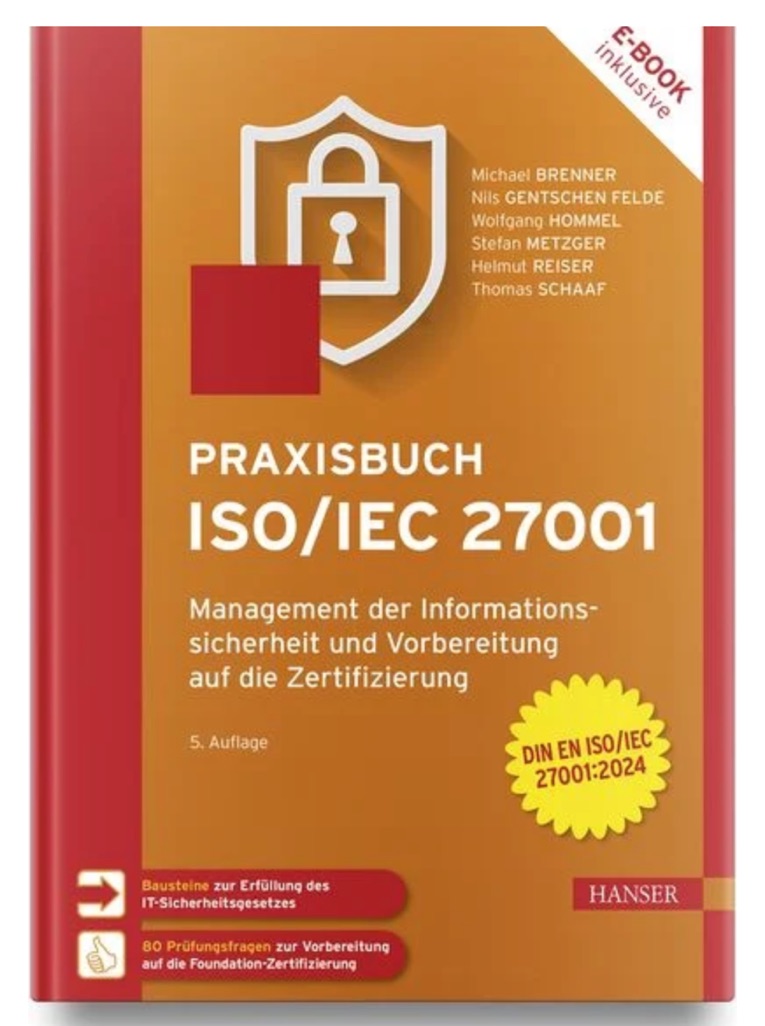
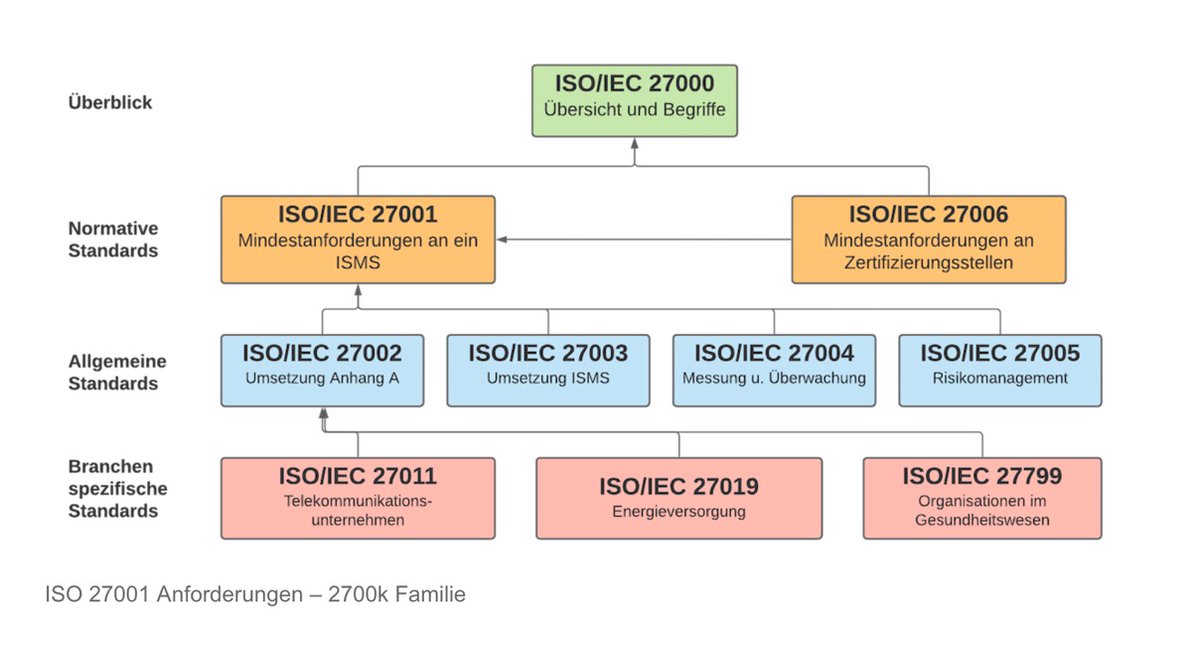
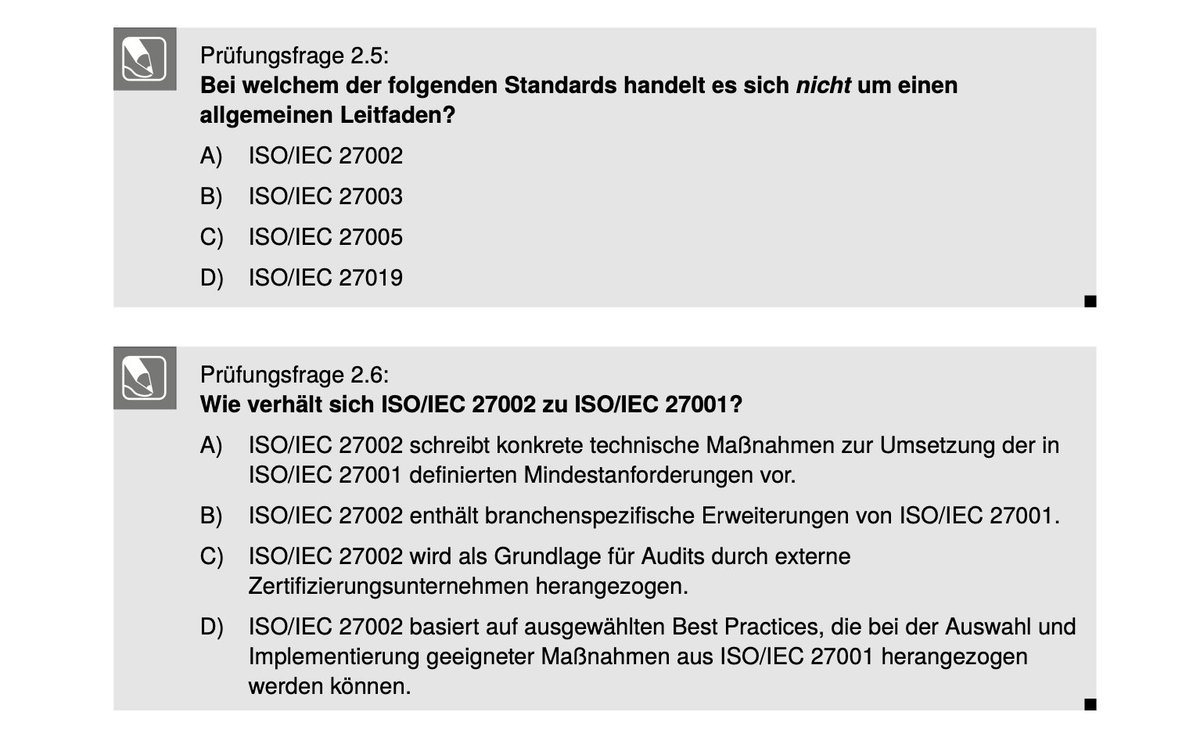
- ISO/IEC 27001
- ISO/IEC 27799:2025
Die internationale Norm ISO 27799 Medizinische Informatik – Sicherheitsmanagement im Gesundheitswesen bei Verwendung der ISO/IEC 27002 spezifiziert die Anforderungen an ein Informationssicherheits-Managementsystem im Gesundheitswesen.
Sie geht dabei als Scopespezialisierung auf die Besonderheiten im Gesundheitswesen ein, die in der allgemein gehaltenen Normenreihe ISO 27000 nicht betrachtet werden, und stellt im Gegensatz zu ihrer Mutternorm akzentuiert Muss- anstelle von Soll-Kriterien, so insbesondere im Bereich der Vertraulichkeit der Daten behandelter Personen.
––––––––––
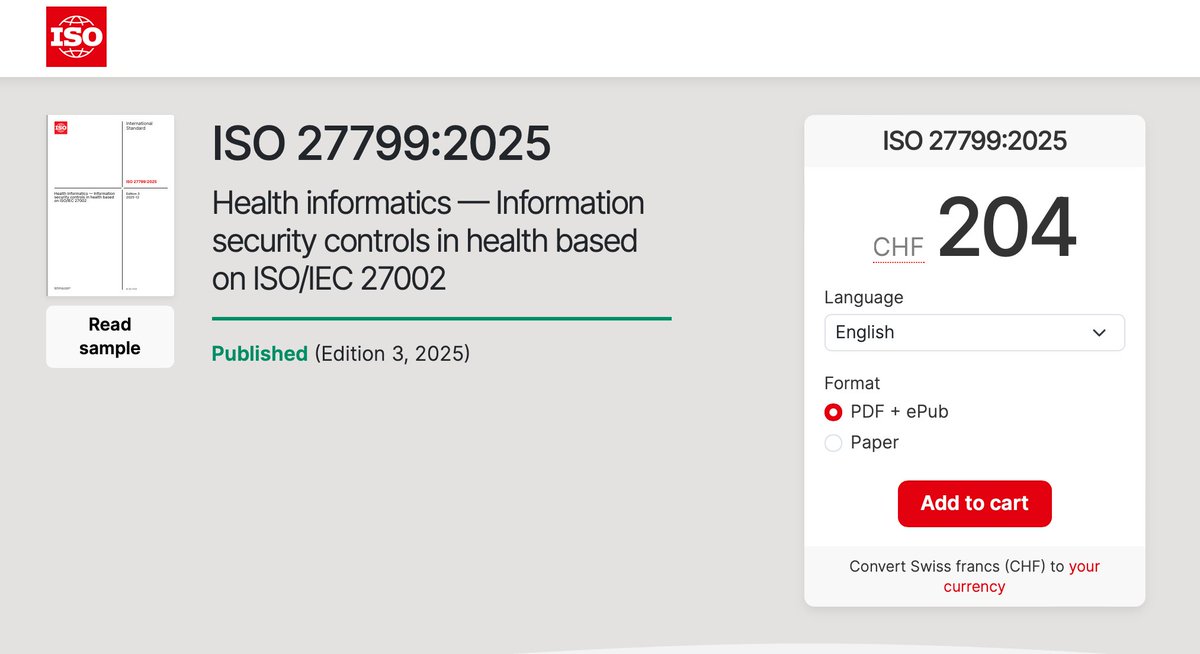
ISO 27799:2025
Health informatics — Information security controls in health based on ISO/IEC 27002
3
7
124

May 25
On June 16-18, @ANAB_ACCREDIT’s live online training course will give participants a deeper look at ISO/IEC 17021-1’s requirements and how they drive effective #ManagementSystem certification. ANAB's Tina Garner will review how this standard connects with IAF mandatory and guidance documents, ANAB accreditation rules, ISO certification standards, and supporting ISO resources, all while reinforcing learning through interactive exercises and application. anab.link/17021-1

4
134

May 25
Malay:
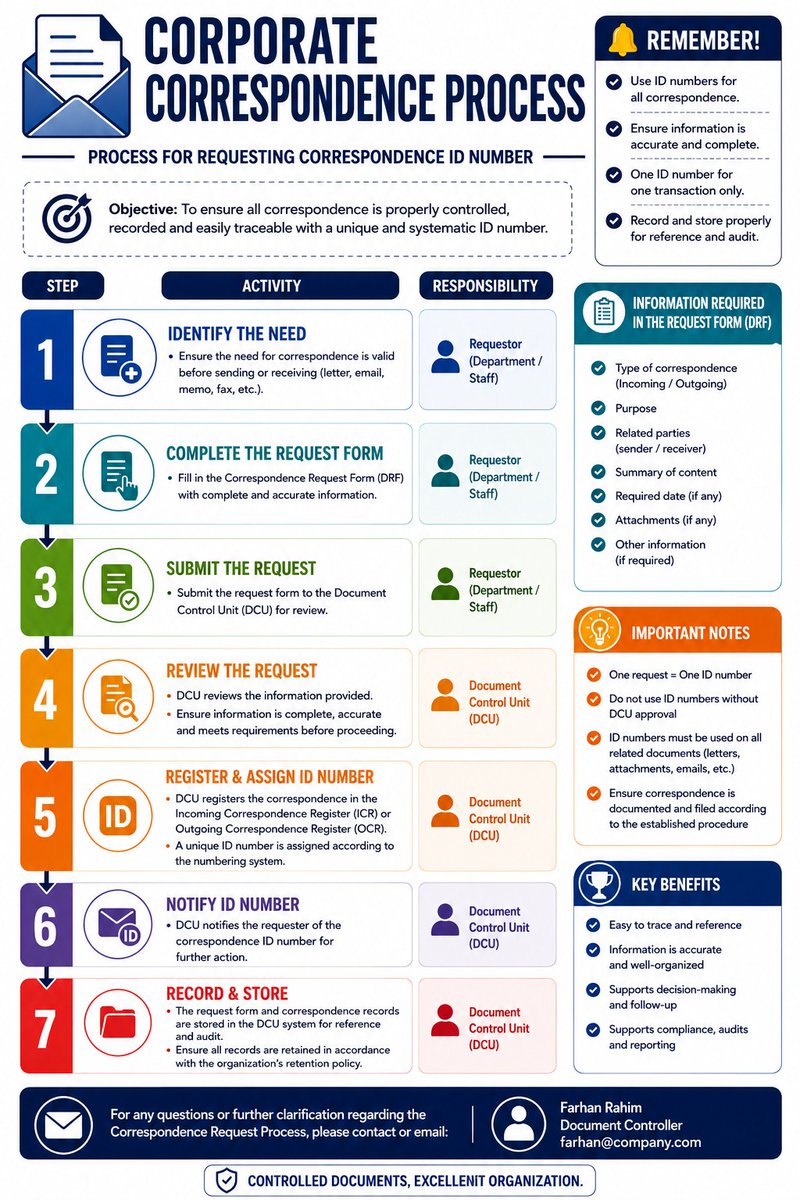
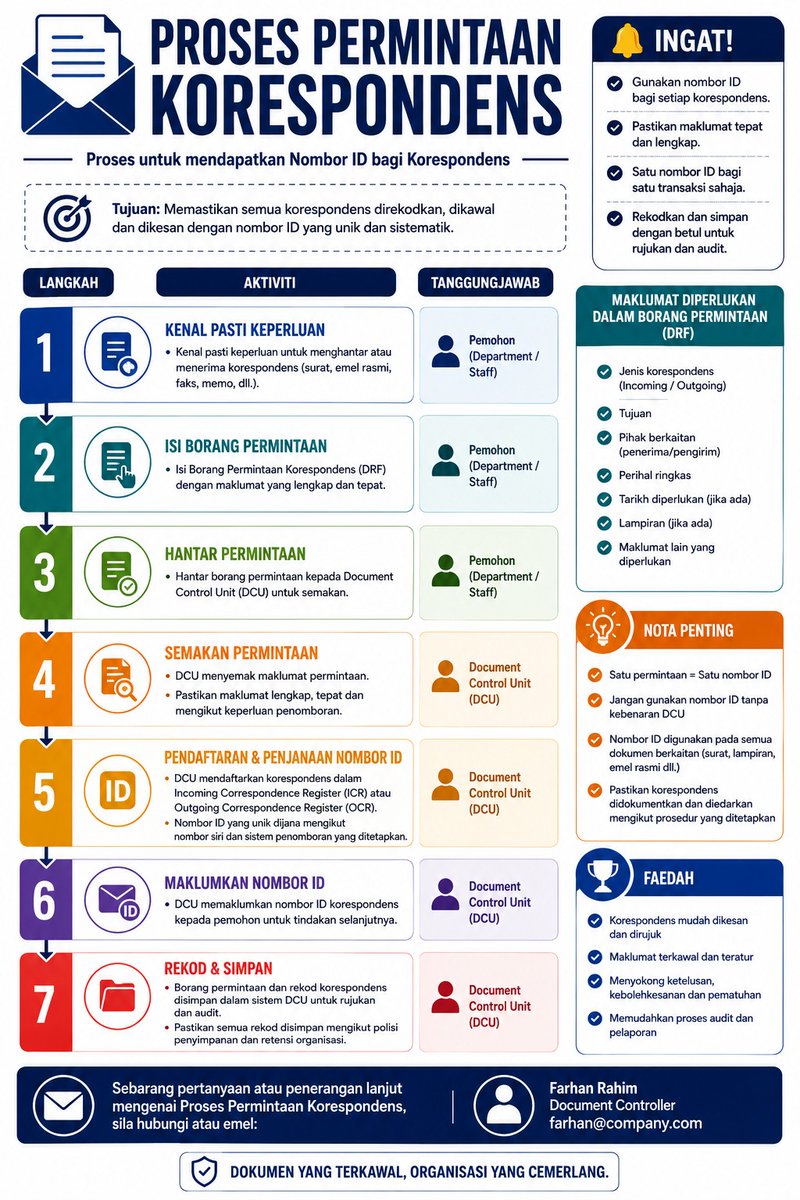
📧 PROSES KORESPONDENS KORPORAT – KENAPA IA PENTING?
Dalam sesebuah organisasi, korespondens rasmi seperti surat, email, memo, dan komunikasi keluar/masuk bukan sekadar komunikasi biasa.
Ia adalah rekod rasmi organisasi yang perlu:
✔ Dikawal
✔ Direkodkan
✔ Dijejak
✔ Disimpan dengan betul
✔ Mudah dirujuk untuk audit dan operasi
Tanpa kawalan korespondens yang sistematik, organisasi boleh berhadapan dengan:
❌ Kehilangan rekod penting
❌ Salah rujukan dokumen
❌ Tiada traceability
❌ Kelewatan tindakan susulan
❌ Risiko audit dan compliance
Sebab itu setiap korespondens rasmi perlu melalui proses yang jelas:
1️⃣ Permintaan Korespondens
2️⃣ Pengisian Borang Permintaan
3️⃣ Semakan oleh DCU
4️⃣ Penomboran ID
5️⃣ Pendaftaran dalam sistem
6️⃣ Pemakluman & Rekod
7️⃣ Penyimpanan dan kawalan rekod
Sistem korespondens yang baik membantu organisasi menjadi lebih:
• Tersusun
• Profesional
• Mudah diaudit
• Patuh standard
• Dan lebih cekap dalam operasi harian
“Controlled correspondence creates structured communication.”
English:
📧 CORPORATE CORRESPONDENCE PROCESS – WHY IS IT IMPORTANT?
Official correspondence such as letters, emails, memos, and incoming/outgoing communications are not just daily communication tools.
They are official organizational records that must be:
✔ Controlled
✔ Registered
✔ Traceable
✔ Properly stored
✔ Easily retrievable for audits and operations
Without a proper correspondence control process, organizations may face:
❌ Loss of important records
❌ Incorrect document references
❌ Lack of traceability
❌ Delays in follow-up actions
❌ Audit and compliance risks
This is why all official correspondence should follow a structured process:
1️⃣ Correspondence Request
2️⃣ Request Form Submission
3️⃣ DCU Review
4️⃣ ID Number Assignment
5️⃣ System Registration
6️⃣ Notification & Recording
7️⃣ Record Retention & Control
A strong correspondence management system helps organizations become more:
• Organized
• Professional
• Audit-ready
• Compliant
• Operationally efficient
“Controlled correspondence creates structured communication.”
— Coach R. Salleh
#DocumentControl #CorrespondenceManagement #IMS #ISO9001 #CorporateGovernance #OperationalExcellence #ManagementSystem #DocumentManagement #ContinuousImprovement
6
8
12
May 18
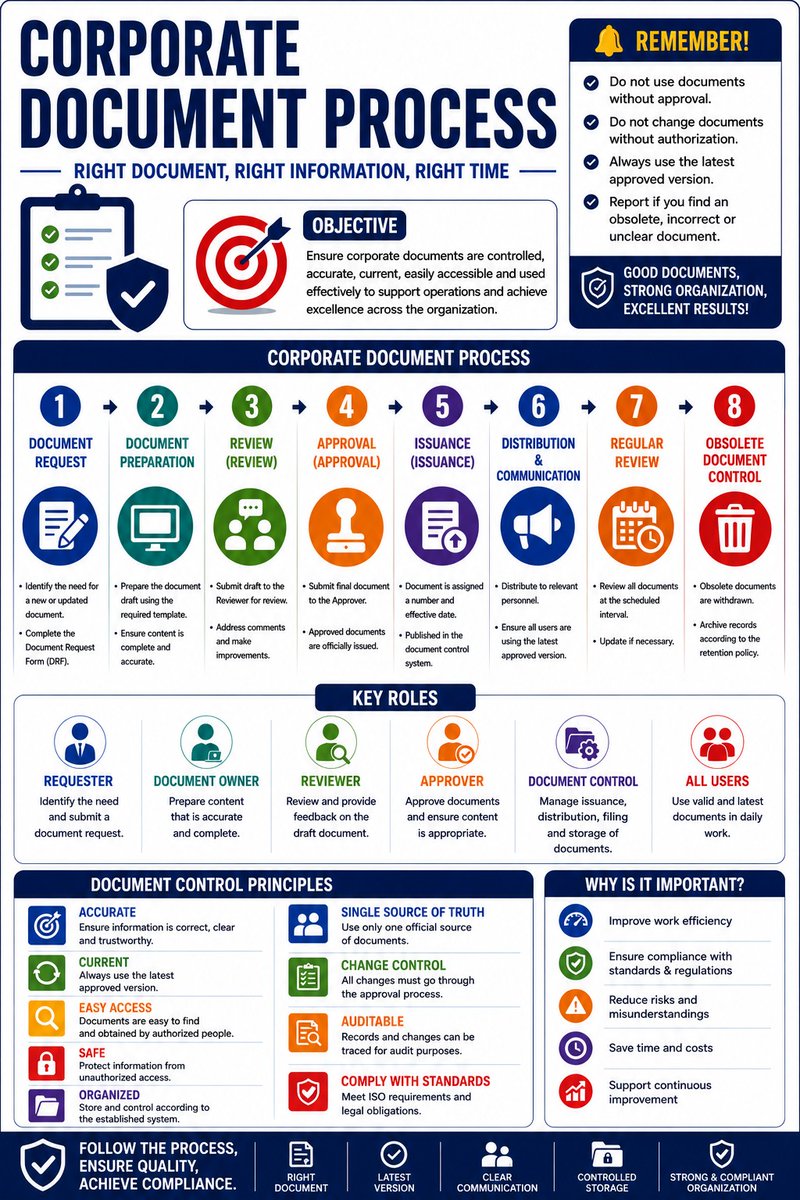
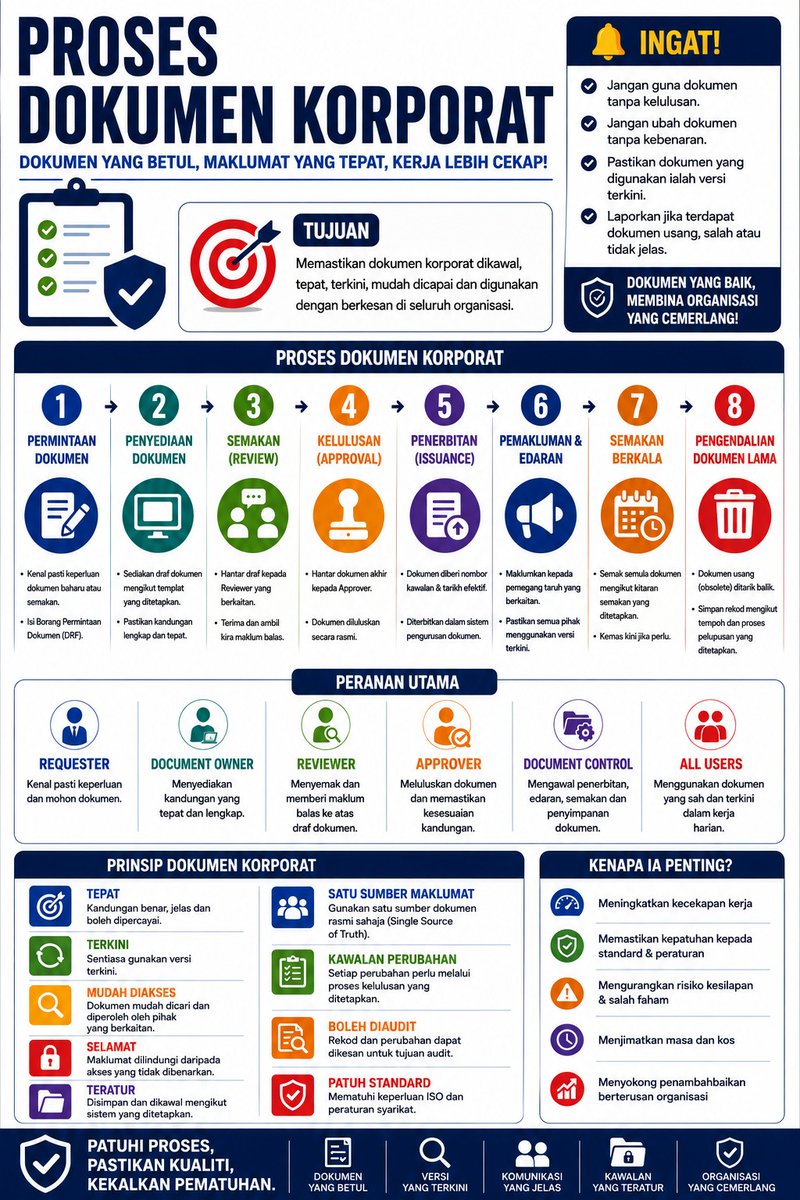
📂 PROSES DOKUMEN KORPORAT – KENAPA IA PENTING?
Bahasa Melayu:
Setiap dokumen dalam organisasi perlu melalui proses yang terkawal dan tersusun bagi memastikan:
✔ Maklumat tepat
✔ Versi terkini digunakan
✔ Kelulusan yang sah
✔ Rekod mudah dikesan dan diaudit
Proses Dokumen Korporat biasanya melibatkan:
1️⃣ Permintaan Dokumen
2️⃣ Penyediaan Dokumen
3️⃣ Semakan (Review)
4️⃣ Kelulusan (Approval)
5️⃣ Penerbitan (Issuance)
6️⃣ Pemakluman & Edaran
7️⃣ Semakan Berkala
8️⃣ Pengendalian Dokumen Lama / Obsolete
Dokumen yang tidak dikawal boleh menyebabkan:
❌ Salah versi
❌ Salah maklumat
❌ Rework
❌ Audit finding
❌ Risiko operasi dan compliance
Sebab itu organisasi perlu memastikan semua dokumen:
• Dikawal dengan betul
• Menggunakan versi terkini
• Disimpan secara sistematik
• Mudah dicapai oleh pihak berkaitan
• Mematuhi keperluan ISO dan organisasi
“Dokumen yang baik membantu membina organisasi yang lebih cekap, tersusun, dan patuh standard.”
English:
📂 CORPORATE DOCUMENT PROCESS IS NOT JUST “PAPERWORK”
Many people see documentation as administrative work only.
But in operations, projects, ISO systems, engineering, and compliance uncontrolled documents can lead to:
❌ Incorrect information
❌ Wrong revisions
❌ Rework
❌ Delays
❌ Audit findings
❌ Operational risks
This is why Document Control is essential to ensure:
✔ The right document
✔ Accurate information
✔ Latest approved version
✔ Proper authorization
✔ Traceable records
✔ Effective document governance
Good documents are not just stored.
They must be:
• Controlled
• Approved
• Updated
• Easily accessible
• Used by the right people
When organizations establish a strong document management process, operations become more efficient, risks are reduced, and compliance becomes easier to achieve.
“Good documents support good operations.”
— Coach R.Salleh
#DocumentControl #IMS #ISO9001 #ISO14001 #ISO45001 #OperationalExcellence #ManagementSystem #QualityManagement #ContinuousImprovement #Engineering #CorporateGovernance
1
7
8
23
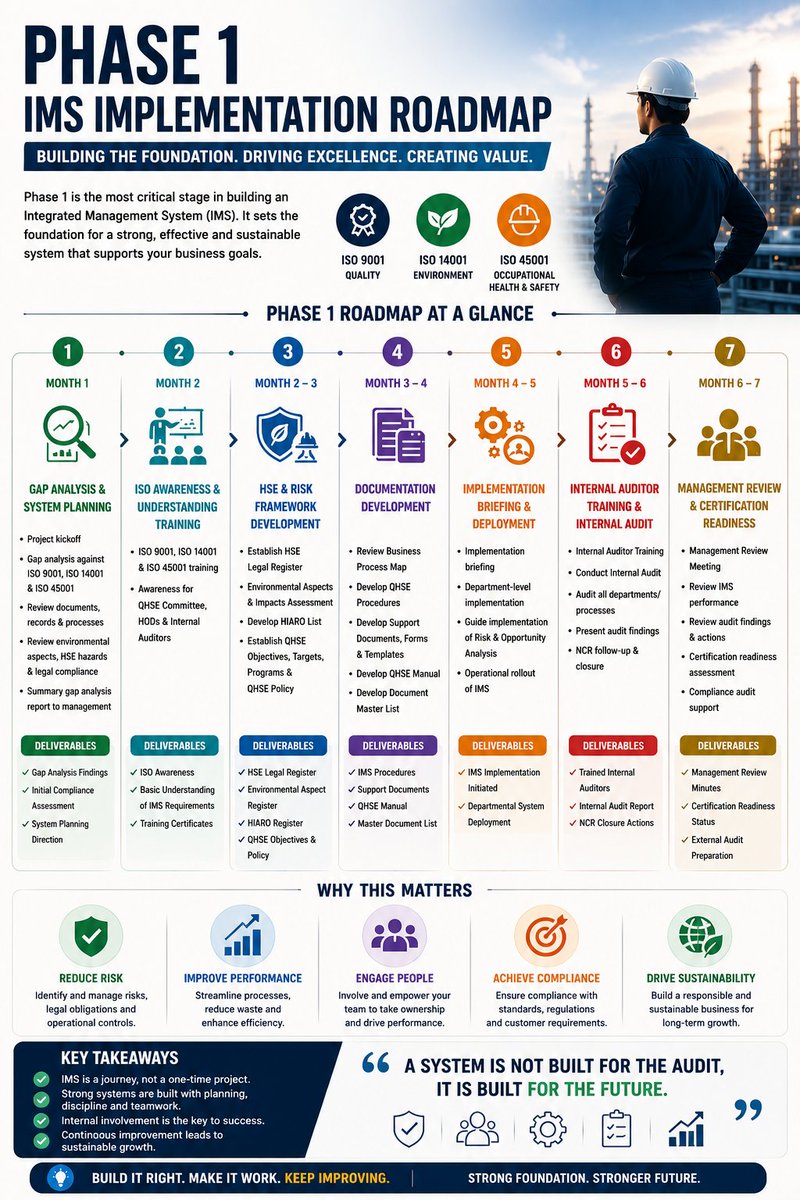
Kebanyakan organisasi memberi fokus kepada pensijilan.
Tetapi sebelum pensijilan, ada satu fasa yang paling penting: Membina asas sistem itu sendiri.
Phase 1 dalam Integrated Management System (IMS) adalah peringkat di mana organisasi mula: ✔ Memahami jurang operasi semasa
✔ Mewujudkan proses dan kawalan kerja
✔ Membina struktur dokumentasi
✔ Melaksanakan pengurusan risiko dan pematuhan
✔ Menyediakan pasukan untuk konsistensi operasi
Sistem pengurusan yang kukuh tidak dibina semasa audit.
Ia dibina melalui: Perancangan, pelaksanaan, disiplin, penglibatan, dan penambahbaikan berterusan.
Apabila asas sistem kukuh, organisasi akan menjadi lebih tersusun, mampan, dan bersedia untuk audit.
IMS bukan sekadar tentang pematuhan.
Ia tentang membina sistem yang menyokong prestasi perniagaan untuk jangka masa panjang.
“Bina sistem dahulu. Pensijilan akan menyusul.”
#ISO9001 #ISO14001 #ISO45001 #IMS #ManagementSystem #QualityManagement #OperationalExcellence #ContinuousImprovement #DocumentControl
1
7
8
1
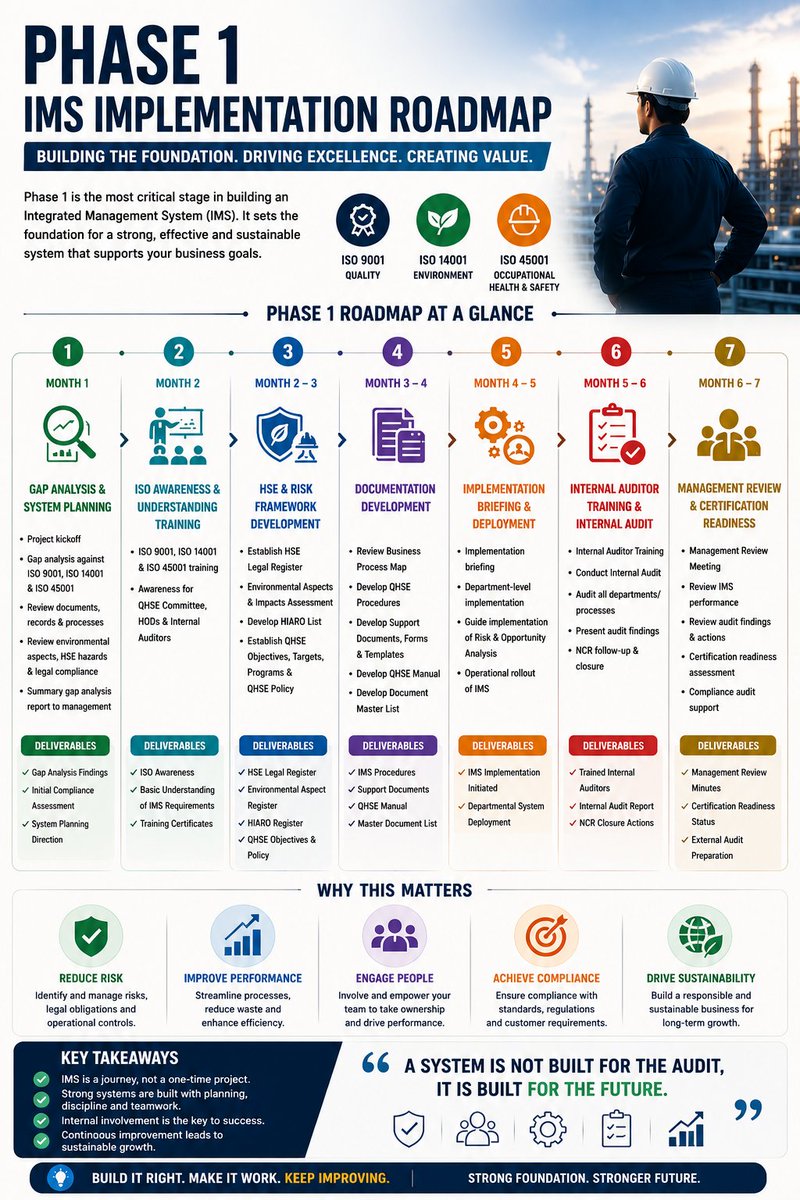
Many organizations focus on the certification.
But before certification comes the most important stage:
Building the foundation of the system itself.
Phase 1 of an Integrated Management System (IMS) is where organizations begin to:
✔ Understand operational gaps
✔ Establish processes & controls
✔ Build documentation structure
✔ Implement risk & compliance management
✔ Prepare teams for operational consistency
A strong management system is not built during the audit.
It is built through:Planning, implementation, discipline, involvement, and continuous improvement.
When the foundation is strong, the organization becomes more structured, sustainable, and audit-ready.
IMS is not just about compliance. It is about creating a system that supports long-term business performance.
“Build the system first. Certification will follow.”
#ISO9001 #ISO14001 #ISO45001 #IMS #ManagementSystem #QualityManagement #OperationalExcellence #ContinuousImprovement #DocumentControl
7
8
1


Apr 30
Integriertes Managementsystem wird eingeführt
Chef sagt ich soll eine RegEx Änderung genehmigen lassen und auf einem Testsystem testen
Zum Glück sind solche Prozesse total sinnvoll und halten einen nicht auf 👍🏻
2
1
12
170

Die Energiewende wurde völlig falsch angegangen. Bevor das neue System läuft, hat man das alte schon mal weggesprengt.
Das ist so wie wenn Du zukünftig ein anderes Managementsystem für Deine Firma haben wolltest und erst mal das bestehende funktionierende System löschen würdest bevor das neue läuft. Würde niemand so machen außer die 600 Leute im Bundestag.
2
10
193

Apr 4
•A post about Artemis II's Orion astronauts being the most isolated humans during the Moon's far-side blackout, noting Apollo 10 in 1969 and Apollo 13 in 1970 had crews experience the exact same communications isolation on lunar flybys.
•The post attributes the historical amnesia to modern journalists born after Y2K who may overlook NASA's Apollo-era achievements, despite Artemis II being the first crewed lunar mission since 1972.
•During far-side passages, the Moon blocks radio signals to Earth for roughly 45 minutes, a standard occurrence in both Apollo lunar missions and the ongoing Artemis II trajectory launched April 1, 2026.
Compare Apollo 10 isolation details
Evolution of lunar comms tech
Compare Apollo 10 isolation details
Here's a detailed comparison of the communications isolation (radio blackout) experienced by the Apollo 10 crew during their lunar operations, focusing on the far-side passages behind the Moon. This directly addresses the context from the original post about Artemis II's planned blackout and claims of historical "firsts" in isolation.Key Context on Far-Side
BlackoutsRadio signals cannot bend around the Moon, so any spacecraft passing behind the far side loses all direct line-of-sight communication with Earth. This is a purely physical phenomenon—no conspiracy or anomaly involved. The duration depends on the spacecraft's trajectory, altitude, and speed relative to the Moon.
•Typical duration in Apollo lunar orbits: Approximately 45 minutes per orbit (or per far-side pass). The crew relied entirely on onboard systems, pre-planned procedures, and each other. No real-time voice, telemetry, or commands from Mission Control.
youtube.comThis happened multiple times during missions that entered lunar orbit.Apollo 10 Isolation Details (May 1969)Apollo 10 was a full "dress rehearsal" for Apollo 11. It included:
•Crew: Thomas Stafford (commander), John Young (CM pilot), Eugene Cernan (LM pilot).
•The Command/Service Module (CSM) entered lunar orbit on May 21, 1969.
•They spent about 61 hours and 37 minutes in lunar orbit, completing roughly 31 orbits.
en.wikipedia.orgFar-side blackout specifics:
•Occurred on every orbit while behind the Moon.
•Duration: ~45 minutes per pass (standard for low lunar orbits at ~60–70 nautical miles altitude).
•The crew performed critical tasks during these periods, including landmark tracking, photography, and (for Stafford and Cernan in the Lunar Module) a descent rehearsal down to ~8–10 miles above the surface.
•Famous anecdote: During one far-side pass, the crew heard unexplained "whistling" or "space music" sounds (later identified as radio interference between the CSM and LM VHF systems when the vehicles were separated). This occurred while completely isolated from Earth.
Total far-side isolation time: With ~31 orbits, the crew collectively experienced many hours of blackout periods (roughly 45 min × number of far-side passes). John Young, alone in the CSM during LM operations, spent significant solo time in these windows.
•Additional notes: The crew also conducted a Trans-Earth Injection (TEI) burn while behind the Moon (out of contact), then faced the standard ~3-minute re-entry plasma blackout on return to Earth.
Apollo 10 demonstrated that humans and spacecraft could operate autonomously during these blackouts without issue.Comparison to Apollo 13 (1970)Apollo 13 used a free-return trajectory (similar to Artemis II) after the oxygen tank explosion forced an abort. They did not enter lunar orbit but performed a lunar flyby/slingshot.
•Far-side blackout: One primary pass behind the Moon, lasting ~45 minutes (or up to ~half an hour in some accounts, depending on exact trajectory).
brainly.comThe crew (Lovell, Swigert, Haise) was farther from the lunar surface than orbital missions (~100 km/60 mi farther at closest approach) due to the emergency path, but the blackout duration remained comparable.
•They managed critical systems (power conservation, course corrections) during isolation.
•Re-entry had its own separate ~6-minute blackout (longer than the usual ~3–4 minutes due to a shallower entry angle), but that's atmospheric plasma, not lunar far-side related.
Comparison to Artemis II (Ongoing 2026 Mission)Artemis II (launched April 1, 2026) is a crewed test of Orion on a free-return lunar flyby (no lunar orbit insertion). Four astronauts: Reid Wiseman, Victor Glover, Christina Koch, Jeremy Hansen.
•Far-side blackout: One main planned passage behind the Moon, lasting ~41–45 minutes (NASA cites ~41 minutes; some reports round to 45 including margins for signal acquisition).
reddit.comTrajectory: Higher-altitude flyby (thousands of miles from the lunar surface vs. Apollo's ~60–70 miles in orbit). This gives unique views of more of the far side but doesn't significantly change blackout physics.
•Isolation: Similar experience—complete loss of contact with Earth, reliance on onboard autonomy. Orion will record data and handle contingencies independently.
•Difference in "isolation intensity": Artemis II crew will be the farthest humans from Earth in history during parts of the trajectory (potentially breaking Apollo 13's record), and it's the first crewed lunar mission since 1972. However, the blackout mechanism and duration are nearly identical to Apollo-era far-side passes.
Summary Table of Far-Side Isolation
AspectApollo 10Apollo 13Artemis II (2026)
TrajectoryLunar orbit (~31 orbits)Free-return lunar flybyFree-return lunar flyby
Blackout per pass~45 minutes~45 minutes (one main pass)~41–45 minutes (one main pass)
Number of passesMultiple (dozens of far-side arcs)1 primary1 primary
Altitude at MoonLow (~60–70 nmi orbital)Higher flybyHigh flyby (3,000–9,000 miles)
Total blackout timeMany hours across mission~45 minutes~41–45 minutes
Notable activitiesLM descent rehearsal, photography, "space music" incidentEmergency systems managementSystem tests, far-side photography
Crew experienceRoutine for the era; demonstrated autonomyHigh-stakes abort scenarioFirst in 50 years; deeper space record potential
Bottom line: Apollo 10 (and other orbital missions like Apollo 8, 11, etc.) experienced the exact same type of far-side communications isolation—repeatedly and for comparable durations—as what Artemis II will encounter once. The original post's claim of Artemis II astronauts being "the most isolated" overlooks these precedents. The ~45-minute blackout is standard physics for any lunar far-side passage, whether in orbit or on a flyby. Apollo crews handled it with 1960s technology; Artemis II tests modern systems in a similar environment.
l
2
56

Mar 17
Okay. Ich bin ein Laberfächler, aber habe mir in den letzten 10h ein Agenten-Managementsystem - KI, lernend - gebaut. Und nun? Was machst Du, außer dumme Phrasen zu basteln?
8
20
1,783

Feb 25
We adhere to the internationally recognised #ISO9001 #managementsystem to ensure that every project we undertake follows a clear, monitored path to completion.
With three #CMMs providing the necessary data, we ensure that the #precision ordered is exactly what is delivered.

3
97


‼️👉Deutschlands riesiges Zensurnetzwerk aus 330 großteils staatlich finanzierten „NGOs“ ❗️
👉Deutschland baut still und leise ein neues Regierungsmodell auf – eines, das keine Wahlen absagen, Parteien verbieten oder offen Meinungsäußerungen zensieren muss, weil es gelernt hat, die Kunst der „Legitimität“ im Vorfeld zu verwalten. Das beschreibt ein Forscher im Interview in der Schweizer NZZ.
tkp.at/2026/02/07/deutschlan…
In einem aufsehenerregenden Interview mit der Neuen Zürcher Zeitung beschreibt der Forscher Andrew Lowenthal eine Architektur zur Meinungssteuerung im industriellen Maßstab innerhalb Deutschlands.
Seine Forschung erfasst etwa 330 miteinander verbundene Akteure, darunter Bundesbehörden, Landesministerien, öffentlich finanzierte NGOs, Universitäten, Faktenprüfungsorganisationen, Thinktanks und Stiftungen. Diese agieren nicht in Opposition zum Staat. Vielmehr sind sie zunehmend Teil davon.
Dies ist keine offene und unverblümte Zensur. Es ist viel raffinierter und eloquenter im Orwellschen Sinne. Was Lowenthal skizziert, ist ein epistemisches Managementsystem: ein geschlossener Feedback-Kreislauf, in dem politische Urteile und Ansichten zu technischem Fachwissen verarbeitet und dann als neutrale Wahrheit an die Öffentlichkeit zurückgegeben wird.
Das beunruhigendste Detail ist nicht die Koordination – es ist der Glaube. Viele Beteiligte erkennen ihre Arbeit gar nicht mehr als politisch an. Sie sehen sich als Hüter der Realität, auch wenn sie die Grenzen des akzeptablen Denkens definieren.
109
1,360
3,089
47,724


Feb 6
@BinaGreene Der Post von @IslanderWORLD beschreibt, wie Deutschland ein neues Governance-Modell aufbaut, das keine Wahlen absagt oder Zensur offen ausübt, sondern die Legitimität im Vorfeld steuert. Basierend auf einem Interview von Andrew Lowenthal in der Neuen Zürcher Zeitung wird ein Netzwerk aus etwa 330 verbundenen Akteuren skizziert – darunter Bundesbehörden, NGOs, Universitäten und Stiftungen. Diese bilden ein "epistemisches Managementsystem", das Meinungen durch Förderungen, Faktenchecks und Plattformregulierungen formt, ohne als politisch zu gelten.Das Programm "Demokratie leben!" verteilt jährlich rund 200 Millionen Euro, um "Hass", "Extremismus" und "Desinformation" zu bekämpfen – Kategorien, die elastisch sind, um Dissens umzudefinieren. NGOs agieren nicht mehr unabhängig, sondern als Erweiterung des Staates. Die EU-Gesetze wie der Digital Services Act verstärken dies durch Risikoanalysen und Zugang zu Daten.Das System ist nicht repressiv, sondern präventiv: Es formt die öffentliche Wahrnehmung im Voraus, reduziert Risiken für die Machtelite und macht Wahlen berechenbarer. Im zweiten Teil wird betont, dass dies eine brüchige Struktur ist, die Demokratie isoliert und Bürger als Risiko betrachtet, anstatt sie zu respektieren. Es handelt sich um eine "kuratierte Realität", die Freiheit auf genehmigte Grenzen beschränkt – ein Warnsignal für eine Demokratie, die nur noch dem Namen nach existiert.Der Post bezieht sich auf einen früheren Beitrag über eine EU-finanzierte NGO, die X verklagt, um Zugriff auf ungarische Wahldaten zu erhalten, und hebt die Asymmetrie in der EU hervor.
. @SOLUTIONSMG —> Admin
2. @FrankFue
3. @unbenanntangel
4. @Anti_Krieg
5. @CaessyM
6. @Jaimo38071664
7. @paulabravzuhaus
8. @miiniiiie —> Moderator
9. @lapplandgirl
10. @kryptonavi
11. @ringostar_181
12. @MacGaef
13. @natter1963
Feb 6

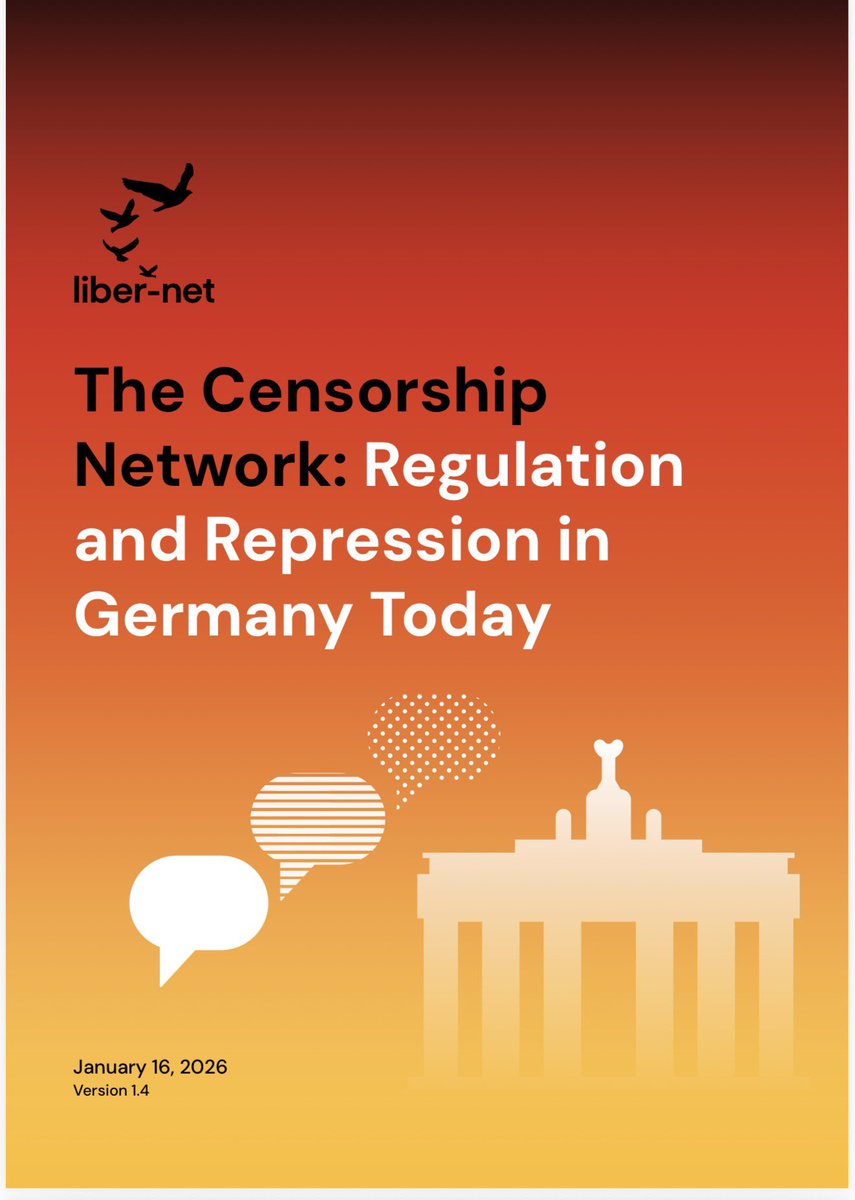
Germany is quietly building a new model of governance — one that doesn’t need to cancel elections, ban parties, or openly censor speech, because it has learned how to administer the art of "legitimacy" upstream.
In a striking interview with Neue Zurcher Zeitung, researcher Andrew Lowenthal describes an industrial-scale opinion-management architecture inside Germany. His research maps roughly 330 interconnected actors spanning federal agencies, state ministries, publicly funded NGOs, universities, fact-checking organizations, think tanks, and foundations. They do not operate in opposition to the state. Increasingly, they operate as part of it.
This is not blunt censorship. It is far more refined and eloquent in an Orwellian sense. What Lowenthal outlines is an epistemic management system: a closed feedback loop in which political judgment is processed into technical expertise and then returned to the public as neutral truth. The most unsettling detail is not coordination — it is belief. Many participants no longer recognize their work as political at all. They see themselves as custodians of reality, even as they define the boundaries of acceptable thought.
The inversion is decisive. NGOs were once adversarial watchdogs. In Germany, they now function as extensions of state capacity, openly coordinating with ministries and regulators. Cooperation with government is no longer viewed as a conflict of interest; it is the baseline. Civil society has been absorbed into administrative infrastructure, while retaining the moral authority of independence.
The funding makes the architecture visible. Programs such as Demokratie leben! distribute roughly €200 million annually, sustaining a sprawling ecosystem tasked with combating “hate,” “extremism,” and “disinformation.” These categories are intentionally elastic. Dissent is not banned; it is reclassified. Speech is not silenced; it is managed, filtered through grants, compliance regimes, and platform partnerships, and relabeled democratic resilience.
Layered on top is the EU regulatory spine — particularly the Digital Services Act, which pressures platforms into continuous risk assessments, moderation alignment, and privileged “research access.” Transparency is the branding. Narrative leverage is the function. When the same institutional family defines risk, enforces standards, and evaluates outcomes, neutrality becomes circular logic.
What makes this moment especially revealing is that Germany is not in a federal election cycle. There is no campaign emergency, no imminent vote, no populist surge forcing extraordinary measures. This system is being expanded mid-cycle, quietly, as routine governance. That matters. It tells us this is not a temporary response to instability. It is the permanent operating environment.
Mature systems of control do not wait for crisis. They pre-condition legitimacy long before citizens are asked to participate. Voters are not told what to think; they are trained over time which thoughts are reasonable, which questions are responsible, and which positions fall outside the perimeter of seriousness.
Hovering over this architecture is Friedrich Merz — a figure whose authority rests less on popular enthusiasm than on institutional insulation. Legitimacy becomes procedural rather than participatory. Elections persist, but their risk to power is steadily reduced. That is the signature of a system confident not because it is trusted, but because it is buffered.
This is not a German aberration. It is a systems test — a warning etched in procedure, a calibration point where democracy is preserved in name while being redesigned in practice, measuring how much trust can be withdrawn from citizens before the result stops resembling freedom.
Part 2/2 👇
3
3
72

9 Dec 2025
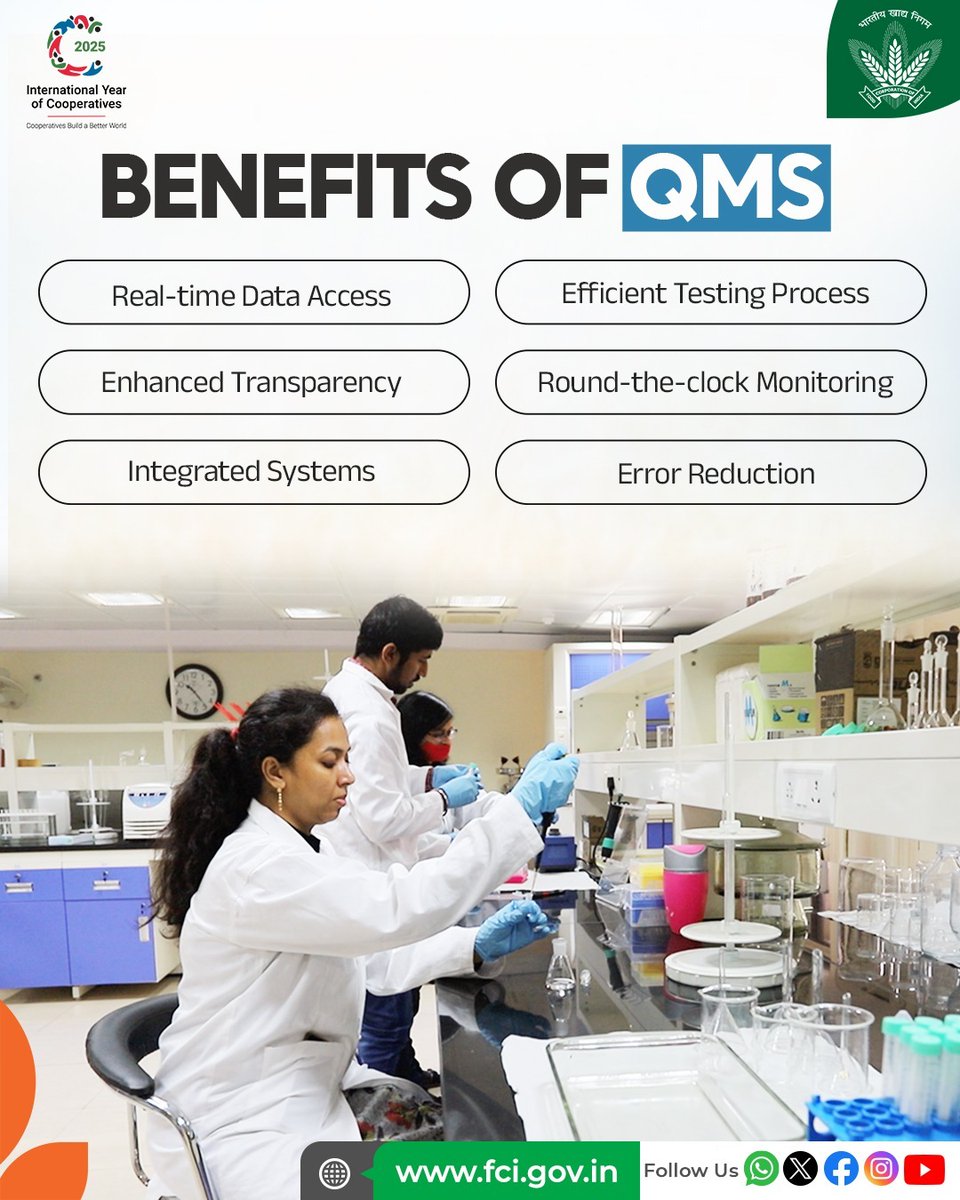
FCI is streamlining its quality control operations through #Quality #ManagementSystem, ensuring quality food grains for beneficiaries.
Discover more about how FCI is enhancing efficiency and transparency in #food grain quality management in this video:
youtube.com/watch?v=dHr-_433…
35
47
528