

Yea exactly, I was able to get it by following the link on your Masterdon post
2
52

So has anyone here found the post @xjosh claims exists where antifa trannies take credit for the DDOS attack? I don't even know where to begin looking, ResetEra? Something Awful? BlueSky? Masterdon? Why the fuck can't this fat retard just show us. (probably because it's a lie)
4
2
27
1,801

May 30
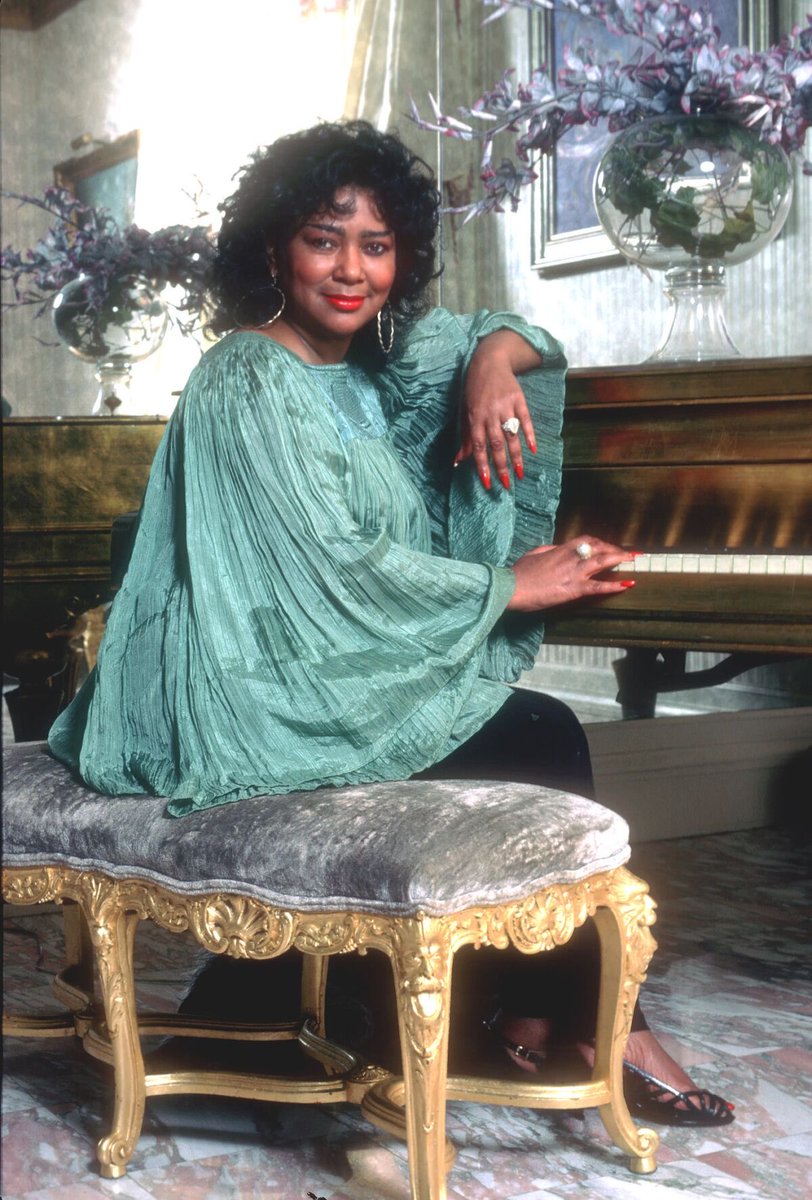
A 2022 archival tribute from the Rock & Roll Hall of Fame spotlighting Sylvia Robinson's induction as an Ahmet Ertegun Award recipient. From mapping her legendary career shift from performing to producing, to detailing how her distinct vision birthed the Sugar Hill Gang's "Rapper's Delight" and Masterdon Committee's "The Message," Robinson permanently changed the landscape of recorded Hip-Hop music.
“I knew the message would work because of the story. Most people living in the ghetto, that's their story of their life.” — Sylvia Robinson
May 30

Remembering Sylvia Robinson
(Wednesday, May 29, 1935 – Thursday, September 29, 2011)
Lineage, Origins, and Formation: Harlem-born Black American artist, songwriter, producer, label founder, and record executive of documented Virgin Islands paternal descent
Born Sylvia Vanterpool in Harlem, New York, Robinson first made history as part of Mickey & Sylvia with “Love Is Strange,” then returned as a solo force with “Pillow Talk,” a No. 1 R&B hit that proved she was already a serious performer, writer, and producer before her contribution to Hip-Hop became her most famous chapter.
Her largest impact came through Sugar Hill Records, which she co-founded with Joe Robinson. Through The Sugarhill Gang’s “Rapper’s Delight” and Grandmaster Flash and the Furious Five’s “The Message,” Robinson helped move Rap from live party culture into commercial recording history. Both records are now preserved by the Library of Congress National Recording Registry.
Her legacy also carries real controversy. “Rapper’s Delight” has long been criticized for Big Bank Hank’s use of Grandmaster Caz’s rhymes without proper credit, and early pressings also failed to properly credit Chic’s “Good Times” before Nile Rodgers and Bernard Edwards secured songwriting credit. Sugar Hill Records helped open the recording-industry door for Rap, however the Sugar Hill story also captures how much the music business has changed since Hip-Hop first entered the recording industry.
On Thursday, September 29, 2011, Sylvia Robinson transitioned, in Secaucus, New Jersey, from congestive heart failure. She is survived by three sons and several grandchildren and great-grandchildren.
In 2022, she was posthumously inducted into the Rock & Roll Hall of Fame through the Ahmet Ertegun Award. Her legacy is complicated, but undeniable, she did not invent Hip-Hop, but she helped build one of the first bridges between Hip-Hop culture and the global recording industry.
Photo: Sylvia Robinson in 1983 (Michael Ochs Archives)
6
21
731

“Shopping Spree” was produced 🥁 by Isaac Masterdon Azeez

1
4
391


Mar 29
@AlanSileabhin .......MASTERDON COMMITTEE....they say they know......b.u.t.....do they really ???
... youtu.be/_XujKu73LWA?si=5w4I…

1
3
159

 𝕆𝕝𝕕 𝕊𝕔𝕙𝕠𝕠𝕝 𝕄𝕦𝕤𝕚𝕔
Feb 26
x.com/OERRBlog/status/202673…
Herzlichen Glückwunsch zu diesem beeindruckenden Zeugnis moralischer Selbsterhöhung. Es ist schon beachtlich:
Da haben Sie das Grundgesetz gleich mehrfach beschworen – offenbar in der Hoffnung, dass die Menge der Eide die Tiefe des Verständnisses ersetzt. Wenn man Ihre Rede im Februar 2026 so hört, drängt sich jedoch der Verdacht auf, dass Sie die Verfassung weniger als Schutzschild des Bürgers, sondern eher als Kuscheldecke für eine immer fehleranfälligere Staatsmedien-Landschaft begreifen.
Hier ist die Realitätsprüfung für Ihren „humanen“ Elfenbeinturm:
Die „Lizenz zum Irren“:
Ihre These, dass „Menschsein heißt, Fehler zu machen“, ist die wohl bequemste Ausrede für den öffentlich-rechtlichen Rundfunk (ÖRR) seit Erfindung der Zwangsgebühr. Wenn das ZDF erst am 16. Februar 2026 wieder einmal ein Video löschen musste, weil darin falsche Eindrücke über Reisehinweise suggeriert wurden, dann ist das kein charmantes „Menschsein“, sondern handwerkliches Versagen mit Ansage. Dass Sie dieses Versagen zur „Verteidigungslinie der Demokratie“ adeln, zeigt, wie tief die Ansprüche an journalistische Sorgfalt unter Ihrer politischen Aufsicht gesunken sind.
Das „Masterdon“-Mysterium:
Es ist der Gipfel der Ironie, wenn Sie gegen „Tech-Oligarchen“ wettern und uns in das digitale Paradies führen wollen, aber offensichtlich nicht einmal den Namen der Plattform Mastodon unfallfrei über die Lippen bringen. Wer den digitalen Raum mit Begriffen wie „Masterdon“ oder nebulösen „Loops“ erklären will, beweist vor allem eines: Dass die grüne Technik-Expertise spätestens an der Rechtschreibprüfung der eigenen Ideologie scheitert.
Der „verlässliche Anker“ für 18,36 Euro:
Sie preisen den ÖRR als verlässlichen Anker, während ARD und ZDF im Februar 2026 die Politik wegen der Nicht-Erhöhung des Beitrags faktisch des „Verfassungsbruchs“ bezichtigen. Ein Anker, der den Bürger monatlich 18,36 Euro kostet – völlig ungeachtet der „menschlichen Fehler“ und der einseitigen Einordnung – ist kein Hilfsmittel, sondern eine Belastung. Während Sie von „demokratischer Luft zum Atmen“ sprechen, fühlen sich viele Beitragszahler eher finanziell gewürgt.
Die Tech-Oligarchen-Paranoia:
Dass Sie Elon Musk und Peter Thiel als „Meister des Neofaschismus“ bezeichnen, nur weil diese Plattformen bieten, auf denen grüne Narrative nicht mehr ungefiltert durchlaufen, ist die ultimative Form des demokratischen Offenbarungseids. Es ist bezeichnend, dass Menschen wie Sie lieber in „Cityverses“ flüchten, statt sich dem echten Diskurs mit echten Menschen zu stellen.
Fazit:
Wer die Verfassung beschwört, um eine gebührenfinanzierte Fehlerkultur gegen den freien Wettbewerb der Meinungen zu verteidigen, hat das Grundgesetz zwar oft gelesen, aber offensichtlich wenig davon verinnerlicht. Ihr Plädoyer ist kein Schutz der Menschlichkeit, sondern die Angst einer abgehobenen Elite vor der unkontrollierten Wahrheit im Netz.
#Hayali #Thevesen #ElonMusk @OERRBlog
 ÖRR Blog.
3
4
159

Feb 18
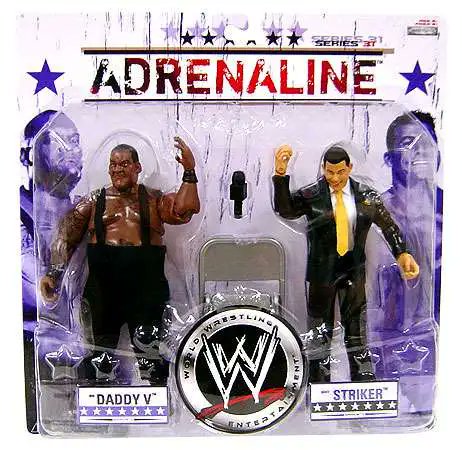
I was a gigantic Big Daddy V fan in his WWECW days - used to really enjoy watching his matches with Undertaker & Kane. Once this two-pack came out, I was all about it. Vis had such a long career yet he's hardly mentioned.
Ministry, King, Mission, Love Machine & Masterdon.
1
19
1,206

1
8
48


5 Dec 2025
Facts I get more interactions via smaller oddball accounts like bluesky or masterdon lol
Honestly am keeping my eyes on Ganda social network that’s in closed beta so far and I think it maybe better for all Canadian devs in the long run.
1
2
27


18 Nov 2025
Ihren auch nicht. Herr Professor wie fühlt sich das für Sie eigentlich an, täglich auf einer Plattform zu schreiben, wo der Chef eindeutig die AFD unterstützt? Wie ist es für Sie das durch ihre Posts Klicks generiert werden, welche durch Werbung zu Geld werden. Es könnte sogar sein, dass durch ihre Werbeeinnahmen, ein Teil der Spende zur AFD gegangen sind.
Zusätzlich faszinieren mich täglich ihre Kommentare. Ist das nicht nervig wenn man nur Spott und Hohn erntet? Da ich mich sonst mit sehr düsteren Themen befasse, sind sie täglich meine Comedy Show. Für das Danke ich ihnen tatsächlich.
Wäre Masterdon oder BlueSky nicht die bessere Wahl?
Aber solange Sie hier sind habe ich zumindest was zu lachen. Also weiter so und Geld für Elon verdienen, damit Elon wieder fleißig, Spendengelder der AFD geben kann.
15
8
124
3,324

27 Oct 2025
The console wars have ended. Only on @solana 2zbDf2jxbqaSP84giivEBe1iRxNtUNspWuHe6NfLpump
#masterdon @gamestop @WhiteHouse
2
678

27 Oct 2025
Aped a bag of masterdon
2zbDf2jxbqaSP84giivEBe1iRxNtUNspWuHe6NfLpump
10
239


24 Oct 2025
Il a refusé d’écrire une lettre au juge pour que Danny Masterdon obtienne une peine moins lourd mais il a dit que Danny restait son frère malgré ses actes.
2
225