
Apr 16
First page takeaway: Learn, don’t blindly follow. Crypto is high risk—DYOR and take full responsibility. ⚠️
#MemecoinGuide #DYOR #CryptoRisk #StaySmart

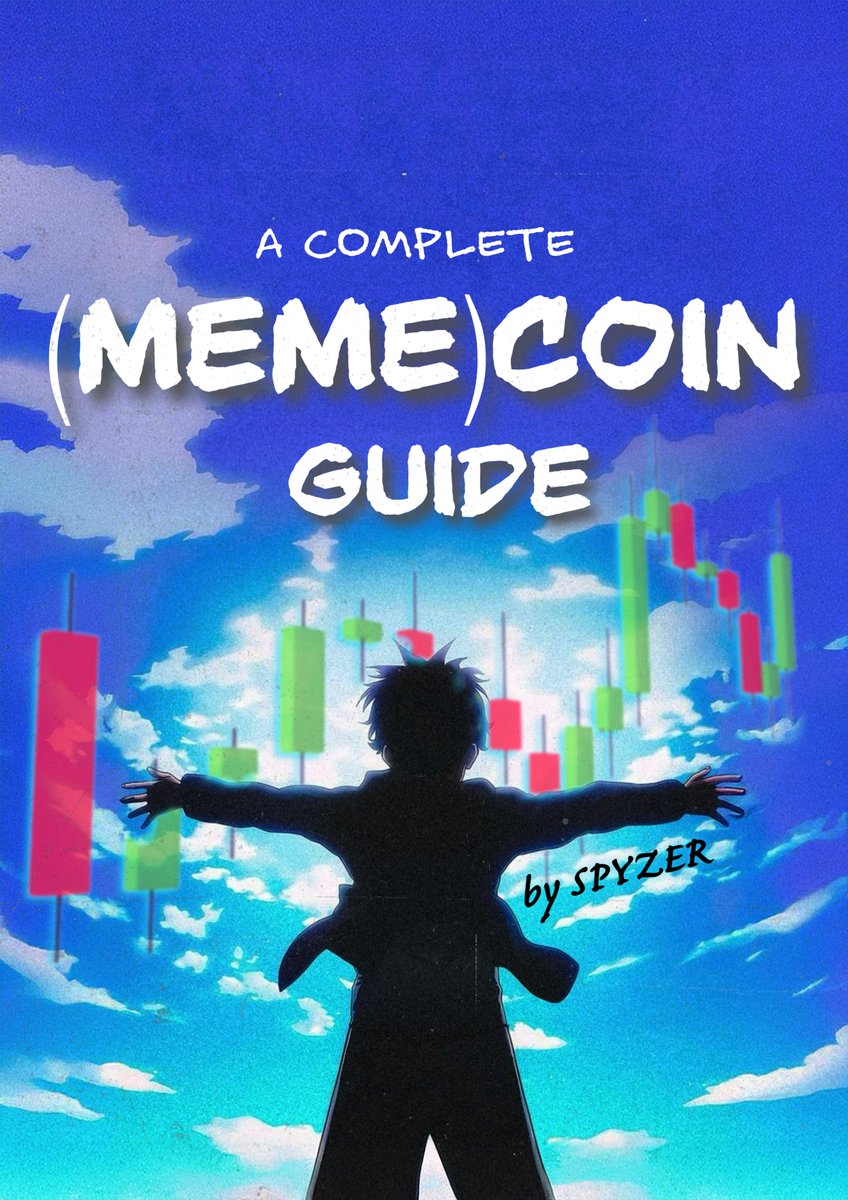
After months of hard work, late nights and peer reviews-- it's finally here
The most complete (meme)coin guide ever made
100% free, you can find the link below
(中文版也已上线!)
Enjoy 🫶
2
82

9 Nov 2025
Before you buy any meme coin — check these 5 things
💧 Liquidity locked
🚫 No mint function
👥 Real community
📊 Healthy volume
💼 Fair dev wallets
It’s not about buying first — it’s about buying smart.
#Solana #CryptoSafety #CryptoTrading #MemeCoinGuide
#Crypto #MemeCoin #DYOR #Web3
2
6
130

12 Jul 2025
🚀 Just launched your first meme coin? Here's what to do next!
Built your token with CoinBuilder.pro or another builder? 🎉 Congrats — you're officially a crypto creator!
🔗 Read it here → blog.coinbuilder.pro
#CoinBuilderPro #MemeCoinGuide #Bitcoin #Web3Tools
2
20

24 Jun 2025
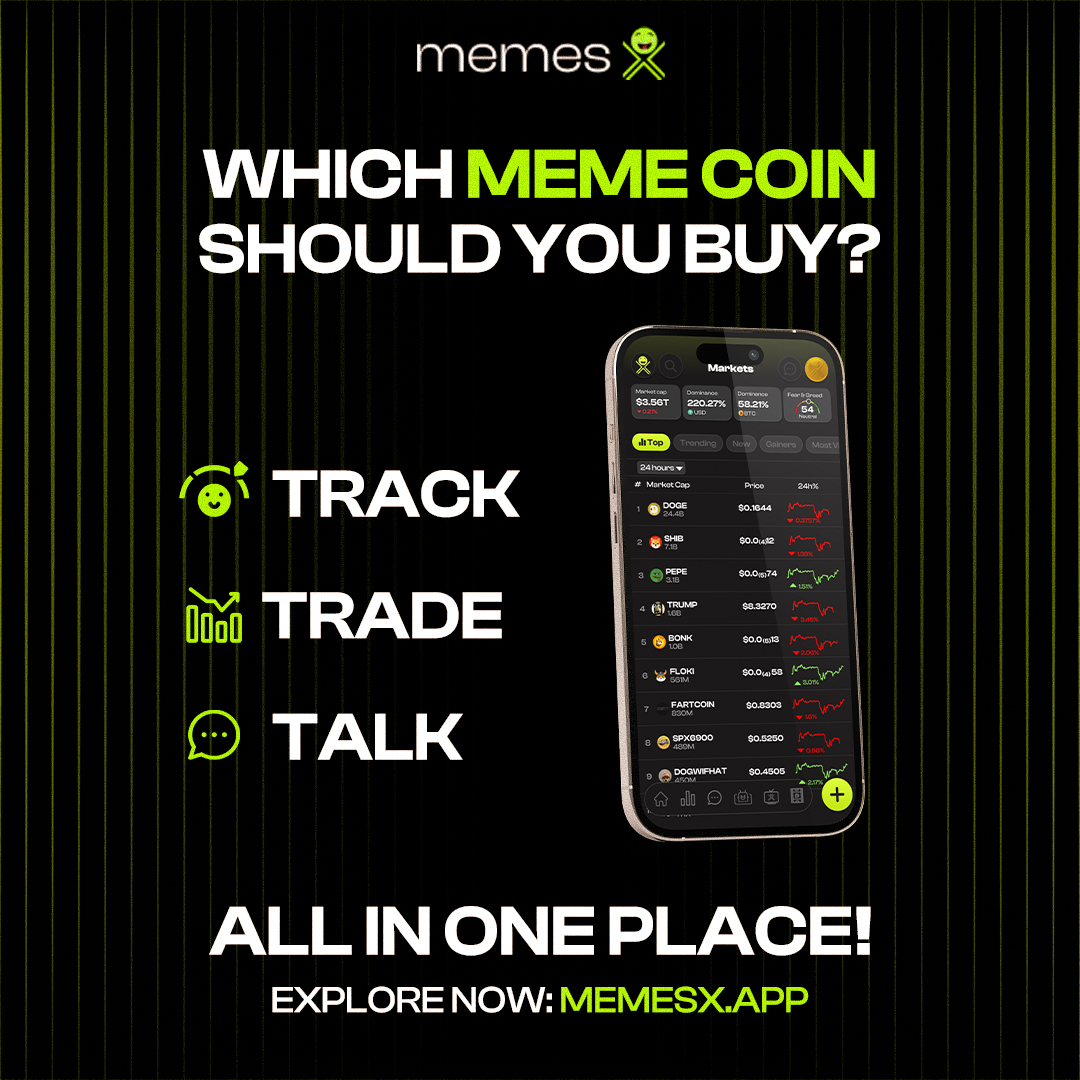
🪙 New to #memecoins? Wondering how to buy your first one?
Stop scrolling and start trading with #MemesX – your all-in-one meme coin hub.
✅ Buy & Sell Easily
✅ Get Real-Time Prices
✅ Explore Trending Tokens
✅ Access Smart Signals & Charts
✅ Web & Mobile App Ready
📲 Whether you're a beginner or a degen, MemesX makes meme coin investing effortless and fun.
🔗 Try it now → web.memesx.app/
#MemesX #CryptoForBeginners #MemeCoinMarket #CryptoMadeSimple #MemecoinGuide #CryptoApps
1
4
293

3 Apr 2025
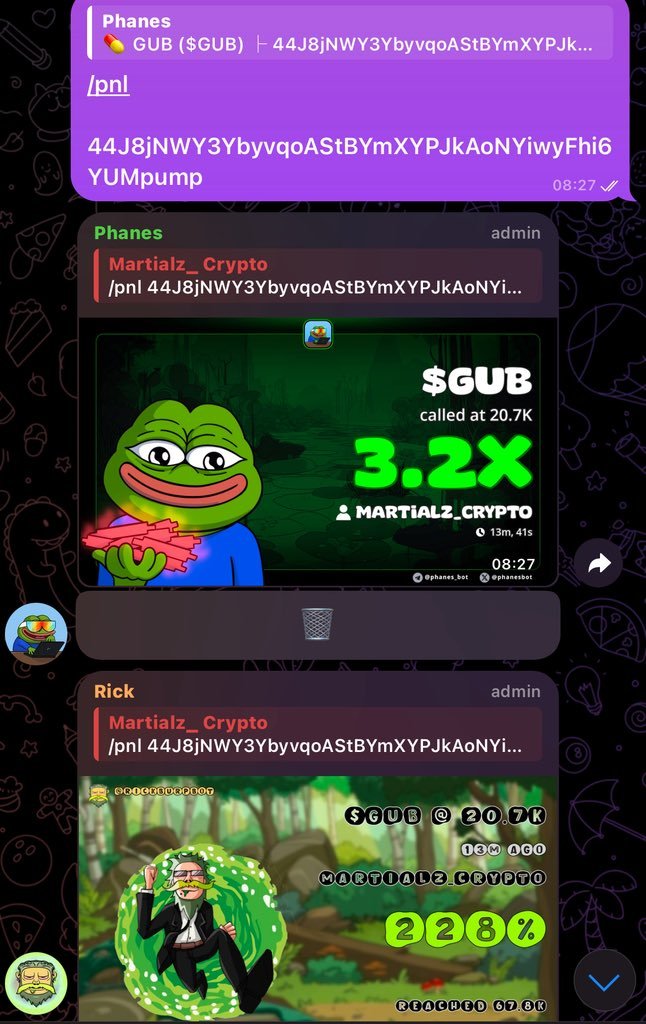
Want the most profitable strategy for memecoin trading? I show you how its done , check my bio for all guides and tools. linktr.ee/Skiiskii
#memecoinguide #guide #pnl #gmgn #gm #solanamemecoin
1
3
104

2 Feb 2025
Always DYOR 🔎
Most Important thing 🔒be a Detective before you invest 🕵️♂️.
My MemecoinhunerX step-by-step guide to check memecoins for legitimacy, community strength, and to avoid rugs:
🔎Step 1: Initial Research
- Identify the Memecoin: Use platforms like CoinMarketCap, CoinGecko, or DEXTools to find memecoins. Look for those gaining traction or newly launched.
🔎Step 2: Verify Token Legitimacy
- Check Contract Audit: Use tools like RugCheck, Etherscan, or BscScan to look for audit badges or reports. An audited contract reduces but doesn't eliminate risk.
- Liquidity Lock: Ensure the liquidity is locked using tools like Uniswap or PancakeSwap info pages. Locked liquidity often indicates a commitment from the developers not to pull out funds abruptly.
🔎Step 3: Analyze Tokenomics
- Token Distribution: Check if the token supply is fairly distributed or if there's a significant amount held by a few wallets, which could indicate potential manipulation.
- Token Utility: Even though many memecoins lack utility, any form of utility or ecosystem around the coin (like NFT integration or community rewards) can add value.
🔎Step 4: Community Engagement
- Social Media Check:
- X: Look for genuine community engagement. High follower count with low interaction might indicate bot activity.
- Telegram/Discord: Join the community channels. Active discussions, transparency from devs, and a positive vibe are good signs.
- Influencer Endorsement: Not all endorsements are genuine, but known influencers backing a project can be a plus, provided it's not just for payment.
🔎Step 5: Meme Power and Narrative
- Meme Theme: Understand the meme or narrative. A strong, culturally resonant meme can drive interest and value.
- Check if the coin has viral potential or if it leverages a current trend or popular culture phenomenon.
🔎Step 6: On-Chain Metrics
- Use Analytics Tools:
- DEX Screener: Check real-time liquidity, holder distribution, and volume.
- Nansen or similar: Look for wallet activity to see if there are whales or many small investors.
🔎Step 7: Historical Data and Trends
- Price History: Review price charts for stability or manipulation signs. Sudden, unexplained spikes without corresponding community activity might be red flags.
🔎Step 8: Avoid Common Red Flags
- Lack of Information: No website, no or vague whitepaper, no team details.
- Suspicious Promises: Promises of unrealistic returns or too-good-to-be-true features.
- High Selling Pressure: If many whales are selling off, it might indicate a lack of faith in future value.
🔎Step 9: Make Informed Decisions
- Small Initial Investment: Test the waters with a small amount you're willing to lose. This can help you gauge the token's behavior without significant risk.
- Set Alerts: Use tools to get notifications on price changes or significant wallet movements.
🔎Step 10: Continuous Monitoring
- Stay Engaged: Keep an eye on the community and any news or updates related to the memecoin.
- Be Ready to Exit: Have a clear exit strategy if things go south or if the coin meets your profit targets.always have a exit strategy. Last time I gave u an example.
Remember, even with these checks, memecoins are inherently risky due to their speculative nature. Never invest all your Money.
Be Safe❤️ I hope this Guide will help you🤝
But sometimes we do Short Term Degengames… without doing all steps.
We are still memecoiners😂❤️
#DYOR #guidecrypto #MEMECOINGUIDE $DOGE #degen
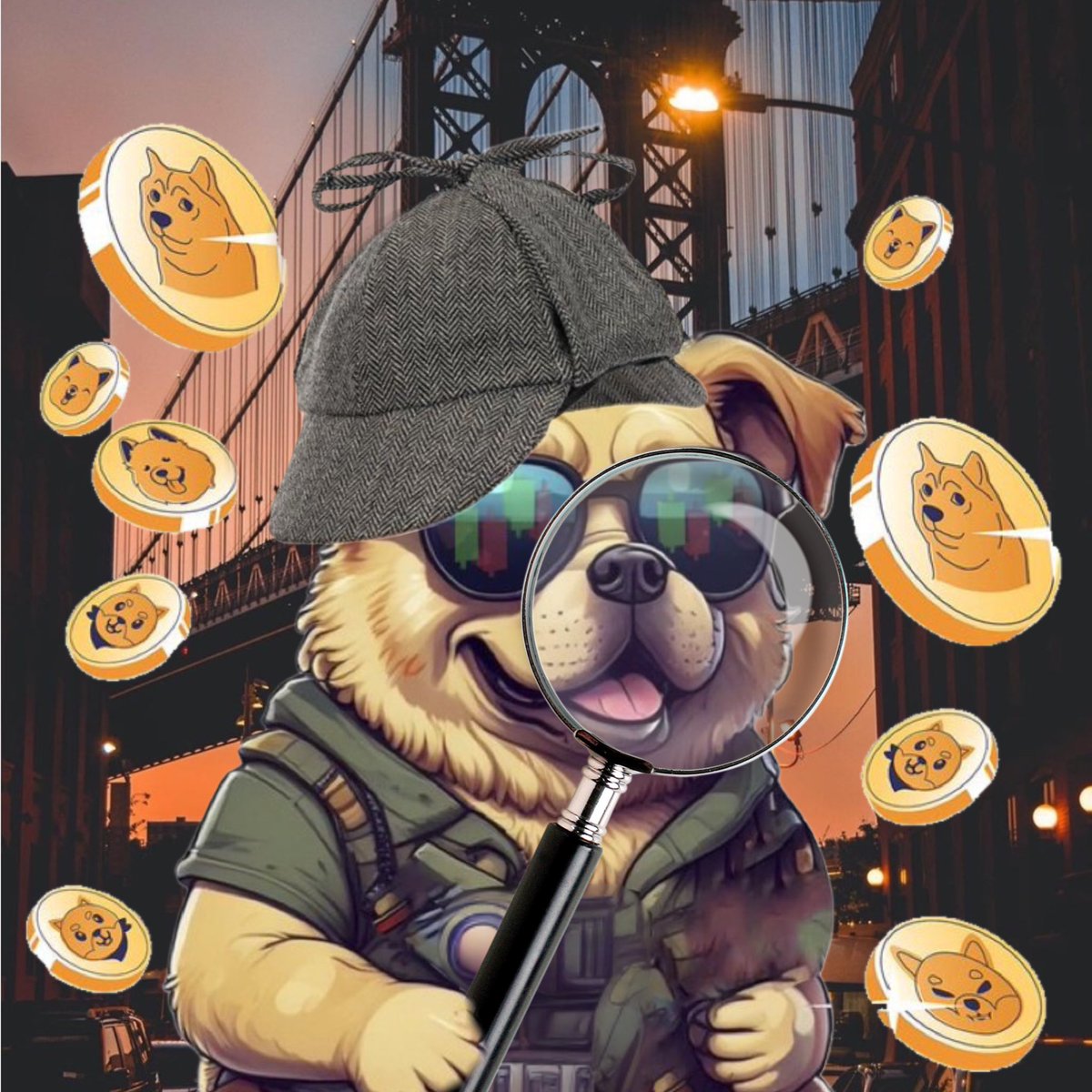
5
7
152
28 Nov 2024
Always DYOR 🔎
Most Important thing 🔒be a Detective before you invest 🕵️♂️.
My MemecoinhunerX step-by-step guide to check memecoins for legitimacy, community strength, and to avoid rugs:
🔎Step 1: Initial Research
- Identify the Memecoin: Use platforms like CoinMarketCap, CoinGecko, or DEXTools to find memecoins. Look for those gaining traction or newly launched.
🔎Step 2: Verify Token Legitimacy
- Check Contract Audit: Use tools like RugCheck, Etherscan, or BscScan to look for audit badges or reports. An audited contract reduces but doesn't eliminate risk.
- Liquidity Lock: Ensure the liquidity is locked using tools like Uniswap or PancakeSwap info pages. Locked liquidity often indicates a commitment from the developers not to pull out funds abruptly.
🔎Step 3: Analyze Tokenomics
- Token Distribution: Check if the token supply is fairly distributed or if there's a significant amount held by a few wallets, which could indicate potential manipulation.
- Token Utility: Even though many memecoins lack utility, any form of utility or ecosystem around the coin (like NFT integration or community rewards) can add value.
🔎Step 4: Community Engagement
- Social Media Check:
- X: Look for genuine community engagement. High follower count with low interaction might indicate bot activity.
- Telegram/Discord: Join the community channels. Active discussions, transparency from devs, and a positive vibe are good signs.
- Influencer Endorsement: Not all endorsements are genuine, but known influencers backing a project can be a plus, provided it's not just for payment.
🔎Step 5: Meme Power and Narrative
- Meme Theme: Understand the meme or narrative. A strong, culturally resonant meme can drive interest and value.
- Check if the coin has viral potential or if it leverages a current trend or popular culture phenomenon.
🔎Step 6: On-Chain Metrics
- Use Analytics Tools:
- DEX Screener: Check real-time liquidity, holder distribution, and volume.
- Nansen or similar: Look for wallet activity to see if there are whales or many small investors.
🔎Step 7: Historical Data and Trends
- Price History: Review price charts for stability or manipulation signs. Sudden, unexplained spikes without corresponding community activity might be red flags.
🔎Step 8: Avoid Common Red Flags
- Lack of Information: No website, no or vague whitepaper, no team details.
- Suspicious Promises: Promises of unrealistic returns or too-good-to-be-true features.
- High Selling Pressure: If many whales are selling off, it might indicate a lack of faith in future value.
🔎Step 9: Make Informed Decisions
- Small Initial Investment: Test the waters with a small amount you're willing to lose. This can help you gauge the token's behavior without significant risk.
- Set Alerts: Use tools to get notifications on price changes or significant wallet movements.
🔎Step 10: Continuous Monitoring
- Stay Engaged: Keep an eye on the community and any news or updates related to the memecoin.
- Be Ready to Exit: Have a clear exit strategy if things go south or if the coin meets your profit targets.always have a exit strategy. Last time I gave u an example.
Remember, even with these checks, memecoins are inherently risky due to their speculative nature. Never invest all your Money.
Be Safe❤️ I hope this Guide will help you🤝
But sometimes we do Short Term Degengames… without doing all steps.
We are still memecoiners😂❤️
#DYOR #guidecrypto #MEMECOINGUIDE $DOGE #degen
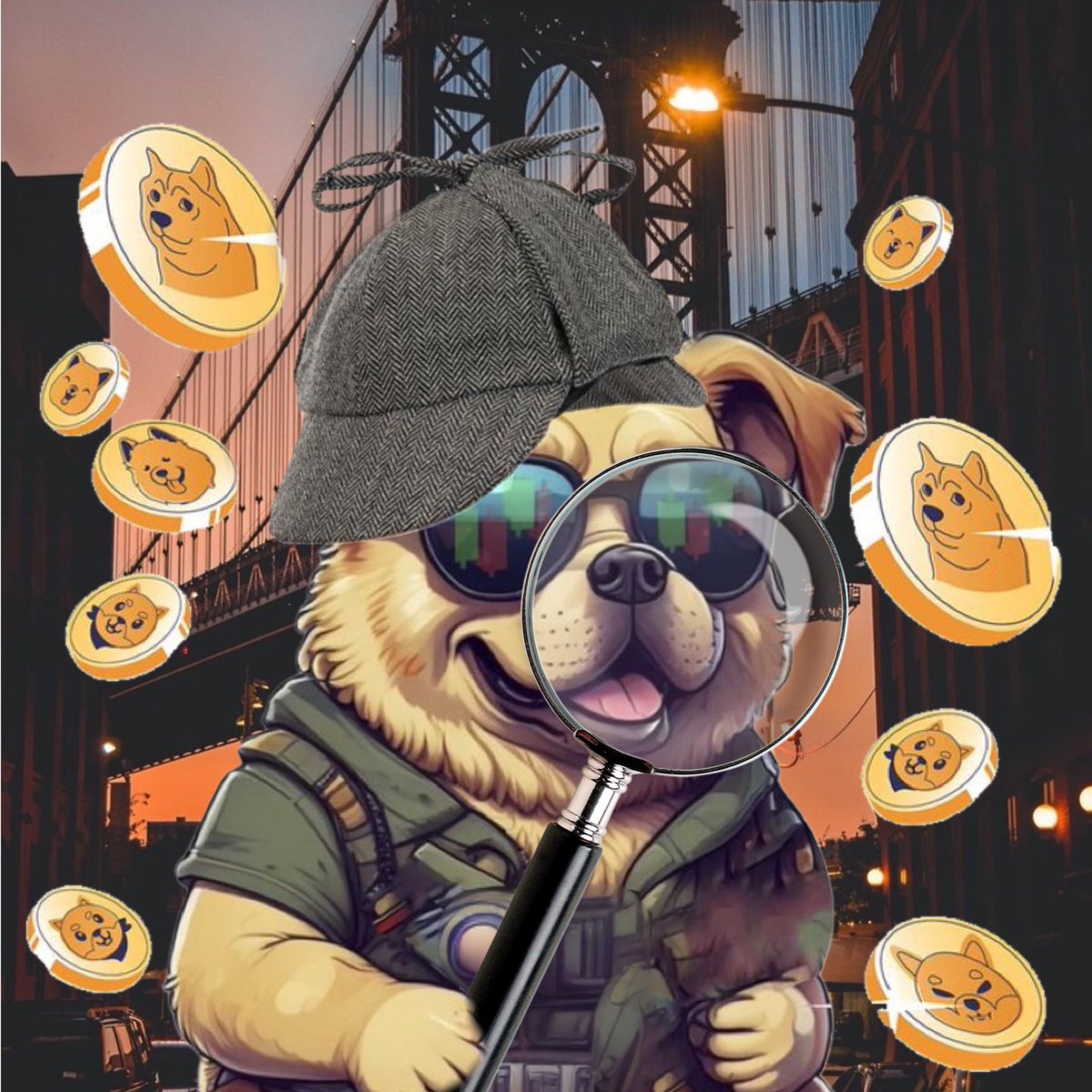
5
2
8
297