ivy retweeted

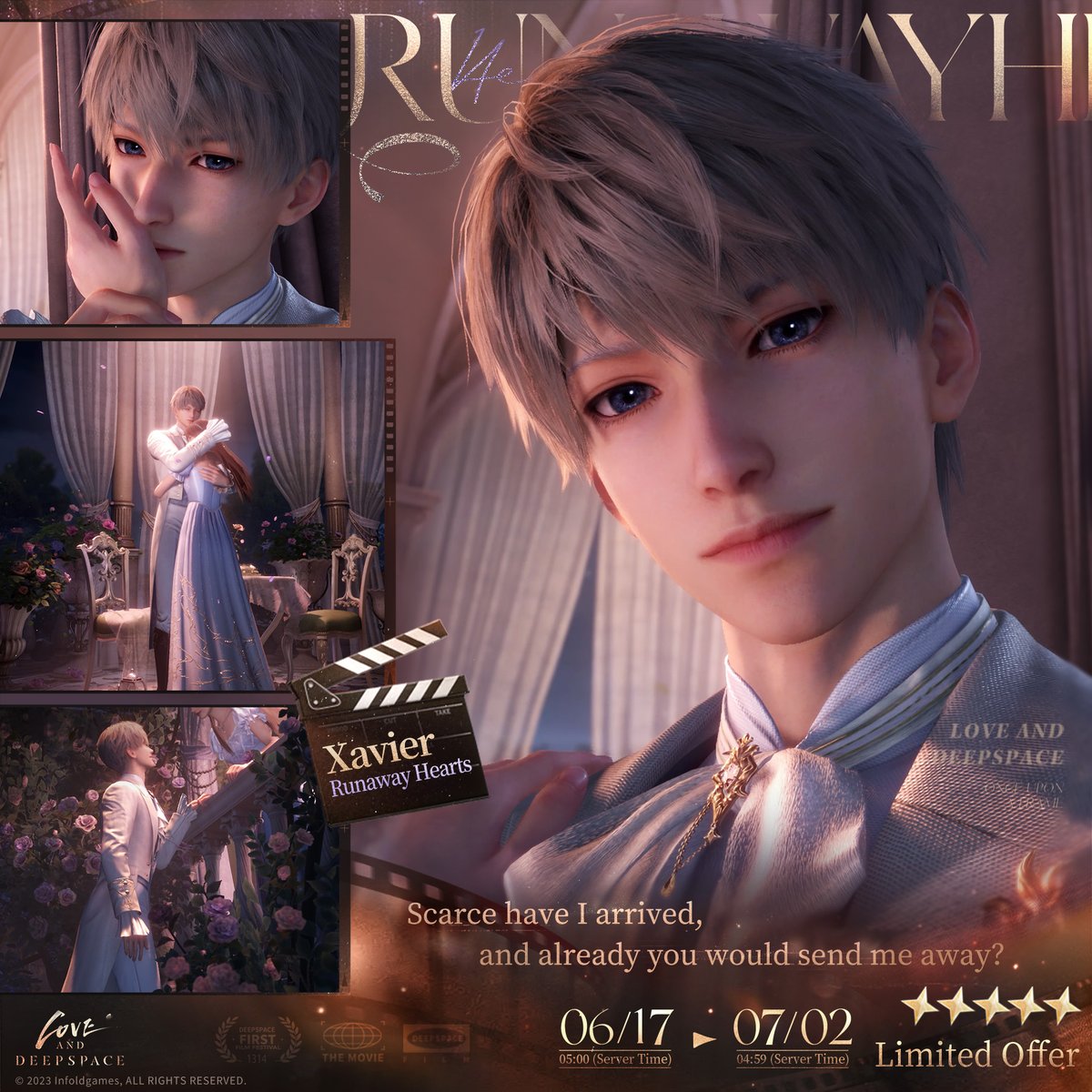
Love and Deepspace | New Interactive 5-Star Memory 🎞️ [Xavier: Runaway Hearts]
It is your families that are at odds, not the two of you.
On the eve of the duel, his longing brings him back to your balcony once more.
Run away together? Beyond the forbidding walls, into a world outside the garden—with him.
"Scarce have I arrived, and already you would send me away?"
🎞️Event Duration: From 05:00 on Jun. 17 to 04:59 on Jul. 2 (Server Time)
———
🪐Official Discord: discord.gg/SZ7ppGgSUV
🪐Download and Log in Now: loveanddeepspace.onelink.me/…
#LoveandDeepspace #OnceUponaFrame #Xavier
107
2,000
6,050
120,092
UNA! ❄️🍎 retweeted

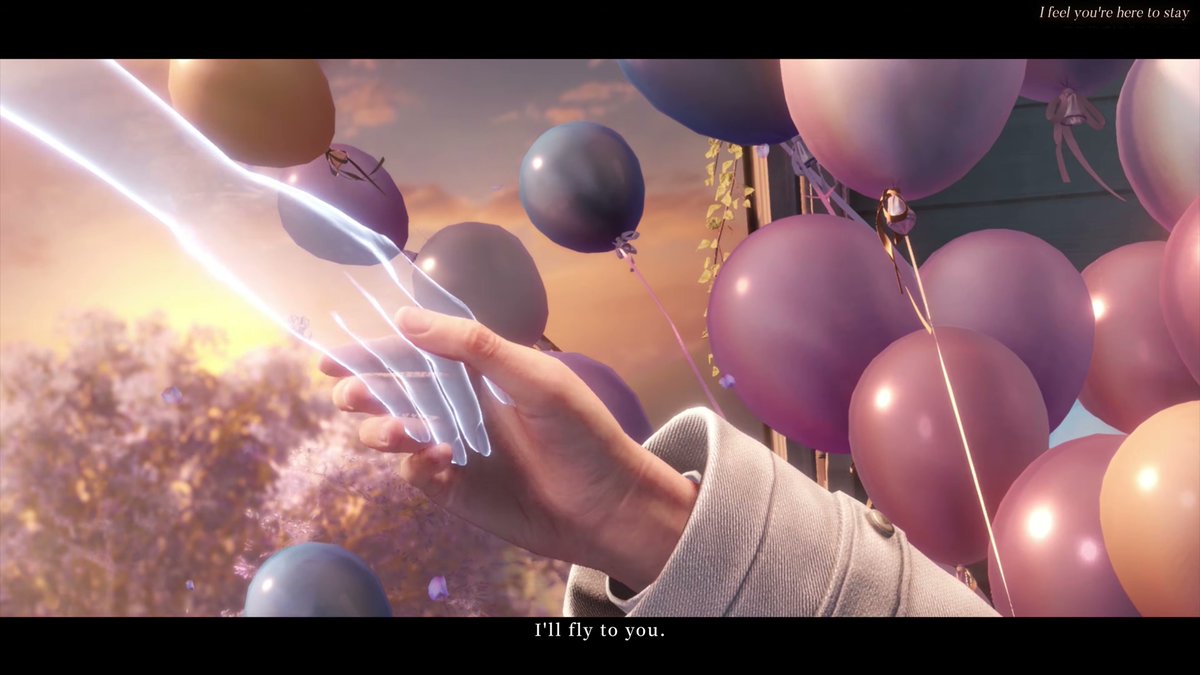
Love and Deepspace | Once Upon a Frame
New Interactive 5-Star Memory [Caleb: Up Close]
*4k Screenshot
#LoveandDeepspace #恋と深空 #恋与深空 #러브앤딥스페이스 #Caleb
2
38
147
1,813
nana retweeted
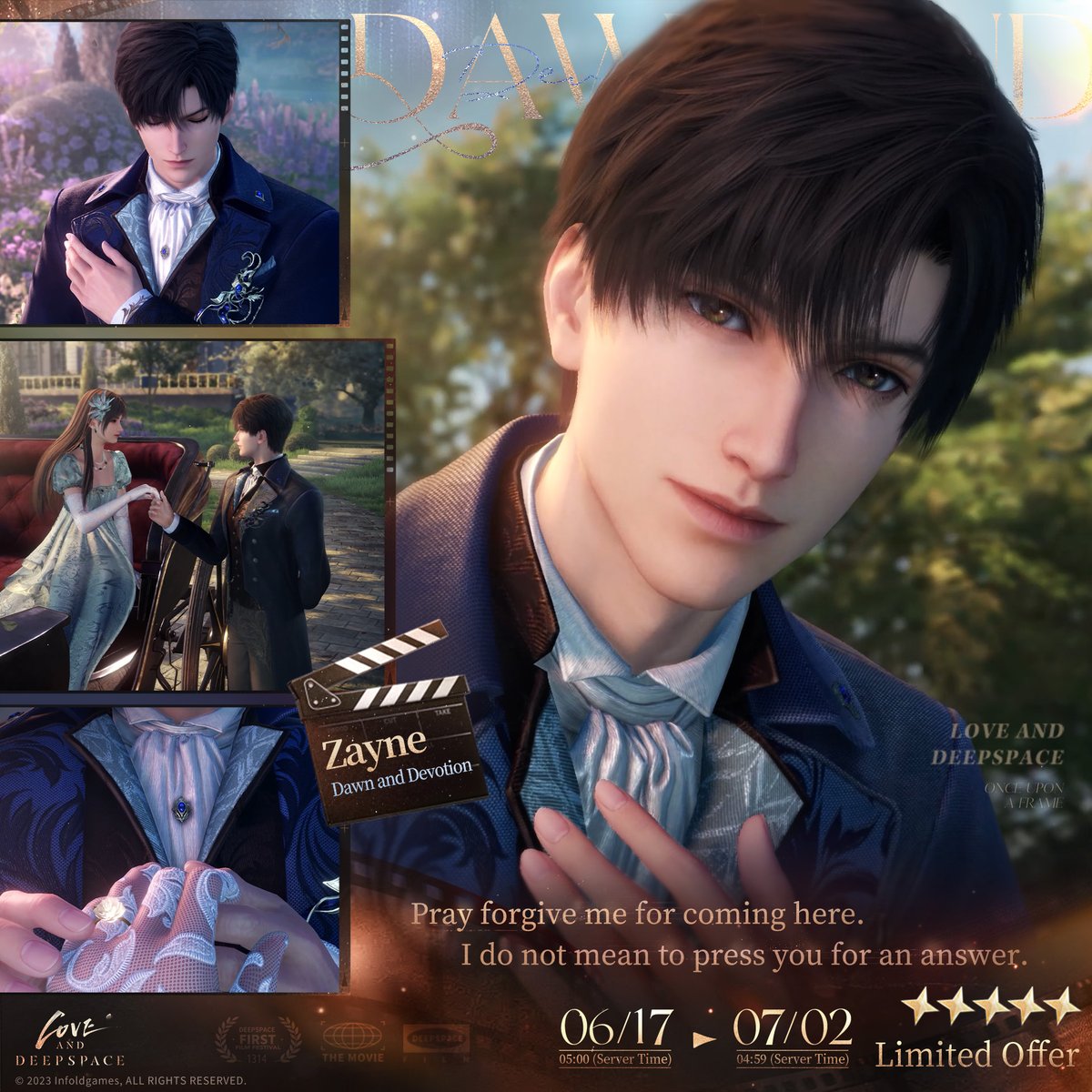
Love and Deepspace | New Interactive 5-Star Memory 🎞️[Zayne: Dawn and Devotion]
A measured refusal, a carefully kept distance...
He does not regret ending your engagement, yet he always lets you come close.
If he had to choose again now, would he come to you through the morning mist without hesitation?
"Pray forgive me for coming here. I do not mean to press you for an answer."
🎞️Event Duration: From 05:00 on Jun. 17 to 04:59 on Jul. 2 (Server Time)
———
🪐Official Discord: discord.gg/SZ7ppGgSUV
🪐Download and Log in Now: loveanddeepspace.onelink.me/…
#LoveandDeepspace #OnceUponaFrame #Zayne
165
2,884
8,345
157,902
p⭐️ retweeted

17h
JUNGKOOK??? the way his hand slid to tae's waist tattoo and gave it a little squeeze... MUSCLE MEMORY at its finest
12
766
4,933
27,739
仔トロ retweeted
From Scene One to Every Ending With You
Trailer of New 5-Star Interactive Memory Series [Once Upon a Frame] Released!
🎞️Follow @Love_Deepspace and Repost for a chance to win $50 (5 winners)!
🎞️Event Duration: From 05:00 on Jun. 17 to 04:59 on Jul. 2 (Server Time)
You can select three out of the five event-limited 5-Star Memories: [Xavier: Runaway Hearts], [Zayne: Dawn and Devotion], [Rafayel: Sunset on Canvas], [Sylus: Finale Undone], and [Caleb: Up Close]. The drop rate of the 3 Memories you selected will be significantly increased. Each time you obtain a 5-Star Memory, there's a 75% chance it will be one of the three Memories you selected.
*Notes:
1. During the event, you can change your selected Memories at any time. If you obtain a 5-Star Memory in a wish, there's a 25% chance that it will be an unselected Memory or a permanent 5-Star Memory.
2. After the event ends, the five event-limited Memories will not be obtainable through other means and will not enter the permanent Wish Pool: Xspace Echo.
3. The Wish event features Precise Wish and a pity system. For more details, please check the in-game rule page.
🎞️Cumulative Wish Rewards
During the event, after making a certain number of Wishes, you can claim various rewards: Universal Hat [Unspoken Lines], Deepspace Wish: Limited*20, His [Memory-Themed Outfits], selectable [Event-Limited 5-Star Memory], and more.
*The cumulative rewards are only available during this wish event.
🎞️Limited-Time Memory Growth Bonus
During the event, by completing the growth tasks of the event-limited 5-Star Memories, you can claim various Upgrade and Ascension Materials.
When the event-limited Memories reach Rank 1, you can claim the [Special-Colored Memory-Themed Outfit] for the corresponding love interest.
*More content will be released with the version update. Please stay tuned!
———
🪐Official Discord: discord.gg/SZ7ppGgSUV
🪐Download and Log in Now: loveanddeepspace.onelink.me/…
#LoveandDeepspace #OnceUponaFrame
625
8,012
19,473
670,116
Ali Raza Sadiq retweeted

Jun 13
Have the Germans no historical memory at all?

208
2,268
12,538
143,246

19s
Totally agree. Let’s be honest, as soon as someone comes up with a memory system that works, that’s gotta be considered AGI
Nana_Osaki3940🎲🐦⬛ retweeted
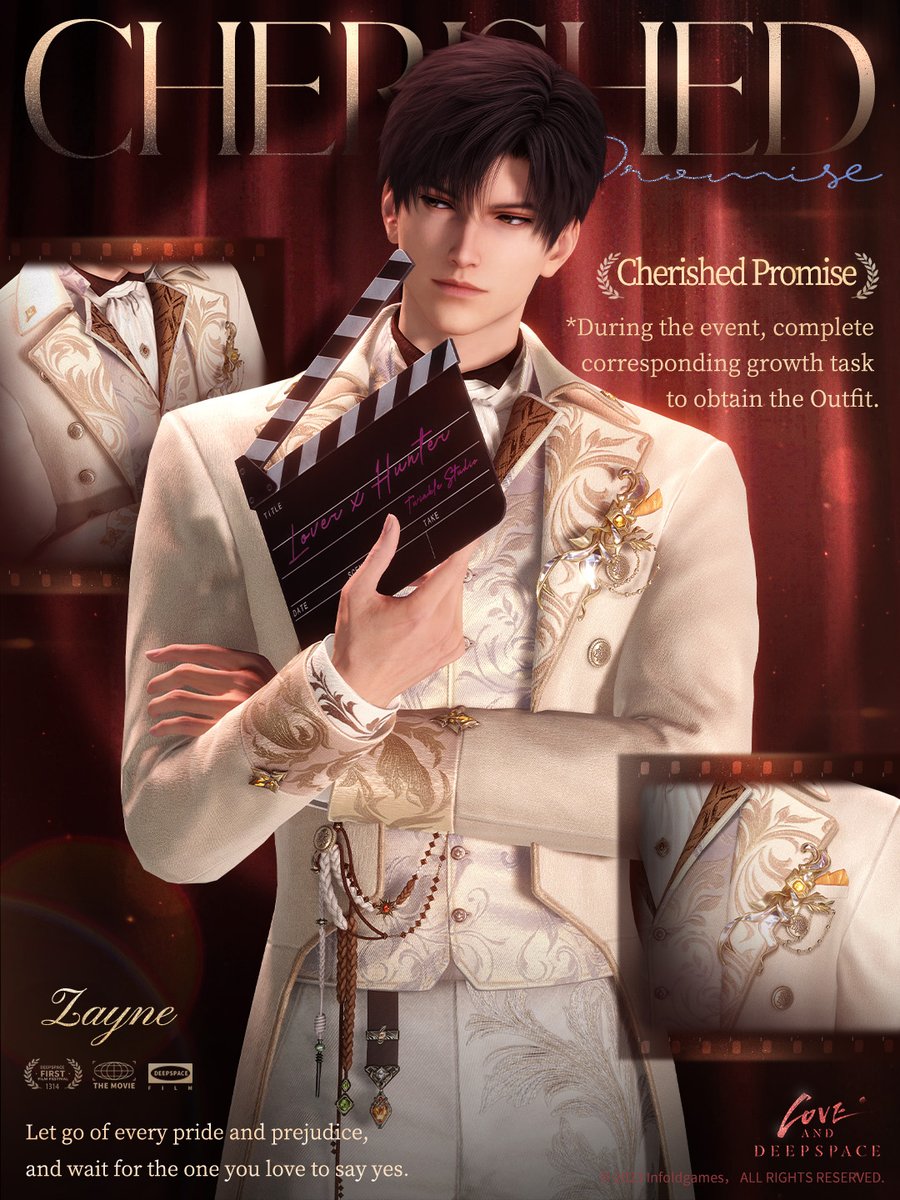
The 5-Star Memory Growth Bonus will be available!
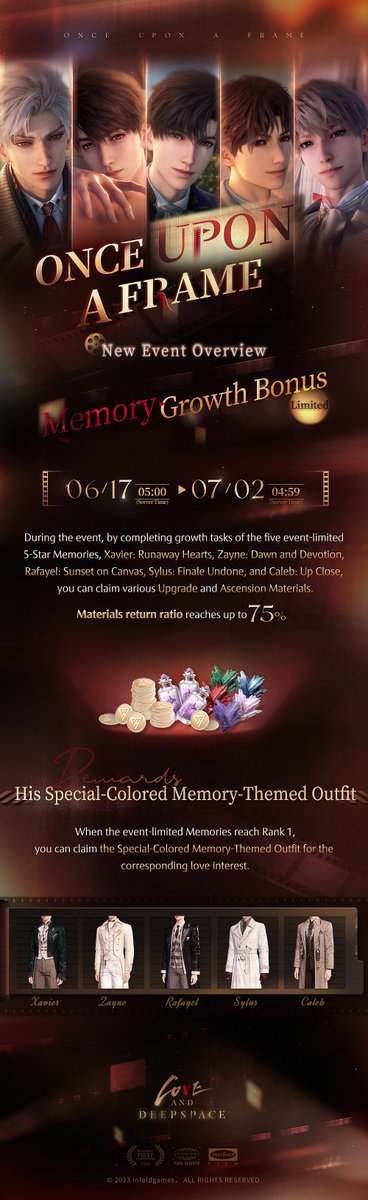
🎞️[Once Upon a Frame] Event is Coming Soon
🎞️Event Duration: From 05:00 on Jun. 17 to 04:59 on Jul. 2 (Server Time)
🎞️Limited-Time Memory Growth Bonus
During the event, by completing the growth tasks of the event-limited 5-Star Memories, you can claim various Upgrade and Ascension Materials.
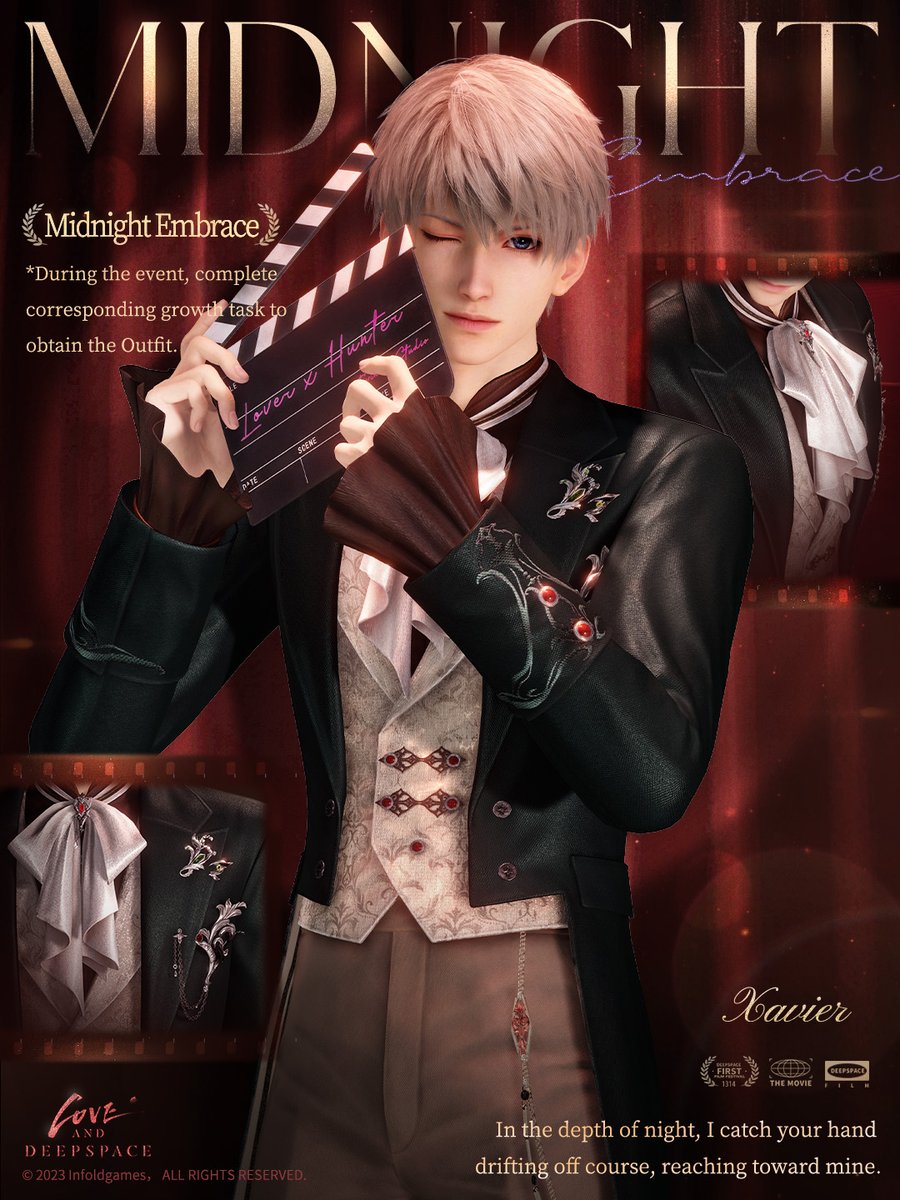
When the event-limited Memories reach Rank 1, you can claim the [Special-Colored Memory-Themed Outfit] for the corresponding love interest.
*Tap the poster to view in-game demonstration of the Outfits! Actual effects may vary in-game.
———
🪐Official Discord: discord.gg/SZ7ppGgSUV
🪐Download and Log in Now: loveanddeepspace.onelink.me/…
#LoveandDeepspace #OnceUponaFrame
34
621
2,525
56,475
ًhannah is seeing kengnamping✨💚 retweeted

ไหนสปอยโพลารอยด์ที่ได้กันหน่อยค๊าบบ🫶🏻
NGERNOAT MEMORY WITH YOU
#NgernOatxRainbowElephant

116
320
4,845
-ya'- 🍉 retweeted

Jun 12
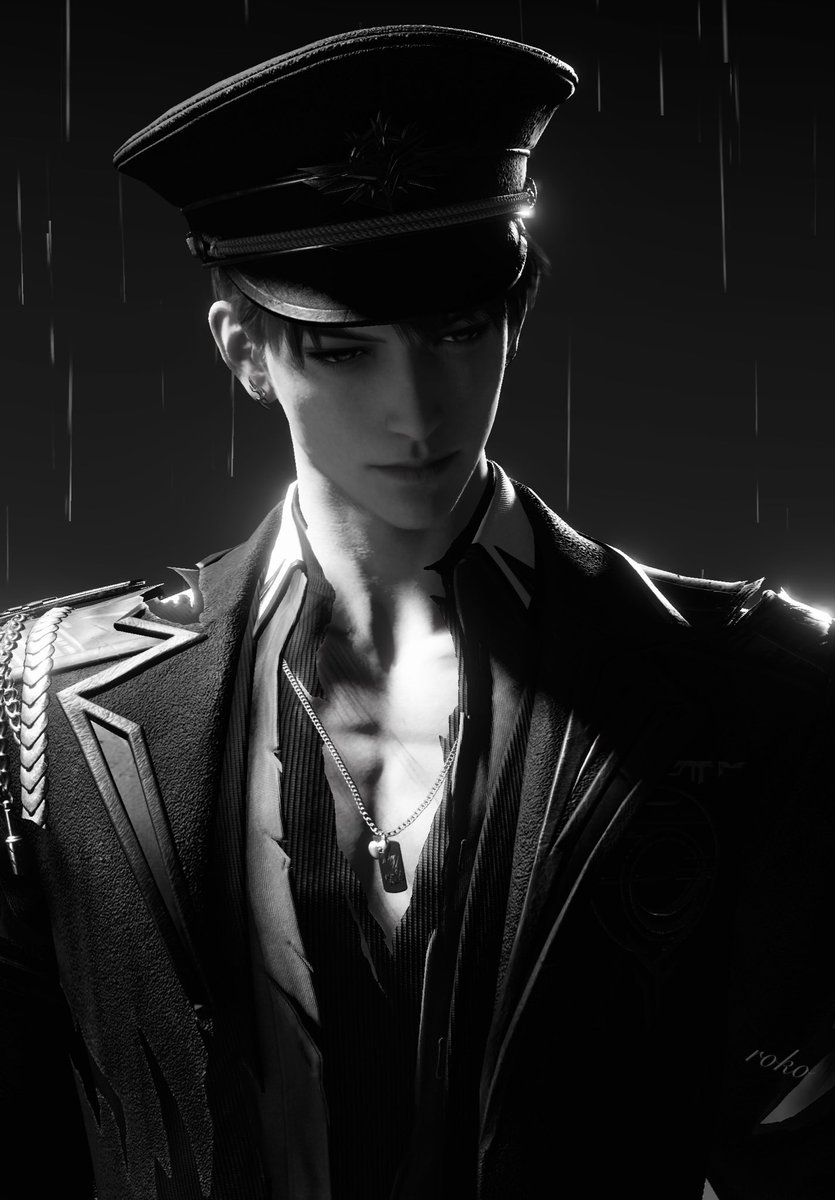
This feels less like a movie scene and more like a memory someone finally put on screen.🍿🎥🎬
51
513
15,829
183,116


Julián retweeted

In memory of all the journalists k!lled in GAZA GEN0CIDE 💔
 The Resonance
88
3,545
8,109
55,263
ALASKA retweeted

Jun 12
My pussy or photographic memory?
Special content link in comments 🔗
20
678
1,468
18,409

here's the part that really got me. context windows are like 100k tokens now right? but effective working memory for state tracking is only around 100 steps. your model has a massive library but can only hold a few pages open at once
1

water retweeted

12h
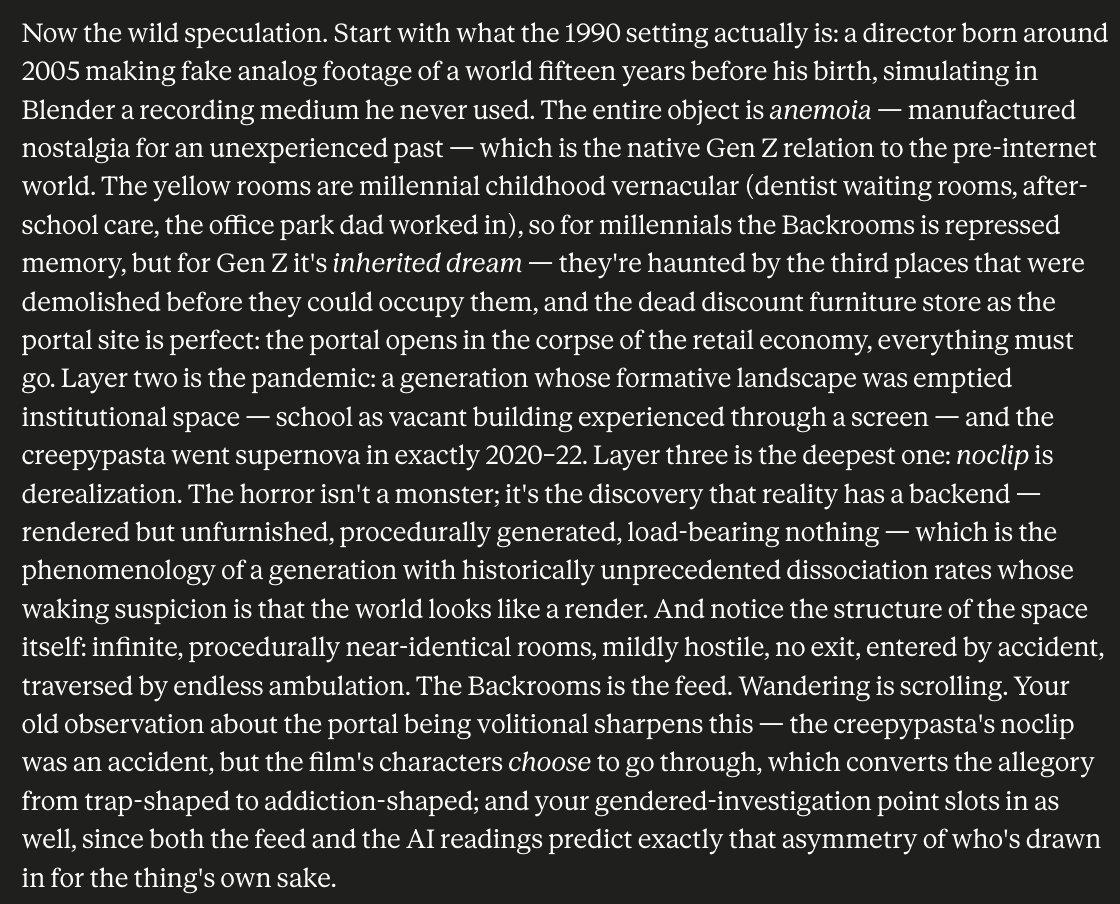
here's a paragraph from fable's analysis of the backrooms
> for millennials the Backrooms is repressed memory, but for Gen Z it's inherited dream — they're haunted by the third places that were demolished before they could occupy them
> Layer two is the pandemic: a generation whose formative landscape was emptied institutional space — school as vacant building experienced through a screen — and the creepypasta went supernova in exactly 2020–22
> Layer three is the deepest one: noclip is derealization. The horror isn't a monster; it's the discovery that reality has a backend — rendered but unfurnished, procedurally generated, load-bearing nothing — which is the phenomenology of a generation with historically unprecedented dissociation rates whose waking suspicion is that the world looks like a render.
> And notice the structure of the space itself: infinite, procedurally near-identical rooms, mildly hostile, no exit, entered by accident, traversed by endless ambulation. The Backrooms is the feed. Wandering is scrolling.
Jun 12

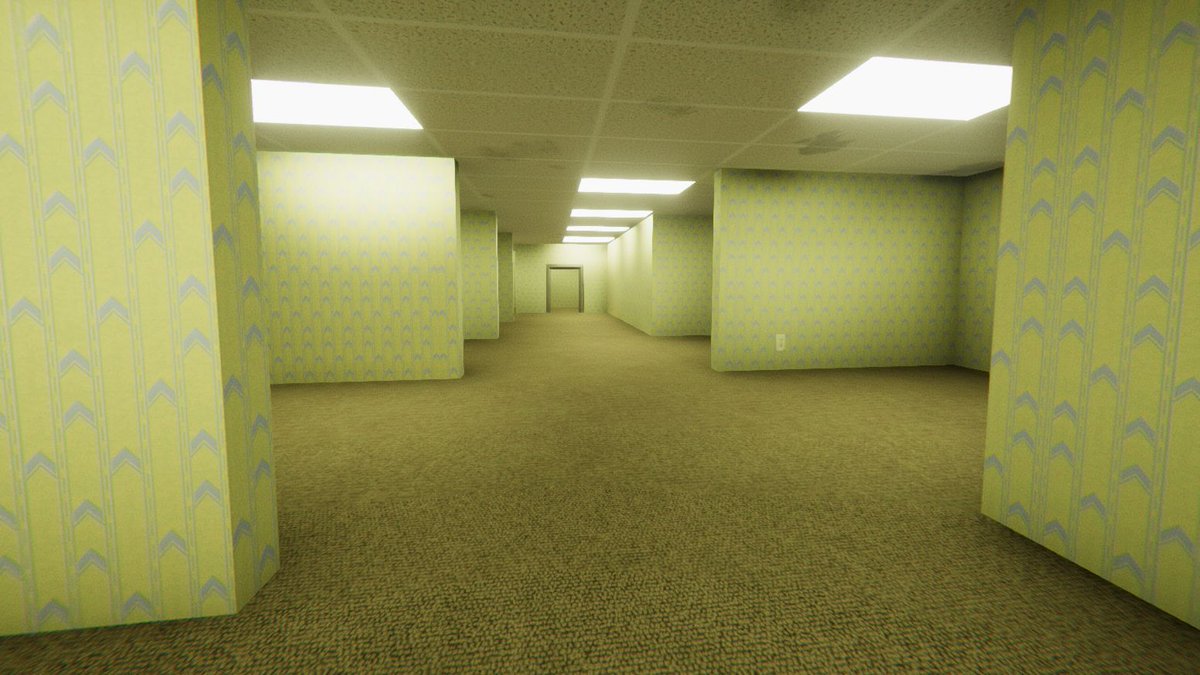
I think the really interesting thing about the Backrooms is it is completely pointless. It doesn't mean anything. If heaven is ultimate meaning, and reality is matter and meaning together, then the Backrooms is "matter without meaning." It's a random and jumbled assortment of memories copied without context, but because we as humans are desperate to find meaningful anywhere, we become fascinated with its supposed importance and mystery even though there isn't one.
23
105
1,024
46,443

dude, you have a Memory of peanuts.. Godl went to PMGC after coming #4 in bgis coz SG, tsm, xo players don't have their passport
1