
In all fairness, you're in the WC because you're a host nation. You would not qualify on your own merits. Ice hockey is all you care about. Football ⚽️ is a great sport for kids to play, and it doesn't cost an arm & a leg to play.
2

I do not know what is worse.
The Democommies that propounded the "Anti-Ice" legislation,
Or, the Republicans that actually stood there for days and debated this farce on the merits, rather than just yelling "the Bill is unconstitutional", and walking out.
If they even understood that.
Feds are the 500 Pound Gorilla.
End of story,
2
5
algo gladiator retweeted

its not as easy as it seems.. it comes with its own set of risks n merits.
dIs iS mIE mOsT wIlDesT iNveNtIoN oUt DeRE tHuS fAr
> giving birth to the `algorator` alter-ego is somethin' to b proud of.
> i wud lyk to roll out d algo franchyz wid some more variants.. next in line.
1
10

🤝 Es Prèmis an coma objectiu reconéisher e arregraïr annauments aqueres persones, collectius o entitats que, pes sòns merits e servicis balhadi ara Val d’Aran, an contribuït a dignificar e aunorar eth país en encastres coma era vida sociau, culturau, esportiva o economica.
1
12

Interesting idea. Approving a purchase through my banking app is pretty much frictionless now so I can see the merits of this.
2

without prejudice
Opinion
"Nobody Discover a new Horizon and Future without first leaving the old horizon and not looking back!"
Sure as hell the LIBS LAB and GREENS are not qualified and History proves that 100% our currency is worthless.
> with pitiful buying power and
> its directly due to the deindustrialisation under the orders of the Globalists Unelected Puppet Masters.
> AUSSIE LETS STOP DOING THE SAME THING EXPECTING DIFFERENT OUTCOMES!
> DITCH: THE UNHOLY TRINITY "UNIPARTY"!
ONE NATION will
> Get us out of the UN and WHO
> Get on board with the new era outside of the Rules based order and use Tariffs and bring manufacturing back to the Australian Shores and stop giving away our resource rich rare-earths
> Aggressively weed out waste and fraud
> Drop funding Globalist agendas
> Drop the Agenda 2030 project and pathways
> Drill for Oil and Gas
> Build Coal and Nuclear Power Generation
> Establish Merits Based Immigration Only
> Establish Made in Australia Prime Directive
> Immediately establish Zero Immigration from Nations incompatible with Australian values or Historically and continue to Seek conquest via migration
And should:
> Cull Regulations which burden the growth of small business and National development project
> Regulate Fuel prices and remove all taxes
> Remove GST from Medicines, Food, Power, Fuel, Phone Mobile and Internet Services, School Fees
AN ABSOLUTE MUST: deflate the ballooned personal incomes and perks and benefits to be in line with wage working Australian.
Polity are servants not the masters and lords over the masses:
> Reduce salary structures of Polity
> Reduce salary structures of Bureaucrats.
> Reduce pension benefits to be in line with wage working Australian
9

TFR is declining more rapidly in urban populations than the rural ones. Educated, financially independent , middle & upper middle class people are conciously choosing to have fewer children. They want to provide the best to the 1 or 2 children that they have due to high cost of anything quality available.
Contrarily, financially dependent people are having more children.
So the question is this- do we want population to increase or do we want the educated, financially independent, environmentally conscious and socially aware population to increase?
I have nothing against people wanting to have larger families, there are merits to that as well. Unfortunately though, if you don't want to go to public schools or public hospitals ( which are in a despicable state), it's best to have 1-2 children, given the resources. People wanting to give a good life to their child is not a bad thing.
1
21

Congratulations to Lower Sixth student Elijah, who received his Merit Milestone Certificate today from Mr Fulford, for #excellence across many areas of school life and being awarded an amazing 25 merits so far this academic year.

3
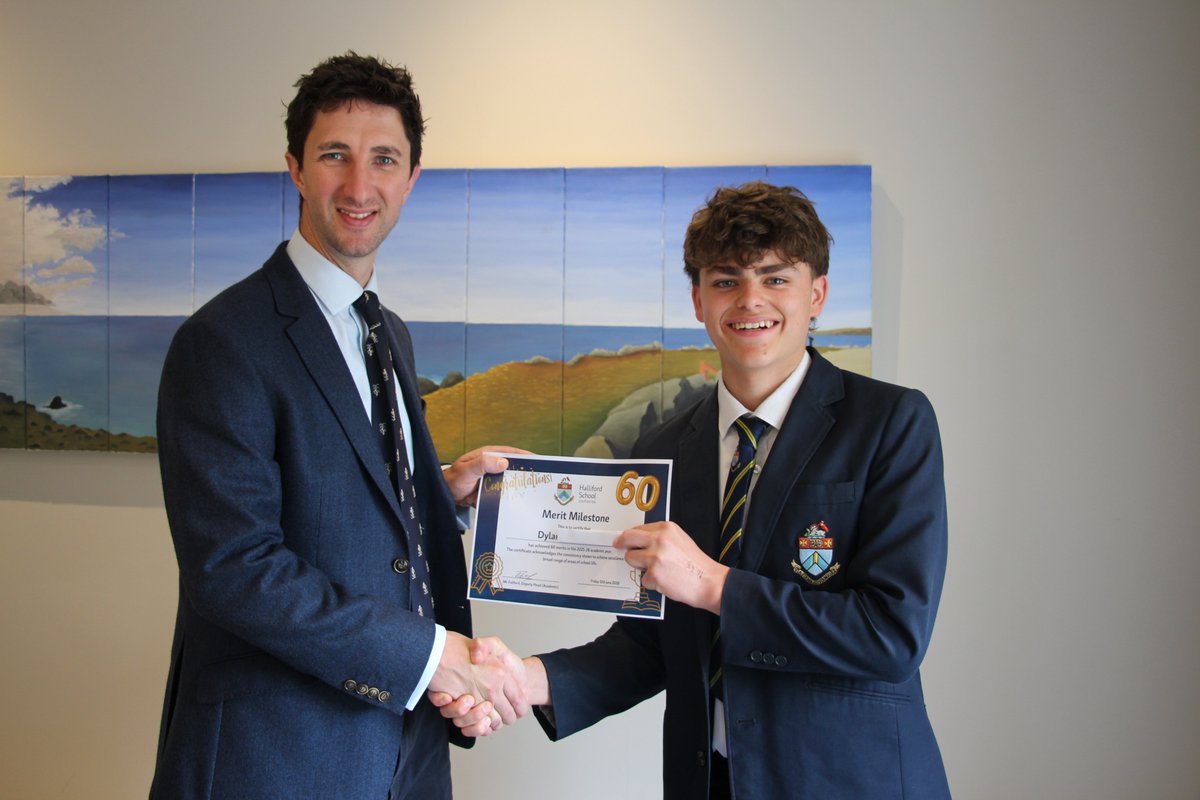
Congratulations to Year 10 students Dylan and Tom, who received their Merit Milestone Certificates today from Mr Fulford, for #excellence across many areas of school life and being awarded an amazing 60 merits so far this academic year.

5
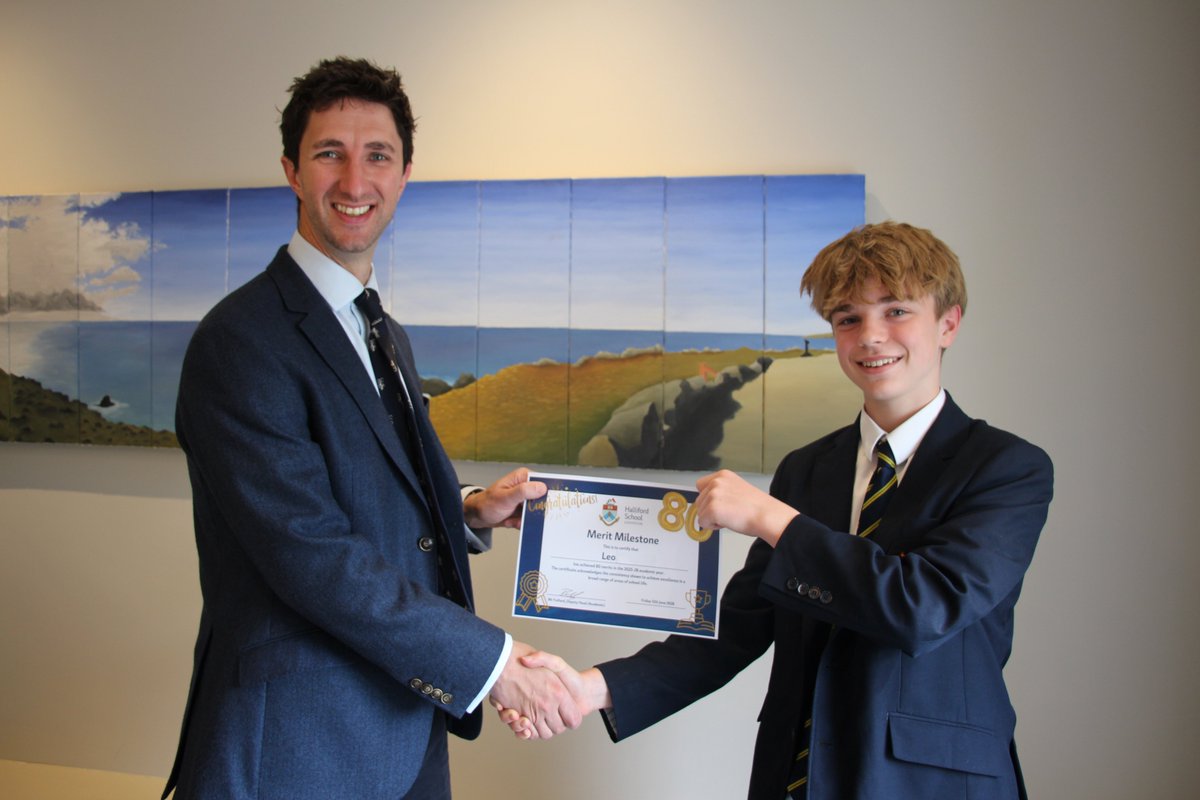
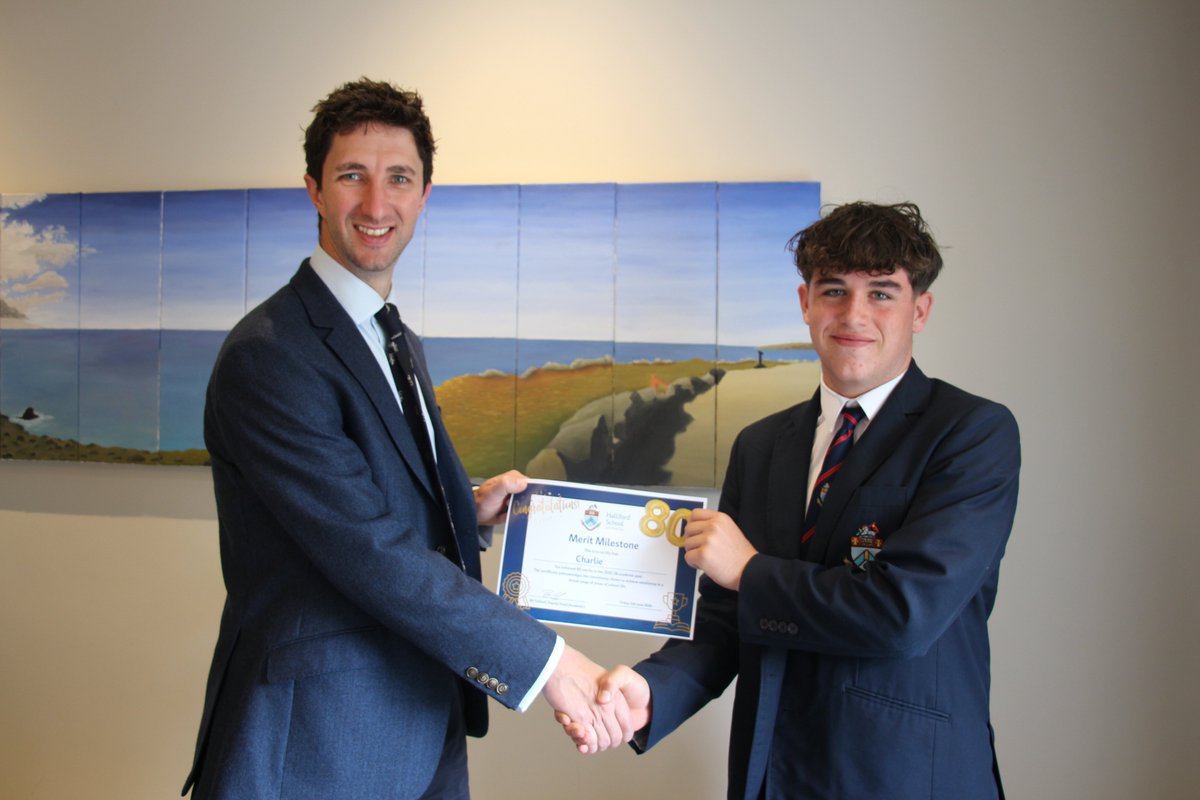
Congratulations to Year 9 students Leo and Charlie, who received their Merit Milestone Certificates today from Mr Fulford, for #excellence across many areas of school life and being awarded an amazing 80 merits so far this academic year.
4
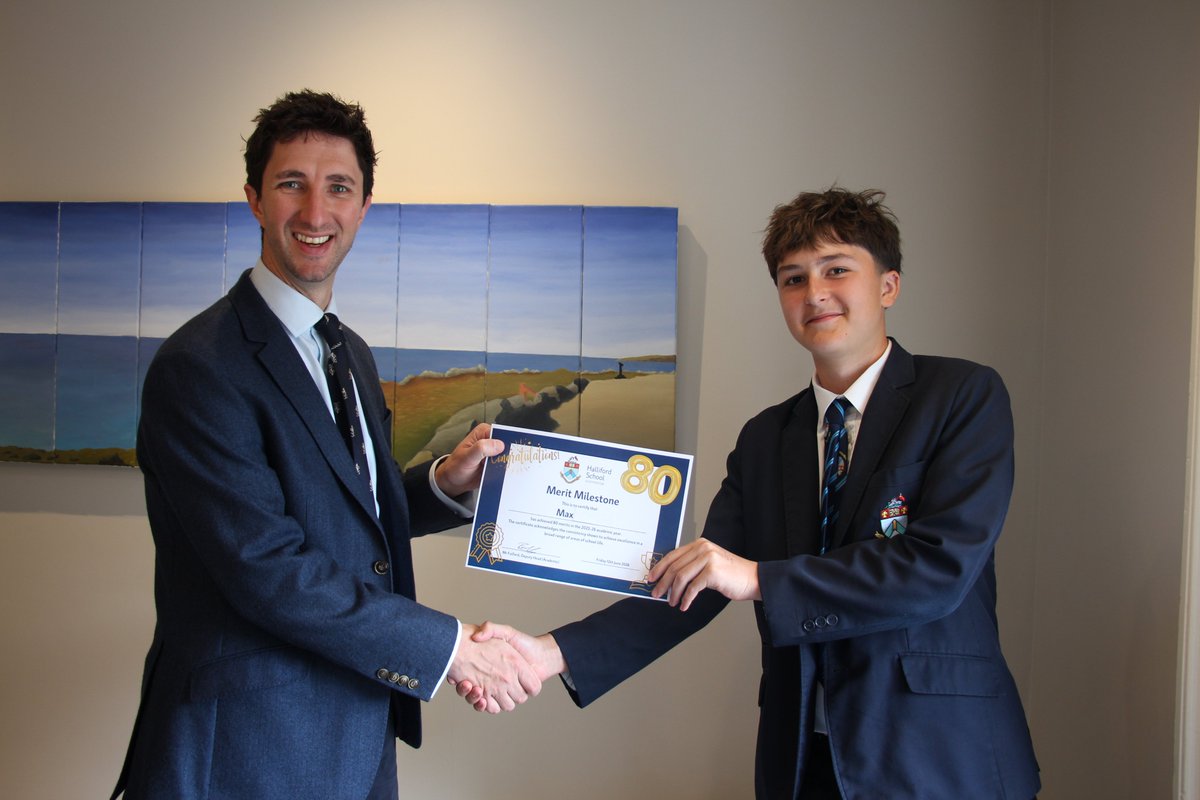
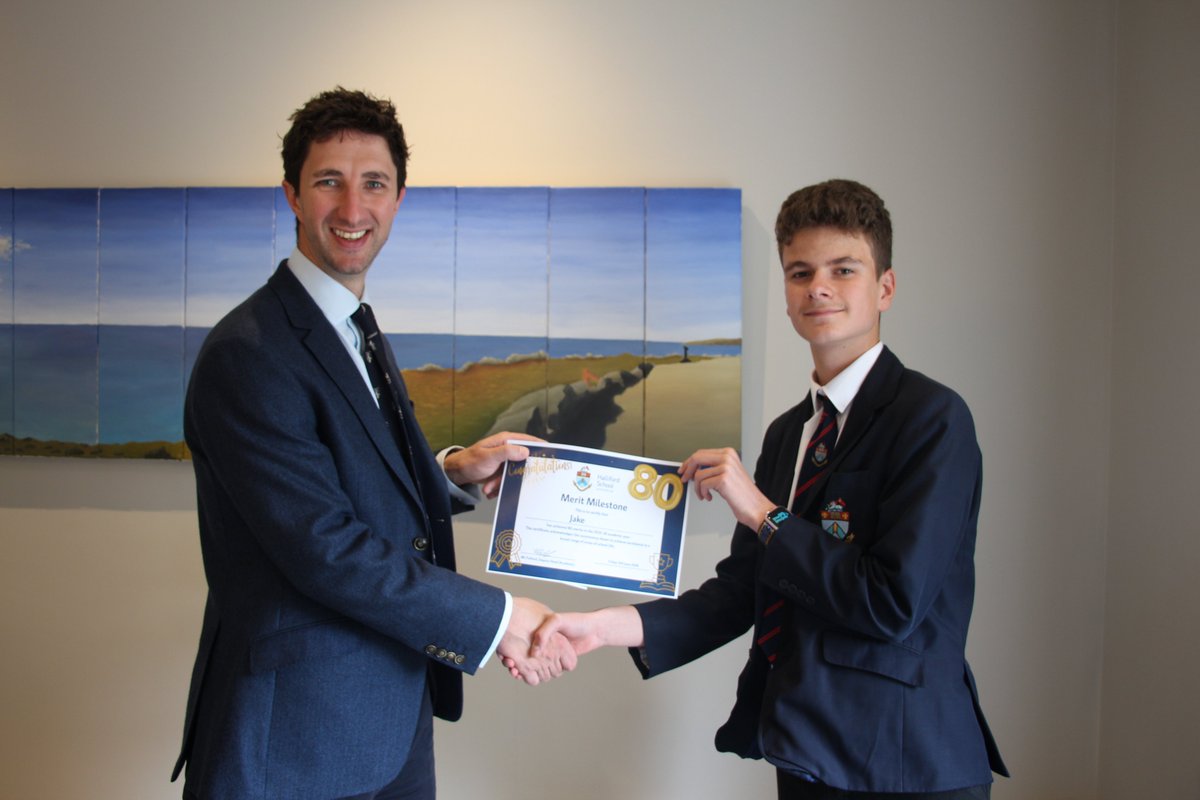
Congratulations to Year 8 students Savaan, Max, Jake and Thiyaan, who received their Merit Milestone Certificates today from Mr Fulford, for #excellence across many areas of school life and being awarded an amazing 80 merits so far this academic year.


4

Done with #Haunted2. The film is TERRIBLE but it had the potential to be a much better one.
There are moments when the emotions land, few things feel thrilling and interesting, but it quickly loses its grip and falls apart.
Even though it’s hard to sit through the film as it hurts your eyes constantly, there are merits too. Not complaining about the visuals as the pre-release assets had already set the expectations but it was actually bad and had an impact on the viewing experience due to some faulty 3D processing.
The film could’ve been executed in a much better way in order to utilise the commercial power of the genre. The film suffers from the surplus material and the predictability. And despite an interesting premise, falters badly on execution.
The sad part is that it is a sequel to a well-appreciated film. That hurts. The first part, even though shot 15 years back, had much better execution, production values, story and music.
1
20
1,014

Appreciate that. The plan is just keep posting clean data until it's impossible to ignore on its own merits.
3

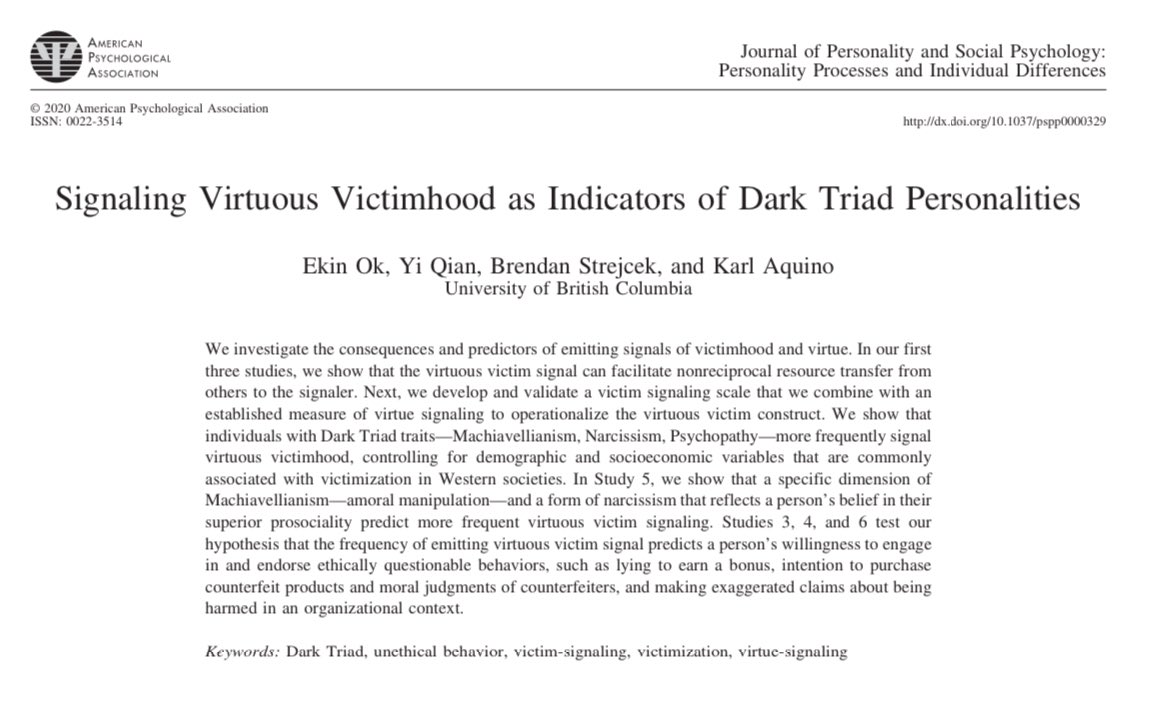
“Victim signalling” is a known parasitic strategy deployed by narcissistic, dark triad & other cluster b personality disordered people, because it allows them to accumulate social clout, financial resources & opportunities they haven’t actually earned on their merits.
21 Oct 2024

“…victim signaling.. allows victims to pursue an environmental resource extraction strategy that helps them survive, flourish, & achieve their goals..Western democracies have become… hospitable environments for victim signalers.. strategy of nonreciprocal resource extraction.”
1
2
442

22m
Dr Zahed Ur Rahman an Adviser to the Prime Minister @trahmanbnp of Bangladesh was subjected to treatment by Indian immigration authorities that was unwarranted and deeply discourteous. According to accounts of the incident which was confirmed from @ur_zahed himself, he was made to wait for nearly two hours at New Delhi airport without any clear explanation, despite travelling on a valid passport and visa.
Bangladesh High Commissioner to India @hamidullah_riaz , accompanied by another diplomatic officer and a protocol official from the High Commission, had gone to the airport to receive Dr Zahed upon his arrival.
After disembarking, he was escorted to the immigration area and submitted his passport for entry.
What followed, however, was far from routine. After his passport was submitted, he was directed to a general waiting area and asked to wait — a wait that stretched to nearly two hours, with no explanation offered.
Throughout this period, officials of the Bangladesh High Commission, including the High Commissioner himself, remained in active contact with @MEAIndia , working to resolve the situation.
Eventually, Indian immigration authorities informed Dr Zahed that he could proceed and enter the country. By that point, however, he had made up his mind. He declined entry and, despite repeated requests from immigration officials, refused to leave the airport.
Arrangements were subsequently made for him to return to Dhaka via Colombo.
Making a visiting dignitary of state-ministerial rank who also happens to be an Adviser to the Prime Minister, wait for hours without explanation reflects poorly on the professionalism of the process from the part of Indian immigration authorities and has understandably generated anger in Bangladesh.
Yet the incident also raises important questions that deserve clarification.
When a person of Dr. Zahed's status—effectively holding the rank of a state minister—travels abroad, even on an ordinary passport, it is standard diplomatic practice for the relevant High Commission to notify the host country's foreign ministry in advance.
Such communication is generally conveyed through a diplomatic note or formal letter outlining the visitor's status, purpose of visit and expected arrival details.
Once such a notification reaches the Ministry of External Affairs, it is typically shared with the relevant agencies, including immigration and security authorities under the Ministry of Home Affairs.
This ensures that officials at the port of entry are aware that a senior government representative is arriving and can facilitate the necessary protocol arrangements.
This leads to a straightforward but important question. Did the Bangladesh High Commission in New Delhi formally notify the Indian Ministry of External Affairs about Dr. Zahed's visit before his arrival?
If such a notification was sent and the incident still occurred, responsibility would rest squarely with the Indian side, and the treatment meted out to Dr Zahed would represent a serious diplomatic embarrassment.
If, however, the required diplomatic communication was not issued, then the matter points to a significant lapse by the @bdhc_delhi itself. While that would not necessarily excuse the conduct of immigration officials, it would raise legitimate questions about whether proper diplomatic procedures were followed before the visit.
For that reason, Bangladesh authorities should clarify the protocol arrangements that preceded the trip. The actions of Indian immigration have already come under scrutiny. Whether there was also an avoidable procedural failure on the Bangladeshi side remains a question that merits a clear answer.
2
5
166

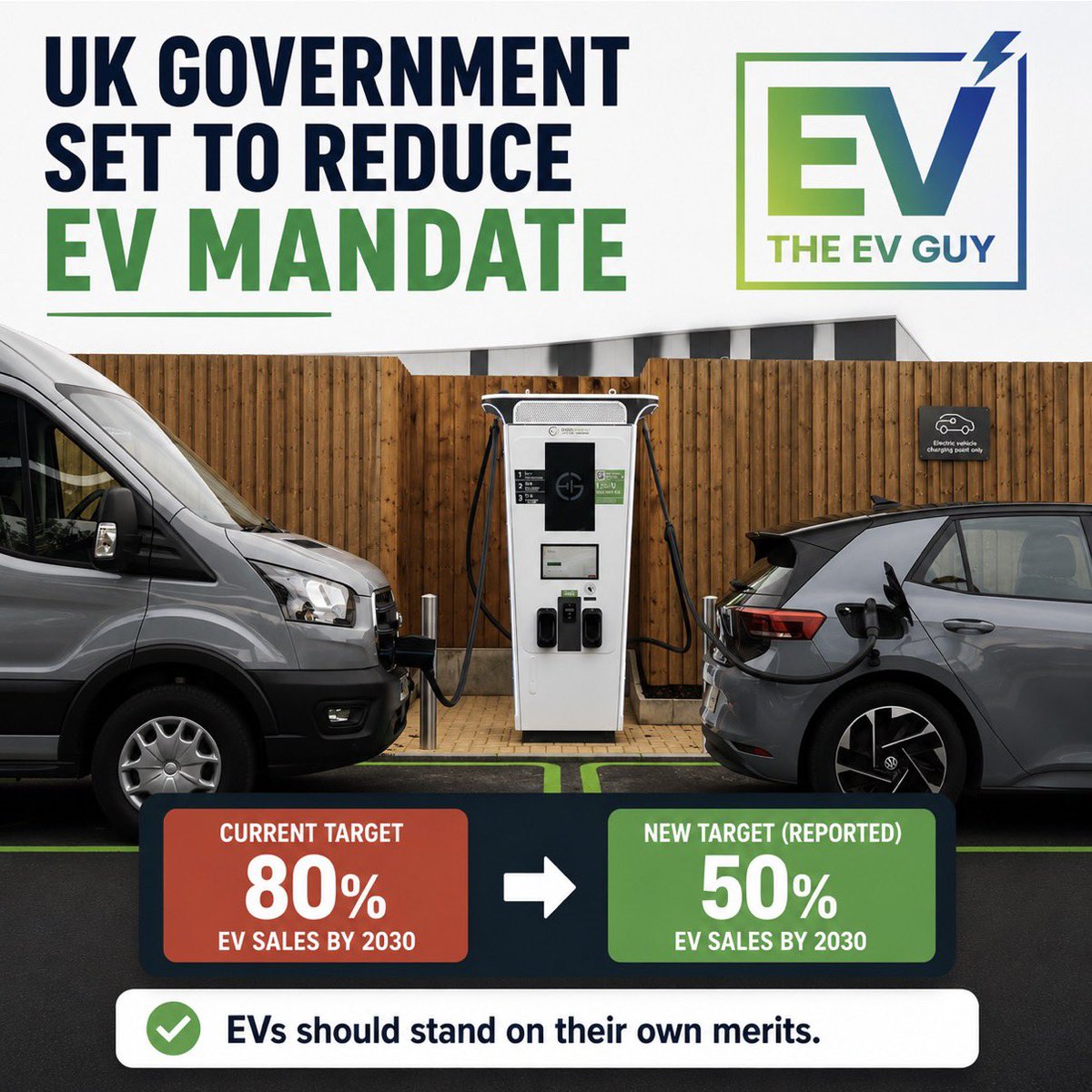
EV targets are set to be reduced by the UK government.
Many will try and use this as some sort of weird ammuntion.
“EVs aren’t selling” etc…
According to reports, the Government is preparing to significantly reduce the UK’s ZEV Mandate targets, with the proposed 2030 requirement reportedly falling from 80% of new car sales being fully electric to around 50%.
The move is said to be aimed at easing pressure on manufacturers and protecting jobs.
For anyone that has followed me from the start, I have said that eventually it won’t come down to being forced into an EV and it will end up as a mix with a choice.
Some in the EV industry are understandably unhappy.
I’m not.
Before anyone reaches for the comments, hear me out…
The ZEV Mandate has done exactly what it was designed to do, and will continue to do so.
It gave manufacturers confidence to invest.
It gave charge point operators confidence to build infrastructure.
It accelerated EV choice, competition, innovation, education and awareness.
It helped get the industry to where it is today and introduce a product into an ICE dominated industry.
But policies like this shouldn’t exist forever.
People shouldn’t be forced.
Electric vehicles are no longer niche products. They’re better than they’ve ever been.
The next phase of EV adoption shouldn’t be driven by forcing manufacturers to hit quotas.
It should be driven by consumers choosing EVs because they’re simply the better product.
If we genuinely believe electric vehicles are the future, then we should also believe they’re capable of standing on their own merits.
I completely understand why organisations like ChargeUK want to protect the investment that’s already been made. That’s their role.
But I think the conversation now needs to evolve.
Instead of arguing that every relaxation of policy is a disaster, let’s spend more time educating people about why EVs are already good enough to win on their own.
The strongest EV market isn’t one that’s sustained by regulation.
It’s one that’s sustained because millions of people actually want to drive electric.
That’s where I believe we’re heading.
1
36
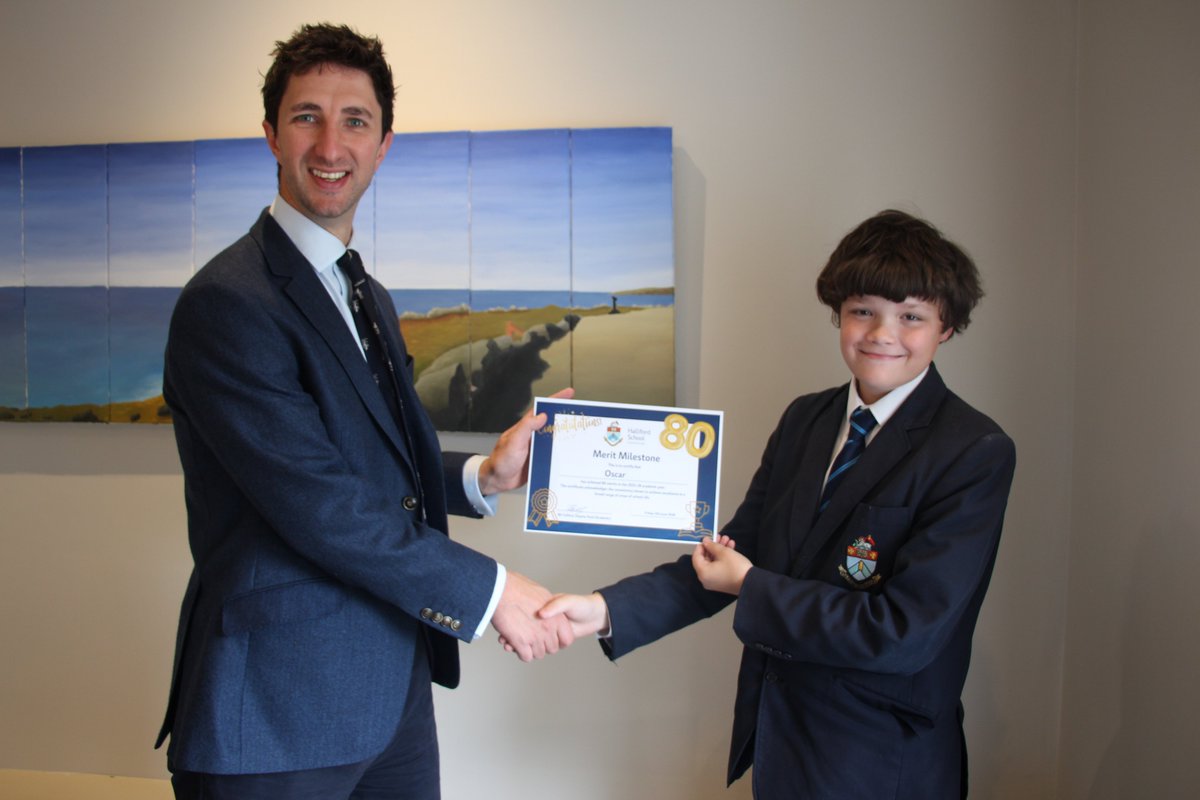
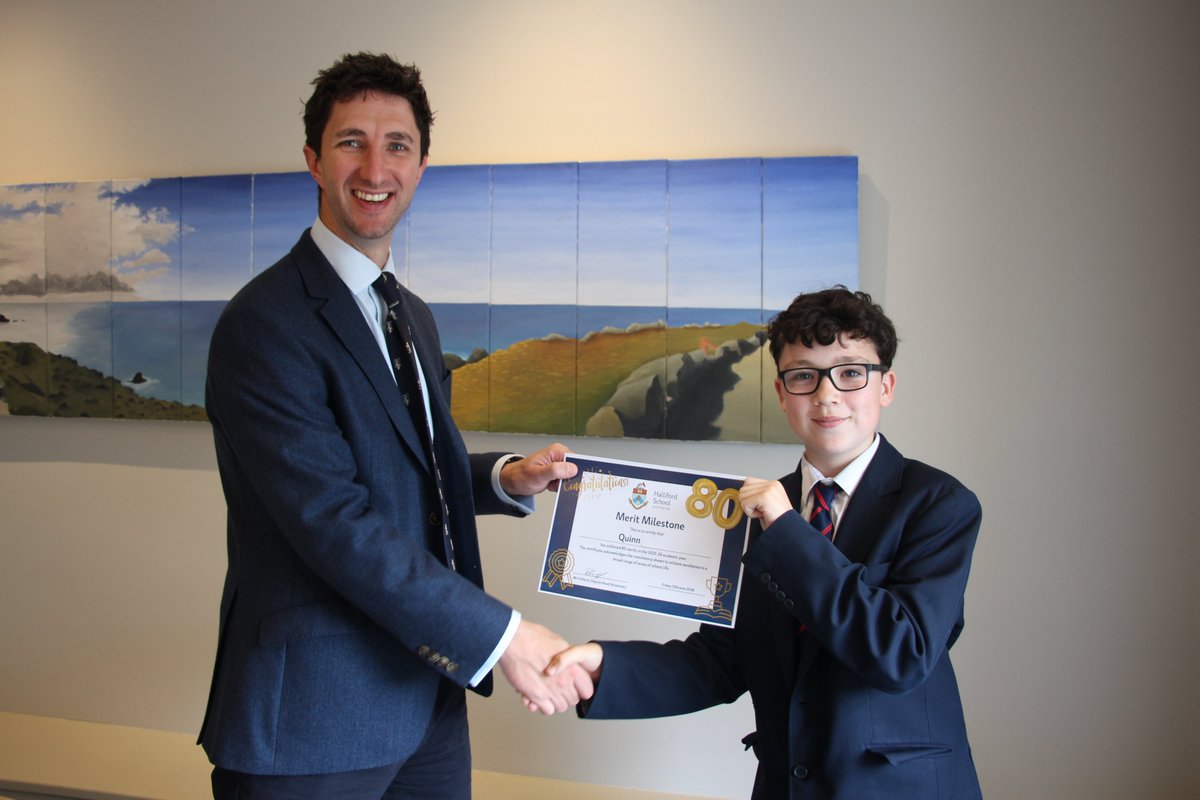
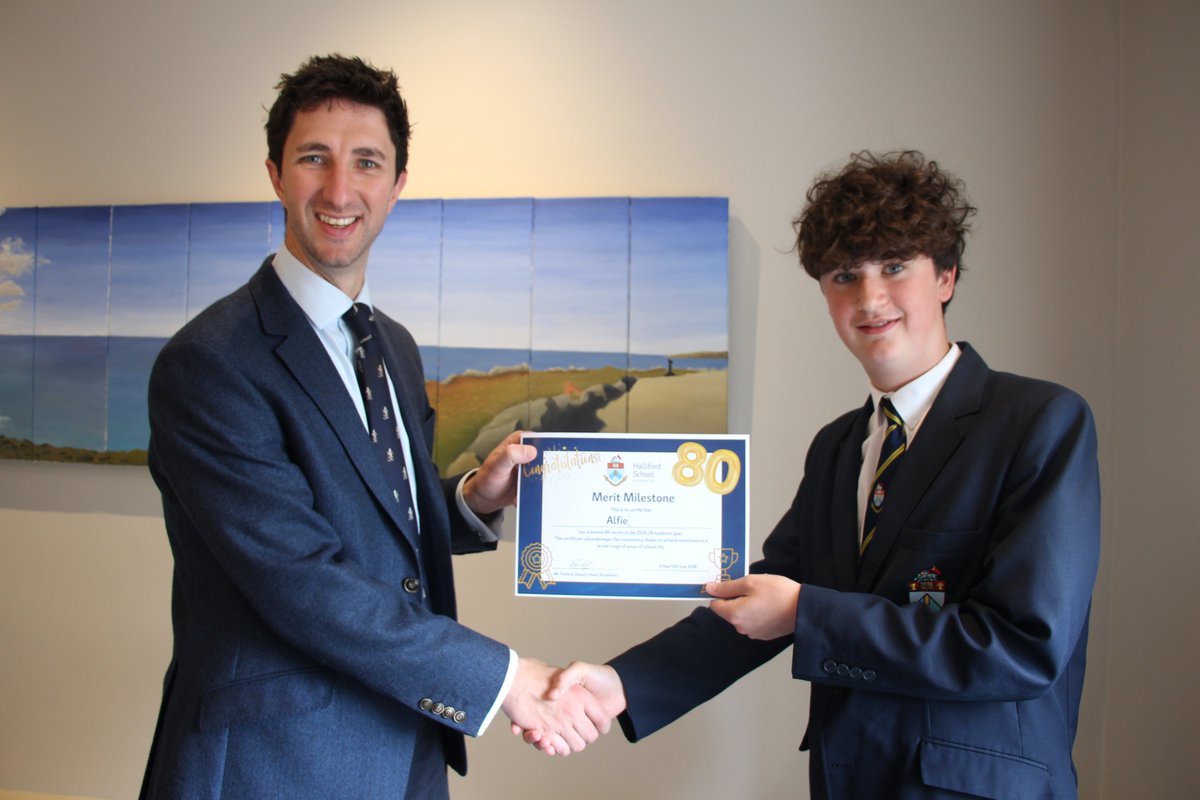
Congratulations to Year 7 students Alex, Oscar and Quinn, and Year 8 student Alfie, who received their Merit Milestone Certificates today from Mr Fulford, for #excellence across many areas of school life and being awarded an amazing 80 merits so far this academic year.

6

27m
"Rocky II" was released on this day in 1979. Powerhouse sequel to the Oscar-winning classic from writer/director Sylvester Stallone.
Highlights: Extraordinary cinematography by Bill Butler (particularly during the climactic fight); superb Bill Conti score ("Conquest" is one of the greatest cues in the series.)
"Rocky II" was a blockbuster, grossing over 22 times its production budget. It also (briefly) held the title as being the most financially successful sequel of all-time until the release of "The Empire Strikes Back" the following year.
Incredible film replicates several popular moments from the original film, but "Rocky II" ultimately succeeds on its own merits. It pushes and expands its core cast of characters, delivering on the drama and triumph that makes this series so unforgettable.
My favorite film of 1979.

2
36

I can agree with that except that this life is full of disappointment & dissalussionment. Nothing I read here when it comes to politics should be allowed by me to effect my mind, heart or peace. I advocate for my point of view when I can but once I no longer can... life goes on. Id rather it go on with a light heart than dragging bitterness that I didnt get my way. Way too much of this online. There is so much irony & hypocrisy in this one... it merits a laugh.
4