
1 Jun 2024
🔸Breakthrough in the 1960s 📈
The real breakthrough in opinion polling came in the 1960s when several organizations, such as Operations Research Group (ORG) 🔎, Indian Institute of Public Opinion (IIPO) 📊, and Opinion Poll Survey and Forecast (OPSF) 📈, started conducting pre-election surveys using more scientific methods, such as random sampling and structured questionnaires. These organizations played a pivotal role in revolutionizing the field of opinion polling in India, introducing advanced statistical techniques and rigorous methodologies.
Relevance for UPSC: Familiarity with the organizations involved and the methodologies employed is important for understanding the evolution of polling practices in India, which has been a recurrent topic in UPSC Mains General Studies papers. 📝 Questions related to the principles of scientific polling, sampling techniques, and the challenges faced in conducting accurate pre-election surveys have been frequently asked. #ScientificPolling #SamplingTechniques #PreElectionSurveys #MethodologicalChallenges #StatisticalTechniques
🔸CSDS and Landmark Developments 🏛️
One of the landmark events in the history of opinion polling in India was the formation of the Centre for the Study of Developing Societies (CSDS) in 1963. 🏆 CSDS, under the leadership of eminent psephologists like Yogendra Yadav and Sanjay Kumar, conducted numerous pre-election and post-election surveys, which gained widespread recognition for their accuracy and impartiality. CSDS played a pivotal role in establishing India as a global leader in the field of electoral studies and psephology.
Relevance for UPSC: CSDS and its contributions are crucial for understanding the role of research organizations in the Indian electoral process, which has been a frequent topic in UPSC Mains General Studies papers. 📝 Questions related to the significance of psephology, the challenges faced by research organizations, and the role of independent bodies in ensuring free and fair elections have been asked. #CSDS #Psephology #ElectoralStudies #ResearchOrganizations #FreeAndFairElections
1
1
489

9 Dec 2021
link.springer.com/article/10…
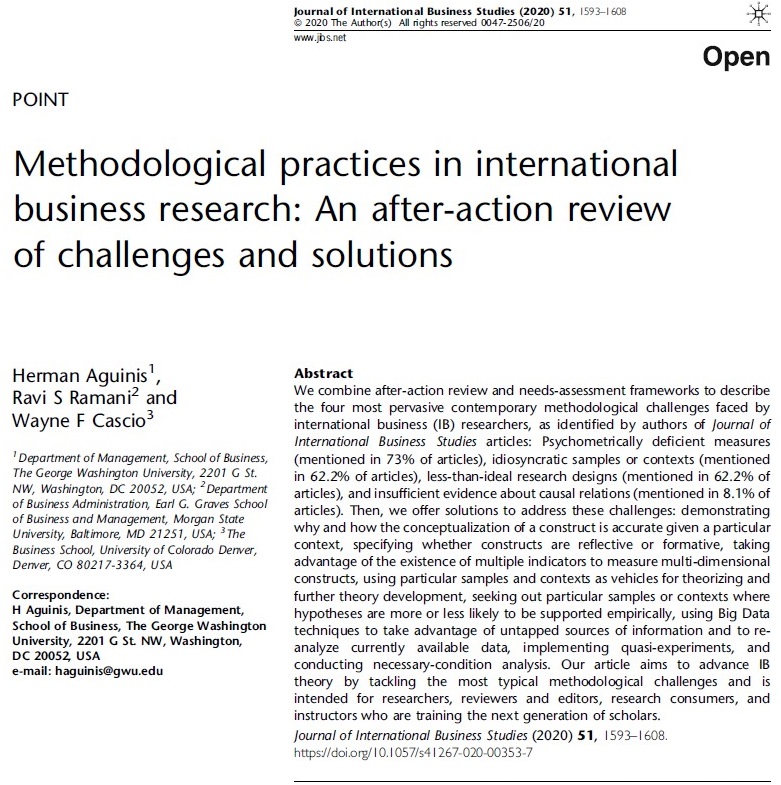
#openaccess article explains how to deal with the 4 most pervasive #methodologicalchallenges in #research
Psychometrically deficient measures
Idiosyncratic samples/contexts
less-than-ideal research designs
Insufficient causal evidence
@gwbusiness
3

15 Dec 2018
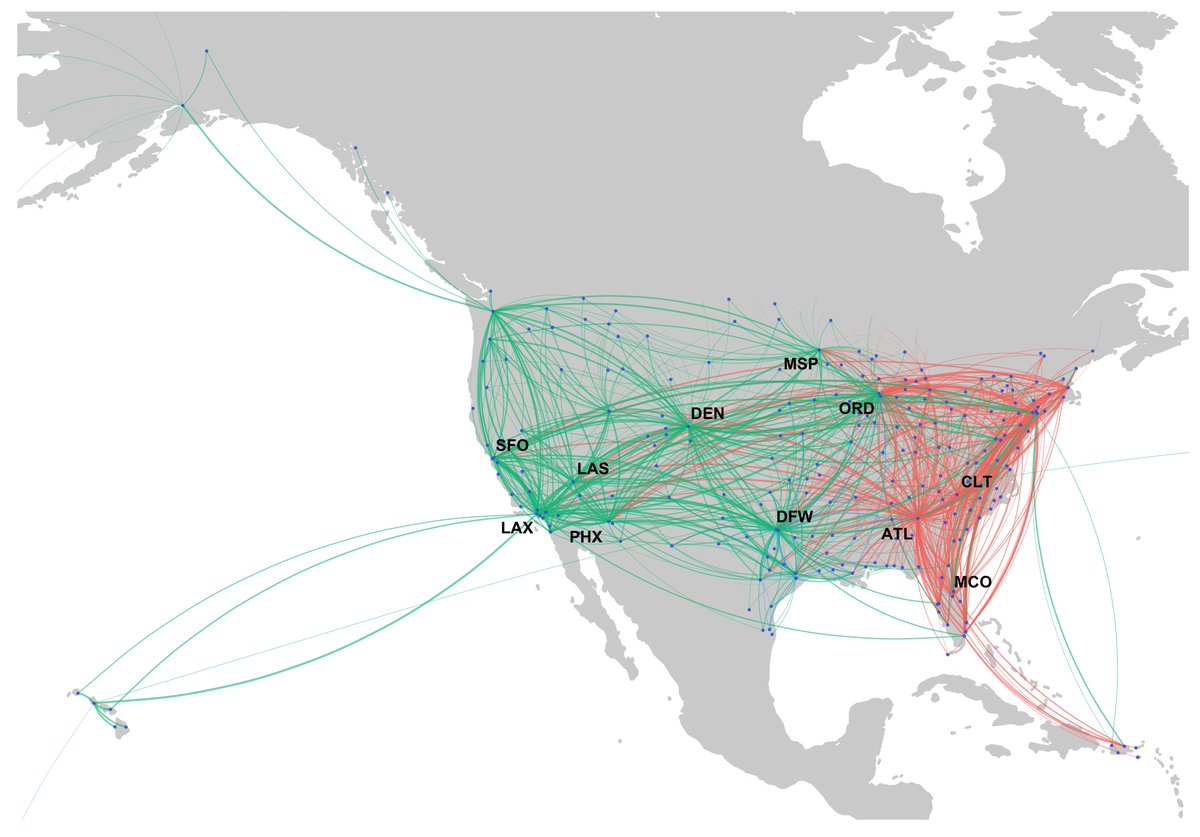
Skynet R package has the potential to become the backbone of a range of easily navigable tools overcoming some of the main #MethodologicalChallenges researchers face when handling complex airline data in an urban context @bdrudder #transport #method ow.ly/Sjgq30mWDFh
1
1