
Not all great coffee comes from volcanic soil.
One of Guatemala's most celebrated regions, Huehuetenango, is entirely non-volcanic. Its flavor comes from extreme altitude and a rare dry-wind microclimate instead.
Altitude can do what volcanoes can't.
1
5

Every environmental monitoring project starts with a simple question:
𝐖𝐡𝐚𝐭 𝐝𝐚𝐭𝐚 𝐝𝐨 𝐈 𝐚𝐜𝐭𝐮𝐚𝐥𝐥𝐲 𝐧𝐞𝐞𝐝?
The answer depends entirely on your application. A smart farm, a city air quality network, and an industrial site all require different parameters, deployment methods, and levels of accuracy.
That's why choosing a weather station isn't just about selecting a sensor it's about finding the right combination of weather stations, connectivity, data logging, and cloud infrastructure to support your goals today and as your project grows.
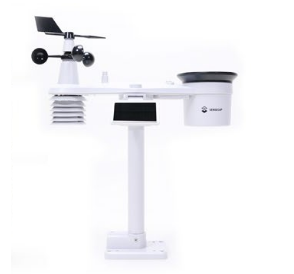
At Seeed Studio, our SenseCAP ecosystem offers solutions ranging from plug-and-play LoRaWAN® weather stations like the SenseCAP S2120 to industrial-grade weather sensors such as the S700, S800, and S1000, all designed to make environmental monitoring more accessible, reliable, and scalable.
If you're planning an environmental monitoring project and aren't sure where to start, we've put together a practical guide to help you choose the right solution for your needs.
📖 Read the guide here: seeedstudio.com/blog/2026/04…
What environmental parameters are most important for your projects?
#EnvironmentalMonitoring #IoT #WeatherStation #SenseCAP #LoRaWAN #SmartAgriculture #SmartCity #IndustrialIoT #Microclimate #theAiHardwarePartner


6
532

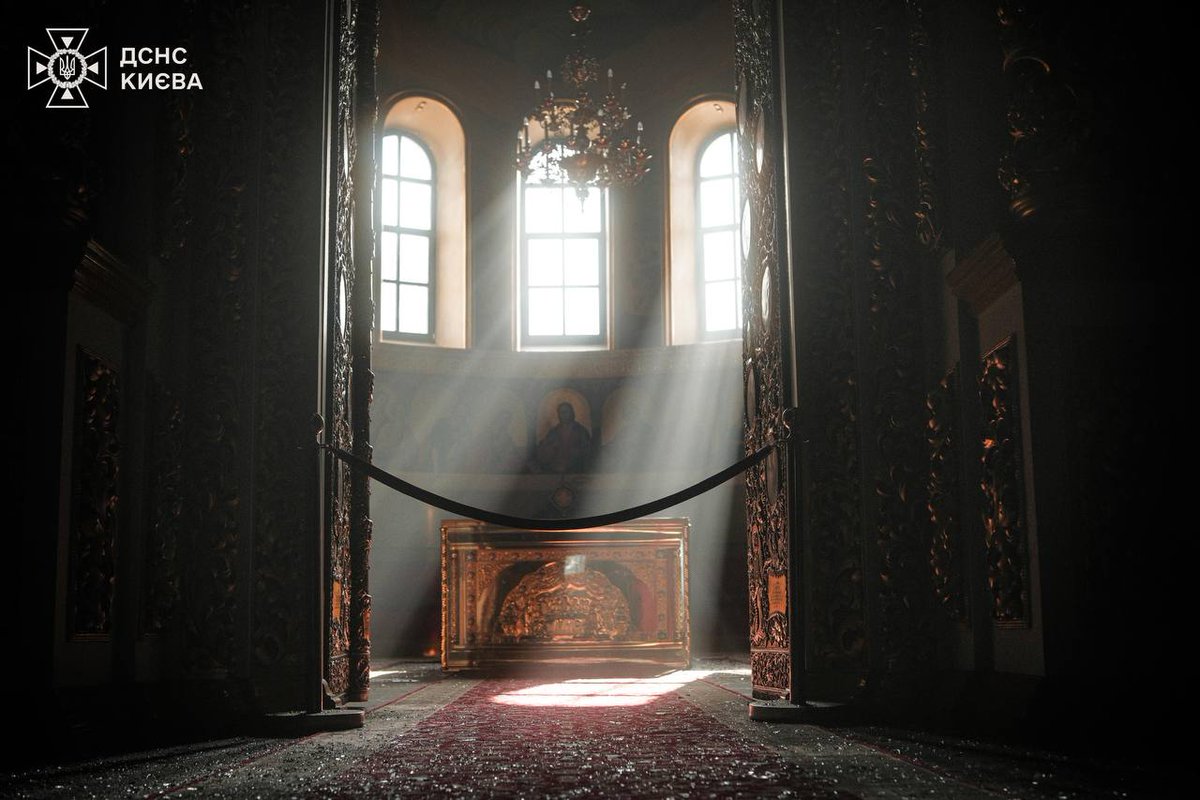
🚀 The War Against Civilization: Russia’s Ballistic Assault on Culture and Life
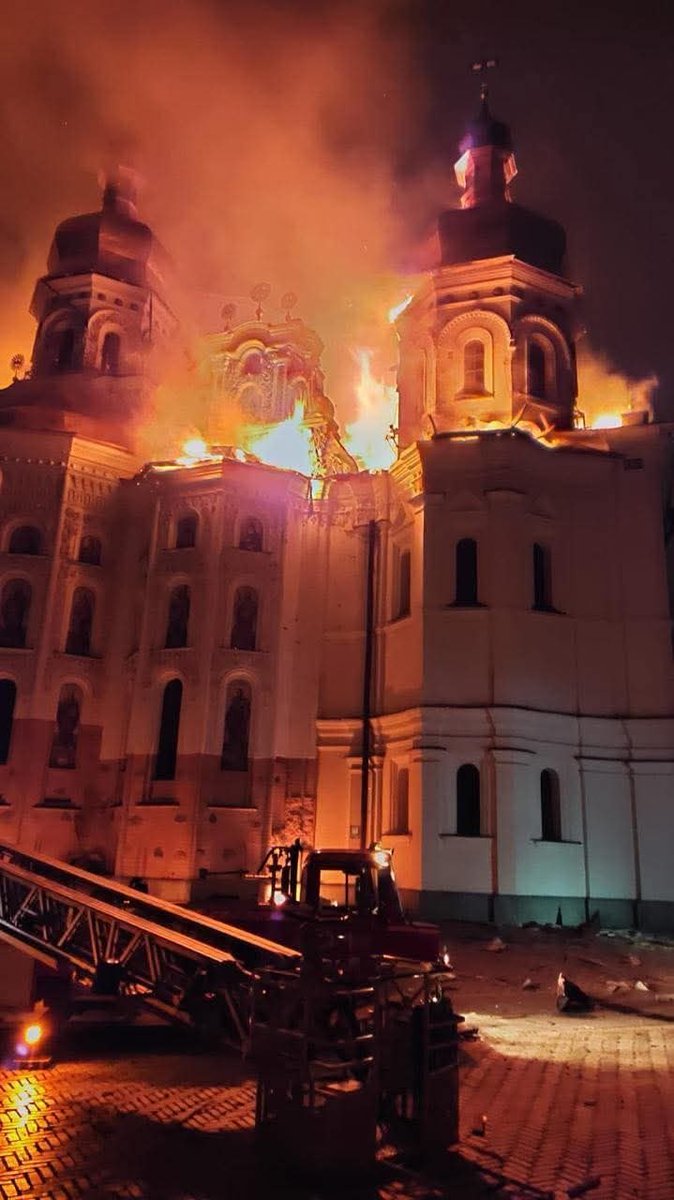
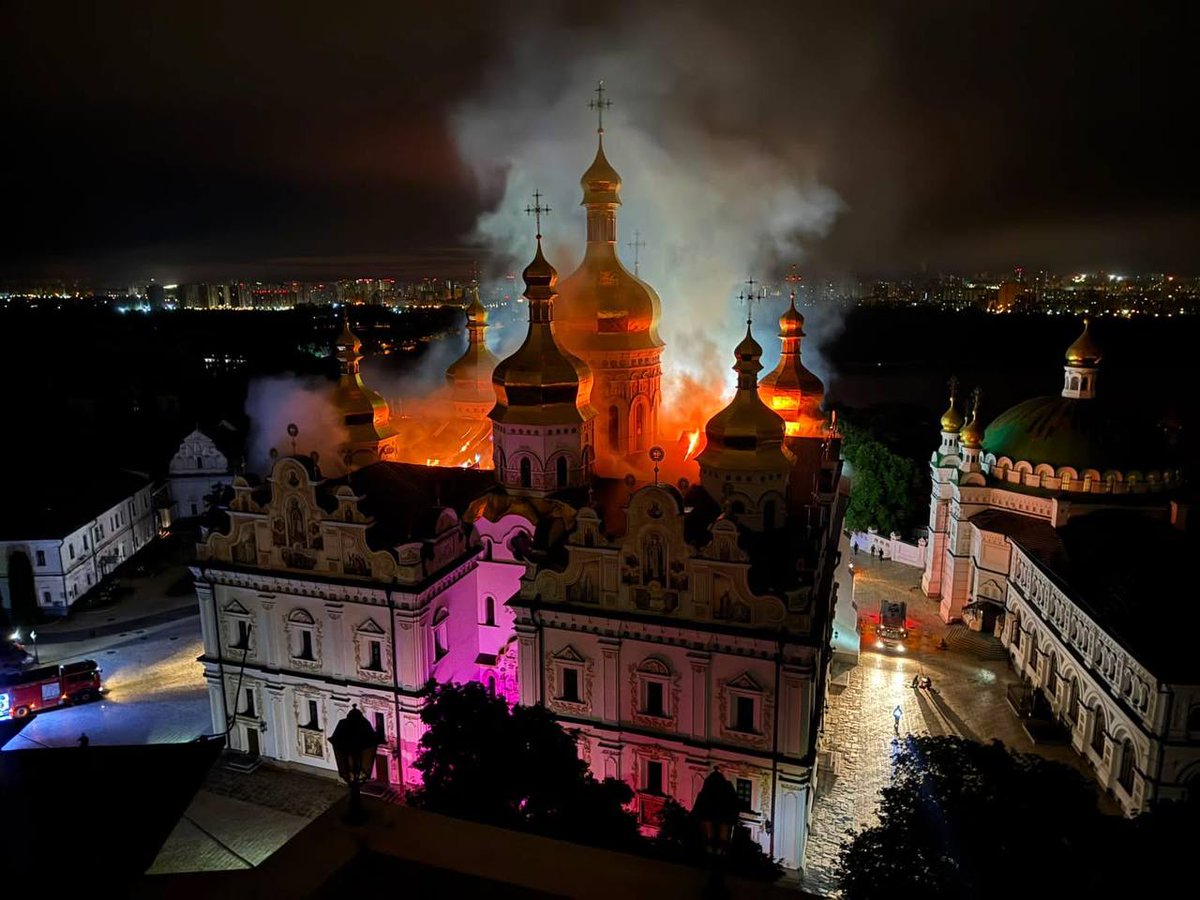
Having launched a record number of ballistic missiles overnight, Russia decided to attack a cathedral, schools, a film studio, and residential buildings. I will tell you more about the buildings Russia hit, so you can understand why Russia is trying to destroy religion, education, and art.
⛪ Kyiv Pechersk Lavra
The Kyiv Pechersk Lavra is not just the oldest monastery of Rus, founded in the 11th century; it is a true spiritual and intellectual outpost of Ukraine, which Muscovy has sought to appropriate or destroy for centuries.
👤 Who Built It (Founders of the Lavra)
The Lavra grew literally from a single cave on the Kyiv hills.
🔹 Anthony of Pechersk (1051): An ascetic monk who returned from Mount Athos and settled in a dug-out cave on the banks of the Dnieper. He is considered the spiritual father of the monastery.
🔹 Theodosius of Pechersk: Anthony’s student, who reorganized the monastery, introduced the strict Studite Rule, and began building the first surface churches and cells.
🔹 Yaroslav the Wise and the Rus Elite: The Prince and Kyiv boyars actively financed the development. The Great Dormition Cathedral (the Lavra's main church) was founded in 1073 with the financial support of Prince Svyatoslav Yaroslavych.
📜 What the Lavra Is Famous For
The Lavra is the heart of Ukrainian chronicle-writing, book printing, and medieval science.
🔹 Near and Far Caves: A unique underground labyrinth hundreds of meters long, where monks hid, prayed, and protected relics from 5 to 20 meters underground during enemy invasions.
🔹 Incorruptible Relics: Thanks to a unique underground microclimate, the bodies of Lavra saints naturally mummified. The Russian Empire used this for "religious tourism" for centuries, even though the saints were figures of Rus (Ukrainian) history.
🔹 Intellectual Center: This is where Nestor the Chronicler (author of the "Primary Chronicle") lived and wrote. It hosted the largest printing house, and in the 17th century, through the efforts of Petro Mohyla, the Lavra school became the foundation for the future Kyiv-Mohyla Academy.
👑 Whose Tombs and Relics Are There (Who is buried there)
🔹 Ilya Muromets (Chobitok): A real historical warrior-hero from the Chernihiv region who took monastic vows at the Lavra at the end of his life. Russia later completely stole his image for their folklore.
🔹 Nestor the Chronicler: The father of Ukrainian history.
🔹 Agapit of Pechersk: The first known doctor (healer) of Rus.
🔹 Konstantyn-Vasyl Ostrozky: A great Ukrainian prince, patron, defender of Orthodoxy, and "uncrowned king of Rus." His magnificent tomb monument has been restored in the Dormition Cathedral.
🔹 Petro Mohyla: An outstanding Metropolitan of Kyiv, architect of the Ukrainian church and educational revival.
🔹 Pavlo Polubotok (cenotaph): The Lavra grounds hold the burials of the Polubotok family and other Cossack elders, colonels, and hetmans, as the Cossacks were the main sponsors of the Lavra in the "Mazepinian Baroque" style.
🔹 Ideological Marker of Occupation (Pyotr Stolypin): A Russian prime minister, reformer, and hardline chauvinist who destroyed everything Ukrainian. He was killed in Kyiv in 1911 and buried near the Refectory Church of the Lavra—his grave remains there as a reminder of imperial presence.This is not the first time. In 1941, the Russians already blew up the Dormition Cathedral of the Kyiv Pechersk Lavra.
🎬 Dovzhenko Film Studio
The Oleksandr Dovzhenko National Film Studio is not just a film production factory; it is a true citadel of Ukrainian identity. During times of harsh Soviet censorship, it became a place where Ukrainian artists carried out a quiet but powerful cultural resistance against the empire, creating world-class film masterpieces.
🏛️ Global Scale: The Ukrainian Hollywood
When the studio was founded in the late 1920s in Kyiv, it was one of the largest and most modern in the world.
🔹 Technological Breakthrough: The studio's pavilions were built according to the latest technology of the time. The main shooting pavilion remained the largest in Europe for a long time.
🔹 Oleksandr Dovzhenko: The studio received the name of the great director in 1957. It was here that he shot his cult masterpieces "Earth" (1930) and "Zvenyhora" (1927). The Ukrainian film "Earth" was included in the top 10 best films of all time by international film critics at the Brussels World's Fair.
🎨 Creation of the "Ukrainian Poetic Cinema" Phenomenon
The studio’s greatest contribution to Ukraine is the birth of a unique cinematic style that blew up international film festivals in the 1960s-70s and became a shield against Russification.
🔹 "Shadows of Forgotten Ancestors" (1964): Director Sergei Parajanov, cinematographer Yuriy Illienko, composer Myroslav Skoryk, and actor Ivan Mykolaichuk created a film at the studio that won 39 international awards and 28 gold medals worldwide.
🔹 Manifesto of Identity: This film was a triumph of the Ukrainian language, Hutsul authenticity, and philosophy. Parajanov categorically refused to dub the film into Russian, which was an unheard-of challenge to Moscow. Global artists (including Federico Fellini) gave this film a standing ovation.
🔹 Other Masterpieces: "White Bird with Marked Wings" (Yuriy Illienko), "Stone Cross" (Leonid Osyka), "Babylon XX" (Ivan Mykolaichuk).
🛡️ Significance for Ukraine: Why did Moscow try to strangle it?
The Dovzhenko studio was a dangerous platform for the Soviet government because it concentrated the free-thinking Ukrainian intelligentsia—the "Sixtiers."
🔹 Epicenter of Dissident Resistance: During the premiere of "Shadows of Forgotten Ancestors" in Kyiv on September 4, 1965, Vyacheslav Chornovil, Vasyl Stus, and Ivan Dziuba staged the first open political protest against the arrests of Ukrainian intellectuals.
🔹 Censorship's "Shelf": Soviet censors launched a total pogrom against "poetic cinema." Dozens of films were banned, and many directors (including Parajanov, who was later imprisoned) had their careers ruined. Moscow wanted the studio to release only template Soviet propaganda about factories and collective farms, but they could never burn out the Ukrainian spirit.
🔹 Leonid Bykov: Even during the "era of stagnation," films loved by millions were made here, such as the legendary "Only Old Men Are Going to Battle" (1973), where Bykov managed to subtly weave Ukrainian song ("The Night is So Moonlit") and Ukrainian color into an official Soviet plot about WWII.
The significance of the Dovzhenko studio is that it preserved our nation's visual code. When Ukrainian history was rewritten in Kremlin offices, the artists at the studio captured the Ukrainian soul, architecture, clothing, traditions, and character on film.
🛑 The Reality of Terror
Today, Russia struck these objects with ballistics. Faced with global outrage, they already claimed that Ukraine hit itself. If Russia had chosen to build instead of destroy, the cost of this attack could have repaired a huge number of cities, roads, schools, and hospitals with the latest technology. Instead, they kill, and the Russian people support it.
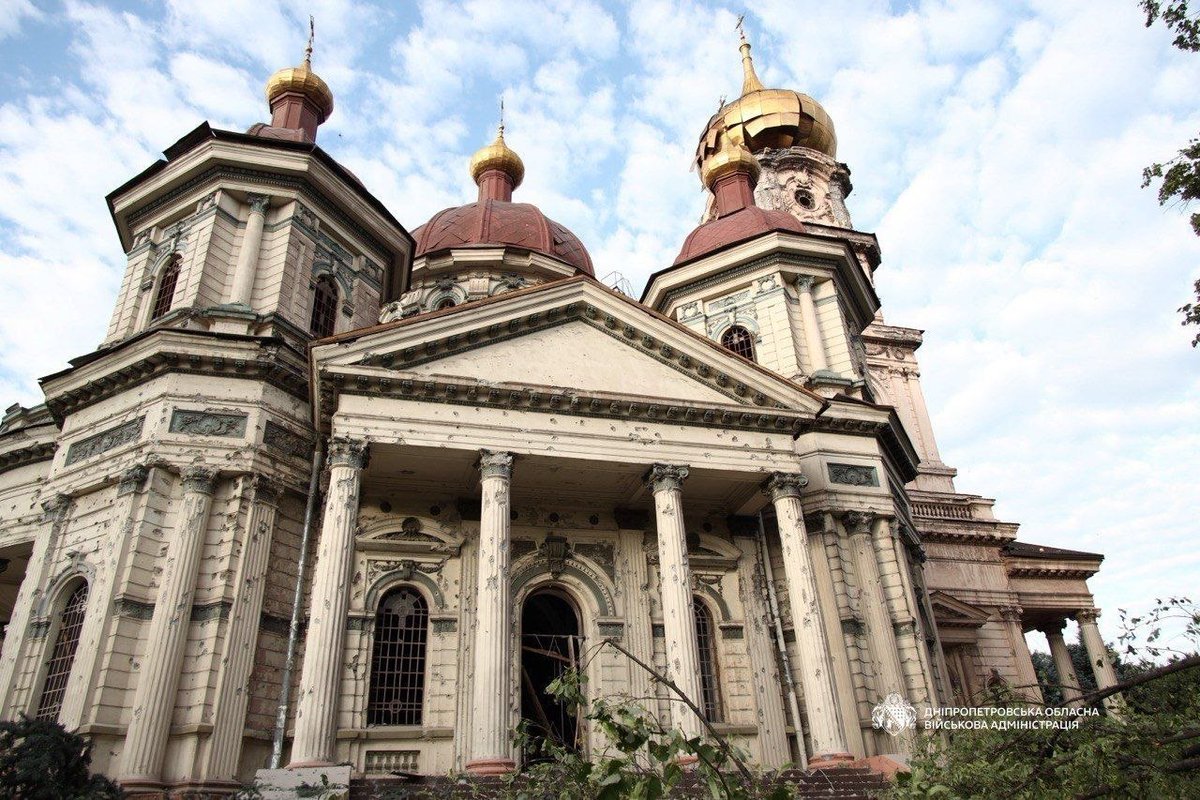
By the way, the strikes were not only in Kyiv. In Dnipro, Russia hit a college and a House of Organ and Chamber Music; yesterday in Kharkiv, an art museum; in Sumy, the Palace of Children and Youth. All strikes targeted culture, education, and faith. And, of course, the strikes on residential buildings—it wouldn't be Russia if they didn't hit people sleeping quietly in their homes. And it wouldn't be Russia if they didn't strike the rescuers who arrived to save people, killing them too today.
There was also a strike on the High Anti-Corruption Court in Kyiv. As I said—corruption is a consequence of the Russian system in Ukraine, and it is symbolic how Russia protects it. A whole street in Kyiv was completely destroyed. There were strikes on a sorting center of the private postal company "Nova Poshta." Kyiv is still on fire, and it is being extinguished from the air.
Russia has demonstrated the only language it understands.
8
21
444

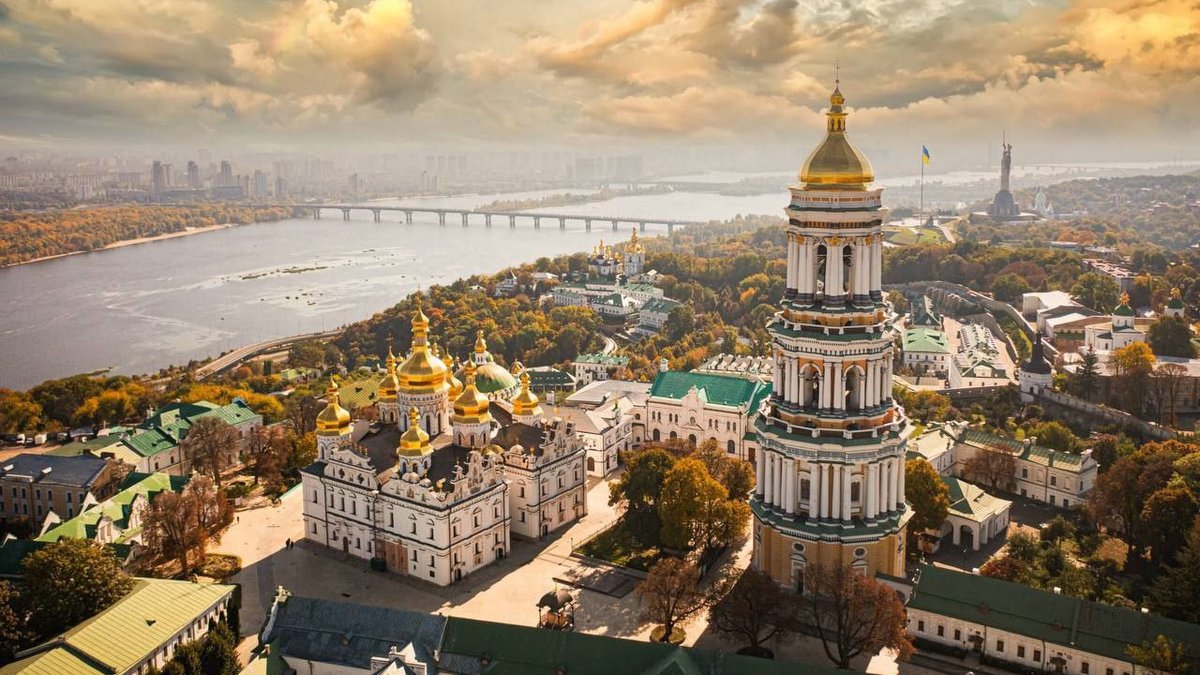
And it all began nearly 1,000 years ago, when a monk named Anthony returned to ancient Kyiv from a monastery on Mount Athos in Greece.
He was seeking solitude and the life of a hermit, and so he secluded himself in small caves among the green hills on the banks of the Dnipro, where centuries earlier Vikings sought shelter while traveling far to the south along the great river had stopped and sought shelter.
People learned of the piety of the hermit Anthony, and disciples began coming to him in the caves. Over many years, they dug entire labyrinths in those caves, where they prayed and labored in the half-darkness -- and reverently noticed that after death the bodies of the monks remained incorrupt (of course, this was due to the unique microclimate deep inside the caves).
Thus was born the famous Kyiv Pechersk Monastery (that is, the “Cave Monastery”), which would later become the magnificent Lavra -- the foremost and greatest holy site of Christian Rus'.
A real city within a city, with magnificent ancient churches built by rulers of different eras, monastic caves, gigantic crowds of pilgrims, and, in later times, the famous 97-meter bell tower, one of Kyiv's calling cards, visible for many dozens of kilometers along the banks of the Dnipro.
Over its 1,000 years, the Lavra survived the internecine wars of the princes of Rus', the Mongol invasion, long years of decline and rebirth. It was the foremost center of learning and printing, and it was in its caves that the legendary monk Nestor wrote the famous Primary Chronicle -- the principal book of historical memory of the East Slavic peoples.
It survived the barbarity of the Bolsheviks. It survived destruction during World War II. It survived centuries during which Moscow priests, having seized it, lorded over it.
It will survive Putin and his fascist Russia as well -- no matter how the monster pukes blood in powerless rage because it cannot defeat Ukraine, and no matter how hard it tries to wipe from the face of the earth everything it cannot seize.
23
713
2,358
37,569

If nine villages in Bidadi are acquired for Karnataka’s hyped AI-powered township, close to 2 lakh trees will be felled.
Exact numbers from an official RTI reply to the Horticulture Department, Bengaluru South:
• 83,536 arecanut trees
• 87,903 coconut trees
• 12,550 mango trees
• 306,506 banana plants
Plus 2,344 chikoo trees, ~2,500 rose plants, custard apple, silk fields… and total destruction of jackfruit, ragi (worst hit - 231 acres), paddy, red gram, cowpea, field bean, corn, groundnut & horse gram crops.
This is not “development”.
This is IRREVERSIBLE ECOCIDE.
These trees and crops are not statistics. They are decades of farmer labour, biodiversity, soil health and a living green cover that actively cools Bengaluru and protects its weather patterns. Once chainsaws and bulldozers move in, that green lung is gone forever. No compensatory plantation will bring back 50-year-old productive orchards or restore the lost microclimate.
#BidadiAI #BidadiTownship #SaveBidadi #BidadiRow #FarmerProtest #SayNoToBidadiTownship #GreenCoverDestruction #KarnatakaPolitics #NoToBidadiProject #DKShivakumar #BengaluruWeather
35

The app Mtns east of them create its own microclimate, they either enchance rain & winter weather chances or it all remains west & north of us
1
85

Indeed.
My focus was on creating a hostile microclimate for the fungus by manipulating light, temperature and humidity within the greenhouses.
1
1
38


I'm so traumatized😬cuz I planted it with my own hands during COVID shitdown in 2021 despite a thin trunk it🌿 was doing so well, half a dozen branches full of thick leaves in a microclimate under a lemon🌿 🍋tree, subhuman illegals decimated the lemon🌿tree that now has maybe

1
26

I can't be mad at that, money well spent, i'd have a microclimate in each floor 😂
1
36

We really have, 🤣. And I’m envious of your beautiful landscaping! I need to get moving on ours! Totally different microclimate on our beach!
12

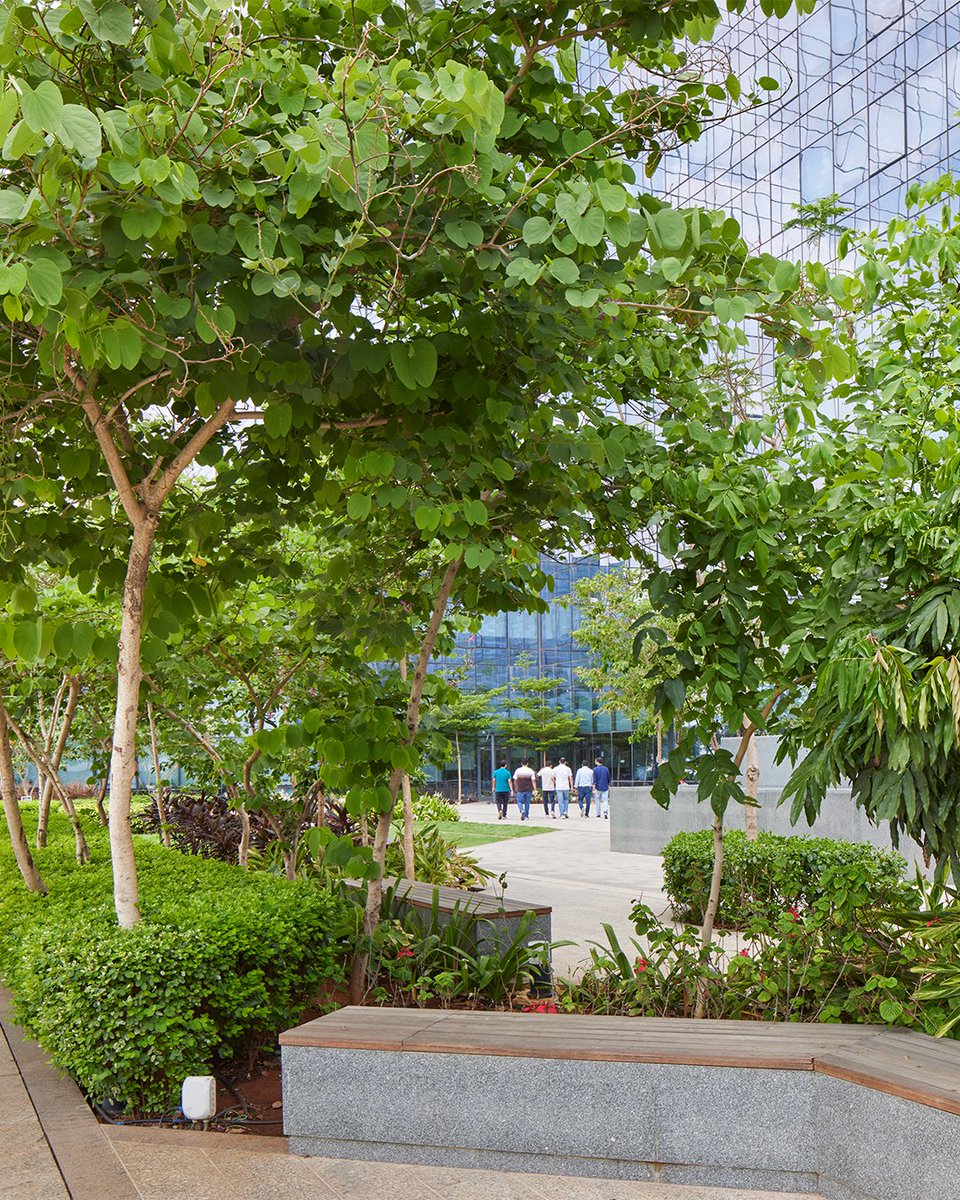
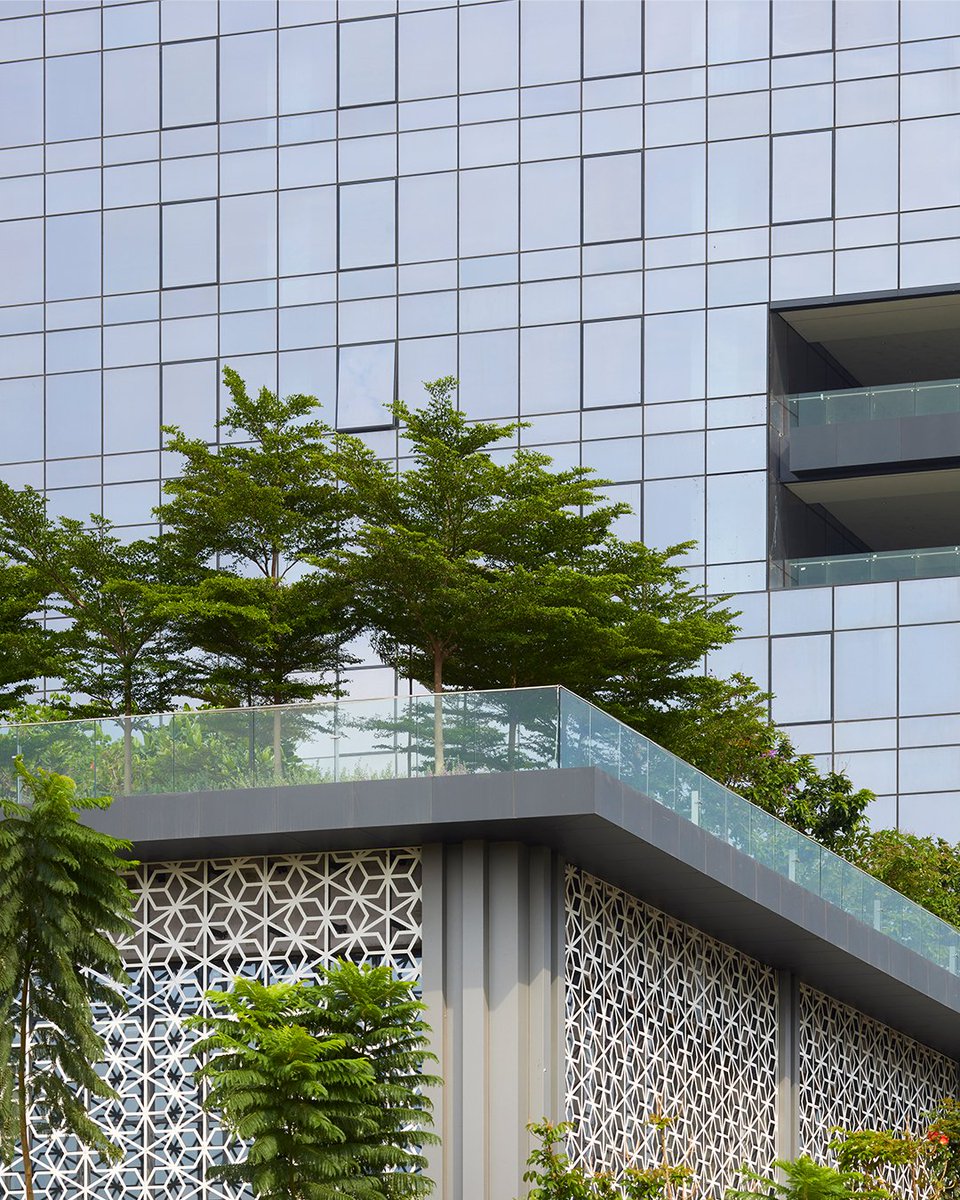
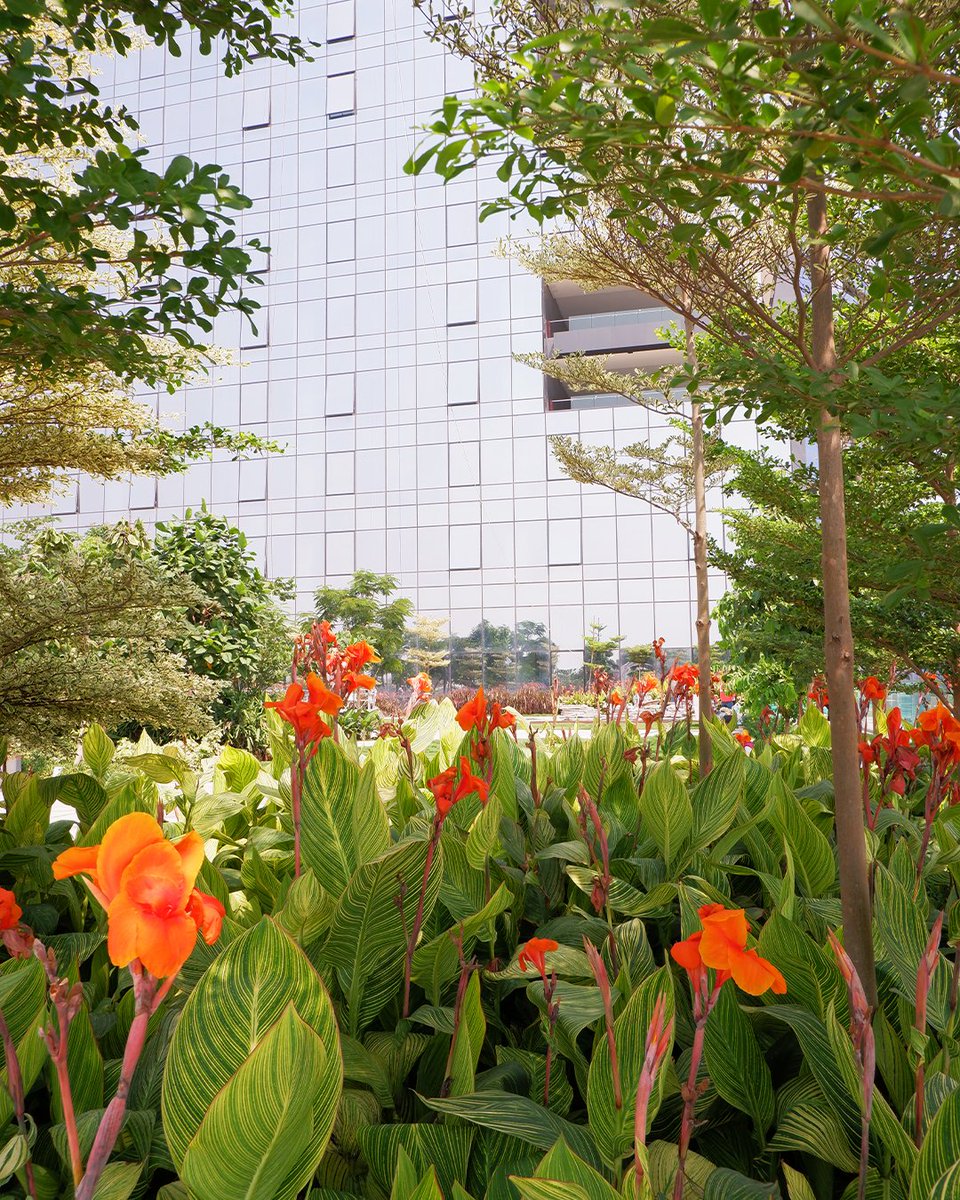
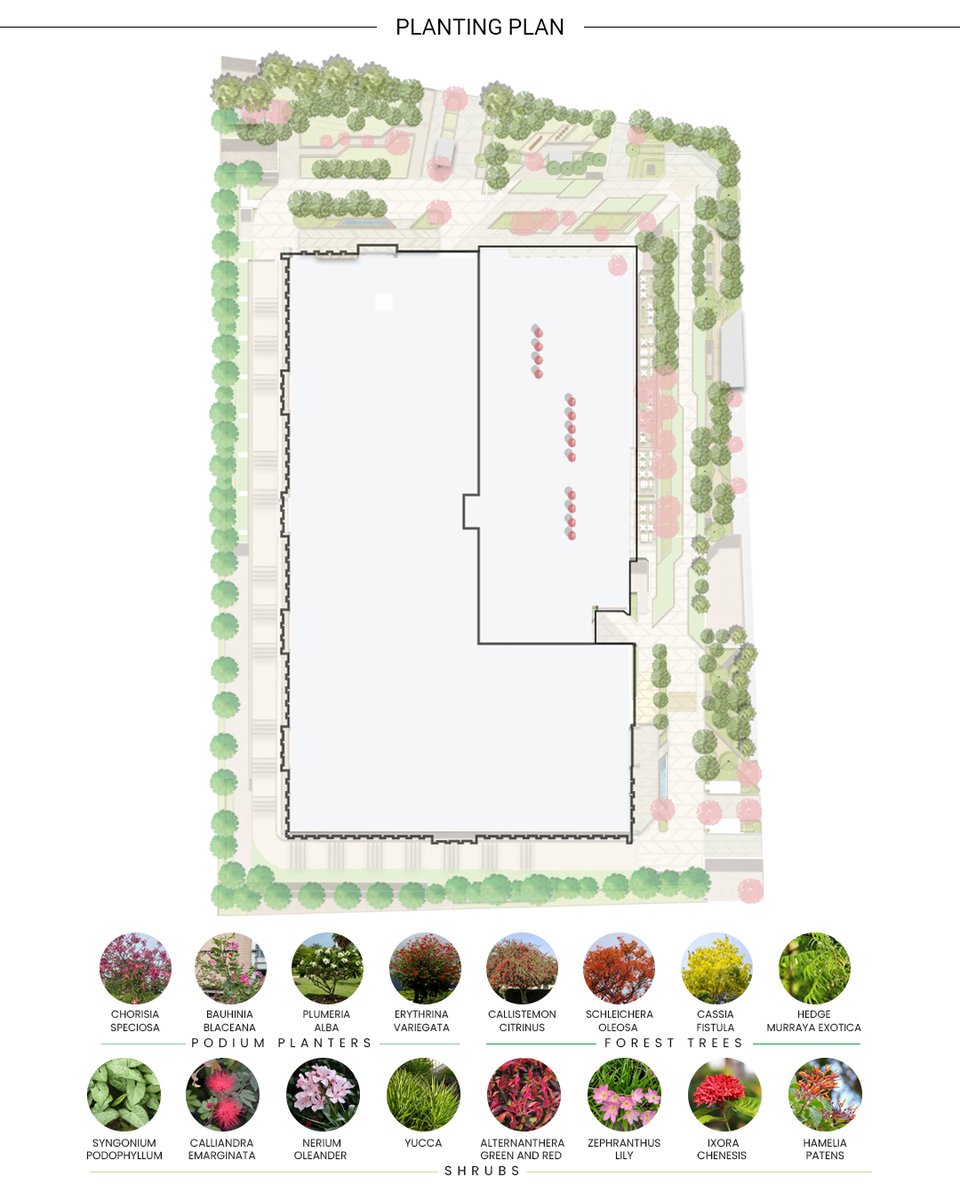
Designing comfort through planting. At KRC Commerzone, canopy trees, seasonal planting and green buffers shape shaded routes, outdoor workspaces and a resilient microclimate for everyday workplace wellbeing and comfort.
1
1
47

Jun 14
it’s a huge state with every microclimate and also I feel insane when people say this lol like what do you mean sunny days sound miserable to you

i dont really get why we consider places like california as perfect weather paradise, a year thats just all 80 degree sunny days lowkey sounds miserable
2
1
193

Jun 13
Wow the weather was great there today while it pi55ed down everywhere else !Has Farage used his £12 million to buy a new microclimate for Makerfield ?
7

My husband recently did a thought experiment - leveling Mt. Diablo & Oakland/Berkeley hills would bring the Berkeley microclimate 50 miles inland & solve a lot of Central Valley drought. The Santa Cruz mountains stay tho bc that drive on the 280 is very pretty. It’s protected.
90

Jun 13
It does that but dissipates and then reforms farther east. It's likely a microclimate effect of the lake. Lake is deep and warm so it has some stabilization effect on the atmosphere. Interesting to watch...friends in other states notice the same thing by bigger lakes.
1
1
11

Jun 13
Hey Christopher. It's hot. 94 degrees. Sucks having our own microclimate here. Always hotter than the rest of the state
1
4
26
Les Rogers retweeted

Jun 12
Can your plants actually fix your home's microclimate? Yes.
While you're placing your Snake Plants and Areca Palms in the living room to sweat out cool air and beat the summer heatwave, don't forget about your bathroom!
Different rooms have different needs. While your main spaces need moisture-releasing plants to stay cool, your bathroom needs the exact opposite—moisture absorbers to stop things from getting sticky, muggy, and moldy during hot summer showers.
Check out these 3 humidity heroes that thrive on absorbing excess moisture:
Boston Fern (The ultimate humidity hog)
English Ivy (Great for keeping mold at bay)
Peace Lily (An elegant air-purifying powerhouse)
Balance is key. Put your cooling plants in the bedroom and your absorbing plants in the bathroom for the ultimate summer home setup!
Jun 12

Beat the summer heatwave without cranking up the AC!
Did you know certain indoor plants act like nature’s own little air conditioners? Through a process called transpiration, they release moisture from their leaves, naturally lowering the temperature of the room.
If you want a cooler, fresher home this summer, here are the top 4 powerhouse plants to add to your space:
Snake Plant: A total bedroom game-changer. Unlike most plants, it pumps out fresh oxygen and moisture at night, helping lower the room temp while you sleep.
Areca Palm: The ultimate natural humidifier. Its massive, leafy canopy transpires an incredible amount of moisture into dry, hot air.
Ficus (Weeping Fig): Dense and bushy, this plant acts like a mini shade tree inside your house, filtering out toxins while keeping things breezy.
Aloe Vera: It doesn't just soothe sunburns—the plant itself has a high water content that keeps its surface cool, helping refresh the air around it.
The Pro-Tip: Water them early in the morning! This gives them plenty of hydration to draw from during the hottest part of the day, maximizing their cooling power.
Which one are you adding to your living room?

1
78
203
26,713

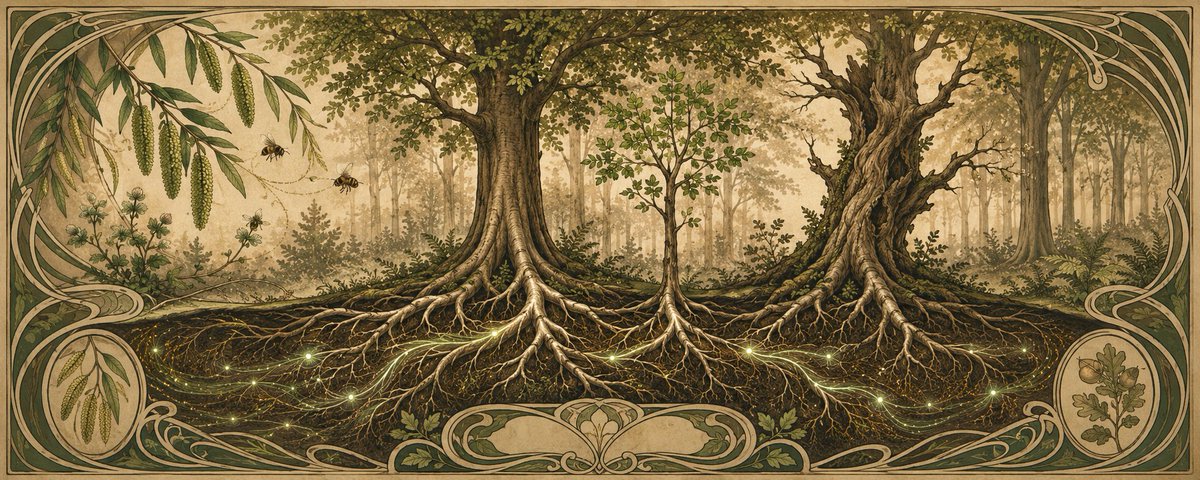
A tree is not best understood as a lone organism competing for light and water. A tree is a node in a living system that communicates, exchanges resources, preserves microclimate, supports weaker members, and uses coordinated reproductive strategies when survival is threatened.
7