Meunier Philippe retweeted

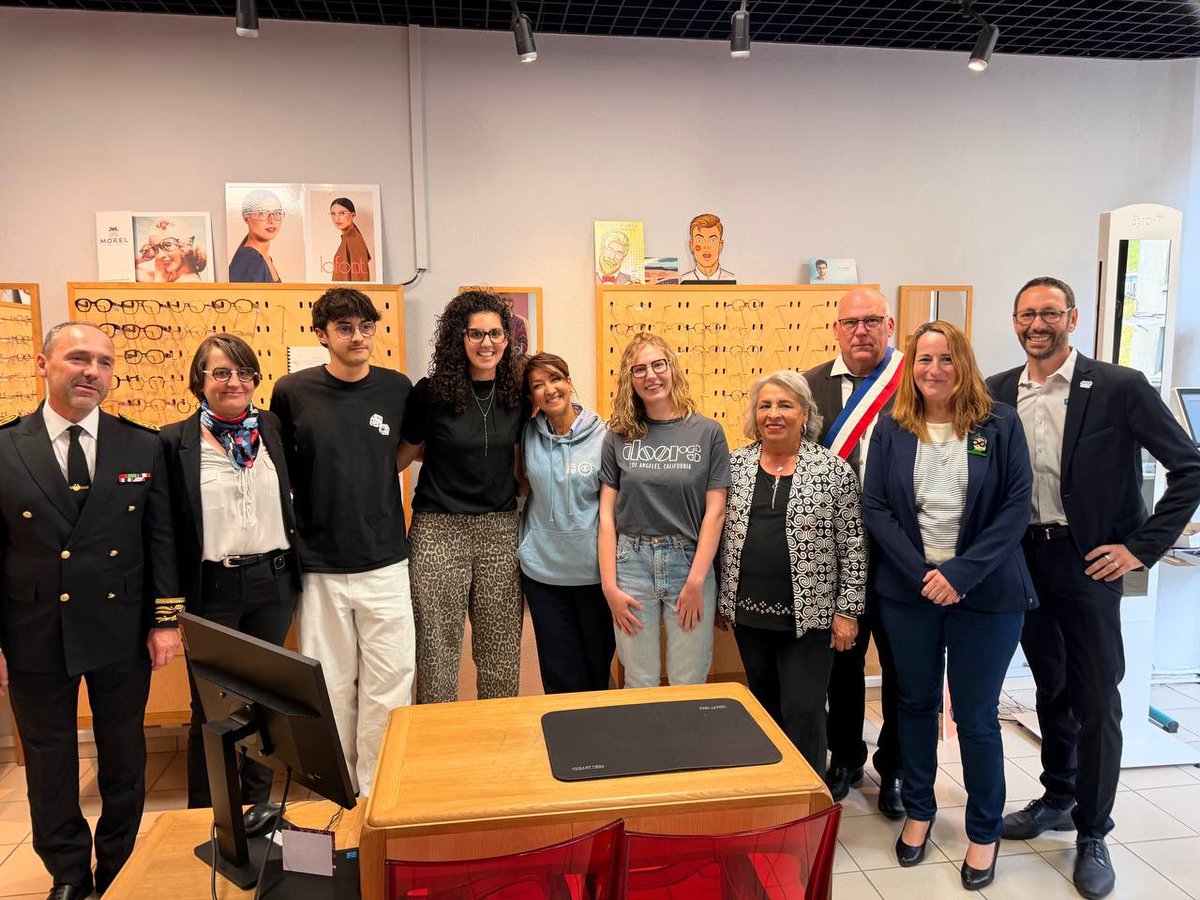
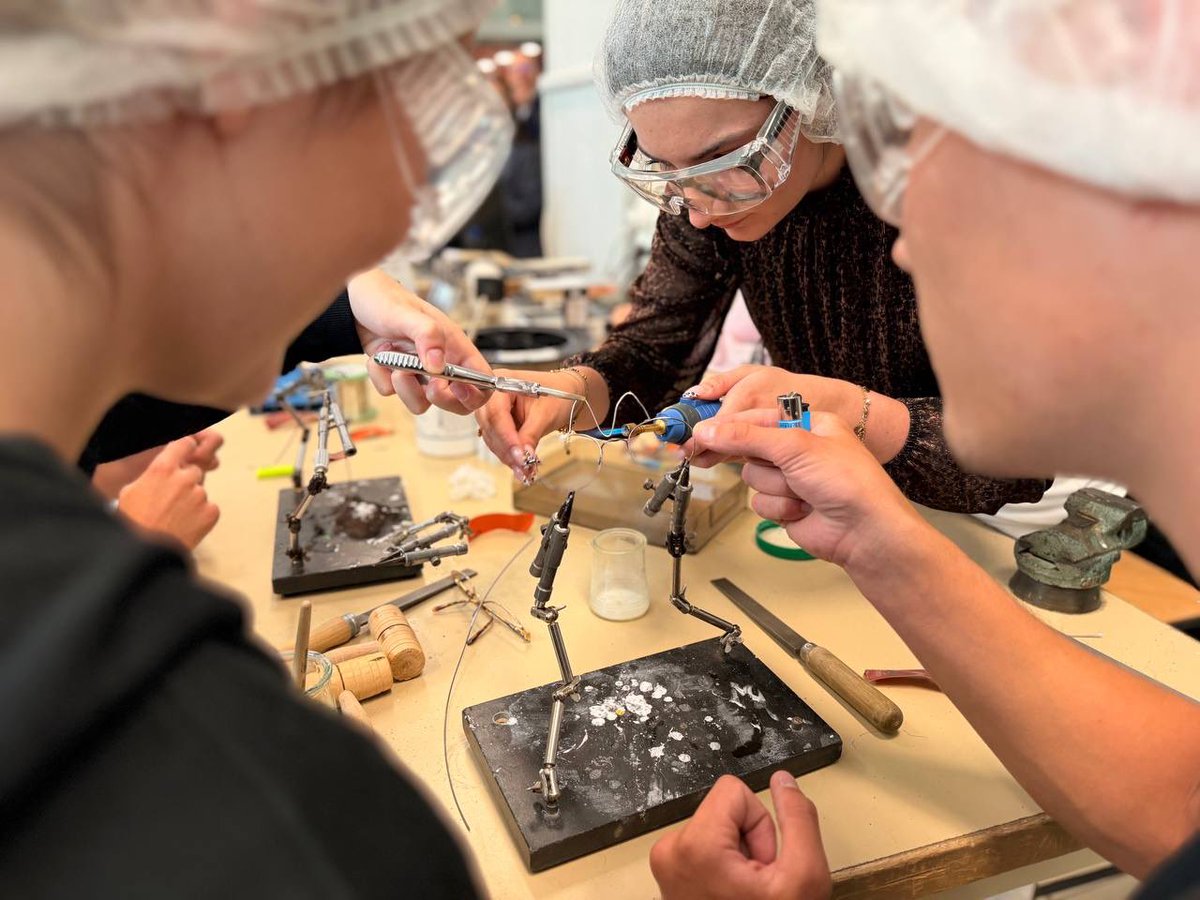
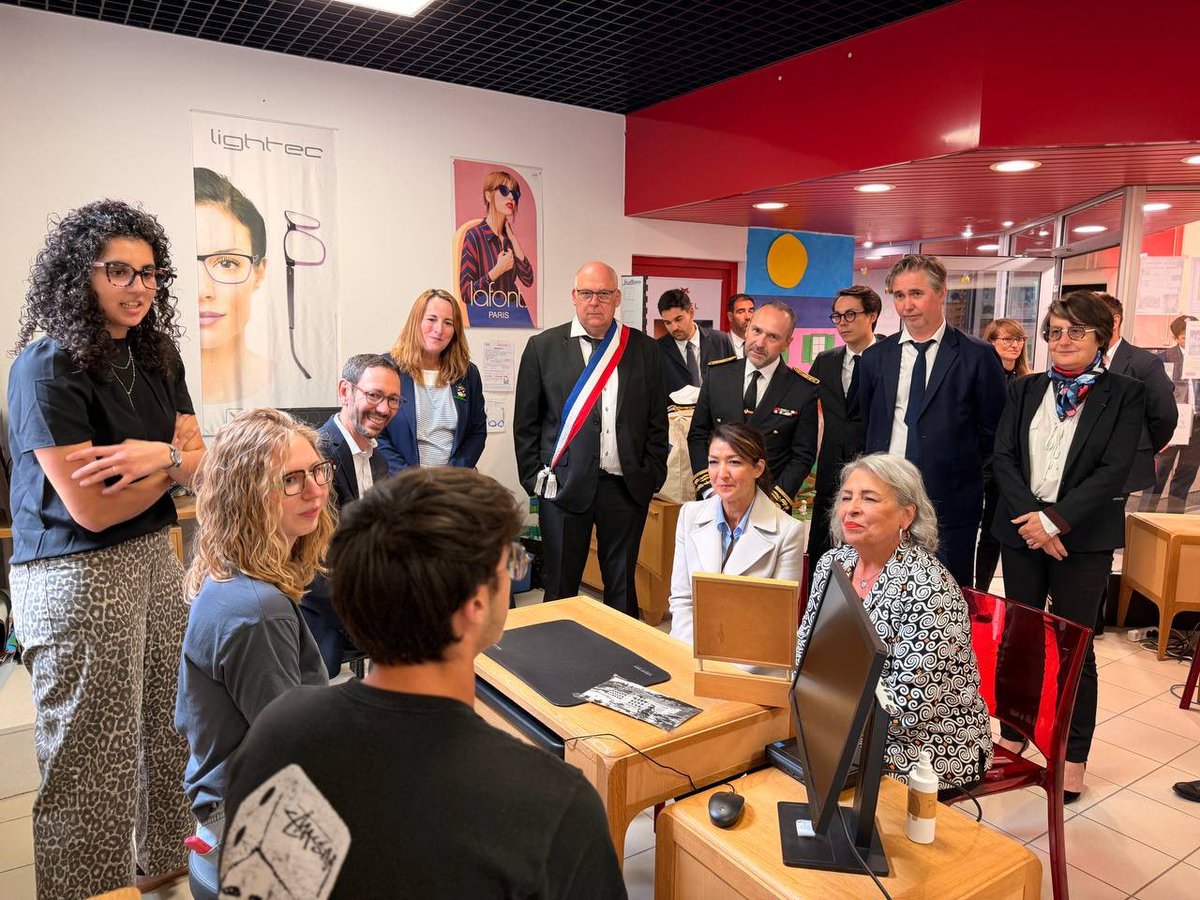
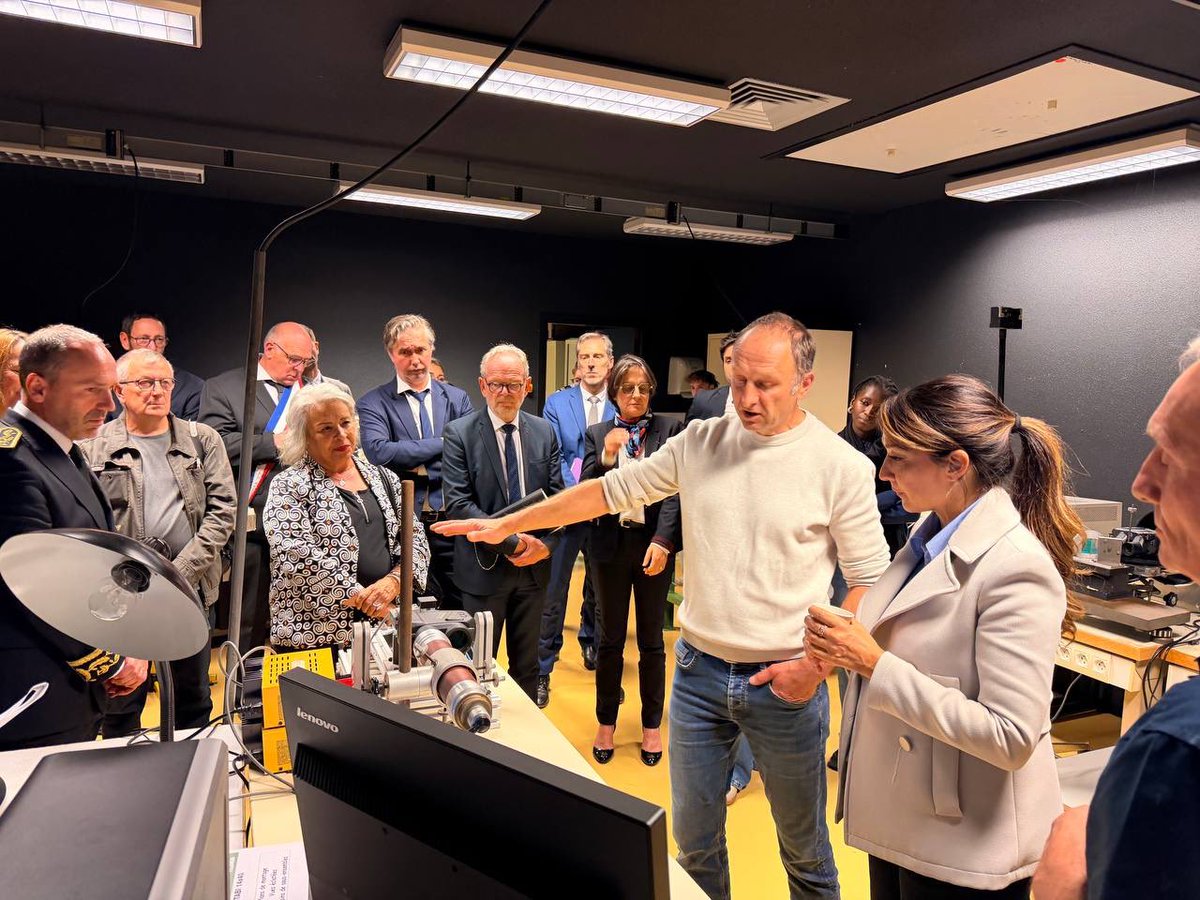
C’est dans le #Jura qu’est née la lunetterie française, et c’est ici qu’elle se réinvente.
Optique, microtechniques, photonique : cet héritage industriel est devenu une filière d’excellence, portée par des entreprises qui forment, recrutent et transmettent un savoir-faire unique.
Au lycée Victor Bérard de Morez, les formations se construisent au plus près des besoins des entreprises locales.
12
20
1,545

Chaudronnerie : à Belfort, M-Plus se dote de compétences microtechniques avec Rubis-Précis lesechos.fr/pme-regions/bour…
9

Chaudronnerie : à Belfort, M-Plus se dote de compétences microtechniques avec Rubis-Précis trib.al/u0V73gF
2
9
1,356

Jun 1
In the early winters of 1932, inside the underfunded, chemical-stained labs of Calcutta University, an uncelebrated Indian scientist was quietly completing a jigsaw puzzle that had baffled the finest minds of Europe. The global scientific elite believed that constructing complex polycyclic structures, the literal skeletons of human hormones & lifesaving drugs was a luxury only Western labs could master , until this lone Bengali chemist orchestrated a chemical reaction so flawless it would permanently etch his name into the textbooks of organic chemistry, only for his country to completely forget it.
Long before he became a phantom in the world of science, Jogendra Chandra Bardhan’s life was forged in isolation. Born in 1896 in the village of Swarnagram, undivided Bengal , his childhood was shattered by the early death of his mother, Jnanada. When his father quickly remarried, the young boy felt deeply rejected, developing an emotional fracture so severe that he never saw his father again for the rest of his life. He grew up under the care of his grandmother, maintaining himself in Calcutta by offering private tuitions to younger students just to survive.
But an even more crushing blow awaited him in the lab Despite graduating with high merit from Calcutta University , Bardhan missed a 1st Class rank by a hair, though he stood 2nd in the university. This minor bureaucratic detail became a massive stumbling block. Acharya P.C. Ray, the towering patriarch of Indian chemistry whose labs were packed with the country's elite minds , flatly refused to admit young Bardhan into his research group.
Frustrated, broken, & rejected by the icon he desperately wanted to emulate, Bardhan openly wept on the lab steps. Forced to work under Dr. Rasik Lal Dutta under severe financial strain w/o a stipend , he channeled his pain into an obsessive, relentless work ethic. Yrs later, while working in his characteristic, hyper-focused silence, Bardhan was startled to feel a hand patting his back. He turned around to find the legendary Vice-Chancellor, Sir Asutosh Mookerjee, standing behind him, holding glowing reports from foreign examiners for Bardhan's DSc thesis.
By the 1930s, organic chemistry had hit a wall. Scientists knew that complex polycyclic compounds like phenanthrenes, steroids & hormones governed the very mechanics of human life & pain management. But synthesizing these multi-ring systems in a lab was a structural nightmare that routinely dissolved into unpredictable, useless tar. Western labs were pouring fortunes into finding a reliable blueprint to engineer these molecular fortresses.
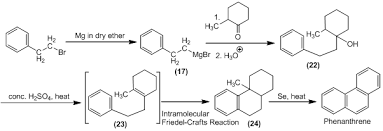
Bardhan, operating as a Research Fellow with very little working space , looked at the problem with the mind of a master architect. Teaming up with Suresh Chandra Sengupta, who was merely a Lab Assistant at Presidency College but crucially had access to a spacious lab, Bardhan threw out the clumsy, forceful methods of the West. Instead of trying to smash the carbon rings together all at once, Bardhan orchestrated a breathtakingly precise chemical ballet using highly refined microtechniques he had mastered in Europe. In a series of elegant steps, he coaxed the carbon atoms to snap together into a pristine, flawless triple-ring structure.
When they published their monumental paper in 1932, it sent shockwaves through the global scientific community. Christened universally as the "Bardhan-Sengupta Synthesis," it became an instant classic. This was not just a victory for pure theory; it unlocked the foundational pathway that scientists worldwide would later use to synthesize vital hormones, complex steroids & essential medicines. An unsung Indian chemist, working with limited equipment, had handed the molecular keys of modern medicine to the entire human race.
Despite his international acclaim, Bardhan remained a man of staggering, almost militant simplicity. He chose to live as a lifelong bachelor, adopting P.C. Ray’s philosophy of "plain living & high thinking," even refusing to drink tea because his old mentor had famously called it poison. When he became a university lecturer, he was given a meager, insulting research grant of just ₹250 annually. Undeterred, Bardhan used his private earnings as an industrial consultant to personally fund his lab , even paying the salaries of a lab bearer & assistant out of his own pocket to support poor students.
During World War II, while global supplies dissolved, Bardhan’s thrifty habits meant his lab was 1 of the few with a rich stock of rare organic chemicals , because he ran a strict system of recovering precious metals from scrapings & waste catalysts. He did not direct science from the comfort of an office chair; he lived on his feet, working with his own hands alongside his students every single day. Even a month before his retirement, on a lonely holiday, he was found standing at the sink, manually pressing a chemical product through a filtration pump.
But the tragedy of India’s forgotten geniuses is that their home soil rarely knows how to hold them. Upon his retirement in 1962, Bardhan begged Calcutta University for just 1 small room to continue his research in the lab he loved. The university refused. Stripped of his flasks & forced to move to a dry bureaucratic post in Delhi, his spirit broke. The sudden lack of his lifelong lab routine & the frustration of his forced exile culminated in a fatal stroke on December 23, 1964.
The modern scientific landscape is crowded with heavily funded research labs chasing corporate patents & instant media recognition, but they lack a lineage. The Bardhan-Sengupta synthesis remains a living ghost of Indian intellectual resilience, a reaction mechanism that holds not just carbon bonds , but the defiance of a 1932 scientist who proved that a marginalized mind could out-think the empire.
The grand institutions of Europe have built massive monuments to their own pioneers & the names of the bureaucrats who denied him space have faded into the dust of history, yet every single time a modern laboratory synthesizes a hormone pill/a life-saving steroid/a vital painkiller to ease human suffering , the ghost of a quiet, bachelor chemist from Calcutta still guides the molecular rings into place proving that while empires conquer lands, it is the solitary dreamers of the soil who conquer the elements.
7
44
123
3,122
La perfection n’existe pas, la précision, oui !
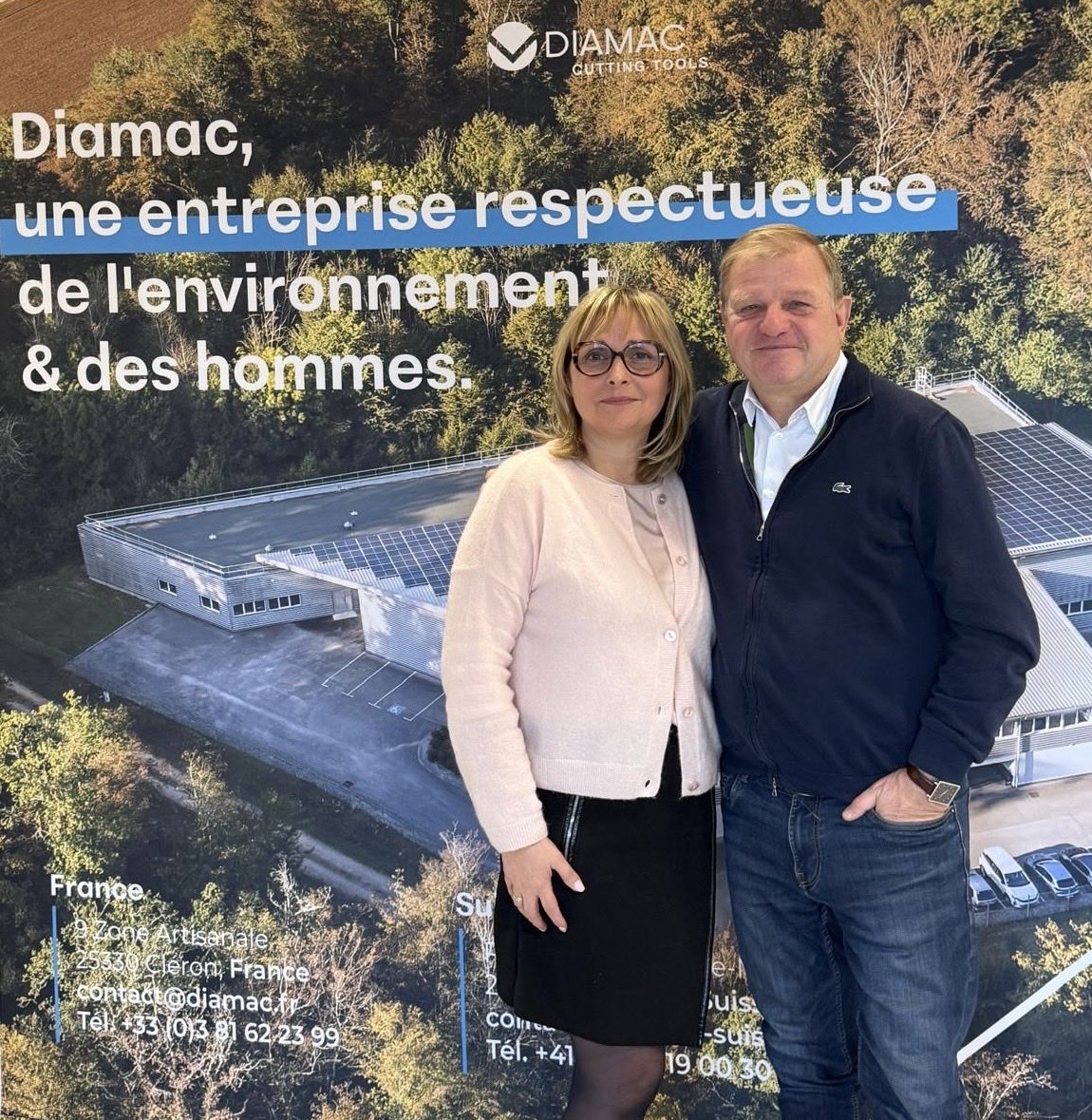
#Micronora est devenue une grande marque internationale sur le marché des microtechniques et de la précision. de 800 exposants dont 33 % internationaux, 25 000 m² d’exposition, de 16 000 visiteurs du 29/9 au 2/10/2026 #Besançon


2
15
25
2,425

17 Nov 2025
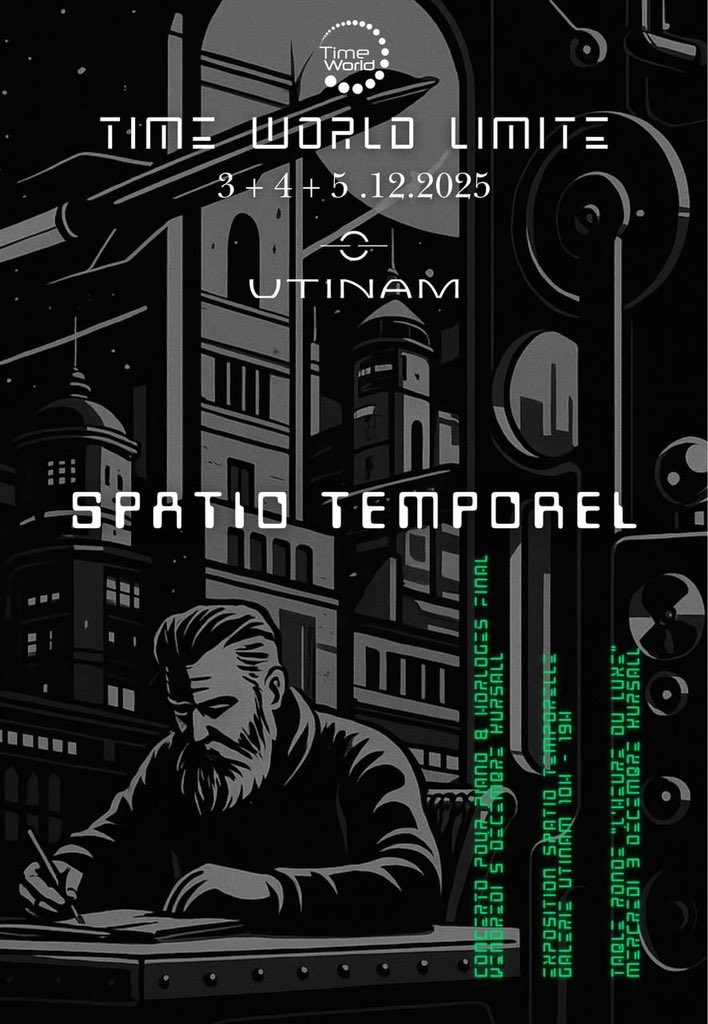
J'ai le plaisir vous annoncer que Besançon accueillera, pour la première fois, les 3, 4 et 5 décembre 2025 les rencontres scientifiques TimeWorld Event. Trois jours exceptionnels dédiés au temps, à l’innovation, à la création et à l’horlogerie indépendante.
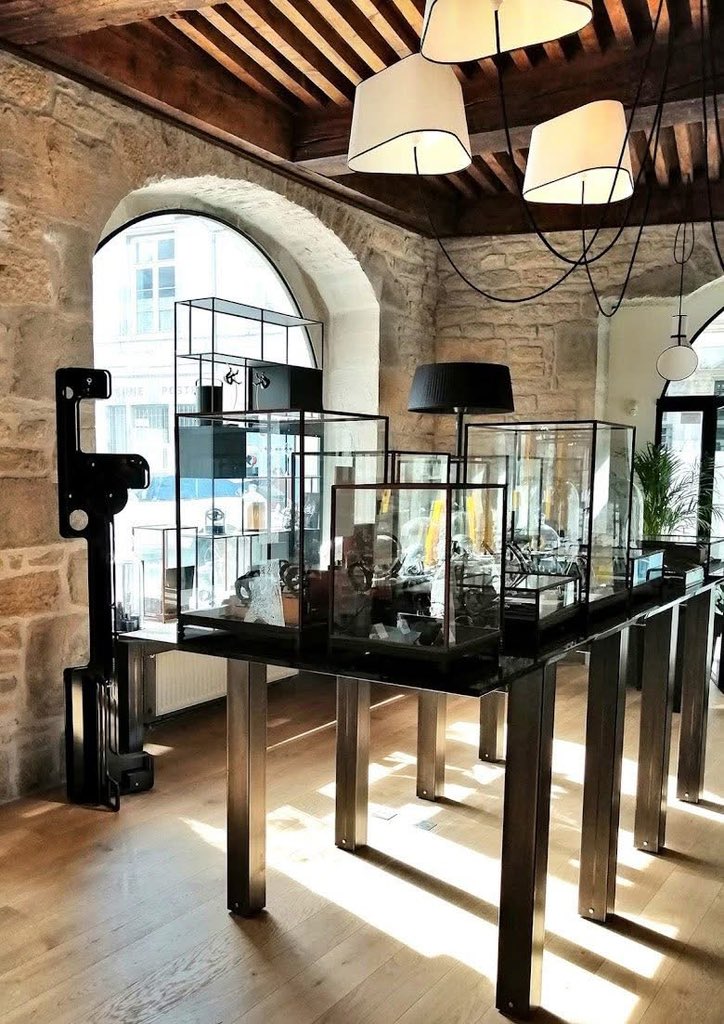
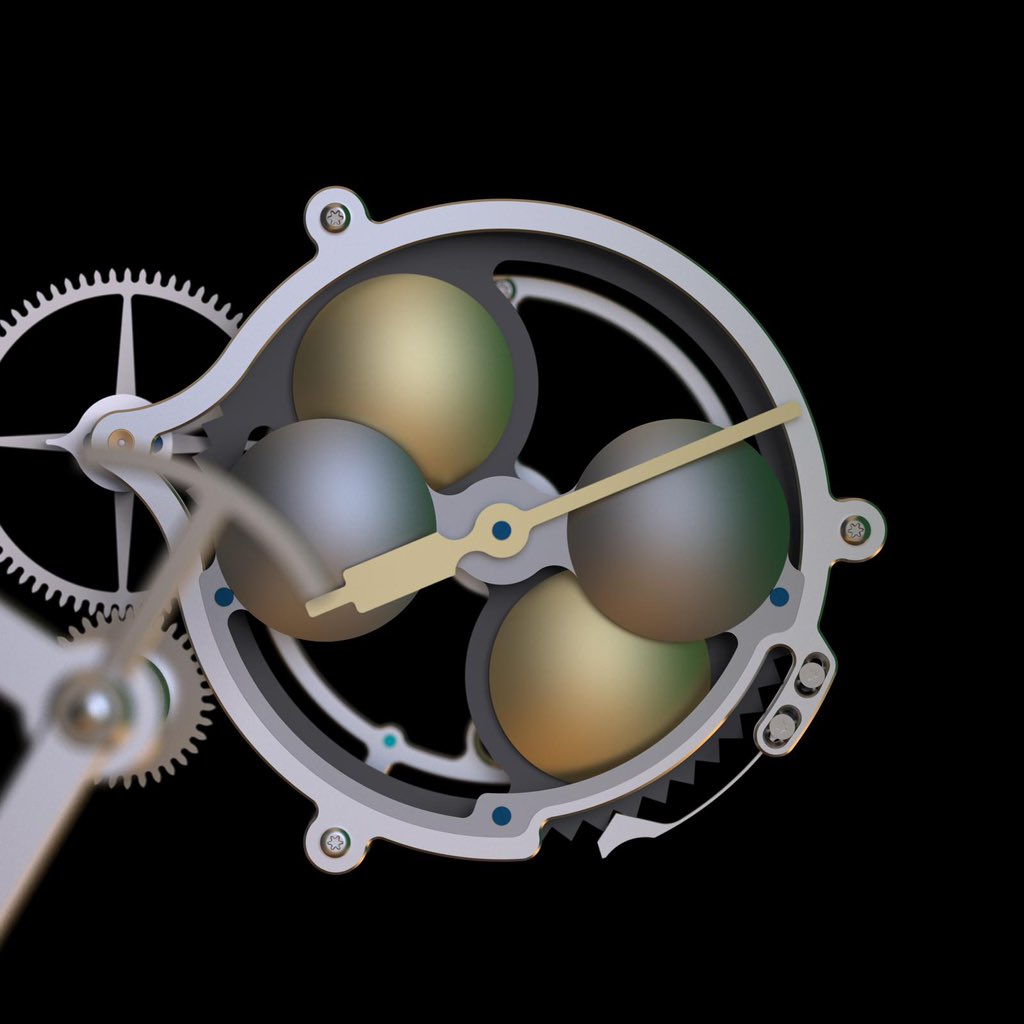
Avec notamment chez notre ami Philippe Lebru - Utinam Besançon 3 jours d'événements ouverts au public organisés autour de la création horlogère spatio-temporelle. Seront notamment présentés les créations de SpaceOne, Awake, FOB Paris, Nepro, Globe Sauter & Co…
Sinon au programme du Timeworld Event, des conférences scientifiques, des table-rondes, des rendez-vous entreprises et un concert exceptionnel de Quatuor Ellipsos ! 👇
⸻
🗓 mercredi 3 décembre – table ronde au Kursaal, 16h15 - 17h50
À l’heure du luxe, le temps a-t-il franchi sa propre limite ?
Une immersion au cœur de la Franche-Comté, terre horlogère où le temps devient matière, culture et innovation. Géographe, inventeurs, créateurs, artisans du luxe et acteurs des microtechniques croiseront leurs visions du temps, de ses repères, de ses ruptures, de sa poésie et de son futur.
Autour de la table :
• Alain Sauter – géographe, fondateur de Globe.sauter
• Jean Pierre Viennet – auteur spécialisé en horlogerie franco-suisse
• Philippe Lebru – artiste, horloger, fondateur de la manufacture UTINAM
• Pierre-François LOUVIGNE – dirigeant SilMach, créateur de la montre TIME CHANGERS.
• Emmanuel Girardet – fondateur AR-Electronique, spécialiste oscillateurs temps-fréquences
⸻
🗓 jeudi 4 décembre – soirée privée utinam, 19h
Un moment suspendu pour découvrir les créations UTINAM et celles de plusieurs horlogers indépendants présents à TimeWorld : SpaceOne, Awake, FOB PARIS, Nepro, Globe Sauter & Co…
Entre art mécanique, exploration, design et innovation, une soirée hors du temps.
⸻
🗓 vendredi 5 décembre – clôture du congrès, 16h15 - 17h
Dernier temps fort au Grand Kursaal pour refermer cette édition dédiée aux mondes du temps avec un concerto Horloges & Piano avec Maël El Mazoughi.
⸻
De très beaux moments de partage, de rencontres et de surprises en perspectives pendant lesquels j'aurais plaisir à vous rencontrer.

1
3
8
198

30 Sep 2025
the 14th International Workshop on Biosensors & Bioanalytical Microtechniques in Environmental, Food, and Clinical Analysis (BBMEC) in Seoul Korea is about to start. Will give a talk tomorrow in the nucleic acids sensors session👏
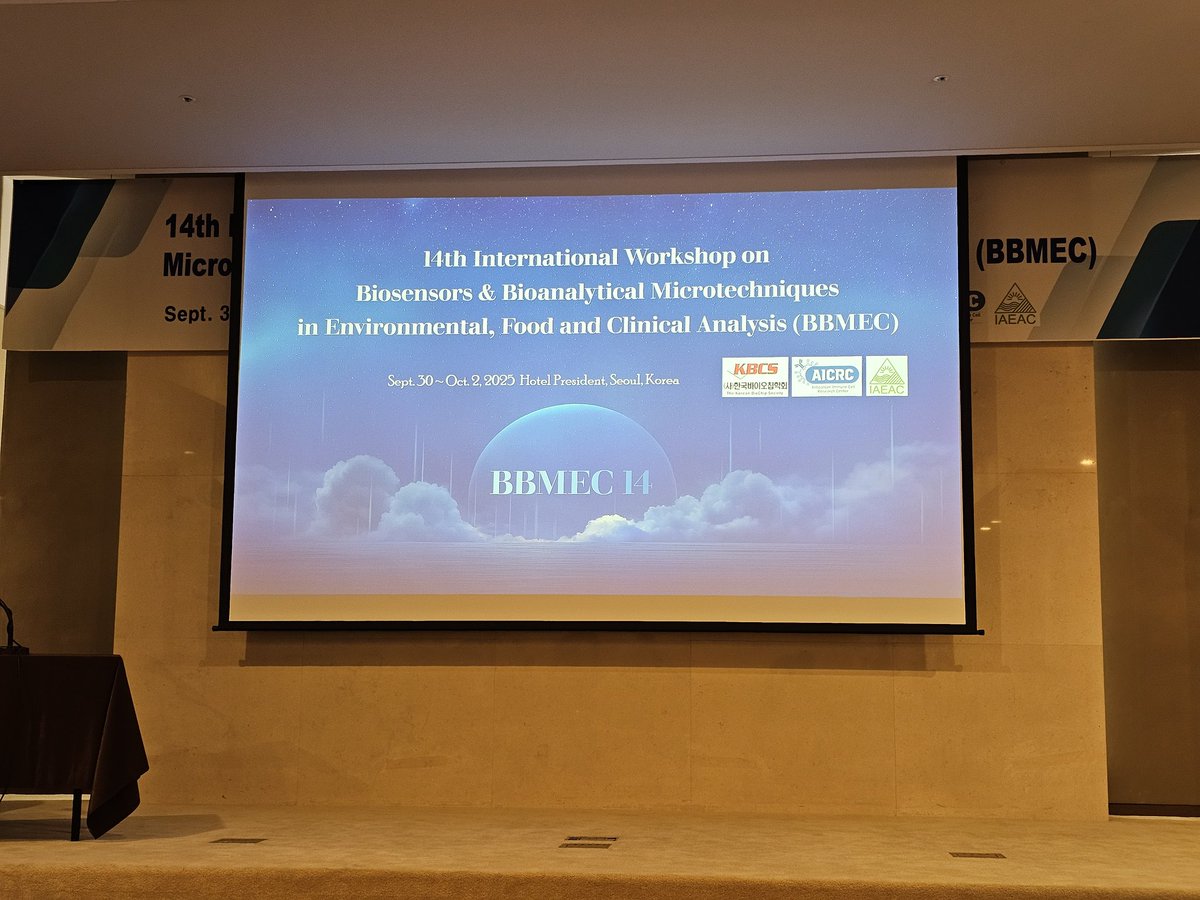
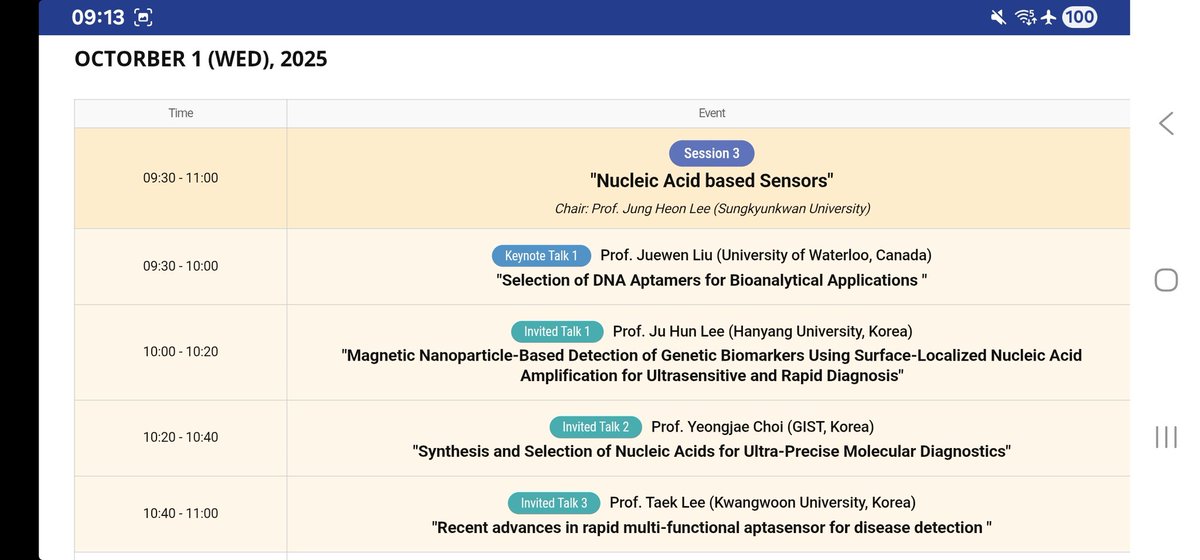
12
481
Filière microtechniques : Besançon muscle son offre immobilière trib.al/0BmYoDG
1
3
3,871


7 Apr 2025
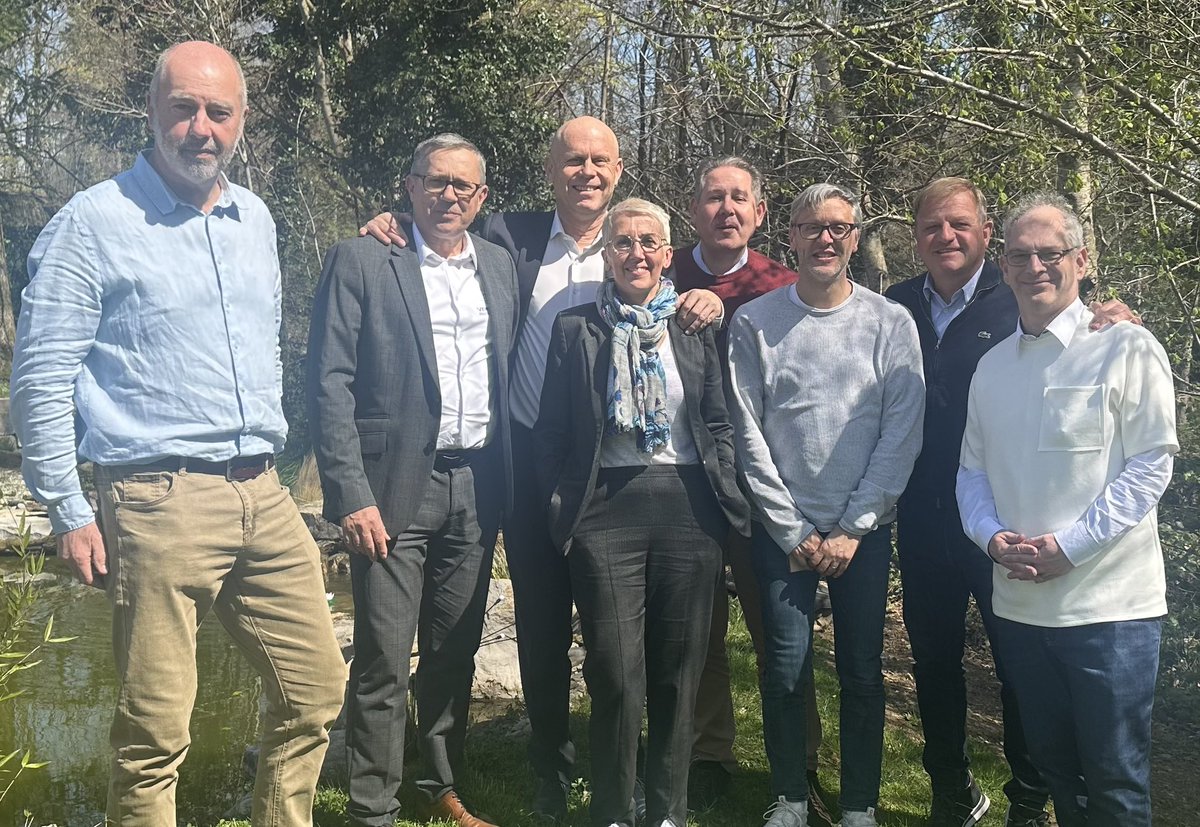
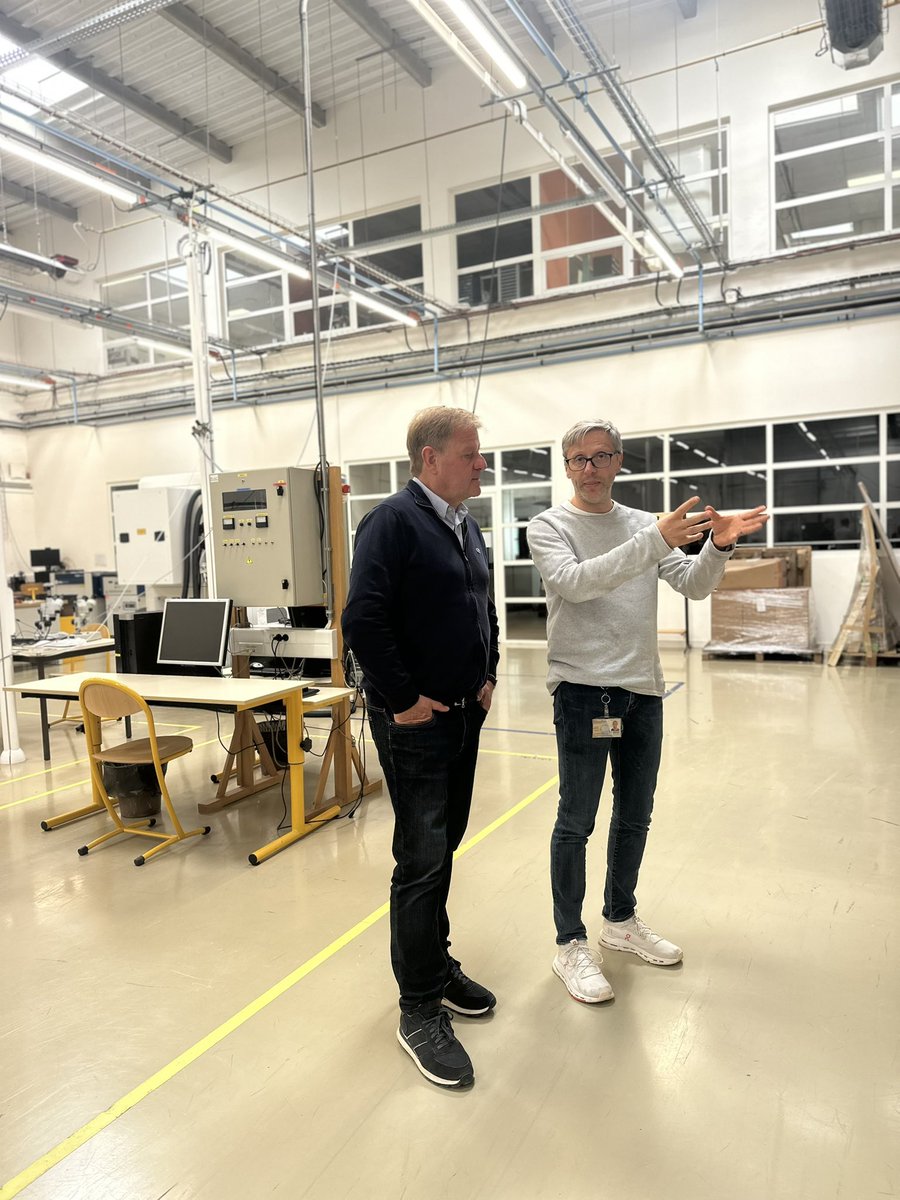
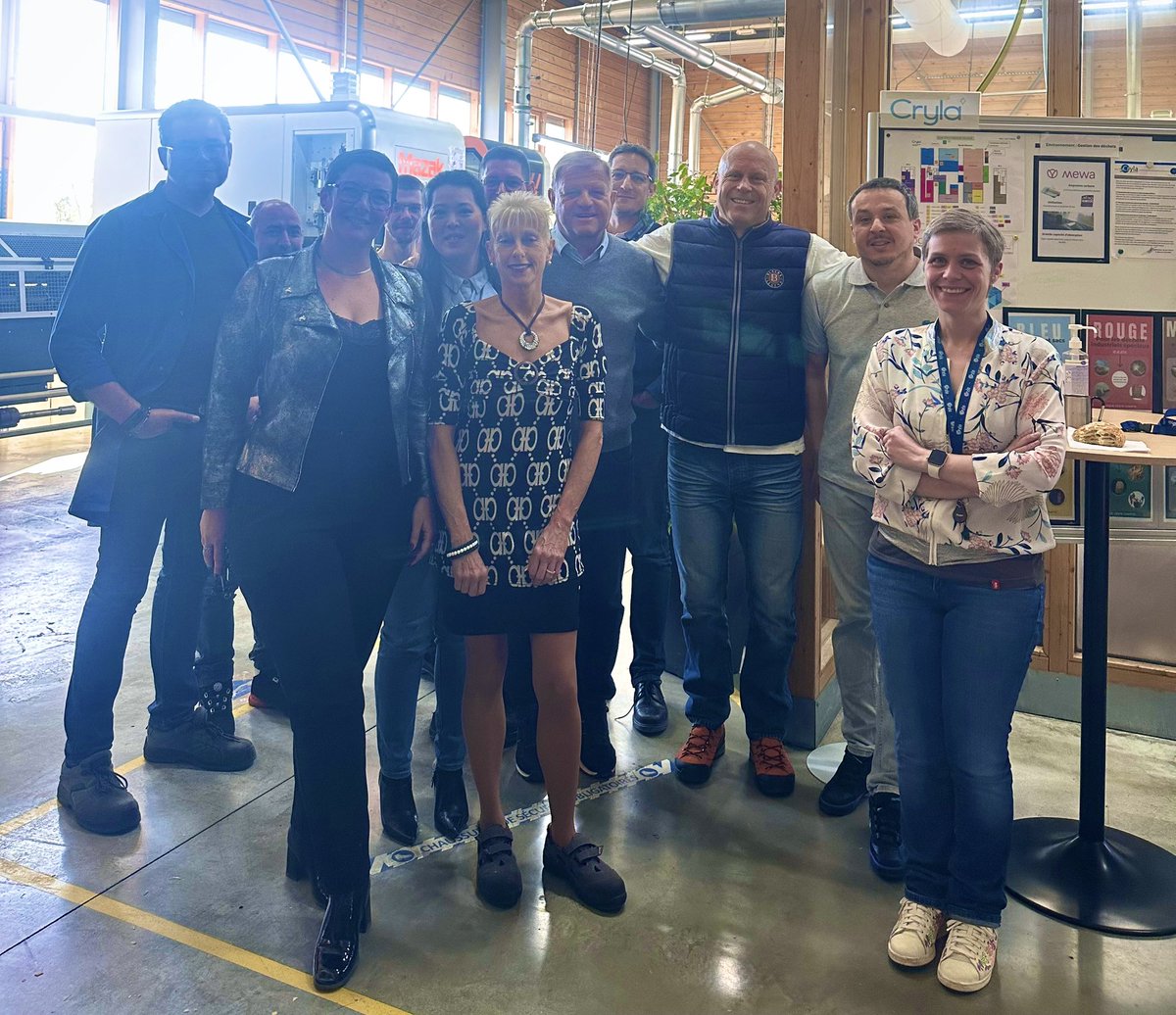
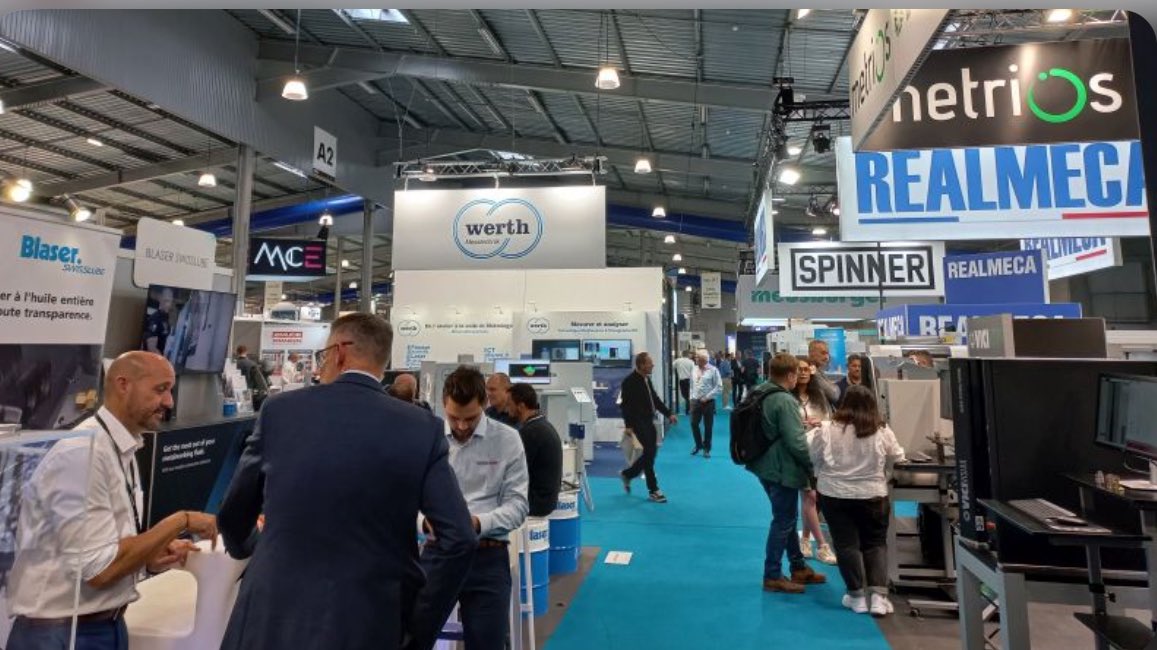
Tech, soyons précis! Au cœur du Futur précisément, le mariage de la techno et de la technique @micronora, l’événement leader mondial de la #précision et des #microtechniques Pour plus de vie, d’innovation et de force de l’#industrie Rdv à #Besançon du 29/9 au 2/10 2026
22
31
956

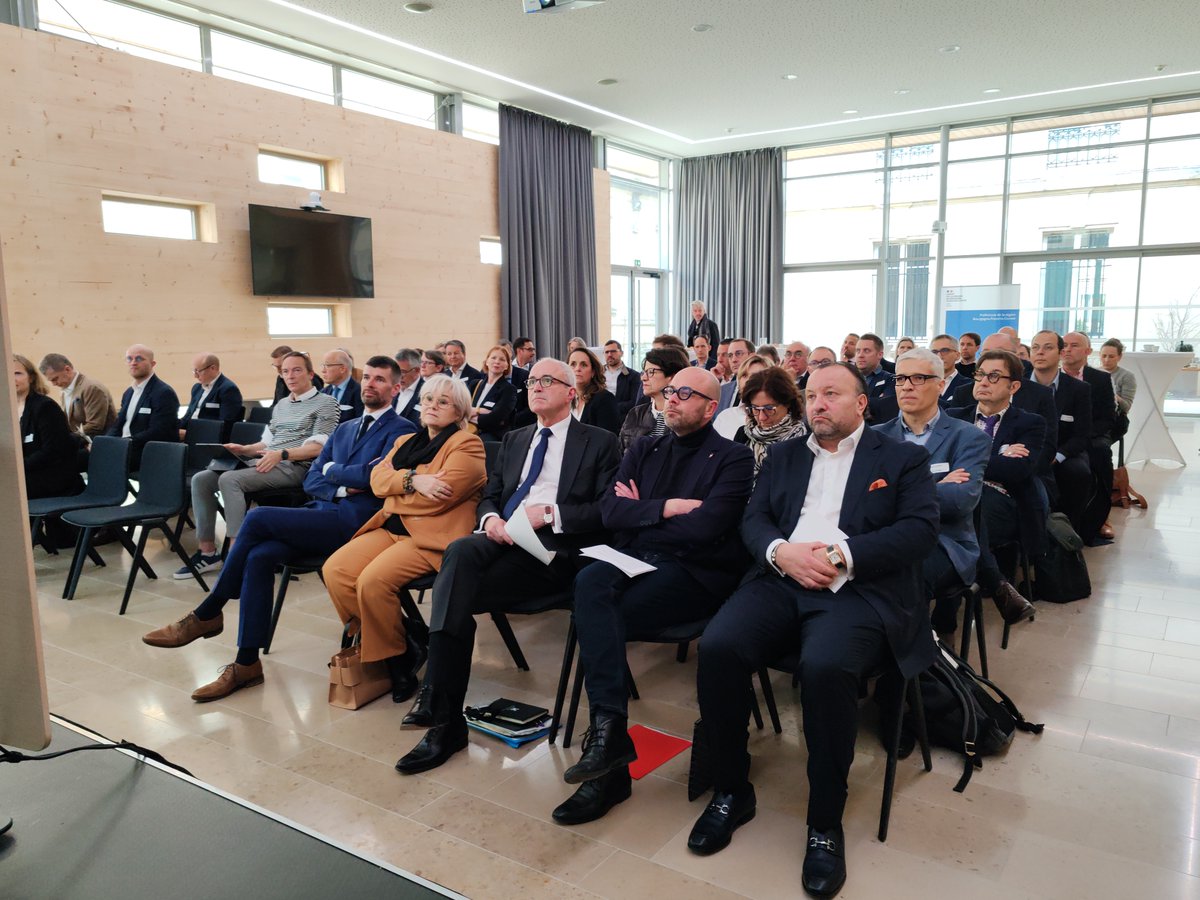
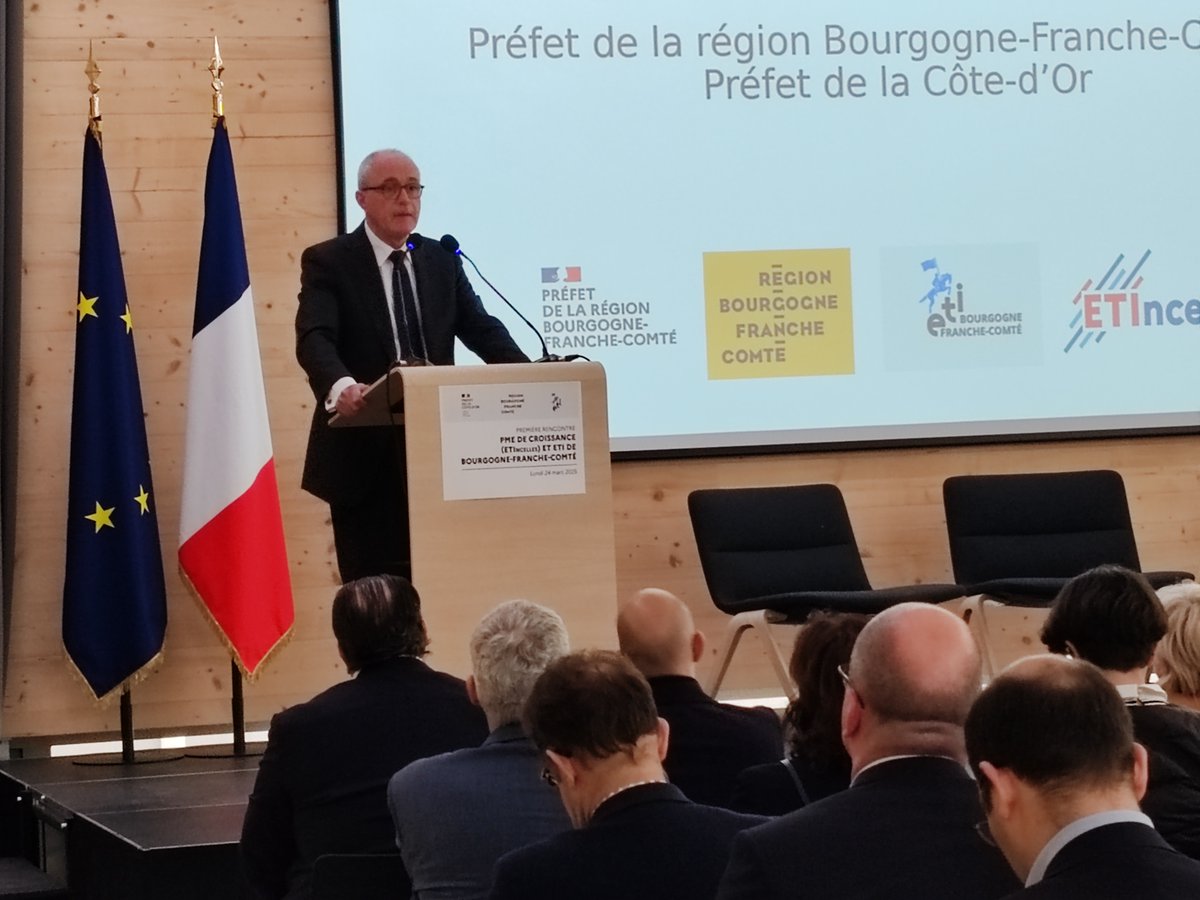
Le préfet Paul Mourier @Prefet21_BFC, Nicolas Soret, vice président de @bfc_region et Vincent Martin, président du Club-ETI BFC ont ouvert ce lundi 24 mars la première rencontre des PME de croissance #ETIncelles et des entreprises de taille intermédiaire en Bourgogne-Franche-Comté, organisé avec le soutien du @MedefBFC.
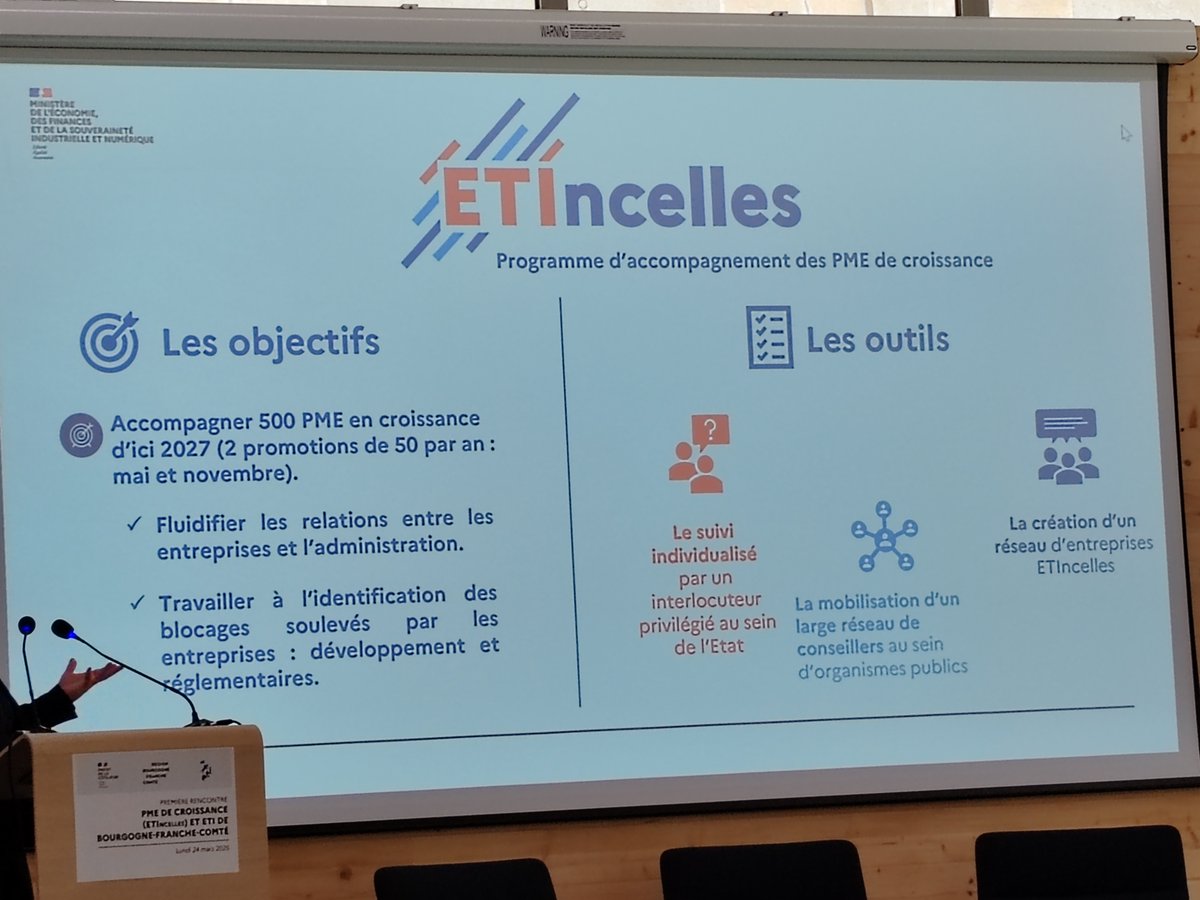
Le programme ETIncelles, qui concerne 200 entreprises au plan national (objectif 500 d’ici 2027), vise à accompagner les PME dans leur croissance pour leur faciliter le chemin vers la taille d’une ETI (250 à 4999 salariés).
En BFC elles sont au nombre de 14 et ont été sélectionnées car elles exportent, innovent et créent de l’emploi, en étant au cœur des transformations écologiques et numériques de notre territoire. Elles bénéficient d’un accompagnement personnalisé par un interlocuteur unique, ce qui fluidifie au maximum les échanges avec l’ensemble des services de l’État.
Le préfet Paul Mourier : « Les ETI de Bourgogne-Franche-Comté sont présentes dans divers secteurs, allant des microtechniques au nucléaire, en passant par la plasturgie et les véhicules du futur. Ces secteurs sont soutenus par l’écosystème régional des acteurs économiques (services de l’Etat, du Conseil Régional, les opérateurs, les pôles de compétitivité,…) qui encouragent l'innovation et le partage de savoir-faire. Sur ce sujet, je vous rappelle l’engagement de l’Etat en faveur de l’innovation au travers du plan #France2030, plan doté initialement de 54 Milliards d’euros, qui est maintenu même dans le contexte actuel de contraction budgétaire. Ce sont 15 Milliards d’euros qu’il reste sur ce plan, au travers de divers appels à projets que je vous encourage à aller chercher. Je vous encourage également à solliciter le volet régionalisé de France 2030, doté de 41,5 millions d’euros à destination des entreprises de Bourgogne-Franche-Comté. »
3
6
662

22 Feb 2025
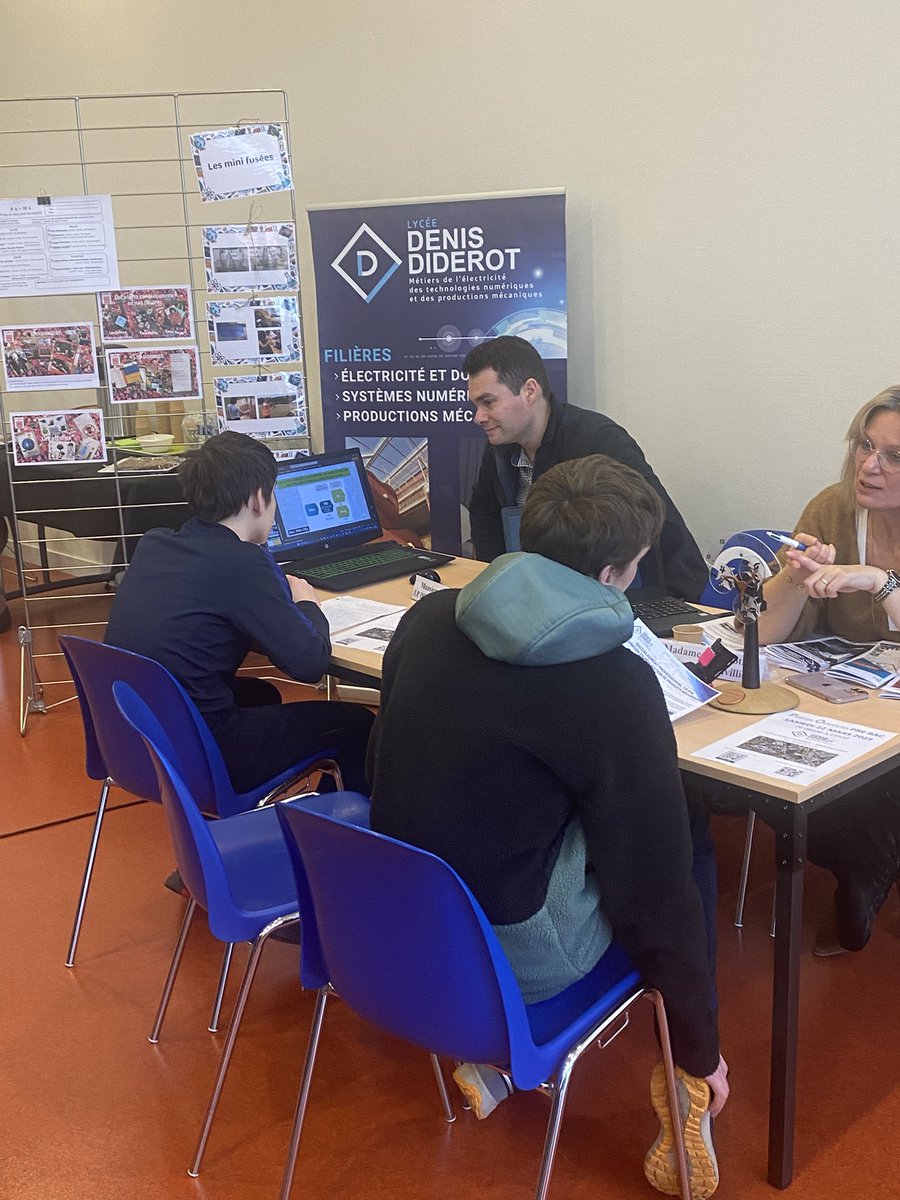
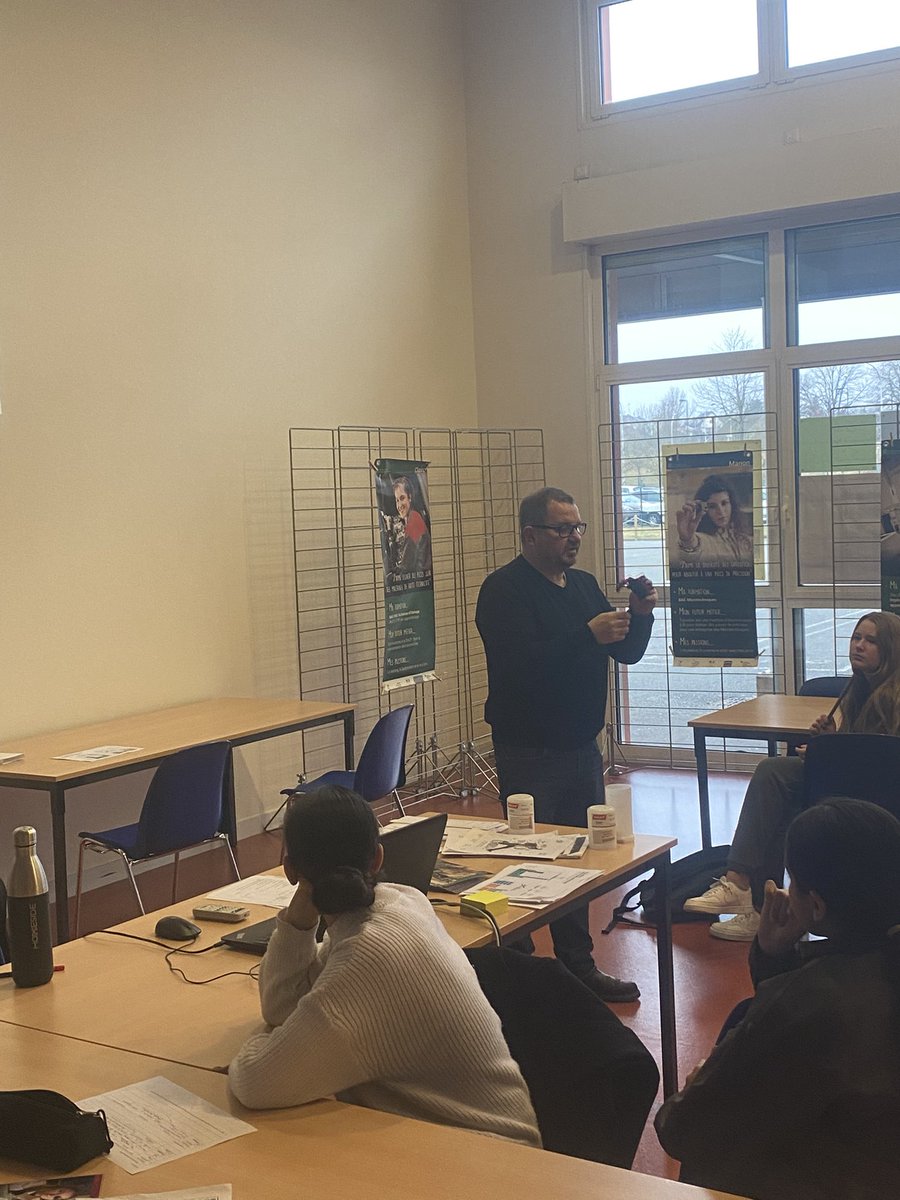
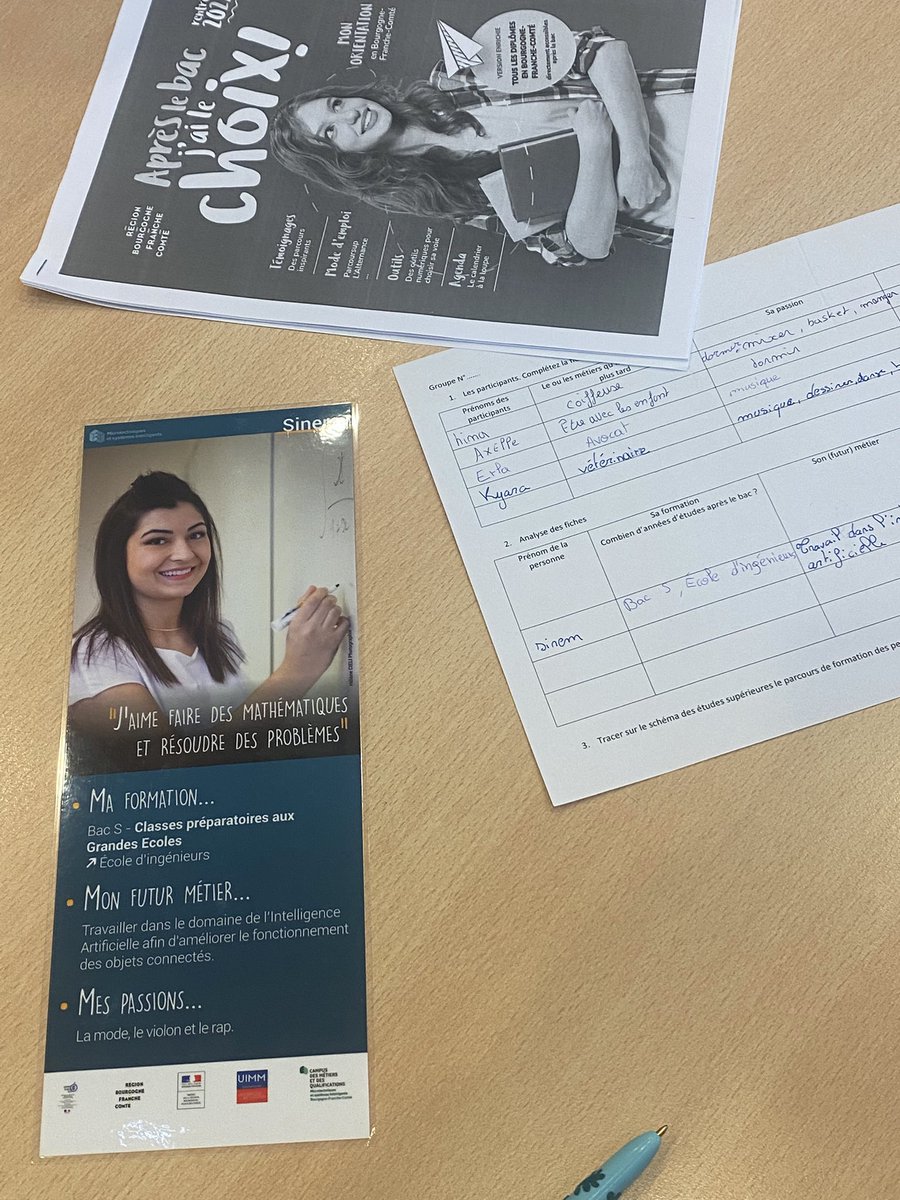
Cette semaine, le lycée Diderot est intervenu plusieurs fois au collège @ClgJeanBauhin pour présenter ses formations ou en faisant un focus sur la mixité dans les métiers des microtechniques avec la malette créée par le @cmq_msi
2
5
348
15 Feb 2025
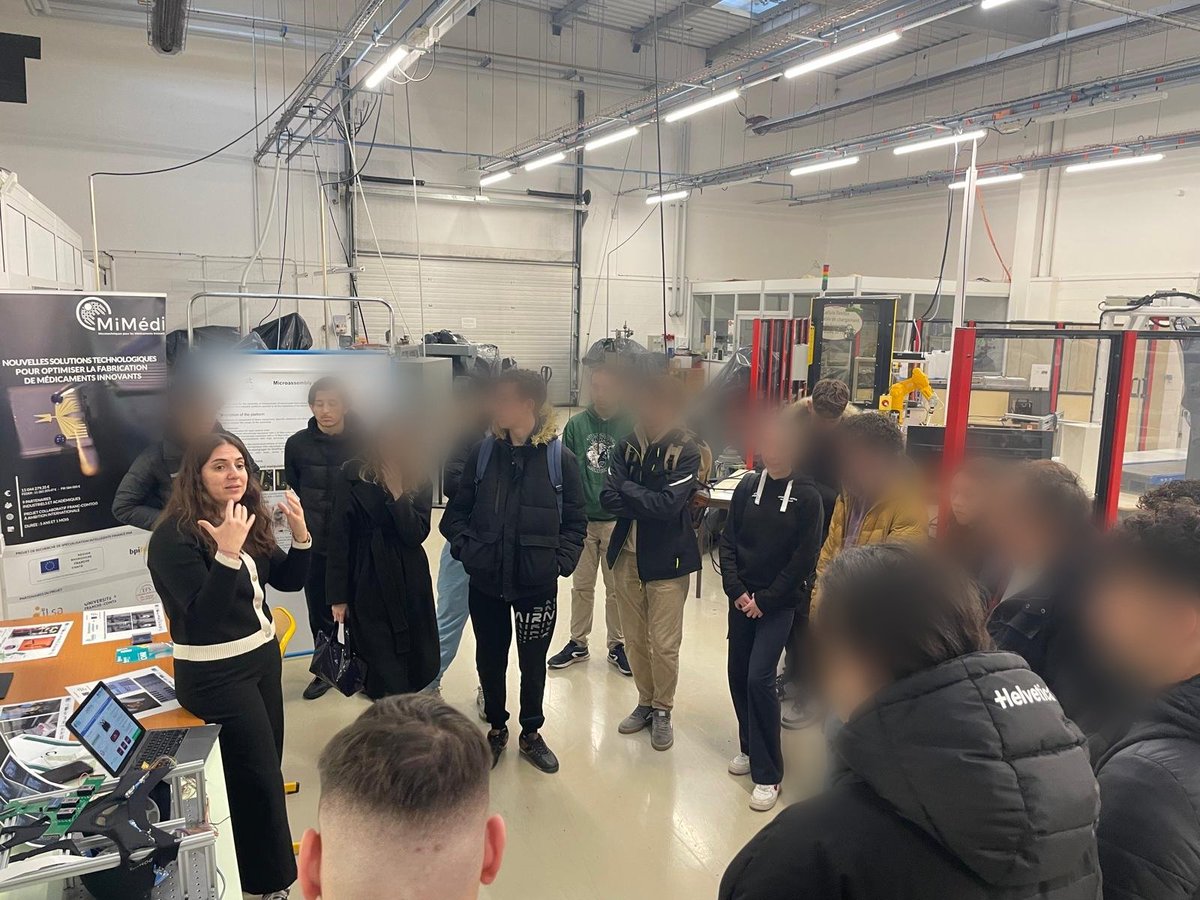
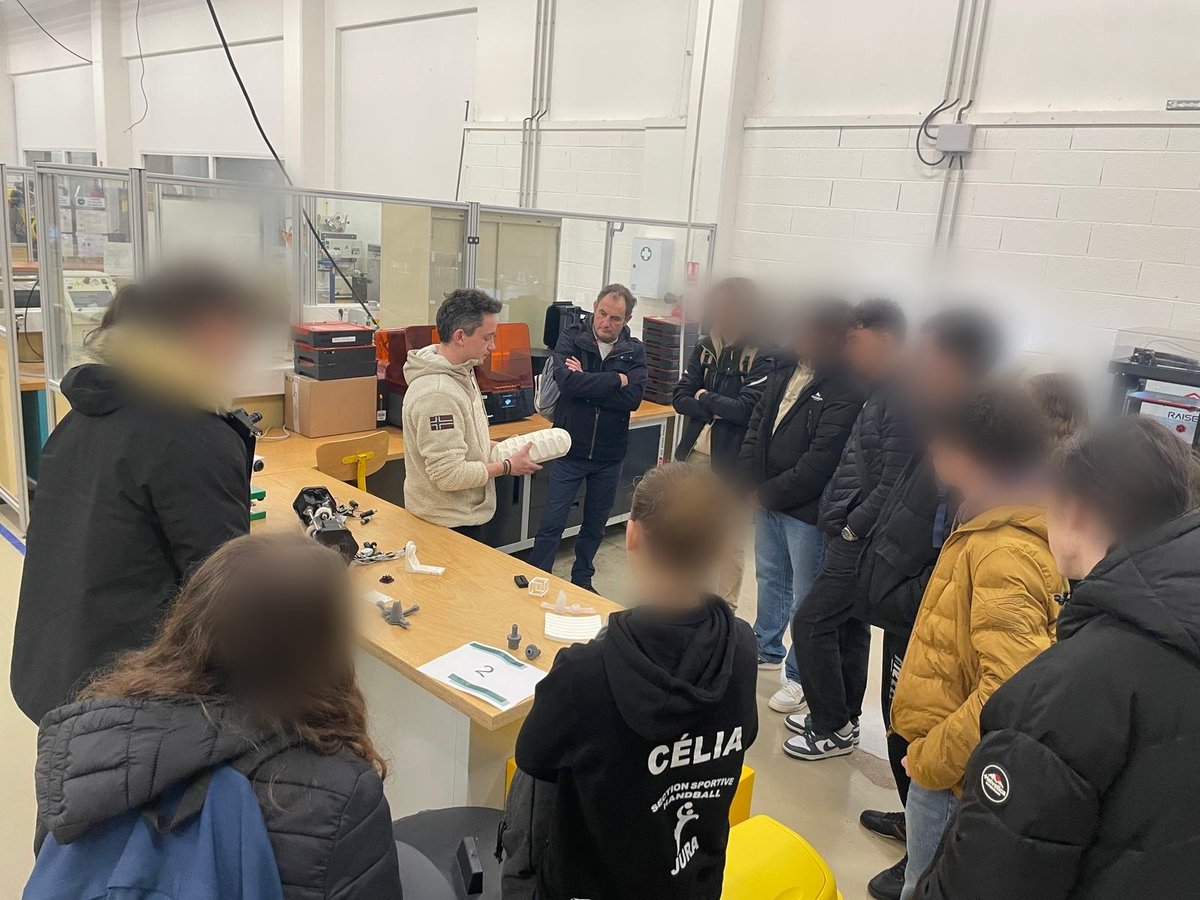
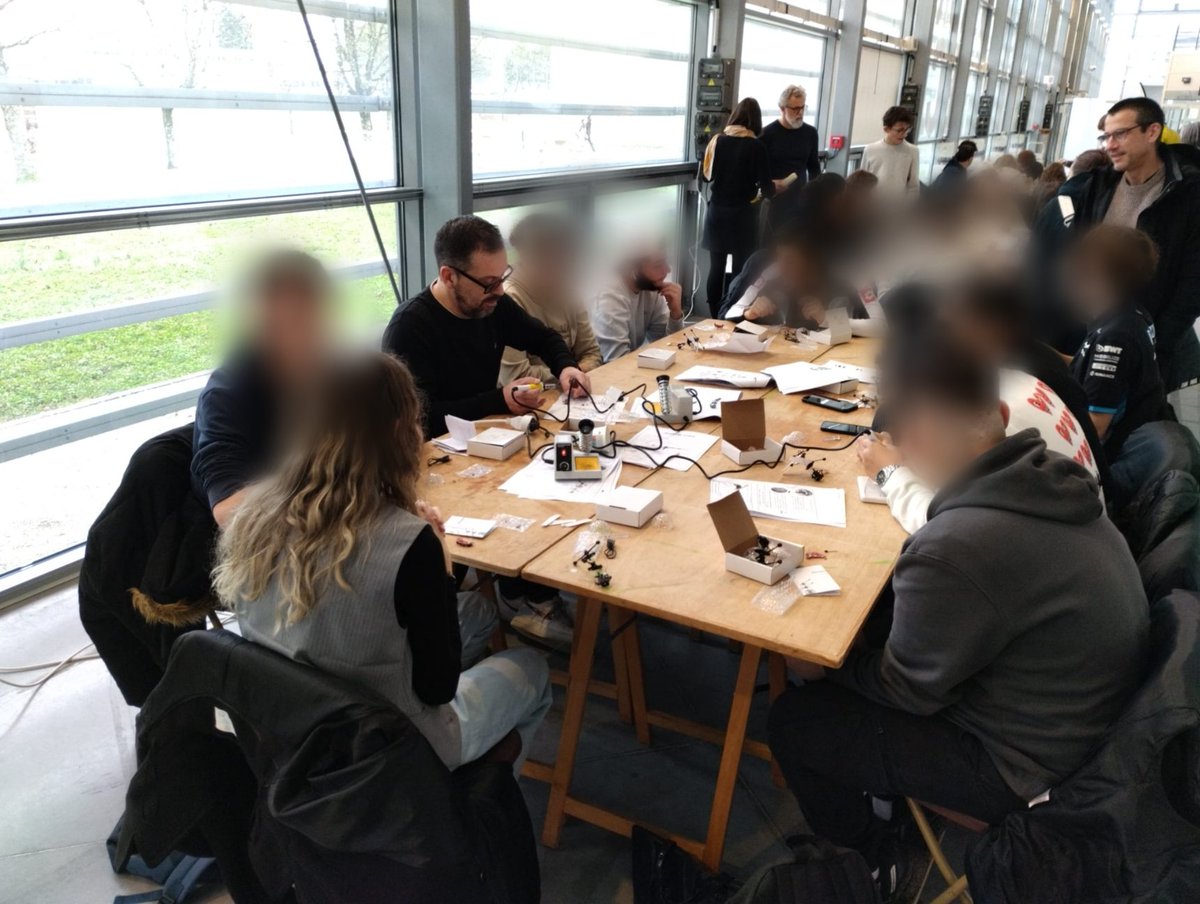
Grâce au @cmq_msi, nos élèves de Tale microtechniques et de 3pmet ont pu visiter #Supmicrotech à Besançon et découvrir les applications des microtechniques dans les domaines de la santé et du luxe lors de cette journée des cordées. #cordeesdelareussite
3
5
197

11 Feb 2025
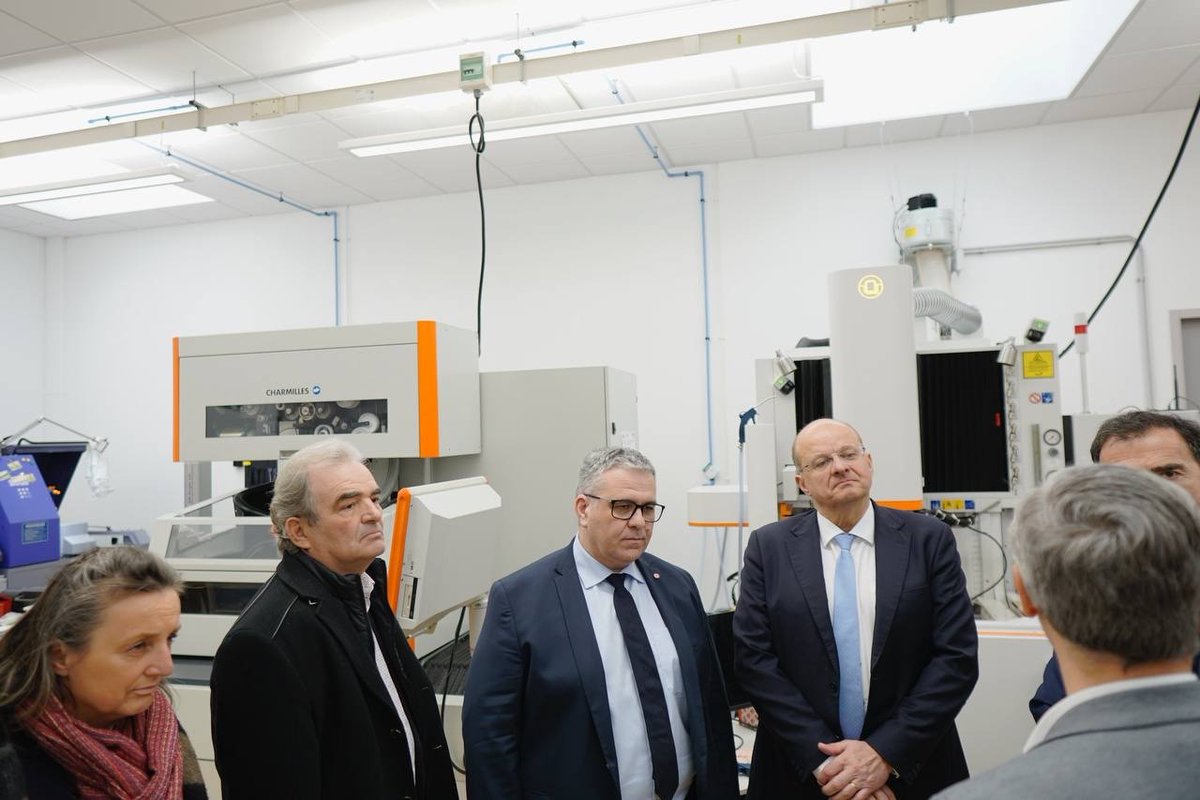
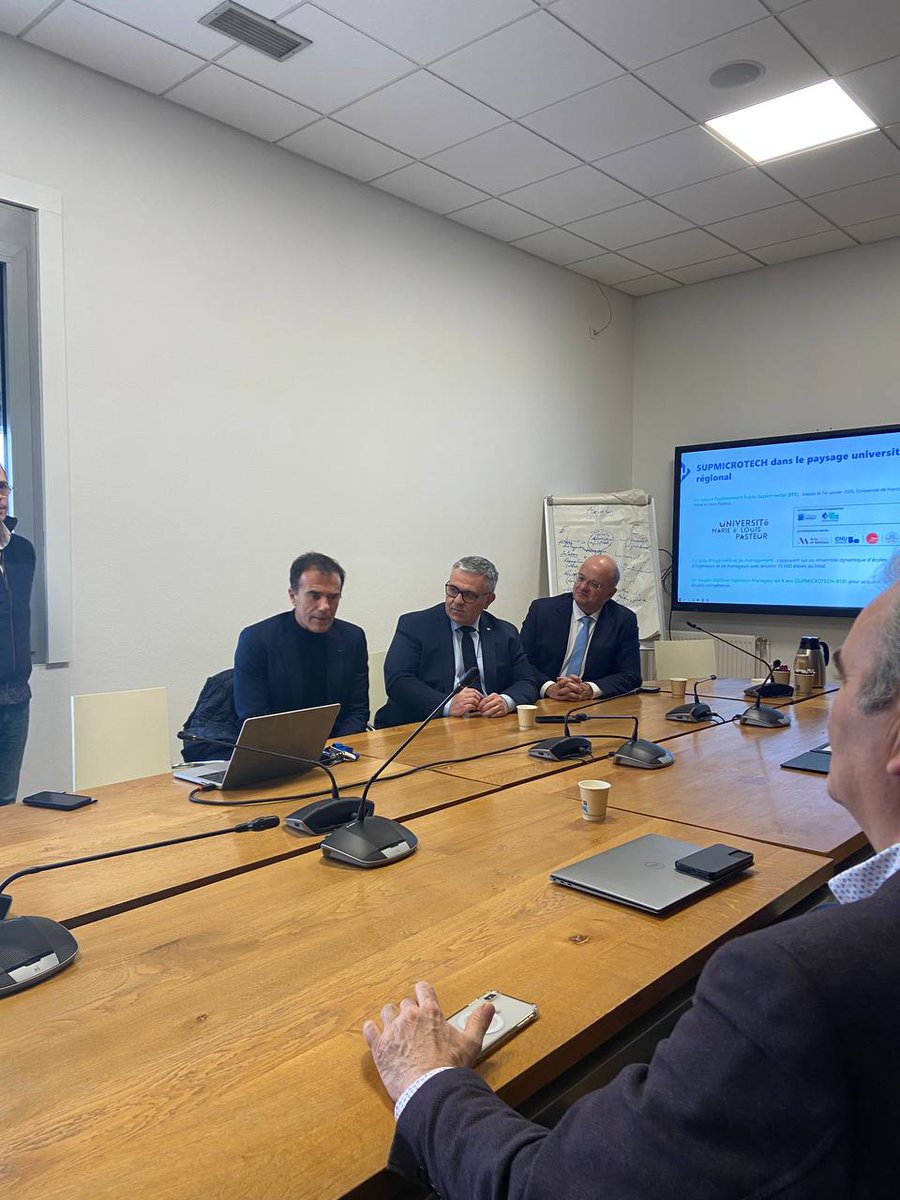
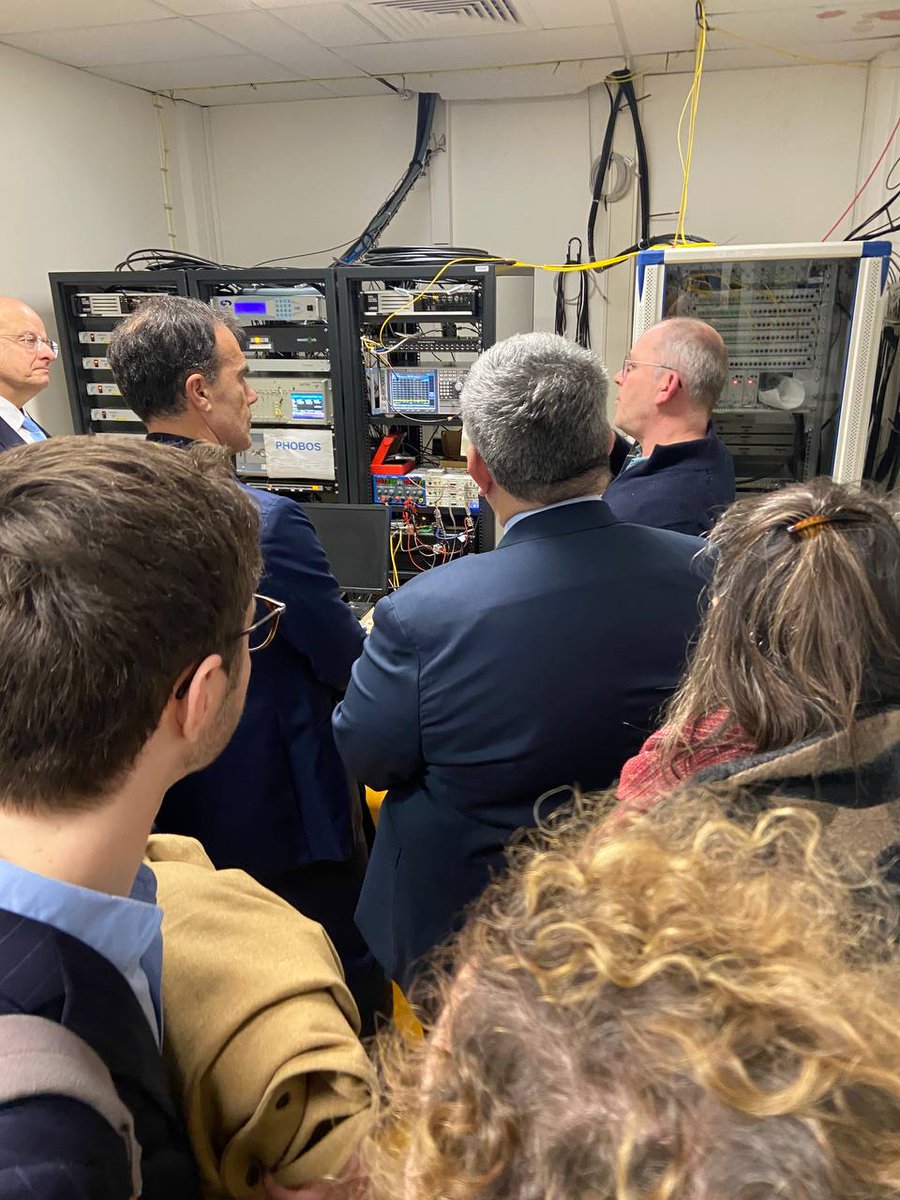
Très heureux d’avoir accueilli mes collègues députés européens @sandrogozi et @GrudlerCh à Besançon, pour la visite de Supmicrotech ENSMM, l’École Nationale Supérieure de Mécanique et des Microtechniques installée sur la zone TEMIS de Besançon.
1
6
537