Trafalgar Law retweeted

Mike Brown been coaching his ass off these playoffs. That boy not afraid to try some shit mid game and abuse it if it’s working and he not afraid to sit niggas who not hooping.
18
783
9,253
139,927

that explains the constant “chapter 1 was ass” “oh chapter 3 was mid as fuck” i’ve been seeing

worthless tourists with holes in their skulls are getting back into deltarune for the new chapter get ready for the worst takes known to man





Dhurandhar retweeted

⚠️
🚨 Highway Chaos: Uncivic Man Shocks Everyone Mid-Road on Paud Road, Mulshi, Pune
A man was spotted in a highly indecent state in the middle of Paud Road along the Pune-Kolad National Highway in Mulshi.
He showed complete lack of civic sense and created a major public disturbance.
Locals were shocked by his toxic mentality and uncivilized behaviour.
They immediately alerted the police.
Local Police have launched an investigation into this shocking public indecency incident.
The video has sparked huge public outrage and serious safety concerns
5
9
11
975
𐙚 ℛ🍹 retweeted

realizing you're in the wrong mid argument
3
262
2,004
12,248

✍️ Hiring: Proofreader (Crypto & Web3 Content) - EtherPR
📍 Remote (Global) | 💼 Content / Marketing | 🕐 1 day ago - June 14, 2026
EtherPR is a leading Crypto PR & Marketing Agency working with innovative blockchain, crypto, fintech, and Web3 brands worldwide. They are seeking a detail-oriented Proofreader to ensure every piece of content meets the highest editorial standards.
📋 Responsibilities include:
- Proofread articles, press releases, and marketing content
- Correct grammar, spelling, punctuation, and formatting errors
- Ensure consistency, clarity, and readability
- Maintain high editorial quality across all content
🔑 Requirements:
- Excellent English language skills
- Strong attention to detail
- Experience proofreading digital content
- Ability to meet deadlines and work independently
- Knowledge of crypto, blockchain, or Web3 is a plus
📩 To apply: Send your application to info@etherpr.com and reach out via Telegram @alinaa_etherpr.
🔗 Original post: linkedin.com/posts/hiring-pr…
⚠️ DYOR! I don’t verify every job. If someone asks to run files (even from GitHub) or ask for payment 🚩 likely a scam.
❗️ I'm not hiring myself! I just sharing fresh web3/crypto/blockchain roles DAILY for all levels!
💡 For Interns & juniors → t.me/crypto_vazima_english
💼 Mid/senior jobs → t.me/web3_jobs_crypto_vazima
#Hiring #Proofreader #RemoteJobs #CryptoJobs #Web3Jobs #BlockchainJobs #ContentWriting #Editing #Crypto #Web3 #Marketing #PR #Jobs

1
𝓡𝓲𝓵𝓮𝔂 🌸 retweeted

Jun 12
He broke up with me because I'm mid at best... Would you still swipe right? 😔
Special just dropped in comments 🔗

48
632
1,078
21,297
Adrian Williams retweeted

The SNL sketch that got Damon Wayans fired mid-season was this "Mr. Monopoly" sketch where Wayans decided before the show went live to play his cop character as flamboyantly gay.
Wayans later said that Eddie Murphy previously warned him he better come up with his own sketch ideas or the other writers were going to write him as stereotypical black characters. "Everything Eddie said came true." As for why Wayans chose this particular moment to rebel, he said, "I snapped. I just did not care. I purposefully did that because I wanted [Lorne Michaels] to fire me," which host Griffin Dunne said he saw occur literally right after they all walked off stage.
138
521
8,320
1,570,213

Yeah you pick a cringe hero in ow and mid game text chat shit talk if not getting clowned by your own team aa well. But got bless the threat of a tiny post game chat box you can just close
1
Lawz of The Universe 🇳🇬🇦🇹 retweeted

2h
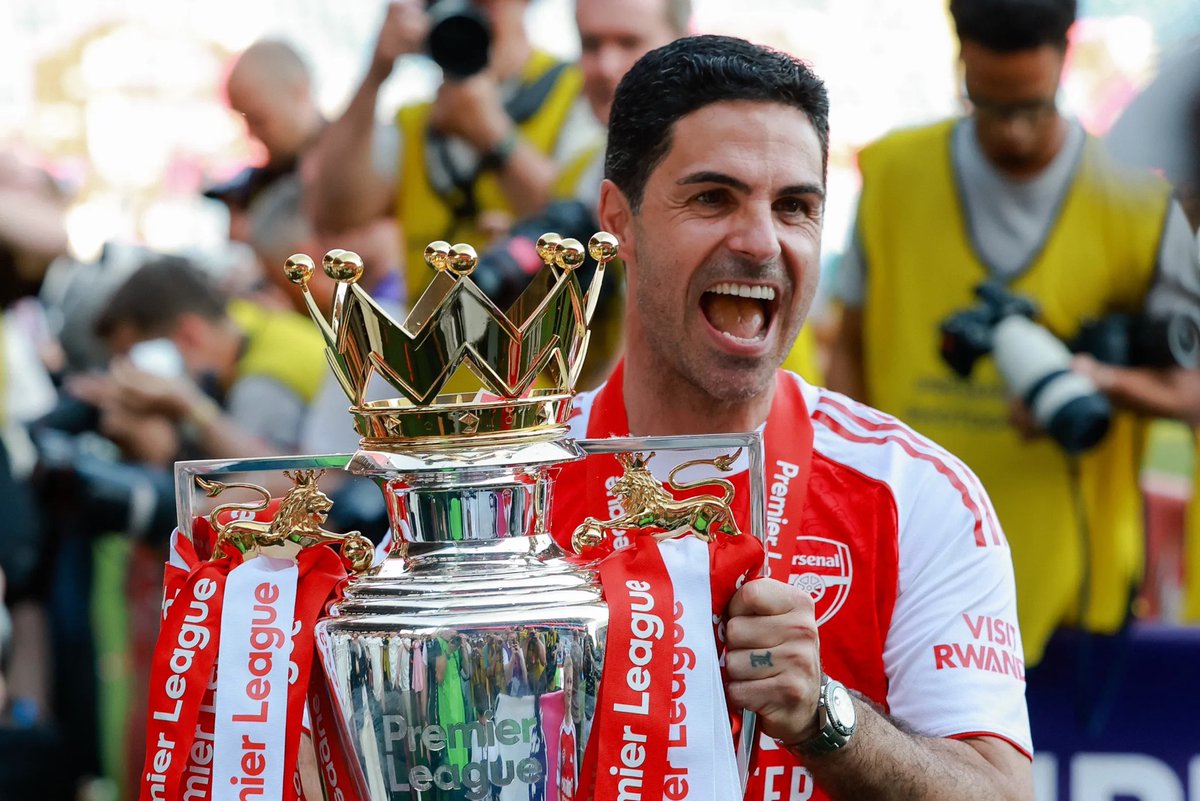
Rival fans: Arteta is a mid coach
Same Rival fans: Gabriel outside Arteta elite system is average.
Which one is it mfs?
59
132
1,188
15,216

The way they kept reusing the season 1 sequence until mid season 3 where she started getting xanatified 😭😭😭
1

3/4🌐🇷🇼A well-organized campaign of violence began on April 7. The Presidential Guard, the Interahamwe militia, and local extremists blocked roads, searched homes, churches, and schools, and murdered Tutsis and their supporters with machetes, firearms, and grenades. Propaganda on the RTLM radio and in newspapers such as Kangura described the Tutsis as “cockroaches” (inyenzi) and called for their extermination. Tens of thousands of ordinary Hutus participated in the killings, often under pressure or influence from propaganda. Estimates range from 150,000 to 250,000 women, mostly Tutsis, were raped. The genocide also affected moderate Hutus who refused to participate.
The international community failed. The UN mission UNAMIR, led by Canadian General Roméo Dallaire, had a limited mandate and lacked resources. Although Dallaire warned of the threat of genocide, the UN Security Council did not strengthen the mandate and even withdrew some troops after the murder of Belgian soldiers. France, Belgium and the United States hesitated to intervene. The genocide only ended in mid-July 1994, when the RPF, led by Paul Kagame, took control of the capital Kigali and most of the country. Millions of people fled to neighboring countries, contributing to further conflicts in the Great Lakes region.
Efi 🦋 retweeted

Border de reprendre les coachings indiv aussi
Principalement mid mais en vrai a tout les rôles y'a des trucs a faire
Dm open pour discuter 😇
1
34
Bre retweeted

15h
his reaction to his wife being interrupted mid-sentence … oh he was IRRITATED 🫦
23
726
25,917
722,592

Detroit Free Press retweeted

Slate CEO dishes new details on company’s 'mid-$20s' EV pickup freep.com/story/money/cars/m… via @freep
1
1
1
280

米太朗(こめたろう)🍕⭐ retweeted

クリティカル20パーセント
 ̄ ̄ ̄ ̄ ̄ ̄ ̄ ̄ ̄ ̄ ̄ ̄ ̄
TOP ぴりから様 (@ 0pirikara0)
JG グラニット様 (@ Graniteaaaaa)
MID アクセル・シリオス様 (@ axelsyrios)
ADC 大御所にゅんこ様 (@ nyunkoro_)
SUP JustFocus様 (@ JustFocus_lol)
COACH Awaker様 (@ Awakerlol)
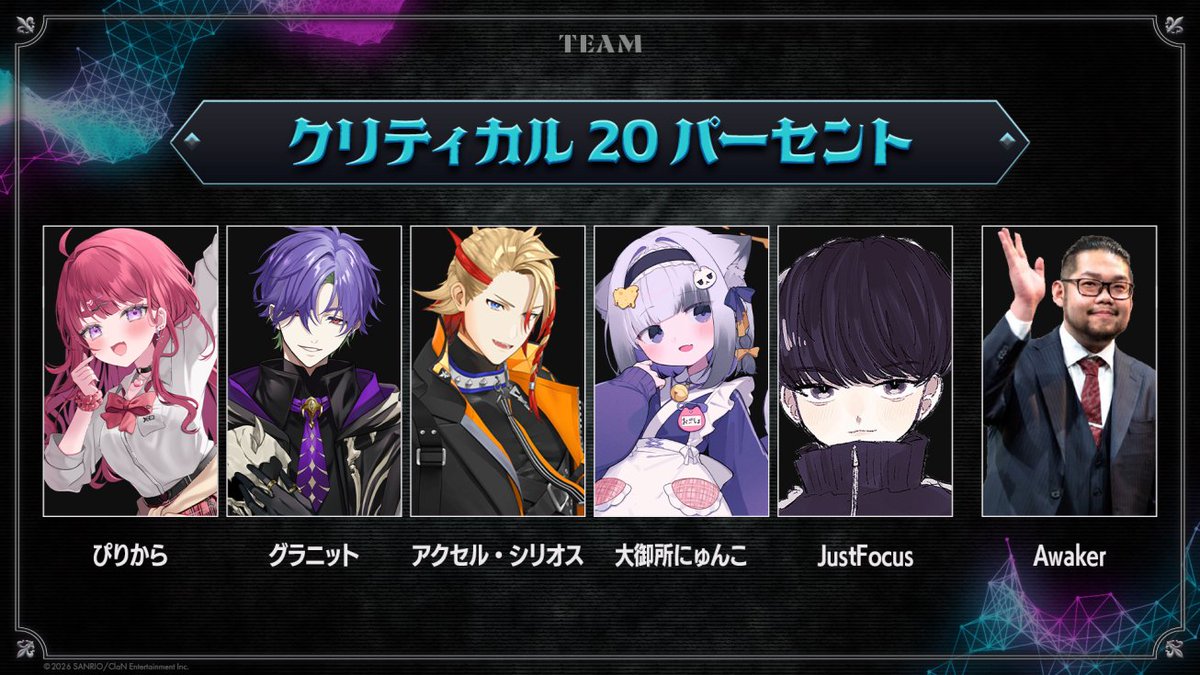
1
56
193
126,865
her's || ENHYPEN IS 7 retweeted

a comeback mid tour? I’m not complaining but don’t you think they’re being overworked? in my 6 years of being a k-pop fan I’ve never seen a group having a comeback in the middle of a year long tour

#ENHYPEN is rumored to make their comeback in the third quarter of 2026. According to a reported HYBE release schedule, the group is expected to return with either their 8th mini album or 3rd full-length album.

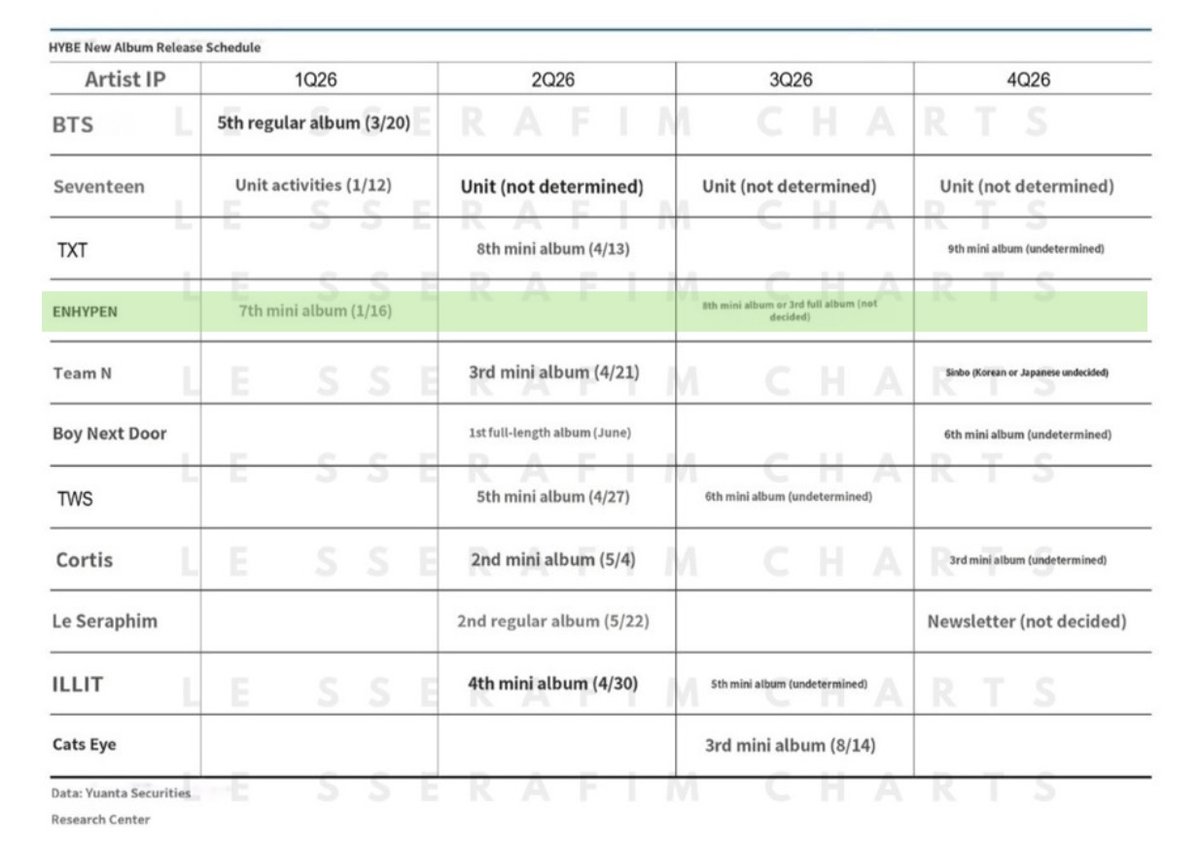
27
91
403
6,111