
Feb 21
The real collapse started in Dec 2024 so when searches peaked in 2025 retail never pulled the trigger because we were already rekt by then. Regardless of all this, there was never a true altseason - just minipumps that were unsustained.
2
3
151

27 Dec 2025
asked grok:
No, **LSD (lysergic acid diethylamide)** is not considered **neurotoxic** at typical recreational or therapeutic doses (50–200 μg). Scientific evidence from human studies, neuroimaging, and reviews consistently shows no structural damage to brain cells, neuron death, or long-term neurotoxicity comparable to substances like MDMA or methamphetamine.
### Mechanism of Action
LSD primarily acts as a potent agonist at serotonin 5-HT2A receptors (and to a lesser extent other serotonin and dopamine receptors). This leads to profound alterations in perception, mood, and cognition during intoxication, but these effects are reversible. The drug increases brain connectivity and complexity temporarily, often enhancing communication between brain regions, but it does not cause cell death or permanent structural changes.
### Evidence Against Neurotoxicity
- **Human neuroimaging and long-term studies** — Modern brain scans (fMRI, diffusion MRI) show LSD increases functional connectivity and neuroplasticity markers without evidence of damage. Retrospective and epidemiological data from decades of use find no link to brain cell loss or cognitive decline in typical users.
- **Animal and cell studies** — No consistent evidence of neuron death at relevant doses. Some older rat studies suggested persistent changes (e.g., reduced receptor binding) with continuous low-level exposure, but these used non-human-relevant administration (e.g., minipumps for constant delivery) and are not representative of intermittent human use. Recent zebrafish developmental screens ranked LSD as more toxic than some psychedelics but far less than stimulants.
- **Safety reviews** — LSD has a high therapeutic index (very low physical toxicity), with no organ damage or neuropsychological deficits even at high doses. Fatalities attributed to "LSD toxicity" typically involve massive overdoses, misidentified substances (e.g., NBOMes), or external factors like restraint.
### Potential Risks and Misconceptions
Persistent effects like **hallucinogen persisting perception disorder (HPPD)**—visual disturbances or "flashbacks"—occur rarely and are not indicative of neurotoxicity (no cell damage; more like a perceptual processing issue). Psychological risks (e.g., anxiety, psychosis exacerbation in vulnerable individuals) exist, but these are not neurotoxic. Myths of "frying" the brain or permanent damage stem from 1960s–1970s misinformation and have been debunked by modern research.
### Emerging Positive Effects
Some evidence suggests LSD promotes **neuroplasticity** (e.g., neuron growth and synaptic changes), potentially beneficial for conditions like depression or anxiety, though more research is needed.
In summary, while LSD is not risk-free psychologically, it lacks the neurotoxic profile of many other drugs. Standard use does not cause brain damage.
—-
personal experience: taken it hundreds of times since the 70s. many friends have also. i have never seen bad side effects in ANYONE who wasn already compromised.
using your platform to bad-mouth drugs you know nothing about is not a good look. very much like bad-mouthing ivermectin based on bogus information. 🤦♀️
2
9
807

19 Oct 2025
Darum geht es gar nicht. Schieb dir deine Ratschläge sonst wo hin du Clown! Ich bin seit 2017 in Krypto… Wie oft hat das Phantom schon wegen Minipumps nen Post abgesetzt oder die Altcoinseason ausgerufen?! Es nervt… Der Markt ist niemals schuld, aber Leute die ständig Lärm um nichts machen nerven unendlich inzwischen! Wo bleibt die grosse Welle 3 in den Alts?
3
10
222

19 Sep 2025
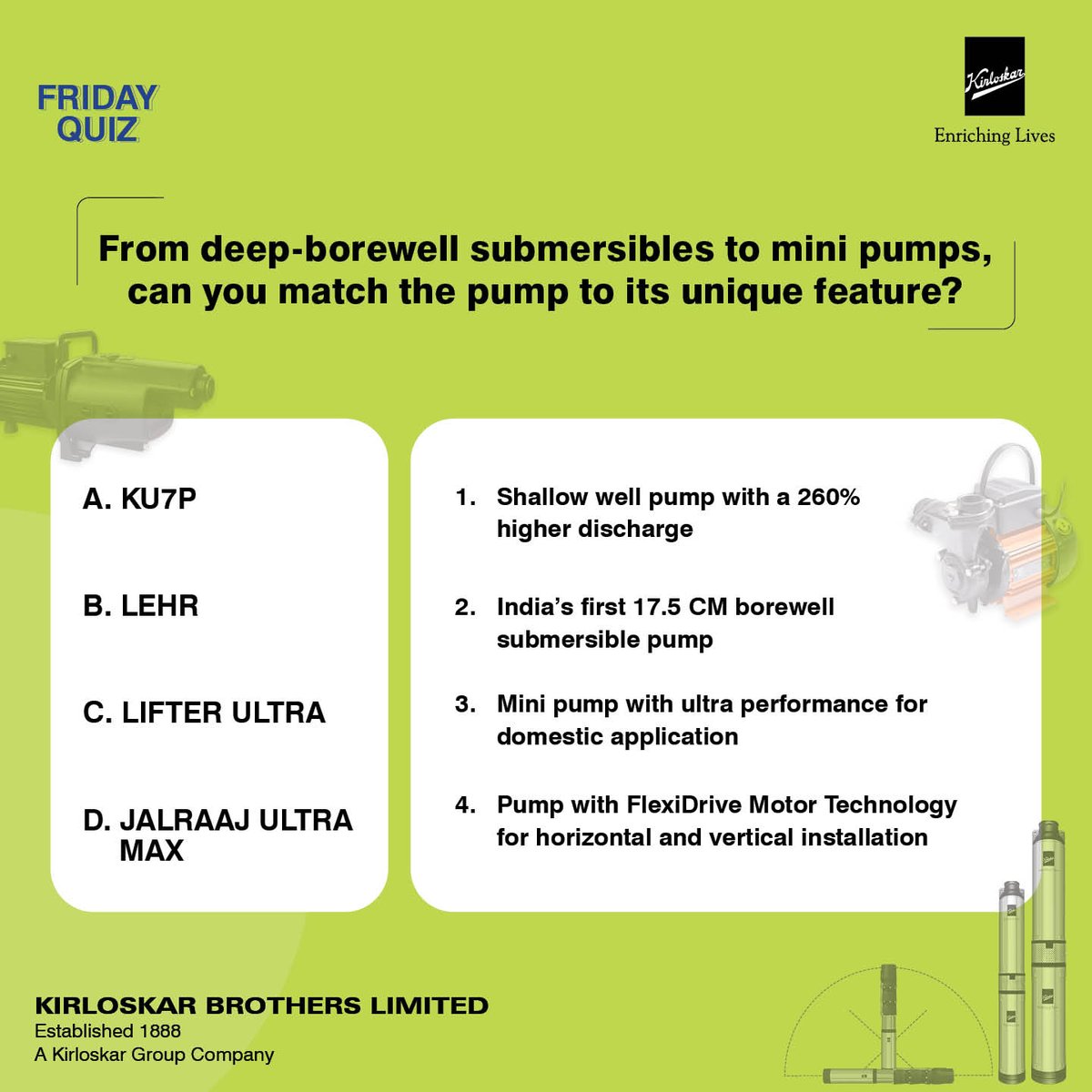
Ready for a quick challenge?
Every Kirloskar pump has a unique trick up its sleeve. Can you match the pump to its feature?
Drop your answers in the comments and let’s see who’s the real Pump Pro!
#KirloskarBrothersLimited #KirloskarPumps #KBL #Quiz #MiniPumps
2
118

14 May 2025
Don't knock them til you try them - electric minipumps have rocked my world... cyclingweekly.com/news/i-use…
1
3
3,676

17 Mar 2025
no please no
every time you mention one of my stocks, it minipumps with retail fomo then it bases for half a year to reset
you literally destroy good stocks. just stop pls. just stop
3
42

13 Feb 2025
Been great. Ive onboarded 5 contacts in the last few week and all new investors and enjoying the minipumps and social investing as a crew. We do small responsible profit taking and buy the dips which there has been a lot of volatility.
1
145

19 Nov 2024
A3: Certainly! In our study, we utilized the Reduced Uterine Perfusion Pressure (RUPP) model in Sprague-Dawley rats to mimic preeclampsia.
Surgical procedures were performed on gestational day 14 (GD14) to induce placental ischemia by placing silver clips on the lower abdominal aorta and ovarian arteries.
Animals were randomly assigned to treatment groups, including Sham, RUPP, RUPP G-1 (a selective GPER agonist), and RUPP hydralazine (a vasodilator).
We administered G-1 via osmotic minipumps at a dosage of 100 µg/kg/day from GD12 to GD19, while hydralazine was given orally at 25 mg/kg/day.
Cardiovascular function was assessed through echocardiography, including speckle tracking to evaluate the global and radial longitudinal strain.
Blood pressure measurements were taken using arterial catheters. Molecular analyses included measuring sFLT-1 levels using ELISA and evaluating gene and protein expression of key markers, such as CD31 and VEGF, via quantitative PCR and Western blot.
This comprehensive approach allowed us to investigate the effects of GPER activation on both cardiovascular function and molecular markers of endothelial and cardiac health. #HYPHIP @allankdc @bfi_lab @HyperAHA
4
3
151

4 Feb 2024
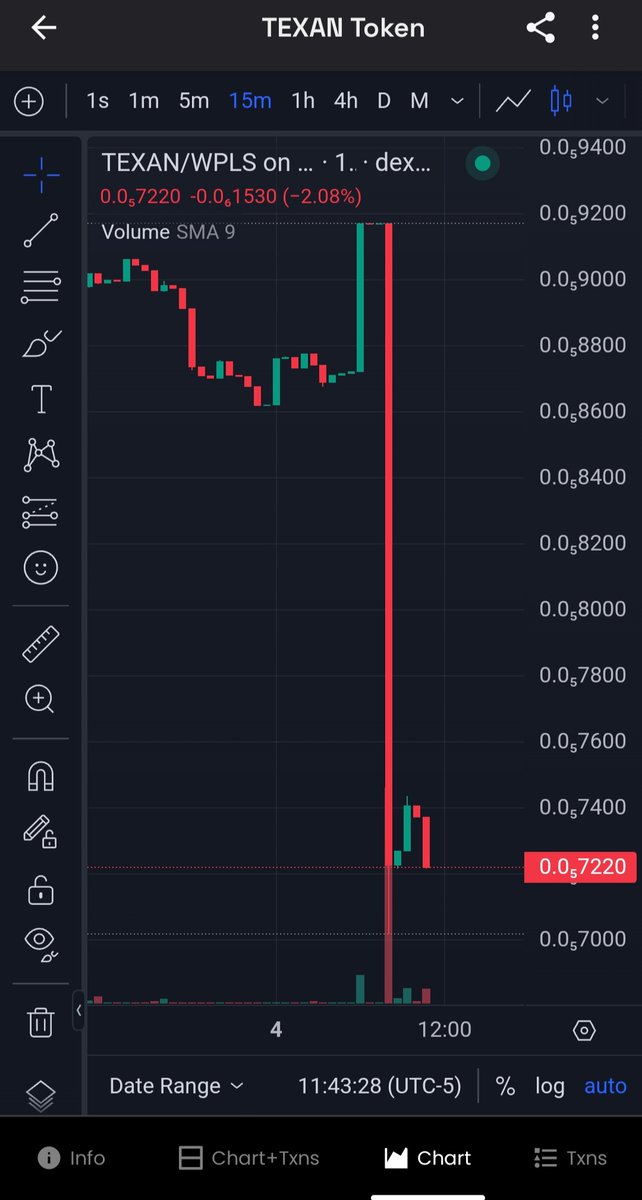
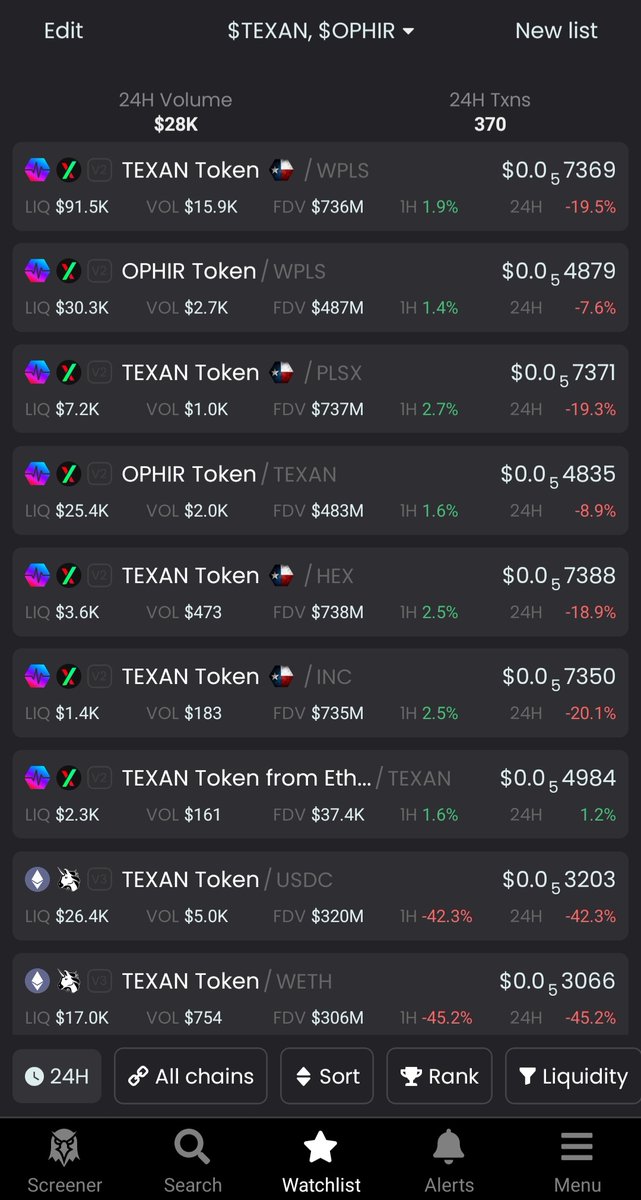
$TEXAN ⭐️ is seeing some really nice corrections 🔴🕯and healthy patterns on the charts after the most recent pump which is a great #DCA_Opportunity for those looking to secure a position before this market really takes off! Lots of #MiniPumps & #Corrections leading up to the #Halvening #NFA #AlwaysDYOR
$TEXAN $OPHIR #PulseChain #DeFi #Community #BullRun2024 🏃♂️🐂
2
9
249

6 Jan 2024
Introducing Crompton’s Mini Star Plus Water Pump– where innovation meets efficiency!
#Crompton #MiniPumps #StarPlus #WaterPumps #Pumps #CromptonWaterPumps
2
1
12
378

1 Nov 2023
🔥📢Attention Crypto People
->Official #PumpWallet Announcement!
Safemoon and Floki now listed!
Now lets send $SFM and $FLOKI to the moon!
To celebrate we have listed 1K minipumps
for each! $1 contribution👍
🎉 $400 in $SFM to 2 winners &
🎉 $400 in $Floki to 2 winners
🎉 the rest to charity @ $Krypto liquidity
Get Contributing & more pumps on the way!
Contribute, ♥,follow, RT & drop a few mates & your BNB chain address for a surprise!
#PumpWallet #EmpowerCrypto $Krypto #BabyDoge #Safemoon #FLOKI #BTC #CHAINLINK #BNBChain @BNBCHAIN #BabyDogeCoin #BNB @binance #Binance #Giveaway #NoBS #BestCryptoProject
2
2
3
53

25 Oct 2023
The future of pumping is here! Explore C.R.I.'s i-Smart Mini Pumps – enjoy real-time pump operations and monitoring from CRI’s I-smart mobile app.
#SmartPump #MiniPumps #mobileconnectivity #Pump #CRIGroup #cri #CRIfamily #CRIPumps

4
96
10 Jul 2023
C.R.I. Selfpriming monoblock pumps are power-driven by a totally enclosed fan-cooled AC induction two-pole motor, suitable for continuous duty. The construction of motor frames and usage of quality materials.
#CRI #CRIGroups #CRIPumps #MiniPumps #selfprimingpumps #residential

1
5
93
29 Oct 2022
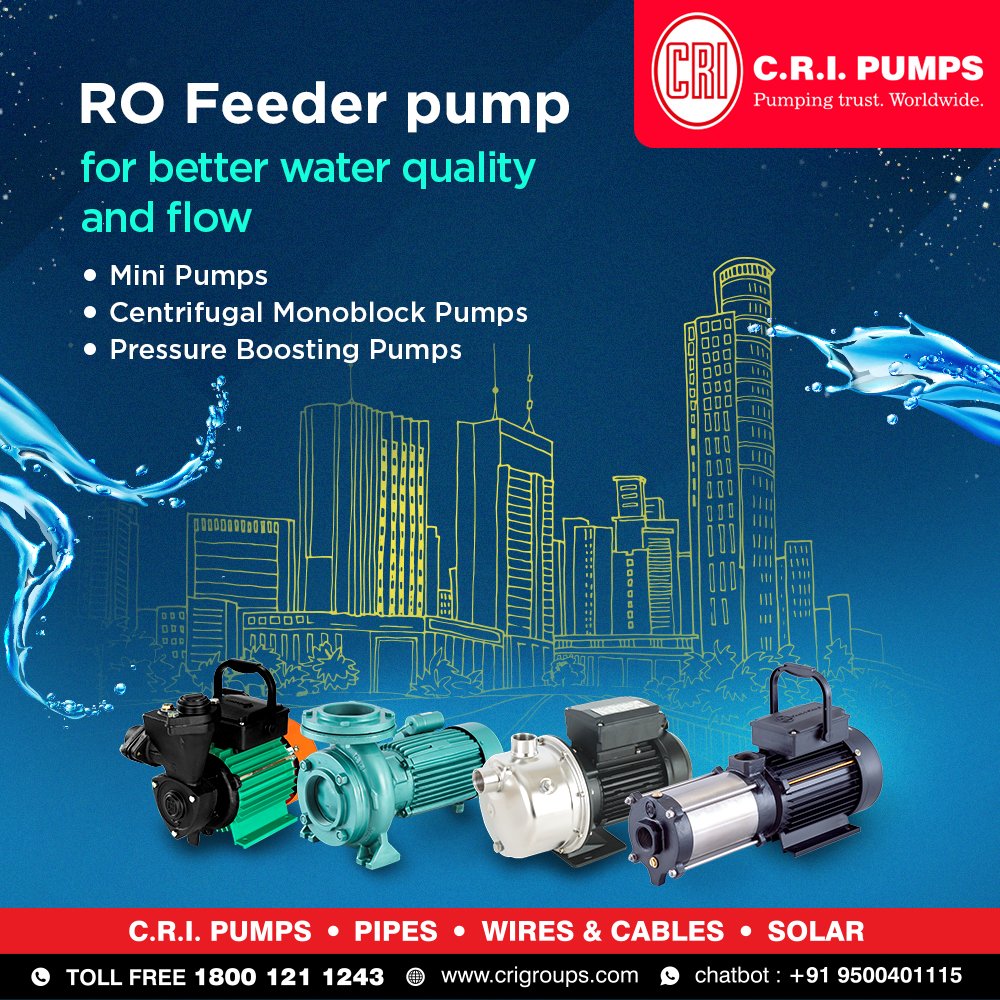
When it comes to water purification, compromise is not an option. That’s why, for all your RO systems, trust our range of RO feeder pumps:
Compact Mini Pumps
Durable Centrifugal Monoblock Pumps
High-performance Pressure Booster Pumps
#CRI #CRIGroup #CRIPumps #Pumps #MiniPumps
5

13 Sep 2022
There’s a hedge fund that tried to short Luna during the crash to zero and they actually got liquidated from all the random degen plays causing minipumps 😂
cryptopotato.com/kakao-backe…
1
3

$GHC has seen many mini rallies since the past few years and there's been many catalysts causing such minipumps. There is a lot of upside potential so do not miss out on this opportunity.
#GHCArmy #GalaxyHeroes

4

4 Sep 2022
$GHC has seen many mini rallies since the past few years and there's been many catalysts causing such minipumps. There is a lot of upside potential so do not miss out on this opportunity.
#GHCArmy #GalaxyHeroes


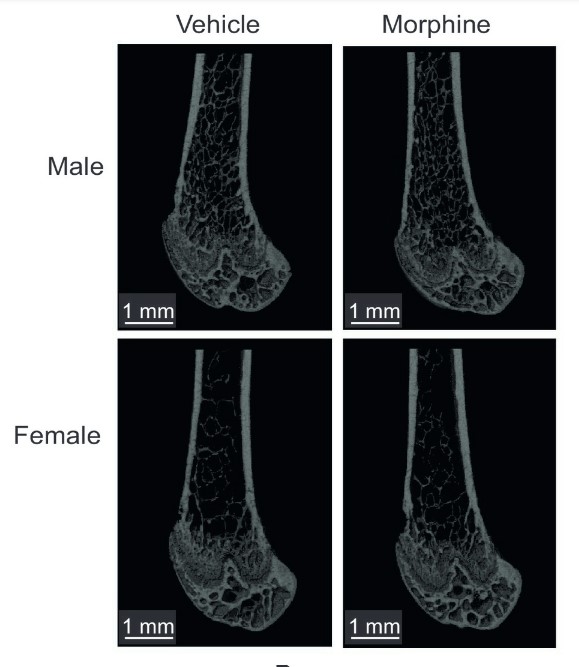
Authors from a new #JBMR study evaluated the effects of sustained morphine treatment on male and female C57BL/6J mice by treating with vehicle or morphine using subcutaneous osmotic minipumps for 25 days #ASBMR @adri_lcarvalho @AudrieLanglais @KHouseknecht ow.ly/t2E450KyNlx
1
2

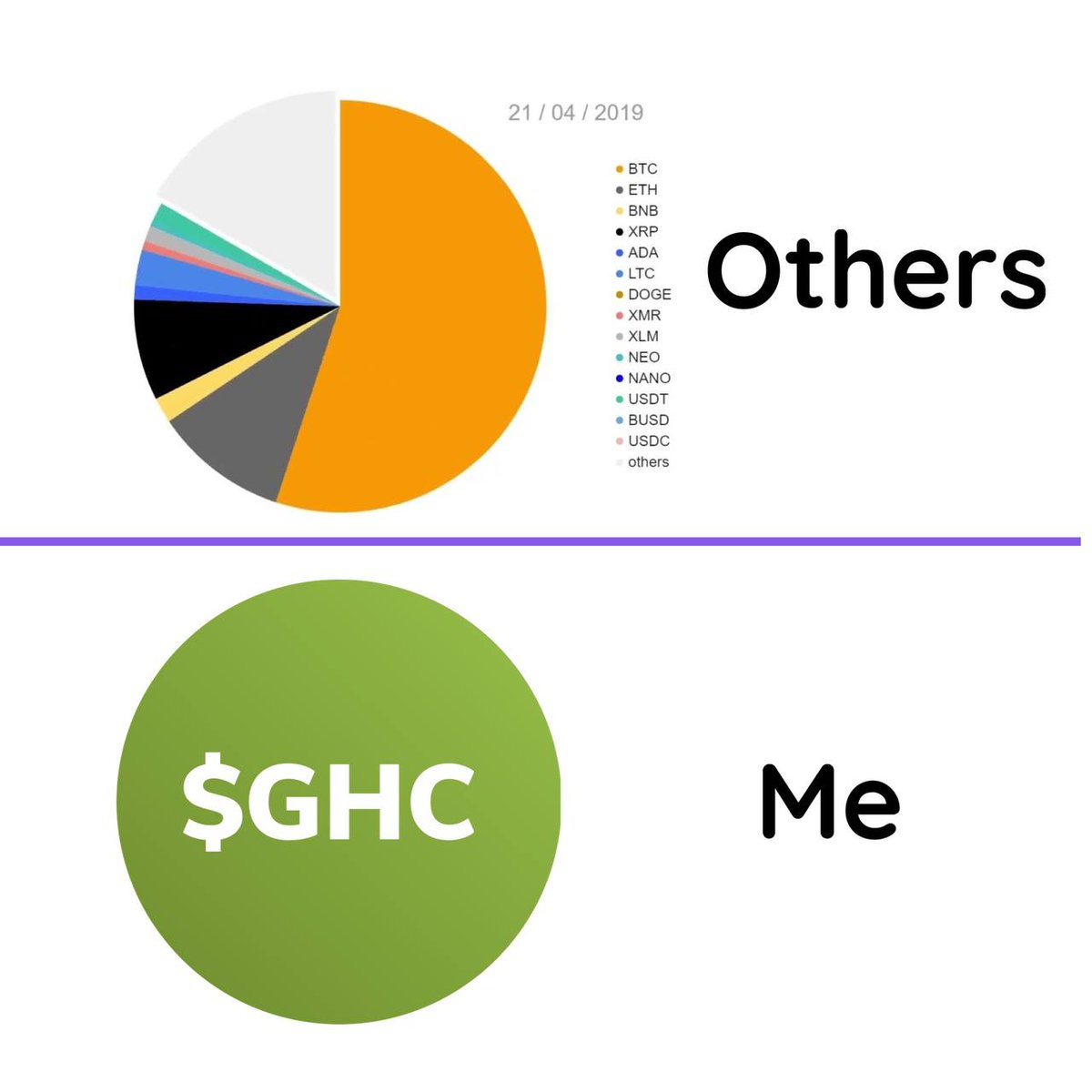
$GHC has seen many mini rallies since the past few years and there's been many catalysts causing such minipumps. There is a lot of upside potential so do not miss out on this opportunity.
#GHCArmy #GalaxyHeroes

23 Aug 2022
$GHC has seen many mini rallies since the past few years and there's been many catalysts causing such minipumps. There is a lot of upside potential so do not miss out on this opportunity. #GalaxyHeroes

1