
🥇 Newmont Corporation $NEM announced a senior leadership reshuffle, naming Brian Tabolt as CFO effective July 1 as the gold miner reorganizes under CEO Natascha Viljoen.
Tabolt joined Newmont Corporation $NEM in 2021 from Molson Coors Beverage Company $TAP and most recently served as Chief Accounting Officer and head of the company’s finance group.
Newmont Corporation $NEM also appointed Mark Rodgers as COO and David Thornton as CTO, aiming to improve execution, maintain cost discipline and boost shareholder value as gold trades above $4,000/oz 📈
#Newmont #Gold #Mining
44

The whiskey arm of brewing giant Molson Coors has launched its first namesake blended American malt whiskey expression thespiritsbusiness.com/2026/…
42
Tia K retweeted

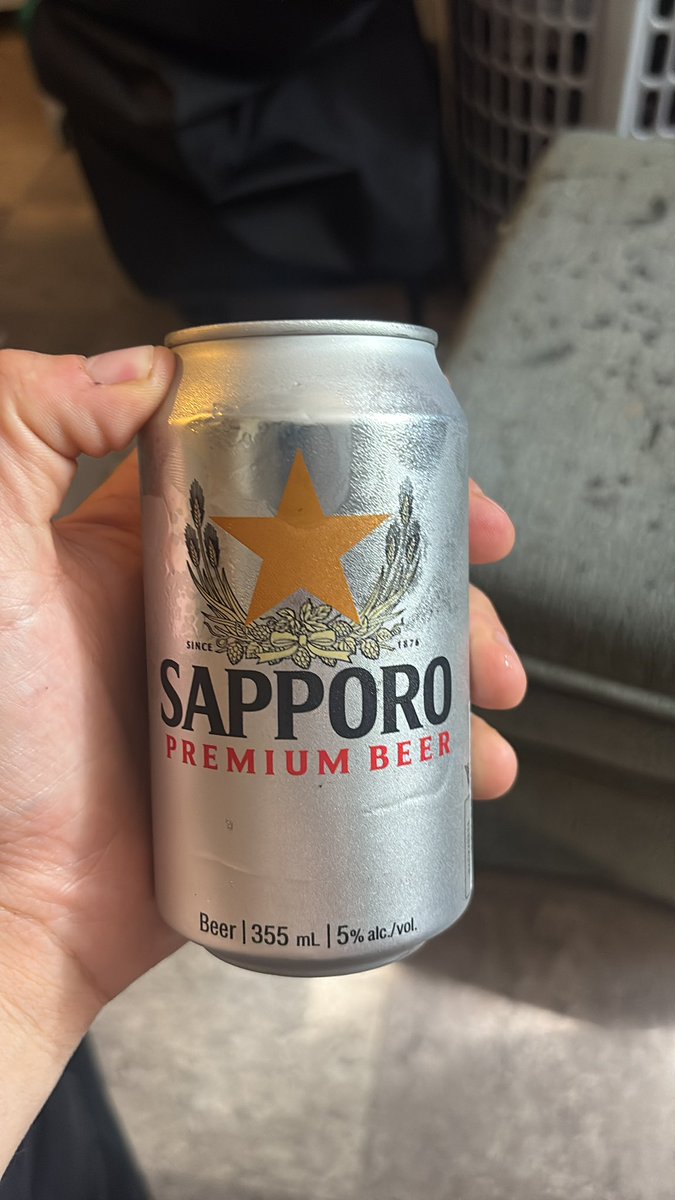
Got my beer eating chicken and potatoes
I know it’s a Japanese beer but it beer.
I have molson Canadian too but first in first out right?
1
2
7
449

Molson, I think stock is expensive too but if they can build a network globally you can argue they could eradicate or take market share from every telecom worldwide. Worldwide, not just USA.
1
185


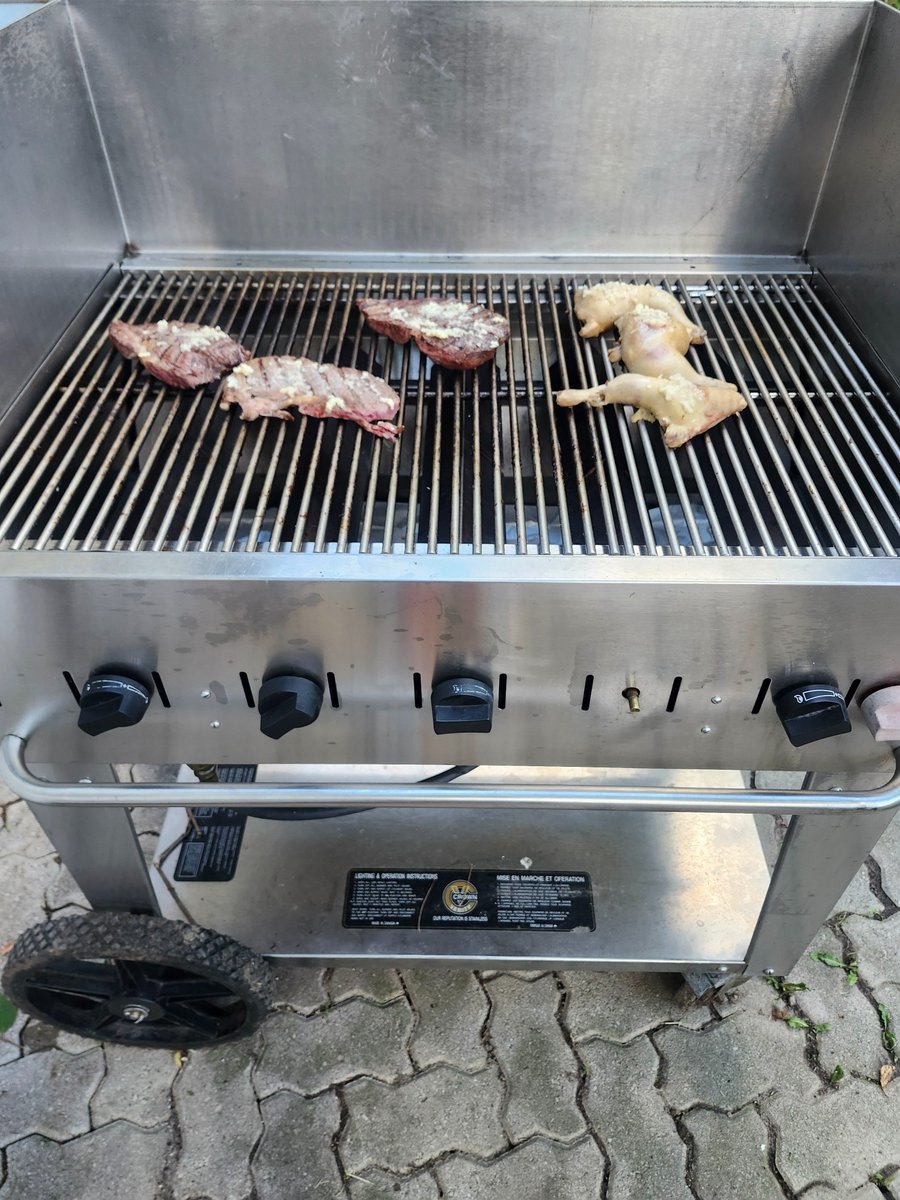
MY UNCLE MOLSON 🍻 MIKE IS THE JACK OF ALL TRADES. ONE OF THE BUSINESSES HE OWN'S HE SUPPLIES, TENTS 🎪, CHAIRS 🪑& INDUSTRIAL GRILL'S TO CORPORATIONS FOR FUNCTIONS/BBQ'S. OFCOURSE HE KEEPS 1 GRILL FOR HIMSELF. MEN DON'T NEED MUCH BUT A GRILL/BBQ BIGGER THE BETTER 😁
9
19
309

The Montreal Fête Nationale Parade: Wednesday, June 24, 2026, at 2:00 PM. The traditional parade features immersive thematic tableaux, dancers, and giant puppets. It kicks off at Rachel Street East (corner of Molson Street) and marches east toward Avenue
16

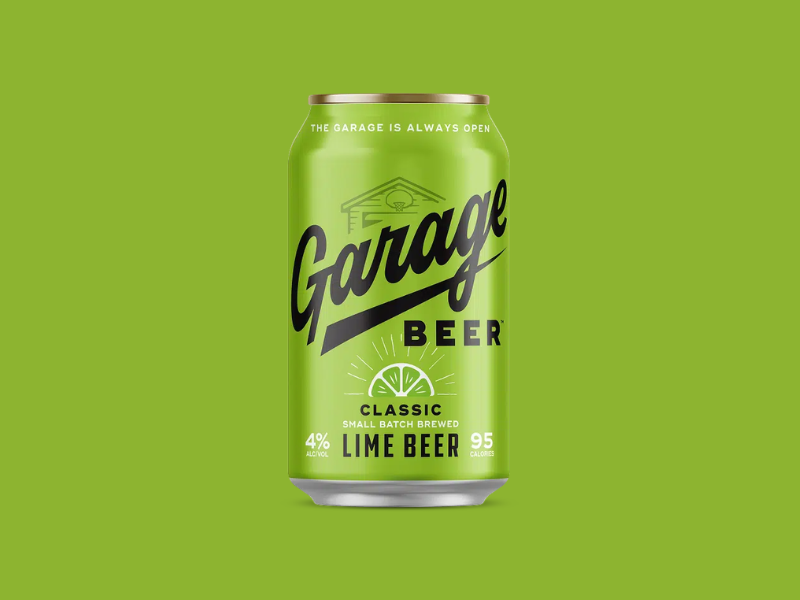
According to Beer Marketer’s Insights, Garage Beer is the No. 3 growth brand in NIQ scans over the past three weeks, trailing only Pacifico and Michelob Ultra.
Garage Beer’s dollar sales are up over 61% in the same period.
Earlier this year, Garage Beer made two key hires with BeatBox alum Patrick Brang joining as CFO and Andrew McGuire of Molson Coors joining as Chief Revenue Officer.
In September, Garage Beer secured a strategic growth investment from Durational Capital Management.
4
6
31
3,115


Ladrillo a ladrillo. 🧱📈
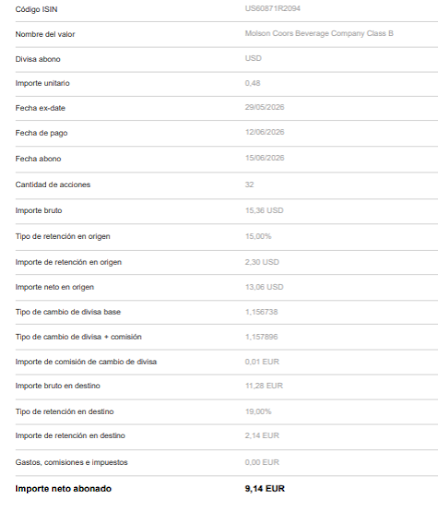
Hoy ha caído un nuevo dividendo en la cartera: Molson Coors (TAP).
🔹 Acciones: 32
🔹 Importe neto: 9,14 € (ya limpios a la hucha)
No te va a hacer rico de la noche a la mañana, pero cada euro recibido es una pequeña victoria de la disciplina sobre el consumo inmediato. Son ingresos pasivos reales que pasan a engrosar los cimientos de mi libertad.
Con este pago, en lo que llevamos de año ya sumamos un total de 587,57 € cobrados en dividendos en este 2026.
La constancia en la trinchera siempre paga. ¿Cómo va vuestro mes de junio de rentas? Os leo. 👇
💡 ¿Quieres aprender a construir una cartera sólida mientras mejoras tu salud? Únete gratis a mi comunidad en la newsletter:
1nversorv1tal85.substack.com…
24

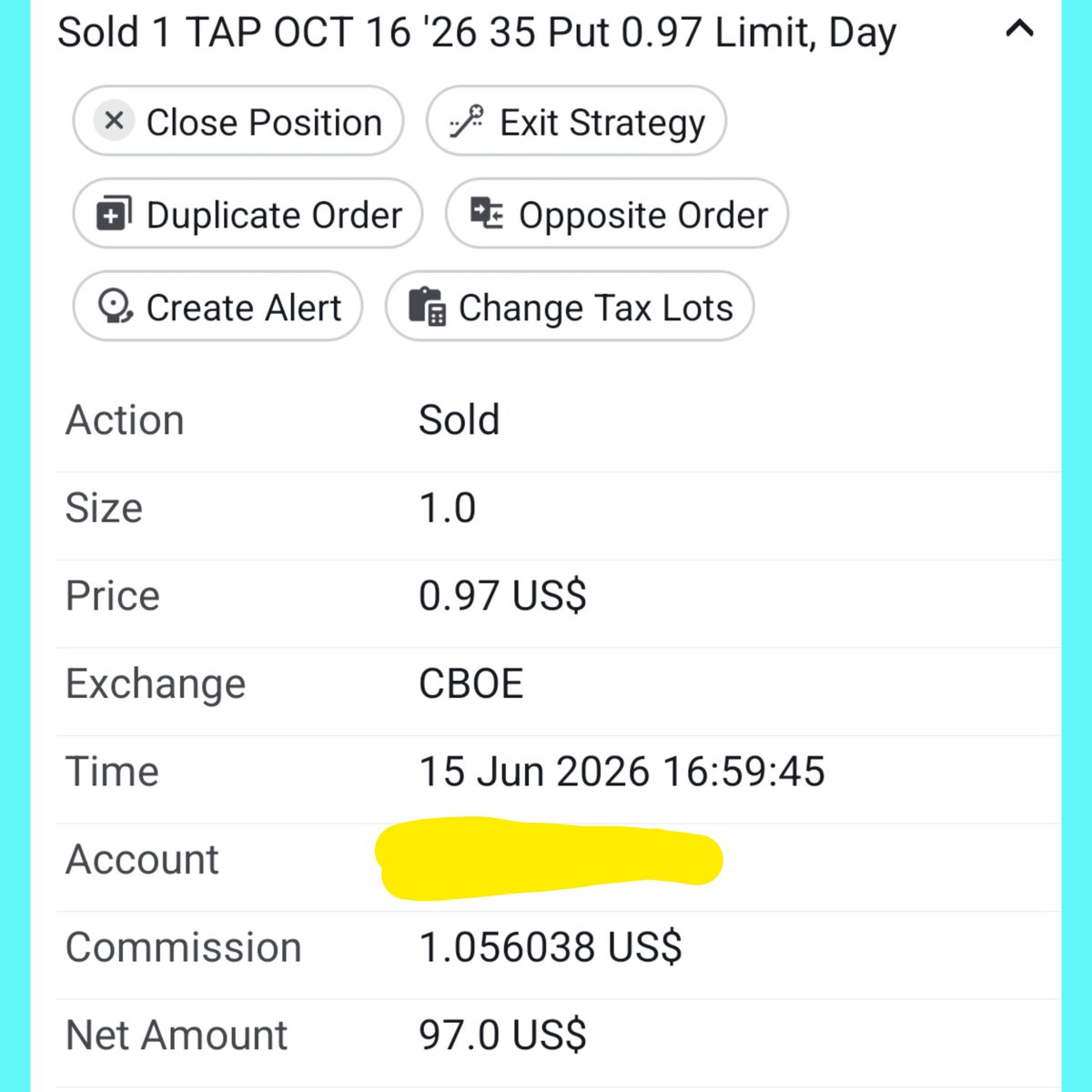
Adding a bit of Molson Coors $TAP exposure 🍺
I'd love to understand why the stock looks this cheap 🤔. So far, I haven't found a convincing answer.
One thing I am confident about: demand for affordable beer isn't disappearing anytime soon 🍻😄
2
91

Molson you are correct, but it has to start with school vouchers. The education system today is run by progressives and dedicated to white genocide reuters.com/article/world/us…
2
13

- Anchor investors: HNWIs, Family Offices.
- Institutional Investors: Private Equity funds. Capped at 30% for the team, but can invest up to 100% of stadium.
- Stakeholders includes fans, media, and strategic partners... so in the context of ownership, imagine if
-- Rogers/Telus/Bell/Quebecor secure rights, but also invest and they would be "strategic investors."
-- or MSFT wants to run the tech in the stadium and they join the ownership group as a minority investor.
-- InBev/Coors Molson etc. want pouring rights, but they also invest in the team, etc.
1
1
44

RETURN OF THE MERCH
Growing up in Akron, seeing Goodyear and Firestone logos wasn’t advertising.
It was just part of the landscape.
Those brands helped define the identity of the city. When you’d spot a Goodyear or Firestone sign somewhere else, you’d immediately think, “That’s home.”
A few years ago, many marketers predicted logos were on their way out. Minimalism was in. Unbranded products were fashionable. Consumers supposedly didn’t want to be walking billboards anymore.
Yet here we are.
Branded merchandise seems to be having a moment.
Molson Coors has generated attention with lifestyle merchandise and Father’s Day-themed gear. Goodyear is celebrating 100 years of the Blimp with commemorative merchandise. TaylorMade releases limited-edition headcovers, bags, and accessories so frequently that some have become collectibles.
What changed?
Technology changed the economics.
Brands no longer need massive production runs to make merchandise viable. Small batches, rapid design cycles, and limited releases allow brands to create scarcity, exclusivity, and relevance for specific audiences.
Consumers aren’t just buying products.
They’re buying connection, nostalgia, community, and identity.
Maybe logos never went away.
Maybe people never stopped wanting to belong.
What’s changed is that brands now have better tools to create meaningful ways for people to wear their stories.
What brands do you think are getting merchandise right today?
92

Molson, come to central Mississippi to start your political career? Low hanging fruit. We’ll first get you to the level of governor, senator in a pinch, and then you can do the whole POTUS thing?
1
3
96

More alarming seems to be the choice of "beer" -Budweiser / Slingshot / Old Milwaukee / Lager / Molson / Stella / Brooklyn / Coors / Heineken / Blue Moon. No Guiness? Or Theakstons Old Peculiar?
70