
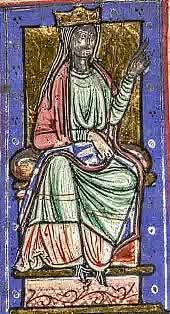
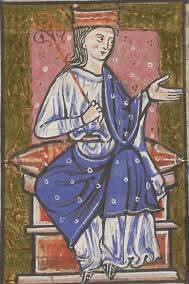
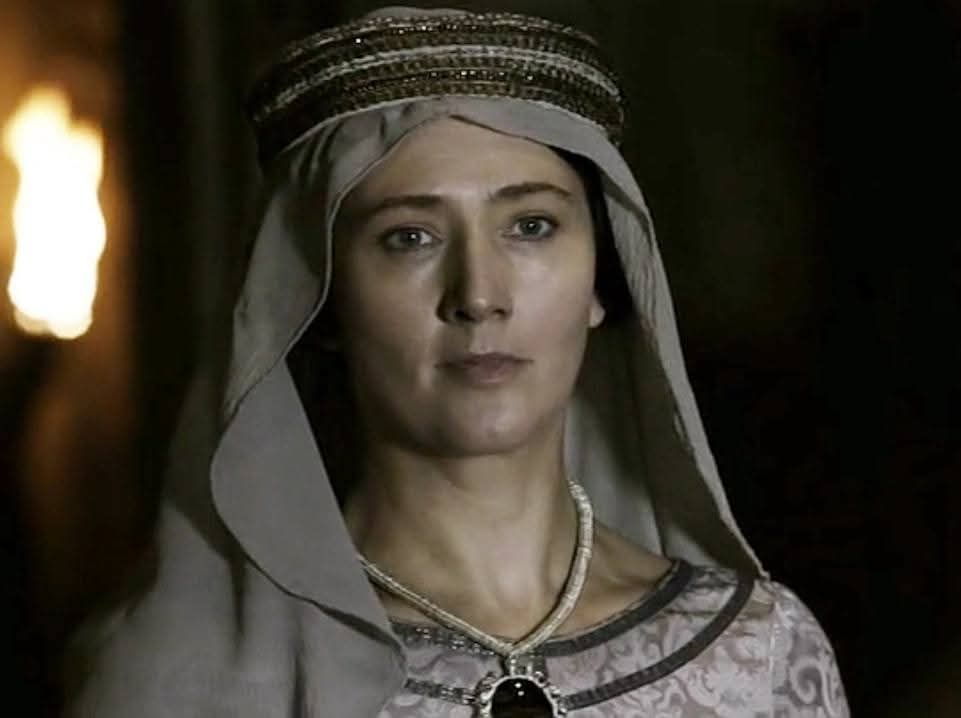
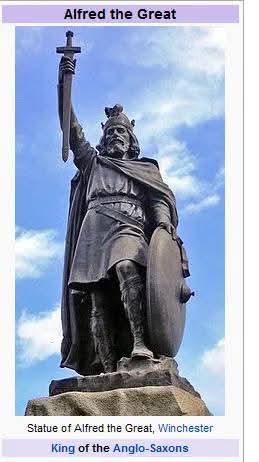
Ealhswith or Ealswitha (died 5 December 902) was the wife of King Alfred the Great. She was the mother of King Edward the Elder who succeeded King Alfred to the Anglo-Saxon throne. Her father was a Mercian nobleman, Æthelred Mucel, Ealdorman of the Gaini, which is thought to be an old Mercian tribal group. Her mother was Eadburh, a member of the Mercian royal family and her lineage was one of the primary reasons for Alfred taking Ealhswith as his wife. She founded the nunnery of Nunnaminster.Contemporary sources tell us very little about her life. The only primary sources that reveals her name is in King Alfred’s Will. Within this Will, she is the last beneficiary listed. Alfred grants her estates at Lambourn, Wantage, and Edington, along with one hundred pounds of gold.[5] However, Alfred does not mention his three daughters by name or his youngest son, with Edward, his eldest son, being the only child named.
Asser was a Welsh monk who lived during the same time as Alfred, and he learned and taught at St. David’s in Wales.[5] He was a scholar who would translate works of literature within St. David. The origins as to how Asser and Alfred met are unknown, but it is believed that they were at the same meeting after Alfred took control of the Welsh land. Asser would spend prolonged months with Alfred, translating works of literature for him and it was Alfred who approached Asser to write his biography, The Life of King Alfred.[5] Within this biography, Asser writes about the genealogies of both Ealhswith and her mother, Eadburh. The Mercian kings Ealhswith hailed from were on Eadburh's side of the family.[6] However, Asser only mentions Eadburh by name and does not call Ealhswith by her own name. Instead, he refers to her as “a noble Mercian Lady” and that she was a “chaste widow” after the death of Alfred.[5] It is unknown why Asser omitted Ealhswith's name from the text, but chose to include her mother's.
In recent history, authors have cited Ealhswith by name more frequently and acknowledged her accomplishments. In Alex Traves, Genealogy and royal women in Asser’s Life of King Alfred: politics, prestige, and maternal kinship in early medieval England, he highlights her significance to Alfred and that she was an ideal bride for him in terms of the lineage tied to her. Her importance to Alfred was showcased by Traves, giving her credit for being one of the contributing factors to Alfred inheriting the throne. Traves and other modern authors give her recognition for her contributions to the English throne compared to Ealhswith's contemporaries.[citation needed]
She was married to Alfred in 868. His elder brother Æthelred was then king, and according to Asser, Alfred was regarded as heir apparent.[7][8] The Danes occupied the Mercian town of Nottingham in that year and her marriage to King Alfred was seen as political leverage.[3] Alfred inherited the throne after his brothers death in 871. In accordance with ninth century West Saxon custom, she was not granted the title of queen. According to King Alfred, this was due to a crime committed by a former queen of the West Saxons, Eadburh, who had attempted to poison an enemy and accidentally killed her husband King Beorhtric instead in 802.[9] Ealhswith had two sons and three daughters who survived to adulthood.[8]
She did not witness any surviving charters during Alfred's lifetime.[8] After his death, in 901, Ealhswith did witness one charter during the reign of her son King Edward in which she is identified as "Ealhswið mater regis", Ealhswith mother of the king. Her name is subscribed immediately after King Edward, and before Edward's wife Ælfflæd.[10]
Alfred left his wife three important symbolic estates in his will, Edington in Wiltshire, the site of one important victory over the Vikings, Lambourn in Berkshire, which was near another, and Wantage, his birthplace. These were all part of his bookland, and they stayed in royal possession after her death.[8]
1
189

Aethelflaed Lady of the Mercians
Daughter of Alfred The Great, sister of Edward The Elder, aunt of Aethelstan, Aethelflaed, Lady of Mercians, was associated, by blood, with the 3 greatest kings in English history. However, Aethelflaed was not defined by the men she happened to be related to. Her contributions to the uniting of England were truly immense. Today, in search of female trailblazers, most historians are drawn towards the brilliant Tudor queen, Elizabeth I. However, without Aethelflaed’s tireless efforts 700 years earlier, the magnificence of Elizabeth’s reign, and of other English monarchs, may have taken on an altogether different nature. Here, we take a closer look at the life of Aetheflaed.
There is uncertainty over the date of Aethelflaed’s birth but it is most likely to have been in 870, shortly before her father, Alfred, became king of Wessex. And her birth place is equally mysterious with one historian suggesting Chippenham although that is purely speculation. Aethelflaed’s mother was Ealhswith who was married to Alfred for over 30 years, having married him in 868 and remaining his wife until Alfred’s death in 899. Ealhswith’s father was Aethelred Mucel, a Mercian nobleman. Aethelflaed’s ties with Mercia grew even stronger when she married the Lord of the Mercians, another Aethelred. Aethelflaed’s childhood came as her father fought valiantly against the Vikings although he did not forget the importance of education for his children. It has been suggested that young Aethelflaed was sent to the court of her aunt, Aethelswith, who was the wife of King Burgred of Mercia, for her upbringing although the evidence for that is flimsy.
The precise date of Aethelflaed’s marriage to Aethelfred again is unknown. She was recorded as being the wife of the Mercian ruler in a charter of 887 so it seems likely that she was married to Aethelred no earlier than 885. With him, Aetheflaed would remain married for around a quarter of a century until Aethelred’s death in 911, producing one child together, a daughter. Asser, the contemporary biographer of Alfred The Great, makes reference to two Welsh princes submitting to Alfred in order to escape, in the words of Asser, “the tyranny” of Aethelred. But, during her marriage to Aethelred, Aethelflaed must have grown in stature. If she hadn’t, then that would make her accomplishments as sole ruler as “Lady of the Mercians” even more remarkable. Whilst there is not exactly an abundance of evidence for Aethelred and Aethelflaed’s marriage, the latter’s name did appear frequently in charters and the royal couple strengthened the defences of Worcester somewhere towards the end of the 800s. Whilst Aethelred has had his fair share of criticism over the centuries, it is clear that he and Aethelflaed provided Mercia with a degree of stability, certainly when stood in contrast with other regions, not just in England, but across the channel also. However, when Aethelred died, Aethelflaed became more ambitious.Simply repelling the Vikings was no longer good enough. Areas that had been conquered by the invaders must be retaken.
Aethelflaed’s father died in 899. For more than 2 decades, Alfred The Great had been plagued by the debilitating Crohn’s disease but still that didn’t stop from pressing on with his duties. Asser praises him as such;”And what of the cities and towns to be rebuilt and of others to be constructed when there were previously none….and what of the royal halls and chambers marvellously constructed of stone and wood at his command? And what of the royal residences of masonry, moved from their old position and splendidly reconstructed at more appropriate places by his royal command?” Alfred’s brilliant went went beyond construction. Militarily, he had learned lessons from the reign of his brother, another Aethelred, and proved to be a magnificent commander, defeating the Vikings at Edington in 878, retaking London which he granted to Aethelred and Aethelflaed and even enjoyed naval success over the invaders as well. But perhaps his greatest legacy was the way he had prepared his children for life in the Viking age. Aethelflaed, as Aethelred’s consort, was already proving herself and her brother, Edward The Elder, would be a magnificent successor to Alfred The Great.
In 909, a combined force of men from Wessex and Aethelflaed and Aethelred’s Mercians defeated the Vikings at Tettenhall but ,the year before Aethelred died, in 910, a Viking army swept into Mercia and raided in their devastating fashion. When Aethelflaed became sole ruler of Mercia, she would have been well aware of the courage that she would need in times as harsh as these. As she would prove, she had that in abundance. Shortly after the victory at Tettenhall, the Anglo Saxon Chronicles states that Aethelflaed built the stronghold of “Bremesbyrig” which appears to have either have been in Gloucestershire or Herefordshire. Regardless of location, it was a clear indication of Aethelflaed’s authority.
In 912, Aethelflaed built strongholds at a site that the Anglo Saxon Chronicles calls “Scergeat” a site that remains unidentified before building another at Bridgenorth in Shropshire. She continued in 913 with more building work at Tamworth and Stafford with Warwick’s defences strengthened in 914. That year, a Mercian force repulsed a Viking army that had crossed the channel from Brittany. In 917, Aethelflaed captured Derby which one historian describes as being “Aethelflaed’s greatest triumph”, That success came at a personal price for Aethelflaed however. 4 thegns who were, in the words of the Anglo Saxon Chronicles, “dear to Aethelflaed” were killed in the campaign but still, like her brother Edward The Elder, Aethelflaed continued on her relentless mission to not only halt the Viking incursions but drive them back and perhaps even expel them from England completely.
The next year, Aethelflaed showed a different side to her character. She had demonstrated brilliantly, that she could organise armies, build defences and protect her people. In 918, she showed she could expand her territories by guile as Aethelflaed “peaceably got control of Leicester”. The brilliance of Aethelflaed’s leadership had earned her enough renown that her enemies were now willing to surrender to her and her forces without too much extensive resistance.
Not long after, the men of York, in Danish hands, came to swear loyalty to Aetheflaed but, shortly after, Aethelflaed died. On her death, on the 12th June 918, Aethelflaed, Lady of the Mercians, was on the warpath. She, along with Edward The Elder, had achieved brilliant successes and Mercia would come under Edward’s control. Edward profited immeasurably from the efforts of his sister and, on hearing of her death, he rode to Tamworth where he must have been sorrowful at her passing and, also, grateful for what she had accomplished. Even in the age of the Viking wars, Aethelflaed had shown, particularly during her relatively brief time as sole ruler of Mercia, that female rule was not only possible but it could also be spectacularly successful.
The chronicler, William of Malmesbury, praises Aethelflaed extensively and paints a picture of a strong willed woman. William attributes Aethelflaed only having one child with Aethelred as the result of a particularly difficult labour and refused her husband’s sexual advances from that point on. To his credit, Aethelred seems to have respected Aethelflaed’s wishes. From there on, Aethelflaed instead dedicated her life to a very different cause, that of a warrior, one not expected of a woman. William praises Aethelflaed as a woman “with an enlarged soul…and a spirited heroine” who “aided her brother greatly with her advice and of building cities.” Fierce to the end, Aethelflaed, Lady of the Mercians, is a woman you cannot help but admire tremendously.
2
8
52
1,084

May 19
Goof off on your days off. The less related to dev tasks the better. Preferably some good dumb fun. You brain is a mucel it needs rest to grow strong.
2
70

Apr 23
📍Calle Pánfilo Natera y cruce con Joaquín mucel, en la colonia Lomas del paraíso.
2
82

Mar 11
Kecian pak Menkeu makin hari makin kurusan, makin muceL pulak 😓😭
2
1
103
11,352
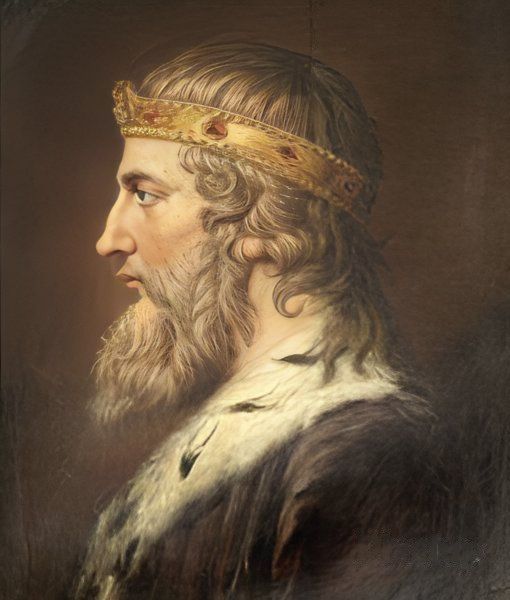
Asser describing the marriage of Alfred The Great;
"In the year of our Lord’s incarnation 868, which was the twentieth of King Alfred’s life, the aforesaid revered King Alfred, then occupying only the rank of viceroy , betrothed and espoused a noble Mercian lady (Ealhswith) daughter of Æthelred, surnamed Mucel, Ealdorman of the Gaini. The mother of this lady was named Eadburh, of the royal line of Mercia, whom I often saw with my own eyes a few years before her death."
5
37
683

Jan 5
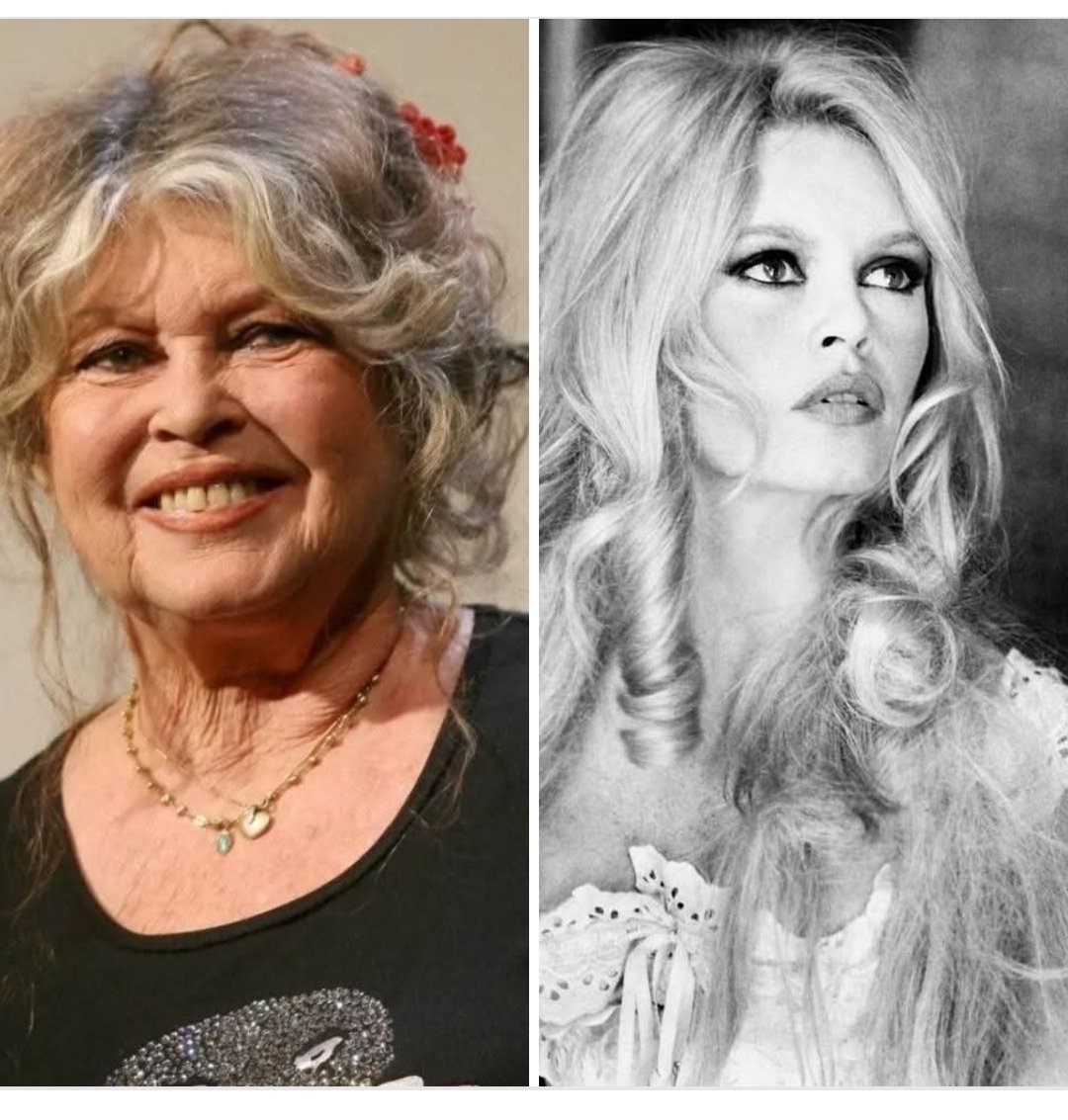
Brigitte Bardot actrice,militante des droits des animaux née le 28 septembre 1934 à Paris et morte le 28 décembre 2025 à Saint-Tropez.
Date de décès : 28 décembre 2025, La Madrague
Époux : Bernard d'Ormale
Enfants : Nicolas Charrier
Parents : Louis Bardot, Anne-Marie Mucel
1
2
91

29 Dec 2025
#permattinieri 🇷🇺 🇺🇸 🇺🇦 Il presidente degli Stati Uniti Donald Trump ha definito “eccellente” l’incontro con Volodymyr Zelensky, al termine di quasi tre ore di colloqui sul piano di pace per l’Ucraina promosso da Washington. Parlando insieme a Zelensky a Mar-a-Lago, Florida, Trump ha dichiarato che l’incontro è stato estremamente positivo e che sono stati affrontati molti temi rilevanti Ha aggiunto di aver parlato al telefono con il leader russo Putin per due ore e mezza in precedenza. 🇮🇹 Italia. L’Aula della Camera, chiamata all'esame della legge di Bilancio, è stata teatro di uno scontro fra maggioranza e opposizione sull'inchiesta riguardante i presunti fondi utilizzati per finanziare Hamas e gli arresti tra i membri di associazioni di palestinesi in Italia. 🇽🇰 Kosovo. Il partito nazionalista albanese Vetevendosje ha ottenuto una schiacciante vittoria alle elezioni parlamentari, secondo i risultati preliminari. Con il 90% dei voti scrutinati, il partito, il cui nome significa "autodeterminazione", si è attestato al 50,8%, il che significa un terzo mandato al potere per il suo leader, Albin Kurti. I due principali partiti di opposizione, il Partito Democratico del Kosovo (PDK) di centro-destra e la Lega Democratica del Kosovo (LDK), si sono attestati rispettivamente al 20,98% e al 13,89%. Vetevendosje ha vinto le elezioni a febbraio, ma senza la maggioranza, e da allora il Kosovo è senza un governo funzionante. 🇮🇷 Si stima che il numero di esecuzioni in Iran nel 2025 sia più che raddoppiato rispetto al numero registrato in tutto il Paese nel 2024.
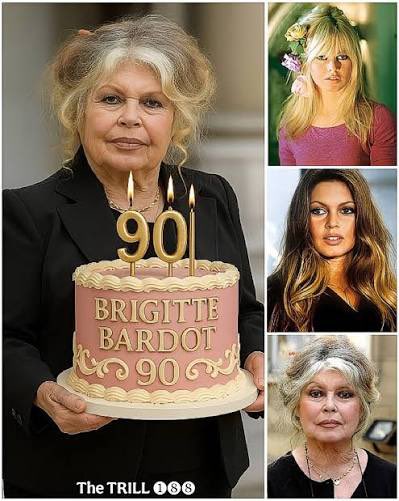
L'organizzazione norvegese Iran Human Rights (IHR) ha dichiarato a BBC di aver verificato almeno 1.500 esecuzioni fino all'inizio di dicembre, aggiungendo che da allora ne sono avvenute molte altre.🇨🇭 Diverse università svizzere aumenteranno le tasse di iscrizione dal prossimo anno per far fronte ai crescenti disavanzi. Il motivo è da ricercare nei tagli ai contributi federali previsti a partire dal 2027, che imporranno riduzioni annuali di 120 milioni di franchi per gli atenei cantonali e di 78 milioni per i Politecnici federali. 🎥 Brigitte Bardot, icona assoluta del cinema francese, è morta all’età di 91 anni. Nata a Parigi il 28 settembre 1934 in una famiglia borghese (il padre era l’industriale Louis ‘Pilou’ Bardot e la madre Anne-Marie Mucel), BB ha conquistato il mondo con ruoli controversi e sensuali, come quello in “Et Dieu… créa la femme” (1956) diretto da Roger Vadim, che la consacrarono come sex symbol globale. Bardot abbandonò il cinema nel 1973 per dedicarsi completamente alla causa animalista. Fondò la Fondation Brigitte Bardot che ha influito su importanti cambiamenti legislativi e ha contribuito all’introduzione del divieto dell’importazione di pelli di foca in Francia e poi nell’Unione Europea. 🇸🇪 Svezia. Ci sono tre morti dopo che una potente tempesta invernale ha colpito i paesi nordici, causando disagi alla circolazione e interruzioni di corrente. L'agenzia meteorologica svedese ha emesso allerte per forti venti in gran parte della metà settentrionale del paese, a seguito dell'arrivo della tempesta Johannes. ⚽️ Calcio. Campionato italiano. Milan-Verona 3-0, Cremonese-Napoli 0-2, Bologna-Sassuolo 1-1, Atalanta-Inter 0-1. Classifica: Inter in testa con un punto sul Milan e due sul Napoli. ⛷️ Sci. Slalom Speciale a Semmering. Vittoria per l’americana Shiffrin davanti alla svizzera Rast e all’albanese Colturi.
2
109

27 Dec 2025
I do that with my mom too lol, the mucel memory instincts kick in
4
969

23 Dec 2025
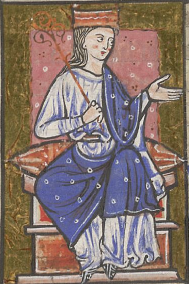
Aethelflaed: Lady of the Mercians
Daughter of Alfred The Great, sister of Edward The Elder, aunt of Aethelstan, Aethelflaed, Lady of Mercians, was associated, by blood, with the 3 greatest kings in English history. However, Aethelflaed was not defined by the men she happened to be related to. Her contributions to the uniting of England were truly immense. Today, in search of female trailblazers, most historians are drawn towards the brilliant Tudor queen, Elizabeth I. However, without Aethelflaed’s tireless efforts 700 years earlier, the magnificence of Elizabeth’s reign, and of other English monarchs, may have taken on an altogether different nature. Here, we take a closer look at the life of Aetheflaed.
There is uncertainty over the date of Aethelflaed’s birth but it is most likely to have been in 870, shortly before her father, Alfred, became king of Wessex. And her birth place is equally mysterious with one historian suggesting Chippenham although that is purely speculation. Aethelflaed’s mother was Ealhswith who was married to Alfred for over 30 years, having married him in 868 and remaining his wife until Alfred’s death in 899. Ealhswith’s father was Aethelred Mucel, a Mercian nobleman. Aethelflaed’s ties with Mercia grew even stronger when she married the Lord of the Mercians, another Aethelred. Aethelflaed’s childhood came as her father fought valiantly against the Vikings although he did not forget the importance of education for his children. It has been suggested that young Aethelflaed was sent to the court of her aunt, Aethelswith, who was the wife of King Burgred of Mercia, for her upbringing although the evidence for that is flimsy.
The precise date of Aethelflaed’s marriage to Aethelfred again is unknown. She was recorded as being the wife of the Mercian ruler in a charter of 887 so it seems likely that she was married to Aethelred no earlier than 885. With him, Aetheflaed would remain married for around a quarter of a century until Aethelred’s death in 911, producing one child together, a daughter. Asser, the contemporary biographer of Alfred The Great, makes reference to two Welsh princes submitting to Alfred in order to escape, in the words of Asser, “the tyranny” of Aethelred. But, during her marriage to Aethelred, Aethelflaed must have grown in stature. If she hadn’t, then that would make her accomplishments as sole ruler as “Lady of the Mercians” even more remarkable. Whilst there is not exactly an abundance of evidence for Aethelred and Aethelflaed’s marriage, the latter’s name did appear frequently in charters and the royal couple strengthened the defences of Worcester somewhere towards the end of the 800s. Whilst Aethelred has had his fair share of criticism over the centuries, it is clear that he and Aethelflaed provided Mercia with a degree of stability, certainly when stood in contrast with other regions, not just in England, but across the channel also. However, when Aethelred died, Aethelflaed became more ambitious.Simply repelling the Vikings was no longer good enough. Areas that had been conquered by the invaders must be retaken.
Aethelflaed’s father died in 899. For more than 2 decades, Alfred The Great had been plagued by the debilitating Crohn’s disease but still that didn’t stop from pressing on with his duties. Asser praises him as such;”And what of the cities and towns to be rebuilt and of others to be constructed when there were previously none….and what of the royal halls and chambers marvellously constructed of stone and wood at his command? And what of the royal residences of masonry, moved from their old position and splendidly reconstructed at more appropriate places by his royal command?” Alfred’s brilliant went went beyond construction. Militarily, he had learned lessons from the reign of his brother, another Aethelred, and proved to be a magnificent commander, defeating the Vikings at Edington in 878, retaking London which he granted to Aethelred and Aethelflaed and even enjoyed naval success over the invaders as well. But perhaps his greatest legacy was the way he had prepared his children for life in the Viking age. Aethelflaed, as Aethelred’s consort, was already proving herself and her brother, Edward The Elder, would be a magnificent successor to Alfred The Great.
In 909, a combined force of men from Wessex and Aethelflaed and Aethelred’s Mercians defeated the Vikings at Tettenhall but ,the year before Aethelred died, in 910, a Viking army swept into Mercia and raided in their devastating fashion. When Aethelflaed became sole ruler of Mercia, she would have been well aware of the courage that she would need in times as harsh as these. As she would prove, she had that in abundance. Shortly after the victory at Tettenhall, the Anglo Saxon Chronicles states that Aethelflaed built the stronghold of “Bremesbyrig” which appears to have either have been in Gloucestershire or Herefordshire. Regardless of location, it was a clear indication of Aethelflaed’s authority.
In 912, Aethelflaed built strongholds at a site that the Anglo Saxon Chronicles calls “Scergeat” a site that remains unidentified before building another at Bridgenorth in Shropshire. She continued in 913 with more building work at Tamworth and Stafford with Warwick’s defences strengthened in 914. That year, a Mercian force repulsed a Viking army that had crossed the channel from Brittany. In 917, Aethelflaed captured Derby which one historian describes as being “Aethelflaed’s greatest triumph”, That success came at a personal price for Aethelflaed however. 4 thegns who were, in the words of the Anglo Saxon Chronicles, “dear to Aethelflaed” were killed in the campaign but still, like her brother Edward The Elder, Aethelflaed continued on her relentless mission to not only halt the Viking incursions but drive them back and perhaps even expel them from England completely.
The next year, Aethelflaed showed a different side to her character. She had demonstrated brilliantly, that she could organise armies, build defences and protect her people. In 918, she showed she could expand her territories by guile as Aethelflaed “peaceably got control of Leicester”. The brilliance of Aethelflaed’s leadership had earned her enough renown that her enemies were now willing to surrender to her and her forces without too much extensive resistance.
Not long after, the men of York, in Danish hands, came to swear loyalty to Aetheflaed but, shortly after, Aethelflaed died. On her death, on the 12th June 918, Aethelflaed, Lady of the Mercians, was on the warpath. She, along with Edward The Elder, had achieved brilliant successes and Mercia would come under Edward’s control. Edward profited immeasurably from the efforts of his sister and, on hearing of her death, he rode to Tamworth where he must have been sorrowful at her passing and, also, grateful for what she had accomplished. Even in the age of the Viking wars, Aethelflaed had shown, particularly during her relatively brief time as sole ruler of Mercia, that female rule was not only possible but it could also be spectacularly successful.
The chronicler, William of Malmesbury, praises Aethelflaed extensively and paints a picture of a strong willed woman. William attributes Aethelflaed only having one child with Aethelred as the result of a particularly difficult labour and refused her husband’s sexual advances from that point on. To his credit, Aethelred seems to have respected Aethelflaed’s wishes. From there on, Aethelflaed instead dedicated her life to a very different cause, that of a warrior, one not expected of a woman. William praises Aethelflaed as a woman “with an enlarged soul…and a spirited heroine” who “aided her brother greatly with her advice and of building cities.” Fierce to the end, Aethelflaed, Lady of the Mercians, is a woman you cannot help but admire tremendously.
3
30
158
2,111

9 Dec 2025
If you don’t eat enough protein you’ll just bee loosing mucel and not fat. So make sure to eat enough!!!
1
3
40

7 Dec 2025
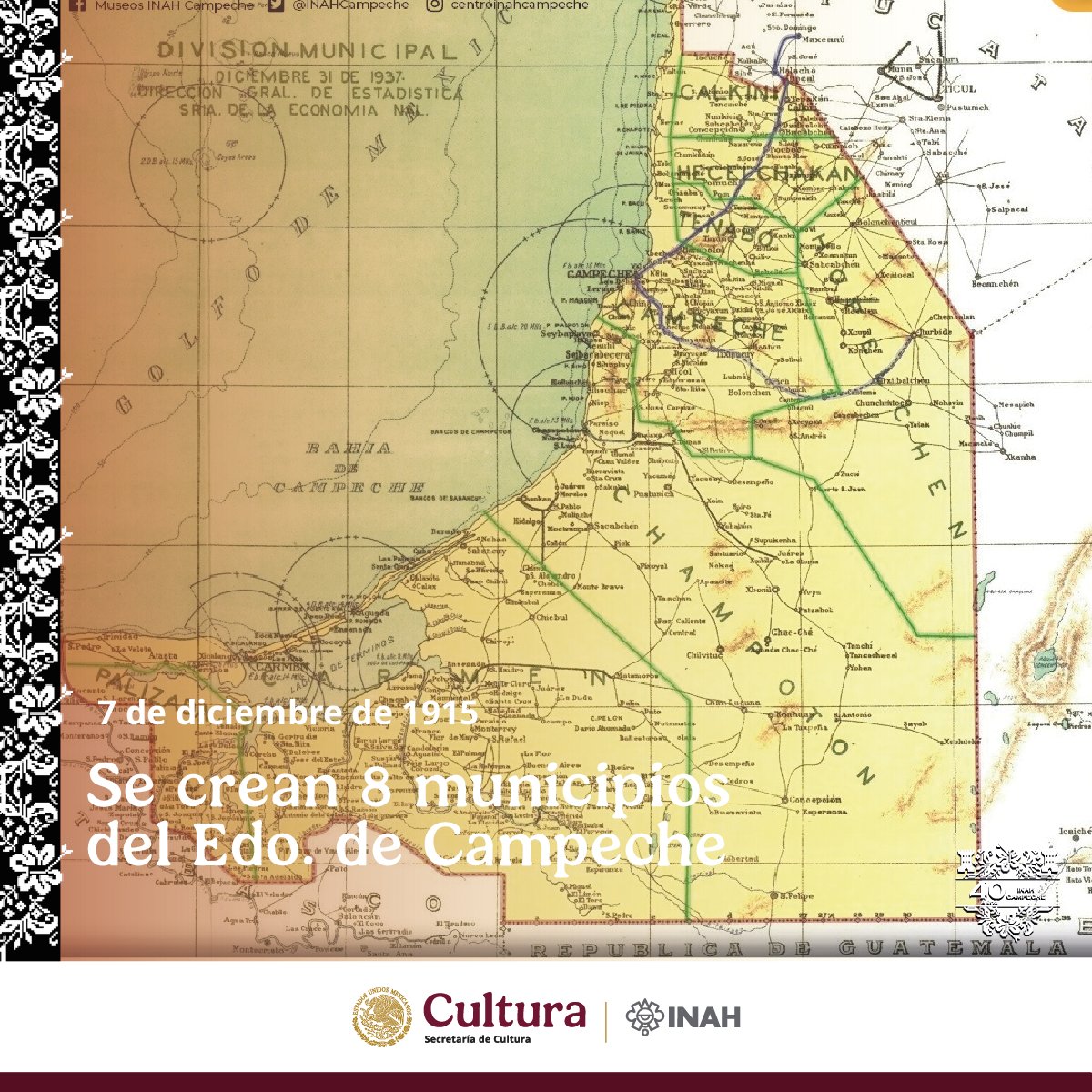
🟡El 7 de diciembre de 1915, el gobernador Joaquín Mucel Acereto publica en el Periódico Oficial el decreto núm. 51 que creó los primeros 8 municipios libres del estado: Calkiní, Campeche, Carmen, Champotón, Hecelchakán, Hopelchén, Palizada y Tenabo.
5
5
334

18 Oct 2025
AARP meet up looks 🔥. Heard they’re passing out free meta-mucel and prune juices.
3
702

11 Oct 2025
¡#GrandesCumpleañeras DE SEPT DEL 2025!
¡#BrigitteBardot CUMPLIÓ 91 AÑOS!
BRIGITTE ANNE-MARIE BARDOT nació el 28 de Sept de 1934 en París, en una familia de clase alta. Su papá fue el Empresario LOUIS PILOU BARDOT y su madre ANNE-MARIE MUCEL. JEANNE es su única hermana...🎂
2
57
26 Sep 2025
In 868, Alfred The Great, three years before he became king of Wessex married a woman named Ealhswith, whom he’d be married too for the rest of his life and didn’t discard her as sometimes happened in those days. Ealhswith was the daughter of a Mercian nobleman named Athelred Mucel. Her mother, Eadburh, was also descended from Mercian royal lineage which made Ealhswith an attractive match for Alfred who was aged about 20 at the time of his marriage. Ealhswith was described as being a venerable lady who remained a chaste widow after Alfred’s death in 899. She and Alfred had 5 children together including Alfred’s successor, Edward The Elder, and Aethelflaed, Lady of the Mercians, who is probably Anglo Saxon England’s most prominent female figure. Sadly, not much is known about Ealhswith other than that. However, it can be guessed her marriage to Alfred was a happy one given the length of time it endured and by the fact Ealhswith remained loyal to Alfred’s memory after he had died.
1
9
379
22 Sep 2025
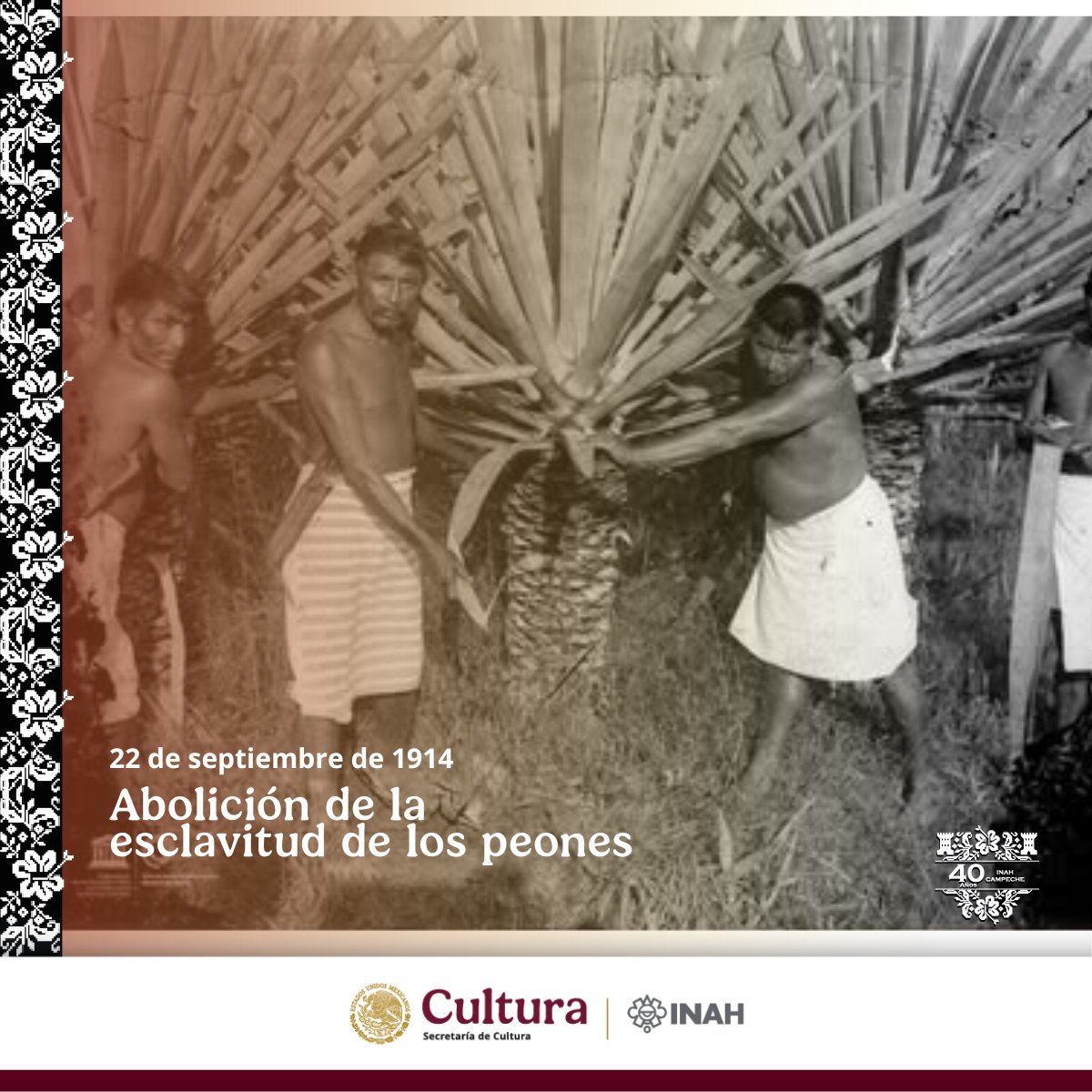
🟡El 22 de septiembre de 1914 el recién proclamado gobernador preconstitucional de Campeche, Gral. Joaquín Mucel Acereto, implementa en la entidad las reformas emanadas de la Revolución como la abolición de la esclavitud de los peones de las haciendas.
#EfeméridesCampechanas
5
4
78

11 Sep 2025
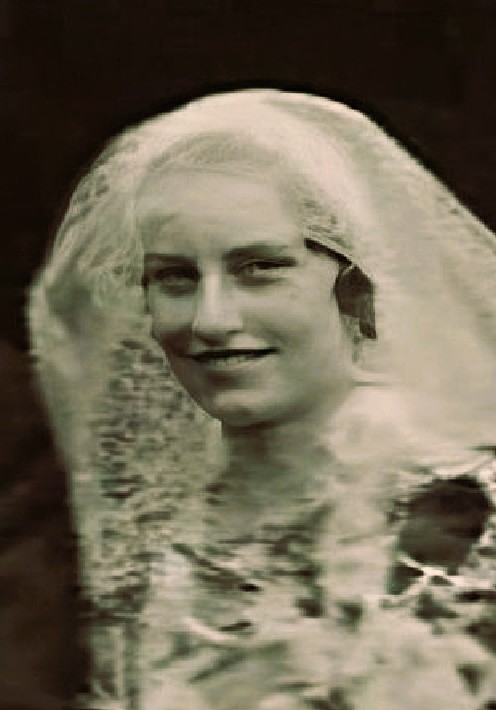
Anne-Marie Mucel (1912-1978)
Mère de Brigitte Bardot (le jour de son mariage en 1933). Elle accouchera à son domicile dans le 15e arrondissement de Paris en septembre 1934.
3
27
173
3,105
26 Aug 2025
Daughter of Alfred The Great, sister of Edward The Elder, aunt of Aethelstan, Aethelflaed, Lady of Mercians, was associated, by blood, with the 3 greatest kings in English history. However, Aethelflaed was not defined by the men she happened to be related to. Her contributions to the uniting of England were truly immense. Today, in search of female trailblazers, most historians are drawn towards the brilliant Tudor queen, Elizabeth I. However, without Aethelflaed’s tireless efforts 700 years earlier, the magnificence of Elizabeth’s reign, and of other English monarchs, may have taken on an altogether different nature. Here, we take a closer look at the life of Aetheflaed.
There is uncertainty over the date of Aethelflaed’s birth but it is most likely to have been in 870, shortly before her father, Alfred, became king of Wessex. And her birth place is equally mysterious with one historian suggesting Chippenham although that is purely speculation. Aethelflaed’s mother was Ealhswith who was married to Alfred for over 30 years, having married him in 868 and remaining his wife until Alfred’s death in 899. Ealhswith’s father was Aethelred Mucel, a Mercian nobleman. Aethelflaed’s ties with Mercia grew even stronger when she married the Lord of the Mercians, another Aethelred. Aethelflaed’s childhood came as her father fought valiantly against the Vikings although he did not forget the importance of education for his children. It has been suggested that young Aethelflaed was sent to the court of her aunt, Aethelswith, who was the wife of King Burgred of Mercia, for her upbringing although the evidence for that is flimsy.
The precise date of Aethelflaed’s marriage to Aethelfred again is unknown. She was recorded as being the wife of the Mercian ruler in a charter of 887 so it seems likely that she was married to Aethelred no earlier than 885. With him, Aetheflaed would remain married for around a quarter of a century until Aethelred’s death in 911, producing one child together, a daughter. Asser, the contemporary biographer of Alfred The Great, makes reference to two Welsh princes submitting to Alfred in order to escape, in the words of Asser, “the tyranny” of Aethelred. But, during her marriage to Aethelred, Aethelflaed must have grown in stature. If she hadn’t, then that would make her accomplishments as sole ruler as “Lady of the Mercians” even more remarkable. Whilst there is not exactly an abundance of evidence for Aethelred and Aethelflaed’s marriage, the latter’s name did appear frequently in charters and the royal couple strengthened the defences of Worcester somewhere towards the end of the 800s. Whilst Aethelred has had his fair share of criticism over the centuries, it is clear that he and Aethelflaed provided Mercia with a degree of stability, certainly when stood in contrast with other regions, not just in England, but across the channel also. However, when Aethelred died, Aethelflaed became more ambitious.Simply repelling the Vikings was no longer good enough. Areas that had been conquered by the invaders must be retaken.
Aethelflaed’s father died in 899. For more than 2 decades, Alfred The Great had been plagued by the debilitating Crohn’s disease but still that didn’t stop from pressing on with his duties. Asser praises him as such;”And what of the cities and towns to be rebuilt and of others to be constructed when there were previously none….and what of the royal halls and chambers marvellously constructed of stone and wood at his command? And what of the royal residences of masonry, moved from their old position and splendidly reconstructed at more appropriate places by his royal command?” Alfred’s brilliant went went beyond construction. Militarily, he had learned lessons from the reign of his brother, another Aethelred, and proved to be a magnificent commander, defeating the Vikings at Edington in 878, retaking London which he granted to Aethelred and Aethelflaed and even enjoyed naval success over the invaders as well. But perhaps his greatest legacy was the way he had prepared his children for life in the Viking age. Aethelflaed, as Aethelred’s consort, was already proving herself and her brother, Edward The Elder, would be a magnificent successor to Alfred The Great.
In 909, a combined force of men from Wessex and Aethelflaed and Aethelred’s Mercians defeated the Vikings at Tettenhall but ,the year before Aethelred died, in 910, a Viking army swept into Mercia and raided in their devastating fashion. When Aethelflaed became sole ruler of Mercia, she would have been well aware of the courage that she would need in times as harsh as these. As she would prove, she had that in abundance. Shortly after the victory at Tettenhall, the Anglo Saxon Chronicles states that Aethelflaed built the stronghold of “Bremesbyrig” which appears to have either have been in Gloucestershire or Herefordshire. Regardless of location, it was a clear indication of Aethelflaed’s authority.
In 912, Aethelflaed built strongholds at a site that the Anglo Saxon Chronicles calls “Scergeat” a site that remains unidentified before building another at Bridgenorth in Shropshire. She continued in 913 with more building work at Tamworth and Stafford with Warwick’s defences strengthened in 914. That year, a Mercian force repulsed a Viking army that had crossed the channel from Brittany. In 917, Aethelflaed captured Derby which one historian describes as being “Aethelflaed’s greatest triumph”, That success came at a personal price for Aethelflaed however. 4 thegns who were, in the words of the Anglo Saxon Chronicles, “dear to Aethelflaed” were killed in the campaign but still, like her brother Edward The Elder, Aethelflaed continued on her relentless mission to not only halt the Viking incursions but drive them back and perhaps even expel them from England completely.
The next year, Aethelflaed showed a different side to her character. She had demonstrated brilliantly, that she could organise armies, build defences and protect her people. In 918, she showed she could expand her territories by guile as Aethelflaed “peaceably got control of Leicester”. The brilliance of Aethelflaed’s leadership had earned her enough renown that her enemies were now willing to surrender to her and her forces without too much extensive resistance.
Not long after, the men of York, in Danish hands, came to swear loyalty to Aetheflaed but, shortly after, Aethelflaed died. On her death, on the 12th June 918, Aethelflaed, Lady of the Mercians, was on the warpath. She, along with Edward The Elder, had achieved brilliant successes and Mercia would come under Edward’s control. Edward profited immeasurably from the efforts of his sister and, on hearing of her death, he rode to Tamworth where he must have been sorrowful at her passing and, also, grateful for what she had accomplished. Even in the age of the Viking wars, Aethelflaed had shown, particularly during her relatively brief time as sole ruler of Mercia, that female rule was not only possible but it could also be spectacularly successful.
The chronicler, William of Malmesbury, praises Aethelflaed extensively and paints a picture of a strong willed woman. William attributes Aethelflaed only having one child with Aethelred as the result of a particularly difficult labour and refused her husband’s sexual advances from that point on. To his credit, Aethelred seems to have respected Aethelflaed’s wishes. From there on, Aethelflaed instead dedicated her life to a very different cause, that of a warrior, one not expected of a woman. William praises Aethelflaed as a woman “with an enlarged soul…and a spirited heroine” who “aided her brother greatly with her advice and of building cities.” Fierce to the end, Aethelflaed, Lady of the Mercians, is a woman you cannot help but admire tremendously.
1
1
7
219

2 Aug 2025
No mucel definition just wait loss


Use this tweet as an excuse to post a picture where your body was insane
4
838