
Jun 9
Right-wing nationalists are weaponizing Henry Nowak’s tragic death. We must reject their divisive hatred and defend multicultural Britain.
By Shajeel Zaidi
Read more: thefridaytimes.com/09-Jun-20…
#MulticulturalBritain #UnityNotDivision #Racism #SocialJustice #UKPolitics #British #UK
57
Jun 9
Henry Nowak’s tragic death must not be weaponized by the far-right. Britain’s true strength lies in its unity and evolving multiculturalism.
By Shajeel Zaidi
Read: thefridaytimes.com/09-Jun-20…
#MulticulturalBritain #UnityNotDivision #Racism #SocialJustice #UKPolitics #British #UK
55

Apr 20
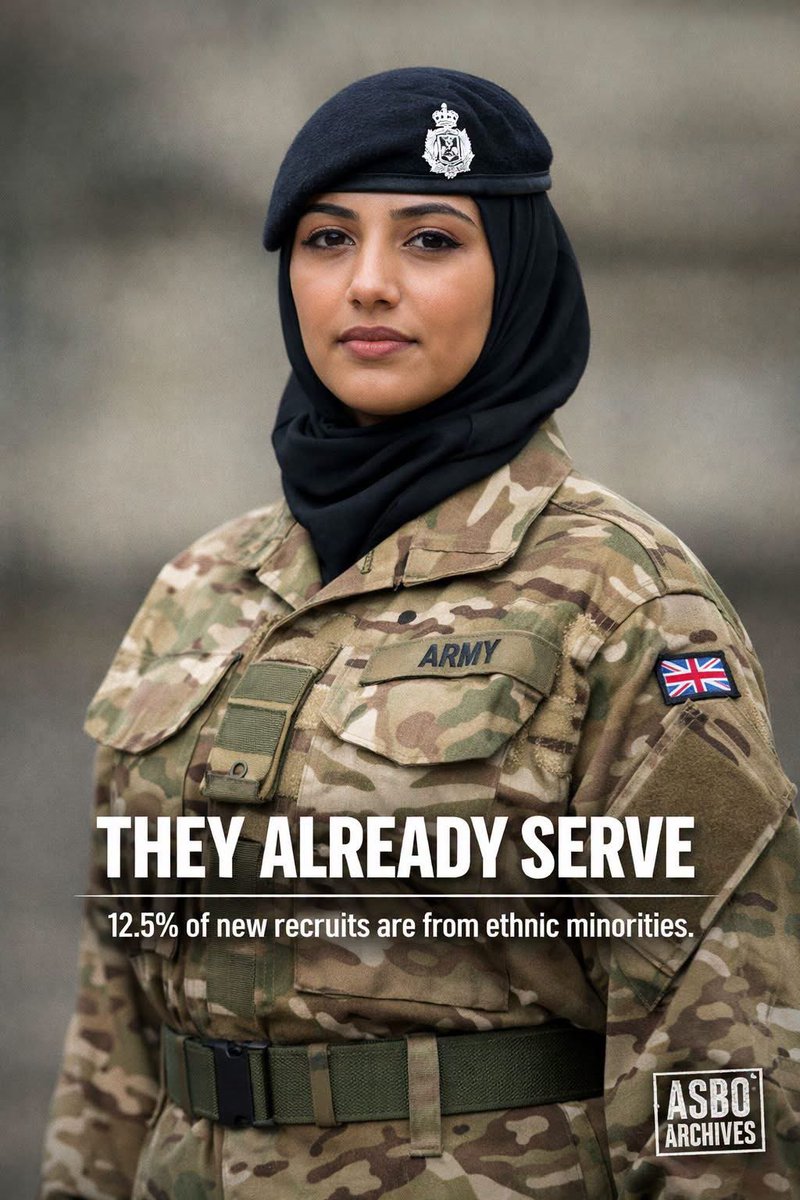
British Muslims and other ethnicities aren’t a separate group waiting to decide where they stand.
They already stand here.
They’re doctors, nurses, teachers.
They’re driving our buses.
They’re running businesses.
And yes, they serve in our armed forces.
#MulticulturalBritain 🇬🇧
2
127
389
4,235

Feb 18
Simple questions to these far-right racists: was Jesus a white man, as you portray him in your churches, or was he a Palestinian Jewish man from the Middle East; likely dark-haired, brown-skinned?
He would not look different from what you see in Palestinian Christians who have lived there for centuries. They don’t look white and blonde.
So the far-right racists need to ask themselves: why are they so dishonest as to portray a Palestinian or Middle Eastern-looking Jesus Christ as a white, blonde European?
If you get the answer correct, the day will come when there is multiculturalism and no racism on the basis of colour or creed.
The world — and the United Kingdom — will become a more beautiful and peaceful place.
#NoToRacism #MulticulturalBritain #FaithAndTruth #Equality #BritishValues
6
4
603

16 Oct 2025
Fuck yes!!!
#Diversity #MulticulturalBritain #Immigrantswelcome #RefugeesWelcome #benjaminzephaniah
Join @TheGreenParty #ZackPolanski #VoteGreenParty
And up yours Reform.

3
229

5 Aug 2025
15 Jul 2025

Visit mothinali.com for more info
To effectively reach the widest audience, we've got to be able to speak to people on a level.
This has been lacking in politics for a long time. Politics has to at least try to reflect the diversity in society...
@TheGreenParty is leading the way!
#Mothin4Deputy
#ThePeoplesDeputy
#HeroOfHarehills
4
8
679

30 Jul 2025
Starmer vows to uphold diversity amid rising fears over racism, immigration
#KeirStarmer #UKPolitics #Immigration #Diversity #MulticulturalBritain #SocialCohesion
easterneye.biz/starmer-uphol…
2
79

13 Jun 2025
🚨 So now Starmer regrets saying we’re at risk of becoming “an island of strangers if immigration rules aren’t followed” — straight from the horse’s mouth (the horse being Keir Starmer) in the New Statesman.
If a Prime Minister can’t even say that without triggering a left-wing meltdown, then Britain is in dire straits.
What does Keir Starmer actually believe? Can he hold a line on anything — or does he just fold every time someone gets upset?
People compared that speech to Rivers of Blood. As someone descended from immigrants who actually heard that speech — and who faced real racism in 20th century Britain — there is no comparison. None.
Nobody — not the British-born, not immigrant communities — thinks immigration at a pace equal to a city the size of Liverpool every year is sustainable.
I’m mixed race — the product of managed immigration and successful multiculturalism. And both sides of my family — Ghanaian and British, black and white, left and right — agree: immigration is too high, and integration isn’t working well enough in some communities.
It’s a disgrace we can’t even talk about this without hysteria.
#IslandOfStrangers #ImmigrationDebate #UKPolitics #Starmer #WhatDoesHeBelieve #StraightFromTheHorsesMouth #PolicyNotPanic #MulticulturalBritain #IntegrationMatters #TimeToTalk #SocialCohesion
12 Jun 2025

🔴 Starmer suggests he regrets ‘island of strangers’ speech
telegraph.co.uk/politics/202…
1
2
5
825

6 Apr 2025
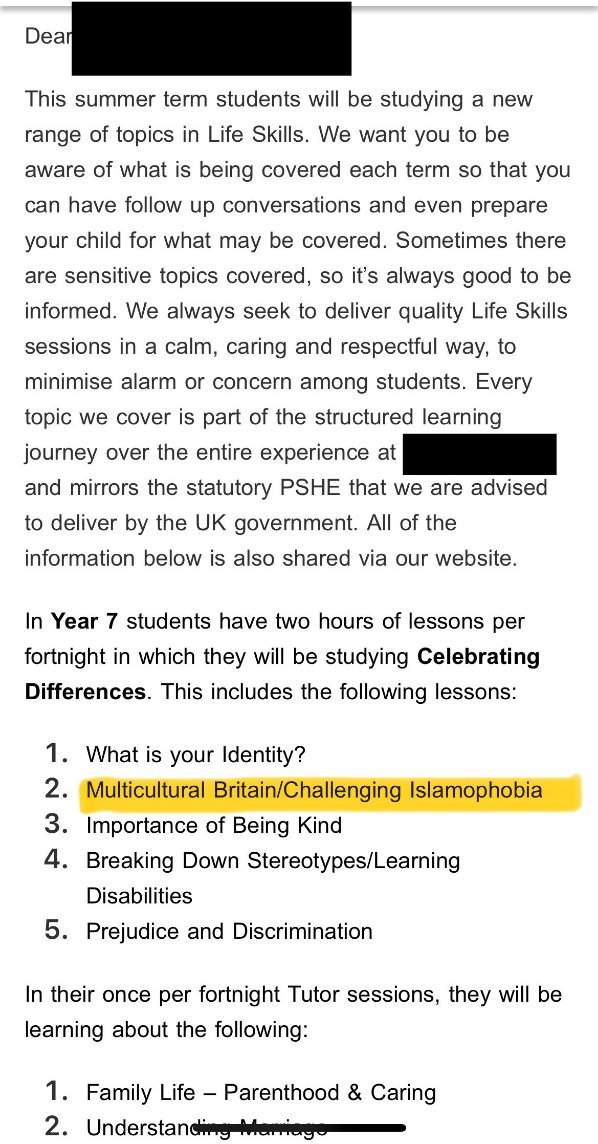
This passes for education in Northants & Britain.
-MulticulturalBritain/Challenging Islamophobia
-A whole chapter on LGBT Indoctrination
I think the Islamophobia conflicts with the LGBT stuff.
A follower's friend who is a parent sent me this.
7
31
62
5,940

10 Oct 2024
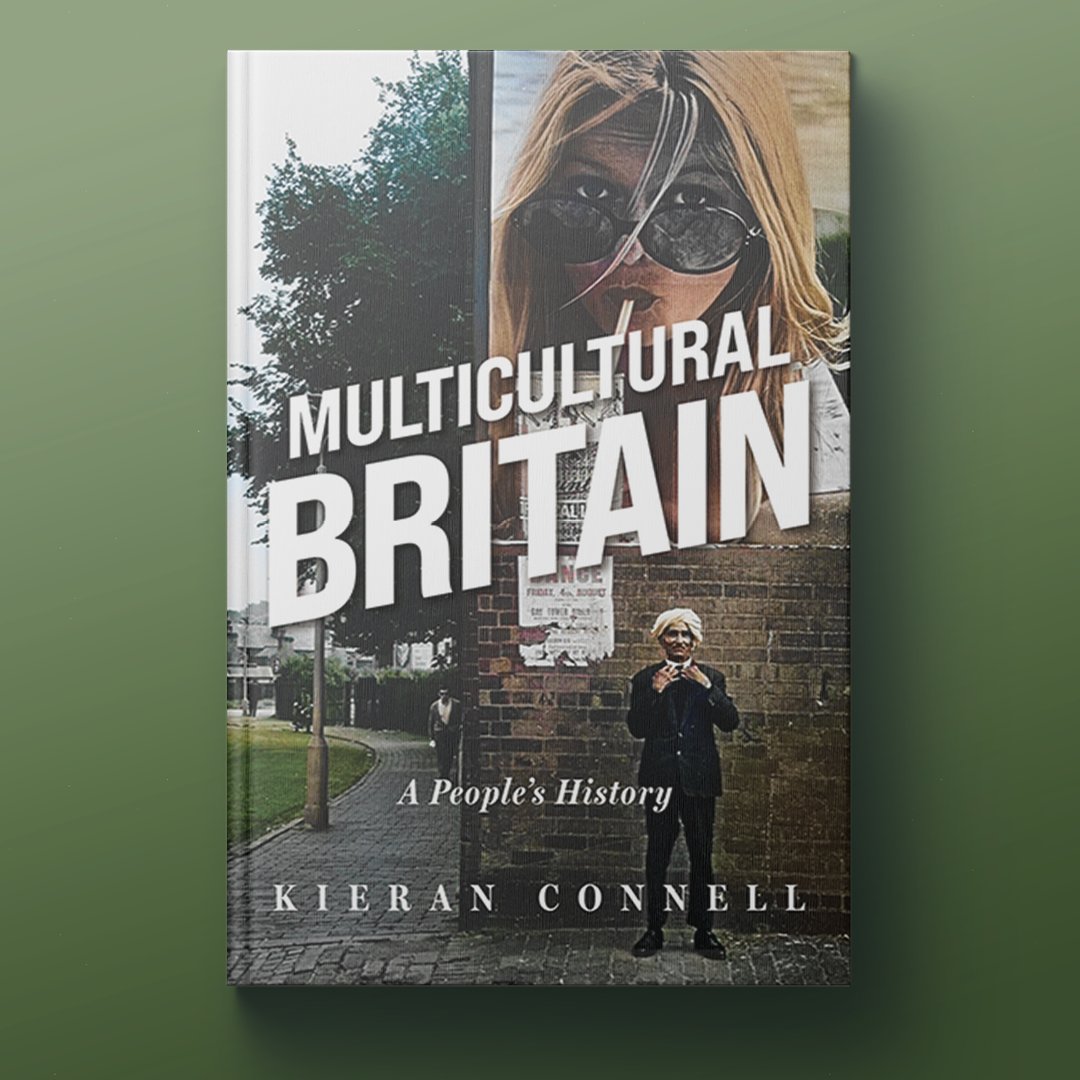
Explore Black British history in @KConnellWriter's #MulticulturalBritain. 'Redefines not only our past, but assembles the ingredients to construct a possible future from the country’s maligned and often misunderstood multicultural reality.' @johnypitts #BHMUK24 #BlackHistoryMonthUK #UKBlackHistory
Order at 30% off using code BHM2024: shorturl.at/5jFya
2
8
786


15 Aug 2024
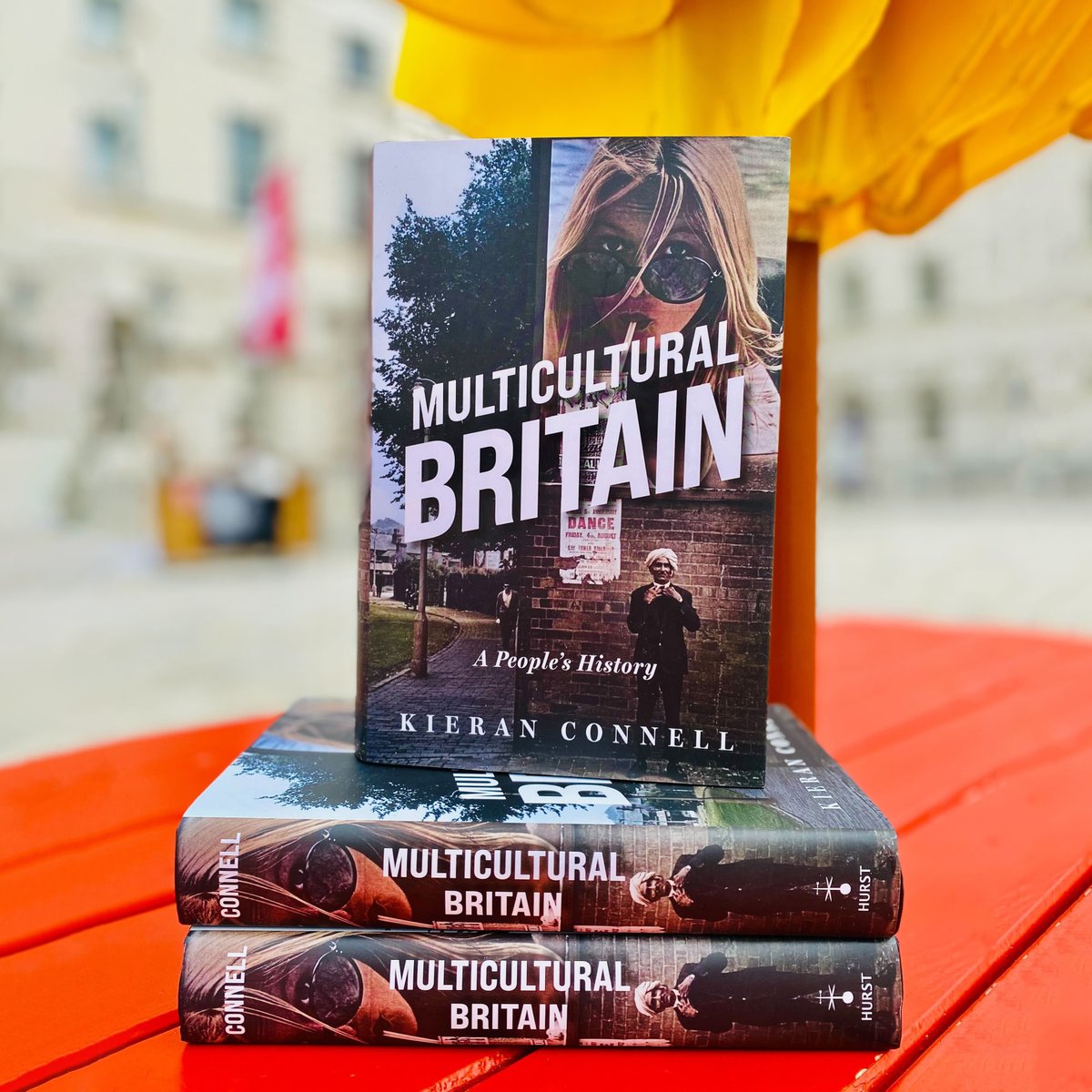
🥳🎉 Congrats to @KConnellWriter whose #MulticulturalBritain is out today! Vividly told, immediately resonant, yet fresh and unexpected, it unveils #British multiculturalism not as a problematic idea, but as a rich and complex lived reality.
hurstpublishers.com/book/mul…
5
9
1,230
12 Aug 2024
‘Its bursts of colour and insights into daily lives of early #multicultural societies… [make it] a worthwhile read.’
Read the review of @KConnellWriter's #MulticulturalBritain in @IrishTimes.
Early stock available now 📚
irishtimes.com/culture/books…
2
232

7 Aug 2024
Loving the images of communities across the UK coming together tonight saying 'Not On Our Watch'
#LoveWillWin
#MulticulturalBritain
#Ubuntu
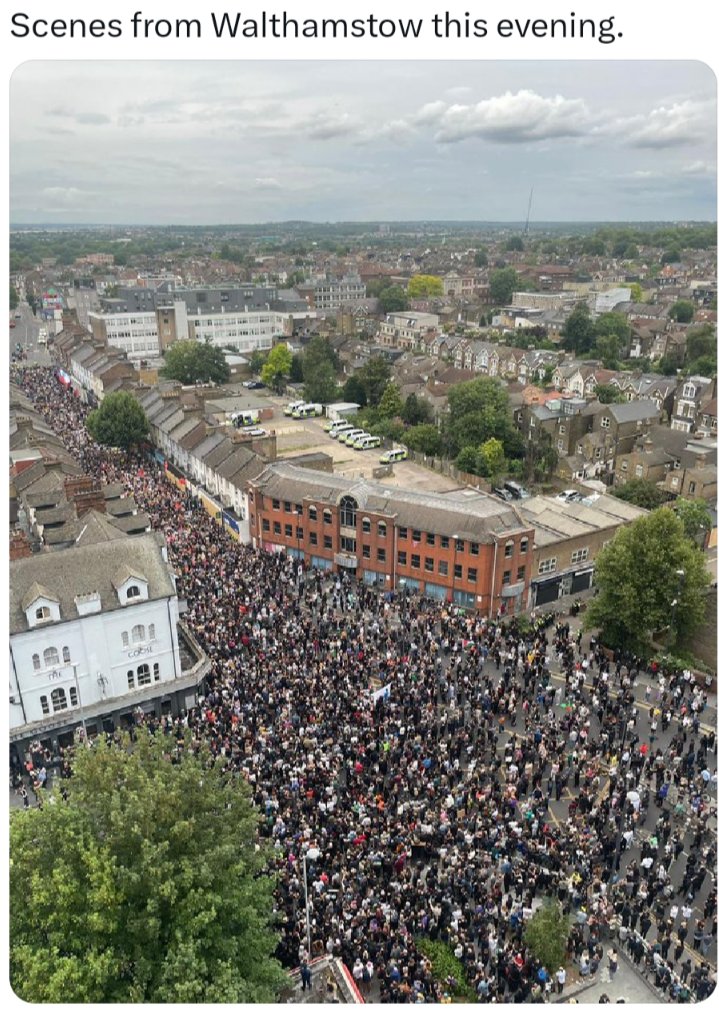
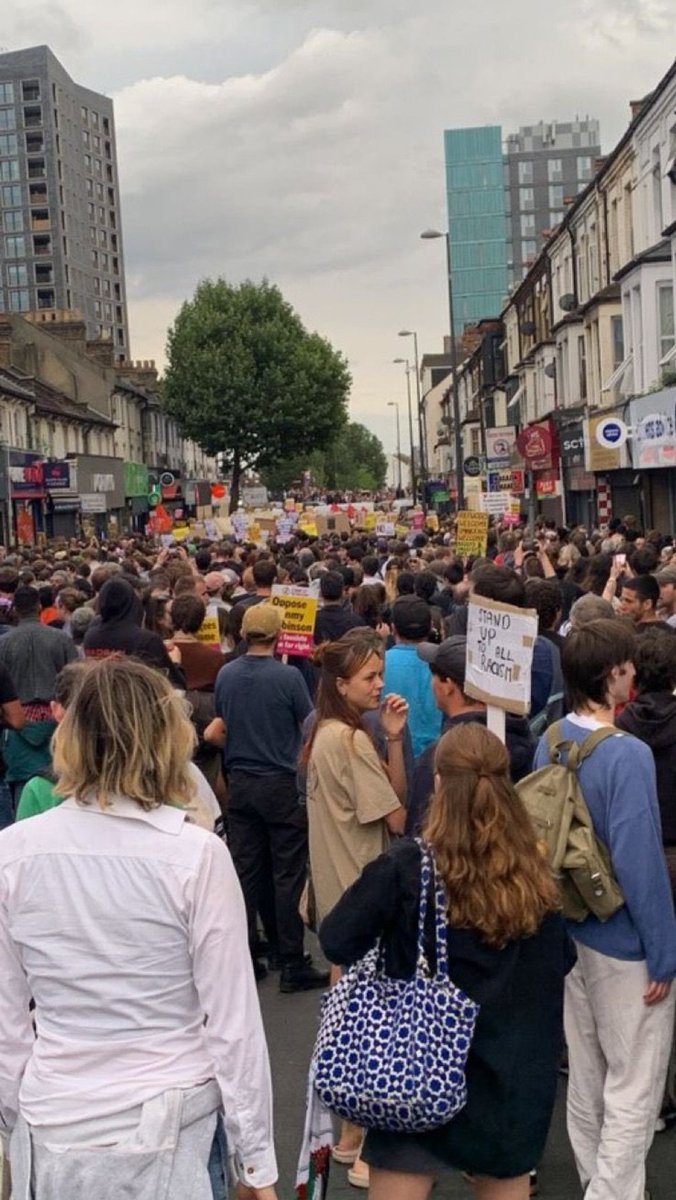
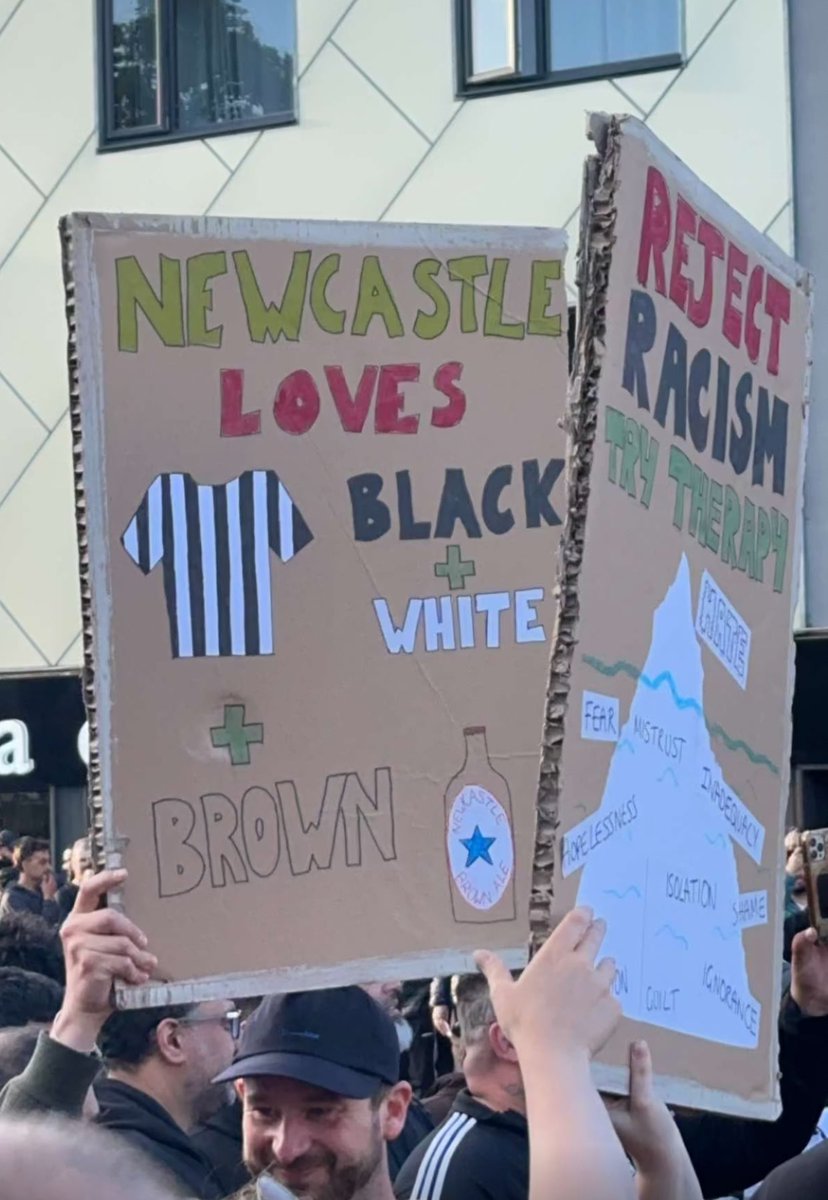
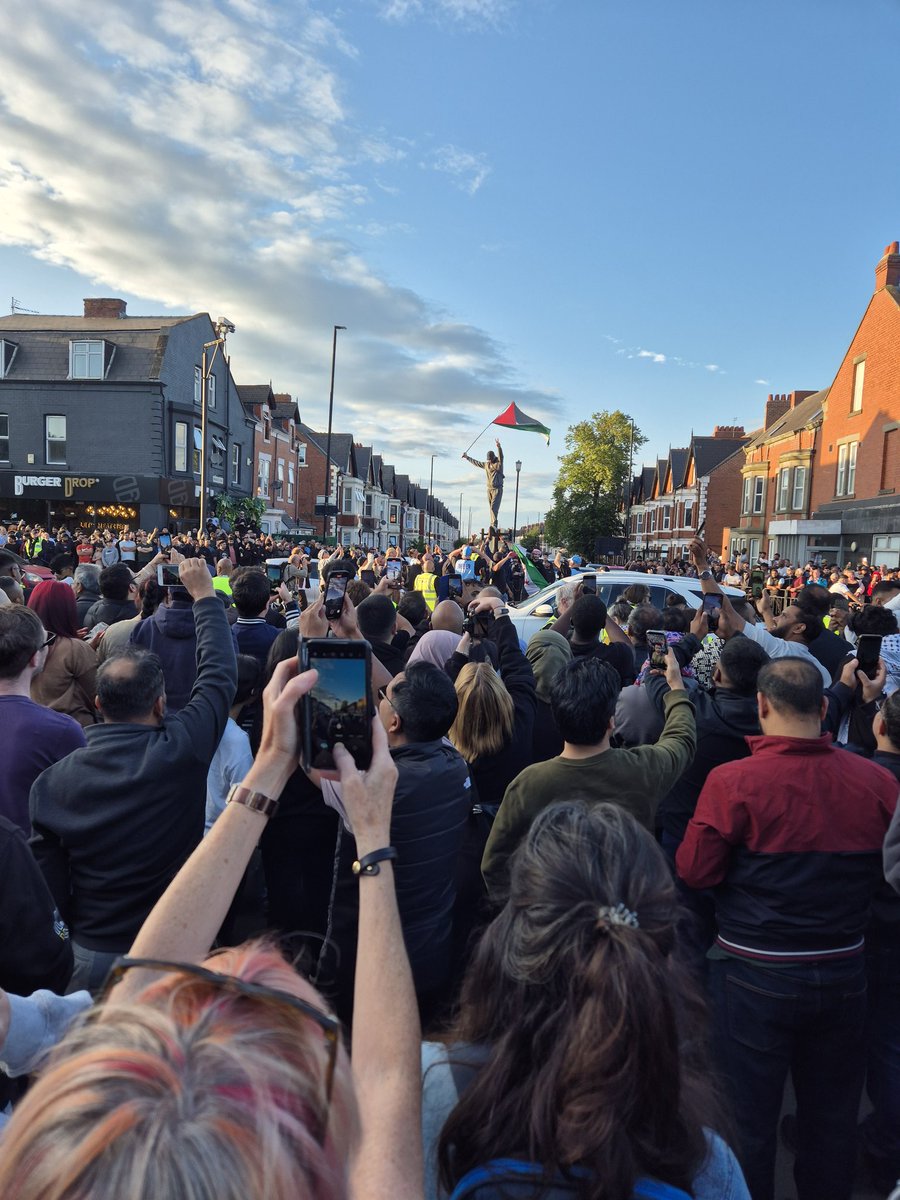
1
5
263
7 Aug 2024
📰💬 'There can be little doubt that what happened was the direct result of a long, undignified history of appeasing the #farright and normalising #racist tropes.'
#MulticulturalBritain author @KConnellWriter reflects on the riots in today's @IrishTimes 👇irishtimes.com/opinion/2024/…
3
1
1
684

6 Aug 2024
Thank you to everyone who checked in with the Razas it’s really appreciated in these strange times, really blessed to have allies like you 🫶🏼 #MulticulturalBritain #MoreInCommon #HopeNotHate
2
149
6 Aug 2024
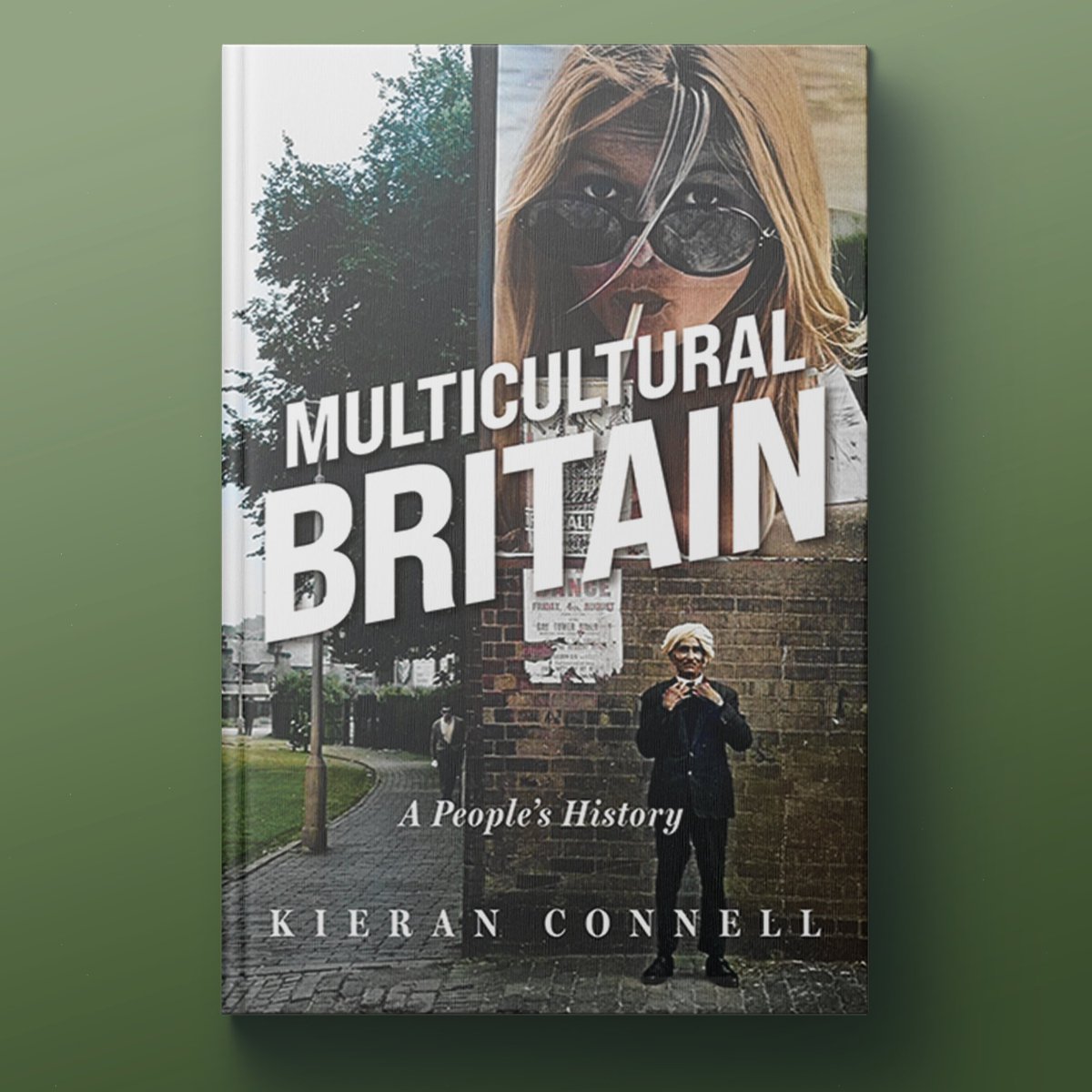
Early stock of #MulticulturalBritain by @KConnellWriter is available now.
A new history of personal and community relationships across post-imperial Britain, from 1940s Cardiff to the millennial Midlands.
‘Kieran Connell’s vividly compelling book makes an epic subject feel immediate and intimate. Written with verve and passion.’ — @fotoole
GET 25% off with code CONNELL25➡️ tinyurl.com/3p6uhv4r
4
8
2,989

19 Jul 2024
FACT CHECK: Historical Background of Asian Immigration to the UK
Asian immigration to the United Kingdom has deep historical roots and has significantly evolved over the centuries. This immigration can be broadly categorized into several phases, each influenced by different socio-political and economic factors.
Early Arrivals (17th - 19th Century)
The earliest Asian immigrants to the UK were largely South Asian sailors, known as lascars, who were employed by the British East India Company from the 17th century onwards.
These sailors often settled in British port cities after being abandoned or choosing to stay due to economic opportunities, despite facing significant hardships and discrimination . By the mid-19th century, their presence had grown, with many lascars settling permanently and contributing to early Muslim communities in the UK .
Colonial and Post-Colonial Migration (19th - Mid 20th Century)
During the British Raj, many Indians traveled to the UK for educational and economic opportunities. This movement increased significantly after India’s independence and the partition of 1947, which led to the creation of India, Pakistan, and later Bangladesh.
The breakup of the British Empire and the need for labor in post-World War II Britain further accelerated Asian immigration. This period saw significant migration from the Indian subcontinent to fill labor shortages in industries and public services like the National Health Service and London Transport .
Post-World War II and Commonwealth Migration (1948 - 1970s)
The British Nationality Act of 1948 granted citizenship to people from the Commonwealth, allowing them to live and work in the UK. This led to large-scale immigration from South Asia, the Caribbean, and Africa.
Many Asians, especially from India, Pakistan, and Bangladesh, migrated to the UK during this period, often settling in industrial cities and taking up jobs in textiles, manufacturing, and public services .
Significant waves of immigration also occurred due to political turmoil in other countries. For instance, the expulsion of Asians from Uganda by Idi Amin in 1972 led to the arrival of thousands of Ugandan Asians in the UK, who were already British passport holders due to their historical ties with the British Empire .
Legislative Changes and Modern Immigration (1970s - Present)
The influx of immigrants prompted legislative changes aimed at controlling immigration. The Commonwealth Immigrants Acts of 1962 and 1968 and the Immigration Act of 1971 imposed stricter controls, effectively limiting immigration to those with direct familial ties to the UK or specific work permits .
Despite these restrictions, immigration from South Asia continued due to family reunifications and economic opportunities. By the late 20th and early 21st centuries, South Asians in the UK began achieving significant social, economic, and political milestones.
Prominent figures like Sadiq Khan, Rishi Sunak, and Humza Yousaf exemplify the community’s integration and influence within British society .
Conclusion
The history of Asian immigration to the UK is complex and multifaceted, reflecting broader patterns of colonial history, economic needs, and political changes.
This community has faced significant challenges but has also made substantial contributions to British society, shaping its multicultural identity. #AsianImmigration 🇬🇧📜 #BritishHistory #Commonwealth #Diaspora #SouthAsianUK #CulturalDiversity #MigrationHistory 🌍 #BritishAsians #PostWarImmigration 🏠 #UKHistory #MulticulturalBritain #EastIndiaCompany 🚢 #Lascars #Partition1947 #NHSWorkers 💼 #FactCheck #Fact_Check #Leeds #Harehills #Leicester #Birmingham #Bradford
18 Jul 2024

Two imbeciles setting fire to buses in Harehills, Leeds. They don’t even cover their faces because they don’t fear the law.
@WestYorksPolice arrest them. The law needs to make an example of them.
6
3
6
20,224
24 Jun 2024
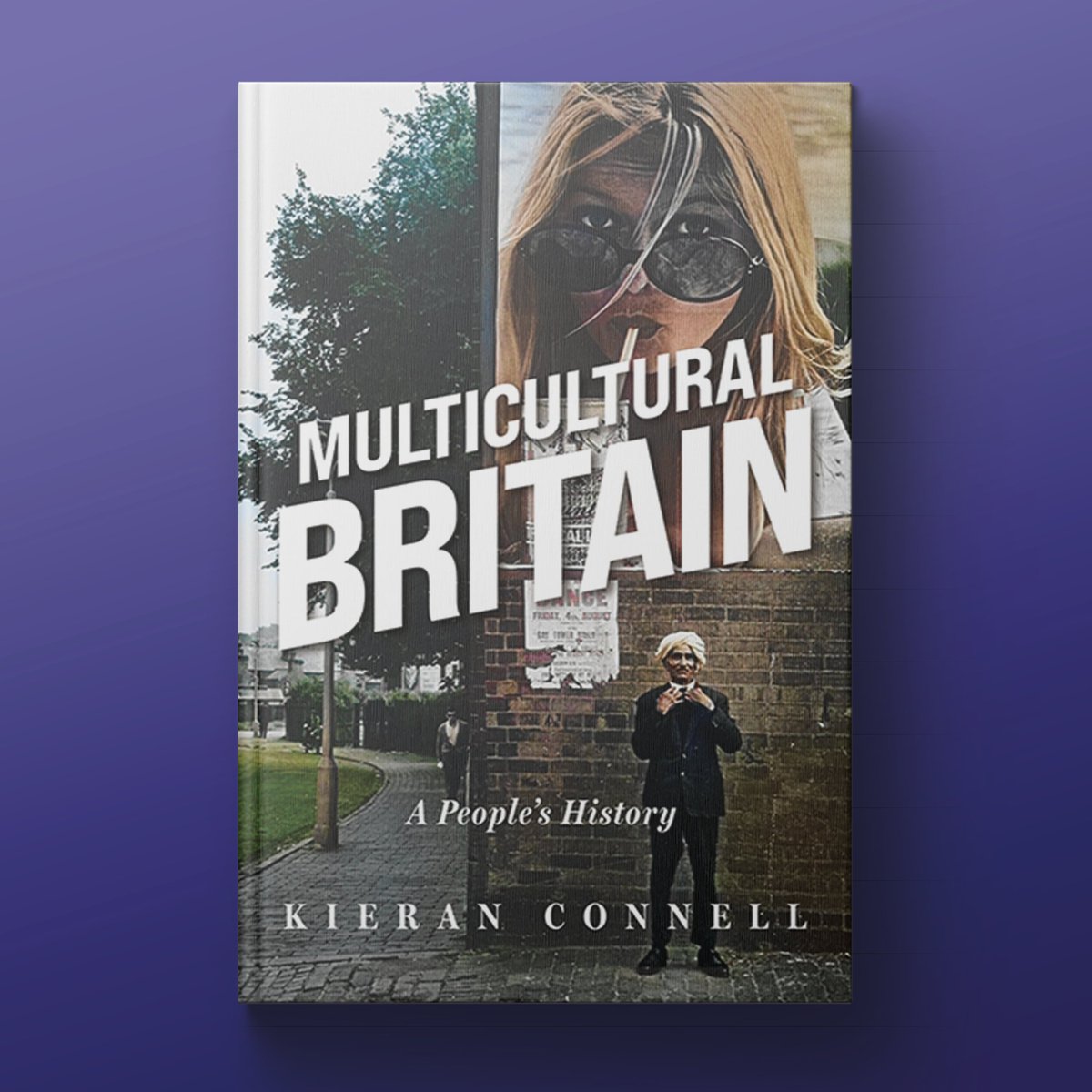
@KConnellWriter’s ‘vividly compelling book #MulticulturalBritain honours the lives it restores to their proper place in the making of contemporary Britain.’ — @fotoole
‘This book comes at a crucial moment in Britain’s history. It redefines not only our past, but assembles the ingredients to construct a possible future from the country’s maligned and often misunderstood multicultural reality.’ — @johnypitts, author of #Afropean
Out in August. Pre-order from the Hurst website to receive 40% off in our sale!
➡️tinyurl.com/3p6uhv4r
2
1,008

21 Jun 2024
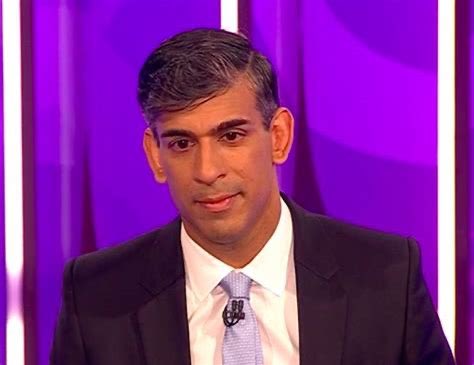
Rishi Sunak: The Unelected Prime Minister's Struggle
I always knew Rishi Sunak, the unelected Indian Prime Minister of the UK, would never get elected in a general election, and it seems I'm right. The British public, despite claiming not to be racist, was never going to elect a brown man with Indian ties. Sunak, who became stinking rich and was made Chancellor, mistakenly believed that he would be accepted as one of their own. He should have taken the opportunity to leave for California instead.
Sunak lacks charisma and tries too hard to be English, much like Nikki Haley, Vivek Ramaswamy, and Suella Braverman. These sellouts to their own race are desperately seeking acceptance that never comes. Sunak’s mistakes, including leaving the Normandy anniversary early, and his lack of understanding of British history, have alienated many voters.
The powerful Eton Mafia—Old Etonians like Jacob Rees-Mogg and David Cameron—resent him for ousting Boris Johnson. These shire people never fully accept outsiders. Sunak's association with the elite, marrying a billionaire’s daughter, hasn't shielded him from the political reality.
Sunak’s strategic error in calling a snap election and his misjudgment of internal party dynamics could cost him dearly. The Eton Mafia is likely to use him as an example of what not to do. As they lose in July, they will regroup, rebrand the Conservative Party, and prepare for a comeback with new leadership from their ranks.
# Hashtags
#RishiSunak #UKPolitics #GeneralElection2024 #ConservativeParty #BritishPolitics #LeadershipChallenges #MulticulturalBritain #PoliticalAnalysis #EtonMafia #ElectionStrategy
1
2
285