山田哲郎 retweeted

Jun 16
6月大会にご参加の皆様お疲れ様でした✨
今月は侍MULTIGUNと言うことで、3Gun+刀と言う変わり種にATPF6月大会とてんこ盛り 😊
総エントリー数も29エントリー頂き満員御礼でした🙏
また今後もコンセプトを絞った大会やってみますのでまたご参加ください🙄

5
22
1,099

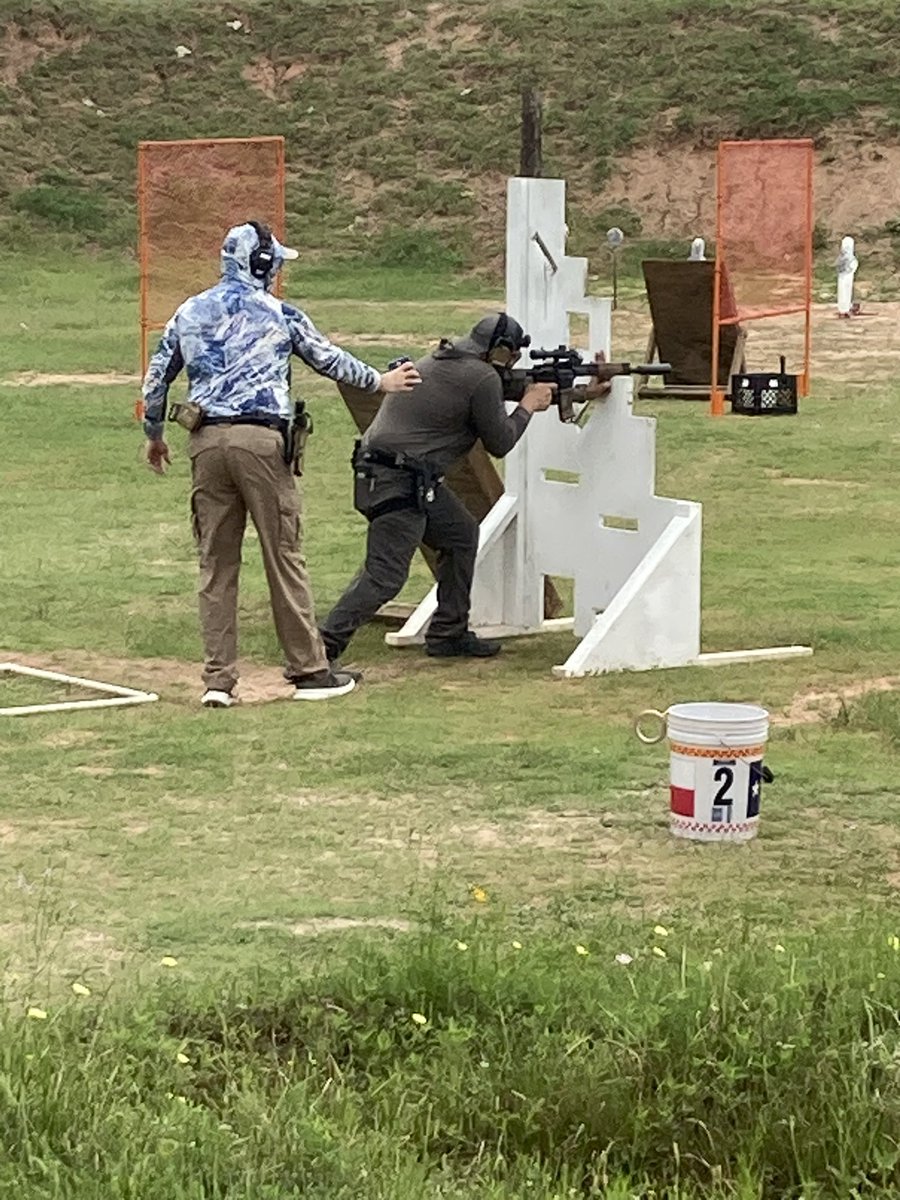
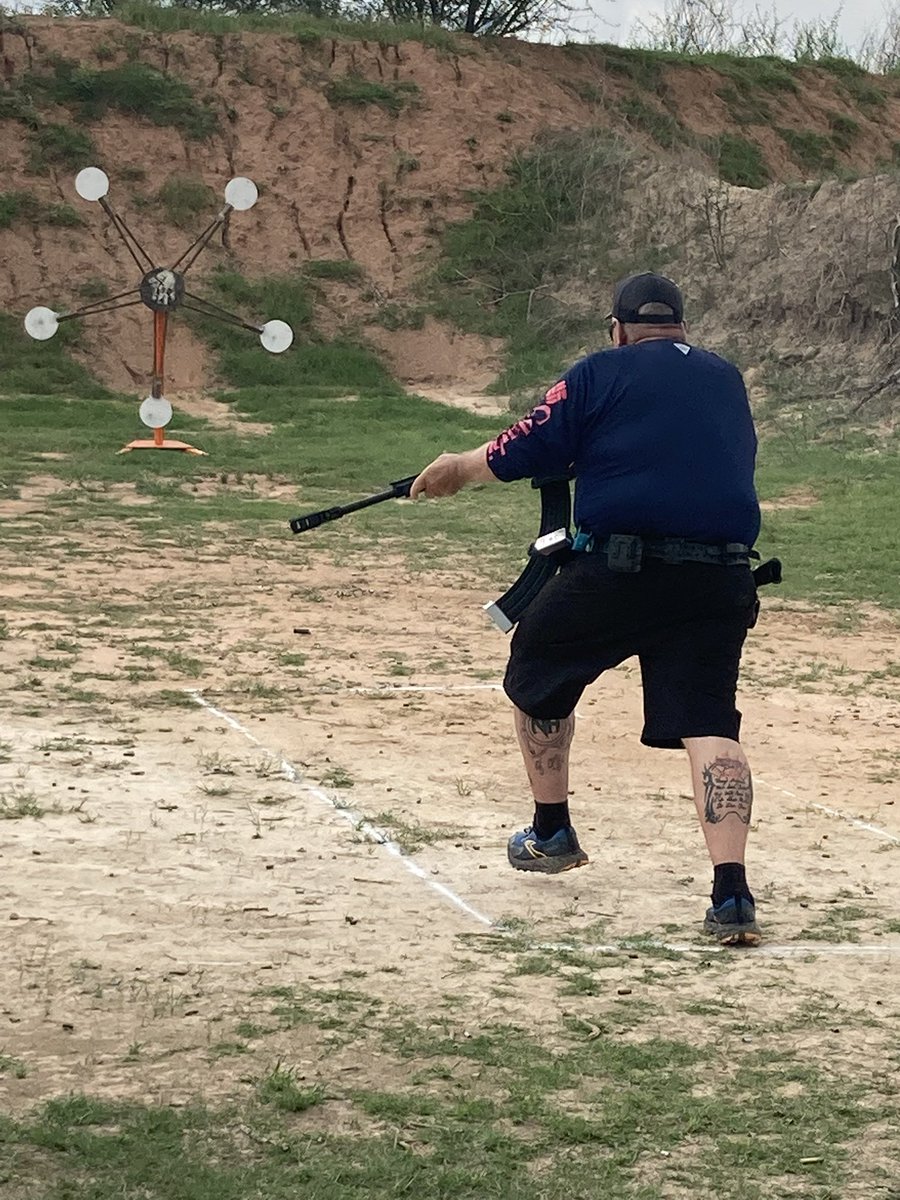
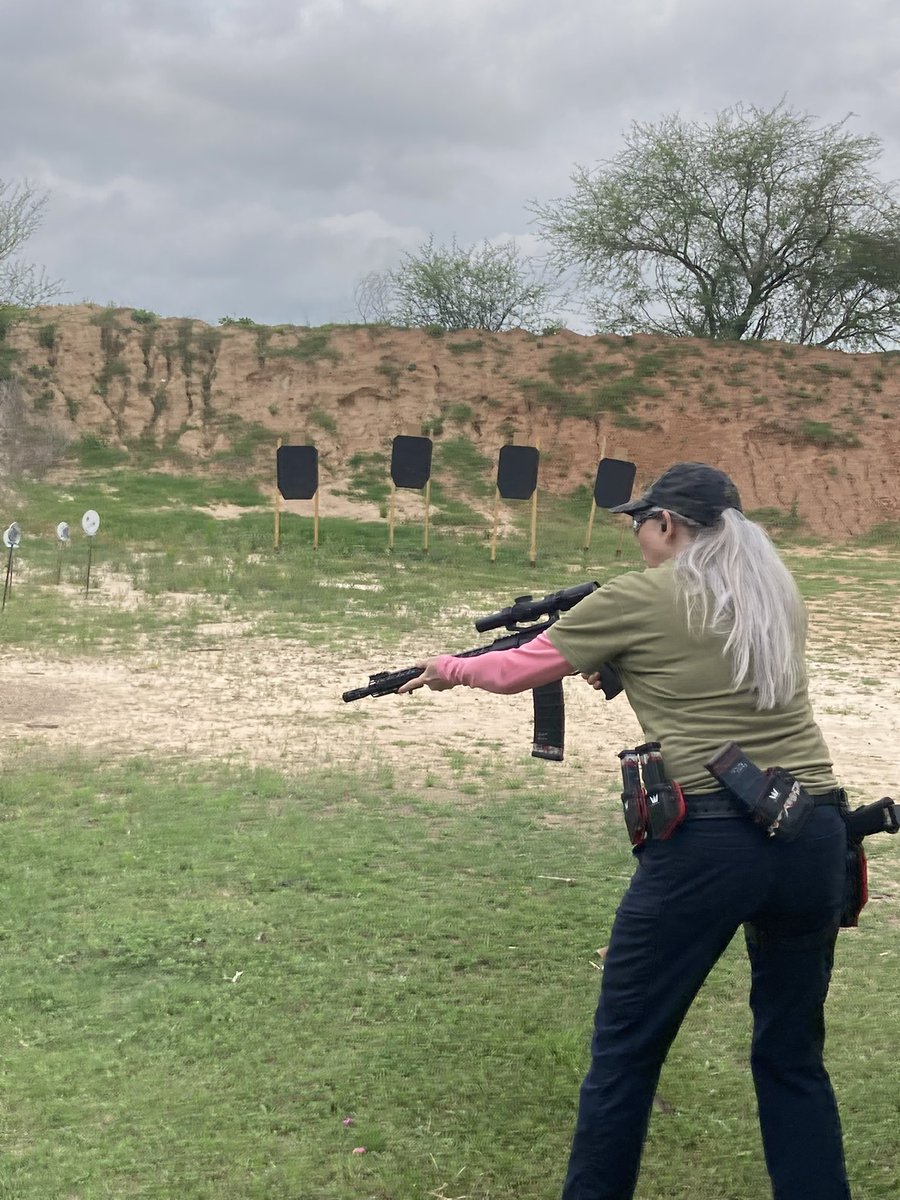
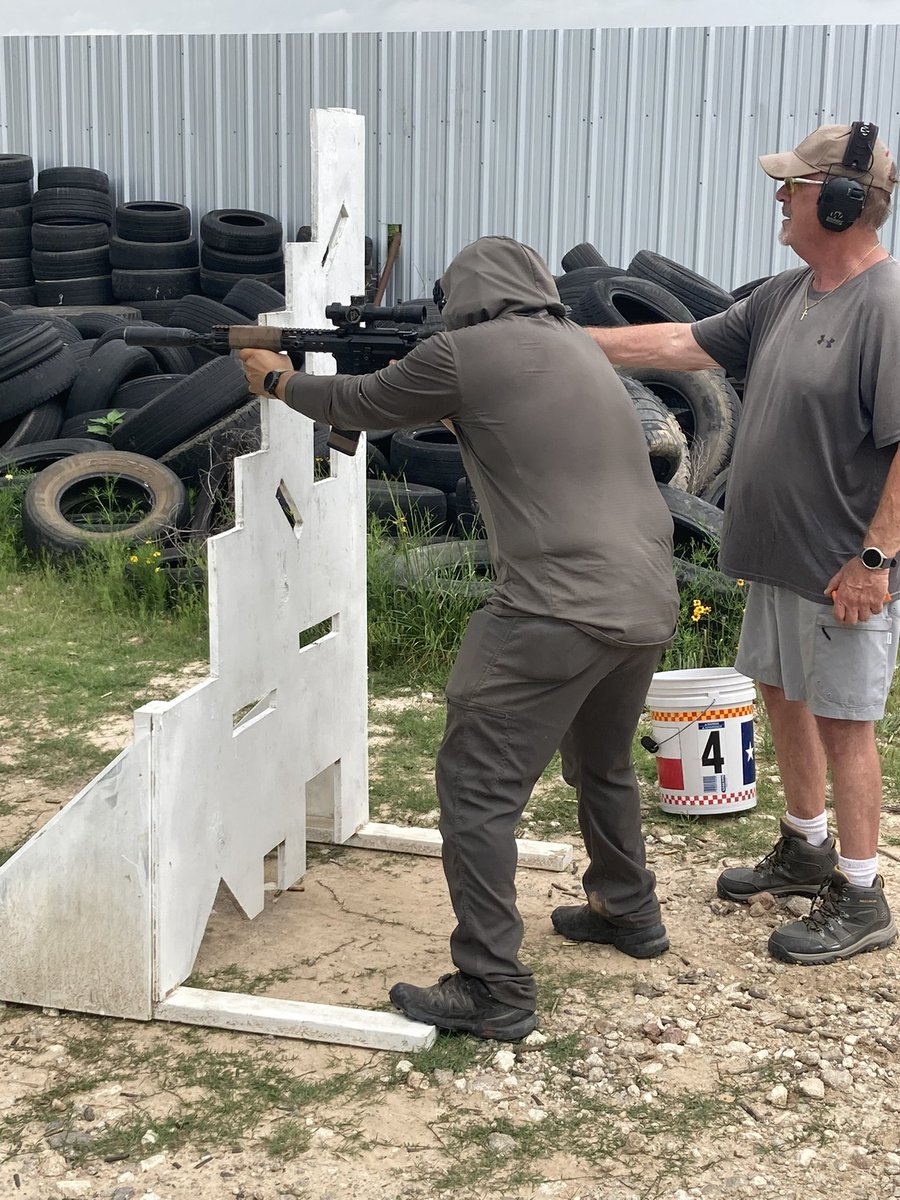
This Saturday, June 20th! Join us for the monthly MultiGun Match with West Houston Shooters Club.
.
Lots of good, casual but exciting fun and a great way to test your skills!
.
Sign up here:
practiscore.com/west-houston…
8
捕食者T氏 retweeted
Jun 13
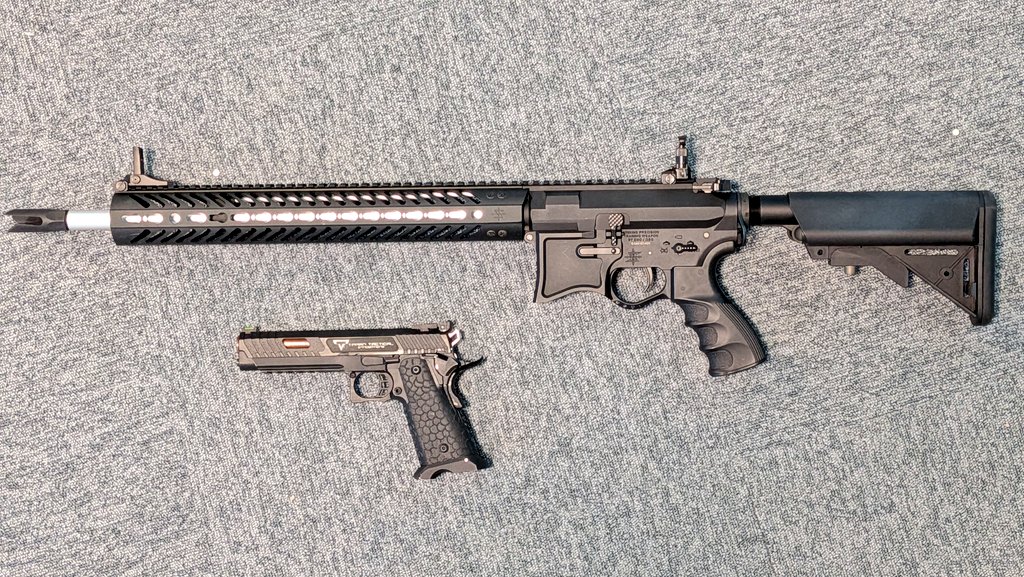
明日タクティクスフィールドでATPF&侍MULTIGUNと言うことで今は無き3Gunをオリジナルでやってみます😊
10時からお試しということで10名エントリー既に9エントリー頂いております🫡
ご興味ある方は是非ご連絡ください🙏
2
9
265


x.com/gn4434/status/20650004…
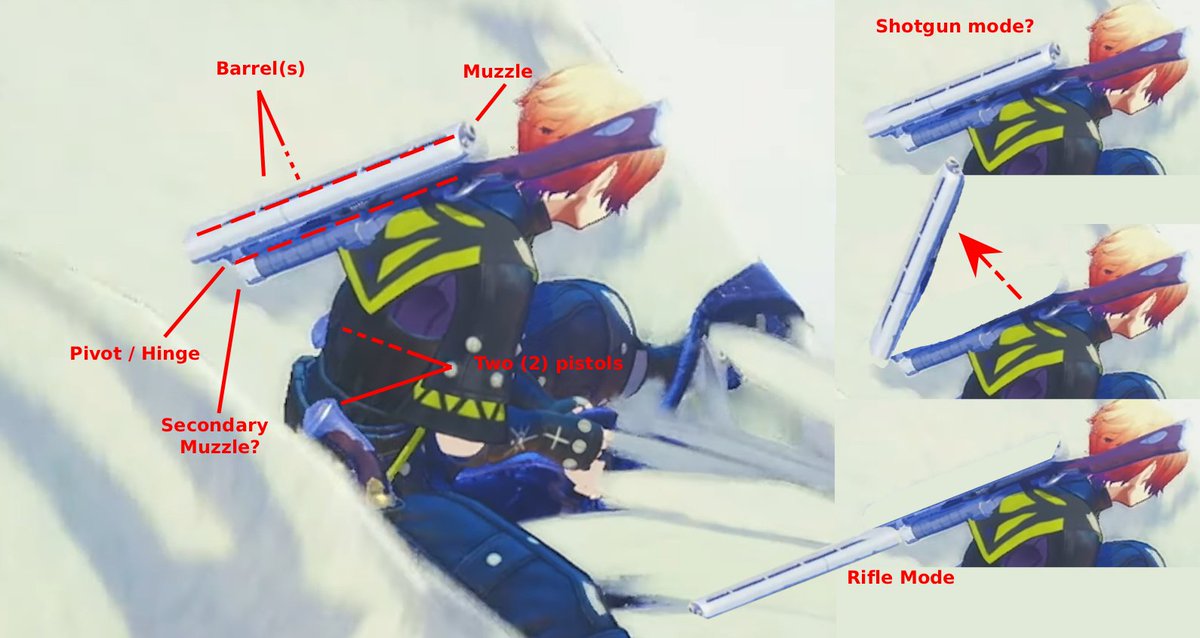
Two pistols and a possible multigun, it's so neat looking.

One of the elves in Xenoblade Genesis seems to have a cool gun. Two pistols on his hips, too, but this gun is the main attraction. How neat.
8
2,899

Jun 11
( MULTIGUN UNHOLSTERED & SHOT IN THE AIR. INFINITE BULLETS )
2
82

Jun 11
Some shooters stay in one discipline. Others bounce between Steel Challenge, USPSA, 3-Gun, and whatever local match is running. What's the most useful thing you learned crossing disciplines?
#CMORESystems #CompetitionShooting #SteelChallenge #USPSA #3Gun #Multigun

2
12

Jun 4
Go check Joe_Farewell on Instagram. He is a top competitive shooter here in the states in multigun and IPSC. It's his rifle.
3
82

May 26
Atlanta Constitution, May 25, 1913, the Day After Leo Frank's Indictment, We Learn Powerful Forces Were Trying to Subvert the Mary Phagan Case
1. “Colyar a Success in Preacher Role”
This article is a character sketch of A. S. Colyar, written while he was becoming a central figure in the Felder dictograph scandal. The Constitution recounts Colyar’s 1905 episode in Athens, Georgia, where he allegedly arrived under false pretenses, claimed a connection to attorney Andrew Lipscomb, gained the confidence of local lawyers, passed a forged check, secured an endorsement on a fraudulent draft, and disappeared. After being brought back, convicted, and spared immediate imprisonment, Colyar reportedly left for Chattanooga, stopped in Cartersville, entered a revival meeting, professed conversion, began preaching, and soon married a wealthy widow. The article’s purpose is clear: it portrays Colyar as theatrical, slippery, persuasive, and unreliable, while explaining why his role in the Felder affair drew such suspicion. And we might ask about his reform, did he marry for love or money?
2. “‘Becker of South’ Lanford is Branded by Colonel Tom B. Felder”
This front-page article brings several explosive developments together at once: Leo Frank’s indictment, Jim Conley’s statement about writing the murder notes at Frank’s dictation, A. S. Colyar’s arrest on a Knoxville warrant regarding an old forgery, and the widening Felder-Lanford feud that was rooted in the police shutting down the ever-relocating red light district. Felder lashes out at Chief Newport Lanford, comparing him to “Lieutenant Becker” and accusing the police department of a corrupt system that was allegedly protecting Mary Phagan’s murderer. Lanford answers by calling Felder ridiculous and suggesting more bribery allegations may follow. The article reads less like a single news item than a snapshot of May 25, 1913, as a turning point, when the Phagan murder case, police politics, vice enforcement, private detectives, and bribery charges collided in public view. In some press reports Lanford asks the poignant question, to paraphrase: Who's financing, backing or funding Felder?
3. “Charge Framed Up by a Dirty Gang”
Mayor James G. Woodward responds to the published dictograph record involving himself, Colyar, G. C. Febuary, and E. O. Miles at the Williams House. Woodward denies that the record fairly represents what happened, saying parts were left out and other parts distorted to serve the purpose of those who set the trap. He insists he was not trying to interfere in the Mary Phagan case and says his only official connection to it was calling a special council session to offer a $1,000 reward for the capture and conviction of the murderer. The article presents Woodward trying to separate himself both from the Felder scandal and the Phagan investigation, while accusing Colyar and his associates of baiting him with claims about police graft. It was starting to look like a rhetorical multigun stand off.
4. “C. W. Tobie, Burns Agent, Tells of the Conferences He Held With A. S. Colyar”
This article prints C. W. Tobie’s sworn statement defending his role as the Burns agency detective working in Atlanta. Tobie gives his background, denies that he had been discharged by the Pinkerton agency, and says he came to Atlanta to investigate Mary Phagan’s murder, not to attack the police department or secretly serve Leo Frank. He describes meeting Colyar at Felder’s office on May 18, then speaking with him the next day at the Piedmont Hotel, where Colyar claimed to have important material involving the police. Tobie says he quickly concluded Colyar was a fraud and avoided further meetings. The article functions as damage control for Tobie and the Burns agency, trying to show that their investigation was legitimate and that Colyar was the contaminating element.
Taken together, these four articles show the credibility war surrounding the Felder scandal. Colyar is painted as a colorful but dubious operator. Felder tries to turn the accusation back on Lanford and the police in a disingenuous way. Woodward denies being part of any improper plot. Tobie distances the Burns agency from Colyar and insists his mission was to solve the murder. The common theme is not simply the Phagan murder investigation itself, but the fight over who could be trusted, who was manipulating evidence, and who was trying to control the direction of the case before trial.
2
2
6
179

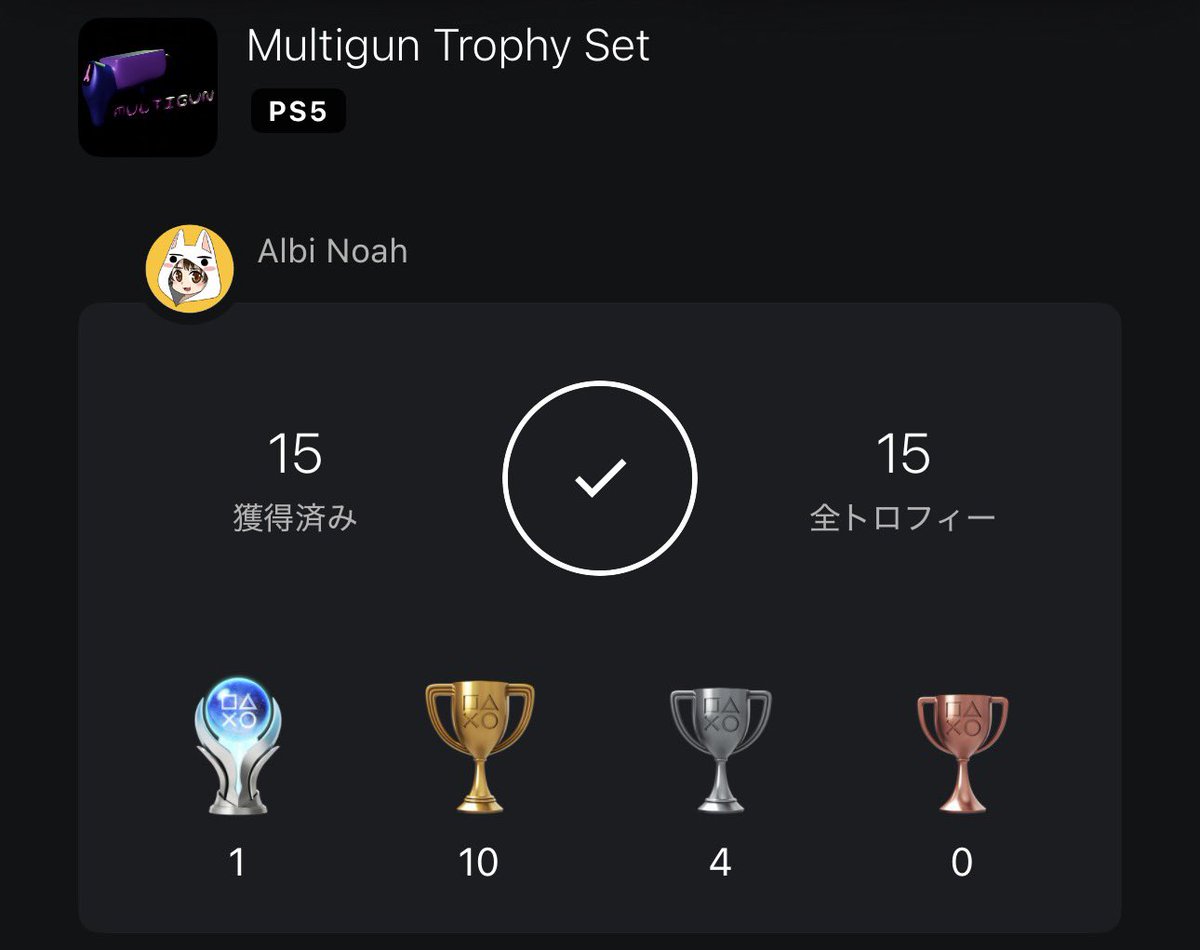
Multigun #2 youtube.com/live/ELXinddze4Q…
1
5
377