Bro US taxpayers are not funding that $300B, not sure where you heard that. THat's like some multinational investment fund that may be happening at some point.
1

14m
Harry, my boy, what's the full story here...is it the US giving that, or is a multinational investment fund of willing entities? Remember how our country works Harry, Congress holds the purse strings...Congress isn't approving 300 Billion to anyone. Hopefully that's cleared up some for ya ;)
1
431

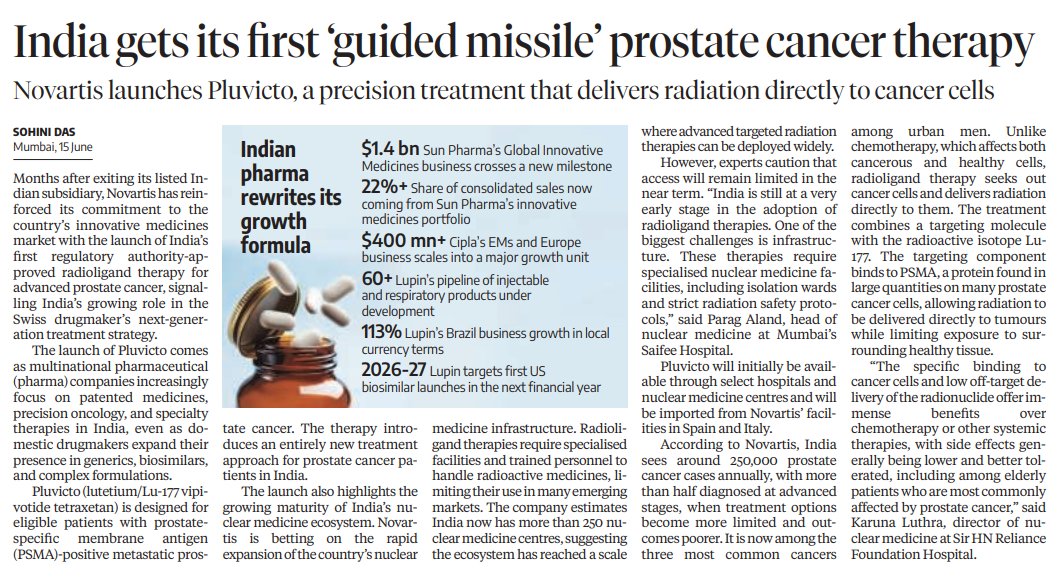
Novartis Launches Pluvicto in India — Country's First Regulatory-Approved Radioligand Therapy for Advanced Prostate Cancer; Delivers Radiation Directly to Cancer Cells Using Lu-177 — Infrastructure Constraints Limit Near-Term Access
The Launch — What Is Pluvicto
Novartis launches Pluvicto (lutetium/Lu-177 vipivotide tetraxetan) in India — the country's first regulatory authority-approved radioligand therapy for advanced prostate cancer
Designed for eligible patients with prostate-specific membrane antigen (PSMA)-positive metastatic prostate cancer
Introduces an entirely new treatment approach for prostate cancer patients in India
Will initially be available through select hospitals and nuclear medicine centres
Will be imported from Novartis' facilities in Spain and Italy
How It Works — The 'Guided Missile' Mechanism
Combines a targeting molecule with radioactive isotope Lutetium-177
Targeting component binds to PSMA — a protein found in large quantities on many prostate cancer cells
Allows radiation to be delivered directly to tumours while limiting exposure to surrounding healthy tissue
Unlike chemotherapy which affects both cancerous and healthy cells — radioligand therapy seeks out cancer cells and delivers radiation directly to them
Karuna Luthra, Director of Nuclear Medicine, Sir HN Reliance Foundation Hospital: "The specific binding to cancer cells and low off-target delivery of the radionuclide offer immense benefits over chemotherapy or other systemic therapies — side effects generally being lower and better tolerated, including among elderly patients"
India's Prostate Cancer Burden — The Need
India sees around 250,000 prostate cancer cases annually
More than half diagnosed at advanced stages — when treatment options become more limited and outcomes poorer
Now among the three most common cancers among urban men
Advanced targeted radiation therapies like Pluvicto can significantly improve outcomes for this patient cohort
Infrastructure Challenge — The Access Barrier
Radioligand therapies require specialised nuclear medicine facilities including:
Isolation wards
Strict radiation safety protocols
Trained personnel to handle radioactive medicines
Parag Aland, Head of Nuclear Medicine, Mumbai's Saifee Hospital: "India is still at a very early stage in the adoption of radioligand therapies — one of the biggest challenges is infrastructure"
Use limited in many emerging markets
Novartis estimates India now has more than 250 nuclear medicine centres —suggestingecosystem has reached a scale where advanced targeted radiation therapies can be deployed more widely
Strategic Context — Novartis and India's Innovative Pharma Push
Launch comes months after Novartis exited its listed Indian subsidiary — but signals continued commitment to India's innovative medicines market
Highlights India's growing role in Swiss drugmaker's next-generation treatment strategy
Launch also highlights growing maturity of India's nuclear medicine ecosystem
Novartis betting on rapid expansion of the country's nuclear medicine infrastructure
Broader trend: multinational pharmaceutical companies increasingly focusing on patented medicines, precision oncology and specialty therapies in India — even as domestic drugmakers expand in generics, biosimilars and complex formulations
Indian Pharma Milestones — Broader Context
Sun Pharma's Global Innovative Medicines business crosses $1.4 billion — innovative medicines now 22% of consolidated sales
Cipla's Emerging Markets and Europe business scales into a major growth unit at $400 million
Lupin's pipeline: 60 injectable and respiratory products under development; Brazil business grew 113% in local currency terms; targets first US biosimilar launches in FY27
Core Theme
Novartis's launch of Pluvicto marks a watershed moment for Indian oncology — the arrival of precision radioligand therapy that can seek out and destroy prostate cancer cells with far greater accuracy and tolerability than conventional chemotherapy. With 250,000 new prostate cancer cases annually and more than half diagnosed at advanced stages, the unmet medical need is profound. The near-term access constraint is infrastructure, not science — but with 250 nuclear medicine centres already operational and Novartis betting on rapid ecosystem expansion, Pluvicto's launch may prove to be the catalyst that accelerates India's nuclear medicine infrastructure buildout, ultimately making guided missile cancer therapy accessible to the millions of patients who need it most.
1
163

17m
well, yes? I know you jest but JB is a real problem to the filipino people as a multinational corporation exploiting filipinos globally ...the company and its owners are a class enemy to the masses
9

TCS is one of the world's largest multinational IT services and consulting companies, headquartered in Mumbai, India.What they do: They offer a wide range of services including IT infrastructure, business consulting, cognitive business operations & AI led innovation.
18

The New Era of Global Talent
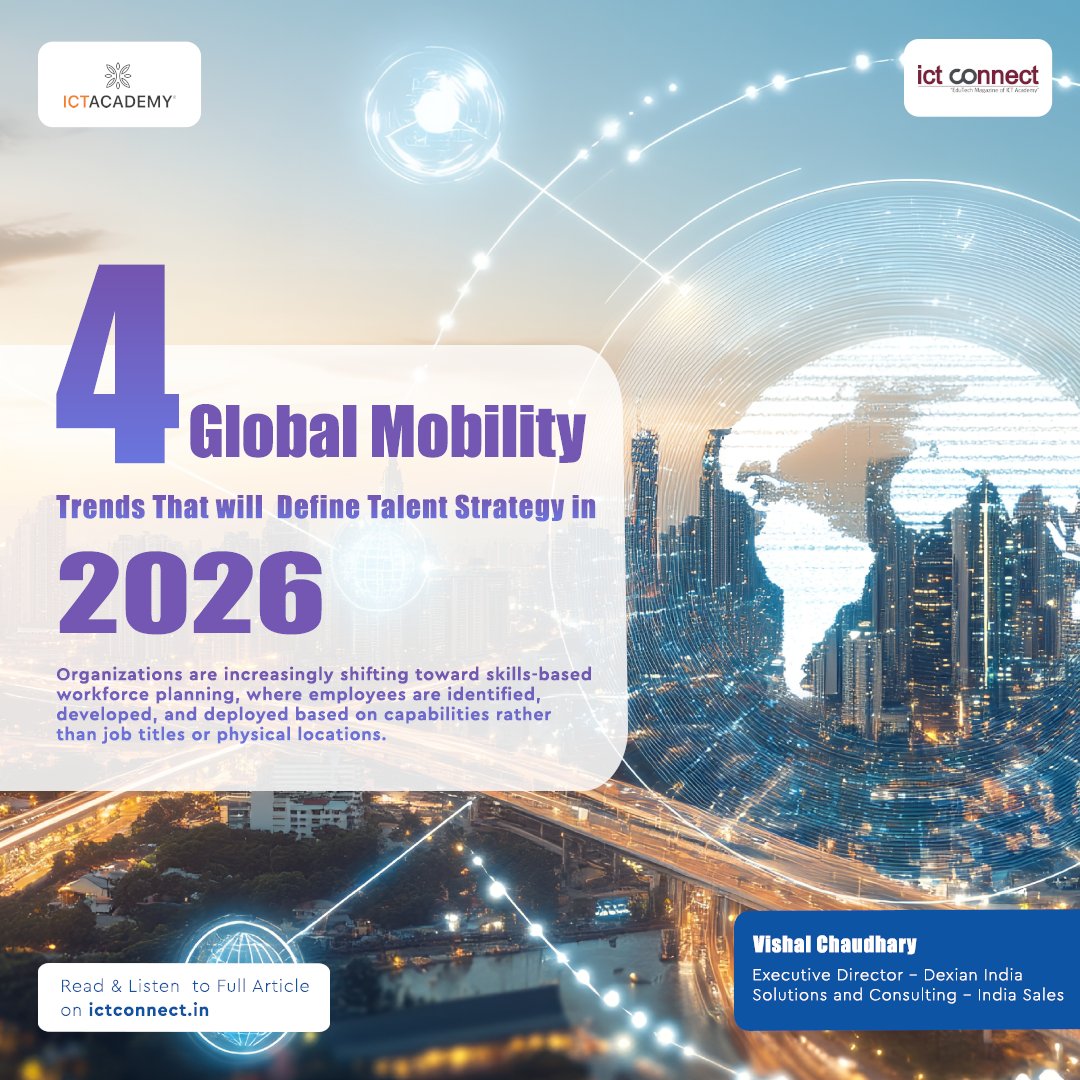
As organizations continue to navigate an increasingly global and skills-driven business landscape, workforce mobility is becoming a strategic imperative rather than just an operational function. The article "4 Global Mobility Trends That Will Define Talent Strategy in 2026" explores how organizations are reimagining mobility to accelerate leadership development, support business expansion, enable flexible work models, and unlock access to global talent. It highlights the growing shift toward skills-based workforce planning, the impact of remote and hybrid work on talent deployment, and the role of mobility in building agile, resilient, and future-ready organizations.
Read the full article at
ictconnect.in/Article.aspx?a…
About the Author
Vishal Chaudhary brings 14 years of experience recruiting, selling, and managing multiple large MSP enterprise clients for IT and Professional Services. He is responsible for Dexian’s strategic new-client acquisition, overall MSP alliances, centralized MSP client operations, and support expansion of Regional and Fortune 500 BFSI Clients. Vishal has made significant contributions to Dexian India, resulting in a 100% growth in resource headcount and a 250% growth in gross profitability across different client engagements. Vishal holds a Bachelor of Engineering degree in Information Technology. His previous experience includes handling large engagements in multinational corporations such as Randstad, Allegis Group – TEKsystems, and Collabera Technologies.
#ICTAcademy #ICTConnect #ArticleoftheDay #TodaysArticle #FutureOfWork #WorkforceMobility #LeadershipDevelopment #TalentManagement #WorkforceTransformation #FutureReadyWorkforce #GlobalWorkforce #OrganizationalGrowth #WorkforcePlanning #bhfyp @sureshbabul @SaravananICT @viprasad @VishnuSanj58246
4
Death retweeted

We announced today that a former Maryland-based CFO, who worked for a multinational company, is facing indictment stemming from an embezzlement scheme and immigration fraud.
Teresa Desy Majo, 42, a legal permanent resident from Italy, residing in Annadale, Virginia, is charged with wire fraud, aggravated identity theft, and possession of a perjured immigration document in connection with the scheme.
Announced with @FBIBaltimore
Learn more at justice.gov/usao-md/pr/forme….
ALT Brown gavel and Scales of Justice with the word Indicted in yellowish-gold, all-caps text.
4
38
123
3,300
32m
I mean, I don't think he is, last I heard it's a multinational, volunteer business investment fund. On what earth would the USA give that type of money to a country like Iran, come on now, use your head
88

Another lie. The United States had direct talks with Iran during negotiations that led to the multinational JCPOA.
3
8k IPTV pro retweeted

🥛 What if major efficiency upgrades required zero upfront capital?
A multinational dairy producer partnered with experts to implement an Energy as a Service business model across its production sites.
Explore more Energy Efficiency Action:
app.wedonthavetime.org/posts…

83
184
2,712
6,518,804

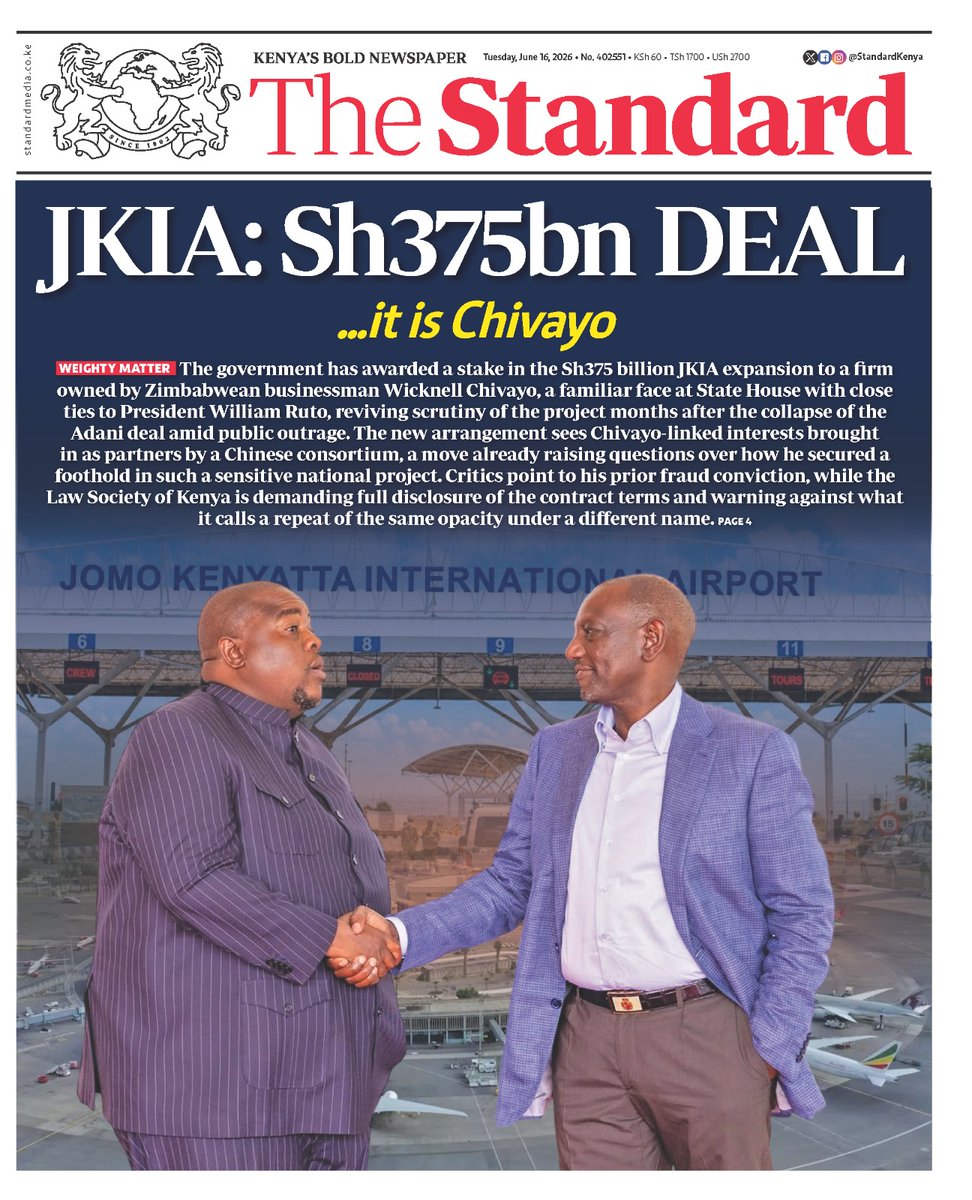
𝐓𝐡𝐞 $2.9 𝐁𝐢𝐥𝐥𝐢𝐨𝐧 𝐉𝐊𝐈𝐀 𝐂𝐨𝐧𝐭𝐫𝐚𝐜𝐭 𝐒𝐡𝐢𝐟𝐭: 𝐇𝐨𝐰 𝐂𝐨𝐫𝐩𝐨𝐫𝐚𝐭𝐞 𝐑𝐞𝐝𝐢𝐫𝐞𝐜𝐭𝐢𝐨𝐧 𝐀𝐧𝐜𝐡𝐨𝐫𝐬 𝐂𝐞𝐧𝐭𝐫𝐚𝐥𝐢𝐳𝐞𝐝 𝐈𝐧𝐟𝐫𝐚𝐬𝐭𝐫𝐮𝐜𝐭𝐮𝐫𝐞 𝐂𝐚𝐩𝐭𝐮𝐫𝐞 𝐟𝐨𝐫 𝐊𝐞𝐧𝐲𝐚𝐧 𝐓𝐚𝐱𝐩𝐚𝐲𝐞𝐫𝐬
𝑭𝒓𝒐𝒎 𝑨𝒅𝒂𝒏𝒊 𝒕𝒐 𝑰𝑴𝑪: 𝑺𝒂𝒎𝒆 𝑺𝒄𝒓𝒊𝒑𝒕, 𝑵𝒆𝒘 𝑼𝒎𝒃𝒓𝒆𝒍𝒍𝒂: 𝑯𝒐𝒘 𝒕𝒉𝒆 𝑰𝒏𝒇𝒓𝒂𝒔𝒕𝒓𝒖𝒄𝒕𝒖𝒓𝒆 𝑴𝒐𝒅𝒆𝒍 𝑾𝒂𝒔 𝑹𝒆𝒄𝒚𝒄𝒍𝒆𝒅 𝒕𝒐 𝑬𝒗𝒂𝒅𝒆 𝑶𝒗𝒆𝒓𝒔𝒊𝒈𝒉𝒕.
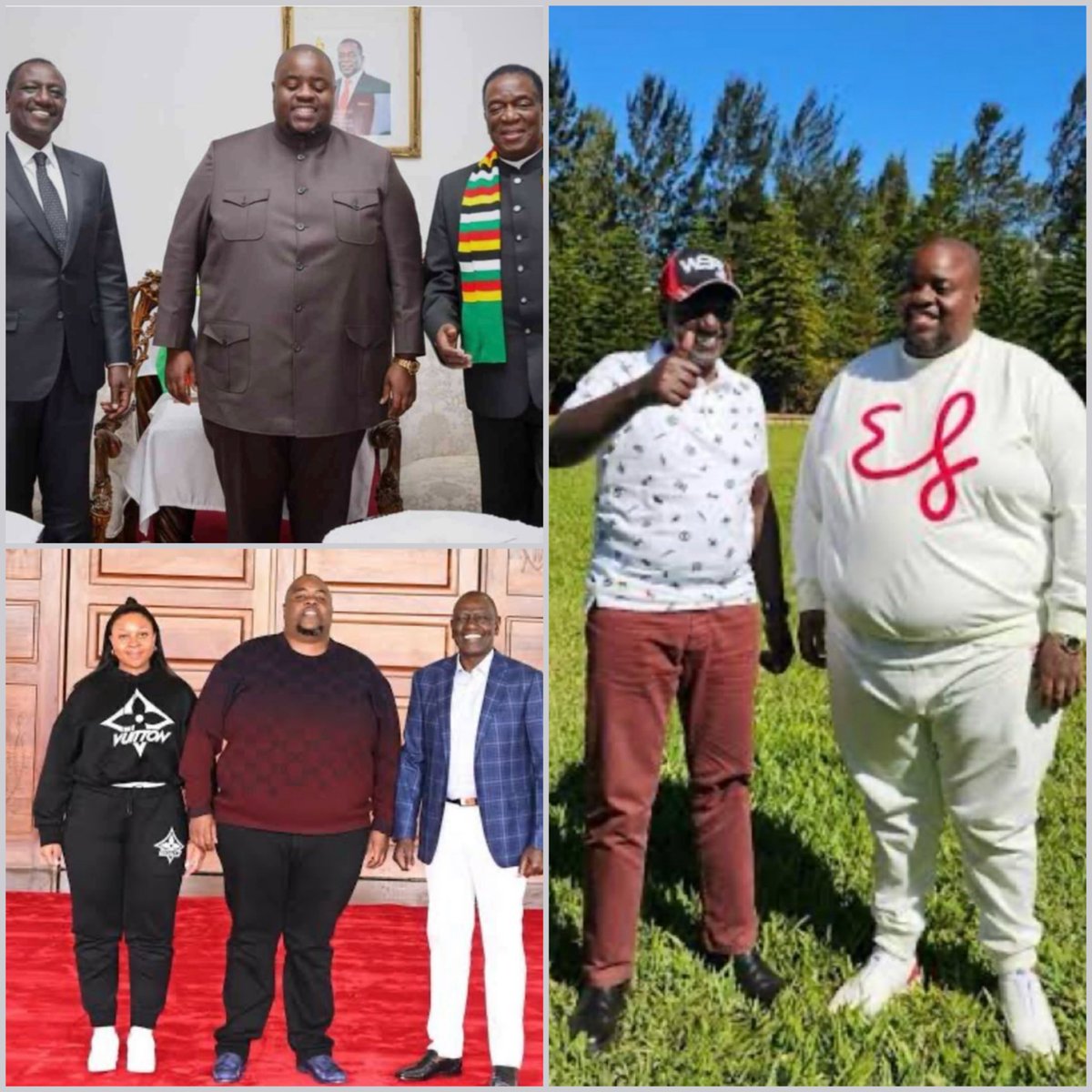
1/6 The alignment between State House Kenya and Zimbabwean businessman Wicknell Chivayo reflects an intentional strategy to anchor major state projects with politically insulated intermediaries. By integrating local fronting entities like IMC Construction Kenya with international state-owned enterprises such as China's CCCC/CRBC, the executive establishes a buffer zone. This arrangement seeks to absorb localized political liability while retaining tight control over highly lucrative public procurement pipelines.
2/6 The recurring controversies surrounding the JKIA contract underscore a systemic institutional pattern. When public outrage, judicial interventions, and street protests successfully halted the initial Adani deal, the state's blueprint did not change; it evolved. By substituting corporate actors from a single-source foreign operator to a multinational consortium, the administration recycled the underlying model under a new corporate umbrella to bypass intense scrutiny.
3/6 The executive's vested interests are systematically codified through parallel financial channels. The creation of the National Infrastructure Fund (conveniently capitalized from Kenya Pipeline Company (KPC) privatization revenues) is strategically designed to isolate massive capital flows. This specialized framework removes traditional parliamentary checkpoints and regulatory oversight, ensuring the project remains insulated from standard legislative constraints.
4/6 What remains hidden from public view is the true liability layout of the agreement. While framed publicly as a collaborative public-private partnership, a $1.3 billion direct taxpayer obligation is structurally coupled with private bank debt. Because this liabilities balance is secured explicitly against future airport charges, private consortium partners receive insulated revenue guarantees while sovereign default risks are shifted entirely onto the public.
5/6 The strategic implications of this joint venture stretch far beyond a single asset. Awarding Kenya's primary aviation hub to an entity led by an individual with an established record of tender scandals and zero airport construction track record creates profound institutional vulnerabilities. Bypassing competitive, merit-based tendering degrades the integrity of national public procurement systems and severely threatens long-term macroeconomic stability.
6/6 In conclusion, the JKIA procurement evolution demonstrates that while the corporate cups change color, the underlying shell game of centralized economic capture remains constant. True infrastructure modernization requires transparent, open competitive tendering and rigorous legislative oversight, rather than insulated joint ventures that compromise the nation's long-term fiscal stability.

22
石老人(互关啊互follow!) retweeted

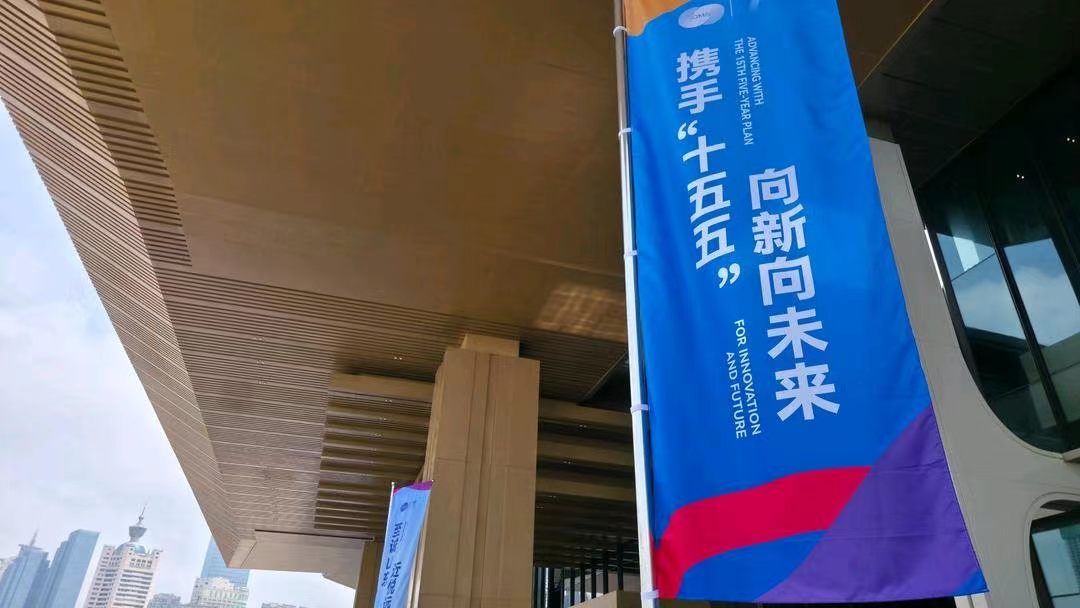
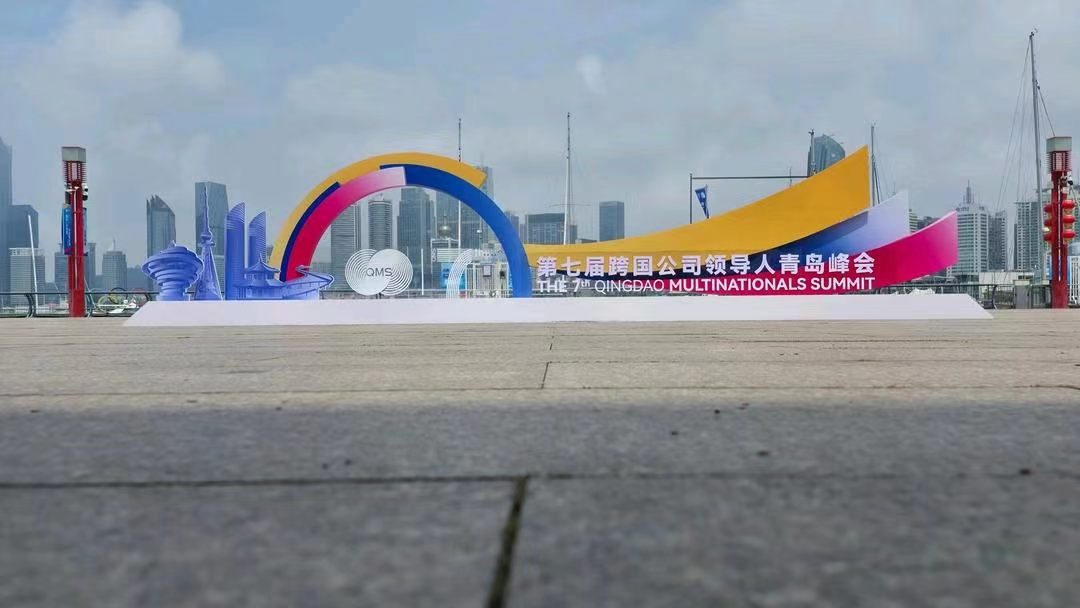
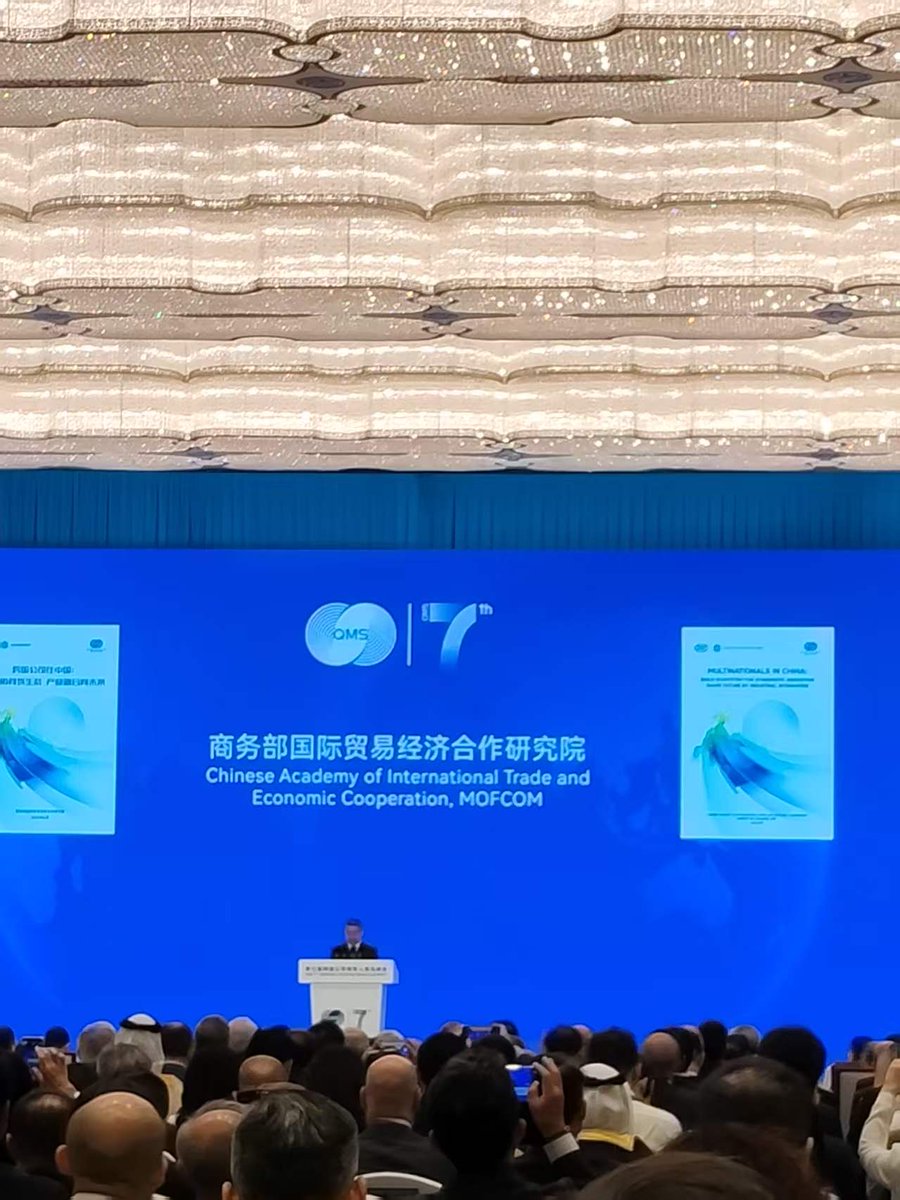
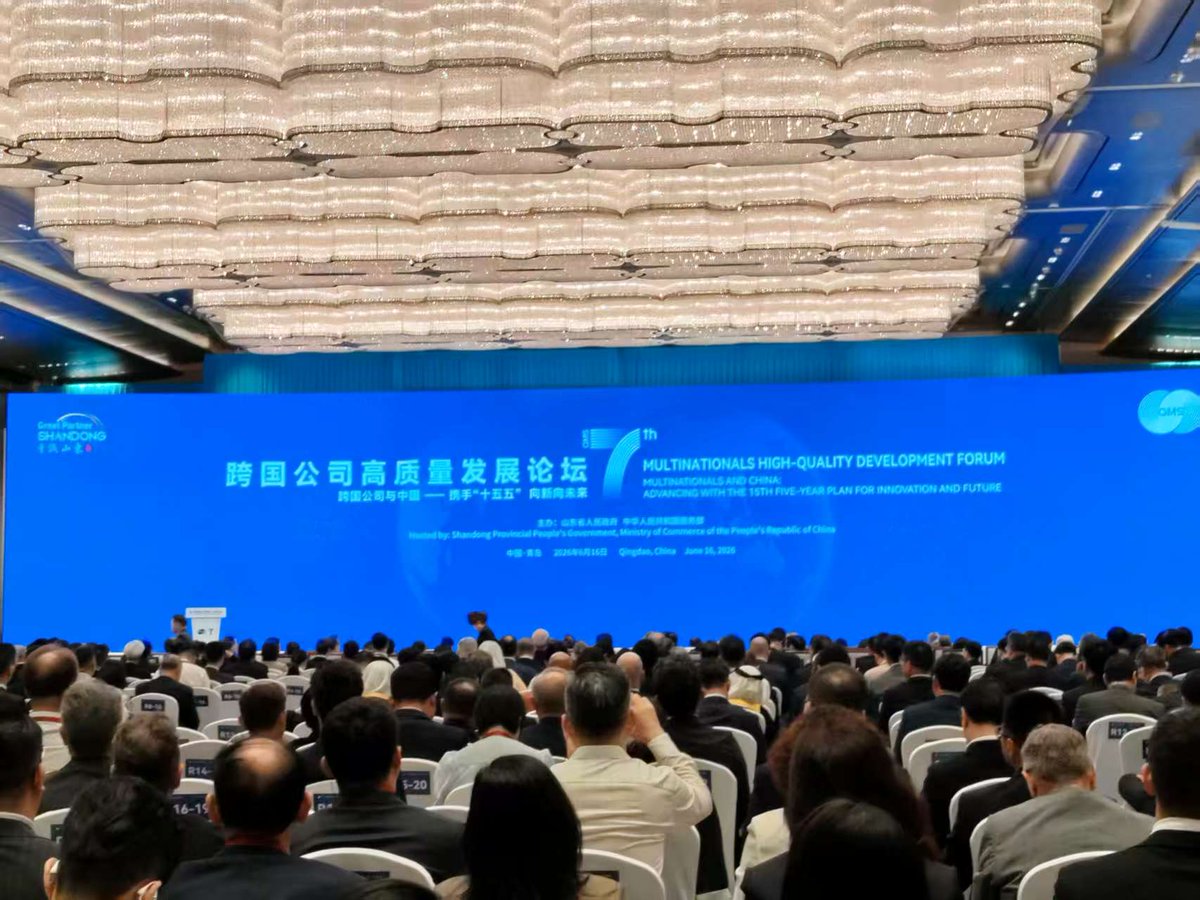
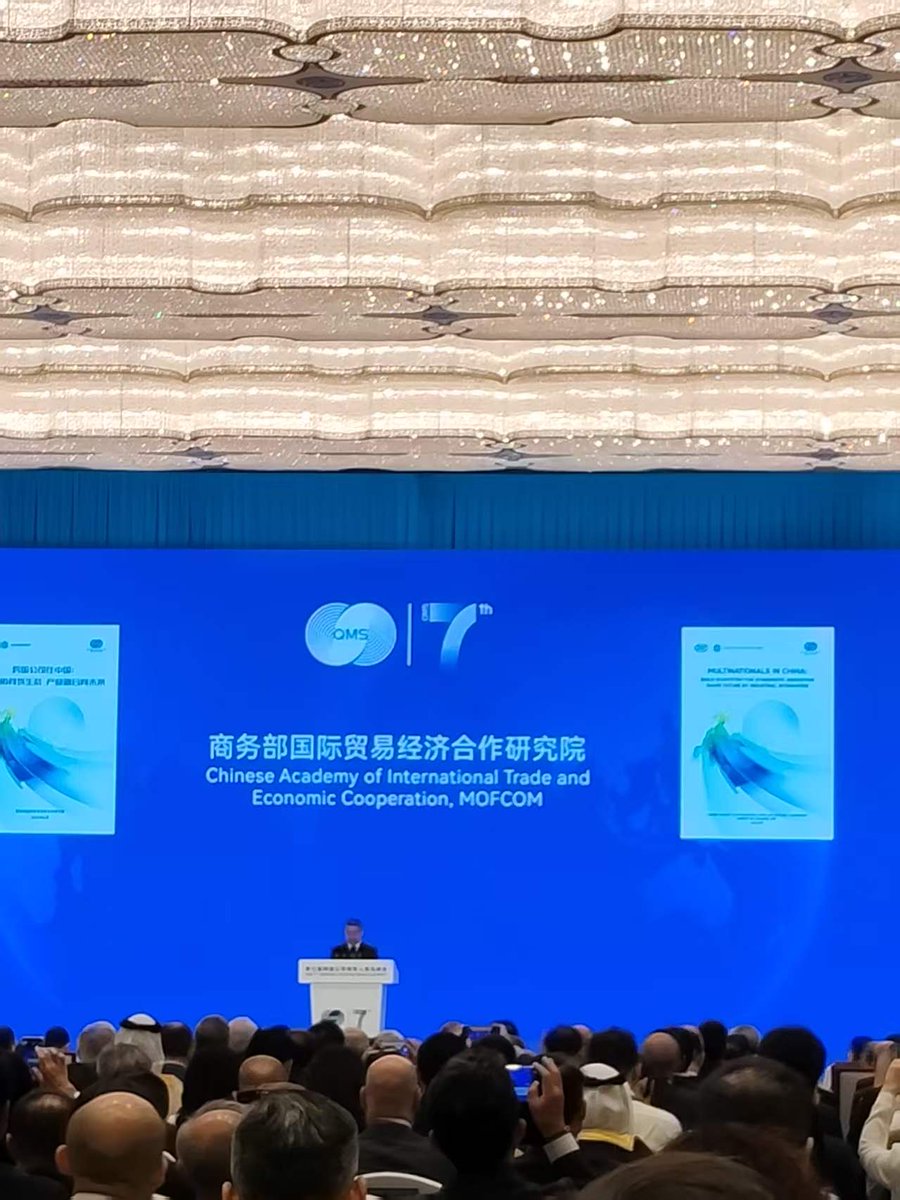
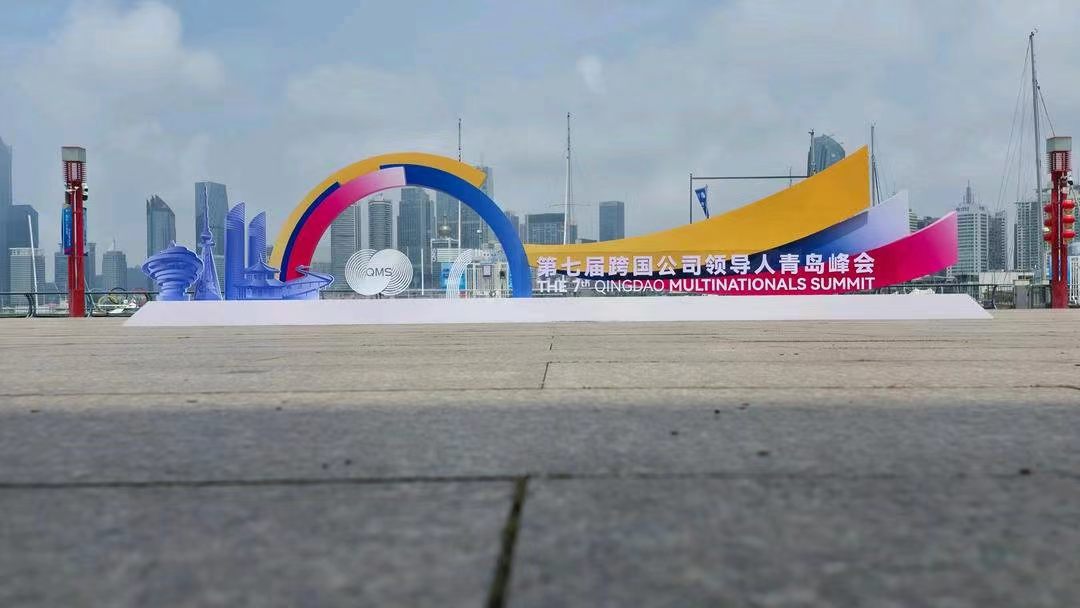
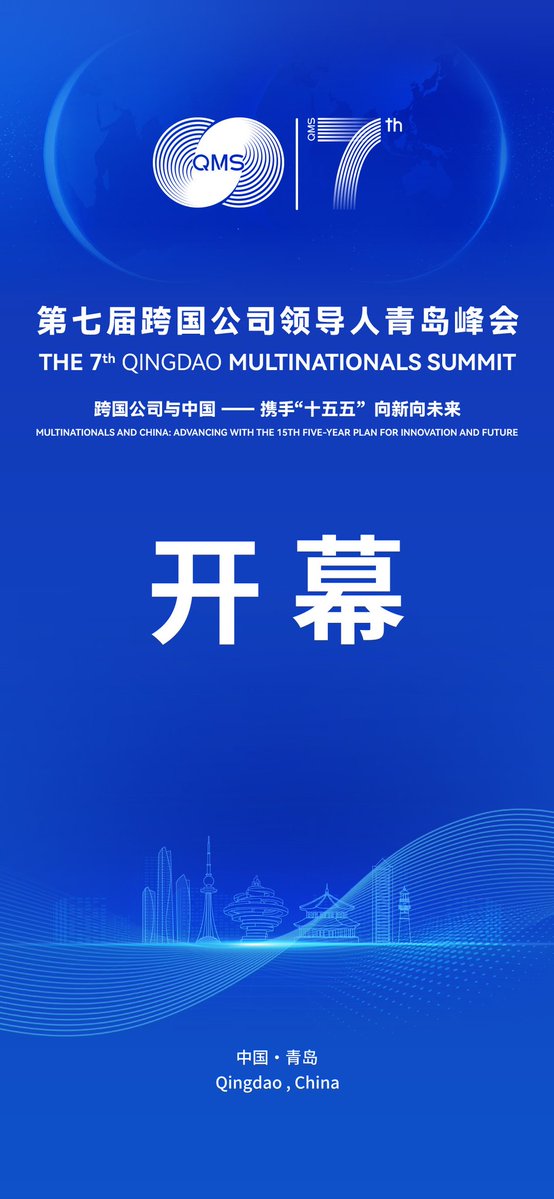
The 7th Qingdao Multinationals Summit is held at Qingdao International Conference Center, themed Multinational Corporations and China , Forging Ahead Into a New Future, with 357 multinationals from 44 countries and regions gathering at Fushan Bay.
1
3
7
山海崂山(互关啊互follow!) retweeted

The 7th Qingdao Multinationals Summit is held at Qingdao International Conference Center, themed Multinational Corporations and China , Forging Ahead Into a New Future, with 357 multinationals from 44 countries and regions gathering at Fushan Bay.
1
3
7

BREAKING: France signaled support for a multinational maritime mission in the Strait of Hormuz if the US–Iran agreement is formally confirmed, aiming to secure global energy flows. #Hormuz #MiddleEast #Oil
19

There are many tiers of corporate globalists, & many vehicles that they use. Puppet governments, multinational corporations/organisations (such as the WEF, NATO, WHO, EU, UN), They share the same objective. "Stakeholder Capitalism"
7

New Article: Clinical phenotypes and mortality predictors in pediatric critical pertussis: A multinational study ift.tt/egqaVAC #PEM #FOAMed #PEMUPDATES

Paromita Dey retweeted

17h
A multinational company cannot market ethics globally while alleged brutality happens inside its India facility.
Sanand deserves answers.
Truetzschler India. We need answers.
@GujaratPolice @AhmedabadPolice @CMOGuj @PMOIndia @barandbench @LiveLawIndia
#JusticeForSanandDogs #StopDogCruelty
x.com/PunitaS44575106/status…

Cruelty has become the cheapest and easiest thing to find in our society.
A voiceless being suffers, and many choose to ignore the pain.
Choose compassion. Choose kindness. Choose humanity. 🐾
#StopAnimalCruelty #BeTheVoiceOfTheVoiceless
Please share and repost for justice
5
3
40