
Jun 9
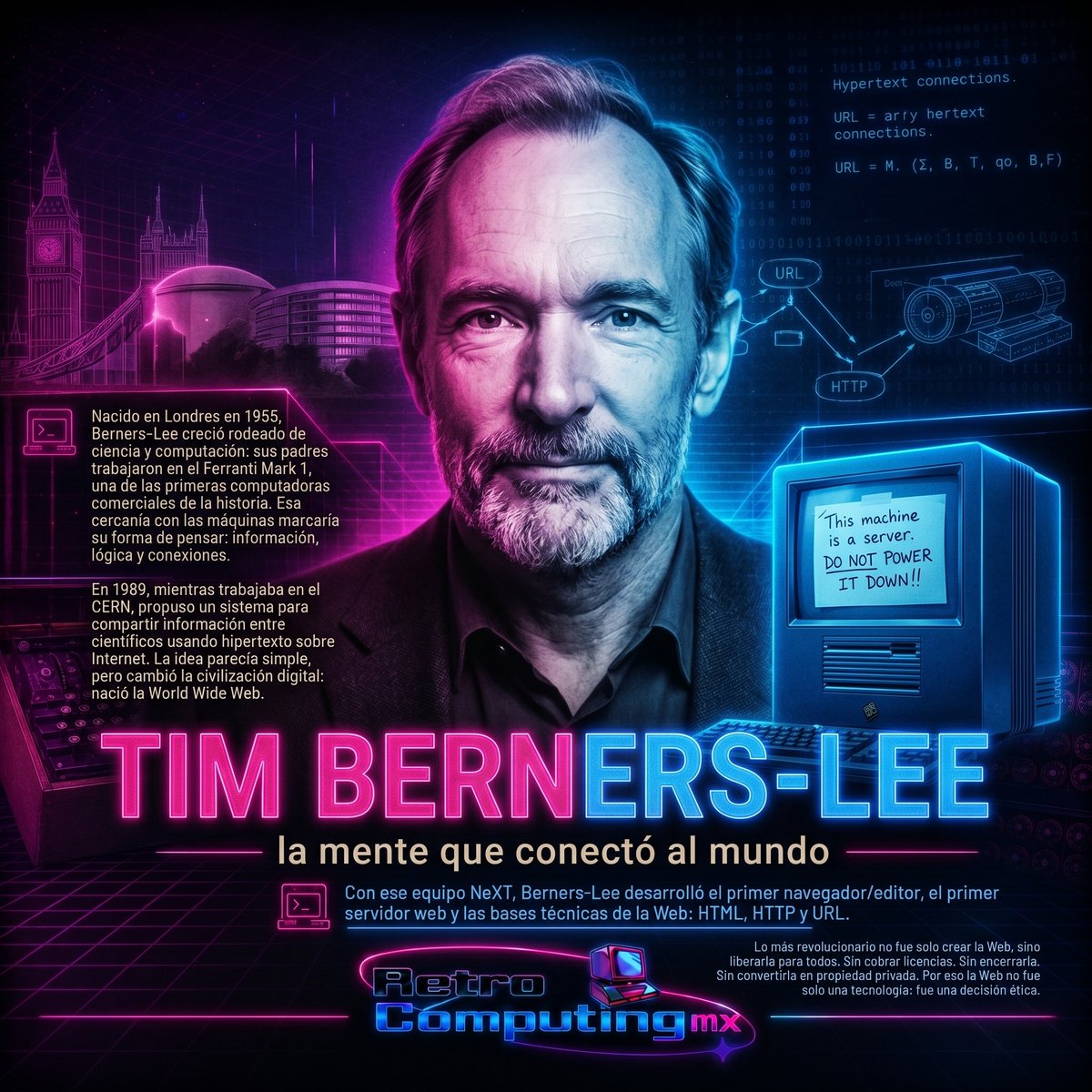
𝐓𝐢𝐦 𝐁𝐞𝐫𝐧𝐞𝐫𝐬-𝐋𝐞𝐞: la mente que conectó al mundo.
Nacido en Londres en 1955, 𝐁𝐞𝐫𝐧𝐞𝐫𝐬-𝐋𝐞𝐞 creció rodeado de ciencia y computación: sus padres trabajaron en el Ferranti Mark 1, una de las primeras computadoras comerciales de la historia. Esa cercanía con las máquinas marcaría su forma de pensar: información, lógica y conexiones.
En 1989, mientras trabajaba en el CERN, propuso un sistema para compartir información entre científicos usando hipertexto sobre Internet. La idea parecía simple, pero cambió la civilización digital: nació la World Wide Web.
La anécdota es legendaria: el primer servidor web fue una computadora NeXT en su oficina del CERN. Para evitar que alguien la apagara por accidente, tenía una nota escrita a mano: “𝑻𝒉𝒊𝒔 𝒎𝒂𝒄𝒉𝒊𝒏𝒆 𝒊𝒔 𝒂 𝒔𝒆𝒓𝒗𝒆𝒓. 𝑫𝑶 𝑵𝑶𝑻 𝑷𝑶𝑾𝑬𝑹 𝑰𝑻 𝑫𝑶𝑾𝑵!!”
Con ese equipo NeXT, 𝐁𝐞𝐫𝐧𝐞𝐫𝐬-𝐋𝐞𝐞 desarrolló el primer navegador/editor, el primer servidor web y las bases técnicas de la Web: HTML, HTTP y URL.
Lo más revolucionario no fue solo crear la Web, sino liberarla para todos. Sin cobrar licencias. Sin encerrarla. Sin convertirla en propiedad privada.
Por eso la Web no fue solo una tecnología: fue una decisión ética.
#TimBernersLee #worldwideweb #www #CERN #nextcomputer #InternetHistory #retrocomputingmx #HistoriaDigital
27

May 1
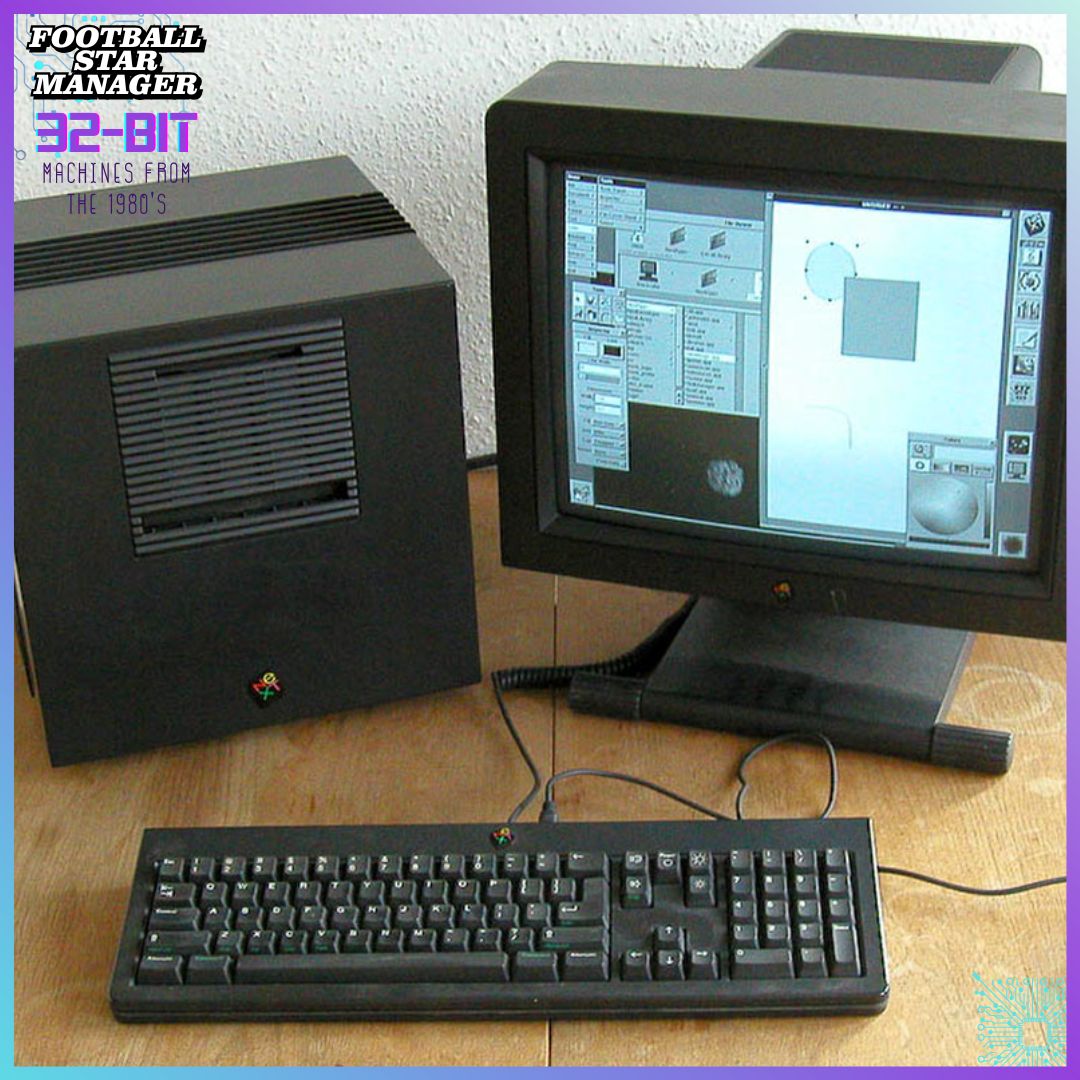
The NeXT Computer was famously used at CERN to develop the world's first web server and web browser!
#KevinToms #NeXTComputer #NeXT #SteveJobs #32bit #32bitpc #RetroComputers #80sComputers #PersonalComputer #RetroPC #UKComputers #UKRetro
13
73
366
9,225

8 Apr 2025
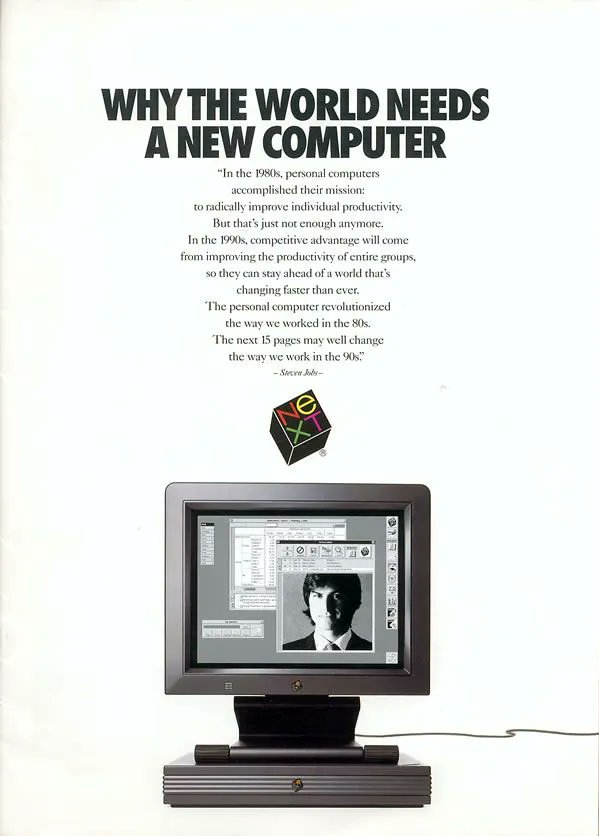
Does the world need a new computer now? Will new paradigms improve "the productivity of entire groups?" Perhaps even entire societies? #retrocomputing #SteveJobs #NeXTComputer
1
1
4
309


6 Feb 2024
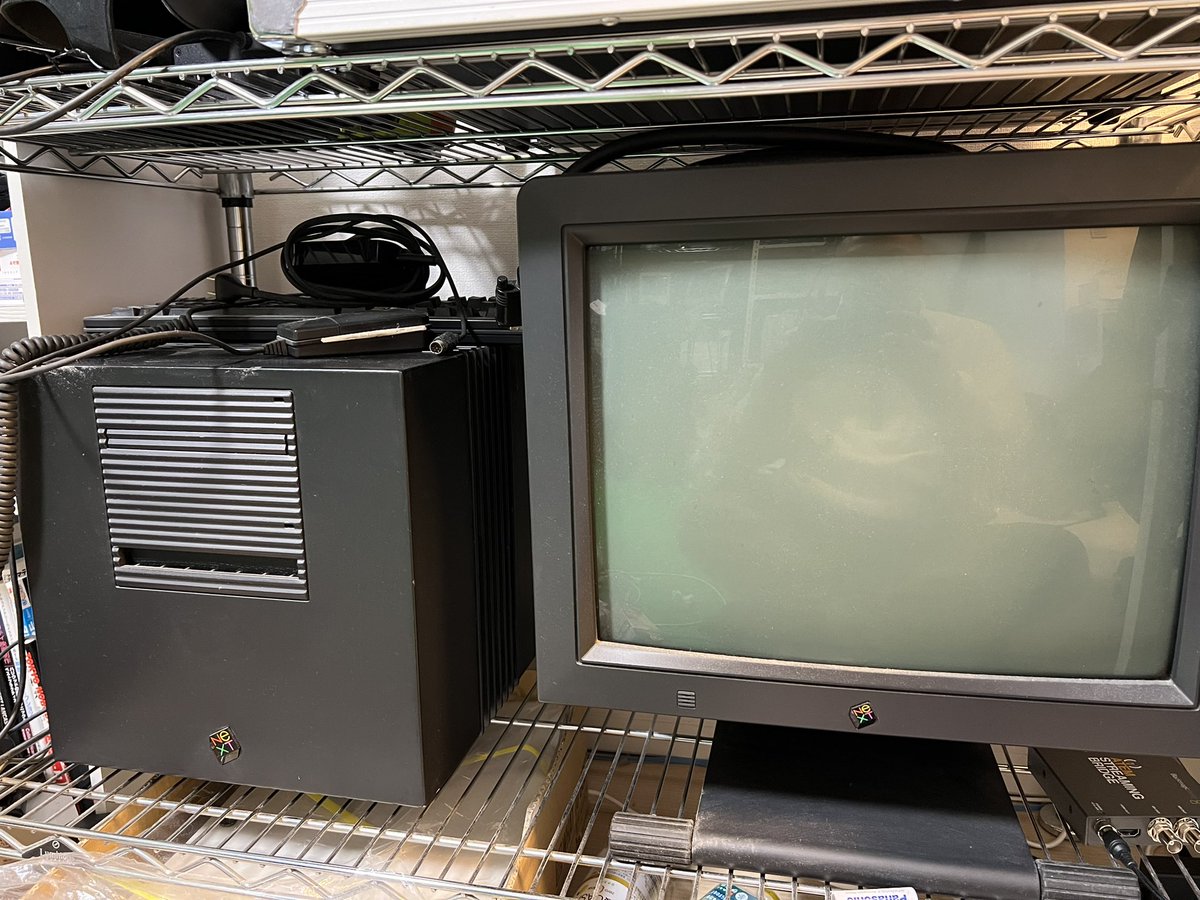
このNeXT Cube、高く売れないかなぁ…と願ってるが、趣味で集めている人しか買わないよねぇ。プリンターもあります。
オリジナルのソフト類もあるよ
#NeXT #nextcube #nextcomputer
2
2
2
411

17 Dec 2023
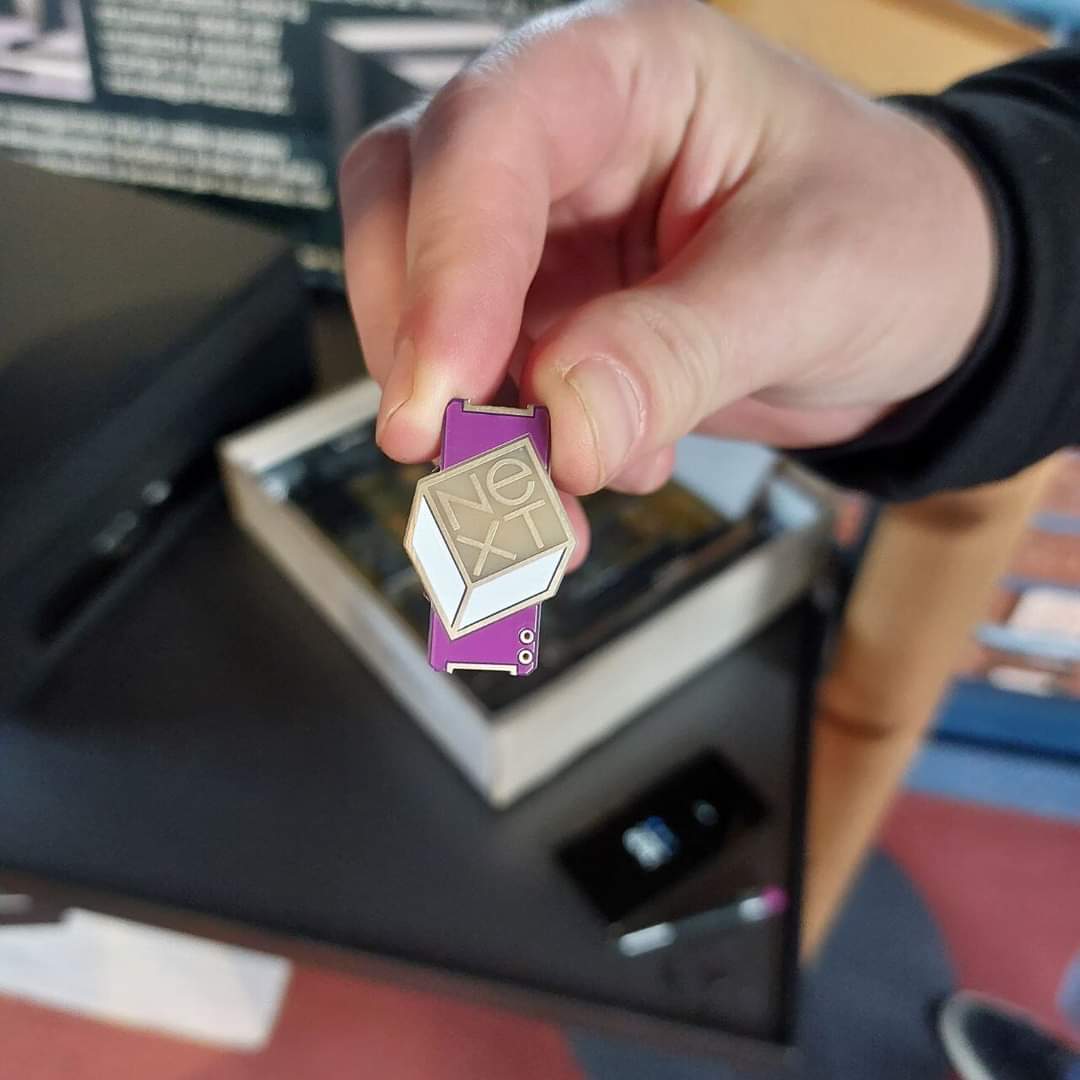
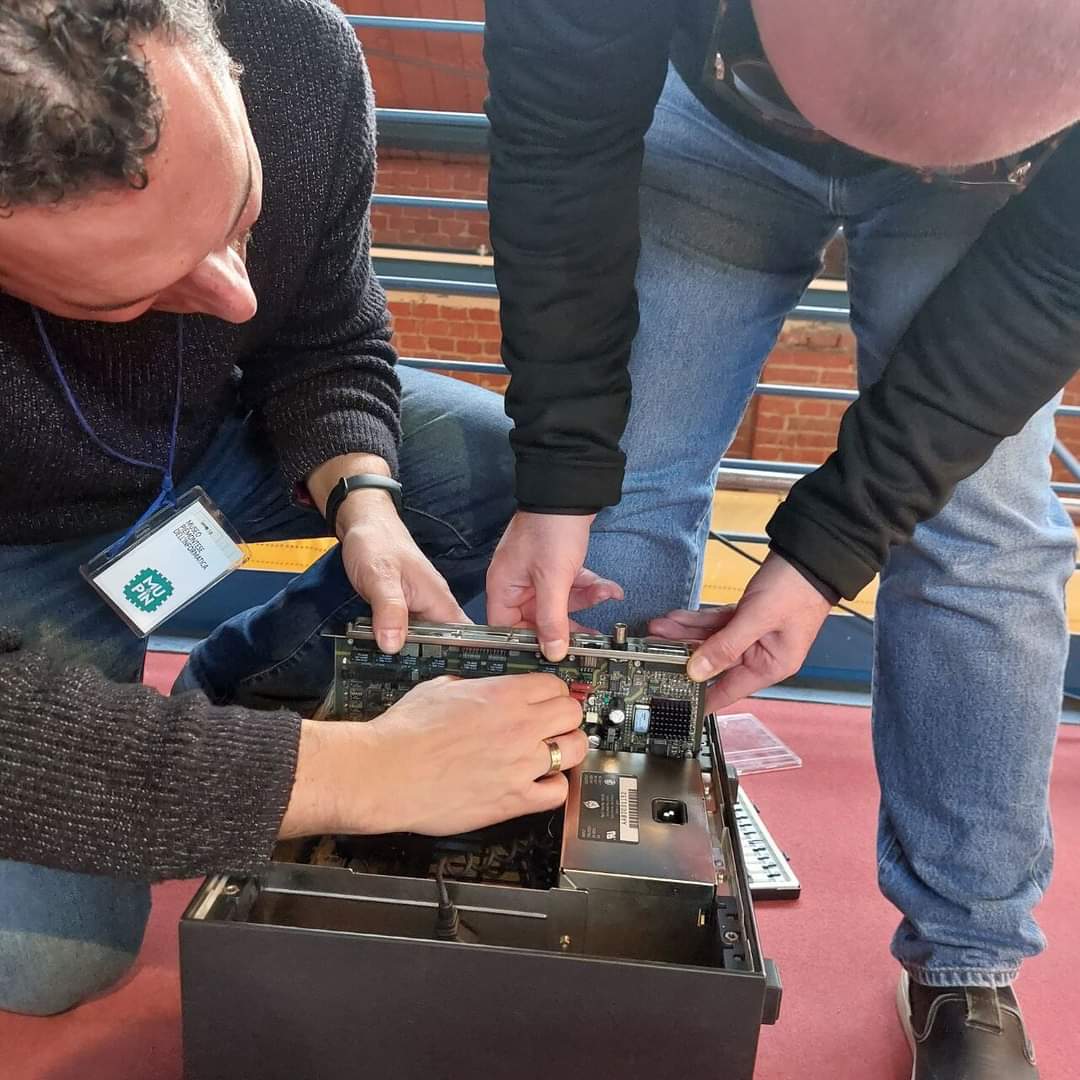
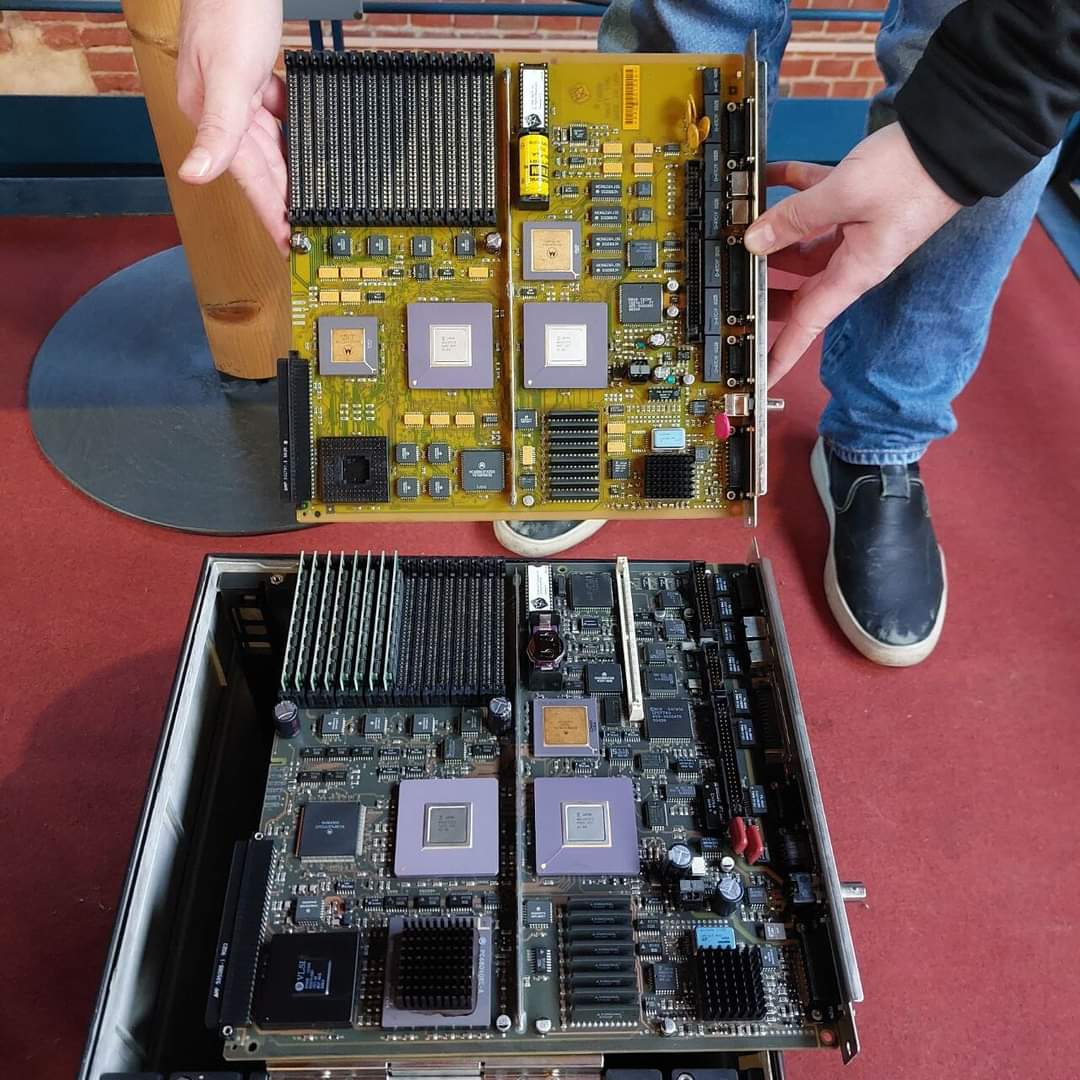
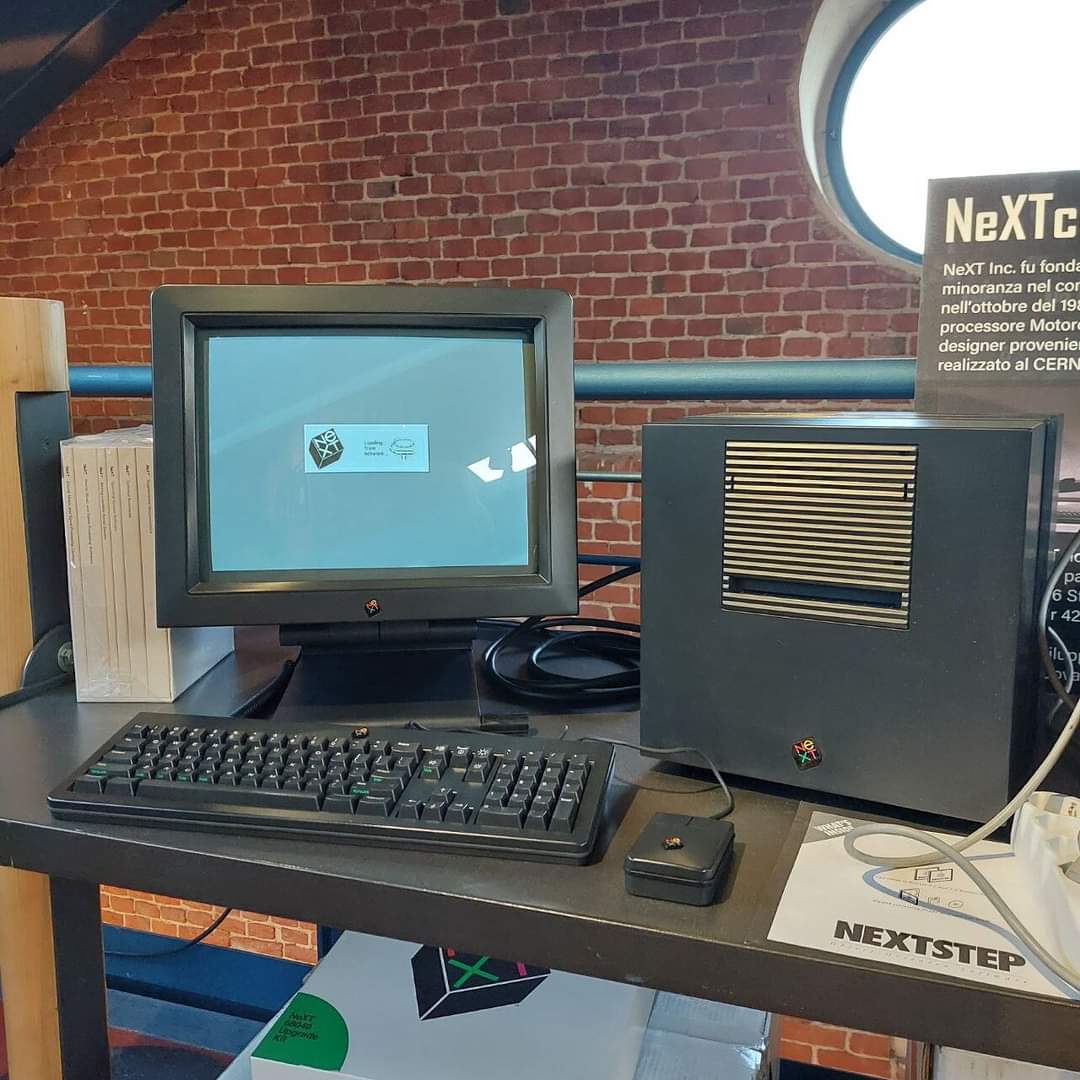
Oggi abbiamo sostituito la batteria tampone al nostro NeXT Cube, eravamo tutti felici dell’adattatore per batterie a bottone. Macchina stupenda, come potete vedere ha la scheda di upgrade 68040, ma anche l'originale del 1988.
#next #nextcomputer #nextcube #cern #apple #stevejobs
1
3
10
339

4 Nov 2023
For technology enthusiasts, perhaps the name Apple is still not too strange. This is the world's largest technology corporation co-founded by American inventor and businessman - Steve Jobs. So do you know who Steve Jobs is? How influential is he in the development of deep time technology? Please follow Won.bnb's article below!
#SteveJobs, born on February 24, 1955, in San Francisco, California, was an American entrepreneur, inventor, and co-founder of Apple Inc. He was a pioneer in the technology industry, renowned for his creativity, vision, and relentless pursuit of innovation.
Early Life and Co-founding Apple:
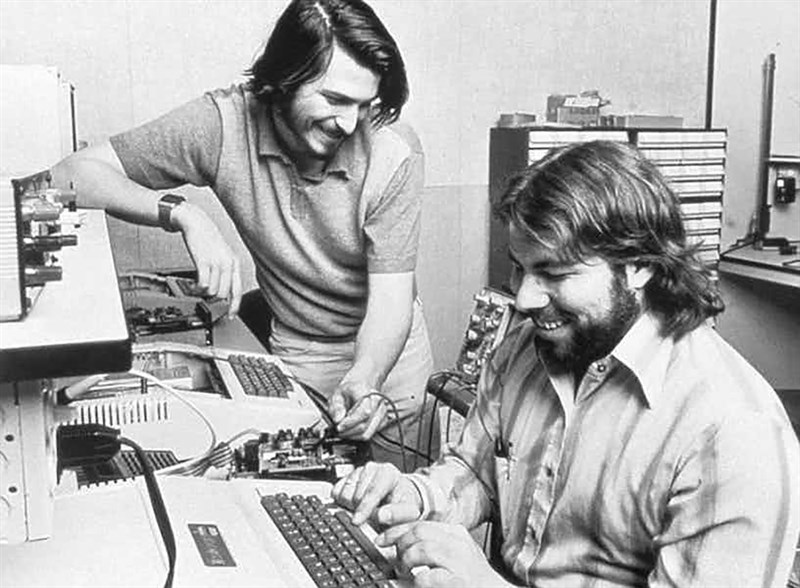
Jobs's interest in electronics and computers began in his teenage years. In 1976, he, along with Steve Wozniak and Ronald Wayne, co-founded Apple Computer, later known as #Apple Inc. Their first product, the Apple I computer, was a precursor to the personal computer revolution.
Innovations and Macintosh Revolution:
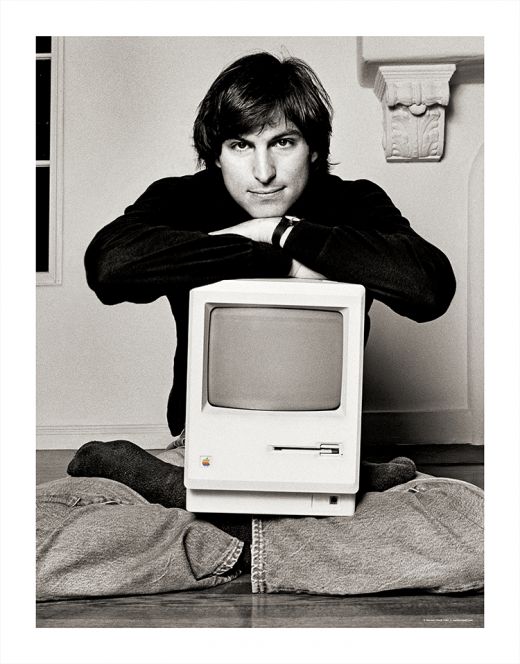
Jobs's visionary leadership led to the development of the Apple II, a highly successful personal computer. However, his vision for a user-friendly computer led to the creation of the Macintosh in 1984. The Macintosh featured a graphical user interface, revolutionizing the way people interacted with computers. Despite initial challenges, the Macintosh became a cornerstone of Apple's identity.
Departure from Apple and NeXT Computer:
In 1985, due to internal conflicts, Jobs left Apple. He then founded #NeXTComputer, a company focused on developing high-end computers for the education and business sectors. Although NeXT faced challenges in the market, the company's innovative technologies laid the foundation for future advancements in the computing industry.
Pixar Animation Studios and Return to Apple:
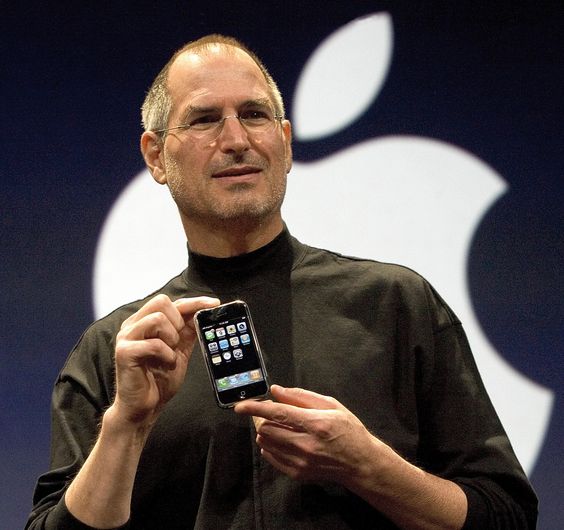
In 1986, Jobs purchased The Graphics Group, later renamed Pixar Animation Studios, which produced successful animated films like "#ToyStory," "Finding Nemo," and "The Incredibles." Pixar's success made Jobs a billionaire and established him as a significant player in the entertainment industry. In 1996, Apple, facing financial struggles, acquired NeXT Computer, bringing Jobs back to the company he co-founded. His return marked a turning point for Apple. Jobs simplified the product line, introduced innovative designs, and launched iconic products like the iMac, iPod, iPhone, and iPad, transforming Apple into one of the most valuable companies globally.
Legacy of Innovation:
Jobs's emphasis on design, functionality, and user experience set Apple apart. His ability to anticipate consumer needs and introduce groundbreaking products made Apple a leader in the technology market. The introduction of the #AppStore and #iTunes revolutionized software distribution and the music industry, respectively.
Health Challenges and Passing:
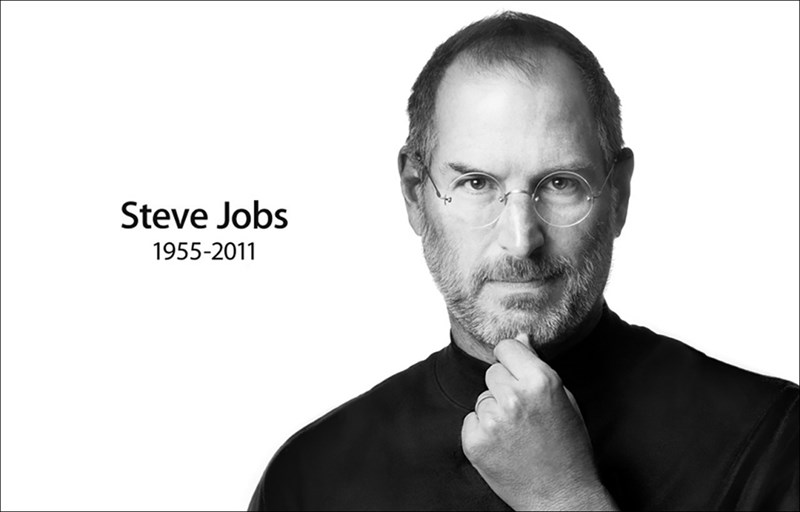
In 2004, Jobs was diagnosed with a rare type of pancreatic neuroendocrine tumor. Despite his health challenges, he continued to lead Apple and introduced products like the iPhone 4 and iPad 2. In August 2011, Jobs resigned as CEO due to health reasons, with Tim Cook succeeding him. Tragically, Steve Jobs passed away on October 5, 2011, at the age of 56, leaving behind a legacy of innovation and creativity.
Posthumous Impact:
Jobs's influence extended beyond his lifetime. Apple continued to thrive under Cook's leadership, introducing new iterations of existing products and venturing into areas like wearable technology with the Apple Watch. The company's commitment to innovation remained steadfast, reflecting Jobs's enduring influence.
In conclusion, Steve Jobs's life story is one of resilience, vision, and ingenuity. His ability to transform industries, redefine consumer technology, and inspire creativity left an indelible mark on the world. Jobs's legacy continues to shape the technology landscape, reminding future generations of the power of innovation and the pursuit of excellence.
#HistoricalFigures #Celebrities #Leaders #Storytellers
25
21
528

12 Oct 2023
On this day in 1988, the NeXT Computer was introduced. Why was it remarkable? The web was born on it, and its operating system was the basis for Mac OS X, and eventually iOS. Had you heard of it before today?
#NeXTComputer #OnThisDay #TechHistory thisdayintechhistory.com/10/…
1
2
31

10 Oct 2023
#SteveJobs created this gem.
#stereophoto #ステレオ写真 #立体写真 #3dphotos #stereo3d #instaStereo3D #SteveJobs #nextcomputer instagr.am/p/CyNuWmbLATu/
1
1
5
167

9 May 2023
#NeXTcomputer "Guided Tour" with interactive demo recovered on an old disk from the University of California. We made a backup.
7
40
1,722

6 Apr 2023
2
3
423

5 Apr 2023
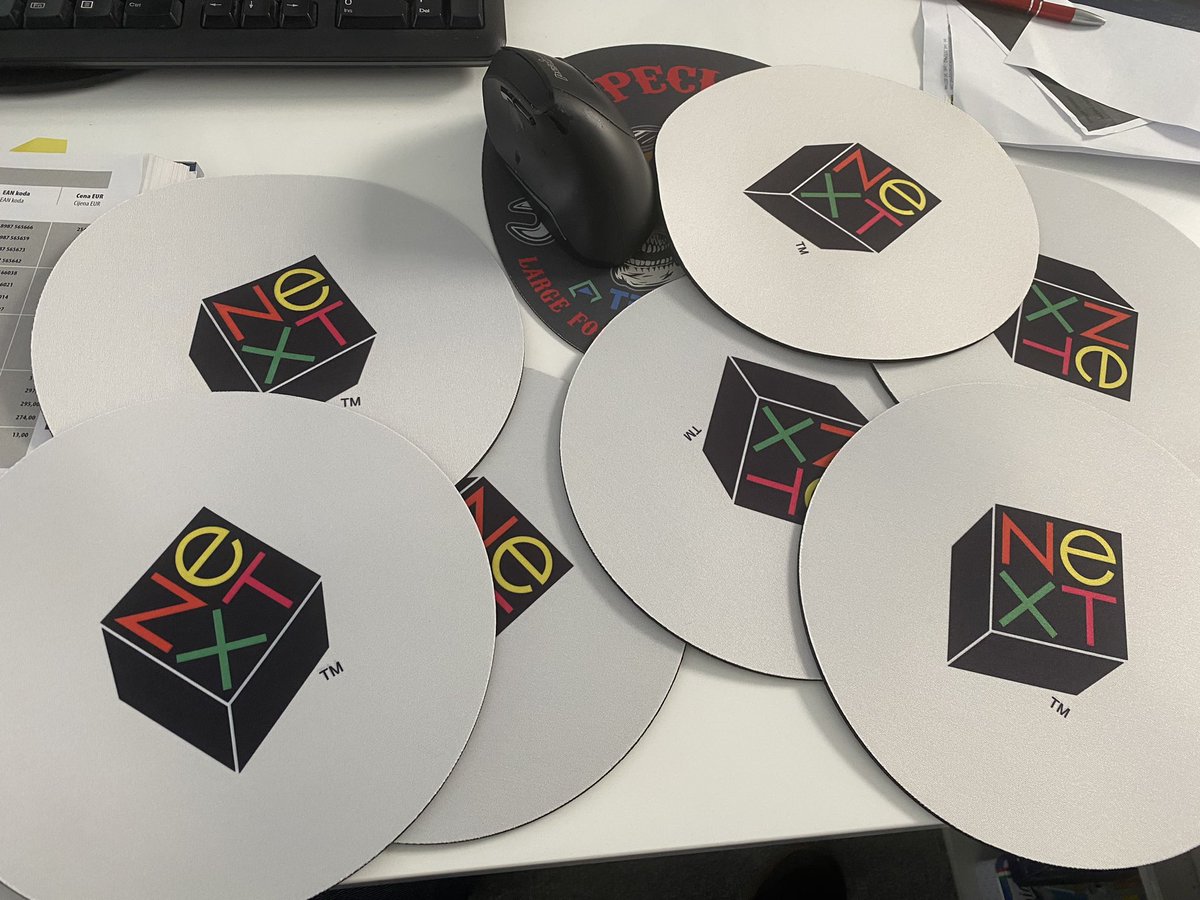
7 mousepads are ready to be shipped. 19 € paypal fee, includes free shipping. #nextcomputer #mousepad
1
1
15
803

12 Mar 2023
ブログ投稿しました。愛してやまないNeXT Computerの思い出について書いています。 #NeXTcomputer 「我が愛しのNeXT」 blog.shin.do/2023/03/my-dear…
1
1
10
623

31 Jan 2023
Do magnesium NeXT cube cases burn? #NeXTComputer blog.adafruit.com/2023/01/31…
2
5
3,106

22 Jan 2023
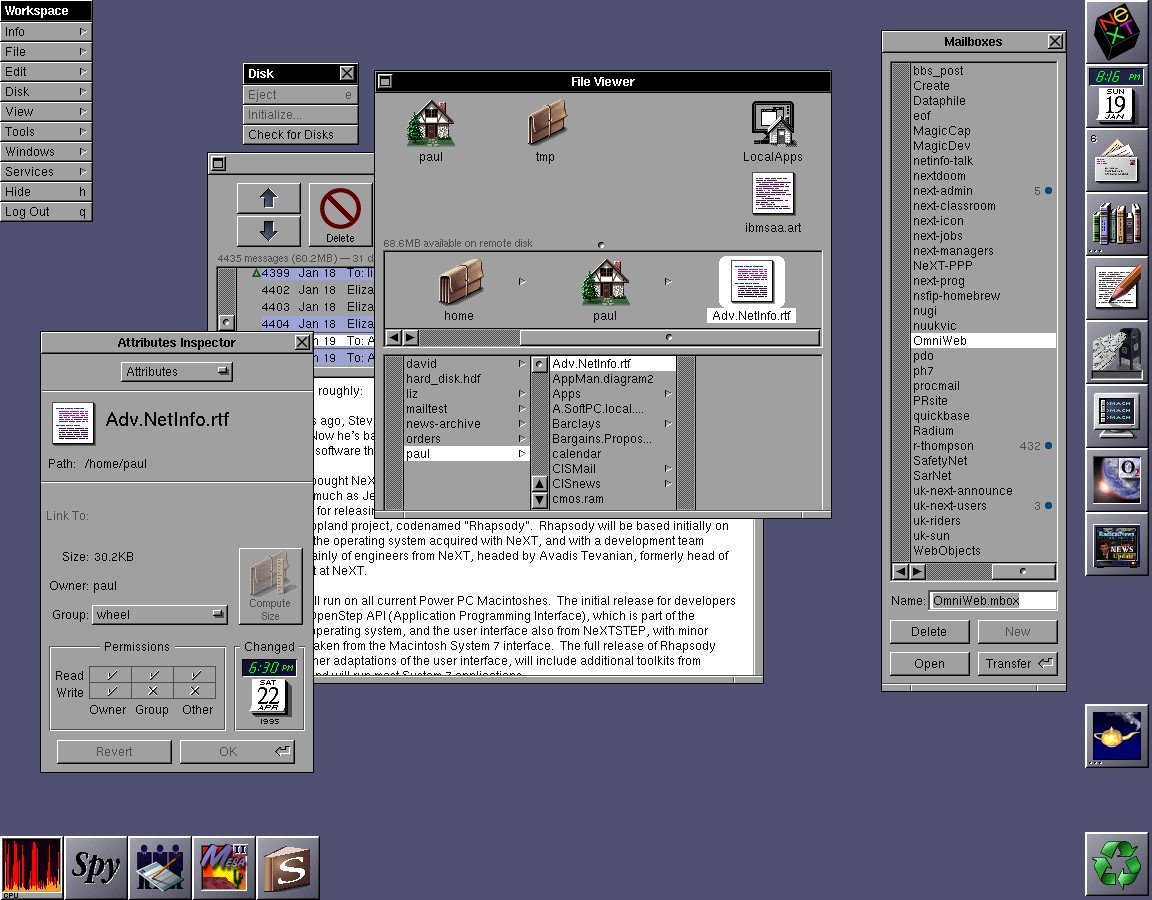
#CeJourLa 22 janvier 1992 : Annonce dde l'#OS #NeXTstep 3.0 #DigitalHistory #NeXTComputer #steveJobs
2
54

12 Oct 2022
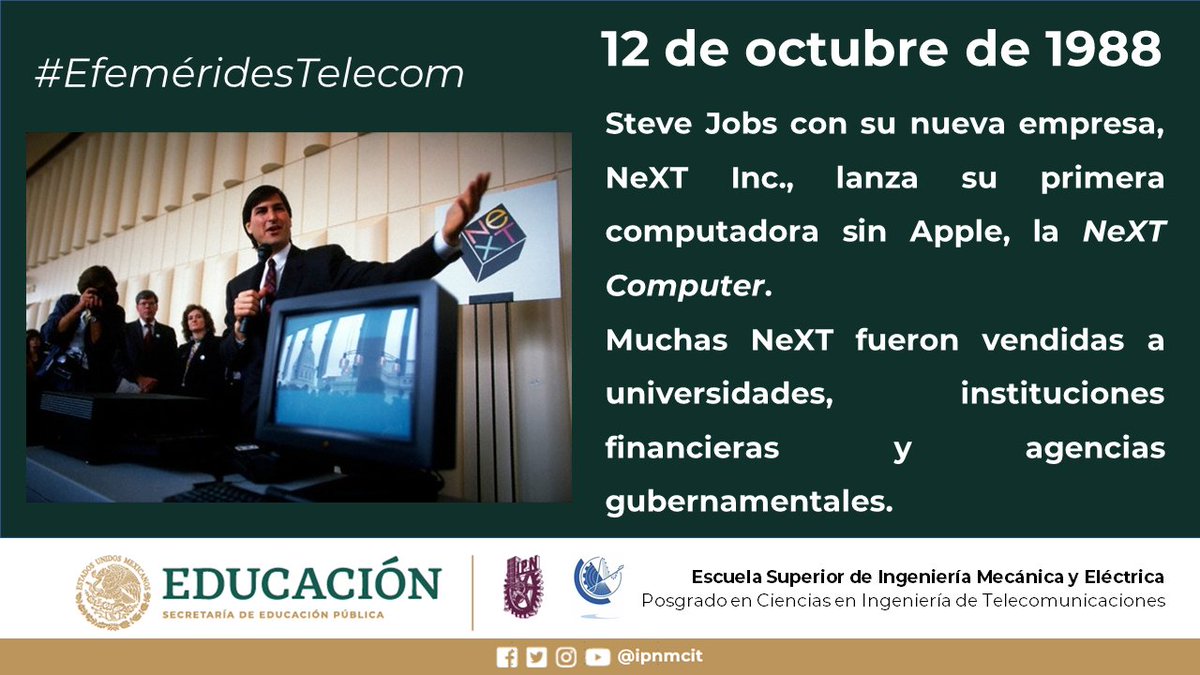
#EfeméridesTelecom En 1991, Tim Berners-Lee colocó en funcionamiento el primer servidor Web utilizando una computadora NeXTcube en el CERN. Hoy conmemoramos el lanzamiento de la antecesora de esta computadora: la NeXT Computer. 🖥️ 🖱️
#NeXTComputer #NeXTcube
2
4

23 Sep 2022
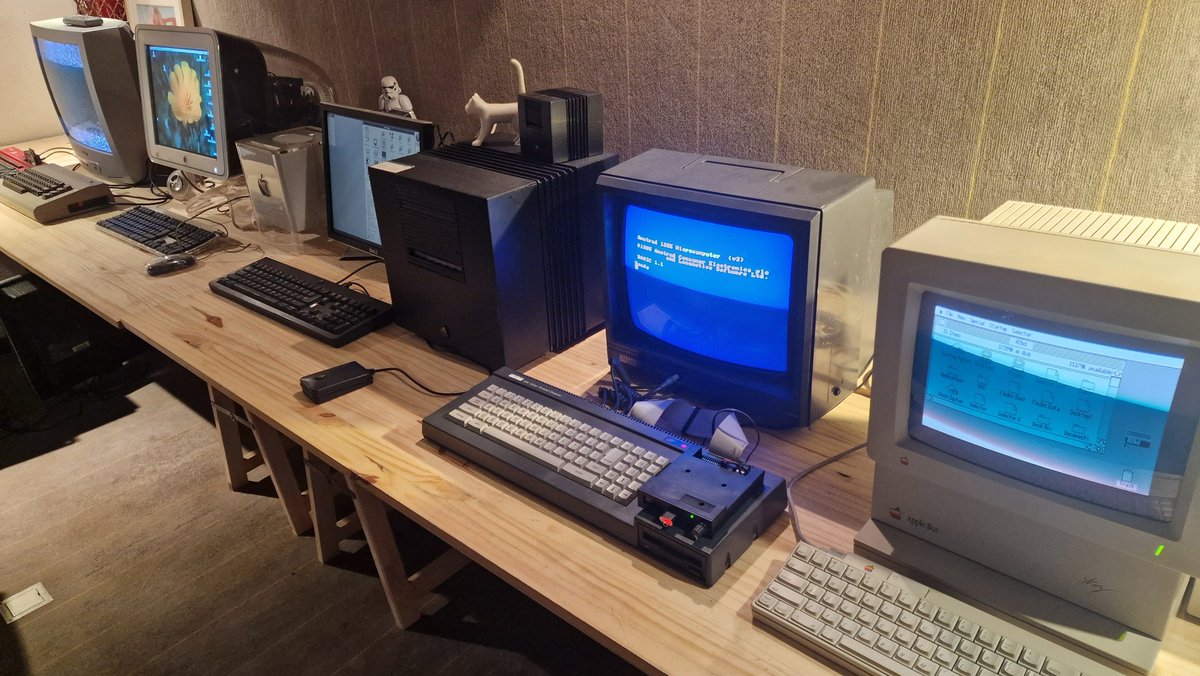
Ré installation de ordis dans la nouvelle retro cave. Suite de l'installation, la semaine prochaine. #MSX #nextcomputer #applecube #appleiigs #commodore64 #c64
4
19 Sep 2022
#CeJourLa 18 septembre 1989 : presque un an après la présentation du NeXT Cube, sortie de l'#OS #NeXTSTEP en v1 #DigitalHistory #NEXTComputer #SteveJobs en.wikipedia.org/wiki/NeXTST…
1
7