
Jun 3
"Environment" and "climate change" are not the same thing. Lumping them together was deliberate, done to panic people into net zero, net stupid.
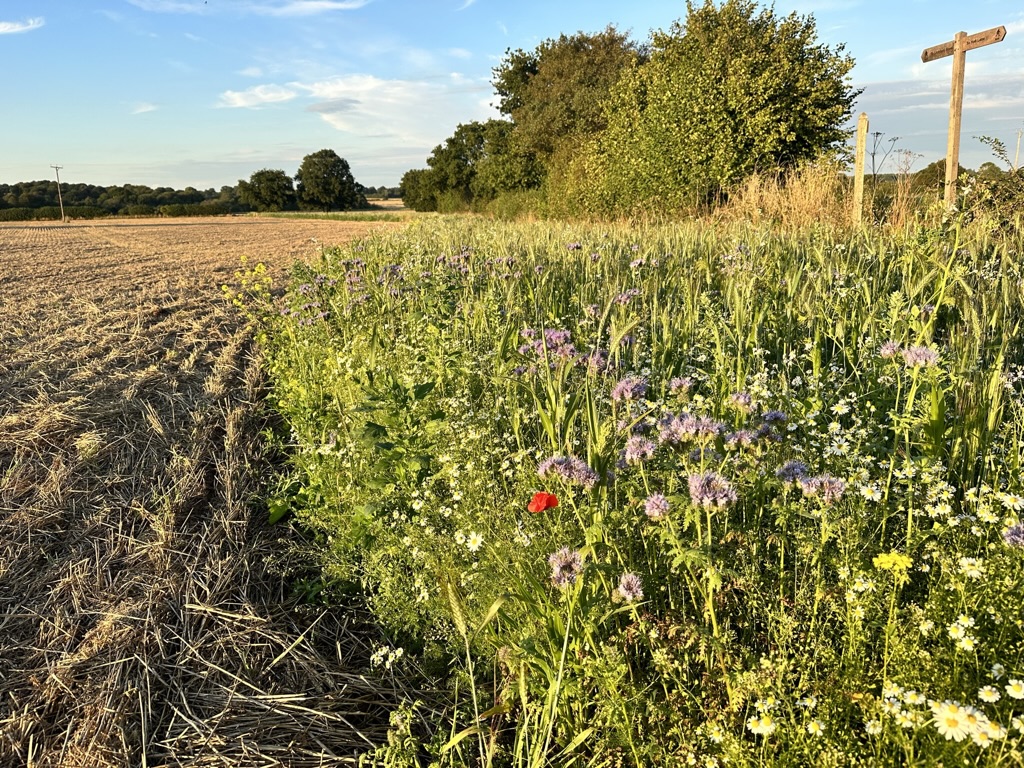
The environment is the hedgerow, the soil under your boots, the rivers, the insects, the birds, the air you breathe and the water you drink. Tangible. You live in it every day and you value it. Everyone does.
Global warming runs over timescales none of us will ever see. #NetZero just exports our carbon abroad killing our own jobs, businesses and economy in the process.
Scrapping it does not mean we stop caring for the real environment. Farmers never did, and we never will. 👍
@TiceRichard @Nigel_Farage @reformparty_uk #NetZero #NetZeroNetStupid #BritishFarming
28
35
158
10,050
May 25
@UKLabour spent the 20th century dismantling the landed aristocracy. The 21st century version is rebuilding it for them ☹️
It’s taken @RachelReevesMP just eighteen months to start turning farmers back into serfs
The new aristocracy wears a lanyard and files accounts in the BVI’s
#FamilyFarmTax #SaveFamilyFarms #BritishFarming #NetZeroNetStupid
May 25

Quiet question. Who owns Britain now?
In 2023, around half of all UK farm sales went to non-farming buyers. The figure has been climbing since 2018, only easing in 2025 as the inheritance tax shock froze the market.
The new owners include:
Aviva Investors and Par Equity, who acquired 6,300 hectares of Aberdeenshire moorland at Glen Dye to plant trees and restore peatland against Aviva's own net zero target.
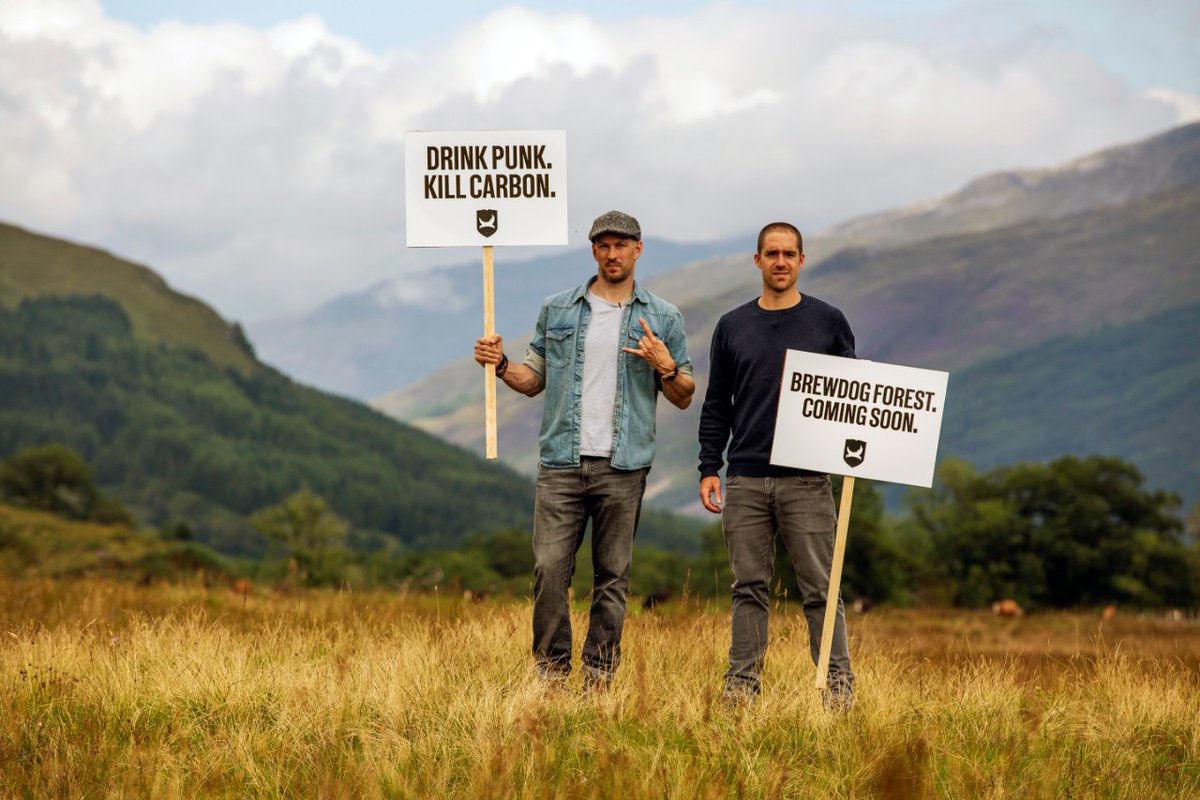
Brewdog, which bought the 9,300-acre Kinrara estate in the Cairngorms for £8.85 million, killed more than half its 100,000 planted saplings in year one, collected £690,986 in Scottish Forestry public grants, then sold the estate to Oxygen Conservation in October 2025 for the same price it paid.
Oxygen Conservation itself, which now controls over 20,000 hectares across 12 UK properties and plans to build a £1 billion offset portfolio before flipping the lot by 2030.
Multiple anonymous shell companies registered in Jersey and the British Virgin Islands, hoovering up upland sheep farms in Cumbria, Northumberland, the Borders, and the Highlands. Beneficial owners undisclosed. The UK has not produced a public register of agricultural land ownership. Successive governments have promised one. None have delivered.
The local livestock farmer cannot compete. A Welsh hill farm grossed £25,700 in 2023-24. A corporate carbon buyer can outbid them every time and write the cheque from petty cash.
The farmer is outbid. The farm is consolidated. The village empties. The press release talks about nature recovery.
The trees, in many cases, are already dead.
3
7
27
1,951
May 9
Fertilizer costs have reached shocking levels threatening farm viability. The government’s 2027 carbon tax will add another £50 - 75/t forcing Britains farmers to abandon autumn planting decisions.
Food prices will rise, import dependency will increase ☹️
The carbon tax on fertilizer must be scrapped immediately.
#NetZeroNetStupid #FoodSecurity #FarmingCrisis #CarbonTax #AutumnPlanting #BritishFarming #FoodInflation #SupportFarmers
93
556
1,618
98,121