
Rt @wef
The gap between #netzero pledges and their implementation is growing. Check out this paper by the Global Future Council on #netzerotransition on the collaboration needed to unlock the pace and scale required to meet our #climategoals.
#Stockholm ..
2
2
61

Apr 10
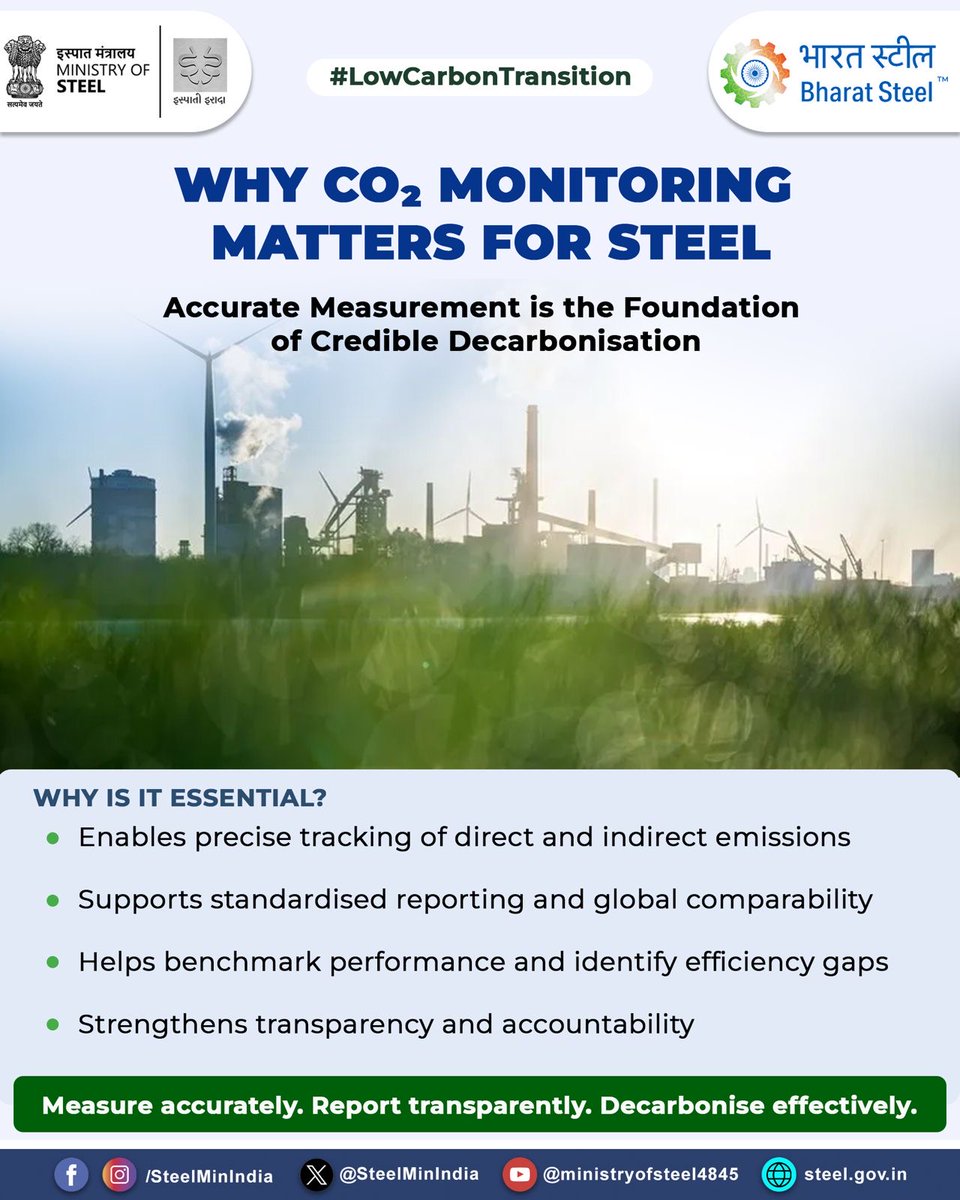
Robust CO₂ monitoring underpins effective climate strategies in the steel sector. Comprehensive systems combine site-level data and product-level assessments to ensure emissions are measured consistently and transparently.
Standardised methodologies enable benchmarking, informed decision-making and continuous improvement — all critical to advancing low-carbon steel production pathways.
Accurate data is the starting point of meaningful decarbonisation.
#SustainableSteel #ClimateAction #IndustrialDecarbonisation #NetZeroTransition #GHGMonitoring #LowCarbonSteel #Decarbonisation
3
10
325

JICA signed a JPY50 billion loan agreement with Vietnam's Government to finance a green transformation program aimed at advancing green growth and strengthening climate change adaptation.
vietnamnews.vn/economy/17785…
#Vietnam #gogreen #energy #renewables #netzerotransition
2
28

Feb 10
NITI Aayog Report Marks Key Milestone in India’s Net Zero Journey | Ananth Nageswaran
#NITIAayog #NetZero #IndiaClimateAction #Sustainability #GreenIndia #ViksitBharat #ClimateChange #NetZeroTransition #IndiaPolicy #RenewableEnergy #ClimateGoals #SustainableDevelopment
2
519

15 Nov 2025
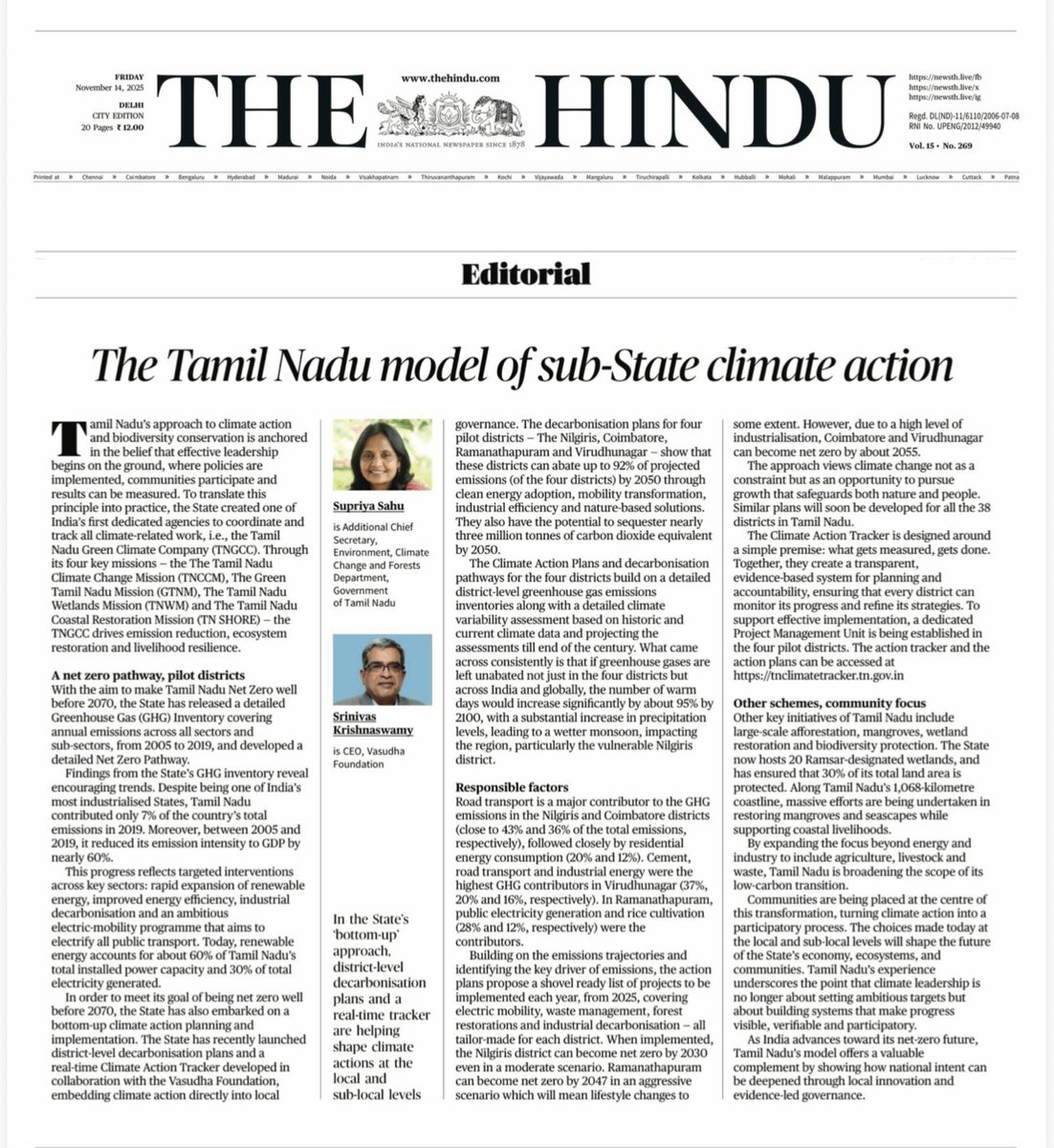
India’s net-zero transition will be shaped by State governments and, even more importantly, by districts.
I write this piece in @the_hindu with @sreenk. State-level GHG inventories and climate risk maps allow precise, locally tailored decarbonisation pathways. Integrating nature-based solutions will strengthen both carbon sequestration and community resilience. Institutional frameworks like climate missions and real-time trackers are needed to ensure accountability. Community participation is crucial for action on the ground.This is the emerging model of India’s climate leadership, data-led, locally grounded, and ecosystem-driven #NetZeroTransition #ClimateAction #climatechange
30
92
626
28,419

9 Nov 2025
🌍 How can governments enhance cooperation on trade–climate measures at the @wto ?
In this latest Synergies article, Christophe Bellmann, Carolyn Deere Birkbeck, Yasmin Ismail, and Brian Kelly Nyaga review options on how enhanced international cooperation could help foster greater coherence, transparency, and equity in the design and implementation of trade-climate measures.
As countries introduce trade-related measures to advance climate objectives, fragmented approaches risk creating trade tensions, compliance costs, and inequities, particularly for developing economies. The authors review different rationales for cooperation and how collaborative efforts could be advanced.
💡 Read the article: tessforum.org/latest/how-can…
@CarolynDeere @wto @GENetwork @GVAGrad
#TESSForum #Synergies #TradeAndClimate #SustainableDevelopment #TradePolicy #NetZeroTransition
3
217

6 Nov 2025
furtherasia.com/south-korea-…
South Korea drives its #netzerotransition through #hydrogen, #renewables, and #digital grid #innovation. #SouthKorea #Energy #FurtherAsia
2
4
43

10 Oct 2025
Rt @wef
The gap between #netzero pledges and their implementation is growing. Check out this paper by the Global Future Council on #netzerotransition on the collaboration needed to unlock the pace and scale required to meet our #climategoals.
#Stockholm ..
1
2
66

11 Aug 2025
Rt @wef
The gap between #netzero pledges and their implementation is growing. Check out this paper by the Global Future Council on #netzerotransition on the collaboration needed to unlock the pace and scale required to meet our #climategoals.
#Stockholm ..
2
63

‼️🇮🇳This is fantastic news, albeit #Bharat as a nation must continue to lead the dialogue on grave inequities pertaining global climate financing widening the gap between the developed versus the developing block, as rightly flagged at both, COP29 and the BCCC 2025, thereby demanding the developed block to fulfil their slated commitments under Article 9.1 of the Paris Agreement!
#Bharat’s leadership on raising the financing gaps also stands backed by the collective of G77 China, the LMDCs, the LDCs, and the AGNs!
Will share in-depth insights on this later.
#Geopolitics #GlobalRiskStrategies #ClimateRisk #SDGs #NetZeroTransition
25 Jun 2025

India Breaks into Top 100 in Global SDG Rankings for the First Time
India has achieved a significant milestone, entering the Top 100 in the UN Sustainable Development Goals (SDG) rankings for the first time. Ranked 99th out of 167 countries with a score of 67 in the latest Sustainable Development Report. This marks a consistent upward trajectory from 109th in 2024, reflecting India's dedicated progress.
East and South Asia, including India, have notably outperformed other global regions in SDG progress since 2015 due to rapid socioeconomic development.
This milestone highlights India's progress in aligning national efforts with global sustainability goals and reinforces its vision for a Viksit Bharat by 2047.
To Know More:- m.economictimes.com/news/ind…
#PMOIndia #NITIAayog #SDGs #IndiaProgress #SustainableDevelopment #GlobalGoals #ViksitBharat
@PMOIndia | @narendramodi | @Rao_InderjitS | @MIB_India | @PIB_India | @DDNewslive | @suman_bery
3
4
8
530

29 May 2025
I just published From Pledges to Performance: Building a Resilient Financial Sector in the Net-Zero Economy :
medium.com/p/from-pledges-to…
#NetZeroTransition #SustainableFinance #ClimateRisk #GreenEconomy #ESGStrategy #TransitionPlanning #ClimateResilience #FinancialRegulation

2
4
165

7 May 2025
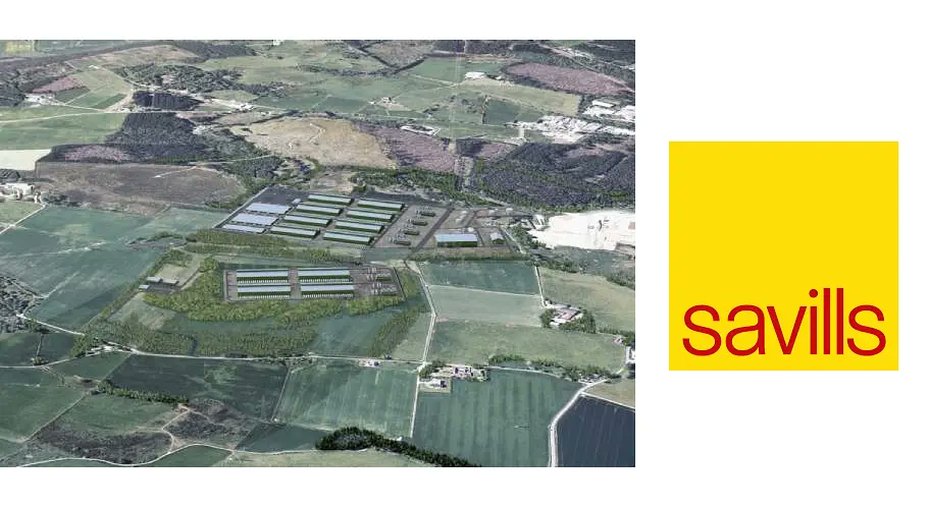
Savills secured planning permission for Kintore Hydrogen, the UK's largest proposed utility-scale #greenhydrogen plant, on behalf of Statera Energy.
#GreenHydrogen #CleanEnergy #NetZeroTransition #InfrastructureProject #RenewableEnergy
fcw.sh/Q2EykH
1
2
3
342

15 Feb 2025
Rt @wef
The gap between #netzero pledges and their implementation is growing. Check out this paper by the Global Future Council on #netzerotransition on the collaboration needed to unlock the pace and scale required to meet our #climategoals.
#Stockholm ..
1
1
78

22 Jan 2025
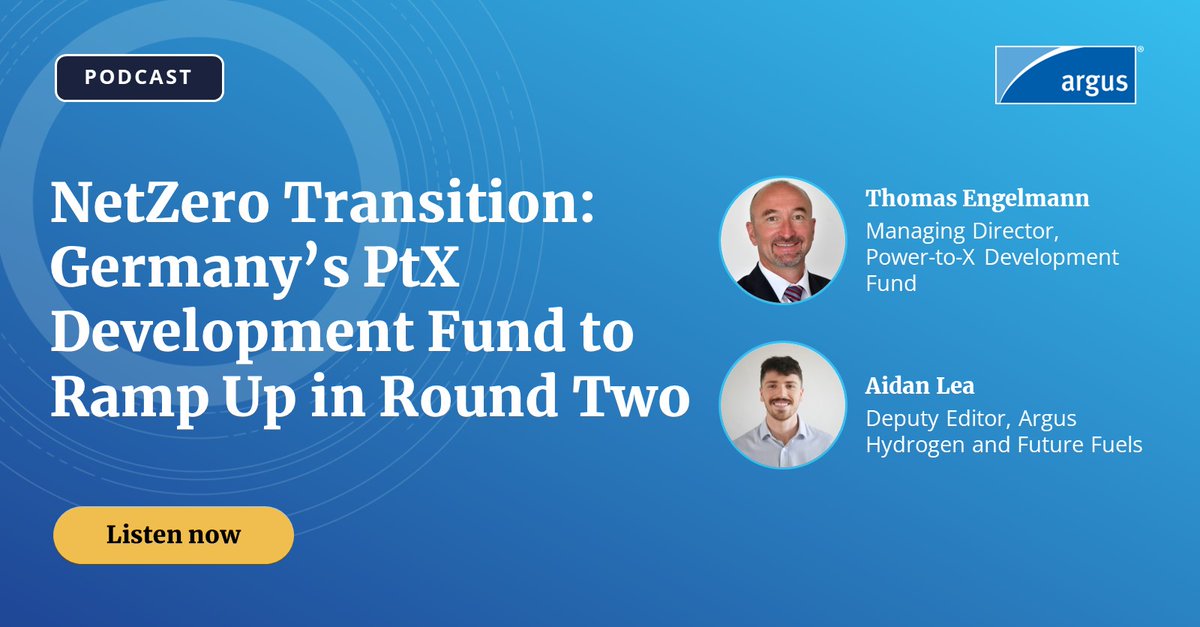
🎙️𝗣𝗼𝗱𝗰𝗮𝘀𝘁 | Argus’ Aidan Lea is joined by Power-to-X Development Fund’s Managing Director Thomas Engelmann to discuss the fund’s €270mn to award to renewable hydrogen and derivatives projects
Listen to podcast: okt.to/9IjKvQ
#ArgusMedia #netzerotransition
1
3
590

9 Dec 2024
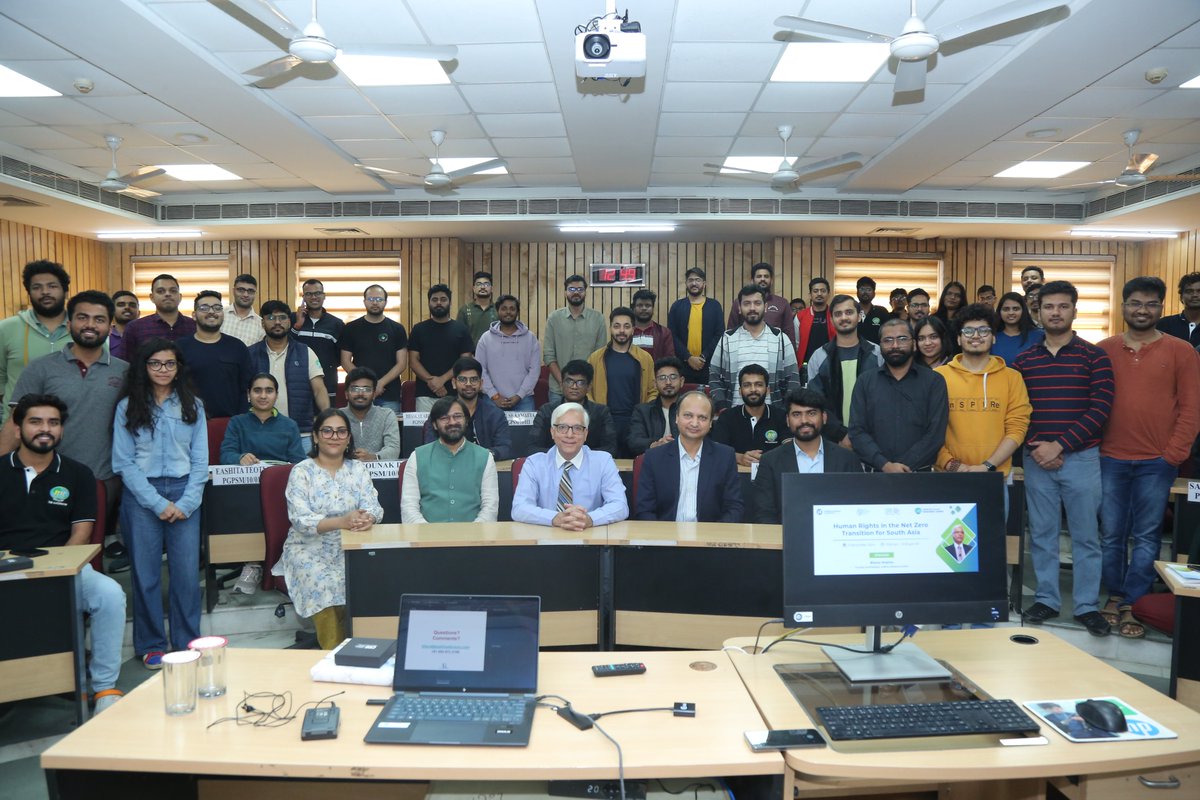
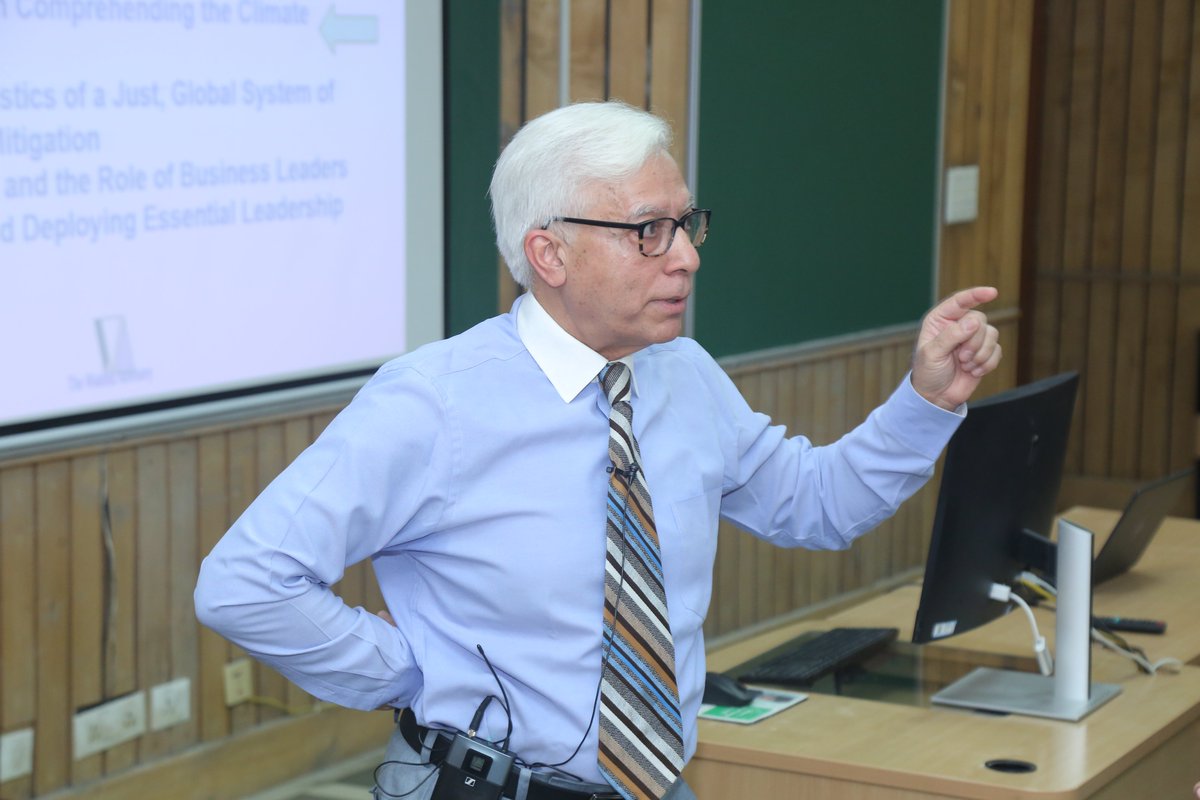
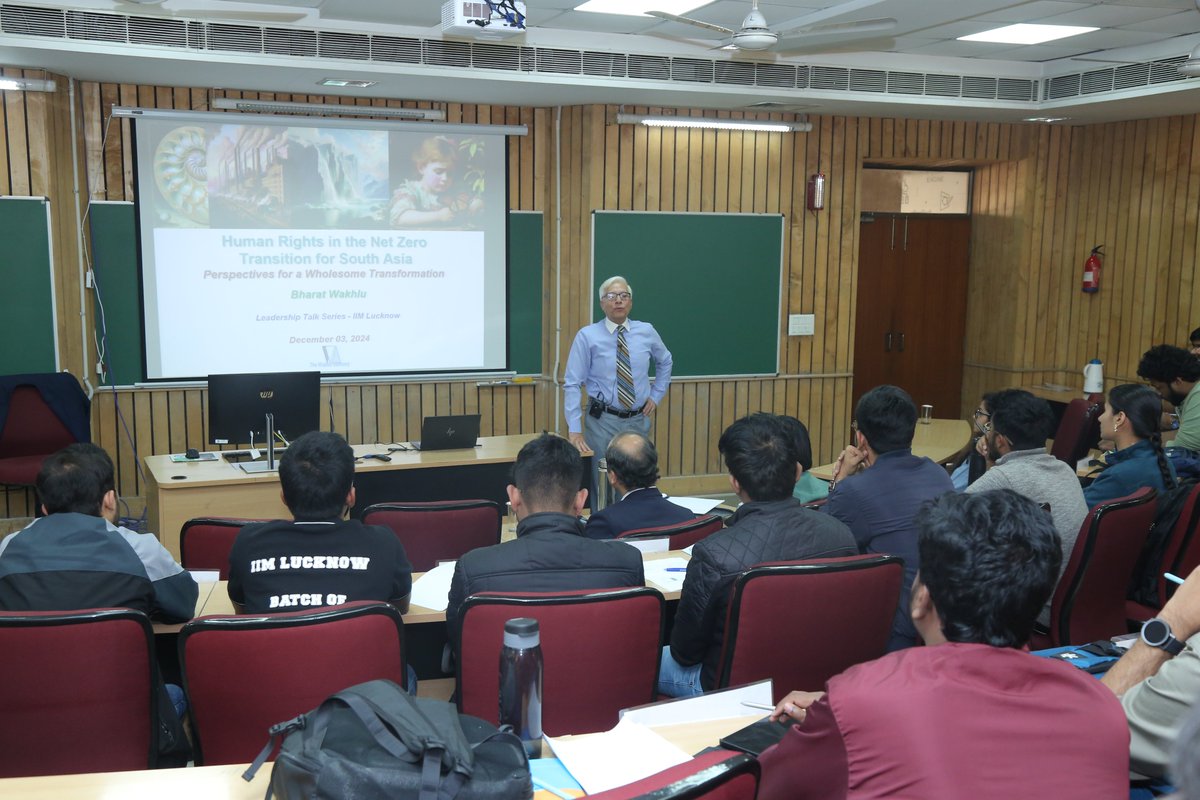
IIM Lucknow’s PGPSM program recently hosted an insightful session in its Leadership Talk Series. Mr. Bharat Wakhlu, Ex-Group Resident Director, Tata Sons Ltd., and Founder and President, The Wakhlu Advisory, shared his expertise on #HumanRights in the #NetZeroTransition.
#IIML
1
2
221
⭐️ One of the rhetorics across the Western corporate and regulatory forums which I keep hearing and subsequently rebutting is the disproportionate expectations they hold on Bharat (India) and broader Asia, labelling Bharat as one of the prime emissions contributors despite being one of the least ones when compared against the developed nations and their historical emissions footprints through which the developed nations enjoyed a lucrative ride of their own economic growth.
This also comes vis à vis an inequitable and inadequate distribution of climate funds and instruments therein provided by the developed nations to the developing nations, thereby failing on their pledged commitments wrapped under capitalist strategies for 'global good'.
🟠Speaking of Bharat and most pertinently the country's historical contribution to global #GHG emissions, stands at only about 4% against a share of ~17% of the world’s population, and as such it has contributed little to the accumulation over time of #GHG in the atmosphere despite having to transition away from the historically laid out infrastructure plumbed during the colonised times that it withstood (which predominantly relied on coal, thanks to the British colonisation period of circa 90 years).
🟠As for broader Asia, even the AR6 of @IPCC_CH 2022 acknowledges the contribution of entire Southern Asia collective, to have been recorded at only about 4% of the historical cumulative net anthropogenic emissions between 1850 and 2019, even though the region holds almost 24% share of the global population.
🟠North America, #UK, and #Europe on the other hand, alone have contributed almost 10 times more to global cumulative emissions through this period, though they comprise of only ~13% of the global population.
🟠As for the rhetoric around Bharat's reliance on coal, a case in point, one must note that the nation's per capita consumption of coal, its leading natural fossil fuel resource, when normalised for coal quality, was half the world's average in 2019 & its natural gas consumption was 30-50 times lower than many #OECD nations. For the record, the global oil and gas emissions are 25% higher than coal emissions.
🟠As it stands and validated by the @UNFCCC, Bharat has only a minimal historical contribution to the consumption of the global carbon budget alongside its annual per capita emissions which remains modest when compared against the demography size. Infact, a disproportionately large part of the global carbon budget has been used by developed countries leaving the developing nations to breadcrumbs, with the latter having to meet their sustainability and climate action commitments through a large portion of domestic resources whilst ensuring a stead economic growth.
🟠The world, from 2020, has a remaining carbon budget of 500 GtCO2, to have a 50% probability of limiting global warming to 1.5°C scenario pathway relative to pre-industrial levels, and a remaining carbon budget of 1350 GtCO2 to have a 50% probability of limiting global warming to an increase of 2°C! In simple terms, the West could perhaps learn the basics of economics, finance, mathematics, and sustainability from Bharat, to break even on the demand versus supply ratio climate funds.
We've not even elaborated upon about Bharat's strategic low-carbon transition growth initiatives, investments in renewable energy, green tech, economy-wide de-coupling of growth from emissions, development of a green industrial ecosystem, smart grids, amongst other in-flight initiatives.
🔴The Western world must note without amiss, #climateaction and #netzerotransition call for international co-operation, reciprocal collaboration, capacity building, deliberate use of climate technologies, data-driven decisioning, and most pivotally, an equitable multilateral & bilateral climate financing model; NOT blame game.
@narendramodi @DrSJaishankar @PiyushGoyal @nsitharaman @HardeepSPuri @byadavbjp @AshwiniVaishnaw @sanjeevsanyal @Tejasvi_Surya @amishra77 @PMOIndia @eucommission @UNEP @theGCF
3
17
30
1,391

13 Nov 2024
🌍 IGBC Green Education Conclave 2024 explored global sustainability initiatives, with experts on net-zero, skilling, & green projects. 🌱
👉 Visit Asia’s largest green expo in Bengaluru, Nov 14-16!
#GreenOpportunities #SustainabilitySkills #NetZeroTransition #GreenExpo2024
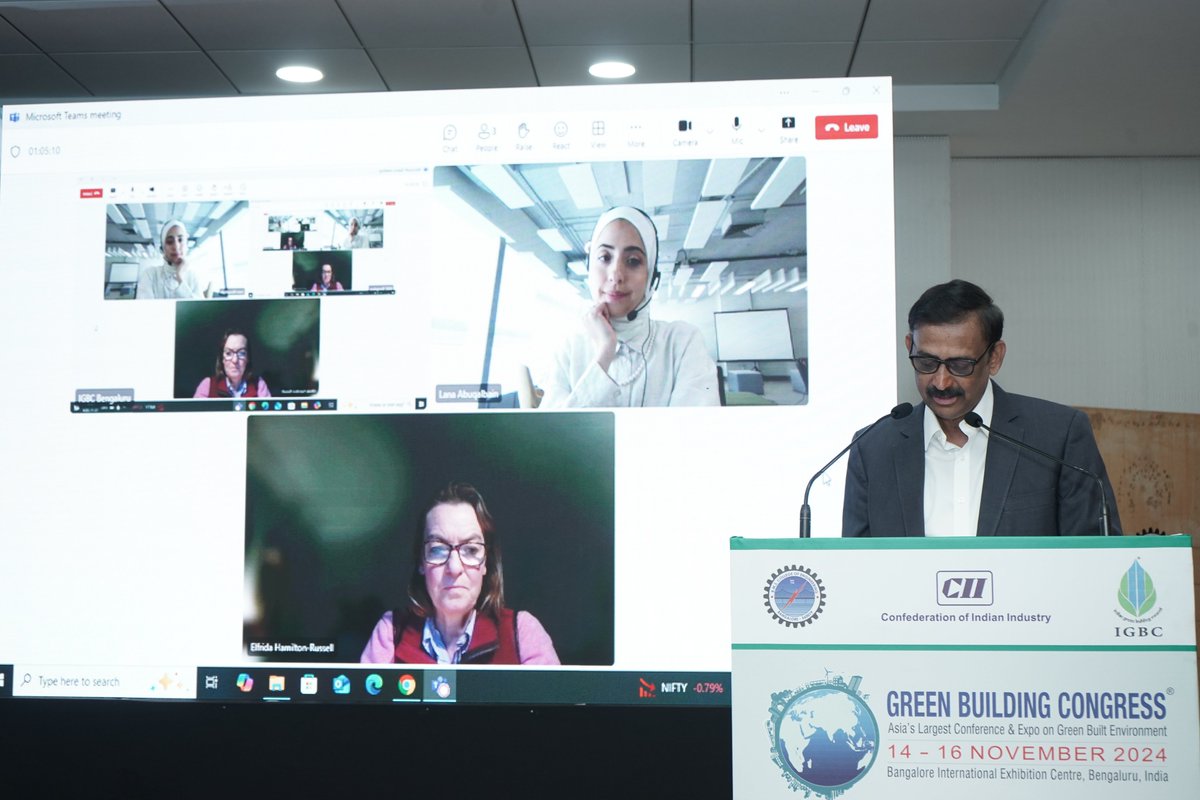
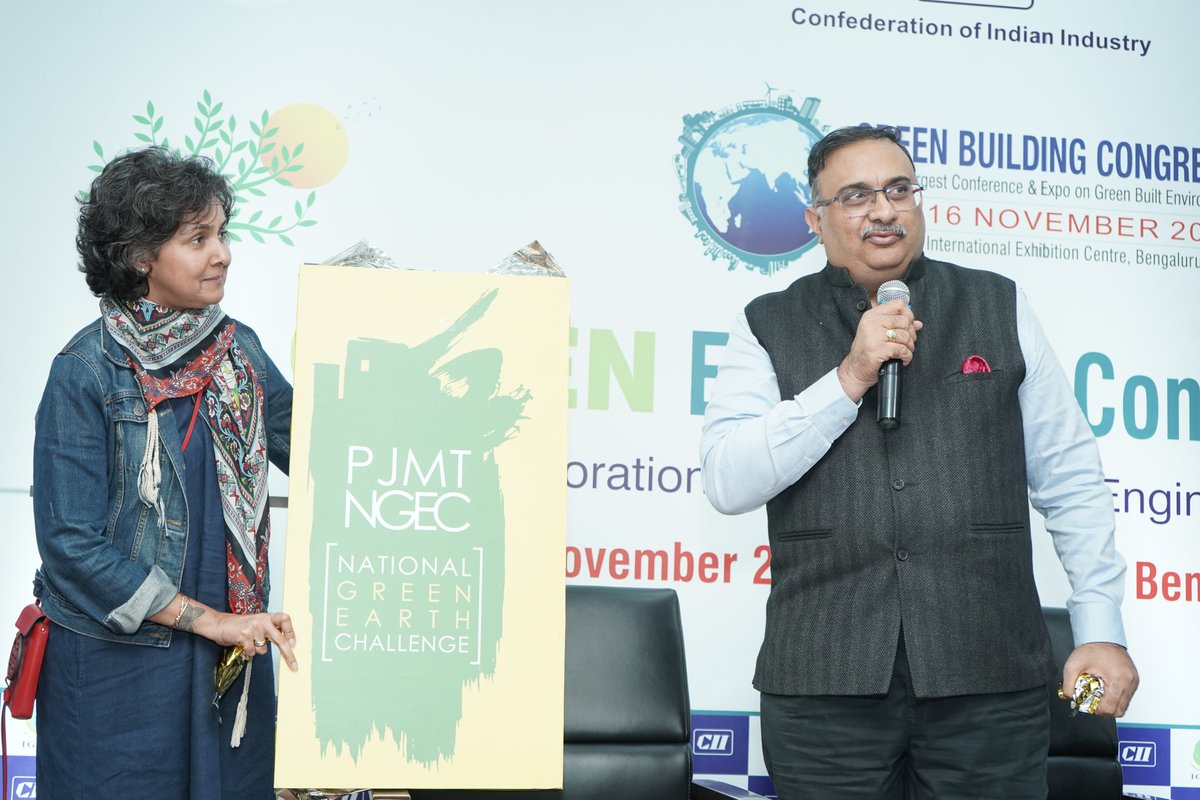
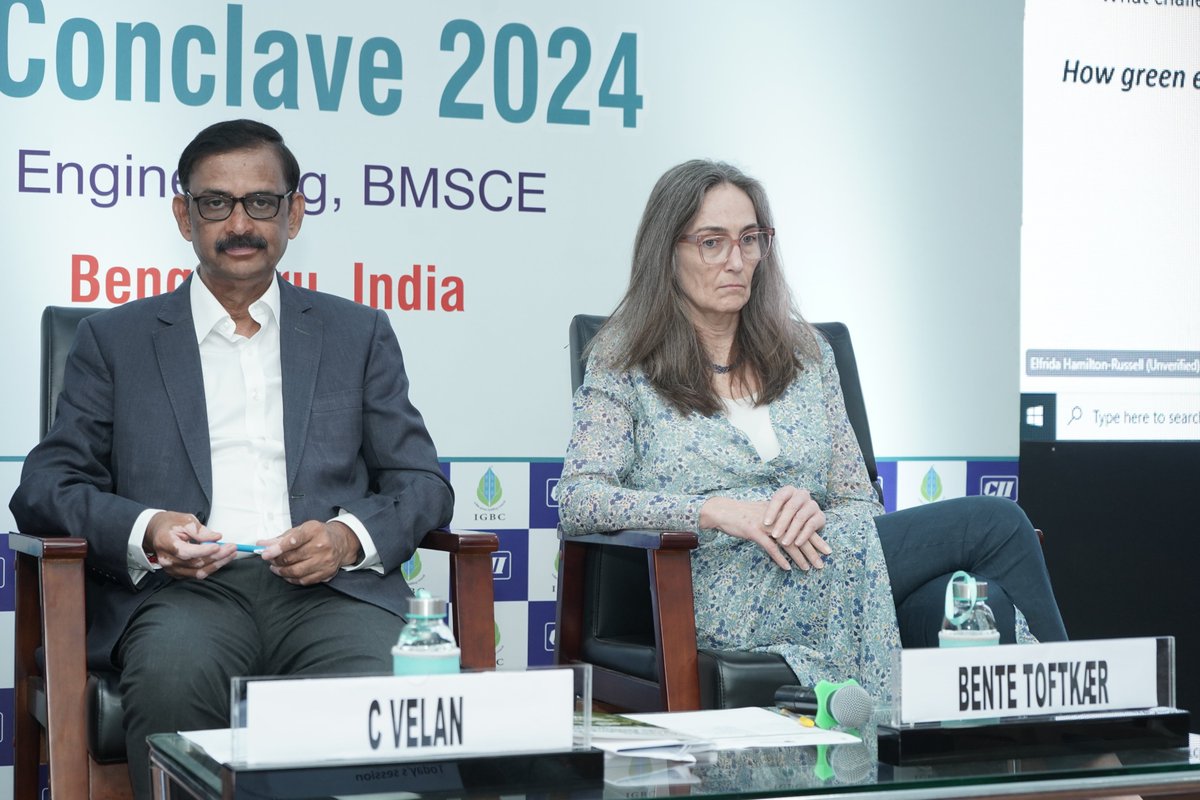

2
88

4 Nov 2024
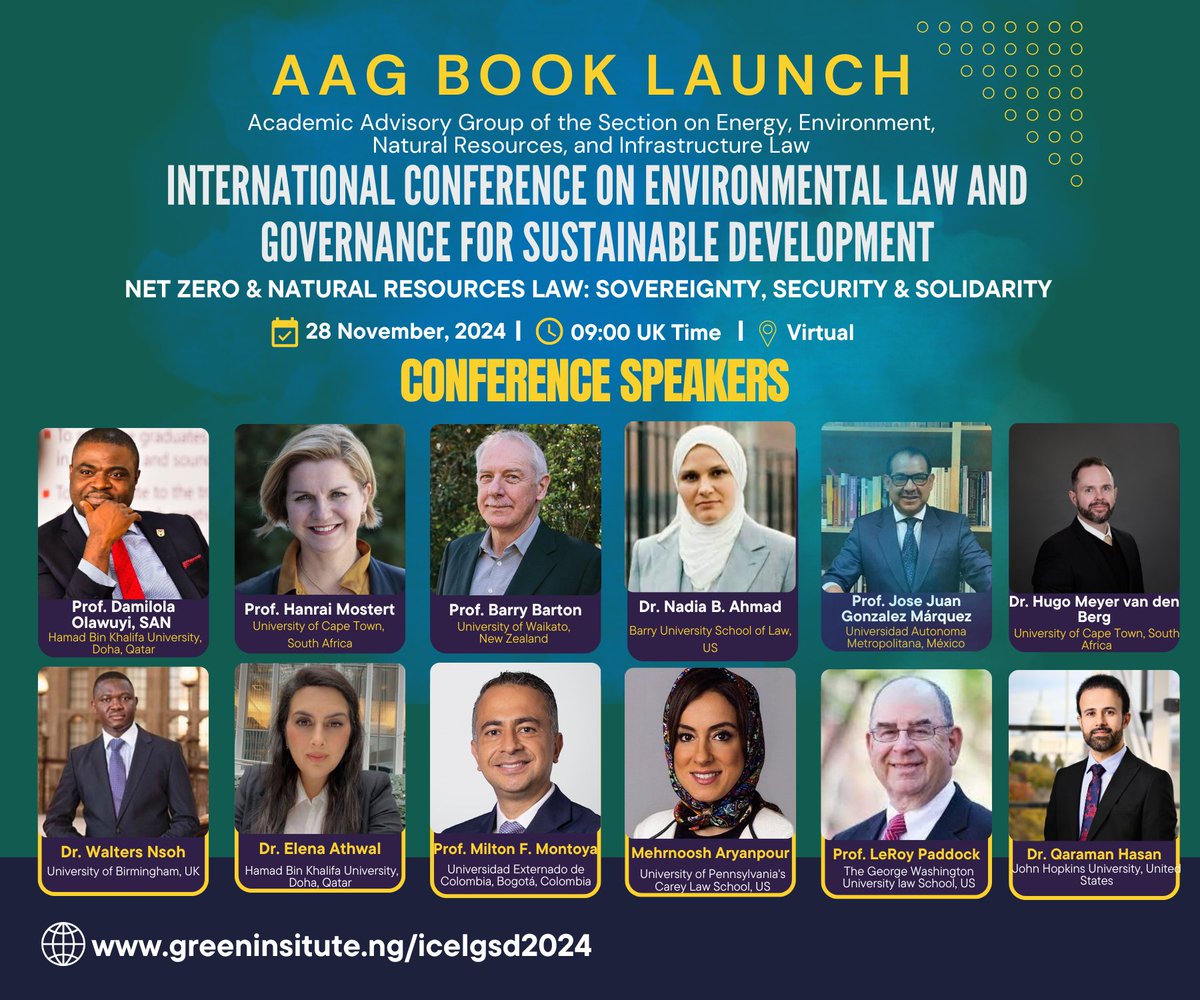
#ICLEGSD2024 is here!
Join critical discussions on #NetZerotransition at the #BookLauch of 'Net Zero and Natural Resources Law: Sovereignty, Security, and Solidarity Dimensions of the Clean Energy Transition' on Nov. 28.
Register now- bit.ly/3UDeo3j
@byu @UCBerkeley
2
78

22 Oct 2024
Rt @wef
The gap between #netzero pledges and their implementation is growing. Check out this paper by the Global Future Council on #netzerotransition on the collaboration needed to unlock the pace and scale required to meet our #climategoals.
#Stockholm ..
1
49

19 Oct 2024
Transitioning to net zero can challenge economies, potentially leading to job losses in traditional sectors but also fostering growth in green tech and renewable energy sectors. Countries like Sweden, Denmark, and Finland lead in energy transition due to effective policies and investments. However, the adaptability and economic diversification of nations like the US, China, and parts of Europe could define their resilience in this shift. What's your take on which countries are best positioned to thrive in this green evolution? #NetZeroTransition #EconomicGrowth #Economics #management #Sustainability
16 Oct 2024

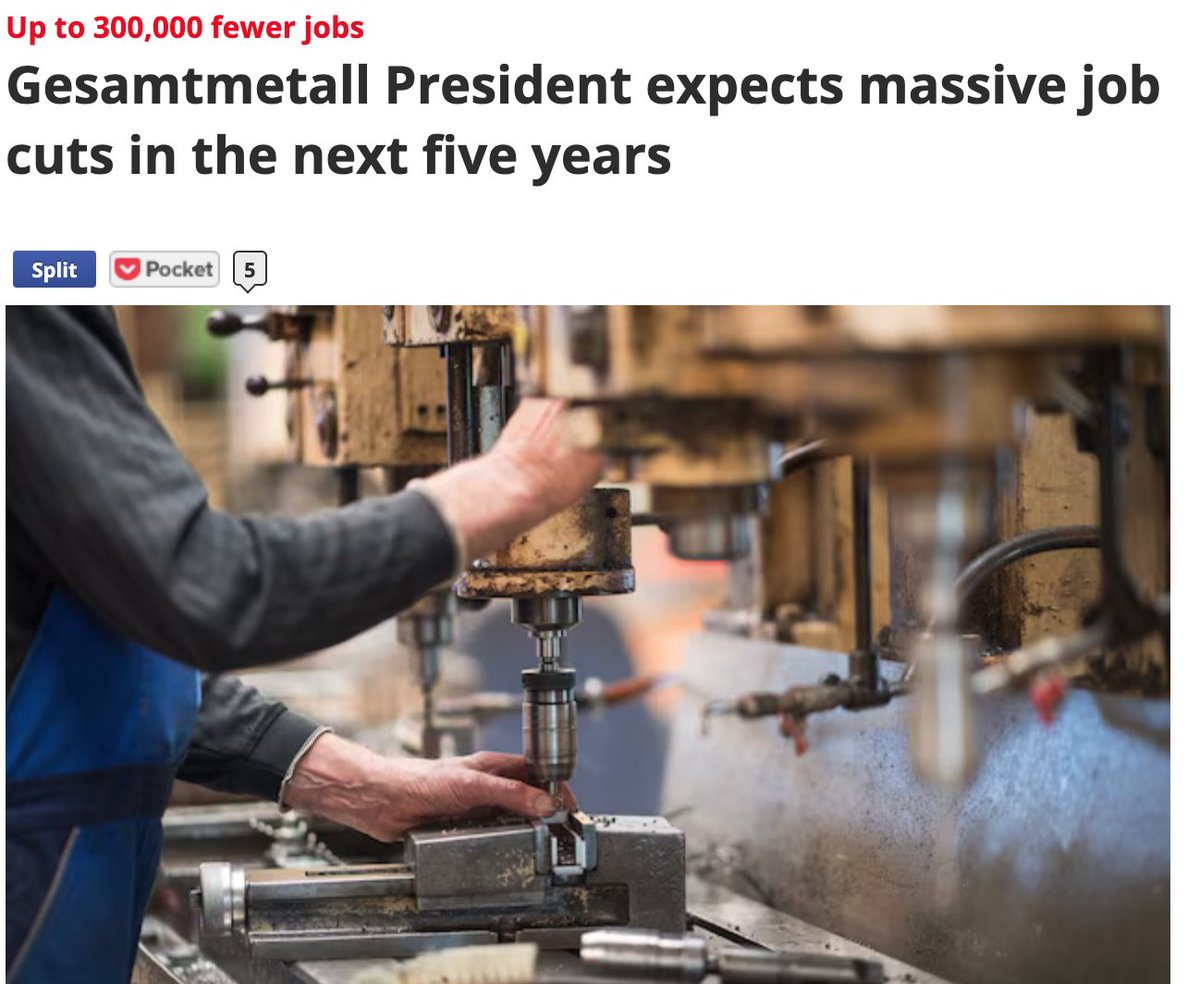
The cost of Net Zero: Germany's metal and electrical companies are expecting 250,000 to 300,000 job losses in the next 5 years.
2
195