
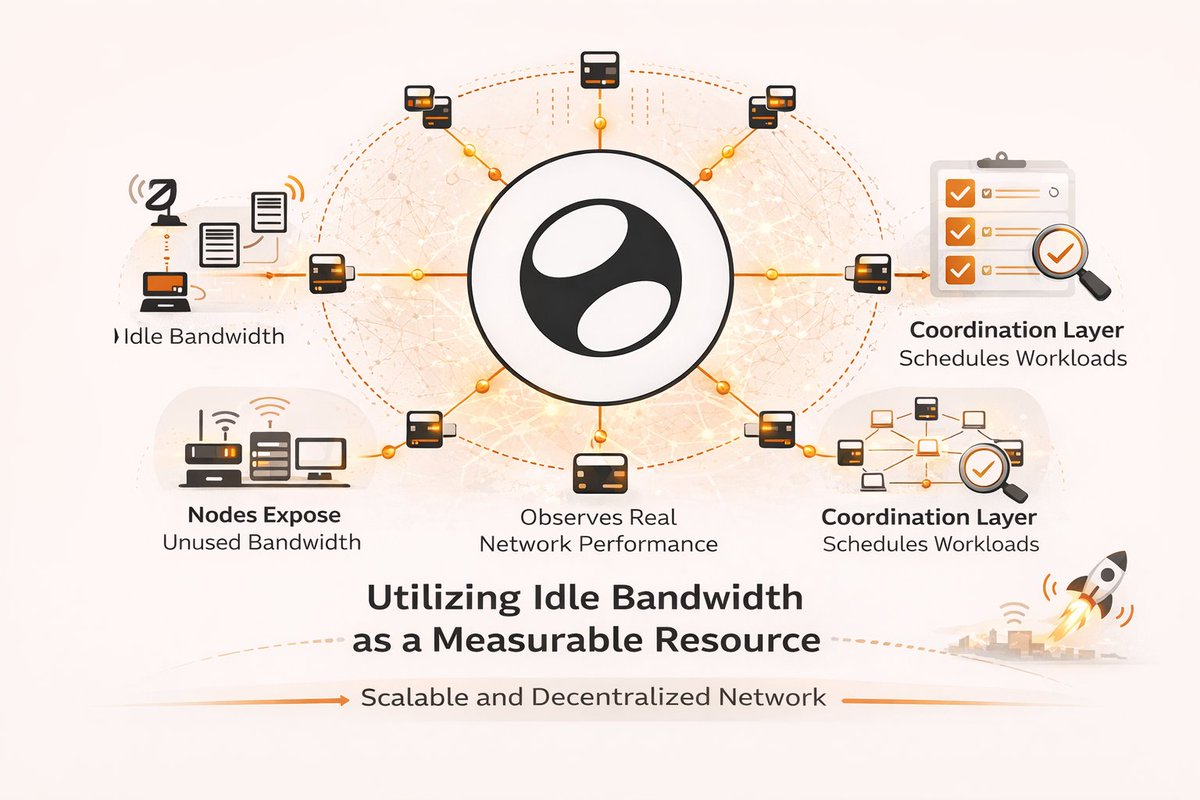
Perceptron’s infrastructure treats idle bandwidth as a measurable network resource rather than an abstract contribution. Nodes expose unused connectivity to the system, and the coordination layer distributes workloads based on available capacity and responsiveness. This approach matters because it turns a widely available but fragmented resource into something that can be aggregated and scheduled.
The node layer itself is designed to be lightweight but accountable. Participation is not just about being online; the system observes real network behavior to determine whether a node is actually contributing bandwidth. By tying participation to observable performance, the architecture reduces the gap between declared capacity and real delivery.
Another structural decision is the separation between resource providers and coordination logic. Nodes handle contribution and connectivity, while the orchestration layer focuses on task distribution and verification. Keeping these responsibilities distinct allows the network to expand horizontally without overloading the coordination layer as participation increases.
What becomes interesting at scale is how this structure changes network dynamics. As more nodes join, the system gains not only capacity but also geographic diversity and redundancy. That diversity improves reliability because workloads are no longer dependent on a narrow set of endpoints.
Taken together, these choices suggest a design focused on measurable contribution, distributed participation, and infrastructure that grows through network effects rather than centralized expansion. The long-term behavior of the system will likely depend on how effectively these mechanisms continue to coordinate thousands of independent nodes without introducing friction.
@PerceptronNTWK
#Perceptron #DistributedInfrastructure #NetworkSystems #EdgeNetworks #InternetInfrastructure #TechArchitecture #SystemsDesign 🚀
1
2
25

7 Aug 2025
🚨 PhD Opportunity | Fully Funded | Systems AI CPS
🧠 Join Dr. Xu Tao's Lab @ Kennesaw State University (KSU)
📍 Tenure-Track Assistant Professor | Department of Information Technology | College of Computing & Software Engineering (CCSE).
🎉 Dr. Xu Tao has joined KSU and is building an interdisciplinary research lab focused on intelligent networked systems! She is now recruiting self-motivated PhD students for fully funded positions.
💡 Research Focus Areas:
🔹 Cyber-Physical Systems (CPS)
🔹 Internet of Things (IoT)
🔹 Software-Defined Networks (SDN)
🔹 AI-driven Optimization & Edge Intelligence
🔹 Quality of Service (QoS) in resource-constrained environments
🔹 Real-world applications in:
• Smart cities
• Agriculture
• Computing & Communication Systems.
📌 What You’ll Work On:
🧠 Design cutting-edge intelligent systems
🤖 Enhance network performance with AI techniques
🌐 Tackle real-world challenges in dynamic environments.
📬 How to Apply:
Send the following to Dr. Xu Tao via email:
✔️ CV
✔️ Academic transcripts
✔️ Short research summary.
📣 If you're passionate about AI, systems research, interdisciplinary collaboration, and real-world tech impact — don’t miss this opportunity to grow and lead with one of KSU’s newest research labs!
#PhDOpportunity #AI #EdgeComputing #IoT #SDN #CPS #CyberPhysicalSystems #SmartCities #AgriTech #FullyFundedPhD #KSU #GraduateSchool #AIResearch #NetworkSystems #PhDRecruitment #AcademicTwitter
1
2
450

13 Jan 2024
Reliable #internet on a cruise ship is essential for both crew and passengers. Understanding complex #NetworkSystems is crucial for seamless connectivity. Discover our insights on maritime communication solutions: bit.ly/3NZCoKG #ExpertConnect
614

11 Oct 2023
Another 100% Remote job to share! We are looking for a Network Systems Development Engineer. To qualify, you need at least 7 years of Linux and FreeBSD system admin experience: bit.ly/45mhdIN
#genesis10 #networksystems #linux #remotejobs #itstaffing
1
2
163

20 Jul 2023
Do you know how to best implement AV over IP? Dive into our latest article that demystifies this technology and discover how to best implement it on your next project. Read more >> bit.ly/43dSp4r #AVOverIP #ProAv #CommercialAV #networksystems #Connectivity #Kordz

1
2
304

27 Jun 2023
We at Primus Cable understand the validity of overhead cable management as an additional means of keeping networking cables organized and safely out of the way. See More Here: primuscable.com/collections/…
#PrimusCable #networkracks #networksystems #CableManagement #serverrack


2
14
26 Jun 2023
Our wide selection of Cable Organizers is intended to be as diversified as your application. See More Here: primuscable.com/collections/…
#primuscable #cablemanagement #networksolutions #networksystems #serverrack #cableclips

2
17

1 Jan 2023
IWAKS Solutions Wishes You All a God’s Abundantly Blessed and Happy New Year 2023
#AudioVisualSystems #SecuritySystems #SafetySystems #NetworkSystems #CommunicationsSystems #TechnologyServices #TechnologySystems #Design #Build #SystemsIntegrator #TurnkeyProjects #HappyNewYear2023
3
90

1 Oct 2022
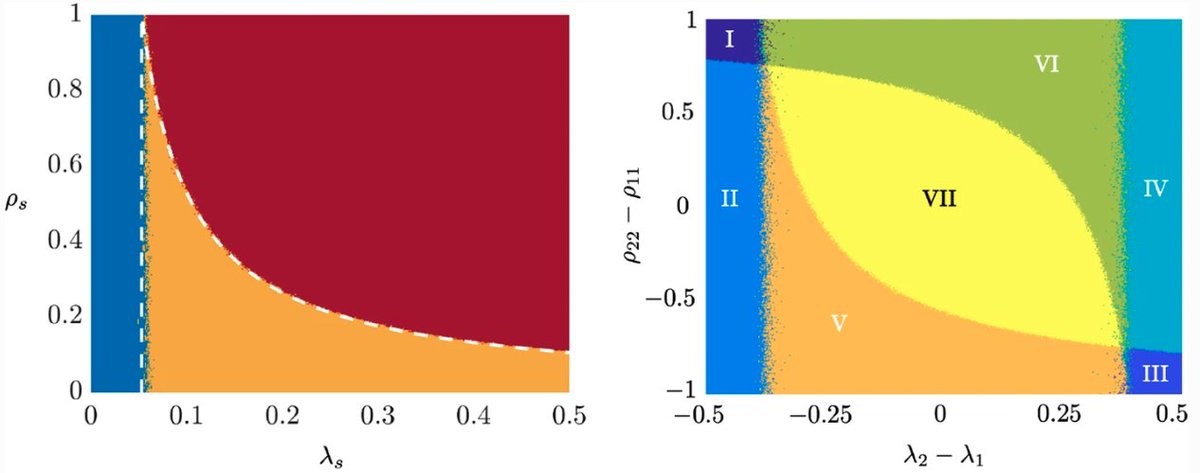
Check out our latest work on modeling and control of the spread of two concurrent epidemic strains
appliednetsci.springeropen.c…
#Epidemics #NetworkSystems #NetworkControl
1
4

6 Jul 2022
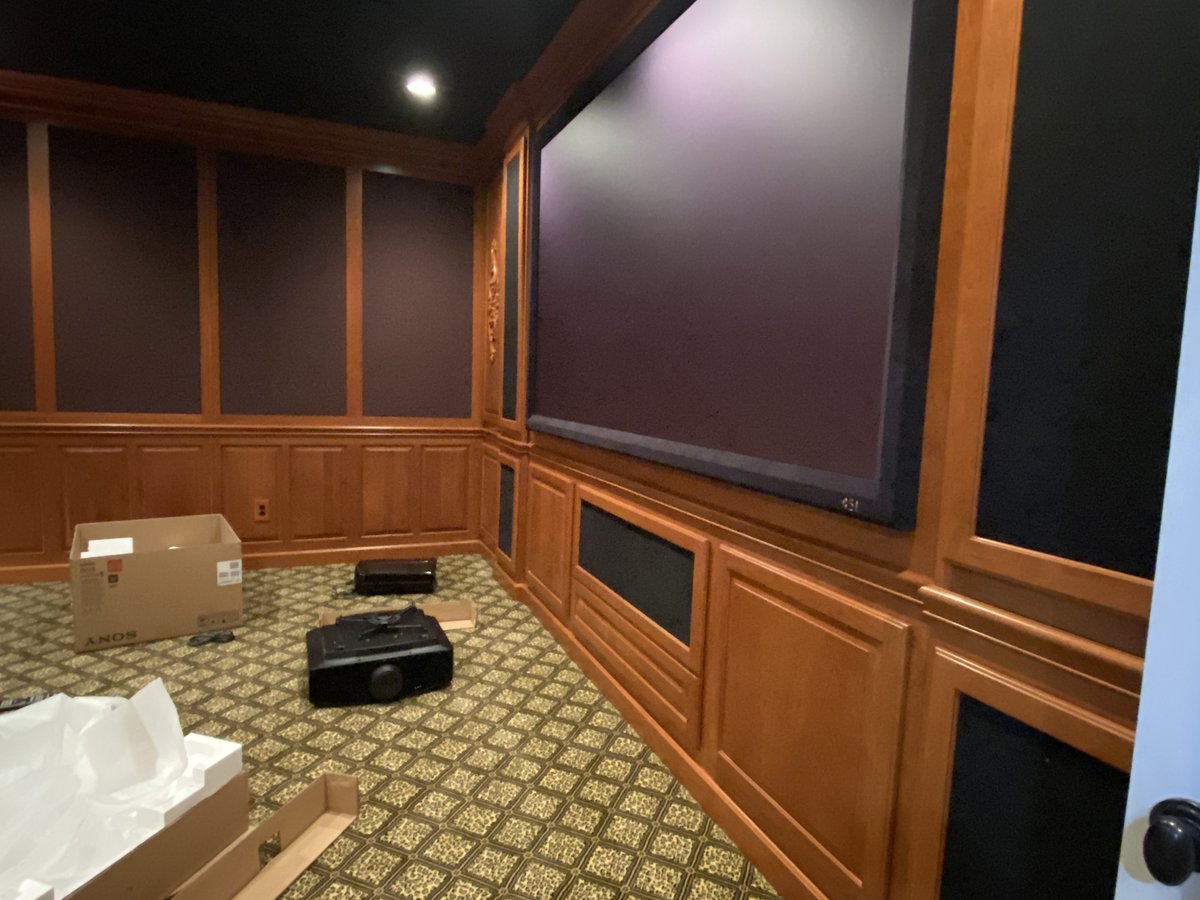
Retrofit of another #hometheater for a customer taking the projector from 1080P to a #Sony 4K laser upgrade. The fun never ends as we see the smile on our customer's face after completion. #Lovemyjob. #KoziMediaDesign #smarthome #smartoffice #networksystems #pittsburghtech
2


8 Oct 2021
.@RENCI will host the Workshop on #Data for #AI in #NetworkSystems on October 20 - 21, where experts will discuss the future collaboration between #datasets #AI. Registration is now open to the public. #networking #cyberinfrastructure
Learn more here: renci.github.io/ai-for-netwo…
3
2

5 Oct 2021
#FABRICtestbed leadership team members Anita Nikolich KC Wang will organize the Workshop on #Data for #AI in #NetworkSystems on October 20 - 21. The event is funded by @NSF hosted by @RENCI.
Register today: bit.ly/3mmI5ns
2
2

15 Sep 2021
Papers are due on September 18 for the @RENCI-hosted Workshop on #Data for #AI in #NetworkSystems, where experts will discuss the future collaboration between #datasets AI. Those who would like to attend must submit a whitepaper. #networking renci.github.io/ai-for-netwo…
1
1

14 Sep 2021
Papers are due on September 18th for the @RENCI-hosted Workshop on #Data for #AI in #NetworkSystems, where experts will discuss the future collaboration between #datasets #artificialintelligence. Those who would like to attend must submit a whitepaper.
2
2
13 Sep 2021
#CFPAlert: @RENCI will host the Workshop on Data for #AI in #NetworkSystems on October 20 - 21, where experts will discuss the future collaboration between #datasets #artificialintelligence. Those who would like to attend must submit whitepapers by 9/18. renci.github.io/ai-for-netwo…
2
4
8 Sep 2021
#FABRICtestbed leadteam members Anita Nikolich KC Wang will organize the Workshop on Data for #AI in #NetworkSystems on Oct. 20 - 21. The event is funded by @NSF hosted by @RENCI.
To be invited to the workshop, please submit a whitepaper by Sept. 18. bit.ly/3BQly8B
1
2
3 Sep 2021
Interested in future collaborations between data AI? The Workshop on #Data for #AI in #NetworkSystems intends to facilitate a discussion among AI, #networking, #security research communities to answer that question.
Submit a whitepaper for an invite: bit.ly/3sGYVjN
2
3

The Workshop on #Data for #AI in #NetworkSystems will start a discussion among AI, #networking, #security research communities on how data will influence network systems society & how to enable scalable #datacollection.
Submit a whitepaper to attend: renci.github.io/ai-for-netwo…
1
1
31 Aug 2021
#NCDSMemberSpotlight: @RENCI will host the Workshop on #Data for #AI in #NetworkSystems on October 20 - 21, where experts will discuss the future collaboration between #datasets #artificialintelligence. Those who want to attend must submit a whitepaper. renci.github.io/ai-for-netwo…
1
1