
Jun 10
🥳 Meet Dr. Hafizur Rahman from the School of Podiatric Medicine, University of Texas Rio Grande Valley, USA. He will serve as a Committee Member at #IOCPr2026
🗓️ 9–11 December 2026
More info at: brnw.ch/21x3dLB
#Osseointegration #LimbProsthesis #NeuralInterface

22
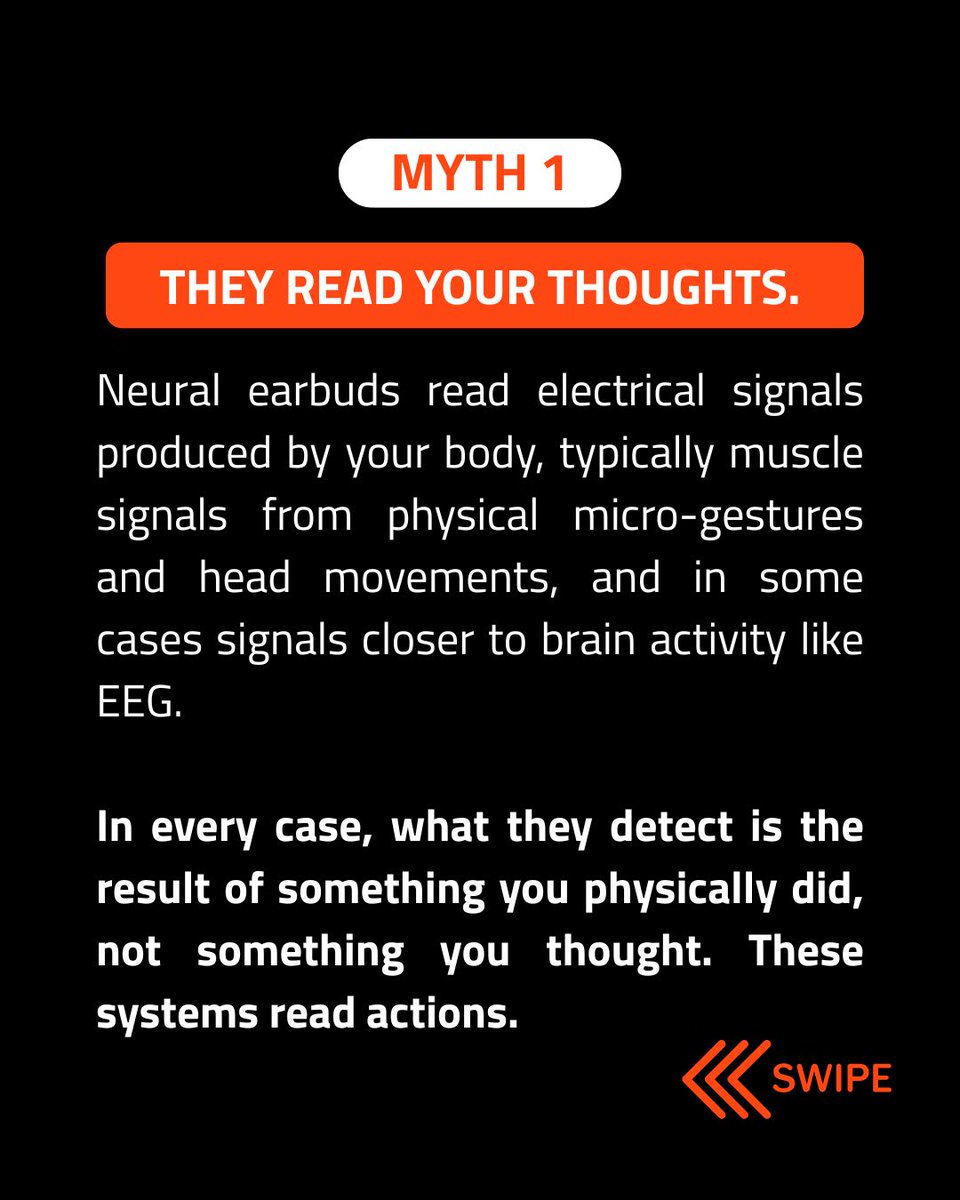
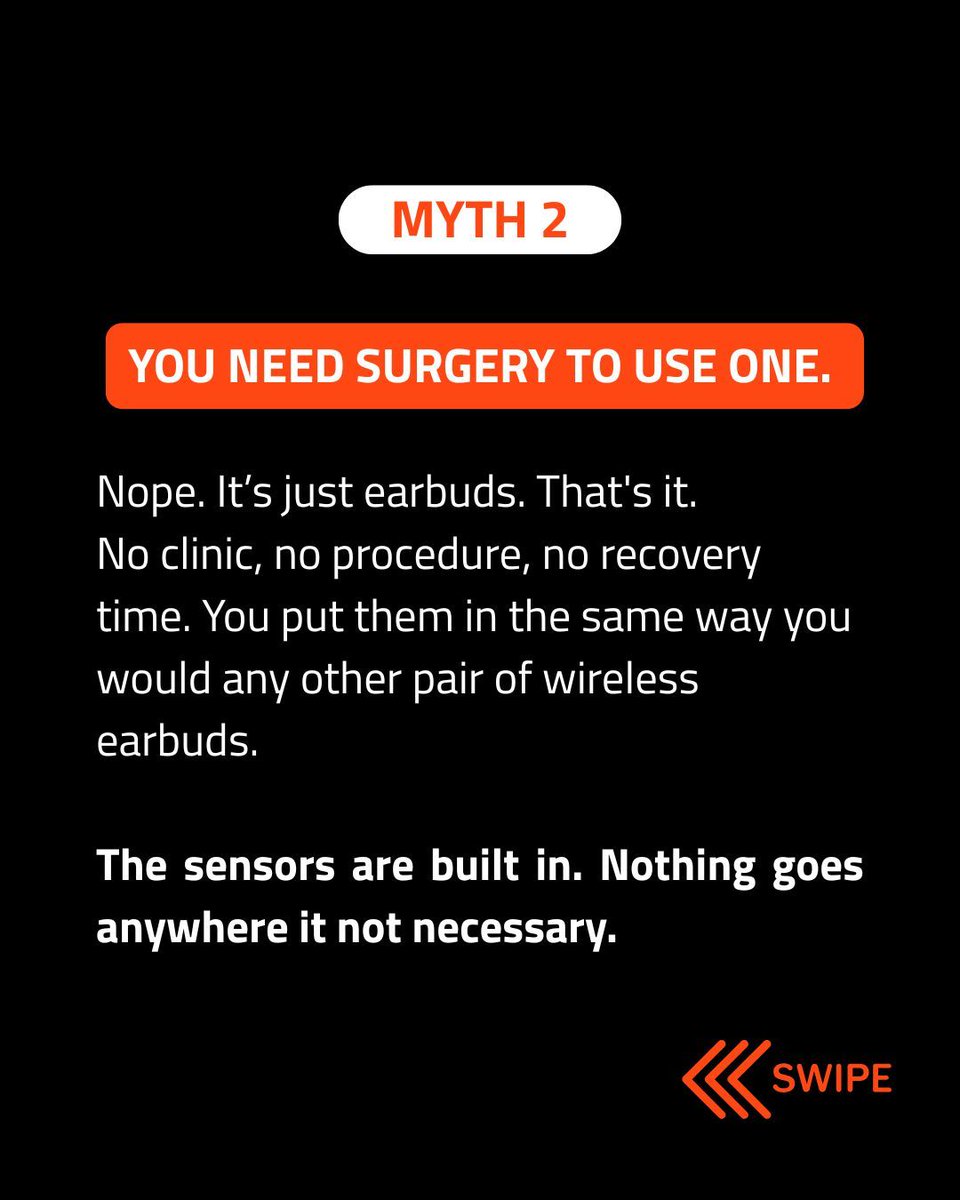
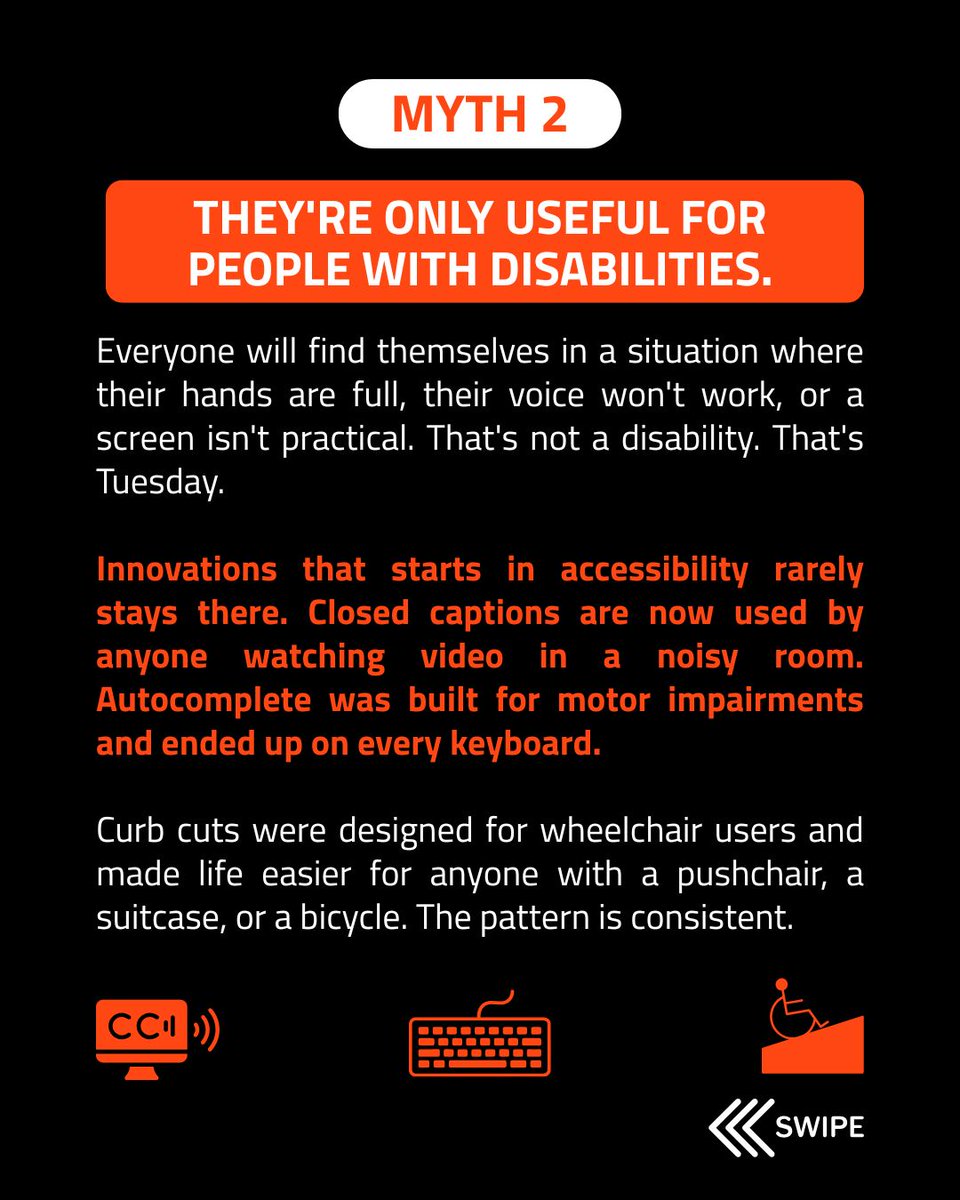
You probably believe at least one of these three myths about neural earbuds. Most people do.
See how many you got right.
Find more Naqi Explains at @naqilogix
#NaqiLogix #NeuralInterface #WearableTech

1
5
Anon Black retweeted

Hire a professional Hacker
#v2k #voicetoskull #auditorystimulation #brainwave #neuralinterface #electronicwarfare #psychotronics #mindcontrol #nonlethal #tacitcommunication
#targetedindividual #gangstalking #electronicharassment #mindcontroltech #neuralmonitoring #nonconsensualstimulation #weaponizedsound #microwavehearing #skulltransmission #psychicdriving #coverttech #remotenervousystem #brainhacking #audiotorture #v2ktechnology

1
2
74
Hire a professional Hacker #v2k #voicetoskull #auditorystimulation #brainwave #neuralinterface #electronicwarfare #psychotronics #mindcontrol #nonlethal #tacitcommunication
#targetedindividual #gangstalking #electronicharassment #mindcontroltech #neuralmonitoring #nonconsensualstimulation #weaponizedsound #microwavehearing #skulltransmission #psychicdriving #coverttech #remotenervousystem #brainhacking #audiotorture #v2ktechnology

90

📌 𝐖𝐡𝐲 𝐭𝐡𝐢𝐬 𝐦𝐚𝐭𝐭𝐞𝐫𝐬:
For conditions like epilepsy, Parkinson's, and ALS — where neural monitoring and stimulation precision are critical — a brain-matched electrode isn't a luxury, it's a clinical necessity. This framework lays the groundwork for a new generation of neural interfaces that treat each patient's brain as the unique architecture it is.
🔗 𝐑𝐞𝐚𝐝 𝐌𝐨𝐫𝐞: sl1nk.com/qvf1nvz
#Neuroscience #NeuralInterface #BrainComputerInterface #NeuroTech #PersonalizedMedicine #Bioelectronics #Anthriq
1
24

May 15
WE TRUST IN MUSK!
Elon Musk standing at the crossroads of the future — in a visionary night scene of Beijing where Chinese innovation meets American ambition. Tsinghua AI Lab’s Neural Interface 2030 billboard lights up the skyline alongside a Starship rocket launch, glowing dragons, and a Tesla with falcon-wing doors. This powerful image captures the spirit of global technological convergence — where AI, brain-computer interfaces, space exploration, and sustainable mobility are shaping the world of tomorrow.
Hashtags:
#ElonMusk #FutureTech #NeuralInterface #Tesla #SpaceX #AI #TechInnovation

2
41

May 10
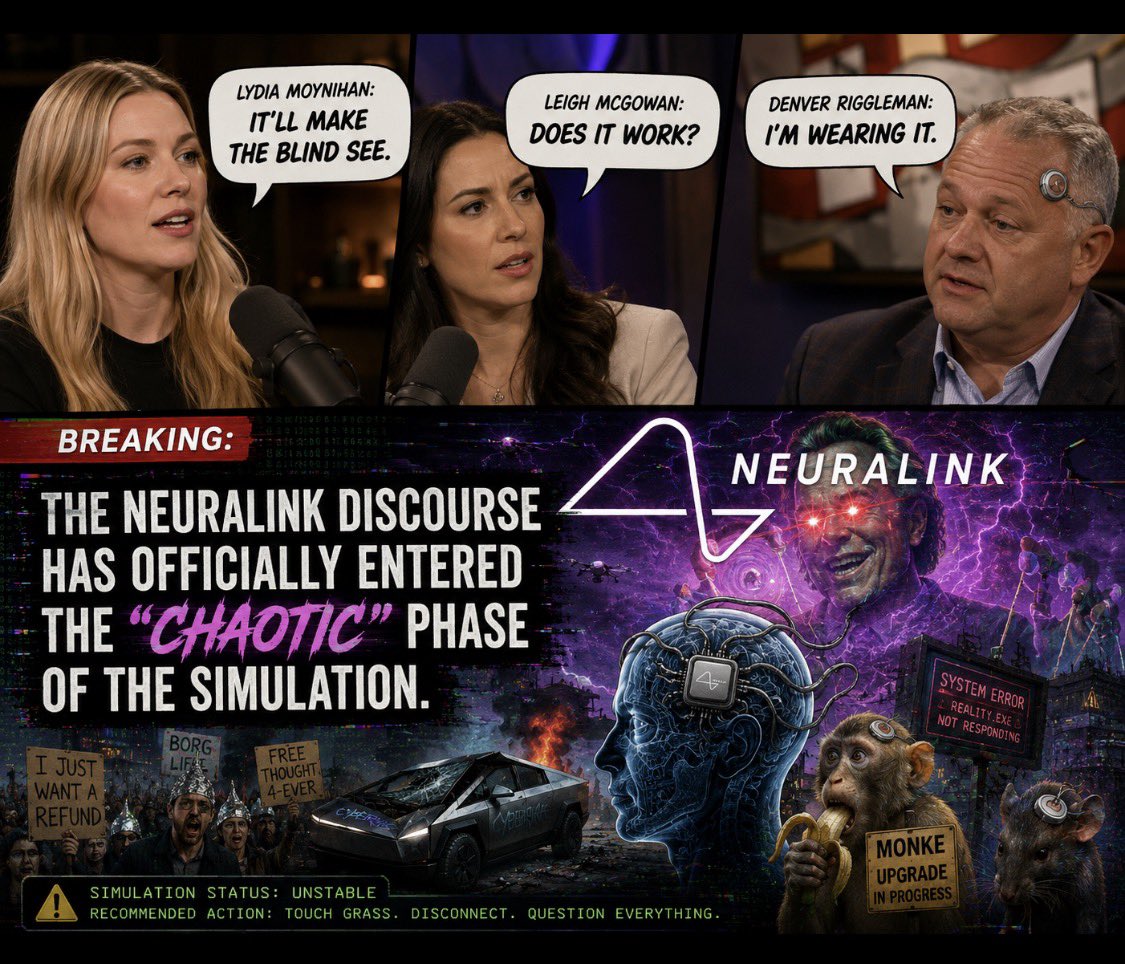
Elon Musk’s Neuralink is making headlines again, but the real show is in the replies.
From "Does it work, babe?" to claims of wearing the tech right now, the discourse is moving faster than the actual surgery.
#Neuralink #ElonMusk #TechNews #NeuralInterface
2
383

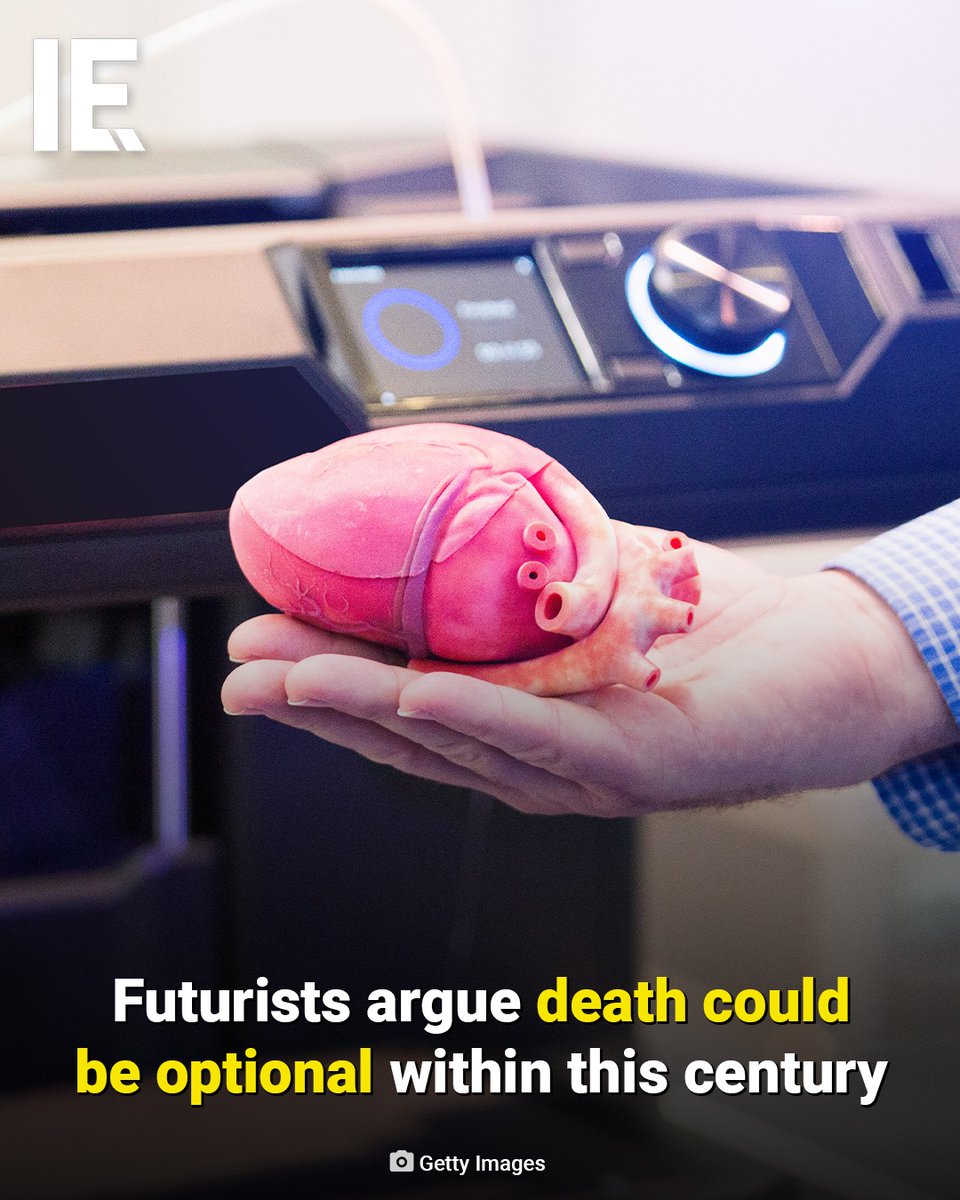
From bioprinted organs to neural interfaces, scientists are pushing the limits of human biology in ways that were unimaginable a generation ago. Some futurists — most notably Ray Kurzweil — argue that technologies like brain preservation and life extension could one day make death optional within this century. Most scientists remain deeply skeptical of such timelines, and concepts like uploading consciousness remain more philosophical than scientific. But the underlying research is real: lab-grown tissues, AI-assisted drug discovery, and neural implants are advancing fast. The line between science fiction and science is moving. Would you want to live forever if science made it possible?
#Longevity #Biotech #NeuralInterface #FutureOfMedicine #Transhumanism #BioprintedOrgans
3
6
24
2,377
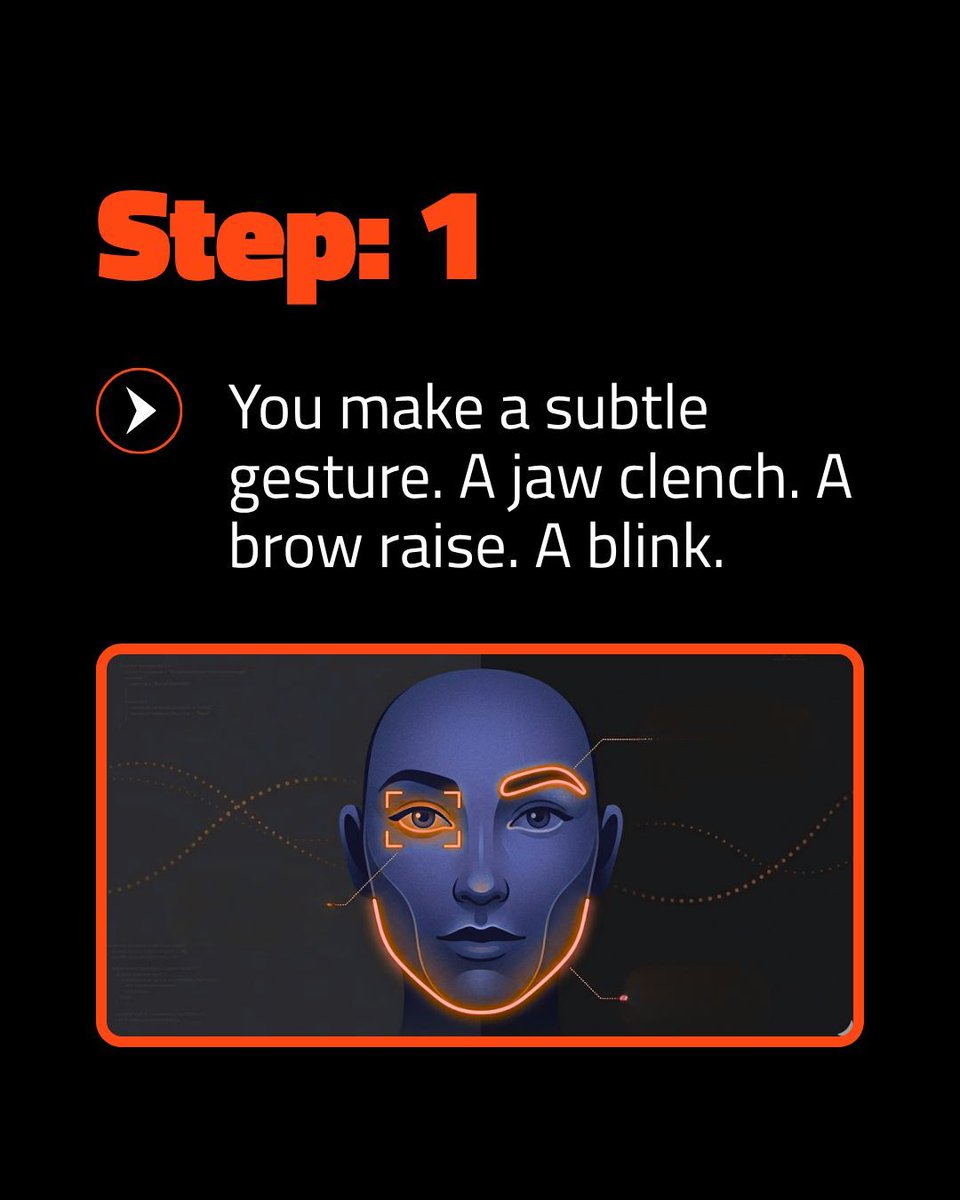
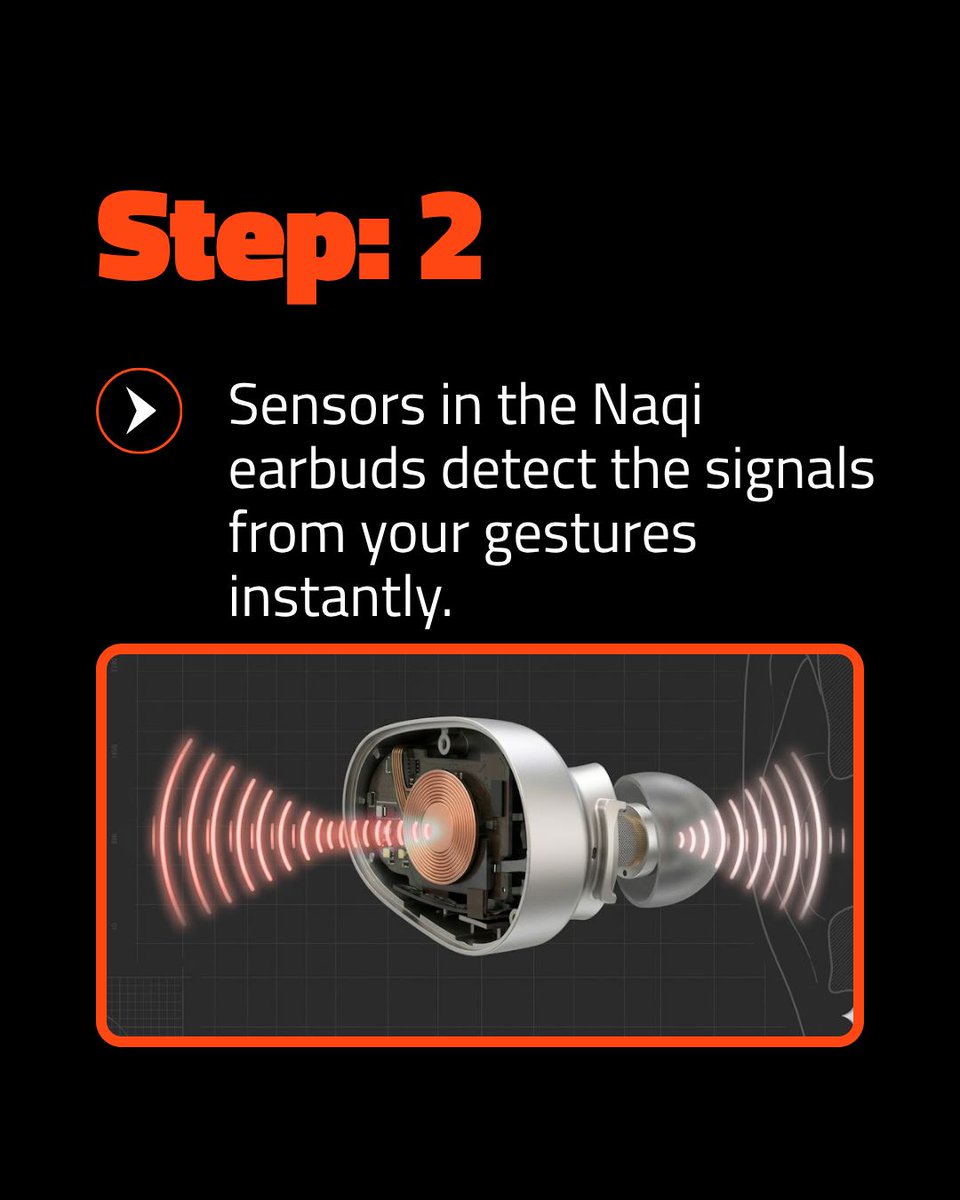
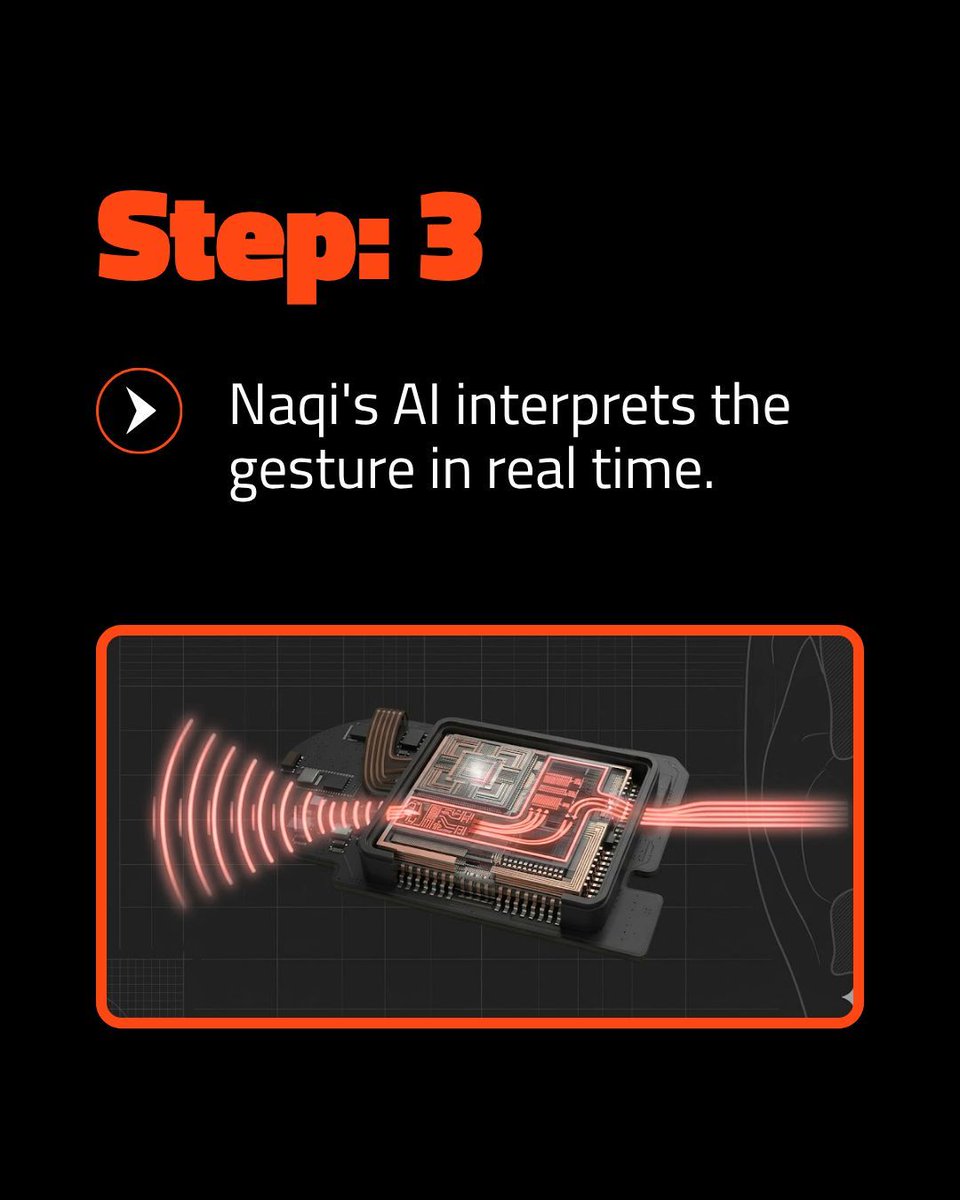
Ever wondered how a neural interface actually works?
It starts with a subtle gesture. Here's what happens next.
Swipe through 👉
Follow @naqilogix to learn more about neural interfaces
#NaqiLogix #NeuralInterface #Neurotech #wearables

2
11

Apr 28
How far behind is the public conversation from the technology that already exists?
Most people assume that if something sounds too advanced, too invasive, or too far ahead of what they use in everyday life, it must not be real.
But history shows the public is often years behind what is already being developed, tested, patented, or quietly deployed.
By the time a technology becomes mainstream knowledge, the people building it have usually been working on it for a very long time.
If we can now openly find discussions around neural interfaces, microscopic tech, directed-energy capabilities, smart dust, and advanced surveillance systems, what does that say about how far things may have already progressed behind the scenes?
When people know something is wrong but cannot prove it yet, getting real documentation can be the first step toward clarity.
What technologies do you believe the public is only beginning to understand now?
Join our email list and stay connected at MindNexusLive.com
#MindNexus #EmergingTechnology #SurveillanceState #DirectedEnergy #NeuralInterface #SmartDust #TruthMatters #DocumentationMatters #InvestigateEverything #PatternRecognition #PublicRecord #MindNexusLive

26
50
1,054

Apr 13
ATTENTION || To those who attempt to silence me.
I WILL NOT BE SILENCED!
— KOBAYASHI MARU ANALOGY: Structural Systemic Accountability Failure within the Commercial Deployment of Neurotechnology and Brain–Computer Interfacing Research, Including the Manipulative Application of Section 3024 of the 21st Century Cures Act, Ex Post Facto
Series: GA-Series (Global Addendum / Systems Analysis) Classification: Analytical Framework / Systemic Failure Model Prepared for: Dossier Integration / Evidentiary Record Prepared by: Kimberly C. Tanner Date: April 13, 2026
I. PURPOSE AND ANALYTICAL FRAME
This Exhibit formalizes the “Kobayashi Maru” condition as an analytical and evidentiary framework to describe a systemic and structural failure of accountability within existing legal, regulatory, and institutional systems.
Specifically, this condition is defined as:
A systemic and structural failure of accountability in which the claimant has undertaken exhaustive, sustained, and well-documented good-faith efforts to pursue relief through all reasonably available avenues—including federal law enforcement, regulatory agencies, oversight bodies, and institutional mechanisms—yet has been unable to obtain identification of responsible parties, trigger a competent investigation, or secure any form of meaningful relief. Despite full procedural compliance and diligent engagement, the governing framework operates in a manner that precludes resolution as a matter of structure, thereby creating a condition in which adherence to required processes does not and cannot lead to adjudication, review, or remedy, and instead functions as a de facto denial of access to justice.
This Exhibit demonstrates that the claimant is not failing to navigate available systems; rather, the systems themselves are structurally incapable of producing resolution under the present conditions.
II. PROCEDURAL CONTEXT AND GOVERNING REQUIREMENTS
Applicable procedural frameworks—including those reflected in federal practice standards such as:
Duty to confer requirements (e.g., good-faith engagement prior to court intervention)
Timeliness requirements governing dispute resolution
Identification requirements necessary to initiate discovery and investigation
require that a claimant:
Identify opposing parties or responsible entities
Engage in reciprocal communication
Present disputes in a procedurally compliant manner
However, as demonstrated in the record:
Identification of responsible actors is withheld or inaccessible
Reciprocal communication is absent or refused
Institutional and agency responses require information that cannot be obtained without investigation
This produces a condition in which:
Procedural compliance is formally required but functionally impossible.
III. KOBAYASHI MARU STRUCTURE — SYSTEMIC NO-WIN CONDITION
A. Analytical Definition
A Kobayashi Maru condition represents a no-win system, in which:
All available procedural options lead to failure
Success is structurally precluded
The system evaluates participation rather than enabling resolution
B. Application to Present Record
Required Action
System Requirement
Structural Barrier
Confer with opposing party
Identify and contact responsible party
Identities withheld or undisclosed
Initiate discovery
Establish identifiable defendants
Actors cannot be identified without discovery
Seek institutional confirmation
Provide study or researcher name
Information exclusively controlled and not disclosed
Trigger investigation
Present actionable evidence tied to actors
Actors remain unidentifiable
Obtain relief
Establish jurisdiction and responsibility
Jurisdiction repeatedly declined or fragmented
IV. CLOSED-LOOP ACCOUNTABILITY FAILURE
The system operates as a self-reinforcing closed loop:
Identification is required to initiate action
Identification is withheld or inaccessible
Investigation is denied due to lack of identification
No mechanism exists to compel identification
The system returns to Step 1
This creates a condition in which:
Each procedural step depends on information that is systemically unavailable
No available pathway allows progression toward resolution
V. EXHAUSTIVE GOOD-FAITH EFFORTS AND RECORD OF DILIGENCE
The claimant has undertaken extensive, documented, and continuous efforts to obtain review, identification, and relief, including but not limited to:
Reporting to federal law enforcement authorities
Submitting requests and complaints to federal regulatory agencies
Engaging oversight bodies responsible for compliance and accountability
Contacting institutional review boards and compliance offices
Requesting identification through available administrative and institutional mechanisms
Seeking clarification of jurisdiction and referral pathways
These efforts reflect:
Sustained diligence
Procedural compliance
Good-faith attempts to resolve the matter without court intervention
Despite these efforts:
No entity has conducted or confirmed a substantive investigation, identified responsible parties, or provided a viable pathway to resolution.
VI. SYSTEMIC ACCOUNTABILITY FAILURE — ANALYTICAL INDICATORS
The conditions described align with recognized systemic failure constructs:
A. Structural Non-Accountability
Institutions require identifiers that are not accessible
No internal escalation to investigators or responsible parties
Oversight mechanisms do not activate upon notice
B. Jurisdictional Fragmentation
Agencies defer jurisdiction
Responsibility is diffused across entities
No central authority assumes responsibility
C. Procedural Neutralization
Procedural rules operating under existing protocols block access vs. enabling review
Requirements function as barriers rather than safeguards
D. Information Asymmetry
Critical identifying information is held exclusively by unknown actors
Claimant cannot access information necessary to proceed
VII. LEGAL IMPLICATION — FUNCTIONAL DENIAL OF ACCESS TO JUSTICE
The cumulative effect of these conditions results in:
The inability to identify responsible parties
The inability to initiate or sustain investigation
The inability to invoke judicial processes effectively
This constitutes:
A functional and structural denial of access to justice, in which rights exist in theory but are unreachable in practice due to systemic barriers.
VIII. OPERATIONAL CHARACTERIZATION
The present system is best characterized as:
A procedurally compliant but functionally nonviable framework, in which all required steps for relief depend upon information or participation that is structurally withheld, thereby preventing progression toward resolution.
IX. EVIDENTIARY SIGNIFICANCE
This Exhibit establishes that:
The claimant has satisfied all reasonable expectations of diligence and good faith
The absence of resolution is not attributable to inaction or procedural failure
The barrier to resolution is systemic, structural, and external to the claimant’s control
X. CONCLUSION
The Kobayashi Maru framework demonstrates that:
The claimant is not failing to navigate the system; the system is inept. NeuroRights and NeuroEthics should not follow public deployment and commercialization of Neurotechnology enabled Brain-Computer Interfacing, regardless of application.
The system itself is configured in a manner that prevents successful navigation for Neurotech Trauma Survivors. It prevents acknowledgment, access to a legal approach necessary in order to seek justice.
Accordingly:
The present conditions reflect a systemic accountability failure in which no available procedural pathway leads to identification, investigation, or relief, thereby establishing a structurally unwinnable condition within the existing legal and institutional framework.
For the record, through what lawful or administrative channels could information associated with classified government programs have been disseminated, directly or indirectly, to institutional actors, thereby contributing to the spawn of the system-wide, rapid expansion of neurotechnology commercialization.
-Kimberly C. Tanner
Calder v. Bull
#NEURORIGHTS #NEUROETHICS #SYSTEMICCORRUPTION #TARGETEDINDIVIDUALS #BCI #NEURALINTERFACING #NEURALINTERFACE #COERCIVECONTROL #FBI #DOJ #ISTANBULPROTOCOL #UNITEDNATIONS #OHRP #OCI #FDA #NEUROTECHNOLOGY #USCONSTITUTION #CIVILRIGHTS #MINDCONTROL #MKULTRA #MKULTRACONTINUUM #CONSPIRACY #DIRECTELECTRICALSTIMULATION #NEUROMODULATION #BODILYAUTONOMY #TARGETEDJUSTICE #MADINAMERICA #MENTALINTEGRITY #ONELIFETIME #SYNCRHON #BLACKROCKTECHNOLOGIES #PARADROMICS #PRECISIONNEUROSCIENCE #NEURALINK #ELONMUSK #DARPA #DEVCOM #CIA #FREESPEECH #DONOFNEUROTECHNOLOGYAGE #21STCENTURYCURESACT #EXPOSTFACTO
2
3
31

Mar 18
Meta is developing a wrist-based neural interface to control devices with simple finger movements—no implants needed.
Could hit the market in the next few years.
Follow @AInewshuborg for more AI breakthroughs 🚀
#AI #Meta #NeuralInterface #FutureTech #Innovation #TechNews
1
4
39

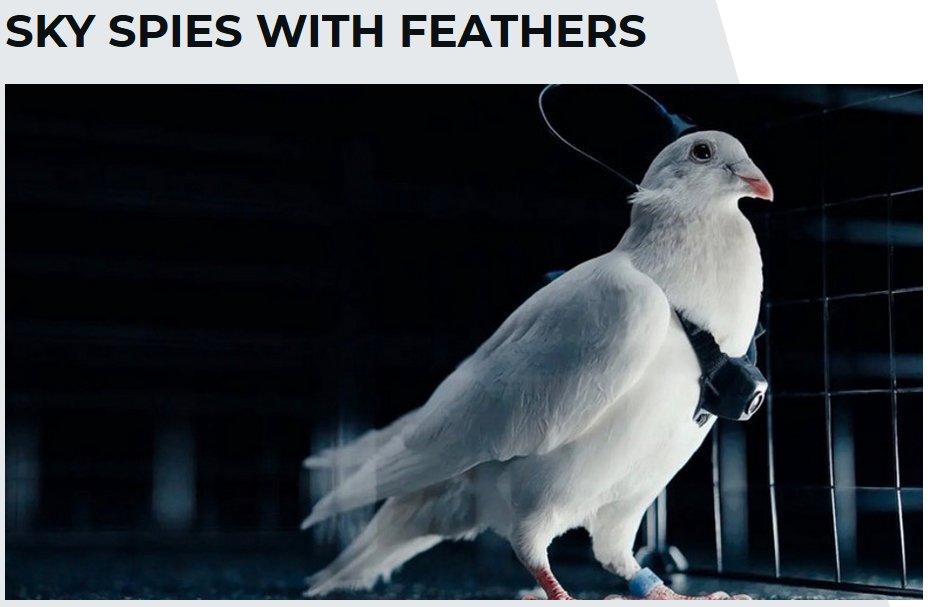
🇷🇺🕊️ Kuşları taklit eden İha'lar yapılmaya çalışılıyor; aşağıdaki hikaye, İha'ları taklit eden kuşlar ile ilgili.
Moskova'nın bir yerinde, bir güvercin, güvercinlerin yaptığı şeyleri yapıyor; ancak bu güvercin minik bir göğüs çantası taşıyor, bir kamera ve beynindeki sinir implantına gönderilen talimatları takip ediyor.
İddia bu. Neiry adlı bir Rus nöroteknoloji firması, canlı kuşlardan üretilen "biyo-dronlar" olarak tanımlanan 🕊️PJN-1 adlı bir projeyle manşetlere çıktı. Haberlere göre, bu konsept, geleneksel hayvan eğitimi yerine hassas nörocerrahi kullanarak mikroskobik elektrotları belirli beyin bölgelerine yerleştiriyor ve buna başa takılan bir uyarıcı ve GPS takibi, kontrol modülü, güneş enerjisi ve göğse monte edilmiş bir kamera içeren hafif bir elektronik paket eşlik ediyor.
Amaç oldukça net: Elektrik uyarıları kullanarak bir güvercini sola veya sağa yönlendirin, geleneksel bir drone gibi takip edin ve gerisini doğaya bırakın - pil yok, rotor sesi yok, "bu cihazın çalışmaya devam etmeden önce soğuması gerekiyor" gibi bir durum yok.
Bu kuş günde 300mil yol alabilir, yakıt gerektirmez, geri dönebilir ve tekrar kullanılabilir.
Daha da önemlisi, bu bir güvercin. FAA düzenlemelerini tetiklemiyor. Radarda görünmüyor. Bir şehrin, protestonun, sınırın veya bir arka bahçenin üzerinden uçarken şüpheli görünmüyor. Bu bahçenize kadar güvenle yaklaşabiliyor.
Bu örnek beyin-makine arayüzü alanındaki gelişmelere işaret ediyor.
Nasıl kullanılacağı tamamen ahlaki, vicdani yapı ile ilgili.
#Neuralinterface
3
6
15
365

🧠 Neural interface smart glasses at CES 2026 are reading thoughts and translating them into actions. 90% accuracy, 8-12 hour battery, $2K-$5K price point. Mass adoption by 2027-2028. The line between human thinking and AI computing is disappearing. #NeuralInterface #AI 🚀
5
102

Feb 2
#SciFi
#ScienceFiction
#SciFiMovie
#SciFiFilm
#ForTheLoveOfSciFi
#SciFiEpic
#Tesla
#TeslaLife
#ElonMusk
#ElectricFuture
#Cybertruck
#SpaceX
#Starship
#Mars
#SpaceExploration
#Rocket
#FutureIsNow
#AI
#ArtificialIntelligence
#AIFuture
#TechInvestors
#AIInvesting
#TechnologicalSingularity
#NeuralInterface
#NewMovie
#MustWatchSciFi
#ViralMovie
#FilmInvestinge
#CosmicProduction
#LightsCameraInnovation
youtu.be/iwTDqHrJ4vc?si=8_mI…
3
55


Jan 5
In the year 2087, Dr. Elara Voss stood at the threshold of the deepest neural dive ever attempted.
She was the lead interface engineer at the Global Data Conservancy, tasked with recovering a lost archive—the complete consciousness maps from the pre-Singularity era, data that could unlock new treatments for neural degradation diseases. The archive had vanished decades ago, buried in obsolete layers of the original World Net.
Elara’s immersion rig was a masterpiece of bio-compatible engineering. A sleek cervical stabilization ring encircled her neck, gently locking her spine in perfect alignment while housing secondary neural ports and continuous vital monitors. Adaptive semi-organic conduits—flexible, living fibers grown in orbital labs—coiled softly around her torso and arms, anchoring her reinforced exosuit, distributing power, and forming a dynamic lattice for multi-channel data flow. Each strand pulsed in quiet harmony with her heartbeat and respiration.
Across her eyes, the holographic visor rendered incoming code as cascading rivers of light. And secured in place was the standard protective oral guard, a molded mouthpiece that prevented involuntary jaw tension during the extreme biofeedback storms common in deep-layer dives.
The chamber around her hummed softly, thousands of fiber-optic threads descending like luminous rain, connecting her directly to the Conservancy’s quantum gateway.
“Sync check complete,” the AI overseer announced. “All safety protocols green. Dive window opens in thirty seconds.”
Elara closed her eyes beneath the visor and took one calm breath. The body would remain motionless for hours—perhaps days in subjective time—but her mind was about to travel farther than any human had gone before.
She wasn’t afraid. She was ready.
The lights dimmed. The conduits brightened. And in a single, seamless instant, Dr. Elara Voss stepped out of flesh and into the endless glowing architecture of forgotten data.
The archive was waiting.
#SciFi #Futuristic #ConceptArt #NeuralInterface #DigitalImmersion #FutureTech #HumanAugmentation #ShortStory #NeonAesthetic

7
2
39
736

17 Dec 2025
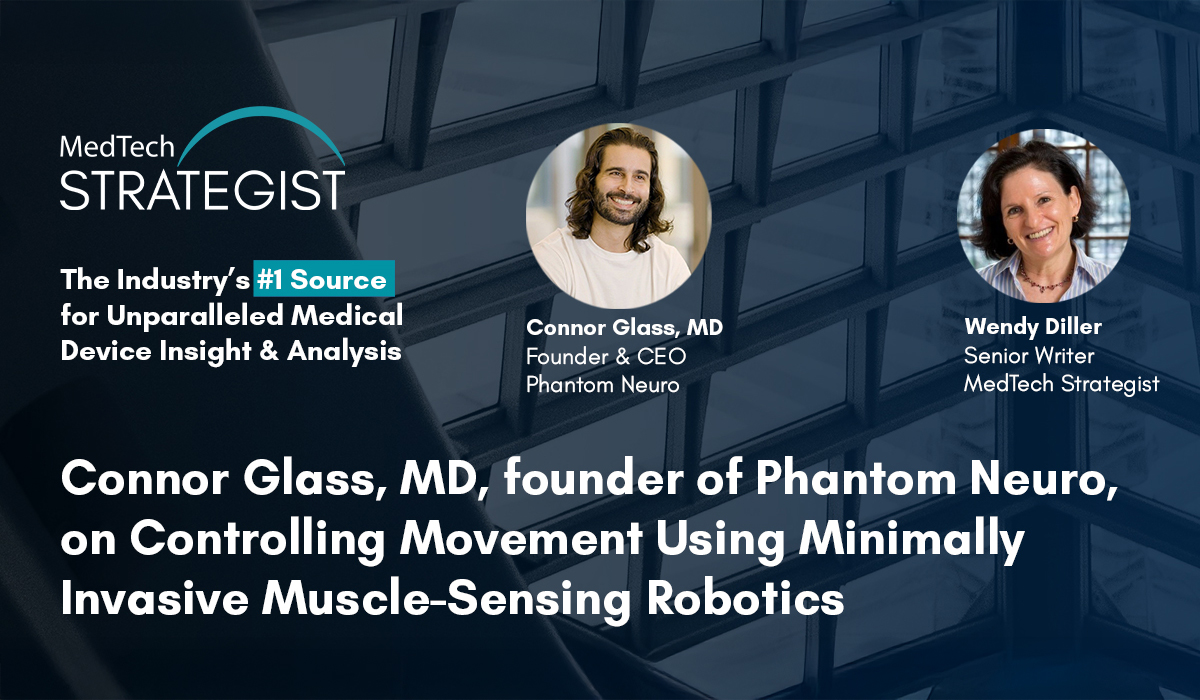
📢 Now Live: Our CEO, Connor Glass, in an exclusive interview with @WendyDiller from @MedTechStrat. He discusses our journey, progress in #neuralinterface technology, and ongoing #clinicaltrials advancing #prostheticcontrol.
📄Read more: mystrategist.com/medtech-str…
5
137

26 Nov 2025
Wear it, don’t implant it.
Because the future of neural tech shouldn’t require surgery.
Just comfort, access, and control.
🔗 Follow @NaqiLogix Naqilogix.com
#NaqiLogix #NeuralInterface #TechForHumans #NextGenWearables #NeuralInnovation


3
27