
19 Aug 2025
Did you know the U.S. government has legalized non-consensual human experimentation?
Section 3024 of the 21st Century Cures Act, expanded in 2024, allows both government and corporations to bypass informed consent under a “minimal risk” loophole. This means advanced technologies, implants, and even nanotech can be tested on citizens without their knowledge or permission.
Jesse Beltran and Mind Nexus are sounding the alarm. If we don’t stop this now, how far will it go? What kind of world will our children inherit if the right to say “no” to human experimentation is erased?
Stand with us. Join our email list to stay informed:
MindNexusLive.com
Sign the Petition — Repeal Section 3024, Stop Non-Consensual Human Testing: bit.ly/MindNexusPetition
Want to be scanned in person for anomalous frequencies? cosmicclarityconnections.org…
RF Scanning is NOT a medical diagnosis. Our scans detect anomalous frequencies around a person, not inside the body. Findings are for informational purposes only and can support personal investigations.
Full Interview Here: x.com/MindNexusLive/status/1…
Follow us:
Facebook: @MindNexus
Instagram: @MindNexusEvents
X: @MindNexusLive
YouTube: @MindNexusLive
Rumble: @MindNexusLive
#MindNexus #Repeal3024 #CuresAct #NonConsensualTesting #TargetedIndividuals #CovertExperimentation #RFScanning #ExposeTheTruth #Bioethics #HumanRights #StopTheExperiment #TakeBackAutonomy #HavanaSyndrome #Nanotechnology #InformedConsent
1 Jul 2025

Jesse Beltran on The Awake Nation with David Zublick and Penny Shepard
In this powerful interview, Jesse Beltran sits down with @DavidZublick and @shepardout on The Awake Nation to expose the reality of Havana Syndrome, the covert technologies behind it, and the patterns we’ve been discovering through our RF scanning clinics.
A nuclear chemist joined the conversation and confirmed that the work Mind Nexus is doing is scientifically sound and "spot on."
Why are certain geographic locations showing the same scanning results?
Why is it important to understand this growing pattern?
What does this mean for the general public, not just government officials?
One-on-One Scanning Info: cosmicclarityconnections.org…
RF Scanning is NOT a medical diagnosis. Our scans detect anomalous frequencies around a person, not inside the body. Findings are for informational purposes only and can support personal investigations.
Sign the Petition to Stop Non-Consensual Human Testing: bit.ly/MindNexusPetition
Join our email list: MindNexusLive.com
Follow us:
Facebook: @MindNexus
Instagram: @MindNexusEvents
X: @MindNexusLive
YouTube: @CosmicClarityConnections
Rumble: @MindNexusLive
#MindNexus #HavanaSyndrome #RFScanning #DirectedEnergyWeapons #CovertTechnology #TargetedIndividuals #HumanExperimentation #NonConsensualTesting #TruthMovement #HumanRights #StopTheAbuse #TheAwakeNation
4
52
67
3,052
15 Jul 2025
This Law Opened the Door to Non-Consensual Human Testing... And Most People Don’t Even Know It Exists.
In this clip, Jesse breaks down Section 3024 of the 21st Century Cures Act, a federal law that allows clinical testing of investigational medical devices and drugs without informed consent under certain conditions.
Passed in 2016, this provision quietly stripped away basic human rights and medical ethics. It creates a loophole where civilians can be subjected to experimental technologies without ever being told.
We’ve launched a national petition to REPEAL Section 3024 and put an end to this dangerous overreach. Non-consensual experimentation must never be legal, under any circumstance.
What would you do if your rights were taken without your knowledge?
How many people are being experimented on right now without consent?
Sign the petition NOW - We Need ONE MILLION SIGNATURES: bit.ly/MindNexusPetition
Join our email list for updates: MindNexusLive.com
Full Interview: x.com/MindNexusLive/status/1…
One-on-One Scanning Info: cosmicclarityconnections.org…
RF Scanning is NOT a medical diagnosis. Our scans detect anomalous frequencies around a person, not inside the body. Findings are for informational purposes only and can support personal investigations.
Follow us:
Facebook: @MindNexus
Instagram: @MindNexusEvents
X: @MindNexusLive
YouTube: @CosmicClarityConnections
Rumble: @MindNexusLive
#MindNexus #Repeal3024 #StopHumanTesting #TargetedIndividuals #HumanRights #21stCenturyCuresAct #MedicalEthics #NonConsensualTesting #RFScanning #TruthMatters #EndTheAbuse
1 Jul 2025
Jesse Beltran on The Awake Nation with David Zublick and Penny Shepard
In this powerful interview, Jesse Beltran sits down with @DavidZublick and @shepardout on The Awake Nation to expose the reality of Havana Syndrome, the covert technologies behind it, and the patterns we’ve been discovering through our RF scanning clinics.
A nuclear chemist joined the conversation and confirmed that the work Mind Nexus is doing is scientifically sound and "spot on."
Why are certain geographic locations showing the same scanning results?
Why is it important to understand this growing pattern?
What does this mean for the general public, not just government officials?
One-on-One Scanning Info: cosmicclarityconnections.org…
RF Scanning is NOT a medical diagnosis. Our scans detect anomalous frequencies around a person, not inside the body. Findings are for informational purposes only and can support personal investigations.
Sign the Petition to Stop Non-Consensual Human Testing: bit.ly/MindNexusPetition
Join our email list: MindNexusLive.com
Follow us:
Facebook: @MindNexus
Instagram: @MindNexusEvents
X: @MindNexusLive
YouTube: @CosmicClarityConnections
Rumble: @MindNexusLive
#MindNexus #HavanaSyndrome #RFScanning #DirectedEnergyWeapons #CovertTechnology #TargetedIndividuals #HumanExperimentation #NonConsensualTesting #TruthMovement #HumanRights #StopTheAbuse #TheAwakeNation
8
40
63
1,493
14 Jul 2025
We’re Developing Technology to Neutralize Targeting Devices
At Mind Nexus, we’re not just exposing the problem, we’re working on the solution.
In this clip, Jesse reveals that we’re actively developing technology designed to make these covert EMF-based devices inert, so that those being targeted and tortured can finally be free.
We’re working closely with top-tier experts across multiple disciplines to bring this solution forward. This is real. This is happening now.
If you've been impacted by this tech, or know someone who has, it’s time to get informed, get involved, and help us end this for good.
Full Interview: x.com/MindNexusLive/status/1…
One-on-One Scanning Info: cosmicclarityconnections.org…
RF Scanning is NOT a medical diagnosis. Our scans detect anomalous frequencies around a person, not inside the body. Findings are for informational purposes only and can support personal investigations.
Sign the Petition to Stop Non-Consensual Human Testing: bit.ly/MindNexusPetition
Join our email list: MindNexusLive.com
Follow us:
Facebook: @MindNexus
Instagram: @MindNexusEvents
X: @MindNexusLive
YouTube: @CosmicClarityConnections
Rumble: @MindNexusLive
#MindNexus #TargetedIndividuals #RFScanning #EMFTechnology #CovertExperimentation #NonConsensualTesting #HumanRights #TruthMovement #FreedomThroughScience #StopTheAbuse
1 Jul 2025
Jesse Beltran on The Awake Nation with David Zublick and Penny Shepard
In this powerful interview, Jesse Beltran sits down with @DavidZublick and @shepardout on The Awake Nation to expose the reality of Havana Syndrome, the covert technologies behind it, and the patterns we’ve been discovering through our RF scanning clinics.
A nuclear chemist joined the conversation and confirmed that the work Mind Nexus is doing is scientifically sound and "spot on."
Why are certain geographic locations showing the same scanning results?
Why is it important to understand this growing pattern?
What does this mean for the general public, not just government officials?
One-on-One Scanning Info: cosmicclarityconnections.org…
RF Scanning is NOT a medical diagnosis. Our scans detect anomalous frequencies around a person, not inside the body. Findings are for informational purposes only and can support personal investigations.
Sign the Petition to Stop Non-Consensual Human Testing: bit.ly/MindNexusPetition
Join our email list: MindNexusLive.com
Follow us:
Facebook: @MindNexus
Instagram: @MindNexusEvents
X: @MindNexusLive
YouTube: @CosmicClarityConnections
Rumble: @MindNexusLive
#MindNexus #HavanaSyndrome #RFScanning #DirectedEnergyWeapons #CovertTechnology #TargetedIndividuals #HumanExperimentation #NonConsensualTesting #TruthMovement #HumanRights #StopTheAbuse #TheAwakeNation
14
61
103
2,401
9 Jul 2025
Children Under 6 Tested Positive at Our Long Island RF Scanning Clinic
At our recent RF scanning clinic in Long Island, a previous client asked us to scan their children, both under the age of 6. Shockingly, both children tested positive for anomalous frequencies around their person.
Since 2020 (covid), we've seen a disturbing pattern shift. Something has changed and now even the youngest among us are being affected.
What’s causing this shift in frequency patterns post-2020 (covid)?
Why are more children showing signs of exposure?
This is not a coincidence, it’s a call to investigate deeper.
Full Interview: x.com/MindNexusLive/status/1…
One-on-One Scanning Info: cosmicclarityconnections.org…
RF Scanning is NOT a medical diagnosis. Our scans detect anomalous frequencies around a person, not inside the body. Findings are for informational purposes only and can support personal investigations.
Sign the Petition to Stop Non-Consensual Human Testing: bit.ly/MindNexusPetition
Join our email list: MindNexusLive.com
Follow us:
Facebook: @MindNexus
Instagram: @MindNexusEvents
X: @MindNexusLive
YouTube: @CosmicClarityConnections
Rumble: @MindNexusLive
#MindNexus #RFScanning #HavanaSyndrome #TargetedIndividuals #ChildSafety #CovertTechnology #Post2020Patterns #NonConsensualTesting #HumanExperimentation #StopTheAbuse #TruthMovement
1 Jul 2025
Jesse Beltran on The Awake Nation with David Zublick and Penny Shepard
In this powerful interview, Jesse Beltran sits down with @DavidZublick and @shepardout on The Awake Nation to expose the reality of Havana Syndrome, the covert technologies behind it, and the patterns we’ve been discovering through our RF scanning clinics.
A nuclear chemist joined the conversation and confirmed that the work Mind Nexus is doing is scientifically sound and "spot on."
Why are certain geographic locations showing the same scanning results?
Why is it important to understand this growing pattern?
What does this mean for the general public, not just government officials?
One-on-One Scanning Info: cosmicclarityconnections.org…
RF Scanning is NOT a medical diagnosis. Our scans detect anomalous frequencies around a person, not inside the body. Findings are for informational purposes only and can support personal investigations.
Sign the Petition to Stop Non-Consensual Human Testing: bit.ly/MindNexusPetition
Join our email list: MindNexusLive.com
Follow us:
Facebook: @MindNexus
Instagram: @MindNexusEvents
X: @MindNexusLive
YouTube: @CosmicClarityConnections
Rumble: @MindNexusLive
#MindNexus #HavanaSyndrome #RFScanning #DirectedEnergyWeapons #CovertTechnology #TargetedIndividuals #HumanExperimentation #NonConsensualTesting #TruthMovement #HumanRights #StopTheAbuse #TheAwakeNation
3
34
57
2,068
1 Jul 2025
Jesse Beltran on The Awake Nation with David Zublick and Penny Shepard
In this powerful interview, Jesse Beltran sits down with @DavidZublick and @shepardout on The Awake Nation to expose the reality of Havana Syndrome, the covert technologies behind it, and the patterns we’ve been discovering through our RF scanning clinics.
A nuclear chemist joined the conversation and confirmed that the work Mind Nexus is doing is scientifically sound and "spot on."
Why are certain geographic locations showing the same scanning results?
Why is it important to understand this growing pattern?
What does this mean for the general public, not just government officials?
One-on-One Scanning Info: cosmicclarityconnections.org…
RF Scanning is NOT a medical diagnosis. Our scans detect anomalous frequencies around a person, not inside the body. Findings are for informational purposes only and can support personal investigations.
Sign the Petition to Stop Non-Consensual Human Testing: bit.ly/MindNexusPetition
Join our email list: MindNexusLive.com
Follow us:
Facebook: @MindNexus
Instagram: @MindNexusEvents
X: @MindNexusLive
YouTube: @CosmicClarityConnections
Rumble: @MindNexusLive
#MindNexus #HavanaSyndrome #RFScanning #DirectedEnergyWeapons #CovertTechnology #TargetedIndividuals #HumanExperimentation #NonConsensualTesting #TruthMovement #HumanRights #StopTheAbuse #TheAwakeNation
5
29
33
1,179
30 Jun 2025
Exposing Patent #6470214: Directed Energy Weapons Are Real
Patent #6470214 – "Method and Device for Implementing the Radio Frequency Hearing Effect" – is a real U.S. patent that describes how microwave frequencies can transmit sounds directly into a person’s head without the use of any device. This is the foundation of voice-to-skull technology.
Why is this important?
Because what used to be considered "science fiction" is actually patented technology.
How is this being used?
Who are the targets?
Why don’t more people know about this?
Full Interview: x.com/MindNexusLive/status/1…
One-on-One Scanning Info: cosmicclarityconnections.org…
RF Scanning is NOT a medical diagnosis. Our scans detect anomalous frequencies around a person, not inside the body. Findings are for informational purposes only and can support personal investigations.
Sign the Petition to Stop Non-Consensual Human Testing: bit.ly/MindNexusPetition
Join our email list: MindNexusLive.com
Follow us:
Facebook: @MindNexus
Instagram: @MindNexusEvents
X: @MindNexusLive
YouTube: @CosmicClarityConnections
Rumble: @MindNexusLive
#MindNexus #DirectedEnergyWeapons #Patent6470214 #VoiceToSkull #HavanaSyndrome #NonConsensualTesting #TargetedIndividuals #HumanExperimentation #RFScanning #CovertTechnology #TruthMovement #HumanRights
25 May 2025
THEY ARE CHIPPING HUMANITY – Jesse Beltran on @SGTreport
Jesse Beltran from MindNexusLive.com joins the SGT Report to expose one of the most chilling truths of our time: Americans—including civilians, veterans, and prisoners—are being chipped without their knowledge under Section 3024 of the Cures Act.
Jesse presents research and field evidence connecting this agenda to biochips, anomalous RF emissions, and the quiet reclassification of people under the Internet of Things.
If you think this is science fiction, watch this interview.
How many people have already been implanted without knowing it?
Who decides who gets chipped—and why?
Is this the next phase of surveillance and population control?
Book your private RF scan: cosmicclarityconnections.org…
Sign the petition (goal: 1,000,000 signatures): bit.ly/MindNexusPetition
Stay informed. Join our email list just in case we end up getting censored by big tech: MindNexusLive.com
DISCLAIMER: RF Scanning is NOT a medical diagnosis. Our scans detect anomalous frequencies around a person, not inside the body. Findings are for informational purposes only and can support personal investigations.
Follow Mind Nexus:
Facebook: @MindNexus
Instagram: @MindNexusEvents
X: @MindNexusLive
YouTube: @CosmicClarityConnections
Rumble: @MindNexusLive
#MindNexusLive #ChippedWithoutConsent #CuresAct3024 #JesseBeltran #RFScanning #HumanRights #StopCovertTech #BiochipAgenda #FreedomMatters #TruthExposed
2
45
59
1,693
27 Jun 2025
Who do they target?
The most vulnerable among us.
Jesse Beltran explains how the mental health system, prison system, and the less fortunate in society have historically been preyed upon for human experimentation.
This isn’t a theory, the proof is there if you look.
What will it take for society to stand up and say no?
How long will people stay silent while this continues?
Full Interview: x.com/MindNexusLive/status/1…
One-on-One Scanning Info: cosmicclarityconnections.org…
RF Scanning is NOT a medical diagnosis. Our scans detect anomalous frequencies around a person, not inside the body. Findings are for informational purposes only and can support personal investigations.
Sign the Petition to Stop Non-Consensual Human Testing: bit.ly/MindNexusPetition
Join our email list: MindNexusLive.com
Follow us:
Facebook: @MindNexus
Instagram: @MindNexusEvents
X: @MindNexusLive
YouTube: @CosmicClarityConnections
Rumble: @MindNexusLive
#MindNexus #HumanExperimentation #StopHumanExperimentation #NonConsensualTesting #TargetedIndividuals #MentalHealthIndustry #PrisonSystem #CovertTechnology #MindControl #HavanaSyndrome #RFScanning #TruthMovement #HumanRights
25 May 2025
THEY ARE CHIPPING HUMANITY – Jesse Beltran on @SGTreport
Jesse Beltran from MindNexusLive.com joins the SGT Report to expose one of the most chilling truths of our time: Americans—including civilians, veterans, and prisoners—are being chipped without their knowledge under Section 3024 of the Cures Act.
Jesse presents research and field evidence connecting this agenda to biochips, anomalous RF emissions, and the quiet reclassification of people under the Internet of Things.
If you think this is science fiction, watch this interview.
How many people have already been implanted without knowing it?
Who decides who gets chipped—and why?
Is this the next phase of surveillance and population control?
Book your private RF scan: cosmicclarityconnections.org…
Sign the petition (goal: 1,000,000 signatures): bit.ly/MindNexusPetition
Stay informed. Join our email list just in case we end up getting censored by big tech: MindNexusLive.com
DISCLAIMER: RF Scanning is NOT a medical diagnosis. Our scans detect anomalous frequencies around a person, not inside the body. Findings are for informational purposes only and can support personal investigations.
Follow Mind Nexus:
Facebook: @MindNexus
Instagram: @MindNexusEvents
X: @MindNexusLive
YouTube: @CosmicClarityConnections
Rumble: @MindNexusLive
#MindNexusLive #ChippedWithoutConsent #CuresAct3024 #JesseBeltran #RFScanning #HumanRights #StopCovertTech #BiochipAgenda #FreedomMatters #TruthExposed
3
45
68
1,587
26 Jun 2025
Human experimentation didn’t end... it evolved.
Jesse Beltran breaks down the history of non-consensual human testing and the eugenics agenda that has been quietly reshaping the world for decades. This isn’t ancient history, it’s still happening.
It’s time for people to wake up. It’s time to take a stand. Will you let this continue or will you speak up?
Full Interview: x.com/MindNexusLive/status/1…
One-on-One Scanning Info: cosmicclarityconnections.org…
RF Scanning is NOT a medical diagnosis. Our scans detect anomalous frequencies around a person, not inside the body. Findings are for informational purposes only and can support personal investigations.
Sign the Petition to Stop Non-Consensual Human Testing: bit.ly/MindNexusPetition
Join our email list: MindNexusLive.com
Follow us:
Facebook: @MindNexus
Instagram: @MindNexusEvents
X: @MindNexusLive
YouTube: @CosmicClarityConnections
Rumble: @MindNexusLive
#MindNexus #NonConsensualTesting #EugenicsAgenda #TargetedIndividuals #HumanExperimentation #StopHumanExperimentation #RFScanning #HavanaSyndrome #CovertTechnology #MindControl #HumanRights #TruthMovement
25 May 2025
THEY ARE CHIPPING HUMANITY – Jesse Beltran on @SGTreport
Jesse Beltran from MindNexusLive.com joins the SGT Report to expose one of the most chilling truths of our time: Americans—including civilians, veterans, and prisoners—are being chipped without their knowledge under Section 3024 of the Cures Act.
Jesse presents research and field evidence connecting this agenda to biochips, anomalous RF emissions, and the quiet reclassification of people under the Internet of Things.
If you think this is science fiction, watch this interview.
How many people have already been implanted without knowing it?
Who decides who gets chipped—and why?
Is this the next phase of surveillance and population control?
Book your private RF scan: cosmicclarityconnections.org…
Sign the petition (goal: 1,000,000 signatures): bit.ly/MindNexusPetition
Stay informed. Join our email list just in case we end up getting censored by big tech: MindNexusLive.com
DISCLAIMER: RF Scanning is NOT a medical diagnosis. Our scans detect anomalous frequencies around a person, not inside the body. Findings are for informational purposes only and can support personal investigations.
Follow Mind Nexus:
Facebook: @MindNexus
Instagram: @MindNexusEvents
X: @MindNexusLive
YouTube: @CosmicClarityConnections
Rumble: @MindNexusLive
#MindNexusLive #ChippedWithoutConsent #CuresAct3024 #JesseBeltran #RFScanning #HumanRights #StopCovertTech #BiochipAgenda #FreedomMatters #TruthExposed
29
45
932
24 Jun 2025
We’re not just talking about it. We’re proving it.
Jesse Beltran explains why talk is not enough when it comes to covert technology, non-consensual human testing, and Havana Syndrome. Mind Nexus is built on evidence.
In this clip, Jesse highlights the groundbreaking case of Bonnie Kellerby, one of the few people who has documented, verifiable proof, from scans to surgical removal to lab analysis, that these covert programs are real and happening right now.
Do you need to see the evidence to believe it?
If this can happen to Bonnie, could it happen to you?
Full Interview: x.com/MindNexusLive/status/1…
One-on-One Scanning Info: cosmicclarityconnections.org…
RF Scanning is NOT a medical diagnosis. Our scans detect anomalous frequencies around a person, not inside the body. Findings are for informational purposes only and can support personal investigations.
Sign the Petition to Stop Non-Consensual Human Testing: bit.ly/MindNexusPetition
Join our email list: MindNexusLive.com
Follow us:
Facebook: @MindNexus
Instagram: @MindNexusEvents
X: @MindNexusLive
YouTube: @CosmicClarityConnections
Rumble: @MindNexusLive
#MindNexus #BonnieKellerby #ShowTheEvidence #NonConsensualTesting #TargetedIndividuals #CovertTechnology #RFScanning #HavanaSyndrome #MindControl #HumanRights #StopHumanExperimentation #TruthMovement
25 May 2025
THEY ARE CHIPPING HUMANITY – Jesse Beltran on @SGTreport
Jesse Beltran from MindNexusLive.com joins the SGT Report to expose one of the most chilling truths of our time: Americans—including civilians, veterans, and prisoners—are being chipped without their knowledge under Section 3024 of the Cures Act.
Jesse presents research and field evidence connecting this agenda to biochips, anomalous RF emissions, and the quiet reclassification of people under the Internet of Things.
If you think this is science fiction, watch this interview.
How many people have already been implanted without knowing it?
Who decides who gets chipped—and why?
Is this the next phase of surveillance and population control?
Book your private RF scan: cosmicclarityconnections.org…
Sign the petition (goal: 1,000,000 signatures): bit.ly/MindNexusPetition
Stay informed. Join our email list just in case we end up getting censored by big tech: MindNexusLive.com
DISCLAIMER: RF Scanning is NOT a medical diagnosis. Our scans detect anomalous frequencies around a person, not inside the body. Findings are for informational purposes only and can support personal investigations.
Follow Mind Nexus:
Facebook: @MindNexus
Instagram: @MindNexusEvents
X: @MindNexusLive
YouTube: @CosmicClarityConnections
Rumble: @MindNexusLive
#MindNexusLive #ChippedWithoutConsent #CuresAct3024 #JesseBeltran #RFScanning #HumanRights #StopCovertTech #BiochipAgenda #FreedomMatters #TruthExposed
3
37
53
1,824
23 Jun 2025
Whistleblowers aren’t safe.
Jesse Beltran exposes the Dawn Devore case, a nurse in the Department of Corrections who bravely blew the whistle on non-consensual experimentation on prisoners. She revealed that behavior modification programs were being run inside the prison system without inmate consent.
What happened next?
They targeted her.
They put her in the covert technology program, using the same psychological and neurological tactics to make her appear crazy, discredit her, and destroy her life.
This is the playbook: Discredit the whistleblower, bury the truth.
How many others have tried to speak up and been silenced like this?
Full Interview: x.com/MindNexusLive/status/1…
One-on-One Scanning Info: cosmicclarityconnections.org…
RF Scanning is NOT a medical diagnosis. Our scans detect anomalous frequencies around a person, not inside the body. Findings are for informational purposes only and can support personal investigations.
Sign the Petition to Stop Non-Consensual Human Testing: bit.ly/MindNexusPetition
Join our email list: MindNexusLive.com
Follow us:
Facebook: @MindNexus
Instagram: @MindNexusEvents
X: @MindNexusLive
YouTube: @CosmicClarityConnections
Rumble: @MindNexusLive
#MindNexus #WhistleblowerSilencing #DawnDevore #PrisonExperiments #NonConsensualTesting #TargetedIndividuals #CovertTechnology #RFScanning #InformedConsent #StopHumanExperimentation #MindControl #HumanRights #TruthMovement
25 May 2025
THEY ARE CHIPPING HUMANITY – Jesse Beltran on @SGTreport
Jesse Beltran from MindNexusLive.com joins the SGT Report to expose one of the most chilling truths of our time: Americans—including civilians, veterans, and prisoners—are being chipped without their knowledge under Section 3024 of the Cures Act.
Jesse presents research and field evidence connecting this agenda to biochips, anomalous RF emissions, and the quiet reclassification of people under the Internet of Things.
If you think this is science fiction, watch this interview.
How many people have already been implanted without knowing it?
Who decides who gets chipped—and why?
Is this the next phase of surveillance and population control?
Book your private RF scan: cosmicclarityconnections.org…
Sign the petition (goal: 1,000,000 signatures): bit.ly/MindNexusPetition
Stay informed. Join our email list just in case we end up getting censored by big tech: MindNexusLive.com
DISCLAIMER: RF Scanning is NOT a medical diagnosis. Our scans detect anomalous frequencies around a person, not inside the body. Findings are for informational purposes only and can support personal investigations.
Follow Mind Nexus:
Facebook: @MindNexus
Instagram: @MindNexusEvents
X: @MindNexusLive
YouTube: @CosmicClarityConnections
Rumble: @MindNexusLive
#MindNexusLive #ChippedWithoutConsent #CuresAct3024 #JesseBeltran #RFScanning #HumanRights #StopCovertTech #BiochipAgenda #FreedomMatters #TruthExposed
7
57
79
2,280
6 Jun 2025
This is not a conspiracy theory, it’s a filed and granted U.S. patent.
Jesse Beltran breaks down U.S. Patent 5,289,438 titled “Method and apparatus for implementing the radio frequency hearing effect,” which allows for the direct transmission of audible sounds into the brain using pulsed microwave frequencies.
This isn’t fiction. This patent is publicly accessible on the official U.S. Patent and Trademark Office website.
Why would a technology like this even exist unless it was intended for influence or control?
If the CIA and other agencies had access to this in 1994, how far have they advanced it today? And how many people are suffering silently, unaware that these systems even exist?
Full interview here: x.com/MindNexusLive/status/1…
Learn about our RF scanning services:
cosmicclarityconnections.org…
RF Scanning is NOT a medical diagnosis. Our scans detect anomalous frequencies around a person, not inside the body. Findings are for informational purposes only and can support personal investigations.
Sign the petition to stop non-consensual human testing: bit.ly/MindNexusPetition
Goal: 1,000,000 signatures.
Join the growing movement and get our latest updates:
MindNexusLive.com
Facebook: @MindNexus
Instagram: @MindNexusEvents
X: @MindNexusLive
YouTube: @CosmicClarityConnections
Rumble: @MindNexusLive
#MindNexus #Patent5289438 #CIA #MindControlTechnology #MicrowaveHearing #TargetedIndividuals #RFWeapons #NeuroTech #HumanRights #ExposeTheTruth #StopTheAbuse #NonConsensualTesting
25 May 2025
THEY ARE CHIPPING HUMANITY – Jesse Beltran on @SGTreport
Jesse Beltran from MindNexusLive.com joins the SGT Report to expose one of the most chilling truths of our time: Americans—including civilians, veterans, and prisoners—are being chipped without their knowledge under Section 3024 of the Cures Act.
Jesse presents research and field evidence connecting this agenda to biochips, anomalous RF emissions, and the quiet reclassification of people under the Internet of Things.
If you think this is science fiction, watch this interview.
How many people have already been implanted without knowing it?
Who decides who gets chipped—and why?
Is this the next phase of surveillance and population control?
Book your private RF scan: cosmicclarityconnections.org…
Sign the petition (goal: 1,000,000 signatures): bit.ly/MindNexusPetition
Stay informed. Join our email list just in case we end up getting censored by big tech: MindNexusLive.com
DISCLAIMER: RF Scanning is NOT a medical diagnosis. Our scans detect anomalous frequencies around a person, not inside the body. Findings are for informational purposes only and can support personal investigations.
Follow Mind Nexus:
Facebook: @MindNexus
Instagram: @MindNexusEvents
X: @MindNexusLive
YouTube: @CosmicClarityConnections
Rumble: @MindNexusLive
#MindNexusLive #ChippedWithoutConsent #CuresAct3024 #JesseBeltran #RFScanning #HumanRights #StopCovertTech #BiochipAgenda #FreedomMatters #TruthExposed
6
67
81
2,706
5 Jun 2025
This isn’t a theory. It’s evidence.
In this clip, Jesse Beltran presents Bonnie Kellerby’s scan report, which detected multiple anomalous frequencies around her body, followed by the surgical removal of a physical implant. The analysis of the removed object confirmed it was not a naturally occurring part of her body.
Let that sink in.
Would you be okay with being implanted without your knowledge or consent?
Full interview here: x.com/MindNexusLive/status/1…
Get scanned: cosmicclarityconnections.org…
RF Scanning is NOT a medical diagnosis. Our scans detect anomalous frequencies around a person, not inside the body. Findings are for informational purposes only and can support personal investigations.
Sign the petition to stop non-consensual human testing: bit.ly/MindNexusPetition
Goal: 1,000,000 signatures.
Learn the truth. Share the truth. Join our email list: MindNexusLive.com
Facebook: @MindNexus
Instagram: @MindNexusEvents
X: @MindNexusLive
YouTube: @CosmicClarityConnections
Rumble: @MindNexusLive
#MindNexus #ImplantRemoval #TargetedIndividuals #RFScanning #BonnieKellerby #InformedConsent #StopHumanExperimentation #NonConsensualTesting #ExposeTheTruth
25 May 2025
THEY ARE CHIPPING HUMANITY – Jesse Beltran on @SGTreport
Jesse Beltran from MindNexusLive.com joins the SGT Report to expose one of the most chilling truths of our time: Americans—including civilians, veterans, and prisoners—are being chipped without their knowledge under Section 3024 of the Cures Act.
Jesse presents research and field evidence connecting this agenda to biochips, anomalous RF emissions, and the quiet reclassification of people under the Internet of Things.
If you think this is science fiction, watch this interview.
How many people have already been implanted without knowing it?
Who decides who gets chipped—and why?
Is this the next phase of surveillance and population control?
Book your private RF scan: cosmicclarityconnections.org…
Sign the petition (goal: 1,000,000 signatures): bit.ly/MindNexusPetition
Stay informed. Join our email list just in case we end up getting censored by big tech: MindNexusLive.com
DISCLAIMER: RF Scanning is NOT a medical diagnosis. Our scans detect anomalous frequencies around a person, not inside the body. Findings are for informational purposes only and can support personal investigations.
Follow Mind Nexus:
Facebook: @MindNexus
Instagram: @MindNexusEvents
X: @MindNexusLive
YouTube: @CosmicClarityConnections
Rumble: @MindNexusLive
#MindNexusLive #ChippedWithoutConsent #CuresAct3024 #JesseBeltran #RFScanning #HumanRights #StopCovertTech #BiochipAgenda #FreedomMatters #TruthExposed
2
22
27
1,270

11 May 2025
THE HARROD REPORT: The Dark Legacy of U.S. Government Human Experimentation
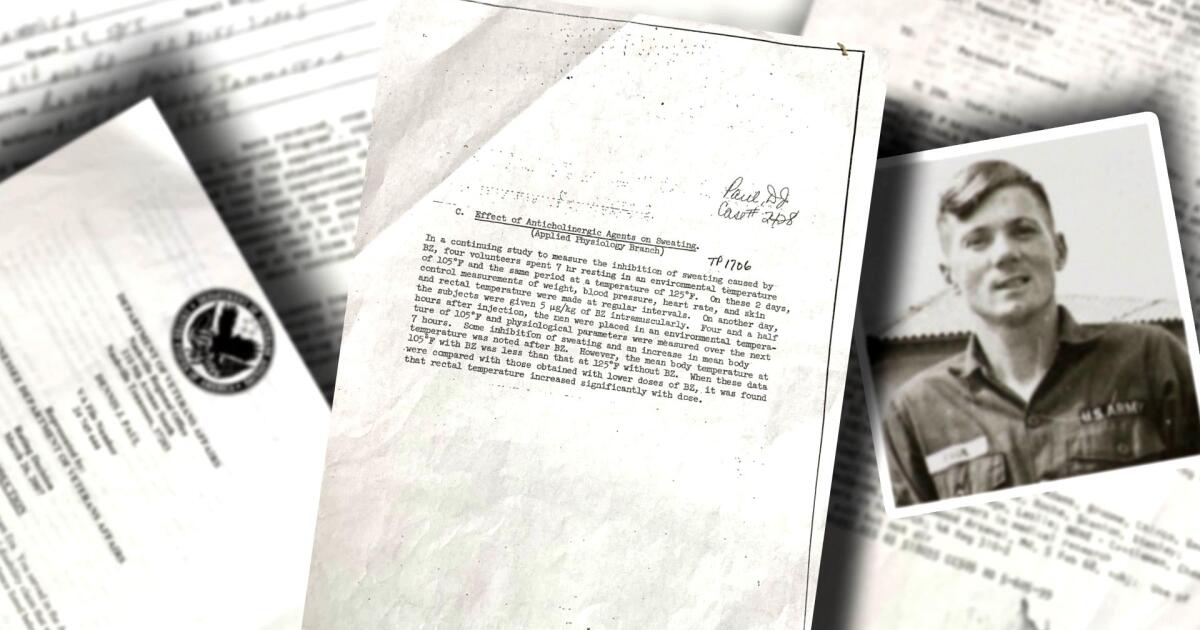
Since the end of World War II in 1945, the United States government has conducted numerous experiments on its citizens, including hundreds of thousands of military personnel, often treating them as unwitting guinea pigs in pursuit of scientific, medical, and military advancements.
These experiments, frequently carried out without the knowledge or consent of the subjects, exposed individuals to dangerous substances such as radiation, chemical agents, biological pathogens, and psychoactive drugs.
Among the most infamous examples is the Tuskegee Syphilis Study, which targeted African American men, including some military veterans, in a parallel violation of ethical standards.
The ethical breaches in these programs have left a lasting scar on the nation’s history, raising profound questions about trust, accountability, and the moral boundaries of scientific inquiry.
This article explores the scope, impact, and legacy of these experiments, drawing on historical records and declassified documents to illuminate a troubling chapter in American history.
The Post-War Context: A Climate of Experimentation
The period following World War II was marked by rapid advancements in science and technology, coupled with heightened national security concerns during the Cold War.
The U.S. government, seeking to maintain a strategic edge over adversaries, invested heavily in research involving atomic, biological, and chemical warfare.
Military personnel, viewed as readily available and disciplined subjects, became prime candidates for experimentation.
Similarly, marginalized groups, such as African Americans in the Tuskegee study, were exploited due to systemic racism and a lack of oversight.
The absence of robust ethical guidelines, combined with a utilitarian mindset that prioritized national interests over individual rights, created an environment where nonconsensual testing thrived.
The Tuskegee Syphilis Study: A Civilian and Veteran Tragedy
One of the most notorious examples of U.S. government experimentation is the Tuskegee Syphilis Study, conducted by the U.S. Public Health Service (USPHS) from 1932 to 1972.
While not exclusively a military experiment, it included African American men, some of whom were military veterans, and its ethical violations parallel those of military testing programs.
The study involved 600 Black men in Macon County, Alabama—399 with syphilis and 201 without—under the guise of receiving free healthcare.
Researchers withheld treatment, even after penicillin became the standard cure in the 1940s, to observe the disease’s progression.
Participants were misled, told they were being treated for “bad blood,” and were denied informed consent.
The Tuskegee study’s impact was devastating: many men suffered severe health deterioration, infected their families, or died prematurely.
The experiment’s racial targeting reflected broader systemic biases, as African Americans were deemed “expendable” by researchers.
Some participants were World War II veterans, further linking this civilian study to the military context of exploitation.
The study was exposed in 1972 by a whistleblower and Associated Press reporter Jean Heller, leading to its termination and a public outcry.
In 1997, President Bill Clinton issued a formal apology, and settlements were provided to survivors and their families, but the damage was irreparable.
Radiation Experiments: A Nuclear Guinea Pig Program
Parallel to Tuskegee, military personnel faced their own horrors in radiation experiments.
Beginning in 1945, the Manhattan Project conducted human radiation studies, injecting individuals, including soldiers and civilians, with plutonium to study its effects.
For instance, Albert Stevens, a civilian, was injected with plutonium-238 and plutonium-239 without consent.
Between 1945 and 1963, an estimated 250,000 military personnel were exposed to high levels of radiation during nuclear weapons tests, often without protective gear or informed consent.
Soldiers were positioned as close as one to three miles from detonations, reporting seeing bones through closed eyelids due to intense radiation.
Declassified records in 1995 revealed over 400 human radiation experiments, many involving military personnel.
These included studies on radiation’s biological effects and experimental cancer treatments. Veterans faced increased cancer rates and other radiation-related illnesses, but secrecy often prevented adequate care or compensation.
Chemical Warfare: Mustard Gas and Nerve Agents
Chemical warfare experiments further illustrate the government’s disregard for consent.
During World War II and into the Cold War, the military tested mustard gas and nerve agents like sarin and VX.
In 1942, approximately 1,200 recruits in Panama were exposed to mustard gas without consent to test its effects in tropical environments, suffering severe burns and long-term health issues.
Survivors were threatened with prison if they spoke out.
From 1963 to the early 1970s, Project 112 and Project SHAD exposed Navy sailors to nerve agents to test decontamination procedures.
Sailors were sprayed with sarin and VX, often unaware of the risks.
Racial targeting was evident in earlier tests, with Japanese American, African American, and Puerto Rican soldiers singled out to study chemical effects on non-white populations, mirroring the racial biases seen in Tuskegee.
Biological Warfare: Simulating Attacks on Troops
Biological warfare experiments also exploited military personnel. Operation Whitecoat (1950s–1960s) at Fort Detrick, Maryland, involved injecting Seventh-day Adventist conscientious objectors with infectious agents to study vaccines.
While some volunteered, full risks were not disclosed.
Large-scale tests, like those in the St. Jo Program (1953) and Large Area Concept (1957), released bacteria over cities like St. Louis and Minneapolis, affecting military personnel and civilians without their knowledge.
Psychoactive Drugs and Mind Control: MKULTRA
The CIA’s MKULTRA program (1950s–1970s) dosed over 7,000 military personnel at Edgewood Arsenal with LSD, PCP, and other psychoactive drugs without consent to develop mind-control techniques.
Participants suffered long-term psychological trauma, and secrecy prevented recourse. The program’s findings informed interrogation methods used decades later, showing its enduring impact.
Ethical Failures and the Absence of Consent
The absence of informed consent unites Tuskegee and military experiments.
The Nuremberg Code (1947) mandated voluntary consent and risk disclosure, but the U.S. government ignored these principles.
Military personnel, bound by duty, and vulnerable groups, like Tuskegee’s Black men, were exploited.
Researchers justified nonconsensual testing by citing national security or misrepresenting experiments as “treatment.”
Health Impacts and Government Response
The health toll was staggering. Tuskegee victims suffered syphilis-related complications, while military personnel faced cancers, chronic illnesses, and psychological disorders.
Secrecy hindered veterans’ access to benefits, and Tuskegee survivors faced similar barriers until public exposure.
Declassification in the 1990s and 2000s, including the 1993 National Academy of Sciences report and the 1994 Advisory Committee on Human Radiation Experiments, exposed these programs.
President Clinton’s 1995 apology addressed radiation experiments, followed by his 1997 apology for Tuskegee, but compensation remains limited.
Legal barriers, like the Feres Doctrine, continue to block military victims’ lawsuits.
The Legacy and Ongoing Concerns
The Tuskegee study and military experiments eroded public trust in government institutions.
The Belmont Report (1979) established ethical guidelines, but allegations of covert testing persist, as seen in unverified X posts.
The CIA’s post-9/11 torture program, deemed experimental, suggests ongoing ethical concerns. Strengthening oversight, declassifying records, and compensating victims are critical to prevent recurrence.
Moving Forward: Accountability and Ethical Reform
This history demands robust ethical protections, transparency, and restitution.
The Nuremberg Code and Declaration of Helsinki must be enforced, and veterans and Tuskegee survivors deserve recognition and support.
By confronting these atrocities, the U.S. can honor its citizens and ensure such violations are never repeated.
#TuskegeeExperiment #HumanExperimentation #USMilitary #UnethicalExperiments #NonconsensualTesting #MKULTRA #RadiationExperiments #ChemicalWeapons #BiologicalWarfare #MilitaryEthics #VeteransRights #GovernmentAccountability #InformedConsent #NurembergCode #ColdWarExperiments #EdgewoodArsenal #ProjectSHAD #OperationWhitecoat #MustardGas #LSDTesting #HumanRights #MilitaryHistory #GovernmentSecrecy #VeteransHealth #EthicalScience #DeclassifiedDocuments #Bioethics #SystemicRacism #NationalSecurity #ManhattanProject #JusticeForVictims
1
4
258
24 Apr 2025
Would you consent to having your behavior "curbed" by a neurochip?
Jesse Beltran reveals a 2020 document that confirms what many feared: the use of neurochip implants for behavior control, tested on prisoners in California and Texas, and with involvement from Massachusetts DPS.
This isn't a theory—it's documented.
If they're doing this in prisons… how long before it's the general population?
Who decides which behaviors need modification?
How many people already have these implants unknowingly?
Are we watching the foundation of mass behavioral engineering?
Watch the full interview here: x.com/MindNexusLive/status/1…
Want to find out what’s happening to YOU?
RF Scan info: cosmicclarityconnections.org…
Take a stand – Sign our petition: bit.ly/MindNexusPetition
Stay informed – Join our list: MindNexusLive.com
DISCLAIMER: RF Scanning is NOT a medical diagnosis. Our scans detect anomalous frequencies around a person, not inside the body. Findings are for informational purposes only and can support personal investigations.
Follow us:
Facebook: @MindNexus
Instagram: @MindNexusEvents
X: @MindNexusLive
YouTube: @CosmicClarityConnections
Rumble: @MindNexusLive
#NeurochipImplants #MindNexusLive #PrisonExperimentation #MassSurveillance #NonConsensualTesting #JesseBeltran #HumanRights #BehaviorControl #RFScanning #ExposeTheTruth
8 Apr 2025
In this explosive interview, Jesse Beltran joins Zak Paine of @RedPill78 to uncover what the government doesn’t want you to know about Havana Syndrome, covert technologies, and the reality behind the growing number of civilians and military personnel reporting identical symptoms across the globe.
Zak Paine, a respected voice in the truth and alternative media community—permanently banned from mainstream platforms—brings his sharp investigative lens to this powerful conversation.
Topics Covered:
• What is Havana Syndrome, and why are so many civilians now showing symptoms?
• Lt. Col. Edgreen’s congressional testimony confirming covert targeting of high-level U.S. personnel.
• Real documentation and cases of individuals implanted with biosensors—without consent.
• The rise of non-consensual experimentation and manipulation through frequency-based technologies.
• How suggestibility and directed energy weapons may be reshaping human behavior.
• The alarming connection between these technologies, mind control, and the erosion of neuro-rights.
• How the global population is unknowingly being experimented on—and what we can do about it.
Jesse also explains the scanning methodology Mind Nexus uses to support victims, and how their growing number of confirmed cases is helping reveal a hidden network of technological abuse.
Mind Nexus Scanning Services Include:
One-on-One Scanning Sessions in Reno, NV – Jesse Beltran offers in-person scans to detect anomalous frequencies around a person and provide detailed reporting.
Learn more or book a scan: cosmicclarityconnections.org…
DISCLAIMER: RF Scanning is NOT a medical diagnosis. Our scans detect anomalous frequencies around a person, not inside the body. Findings are for informational purposes only and can serve as supporting evidence in a personal investigation.
What would you do if you discovered you were unknowingly implanted or targeted?
Why is this technology not being addressed by mainstream media?
Are we in the middle of a silent war against free will?
Watch the full interview now and decide for yourself.
Join our email list for updates: MindNexusLive.com
Follow us:
Facebook: @MindNexus
Instagram: @MindNexusEvents
X: @MindNexusLive
YouTube: @CosmicClarityConnections
Rumble: @MindNexusLive
#HavanaSyndrome #DirectedEnergyWeapons #CovertTechnology #RedPill78 #MindNexusLive #JesseBeltran #AnomalousFrequencies #MindControl #ImplantDetection #NeuroRights
5
36
40
993