
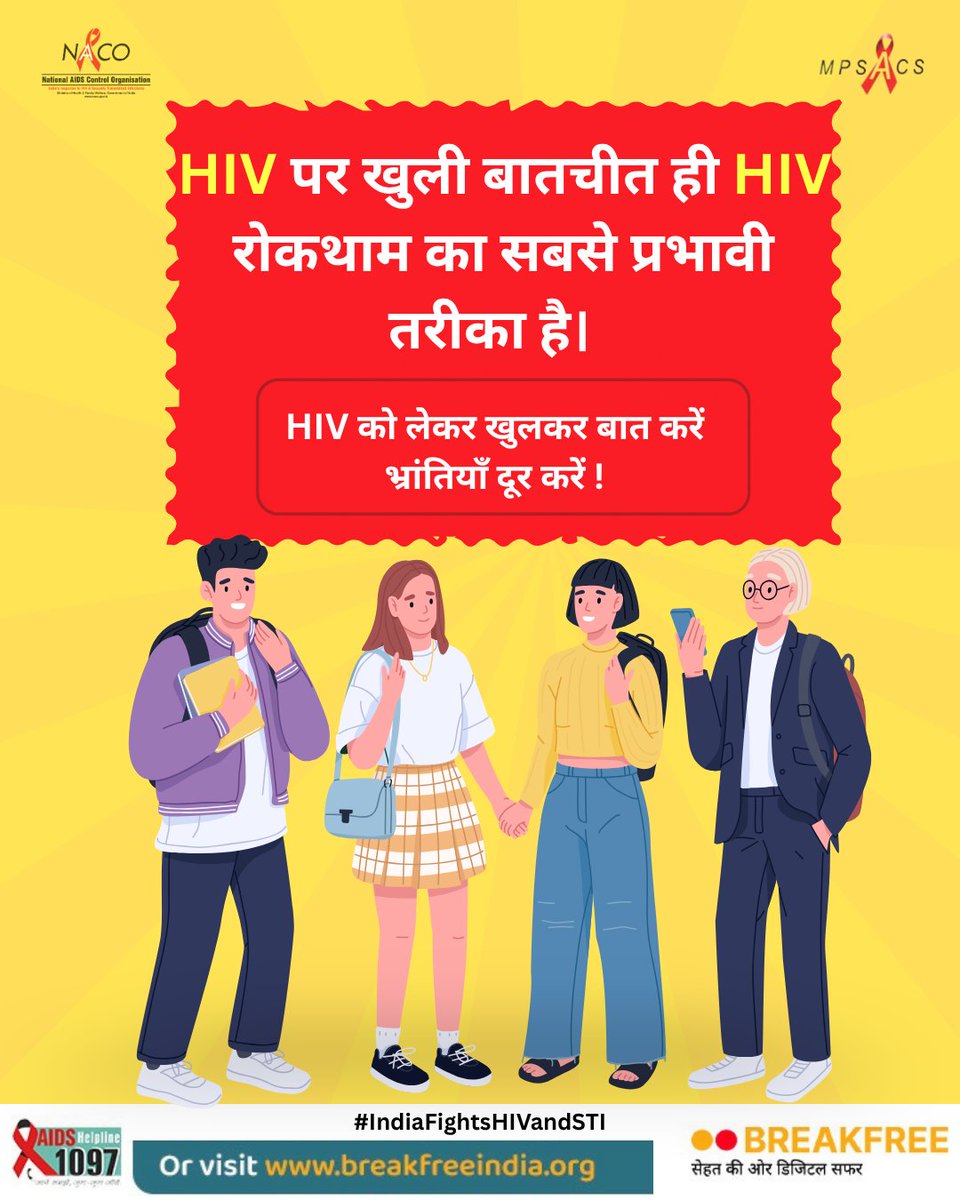
HIV पर बात करना ज़रूरी है, क्योंकि जागरूकता ही बचाव है — खुलकर बात करें, समय पर जाँच कराएँ, और सुरक्षित रहें। 🛡️
#HIVAwareness #NormalizeTheConversation #gettestedtoknowyourstatus #hivprevention
2

Chai, conversation, and a listening ear.
We never think twice about sharing a drink with a friend when we're exhausted. Let’s bring that same openness to our mental well-being.
#ChaiAndConvo #TeaAndTalks #MentalHealthIndia #NormalizeTheConversation

2
4
119

Mar 7
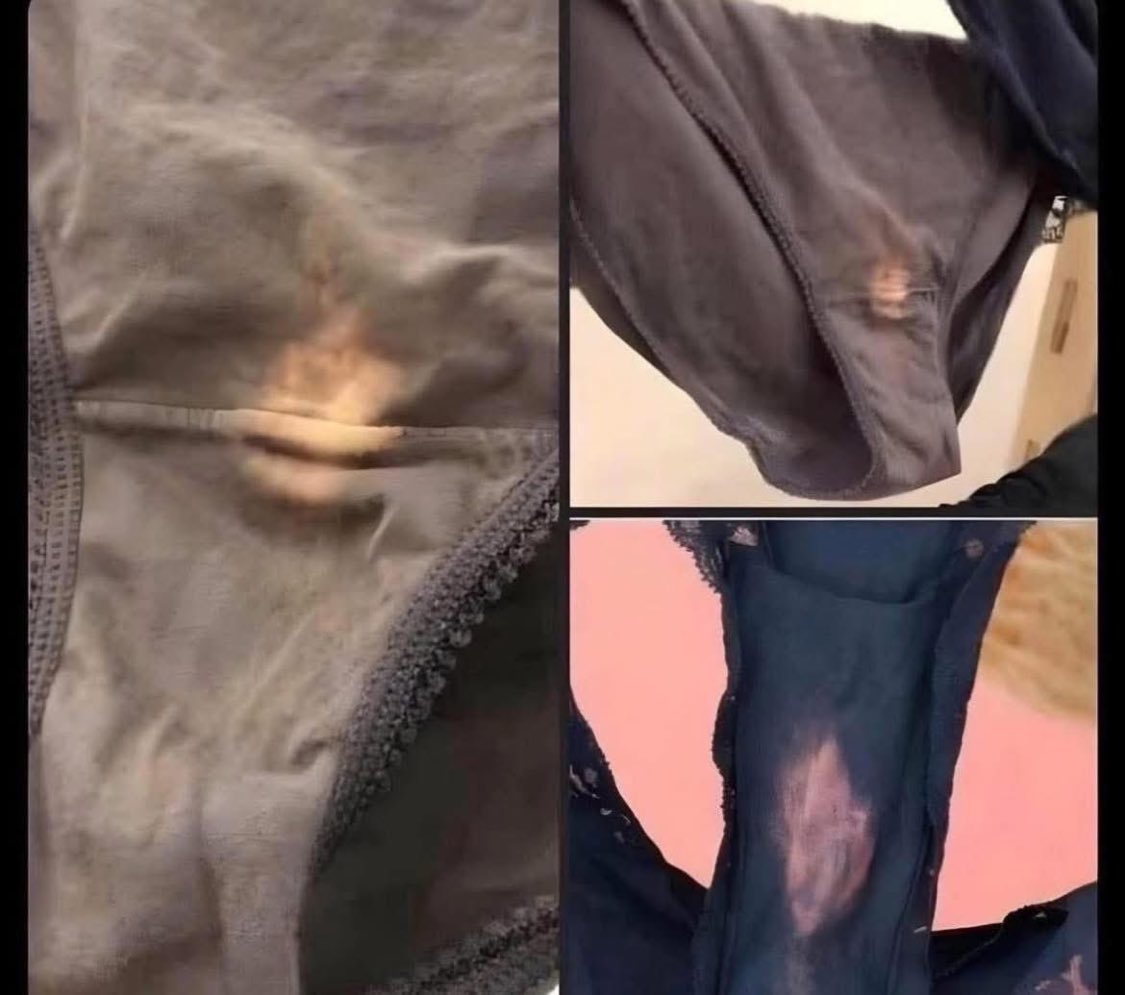
Why Your Underwear Gets Bleached Spots and Why It Is Actually a Good Sign
Have you ever noticed light coloured or bleached spots in the crotch of your underwear and wondered if something is wrong? Maybe you thought it was your washing powder or a hygiene issue.
Here is the truth. It is actually a sign that your body is working exactly as it should.
Why It Happens
The vagina has its own natural cleaning system. It produces discharge that is slightly acidic, about as acidic as orange juice. This acidity is maintained by healthy bacteria called lactobacilli that live there naturally.
When this acidic discharge touches fabric, it can react with the dyes in your underwear, especially dark ones. Over time, it bleaches the fabric, turning black or navy underwear into shades of orange, rust, or yellow.
What This Tells You
If you see these spots, it means:
Your body is producing the right amount of healthy bacteria
Your vaginal pH is balanced, usually between 3.8 and 4.5
Your natural defense system is working to prevent infections
It has nothing to do with:
Poor hygiene
Your washing machine
Anything being wrong with you
What Can Make It More Noticeable
Some things can increase discharge or make bleaching more visible.
Ovulation: Discharge often increases mid cycle.
Pregnancy: Hormones can change discharge.
Fabric type: Cotton absorbs more, so bleaching may show more.
Sitting in laundry: If underwear sits unwashed for days, the acid has more time to react.
How to Protect Your Favorite Underwear
If you want to reduce visible bleaching, here are a few simple tips.
Rinse with water: After wearing, rinse the area quickly before tossing in the laundry.
Use panty liners: On days when discharge is heavier.
Choose lighter colours: White or light underwear will not show bleaching as much.
Wash promptly: Do not let soiled underwear sit too long before washing.
When to See a Doctor
While discharge is normal, sometimes it can signal an infection. See a doctor if you notice:
A sudden change in smell, strong or unpleasant
Discharge that is green, gray, or chunky
Itching, burning, or irritation
Pain during sex or while urinating
Your body is not dirty. It is not broken. Those spots in your underwear are proof that your body is protecting itself the way it was designed to.
Share this with someone who needs to hear it, because too many women grow up thinking something is wrong when nothing is.
#WomensHealth #NormalizeTheConversation #KnowYourBody
Mar 6

Egg Production in Females: Why It's Limited and What That Means for Life Planning
There's something every woman and young person should understand about the body and it's not talked about enough.
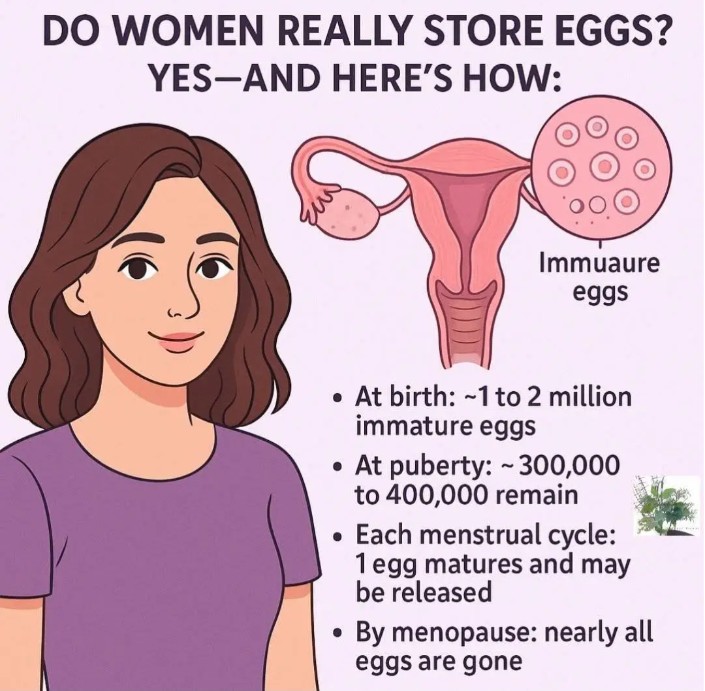
Unlike men, who produce sperm daily throughout their lives, females are born with all the eggs they will ever have. No new eggs are made after birth. Once they're gone, they're gone.
Let's break down what that means, simply and honestly.
How It Works
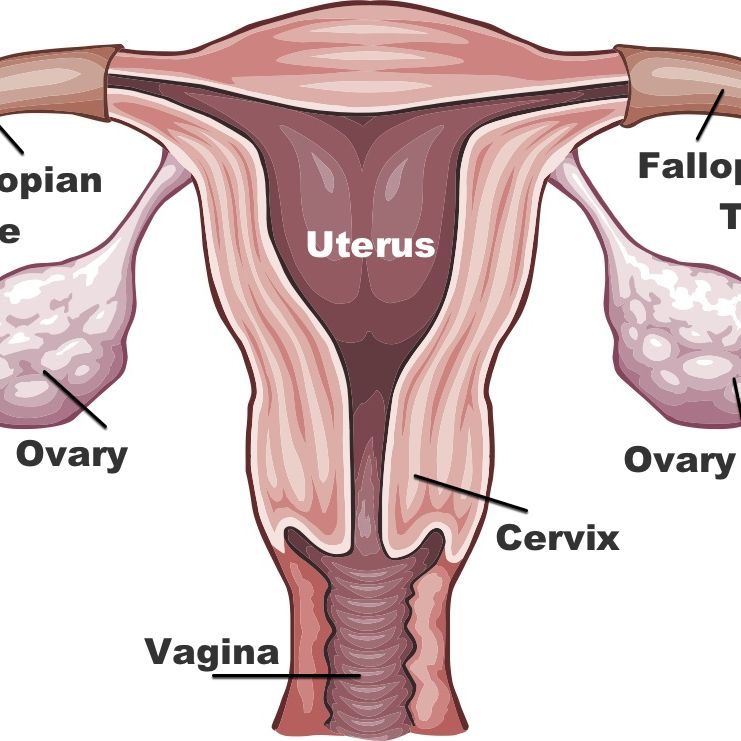
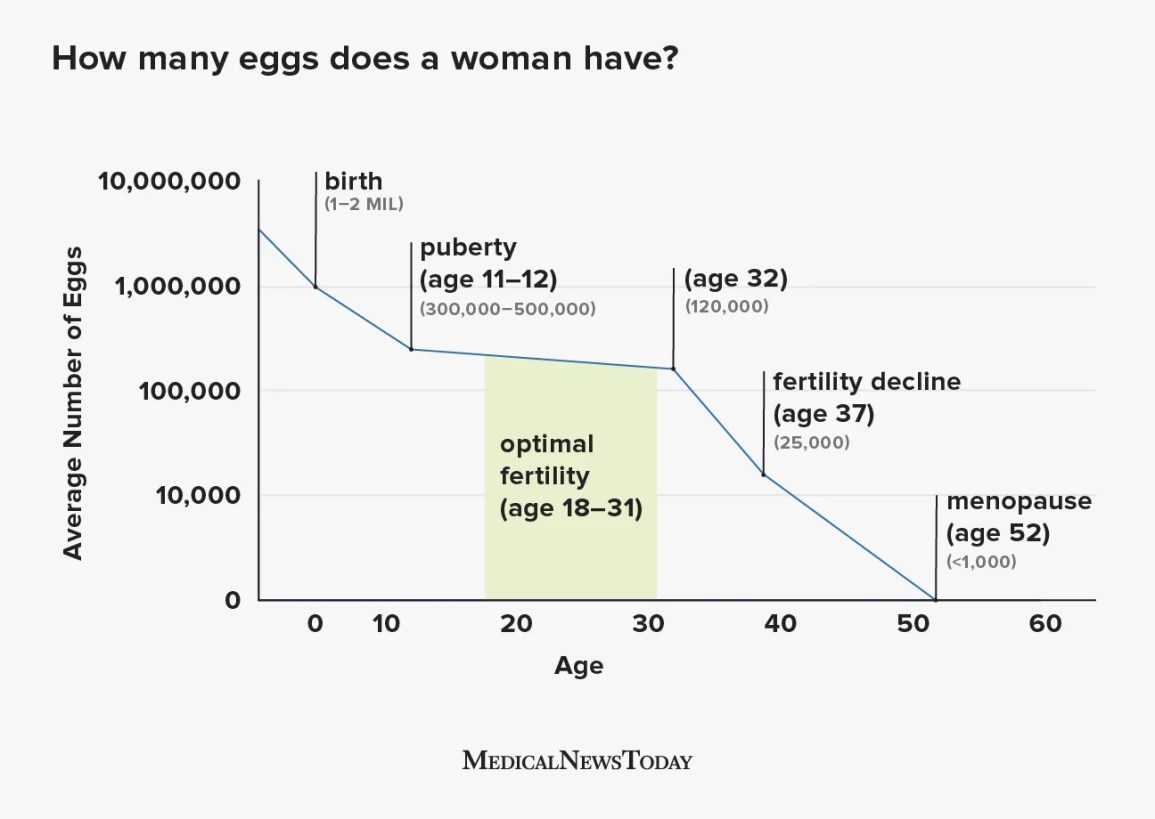
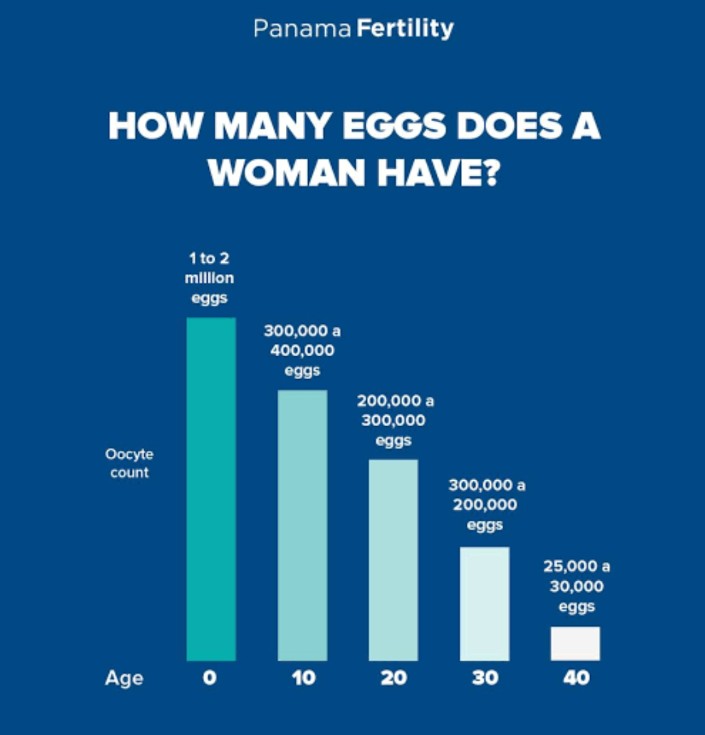
By the time a baby girl is born, she already has about 1 to 2 million eggs in her ovaries.
By puberty, that number has dropped to around 400,000. And from then on, eggs are steadily lost through ovulation and natural cell death whether a woman is pregnant, on birth control, or not.
This decline continues throughout life, until menopause, when the supply runs out completely.
Why Timing Matters
Here's the part many people don't realize:
Medical research has shown that around age 35, not only does the number of eggs drop faster, but the quality of the remaining eggs also begins to decline. This means even if eggs are still present, they're more likely to have chromosomal issues, making pregnancy harder and miscarriage more likely.
By age 40, the decline sharpens. And by menopause, typically around 50, the supply is essentially finished.
A Note on PCOS (Polycystic Ovary Syndrome)
Some women may wonder what about PCOS? Does it change how eggs run out?
PCOS is a hormonal condition that affects about 1 in 10 women of reproductive age . Here's what you should know:
PCOS does NOT mean you run out of eggs faster. In fact, women with PCOS often have higher ovarian reserve (more eggs) than average . This is why their Anti-Müllerian Hormone (AMH) levels, a marker of egg supply, are typically higher.
However, the challenge with PCOS is egg quality and ovulation. Women with PCOS may have:
Irregular or absent ovulation, making it harder to conceive naturally
Hormonal imbalances (excess androgens) that can affect egg development
Insulin resistance, which can create oxidative stress and inflammation in the ovaries, potentially affecting egg quality
The good news: With proper management, lifestyle changes, medication or fertility treatments, many women with PCOS go on to have healthy pregnancies.
So while PCOS presents different challenges, it doesn't mean running out of eggs faster, it means needing the right support to help those eggs reach their potential.
What Affects Egg Supply and Quality
While age is the biggest factor, some things can speed up egg loss or affect quality:
Smoking: This accelerates egg loss significantly
Certain medical treatments like chemotherapy or radiation
Autoimmune conditions can affect ovarian function
Extreme stress and poor diet may impact egg quality
Unmanaged PCOS can affect ovulation and egg quality
Some women also experience Primary Ovarian Insufficiency (POI) , where the egg supply runs out before age 40. This is rare but real.
What This Means for Life Choices
This is not about rushing into marriage or having children before you're ready. It's about being informed.
If you're a woman who hopes to have biological children someday, knowing your body's timeline is powerful information. It helps you make decisions with your eyes open, not under pressure, but with understanding.
If you find a serious, capable, and loving partner, and you both want children in the future, it's worth having honest conversations early. Not because you must settle down now, but because you deserve to plan your future with facts, not fear.
✅ What You Can Do
Learn about your body: Knowledge is protection
Avoid smoking: This directly harms egg supply
Live healthy: Eat good food, rest, and manage stress
If you have been diagnosed with PCOS, work with a doctor to manage symptoms and protect fertility
Talk to a doctor if you have concerns about fertility
If you have a partner, talk openly about timelines, goals, and expectations
1
7
9
29,930

Jan 16
Let’s talk more. Step outside more. And remind each other that it’s okay not to be okay. 💛
#MentalHealthAwareness #NormalizeTheConversation #SunlightAndHealing #YouAreNotAlone
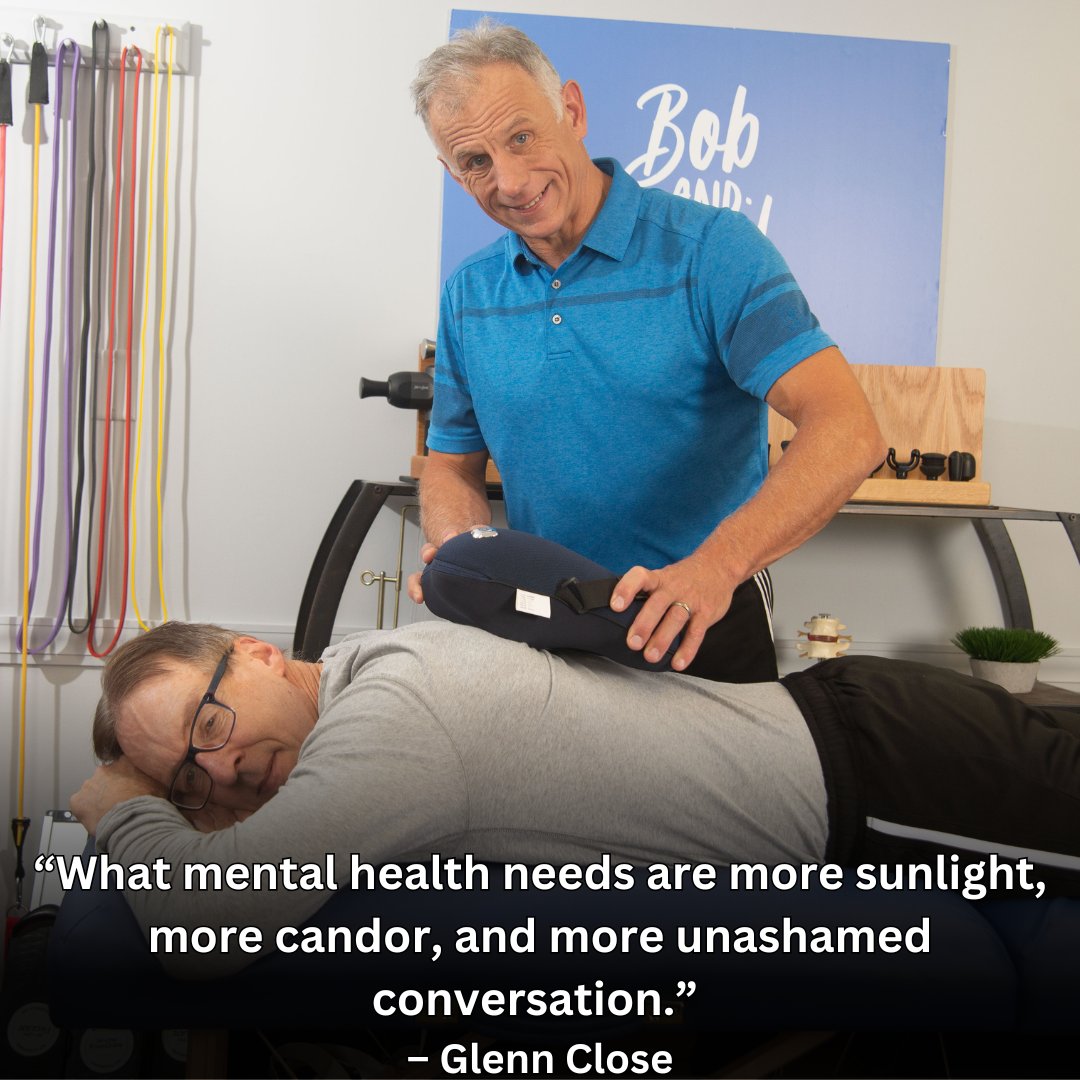
ALT “What mental health needs is more sunlight, more candor, and more unshamed conversation.” - Glenn Close
1
3
269

My sister died when she was 23 years old.
#Boston #Awareness #Hope #love #MentalHealthMatters #normalizetheconversation

Losing someone to suicide leaves an ache words can’t describe. 💔
But healing begins when we speak their names, share our stories, and know we’re not alone.
Follow @DeeDeesCry — a space for healing, remembrance, and hope. 🕊️
#SundayMorning #MentalHealthAwareness #Boston

2
56

17 Jan 2025
"Even professional athletes struggle—let’s normalize the conversation early."
Dr. Wendy Borlabi @drborlabi emphasizes the importance of discussing mental health with kids, starting in grade school. By sharing that even the stars they look up to face challenges, we can empower them to see it’s okay to not be okay.
In this episode of Winning is Not Everything presented by @teamsnap, Dr. Wendy Borlabi and Kelsey King @kelsey_king20 open up about breaking the stigma around mental health in sports and why it’s never too early to start the conversation.
Tune in for insights that could change the game—for life. 🎧💬 Listen here: seankjensen.com/podcast-epis…
#WinningIsNotEverything #MentalHealthInSports #DrWendyBorlabi #KelseyKing #YouthSports #MentalHealthMatters #NormalizeTheConversation #Podcast
1
3
1,199

26 Aug 2024
The most common question women are asked is about work-life balance, but has anyone ever asked about balancing hormones?
It's amazing to me that we talk so much about productivity, health, and well-being, yet so little about how a woman's body truly functions.
Women’s bodies are unique and operate in monthly cycles—something every woman experiences—yet it's a topic that's still somewhat taboo.
We need to change that.
Think about it: 𝐏𝐌𝐒 𝐢𝐬 𝐨𝐟𝐭𝐞𝐧 𝐭𝐡𝐞 𝐩𝐮𝐧𝐜𝐡𝐥𝐢𝐧𝐞 𝐨𝐟 𝐚 𝐣𝐨𝐤𝐞, and many women feel guilty for even acknowledging their symptoms. But to truly operate at our full capacity, we must embrace and work with our cycles, not against them.
I've seen a significant difference in my own life once I started adapting my lifestyle to my hormonal cycle. Here's what I've learned:
- 𝐅𝐢𝐫𝐬𝐭 𝐇𝐚𝐥𝐟 𝐨𝐟 𝐘𝐨𝐮𝐫 𝐂𝐲𝐜𝐥𝐞:
This is the time to go hard! Your body is making estrogen, so this is when you can handle more rigorous workouts and longer fasting periods. A high-protein diet has been a game-changer for me during this phase.
- 𝐃𝐚𝐲𝐬 10-15:
Your body is producing more testosterone, making it the perfect time for strength training. I started lifting weights later in life, and I can’t emphasize enough how transformative it has been. Strength training is crucial for longevity and overall health.
- 𝐀 𝐖𝐞𝐞𝐤 𝐁𝐞𝐟𝐨𝐫𝐞 𝐘𝐨𝐮𝐫 𝐏𝐞𝐫𝐢𝐨𝐝:
This is when your body needs more care. Reduce the intensity of your workouts and shorten your fasting periods. I used to push myself mindlessly during this time and often felt frustrated and depleted.
This phase requires more carbs to help produce serotonin—the “happy hormone” that dips during this time.
At the end of the day, the most important thing is to listen to your body.
There isn’t a one-size-fits-all answer—it’s about finding what works best for you.
This is an Open Secret that we should be talking about more.
Let’s normalize the conversation around women’s health and well-being. It's time to prioritize hormone balance just as much as work-life balance.
#HormoneHealth #WomensWellbeing #NormalizeTheConversation

1
1
13
1,574

18 Mar 2024
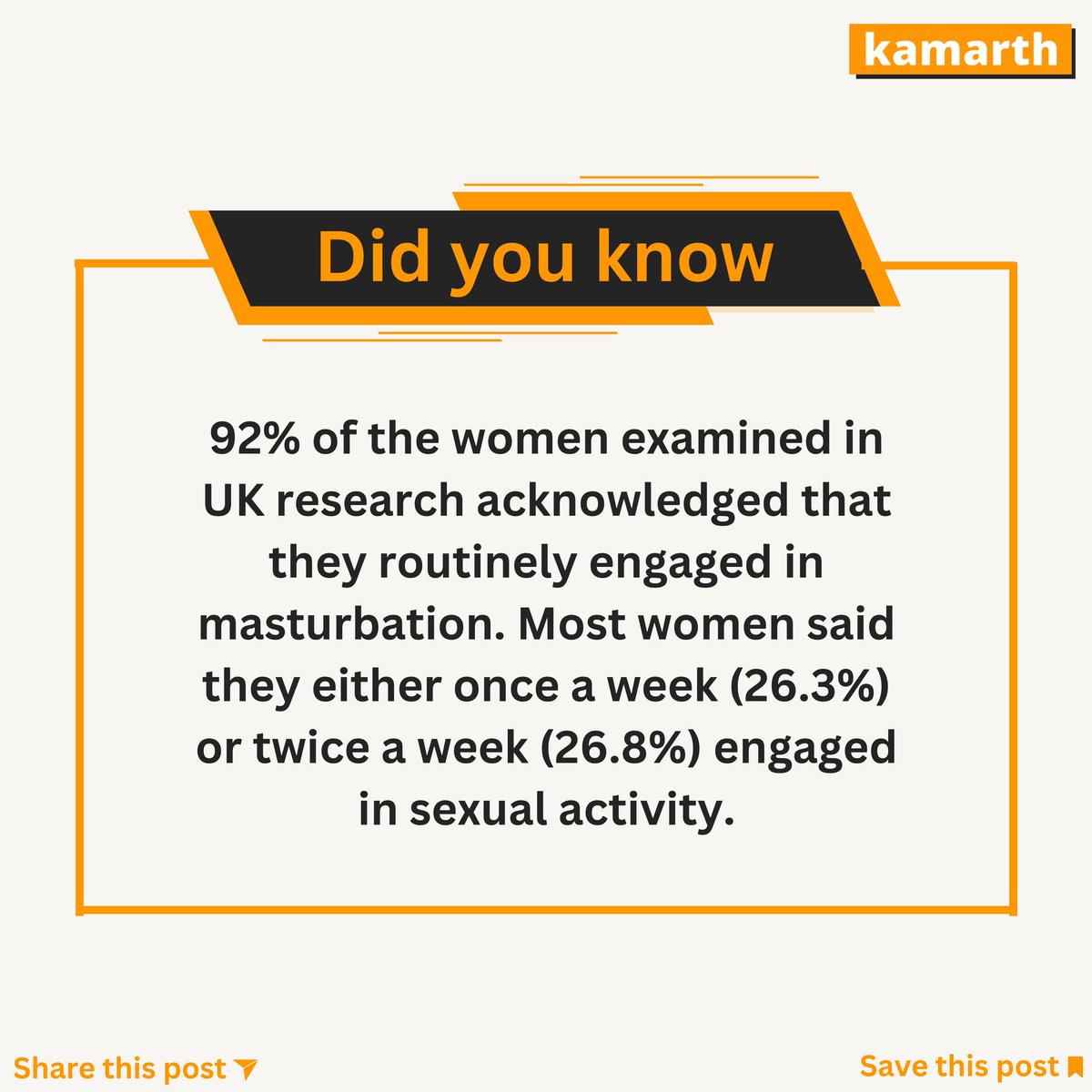
Did you know?
A study from the UK reveals 92% of women explore self-pleasure. Whether it’s once or twice a week, they're tuning into their desires.
#SelfLove #WomensHealth #Empowerment #DidYouKnow #NormalizeTheConversation #SexualWellness #SexEdForAll #Kamarth
3
69

28 Aug 2023
I had the chance to share my experiences with @studyofUAPs last week. My goal is to #normalizetheconversation. UAP Encounter Testimony: Krys (AwakeWhileSleeping) youtu.be/C4iffyQNBlg?si=ep2v… via @YouTube
#ufotwitter #uaptwitter #uaphearings #ufox #ufosightings #aliens #science #newsnation #uapx #biologics #NHI #nonhumanintelligence #phenomenon @newsnation
#ufotwitter #uaptwitter #uaphearings #ufox #ufosightings #aliens #science #newsnation #uapx #biologics #NHI #nonhumanintelligence #phenomenon @newsnation

6
427

31 May 2023
Inspired by these individuals during today’s Fortify the Force conversation addressing #MentalHealth. Your courage is a guide we should all strive to live up to. #FFITConversations #BreakTheStigma #FFIT #NormalizetheConversation
Watch the full panel: surl.li/hngvy

7
10
26
2,561

9 May 2023
Inflatable penile implant store?!? #anythinggoes #MensHealth #sexualhealth #normalizetheconversation

3
1
12
3,923

26 Apr 2023
This past weekend we held an event at Kendra Scott to #RemoveTheStigma and #NormalizeTheConversation surrounding mental health. We shopped, screened snippets of our documentary, Portraits of Life with Mental Illness, and enjoyed some charcuterie all for a great cause!

1
4
168

26 Apr 2023
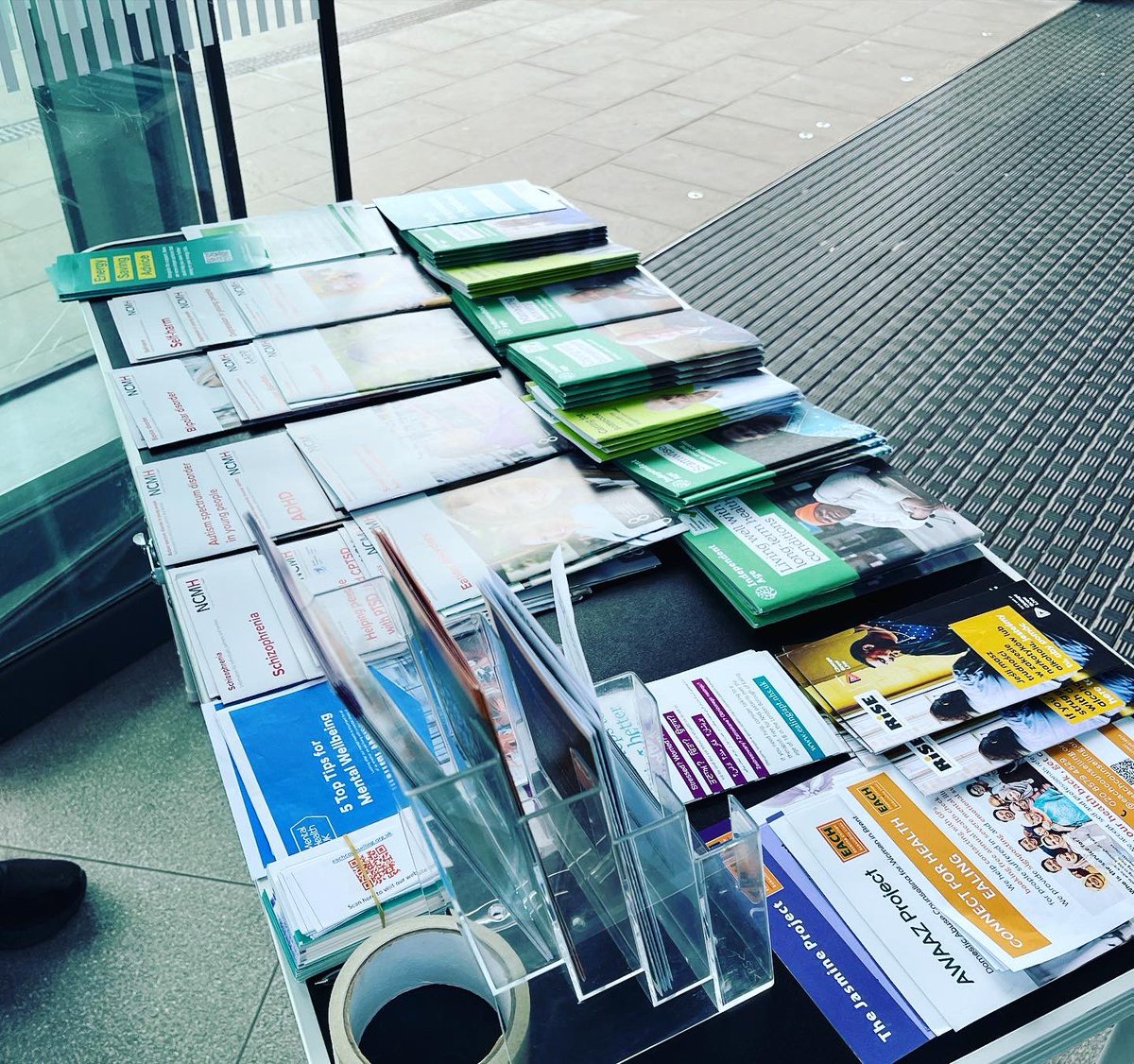
Did some actual outreach work today, it’s been a while but I had a fab couple of hours. #mentalhealth
#MentalHealthAwareness #normalizetheconversation #theelizabethline #southall
@TfL @EACHCounselling

4
160
13 Jan 2023
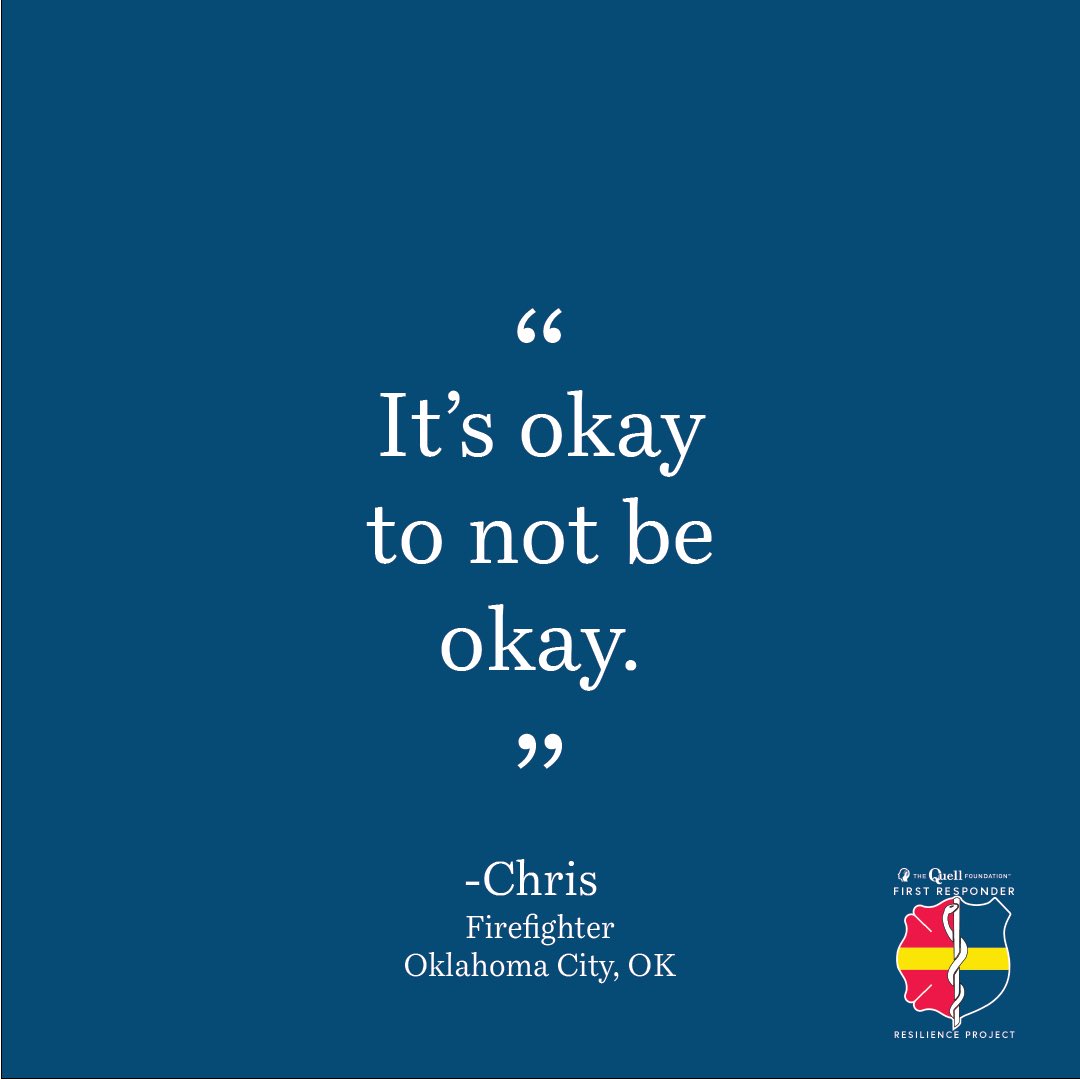
First Responders are great at compartmentalizing their issues and emotions to be there for others in their times of need. It is so important to care for yourself as much as you do for the people you help.
It's okay, not to be okay. Let's #NormalizeTheConversation.
1
2
101
6 Jan 2023
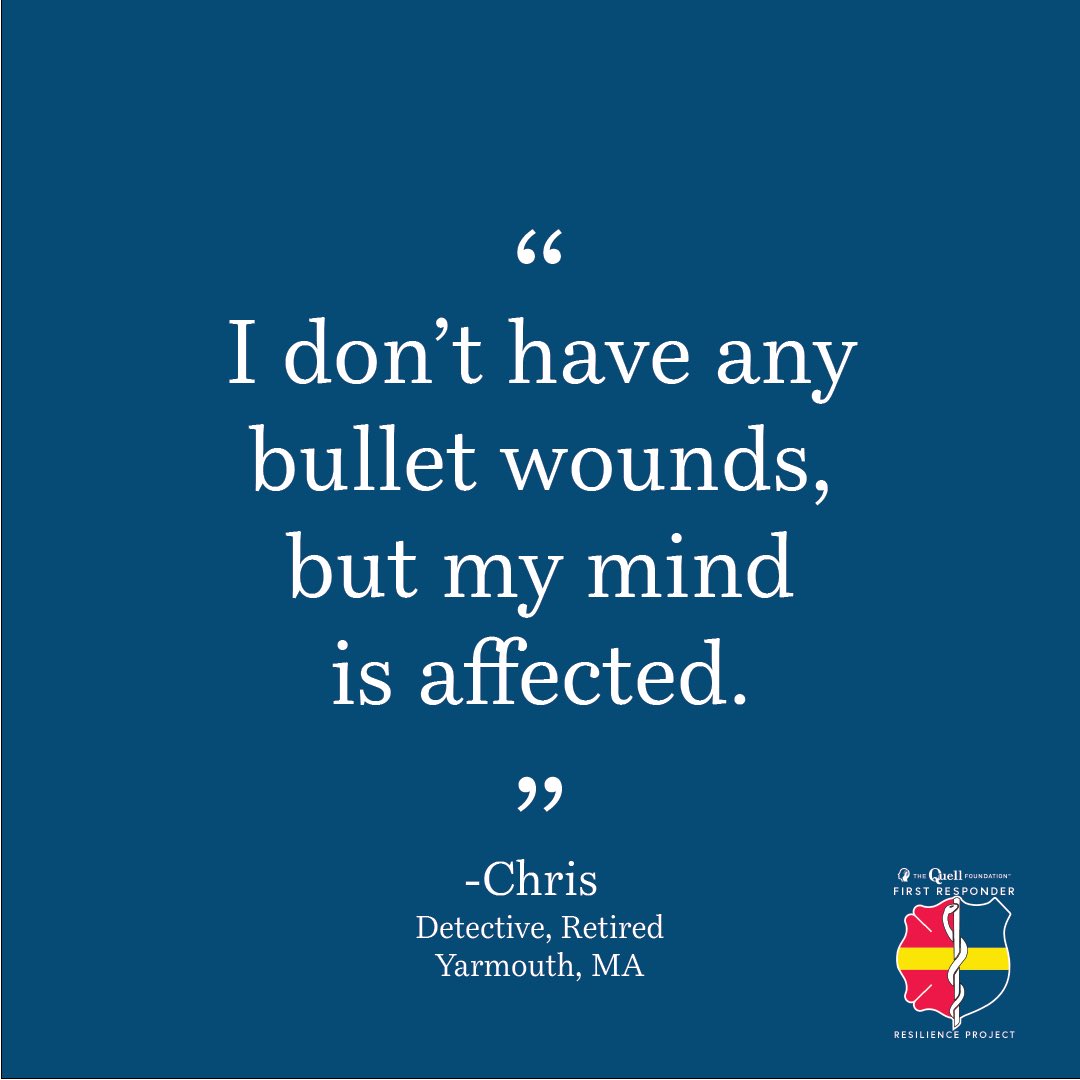
Why don’t first responders ask for help?
According to Kaiser Permanente, 57% of first responders don’t ask for help due to the fear of negative repercussions.
You’re not alone. Let's work together to #NormalizeTheConversation within the first responder community.
#FRRP
3
156

10 Dec 2022
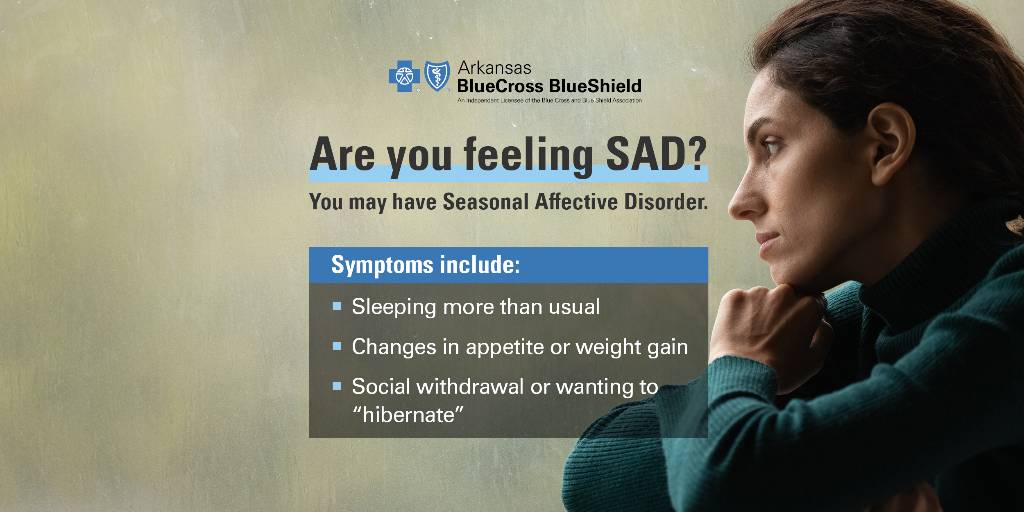
It might not just be all this rainy weather. This time of year, many people are diagnosed with seasonal affective disorder (SAD). It's a form of depression. Find a behavioral health provider at arkansasbluecross.com/bh.
#normalizetheconversation #mentalhealth #SAD #arwx
2

17 Oct 2022
Last Friday our Morgan’s Message Club @evhs.morgansmessage was out in force, bringing awareness to mental and physical health! #ProudEV #cyclonestrong #mentalhealthmatters #normalizetheconversation
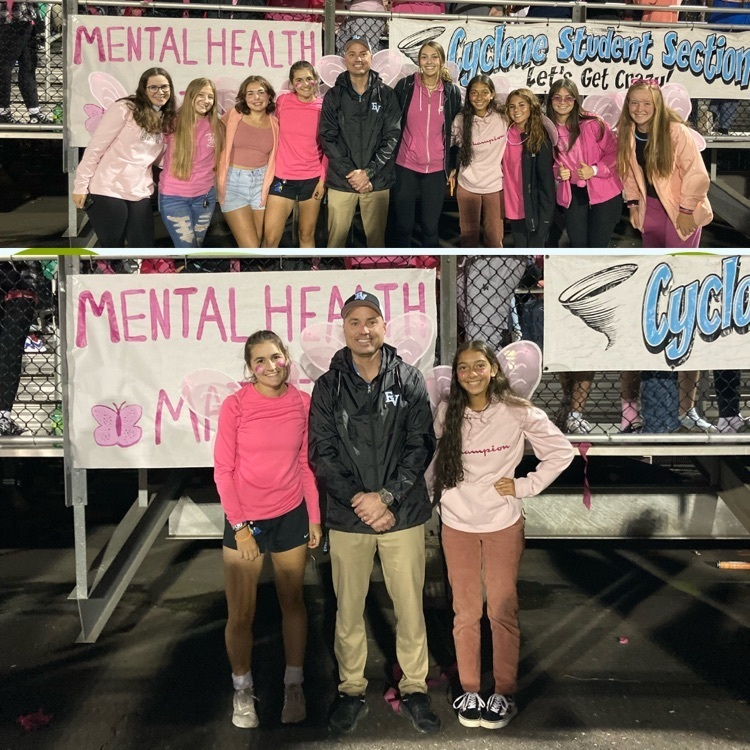
ALT EV Chapter of Morgan’s Message
1
8
5 Oct 2022
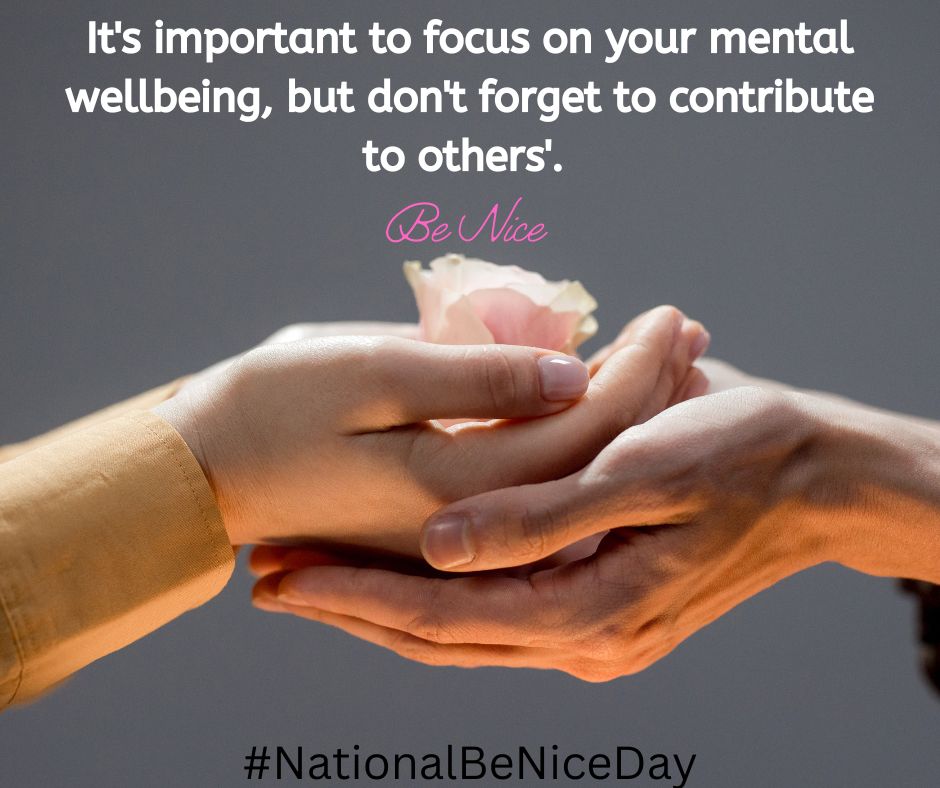
You never know what someone is going through in their lives. One simple, nice gesture could be what makes their day better. What will you do to make someone's life better today? #NormalizeTheConversation #NationalBeNiceDay
2
18 May 2022
In fall 2021, nearly 38% of adults in Arkansas reported symptoms of anxiety or depression. President and CEO @CurtisEBarnett shares how we're investing in the whole health of our communities and working to #NormalizeTheConversation. hub.arkansasbluecross.com/me…
1
4
6

20 Apr 2022
For many – the kitchen is a place of healing and recharging. On 5/11, we’re excited to talk about the intersection of cooking & mental health. Join us for Redefining Mental Health with Cat Cora, a free, in-person event, & help us #normalizetheconversation. bit.ly/3ufgSIz

2
3