
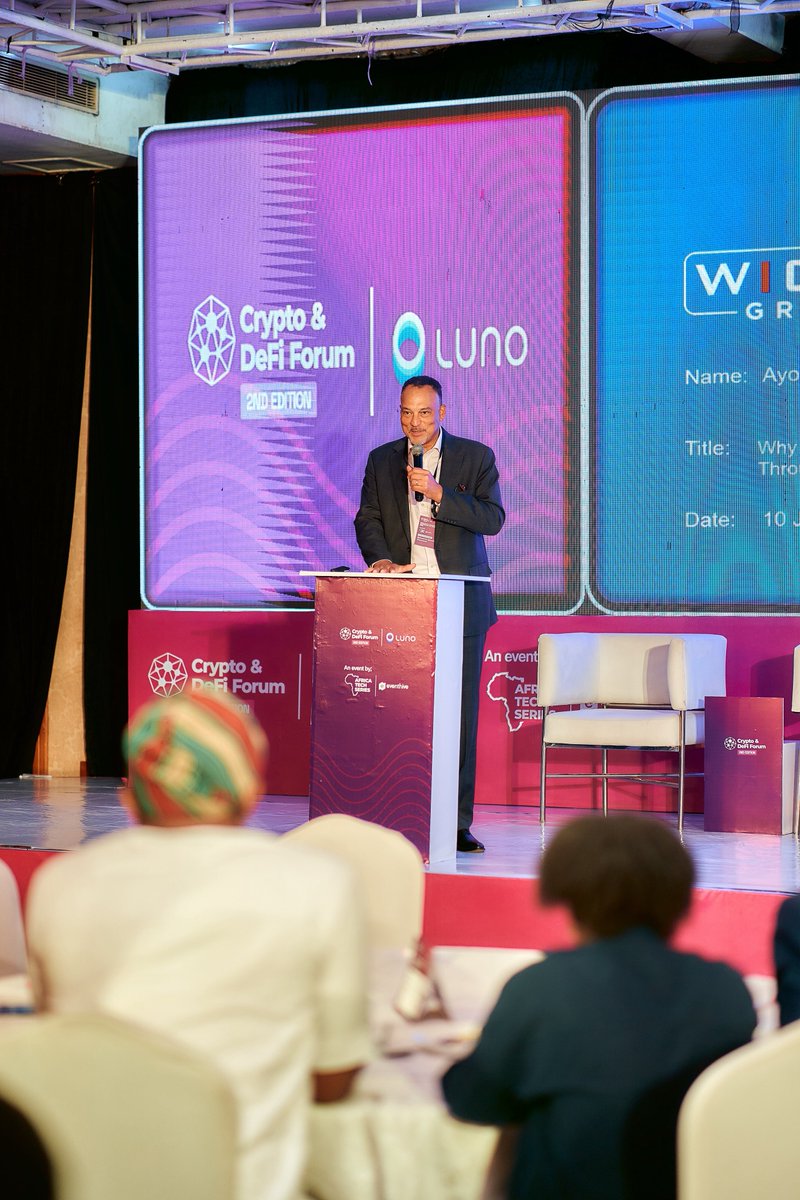
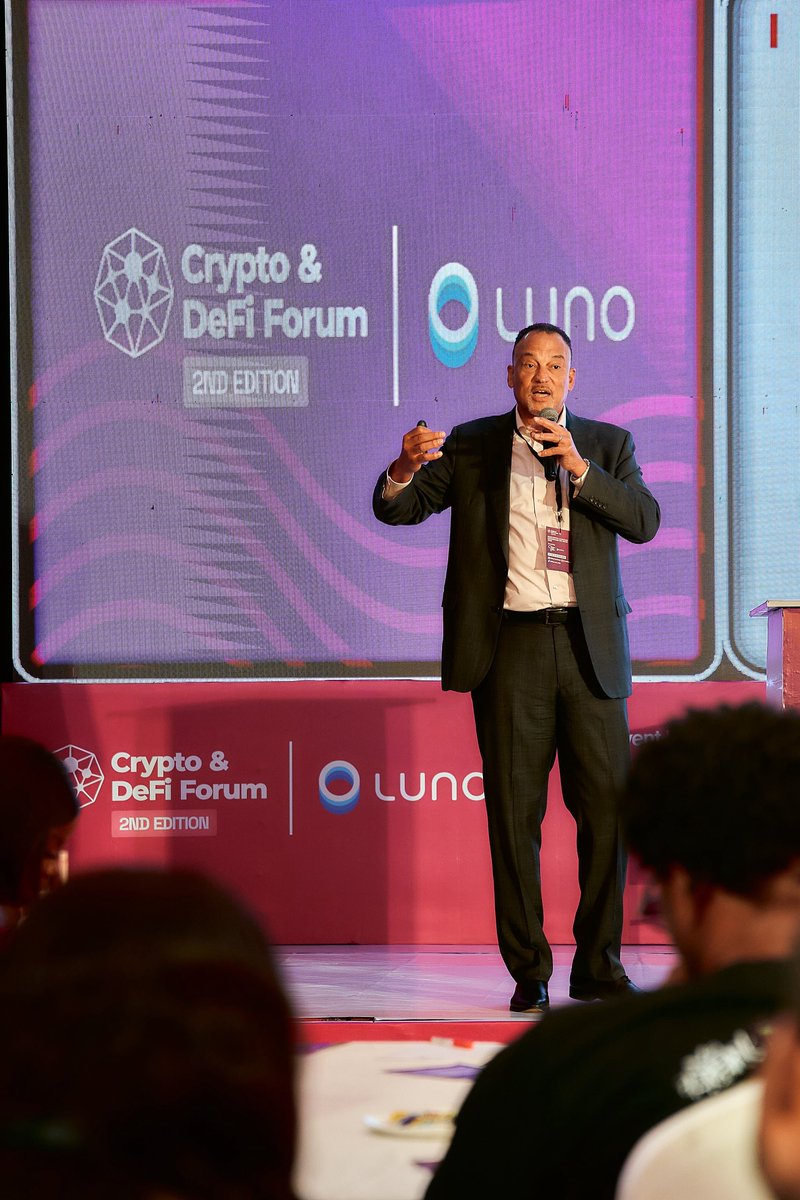
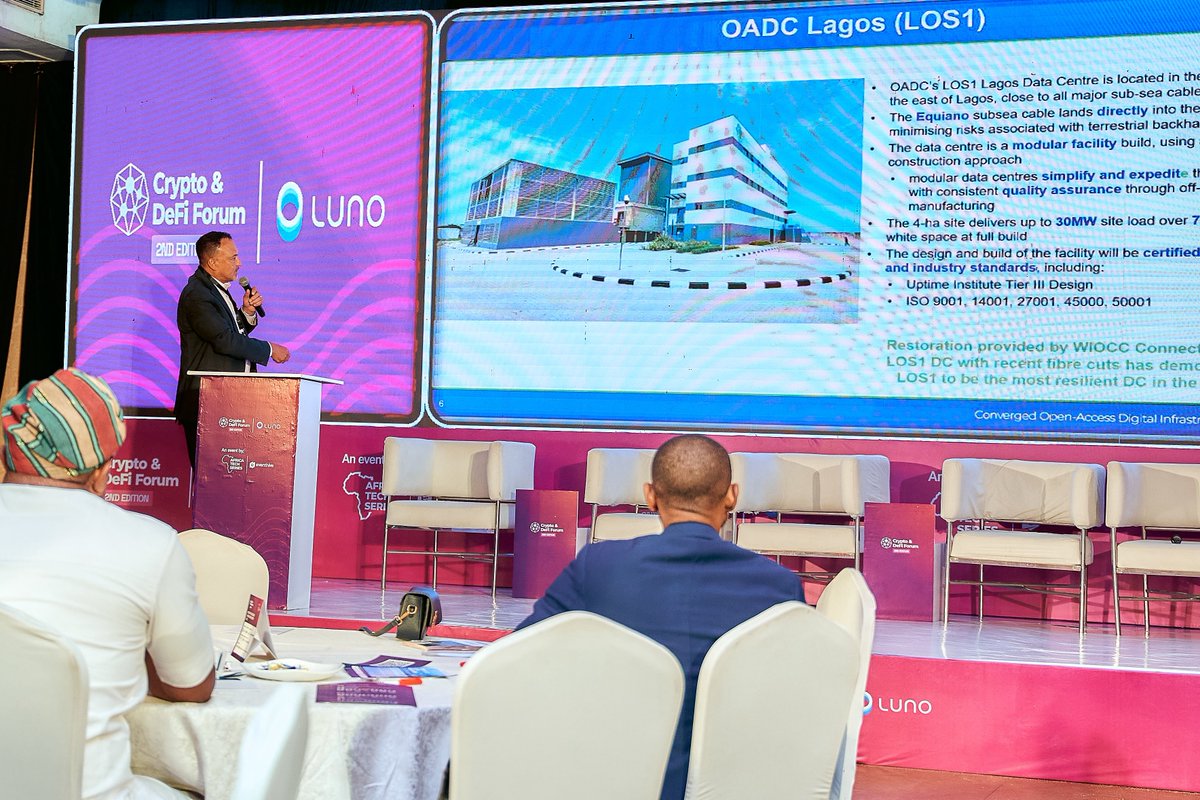
Ayotunde Coker, CEO of Open Access Data Centres (OADC), took the stage at Crypto & DeFi Forum 2026 to explore the critical role of digital infrastructure in supporting the future of digital assets across Africa.
His presentation highlighted how OADC’s growing network of data centres, connectivity infrastructure and cloud solutions are helping to create the resilient digital foundation required to power the next generation of blockchain and digital economy applications.
1
41

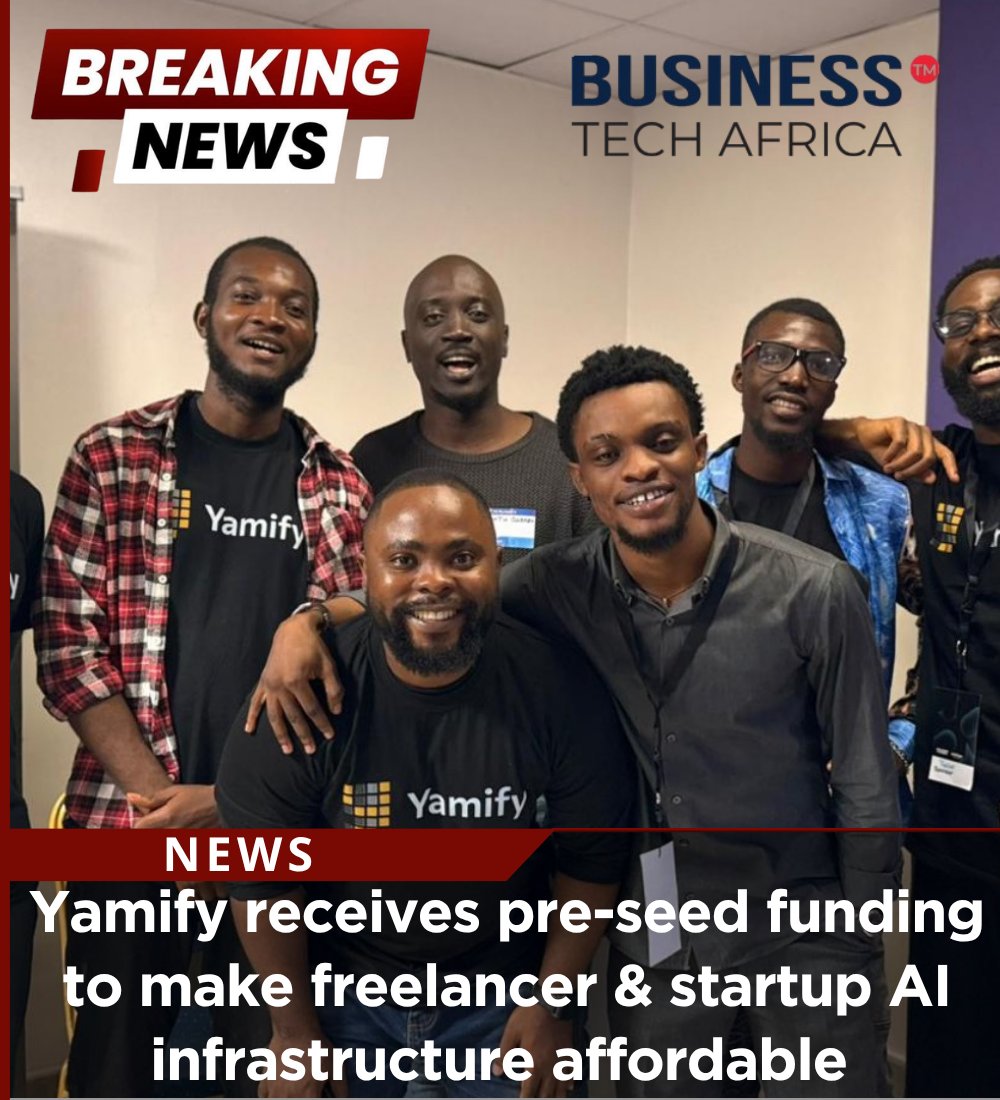
BREAKING NEWS: 11 June 2026
Developer-first AI platform @YamifyAI has secured pre-seed funding from @LaunchAfricaVC Ventures to make AI infrastructure affordable for freelancers and startups. The fresh capital will power distribution partnerships with OADC and Cassava AI.
Read more here: businesstechafrica.co.za/new…
#businesstechafrica #yamify #fintechstartup
15

Jun 11
The next decade of Nigeria's prosperity will be decided by ownership, infrastructure, and policy, not adoption alone.
For all of modern economic history, intelligence has been scarce.
The world's most valuable companies, institutions, and economies were built around the ability to organize and deploy scarce human intelligence. Universities existed to produce it. Corporations competed for it. Nations measured their futures by it.
That era is ending….sadly!
For the first time in human history, intelligence itself is becoming abundant. We’re seeing AI systems now write better software, conduct more accurate research, analyze contracts, produce films, trade financial markets, run customer support operations, and increasingly perform work that was, until very recently, the exclusive preserve of highly trained professionals.
In a recent June 10, 2026 essay, Policy on the AI Exponential, Anthropic CEO Dario Amodei argues that if AI's scaling trajectory holds for even a year or two longer, the world is likely to get what he calls "a country of geniuses in a datacenter" in which AI is likely to become the dominant source of economic and military power for any nation that possesses it. He compares the gap between nations that have powerful AI and those that do not to an army of modern Marines facing medieval swordsmen.
Read that again. This is not a productivity gap. It’s a civilizational gap.
Whether that future arrives in three years or ten, the direction of travel is no longer in dispute. This forces an uncomfortable question on those of us who think seriously about our beloved continent, Africa, and about Nigeria in particular: How does Nigeria remain economically relevant when intelligence becomes abundant?
The Quiet Threat to Nigeria's Favourite Growth Story
For the past decade, Nigeria's most celebrated economic narrative has been human capital exported through the internet.
Our developers write code for companies in London and San Francisco. Our founders build tech products and attract huge funding from investors. Our designers, writers, analysts, crypto traders, web3 workers, and virtual assistants earn dollars from Lagos, Enugu, and Kaduna bedrooms. Remote work and talent outsourcing became our answer to an ailing economy, weakening naira, and a difficult domestic job market. Even the japa wave is, at its core, a labor-arbitrage story; Nigerian health, tech, and academic intelligence sold into markets where intelligence is scarce and expensive.
But here is what almost nobody in our policy conversations is saying out loud:
The entire model rests on the scarcity of human intelligence. And that scarcity is collapsing.
When AI systems can produce competent code, marketing copy, legal research, financial analysis, and customer support at near-zero marginal cost, the global buyer of cognitive labor has a new supplier, one that does not sleep, does not negotiate, and does not require a work visa.
Amodei himself concedes that AI may cause significant and enduring job displacement, and that this may be an intrinsic property of a technology that broadly replicates human cognition, which is precisely why his essay proposes wage insurance, retention incentives, and long-term income support for displaced workers.
Did you notice something there in his arguments? Those proposals assume a state with fiscal depth, reliable economic data, and functioning social infrastructure. The United States can debate wage insurance. What is Nigeria's equivalent of conversation?
We are not having it. None exists. That is the problem.
Nigeria's Risk Is Not Technological. It Is Structural.
Too often, our AI conversations in Nigeria are about adoption.
How do we use ChatGPT or Claude AI in our businesses? How do we train civil servants on AI tools? How do we add AI literacy to school curricula?
These are useful questions, but they are not the decisive ones.
The decisive question is this: Does Nigeria participate in the ownership and governance of the systems that will create the next generation of economic value, or do we remain a consumption market at the end of someone else's value chain?
History has already taught us this lesson, and painfully so. The nations that prospered from previous industrial revolutions were not the ones that bought the machines. They were the ones who owned the infrastructure, built the institutions, financed the innovation, and wrote the rules. That good old adage that said “In time of gold rush, sell shovels” is true.
This is why I was totally impressed with the presentation by Dr Ayotunde (Tunde) Coker, CEO Open Access Data Centres (OADC), a member of the WIOCC Group at the recently held Crypto & DeFi Forum 2026 held at the Oriental Hotel, VI, Lagos on Wednesday, 10th, 2026. Although the audience might not have been the most suitable for such a conversation, I was glad to see it presented.
In an AI era, strategic assets are clear: compute infrastructure, energy, data infrastructure, digital identity systems, research ecosystems, and capital markets capable of financing all of the above.
Now hold Nigeria up against that list.
We have over 220 million people generating data that is largely stored, processed, and monetized offshore. We have a national grid that struggles to deliver a fraction of the power a single hyperscale data center cluster consumes. We have NIN and BVN, genuine digital public infrastructure achievements that remain underleveraged as economic rails. And we have capital markets that are only now, through the ISA 2025 and the SEC's digital asset framework, beginning to build the legal plumbing for the next financial era.
Amodei's essay describes democracies forming a coalition that shares chips, compute, and AI benefits among members, while raising the cost of remaining outside it. Coalitions are forming. Supply chains are being locked down. The question Nigerian policymakers must answer honestly: are we positioning to be inside that tent, or are we assuming relevance will be granted to us by default?
Relevance is never granted. It is built.
Why Blockchain Matters More, Not Less, in the AI Era
Here is where my own conviction deepens, and where I expect some readers to push back. Good. Go ahead and push back. This is the argument:
AI creates intelligence. Blockchain creates trust and ownership. And in an economy where intelligence is abundant, ownership becomes the scarce asset.
Think it through. If AI drives down the economic value of cognitive labor while driving up the productivity of capital, then the central question of the next economy is not "who can work?" It is "who owns the productive assets, and how broadly is that ownership distributed?"
For a country like Nigeria, young, labor-rich, capital-poor, this is an existential design question.
This is why I consider Real World Asset (RWA) tokenization one of the most strategically important developments in global finance today, and why Nigeria's early regulatory moves on digital assets matter far beyond crypto trading.
Consider what sits idle or inaccessible across this country: infrastructure projects starved of patient capital, agricultural assets that cannot be collateralized, real estate locked out of fractional ownership, renewable energy projects that diaspora Nigerians would gladly fund if the rails existed, government instruments that ordinary citizens cannot easily reach.
Tokenization, done under credible regulation, with proper investor protection, can convert these into assets that millions of Nigerians can own in fractions. It is a mechanism for broadening participation in national wealth precisely at the moment when wages alone may no longer be a reliable path to prosperity.
Yes, read it again; wages alone may no longer be a reliable path to prosperity!
In the age of abundant intelligence, a Nigerian who owns nothing and sells only labor is dangerously exposed. A Nigerian who owns even fractional stakes in productive assets has a claim on the upside.
That is not a crypto argument. That is a social contract argument.
The New Social Contract Nigeria Must Start Negotiating Now
Amodei makes a point in his essay that policymakers everywhere should sit with: policy cannot manufacture meaning and purpose for displaced workers, but it can buy society time to work those questions out.
Nigeria does not have America's fiscal cushions. What we have is youth, scale, energy, and if we choose to use it, time.
Using that time well means starting conversations we are currently avoiding:
What does workforce policy look like when our outsourcing advantage erodes? Are NITDA's talent programs training people for jobs that will exist in 2030, or jobs that existed in 2020?
How do the Tax Reform Acts and our fiscal architecture evolve if AI-driven productivity concentrates in firms that employ very few Nigerians?
How do we turn NIN, BVN, and our payments infrastructure into the foundation of a true digital public infrastructure stack, one that lets Nigerians own, port, and monetize their own data?
What is Nigeria's compute and energy strategy? You cannot host abundant intelligence on an unreliable grid.
How do CBN, SEC, and NITDA coordinate so that regulation channels this transition rather than chasing it?
These are not questions for 2035. The exponential does not wait for our committee timelines.
Building Africa's Autonomous Digital Economy
These realities are exactly why the Blockchain Nigeria User Group (BNUG) has chosen the theme Building Africa's Autonomous Digital Economy for the Decentralized Intelligence Conference & Exhibition (DICE) 2026.
This is not another technology conference. It is not simply about AI, or blockchain, or digital assets in isolation.
It is about the intersection, intelligence, trust, identity, capital, governance, and opportunity, and about putting the hard questions in front of the people who can act on them: policymakers, regulators, investors, founders, developers, and academics.
How should Nigeria respond to AI-driven economic disruption? What policy frameworks does the autonomous economy require? How can tokenization unlock capital for development? What is the government's role in digital public infrastructure? How do we ensure the coming prosperity is broadly shared rather than narrowly captured?
Ignoring these questions will not make them disappear. It will simply mean they get answered elsewhere, by others, without us in the room.
The Window Is Open. It Will Not Stay Open.
The future will not be defined by who uses AI.
It will be defined by who owns the infrastructure, institutions, and systems that govern AI-driven economies.
Nigeria still has time to shape that future, but the window is narrowing, and the decisions we make over the next decade on AI, blockchain, digital identity, digital assets, data governance, and digital public infrastructure will set the continent's economic trajectory for generations.
So I will leave you with the question I want debated in boardrooms, regulatory offices, classrooms, and group chats across this country:
When intelligence becomes abundant, what exactly will Nigeria sell to the world, and what will Nigerians own?
I would genuinely like to read your answer in the comments. Better still, come argue it in person.
Decentralized Intelligence Conference & Exhibition (DICE) 2026
Building Africa's Autonomous Digital Economy
August 21–22, 2026 | The Civic Centre, Victoria Island, Lagos, Nigeria

3
2
11
455
Jason_Culler_AD retweeted

Jun 10
2
3
176
StormyT 🌿 retweeted

Jun 8
Karmello Anthony is a product of his upbringing.
Monsters beget monsters.
Hat 🎩 tip @LiberalHivemind
youtu.be/Q8_VSiezsUU?si=epj4…

KARMELO CASE OVER.
JOIN US AT: https://www.5mind.com !!!FOLLOW ON X: https://x.com/5M...
youtube.com 3
5
17
1,067

May 19
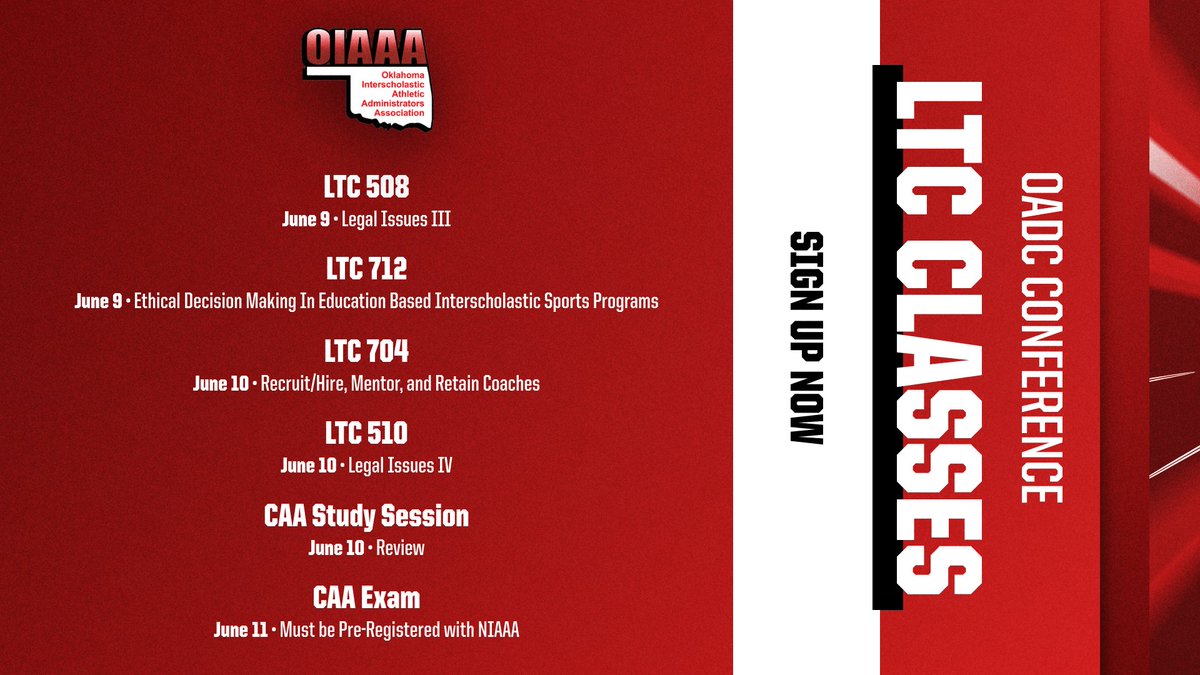
Do you want to grow more as an AD? Take advantage of the LTC Classes being offered at OADC this summer. Still time to sign up! #OKIEAD
1
6
450
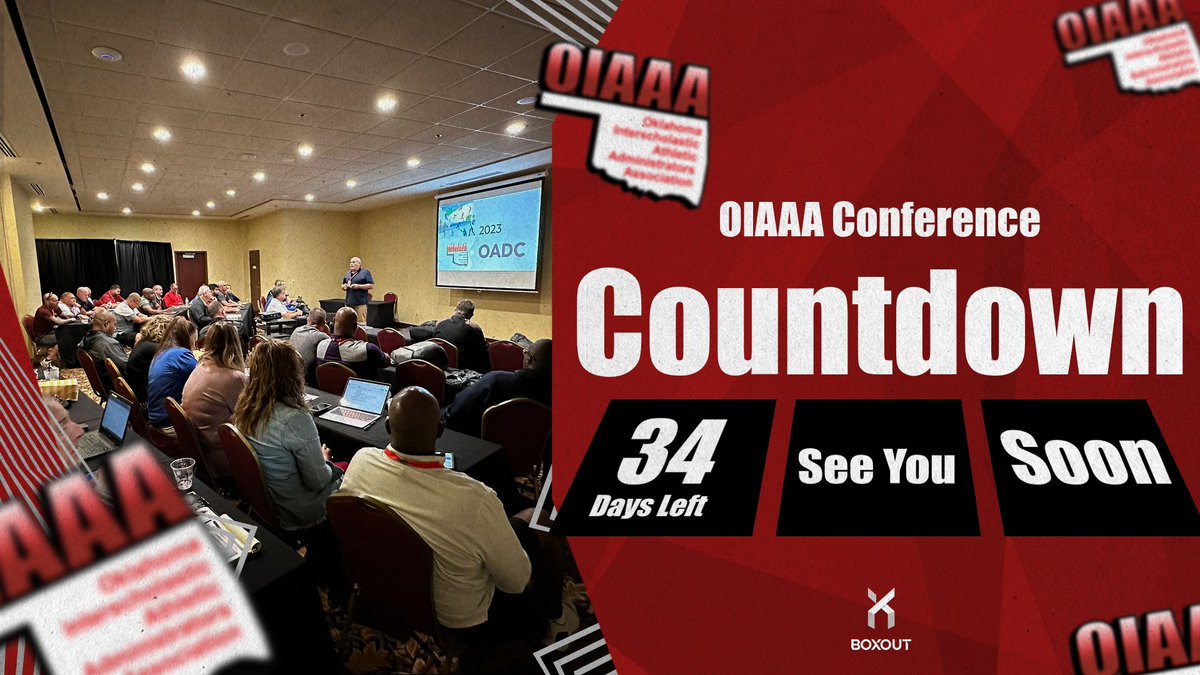
A little over a month before the OADC Conference begins!! Visit oklahomaad.org to register. It is going to be a great time of collaboration, learning and fellowship! #OKIEAD
4
382

May 6
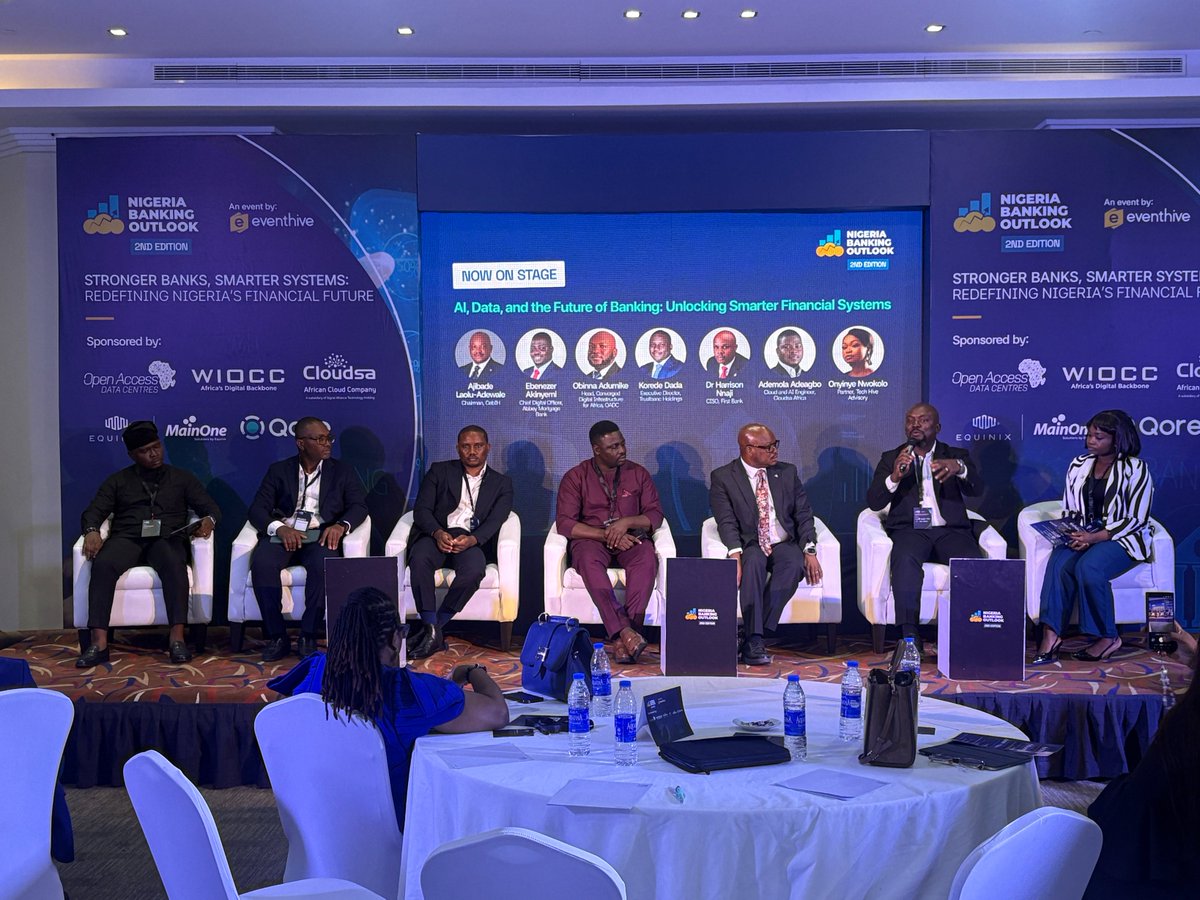
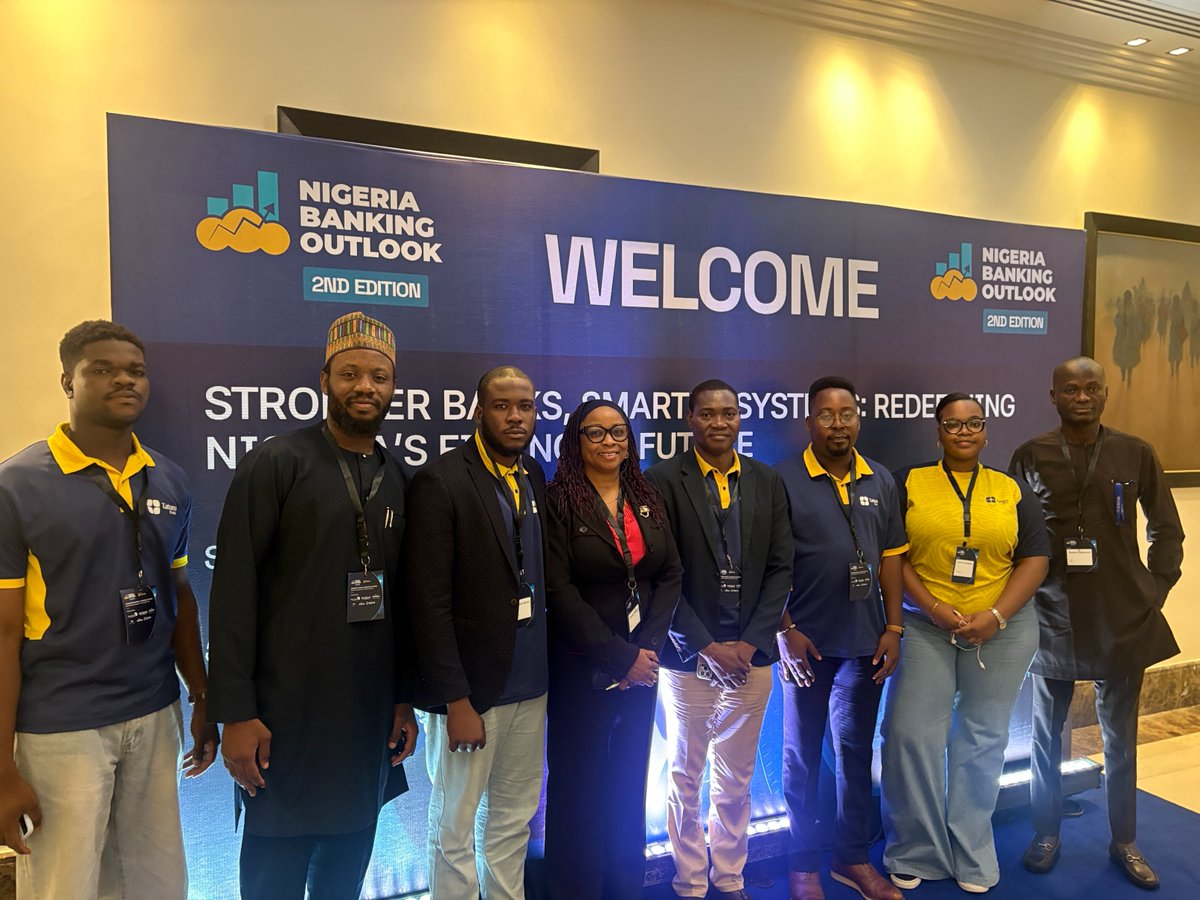
Last Week, in collaboration with OADC, we joined some of the brightest minds in the industry at the 2nd edition of Nigerian Banking Outlook to discuss the theme Stronger Banks, Smarter Systems: Redefining Nigerian's Financial Future.
From insightful conversations to bold ideas shaping the financial sector, it was a great reminder that the future of banking is not just being imagined, it’s already being built.
At Tatum Bank, we remain committed to driving innovation, creating better experiences, and staying part of the conversations that move the industry forward.
#TatumBank #NigeriaBankingOutlook #WeKeepYouSmiling💛
1
3
62

Apr 30
𝗨𝗻𝗶𝗖𝗹𝗼𝘂𝗱 𝗔𝗳𝗿𝗶𝗰𝗮, 𝗢𝗔𝗗𝗖 𝗲𝘅𝗽𝗮𝗻𝗱 𝗰𝗹𝗼𝘂𝗱, 𝗔𝗜 𝗶𝗻𝗳𝗿𝗮𝘀𝘁𝗿𝘂𝗰𝘁𝘂𝗿𝗲
𝗥𝗲𝗮𝗱 𝗠𝗼𝗿𝗲: punchng.com/unicloud-africa-…

537
Apr 24
OIAAA Awards voting is now LIVE!!! Check your email that has your OIAAA membership to vote so we can celebrate our colleagues at the OADC Conference.

1
2
218

Apr 24
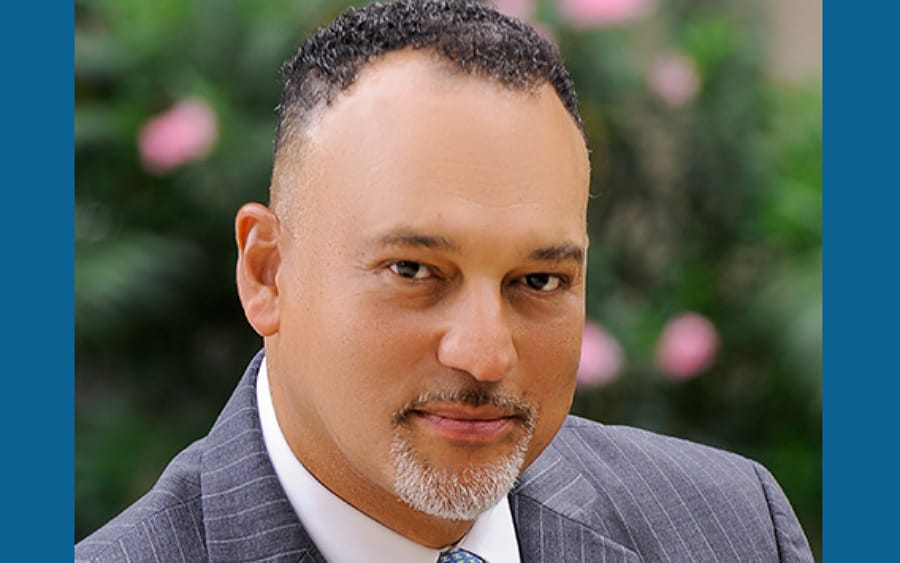
UniCloud Africa (UCA) and Open Access Data Centres (OADC) have entered a strategic partnership aimed at expanding locally hosted cloud and artificial intelligence infrastructure across key African markets, as demand rises for data sovereignty and in-country digital services.
nairametrics.com/2026/04/24/…
2
13
1,041

Apr 24
UniCloud, OADC partner to expand cloud infrastructure in Nigeria, others - fyi.ng/p/ef645023
233

Apr 20
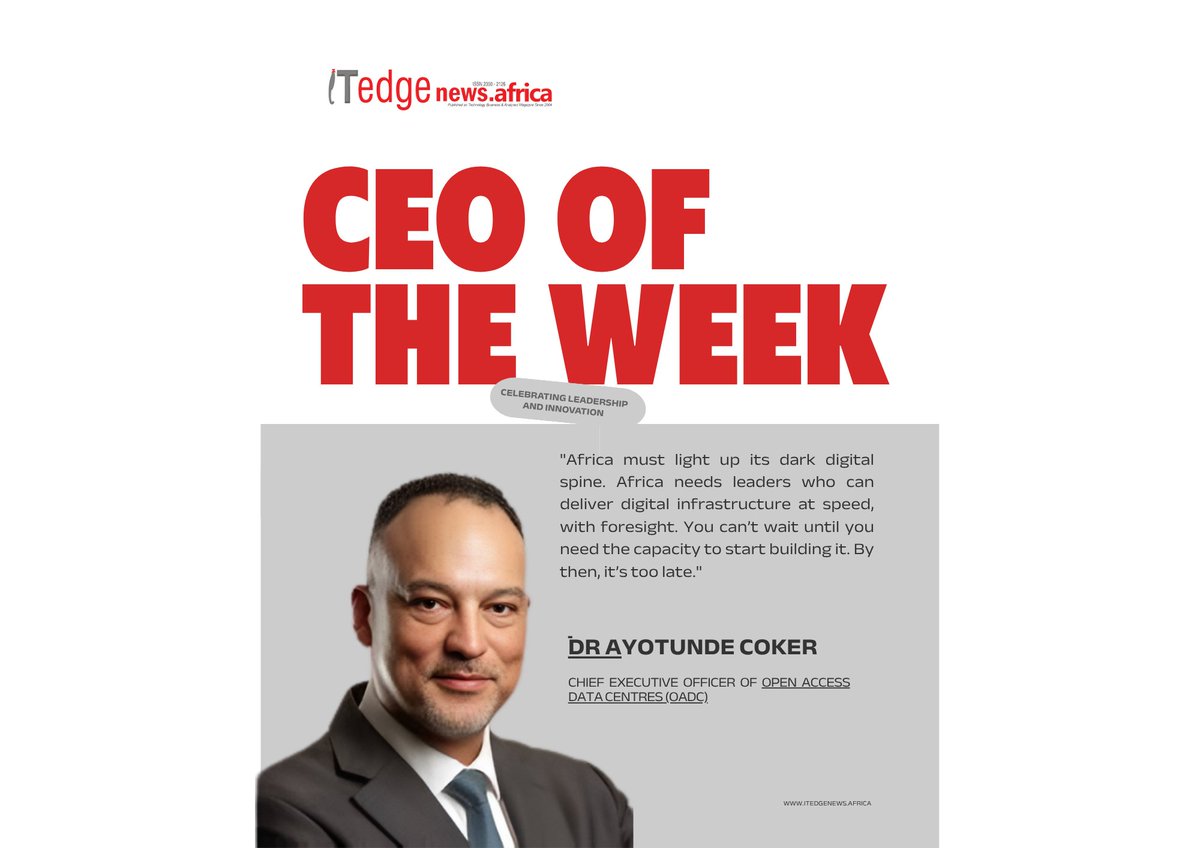
Leading the charge in Africa’s digital revolution. We are honored to name Dr Ayotunde Coker, CEO of Open Access Data Centres (OADC), as our CEO of the Week.
With over 35 years of global experience, Dr Coker is the architect behind "lighting up Africa's digital spine."
2
1
56