
Fox just dropped $25 billion to buy Roku - in reaction, Fox stock ($FOXA) fell about 18% because of the hefty price tag, setting $4 billion of Fox's market cap on fire.
What Fox gets. Tubi has 100M monthly active users. Roku has 100M streaming households. Stack those together and you get the fourth biggest streaming platform with a 5.2% market share, overtaking Amazon Prime (3.8%), and just shy of Disney (number 3 at 5.3% market share incl. Hulu and ESPN ). But it still is quite a bit smaller than the market leaders with YouTube at 13.2% and Netflix at 8.3%. (All numbers Nielsen Gauge, March 2026).
Fox also gets Roku's OS, AdTech, and first-party audience data.
What Roku gets. Roku gets saving. Walmart ate Vizio, Amazon has Fire TV, Google has Android TV. Roku's independence was becoming a liability. Now it has a deep-pocketed parent, content to anchor The Roku Channel, and live sports baked right in.
The catch. Fox is borrowing $12 billion - that's a lot of debt for a company betting on ad revenue. And Roku's platform neutrality - the reason every streaming app plays nice with it - is now an open question. Will Netflix and Disney keep distributing through a Fox-owned OS?
For buyers. CTV advertising just got more consolidated. Expect greater audience reach, higher prices, fewer third-party streamers on Roku and more bundled Fox/Roku packages.
For AdTech vendors. Business will likely be as usual. Roku largely relies on Amazon (DSP), The Trade Desk and Yahoo (DSP) for advertising distribution, and Tubi does with several DSPs as well. Roku does have the OneView DSP (from the DataXu acquisition), and could theoretically ramp it up more to save payouts to partners. But it has de-emphasized OneView in the past, and the companies have said they are committed to an "open, partner-friendly platform" - for whatever that's worth. Always remember, one's skin is closer to one than one's shirt.
Overall, a smart deal with real execution risk. Watch the debt, the antitrust review, and whether Netflix and Disney pulls their apps.

3
2
15
2,248



Jun 9
axldrone's indigenous universally compatible components and UAV systems like GNSS module, Carrier Board, PDBs, Batteries, axl OneView radio controllers, axl Peregrine and F400 Drones, axl 30 Drone Kit, and more are now available at UAVGarage.

7

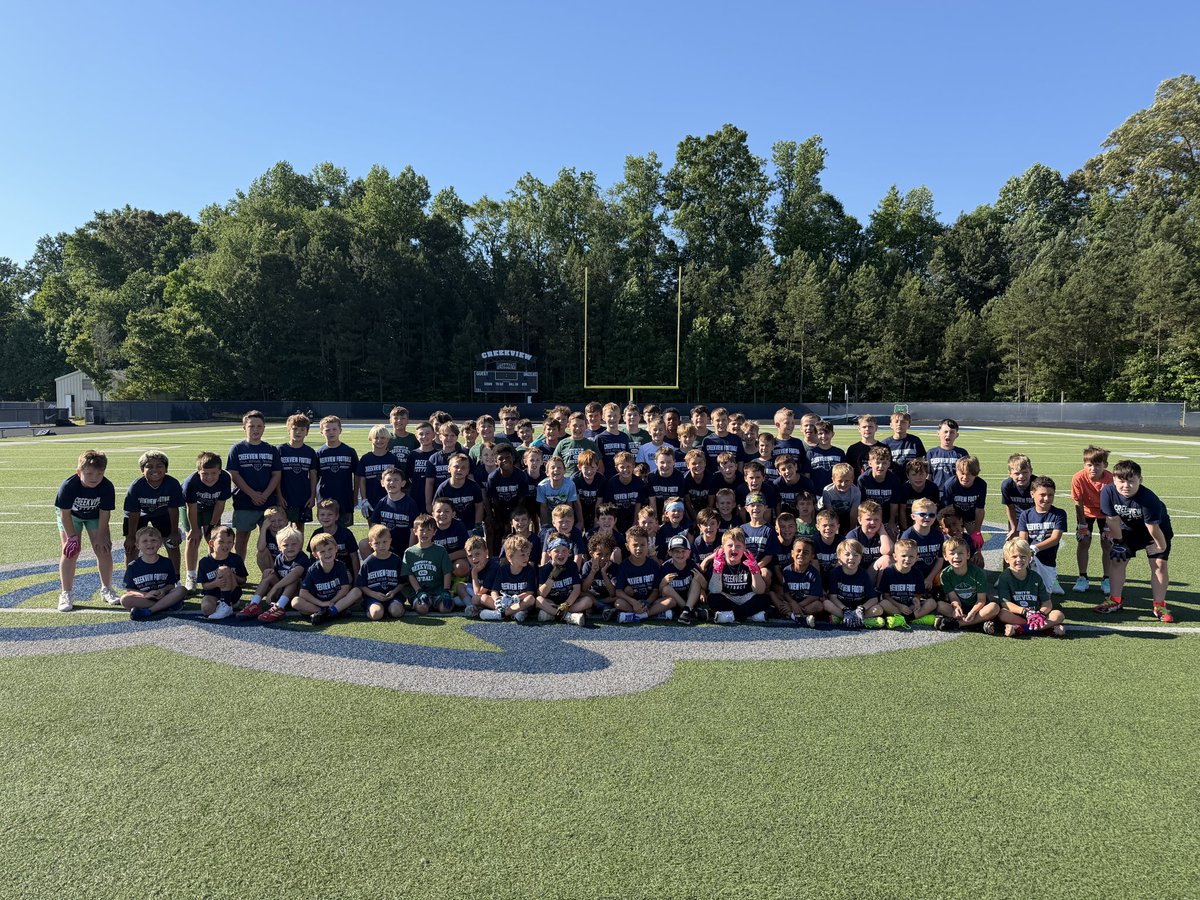
Over 100 youth Grizzlies in TheDen for camp! #OneView

Championship Wednesday at the View! 2026 Youth Camp has been AWESOME. We are already looking forward to 2027.
Big Shout Out to our Youth Program for
Showing up in a big way. Special
Things brewing for Creekview Youth Football! #OwensStoreMade
2
18
1,318

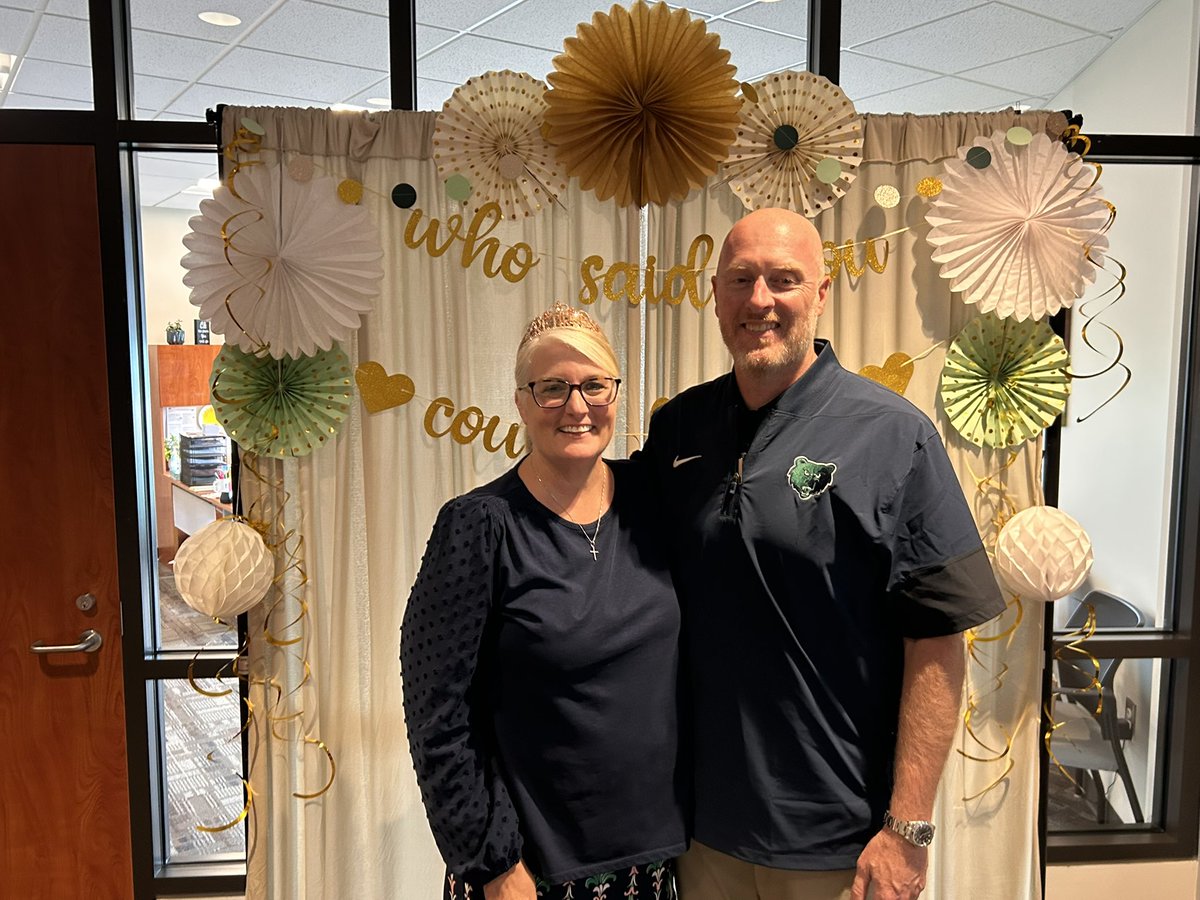
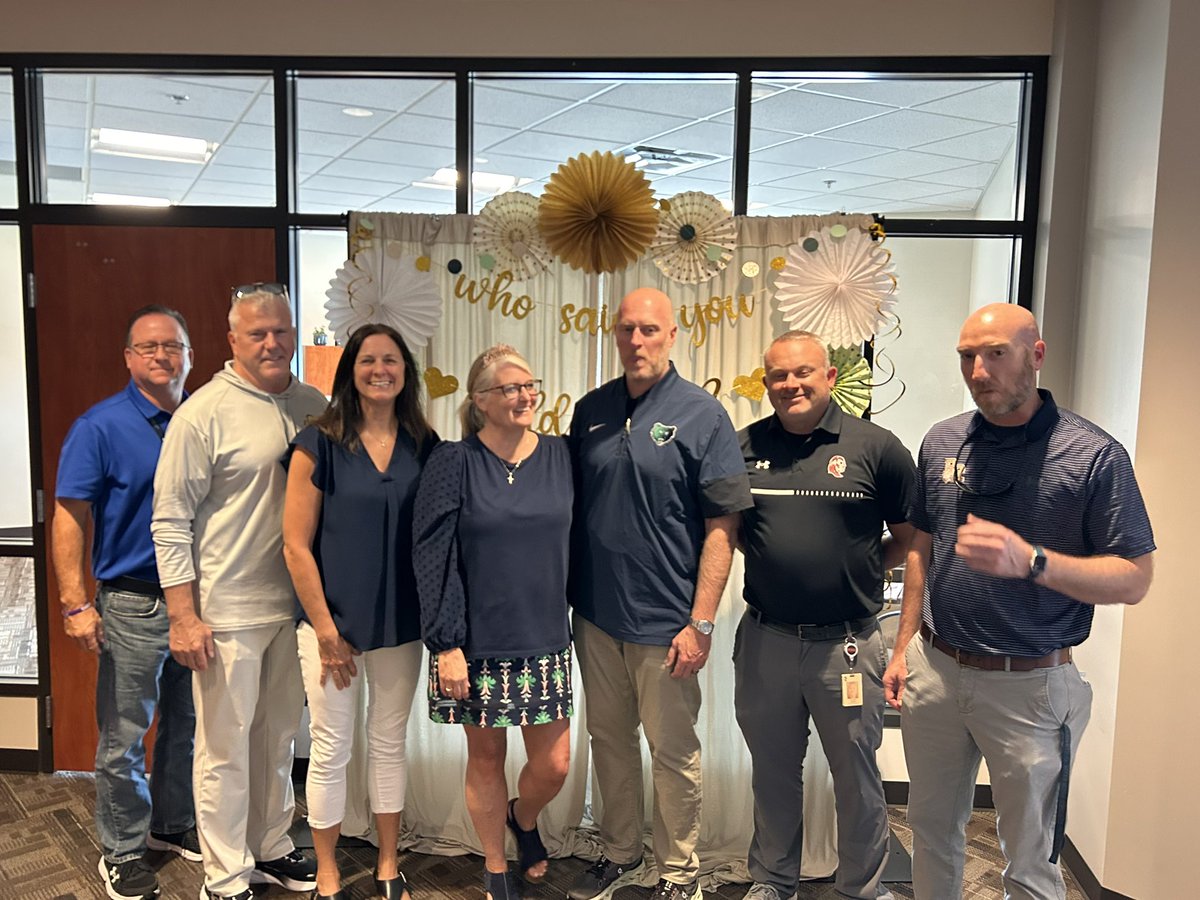
Congrats to our fearless leader on her retirement—-Tonya Sebring has served CCSD for 30 years. Thank you for your service. #ONEView
4
413

[Threatview.io] ⚡ Actionable cyber threat intelligence delivered through our community feeds and through our Oneview platform
#threatintel
2
2
1,547


'Years after UK Post Office scandal broke, Accenture and OneView Commerce bag contract to replace Horizon ... theregister.com/paas-and-iaa… @RITB_ @hawkins_carole @SusanChubb @paulapeters2 @RandolphTrent @vamroses @BadPutty
3
3
63

May 21
Years after UK Post Office scandal broke, Accenture and OneView Commerce bag contract to replace Horizon theregister.com/paas-and-iaa…
8
14
3,498
This community is lucky to have @CVHSGrizzlies running the department on a daily basis. #OneView

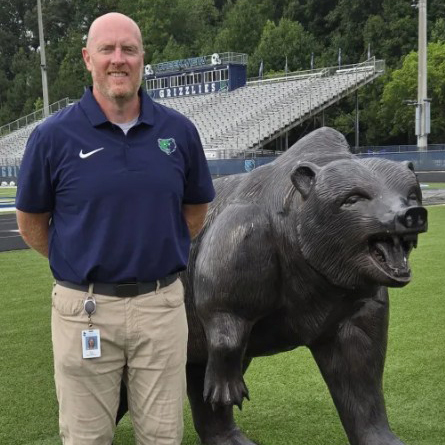
One of our athletic directors has been named best in the region! Congratulations to Creekview High School Assistant Principal and Athletic Director Matt Cates, the 2026 Region 6-5A Athletic Director of the Year! The honor is awarded to one leader per region and is voted on by peers to recognize excellence, professionalism, and sportsmanship. A 28-year educator and award-winning girls basketball coach, Mr. Cates is in his second year as Creekview’s athletic director. During his two years in the role, Creekview High School already has earned nine state championships and two state runner-up finishes! Our School Board is laser focused on ensuring our students are learning more, growing more, and achieving more in our classrooms than they could anywhere else. Learn more: cherokeek12.net/post-detail/… #CCSDElevateTheExcellence
11
3,248
Grizzlies back on the field for the Blue vs. Green game in the Den tonight! #ONEView
1
2
252

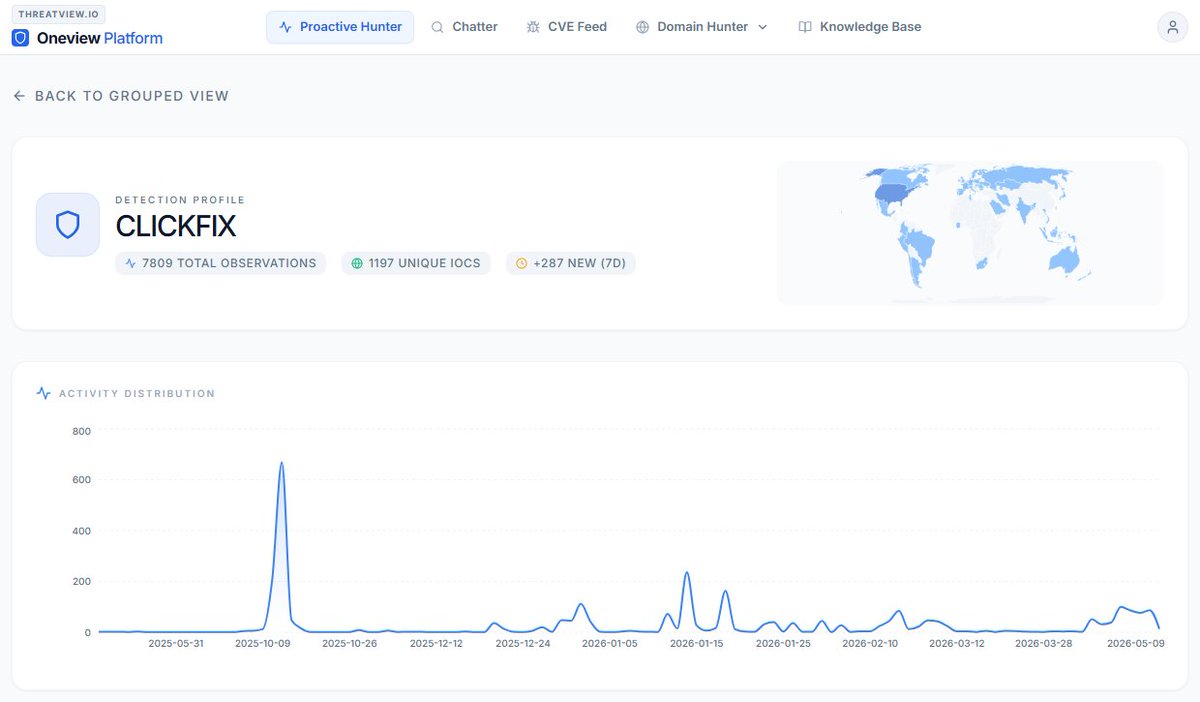
🔥🔥🔥 #Clickfix has always been a trouble with majority of the infrastructure hosted on the likes of Cloudflare or other high reputation hosting providers, make it difficult to block
Have a look at the Oneview Platform telemetry - drop us an email for trial access
#threatintel

[Threatview.io] 🌀Our proactive hunters have been tracking #clickfix and the threat seems to be growing with over 287 observed indicators in last 7 days !!
📨email us for trial access to Oneview TIP platform.
#threatintel
#dfir
#malware
ALT threatview.io Oneview Threat Intel Platform
2
2
183

[Threatview.io] 🌀Our proactive hunters have been tracking #clickfix and the threat seems to be growing with over 287 observed indicators in last 7 days !!
📨email us for trial access to Oneview TIP platform.
#threatintel
#dfir
#malware
ALT threatview.io Oneview Threat Intel Platform
1
4
429
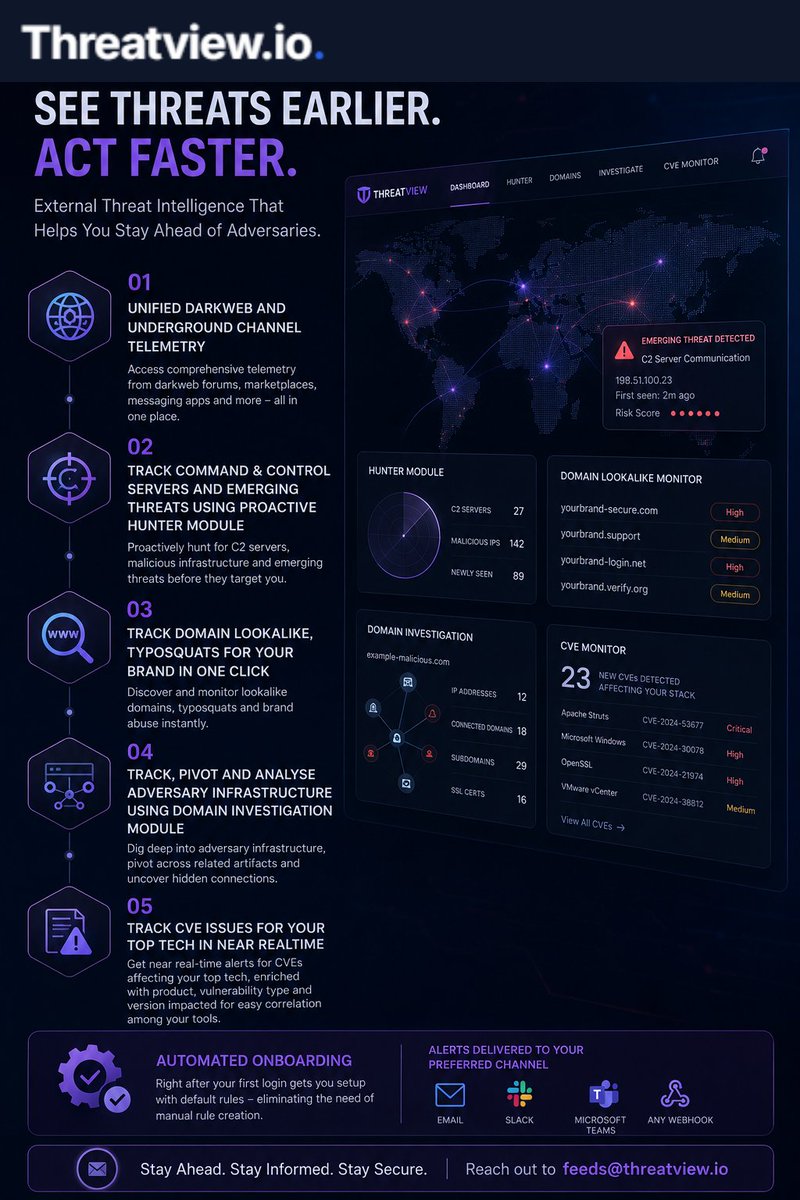
Cyber threats have are growing at an unprecedented rate - Organisations MUST augment their existing processes with threat intelligence to gain visibility of adversary actions, enhance situational awareness & detections
📨us for Oneview Platform access
#threatintel
#dfir
ALT Oneview Platform - Threatview.io
3
5
944
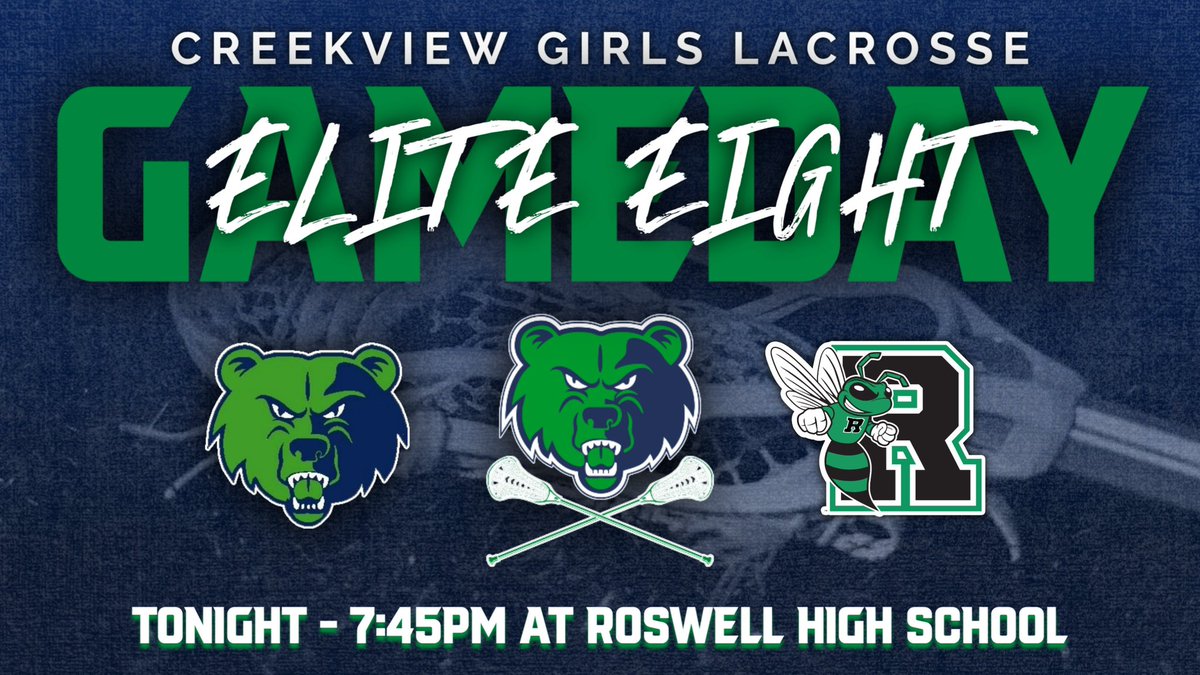
Lady Grizzly lacrosse falls in the Elite 8 to Roswell 4-9 Final. Great season Grizzlies. #ONEView
1
3
216
It’s GAMEDAY!! Lady Grizzlies lacrosse on the road for the Elite 8. Grizzly fans: Clear bag policy at Roswell tonight. Good luck Grizzlies! #ONEView
3
125