
Jun 12
/
ホスリク独占インタビュー📷
\
大阪ミナミ【TOP1ONE】桜咲 皐月
↓ インタビュー記事はこちら ↓
hosuriku.com/news/158
解体業からホストの世界へ。
「やるなら腹を括る」と決意し、
未経験でTOP1ONEに飛び込んだ桜咲皐月。
最初は“モブ”だったという彼が、
新人1位を掴み、自信を手に入れるまでには、
多くの葛藤とプレッシャーがあった。
母との別れ、仲間との出会い、
そして“本気”で向き合った日々。
ホスト歴1年とは思えない熱量で語られる、
“自分を変えた仕事”のリアルに迫る。
@TOP1ONE1220
#hosuriku #ホスリク #ホスト体入
#ホスト求人 #ホスト未経験
#大阪ミナミホスト #TOP1ONE #ONEGROUP

160

/
スターガイズ独占インタビュー📷
\
大阪ミナミ【TOP1ONE】桜咲 皐月
↓ インタビュー記事はこちら ↓
star-guys.jp/kansai/osakamin…
解体業からホストの世界へ。
「やるなら腹を括る」と決意し、
未経験でTOP1ONEに飛び込んだ桜咲皐月。
最初は“モブ”だったという彼が、
新人1位を掴み、自信を手に入れるまでには、
多くの葛藤とプレッシャーがあった。
母との別れ、仲間との出会い、
そして“本気”で向き合った日々。
ホスト歴1年とは思えない熱量で語られる、
“自分を変えた仕事”のリアルに迫る。
#starguys #スターガイズ #ホスト体入
#ホスト求人 #ホスト未経験
#大阪ミナミホスト #TOP1ONE #ONEGROUP

1
281

Jun 11
@onegroup.management -> Subscribe to our Investor Portal
Laat je e-mail achter en ontvang toegang tot onze investor portal met op maat updates over OneGroup.
linkedin.com/feed/update/urn…
3
Jun 10
@onegroup.management -> Subscribe to our Investor Portal
Laat je e-mail achter en ontvang toegang tot onze investor portal met op maat updates over OneGroup.
linkedin.com/feed/update/urn…
2
Jun 10
@onegroup.management -> Subscribe to our Investor Portal
Laat je e-mail achter en ontvang toegang tot onze investor portal met op maat updates over OneGroup.
linkedin.com/feed/update/urn…
3

A walk in Dubai with a stalwart of the real estate industry. 🌆
Spending time with my dear friend Sunil Jain, Owner of One Group, is always enriching. His entrepreneurial vision, leadership, and unwavering commitment to excellence have made him a respected name in the world of real estate.🧡
#DubaiDiaries #WalkWithStalwarts #SunilJain #OneGroup #RealEstateLeader #DubaiMoments
1
47
Jun 9
@onegroup.management -> Subscribe to our Investor Portal
Laat je e-mail achter en ontvang toegang tot onze investor portal met op maat updates over OneGroup.
linkedin.com/feed/update/urn…
1

【Instagramにて動画公開中🍕】
「夢がかなう星のピザ」づくり体験の様子を、Instagramリールにて公開しました。
「食べることは生きること」
ぜひInstagramでご覧ください。
instagram.com/p/DYrU4TkzNhR/
#ONEGROUP #怪物の恩返し #星のピザ

9
147

Everything Is Ok,Today OnceAgain Mr Udhayanithi Has Called For Eradication of SANATHANDHARMA. WHAT'S Ur Reaction2SuchInsinuations Against A ParticularReligion. Is He Right In OpenlySpeaking Against HinduCommunity To Eradicate OneGroup. Did U Openly Condemn Such Bi-PartisanCall
1
9
2,162





It's always that #onegroup of toxic Claire fans, who call ada manipulative and a villain and when you prove them wrong with facts from the games they turn and call her ugly, and then claim to be accused of racism ! Like seriously...
1
3
23

#Paghe da 8 € (6 € reali);#letti non per tutti; #turni di 12h e riposo,quando concesso,non retribuito;ricoveri per #ipotermia;addetti alla #security non formati.#Digos che sequestra i volantini di protesta.Tra i clienti di #OneGroup,il ministero del #Lavoro. #MilanoCortina

6
180
310
5,947

10 Dec 2025
📈 Deutsche Börse muscle sa feuille de route jusqu’en 2028 (DB1) 🇩🇪
Le groupe boursier allemand dévoile une stratégie de croissance ambitieuse, et surtout très cadrée, pour accélérer ses revenus tout en maîtrisant strictement ses coûts.
🚀 Objectifs financiers clés
• 7,2 Md€ de chiffre d’affaires net en 2028, soit un CAGR de 5 %.
• 6,5 Md€ hors résultats de trésorerie, avec une dynamique plus forte ( 8 %/an).
• Ebitda visé : 3,7 Md€ en 2028 ( 12 %/an).
• À périmètre complet, l’Ebitda pourrait atteindre 4,4 Md€.
🧩 Discipline coûts effet de levier opérationnel
Le groupe veut limiter la progression de ses coûts à 3 %/an : un verrou stratégique qui permet une croissance du bénéfice plus rapide que celle du chiffre d’affaires.
C’est le cœur de la stratégie « Leading the Transformation ».
🔍 Une trajectoire déjà bien engagée
Pour 2025 :
• Revenus hors trésorerie attendus autour de 5,2 Md€ ( 9 %).
• Ebitda autour de 2,7 Md€ ( 15 %).
• Résultat de trésorerie > 800 M€.
🤝 M&A toujours ouvert, mais discipliné
La priorité reste la croissance organique portée par des tendances structurelles (digitalisation des marchés, montée des actifs alternatifs et digitaux).
Mais le groupe continuera d’étudier les acquisitions quand elles renforcent le modèle, comme les discussions exclusives en cours avec Allfunds.
💰 Nouvelle politique de distribution
• Dividendes entre 30 et 40 % du résultat.
• Rachats d’actions réguliers : un programme de 500 M€ prévu en 2026, après une année 2025 déjà record à 500 M€.
Objectif : soutenir durablement le cours et lisser la création de valeur.
🏦 Positionnement stratégique
Deutsche Börse renforce :
• son modèle OneGroup,
• son exposition aux actifs numériques et alternatifs,
• son rôle dans la transformation des marchés de capitaux européens.
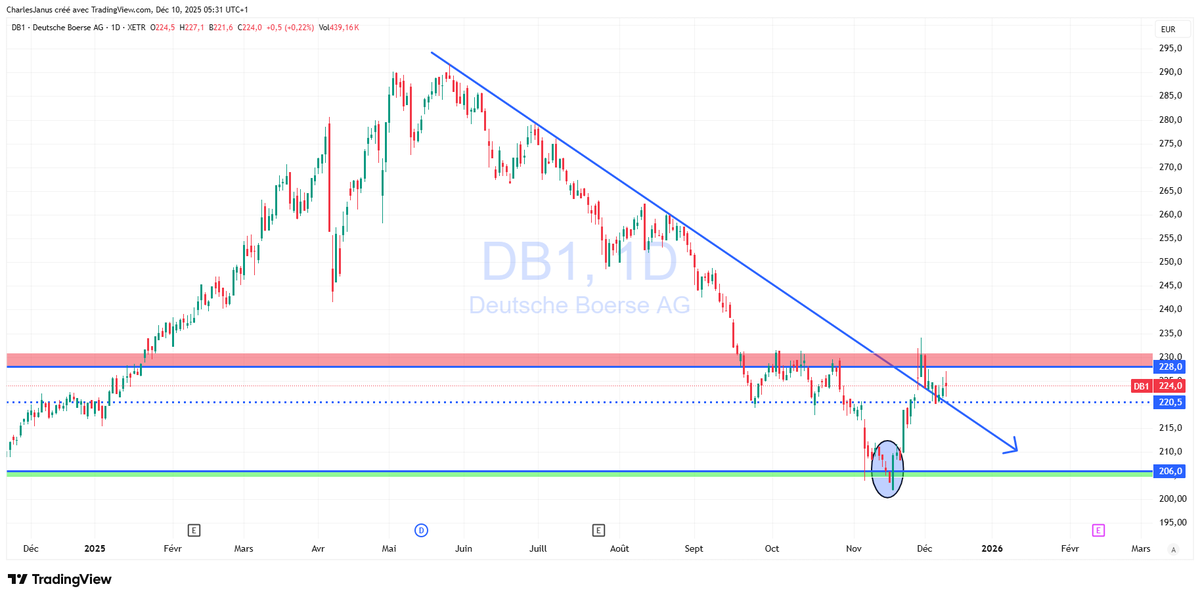
1
14
1,421

16 Oct 2025
onegroup had to write a skit where its.three sets of parents providing guidance after you.get introuble for underage drinking. theres three sets bc your dad keeps marrying people. andthen each of the parent sets has.each of those philosophies
2
21

15 Aug 2025
I feel like people are literally beginning to shit on relationships and marriage because social media champions division and broken homes and there’s #OneGroup that is pushing that line harder than anyone and #TheirCounterparts are suffering
1
2
691


3 Apr 2025

3
12
1,403

Today I have spoken in the Parliment on “The Protection of Interests in Aircraft Objects Bill, 2025”.
***************************************Thank you, Madam vice chairman.
The Protection of Interests in Aircraft Objects Bill, 2025 aims to ratify the Convention on International Interest in Mobile Equipment, 2001, commonly known as the Cape Town Convention, along with its protocol.
This critical international treaty establishes a standardized legal framework for transactions involving movable aviation assets—aircraft, engines, and helicopters—while providing essential legal protections for creditors, lessors, and financiers.
Yet, despite signing the Cape Town Convention in 2008, India failed to ratify it for nearly two decades, rendering its provisions legally ineffective all this time. The convention sat in limbo, ignored and unenforced, while other nations moved ahead.
The bill has finally been introduced, but not before India faced a downgrade in its Cape Town Convention compliance rating by the Aviation Working Group (AWG)—a downgrade that has had real financial consequences for Indian airlines. Higher leasing costs, diminished investor confidence, and unnecessary economic strain—all because of delayed action.
Global lessors and financiers closely track AWG ratings, particularly for a market as massive as India—the world’s third-largest domestic aviation sector.
Yet, despite this stature, India lags behind Pakistan in compliance. Pakistan, with a passenger market of just 7.6 million, holds a higher AWG rating than India, which has a staggering 327 million passengers in the same period. The reason is India’s failure to act in time.
And let’s be clear—this delay wasn’t due to ignorance.
In 2018, the Ministry of Civil Aviation (MoCA) proposed ratifying the Cape Town Convention. Nothing happened. In 2022, another attempt was made with the Protection and Enforcement of Interests in Aircraft Objects Bill. Again, nothing happened. Now, in 2025, after years of delay, the bill has finally reached the Rajya Sabha.
Yes, the bill is a step forward, but India’s aviation sector deserves better, faster, and more decisive governance—not policies that come into effect only after the damage is done!
INFRASTRUCTURAL ISSUES
Sir, I would like to point out now that the aviation sector of the country is facing many challenges and is in poor state, needs immediate attention.
Firstly, the infrastructure at many airports across India remains inadequate, with notable deficiencies even in key airports.
Take Chennai International Airport, one of the top 50 airports in Asia, handling over 18 million passengers annually—yet, what do we see? Chennai Airport is now lagging behind compared to other international airports. The glass panels falls down. The construction is being done years to gether in snail space hampering free movement. A critical shortage of aerobridges, forcing international flights to operate under subpar conditions. Only four aerobridges for countless international flights! This blatant lack of infrastructure has forced airlines to withdraw operations, cutting off vital connectivity, hurting businesses, and inconveniencing passengers.
And if that wasn’t enough, the Directorate General of Civil Aviation (DGCA) has made matters worse by shifting Points of Call (PoC) to Hyderabad and Bangalore, sidelining Chennai. Demand from Chennai to Vietnam in 2024 stands at 32,000, while Hyderabad has only 21,000, yet flights are being pushed to Hyderabad! Why?
Private interests, not public needs, are dictating aviation policy.
Privatization was promised as a path to progress. Instead, we are witnessing monopolization in favour of oneGroup(Advani) which controls eight major airports, handling 25% of passenger traffic and one-third of all air cargo. One corporate giant wields unchecked power over critical national assets! Where are the safeguards? Where is the fair competition and growth of others.?
1/2
5
33
76
2,697

18 Feb 2025
I'm in gen z and I hate nostalgia it makes me feel despair. We don't live in that world anymore. I was born in 98 and growing up we didn't have great computers and social media wasn't a thing till middle school. We aren't all onegroup with all the same experiences and standards.
2
3
984

24 Nov 2024
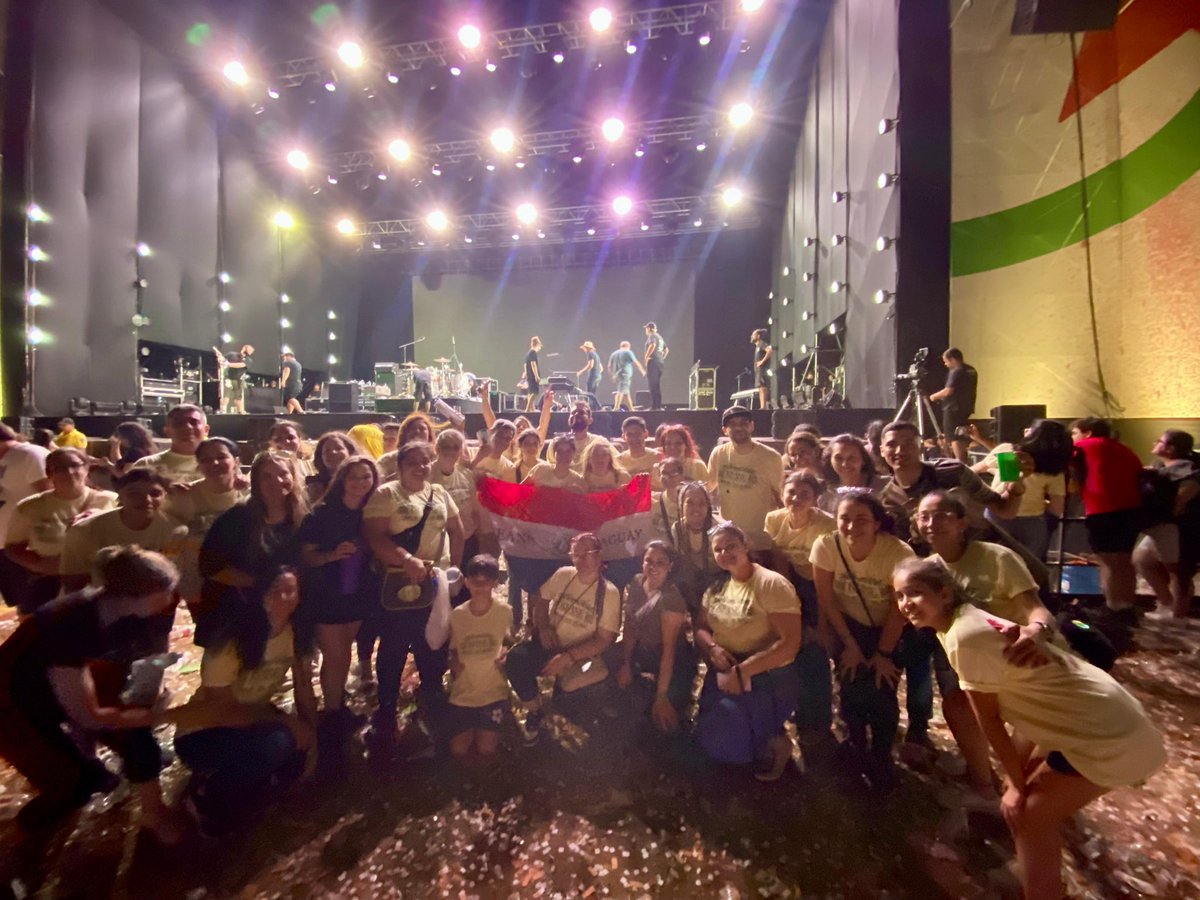
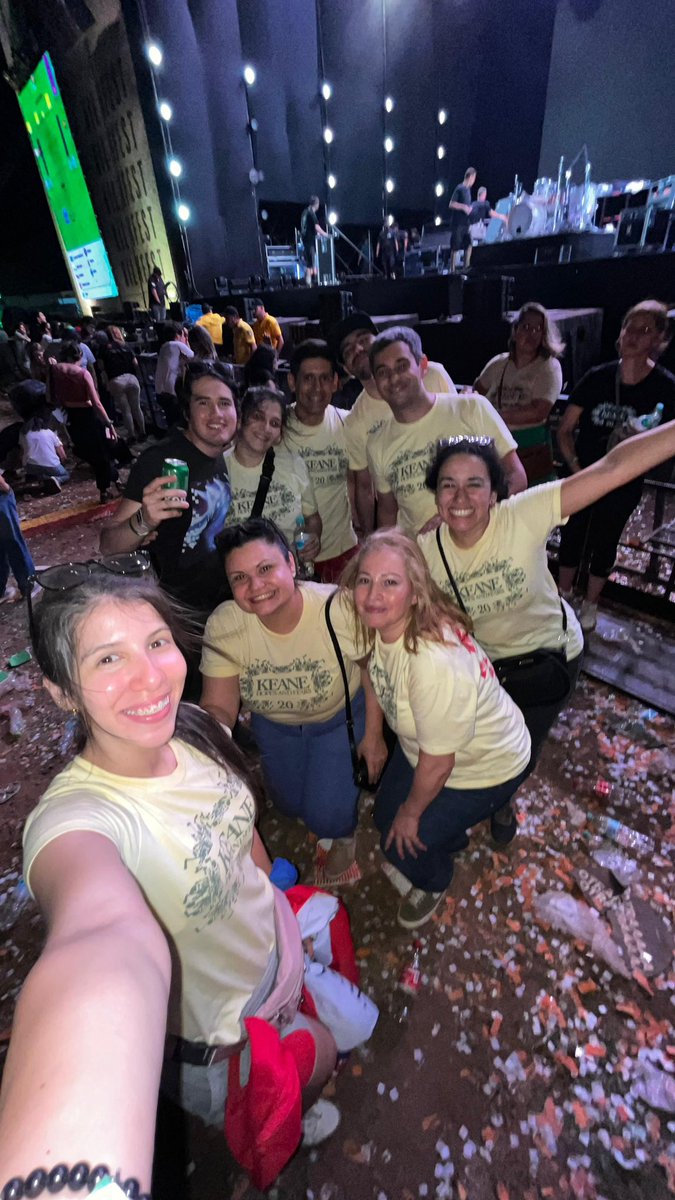
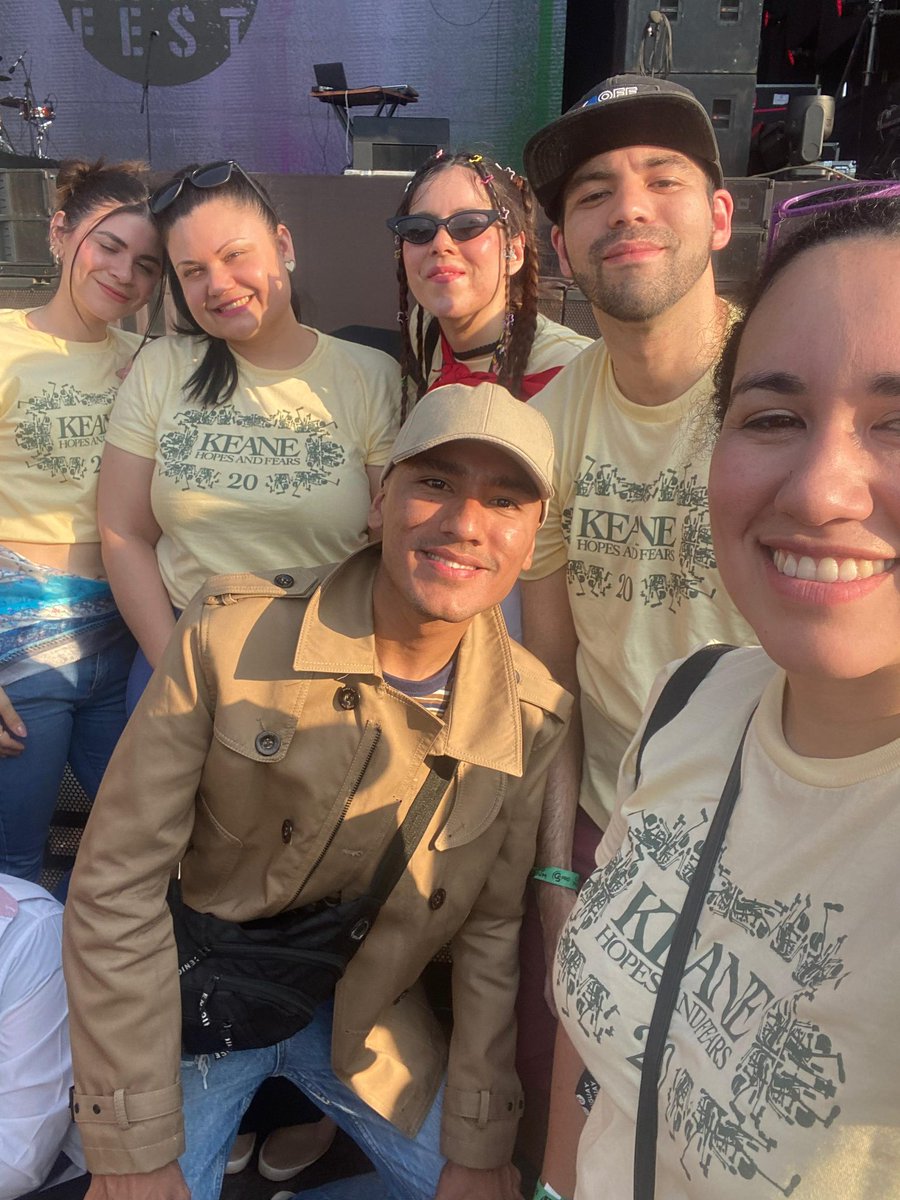
Y por sobre todo gracias a los fans que han puesto su granito de arena con aportes, ideas y predisposición para cada actividad realizada. Gracias por confiar en el fan club y en nosotras que estamos detrás de esta hermosa locura 🥹🫶

2
9
384