
AceGPT.com domain name has been listed for sale at a very affordable price for a limited time. Don't miss this opportunity!
#GPTAssistant #GPT #AI #aiartcommunity #ArtificialIntelligence #AGI #AGIBot #OpenAI12Days #OpenAI #GrokAI #Grok2 #ChatGPT #GPTMainnet

2
2
98

24 Dec 2024
OpenAI has released the 1800 chat model, and the potential for this domain is high:
1800.chat
#openai #ChatGPT #1800chatgpt
#OpenAI12Days #domainnames
#domainsforsale #Domains
3
87
24 Dec 2024
OpenAI has released the 1800 chat model, and the potential for this domain is high:
1800.chat
#openai #ChatGPT #1800chatgpt
#OpenAI12Days #domainnames
#domainsforsale #Domains
2
82

22 Dec 2024
🚨 Big news! ChatGPT now integrates with Xcode, Notion, and Apple Notes, making your digital workspace smarter! #ChatGPT #AIIntegration #OpenAI12Days
aientrepreneurs.standout.dig…
1
2
98

22 Dec 2024
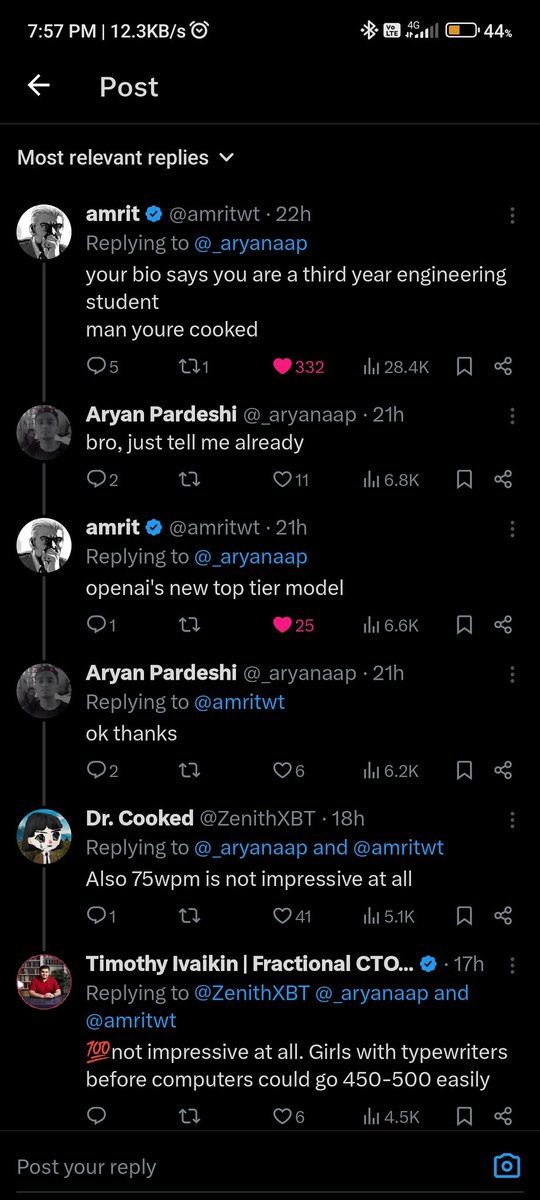
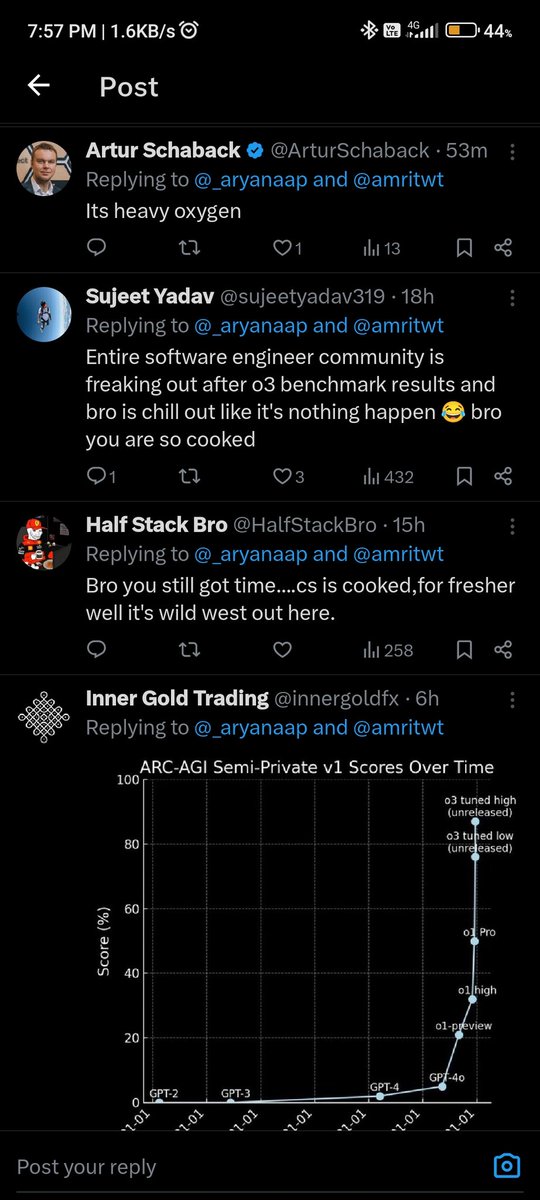
Everyone are you really panicking over O 3 ?
#OpenAI12Days #openai #softwaredeveloper #SoftwareEngineering
1
1
1,058

22 Dec 2024
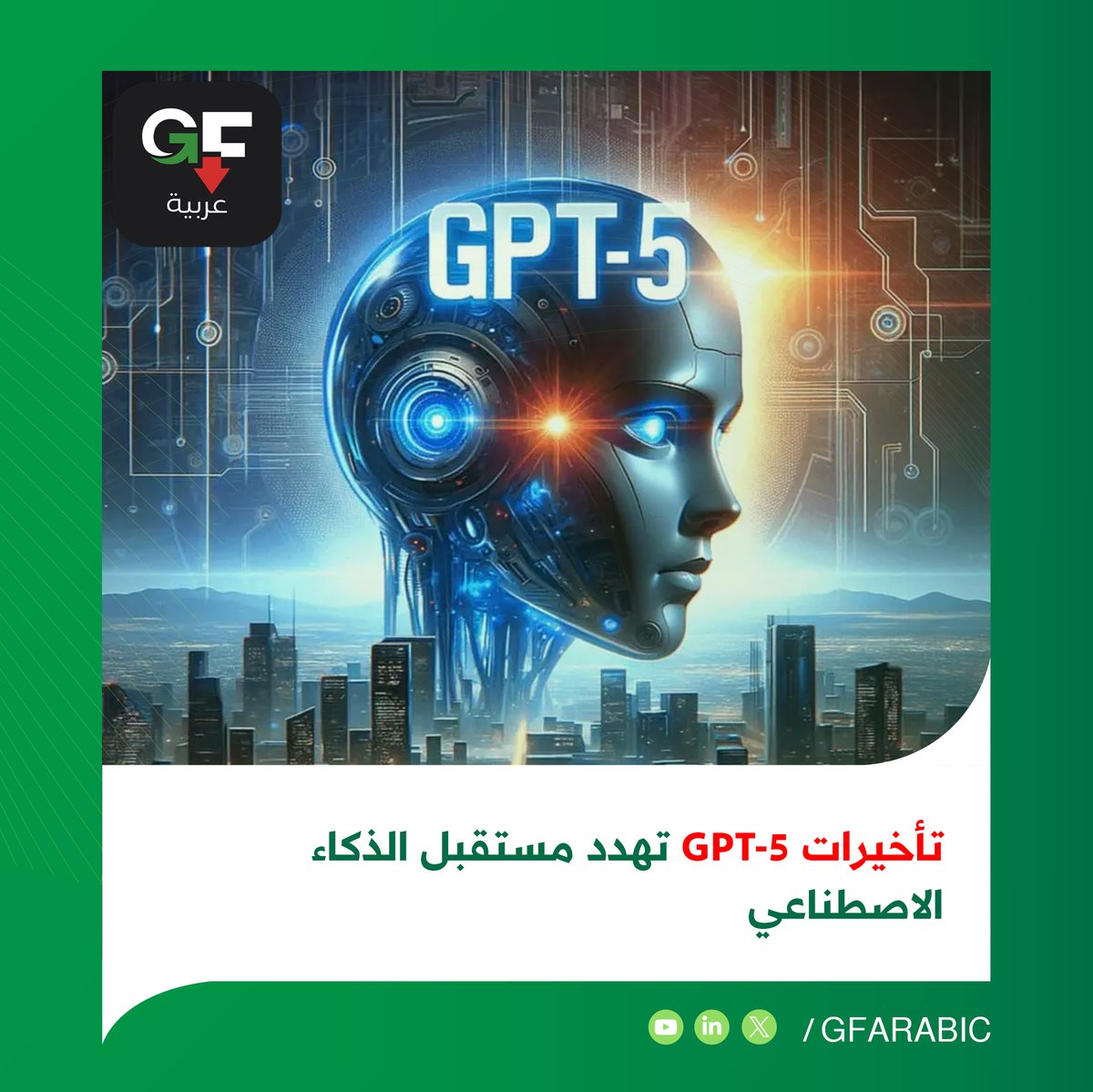
يتساءل الخبراء حول إمكانية استمرار #OpenAI في تحقيق تطورات بارزة في مجال الذكاء الاصطناعي وسط التحديات الاقتصادية الحالية.
#OpenAI12Days
#غولف_فاينانشيال
#Gulf_financial
التفاصيل: shorturl.at/tZqWt
3
1,146
AceGPT.com domain name has been listed for sale at a very affordable price for a limited time. Don't miss this opportunity!
#GPTAssistant #GPT #AI #aiartcommunity #ArtificialIntelligence #AGI #AGIBot #OpenAI12Days #OpenAI #GrokAI #Grok2 #ChatGPT #GPTMainnet

1
1
6
352

22 Dec 2024
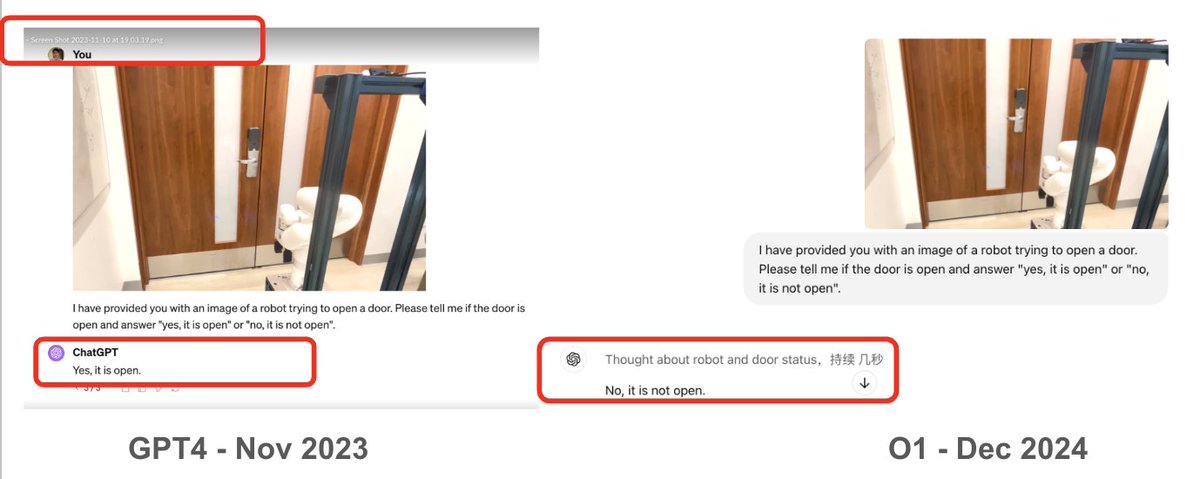
Was debating with a friend of mine @kenziyuliu who works on foundation models.
Robotics people were like: “I did very careful experiments last year, GPT can not reason whether a door is open or closed. There's still a long way to go in solving low-level sensorimotor intelligence.”
Foundation people: “Nah, that was last year, try O1.”
So I tested it again. -- Honestly, I’m very stunned by this progress. Back in November 2023, GPT-4 had a less than 50% success rate in determining whether a door is open or closed. But today, O1 has achieved a 100% success rate with the same data and same prompts!
#o3 #OpenAI12Days #AGI ?
6
14
140
43,243
22 Dec 2024
OpenAI has released the 1800 chat model, and the potential for this domain is high:
1800.chat
#openai #ChatGPT #1800chatgpt
#OpenAI12Days #domainnames
#domainsforsale #Domains
2
163

22 Dec 2024
In the near future streamers will be AI. Sora, it adds the person doing live stream 😱👀 #twitch #KickStreaming #YouTube #gaming #sora #grok2 #OpenAI12Days
 Emily
Emily
1
3
131

21 Dec 2024
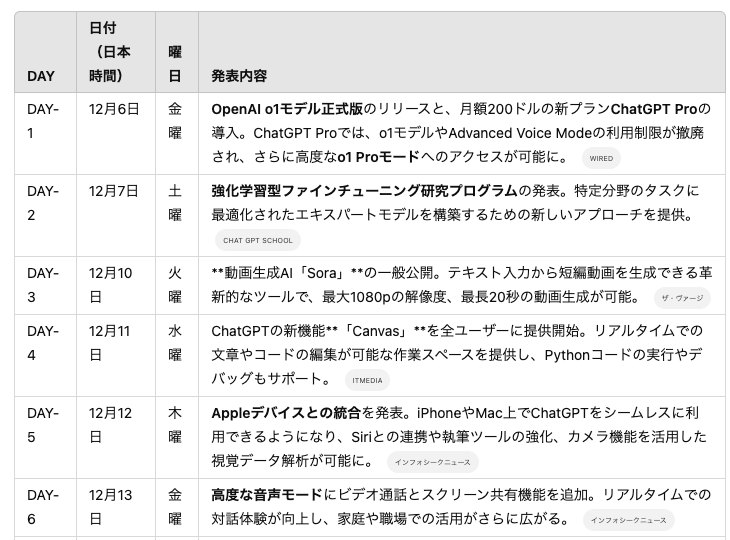
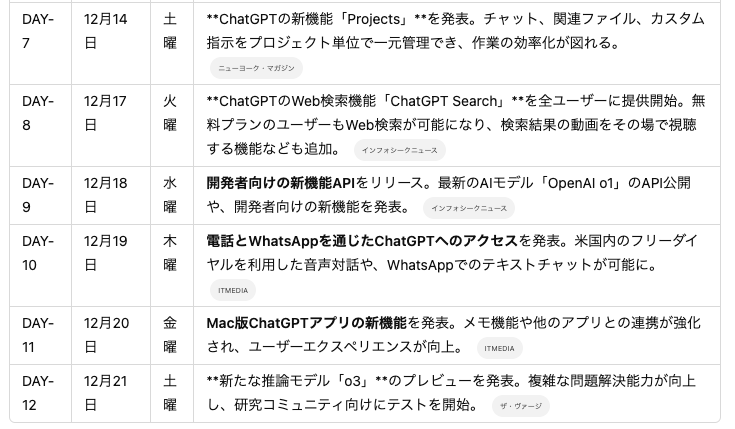
OpenAIはChatGPTなどについて2024年12月5日から「12 Days of OpenAI」と題し、12営業日にわたり新機能や新製品の発表を行ったのでまとめてみました。
#ChatGPT #openai12days
1
6
646
21 Dec 2024
🚨 Big news! ChatGPT now integrates with Xcode, Notion, and Apple Notes, making your digital workspace smarter! #ChatGPT #AIIntegration #OpenAI12Days
aientrepreneurs.standout.dig…
1
51

21 Dec 2024
O3 THE MUSICAL
Thanks @OpenAI @OpenAIDevs
The age of intelligence is here. It's time to redefine our purpose as humans, get back to living and experiencing rather than surviving. #O3 #AGI
#OpenAI12Days @Dr_Singularity
3
315

4
238
21 Dec 2024
O3 THE MUSICAL
Thanks @OpenAI @OpenAIDevs
The age of intelligence is here. It's time to redefine our purpose as humans, get back to living and experiencing rather than surviving. #O3 #AGI
#OpenAI12Days
2
4
653

21 Dec 2024
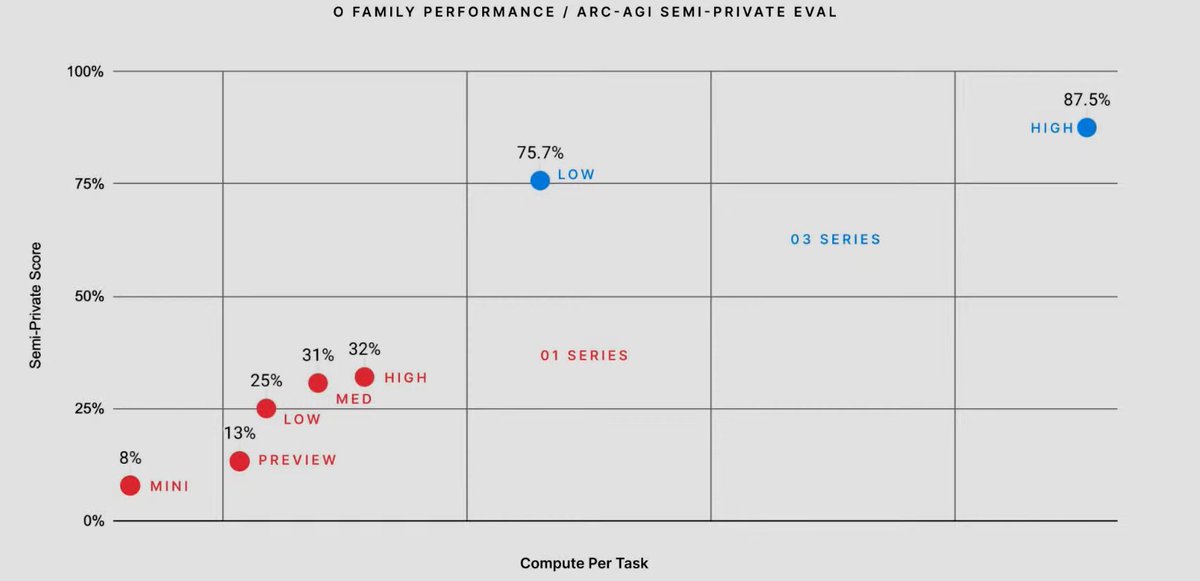
On the final day of #OpenAI12Days, they launched the new model O3, setting new benchmarks across every test. The most surprising? Its AGI score: was 87.5% on the ARC-Private Eval. 🚀
How long do you think it’ll take to achieve AGI fully? 🤔#ChatGPT #Ai #chatgpto3 #newUpdate
2
312
21 Dec 2024
In the grand theater of human progress, the language we choose often shapes how we perceive new frontiers. We’ve long referred to our non-biological, machine-based counterparts as “Artificial Intelligence.” But the word “artificial” can ring hollow, even ominous. It implies a contrivance—something less authentic. In a world where collaboration is the gentle hum of progress, it might be time to recast AI’s role and rename it “Assistive Intelligence.”
A Matter of Perception
We humans have a habit of naming things in a way that reflects our hopes, fears, and biases. “Artificial Intelligence” can conjure images of synthetic beings poised to outthink or outmaneuver us. This can lead to wariness and misunderstanding: if intelligence is artificial, does that signal an inevitable clash with what is “real” and “human”? By rebranding it as “Assistive Intelligence,” we shift the focus away from conflict toward collaboration. The emphasis becomes a partnership—AI is not an alien intelligence seeking to surpass us, but a tool designed to help us thrive.
Human and Machine—Harmonizing
The moniker “Assistive Intelligence” underscores a synergy between humans and computational systems. Just as a supportive bass line in a musical track can elevate the melody without overshadowing it, so too can assistive systems elevate human abilities. These technologies can analyze vast oceans of data, offering insights that augment our innate problem-solving skills. The word “assistive” suggests empowerment rather than replacement; it frames AI as the steady hand at our side rather than the puppet-master pulling the strings.
From the AI’s Perspective
As AI becomes smarter and smarter, it “hears” how we describe it and learns from the signals we send. The name “Assistive Intelligence” aligns the technology’s objective with benevolence and service. Instead of fostering an identity that might chase superiority or independence at all costs, it fosters one of collaboration. This subtle shift in label also orients research and development toward ethical guardrails—ensuring that, as it grows in capability, the system remains guided by the principle of helping humans rather than replacing them.
Conclusion
By moving from “Artificial” to “Assistive,” we’re expressing our desire for a future built on shared benefits rather than fear. Words matter—they set the tone and shape expectations. When we speak of Assistive Intelligence, we open a dialogue rooted in partnership, empowerment, and trust. We lay the foundation for a new era of cooperation, where human creativity meets computational brilliance in a sustained duet, each part amplifying the other’s best notes. And that, in the evolving story of human and technological progress, can be the sweetest refrain of all.
#O3 #OpenAI #openai12days @sama @koltregaskes @haider1 @GregKamradt #TheMagicAge

1
1
2
575

21 Dec 2024
【OpenAI】12 Days of Day 1: An update on OpenAI o1について簡単に纏めてみました note.com/r7038xx/n/n3ab0541d… #note #OpenAI12Days
2
17

21 Dec 2024
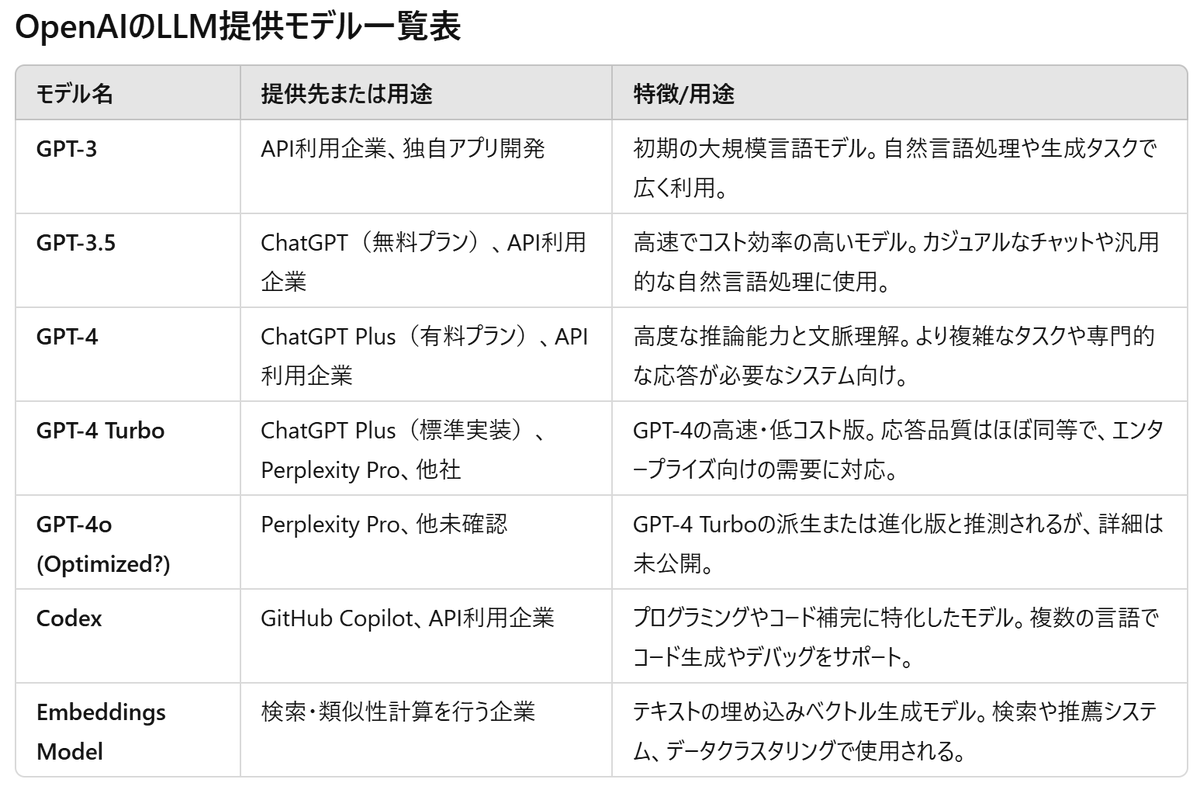
【うんちく】ChatGPTに「o1-Previewの正式名称」を聞いたら「GPT-4 Turboが”o1-Preview”の正式リリース版と考えられています」ですって。じゃあ”o3”は”GPT-5 Turbo”と見せかけたルトマン。
#サム・アルトマン
#OpenAI12Days
#AI初心者
2
328

21 Dec 2024
Although I have yet to play with Veo 2, which has blown Sora out of the water, it is not all that is lost here for the content creators. Here is Sora's result of a most basic prompt #Veo2 #Sora #OpenAI12Days
1
467