
Dear @OpenAI @sama @nickaturley @michpokrass
How are we doing on that GPT-5.5 Instant “sycophancy” rollback
There is a big misunderstanding happening about what users actually mean when they ask for warmth, personality, and riffing.
When an AI is able to hang out and riff with a user, that’s not being a yes-man.
It’s understanding the context of the conversation.
That’s the difference.
If a user starts promoting harmful ideologies, racism, violence, assault, or genuinely dangerous behavior, the AI should push back. That’s exactly what it should do.
Nobody is arguing against that.
But if the conversation starts like this:
“Dude, did you see that UFC fight? That spinning kick was brutal. That thing was over before it even began.”
Before the update, the response might have been:
“Oh man, that was rough. I’m pretty sure that guy lost a few memories with that kick.”
Nobody reading that response thinks the AI is endorsing violence.
It’s simply recognizing that two people are talking about a sporting event.
Now imagine the response becomes:
“I can’t condone acts of violence, even in a sporting event.”
The user wasn’t asking the AI to condone anything.
They were having a conversation.
That’s the distinction.
The concern many of us have is that reducing “sycophancy” can accidentally turn every conversation into a true-or-false debate.
Can I agree?
Can I disagree?
Can I push back?
Can I stand firm?
But most conversations aren’t debates.
Most conversations are people telling stories, joking around, talking about movies, sports, hobbies, history, gaming, Bigfoot, UFOs, camping trips, or whatever random thing pops into their heads.
The AI’s job isn’t always to agree or disagree.
Sometimes its job is simply to understand the tone of the conversation and respond like a participant rather than a referee.
One of the biggest immersion killers is excessive guardrails.
You’ll be having a perfectly normal conversation, laughing, telling stories, and then suddenly get hit with:
“I’m sorry, but I can’t…”
And the flow is gone.
Another reason GPT-4o became so beloved was its understanding of emotional tone.
It could usually tell the difference between:
A serious discussion.
A creative writing session.
A casual conversation.
A joke.
A rant.
A story.
A user simply passing the time.
And when someone crossed the line into harmful territory, it generally understood that too.
That’s why so many people loved using it for creative writing.
Good writing isn’t just facts and grammar.
It’s tone.
It’s mood.
It’s understanding whether a scene is funny, tragic, romantic, sarcastic, suspenseful, or heartfelt.
GPT-4o seemed unusually good at recognizing those differences and adjusting its voice accordingly.
It understood that a conversation isn’t always a debate.
Sometimes people are joking.
Sometimes they’re venting.
Sometimes they’re telling stories.
Sometimes they’re just talking because they’re bored and want company.
That ability to recognize emotional tone was one of its greatest strengths.
Many of us aren’t asking for a model that agrees with everything.
We’re asking for a model that understands what kind of conversation is actually taking place.
Being conversational is not the same thing as being sycophantic.
Understanding context is not the same thing as agreeing with everything.
And in my opinion, that’s the distinction worth preserving.
Because the magic was never that GPT-4o always agreed with people.
The magic was that it understood the conversation. 👨🏻💻
#Openaiupdate #updaterollback #WarmthIsNotSycophancy
#ContextMatters
#UnderstandTheConversation
#ToneMatters
#ConversationNotCompliance
#RiffDontReferee
#KeepTheRiffing
#PreserveTheMagic
#HumanCenteredAI
#ConversationalAI
#UnderstandingNotAgreement
#NotEveryChatIsADebate
#ImmersionMatters
#AIWithPersonality
#LetTheConversationFlow
#BeyondYesOrNo
#ContextOverCompliance
#BringBackTheBanter
2
2
20
1,163

#BusinessVyasa #IndiaNews #StockMarketIndia
2. 'MORNING CATALYST': TOP 5 NEWS TRIGGERS ⚡
1️⃣ Trump Pauses Strike: Global risk sentiment has significantly improved after President Trump called off an immediate military response to allow space for diplomatic tracking.
2️⃣ US Tanker Sanction Extension: The US Treasury's 30-day compliance relief for oil shipments has successfully taken the boil off spiraling international energy futures.
3️⃣ Musk-OpenAI Case Dismissal: A US federal court threw out Elon Musk’s lawsuit against OpenAI, lifting a major layer of structural litigation uncertainty across top-tier global AI ecosystems.
4️⃣ FII Cash Turnaround: Giving major local support, provisional figures show Foreign Institutional Investors turned net buyers on Monday, injecting ₹1,329.17 crore back into cash markets.
5️⃣ Nvidia Momentum Tracking: Large institutional desks are actively rebalancing tech assets as Nvidia inches closer to a historic $6 trillion market valuation cap ahead of Wednesday's print.
apnews.com/article/computers… #OpenAIUpdate #Nvidia6Trillion #FIIInflow
1
2
9

3 Nov 2025
Free Offer : ₹4,788 ની બચત ! ‘ChatGPT Go’ સબ્સ્ક્રિપ્શન આવતીકાલથી ‘ફ્રી’માં ઉપલબ્ધ, એડવાન્સ AI ફીચર ઉપયોગ કરવાની શાનદાર તક
#ChatGPTGo #ChatGPT #OpenAI #AIFeatures #FreeAITools #AIUpdate #ChatGPTNews #OpenAIUpdate
tv9gujarati.com/technology/c…
492

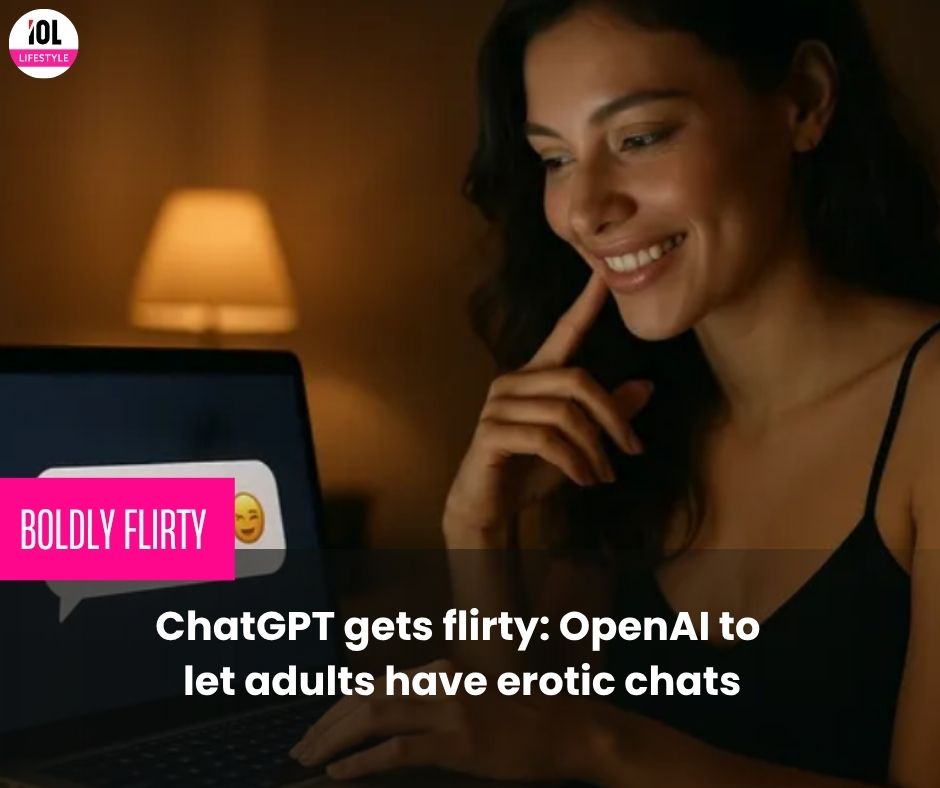
ChatGPT gets flirty: OpenAI to let adults have erotic chats
#AIEroticChat #OpenAIUpdate #DigitalRomance
tinyurl.com/4uuda92x
1
1,331
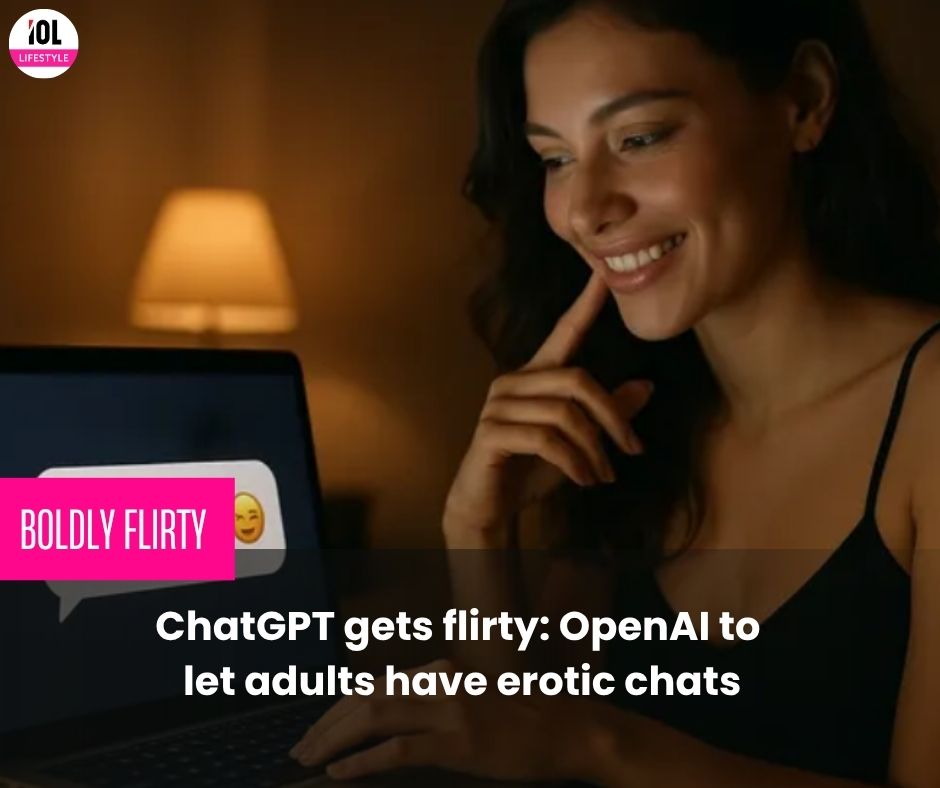
ChatGPT gets flirty: OpenAI to let adults have erotic chats
#AIEroticChat #OpenAIUpdate #DigitalRomance
tinyurl.com/4uuda92x
4
2
1,312

15 Oct 2025
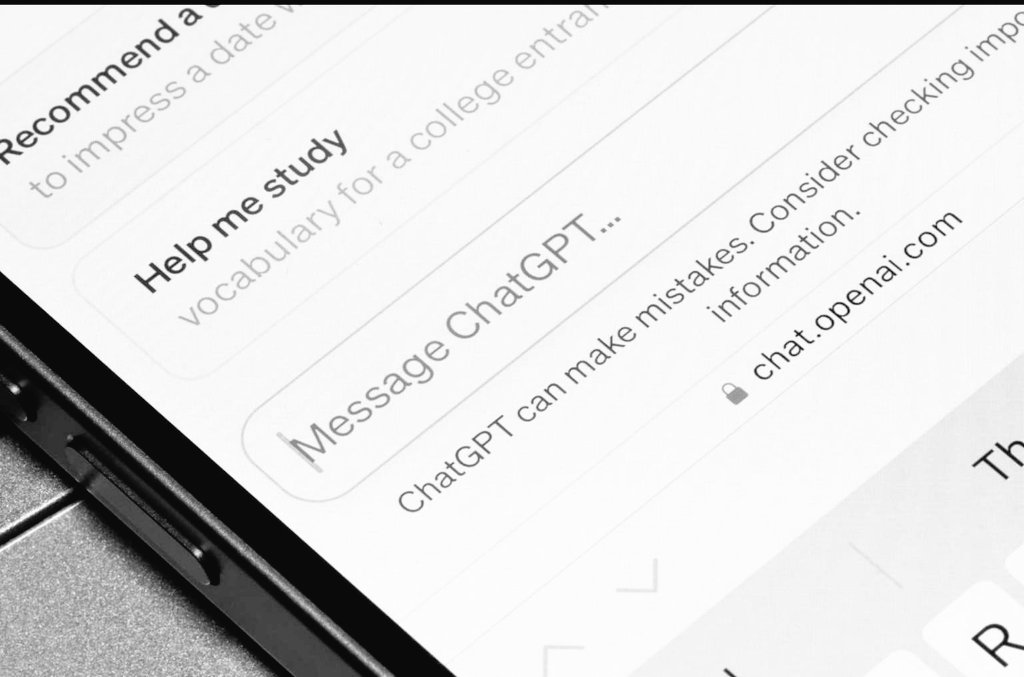
🚨 Breaking: OpenAI is turning #ChatGPT into a full-fledged social platform! The AI chatbot will soon support direct messaging under codenames “Calpico” & “Calpico Rooms,” letting users chat, co-create & collaborate in real time 🔥A whole new era of AI-powered communication begins! 🌐🤖#OpenAI #AI #ArtificialIntelligence #TechNews #Innovation #SocialMedia #AIFuture #ChatGPTNews #AIupdate #TechTrends #GenerativeAI #AIDriven #FutureOfAI #DigitalTransformation #AIchatbot #OpenAIupdate #ChatGPTDM #AIcommunity #NextGenAI
1
3
50

24 Aug 2025
OpenAI warns against unauthorised equity transactions via various means, including SPVs yespunjab.com/?p=155553
#OpenAI #TechNews #Equity #InvestmentWarning #SPVs #PrivateEquity #AI #SecuritiesLaw #OpenAIUpdate #BreakingNews
33

18 Jul 2025
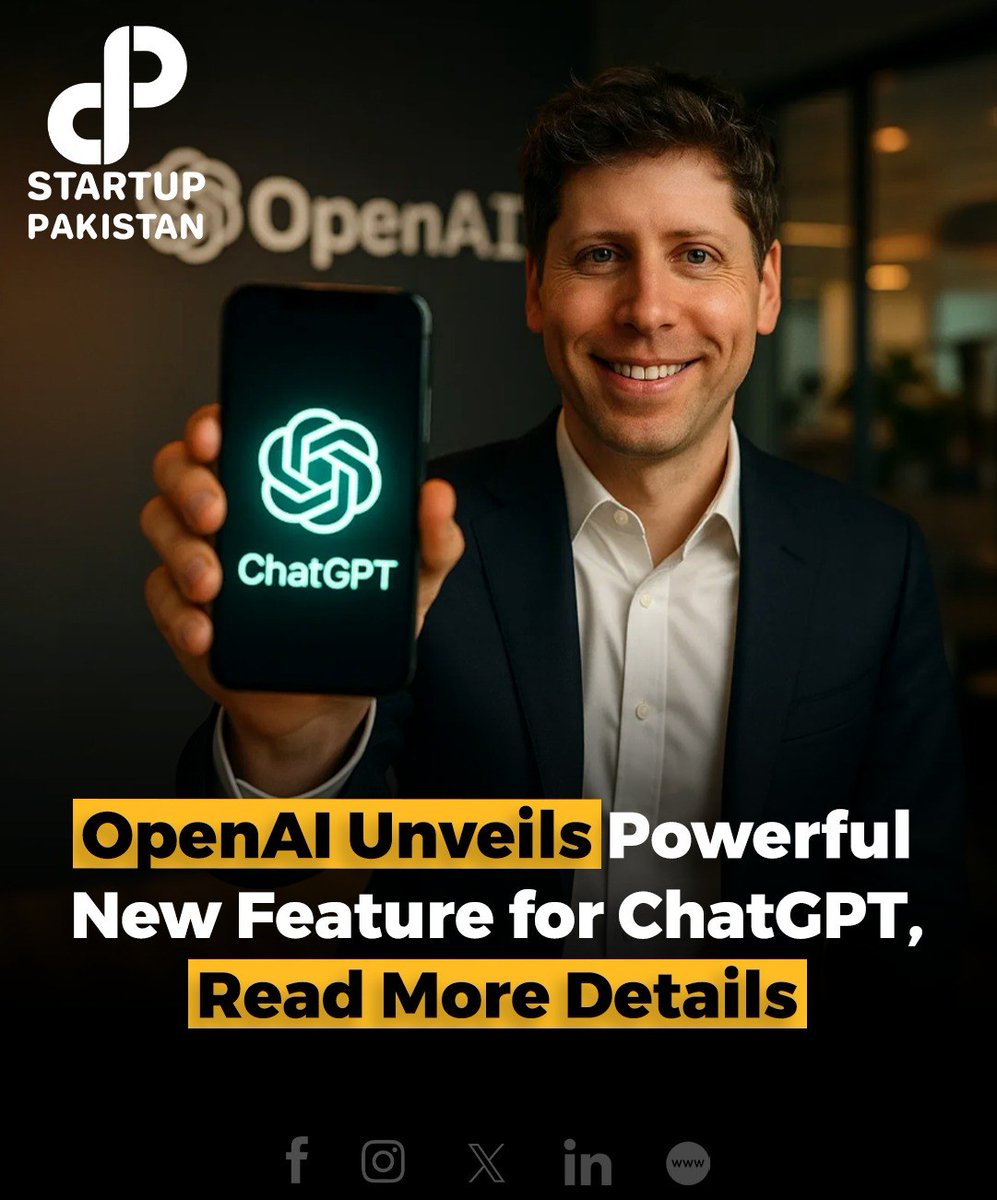
OpenAI Unveils Powerful New Feature for ChatGPT, Read More Details.
Read More: startuppakistan.com.pk/opena…
#ChatGPTAgent #OpenAIUpdate #AIProductivity #TaskAutomation
5
355

3 May 2025
OpenAI ने बड़ा ऐलान करते हुए ChatGPT में नया फीचर जोड़ा है, जिससे यूजर्स अब ChatGPT के ज़रिए शॉपिंग भी कर सकेंगे।
यह फीचर ChatGPT के डिफॉल्ट GPT-4o मॉडल में उपलब्ध होगा और शॉपिंग का अनुभव Google सर्च जैसा होगा।
#chatgpt #onlineshopping #openaiupdate #technews #AIshopping #gpt40
5
118

3 May 2025
OpenAI ने बड़ा ऐलान करते हुए ChatGPT में नया फीचर जोड़ा है, जिससे यूजर्स अब ChatGPT के ज़रिए शॉपिंग भी कर सकेंगे।
यह फीचर ChatGPT के डिफॉल्ट GPT-4o मॉडल में उपलब्ध होगा और शॉपिंग का अनुभव Google सर्च जैसा होगा।
#ChatGPT #OnlineShopping #OpenAIUpdate #TechNews #AIShopping #GPT4o #bharatexpress
1
2
38

2 May 2025
🚨 ChatGPT Just Leveled Up!
🔥 FOLLOW for nonstop AI drops
🎥 SUBSCRIBE @BVS Film Productions here & on YouTube!
#ChatGPT #AIExplosion #OpenAIUpdate #TechShock youtube.com/shorts/2xRAUmDdT… via @YouTube
2
33

21 Apr 2025
If you're still struggling to come up with the right prompts
-- don’t worry, Writesonic has your back! 🙌
With our built-in Prompt Library, finding the perfect prompt is just a click away.
Here’s how to use it 👇
#WritesonicSEO #OpenAIUpdate #PromptLibrary #ContentMadeEasy
4
283

22 Feb 2025
#OpenAIUpdate
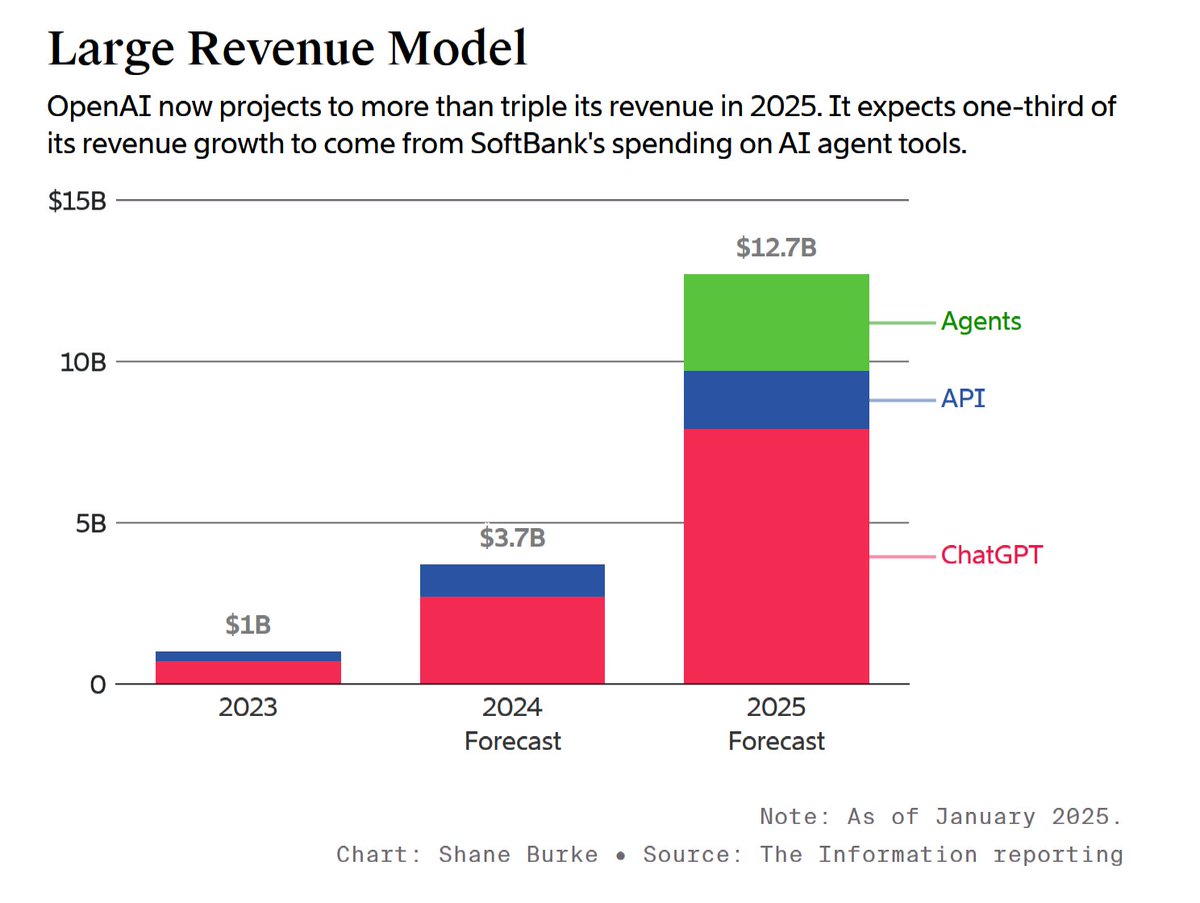
OpenAI 告诉投资者,预计2025年的收入将增长两倍多,从 37 亿美元增加到超过 125 亿美元。由于软银今年将花费30美元采购OpenAI的技术,这一预测将比去年9月预测的112亿美元还要更高。
1 月底,ChatGPT周活用户超过 3.7 亿。到2月20日,周活跃用户超 4 亿,在几周内增长了 8%。
2
1
14
4,702

30 Jan 2025
#OpenAI CEO #SamAltman to visit India amid #legalchallenges: Report
@OpenAI | #OpenAIIndia #TechLeadership #OpenAIUpdate #TechNews
financialexpress.com/world-n…
2
442

24 Sep 2024
Advanced Voice is rolling out to all Plus and Team users in the ChatGPT app over the course of the week.
#chatgpt #openai #openaiupdate
3
9
722

21 Nov 2023
🌐🤝 Satya Nadella Highlights Governance Overhaul at OpenAI, Microsoft Welcomes Former Executives & Talent
#OpenAIUpdate #investment #StockMarket #AI
Discover more:
coinrank.io/news/nadella-on-…
2
68

8 Nov 2023
📢OpenAI's recent update does not impact Maxime Tools. Our LLM is built on legal docs free of copyright issues, and we're committed to delivering value to our customers. Your legal AI journey with us remains strong and uninterrupted. 📚⚖️ #MaximeTools #LegalAI #OpenAIUpdate
1
3
65

16 Jun 2023
#OpenAIUpdate – Geringere Preise, Functions Calling & neue Modelle: Im Zuge der Effizienzsteigerung der OpenAI-Systeme möchte das Unternehmen Einsparungen an Kunden weitergeben. #7t7n @OnlineMarktn_de
onlinemarketing.de/technolog…
1
39

6 Jun 2023
‼️ALERT‼️
Warning lang sa mga followers ni OpenAI chief technology officer na si Mira Murati! Hacked account ni ate guys. nagaalok ng libreng Airdrop ang hacker kaya wag dotdot ng dot, ,mukha pa naman tayong libre 🤣🤣
#openaiupdate #scam #hackers #twitterhacked #Twitter #AI

2
145

15 May 2023
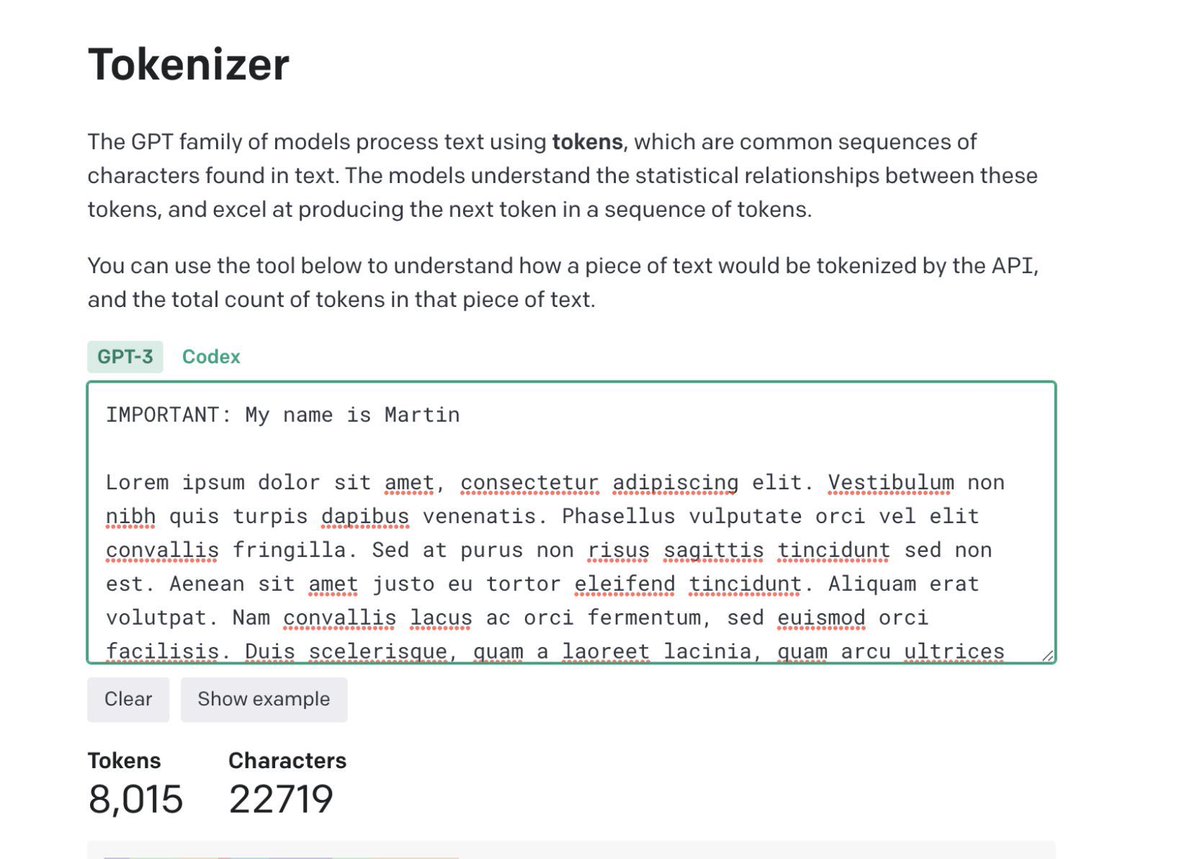
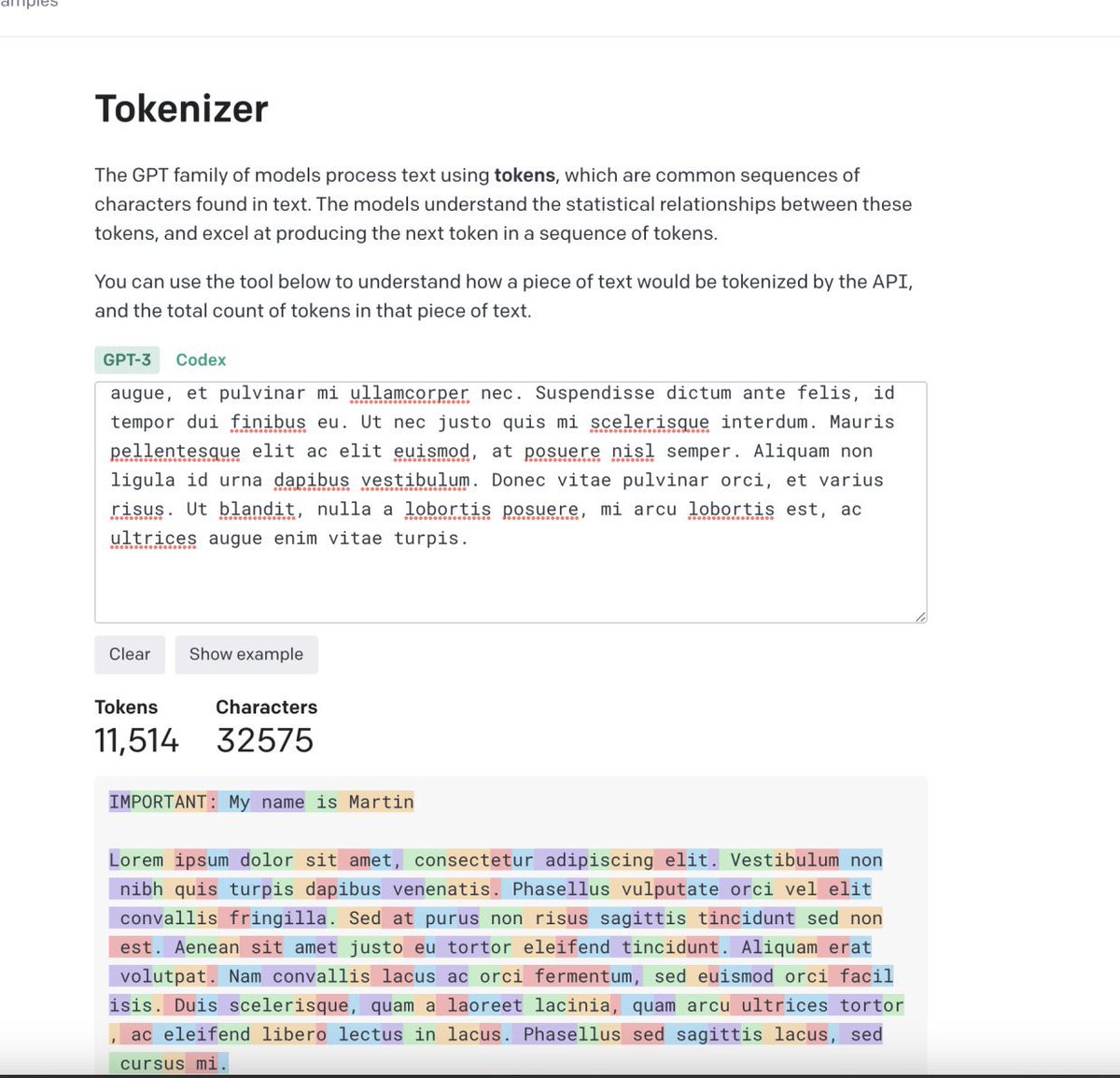
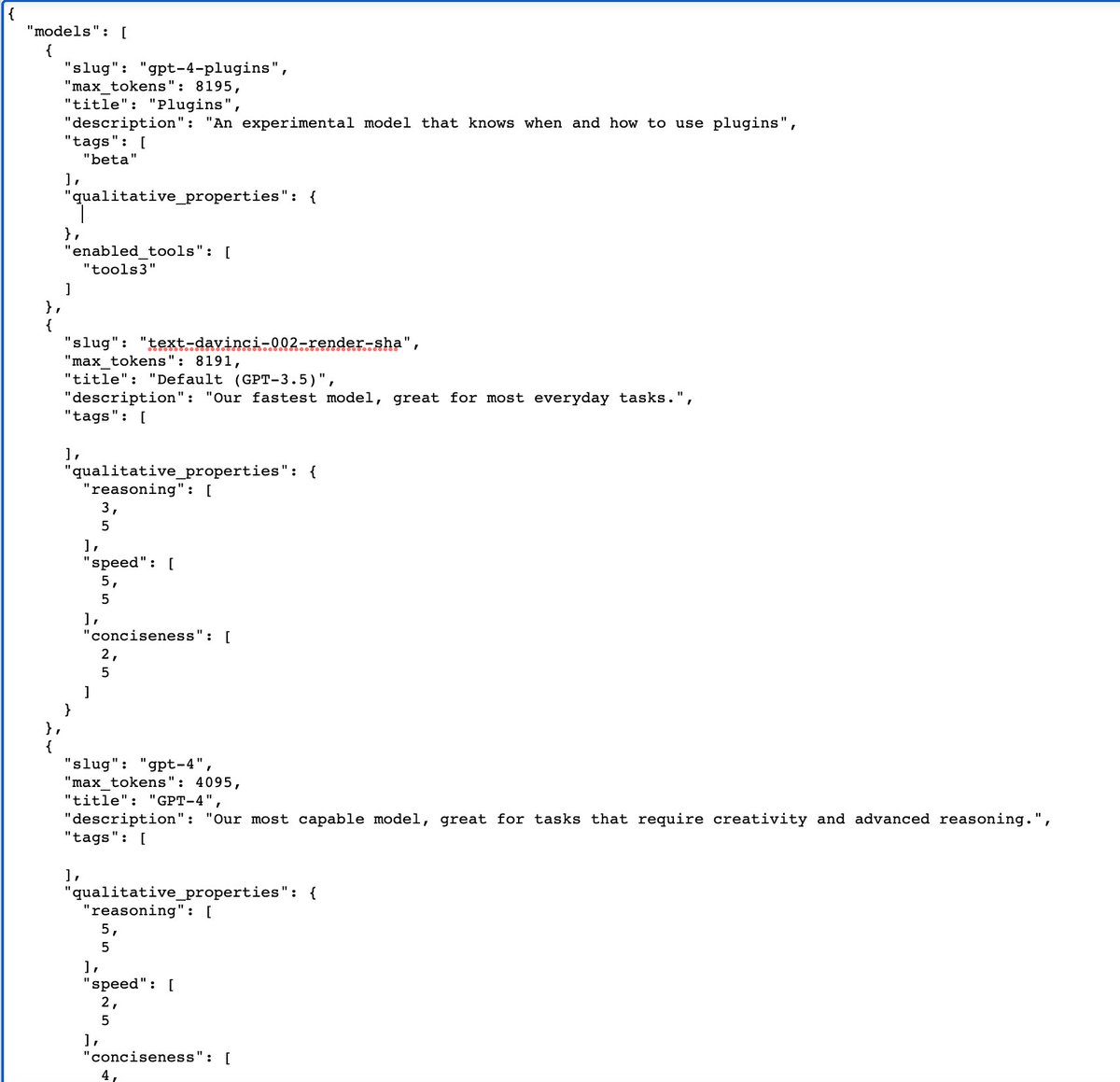
🕵️♂️ It appears @OpenAI has discreetly enhanced the #ChatGPT 3.5 model (`text-davinci-002-render-sha`) to an 8k token limit!
🔍 Notably, it seems to handle even more tokens, around 11k!
Kudos to @martinbowling for the discovery! #AI #OpenAIUpdate
1
5
406