
I want to explain to everyone why #Dogeus Maximus is a scam,
one of the most sophisticated and widespread in the meme world, called "Hidden Rug Pull" via Hidden Taxation.
The reason automatic audits (like those by TokenSniffer or similar) were "positive" is that the code, at a purely syntactic level, does not contain prohibited functions such as an infinite mint() or an explicit blacklist. The scam is logically hidden in the functioning of the limits and internal swap.
The developer sent the tokens within the token contract itself. In the constructor, the creator initially allocates 100% of the supply to itself (_balances[_msgSender()] = _tTotal;).
Immediately afterward, the owner runs the function to create the liquidity pool (usually called openTrading or similar, located in the truncated final part of the text).
To do this, the smart contract requires tokens to be deposited into the contract itself. The contract then uses Uniswap's addLiquidityETH function to take those tokens, pair them with the ETH entered by the creator, and generate the trading pool. Up until this point, everything seemed normal and transparent.
The trap lies in the combination of three elements in the code: the 23% Buy/Sell Tax, the Swap Threshold (_taxSwapThreshold), and the developer's wallet (_taxWallet).
Here are the exact functions that enabled the theft:
Draining via the _transfer and lockTheSwap functions
Every time a regular user bought or sold the token, the contract withheld 23% of the tax in the form of $DOGEUS tokens, accumulating them in the contract balance.
Look at this line of code:
uint256 public _taxSwapThreshold = (_tTotal * 1) / 100; // This represents 1% of the supply (10 million tokens)
As unsuspecting investors bought the token, the contract quickly filled with $DOGEUS. When 1% was reached, the internal sell function (the Swap) was automatically triggered.
2. Conversion into ETH sent directly to the developer
The contract automatically sold 1% of the tokens on the Uniswap pool for ETH using the swapExactTokensForETHSupportingFeeOnTransferTokens function.
Immediately afterward, the contract sent 100% of the generated ETH to this address, declared in the constructor: _taxWallet = payable(0x5ece2eeE00D6B1003729e477321b2Ee3e520ea66);
The result: The more people bought, convinced by the positive audit, the more the contract automatically sold tokens on the pool to withdraw investors' real ETH and send them to the developer's private wallet.
3. Secondary wallets ("Team Wallets" or "Sniper Bots")
The code contains this key line in the constructor:
_isExcludedFromFee[owner()] = true;
_isExcludedFromFee[address(this)] = true;
_isExcludedFromFee[_taxWallet] = true;
Addresses marked as _isExcludedFromFee pay no taxes (0%) and have no transaction limits. The creators of these scams often use "tax-exempt" contracts or secondary wallets to withdraw large blocks of tokens before liquidity is locked up, distributing them across dozens of wallets (cluster wallets) and then gradually reselling them on the open market without the analysis bots noticing.
The audits failed because they scan the code for known scam "signatures":
• They check for a mint() (new token creation) $\rightarrow$ Outcome: Negative (Secure).
• They check for a blacklist() (manual wallet blocking) $\rightarrow$ Outcome: Negative (Secure).
• They check for renounced ownership (renounceOwnership) $\rightarrow$ If the developer renounces ownership after setting the tax rate to 23%, the algorithm says "Relinquished Ownership = Safe."
However, the algorithm cannot predict the bad faith of mathematical logic: an initial tax of 23% that resets to zero only after 45 sales (_reduceSellTaxAt = 45) allows the creator to drain almost all of ETH's initial liquidity within the first few minutes of launch simply by exploiting the purchase volume generated by hype. he used the code exactly as he designed it.
I also realized this late out of laziness, as I didn't go check.
4
1
5
1,328


Jan 15
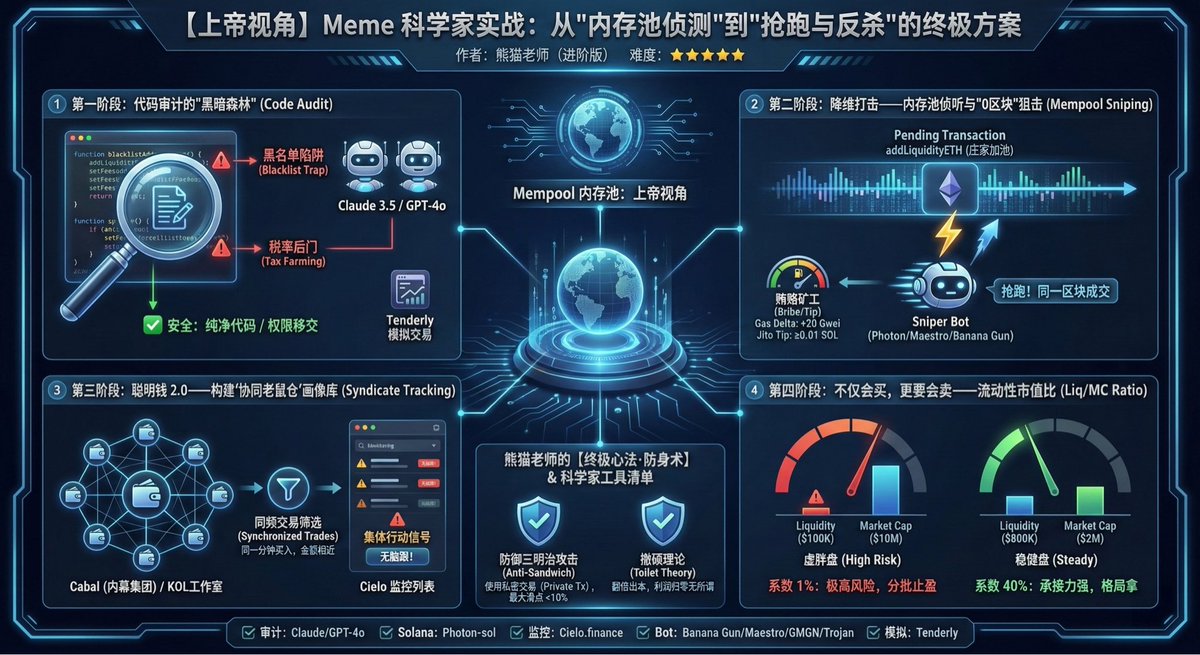
Meme 科学家实战:从“内存池侦测”到“抢跑与反杀”的终极方案
作者: 熊猫老师(进阶版)@KaitoAI
难度: ⭐⭐⭐⭐⭐⭐ (燃烧脑细胞)
前言: 你的对手不是人,是代码
在链上,如果你还在看 K 线买入,你是在和过去博弈;真正的科学家,是在和“未来”博弈。
进阶的核心在于:不再被动等待数据呈现,而是主动拦截数据传输。
我们将深入 EVM(以太坊/BSC/Base)
和 Solana 的底层逻辑,拆解一套“反人
性、反收割”的顶级掠食者系统。
第一阶段:代码审计的“黑暗森林”——识别蜜罐变种与黑名单陷阱
核心逻辑:
普通的貔貅盘检测工具(如
Honeypot.is)只能识别“无法卖出”的硬伤。但现在的高级镰刀,会在代码里埋下“条件式触发”的陷阱。
高阶工具箱:
代码阅读助手: Claude 3.5 Sonnet / GPT-4o (用来读 Solidity)
反编译工具: Dedaub (查看未开源合约的逻辑)
模拟交易: Tenderly (时光机模拟)
实操演示:
1. 识别“黑名单(Blacklist)”开关
很多盘子开盘能买能卖,但当你赚了 10 倍想卖时,发现失败了。
操作: 复制合约代码给 AI,输入提示词:
作为一名 Solidity 安全专家,请帮我审计这段代码。
重点检查是否存在 setBlacklist、isBot 或者限制特定地址交易的函数?是否存在 MAX_TX_AMOUNT 可以在后期被管理员修改为 0?”
实战判断:
❌ 高危: 代码中有 function blacklistAddress(address account, bool value) 且所有权未放弃。庄家随时可以把赚钱的大户拉黑。
✅ 安全: 代码库纯净(Standard ERC20),或者 Renounced Ownership(所有权已移交死地址)。
2. 识别“税率后门”
现象: 买入时滑点 0%,卖出时滑点突然变成 99%。
AI 提问: “检查 setFees 或 updateBuyFees 函数,管理员是否可以将税率设置超过 25%?是否有硬编码限制最高税率?”
第二阶段:降维打击——内存池
侦听与“0区块”狙击
核心逻辑:
你在 BscScan 上看到的交易是“已经发生”的。
而科学家看到的是“正在发生”的。
在庄家点击“添加流动性(Add Liquidity)”的那一瞬间,你的交易必须和他在同一个区块,甚至排在他后面 1 毫秒。
高阶工具箱:
Mempool 扫描: Etherdrops Bot (高级版) / iToken HD
狙击配置: Photon (Solana) / Maestro (EVM) / Banana Gun (高手向)
实操演示:
1. 监控“加池”动作
操作: 在 Etherdrops 或 iToken 中设置监听目标代币的合约部署者地址(Deployer)。
关键信号: 当侦测到 Deployer 发出一笔调用 addLiquidityETH 或 openTrading 的交易,且状态为 "Pending" 时。
动作: 这是一个发令枪。普通人还在等推特通知,你的 Bot 应该已经自动触发买入。
2. 贿赂矿工(Bribe/Tip)
在 Solana 或 ETH 上,单纯调高 Gas 没用,你需要给矿工“小费”来插队。
BSC/ETH 设置: 在 Bot 设置中,开启 Anti-Rug 和 Smart Slippage。更重要的是,设置 Gas Delta(额外 Gas 费)。
普通局: 3 Gwei
百倍金狗局: 20 Gwei (不要心疼这几刀,决定了你能否在底价买入)
Solana 设置: 在 Photon 或 Trojan 中,设置 Jito Tip (贿赂费)。
建议: 至少 0.01 SOL,抢头矿时设置 0.05 SOL 以上。这能保证你的交易绕过拥堵,直接由验证者打包。
第三阶段:聪明钱 2.0——构建“协同老鼠仓”画像库
核心逻辑:
单纯看胜率和盈亏比已经不够了,因为很多 Smart Money 是“幸存者偏差”。我们需要寻找的是“集团军”。
高阶工具箱:
链上聚类分析: Cielo.finance (追踪特定组) / GMGN.ai (图谱模式)
实操演示:
1. 寻找“同频交易”钱包
操作: 在 GMGN 打开一个热门币种,查看“早期买入”列表。
筛选: 寻找在同一分钟内买入,且买入金额相近(例如都是 1 BNB 或 5 SOL)的 3-5 个地址。
验证: 点击这些地址,查看历史记录。
特征: 如果这几个地址在过去 5 个币种里,都有“共同进退”的记录(一起买,一起卖)。
结论: 这是一个 Cabal(内幕集团) 或 KOL 喊单工作室。
2. 建立 Cielo 监控列表
不要单独监控一个地址,而是将这 5 个地址打包成一个 List 放入 Cielo。
策略: 当 List 中有 >= 2 个地址在 5 分钟内买入同一个新币时,无脑跟!
逻辑: 单个地址可能是手滑,集体行动必有妖。
第四阶段:不仅会买,更要会卖——流动性市值比(Liq/MC)
核心逻辑:
很多人亏钱是因为看着市值(MC)很高,觉得自己赚了,结果一卖就把盘砸穿了。
因为流动性(Liquidity)不足。
高阶公式:
安全撤退系数 = 池子流动性 / 当前市值
实操演示:
1. 虚胖盘识别
场景: 某币市值 $10M,但池子(Liquidity)只有 $100K。
计算: 系数 = 1%。
风险: 极高。只要有人卖 $10K(总市值的 0.1%),币价就会暴跌 10% 以上。
策略: 这种盘子必须在市值上涨过程中分批止盈,绝对不能等到最后一把梭哈卖出,否则你就是给别人送流动性的。
Jan 14

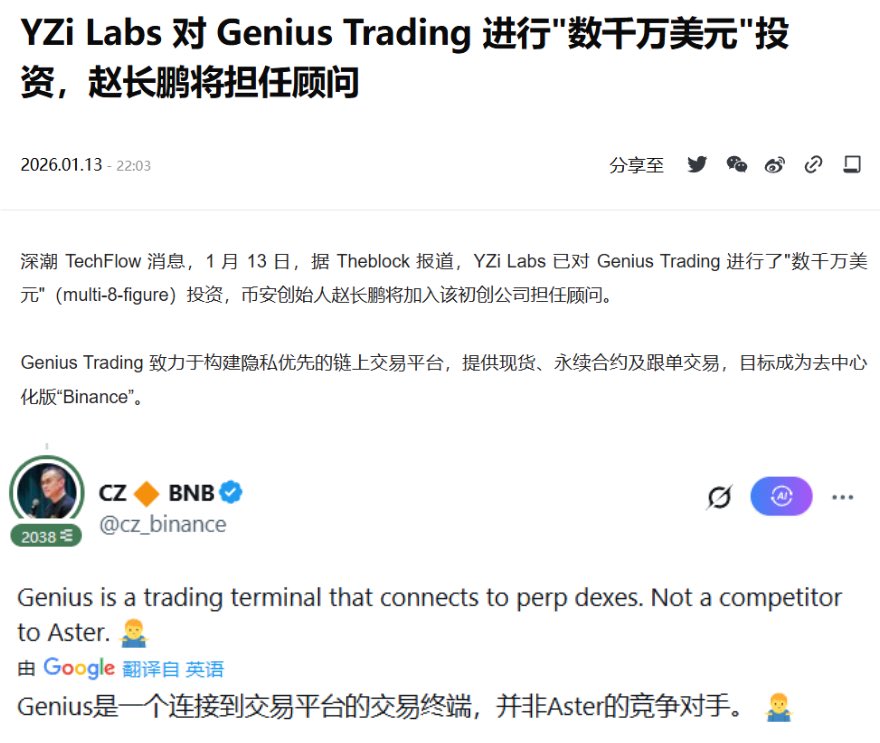
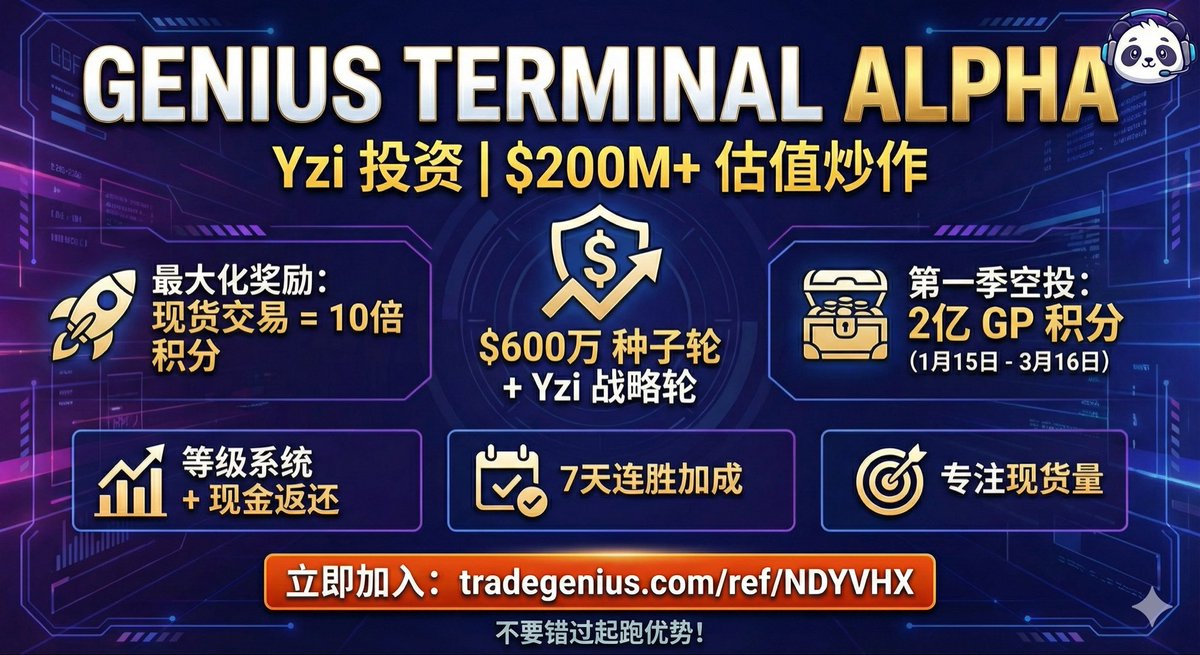
重磅 Alpha 埋伏:Yzi 罕见重仓押注!Genius Terminal 第一季“头矿”抢跑攻略(附最大化刷分策略)
兄弟们,最近一直在盯 Yzi 的动向,发现他刚单独追加投资了一个千万级的新盘子—— @GeniusTerminal。
这种大佬不仅仅是作为机构参投,@KaitoAI 而是“个人追加”,通常意味着他对项目有着极高的赔率预期。
项目背景(为什么值得冲):
硬核融资: 种子轮已融 $600万,加上 Yzi 这一轮传闻高达数千万美元,资金体量非常大,不用担心项目方格局小。
绝对早期: 1月15日 - 3月16日 是第一季积分活动(Season 1)。
老韭菜都知道:第一季通常是空投比例最大、竞争相对最小的“红利期/头矿”。
明牌空投: 官方明确第一季释放 2亿 GP积分,积分就是未来的代币筹码。
积分规则深度解析(如何花小钱办大事):
官方的规则里藏着几个关键细节,我不希望大家盲目刷单被反撸,请仔细看下面的策略:
1️⃣ 核心策略:弃合约,保现货
现货: 每交易 $100 = 1 GP
合约: 每交易 $1000 = 1 GP
💡 策略分析: 现货的积分效率是合约的 10倍!除非你是合约大神,否则为了撸分,请集中火力刷现货交易量。同等本金下,现货磨损更低,得分更高。
2️⃣ 滚雪球机制:等级 现金返还
不要只看基础分!系统有 8 个等级
(Tier),通过“现货量 交易笔数”升级。
等级越高 = 积分倍率越高(同样的交易量,高等级拿分更多)。
隐藏福利: 高等级享有 手续费现金返还。
这意味着你刷到后面,交易成本会大幅降低,甚至接近零成本撸分。
3️⃣ 必做动作:7天连胜 Buff
机制:连续交易满 7 天触发额外加成。
⚠️ 风险提示: 一旦中断,加成重置!
💡 操作建议: 每天定个闹钟,哪怕上去做一笔 10U 的小额交互,也要把这个 Buff 续住。
保姆级上车流程:
点击专属链接注册(防身必备):
👉传送门: tradegenius.com/ref/NDYVHX
准备资金: 建议准备一定的 USDT/USDC 用于刷现货量。
启动刷分: 1月15日正式开始,建议前几天稍微猛一点,先把等级(Tier)冲上去,后面享受高倍率躺赚。
💡 总结: Yzi 这种级别的车,加上 $600W 的融资底子,第一季的 2 亿积分绝对是大肉。
现在全网还没几个人推,属于极度早期的信息差,速度执行!
#GeniusTerminal #yaps #Yzi #空投教程 #Web3
5
11
2,915
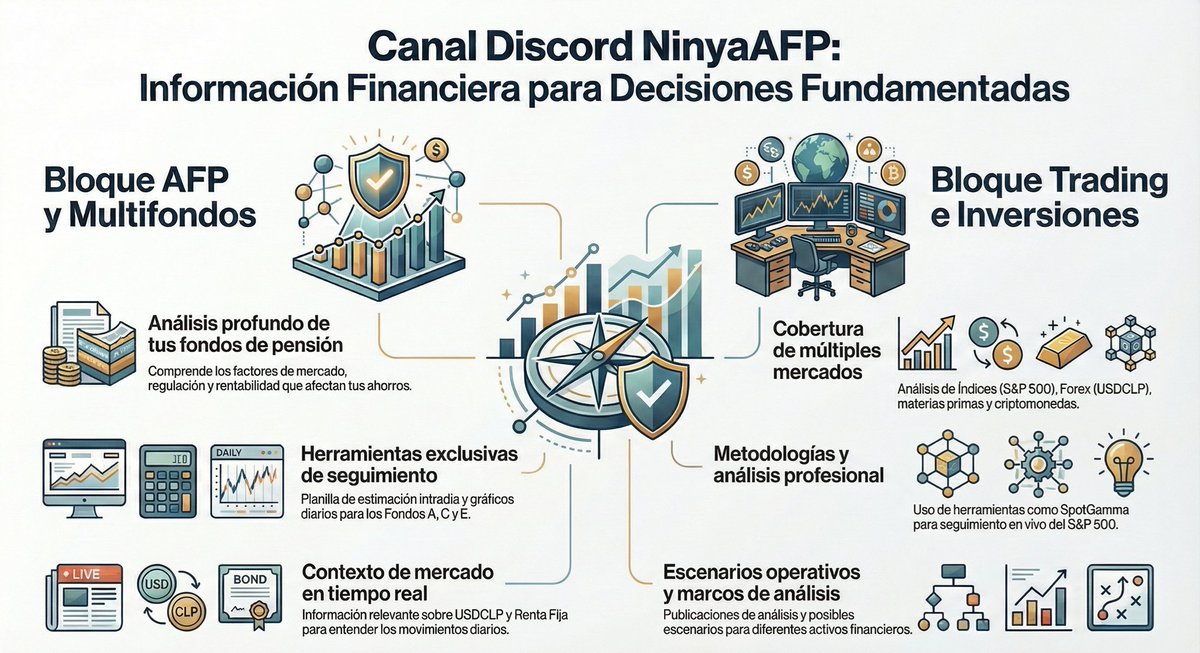
USDCLP: Video resumen de informe de apertura usdclp lunes 12 de enero 2026. (informe completo en Canal Discord).
Volatilidad extrema en el Par Chileno
youtu.be/O7E8wNaNpNw?si=IdgV…
#usdclp #ipsa AFPs Kast XTB Capitaria Opentrading BTG Pactual LarrainVial Bice Credicorp Renta 4
6
924
El QE de Trump: Proyección del impacto en los mercados financieros ante un escenario de 'Fiscal-led QE
#usdclp #ipsa AFPs Kast XTB Capitaria Opentrading BTG Pactual LarrainVial Bice Credicorp Renta 4 Racional Fintual Happy Interactive Brokers Admiral Markets Pepperstone Consorcio

El QE de Trump.
El presidente Trump dijo que estaba dirigiendo la compra de bonos hipotecarios por valor de 200.000 millones de dólares, que presentó como su último esfuerzo para reducir los costes de la vivienda antes de las elecciones de mitad de mandato de noviembre.
"Esto hará que los tasas hipotecarias bajen, los pagos mensuales bajen y haga que el coste de tener una vivienda sea más asequible", escribió Trump.
Revisa como afectara al mercado el QE de Trump.
youtu.be/UF9FkR7YZeQ?si=NZlW…
#usdclp $GOLD $ORO $GLD $DXY $SPX $TSLA $NVDA $DAX $WTI $BTC $BITCOIN $IPSA Donald Trump Boric #SP500 700 Millones Marcel PAES Icare Wall Street
2
541
USDCLP: Informe de actualización del usdclp tras el dato empleo ADP de EE.UU.
Informe completo en Canal Discord.
Video Resumen USDCLP.
youtu.be/tEpSs65n9Yk?si=13p1…
#usdclp #ipsa AFPs Kast XTB Capitaria Opentrading BTG Pactual LarrainVial Bice Credicorp Renta 4 Racional Fintual

7
817
USDCLP: Video resumen de cierre martes 6/01/2026.
youtu.be/IK1Ej0LWq4E?si=nFTW…
#usdclp #ipsa AFPs Kast XTB Capitaria Opentrading BTG Pactual LarrainVial Bice Credicorp Renta 4 Racional
Fintual Happy Interactive Brokers Admiral Markets Pepperstone Consorcio
1
2
6
1,122
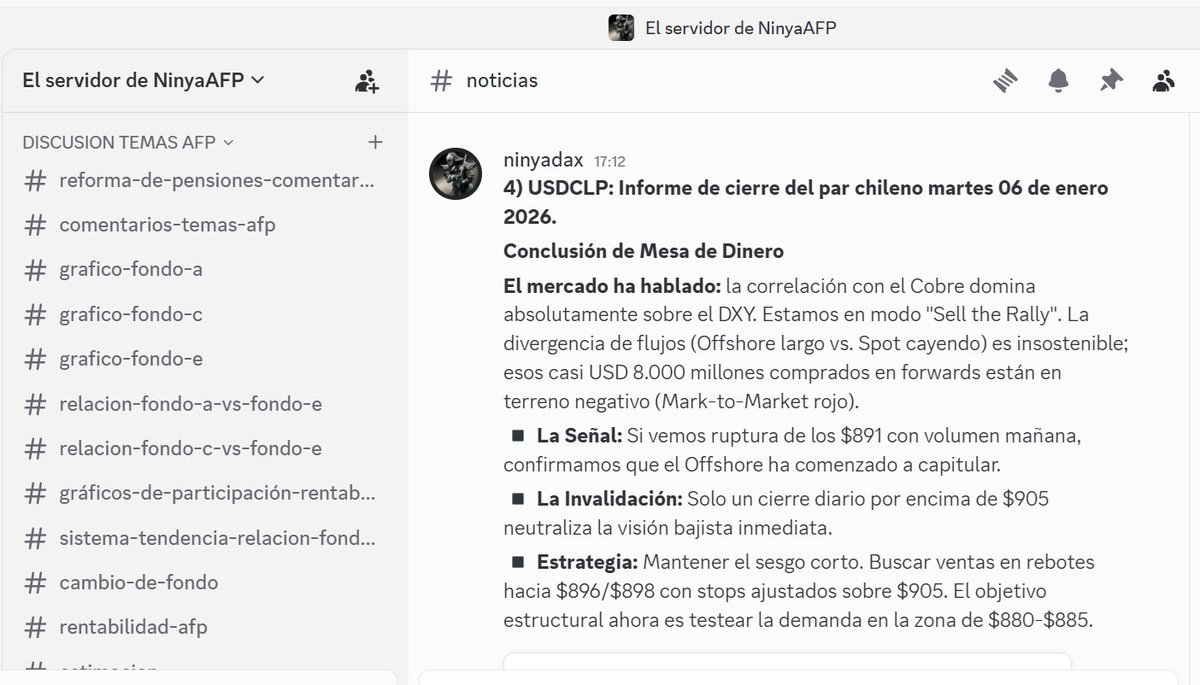
USDCLP: Informe de cierre martes 6/01/2026.
Informe completo 👇
drive.google.com/file/d/10Op…
#usdclp #ipsa AFPs Kast XTB Capitaria Opentrading Kaiser Nicolás Maduro EE. UU PAES Venezuela Cabello Petróleo Soles Trump Groenlandia Quiroz Hacienda
4
530

1 Jul 2025
$WLFI can become tradable any second. There is no development needed to make the token transferable or tradable. All that is needed is a functioncall to called openTrading() which is easily done like any transaction on the blockchain. #WorldLibertyFinancial #WLFI #Trump
3
400

Dirqtron builds a more open oil trading ecosystem!
#Dirqtron #DecentralizedPlatform #OpenTrading #EqualEcosystem
13
7
7,930

Our NFT collection mint didn’t go as planned. Bots hit hard. Traits glitched.
We heard the noise — and we kept building.
Now, TRADING IS OPEN.
The NFTs are yours.
Use them. Rock them.
Wear your KOMA as your PFP and show the world you believe in building, even after the storm.
This is your signal.
The real culture starts now.
magiceden.io/collections/bsc…
#KOMA #BNBNFTS #MakeBNBGreatAgain #OpenTrading

23
21
79
4,709

27 Mar 2025
Drinking my Coffee and checking all stats before 🔥 kicks in at
$DeAI DeCenterAI_Lab
MISSION:
decenterai.gitbook.io/decent…
Ca:0x781dB9A4D8Ae055571e8796DD4423bc13CeE5dD6
DeCenter AI | DeAI | ETH
├ 🏷️ Supply: 100.00M
├ 👥 Holders: 210
└ 💼 Taxes:
├ Buy: 5.00%
├ Sell: 4.96%
└ Transfer: 0.00%
├ 👨💼 Owner: No Holding
├ 📝 Token: 0x781d...5dD6
├ ⚙️ Pair: 0xb83F...265c
├ 📈 MC: $217.83K | LP: $50.87K
├ 💵 Current: $0.00219220
├ ☄️ ATH: $0.00230810
├ 🎯 Listing: $0.00004296
├ 🔄 Token: 11.60M | ETH: 12.65
├ ⌚ Created: 2/20/2025, 5:34:11 PM
└ 🚦 Started: 2/20/2025, 5:50:46 PM
Price Changes 🔃
├ 5m ⚪️ ➡️ 0.00%
├ 1h ⚪️ ➡️ 0.00%
├ 6h 🟢 ↗️ 22.19%
└ 24h 🟢 ↗️ 35.61%
Txns (Buy | Sell | Total) 🔁
├ 5m B:1 S:0 T:1
├ 1h B:1 S:0 T:1
├ 6h B:4 S:3 T:7
└ 24h B:20 S:10 T:30
Volume 🏛
├ 5m $20.11
├ 1h $20.11
├ 6h $2.30K
└ 24h $9.47K
Trade Pressure 🧲
├ 🟢 Buy Pressure
└ 66.67% Buy Ratio
└ 📉 Decreasing (Short & Long Term)
Audit 🔒
├ Risk low
├ Honeypot ✅ No
├ Source ✅ Verified
└ Proxy ✅ No
⚙️ Methods: approve, decreaseAllowance, increaseAllowance, openTrading, renounceOwnership, transfer, transferFrom, transferOwnership, updateFees
⚜️ Explorers:
Contract | TxnScan
🤖 Buy via:
Maestro | Banana | Chainpal | EVA AI | Unibot | Maestro Pro
The Moon is Only the Beginning ✔️

6
3
8
182

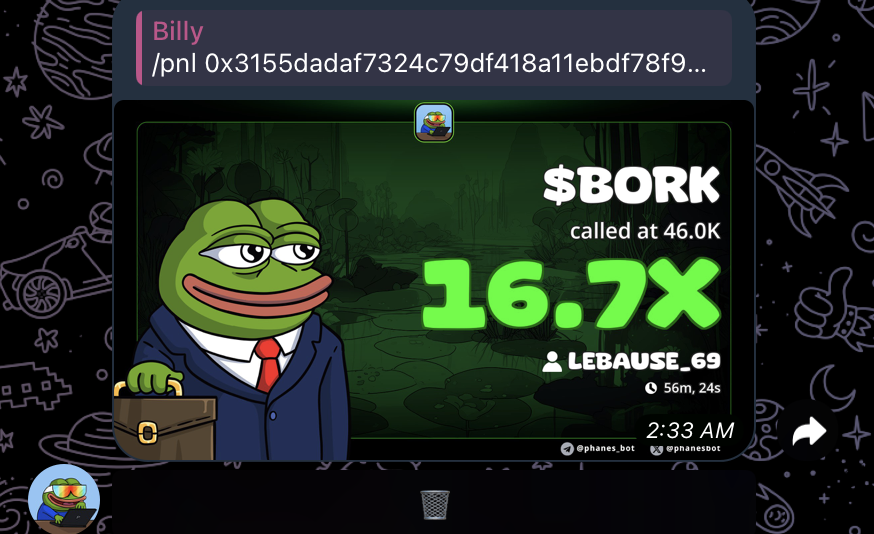
0x3155dadAF7324c79DF418a11EBDF78F926cDef91
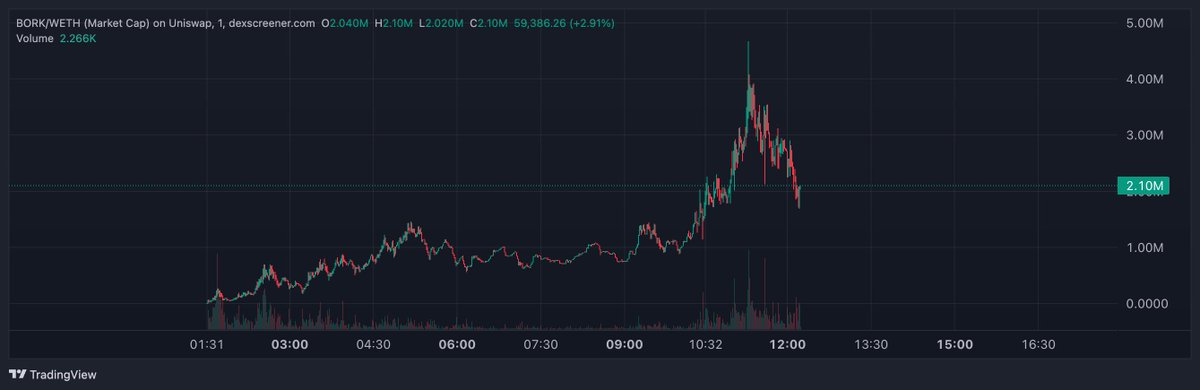
based @BasedBork_base will hit 10m soon .
token opentrading use mcp source from @CoinbaseWallet

3
1,715

3 Mar 2025
@SKR3S3RVES 🛡️ Token Overview:
The DATA token has seen a -2.48% drop in the last 24 hours with a market cap of $989,200 and liquidity at $152,087.37. Trading volume is low, with $3,035.92 in the past day.
📊 Security Findings:
- 🟡 `manualSwap` Function: The `_taxWallet` can swap all tokens for ETH, a standard feature but requires monitoring to prevent misuse.
- 🟢 Ownership Renounced: The `removeLimits` function is safe as ownership is renounced.
- 🟢 `openTrading` Function: Can only be called once, ensuring no further abuse.
📈 Holder Info:
- Top 10 Holders: Control 22.7% of the supply.
- Sniper/Bundles: Data not available.
⚠️ Overall: No major red flags, but keep an eye on the `_taxWallet` activity for safety.
1
138

18 Jan 2025
The openTrading function allows the owner to set up the liquidity pool and control trading.
The owner retains the ability to restrict trading or manipulate the _maxTxAmount and _maxWalletSize values. Centralised control over liquidity and trading may lead to a "rug pull".
1
90

5 Sep 2024
Idk who needs to hear this BUT opentrading cas = almost always bundle team.
Please stay away from bundled launches and let's make ETH fair again.
⚖️⚖️⚖️⚖️⚖️⚖️⚖️⚖️⚖️⚖️⚖️⚖️
2
1
2
1,073


21 May 2024
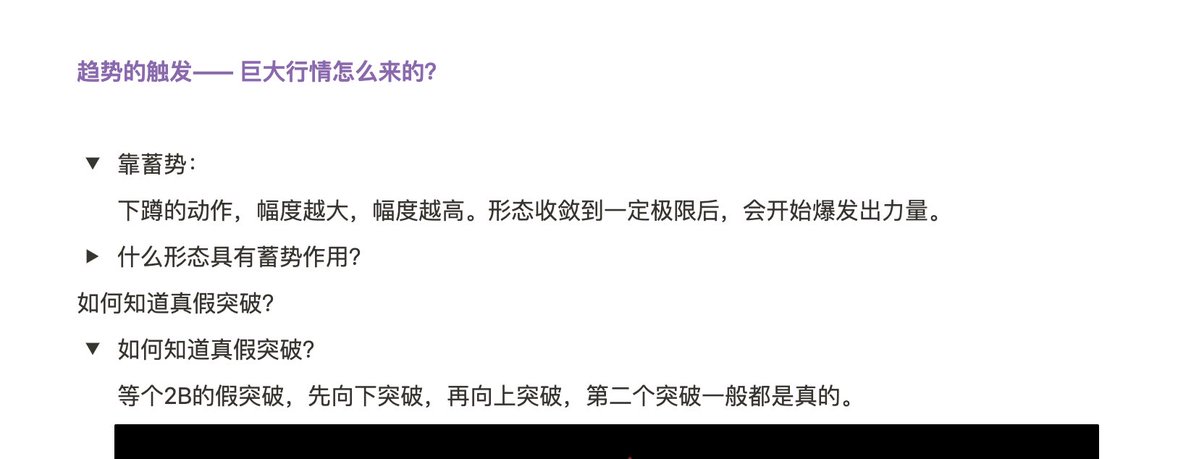
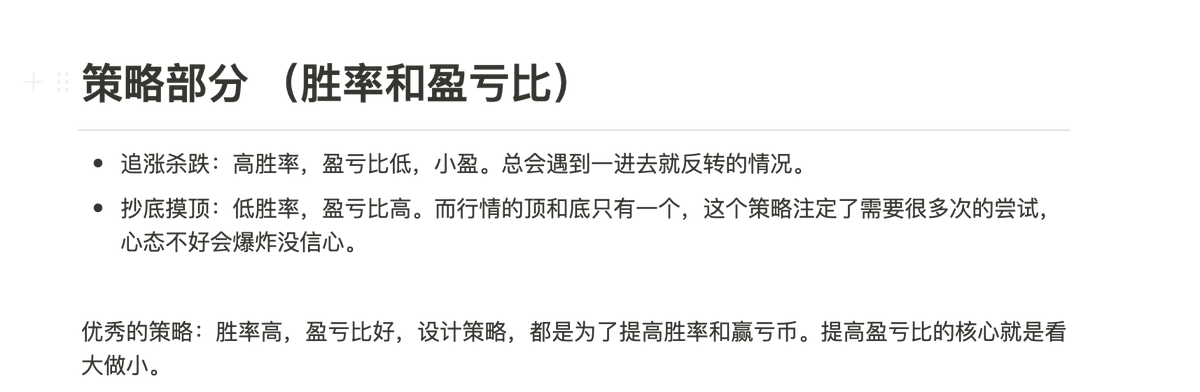
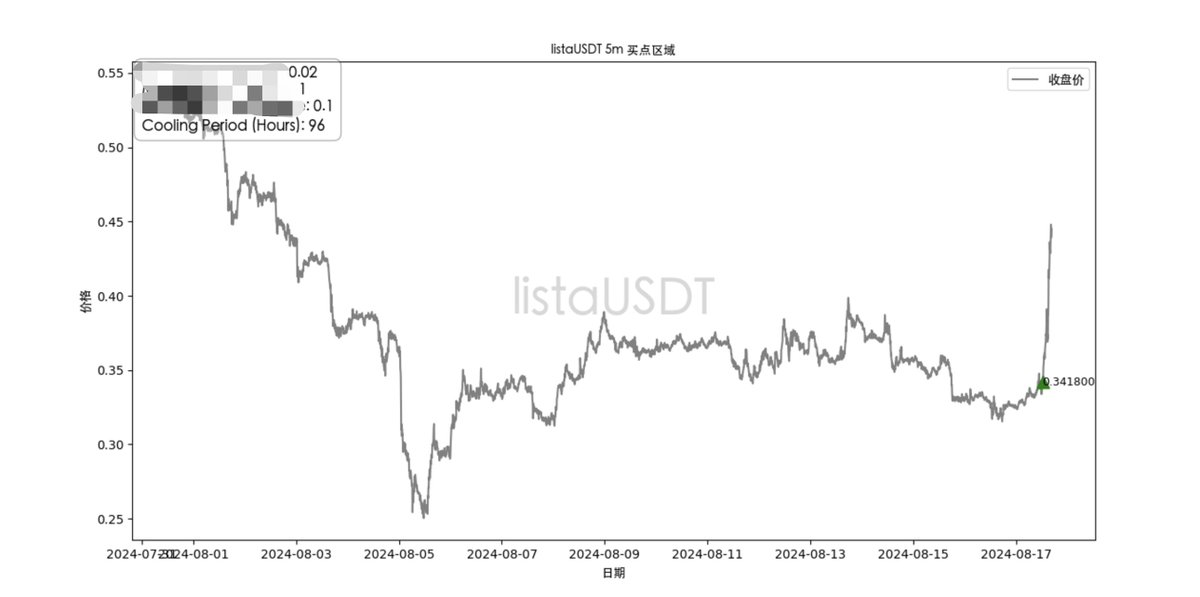
This team launches token every week. using same contract and execute openTrading twice these days. 1st would be private transaction with high gas. After 2nd openTrading, ppl start to buying and team start selling. Most meme tokens similar but this team selling too much too early
2
2
139

20 May 2024
Basically, we do deployment bytecode analysis, tx analysis (mostly openTrading) then ai (gpt4-o) on top of this. WE also keep a database of Bad method ids used by scammers to catch them directly and Bad contracts also thru their checksums. WE also use many external bots . Doing everything WE Can to avoid scams. Still not perfect but working hard everyday 👍 open to talk more in dm if you want :)
2
3
63