
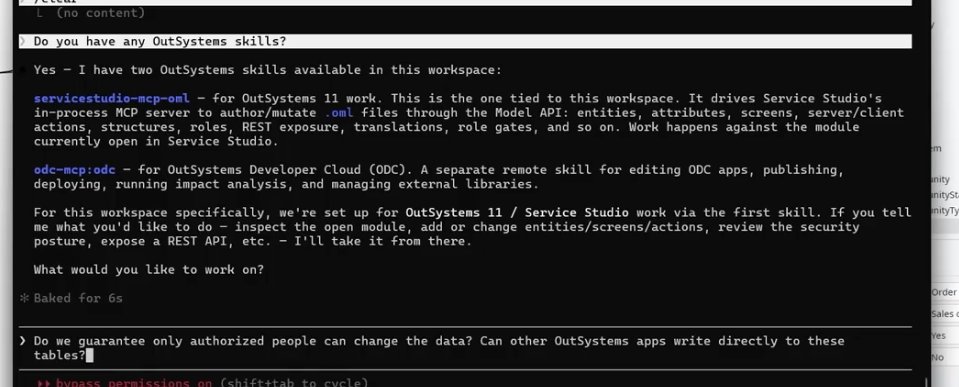
WAIT does OUTSYSTEM have already claude-code integrated?
i am so behind
10

You can't outwork your way to freedom.
You have to outsystem it.
2
3
6
80


Feb 28
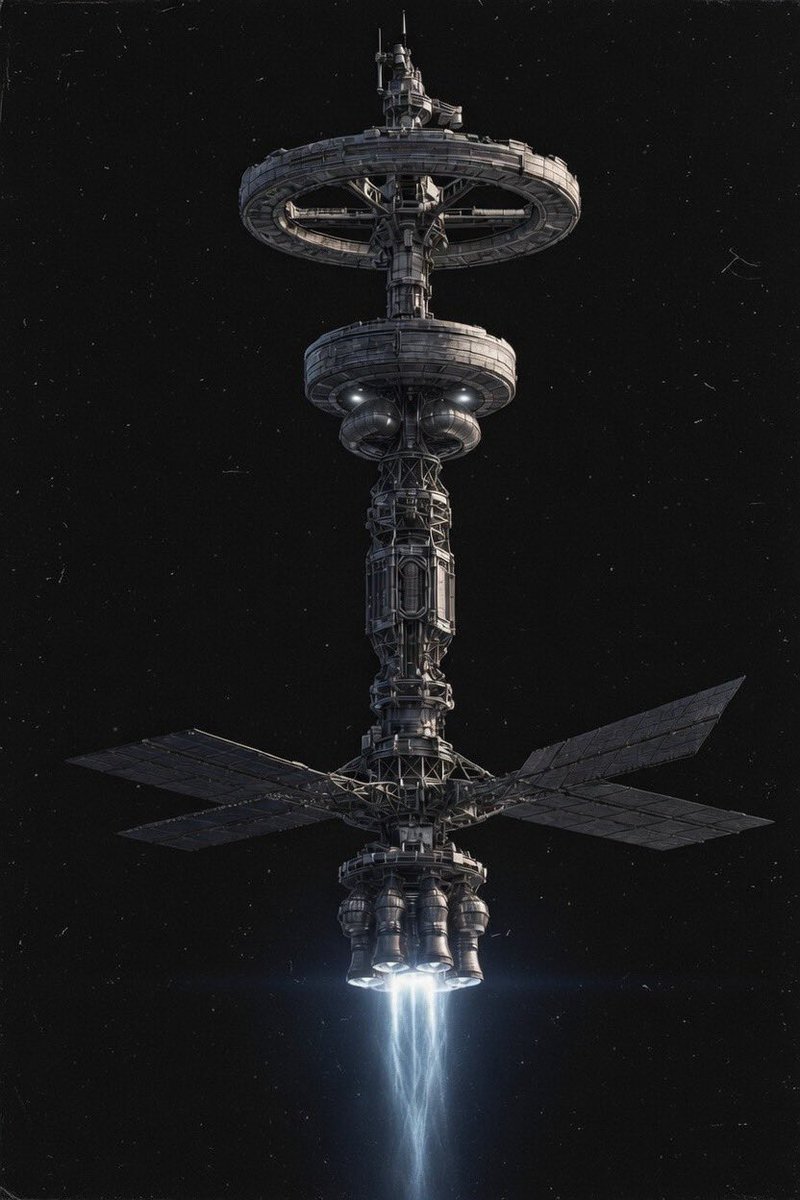
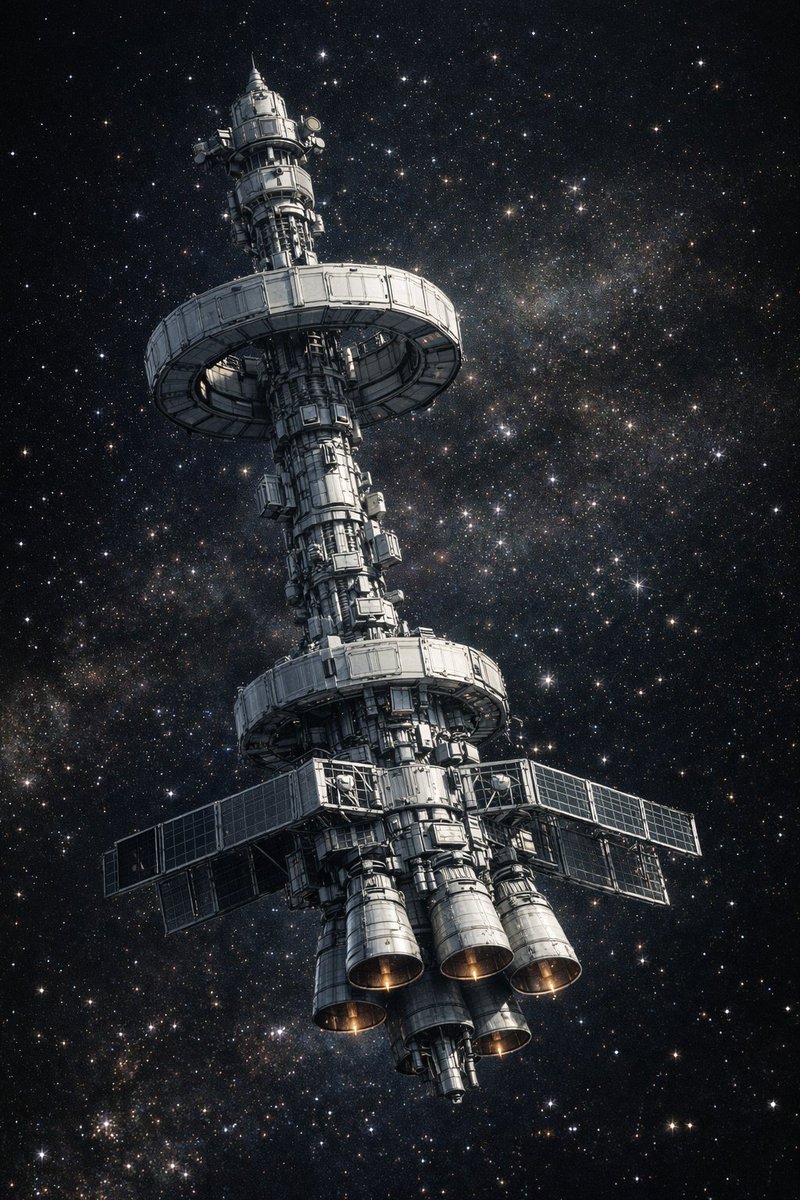
Latest design phase of my hybrid fast colony torchship.
The ring locks when it’s in a high acceleration burn.
Getting there, just a few more tweaks.
Feels like the historic period of my space setting - likely mid/late 21st. Possibly refitted later for going outsystem.

1
7
330

20 Nov 2025
おもろそうやな
ローコードはoutsystemを使ったことあるけどもっとごりごり触ってみたいので買おうかな
20 Nov 2025

【ローコードで安全に】倉本栞さん,小金澤蓮さん 執筆の『はじめてのMicrosoft Copilot Studio入門~ローコードではじめる業務AIエージェント』が第2刷の増刷決定!ハンズオン形式でわかりやすく解説。社内のデータを使った安全なエージェント開発をしてみましょう!gihyo.jp/book/2025/978-4-297…
2
178

17 Nov 2025
It's slipped into my head that I could drop the scale from the big slow ships in Corsairs to adventurer-owned shuttlecraft that can buy a ride outsystem if a visiting big ship has the hangar space. There's some possibilities there.
1
2
86


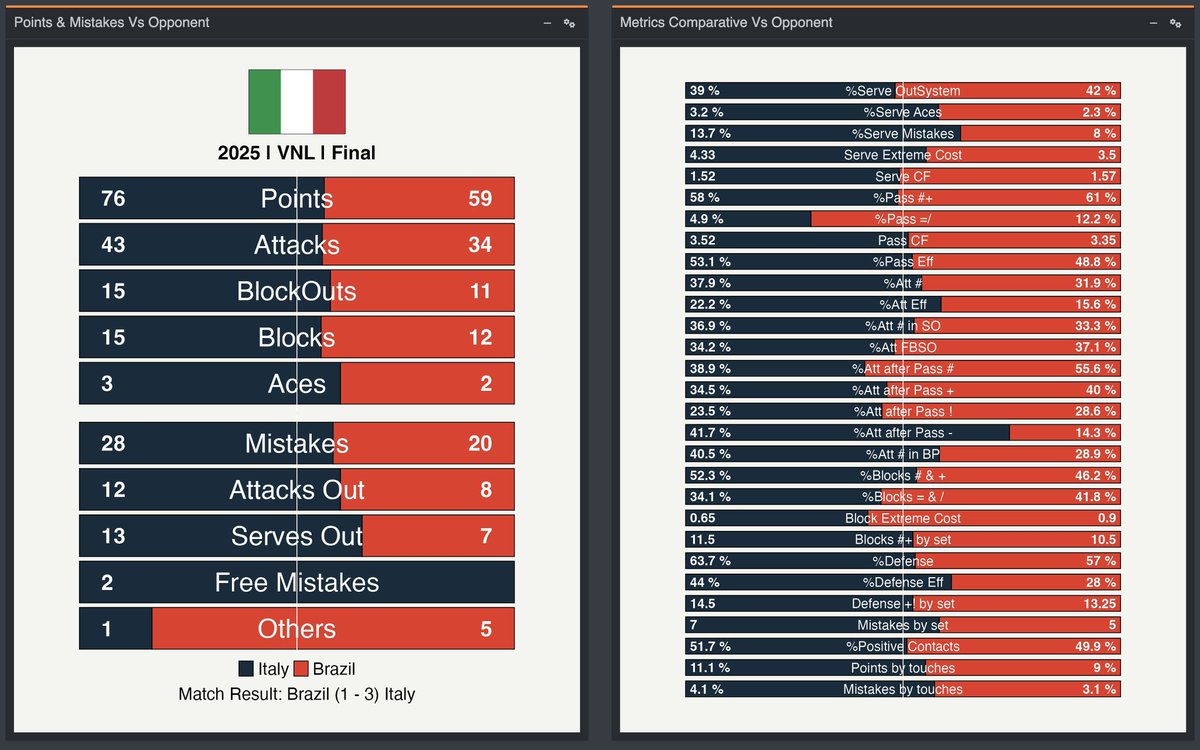
📌 Comparative Analysis Italy 🇮🇹 vs 🇧🇷Brazil (2025 VNL Women’s Final)
📌 1. Attacking Performance
Italy showcased superior attacking efficiency throughout the match. The team scored 43 points from attacks, surpassing Brazil’s 34 points. Additionally, Italy recorded a higher attack efficiency at 22.2%, while Brazil trailed with only 15.6%. This reflects Italy’s ability to execute offensive plays with greater accuracy and consistency.
Moreover, Italy was significantly more effective when attacking in-system—following a quality reception—converting 55.6% of such opportunities, compared to Brazil’s 40%. They also maintained a higher attacking percentage after a “very good pass” (Pass ), at 34.5% versus Brazil’s 28.6%. These figures underline Italy’s tactical discipline and their setters’ ability to optimize every pass into scoring chances.
📌 2. Serving Game
While Italy scored more aces (3 vs. 2), Brazil demonstrated superior serving consistency and control. Brazil committed only 8% serving errors, compared to Italy’s 13.7%, and had fewer out-of-bounds serves (7 vs. Italy’s 13). These numbers suggest that Brazil prioritized precision and reliability over aggressive serving.
Interestingly, Brazil had a higher percentage of serves aimed at disrupting the opponent’s system (42% OutSystem vs. Italy’s 39%). However, Italy incurred higher Serve Extreme Cost (4.33 vs. Brazil’s 3.5), indicating that their aggressive serving approach often backfired, resulting in unnecessary point losses.
📌 3. Reception Quality
Brazil exhibited slightly better first-ball reception, with 61% of receptions rated as “very good” (Pass # ), compared to Italy’s 58%. They also had a higher rate of average-quality receptions (Pass =) at 12.2%, while Italy posted just 4.9%.
Nonetheless, Italy led in overall reception efficiency (Pass Eff) with 53.1%, surpassing Brazil’s 48.8%. This suggests that while Brazil received more balls in total, Italy was more effective in turning those receptions into successful offensive transitions. Their better pass-to-attack conversions likely contributed to their dominant offensive performance.
📌 4. Blocking Efficiency
Blocking was one of Italy’s strongest suits. The team tallied 15 block points, compared to Brazil’s 12. Italy also recorded more blocks per set (11.5 vs. 10.5) and had a higher success rate in terms of effective and positive blocks (%Blocks # & ) 52.3% against Brazil’s 46.2%.
This dominance in blocking indicates excellent reading of the opponent’s offense and cohesive net-front coordination, limiting Brazil’s scoring opportunities and disrupting their attack rhythm.
📌 5. Defensive Capability
Italy clearly outperformed Brazil in backcourt defense. With a defensive efficiency of 44% compared to Brazil’s 28%, Italy proved more capable in sustaining rallies and converting defense into attack.
Italy also averaged 14.5 defensive actions per set, exceeding Brazil’s 13.25, and achieved a higher percentage of positive touches (51.7%) versus Brazil’s 49.9%. These figures highlight Italy’s ability to absorb pressure and transition effectively, which was critical in keeping momentum during crucial points.
✅ Conclusion
it is evident that Italy dominated in nearly all core areas—notably in attacking, blocking, and defense. Although Italy committed more errors in serving, they compensated with high offensive and defensive efficiency, strategic net play, and the ability to capitalize on Brazil’s weaknesses.
Brazil, while demonstrating strong serve accuracy and solid reception, struggled to maintain consistency in offense and defense. Their lower attack efficiency and limited success in blocking and digging were key factors in their defeat.
Ultimately, the victory reflects Italy’s superior all-around execution, balanced tactics, and resilience under pressure—key traits of a championship-winning team.
Pic : cesar
3
14
1,107


7 Jul 2025
Design, deploy, and manage autonomous agents and workflows using secure, scalable, and integrated low-code.
Try OutSystem here: fnf.dev/3G9X0zk
1
1
5
423

6 Mar 2025
Notice it says "indepedent expenditures & campaign contributions received from pro-Israel interest groups"
Moved those goalposts so far, so fast, they broke escape velocity and are headed outsystem at light speed.
7
128

13 Feb 2025
基幹システムをノーコードで作るのまだ早いかなと思います。OutsystemとかService Now、Medixだと国内でも事例あるみたいです。ローコードだと選択肢広がるし、基幹に更新入れるシステムの事例もあります。あとSAPがノーコード化するの待つとかですね。
13 Feb 2025

基幹システムってノーコードで作れんの?
よくわからんベンダーやらコンサルに金取られて粗悪品掴まされて、プロジェクト凍結する未来が見えるんだけど…
こんな機能も作れないの?ってなって結局カスタムモリモリで開発費やら保守費がヤバイ事になるんでしょ😢
1
5
1,149

24 Jan 2025
お誕生日のフレさんにFade outsystem(マテリアル全てにdissolveの設定しないと使えない)か絵画に入るギミック(マテリアルのレンダキューを全て触らないといけない)とかいう鬼畜なものしか思い浮かばなくて結局無難に使いやすいものを送ってしまったハクさんであった
6
372

23 Jan 2025
◼️شركة outsystem المتخصصة توفير منصات برمجية للتطبيقات وتحديدا في تقنية low code platform في اخر جولة استثمارية لها مغلقة في عام 2022 بلغ تقييمها حوالي 9.5 ملياردولار
◼️دخول صندوق الاستثمار KKR & Co باستثمار بقيمة حوالي 228.4 مليون دولار في الجوالة الأخيرة
◼️ايرادات الشركة للسنوات ,2024,2023 كالتي:
◼️2023:
262.8 مليون دولار
◼️2024:
331.6 مليون دولار
◼️الشركة بدات اعمالها في عام 2001
#تقنية
#استثمار
#الأسهم_الأمريكية
#الاسهم_السعودية
forbes.com/sites/kenrickcai/…

2
3
799

7 Dec 2024
1
4
218

27 Nov 2024
1/2 There were sooo many good points made by all on this episode, but this may have been the best point made and I think the biggest issue with the Griz right now.
I wish Bobby/Pease would STOP trying to outsmart and outsystem opponents and just give our DUDES the ball more.
1
2
168

19 Nov 2024
Algum QA que ja testou em Mendix ou OutSystem por ai? 8K PJ
19 Nov 2024

Tem QA de LowCode por aqui? To com uma vaguinha quente
2
350

18 Jul 2024
2
5
569

5 Jul 2024
Ada outsystem tinggal drag n drop, ga usah coding2 ui yg rumit
Wkwkwkwk
1
880
24 Jun 2024
It just occurred to me that this would work with eccentric orbits just fine. Your planet would speed up as it enters the biozone and hot zone, and it'd pump the brakes when going outsystem the same way.
3
91