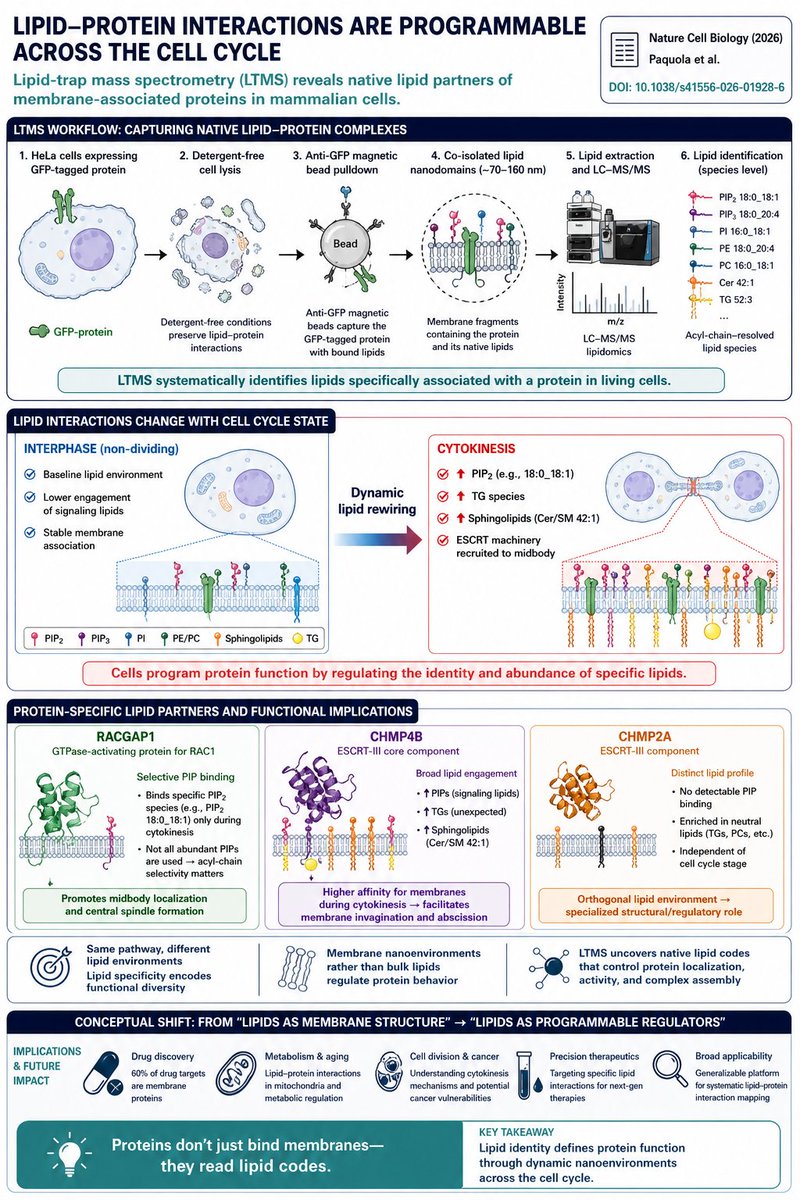
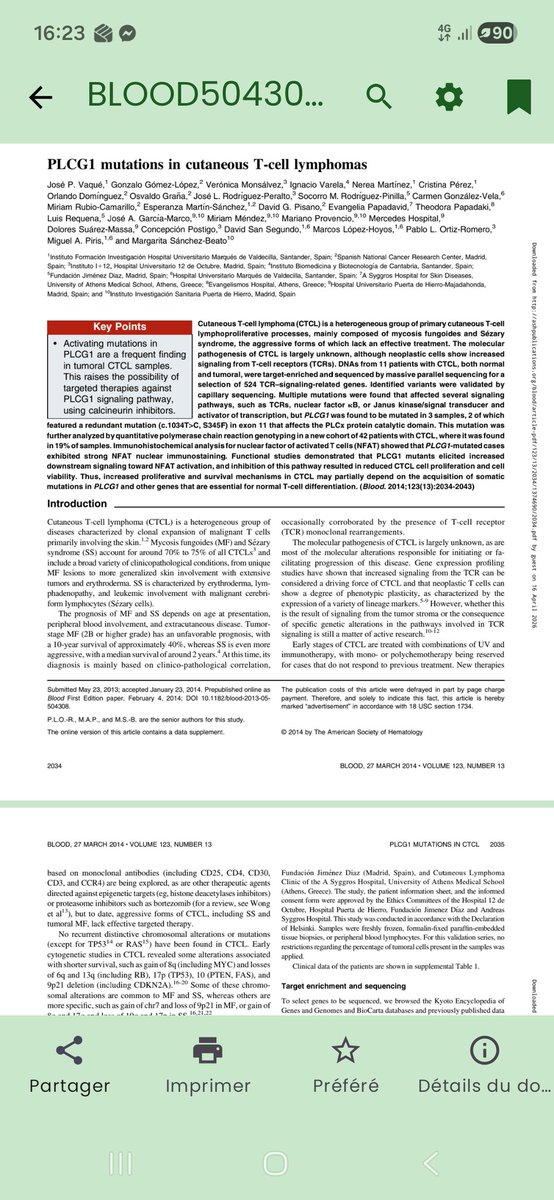
If this was too complicated here are the top 9 supplements that are relatively, cheap, effective and can help you with a variety of mental health issues (LONG tweet).
Number 1: PLP (Pyridoxal 5’-Phosphate)
PLP is the biologically active coenzyme form of vitamin B6.
It serves as an essential cofactor for over 140 enzymatic reactions, many of which are critical for brain function and mental health.
A few examples include:
GABA synthesis: PLP is a required cofactor for the enzyme glutamic acid decarboxylase (GAD65 and GAD67), which converts the excitatory neurotransmitter glutamate into the inhibitory neurotransmitter GABA.
So PLP supports greater inhibitory signaling in the brain, helping to reduce neuronal hyperexcitability, racing thoughts, amygdala over-reactivity, and the persistent “on edge” feeling common in anxiety disorders.
Serotonin and melatonin synthesis: PLP is a cofactor for aromatic L-amino acid decarboxylase (AADC), which converts 5-HTP into serotonin.
Serotonin is then converted into melatonin, the hormone that regulates sleep-wake cycles.
Dopamine synthesis: PLP is also required by AADC for the conversion of L-DOPA into dopamine.
Histamine metabolism: PLP acts as a cofactor for histidine decarboxylase (which synthesizes histamine) and indirectly supports histamine breakdown pathways.
More importantly, adequate B6 status helps maintain proper diamine oxidase (DAO) activity, the main enzyme that degrades dietary and endogenous histamine.
Low PLP can contribute to histamine intolerance, which in turn can drive anxiety, palpitations, restlessness, and brain fog through excessive histamine stimulation of the nervous system.
Helps regulate the kynurenine pathway, reducing production of quinolinic acid (an excitotoxic NMDA receptor agonist).
Supports homocysteine metabolism (lowering levels of homocysteine, which can be neurotoxic and pro-inflammatory).
Acts as an antioxidant and supports overall neurotransmitter balance (including norepinephrine and epinephrine).
Clinical evidence (as always, all studies are presented at the end):
A well-designed 2022 randomized controlled trial found that high-dose vitamin B6 supplementation (100 mg daily, primarily as PLP) significantly reduced self-reported anxiety in young adults compared to placebo, with a modest effect size. It also showed a trend toward reduced depression symptoms.
Animal and mechanistic studies confirm that elevating PLP levels can increase brain GABA concentrations (up to ~20% in some models) and improve behavioral markers of anxiety and cognition.
PLP deficiency is known to exacerbate neurological symptoms, including anxiety-like states, while supplementation can restore inhibitory tone in the central nervous system.
Dosing: Start with 10mg in the morning and you can work up to 40mg into 2 split doses (one in the morning and one in the evening) (increase by 10mg every 5 days).
If you do not notice the benefits within 1 month, discontinue the use.
Number 2: Myo-Inositol
Myo-inositol is a naturally occurring sugar alcohol (a carbocyclic polyol) and a key component of cell membranes.
It serves as a precursor for inositol phosphates (particularly phosphatidylinositol 4,5-bisphosphate or PIP2), which play a central role in intracellular signal transduction.
Key mechanisms of action when it comes to mental health include:
Reduces neuronal hyperexcitability
Myo-inositol helps regulate the phosphoinositide (PI) signaling pathway. Overactive PI signaling is linked to excessive intracellular calcium release and heightened neuronal excitability. By modulating this pathway, myo-inositol can dampen overactive signaling in fear and worry circuits, particularly in the prefrontal cortex, anterior cingulate cortex (ACC), and amygdala.
Enhances inhibitory signaling
It promotes better balance between excitatory (glutamate) and inhibitory (GABA) neurotransmission. Some research suggests it indirectly supports GABAergic tone and helps normalize the excitatory-inhibitory (E/I) ratio that is often disrupted in anxiety disorders.
Modulates serotonin and dopamine receptors
Myo-inositol influences the sensitivity and function of serotonin (5-HT) receptors (especially 5-HT2A and 5-HT1A) and dopamine receptors. This helps regulate mood, emotional processing, and the brain’s response to uncertainty and threat.
Reduces obsessive and panic-like symptoms
It has been shown to decrease excessive activity in the cortico-striato-thalamo-cortical (CSTC) loop and orbitofrontal cortex (the same circuits implicated in OCD and panic disorder).
Clinical evidence:
Multiple clinical trials have demonstrated that myo-inositol supplementation is effective for panic disorder, with reductions in frequency and severity of panic attacks comparable to some medications.
It has also shown benefits in generalized anxiety disorder (GAD), obsessive-compulsive symptoms, and depression with anxious features.
A notable study in patients with panic disorder found that 18 grams per day of myo-inositol reduced the number of panic attacks by over 50% in 4 weeks.
Smaller studies suggest benefits for trichotillomania, binge eating, and premenstrual dysphoric disorder (PMDD).
Dosing: Start with just 500mg and work up to 2grams.
If there is not gut discomfort you can then go to 4-6 grams (with meals/split into 2 doses) or try sublingual.
Discontinute the use if you do not notice any benefits within 4-6 weeks.
*Treat with caution if you have any conditions that makes you prone to hypomania.
Number 3: Magnesium Acetyl-L-Taurate (or other well-absorbed forms like glycinate/threonate).
Magnesium Acetyl-L-Taurate is a chelated form of magnesium bound to the amino acid L-taurine.
This specific form was developed to improve magnesium delivery across the blood-brain barrier, making it one of the most effective magnesium compounds for neurological and mental health support.
It works through several complementary pathways that make it particularly effective for anxiety:
1. GABA-A receptor modulation
Magnesium acts as a positive allosteric modulator of GABA-A receptors.
It binds to a specific site on the receptor and increases the receptor’s sensitivity to GABA, the brain’s primary inhibitory neurotransmitter.
This results in:
Stronger inhibitory signaling across the central nervous system
Reduced neuronal hyperexcitability
A calming effect that promotes relaxation without sedation or cognitive dulling
2. NMDA receptor antagonism
Magnesium is a natural voltage-dependent blocker of NMDA receptors (a subtype of glutamate receptors).
When magnesium levels are sufficient inside the neuron, it sits in the NMDA channel and prevents excessive calcium influx triggered by glutamate. This action:
Reduces glutamate-driven excitotoxicity
Calms overactive fear circuits, particularly in the amygdala and anterior cingulate cortex (ACC)
Decreases “racing thoughts,” hypervigilance, and the kind of mental overstimulation common in anxiety disorders
Helps break the vicious cycle where anxiety increases glutamate release, which then fuels more anxiety
3. The acetyl-L-taurate form was specifically designed to cross the blood-brain barrier more efficiently than common magnesium forms (oxide, citrate, or even glycinate).
Once in the brain, the taurine component provides additional benefits:
Mild GABA-A agonist activity: taurine itself binds to and activates GABA-A receptors, enhancing the overall calming effect.
Membrane stabilization: helps maintain proper neuronal membrane potential and reduces hyperexcitability.
Antioxidant and anti-inflammatory effects: protects brain cells from oxidative stress and neuroinflammation, both of which worsen anxiety.
Mitochondrial support: improves cellular energy production in high-demand brain regions (amygdala, prefrontal cortex, and hippocampus), helping the brain better regulate stress and emotion.
4. HPA axis and cortisol regulation
Magnesium plays a critical role in modulating the hypothalamic-pituitary-adrenal (HPA) axis.
It helps:
Reduce excessive cortisol release during chronic or acute stress
Prevent cortisol from impairing prefrontal cortex function (the brain’s “braking system”)
Support healthier stress recovery
Lower cortisol levels translate into reduced background anxiety, better sleep, and improved emotional resilience.
5. Neuroplasticity and BDNF Support
Adequate brain magnesium levels are essential for synaptic plasticity (the brain’s ability to form and strengthen connections).
Magnesium Acetyl-L-Taurate:
Increases expression of BDNF (brain-derived neurotrophic factor)
Supports long-term potentiation (LTP), the cellular basis of learning and memory
Helps the brain adapt and recover from the “wear and tear” of prolonged anxiety and stress
This is one reason consistent magnesium supplementation often leads to gradual, sustained improvements rather than just short-term symptom relief.
Dosing: Start with 300-400mg and work up to 1 gram into 2 split doses (A.M/P.M) with meals.
Number 4: L-Theanine
This is an amino acid naturally found in green tea and some mushrooms.
Here’s how it can help you:
1. Increases GABA levels and enhances GABAergic signaling
L-Theanine directly promotes the synthesis and release of GABA in the brain.
It also acts as a positive allosteric modulator of GABA-A receptors, increasing their sensitivity to GABA.
This dual action (more GABA better receptor response) helps quiet overactive neural circuits, particularly in the amygdala and the salience network (ACC insula).
The result is a reduction in excessive fear signaling, worry, and the constant “on edge” feeling characteristic of anxiety disorders.
By strengthening inhibitory tone, L-Theanine helps restore balance in the excitatory-inhibitory (E/I) ratio that is often disrupted in anxiety.
2. Modulates Glutamate Activity
Due to its structural similarity to glutamate, L-Theanine competitively binds to several glutamate receptors, including NMDA and AMPA receptors.
This gentle antagonism reduces excessive excitatory signaling without completely blocking glutamate transmission (which would impair cognition).
By lowering glutamate-driven hyperexcitability, L-Theanine helps prevent:
Racing thoughts and mental restlessness
Glutamate-mediated excitotoxicity
Overactivation of fear circuits in the amygdala and extended amygdala (BNST)
3. Boosts alpha brain waves
Multiple EEG studies consistently demonstrate that L-Theanine significantly increases alpha brain wave activity (8–12 Hz) within 30–40 minutes of ingestion.
Alpha waves are associated with a relaxed yet alert mental state, the same pattern observed during meditation, creative flow, or light mindfulness practice.
This shift in brainwave activity correlates with subjective feelings of calm focus and reduced mental chatter, making L-Theanine particularly useful for “wired but tired” anxiety or performance-related stress.
4. It gently elevates levels of dopamine and serotonin in the prefrontal cortex and striatum.
Unlike stimulants that cause sharp spikes and crashes, L-Theanine provides a smooth, moderate increase that supports:
Better mood regulation
Improved motivation and reward processing
Enhanced emotional resilience without overstimulation or jitteriness
5. Blunts the release of cortisol and norepinephrine during acute stress.
It lowers sympathetic nervous system activation, leading to measurable reductions in:
Heart rate and blood pressure
Muscle tension
Physiological arousal (sweating, trembling, etc.)
Dosing: 200-400mg timed 1-2 hours before a stressful event/your most stressful part of the day taken for 2-3 weeks and discontinue in case you don’t notice any benefits.
Number 5: NAC
NAC is a stable, bioavailable form of the amino acid cysteine.
Its main mechanisms of action when it comes to how it can assist our mental health include:
Glutamate regulation
NAC promotes the cystine-glutamate antiporter (also called System xc⁻) on glial cells.This exchanger imports cystine into the cell while exporting glutamate into the extracellular space.
This process normalizes excessive synaptic glutamate levels, particularly in the prefrontal cortex (PFC) and nucleus accumbens.
By reducing glutamate overflow, NAC decreases neuronal hyperexcitability, racing thoughts, obsessive worry, and the “stuck” feeling common in anxiety and OCD.
It helps restore balance to the excitatory-inhibitory (E/I) ratio without directly blocking glutamate receptors (unlike some medications).
Boosts glutathione production
NAC is a rate-limiting precursor for the synthesis of glutathione, the body’s most powerful intracellular antioxidant.
It combats oxidative stress and neuroinflammation, both of which amplify anxiety circuits (especially in the amygdala and ACC).
Higher glutathione levels protect neurons from damage and support mitochondrial function.
Anti-inflammatory and neuroprotective effects
NAC reduces pro-inflammatory cytokines (IL-6, TNF-α) and inhibits microglial activation.
It also increases BDNF (brain-derived neurotrophic factor) expression, supporting neuroplasticity and resilience in stress-sensitive brain regions.
Dopamine Modulation
By regulating glutamate in the reward pathways (nucleus accumbens), NAC helps stabilize dopamine signaling, which can reduce impulsivity, craving, and compulsive behaviors.
Dosing: For general brain support 300mg every other day.
For OCD, bipolar disorders and ADHD the doses studied are 3 grams per day but this is usually too much and will result in gut discomfort fast depletion of copper.
So opt for 300mg twice per day.
Don’t use it for more than 8 weeks at a time (take 4-12 weeks off).
Number 6: Lithium orotate.
Lithium orotate is a form of lithium bound to orotic acid so it is not the same as prescription lithium carbonate.
Its key mechanisms of action include:
Inhibiting GSK-3β (Glycogen Synthase Kinase-3β)
This is lithium’s most well-studied molecular target.
GSK-3β is a multifunctional enzyme involved in inflammation, apoptosis (cell death), and mood regulation. Inhibiting GSK-3β promotes cell survival, enhances neuroplasticity, and helps stabilize mood circuits.
This mechanism is shared with prescription lithium and is thought to underlie many of its neuroprotective effects.
Increases BDNF (Brain-Derived Neurotrophic Factor)
Low-dose lithium upregulates BDNF expression, which supports neuron survival, synaptic plasticity, and neurogenesis (especially in the hippocampus). Higher BDNF levels are associated with better resilience to stress and improved emotional regulation.
Stabilizes dopamine signaling
Lithium helps normalize dopamine transmission in the prefrontal cortex and striatum.
This can reduce emotional reactivity, irritability, and the “all-or-nothing” thinking often seen in mood instability or anxiety with bipolar traits.
Reduces neuroinflammation
Lithium has anti-inflammatory effects, including downregulation of pro-inflammatory cytokines and inhibition of microglial overactivation.
This helps calm overactive fear circuits (amygdala and extended amygdala) that are frequently inflamed in chronic anxiety and mood disorders.
Enhances neuroprotection and mitochondrial function
It protects neurons from oxidative stress, improves mitochondrial energy production, and may help restore healthy calcium signaling.
These effects support overall brain resilience under chronic stress.
Dosing: start with 2.5mg and you can work up to 10.
But lithium can lower transit time quite a lot in some people so if you’re dealing with constipation, you might even want to start with 1mg.
Also if your TSH is high or if you have issues with your thyroid, it might also not be ideal in doses higher than 2.5mg.
Number 7: Saffron.
Saffron is derived from the stigmas of the Crocus sativus flower and its main bioactive compounds are crocin, safranal, and crocetin.
Its key mechanisms of action include:
Restores DARPP-32 signaling.
DARPP-32 is a key regulatory protein highly expressed in medium spiny neurons of the striatum (including the nucleus accumbens) and also present in the prefrontal cortex (mPFC) and other limbic areas.
It integrates signals from multiple neurotransmitter systems (primarily dopamine, serotonin, and glutamate) to fine-tune neuronal excitability, synaptic plasticity, and behavioral responses to rewards, stress, and motivation.
When phosphorylated at Thr34 (by Protein Kinase A / PKA, often downstream of dopamine D1 or serotonin receptors), DARPP-32 becomes a potent inhibitor of Protein Phosphatase-1 (PP-1).
This amplifies signaling cascades, enhancing the effects of dopamine and serotonin.
When phosphorylated at Thr75 (by Cdk5), it inhibits PKA, acting as a brake on the pathway.
In depression and chronic stress models(*), the normal dynamic phosphorylation response of DARPP-32 to rewarding stimuli is often blunted, contributing to anhedonia (reduced ability to feel pleasure), motivational deficits, and persistent negative emotional states.
(*)Chronic stress disrupts the normal increase in phospho-Thr34 DARPP-32 in response to a natural reward (e.g., sucrose consumption) in the nucleus accumbens (NAc) and medial prefrontal cortex (mPFC).
Repeated administration of saffron extract reinstated this phosphorylation response.
Crocin and safranal inhibit reuptake of serotonin, dopamine, and norepinephrine (similar to some antidepressants) and may act as mild monoamine oxidase (MAO) inhibitors.
Stronger monoamine signaling activates PKA, which phosphorylates DARPP-32 at Thr34.
Saffron also influences the cAMP/PKA pathway and may indirectly affect DARPP-32 via improved BDNF-TrkB signaling (which supports neuroplasticity and resilience).
In other words, saffron helps restore the brain’s ability to properly activate DARPP-32 signaling when a positive stimulus occurs.
Reduces neuroinflammation
Crocin and safranal potently suppress pro-inflammatory cytokines (TNF-α, IL-6, IL-1β) and inhibit microglial activation in the brain. Lower neuroinflammation helps calm overactive amygdala and salience network activity, reducing the “threat bias” common in anxiety disorders.
Antioxidant and neuroprotective effects
Saffron increases levels of BDNF (brain-derived neurotrophic factor) and protects neurons from oxidative stress and glutamate excitotoxicity. It also supports mitochondrial function, which is often impaired in chronic stress and anxiety states.
HPA axis modulation
It helps normalize cortisol responses and reduces stress-induced hyperactivity of the HPA axis.
Dosing: You can do 15mg 2-3 times a day (2–3% crocin and 0.5–1% safranal).
If you don’t experience any benefits with 4 weeks, discontinue.
Number 8: Magnolia bark
Magnolia bark has been used for centuries in Traditional Chinese Medicine for calming the mind, reducing tension, and improving sleep.
Here’s why:
Positive Allosteric Modulators of GABA-A Receptors
Both honokiol and magnolol act as positive allosteric modulators of GABA-A receptors (similar to benzodiazepines, but with important differences).
They enhance the binding of GABA to its receptor without directly activating the receptor site.
This results in increased inhibitory signaling, producing anxiolytic (anti-anxiety), sedative, and muscle-relaxant effects that are generally gentler and less likely to cause heavy sedation, tolerance, or dependence compared to pharmaceutical benzodiazepines.
Anti-inflammatory and neuroprotective effects
Honokiol and magnolol potently inhibit pro-inflammatory pathways, including NF-κB and COX-2.
They reduce neuroinflammation and oxidative stress, which can otherwise amplify amygdala reactivity and salience network hyperactivity.
Cortisol and HPA axis modulation
Magnolia bark has been shown to lower elevated cortisol levels and blunt the stress-induced activation of the HPA axis. This helps break the chronic stress-anxiety feedback loop.
Additional Benefits from magnolol and honokiol:
Mild modulation of serotonin and dopamine systems
Antioxidant properties that protect neurons
Improvement in sleep quality without significant next-day grogginess
Dosing: 200–400 mg of standardized magnolia bark extract (containing 1–2% honokiol/magnolol) per day, split into 2 doses.
Number 9: Creapure.
Creatine is a naturally occurring compound synthesized in the body from the amino acids arginine, glycine, and methionine.
While it is best known for its role in muscle energy metabolism, the brain also uses large amounts of creatine to maintain cellular energy balance.
Key mechanisms of action for mental health
Enhances brain energy metabolism
The brain has extremely high energy demands. Creatine is converted to phosphocreatine, which rapidly regenerates ATP (adenosine triphosphate). This is especially important in high-energy-demand regions such as the prefrontal cortex, hippocampus, and amygdala during periods of stress or anxiety.
Buffers energy deficits under stress
Chronic anxiety and elevated cortisol increase energy consumption in the brain. Creatine helps stabilize ATP levels, preventing energy crashes that can worsen cognitive fog, fatigue, irritability, and difficulty regulating emotions.
Neuroprotective and anti-inflammatory effects
Creatine reduces oxidative stress, supports mitochondrial function, and has mild anti-inflammatory properties. It also increases brain-derived neurotrophic factor (BDNF) levels, promoting neuroplasticity and resilience.
Modulates neurotransmitter systems
Emerging research suggests creatine influences glutamate signaling (by supporting energy-dependent glutamate uptake) and may indirectly support GABAergic tone. It has also been shown to increase dopamine levels in some brain regions.
Improves prefrontal cortex function
By providing more readily available energy, creatine enhances executive function, working memory, and emotional regulation — all of which are often impaired in anxiety disorders.
Dosing: Two 5 gram doses/day.
Not ideal for people with slow COMT/tend to get hypomanic.
Now these are the main swiss knives.
Some other supplements that might help include:
Lactobacillus plantarum PS128 (a specific psychobiotic strain)
This probiotic strain has been shown in studies to increase GABA production, elevate BDNF (brain-derived neurotrophic factor), and reduce histamine levels by supporting diamine oxidase (DAO) activity.
It also modulates the gut-brain axis via the vagus nerve and reduces systemic inflammation, offering benefits for both anxiety and stress-related mood issues.
Lemon Balm
Lemon balm inhibits the enzyme GABA transaminase, slowing the breakdown of GABA and thereby increasing its availability.
Valerian rootValeria root contains valerenic acid, which also modulates GABA-A receptors.
Phosphatidylserine (PS)
A phospholipid that helps regulate cortisol release from the HPA axis. When taken consistently for at least 14–30 days, it can blunt the cortisol response to acute and chronic stress, improving resilience, reducing perceived stress, and supporting cognitive function under pressure.
Lactobacillus plantarum PS128 (one of the best-studied psychobiotics)
Increases GABA production in the gut and brain, elevates BDNF (brain-derived neurotrophic factor), reduces systemic inflammation, and lowers histamine levels by supporting diamine oxidase (DAO) activity.
Lactobacillus rhamnosus GG and other Lactobacillus strains
Can modulate the HPA axis (reducing cortisol response), increase GABA receptor expression in the brain, and decrease pro-inflammatory cytokines.
Bifidobacterium longum, Bifidobacterium breve, and Bifidobacterium infantis
These strains produce short-chain fatty acids (especially butyrate), which have anti-inflammatory effects and can cross the blood-brain barrier to support neuronal health.












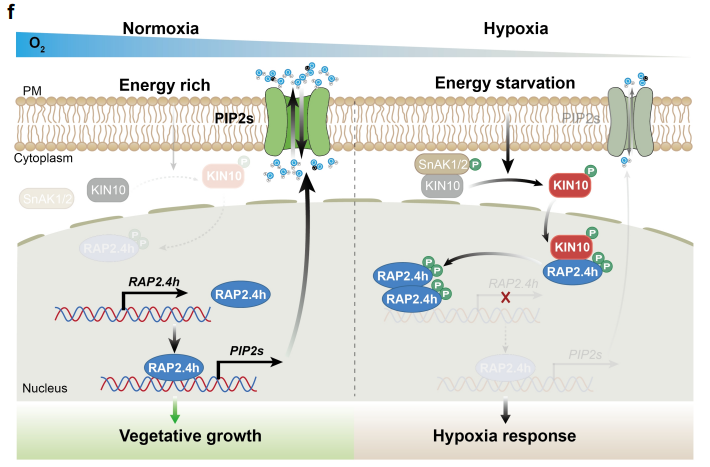
![Fig. 8 | The OsRAP2.4h–PIP2 module plays a conserved role in regulating hypoxia tolerance and plant growth.
a, Seed germination of Zhonghua 11 (ZH11) and OsRAP2.4h knockout lines (Os2.4h-1 and Os2.4h-2) under normal (Air) or hypoxia (0.1% [v/v] O2) for 7 days.
b, The coleoptile length of the genotypes as presented in (a). Data are presented as means ± SD ( n = 3 independent experiments, each with 7 plants per genotype). Different letters without prime and with one prime indicate significant differences among genotypes under normal (Air) and hypoxia, respectively, at P < 0.05 (one -way ANOVA with Tukey ’s HSD test).
c , Growth phenotypes of 7-week-old ZH11, Osrap2.4h-1, and Osrap2.4h-2 under normal growth conditions.
d , The plant heights for the genotypes as presented in (c). Data are presented as means ± SD (n = 3 biological replicates). Different letters indicate significant differences among genotypes at P < 0.05 (one -way ANOVA with Tukey ’s HSD test).
e, RT-qPCR analysis...](https://venexa.site/media/HHkykHeWUAQx9eI.png)
![Fig. 2 | RAP2.4h is a key regulator balancing hypoxia tolerance and plant growth.
d, Phenotypes of 1-week -old WT, rap2.4h, OE-1, and OE-2 seedlings subjected to hypoxia (0.1% [v/v] O2) or normoxia (Air) in the dark for 7 h and then incubated in normoxic conditions for 4-d recovery.
e–f, Green cotyledon percentages (e) and relative chlorophyll contents (f) for the genotypes as presented in (d). For each genotype, chlorophyll content in hypoxia-treated seedlings was normalized to that of its own dark control (set to 100%). Data are presented as means ± SD ( n = 3 independent experiments, each with 5 seedlings per genotype).
g , Growth phenotypes of 5-week-old (top) and 6-week-old (bottom) WT, rap2.4h, OE-1, and OE-2 plants.
h , The number of rosette leaves in WT, rap2.4h, OE-1, and OE-2 plants at bolting. Data are presented as means ± SD (n = 3 independent experiments, each with 9 plants per genotype).
i, Phenotypes of the sixth leaf (top) of 5-week-old and main stem (bottom)...](https://venexa.site/media/HHkv-YjWIAYJcHL.png)