

Jun 10
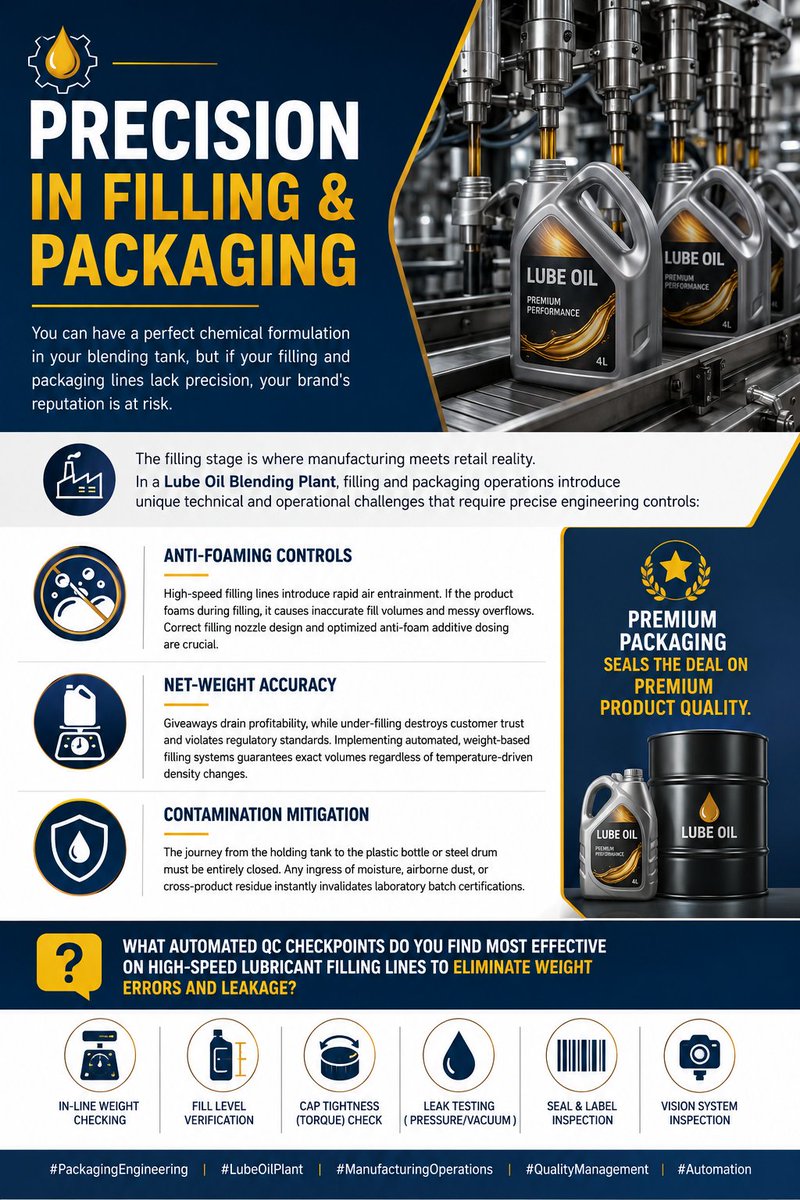
Beyond the 1500°C furnace, the synchronized speed of the IS machine and precise mold temperature control dictate the glass wall thickness distribution and thermal shock resistance.
#glassmanufacturing #packagingengineering #supplychain #glassbottlefactory #bottlingline
13
Behind every reliable FMCG supply chain is a heavy-industrial dance governed by thermodynamic precision. 🌐🔥
#supplychain #packagingengineering #manufacturing
4

Mar 11
That’s where many sustainability innovations quietly fail.
And that’s the kind of ground-level testing we spend most of our time thinking about.
Still learning every week.
#SustainablePackaging #ClimateTech #MaterialsInnovation #PackagingEngineering #SupplyChain #biotech
3
13

Jan 15
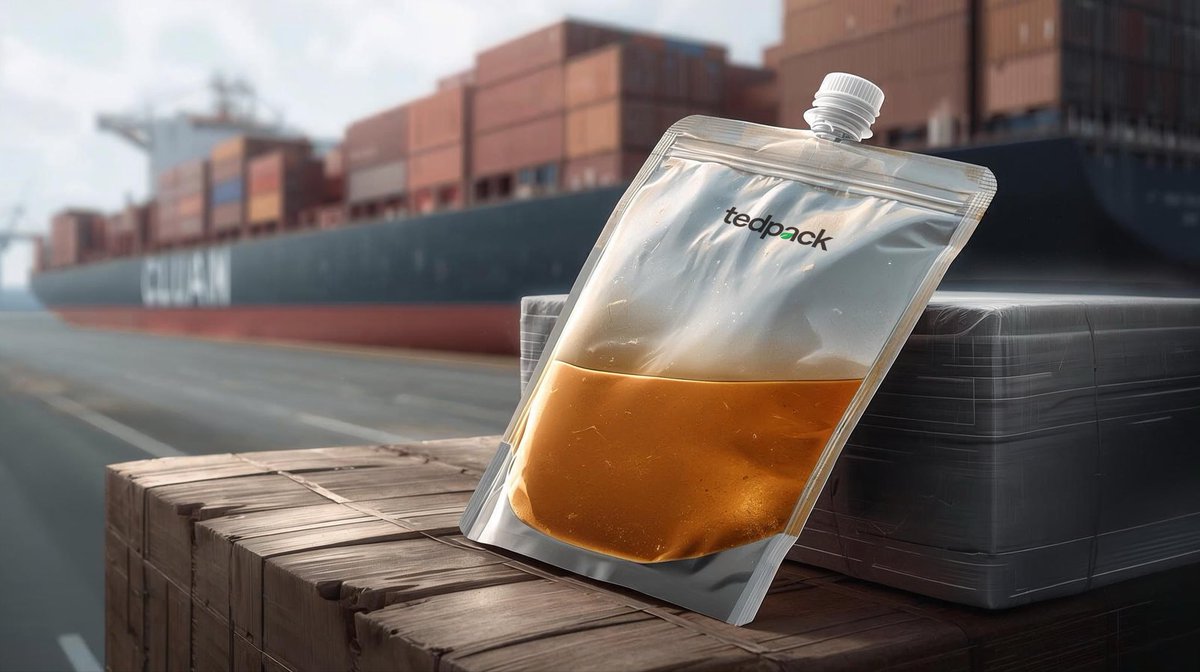
A liquid pouch that performs well in production
can still fail during transportation.
Common transport-related stress factors include:
• Repeated drops and vibration
• Compression from stacking
• Temperature fluctuations
• Long shipping cycles, especially for overseas transport
These conditions place continuous stress on seals, materials, and structures.
Packaging design that ignores transportation reality often leads to unexpected leakage or deformation.
A reliable solution must account for the entire journey, not just the filling line.
Understanding transport risks early allows packaging structures to be designed for durability, not just appearance.
#LiquidPackaging #PackagingLogistics
#TransportPackaging #SupplyChain
#PackagingEngineering
2
16
Jan 8
Leakage in liquid packaging rarely has a single cause.
In practice, leaks are usually the result of interactions between materials, pouch structure, converting, filling equipment, and distribution conditions.
That’s why a pouch can look perfectly sealed right after production—
but fail later after stacking, compression, vibration, or long-distance shipping.
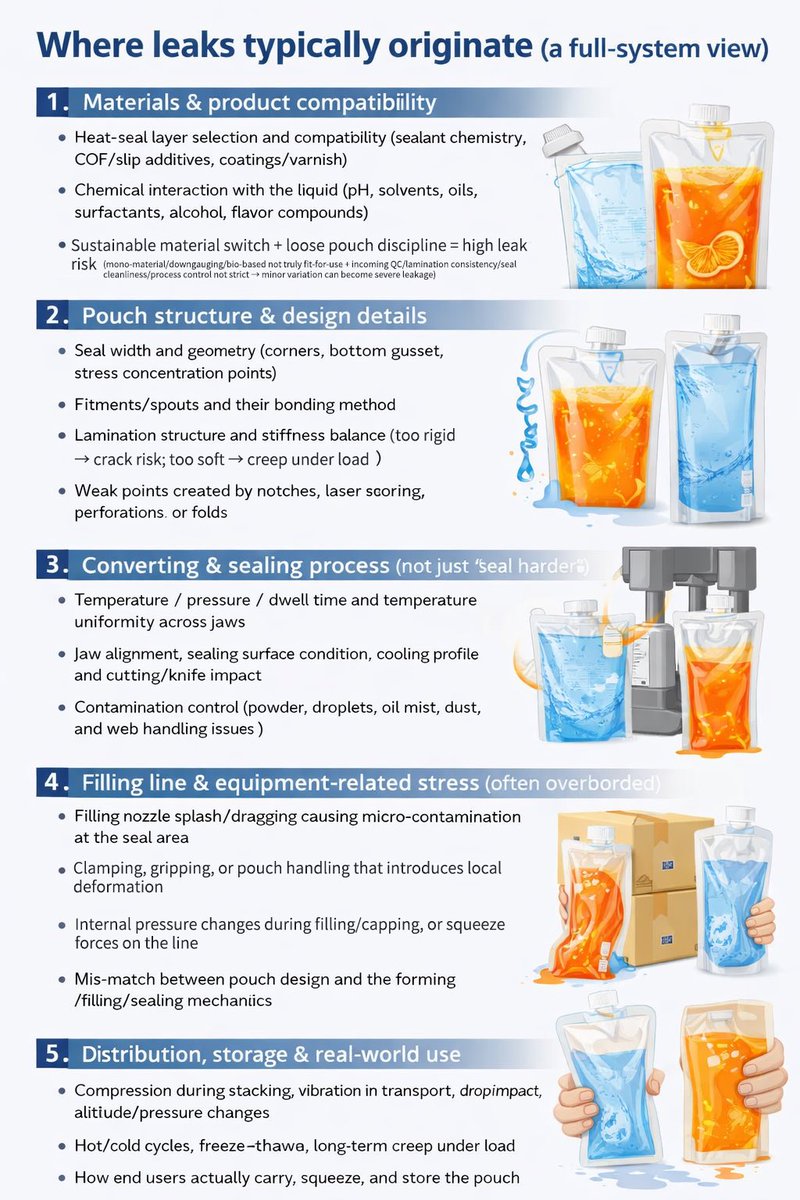
Where leaks typically originate
1) Materials & product compatibility
Heat-seal layer selection and compatibility (sealant chemistry, COF/slip additives, coatings/varnish)
Chemical interaction with the liquid (pH, solvents, oils, surfactants, alcohol, flavor compounds)
Product temperature, viscosity, particulates, and foaming behavior affecting seal cleanliness and stress
Sustainability-driven material changes can introduce new risks: replacing traditional structures with recyclable/eco alternatives (e.g., mono-materials, downgauged films, bio-based layers) may narrow the sealing window, reduce barrier/chemical resistance, or change friction behavior—leading to leakage if the material is not truly fit-for-use
When material specs and pouch-making discipline aren’t strict enough (incoming QC, lamination consistency, sealant cleanliness, process control), even “minor” variation can become severe leakage in liquid packs
2) Pouch structure & design details
Seal width and geometry (corners, bottom gusset, stress concentration points)
Fitments/spouts and their bonding method
Lamination structure and stiffness balance (too rigid → crack risk; too soft → creep under load)
Weak points created by notches, laser scoring, perforations, or folds
3) Converting & sealing process
Temperature / pressure / dwell time and temperature uniformity across jaws
Jaw alignment, sealing surface condition, cooling profile, and cutting/knife impact
Contamination control (powder, droplets, oil mist, dust) and web handling issues
4) Filling line & equipment-related stress
Filling nozzle splash/dragging causing micro-contamination at the seal area
Clamping, gripping, or pouch handling that introduces local deformation
Internal pressure changes during filling/capping, or squeeze forces on the line
Mis-match between pouch design and the forming/filling/sealing mechanics
5) Distribution, storage & real-world use
Compression during stacking, vibration in transport, drop/impact, altitude/pressure changes
Hot/cold cycles, freeze–thaw, long-term creep under load
How end users actually carry, squeeze, and store the pouch
Leak prevention is not about “sealing harder.”
It’s about aligning materials structure process equipment usage conditions—early.
In many cases, the fastest path to root cause requires joint troubleshooting with:
the converter, technical/engineering teams, and the filling/packaging machine supplier—because a leak is often born at the interface between these systems.
Addressing the full chain upfront reduces downstream risk, shortens debugging cycles, and avoids costly rework.
If you’re facing recurring leaks, share your pouch structure, filling conditions, and shipping scenario. We can help you build a cause map and narrow down the true root cause—across materials, conversion, and equipment.
#FlexiblePackaging #LiquidPackaging #PackagingEngineering #SealIntegrity #SustainablePackaging #RecyclablePackaging
1
2
29
30 Dec 2025
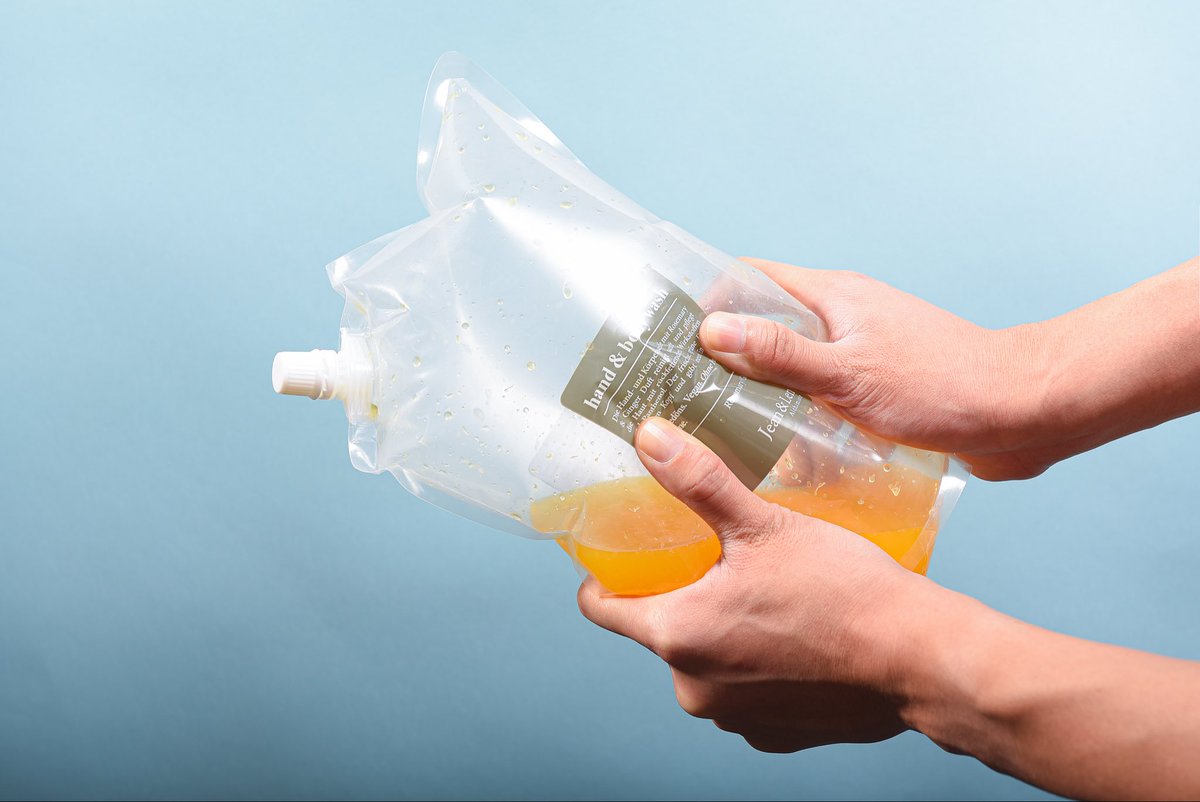
In liquid packaging, material choice is rarely about a single layer — it’s about how multiple layers work together as a system.
Common structures often include combinations such as PET / NY /AL/PE, each playing a specific role:
• PET – surface strength, printability, dimensional stability
• NY (PA) – puncture resistance and toughness during transportation
• AL – high barrier against oxygen, moisture, and light
• PE – sealing layer, chemical resistance, compatibility with liquids
For liquid products, barrier performance is not optional.
It directly affects shelf life, product safety, and transport reliability.
As a solution provider, we don’t look at materials individually —
we look at how the structure behaves under real conditions: filling, squeezing, stacking, shipping, and repeated consumer use.
Understanding material logic early helps brands avoid over-design, under-design, and costly revisions later.
#LiquidPackaging #FlexiblePackaging #PackagingEngineering
#PackagingDesign #BarrierPackaging
3
14

5 Dec 2025
Board wrapping—vertical column design as an alternative to orbital systems
#PackagingEngineering #BoardHandling #EndOfLine #ContinuousImprovement #Manufacturing #Intralogistics
1
2
13

13 Oct 2023
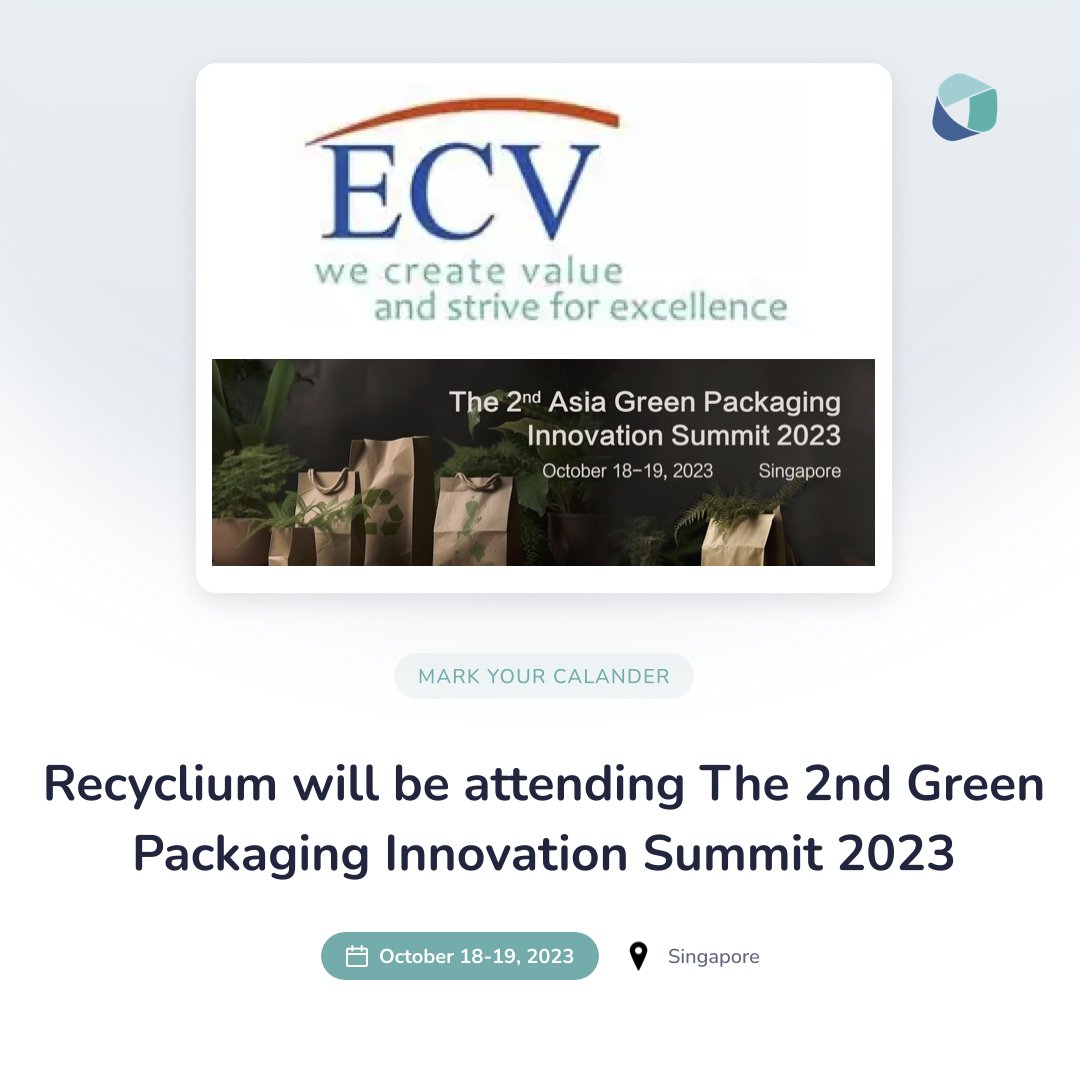
📢 Recyclium will be attending The 2nd Asia Green Packaging Innovation Summit 2023, organised by @ECV_Int and sponsored by @recyclium in #Singapore 🇸🇬
@pascal_siegrist, our Founder and CEO will be one of the speakers. we will be delighted with your presence.
💻 Online and Offline
📅 October 18-19
📍 Singapore
Discover insights from over 15 keynote speakers, including representatives from leading organizations like @TOMRAGroup, @Unilever, @CocaColaPH, @PVM_Official, @recyclium, @Henkel ,@Microsoft and many more. They'll be sharing best practices and innovations in green packaging, recycling, and the circular economy.
Let's work together towards a more sustainable future. 🤝 💚
🎫 Interested in attending? Learn more and register: t.ly/1NGIh
See you in Singapore 🇸🇬
#GreenPackaging #Sustainability #Recycling #CircularEconomy #InnovationSummit #PackagingEngineering #ESG #AsiaEvent #Recyclium #SustainableFuture #exhibition
2
2
6
235

23 Jun 2023
To celebrate Women in Engineering Day, we asked some of the many women who contribute to our success to share what they like most about working in an engineering field. Here's what they had to say! 👇
#WomenInEngineeringDay #WomenInEngineering #PackagingEngineering
3
60

E-commerce distribution is booming! CPULD has invested in state-of-the-art sensors from Lansmont Corp. and look forward to helping companies learn more about the behavior of their packages during e-commerce distribution. #VT #sensors #ecommerce #packagingengineering #palletlife

2
95

13 Jun 2022
Packaging engineers, what if you could quickly measure the total downstream impact of your design decisions, down to the cent and ounce of CO2e?
#packagingengineering #scope3 #simulation
1
3

9 Jun 2022
Packaging Manager, Amanda Tran, was featured in @ConstructionMag! Give it a read below to learn more about Amanda, and packaging engineering in the construction space. #PackagingEngineering #Manufacturing
constructionexec-pageviewer.…
3
10 May 2022
Our Learning Shares provide unique #packaging insights from our experts.
Senior Packaging Engineer Barry Davis describes the value in hearing from #packagingengineers with diverse backgrounds in our monthly webinars.
#PackagingIndustry #PackagingEngineering #PackagingSolutions
2
2 Nov 2021
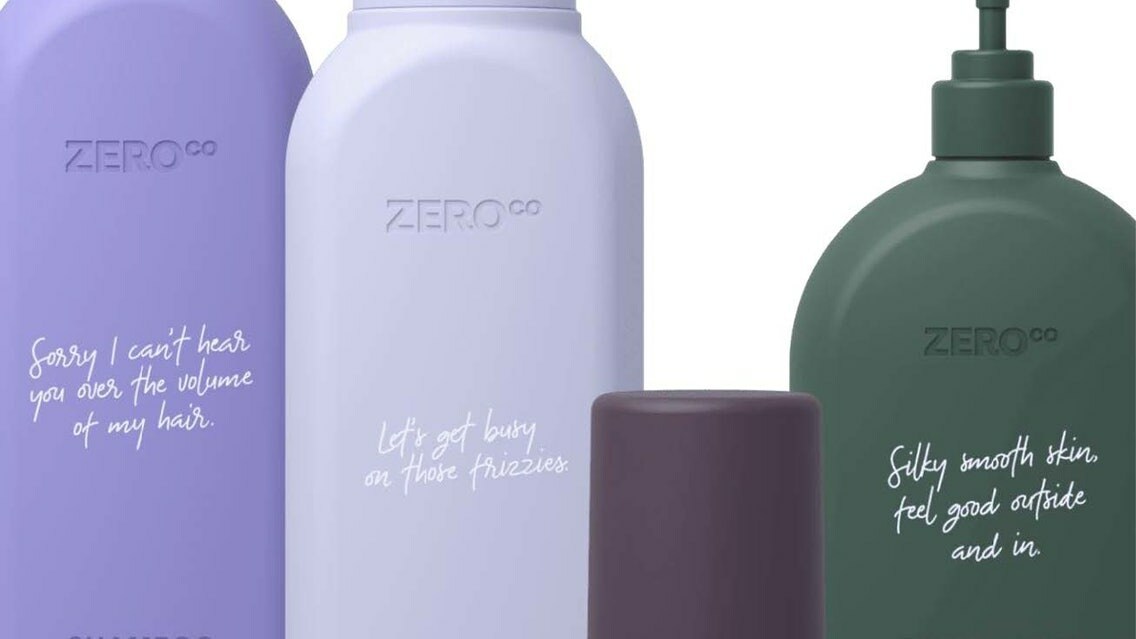
#Sustainability is a work-in-progress for many brands in a variety of industries.
Read about the actions brands are taking and the benefits of #reusable #packaging in this @PackagingWorld article. ⬇️
bit.ly/3GI7SzV
#PackagingIndustry #PackagingEngineering #PackDev
2

7 Oct 2021
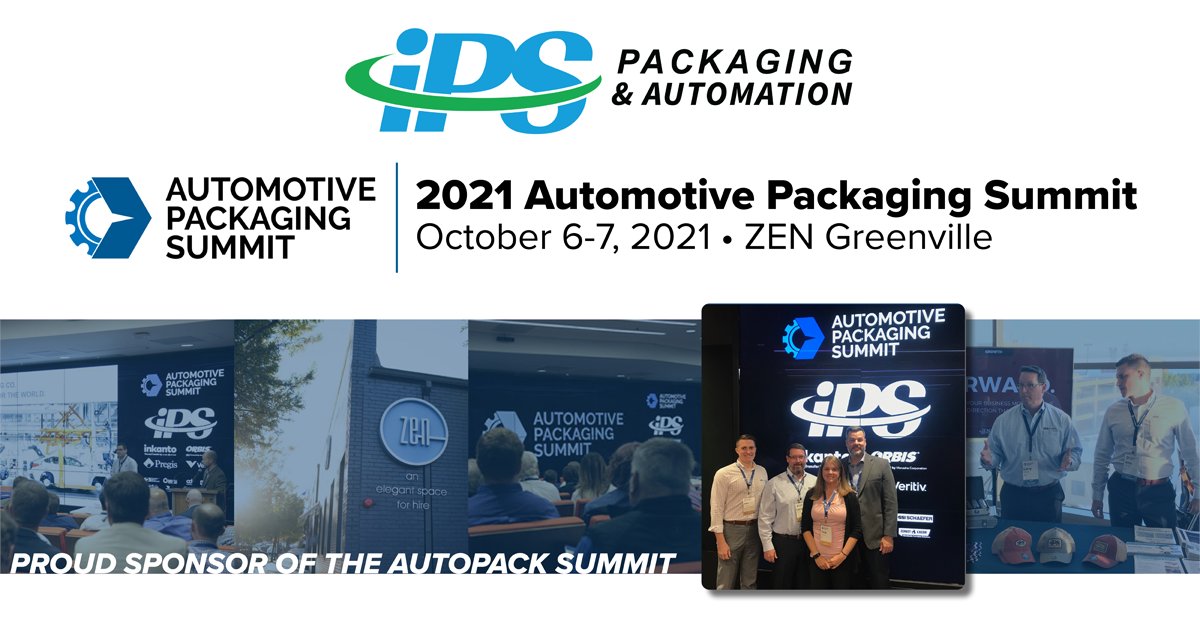
We're officially on Day 2 of the 2021 AutoPack Summit and have already learned so much. Will you be here today? Stop by to say hey if you haven't already!
#ipspackagingandautomation #ipspackaging #AutoPack2021 #packaging #automotivepackaging #packagingengineering
2
22 Sep 2021
As an alternative to Pack Expo this year, we're having a night of trivia, drinks, and mingling, allowing you and other #packaging professionals to socialize & network in a relaxed, virtual setting.
Sign up today: bit.ly/3lxke45
#PackagingIndustry #PackagingEngineering

3


8 Apr 2021
📹 TAEVision 3D Mechanical Design
Industrial Packaging Package Design Modeling Rendering Dynamics
PackagingEngineering PackagingFoam ProtectivePackaging
1
3

18 Mar 2021
I've searched out on Google and here on LinkedIn and contacted 3 #packagingengineering firms asking them to come on my Explaining Hemp broadcast on Saturday and NO ONE has gotten back to me.
I'm beginning to worry that I won't find a #packaging #expert b…lnkd.in/eyui9gn
3