









くぅ retweeted

5 Jun 2025
みつき君の好きなセリフ𝕡𝕒𝕣𝕥𝕆𝕟𝕖 ❤️
💛拒否権ないよ
💛ぽち🐶泣け
💛気持ちよくなりたい?
💛目見ろって
💛何がほしい?キスだけ?俺はお前の全部が欲しいけど?
💛お前うざい!!
💛次誰かのこと見たら️⭕️すからね?
💛全然俺のこと論破してよ
💛年下にこんなことされていいんだ?
💛俺は俺のもんだよ。
💛嫉妬してんだろ?
#おにラブ
14
3
93
2,561
wenot no retweeted


1
1
15

Jun 7
映画『ミッション:インポッシブル/デッドレコニング PART ONE』★★★★4.3点。 filmarks.com/movies/86239/re… #Filmarks #映画 #ミッションインポッシブルデッドレコニングPARTONE
9
130

Jun 6
Transcript Excerpt • #PartOne: What is Ebola?
Ebola is a viral disease that causes fever and can become severe if not managed early.
A common myth is that Ebola causes bleeding from all body openings. This is not always true. Bleeding may occur only in severe cases when the body’s ability to clot blood is affected.
Like many infections, Ebola can disrupt normal body functions when it becomes severe. Under normal conditions, the body stops bleeding through clotting. In extreme illness, this system may fail.
Ebola typically presents in two phases:
• Early (dry phase): This stage may include fever, headache, body aches, and general weakness. At this point, the infection is still developing and the risk of transmission is lower.
• Later (wet phase): This stage may involve vomiting, diarrhoea, and coughing. These body fluids can carry high levels of the virus.
Ebola spreads through direct contact with infected body fluids such as blood, vomit, saliva, stool, or other secretions. It is not airborne like COVID-19.
4
176

Jun 3
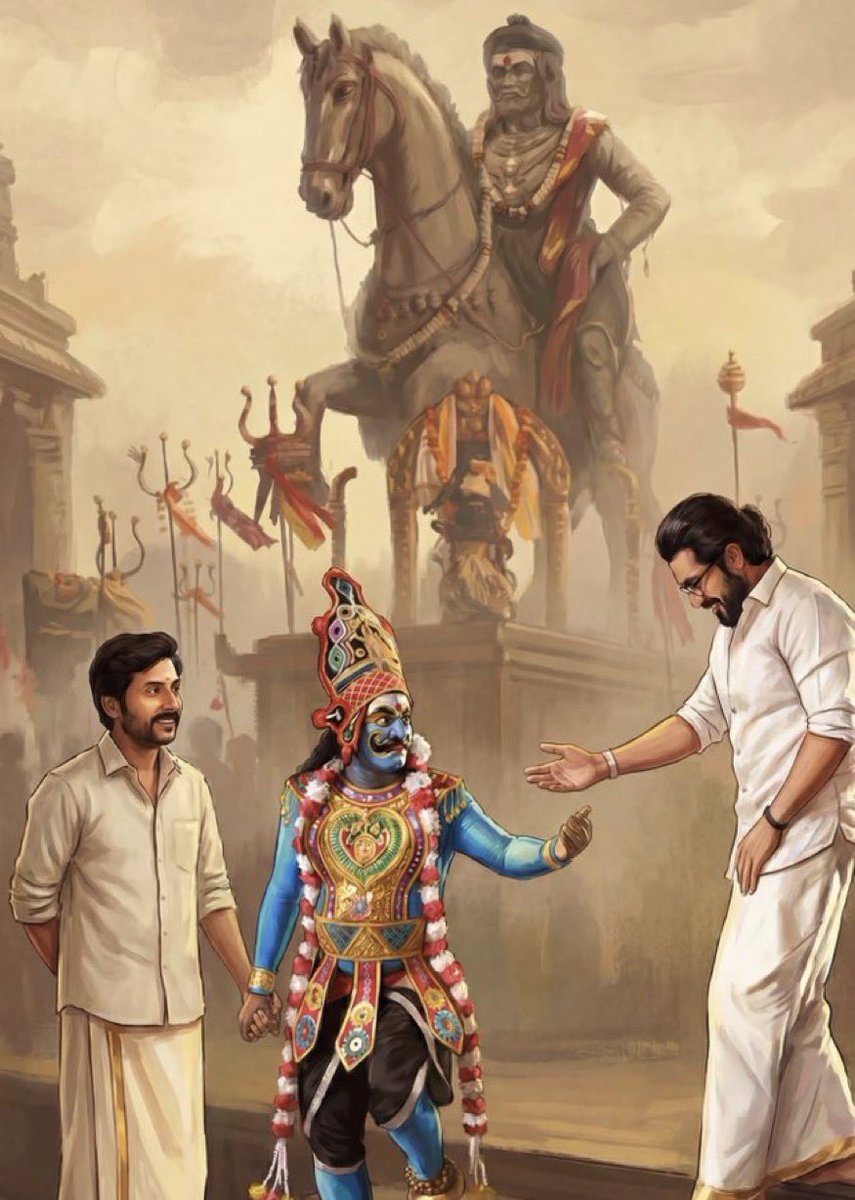
leave it Guys @RJ_Balaji palaye tweet Karuppu related videos update partone manasu kekale ...positive irunge #Karuppu ku pei mari efforts poturukan..Anbave irupom ❤️
8
253


May 26
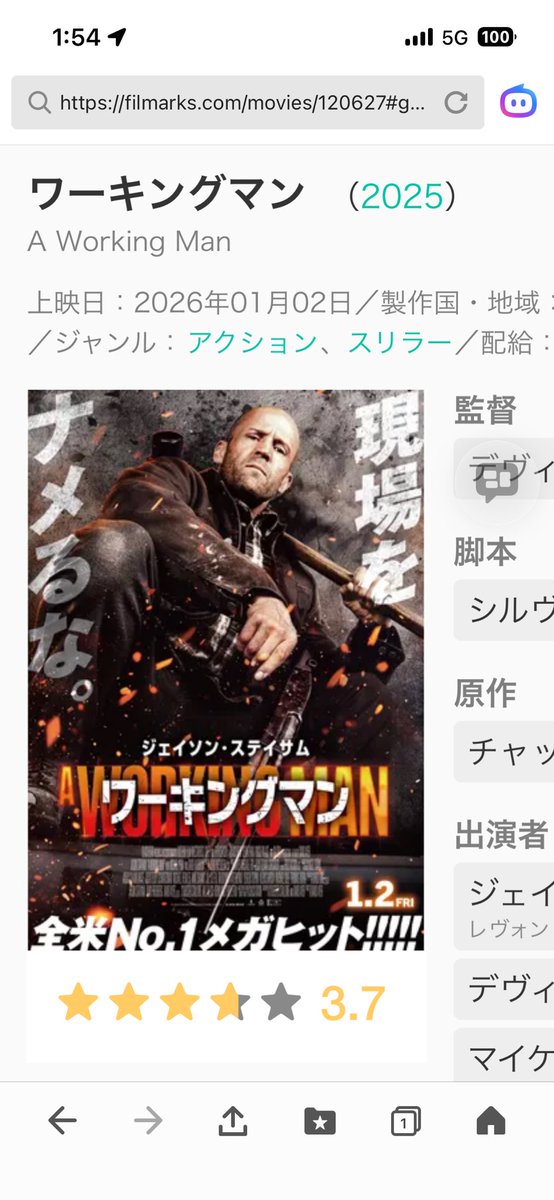
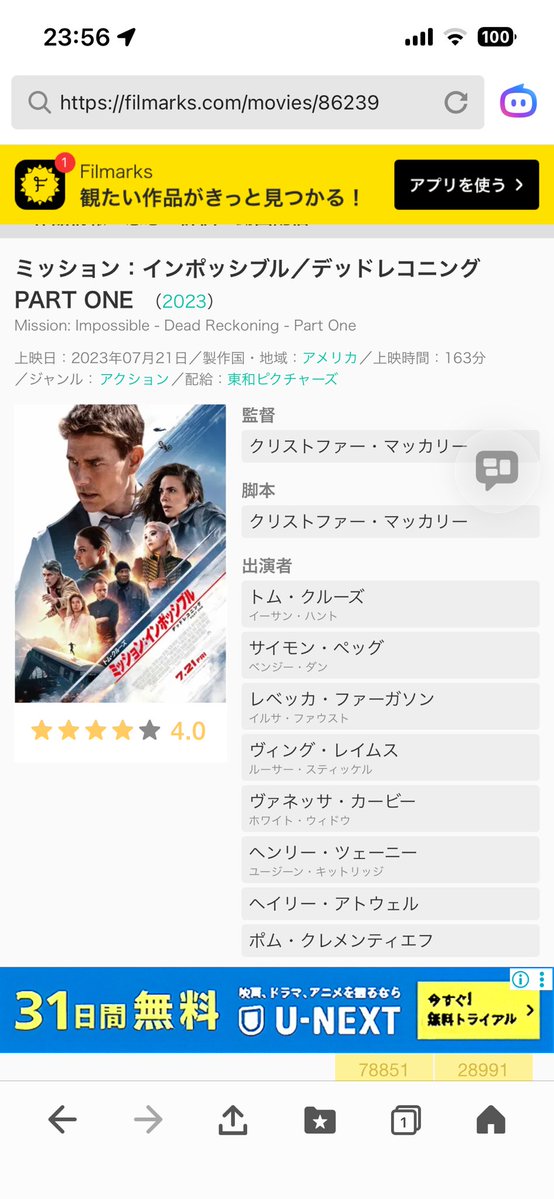
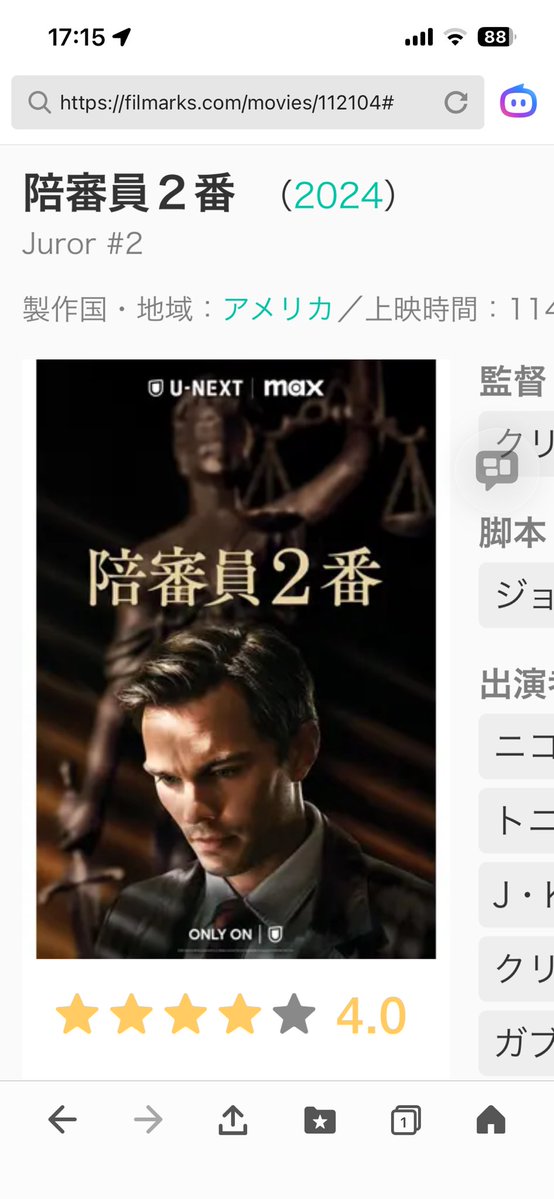
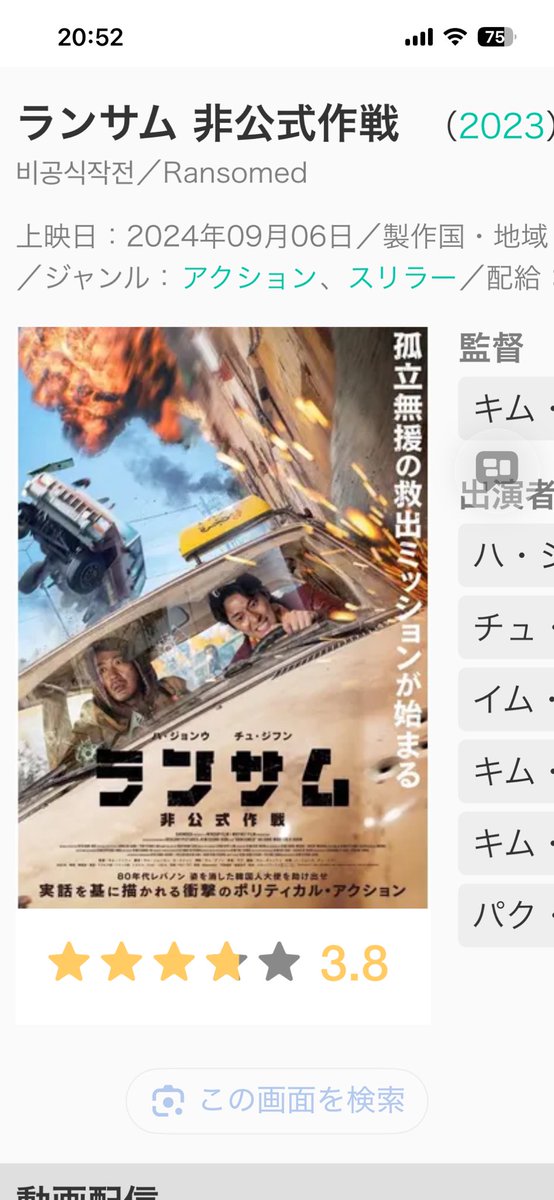
#五十嵐貴久
「ワーキングマン」
「ミッションインポッシブル/デッドレコニングPARTONE」
「陪審員2番」
「ランサム非公式作戦」
「陪審員〜」は大変面白いのだが、日本はともかくなぜアメリカで公開されなかったのか?ヒットしないと判断された?まあ、地味な映画だけれども……………
1
70
1,032

4
5
72



Have you ever wondered how a film gets to our screen? We'll take you on the journey! coolidge.org/behindthescreen…
#historictheaters #classichollywood #partone #filmprojector #projection
1
8
493

May 11
#ミッションインポッシブルデッドレコニングPARTONE
#鑑賞
エンタメと軽い言葉で消費するようになった現代にNOを突きつけるような激しいアクションが連続する。トム・クルーズは全身全霊で役者魂をぶつけてきた。
ハードなアクションとは裏腹に背後で蠢くのはフレデリック・フォーサイスかと思うほど→
1
19
332