
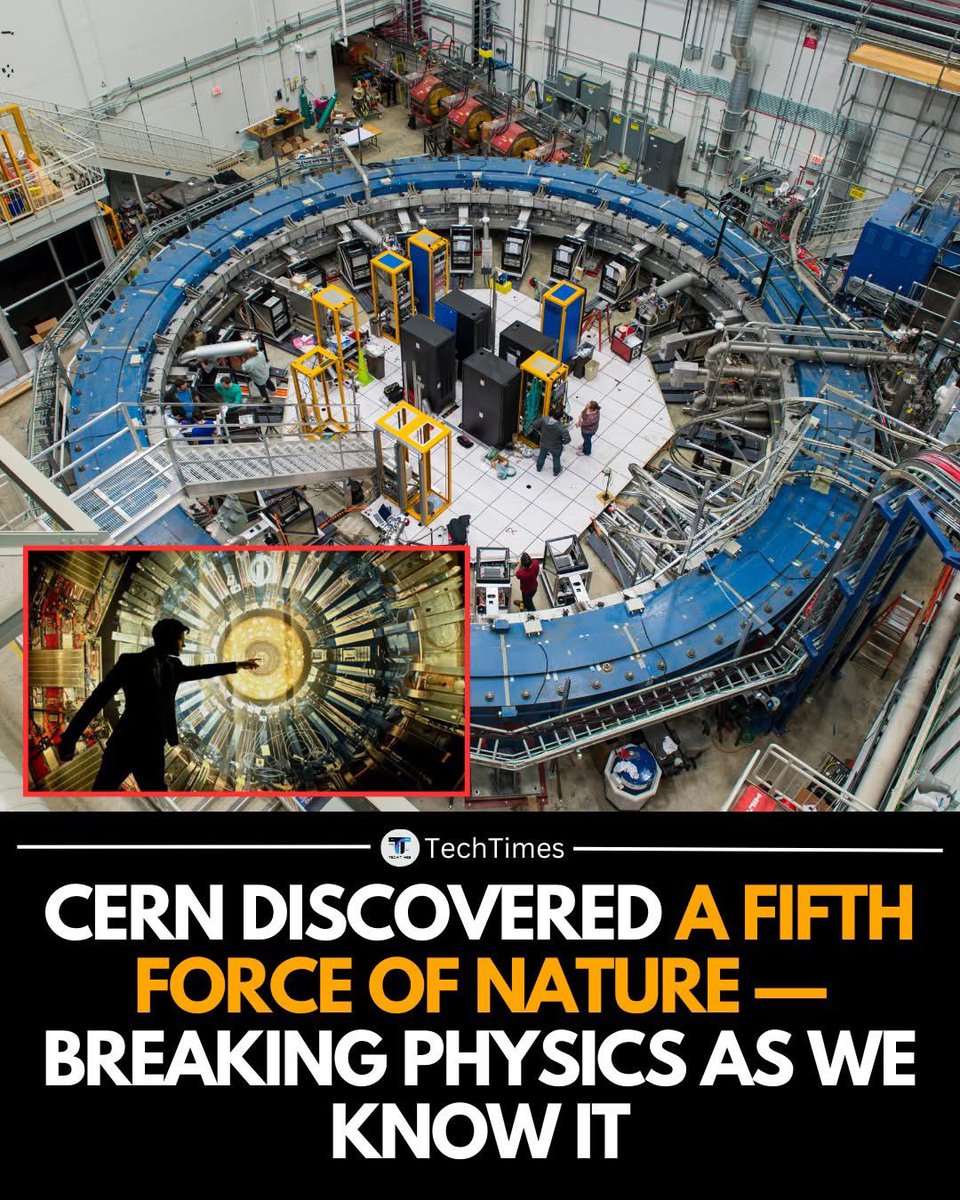
Physicists at CERN’s Large Hadron Collider have recorded muon behavior that doesn’t match the predictions of the Standard Model — the framework that describes all known particles and forces.
These anomalies appear when muons decay at rates slightly different from what physics currently allows, hinting that an unseen force may be influencing them.
After analyzing more than 50 million collisions, researchers reached a statistical significance of 5.2 sigma, the threshold required to claim a scientific discovery.
If confirmed, this fifth force would be the first addition to the fundamental forces in nearly a century, joining gravity, electromagnetism, and the strong and weak nuclear forces.
Such a discovery suggests that the Standard Model is incomplete and that new particles — possibly leptoquarks or force carriers not yet detected — may exist.
It also opens the door to solving long-standing mysteries such as the behavior of dark matter or the accelerating expansion of the universe.
The implications stretch far beyond particle physics.
Understanding new forces could reshape future technology in ways we can’t yet predict, much like how electromagnetism eventually led to computers, satellites, and modern communication.
For now, teams around the world are revisiting theoretical models and designing new experiments to verify whether this force is real — or whether it signals an entirely new layer of reality waiting to be uncovered.
#CERN #FifthForce #PhysicsBreakthrough #ParticleScience #StandardModel
1
6
13
1,415

29 Apr 2024
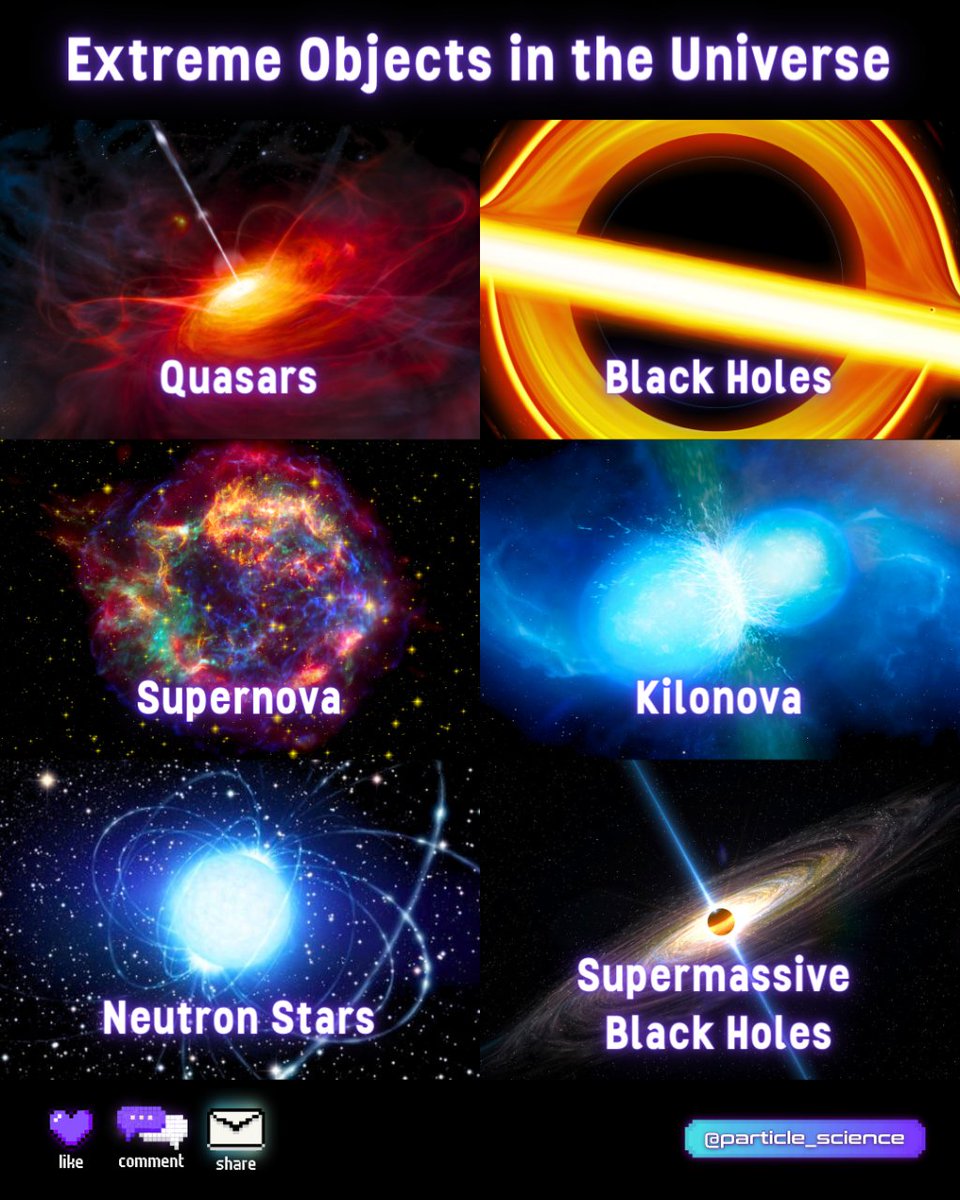
Extreme objects in the universe!
#particlescience #science #astrophysics #physics #astronomy #chemistry #biology #technology #spacegeek #astrophysicslover #astronomynerd #astronomylover #astrofacts #scientist
2
36

1 Aug 2023
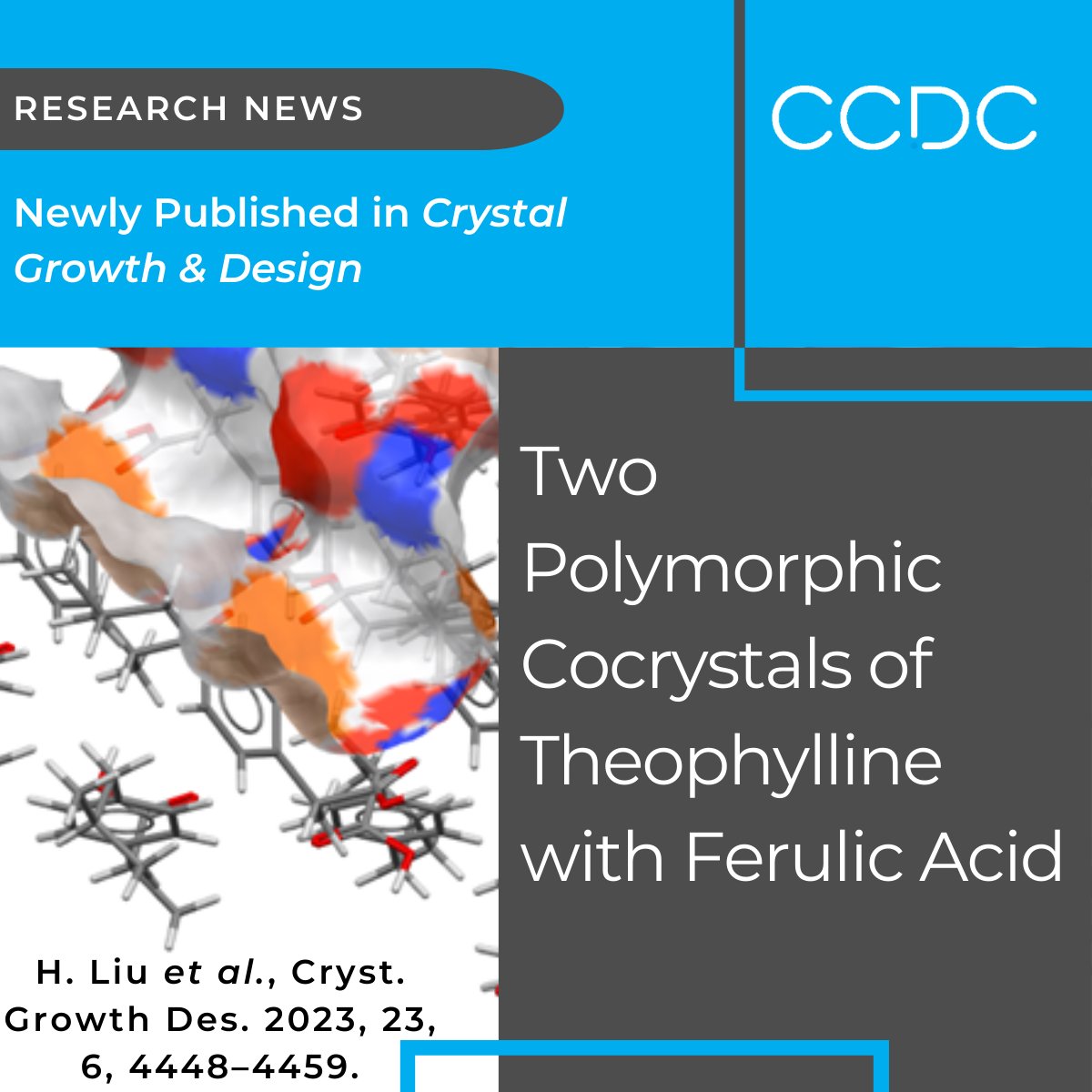
CSD-Particle suite (VisualHabit) applied to a study of cocrystals.
The crystal structures of 1:1 theophylline–ferulic acid cocrystal polymorphs are reported for the first time.
Read the full paper at hubs.ly/Q01ZrJ1z0.
#Crystallography #ParticleScience
2
4
747

Dr. L-S. Fan, Ohio State University, is recognized for his numerous and exceptional contributions to chemical engineering education bit.ly/3TZ0feu #ParticleScience #PST #AIChEAnnual #ChemE #chemicalengineering
2
10
Dr. L-S. Fan of @OhioState / @OSUengineering is recognized for his numerous and exceptional contributions to chemical engineering education bit.ly/3TZ0feu #ParticleScience #PST #AIChEAnnual #ChemE #chemicalengineering
4

15 Feb 2022
Join the @imperialcollege for the 3rd and 4th March for the Early Career International Particle Technology Forum 2022!
#particlescience #youngresearchers #imperialcollegelondon #chemicalengineering #sorption
particletechnologyforum.com/…
1

25 May 2021
#Lidsen #JournalOfEnergyAndPowerTechnology
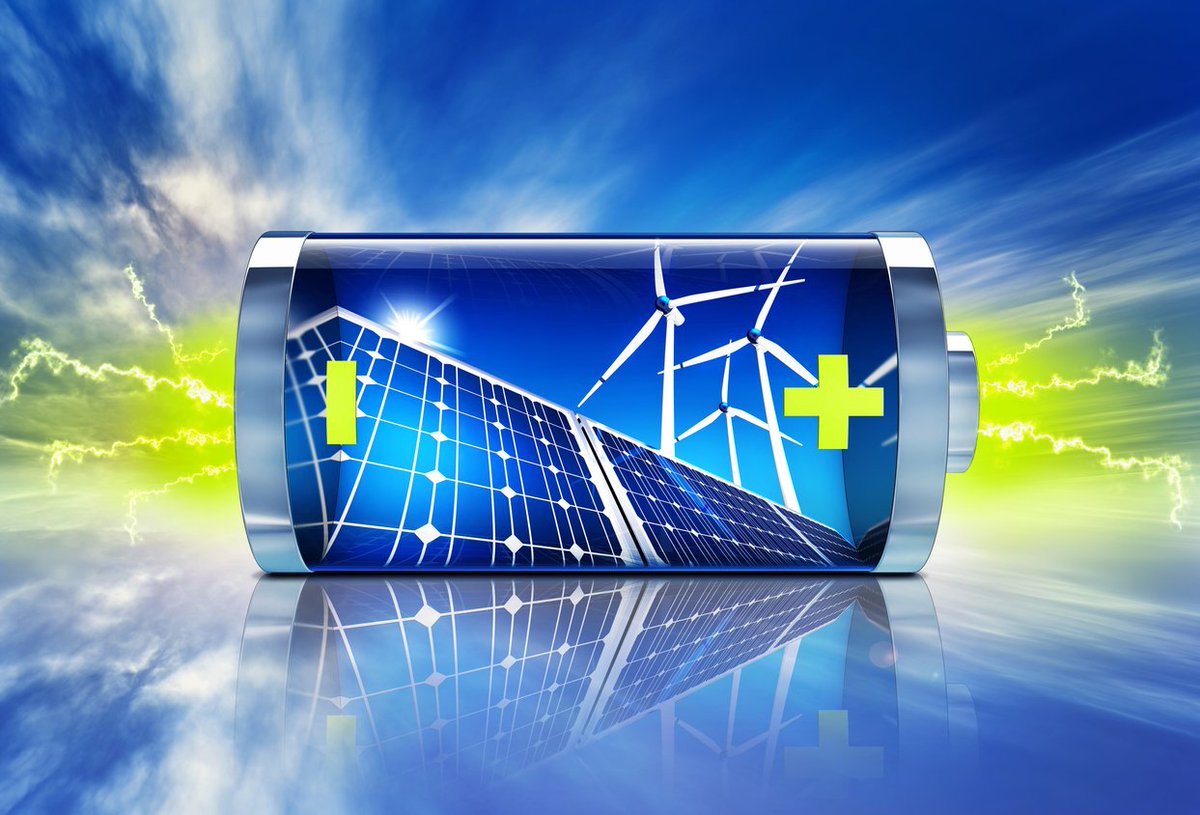
Special Issue from Open for Submissions:
📘Critical Views on Electrochemical Energy Storage Devices
📌Guest edited by PhD Manuel Andres Rodrigo; Ugur Tuzun
🔗lidsen.com/journals/jept/jep…
#SystemsEngineering #ParticleScience
#technology
2
1

24 May 2021
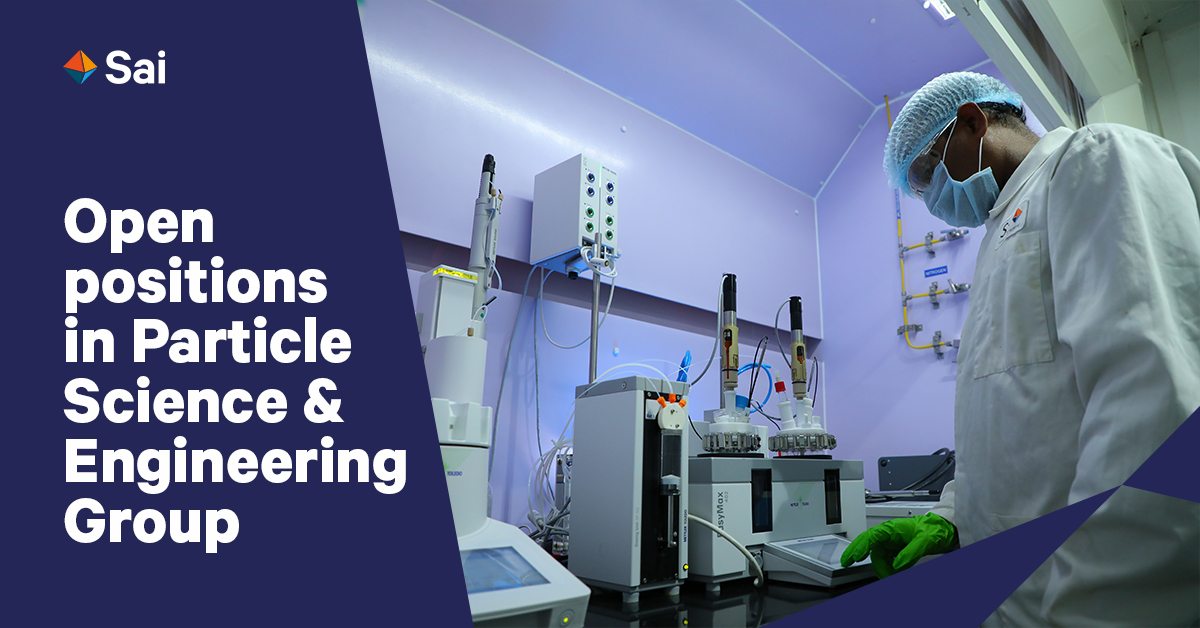
Career opportunities in our Particle Science and Engineering group, #GenomeValley, Hyderabad
1) Executive/Sr. Executive bit.ly/3vhrLHF
2) Asst/ Dy. Manager bit.ly/3i1w0nh
Apply within 5 days sairam.k@sailife.com
#cdmo #ParticleScience #particleengineering
9

9 Feb 2021
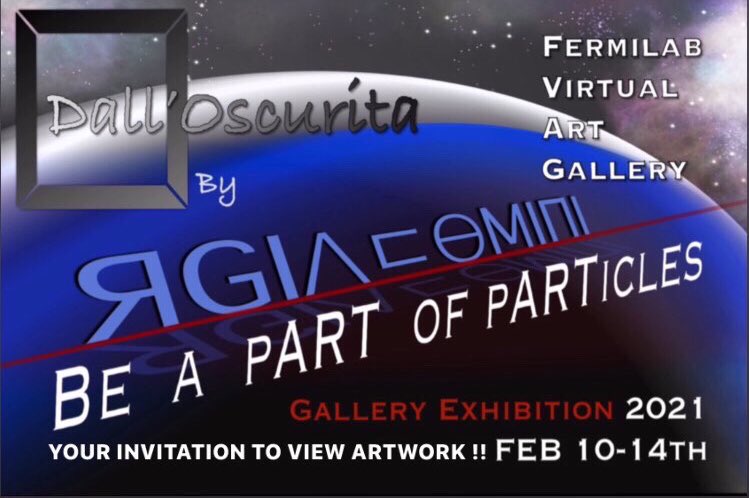
YOUR INVITATION TO VIEW MY ARTWORK !!
I welcome you to view
#Fermilab’s online #exhibition
exploring #particles.
Fermilab’s main focus is #neutrinos
#ParticleScience
@fermilab #Virtual
#Family #OpenHouse
Feb 10-14, 2021
events.fnal.gov/art-gallery/
#Art
#Science
#STEAM
3
5

21 Jul 2020
traffic.libsyn.com/secure/so… Dr Gene Van Buren tells us be why would we want to measure particles that are too small to see. Simple answer, they could hold the secret to how the Universe was created! @jedliemagic @KidsSolve @JenSwanBooks #STEM #STEAM #ParticleScience
1

14 Dec 2019
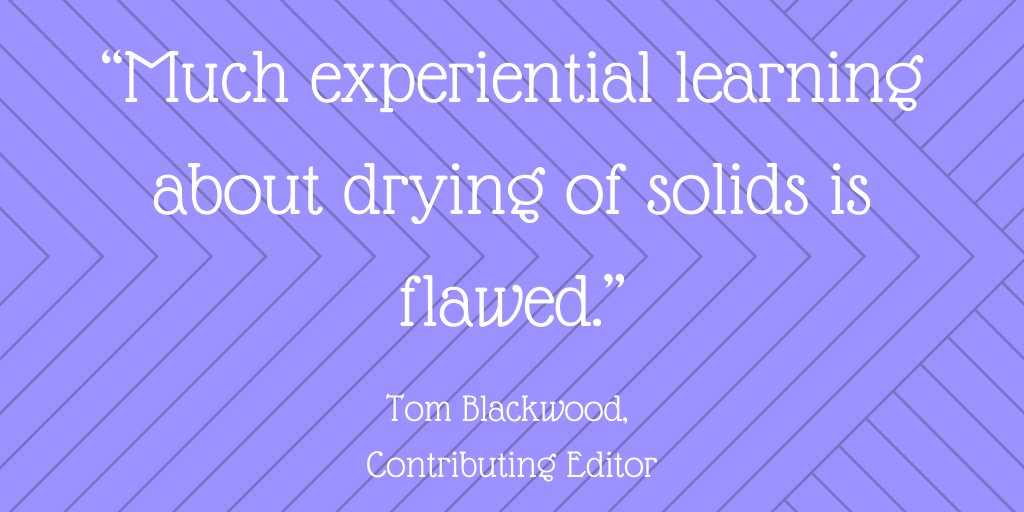
Is Particle Science On Solid Ground?
Actual material behavior often seems to defy what theory predicts. #ParticleScience
hubs.ly/H0mdLvp0
2

Apply now for these 10 #Fellowships at CRC 1411 at @FAU_Germany and do your #PhD in #ParticleScience ow.ly/ZyPh50xsC6W #PhDGermany #ChemicalEngineering #Chemistry #MaterialsScience #AppliedMathematics #Physics
7
5
Interested in #ParticleScience? The CRC 1411 at @FAU_Germany invites applications for 10 #PhD #Fellowships ow.ly/4bO650xsC4s #PhDGermany #ChemicalEngineering #Chemistry #MaterialsScience #AppliedMathematics #Physics
3
6

17 Jul 2019
Meet #LISST products and scientists this October in Seattle (Booth 725) at the prestigious Oceans Conference & Exposition! #ParticleIntelligence #ParticleScience
buff.ly/30vzx10
2
2

6 Dec 2018
It was theorised decades ago but never seen. Now it seems the sterile neutrino could fix flaws in fundamental physics. Read how a ghostly, forgotten particle could be the saviour of physics >>> bit.ly/2RjPwLi #ParticleScience #Neutrinos #SterileNeutrino #Physics
1
1
27 Sep 2018
For the first time, scientists have shown that electrons can gain energy by surfing waves kicked up by protons shot through plasma. An interesting read, find out more >>> bit.ly/2DIAA7p #ParticleAcceleration #ParticleScience #Physics
4
2

9 Sep 2018
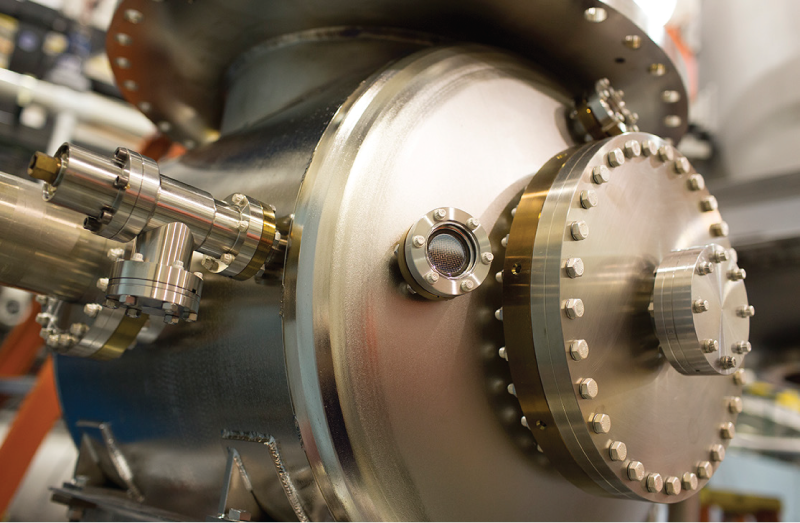
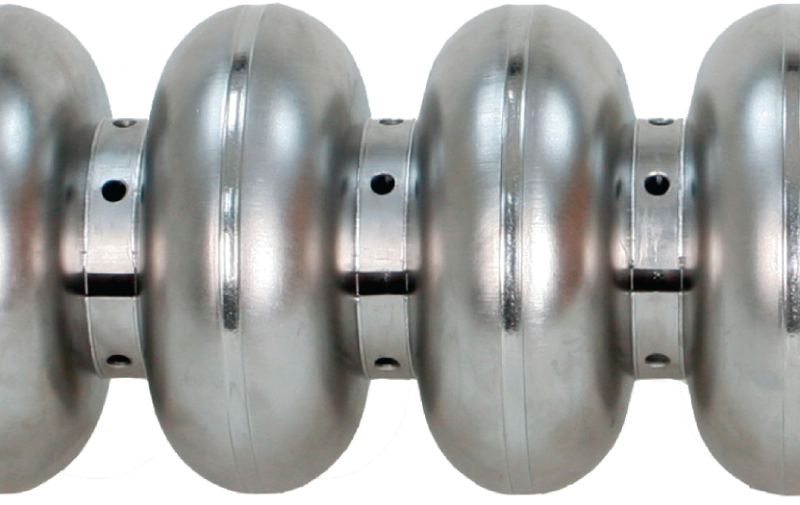
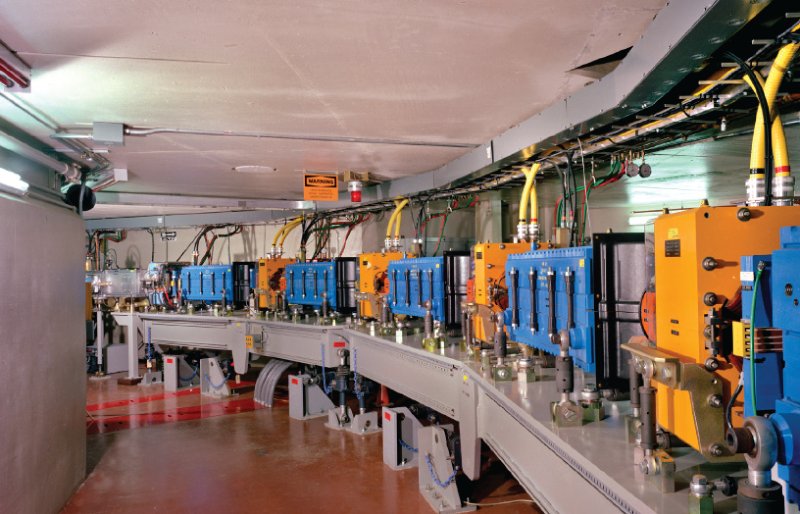
Accelerators are important scientific tools that generate beams of charged particles for a tremendous variety of applications ranging from electron microscopy to particle physics and from microelectronics to medicine. #particlescience #physics #brighterbeams #science #accelerator
7
7

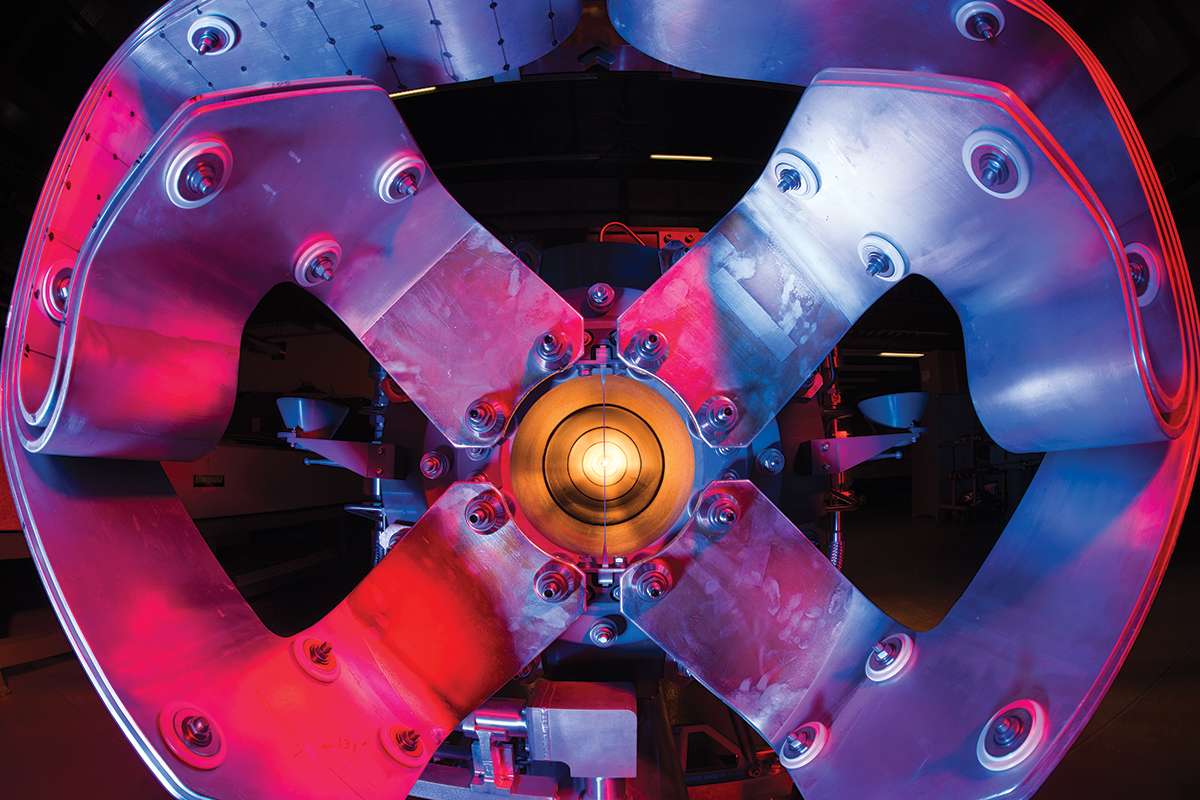
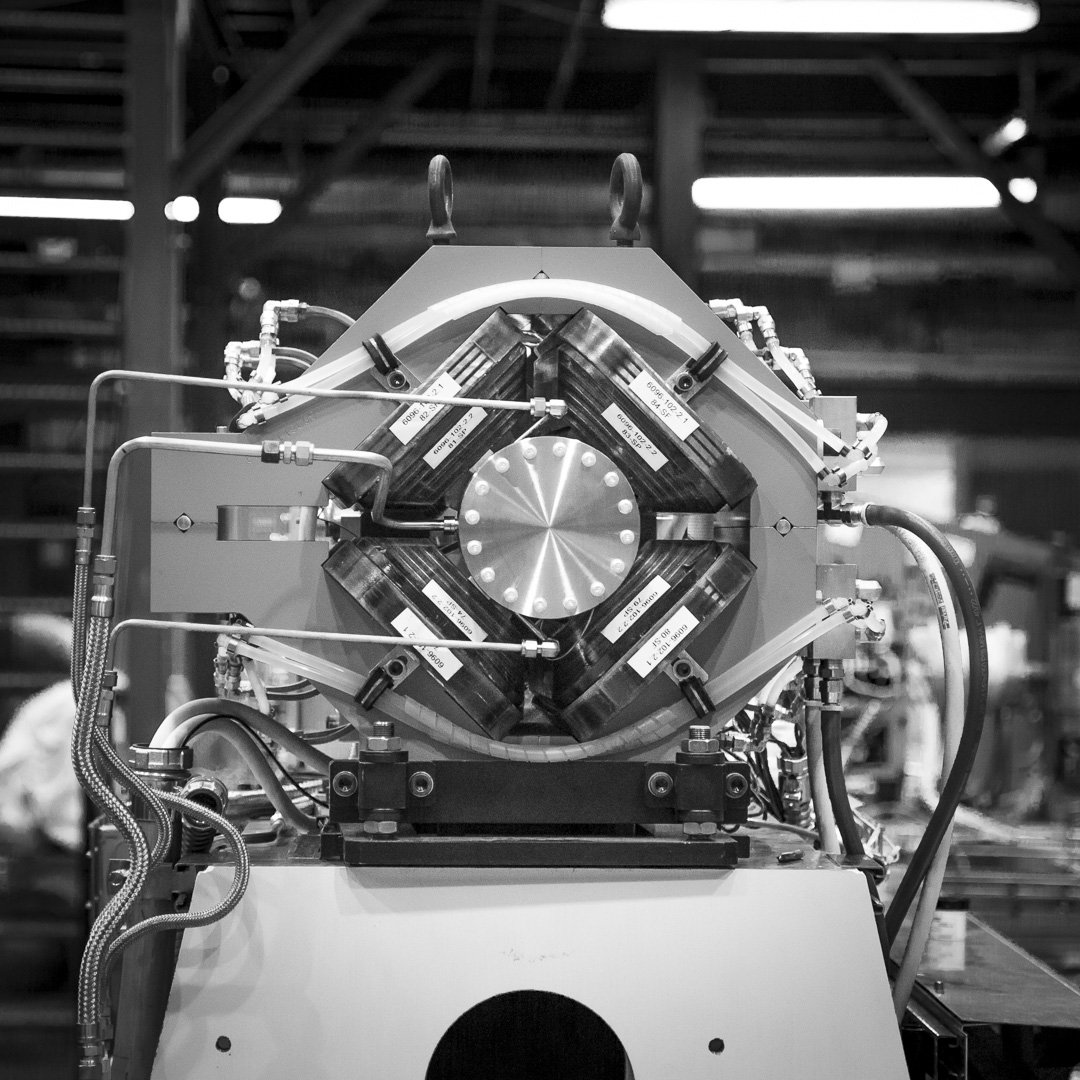
The Quadrupole magnet for @CHESS_U
Quadrupoles focus the particle beam, much like a lens. This particular quadrupole's iron is extended on the left-hand side, to allow for a vacuum pipe for extracting x-rays to pass through the quad.
#particlescience #synchrotron #physics
1

26 Jul 2018
Join us for the 43rd Aerosol and Particle Measurement Short Course, presented by the University of Minnesota & TSI. The 3-day course is followed by a free 1-day workshop in the TSI lab. Details & RSVP: ccaps.umn.edu/aerosol-and-pa… #AerosolScience #ParticleScience
2

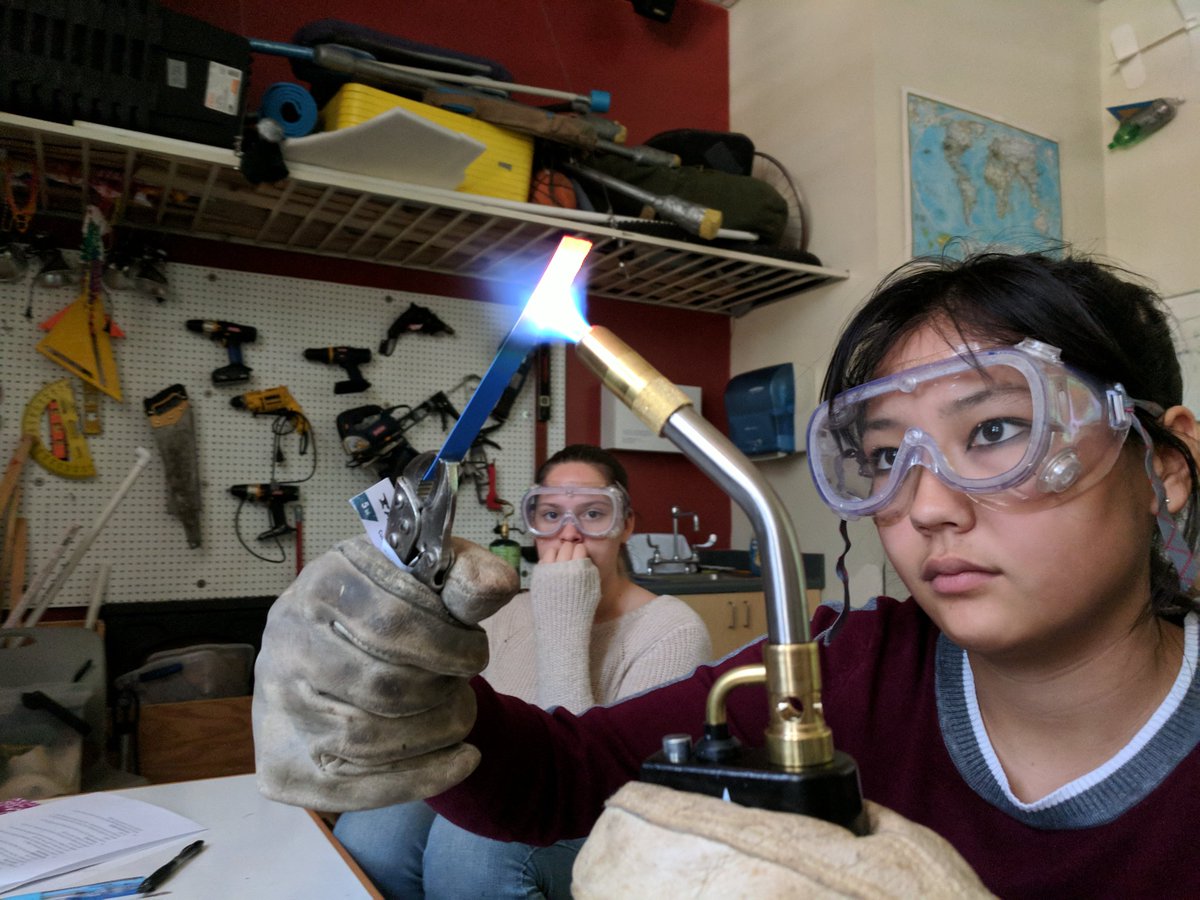
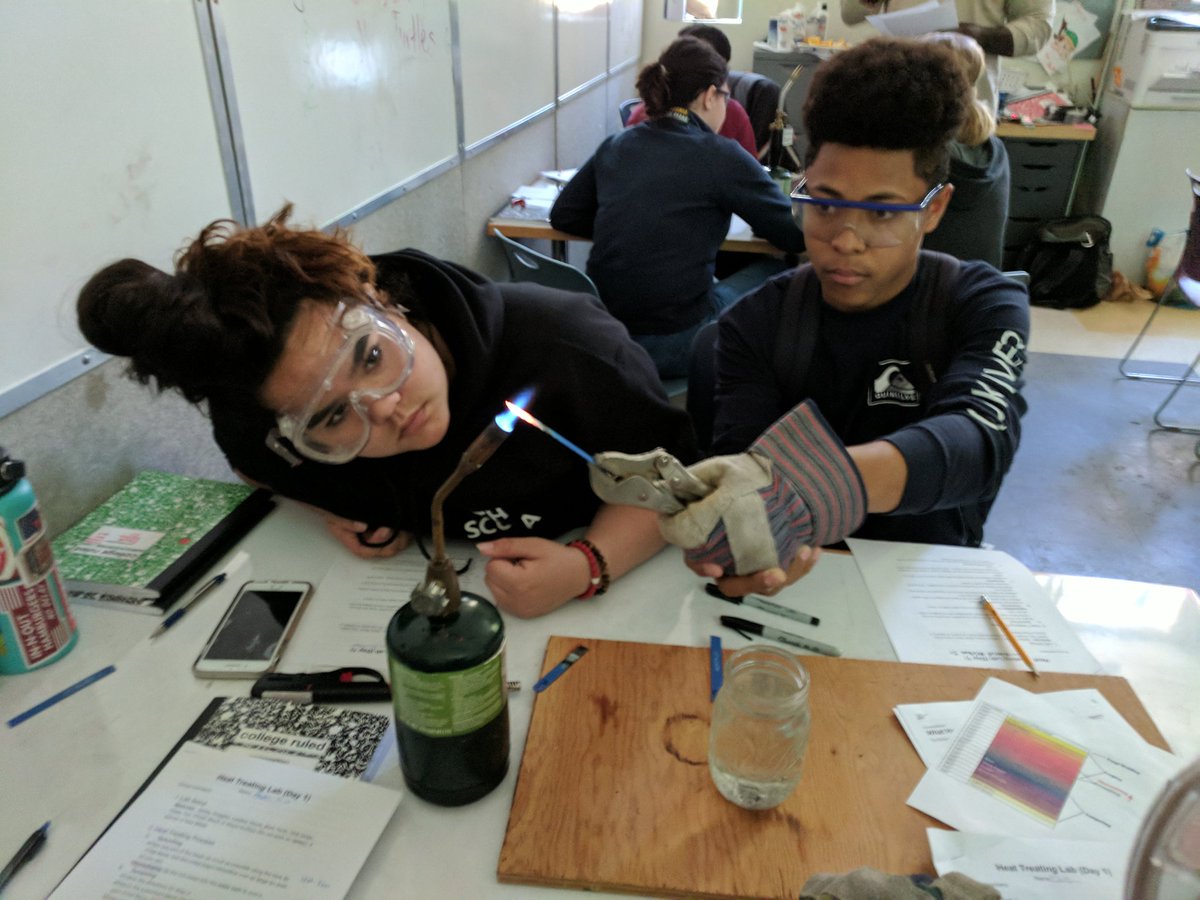
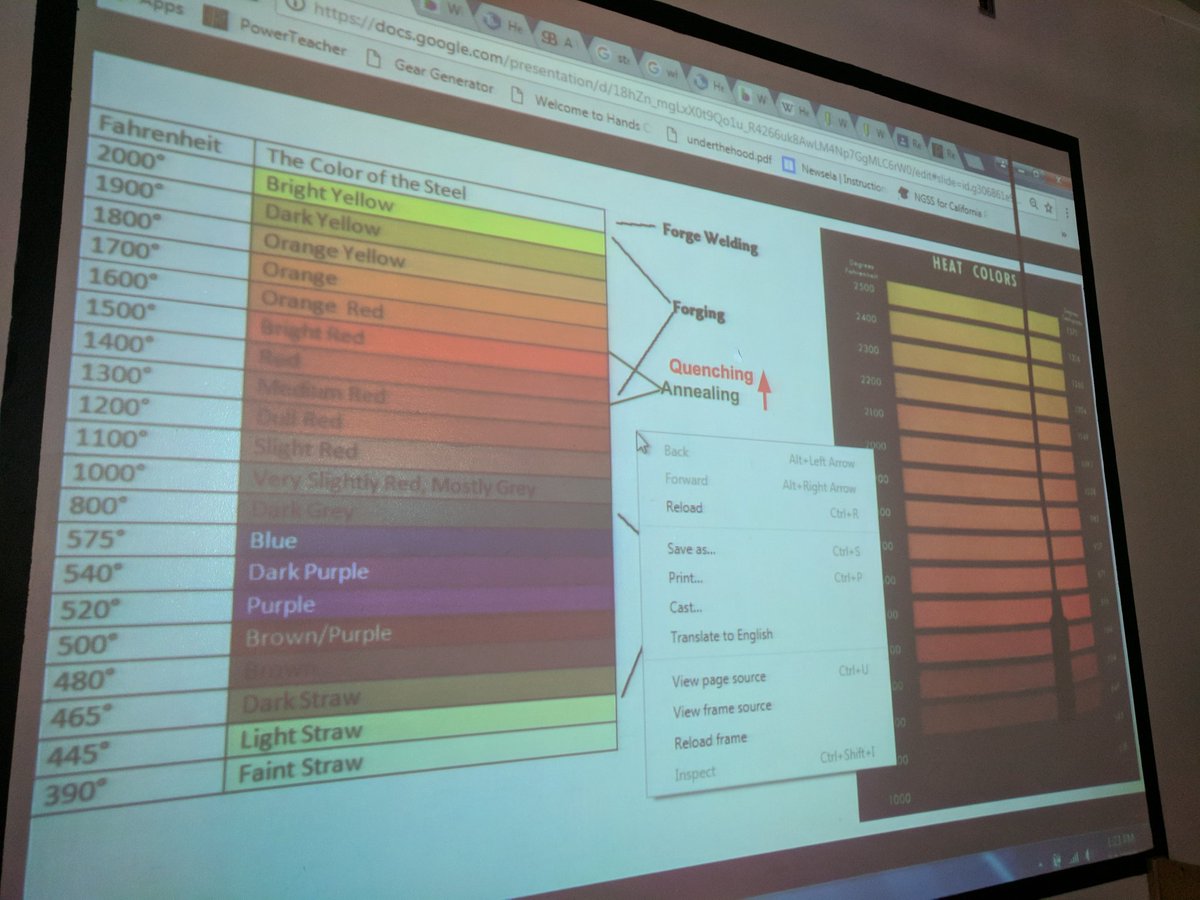
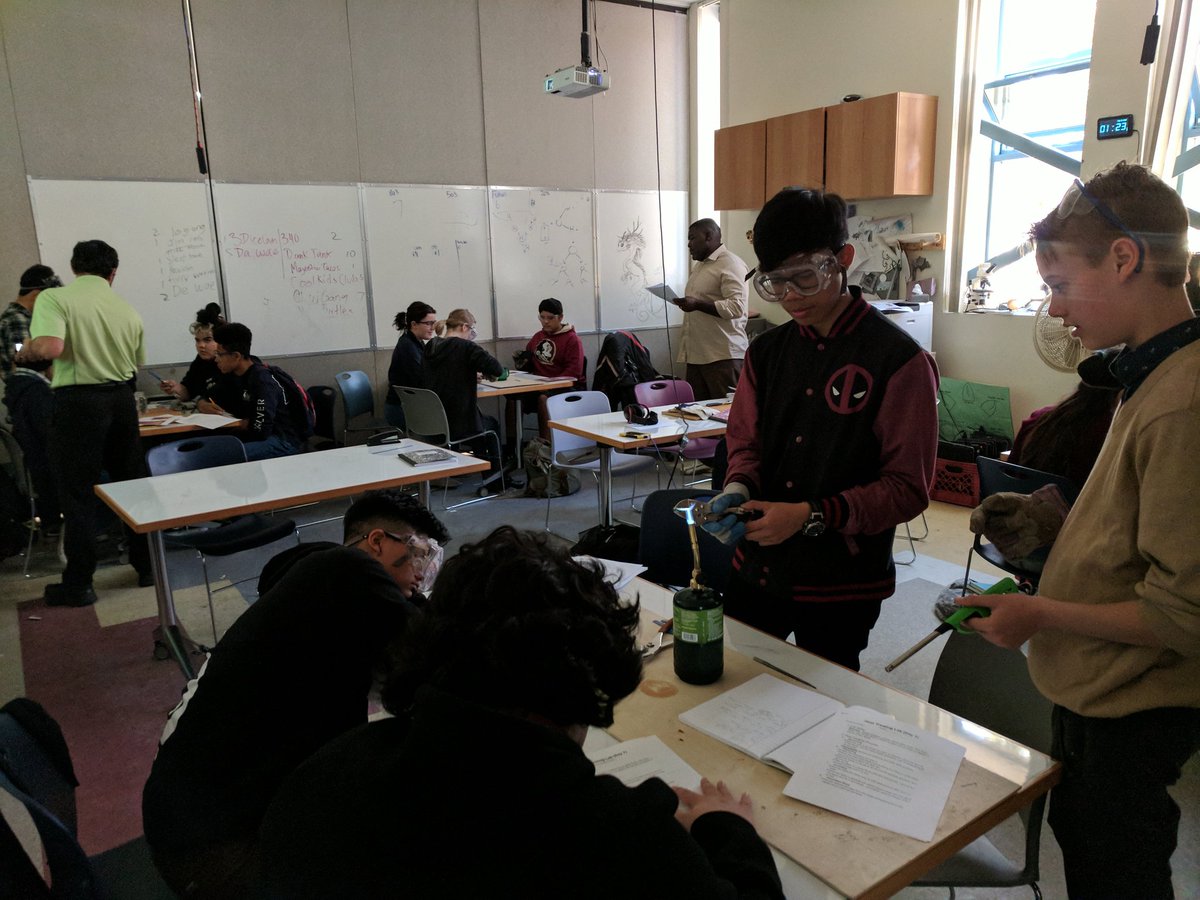
Chemistry BURNS!! Ss determine electron energy levels in steel plates by USING BLOW TORCHES #deeperlearning created by Amilio @hightechhigh #STEMeducation #leadupchat #particlescience
1
9