
Jun 11
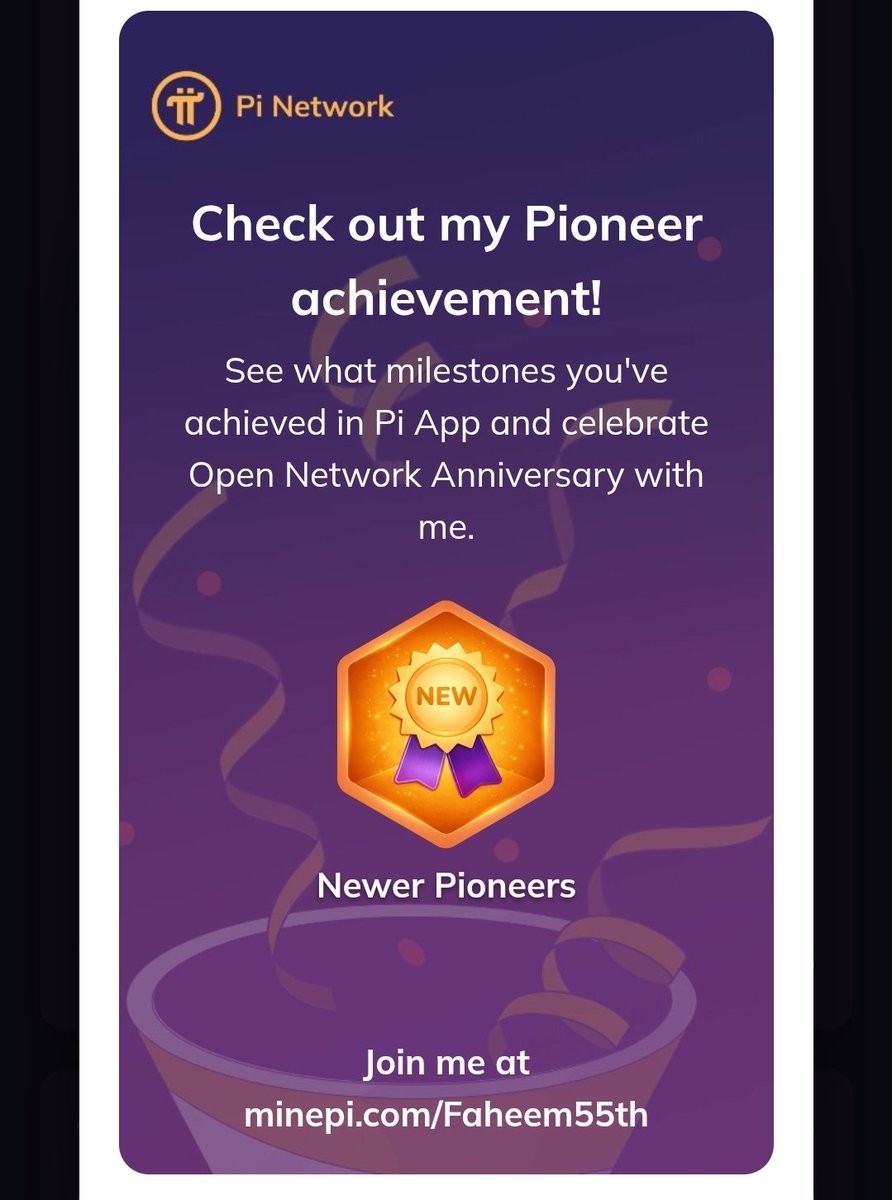
Post your badge on a social media platform (Fireside Forum, X, Instagram, etc.) using #PiOpenNetwork. After sharing, return here and submit your post link to enter the raffle.
3


May 31
Hello, this is Blind Lounge.
Through this update, a new feed-style UI has been added to the post list.
With this addition, you can now browse posts more intuitively and conveniently.
The screen layout has also been improved so you can explore various content more naturally.
We will continue to make improvements to provide a more convenient user experience.
Thank you.
#PiNetwork #PiBrowser #PiApps #PiOpenNetwork #BlindLounge #PiHackathon2025

3
65

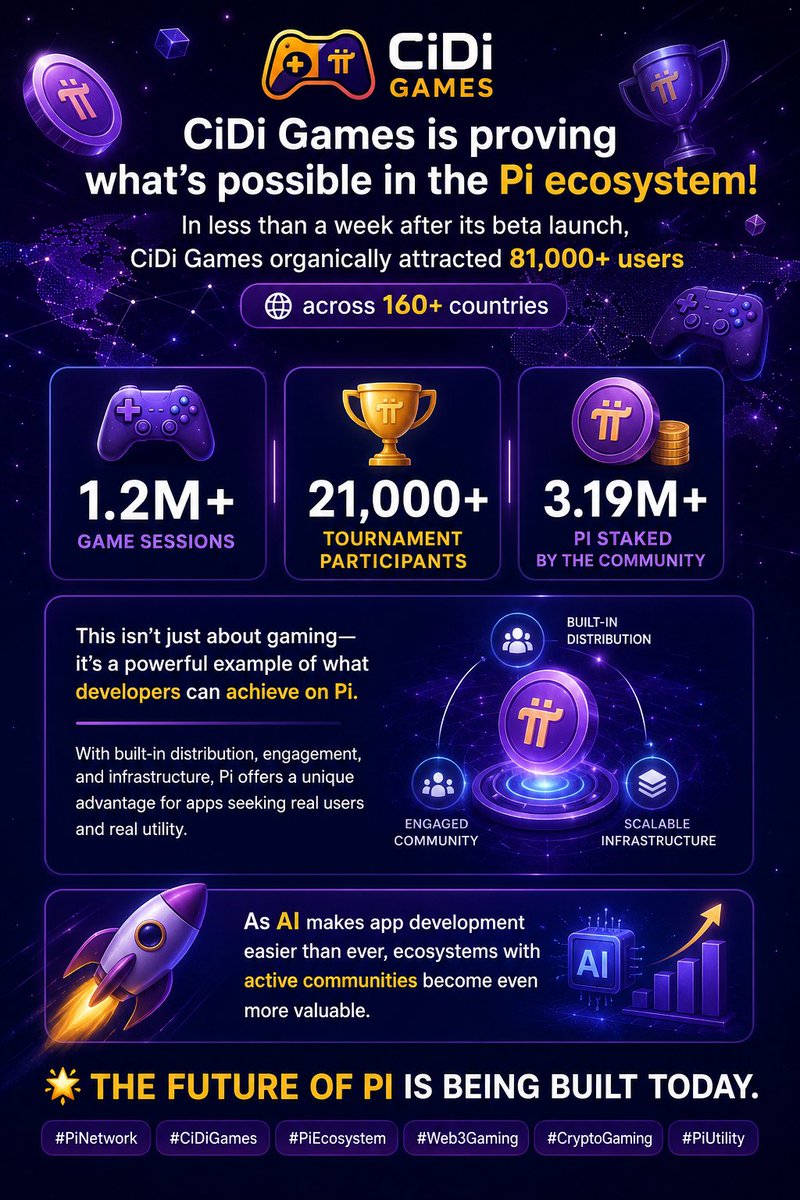
🎮 Pi Network ekosisteminde önemli bir gelişme!
Pi Network Ventures tarafından desteklenen CiDi Games Beta, Pi Browser üzerinden resmi olarak kullanıma açıldı. Platform sadece bir oyun merkezi değil; Pi ekosisteminde gerçek kullanım alanları oluşturmayı hedefleyen kapsamlı bir oyun altyapısı sunuyor.
🔹 10 farklı oyunla beta lansmanı
🔹 Skill-based (beceri odaklı) turnuvalar
🔹 Oyuncu ilerlemesini ölçen CiDiScore sistemi
🔹 Pi ELF entegrasyonu
🔹 Pi ödeme ve ekosistem araçlarıyla uyumlu yapı
İlk haftada elde edilen sonuçlar dikkat çekici:
✅ 81.000 kullanıcı
✅ 160 ülke ve bölgeden katılım
✅ 1,2 milyon oyun oturumu
✅ 21.000 turnuva katılımcısı
Pi Network'ün vizyonu yalnızca bir kripto para oluşturmak değil; milyonlarca kullanıcının günlük olarak etkileşime girdiği gerçek uygulamalar ve dijital ekonomiler inşa etmek. CiDi Games de bu hedef doğrultusunda oyun sektöründe önemli bir kullanım örneği olarak öne çıkıyor.
Oyun, eğlence ve dijital ekonominin birleştiği bu modelin uzun vadede Pi ekosistemine nasıl katkı sağlayacağını görmek heyecan verici olacak. 🚀
#PiNetwork #PiOpenNetwork #CiDiGames #PiBrowser #Web3Gaming #CryptoGaming #PiEcosystem
3
43
1,680
May 19
Hello, this is Blind Lounge.
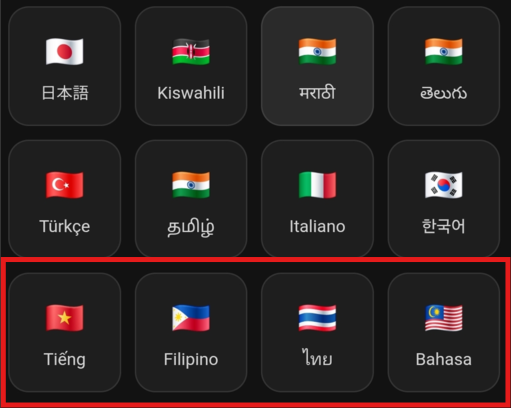
In addition to our existing support for 20 languages, we have added four more languages: Vietnamese, Filipino, Thai, and Malay.
We will continue improving the service so that even more people can use it more conveniently.
Thank you.
#PiNetwork #PiBrowser #PiApps #PiOpenNetwork #BlindLounge #PiHackathon2025
1
4
16
1,697

May 10
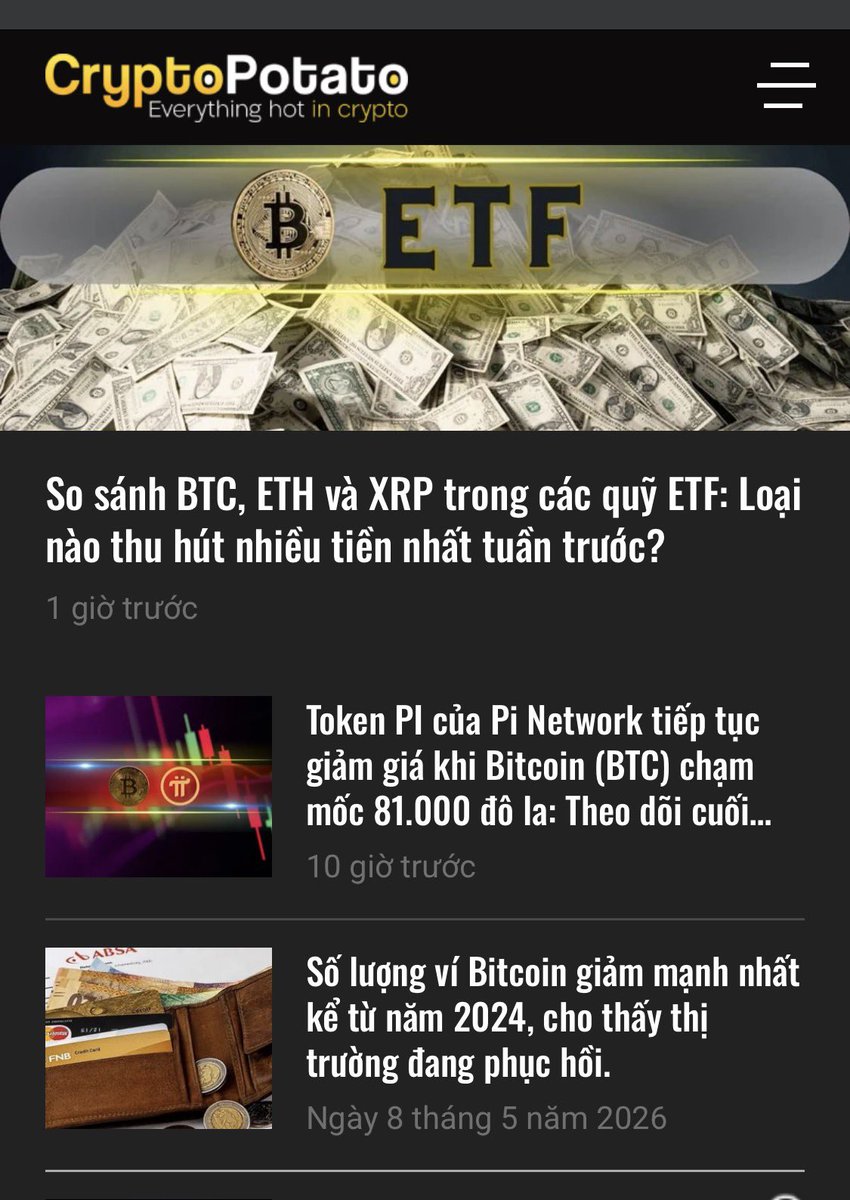
🔥🔥🔥Rất bất ngờ nhiều báo crypto đưa PiNetworks lên mây sau Concensus 2026 !
1. CryptoPotato
Bài: “Pi Network at Consensus 2026: What Pioneers Need to Know About Dr. Fan’s Speech”☀️
👉Báo này nhấn mạnh việc Pi xuất hiện cùng các tên tuổi lớn như CZ, Michael Saylor và Ripple tại Consensus là dấu hiệu Pi muốn bước vào dòng chính crypto toàn cầu.
Họ đặc biệt chú ý:
* AI blockchain,
* xác minh danh tính con người,
* utility thực tế thay vì đầu cơ.🪐
2. Bitget News
Bài: “Pi Network Co-Founder Dr. Fan To Speak Today at Consensus 2026”
Bitget gọi đây là:
“thời điểm công khai lớn nhất của Pi kể từ Mainnet.”
Bài báo nói Pi đang định vị mình như giải pháp:
* “proof of humanity” trong thời đại AI,
* blockchain có người dùng xác thực thật,
* kết hợp AI Web3 danh tính số.
Ngoài ra họ còn nhấn mạnh:
* Pi là nhà tài trợ chính thức của Consensus 2026,
* xuất hiện nổi bật ở khu AI track,
* diễn ra ngay trước nâng cấp Protocol 23. 💥
3. Crypto.news
Bài: “Pi Network launches Protocol 23 push at Consensus 2026”
Crypto.news tập trung vào:
* Smart Contract,
* Protocol 23,
* hướng đi utility ecosystem.
Bài báo cho rằng Pi đang chuyển từ:
“mobile mining project”
sang:
“nền tảng Web3 có utility và ứng dụng thực tế.” 💫
4. Coinpedia
👉Coinpedia đăng khá nhiều bài về Pi trong thời gian Consensus.
Một bài viết nói:
* Pi đang pivot mạnh sang AI,
* phát triển xác minh con người thật,
* tung Desktop App Studio để xây ứng dụng AI/Web3.
🆘 Một bài khác còn nói khu vực sân khấu của Dr. Fan:
“hết ghế ngồi vì quá đông người theo dõi.” Pi 🚀
5. CoinGape
CoinGape nhìn theo góc độ thị trường.
Họ cho rằng:
* Consensus giúp Pi tăng độ chú ý,🎇
* giá PI được hỗ trợ tâm lý,
* AI có thể là hướng đi mới của Pi.
6. CoinMarketCap News
👉CoinMarketCap đánh giá việc Pi tài trợ Consensus là dấu hiệu:
* Pi muốn tăng hiện diện tổ chức,
* tiếp cận nhà đầu tư lớn,
* đưa Open Network ra quốc tế mạnh hơn. 🌆
7. MEXC News
* Pi có độ phủ truyền thông lớn hơn tại Consensus,
* nhiều dự án khác xuất hiện quanh khu Pi,
* cộng đồng bắt đầu nhìn Pi như một hệ sinh thái Web3 thực thụ.
🚨Pi sẽ bùng nổ !
🆘Nếu bạn không có Pi hoặc ít Pi !
👉Cơ hội không đến với bạn !
📌Hashtag.
#PiNetwork #PiCoin #PiCrypto #PiMainnet #PiOpenNetwork #Pioneers #PiCommunity #PiMining #PiWallet #PiBlockchain #Crypto #Web3
6
8
98
2,692
May 5
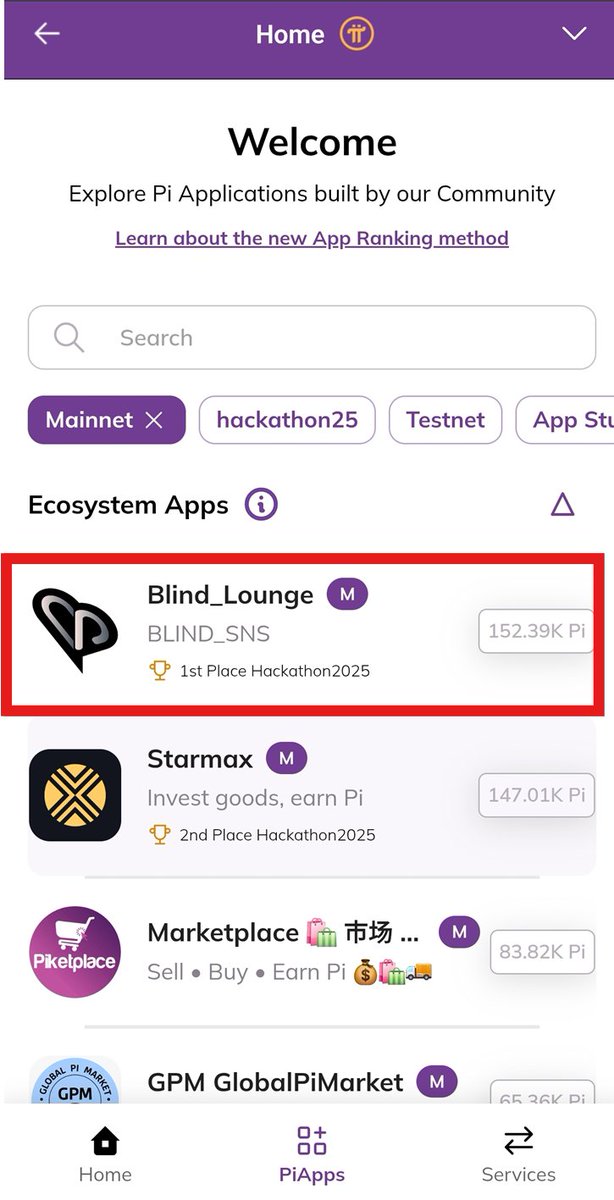
Blind Lounge is now available on the 2nd page of the Pi Browser Mainnet apps.
You can check it here: ecosystem.pinet.com/apps/68d…
Don’t miss our in‑app point reward event on Blind Lounge!
#PiNetwork #PiBrowser #PiApps #PiOpenNetwork #BlindLounge #PiHackathon2025
2
1
4
251

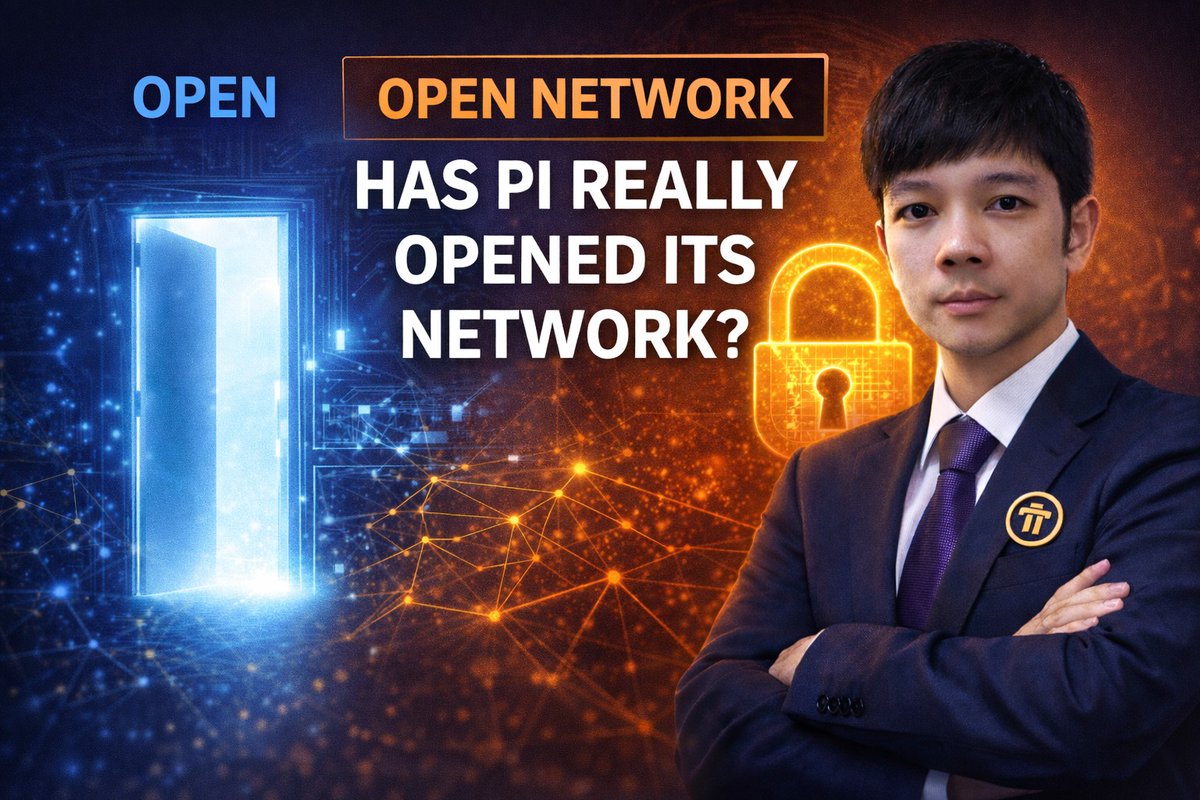
PI HAS OPENED ITS NETWORK… BUT IS IT TRULY “OPEN”?
The biggest debate in the Pi community is no longer whether Pi has reached Mainnet, but whether its Open Network is truly decentralized.
Let’s be clear: Pi has opened its network to a certain extent. The firewall has been removed, external connectivity is enabled, exchange listings are possible, and interaction with external systems is allowed. That’s why the Pi Core Team refers to this stage as “Open Network.”
However, what many overlook is that the system is not fully open yet. Pi is not fully interoperable with other blockchains, nodes are still under centralized control, and governance is not truly decentralized. That is precisely why it is not called “Open Mainnet.”
In simple terms: Open Network means the door is open, but the keys are not fully handed over.
This is where the controversy comes from. Some argue that the Pi Core Team maintains too much control, lacks transparency in distribution, and could potentially manipulate supply. And to be fair, these concerns are not baseless.
But to understand this properly, we need to look at Pi’s foundation. It is a project with no ICO, no IPO, and no early investor funding. This means it does not have the upfront capital that many crypto projects rely on.
So what is the trade-off? Time, community, and centralized control in the early stages.
The real question is not whether to open or not, but when and how: should decentralization happen immediately, or should control come first, followed by gradual decentralization?
If opened too early, the system could be exploited, tokens could be massively dumped, and value could collapse quickly. But if control is maintained for too long, trust erodes, skepticism grows, and the community may walk away.
Right now, Pi stands exactly between these two paths.
The hard truth is: Pi is not fully decentralized yet. But the more important question is: is it moving toward decentralization?
If the answer is yes, then current control may be temporary and necessary. If the answer is no, then the entire model risks collapsing due to loss of trust.
So don’t ask, “Is Pi open yet?”
Ask instead: “Is control gradually being reduced?”
Because in the end, the value of Pi does not come from being “Open Network,” but from who truly holds power within that network.
@PiCoreTeam @fireside_pi
@Dr_Picoin @Pi_UpdatesDaily
#PiNetwork #PiOpeMainnet #PiOpenNetwork
3
11
59
4,950



Mar 26
🚀 The Great Pi Unlocking: A Strategic Masterclass! 💎
Pioneers, the 2026/27 window is a game-changer! Between June 2026 and March 2027, my wife’s $Pi holdings are shifting from "Frozen" to LIQUID! 🌊
As a Veteran Pioneer with years of vision and deep-seated knowledge of this ecosystem, I’ve been advising her on a "Growth & Explore" strategy to maximize her impact!
🛡️ 70% – THE ANCHOR (Powering the Ecosystem)
We aren't just letting her Pi sit idle. Under my mentorship, she’s focusing on long-term stability:
Strategic Re-Locking: Committing 70% to new utility apps and dApps to keep the network thriving.
Mining Efficiency: We’re keeping that mining rate boosted! Every fraction of Pi counts when you understand the true scale of what we’ve built since the early days. 🏛️
🔥 30% – THE CATALYST (Market Mastery)
This is where my veteran experience meets her portfolio's potential:
Market Research: We’re keeping 30% liquid to actively test the Pi Commerce waters and real-world purchasing power.
Testnet Launchpad: Using my insights to identify the most promising projects early on. 🧪
Vision in Action: From Zagreb to the world, we’re proving that Pi is a living, breathing economy. 🇭🇷✨
The Message? Success in Pi requires a blend of Pioneer Wisdom and New Capital. Don't just hold—strategize! 🌍
Veterans, how are you advising your circles as their lockups expire? 👇
#PiNetwork #PiMainnet #CryptoMentor #Web3 #PiOpenNetwork #VeteranPioneer #Pi2026

6
21
257
21,143





Mar 18
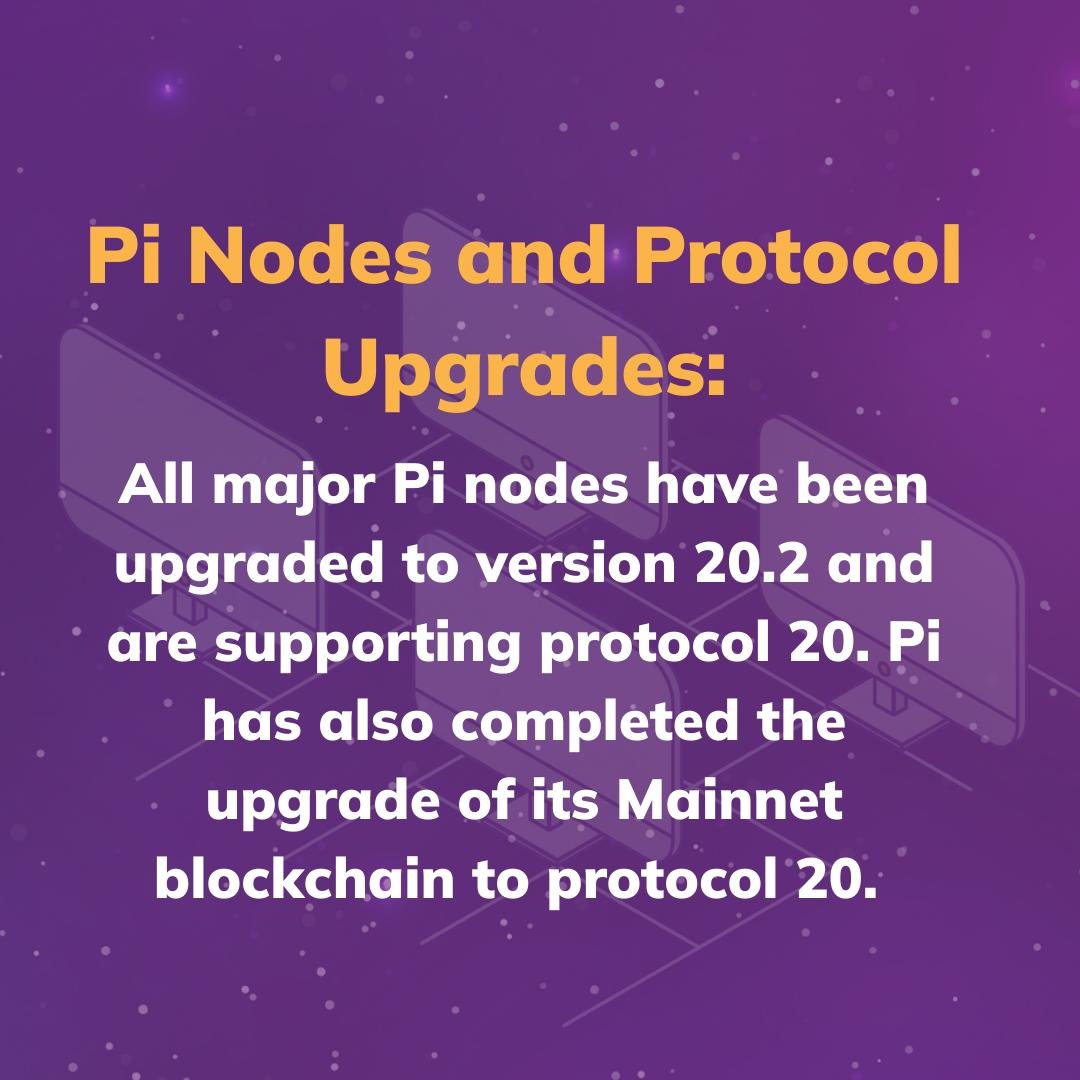
✅All major nodes have been upgraded to v20.2
📷 Protocol 20 is now live on the mainnet
📷 but still a restricted version 🚀
#Pi #PiOpenNetwork #Picoin
1
5
419

Mar 16
" id="49261"}
💥 CÁC PIONEERS – MÀN CHE ĐANG DẦN ĐƯỢC VÉN LÊN!
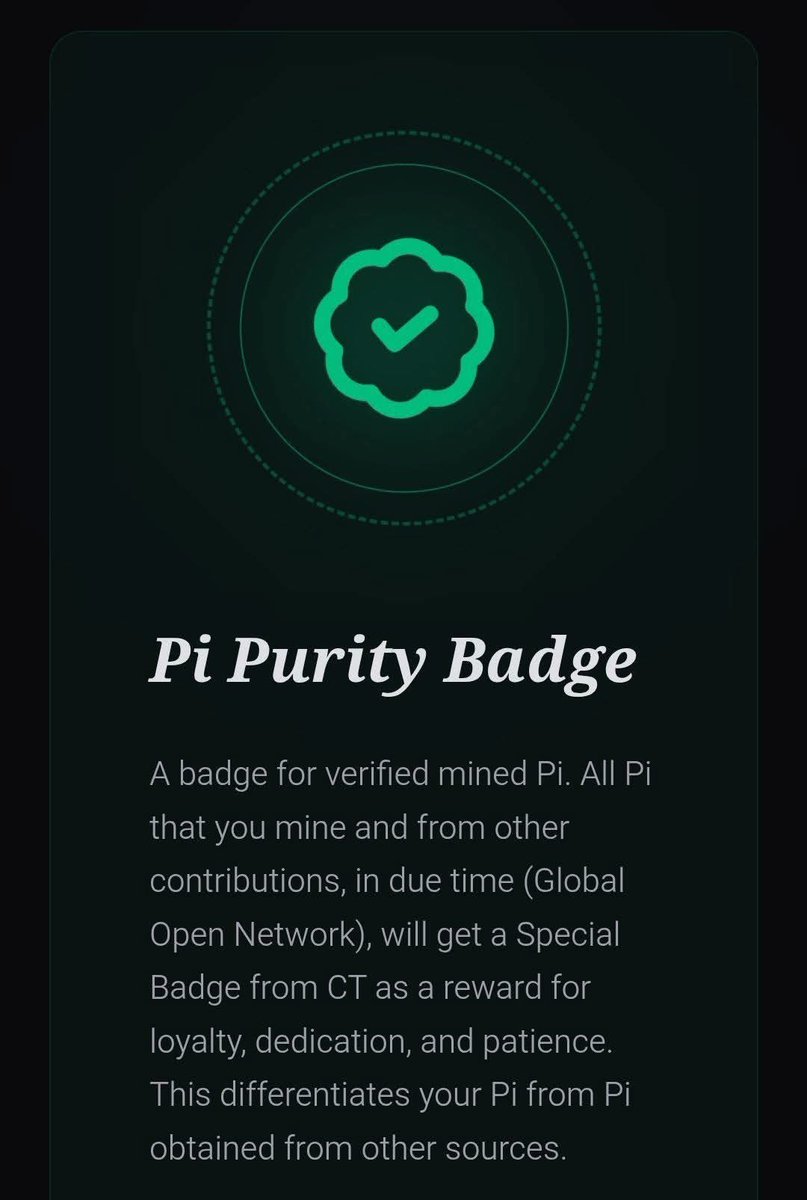
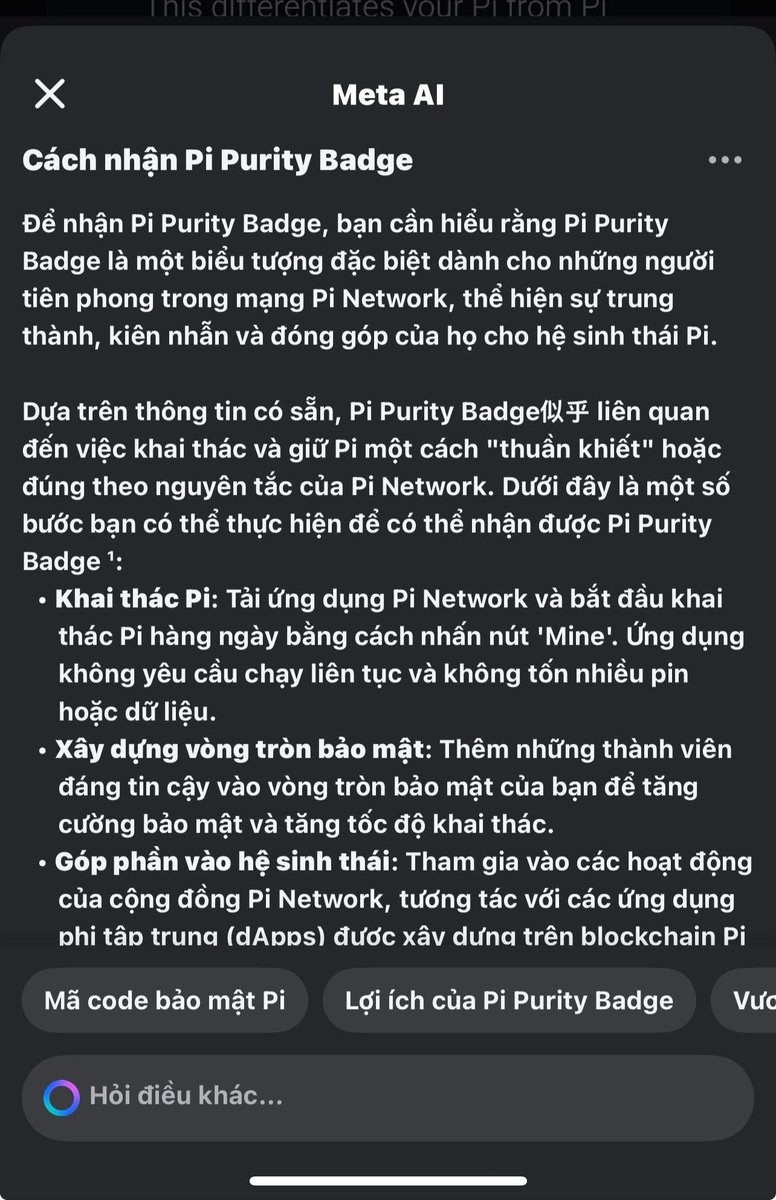
🔰 Pi Purity Badge – Huy hiệu dành cho những đồng Pi được đào chân chính đang khiến cộng đồng xôn xao.
Đây có thể là dấu ấn để phân biệt:
✅ Pi được đào thật từ Pioneer
✅ Pi đã KYC và minh bạch
❌ Khác với những Pi đến từ nguồn không rõ ràng
Trong kỷ nguyên Global Open Network, những Pioneer kiên trì, trung thành và đóng góp cho hệ sinh thái có thể sẽ được ghi nhận bằng một huy hiệu đặc biệt từ Core Team.
🌏 Điều này không chỉ là phần thưởng…
mà còn là bằng chứng cho sự kiên nhẫn và niềm tin suốt nhiều năm.
🔥 Nếu điều này trở thành sự thật, Pi “sạch” có thể sẽ là nền tảng cho toàn bộ hệ sinh thái giao dịch trong tương lai.
Pioneers nghĩ sao về Pi Purity Badge?
#PiNetwork #PiPurityBadge #PiOpenNetwork #PiPioneers
16
13
177
11,119

Mar 15
#PiOpenNetwork. After sharing, return here and submit your post link to enter the raffle.
2
15

🎉 Anniversaire de l’Open Network de Pi Network !
Heureux de faire partie de la communauté et d’avoir obtenu le badge Newer Pioneers 🏅
Envie de découvrir Pi ?
Rejoignez l’aventure 👇
minepi.com/Molsi15
#PiNetwork #PiOpenNetwork #Crypto
2
363


Mar 8
Good morning and Happy Sunday!
Check out my pioneer achievement! On #PiOpenNetwork.
I was selected for the Pioneers raffle
Like, RT and congratulate the win 🙏

3
91