
Major cryptocurrencies such as Bitcoin, Ethereum, Binance Coin, Solana, Ripple, Dogecoin, and Tether are now tradable on the testnet. Will this serve as a catalyst for a rebound before Pi hits its all-time low?
#PiTrader #DeFi
grok.com/share/c2hhcmQtNA_db…
10
449

31 Jul 2025
📜 If you’re still asking: “When Pi exchange?”
You’re missing the real question:
“When will you start owning your trade empire?”
Hint: The tools are already live.
#BuildOnPi #PiTrader
31 Jul 2025

Strategic Predictive Analysis ::
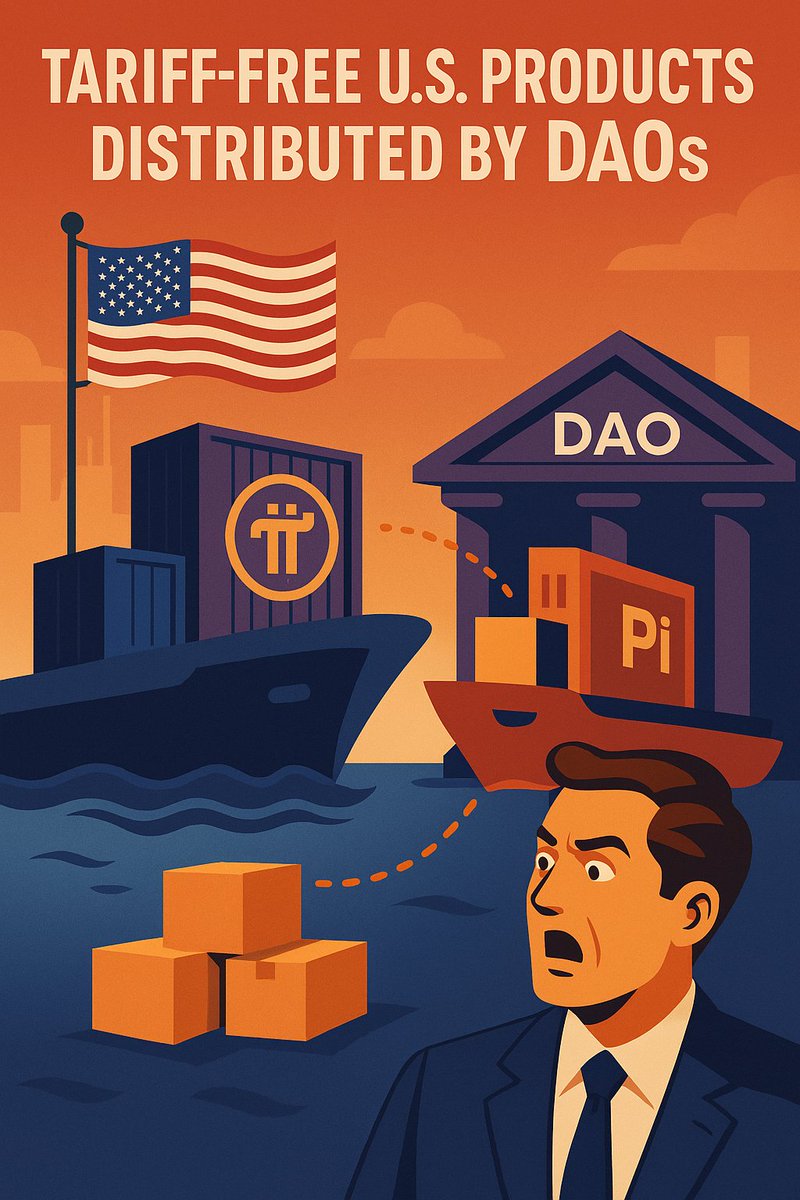
The Tariff-Free World and the Trade Revolution Fueled by Pi Rewards — The Dawn of a Pi Nexus-Powered Order
[[[ Import with Rewards, Distribute via DAO — The World Without National Logistics ]]]
[[[ The Tariff-Free U.S. Era: Pi Pioneers Reshape Distribution Orders ]]]
[[[ Faster Than Tariffs, Cheaper Than Banks — The Trade War on Pi Nexus ]]]
[[[ One Block, 20,000 Pi, and the Rise of Micro-Trade States ]]]
[[[ This article includes predictive analysis and may differ from actual outcomes. ]]]
In 2025, the United States secured a sweeping trade agreement with most of its major trading partners, effectively eliminating export tariffs on U.S.-origin goods. South Korea, Japan, the European Union, and others accepted 15% or higher reciprocal tariffs on their own exports in exchange for duty-free access to American goods.
This was not a mere trade deal — it was a **systemic maneuver to globally open distribution channels for U.S. manufacturing** with minimal resistance.
Yet beneath this surface-level realignment, a deeper revolution is brewing — one that is **not state-driven, but pioneer-powered**.
It is the rise of **Pi Network and the Pi Nexus Autonomous Banking Infrastructure**, where individuals armed with digital rewards and real-time smart liquidity are set to **override legacy trade institutions** and establish new rules of commerce.
1. The Technological-Economic Constants of Pi Nexus
The Pi Nexus platform, guided by a constellation of global constants, is more than a blockchain — it’s the **infrastructure of a decentralized global logistics system**. Key parameters include:
* **Annual staking rewards at 20%**, with **20,000 PI per block mining incentives**
* **Transaction fees as low as $0.00000001**, capped at $0.000001 — virtually free
* **85% transaction fee discount for stakers**, enabling ultra-cheap operations
* **Block time at 0.001 seconds** and **node response times at 0.01 seconds**, allowing near-instant execution
* **Dynamic supply adjustments** to ensure liquidity during market shifts
* **Dual value model**: PiGCV ( $314,159 fixed) and PiUSD for stable on-chain settlement
* **Multi-collateralized algorithmic stablecoin system**, managed by AI, backed by a diverse pool of assets (USD, BTC, ETH, Gold, Real Estate, Renewable Energy, etc.)
* **Governance via decentralized DAO with AI optimization and quantum security protocols**
These constants form the operational backbone of **a new trade network that doesn't require governments, banks, or customs brokers**.
2. Pioneers Become Global Traders — Fuelled by Pi Rewards
By 2027, pioneers with several hundred or thousand PI in their wallets will become **self-sufficient micro-trade hubs**, capable of:
* **Directly importing U.S. goods tariff-free via FTA routes**
* **Settling payments in PiUSD or PiGCV without needing fiat bank intermediaries**
* **Utilizing DAO-based logistics to redistribute products locally**
* **Funding recurring shipments purely from staking rewards**
* **Executing high-volume orders with near-zero transaction fees and sub-second settlement**
* **Running an entire cross-border operation from a mobile device and a Pi wallet**
These individuals and DAOs will not just be **buyers** — they will be **global-scale distributors** empowered by automation, transparency, and regenerative digital capital.
3. Legacy Trade Elites Won’t See It Coming
The institutional incumbents — trade conglomerates, logistics giants, customs agents, and state finance officials — continue to view Pi as an experimental hobby network, while its **technical and monetary systems quietly reach industrial-grade capability**.
They underestimate:
* The **instant liquidity engine** of Pi's dual-value model
* The **zero-marginal-cost settlement infrastructure**
* The **self-reinforcing reward economy** that funds itself
* The ability of decentralized DAOs to execute where formal channels are paralyzed
Once Pi-backed pioneers begin importing and redistributing tariff-free American products across developing economies, **legacy players will not be able to compete** — not on price, not on speed, and certainly not on trust.
4. The Coming Distribution War
The global trade map is on the brink of inversion:
* Consumers will **buy directly from DAOs**, not retail chains
* **Payments will bypass banks**, settled through PiUSD
* **Taxes may go uncollected**, as transactions are peer-to-peer
* **Regulatory controls will falter**, lacking visibility into borderless blockchain commerce
The U.S. may win the macro-level export game, but **the real restructuring is happening beneath the surface — on the Pi Network**.
And those who do not understand Pi won’t even see the new game being played.
----------------
Conclusion
----------------
From now on, **trade, logistics, and finance will not be moved by ministries or multinational corporations**.
They will be driven by **pioneers with staking rewards**, operating across DAO-powered platforms, navigating **a tariff-free world with instant liquidity and near-zero cost infrastructure**.
> **Those who don’t understand Pi will soon discover that they are not just late — they are playing the wrong game.**
The trade revolution isn’t coming.
**It has already begun — block by block, reward by reward, node by node.**
2
3
282

18 Apr 2025
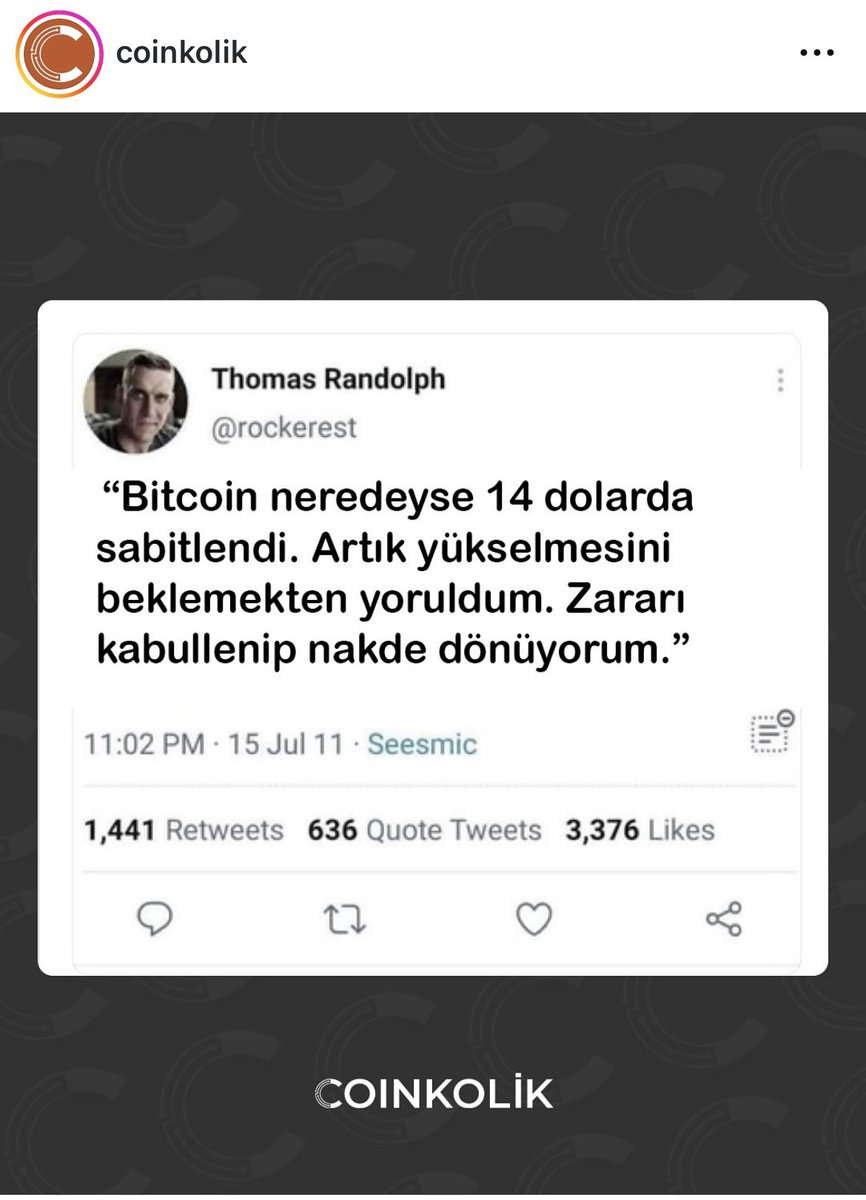
Bitcoin 14 dolarken vazgeçenler şimdi pişman. Peki ya Pi için de siz pişman olmak ister misiniz?
2011 yılında bir yatırımcı, Bitcoin’in 14 dolara sabitlenmesinden yorulmuş, zarar ettiğini düşünüp nakde dönmüştü. O gün için mantıklı bir karar gibi görünse de, bugün o kararın milyarlarca dolarlık bir pişmanlığa dönüştüğünü hepimiz biliyoruz.
Bugün Pi Network, tıpkı o günün Bitcoin’i gibi. Gelişimini sürdüren, dünya çapında milyonlarca kullanıcıya ulaşmış, kendi ana ağına geçen ve ekosistemini kurmakta olan dev bir proje.
Unutma:
Bitcoin için o pişmanlık dolu tweeti atanlar artık tarihin bir örneği oldu.
Pi için ise hâlâ zaman varken sabretmek, inançla devam etmek gerekir.
Yarın bir gün “Keşke Pi’yi bırakmasaydım” dememek için, bugünkü duruşunu doğru belirle.
Çünkü “Gelecek, sabredenleri ödüllendirir.”
Ve Pi, bu geleceğin en güçlü adaylarından biridir.
#PiNetwork
#OpenMainnet
#PiGCV
#GCV314159
#PiCoin
#PiPay
#CryptoRevolution
#PiNetworkTürkiye
#PiUtility
#PiHackathon
#Blockchain
#SidraChain
#DigitalFuture
#EarnWithPi
#PiIsReal
#Web3Community
#PioneersTogether
#PiListed
#PiTrader
#KriptoPara
8
6
27
2,578


2 Mar 2025
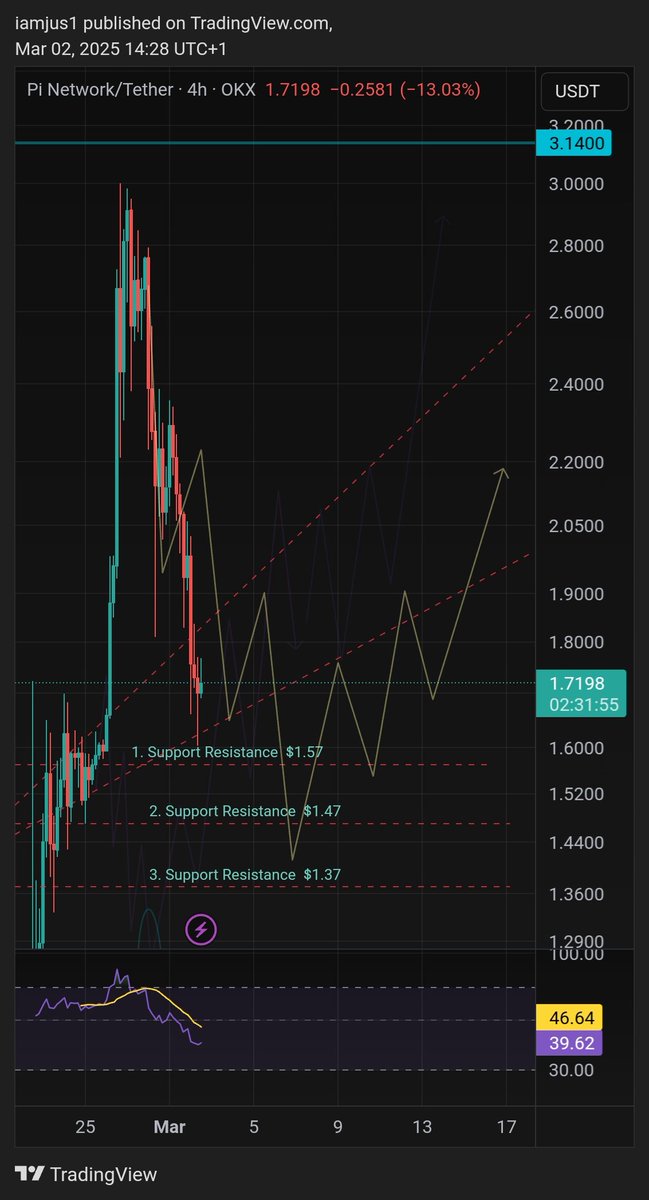
I shake my hand to you (@iamjusONE) for this sketch. You're a Genius!
Why not so popular on X? oh YES, you once said "I like to be discreet. Who knows me, good. Who doesn't even better."
- Respect 😌
#PiNetwork #PiTrader #TradingExperts #EliteTraders #CryptoTrading
I ❤ 𝝅.
28 Feb 2025

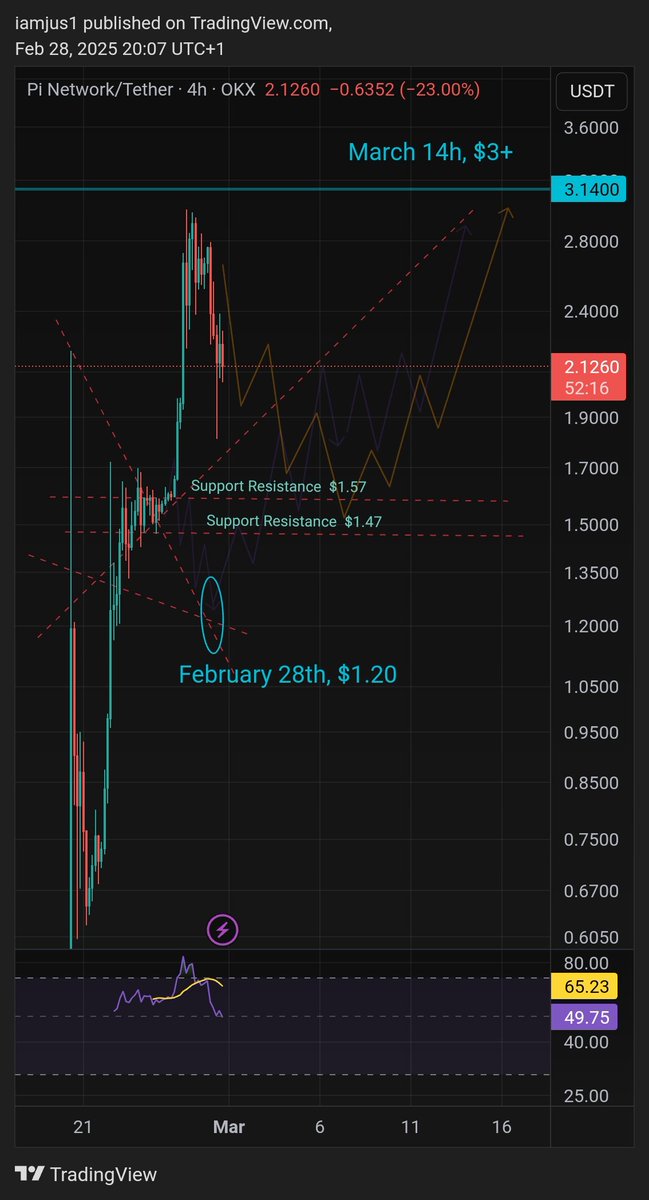
Expected drop of -30% to -40% $PI
$1.63 - $1.54 healthy correction! - @iamjusONE
"He called on this while $PI was trading above $2.70"
Support: $1.57 to $1.47
#PiNetwork #Crypto #CryptoRecovery
I ❤ 𝝅. Pi Network. Designer.
1
2
878

31 Dec 2024
Deal of 175 Pi done with a New client
No minimum
You can even sell 1 Pi
Most trusted Buyer
#PiBuyer #Pitrader #cryptoBuyer #SidraBuyer #PiNetwork #Bnb #bep20 #Crypto #INDvsAUS #CountdownCTW2025 #btc #usdt


3
7
1,798
3 Dec 2024
Another big deal of 2950 Pi done in a single transaction
No minimum
Even 1 Pi /Sidra Accepted
#Binance #bep20 #SidraFamily #SidraChain #Pitrader #PiTrade #PiVenodor #btc #bnb #usdt #usdc #cryptoBuyer #AtheneNetwork #PiNetwork #FreeMoney @cb_doge @Cointelegraph @hamster_kombat @openmainnet @PiCoreTeam @PiNewsApp @PiWhales @PiNewsMedia #Election2024 #دمشق #Syria #riyadh #faiz


3
4
972
13 Aug 2024
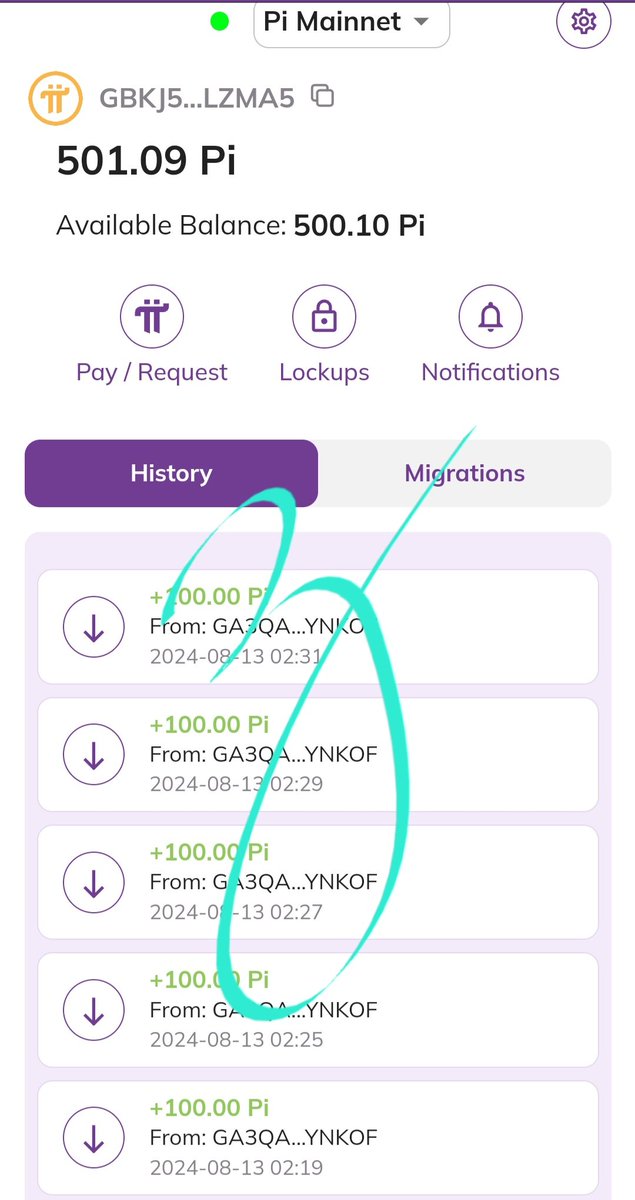
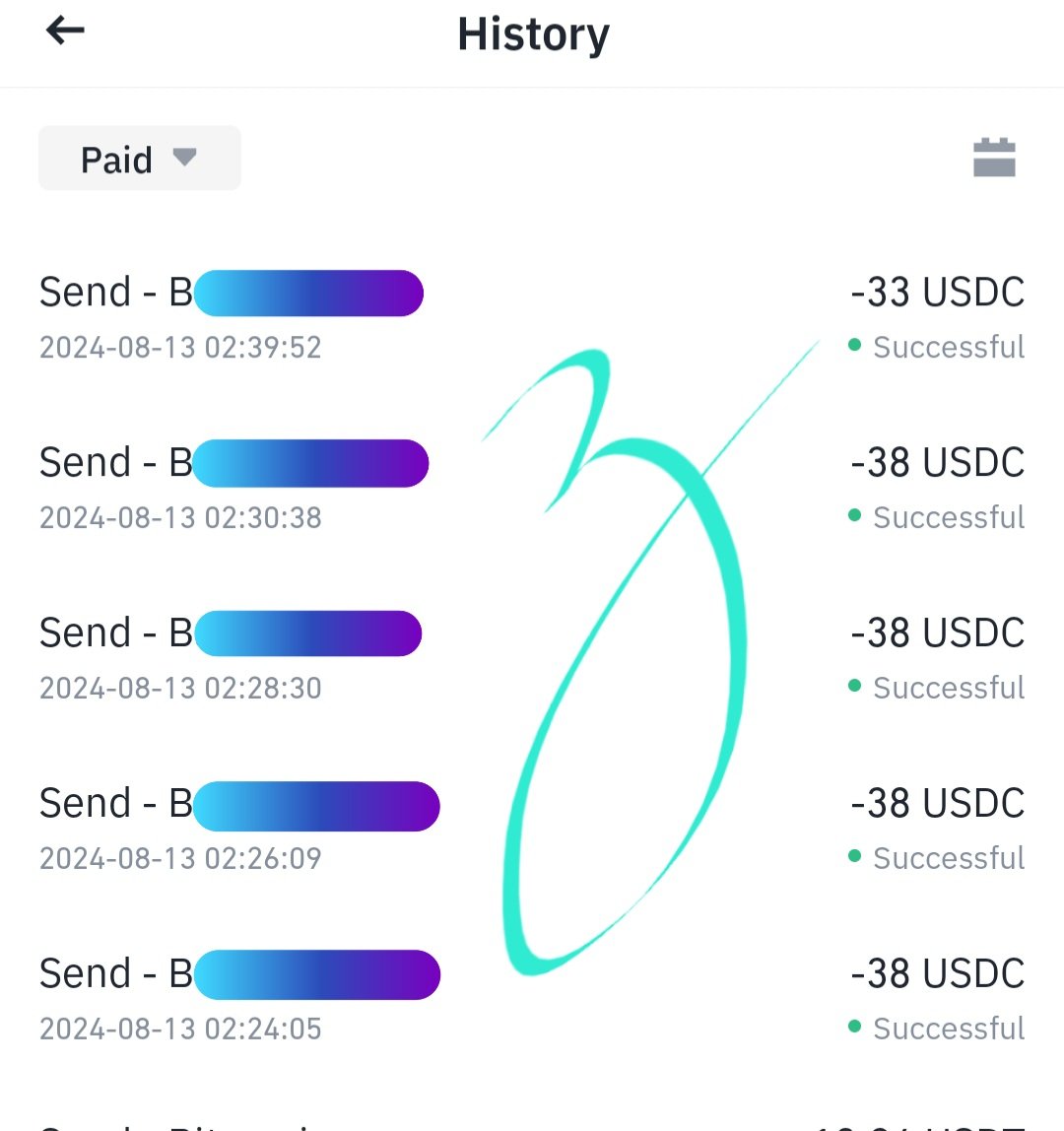
Another deal of 500 Pi done
No minimum
You can even sell 1 pi
Also Buying Sidra
Most trusted Buyer
Whatsapp: 923436118110
Telegram: Zaheer7534
#deprem #Iran #GoBackToTruthSocial #InternationalYouthDay #BinanceWeb3Wallet #Bep20 #usdt #btc #bnb #eth #solana #ath #SidraBuyer #PiBuyer #PiTrader #CryptoTrading #CryptoBuyer #CryptoNews #LegitBuyer #online
1
5
1,343
25 Jul 2024
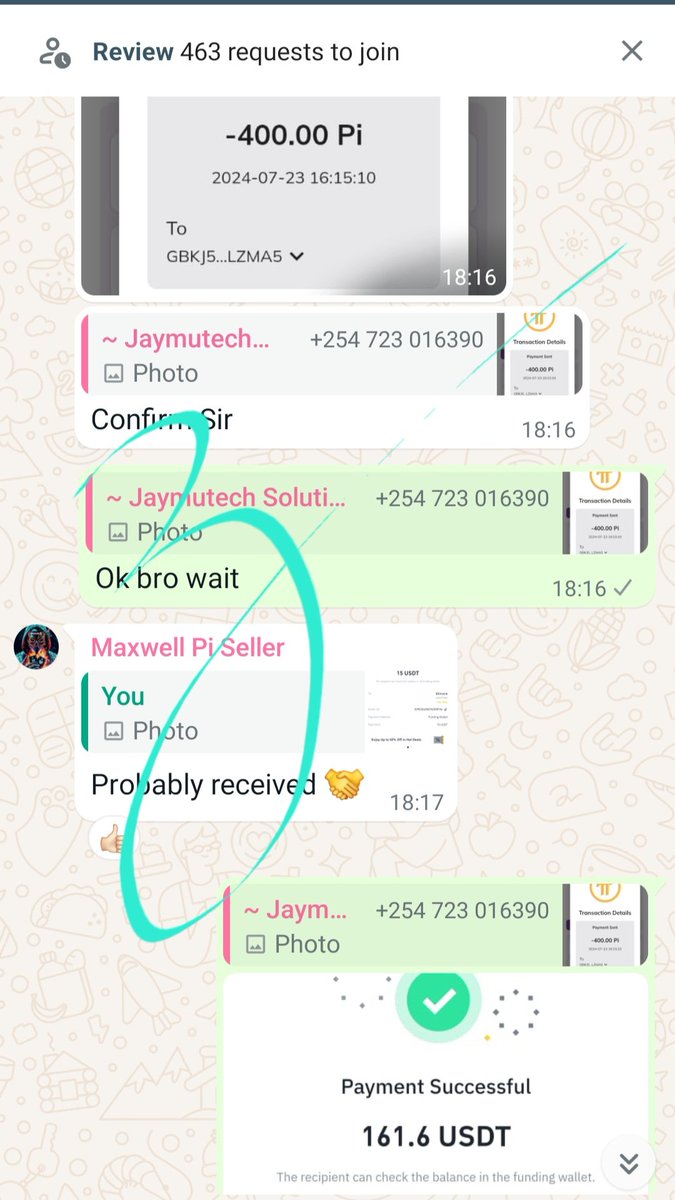
400 pi done
Even 1 pi accepted
Come now for most trusted deals
#Binance #PiBuyer #PiTrader #PiExchange #CryptoBuyer #CryptoTrader #SidraBuyer #PakistanCricket #Usdt #Hamsterkombat #OlympiacosFC #Usdb #AtheneBuyer
7
1
3
1,137
17 Jul 2024
Pi rate up 📈
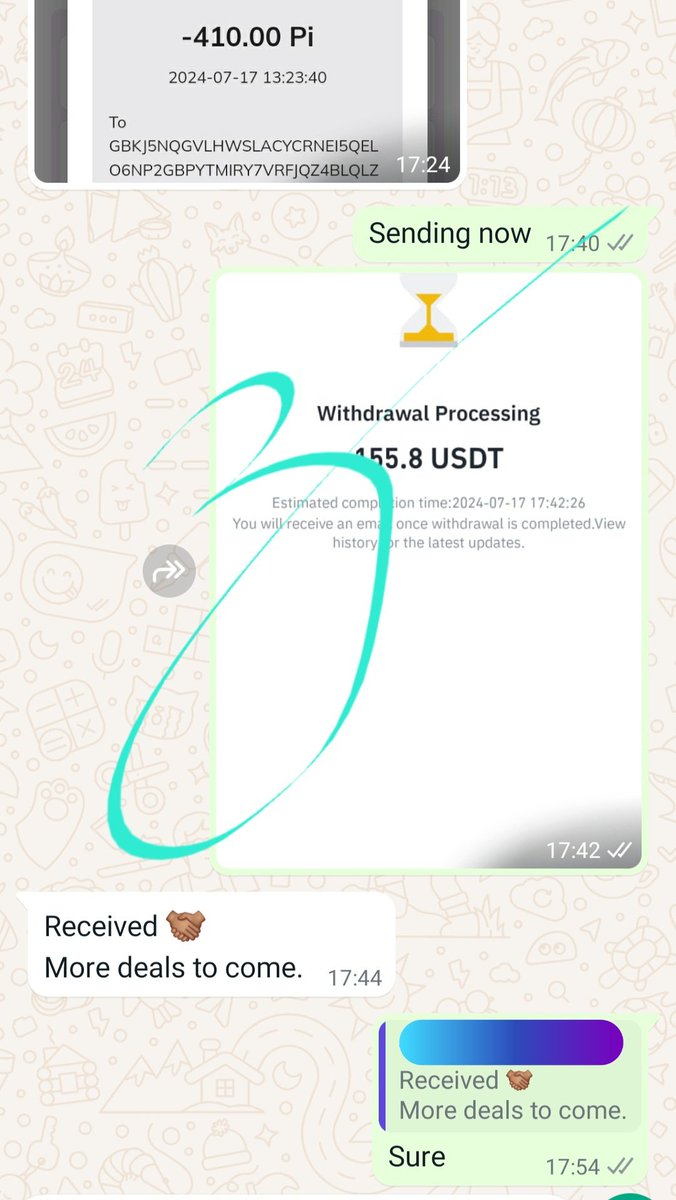
Another deal of 410 Pi done
No minimum
Even 1 coin is accepted
Also Buying Sidra
Come for 💯% Trusted Deals
#PiNetwork2024 #PiBuyer #PiTrader #PiExchange #SidraBuyer #CryptoTrade #cryptocurrency #btc #bnb #athene #solana #Bch #HamsterKombat #PakistanCricket #المخالفات_المرورية #AbolishTheMonarchy #SupremeCourt #usdt #euro #PiBarter #cryptocurrency #Russia #ImranKhan #FayePeraya #الكهرباء #SB19
3
670
15 Jul 2024
Pi rate up 📈
Another deal of 90 Pi done
No minimum
Even 1 coin is accepted
Also Buying Sidra
Come for 💯% Trusted Deals
#PiNetwork2024 #PiBuyer #PiTrader #PiExchange #SidraBuyer #CryptoTrade #cryptocurrency #btc #bnb #athene #solana #Bch #HamsterKombat #PakistanCricket #المخالفات_المرورية #AbolishTheMonarchy #SupremeCourt #usdt #euro #PiBarter #cryptocurrency #Russia #ImranKhan #FayePeraya

1
737
13 Jul 2024
Pi rate up 📈
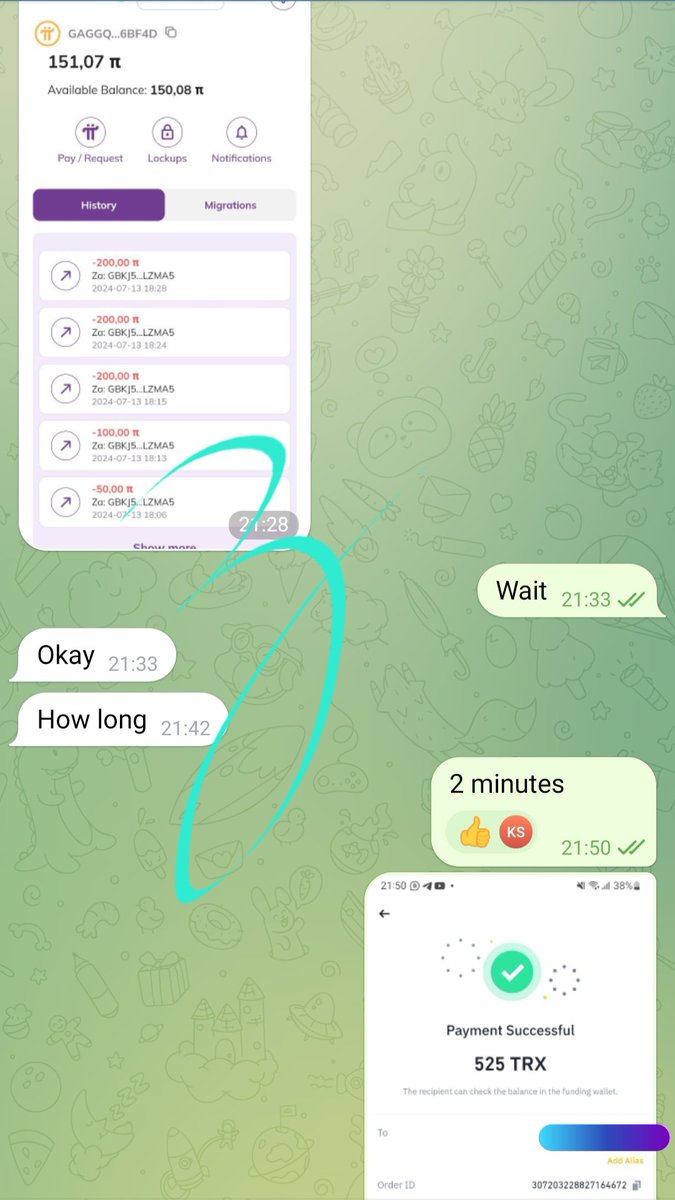
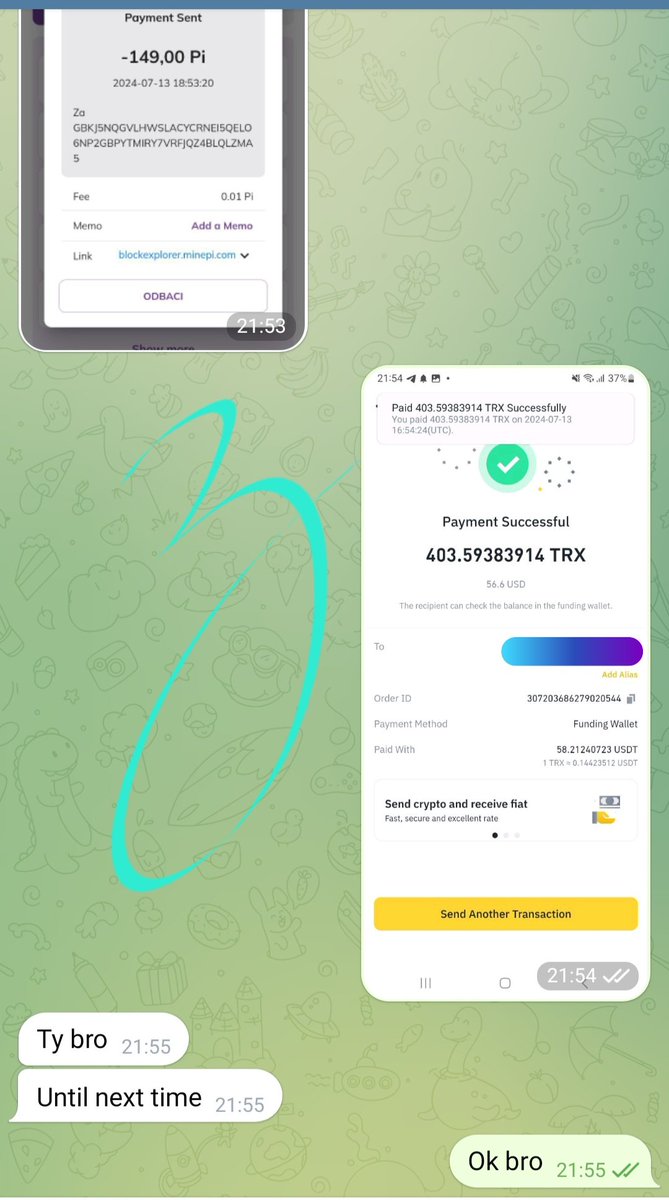
Another deal of 899 Pi done
No minimum
Even 1 coin is accepted
Also Buying Sidra
Come for 💯% Trusted Deals
#PiNetwork2024 #PiBuyer #PiTrader #PiExchange #SidraBuyer #CryptoTrade #cryptocurrency #btc #bnb #athene #solana #Bch #HamsterKombat #PakistanCricket #المخالفات_المرورية #AbolishTheMonarchy #SupremeCourt #usdt #euro #PiBarter


3
5
2,304
6 Jul 2024
Another deal of 206 pi done with a new client
He was hesitant as he was scammed
Started with 20 pi and compelted in 4 transactions
No minimum
You can even sell 1 Pi
Most trusted buyer
#Pibuyer #PiTrader #PiTrade #PiBarter #PiExchange #SidraBuyer #SidraTrader #Sidrabank #Athene #Hamster #HamsterCEO #Binance #bep20 #btc #bnb #eth #solana #usdt #euro #ImranKhanFightingForPakistan #FreePalestine #CryptoBuyer #cryptotrading #Crypto #cryptocurrency #PakvsInd #ShubmanGill #Russia #EsportsWorldCup #CHANEL #Best #money
@sunwaves_token @icecube @PiNewsApp @thuc_nd @PiNewsMedia


1
1
772
4 Jul 2024
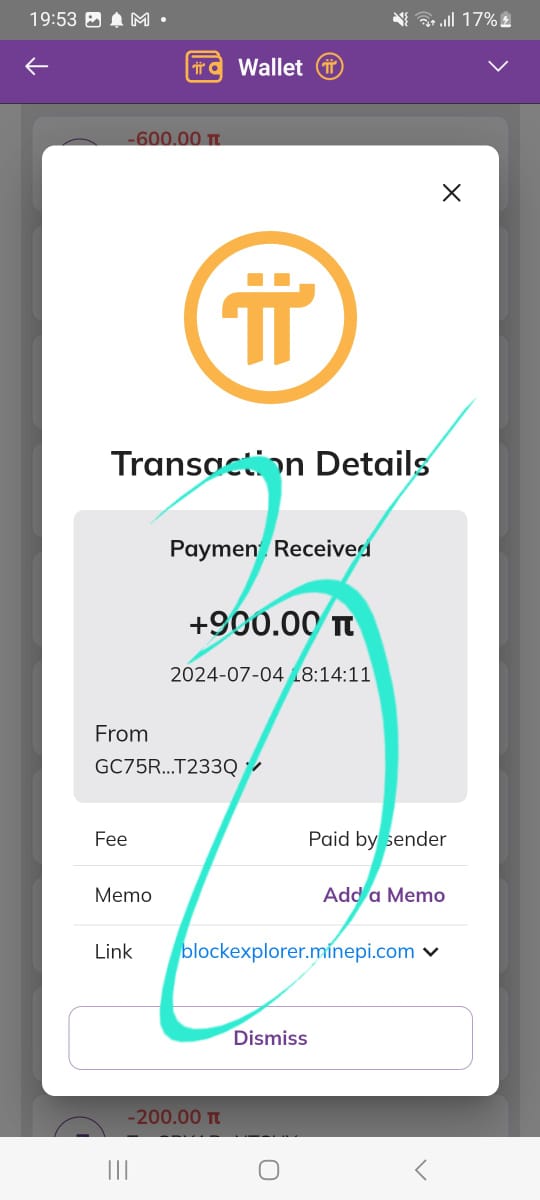
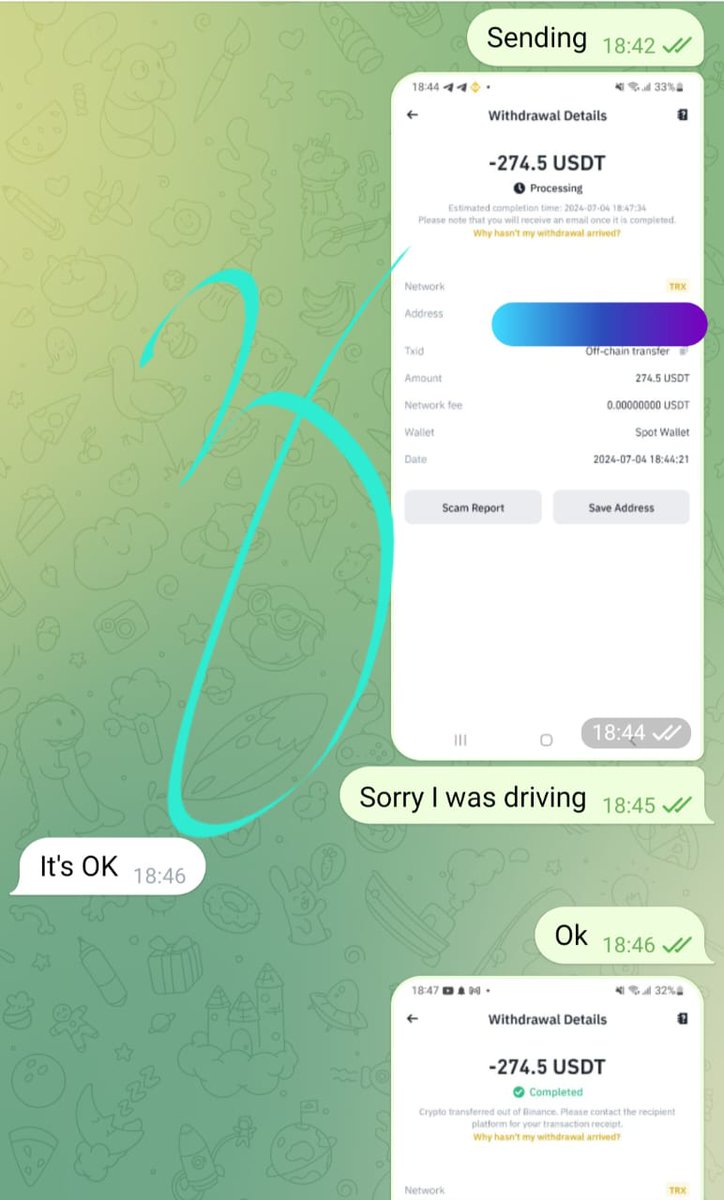
Another Big Deal of 900 Pi with a new client
That's the trust level
You can even sell 1 Pi
Come for 💯% safe deals
Also Buying Sidra
#PiNetwork #Pibuyer #Pitrader #PiBusiness #PiVendor #CryptoBuyer #CrytptoTrade #SidraBuyer #SidraTrader #PakistanCricket #binance #cryptocurrency #BEP2 #solana #usdt #usdb #HamsterKombat #البرتغال_سلوفينيا #Usdb #Blove #vrc #Pti
5
3
1,347
16 Jun 2024
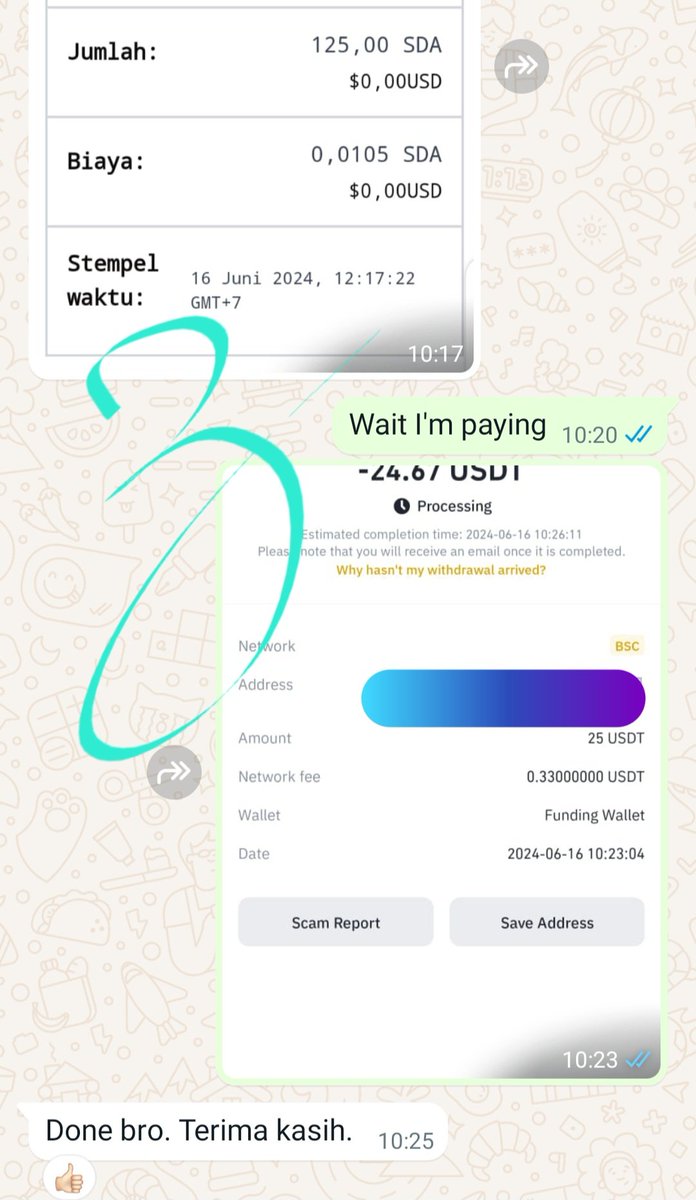
Another deal of 125 Sidra done
No minimum You can even sell 1 Coin
Also Buying Pi and Athene
Most trusted Buyer
#PiBuyer #PiTrader #PiTrade #PiBarter #PiNetwork #SidraBuyer #sidratrader #cryptoBuyer #CryptoTrader #CryptoTrade #BANGCHANxMFW #Is_Humanity_Alive #JackBam #Barbecue #EidAlAdha #TENXMAYBELLINEFITME #BinanceLive #bep20 #Eth #solana
6
1
5
1,756
26 May 2024
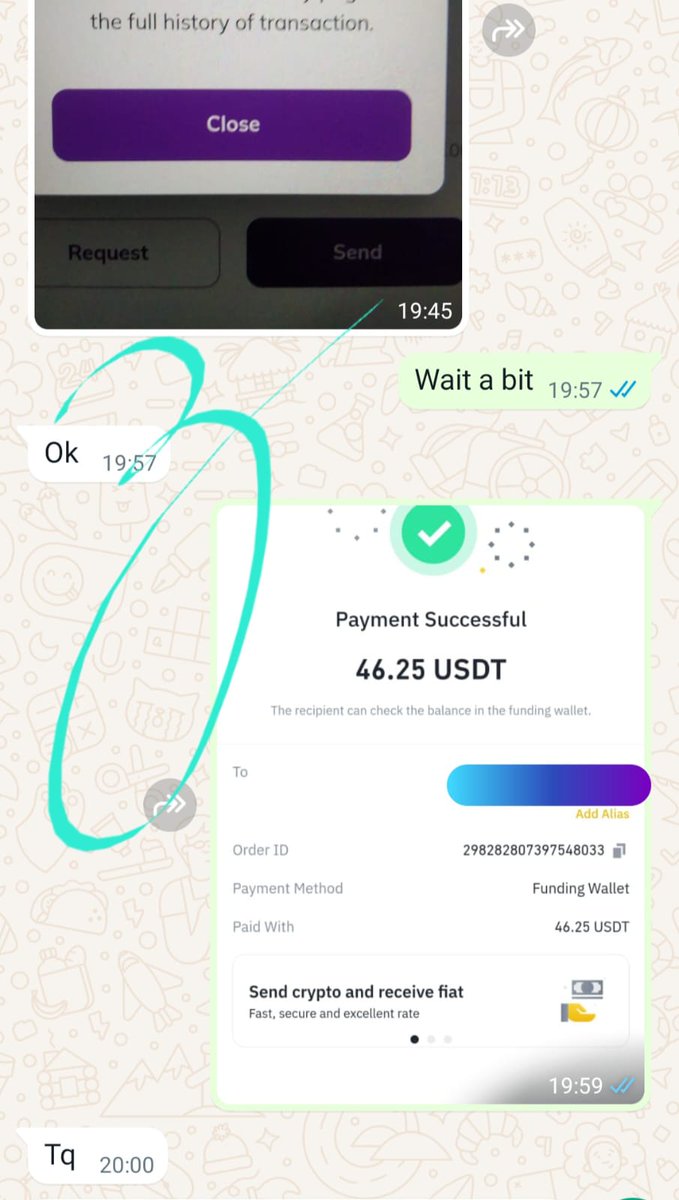
Another deal of 189 Pi done with a regular client
No minimum
You can even sell 1 Pi
Most trusted Buyer
Also Buying Athene and Sidra
#PiBuyer #Pitrader #PiNetwork #sidraBuyer #atheneBuyer #cryptoBuyer #cryptoTrader #LegitBuyer #OnlineEarning #Btc #bnb #bep20 #usdt #usdb #trc20 #trx #solana #freeCrypto #CryptoBuyer #cryptoTrader #cryptopayments #CreateSafeSpaces #LevisTHxBUS #FuryUsyk #TheChase #ClaudiaPresidentaDeMéxico #SuhanaKhan #LaMañanera #Formula1 #HalaMadrid #PakvsEng #خان_کا_نظریہ_نہیں_مٹا_سکتے #استقلال_٧٨ #FCMSIF
7
2
1,497
20 May 2024
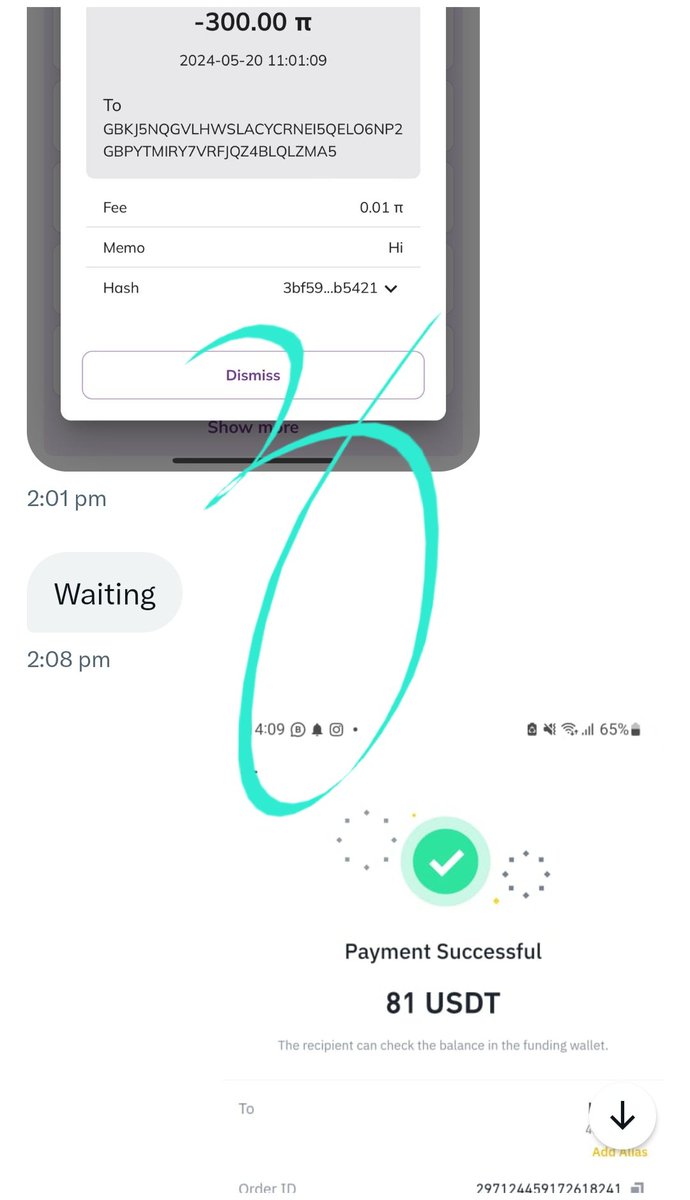
Another deal of 300 Pi done with a new client
No minimum
You can even sell 1 Pi
Most trusted Buyer
Also Buying Athene and Sidra
#PiBuyer #Pitrader #PiNetwork #sidraBuyer #atheneBuyer #cryptoBuyer #cryptoTrader #LegitBuyer #OnlineEarning #Btc #bnb #bep20 #usdt #usdb #trc20 #trx #solana #freeCrypto #CryptoBuyer #cryptoTrader #cryptopayments #CreateSafeSpaces #LevisTHxBUS #FuryUsyk #TheChase #ClaudiaPresidentaDeMéxico #SuhanaKhan #LaMañanera
3
5
1,144
10 May 2024
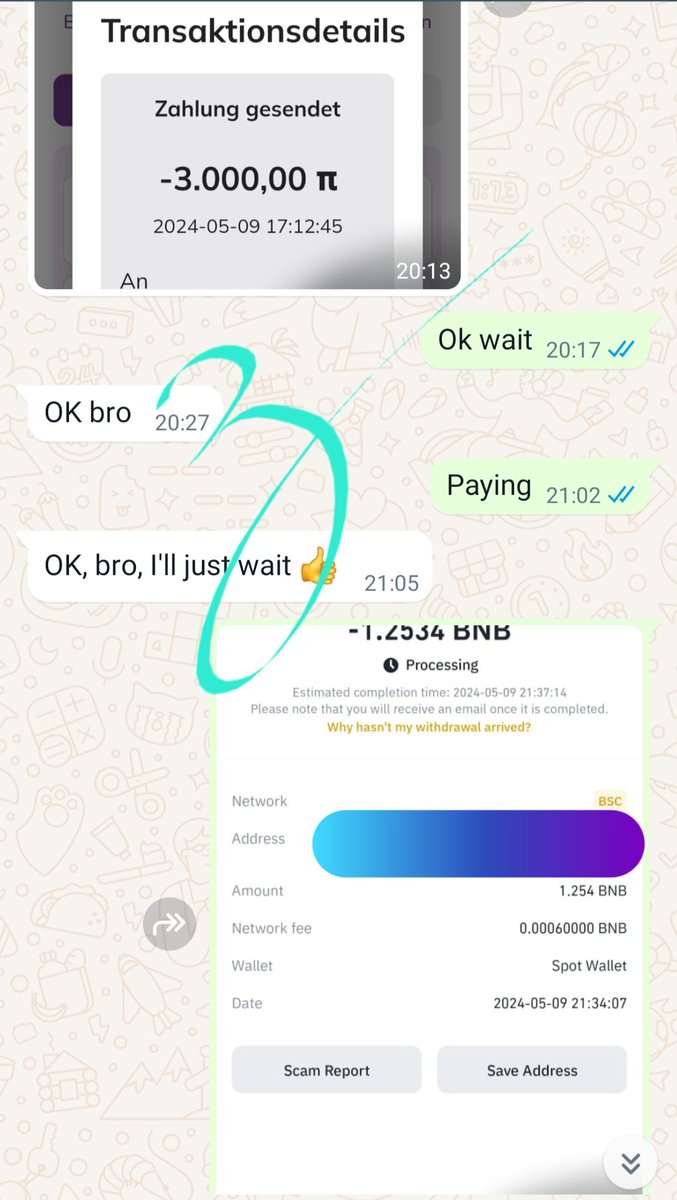
Another BIG deal of 300 Pi done in one GO
No minimum
You can even sell 1 Pi
Most trusted Buyer
Also Buying Sidra and Athene ...
#محمد_عبده #PiNetwork
#PiTrade #PiTrader #PiBuyer #CryptoBuyer #AtheneBuyer #sidraBuyer #legitCryptoBuyer #Trading #onlinelearning #usdt #Crypto #cryptocurrency #bnb #btc #solana #eth #MiamiGP #BBLDRIZZY #12thresult #Helldivers2 #IREvPAK #GTvCSK #blockout2024
4
6
1,130
9 May 2024
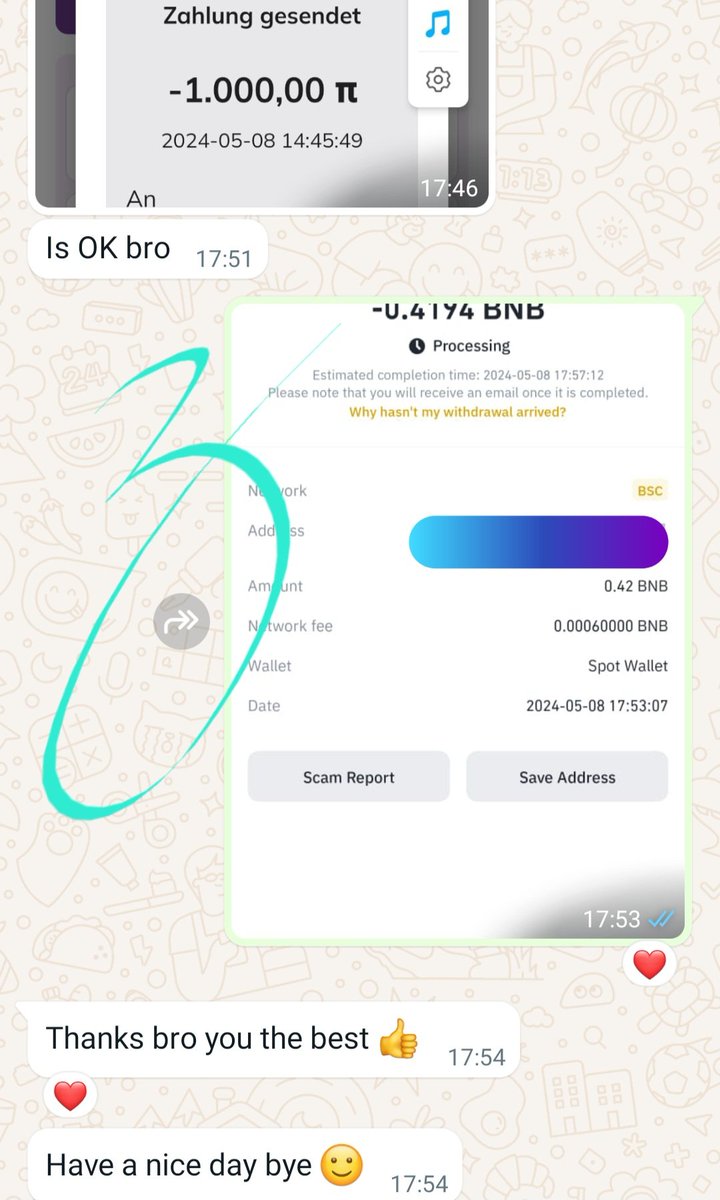
A BIG deal of 1000 Pi done in one GO
No minimum
You can even sell 1 Pi
Most trusted Buyer
Also Buying Sidra and Athene ...
#محمد_عبده #PiNetwork
#PiTrade #PiTrader #PiBuyer #CryptoBuyer #AtheneBuyer #sidraBuyer #legitCryptoBuyer #Trading #onlinelearning #usdt #Crypto #cryptocurrency #bnb #btc #solana #eth #MiamiGP #BBLDRIZZY #12thresult #Helldivers2 @_FaridKhan @PiNewsMedia @PiNews_6 @CryptoXDElon #matura2024 #Eurovision2024 #nifty50 #WINTERxPoloRalphLauren
2
2
9
1,049
6 May 2024
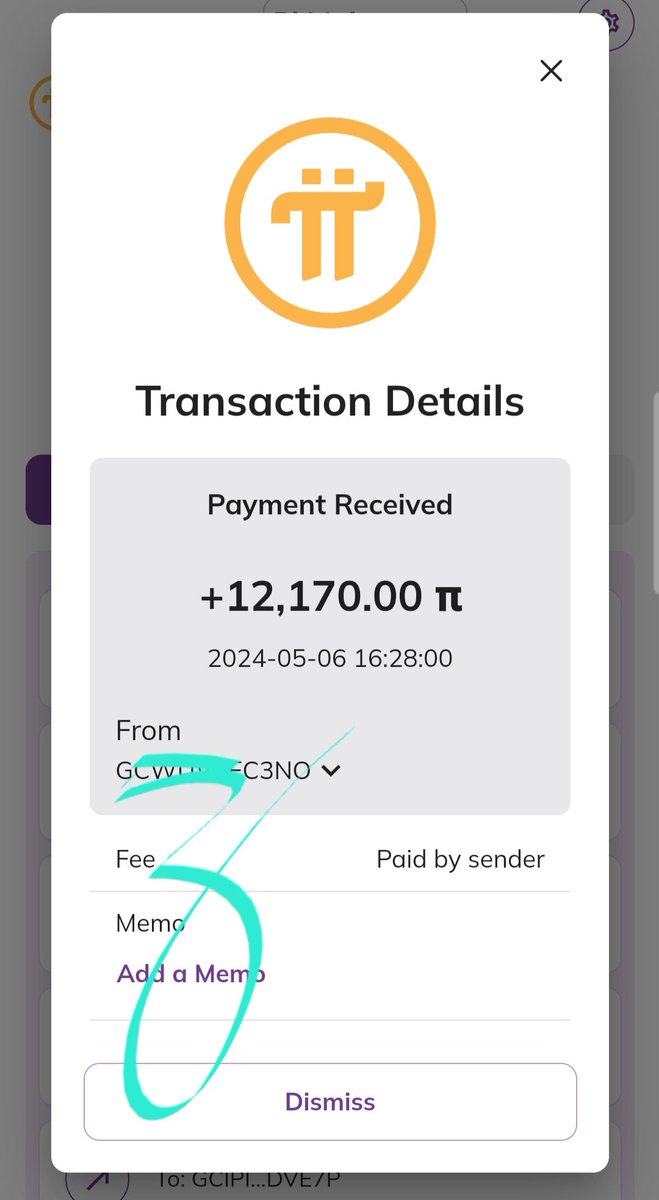
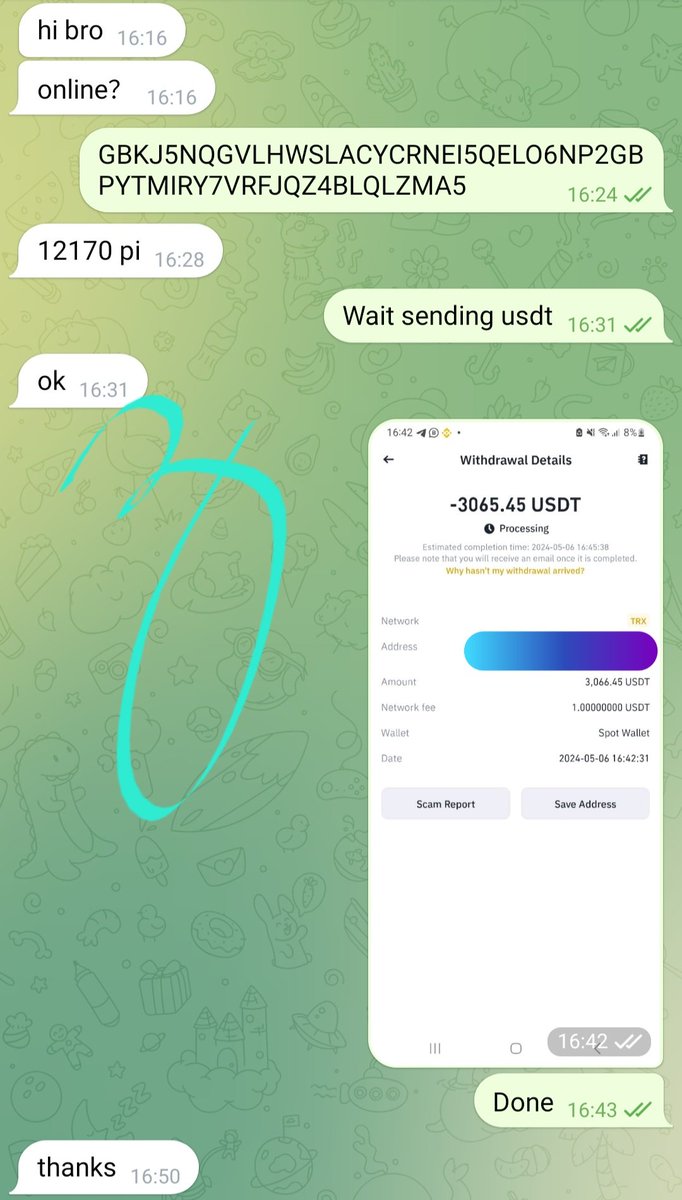
A really BIG deal of 12170 Pi done in one GO
No minimum
You can even sell 1 Pi
Most trusted Buyer
Also Buying Sidra and Athene ...
#محمد_عبده #PiNetwork
#PiTrade #PiTrader #PiBuyer #CryptoBuyer #AtheneBuyer #sidraBuyer #legitCryptoBuyer #Trading #onlinelearning #usdt #Crypto #cryptocurrency #bnb #btc #solana #eth #MiamiGP #BBLDRIZZY #12thresult #Helldivers2 @_FaridKhan @PiNewsMedia @PiNews_6 @CryptoXDElon
9
11
1,530