

Bayar cuma dengan satu klik?!
Bukan sulap, bukan sihir! Karena udah pakai fitur PIN-less di wondr by BNI.
Kamu bisa atur limit transaksi PINless hingga Rp3 Juta untuk transfer, bayar, dan top-up yang lebih cepat.
Download wondr by BNI di App Store/Play Store atau cek wondr.bni.co.id
#BNI46 #MelayaniSepenuhHati #jadiinmaumu
2
347

WMDoll 165cm Lucy features an EVO skeleton for flawless pinless standing, wrapped in premium medical-grade silicone with a flat-chested profile. Hand-rooted lashes, permanent body makeup, and a 30% reduction in weight via Ultra-Light tech. xlifedoll.com/products/wmdol…

ALT Uniform Style Full Silicone Sex Doll 165cm (5'5") - Lucy

ALT Uniform Style Full Silicone Sex Doll 165cm (5'5") - Lucy

ALT Uniform Style Full Silicone Sex Doll 165cm (5'5") - Lucy
35
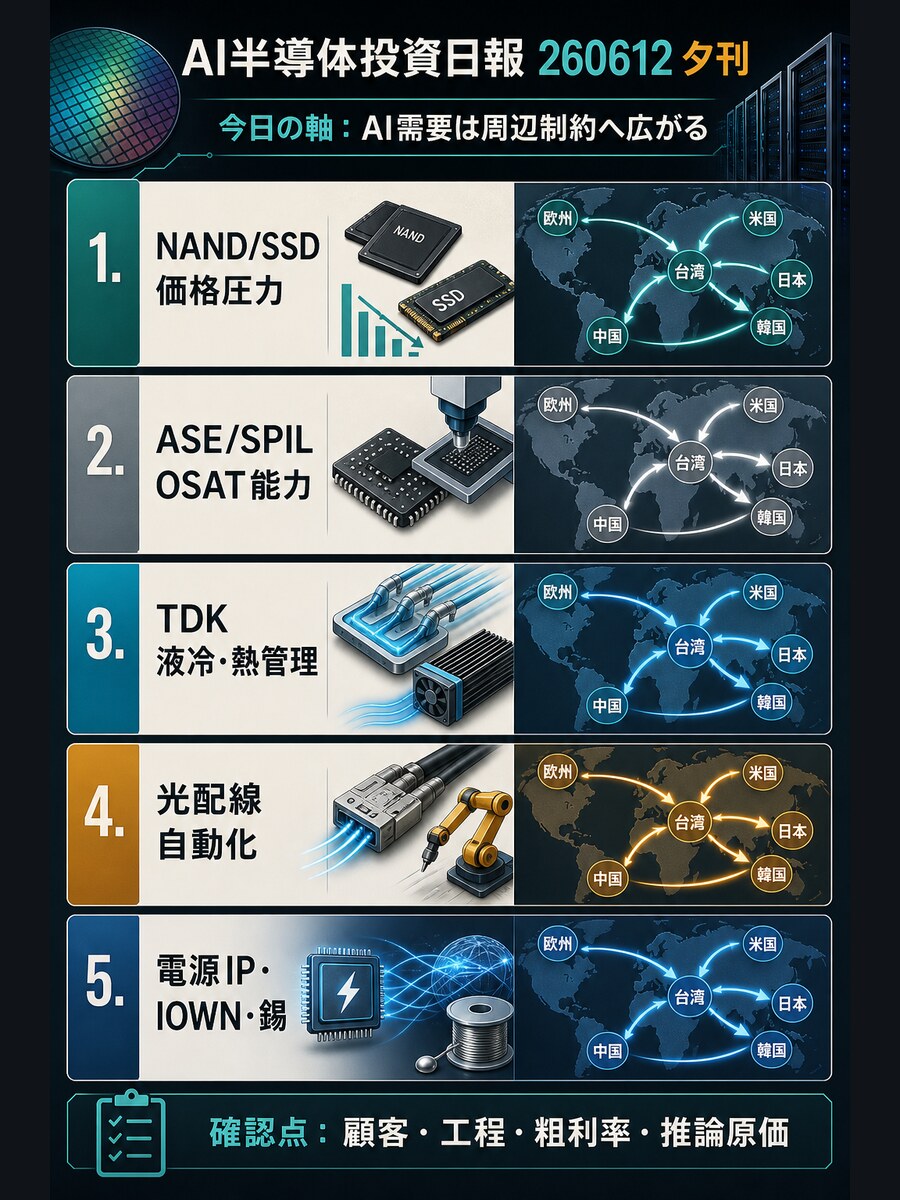
AI半導体投資日報_260612_夕刊
■全体観:AI需要は周辺制約へ広がった
・対象期間は、前回夜日報の作成後から2026年6月12日夜まで。
・今回のニュース監視では、欧州、米国2、日本、韓国、台湾、中国に新規材料が出た。
・米国1は、2026年6月12日の同名ニュース監視更新を確認できなかった。今回は新規採用なしとして扱う。
・今日の主題は、AI需要が強いか弱いかではない。
・AIインフラを増やす時に、メモリ、OSAT、冷却、光配線、電源IP、錫、モデル運用ポリシーのどこが詰まるかである。
■欧米:モデル運用とNAND価格がAI需要の外縁を示す
・Bits&Chipsは、QualinxとGlobalFoundriesによる欧州内trusted manufacturing flowでの初回chip tape-outを報じた。
・対象はAIアクセラレータではなく、RF/GNSS系のsecurity-critical chipである。
・価値は、設計データと物理材料をEU外へ出さず、重要インフラ向け半導体を域内で作る点にある。
・欧州半導体主権は、最先端AI GPUの量産だけではない。trusted foundry、特殊プロセス、設計データ主権も投資論点になる。
・THE DECODERは、Anthropic Fable 5の不可視スロットリング撤回とdata retention要件を取り上げた。
・Fable 5は、promptとoutputを最大30日、policy violationが検知された場合は最大2年保存するとされる。
・Microsoftが社内利用を制限し、GitHub Copilot側のmodel pickerに出していないという報道もある。
・フロンティアモデルの企業導入は性能だけで決まらない。zero-data-retention、監査、研究利用条件、不可視の性能制御、model routingが採用条件になる。
・Axiosは、AIデータセンター需要がNAND flashと消費者物価に波及する観測点を出した。
・米国CPIのcomputer software and accessoriesは2026年5月に前年同月比14.5%上昇した。
・記事は、blank mediaやflash driveの価格上昇、世界のflash memory chip価格が過去1年で2倍超になった点を取り上げた。
・これはメモリ企業の売上を直接示す資料ではない。重要なのは、AI trainingの保存需要がenterprise SSDから消費者向けflash製品へ価格圧力として見え始めた点である。
■台湾・日本:制約はOSAT、冷却、光配線の運用へ降りた
・TrendForceは、ASE傘下SPILによるTaiwan Mask Corporation Zhunan Plant 6取得を報じた。
・取得額はNT$2.8 billionである。
・SPILにとって2026年5件目の工場取得とされる。
・2026年の工場取得額はNT$22.7 billion超と記事は説明している。
・取得対象は既存稼働工場で、TSMCのZhunan packaging and testing facilityに近い。
・AI半導体の供給制約は、CoWoS名目能力だけでなく、OSAT側の床面積、テスト装置、装置移管、顧客拠点との距離にも左右される。
・ASCII.jpは、XENOpticsのXSOS-576DLCを紹介した。
・XSOS-576DLCは筐体内ロボットで光ケーブルを物理的につなぎ替え、最大288本の光ケーブル接続を扱うロボットパッチパネルである。
・AIクラスタの帯域が増えるほど、光ケーブルの本数、構成変更、障害切り分け、誤配線リスクが増える。
・CPOやFAUだけでなく、物理配線の遠隔切替と復旧も稼働率の論点になる。
・EE Times Japanは、TDKによるFabric8Labs買収を報じた。
・買収額は4億米ドル、約640億円とされる。
・Fabric8LabsのECAMは金属3次元構造形成技術である。
・TDKは数年以内にデータセンター液冷向けサーマルマネジメント部品を提供する見通しを示した。
・AIラック密度が上がるほど、冷却部品、流体経路、金属微細構造、受動部品応用が重要になる。
■韓国・中国:電源IP、通信キャリア資本、素材、推論効率を見る
・ZDNET Koreaは、Analog Bitsのpinless / core-powered IPを取り上げた。
・AI ASICでは、演算器やHBMだけでなく、電源配線、IR drop、熱集中、PLL、センサー、電圧監視、silicon proven IPが量産リスクを左右する。
・Analog BitsはTSMC Open Innovation Platformとの20年以上の関係を持つ。
・SemiFiveはAnalog Bitsを2022年に買収している。
・The Elecは、SK Telecom、NTT、Chunghwa Telecomによる5億ドル規模のIOWN AI Fundを報じた。
・投資対象は、AI data center infrastructure、power-efficiency optimization、liquid cooling、AI accelerators、GPUs、NPUs、cloud-distributed systems、inference optimization、optical communicationsである。
・通信キャリアは、AIインフラをクラウド事業者だけの設備投資としてではなく、光ネットワーク、分散クラウド、産業AIサービス、低消費電力化の投資対象として見ている。
・集微网は、AIサーバー需要で2030年までに錫需要が3倍になるという見出しを出した。
・全文は安定取得できていないため、定量値は未確認である。
・それでも、AIサーバーがはんだ、基板、電源部材、コネクタ、リサイクル供給へ波及する論点は残す価値がある。
・量子位は、DiffusionGemmaをローカル推論高速化の中国語圏解説として整理した。
・記事は、26B総パラメータのMoE、推論時active parameter約3.8B、量子化後18GB級VRAM、H100で1000 tokens/s超、RTX 5090で700 tokens/s超という速度例を紹介した。
・text diffusion型生成は、ローカルや低同時接続の推論効率を上げうる。
・一方で、long context、prefill、tool call後の再読込、品質、agentic workflowの完了率は残る。
・クラウドGPU需要減少と断定しない。
■夕刊の確認ポイント
・NANDとSSDは、AI trainingの保存需要と価格決定力を確認する。
・ASE/SPILは、顧客、工程、外部委託量、粗利率、固定費を確認する。
・TDKは、Fabric8Labs買収後にどの液冷部品を誰へ売るかを追う。
・XENOpticsは、光配線運用自動化が実データセンターで採用されるかを見る。
・Analog Bitsは、pinless IPの採用チップ、定量効果、AI ASIC顧客を確認する。
・IOWN AI Fundは、投資先と通信キャリア側の検証案件が出るまで短期売上根拠にしない。
・DiffusionGemmaは、tokens/sではなく、task completion、原価、クラウドとのrouting境界で評価する。
3
1,586

Jun 11
I already have him, near perfect figure just wish it was updated with pinless joints and butterfly joints
1
25

Jun 11
as requested... here's some funny screenshots of mcsr chatters who don't read pinned messages!!
i'm calling them... pinless chatters.
🧵
6
61
1,241
42,631

Jun 11
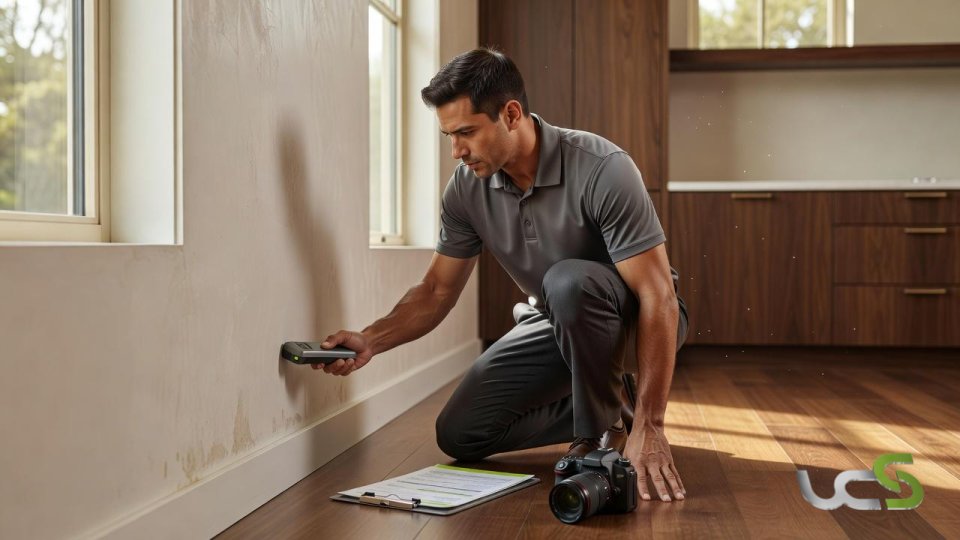
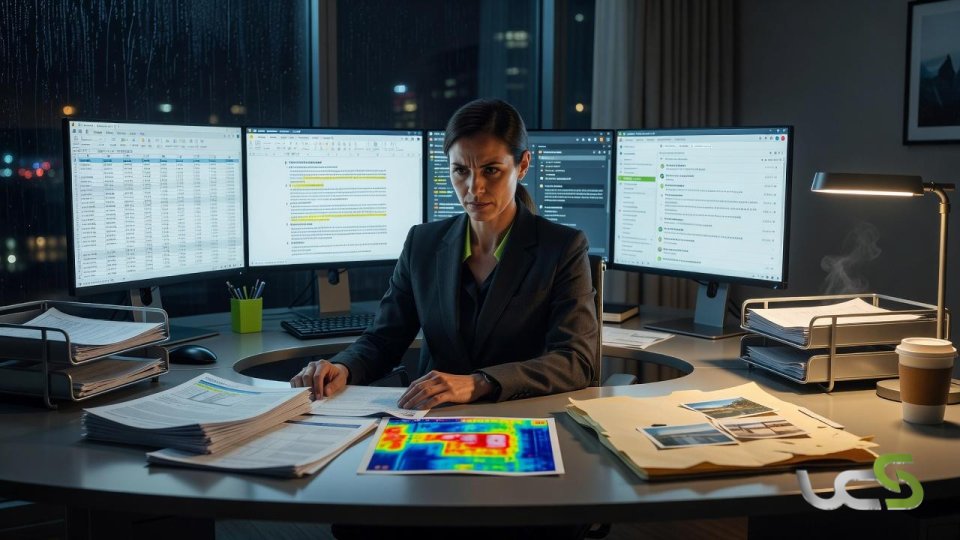
A $2.1 million home. A slow drip behind a custom marble wall. And a carrier offer so low it was almost insulting.
Swipe to see how this claim actually played out. ⟶
─────────────────────
🖼 SLIDE 1 — THE INCIDENT
─────────────────────
The supply line feeding a built-in espresso station on the second floor had been weeping behind the wall for somewhere between 48 and 72 hours before anyone noticed.
By then, the damage was no longer just a plumbing problem.
The herringbone white oak floors on the second level were cupping along every seam.
The custom plaster ceiling above the first-floor great room had begun to bow.
Moisture readings behind the full-height Venetian plaster walls registered above 80%.
The carrier's adjuster visited the next morning. Spent 40 minutes on-site.
His scope covered drywall repair in one room, basic drying equipment, and hardwood spot refinishing.
Estimate: $28,400.
─────────────────────
🖼 SLIDE 2 — THE INSPECTION
─────────────────────
When our adjuster arrived, he brought a thermal imaging camera, a pin-type and pinless moisture meter, and a full-day schedule.
He didn't leave in 40 minutes.
What the carrier's adjuster called a "contained loss" turned out to span three rooms on the second floor, the shared wall cavity between the primary suite and the dressing room, and the structural subfloor beneath 680 square feet of irreplaceable wide-plank white oak.
The custom plaster ceiling below wasn't just stained — the lath structure had absorbed enough moisture to compromise the bond. Full replacement, not patch.
The built-in cabinetry housing the espresso station? Water had wicked into the toe-kick and cabinet boxes. Total loss.
We documented 214 individual line items before we ever submitted a single page to the carrier.
─────────────────────
🖼 SLIDE 3 — THE BATTLE
─────────────────────
The carrier pushed back. Hard.
They argued the white oak floors could be "resanded and refinished " — ignoring that cupped hardwood must fully dry before any determination of restorability is made, and that spot refinishing irreplaceable wide-plank white oak doesn't meet the matching statute threshold in any jurisdiction where it exists.
They challenged the plaster ceiling replacement, offering patch repairs instead.
They excluded the cabinetry as "not damaged by the loss"
We responded with a 47-page supplemental estimate built in Xactimate, supported by a moisture mapping report, a flooring specialist's letter of unrestorability, and a direct citation to the matching statute language within the policy itself.
When the carrier stalled, we invoked the appraisal clause.
─────────────────────
🖼 SLIDE 4 — THE NUMBERS
─────────────────────
Carrier's initial offer: $28,400
Our documented scope:
→ Full white oak flooring replacement across all affected rooms
→ Venetian plaster wall restoration by a specialty subcontractor
→ Custom plaster ceiling replacement — not patch
→ Built-in cabinetry: total loss, full RCV
→ ALE coverage triggered: the home was uninhabitable during remediation
→ Full depreciation recovered under the RCV policy
Final settlement: $319,000
Same loss. Same policy. The difference was the scope.
─────────────────────
🖼 SLIDE 5 — THE TAKEAWAY
─────────────────────
The carrier's adjuster didn't miss $290,600 worth of damage by accident.
He scoped what was visible. What was easy. What could be justified quickly.
That's not fraud — that's how the system is designed to work when no one is pushing back.
The matching statute, the appraisal clause, the RCV depreciation recovery — these aren't loopholes. They're the policy language the carrier is contractually obligated to honor.
Most policyholders never know those tools exist.
Your Claim, Our Mission.


68

Jun 11
Dont call hasbro lazy for the wrong reasons. Call them lazy for it not being pinless
1
8
532


Hasbro! Would be nice to see this guy rereleased as a retro with pinless arms & knees

3
168

Jun 7
Time to go pinless? 😉
Jun 6

I accidentally entered my UPI pin as amount while paying for auto and thus I lost ₹9669😭😭😭
11
1
52
8,411

Jun 2
⛳ Golf Operators: You’re leaking margin on every single online tee-time booking.
Over 50% of debit card volume is now online. Every time a golfer pays a green fee on your site, traditional processors route it through the highest-cost card networks. It’s time to change the playbook.With Pinless Debit routing, eligible transactions automatically bypass those expensive traditional rails, routing through lower-cost regional networks instead.
The stats:
📉 Cuts payment costs by 20–30%
💰 Saves up to $0.90 per transaction depending on ticket size
🔄 Zero customer behavior change—same card, smarter routing
💻 Specifically built for modern, card-not-present reservations Stop letting backend fees slice into your course's profits.
Send us your processing statements for a free, no-commitment audit. Drop us a DM or visit mosaicprocessing.net to get started.
🚀#GolfBusiness #PinlessDebit #GolfOperations #PaymentProcessing
3
4
64

May 31
I lost my simcard and it was pinless i came to realize someone is using it can it be replaced
1
5
1,990

dank god feminesm freein men from this pinless grenade
2
49

May 26
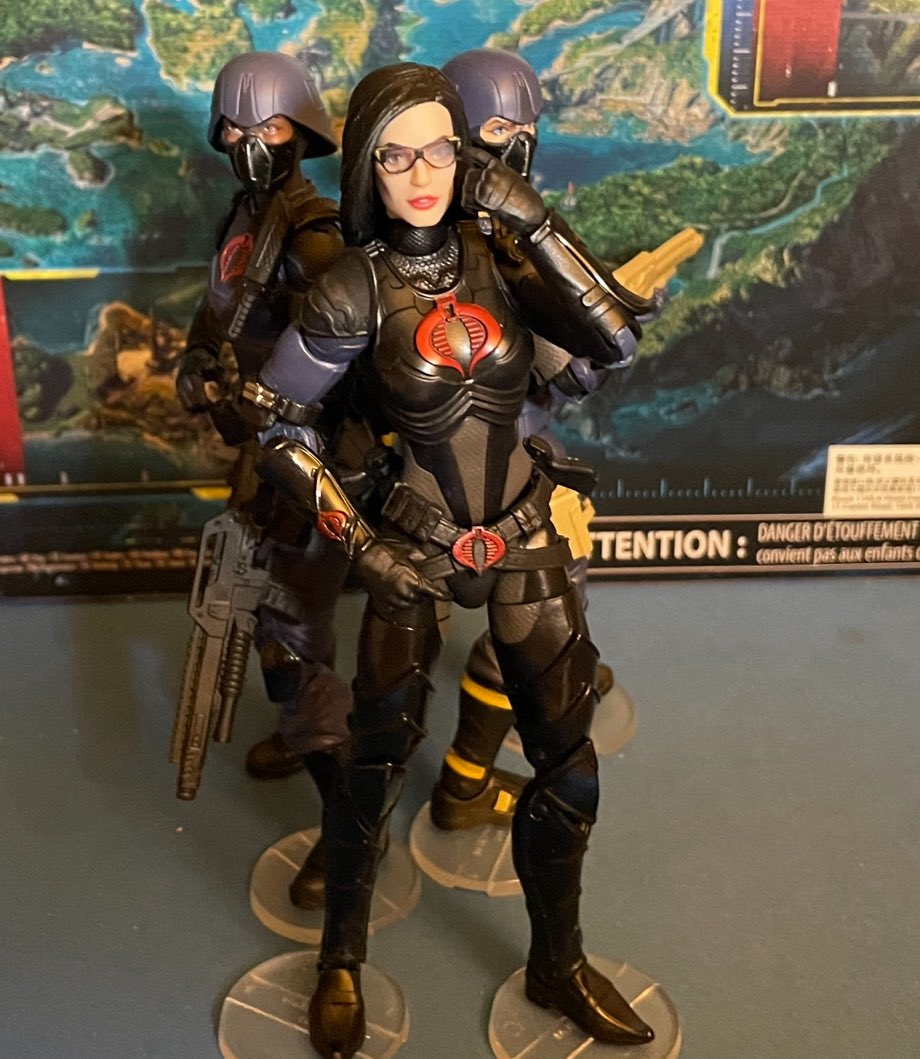
Pinless is harder, but not impossible
Pics are half Valkyrie half baroness arms

1
2
27

May 25
You wouldn’t hold me up, I just around dip 💩’s like you and make you enjoy the pinless holes ahead. #FAFO
4
111

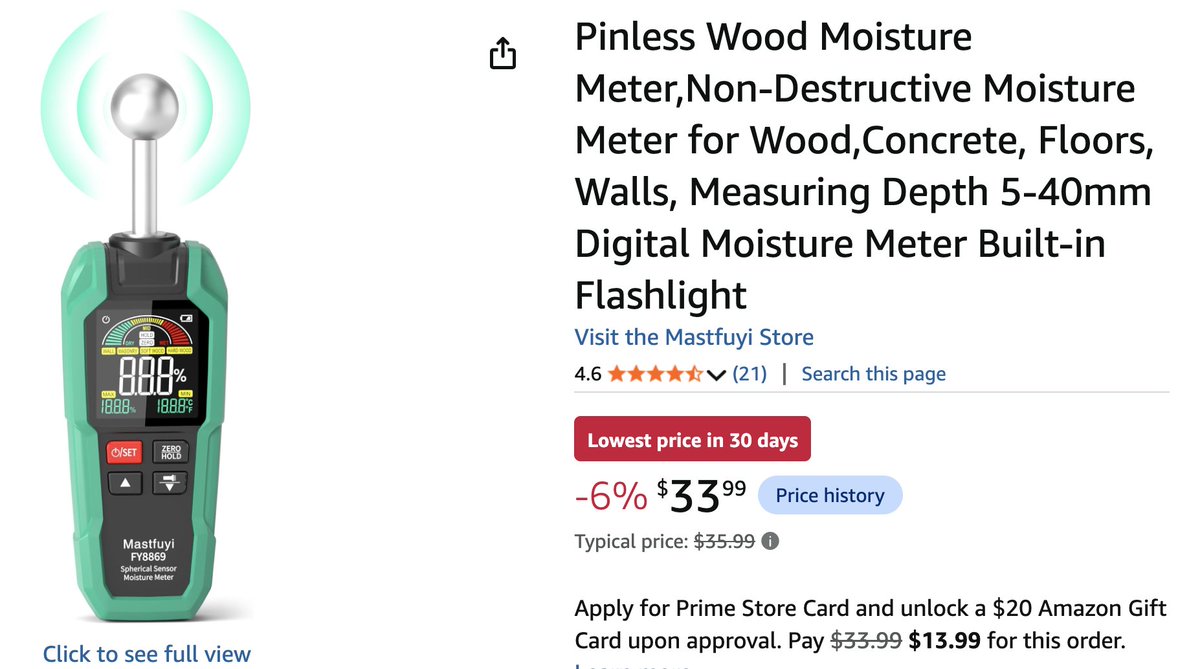
Why you can't trust Amazon reviews of test instruments, part 1000.
This pinless wood moisture meter has a 4.6 rating by people who have no idea the product isn't giving them wood moisture readings at all.
The meter seems to be simple to use. Press the calibrate button while it isn't touching something, then touch an object to be tested with the ball sensor and it gives a moisture percentage. Easy!
NOPE.
It **looks** like it gives moisture percentage readings, and even has a percent symbol next to the number on the display, but that number isn't a moisture reading or even a percentage. But you have to read the manual to find that out.
If you read the manual it turns out the meter displays non-standard "unitless" readings from 1-100 of the dielectric constant of the material - different materials have radically different dielectric constants, so the reading tells you nothing about moisture content on its own. You have to go to a conversion table in the manual, choose 1 of 3 substances (Plaster, Cementitious Material, Lumber), then convert from the "unitless" numbers the meter gives to moisture percentage.
A reading of "50%" on the meter for plaster = 1% moisture.
A reading of "50%" on lumber = 25% moisture.
This isn't an issue of the meter not being accurate or calibrated, it's an issue of engineers making a user interface that is utterly counter intuitive. The % symbol on the display is a signifier that the reading is a percentage. But it is not. People think they know what the meter is displaying, and should be displaying, but it is actually giving readings for something totally different. (I think they awkwardly repurposed a display and housing from a different kind of moisture meter rather than properly designing a meter that works right.)
The meter was designed by engineers who expect people to ignore how it obviously *should* work and for them to carefully read a manual that tells them to use it in an an awkward, non-intuitive way. It's the kind of device I think Don Norman might cite as an example of classic bad design.
The fact that so many people are completely unaware of the issue with this meter isn't their fault. The meter is negligently designed in terms of the UI. It *looks* simple and intuitive to use. There is nothing on the meter to tell you otherwise. You shouldn't have to read a manual to use a simple moisture meter, so it is understandable why an average person would not think to do so.
Ultimately, you really need to take Amazon reviews of specialized devices, including test equipment, with a grain of salt. Even when the reviews are genuine, the customer may have no idea if the product really does what it claims to do.
amazon.com/dp/B0G133R83W
Amazon gave me this meter for review, which is how I discovered the issues with it.
3
9
70
2,379

Either that or the slightly slimmer retro carded just pinless, but either is fine with me
2
240

May 18
Sadly I bet there would be too much of a chance for mould failures with extra sculpting, especially now with the pinless joints. I'd recommend cutting a little bit from the area around the inner elbow joint to make moving it easier
1
2
18