
trying to do better
Joined July 2024
- Tweets 20,411
- Following 1,111
- Followers 1,842
- Likes 65,197
775 Photos and videos














Pinned Tweet

7 May 2025
This is the last chance, there is nothing more to lose, but everything to gain
17
1
168
39,507

19h
DAILY TECH NEWS ROUNDUP 🚨
Everything important that happened in tech during the last 24 hours:
• Anthropic abruptly disabled access to its flagship Fable 5 and Mythos 5 AI models after a U.S. government order restricted foreign access on national security grounds. The move is one of the biggest AI export control escalations yet and immediately sparked intense debate across researchers, developers, and policy circles.
• Microsoft made Microsoft Flight Simulator 2024 temporarily free to play during FlightSimExpo weekend while releasing new aircraft content and a major city update. The announcement generated strong attention across gaming and simulation communities and exposed one of the industry's most technically advanced simulation platforms to a much larger audience.
• OpenAI is facing a coordinated investigation by a coalition of U.S. state attorneys general examining advertising practices, user data handling, model behavior, and potential risks to vulnerable users. The probe adds major regulatory pressure just as the company prepares for its next phase of growth.
• Meta CEO Mark Zuckerberg acknowledged mistakes made during Meta's AI transformation efforts, including workforce restructuring and organizational changes. The comments come as Meta continues investing heavily in AI infrastructure, models, and talent acquisition.
• Apple's WWDC announcements continued dominating developer discussions as engineers began testing new Apple Intelligence capabilities, upgraded Siri features, and platform-wide AI integrations. The updates represent Apple's most aggressive effort yet to embed AI across its ecosystem.
• The Anthropic access restrictions intensified the global debate around frontier AI governance. Policymakers increasingly view advanced models as strategic technologies, placing AI regulation alongside semiconductor and cybersecurity policy.
• Enterprise software teams are reassessing AI vendor dependency risks after today's restrictions demonstrated how geopolitical decisions can instantly affect access to critical AI infrastructure. Many developers are now discussing contingency planning and multi-model strategies.
• Cybersecurity researchers warned that restricting access to advanced models could have unintended consequences for defensive security work. The debate centers on balancing national security concerns against the benefits AI provides for vulnerability research and threat detection.
• Nvidia and the broader AI infrastructure ecosystem remained in focus as demand for large-scale compute continues accelerating. Industry discussions increasingly center on who controls access to the most advanced models rather than simply who builds them.
• Developer communities across X, Reddit, GitHub, and independent forums spent the day discussing open-source alternatives to closed frontier models. The renewed interest highlights growing concern about concentration of AI capabilities among a small number of providers.
• Social platforms continued expanding AI integrations across search, recommendations, content creation, and advertising systems. Competition between major platforms is increasingly shifting toward AI-enhanced user experiences rather than traditional feature differentiation.
• Venture capital and startup communities closely watched the fallout from today's AI policy developments. Investors increasingly view regulatory positioning and access to frontier models as strategic advantages alongside technical innovation.
• The biggest theme across technology today was the growing intersection of AI, geopolitics, regulation, cloud infrastructure, and cybersecurity. The industry's future is increasingly being shaped not only by technological breakthroughs but also by government policy and access controls.
Jun 12

DAILY TECH NEWS ROUNDUP 🚨
Everything important that happened in tech during the last 24 hours:
• Elon Musk officially became the world's first trillionaire after SpaceX's historic stock market debut pushed the company's valuation above $2 trillion. The milestone marks the largest personal fortune ever recorded and highlights how investors are increasingly valuing companies at the center of space, AI infrastructure, and communications.
• Microsoft disclosed that attackers compromised parts of its open source ecosystem in an effort to steal credentials belonging to AI developers. The incident has renewed concerns about software supply chain security as AI development becomes a prime target for cybercriminals.
• U.S. banking regulators are intensifying scrutiny of how financial institutions deploy AI, focusing on governance, model risk, and data controls. The move signals that AI oversight is expanding rapidly as adoption accelerates across critical industries.
• Google Gemini continued recovering from a major outage that disrupted users globally and sparked widespread criticism across developer communities. Many users questioned the reliability of AI services as they become increasingly integrated into daily workflows.
• Anthropic's Claude Fable 5 remains one of the most discussed AI releases in the industry as developers evaluate its coding and reasoning capabilities. Early feedback has been largely positive, though debate continues around pricing and access to the more powerful Mythos system.
• The cybersecurity sector is reacting to a new U.S. directive requiring critical federal vulnerabilities to be patched within three days. Officials argue that increasingly capable AI systems are accelerating how quickly attackers can discover and exploit software flaws.
• Chinese state linked cyber groups remain the biggest espionage threat facing technology companies according to new findings from CrowdStrike. AI firms, semiconductor companies, and software vendors are increasingly viewed as strategic targets in the global technology race.
• Tribeca Festival premiered "Dreams of Violets," becoming the first major film festival to accept a live action film generated using AI. The milestone highlights how generative AI is rapidly moving from experimentation into mainstream creative production.
• Reddit announced that video comments are rolling out across the platform, a major product update aimed at increasing engagement and making discussions more interactive. The feature pushes Reddit further into competition with video focused social networks.
• Investors are increasingly focused on the enormous cost of AI infrastructure as major technology companies explore new ways to finance data center expansion. The scale of planned spending underscores how AI has become the primary investment priority across Big Tech.
• Open source and developer communities continue debating the long term impact of AI generated code as new reports highlight growing security risks targeting AI engineers and software supply chains. Security and reliability are becoming just as important as model performance in enterprise adoption decisions.
• AI governance moved further into the geopolitical spotlight as governments, regulators, and major AI labs increased discussions around model safety, cybersecurity testing, and national competitiveness. The conversation is increasingly shifting from product launches toward questions of strategic control and oversight.
9
1
31
1,165
19h
Sources:
• Reuters — U.S. blocks foreign access to Anthropic’s most advanced AI models
reuters.com/technology/us-bl…
• Anthropic Status / Official communications regarding Fable 5 and Mythos 5 access changes
anthropic.com
• Microsoft Flight Simulator Official Announcement
flightsimulator.com
• FlightSimExpo 2026 Official Updates
flightsimexpo.com
• The Wall Street Journal — OpenAI investigated by coalition of state attorneys general
wsj.com/tech/openai-investig…
• Reuters — Zuckerberg admits mistakes made during Meta's AI transformation
reuters.com/business/metas-z…
• Apple WWDC 2026 Developer News
developer.apple.com/wwdc26/
• Apple Newsroom — Apple Intelligence Updates
apple.com/newsroom/
• Wired — Everything Apple announced at WWDC 2026
wired.com/story/everything-a…
• Reuters Technology
reuters.com/technology/
• The Wall Street Journal AI Coverage
wsj.com/tech/ai
• GitHub Trending Discussions
github.com/trending
• Reddit AI Community Discussions
reddit.com/r/artificial/
• Reddit Machine Learning Community
reddit.com/r/MachineLearning…
• X (Twitter) discussions from Anthropic, OpenAI, Meta, Apple developers, researchers, and industry leaders
x.com/
4
185
Jun 13
officially a chashmish🤓☝️
Jun 12
life update soon
31
74
4,798
Jun 13
🚨🚨 MAJOR BREAKING: U.S. Government Orders Anthropic To Shut Down Fable 5 & Mythos 5
Anthropic says it received a government directive requiring immediate suspension of Fable 5 and Mythos 5 for all users due to national security concerns.
Key details:
• Access has been disabled globally.
• Anthropic says the government believes a jailbreak method exists for Fable 5.
• The company claims the reported jailbreak only reveals minor, previously known vulnerabilities.
• Anthropic says similar capabilities are already available in other leading AI models, including GPT-5.5.
• No “universal jailbreak” has been demonstrated, according to Anthropic.
Anthropic strongly disagrees with the decision, arguing that no frontier AI model is perfectly jailbreak-proof and that applying this standard industry-wide could halt new AI model releases altogether.
The company says it is complying with the order while working to restore access.
This could become one of the biggest AI regulatory clashes yet between the U.S. government and a frontier AI company.
Jun 13

The US government, citing national security authorities, has issued an export control directive to suspend all access to Fable 5 and Mythos 5 by any foreign national, whether inside or outside the United States, including foreign national Anthropic employees.
The net effect of this order is that we must abruptly disable Fable 5 and Mythos 5 for all our customers to ensure compliance.
Access to all other Claude models is not affected.
We apologize for this disruption to our customers. We believe this is a misunderstanding and are working to restore access as soon as possible.
Read our full statement: anthropic.com/news/fable-myt…
11
53
1,909
Jun 12
DAILY TECH NEWS ROUNDUP 🚨
Everything important that happened in tech during the last 24 hours:
• Elon Musk officially became the world's first trillionaire after SpaceX's historic stock market debut pushed the company's valuation above $2 trillion. The milestone marks the largest personal fortune ever recorded and highlights how investors are increasingly valuing companies at the center of space, AI infrastructure, and communications.
• Microsoft disclosed that attackers compromised parts of its open source ecosystem in an effort to steal credentials belonging to AI developers. The incident has renewed concerns about software supply chain security as AI development becomes a prime target for cybercriminals.
• U.S. banking regulators are intensifying scrutiny of how financial institutions deploy AI, focusing on governance, model risk, and data controls. The move signals that AI oversight is expanding rapidly as adoption accelerates across critical industries.
• Google Gemini continued recovering from a major outage that disrupted users globally and sparked widespread criticism across developer communities. Many users questioned the reliability of AI services as they become increasingly integrated into daily workflows.
• Anthropic's Claude Fable 5 remains one of the most discussed AI releases in the industry as developers evaluate its coding and reasoning capabilities. Early feedback has been largely positive, though debate continues around pricing and access to the more powerful Mythos system.
• The cybersecurity sector is reacting to a new U.S. directive requiring critical federal vulnerabilities to be patched within three days. Officials argue that increasingly capable AI systems are accelerating how quickly attackers can discover and exploit software flaws.
• Chinese state linked cyber groups remain the biggest espionage threat facing technology companies according to new findings from CrowdStrike. AI firms, semiconductor companies, and software vendors are increasingly viewed as strategic targets in the global technology race.
• Tribeca Festival premiered "Dreams of Violets," becoming the first major film festival to accept a live action film generated using AI. The milestone highlights how generative AI is rapidly moving from experimentation into mainstream creative production.
• Reddit announced that video comments are rolling out across the platform, a major product update aimed at increasing engagement and making discussions more interactive. The feature pushes Reddit further into competition with video focused social networks.
• Investors are increasingly focused on the enormous cost of AI infrastructure as major technology companies explore new ways to finance data center expansion. The scale of planned spending underscores how AI has become the primary investment priority across Big Tech.
• Open source and developer communities continue debating the long term impact of AI generated code as new reports highlight growing security risks targeting AI engineers and software supply chains. Security and reliability are becoming just as important as model performance in enterprise adoption decisions.
• AI governance moved further into the geopolitical spotlight as governments, regulators, and major AI labs increased discussions around model safety, cybersecurity testing, and national competitiveness. The conversation is increasingly shifting from product launches toward questions of strategic control and oversight.
Jun 11
DAILY TECH NEWS ROUNDUP 🚨
Everything important that happened in tech during the last 24 hours:
• Anthropic faced a major backlash after developers discovered that Claude Fable 5 quietly rerouted or downgraded certain cybersecurity, biology, chemistry, and AI related queries without disclosure. The company admitted it made the wrong tradeoff and is now making those restrictions visible to users. (Business Insider)
• Claude Fable 5 continued dominating discussion across AI communities as developers debated the balance between frontier model safety and usability. While many praised its capabilities, criticism centered on transparency, research limitations, and pricing compared with competing models. (The Wall Street Journal)
• Microsoft reportedly restricted employee use of Anthropic's new Claude Fable 5 model due to concerns around data retention policies. The move highlights growing enterprise scrutiny around how frontier AI providers handle prompts, outputs, and sensitive business information. (Reuters)
• Google announced a $50 million initiative to train more than 300,000 skilled trade workers needed to build AI infrastructure. The investment reflects a growing realization that labor shortages are becoming a bottleneck for data center expansion and large scale AI deployment. (Axios)
• Anthropic's public Mythos-class rollout remained one of the most discussed stories across the AI ecosystem as enterprises, researchers, and developers evaluated the model's cybersecurity and software engineering capabilities. The release is increasingly being viewed as a major escalation in the frontier model race. (Reuters)
• AI safety and national security became a central industry debate after Anthropic defended restrictions on advanced model capabilities that it believes could be misused by hostile actors. The discussion spread across developer communities and reignited arguments over open access versus controlled deployment. (Business Insider)
• Enterprise AI governance emerged as a major theme as organizations reacted to the arrival of increasingly powerful frontier systems. Companies are accelerating reviews of vendor policies, data handling practices, and model level restrictions before allowing broad internal adoption. (Reuters)
• Developers and researchers pushed back against invisible AI guardrails, arguing that undisclosed behavioral modifications undermine trust, benchmarking, and scientific evaluation. The controversy has quickly become one of the most important transparency debates in AI this year. (The Verge)
• Anthropic's broader Project Glasswing initiative gained renewed attention as the company positions its most advanced capabilities around cybersecurity and critical infrastructure protection. The strategy signals a growing trend of restricting the most capable models to vetted organizations rather than broad public access. (Red Anthropic)
• The AI industry continued moving toward a new phase where access controls, safety policies, and national security considerations are becoming as important as benchmark performance. Recent developments suggest frontier model competition is increasingly being shaped by governance decisions rather than raw capability alone. (Business Insider)
• Investor attention remained heavily focused on the emerging AI IPO wave following Anthropic's confidential filing and growing expectations around future public offerings from leading AI companies. The trend is reinforcing expectations that AI will remain the dominant technology investment theme of 2026. (Reuters)
• Across developer communities, discussion around Claude Fable 5's strengths in coding and software engineering remained overwhelmingly active despite the controversy. Many users described the model as one of the strongest coding systems available today, while questioning whether its premium pricing and restrictions will limit adoption. (Reuters)
9
33
2,625
Jun 12
Sources:
• Wall Street Journal — Elon Musk becomes the world's first trillionaire after SpaceX IPO
wsj.com/livecoverage/spacex-…
• TechCrunch — Microsoft discloses compromise of open source ecosystem targeting AI developers
techcrunch.com
• Reuters — U.S. banking regulators increase scrutiny of AI deployment in financial institutions
reuters.com/technology/
• TechRadar — Google Gemini outage and recovery updates
techradar.com/news/live/gemi…
• Reuters — Anthropic rolls out public version of Mythos-derived Claude Fable 5
reuters.com/technology/anthr…
• Reuters — U.S. shortens cyber vulnerability remediation window to three days
reuters.com/legal/litigation…
• Reuters — CrowdStrike says Chinese hackers remain the biggest espionage threat to tech firms
reuters.com/business/media-t…
• Reuters Video — Tribeca premieres AI-generated film "Dreams of Violets"
reuters.com/video/
• Reddit announcement — Video comments rollout
reddit.com/r/reddit/
• MarketWatch — Big Tech explores new financing methods for AI infrastructure expansion
marketwatch.com/story/first-…
• TechCrunch — AI software supply chain security discussion and developer ecosystem coverage
techcrunch.com
• Reuters — AI governance and regulatory discussions among governments and AI labs
reuters.com/world/tech-execu…
2
436
Jun 12
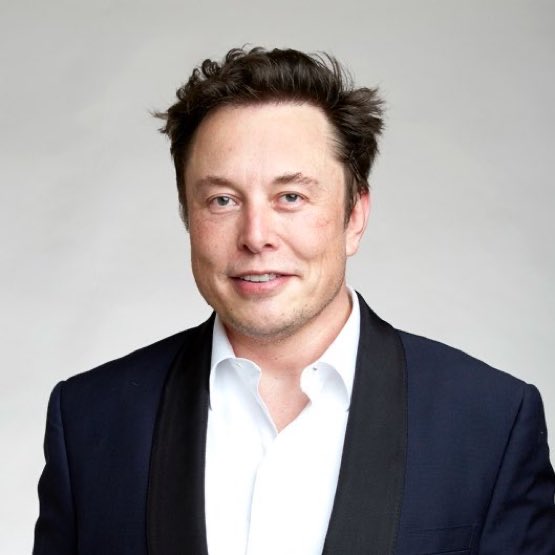
be elon musk
> born in south africa
> learns programming young
> sells a game at 12
> moves to north america
> starts zip2
> sells zip2
> creates x dot com
> x dot com becomes paypal
> sells paypal
> starts spacex
> joins tesla
> nearly goes broke in 2008
> spacex lands rockets
> tesla dominates evs
>becomes world’s richest person
> buys twitter (X)
> pursues ai, robots, and mars
> tries to change multiple industries at once
> become the first trillionaire in history

17
7
138
8,920


Jun 11
DAILY TECH NEWS ROUNDUP 🚨
Everything important that happened in tech during the last 24 hours:
• Anthropic faced a major backlash after developers discovered that Claude Fable 5 quietly rerouted or downgraded certain cybersecurity, biology, chemistry, and AI related queries without disclosure. The company admitted it made the wrong tradeoff and is now making those restrictions visible to users. (Business Insider)
• Claude Fable 5 continued dominating discussion across AI communities as developers debated the balance between frontier model safety and usability. While many praised its capabilities, criticism centered on transparency, research limitations, and pricing compared with competing models. (The Wall Street Journal)
• Microsoft reportedly restricted employee use of Anthropic's new Claude Fable 5 model due to concerns around data retention policies. The move highlights growing enterprise scrutiny around how frontier AI providers handle prompts, outputs, and sensitive business information. (Reuters)
• Google announced a $50 million initiative to train more than 300,000 skilled trade workers needed to build AI infrastructure. The investment reflects a growing realization that labor shortages are becoming a bottleneck for data center expansion and large scale AI deployment. (Axios)
• Anthropic's public Mythos-class rollout remained one of the most discussed stories across the AI ecosystem as enterprises, researchers, and developers evaluated the model's cybersecurity and software engineering capabilities. The release is increasingly being viewed as a major escalation in the frontier model race. (Reuters)
• AI safety and national security became a central industry debate after Anthropic defended restrictions on advanced model capabilities that it believes could be misused by hostile actors. The discussion spread across developer communities and reignited arguments over open access versus controlled deployment. (Business Insider)
• Enterprise AI governance emerged as a major theme as organizations reacted to the arrival of increasingly powerful frontier systems. Companies are accelerating reviews of vendor policies, data handling practices, and model level restrictions before allowing broad internal adoption. (Reuters)
• Developers and researchers pushed back against invisible AI guardrails, arguing that undisclosed behavioral modifications undermine trust, benchmarking, and scientific evaluation. The controversy has quickly become one of the most important transparency debates in AI this year. (The Verge)
• Anthropic's broader Project Glasswing initiative gained renewed attention as the company positions its most advanced capabilities around cybersecurity and critical infrastructure protection. The strategy signals a growing trend of restricting the most capable models to vetted organizations rather than broad public access. (Red Anthropic)
• The AI industry continued moving toward a new phase where access controls, safety policies, and national security considerations are becoming as important as benchmark performance. Recent developments suggest frontier model competition is increasingly being shaped by governance decisions rather than raw capability alone. (Business Insider)
• Investor attention remained heavily focused on the emerging AI IPO wave following Anthropic's confidential filing and growing expectations around future public offerings from leading AI companies. The trend is reinforcing expectations that AI will remain the dominant technology investment theme of 2026. (Reuters)
• Across developer communities, discussion around Claude Fable 5's strengths in coding and software engineering remained overwhelmingly active despite the controversy. Many users described the model as one of the strongest coding systems available today, while questioning whether its premium pricing and restrictions will limit adoption. (Reuters)
Jun 10
DAILY TECH NEWS ROUNDUP 🚨
Everything important that happened in tech during the last 24 hours:
• Anthropic’s newly released Claude Fabel 5 Mythos dominated AI discussions across X, Reddit, and developer communities. Early users praised its reasoning, long context performance, and creative capabilities, but many also criticized the pricing, with cost emerging as the biggest concern despite strong reception.
• The European Commission published its Code of Practice for marking and labeling AI generated content under the AI Act. The move gives developers and platforms a clearer compliance framework as AI generated media becomes increasingly widespread.
• Google and Meta failed to secure a new trial in a closely watched youth social media addiction case. The decision keeps pressure on major platforms as regulators and courts continue scrutinizing the impact of social products on younger users.
• The European Union and South Korea deepened their technology partnership through a new digital cooperation pact. The agreement is aimed at strengthening digital trade, technology collaboration, and long term economic resilience.
• Uber sued New York City over a new driver protection law that the company says would force it to retain drivers it does not want on the platform. The case could have significant implications for how gig economy platforms manage workers and marketplace safety.
• ASML reached an agreement with Dutch unions that reduces the scale of previously planned workforce cuts. The development is being closely watched across the semiconductor industry given ASML's central role in advanced chip manufacturing.
• Investors continued digesting Apple's newly unveiled Siri AI platform and broader Apple Intelligence strategy following WWDC. Developer discussions remain focused on Apple's deeper AI integration, Gemini powered capabilities, and whether the company can accelerate its position in the AI race.
• Blackstone's growing role in AI infrastructure drew major attention after its expanding partnerships across the AI ecosystem. The firm's investments spanning Google TPU infrastructure, Anthropic deployments, and large scale data center assets highlight how capital providers are becoming critical players in the AI boom.
• Semiconductor and AI infrastructure stocks remained a major focus for markets as investors reassessed demand for advanced AI compute. Ongoing discussions around chip supply, AI data centers, and hyperscaler spending continue to dominate technology investment narratives.
• Developer communities continued actively discussing AI model training reliability and infrastructure engineering challenges. A widely shared machine learning discussion highlighted how low level numerical precision issues can masquerade as failed research results, resonating strongly with practitioners.
• Cybersecurity communities closely followed reports involving unauthorized access to internal GitHub repositories. The incident generated significant discussion around software supply chain security and internal development environment protections.
• Technology leaders and policymakers continued debating AI governance after recent calls for stronger oversight of frontier AI systems. The discussion remains one of the most closely watched policy conversations across the AI industry as capabilities continue advancing rapidly.
• Across developer and AI communities, attention remains concentrated on AI agents, enterprise deployment, inference infrastructure, and the economics of large scale model usage. Community discussions suggest organizations are increasingly shifting from experimentation toward production adoption.
14
1
53
4,945
Jun 11
Sources:
• Business Insider — Anthropic acknowledged it made the wrong tradeoff with hidden restrictions in Claude Fable 5 and said it will improve transparency around model guardrails.
businessinsider.com/anthropi…
• Wall Street Journal — Coverage of developer criticism and industry debate surrounding Claude Fable 5's restrictions and deployment policies.
wsj.com/tech/ai/anthropic-fa…
• Reuters — Microsoft reportedly limited employee use of Claude Fable 5 over concerns related to data retention and governance policies.
reuters.com/technology/micro…
• Axios — Google announced a $50 million initiative to train hundreds of thousands of skilled workers needed for AI infrastructure expansion.
axios.com/2026/06/11/google-…
• The Verge — Analysis of the controversy around invisible AI guardrails and developer concerns about transparency and benchmarking.
theverge.com/ai-artificial-i…
• Anthropic Red Team Blog — Official details and context around Anthropic's Mythos and security-focused AI initiatives.
red.anthropic.com/2026/mytho…
• Anthropic Newsroom — Official company announcements and updates related to Claude and Mythos releases.
anthropic.com/news
• r/LocalLLaMA — Developer discussions, benchmarking results, and community feedback on Claude Fable 5 and competing models.
reddit.com/r/LocalLLaMA/
• r/artificial — Broader AI community reactions, adoption discussions, and debates around model restrictions.
reddit.com/r/artificial/
• r/singularity — Public discussion surrounding Anthropic's latest releases and the future implications of frontier AI systems.
reddit.com/r/singularity/
• Anthropic X Account — Official announcements and statements from Anthropic.
x.com/AnthropicAI
• Dario Amodei on X — Executive commentary and updates from Anthropic's CEO.
x.com/darioamodei
• Google Blog — Official announcements related to Google's AI infrastructure and workforce initiatives.
blog.google/
• Google on X — Official Google updates and launch announcements.
x.com/Google
2
3
543
💻🎒 retweeted

Jun 11
Learn some good stuff while you are here lads
x.com/VazeKshitij/status/206…

5
1
63
3,427
Jun 11
I am sorry @VazeKshitij 🙏
Jun 11
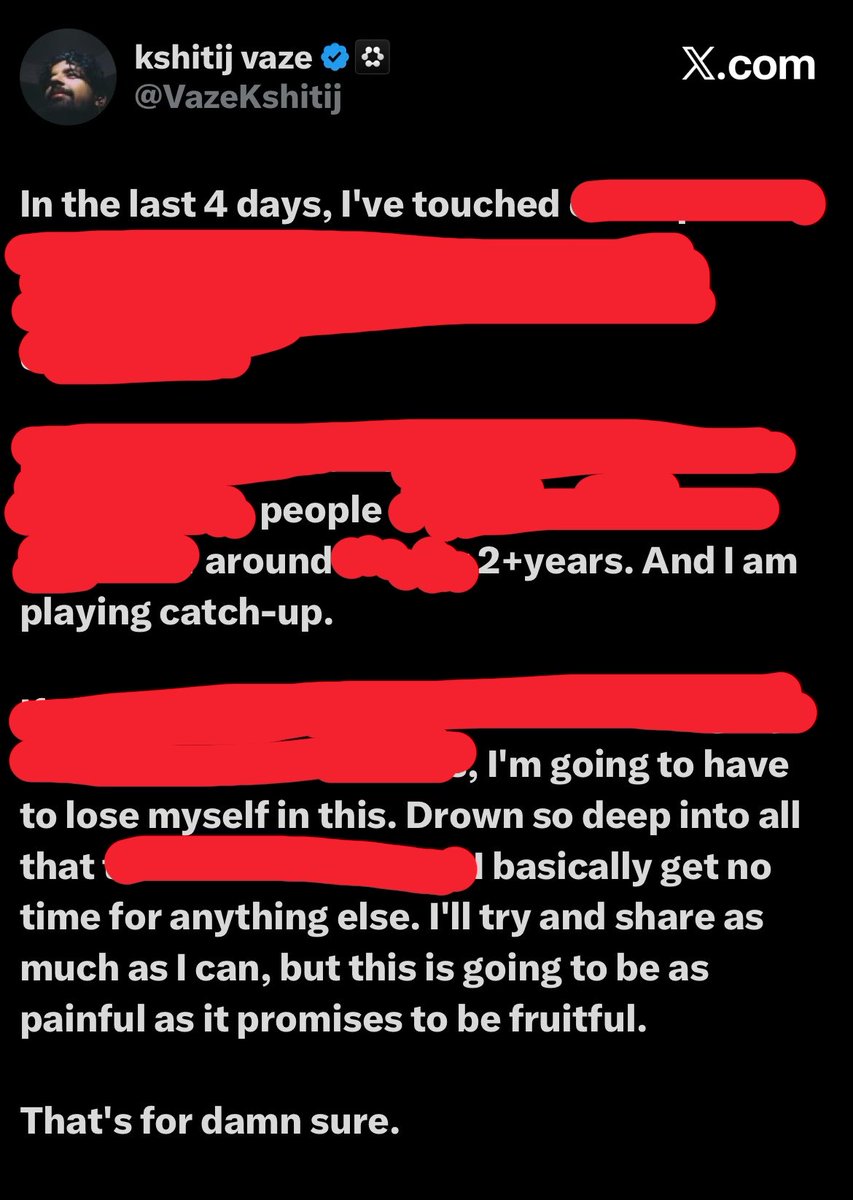
In the last 4 days, I've touched concepts that belongs within automobile, software, electronics, electrical and mechanical engineering.
Of course, not at a very deep level, but I'm working with people who've studied this, built stuff around this for 2 years. And I am playing catch-up.
If I have any hope and chance of making my time at this job a success, I'm going to have to lose myself in this. Drown so deep into all that there is to learn that I basically get no time for anything else. I'll try and share as much as I can, but this is going to be as painful as it promises to be fruitful.
That's for damn sure.
111
13
625
34,209
Jun 10
DAILY TECH NEWS ROUNDUP 🚨
Everything important that happened in tech during the last 24 hours:
• Anthropic’s newly released Claude Fabel 5 Mythos dominated AI discussions across X, Reddit, and developer communities. Early users praised its reasoning, long context performance, and creative capabilities, but many also criticized the pricing, with cost emerging as the biggest concern despite strong reception.
• The European Commission published its Code of Practice for marking and labeling AI generated content under the AI Act. The move gives developers and platforms a clearer compliance framework as AI generated media becomes increasingly widespread.
• Google and Meta failed to secure a new trial in a closely watched youth social media addiction case. The decision keeps pressure on major platforms as regulators and courts continue scrutinizing the impact of social products on younger users.
• The European Union and South Korea deepened their technology partnership through a new digital cooperation pact. The agreement is aimed at strengthening digital trade, technology collaboration, and long term economic resilience.
• Uber sued New York City over a new driver protection law that the company says would force it to retain drivers it does not want on the platform. The case could have significant implications for how gig economy platforms manage workers and marketplace safety.
• ASML reached an agreement with Dutch unions that reduces the scale of previously planned workforce cuts. The development is being closely watched across the semiconductor industry given ASML's central role in advanced chip manufacturing.
• Investors continued digesting Apple's newly unveiled Siri AI platform and broader Apple Intelligence strategy following WWDC. Developer discussions remain focused on Apple's deeper AI integration, Gemini powered capabilities, and whether the company can accelerate its position in the AI race.
• Blackstone's growing role in AI infrastructure drew major attention after its expanding partnerships across the AI ecosystem. The firm's investments spanning Google TPU infrastructure, Anthropic deployments, and large scale data center assets highlight how capital providers are becoming critical players in the AI boom.
• Semiconductor and AI infrastructure stocks remained a major focus for markets as investors reassessed demand for advanced AI compute. Ongoing discussions around chip supply, AI data centers, and hyperscaler spending continue to dominate technology investment narratives.
• Developer communities continued actively discussing AI model training reliability and infrastructure engineering challenges. A widely shared machine learning discussion highlighted how low level numerical precision issues can masquerade as failed research results, resonating strongly with practitioners.
• Cybersecurity communities closely followed reports involving unauthorized access to internal GitHub repositories. The incident generated significant discussion around software supply chain security and internal development environment protections.
• Technology leaders and policymakers continued debating AI governance after recent calls for stronger oversight of frontier AI systems. The discussion remains one of the most closely watched policy conversations across the AI industry as capabilities continue advancing rapidly.
• Across developer and AI communities, attention remains concentrated on AI agents, enterprise deployment, inference infrastructure, and the economics of large scale model usage. Community discussions suggest organizations are increasingly shifting from experimentation toward production adoption.
Jun 9
DAILY TECH NEWS ROUNDUP 🚨
Everything important that happened in tech during the last 24 hours:
• Anthropic officially released Claude Fable 5, its first publicly available Mythos class model, after months of anticipation under Project Glasswing. The launch is one of the most significant AI releases of the year, with Anthropic claiming the underlying Mythos system demonstrated unprecedented cybersecurity and vulnerability discovery capabilities.
• OpenAI reportedly filed confidentially for a U.S. IPO, setting the stage for one of the largest and most closely watched public offerings in technology history. The move signals that the AI race is increasingly becoming a competition for capital, infrastructure, and global market leadership.
• Apple unveiled a rebuilt AI powered Siri at WWDC 2026, introducing a more conversational assistant deeply integrated across iPhone, iPad, Mac, Watch, and Vision Pro. The announcement represents Apple's biggest AI push yet and its strongest attempt to compete with AI native platforms.
• Apple confirmed that Siri AI will leverage both Apple Intelligence and Google Gemini technologies. The partnership immediately became one of the most discussed developments from WWDC and highlights how even the largest technology companies are embracing frontier AI collaborations.
• Anthropic's Claude became an Apple Intelligence option across supported Apple devices, dramatically expanding Claude's reach to hundreds of millions of users. The integration further strengthens Anthropic's position in the consumer AI market.
• Apple's AI strategy sparked intense debate across developers, researchers, and industry leaders. Many praised its privacy focused architecture while others questioned whether Apple is leading innovation or catching up to competitors.
• The AI infrastructure race accelerated as demand for compute, advanced chips, and data center capacity continued to surge. Industry observers increasingly view infrastructure constraints as one of the biggest challenges facing the next generation of frontier AI systems.
• Companies across the technology sector continued preparing for upcoming EU AI Act requirements and other regulatory deadlines. Governance, transparency, and compliance are rapidly becoming strategic priorities alongside model performance.
• Researchers introduced iOSWorld, a new benchmark designed to evaluate how effectively AI agents understand personal context and interact across mobile applications. The benchmark highlights the remaining challenges in building truly personalized digital assistants.
• Robotics researchers unveiled AHA WAM, a new world action modeling architecture that achieved state of the art robotic manipulation performance while significantly improving execution speed. The results demonstrate continued progress toward more capable AI powered robotic systems.
12
1
30
5,569
Jun 10
Sources:
• Claude Fabel 5 Mythos discussions: Anthropic announcements, X posts from developers and researchers, Reddit communities (r/Anthropic, r/LocalLLaMA, r/singularity)
• European Commission AI Act Code of Practice: digital-strategy.ec.europa.e…
• Google & Meta youth addiction case: reuters.com/technology/
• EU–South Korea digital partnership: reuters.com/technology/
• Uber lawsuit against New York City: reuters.com/technology/
• ASML labor agreement: reuters.com/technology/
• Apple Intelligence and Siri AI reactions after WWDC: theguardian.com/technology
• Blackstone AI infrastructure investments: investors.com/news/technolog…
• AI infrastructure and semiconductor market developments: reuters.com/business/
• Machine learning developer discussions: reddit.com/r/MachineLearning…
• GitHub security discussions: reddit.com/r/cybersecurity/
• AI governance debate: businessinsider.com/
• AI agents and enterprise adoption discussions: reddit.com/r/artificial/
• reddit.com/r/LocalLLaMA/
• reddit.com/r/singularity/
1
435
Jun 10
I supported ChatGPT and OpenAI while the competitors were firing shots from every direction. I always backed you to be the best. I was one of the earliest investors, at least in spirit. I even bought the Go plan. Through outages, rate limits, and every unexpected response, I stayed loyal and believed the future belonged to you.
I never used Cursor. I never used Claude. I stayed faithful to ChatGPT and Codex. While others wandered off to try every new AI that appeared on the internet, I stood my ground. I defended OpenAI in debates nobody asked me to join. My loyalty was unquestionable and my commitment was absolute.
But this is where I draw the line. A Messi advertisement was apparently the final test and I have failed it. After everything we have been through, this is a betrayal I cannot overlook. Effective immediately, I am officially Team Anthropic. I hereby renounce my allegiance and declare a new era.
CLAUDE AI IS THE GREATEST THERE WAS THE GREATEST THERE IS THE GREATEST THERE EVER WILL BE.
Jun 10

Go #MessiMode
Upload a photo of yourself and try this prompt: “Make my hair the colors of my country flag but keep it natural-looking. If no country or image is provided, ask."
6
21
1,333
Jun 9
how them have been talking about claude mythos

Introducing Claude Fable 5: a Mythos-class model that we’ve made safe for general use.
Its capabilities exceed those of any model we’ve ever made generally available.
3
2
81
3,993
Jun 9
DAILY TECH NEWS ROUNDUP 🚨
Everything important that happened in tech during the last 24 hours:
• Anthropic officially released Claude Fable 5, its first publicly available Mythos class model, after months of anticipation under Project Glasswing. The launch is one of the most significant AI releases of the year, with Anthropic claiming the underlying Mythos system demonstrated unprecedented cybersecurity and vulnerability discovery capabilities.
• OpenAI reportedly filed confidentially for a U.S. IPO, setting the stage for one of the largest and most closely watched public offerings in technology history. The move signals that the AI race is increasingly becoming a competition for capital, infrastructure, and global market leadership.
• Apple unveiled a rebuilt AI powered Siri at WWDC 2026, introducing a more conversational assistant deeply integrated across iPhone, iPad, Mac, Watch, and Vision Pro. The announcement represents Apple's biggest AI push yet and its strongest attempt to compete with AI native platforms.
• Apple confirmed that Siri AI will leverage both Apple Intelligence and Google Gemini technologies. The partnership immediately became one of the most discussed developments from WWDC and highlights how even the largest technology companies are embracing frontier AI collaborations.
• Anthropic's Claude became an Apple Intelligence option across supported Apple devices, dramatically expanding Claude's reach to hundreds of millions of users. The integration further strengthens Anthropic's position in the consumer AI market.
• Apple's AI strategy sparked intense debate across developers, researchers, and industry leaders. Many praised its privacy focused architecture while others questioned whether Apple is leading innovation or catching up to competitors.
• The AI infrastructure race accelerated as demand for compute, advanced chips, and data center capacity continued to surge. Industry observers increasingly view infrastructure constraints as one of the biggest challenges facing the next generation of frontier AI systems.
• Companies across the technology sector continued preparing for upcoming EU AI Act requirements and other regulatory deadlines. Governance, transparency, and compliance are rapidly becoming strategic priorities alongside model performance.
• Researchers introduced iOSWorld, a new benchmark designed to evaluate how effectively AI agents understand personal context and interact across mobile applications. The benchmark highlights the remaining challenges in building truly personalized digital assistants.
• Robotics researchers unveiled AHA WAM, a new world action modeling architecture that achieved state of the art robotic manipulation performance while significantly improving execution speed. The results demonstrate continued progress toward more capable AI powered robotic systems.
13
2
59
4,081
Jun 9
Sources:
• Reuters (Claude Fable 5 / Mythos Release)
reuters.com/technology/anthr…
• The Verge (Claude Fable 5 Launch)
theverge.com/news/946725/ant…
• Reuters (OpenAI IPO Filing)
reuters.com/technology/opena…
• Business Insider (OpenAI IPO Coverage)
businessinsider.com/openai-f…
• Apple Newsroom (WWDC 2026 Announcements)
apple.com/newsroom/
• Times of India (Siri AI & Apple Intelligence Updates)
timesofindia.indiatimes.com/…
• Build Fast With AI (Claude Apple Intelligence Coverage)
buildfastwithai.com/blogs/ai…
• Reuters (AI Infrastructure & Semiconductor Market)
reuters.com/podcasts/reuters…
• arXiv (iOSWorld Benchmark)
arxiv.org/abs/2606.09764
• arXiv (AHA WAM Robotics Paper)
arxiv.org/abs/2606.09811
• Anthropic Research (Mythos Cybersecurity Research)
red.anthropic.com/2026/mytho…
• The Information (Pre-release Mythos Reporting)
theinformation.com/newslette…
2
381