
I just saw this exact planform on "The Tholian Web" Star Trek Season 3 episode 9..
173

and your righteous ass is using his planform period. fucking retard
1
1
6

12h
It's a planform for adult men who are attracted to children and have left wing leanings.
3
But you just mentioned? But you never see those cw fans camping on sakura's intro video ? And even dragging Sakura's video from different planform coz they couldn't take that Sakura video getting viral?
1
17
150

Jun 13
Planform view with flaps still partly extended,
Showing the 10.3 wing aspect ratio and 25° wing sweep

1
1
17
鴎州連合 retweeted

Jun 7
F-47’s Exotic Shape Was Hiding In Plain Sight On A Unit Patch
Boeing's NGAD demonstrator's unique planform was hinted at on a patch, just like its progenitor, the Bird of Prey.
twz.com/air/f-47s-exotic-sha…
8
49
270
21,138

Jun 11
ISS radiators are double-sided, so 723m2 of physical structure (planform) provides 1,446m^2 of cooling surface. At 15kg/m^2, this structures the ~10.8-ton weight. Though massive when unfolded, accordion-style folding easily fits Starship's huge 1,000m^3 payload volume.
1
1
1

Jun 11
You know PC Xbox are a bigger planform than PS alone. Forza is on of the highest selling games this year and it hasn't even released on PS yet. Supply chains are constrained everything they make they sell as it is.
8
Jun 11
You know PC Xbox are a bigger planform than PS alone. Forza is on of the highest selling games this year and it hasn't even released on PS yet.
4
Jun 11
You know PC Xbox are a bigger planform than PS alone. Forza is on of the highest selling games this year and it hasn't even released on PS yet.
1
11

fair but tbh, generic planform that's colored grey with a yellow stripe describes a lot of munitions,
Jun 11

BlackD09 mogs everyone, his designs are simply goated. I hate Anthros where the design is just a normal person with vehicle parts on a backpack

4
267

Jun 11
But who actually the one got praises from different people from different platform? Oh that's Sakura herself , don't rewrite your own script that base from toxic people in this planform, act like your age 😎
49

Jun 10
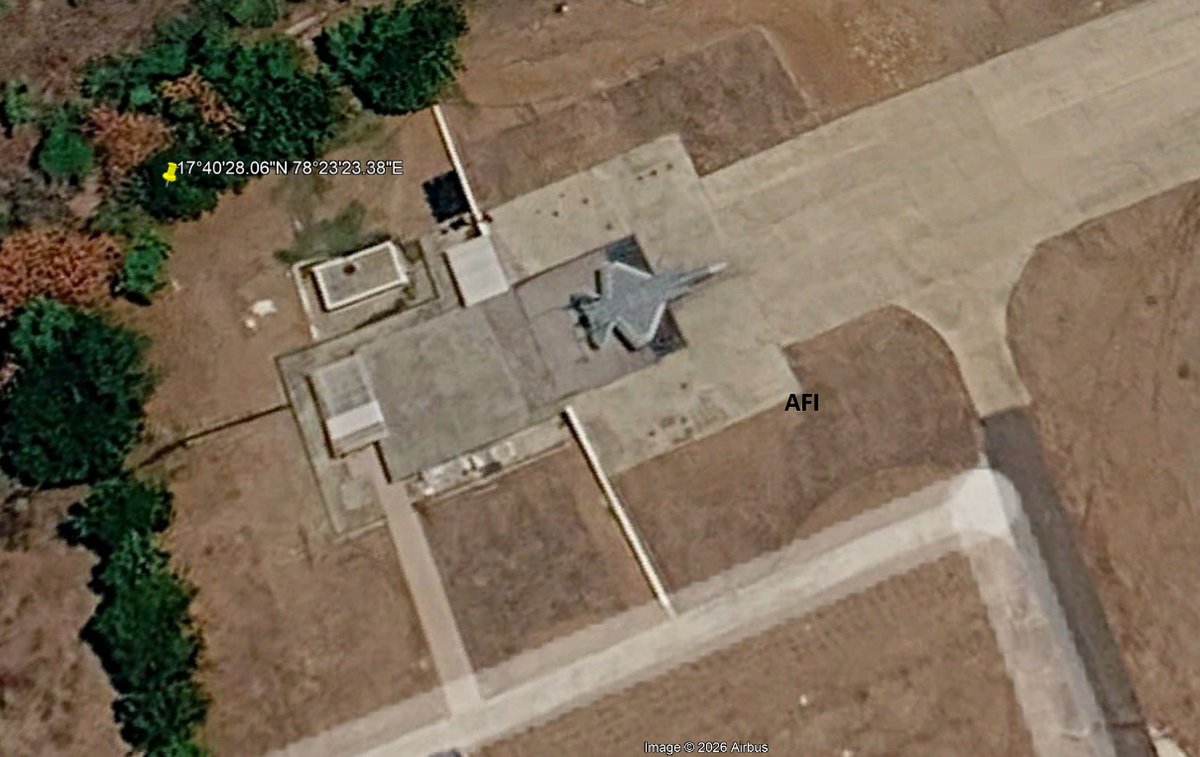
Apple Maps may have accidentally revealed something interesting at the IAF Academy, Dundigal 🤯
A stealth-fighter-shaped airframe, closely resembling the AMCA configuration, is visible in satellite imagery.
-twin canted tail
-diamond wing planform
-stealth-oriented shaping 👀
Mockup? Training article?
No confirmation yet, but definitely enough to get the community talking like ''AMCA is ready bro''
36
64
952
157,999
thohid retweeted

Jun 7
F-47’s Exotic Shape Was Hiding In Plain Sight On A Unit Patch
Boeing's NGAD demonstrator's unique planform was hinted at on a patch, just like its progenitor, the Bird of Prey.
twz.com/air/f-47s-exotic-sha…
20
39
473
37,370

Jun 8
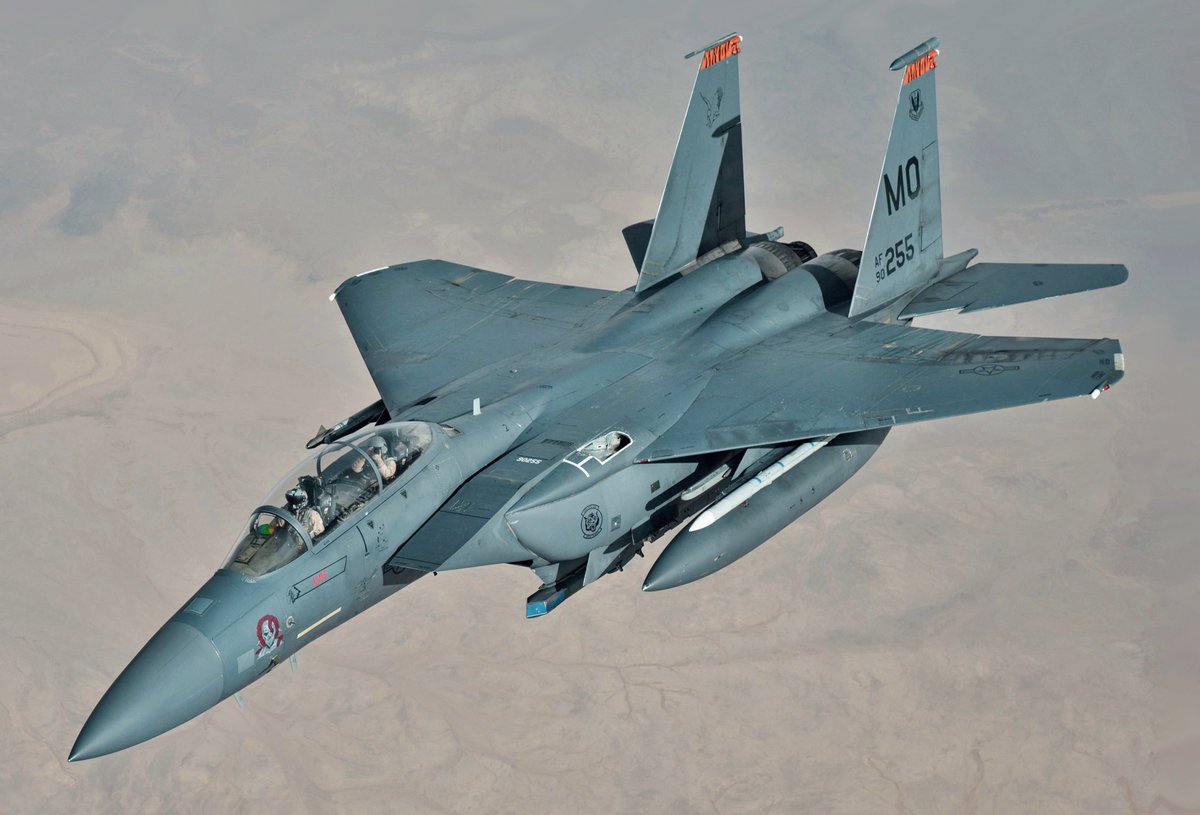
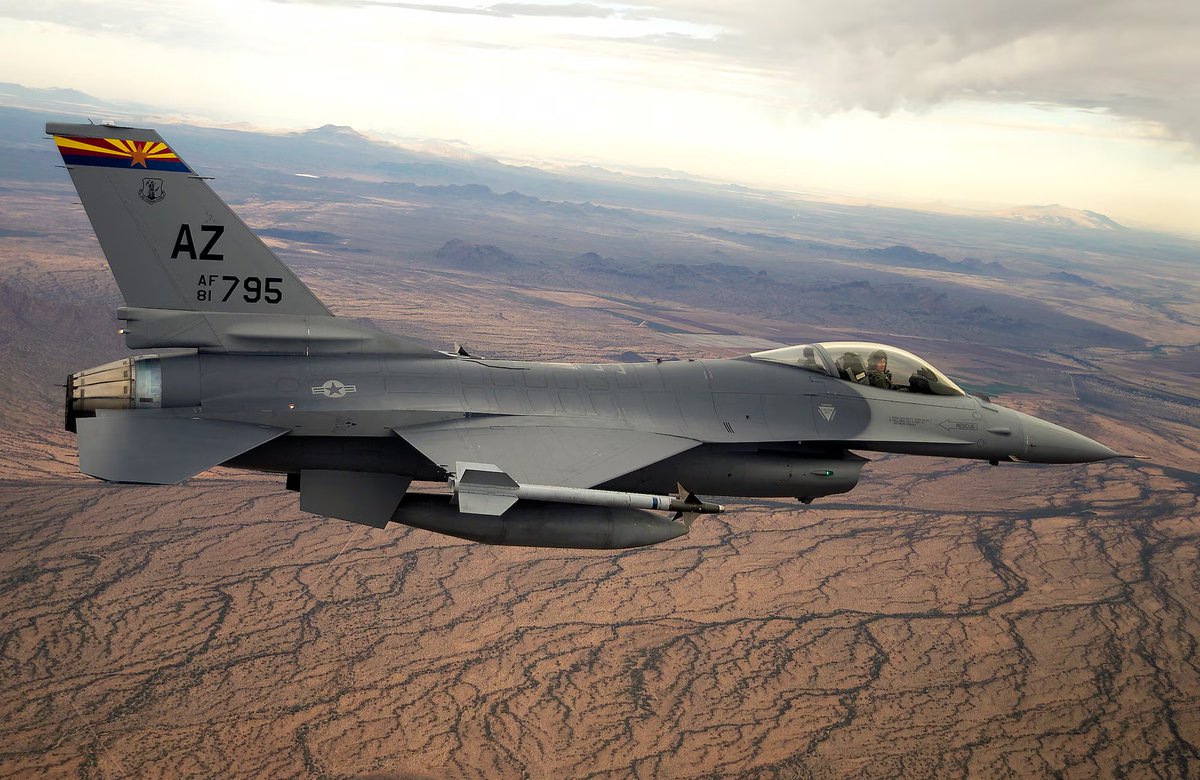
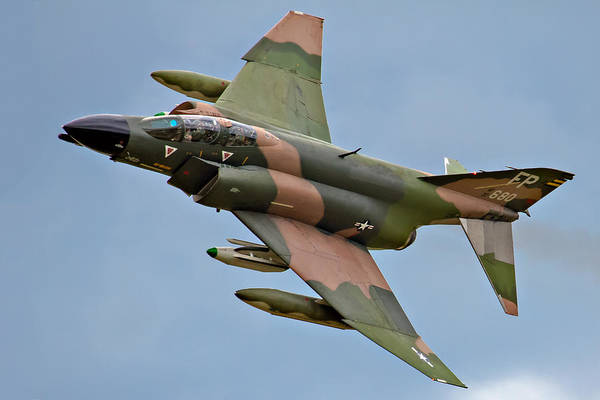
Two aerodynamic concepts in Gen 4 I talk about often are "Lifting Body" and "Blended Wing-Fuselage" design.
The F-15 exemplifies the former where the fuselage ends and fairs into a large, wide lifting surface. The F-14, Mig-29 and SU-27 also follow this planform.
1
6
277

The Chengdu J-36 is a heavy, sixth-generation tailless stealth fighter jet currently under development by the Chengdu Aircraft Corporation (CAC) for the People's Liberation Army Air Force (PLAAF). First spotted flying in late December 2024, the aircraft features a highly unconventional tailless diamond double-delta wing planform ("ginkgo leaf" design) and a unique three-engine configuration. Because the J-36 is an active, classified experimental program, its official technical parameters have not been released by the Chinese military. [1, 2, 3, 4, 5]
The preliminary specifications and technical features compiled by defense analysts from flight test imagery are detailed below: [1, 2]
Estimated Physical Dimensions & Weight
•Length: 20 to 26 meters (~65 to 85 feet), making it roughly comparable to or slightly longer than the J-20.
•Wingspan: Approximately 19 to 21 meters (~62 to 69 feet).
•Wing Area: Estimated around 190 m².
•Maximum Takeoff Weight (MTOW): 45,000 to 54,000 kg (approx. 50 to 55 metric tons), categorizing it as an exceptionally heavy tactical jet. [1, 2, 3, 4]
Propulsion & Performance
•Engine Layout: A highly unique trijet setup featuring three engines sitting side-by-side in a wide center fuselage. [1, 2]
•Nozzle Variations: The first prototype utilized top-recessed, low-observable exhaust troughs reminiscent of the Northrop YF-23. The second prototype (spotted in late 2025) shifted to an F-22-style, two-dimensional thrust-vectoring nozzle configuration to prioritize maneuverability and multi-role agility. [1, 2, 3, 4, 5]
•Intakes: Two lower caret-style/DSI inlets under the wings and one prominent dorsal intake located on top of the fuselage to feed the center engine. [1, 2]
•Estimated Speed: Expected maximum envelope speed of Mach 2.5, with an emphasis on efficient supersonic supercruise capabilities. [1, 2]
•Combat Range: Estimated operational radius extending up to 3,000 km without aerial refueling, enabling long-range loitering and power projection. [1, 2, 3]
Avionics & Aerodynamics
•Cockpit Layout: Varied across prototypes; early analysts suspected a tandem-seat or side-by-side dual-pilot configuration, though later imagery also confirmed single-pilot testing, indicating multiple developmental branches. [1, 2]
•Tailless Flight Control: Features multiple trailing-edge control surfaces and split-flap rudders near the wingtips to replace traditional vertical and horizontal stabilizers. It uses an advanced Direct Force Control flight control system to stabilize carrier landings and counter severe weather. [1, 2, 3, 4]
•Sensors: Outfitted with an Electro-Optical Targeting System (EOTS) blister under the nose and side-looking airborne radar (SLAR) apertures to facilitate 360-degree passive and active tracking. [1, 2]
Weapons Payload
•Internal Weapons Bays (IWB): Built with three ventral weapon bays to preserve its all-aspect radar cross-section reduction.
•Main Bay Length: The central bay measures approximately 7.6 meters long, specifically designed to internally house ultra-long-range missiles like the PL-17 over-the-horizon active air-to-air missile (400 km range).
•Side Bays: Flanked by two long secondary internal weapons bays capable of storing primary medium-range ammunition. [1, 2, 3, 4]
281