Joined April 2013
- Tweets 53,581
- Following 8,419
- Followers 10,056
- Likes 299,094
7,289 Photos and videos



Pinned Tweet

i want some kinda engineering side project to work on; what should I make, anyone have ideas?
12
3
27
7,904
The Melancholy of Miss Distance retweeted

2
1
4
442
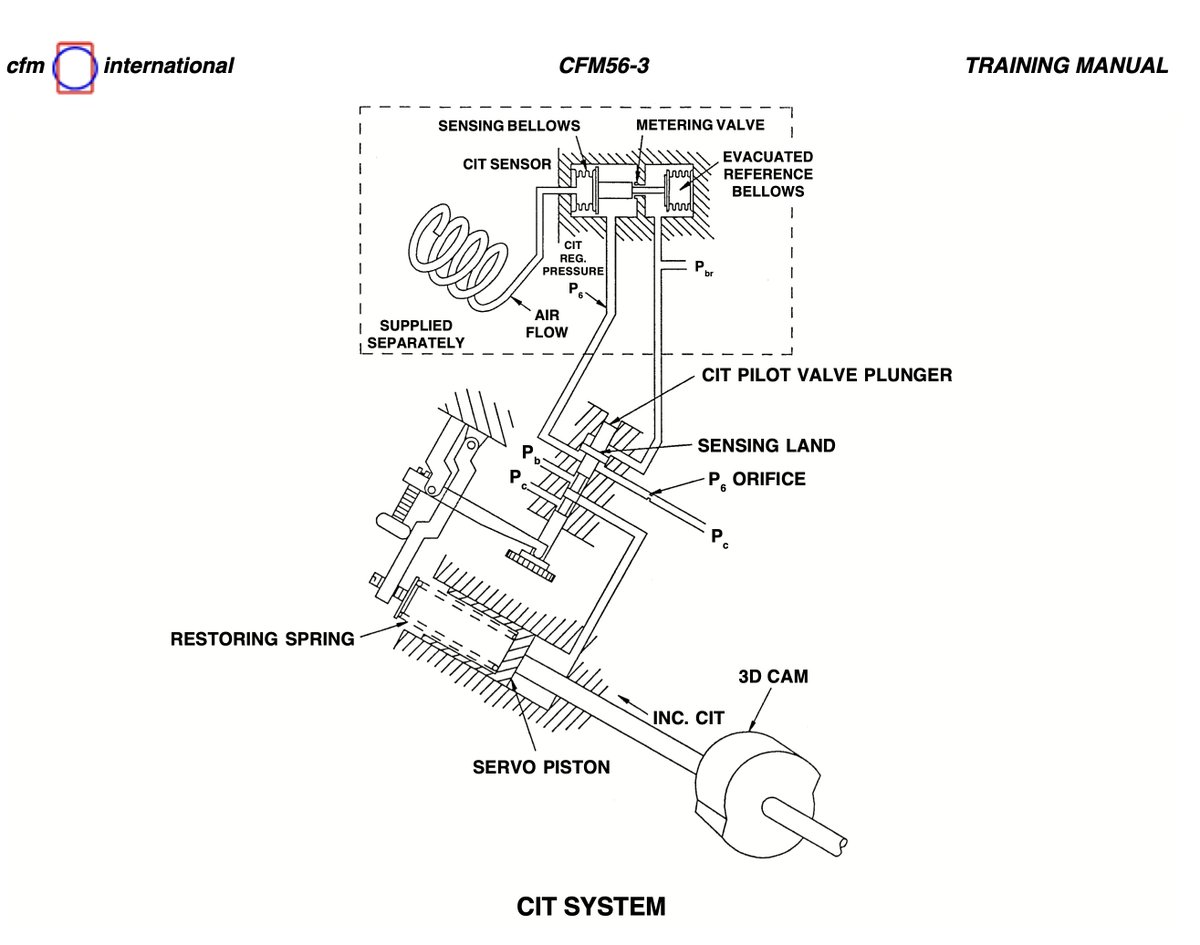
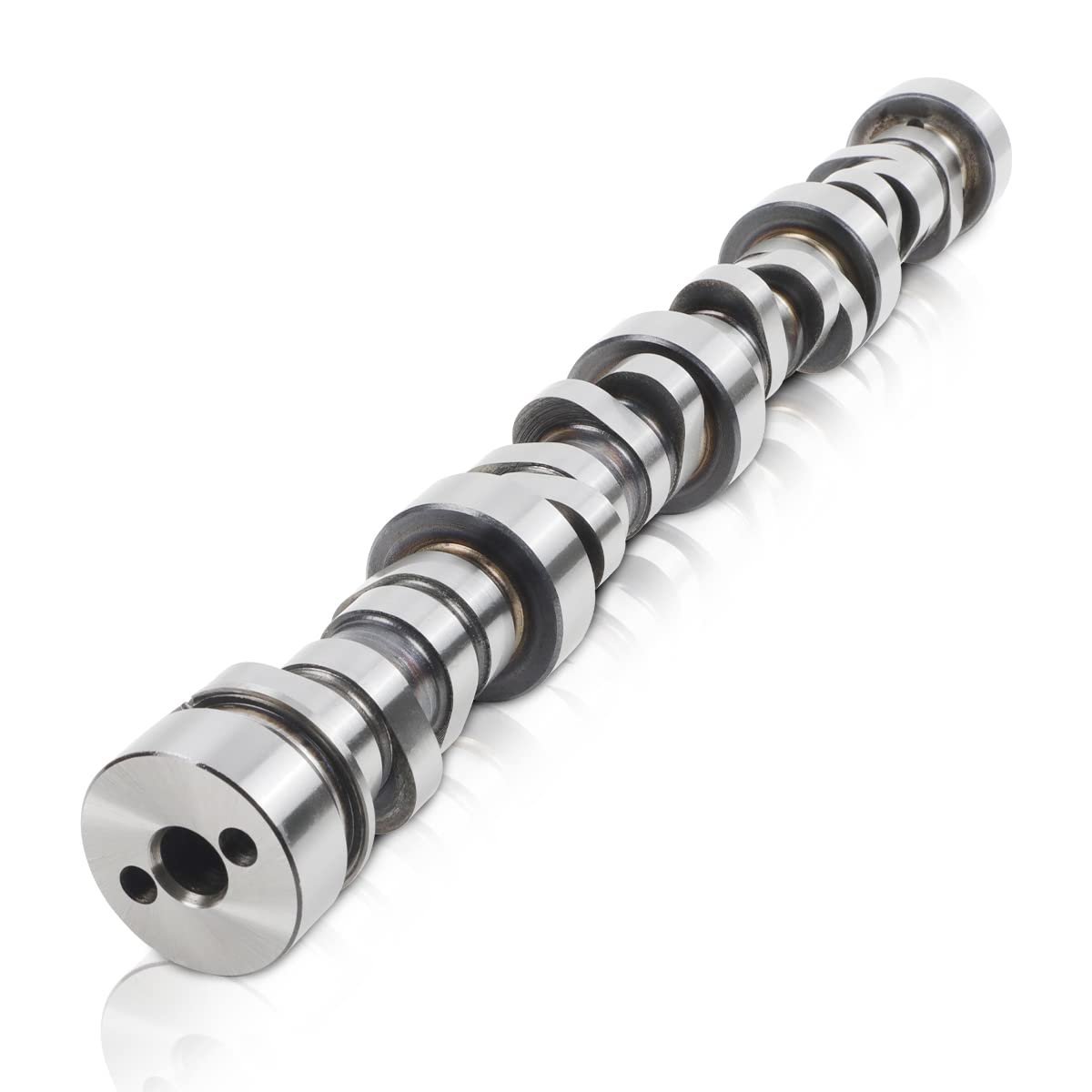
before electronic engine controllers were a Thing, some turbine engine controllers used cams as lookup tables in their hydromechanical Contraptions (which, in this case, did RPM sensing mechanically with a device James Watt would recognize, and temp sensing with helium bellows)
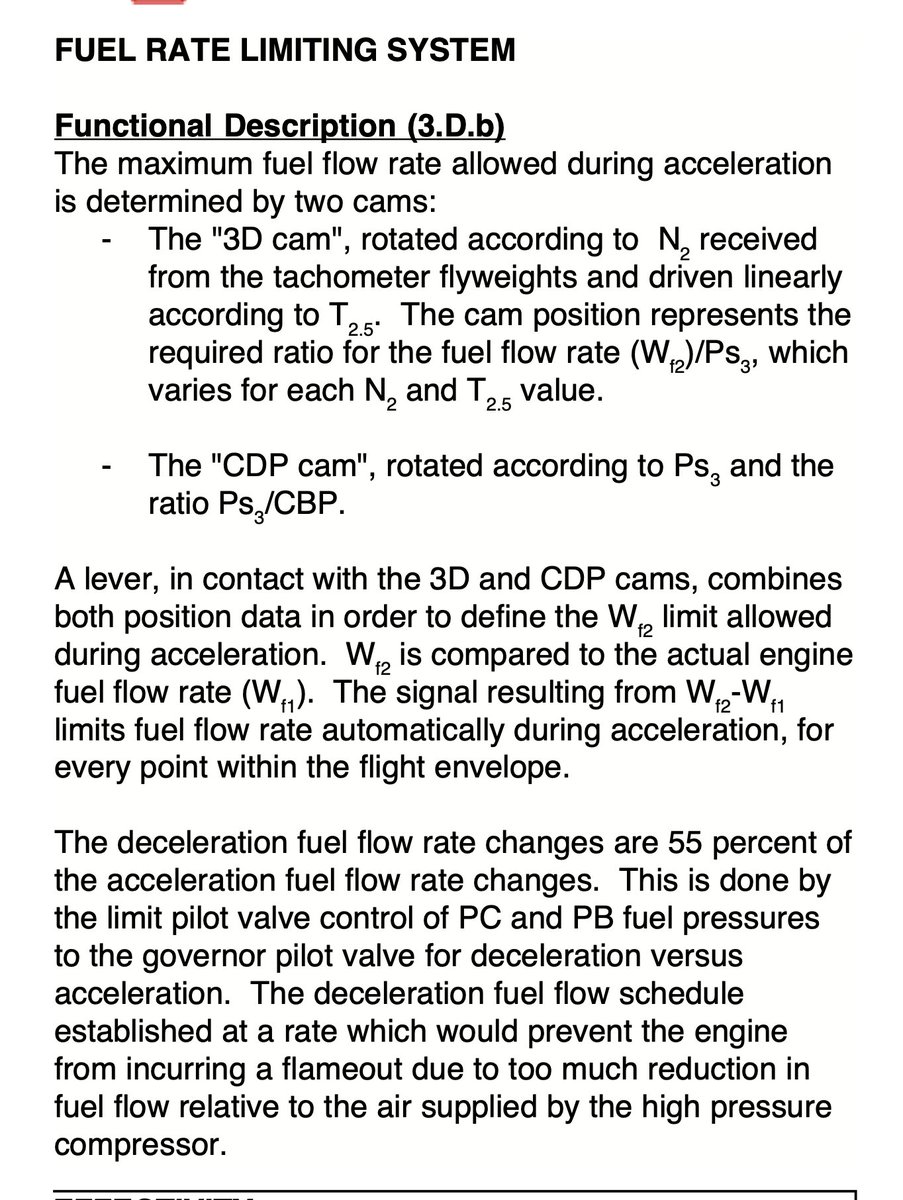
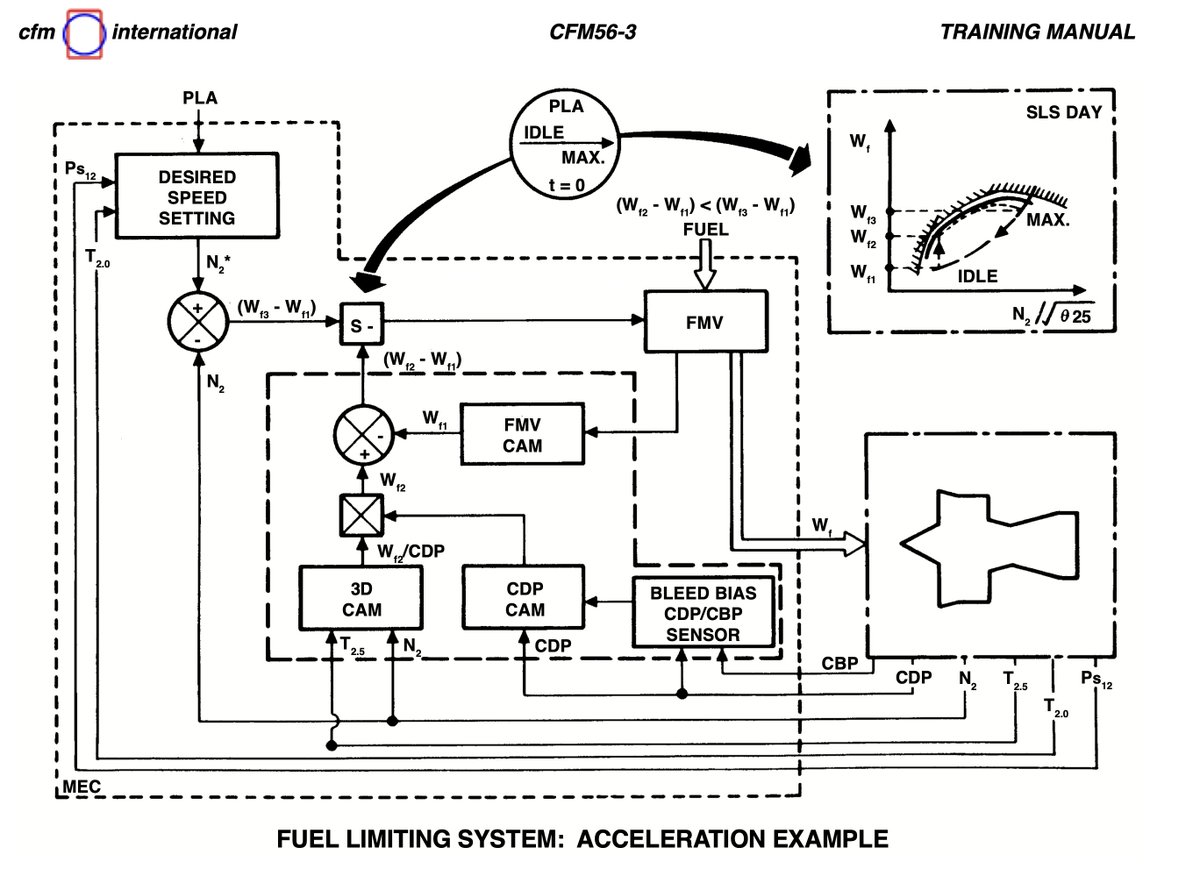
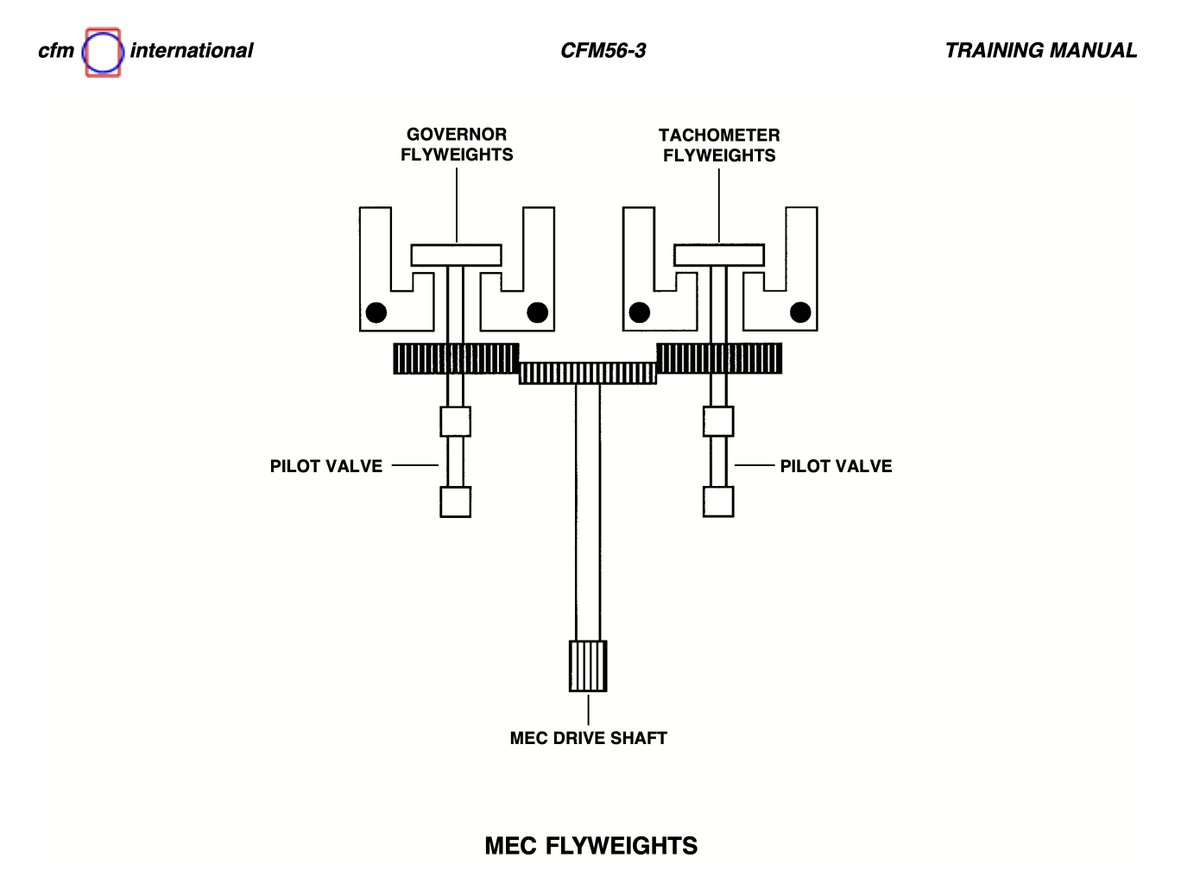

my personal litmus test is asking ML engineers whether this is hardware or software
1
2
14
680
The Melancholy of Miss Distance retweeted

May 4
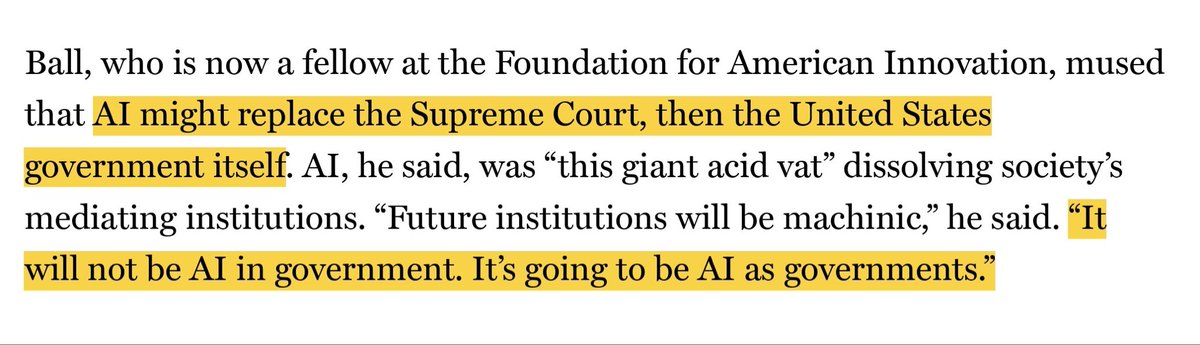
Dean Ball seems to have these incredibly contradictory thoughts, on the one hand AI is just going to run *Earth*/ replace the USG. At the same time, he mocks and totally disregards the possibility of "doom" from AI? Am I supposed to believe that a literal machine civilization in which humans are at most little background characters can't possibly figure out any way to not keep us around? Not grow our food anymore/change climate/lower oxygen?
May 3

In America, you regulate AI. In Dean Ball’s America, AI regulates you.
6
9
124
12,131
array processing is a really funny field because everything gets separately invented at least three times and -- naturally -- gets called different names because radar people, sonar people, and communications people don't like each other and don't talk with each other
1
14
282
The Melancholy of Miss Distance retweeted

No offense but all health and lifestyle crap is actually about vanity and the sooner you accept that the easier your life gets
53
41
758
23,216
The Melancholy of Miss Distance retweeted

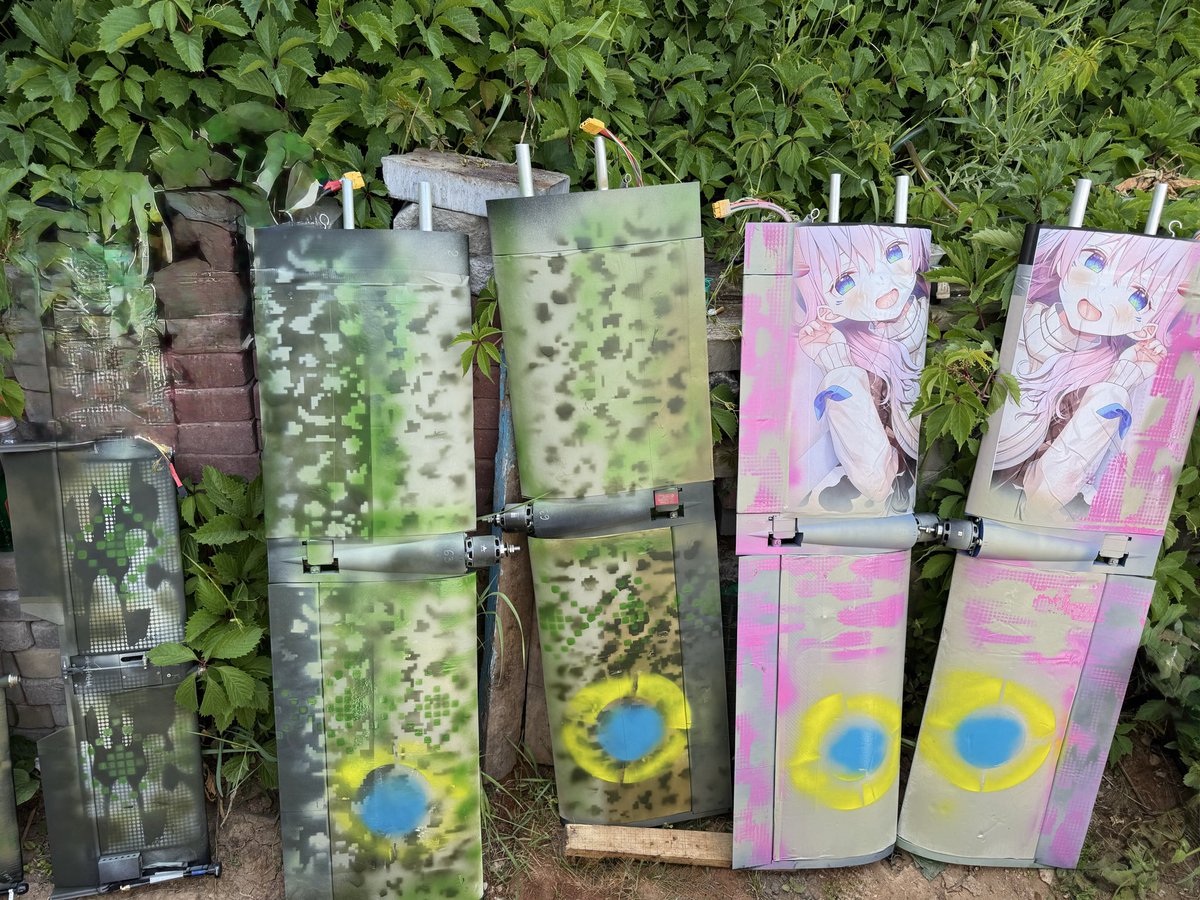
Коли є побратими анімешники і ти в принципі не проти, бо навіть якщо зібʼють то буде класне відео перехоплення
10
75
578
107,317
you think that's mortifying, wait until you do it with a surgeon
Jun 13

It's such a vulnerable experience to show your barber a photo of an obviously way hotter person, basically begging them to help you look like *that*
2
1
38
2,088
the most mortifying moment was specifically when I walked into his office for the preop (4 days before the big day) and saw the photos I had emailed his office; printed out and lying in wait atop his desk...
1
14
609
but the abyssal embarrassment was worth it; since when I walked into the operating room I noticed the very same photos, pinned up next to my x-rays
4
247
The Melancholy of Miss Distance retweeted

Jun 14

36
951
10,608
119,997
The Melancholy of Miss Distance retweeted

Jun 14
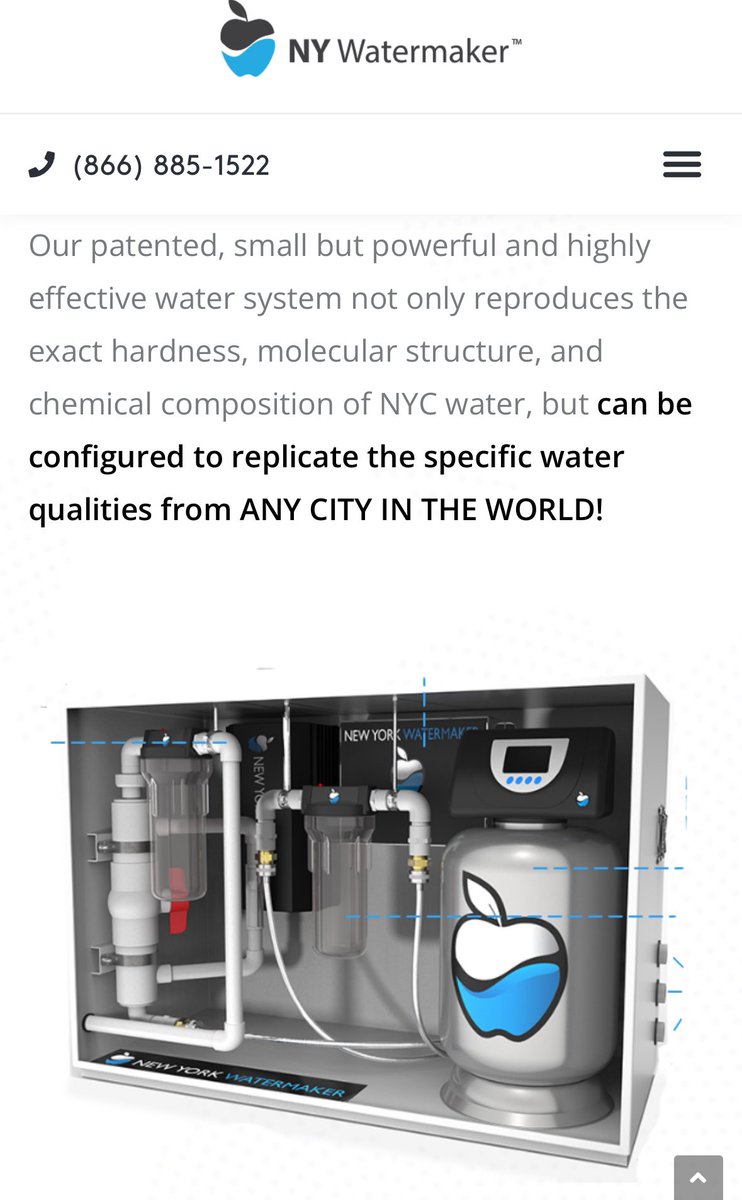
there are corners of capitalism you’ll never know about
you truly can make money making and selling anything
Non nyc pizza businesses buy this system so their pizza can taste more New York
44
54
2,341
95,448
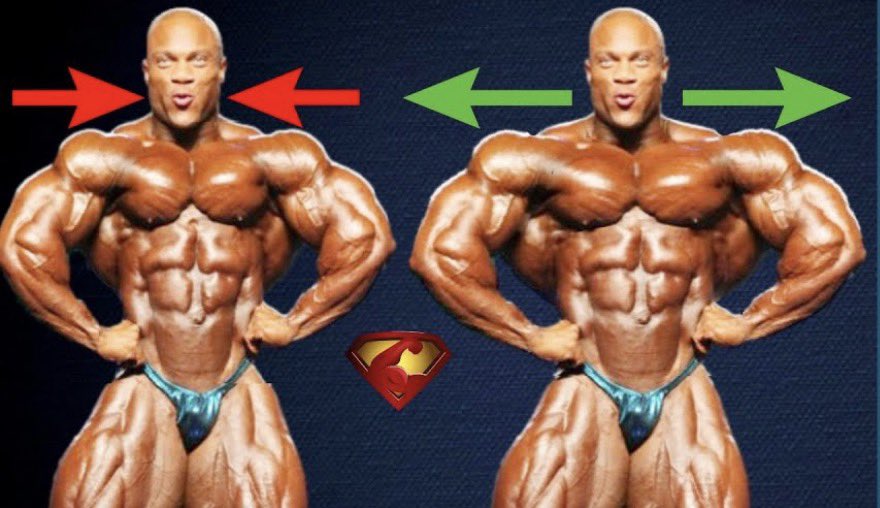
>adding an extra inch per side on the clavicles
total Dr Rogers cultural victory
Jun 13

i feel like cosmetic body surgery could be a possible next step for bodybuilders, all it takes is one person to be brave enough to do it and pandora’s box is opened
i don’t mean implants (jfl) but stuff like clavicle widening, tendon insertion point reattachments, stuff to improve structure
it’s long been accepted that genetics is everything in bodybuilding, if not limited by muscle building response then one will find themselves limited by frame and shape. these things are basically impossible to fix and are a hard cap on your potential
adding an extra inch per side on the clavicles, cutting the bicep tendon to make it fill out the arm more, perhaps lengthening the calf muscle or changing the width of one’s lat insertions down the humerus, these could all ascend someone’s physical potential in a way no amount of lifting can
with extreme looksmaxxing becoming bigger along with the physique inflation arms race i think we could start to see this in the future
some will try to moralize this, call it gay or whatever, but bodybuilding at its highest levels is already far deviated from any sort of masculine origin it may have had and is entirely a beauty contest. when chasing pure aesthetics this just feels like a logical end point for the practice
6
717
The Melancholy of Miss Distance retweeted

Jun 13
turning 25 without a spouse or a career has always been terrifying it’s just that it used to be the exception rather than the norm
Jun 11

Zoomers being this upset about aging at 25 is a very, very bad sign of things to come
26
246
7,425
263,609
should we tell everyone? Should we throw a party? should we invite bella hadid
Jun 13

Three months ago, @DeptofWar kicked @AnthropicAI out of our building—forever.
Every passing day proves why that was the right move. 🇺🇸
1
16
1,220
The Melancholy of Miss Distance retweeted

Jun 13
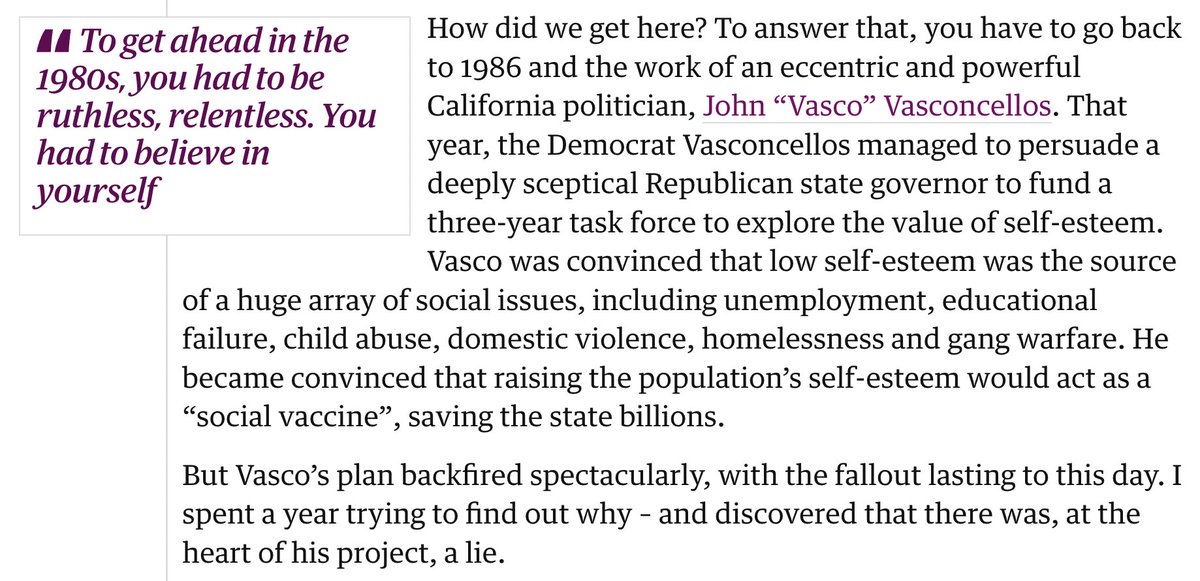
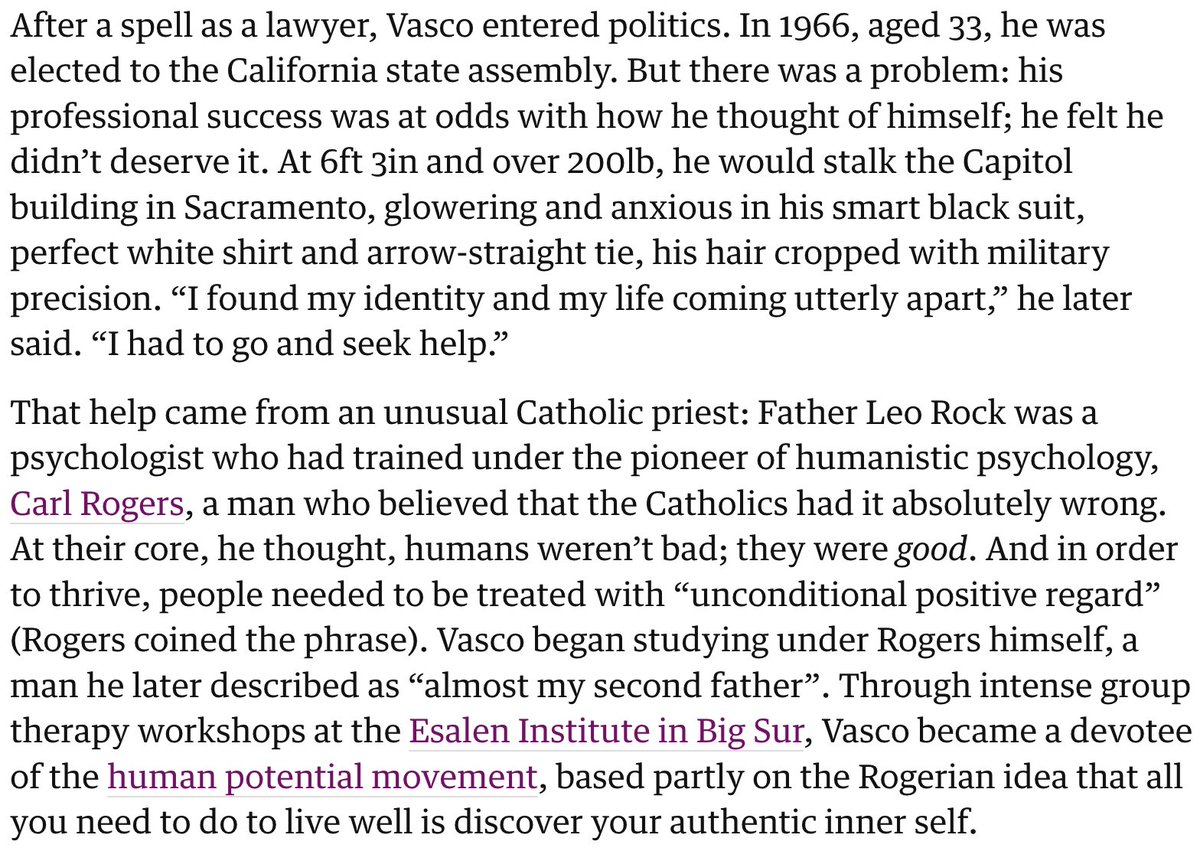
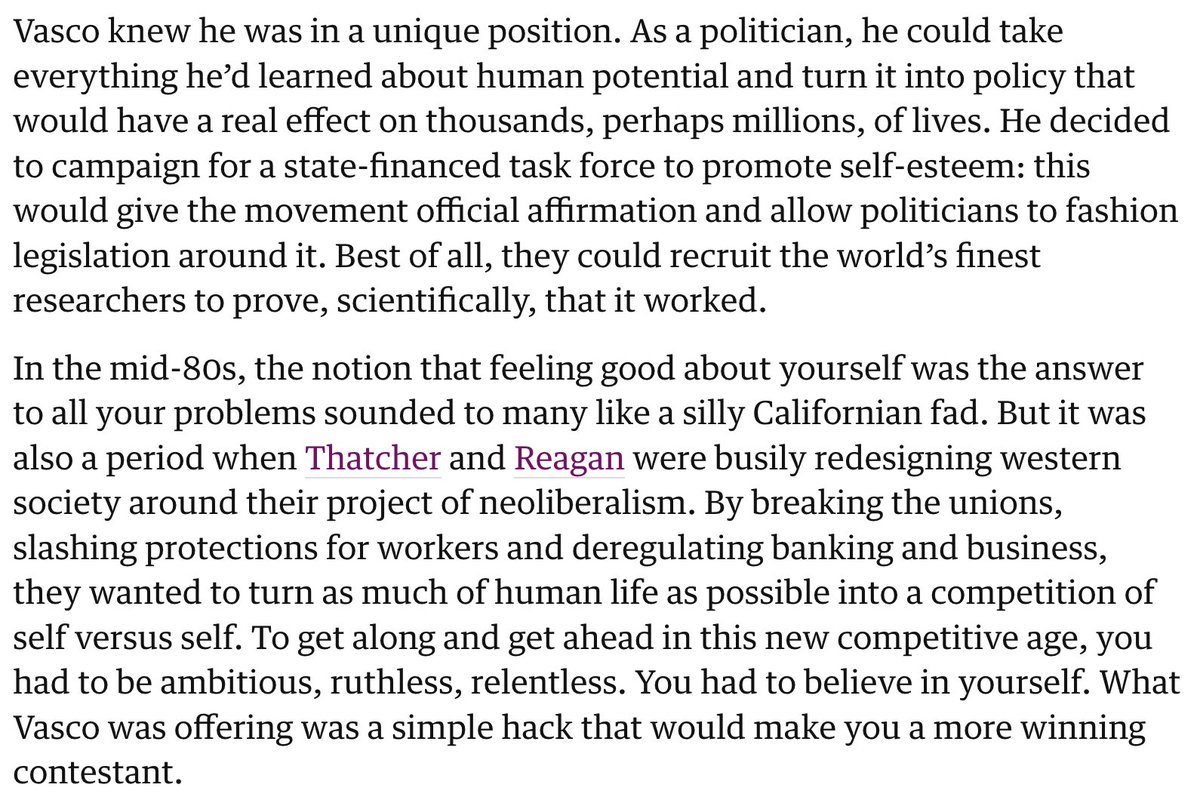
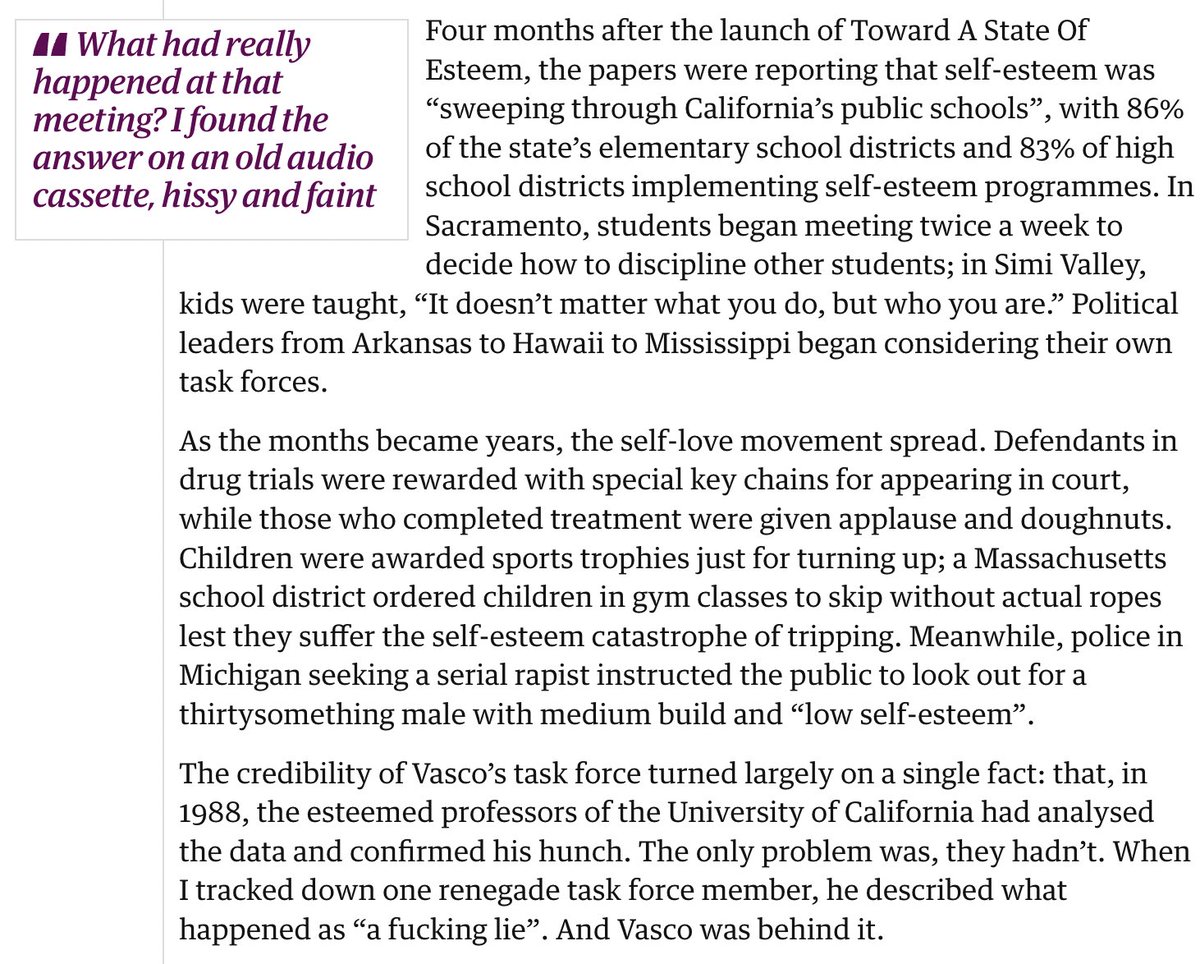
you might be wondering "hey all that self-esteem stuff i remember from the 90s, was that white nonsense by any chance a psyop initiated by one guy" and the answer is partly, his name was john vasconcellos, from - you'll never guess - california

Unironically, this was my mother’s stance. She did not put my crappy drawings up on the fridge. I grew up perfectly aware of my weaknesses. When she gave me praise (which she did!), I knew it meant something. No participation trophies in my house. I think it was grounding & I felt like she respected me by having actual standards for me, despite my age!
Unfortunately, my classmates were getting gassed up at home, and *perceptions* dictate confidence more than talent. By middle school it was hard to deny that I was among the smartest kids in my grade, but on a somatic level I wasn’t particularly sure of myself. My mom was fairly casual about my straight 97s while other kids earned $120 for getting all A’s and B’s. She knew that doing well hadn’t been difficult for me so she didn’t harp on it; this meant I didn’t internalize it as a source of confidence; I was meeting an expectation rather than [accomplishing something that I should feel proud of]. If all parents had been like her this would have been fine, but my parents were *so* measured and reasonable about their praise that I got **wayyyyyy** less encouragement than a lot of my peers did. Turns out that this does matter, even if it’s not reflected immediately in your academic/ extracurricular outcomes.
So. I’d say don’t lie to your kids. Don’t gas them up about dumb shit & make them incapable of hearing they have flaws. But also maybe praise them more vehemently, more readily than you think is necessary, when they’re genuinely good at something. Being aware of your weaknesses is good; being sure of your strengths is even better. Humility is a virtue that complements confidence, but it cannot replace it, or you’ll suffer in a competitive world like this one.
5
11
199
15,835
The Melancholy of Miss Distance retweeted

Jun 13
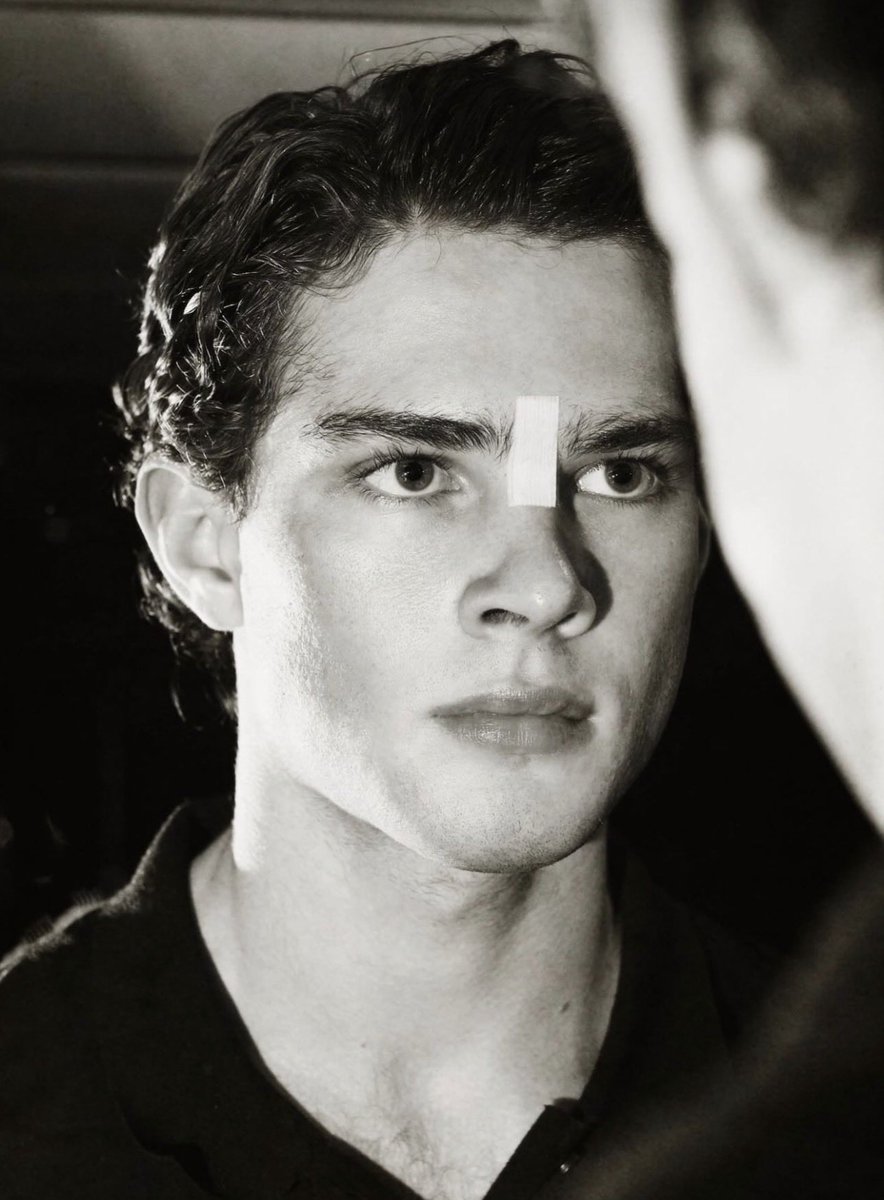
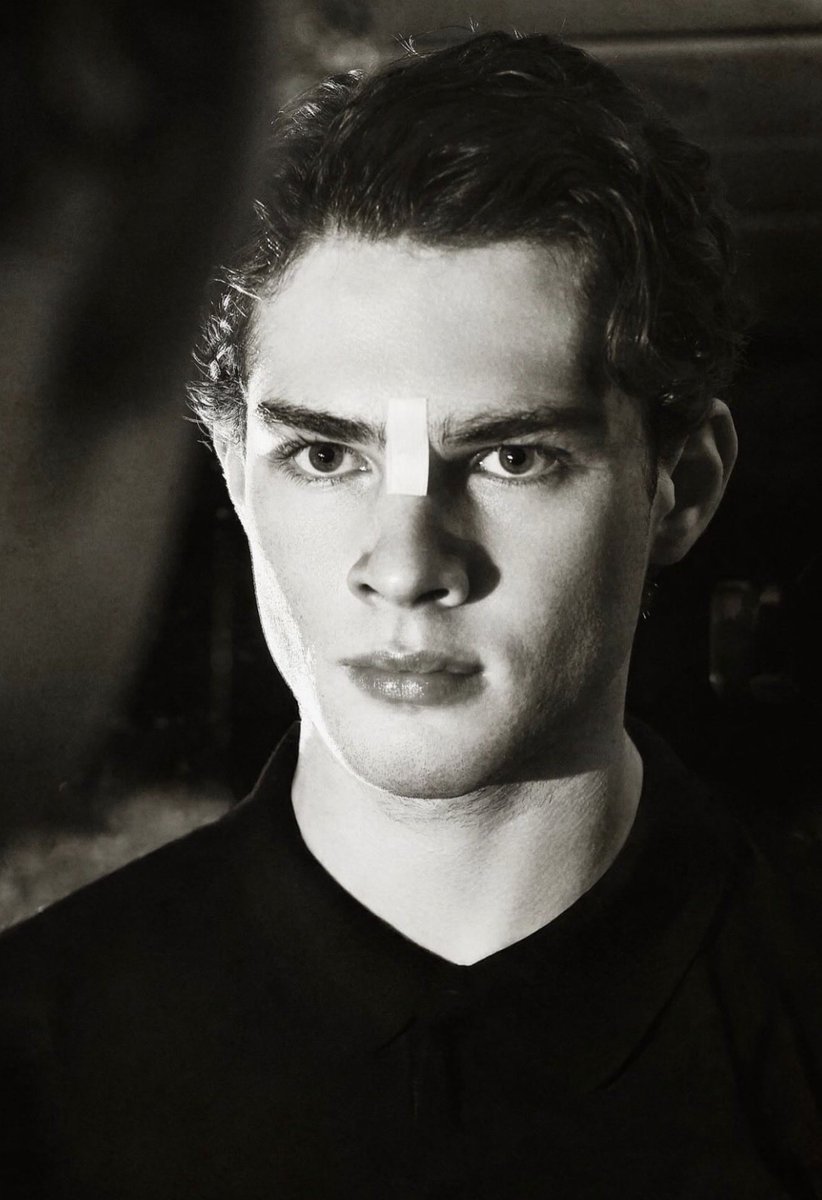
You can always be thinner, look better.
2,450
215
7,064
3,320,715
did a ketamine molecule write this
Jun 12

"I think there’s a 66% chance that actually, the singularity is intimately related to the universe being a simulation, and that at least some of the events above could be better predicted by knowing what the simulators are thinking than by normal forecasting." Scott Alexander.
15
1,161
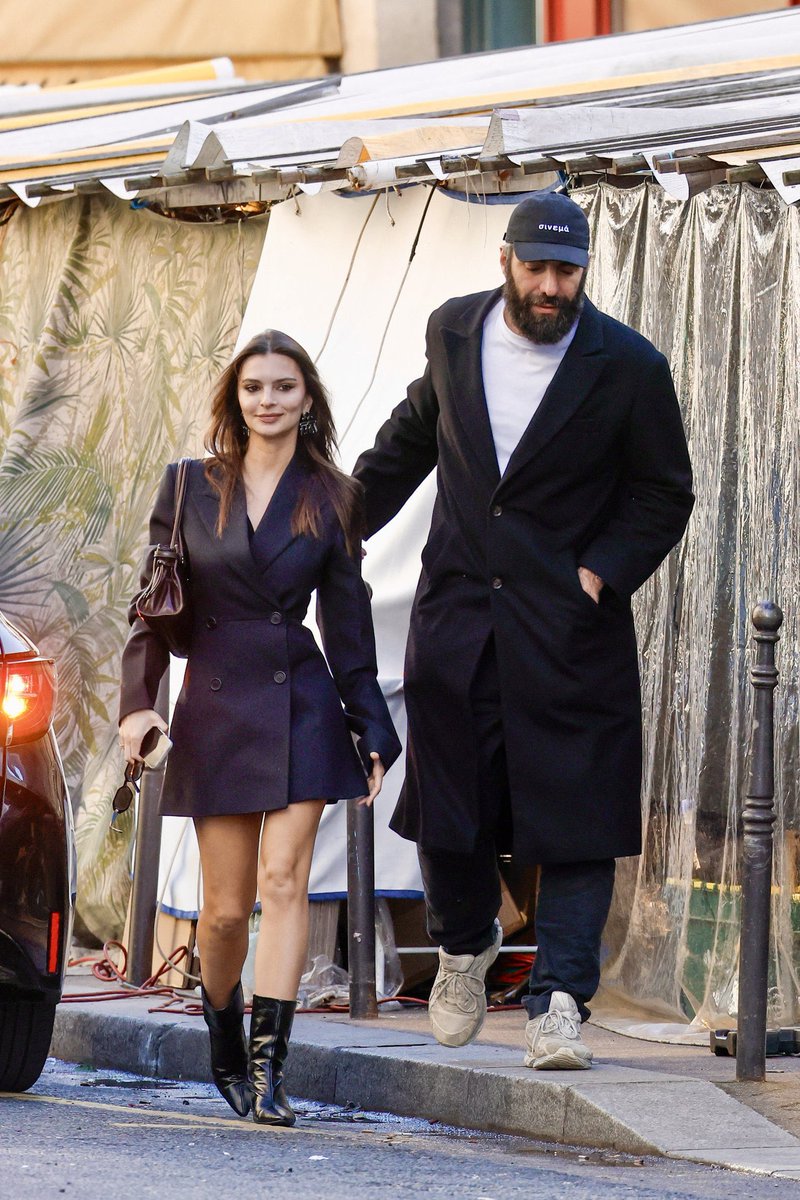
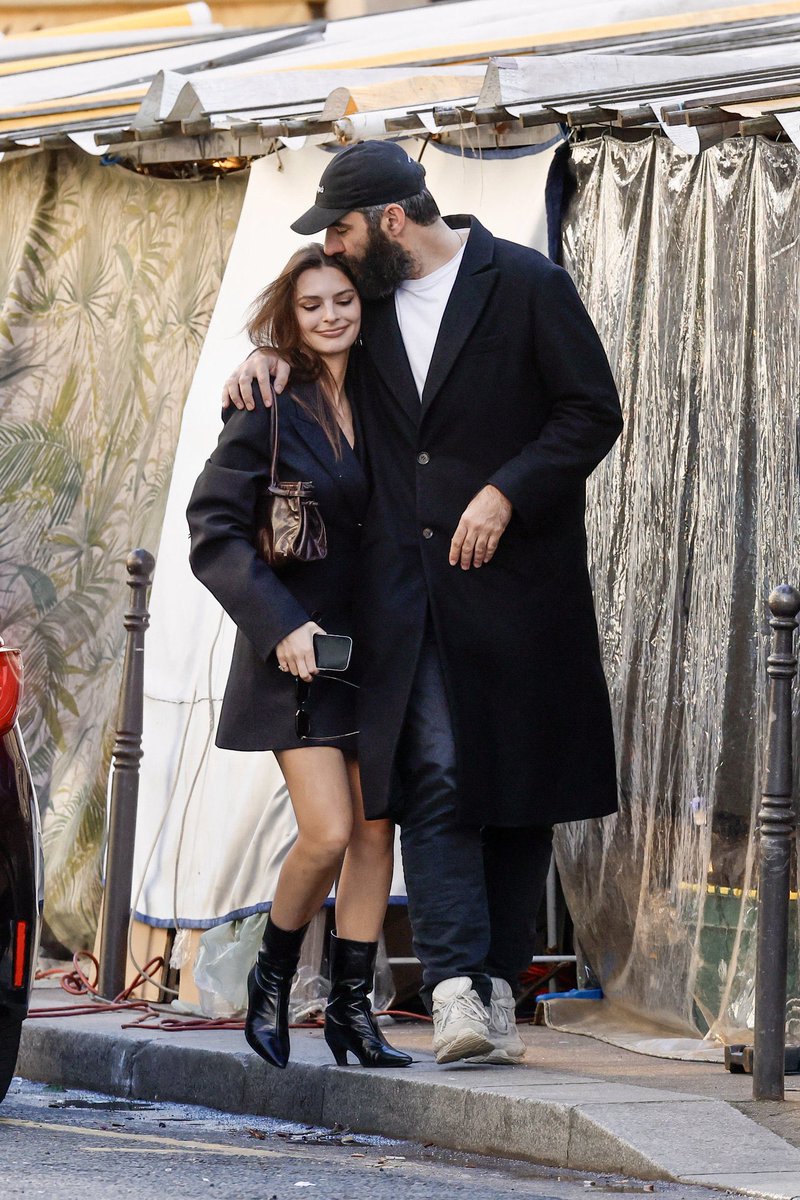
i need tall husband like this, it would fix everything that ails me.......
Mar 5

Emily Ratajkowski is ogre maxxing and I bet she feels like a perfect tiny princess angel baby with him
1
1
13
3,060
The Melancholy of Miss Distance retweeted

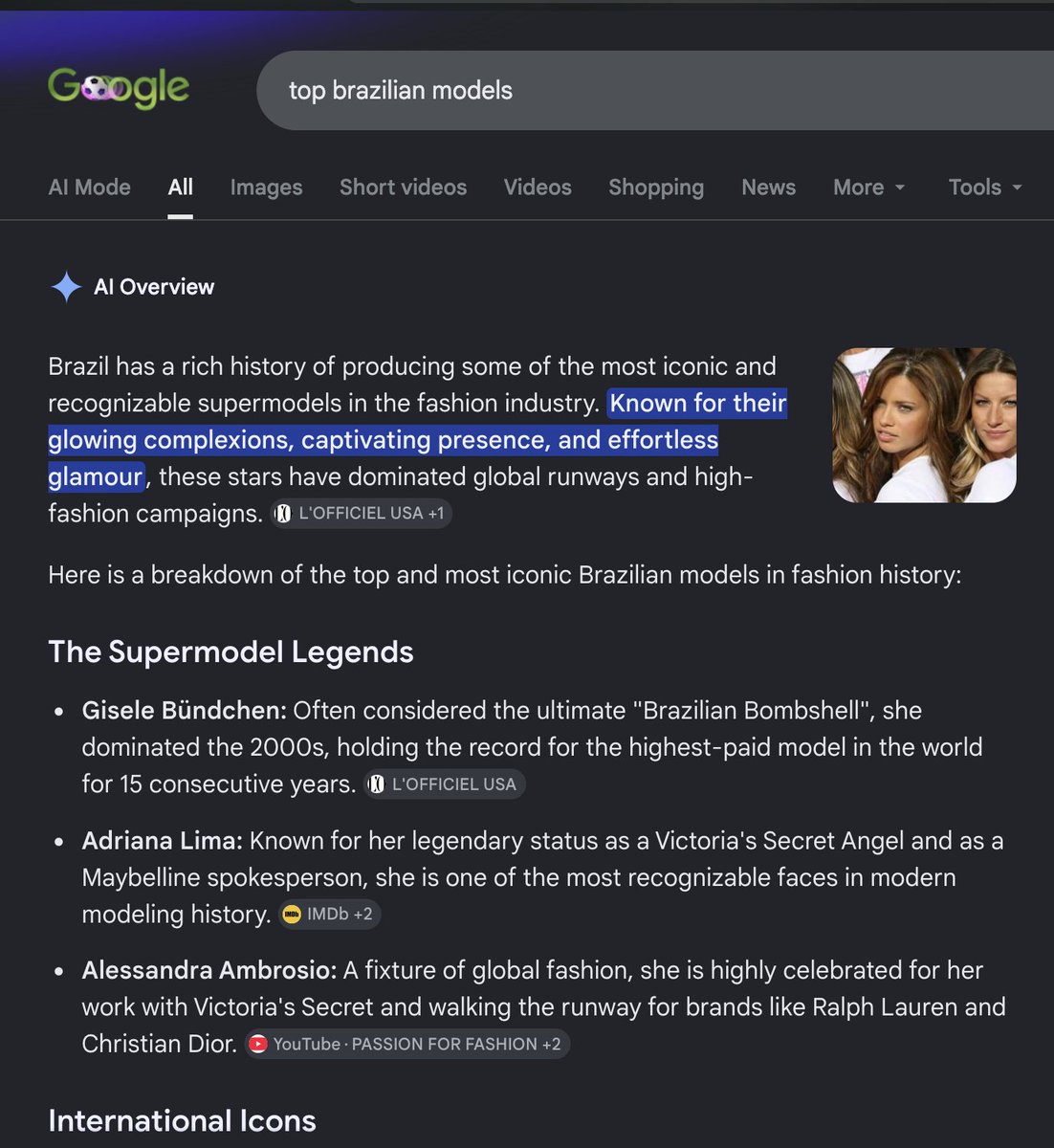
Brazil of all places has this covered
Jun 13

do we have people in Brazil capable of training a frontier model
10
24
395
12,284