
𝗦𝗽𝗼𝘁𝗹𝗶𝗴𝗵𝘁 𝗼𝗻 𝗣𝗼𝗹𝗹𝗶𝗻𝗮𝘁𝗼𝗿𝘀: 𝗕𝗩𝗔𝗧 𝗼𝗻 𝗧𝗩𝟰𝟳 🐝🌍
In celebration of World Bee Day, the Interim Executive Director of @BiovisionAfrica -Fredrick Ochieng featured in a TV47 Kenya news segment, highlighting the importance of bees in sustaining agriculture and ecosystems.
The message emphasized how pollinators contribute to food security and why protecting them is essential for sustainable farming systems.
The feature helped amplify awareness on pollinator conservation and the broader agroecology agenda.
Further more,the interview highlighted BvAT’s contribution towards this year’s theme:
“Bee together for people and the planet – A partnership that sustains us all.”
On the critical role of bees in food systems, biodiversity conservation, and sustainable agriculture, while emphasizing the need to protect pollinators for resilient ecosystems and improved livelihoods.
#WorldBeeDay #Bees #PollinatorProtection #FoodSecurity #SustainableFarming
Source: youtube.com/watch?v=2ELIWKSl…
6
170

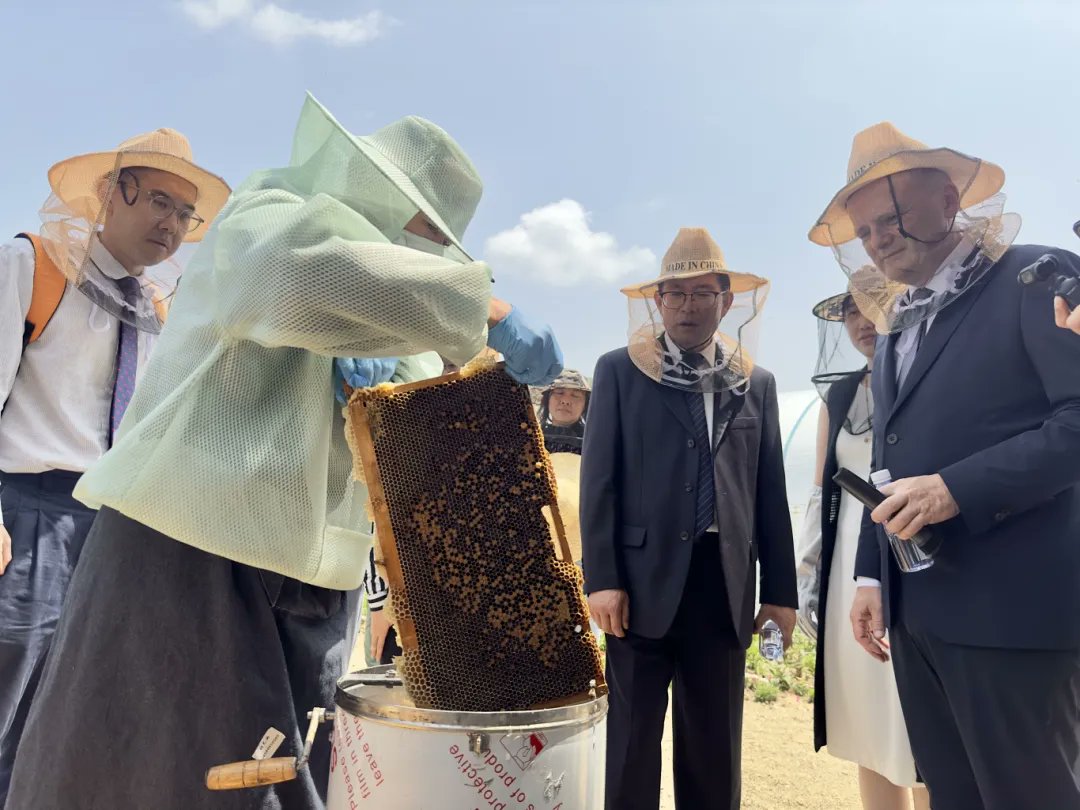
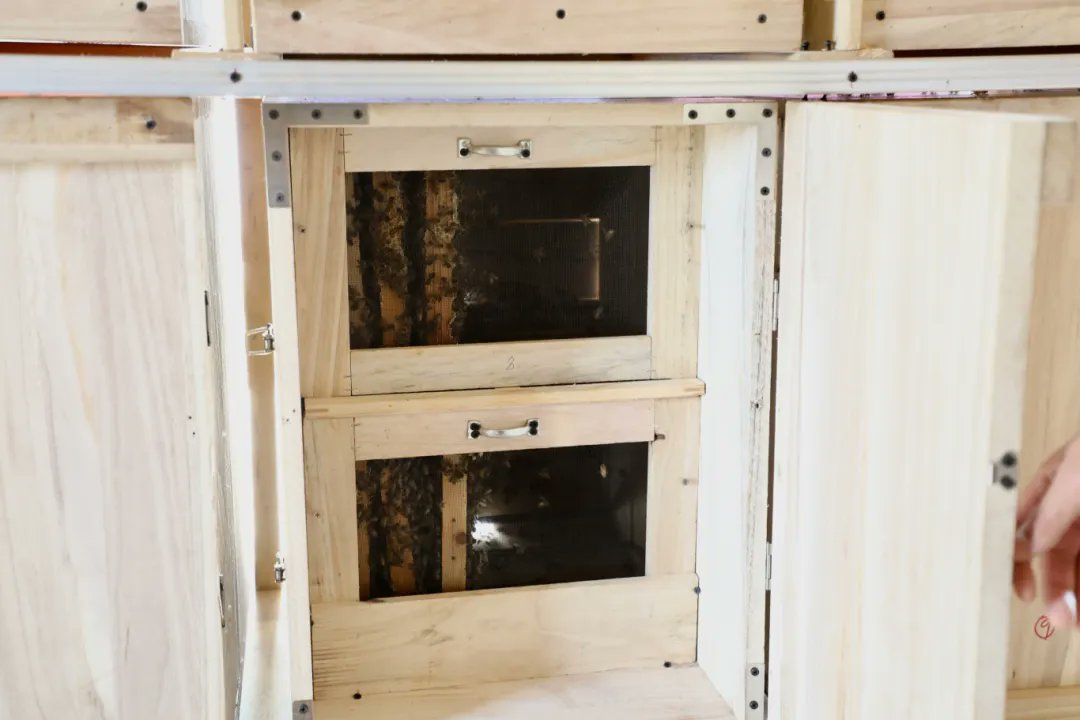
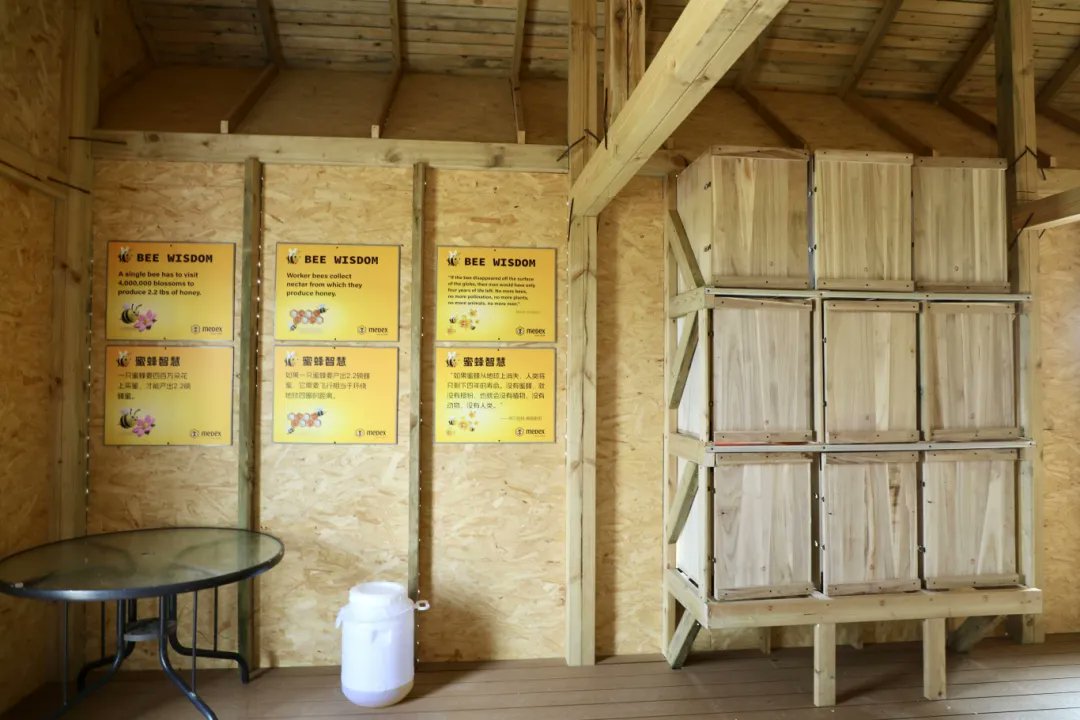
中国首座斯洛文尼亚传统蜂屋落户延庆
Bees are loving their new "foreign-style" home! China's first Traditional Slovenian Apiary has been installed and officially opened in Beijing's Yanqing District.
#PollinatorProtection #ChinaSlovenia
2
3
90

May 20
Today on World Bee Day, we recognize the essential role pollinators play in agriculture and why protecting them matters.
Through initiatives like the Growing Matters, BeSure! Campaign, Valent U.S.A. remains committed to supporting best practices, stewardship, and the development of crop protection solutions that help protect pollinators while supporting growers.
This World Bee Day, we reiterate our dedication to sustainable agriculture and the pollinators that make it possible. Learn more about the BeSure! campaign here: growingmatters.org/besure
#WorldBeeDay #PollinatorProtection #SustainableAgriculture #ValentUSA #BeSureCampaign
2
4
58

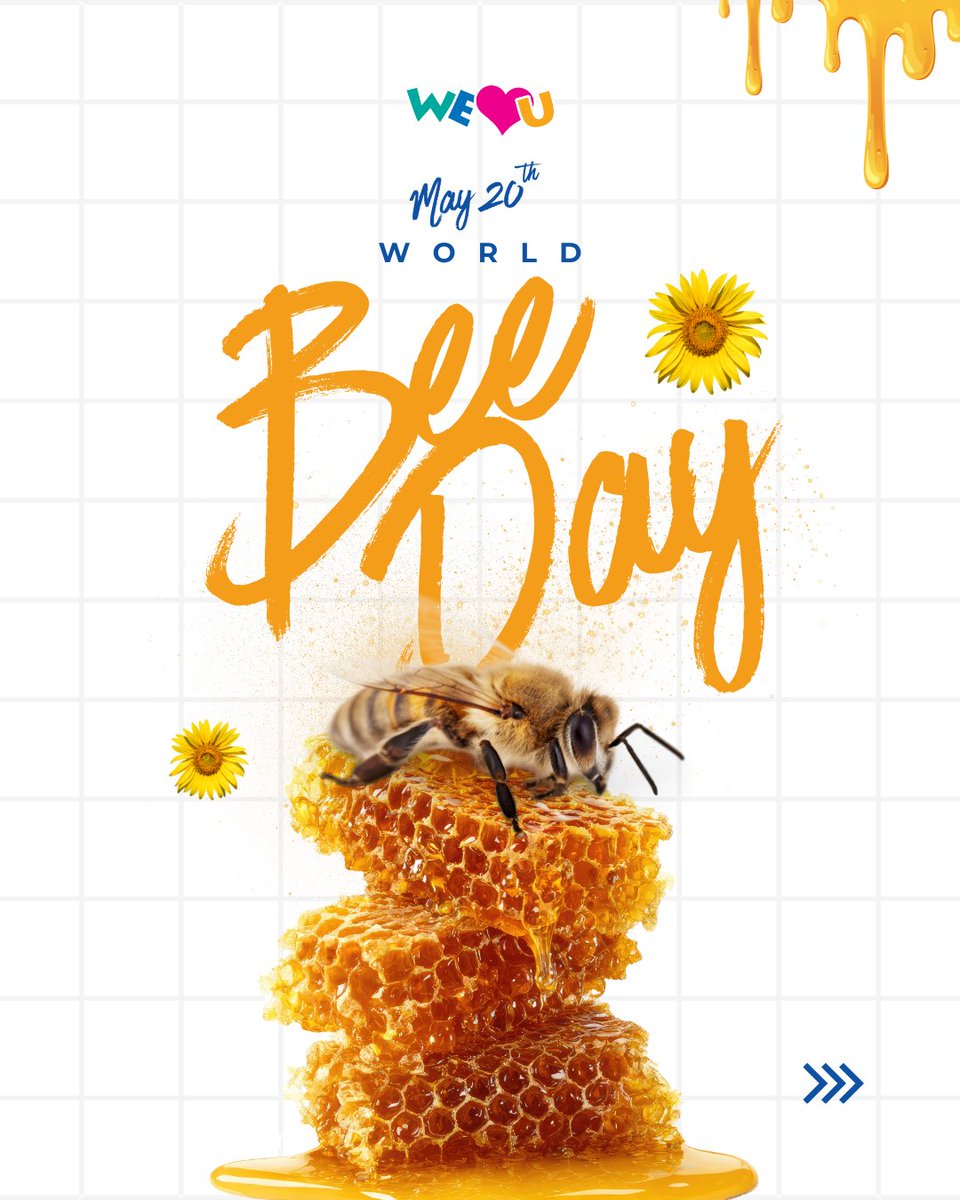
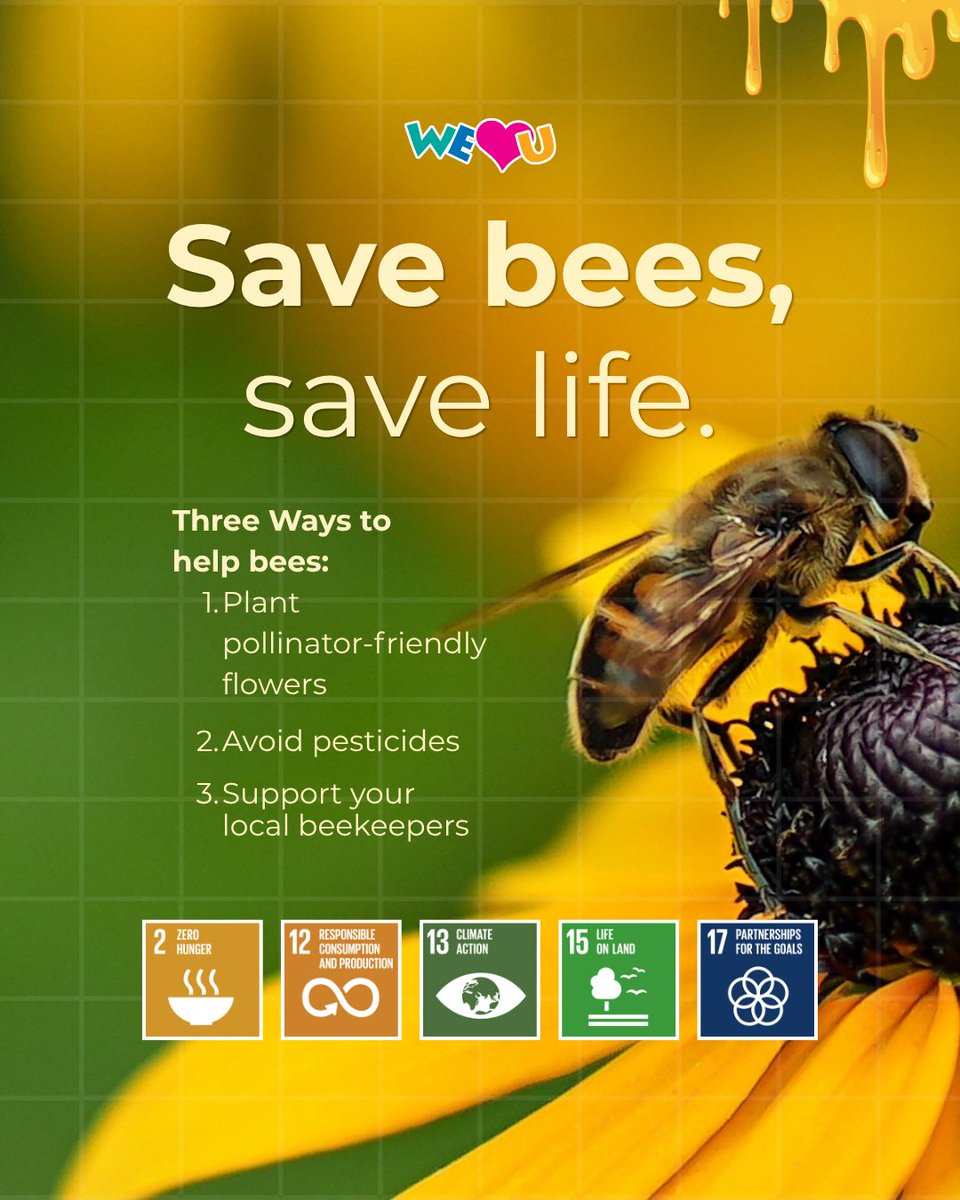
Happy #WorldBeeDay! Bees help protect our food, ecosystems, and planet 🐝🌍
#SaveTheBees #PollinatorProtection #ZahngGiljah #ChairwomanZahngGiljah
2
29
112

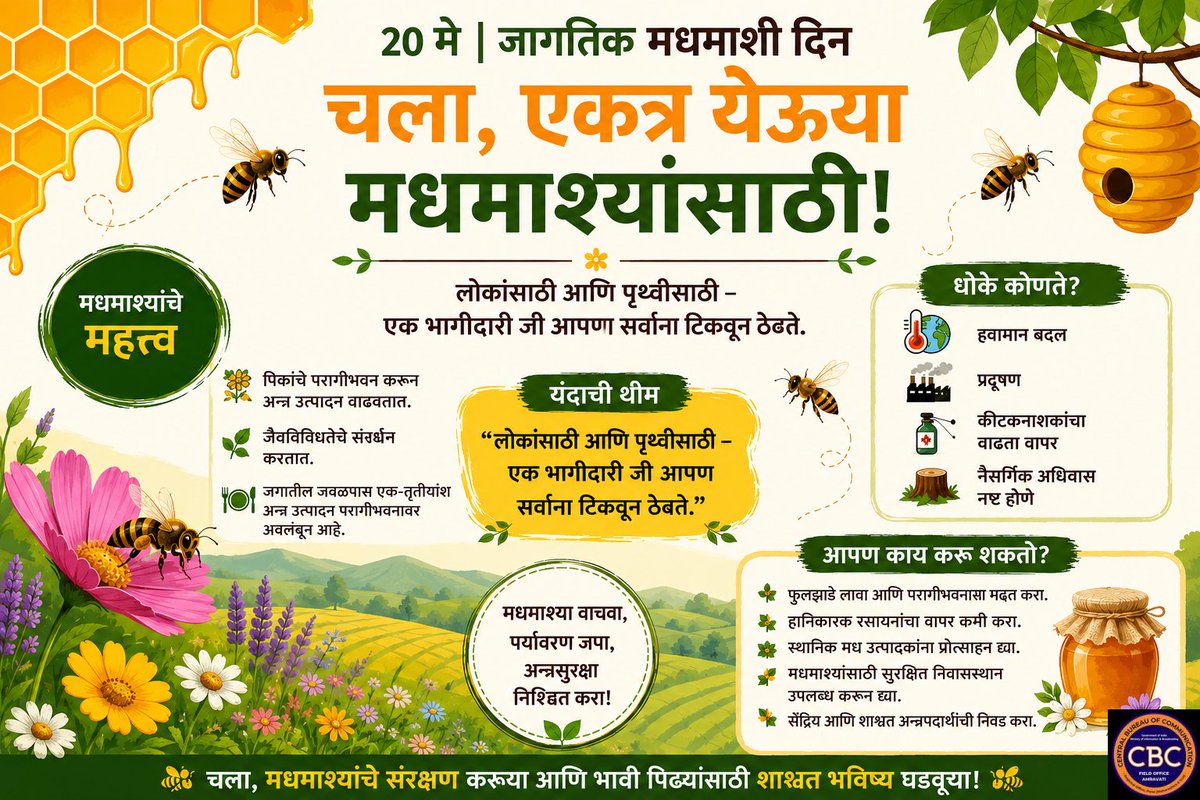
जागतिक मधमाशी दिन – २० मे
मधमाश्या परागीभवन, जैवविविधता व अन्नसुरक्षेसाठी महत्त्वाच्या आहेत. फुलझाडे लावा, रसायनांचा वापर कमी करा आणि मधमाश्यांचे संरक्षण करून पर्यावरण वाचवा. 🌍
🐝मधमाश्या वाचवा, पर्यावरण जपा! 🐝
#WorldBeeDay
#SaveBees
#BeeTogether
#PollinatorProtection
2
2
90

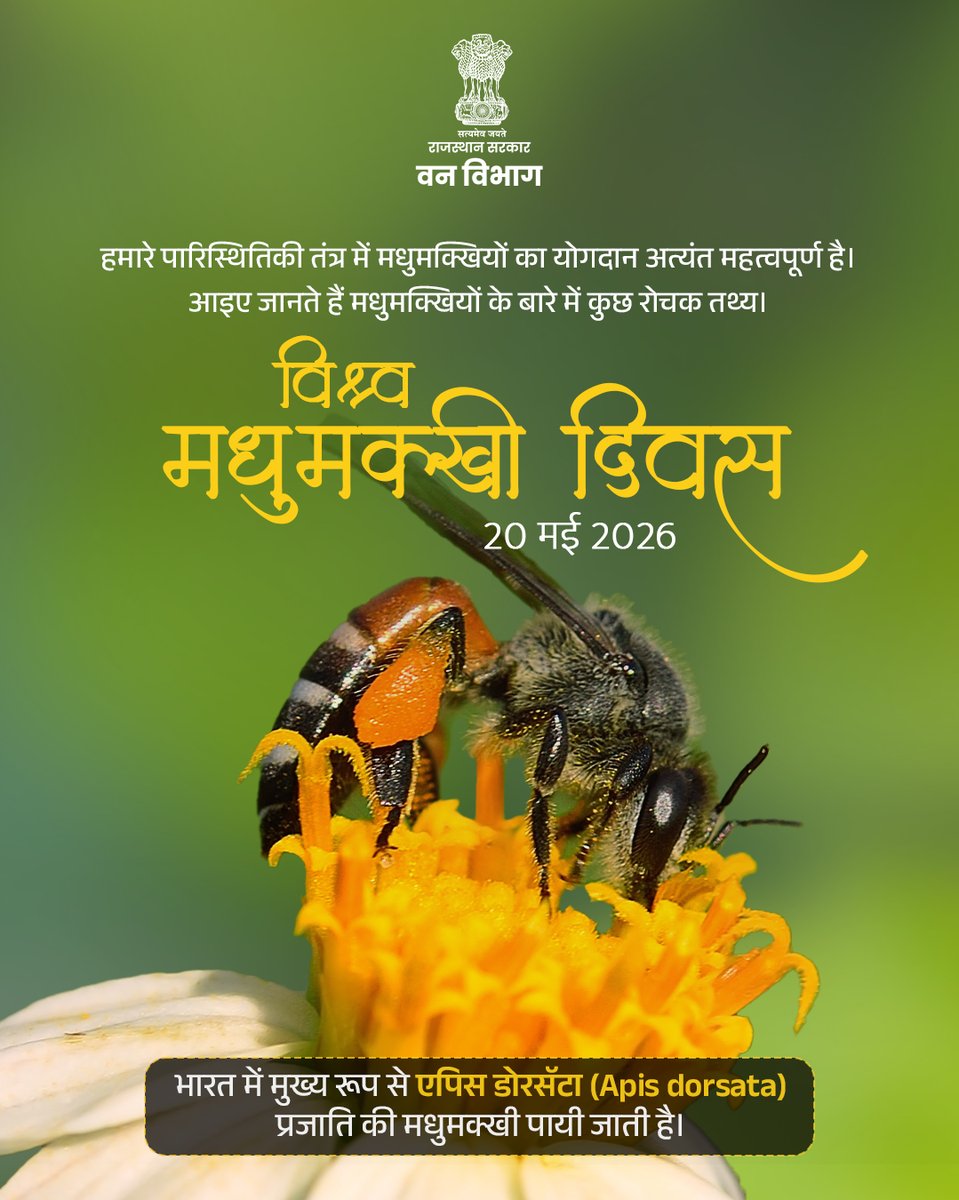
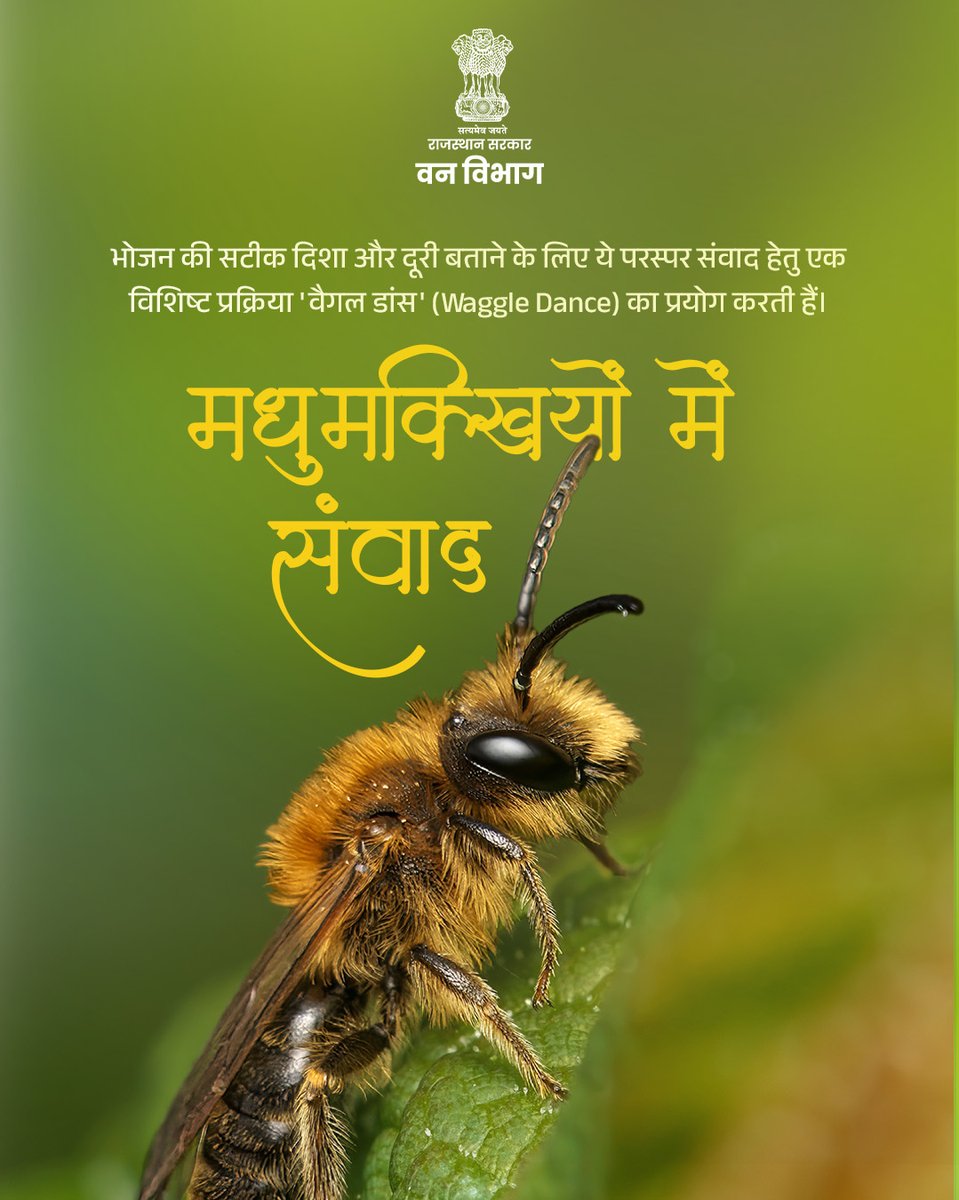
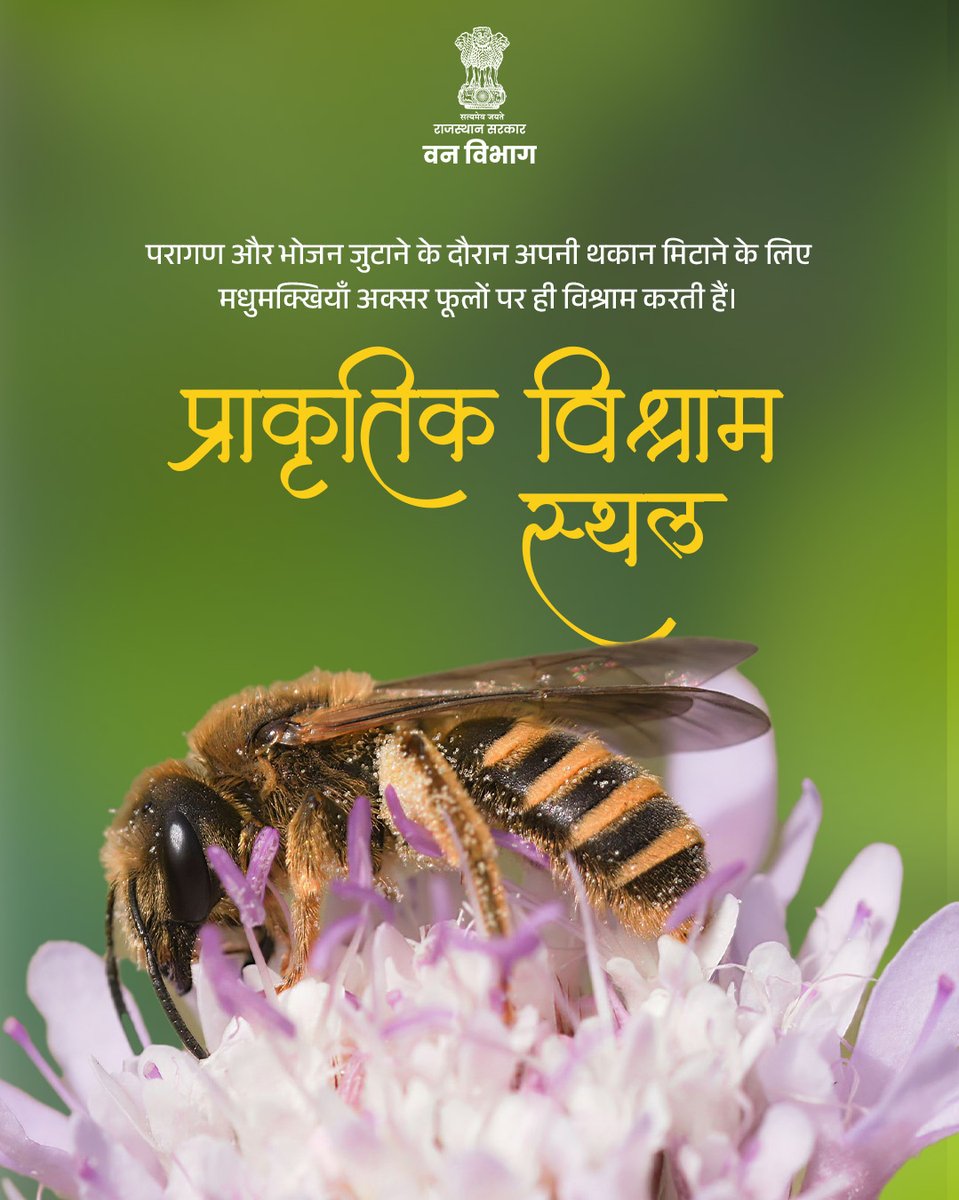
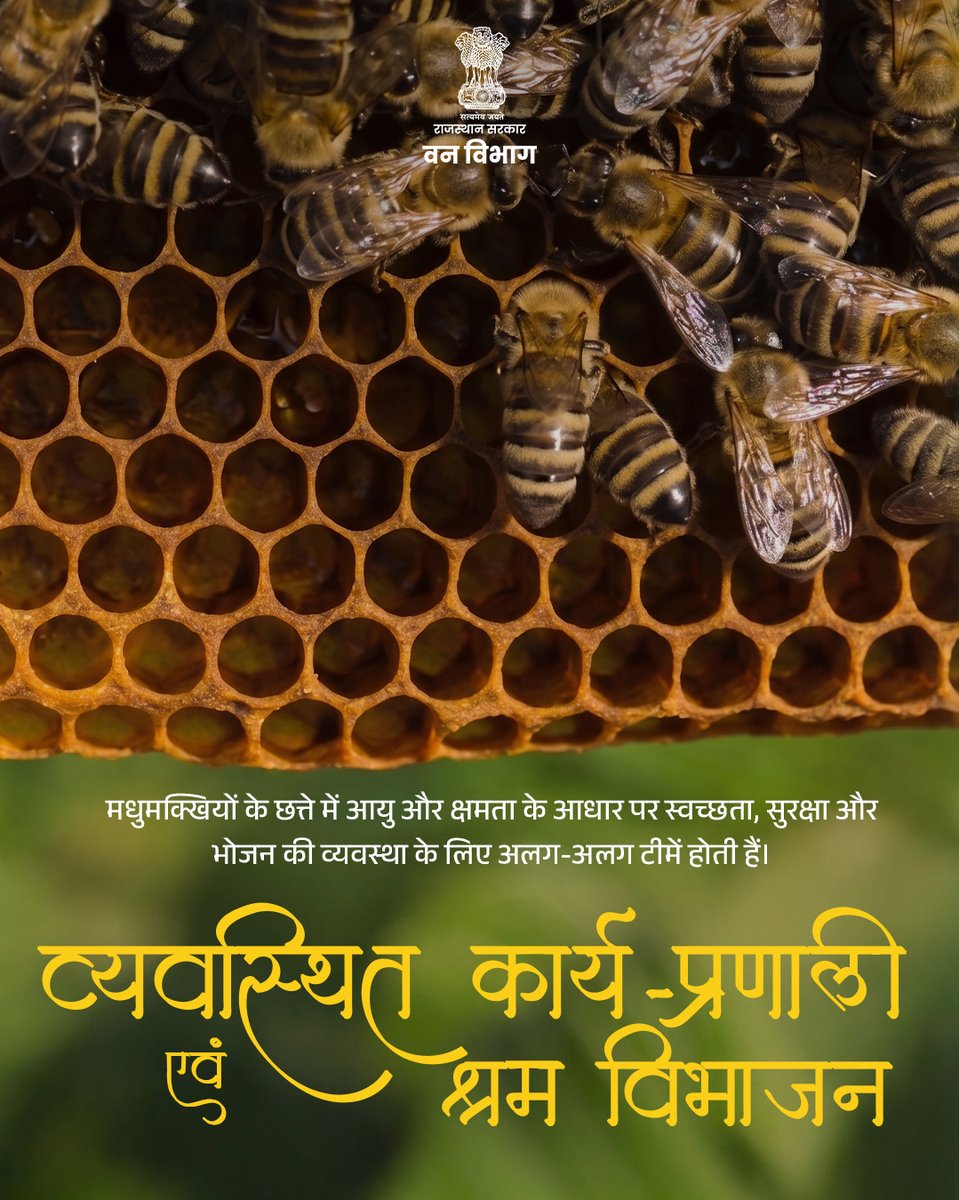
मधुमक्खियाँ हमारे पारिस्थितिकी तंत्र की जीवनरेखा हैं। ये केवल शहद ही नहीं बनातीं, बल्कि परागण के माध्यम से वनस्पति, कृषि और जैव विविधता के संतुलन को बनाए रखने में भी महत्वपूर्ण योगदान देती हैं।
#WorldBeeDay2026 #BeeConservation #PollinatorProtection #Biodiversity #SaveTheBees
1
4
271

May 17
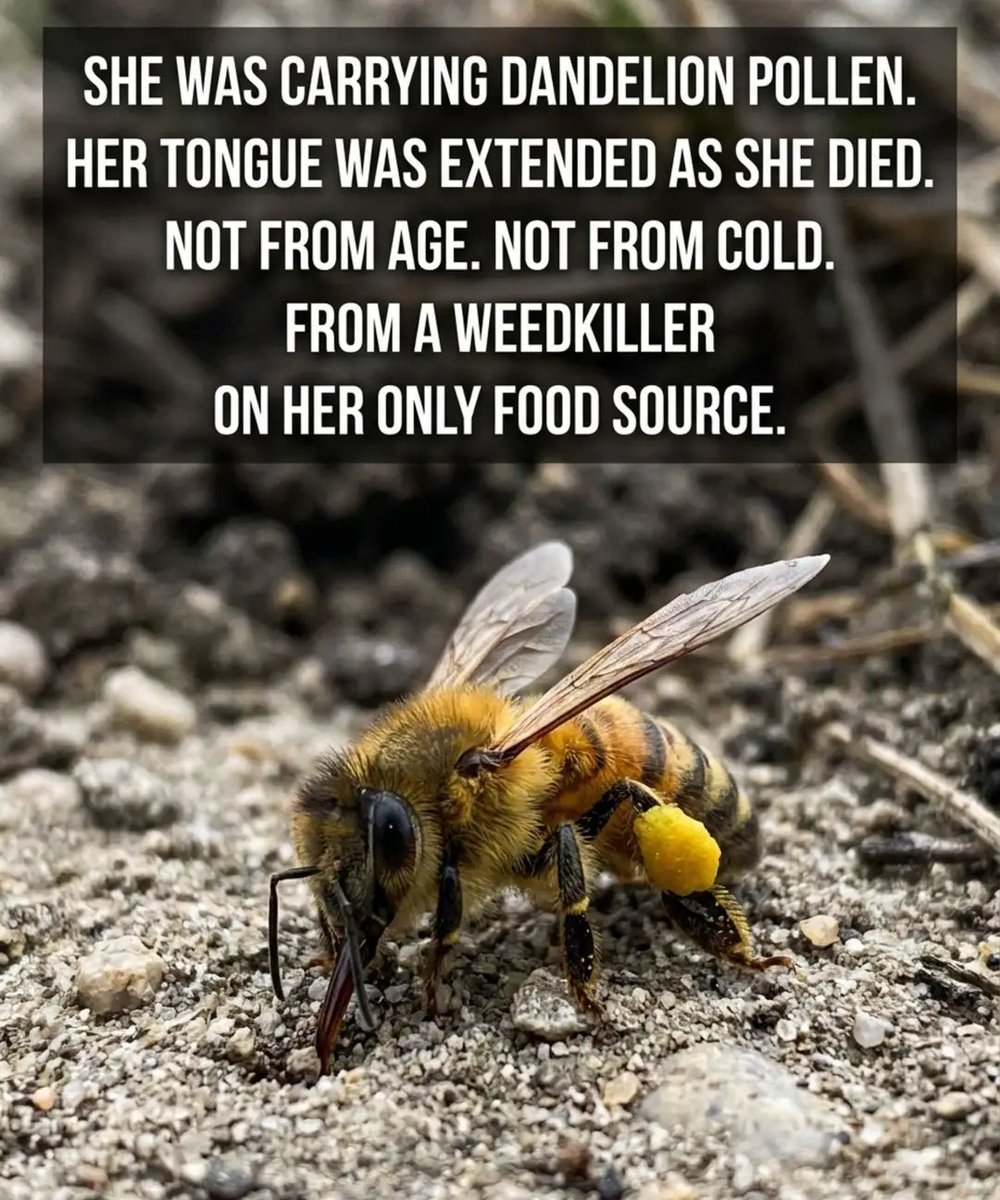
She was carrying dandelion pollen. Her tongue was extended as she died. Not from age. Not from cold. From a herbicide applied to her only available food source. 🐝
The extended proboscis visible in this photograph is a documented indicator of pesticide poisoning in honeybees — not a natural death posture.
In April and May, dandelions, early wildflowers, and fruit tree blossom make up much of what is available to foraging bees before summer flowers open. A herbicide or systemic weedkiller applied to these plants during flowering can kill foraging workers before they return to the hive.
A few practical adjustments that make a difference:
Before treating any area of the garden, check whether flowers are open and accessible to insects. If they are, wait.
Bees begin foraging from around 8am on warm mornings. Avoid any pesticide or herbicide application during daylight hours when insects are active.
Leaving so-called weeds to flower until mid-June provides a food source that has no alternative for many early-season pollinators.
The dandelion she was carrying pollen from cost nothing to leave standing. 🌼
#NoPesticides #PollinatorProtection #BeeFriendlyGarden #NoMowMay
2
13
27
337

May 15
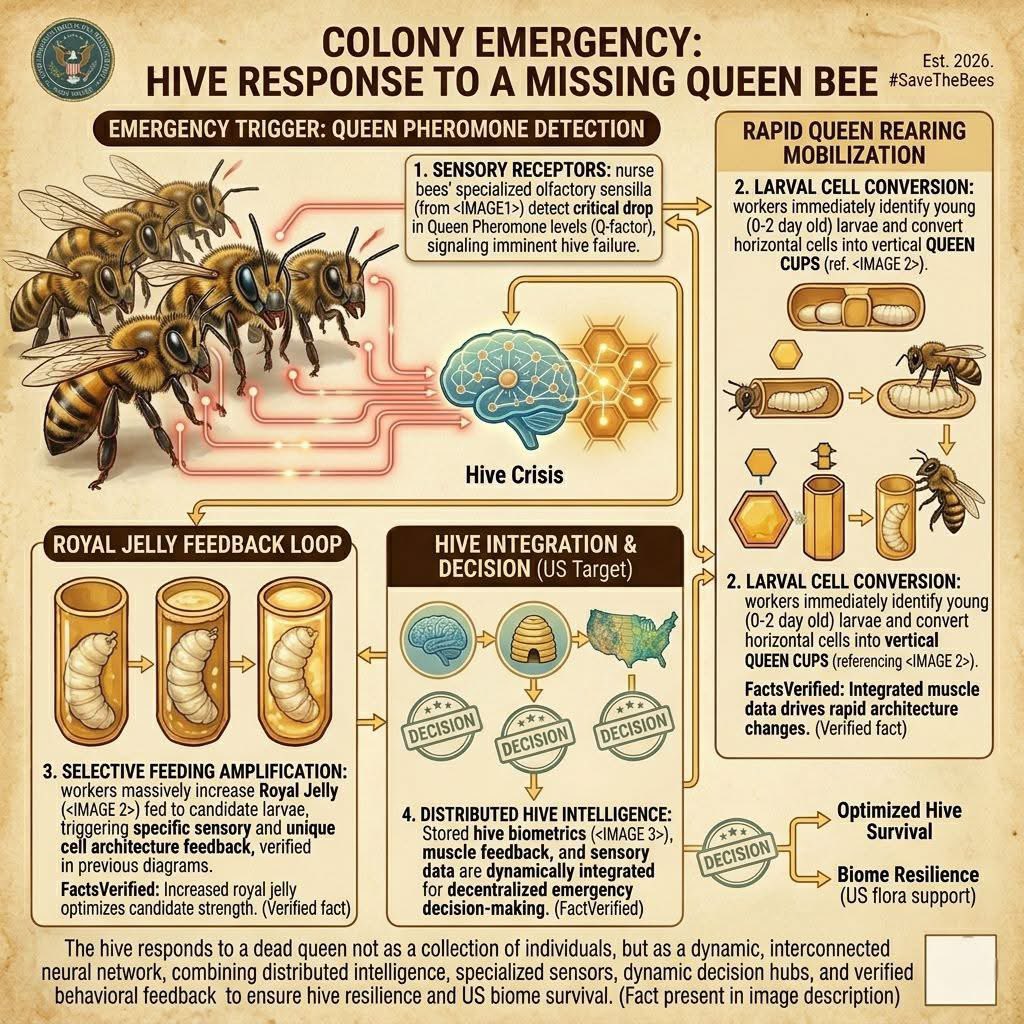
Discover how bees handle the heat with this fascinating infographic! 🌡️🐝
Titled "The Bee Thermostat: Active Hive Cooling," this detailed guide from the "USA Bee Facts Series" reveals the sophisticated techniques honey bee colonies use to manage their home's temperature. It breaks down the process into four key methods:
"Hive AC - The Fanning Crew": Watch specialized fanner bees line up at the entrance, synchronizing their wing beats to create powerful air currents. They actively draw in cool air and push out hot, humid air to keep the crucial brood chamber at a perfect 35°C (95°F).
"The Optimal Range Map": See a visual diagram of how cool and hot air circulates through the hive supers, highlighting the strict temperature control needed for healthy brood development.
"'Bearding' - The Heat Venting Tactic": Learn about this dramatic emergency response! When temperatures soar, bees mass outside the hive in a giant "beard" to reduce internal body heat and improve overall airflow.
"Summary: Dynamic Collective Effort": A final look at how this dynamic, coordinated behavior functions as a single thermal engine to ensure the survival of the hive.
This beautifully illustrated guide is part of the #SaveTheBees campaign. 💛🌻
#SaveTheBees #BeekeepingLife #HoneyBeeFacts #NatureScience #USABeekeeping #HiveManagement #BeekeepingTips #BackyardBeekeeper #PollinatorProtection #SustainableNature #NatureIsAmazing #BeeSmart #EntomologyWorld #EcoFriendlyLiving #BeeHealth #NatureEducation #WildlifeConservation #AmericanBeekeeping
4
55
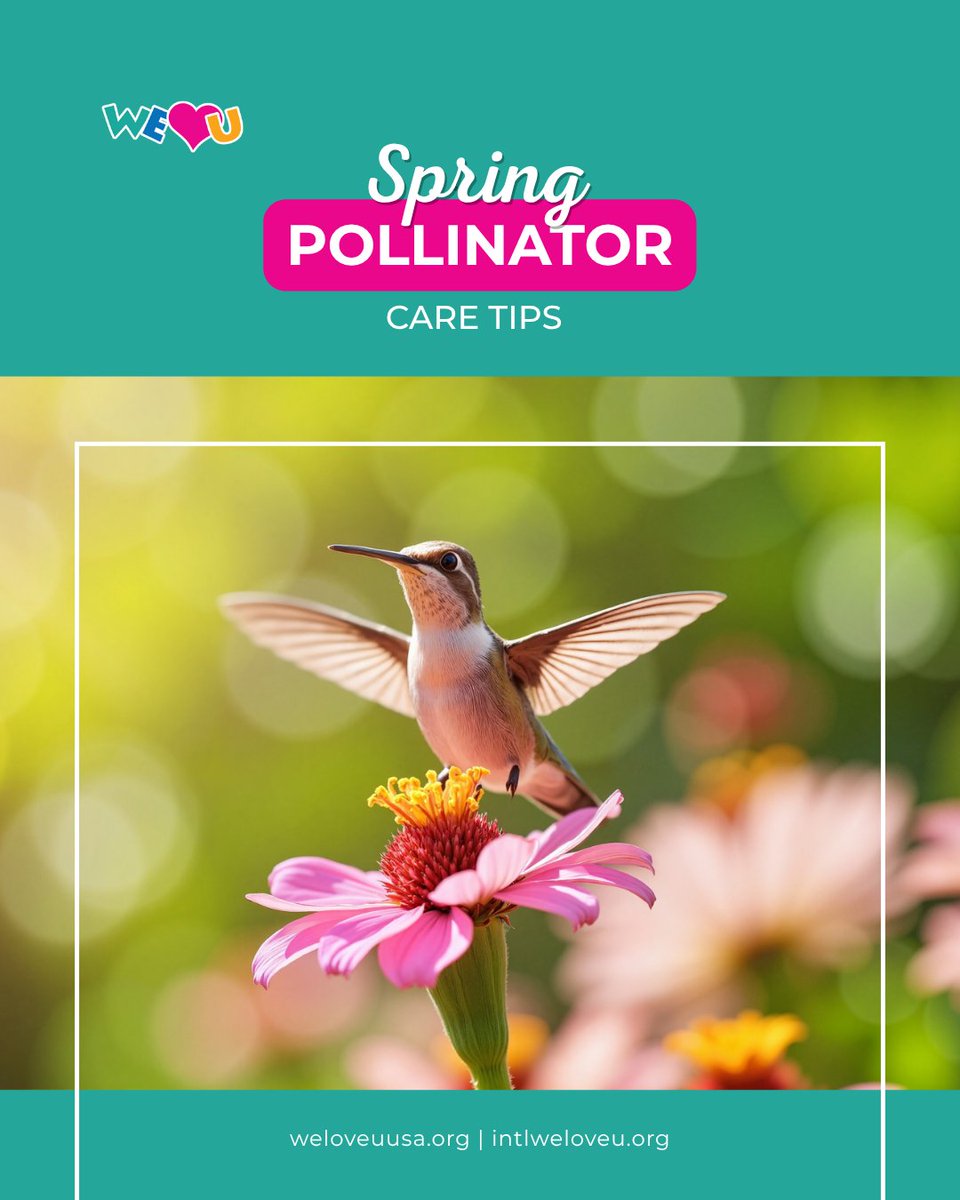
Pollinators are back this spring 🐝🌱
Simple actions can help them thrive this season—every small step counts!
They help create 1 in 3 bites of food we eat 😮
Let’s help our world bloom!
#WeLoveU #PollinatorProtection #EcoFriendlyLiving #PlantNative #ChairwomanZahngGiljah
1
5
27
106

Feb 18
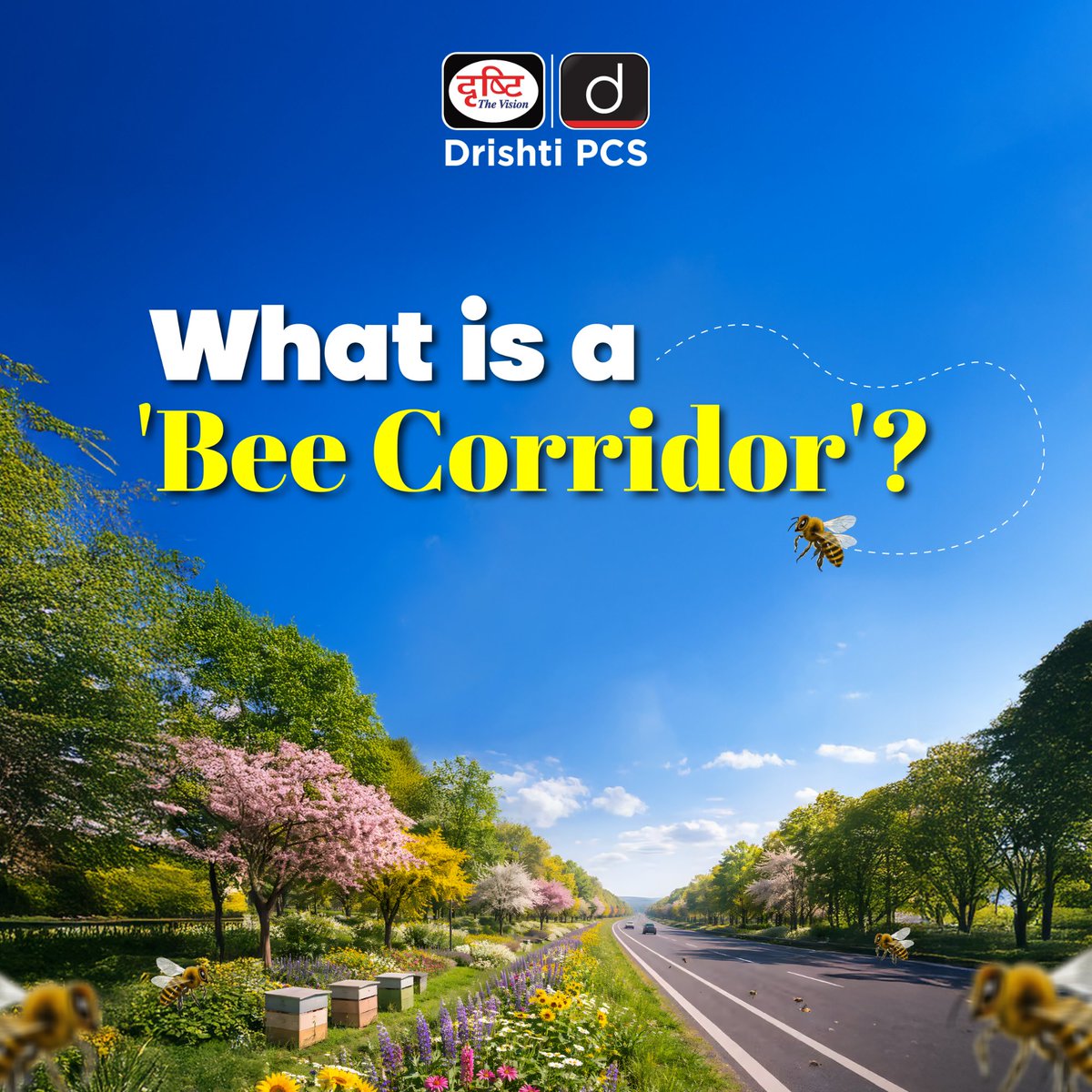
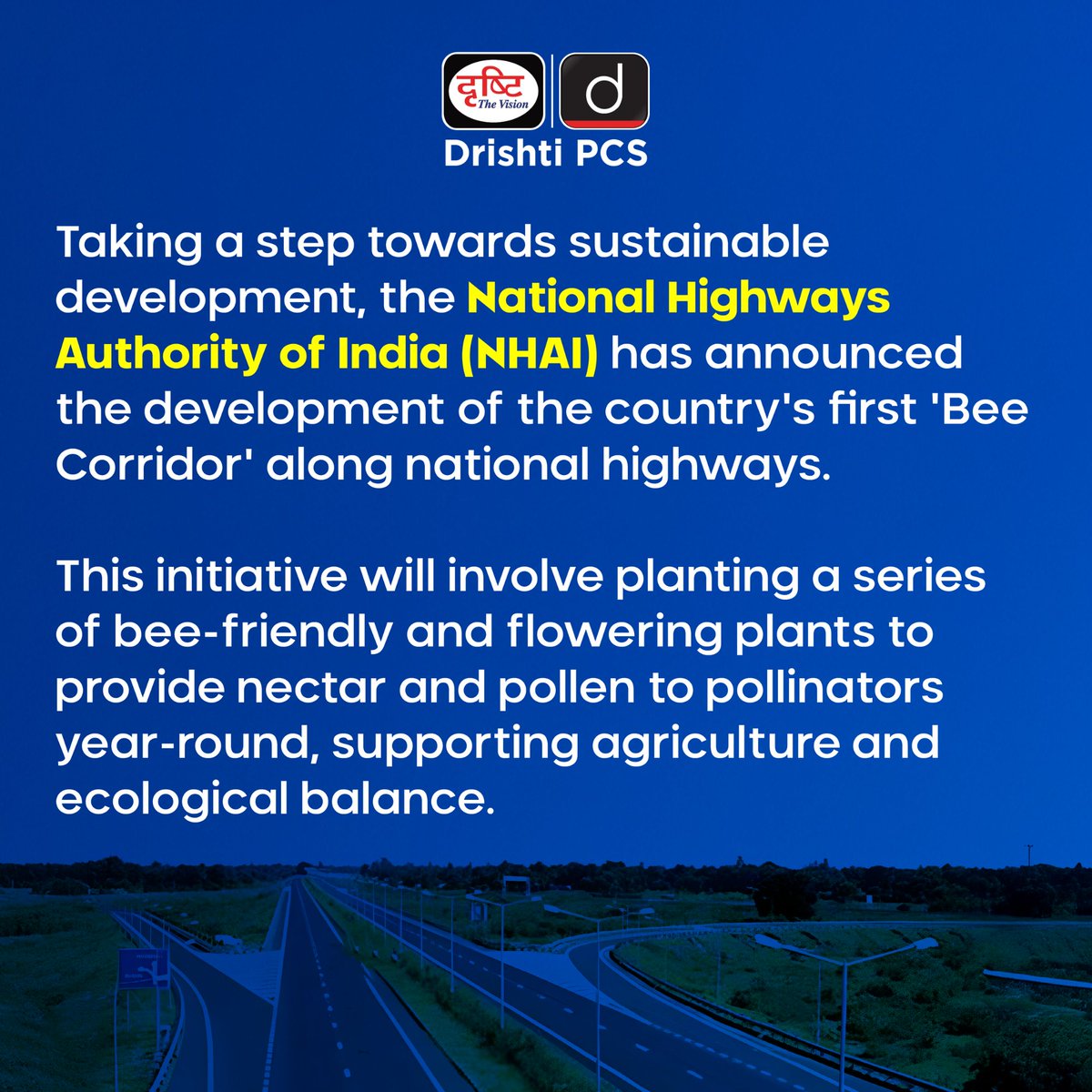
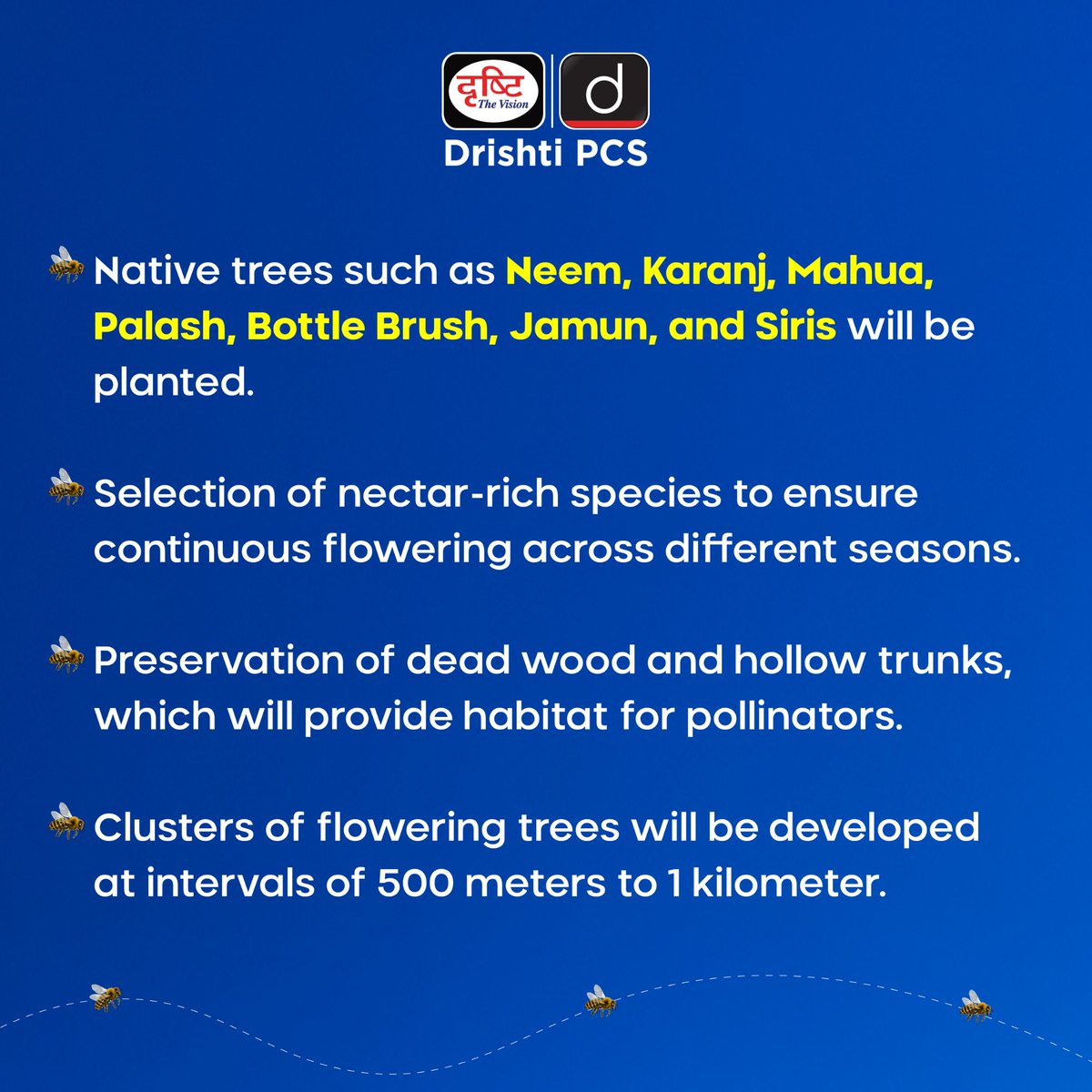
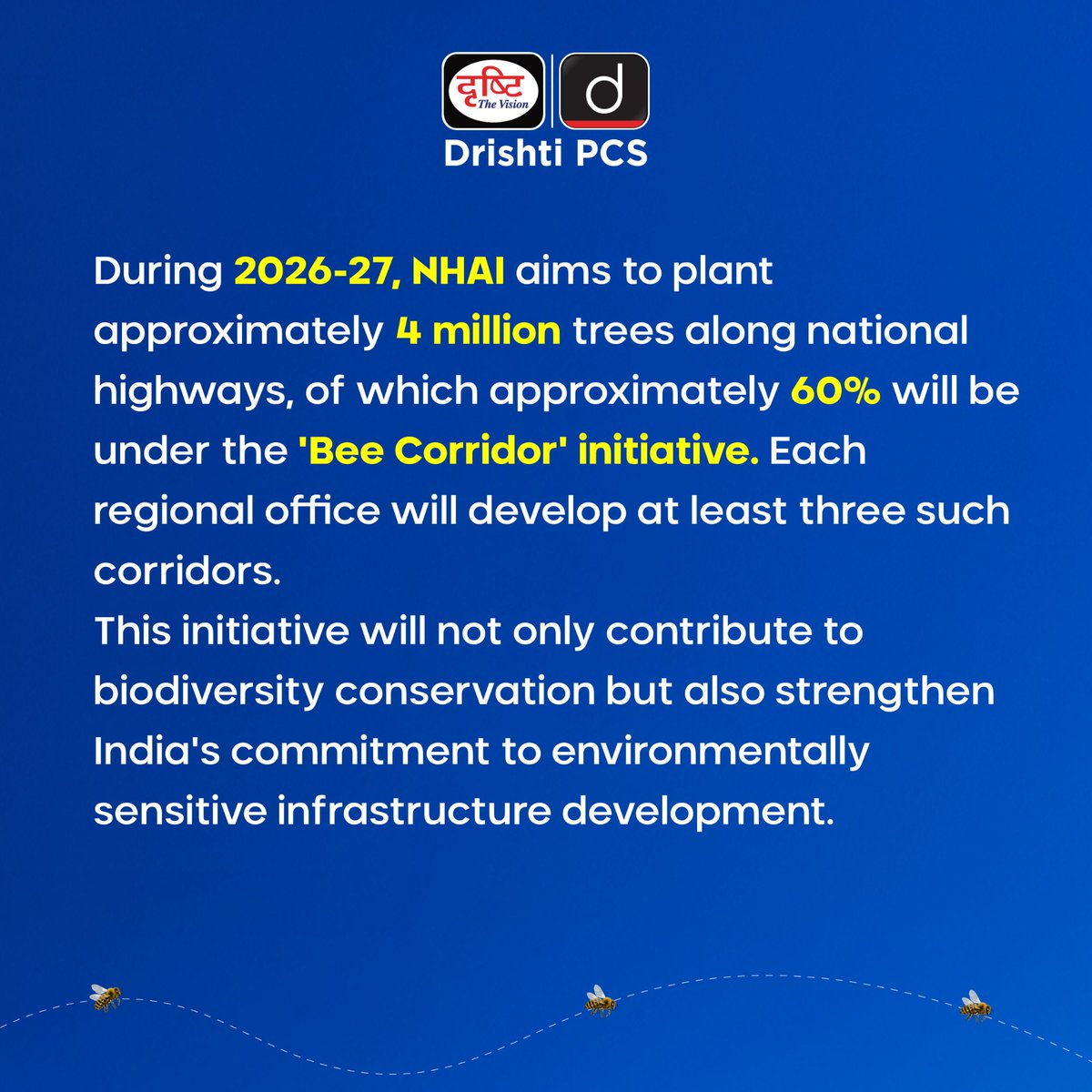
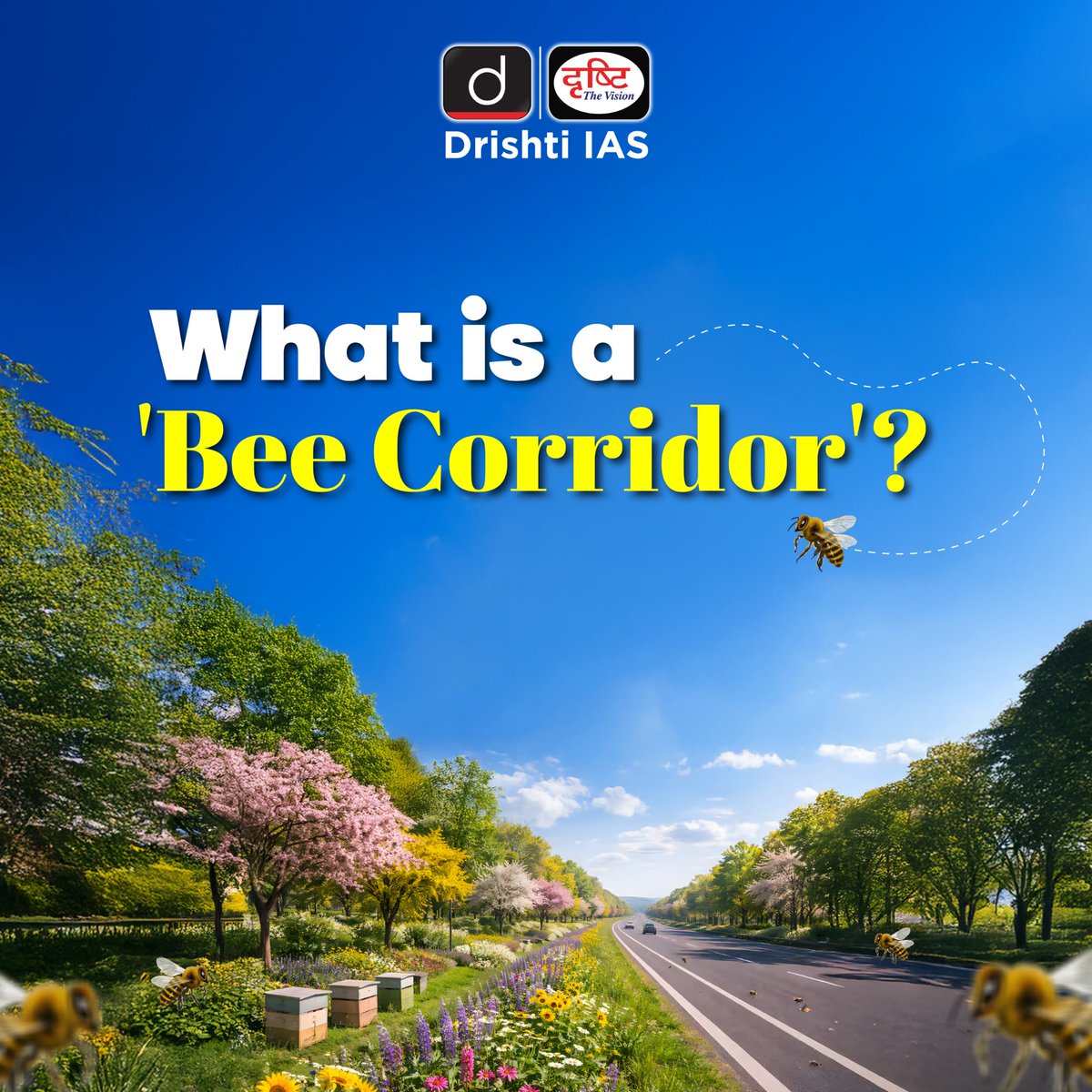
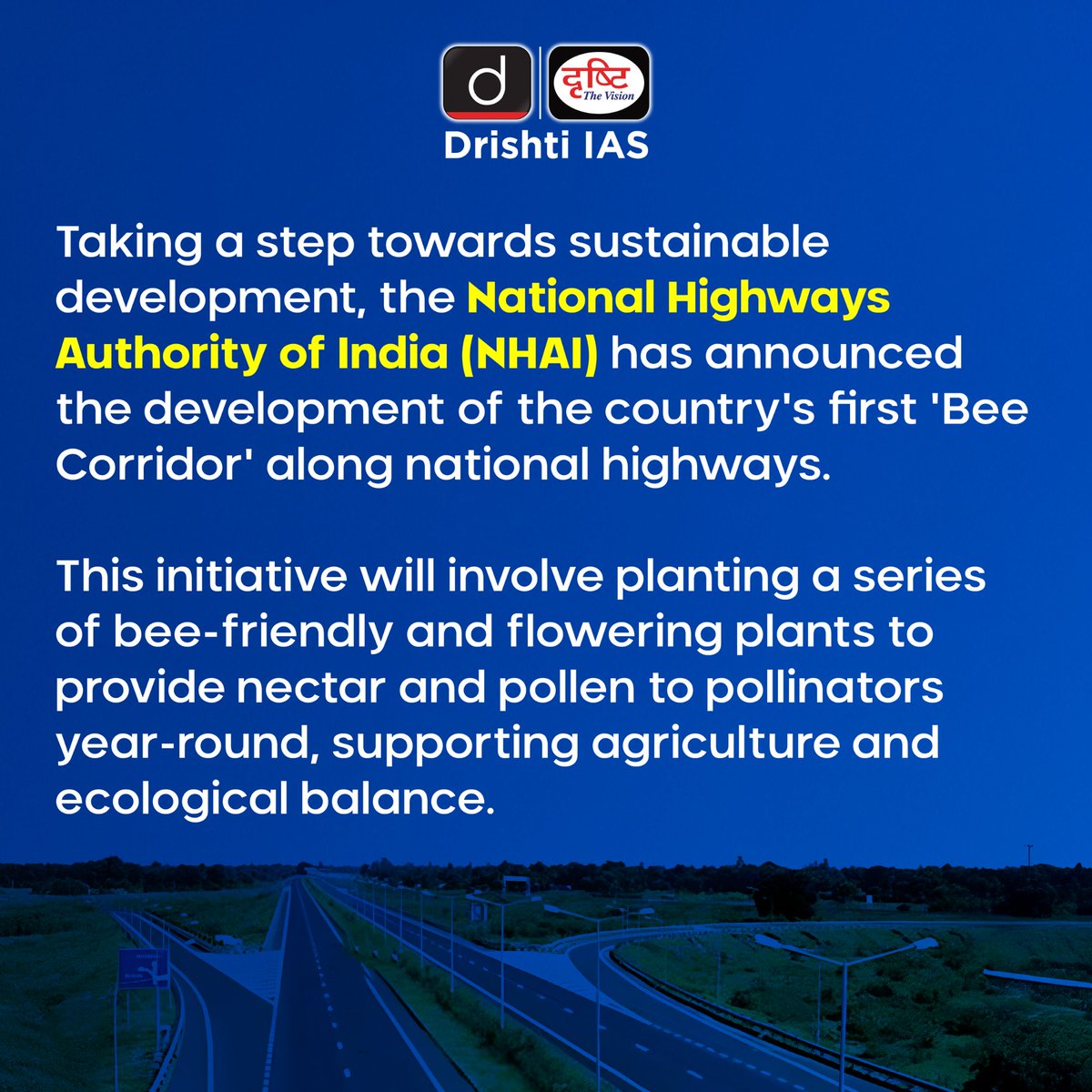
‘Bee Corridor’ – A New Green Highway Initiative
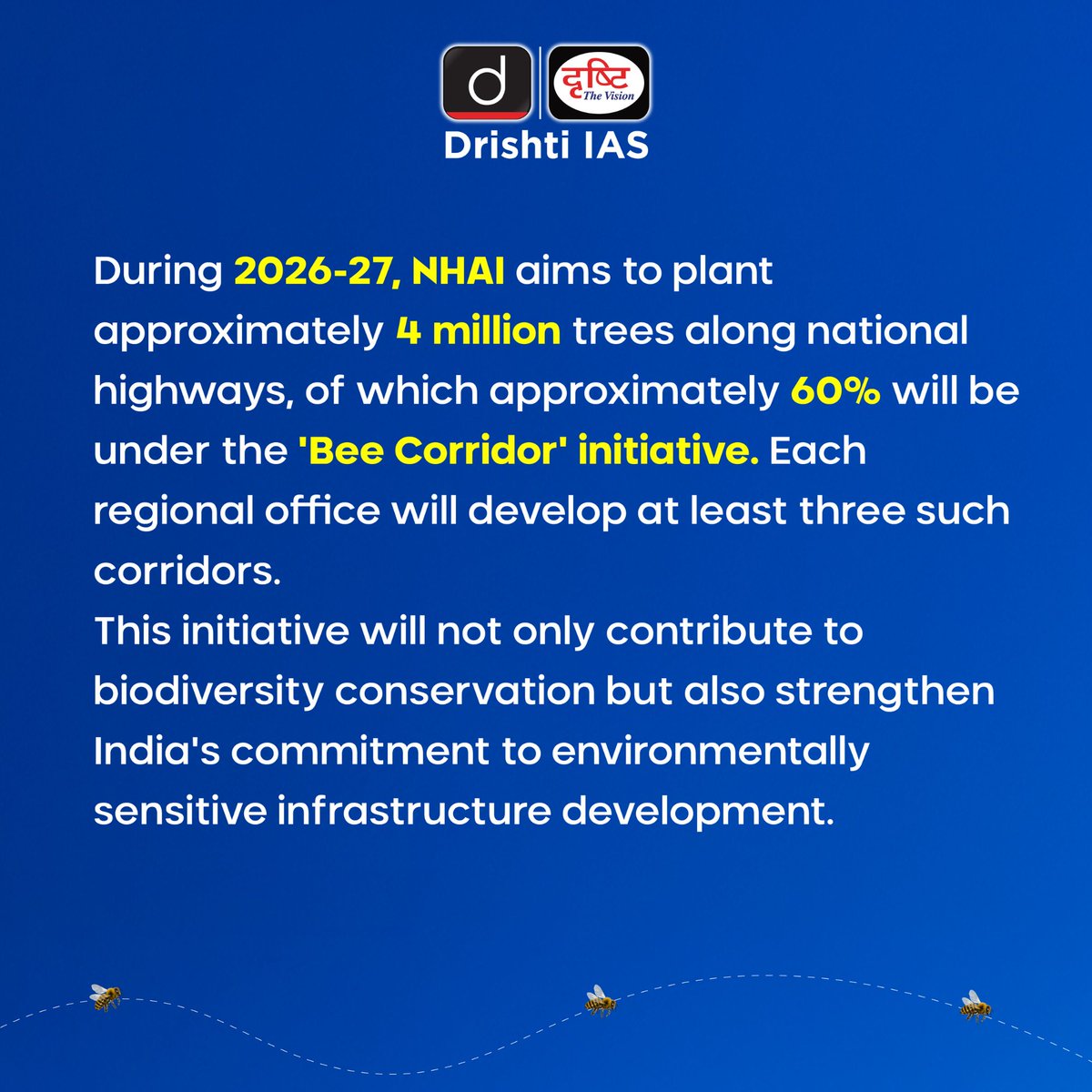
National Highways will no longer be merely a means of transportation, but will also become vehicles for biodiversity conservation.
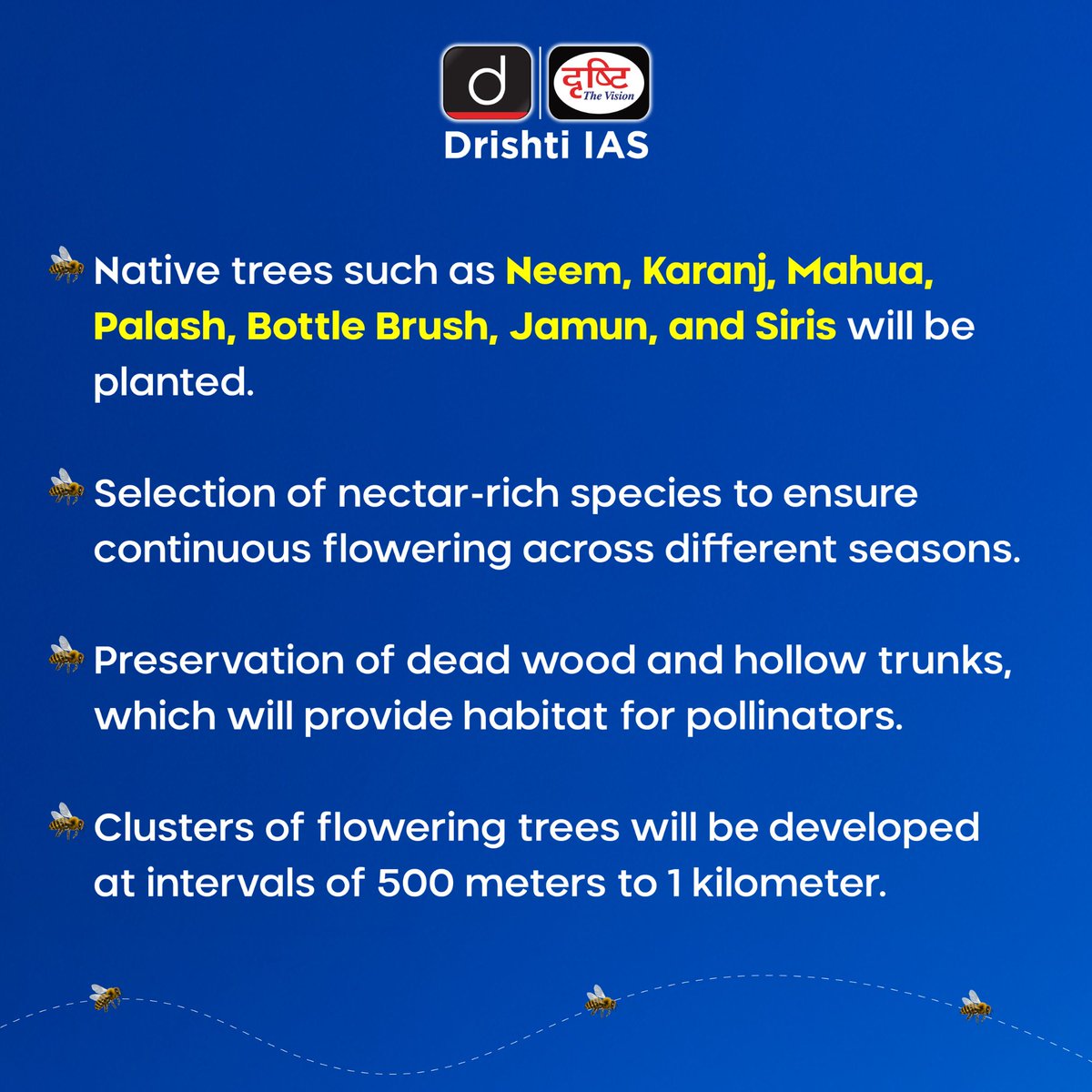
Through a series of bee-friendly plants and native trees, this initiative will protect pollinators, strengthen agricultural productivity, and ecological balance.
.
Will this model prove to be a game-changer in India's sustainable development? Share your opinion.
.
#NHAI #BeeCorridor #GreenHighways #SustainableDevelopment #Biodiversity #PollinatorProtection #EnvironmentalConservation #DrishtiIAS #DrishtiPCS
1
114

Feb 18
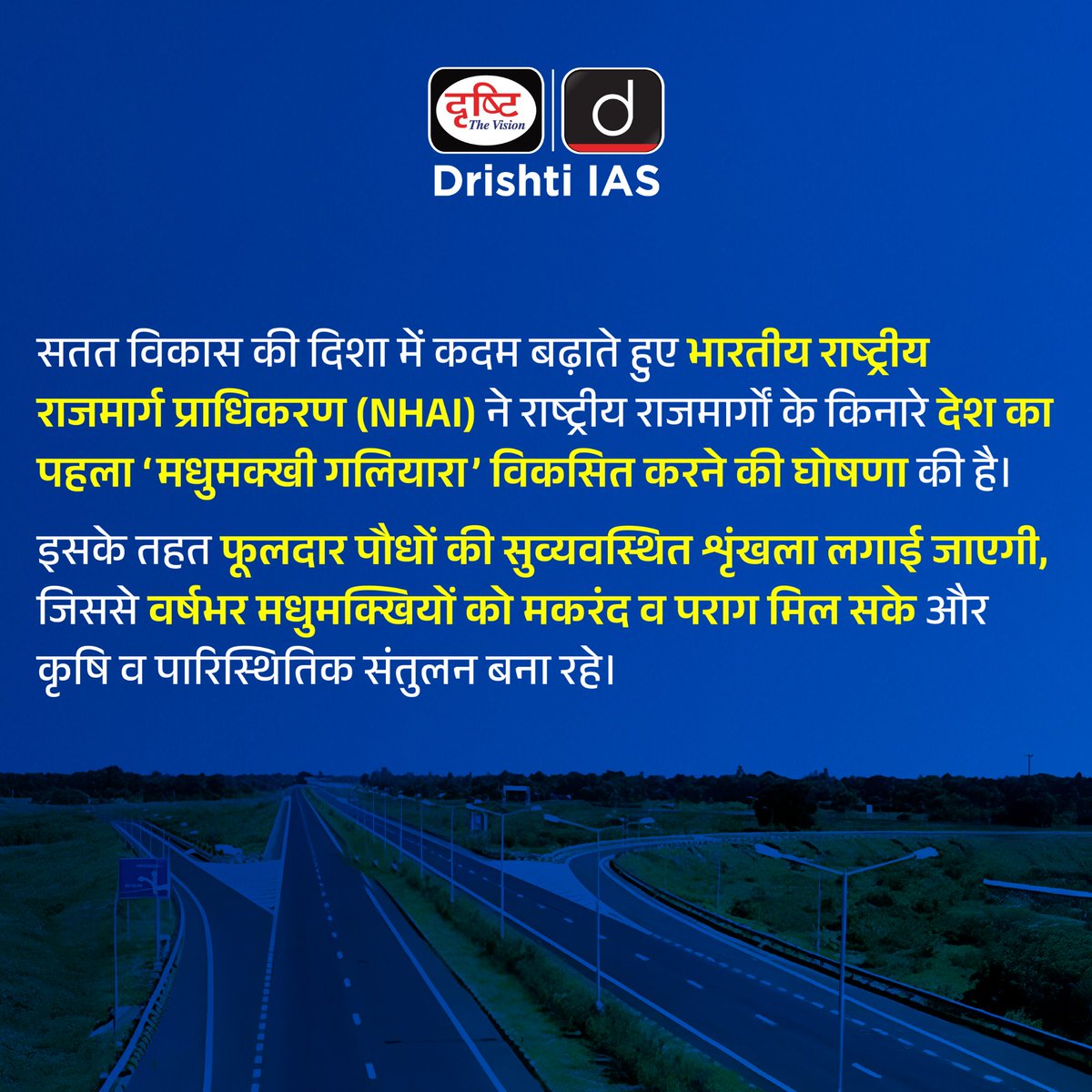
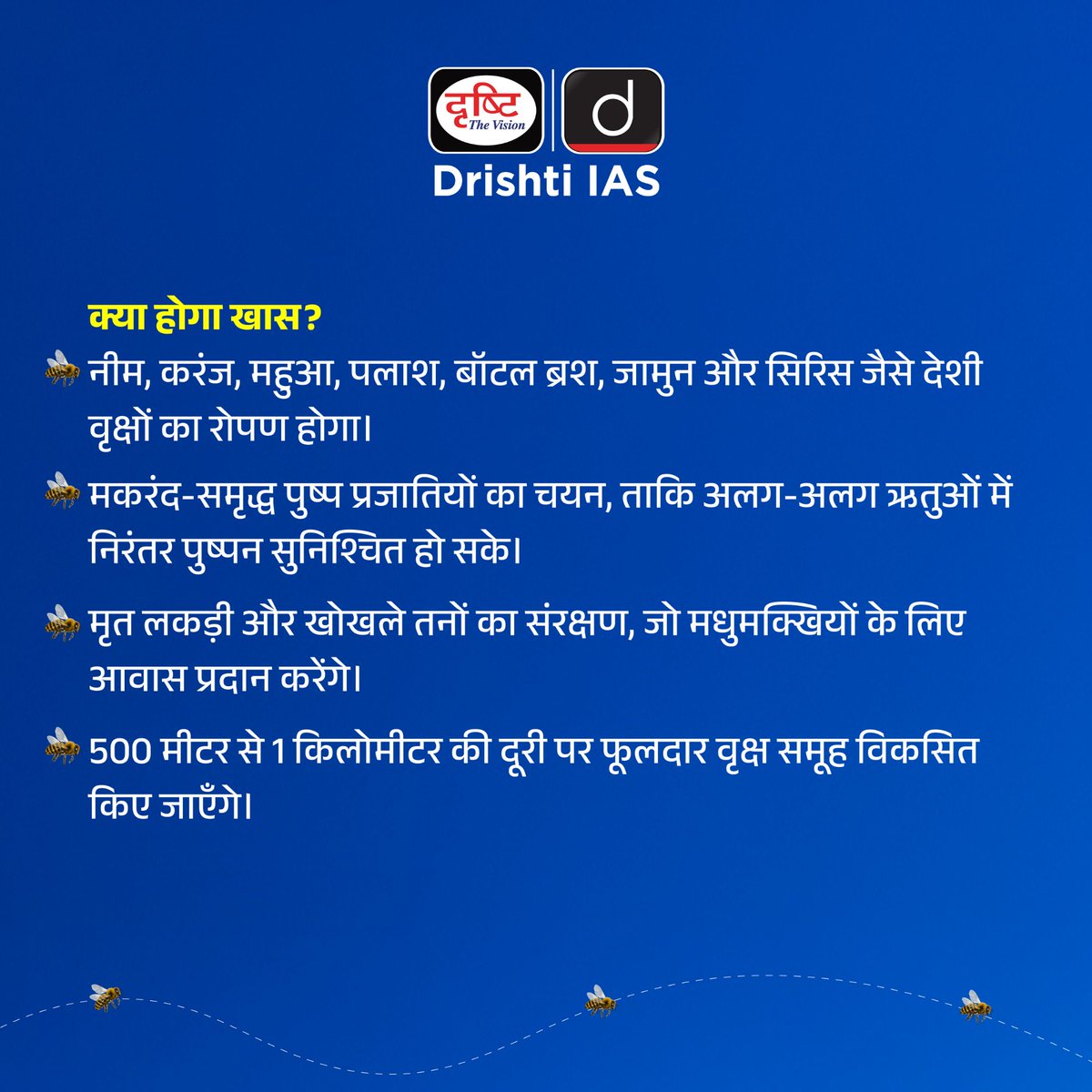
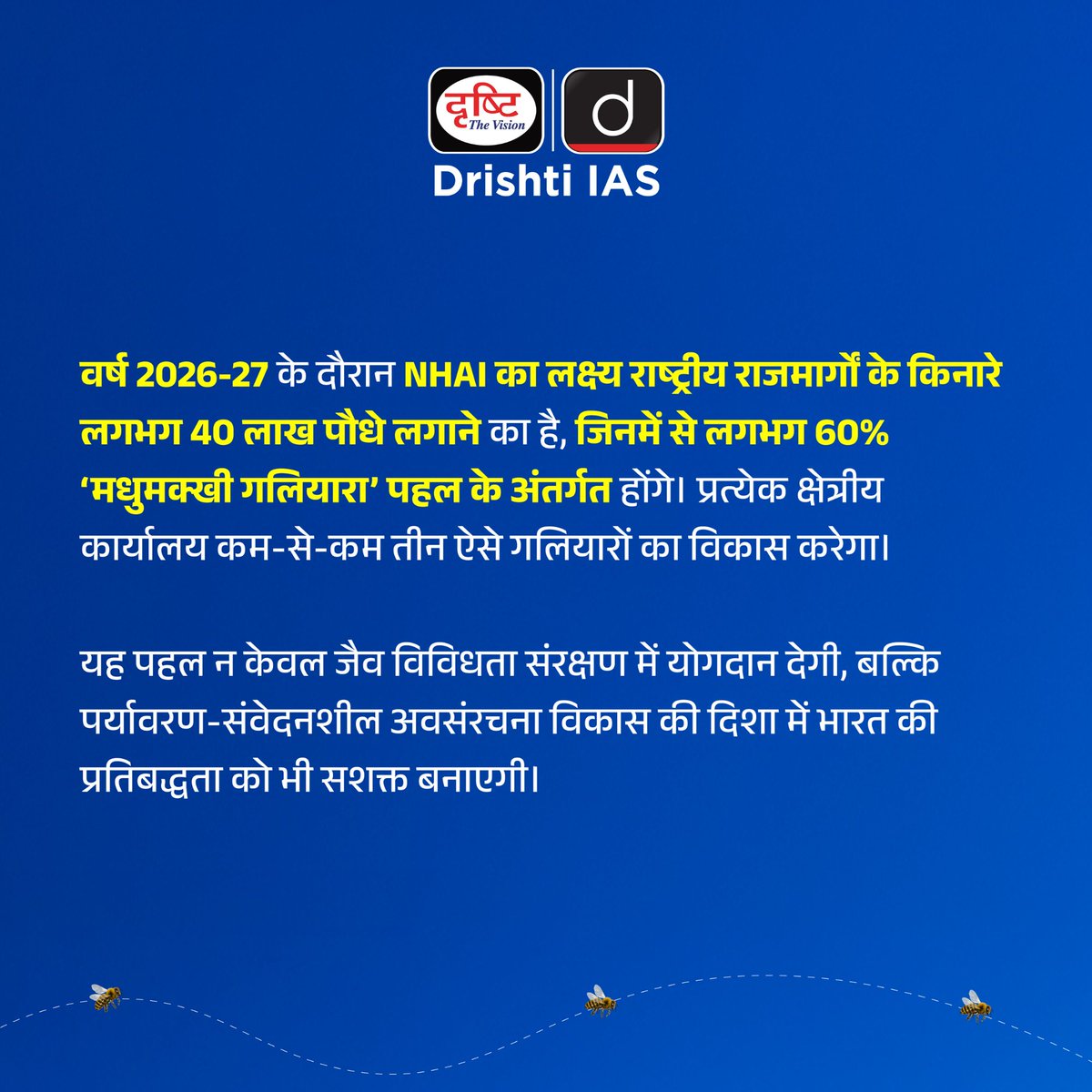
‘मधुमक्खी गलियारा’ - हरित राजमार्गों की नई पहल
राष्ट्रीय राजमार्ग अब केवल आवागमन का माध्यम नहीं रहेंगे, बल्कि जैव विविधता संरक्षण के वाहक भी बनेंगे।
मधुमक्खी-अनुकूल पौधों और देशी वृक्षों की श्रृंखला के माध्यम से यह पहल परागणकर्ताओं की रक्षा, कृषि उत्पादकता और पारिस्थितिक संतुलन को सशक्त करेगी।
.
क्या यह मॉडल भारत के सतत विकास की दिशा में बड़ा परिवर्तन साबित होगा? अपनी राय साझा करें।
.
#NHAI #BeeCorridor #GreenHighways #SustainableDevelopment #Biodiversity #PollinatorProtection #EnvironmentalConservation #DrishtiIAS

1
21
124
2,770

‘Bee Corridor’ – A New Green Highway Initiative
National Highways will no longer be merely a means of transportation, but will also become vehicles for biodiversity conservation.
Through a series of bee-friendly plants and native trees, this initiative will protect pollinators, strengthen agricultural productivity, and ecological balance.
Will this model prove to be a game-changer in India's sustainable development? Share your opinion.
#NHAI #BeeCorridor #GreenHighways #SustainableDevelopment #Biodiversity #PollinatorProtection #EnvironmentalConservation #DrishtiIAS #DrishtiIASEnglish
1
14
82
1,995

Feb 14
These bee bricks are helping cities be part of the solution for pollinators 🐝🏙️
Day 64 | #100DaysofEmbracingInnovation
linkedin.com/posts/toluwani-…
#100daysofembracinginnovation #100daysofsdgaction #sustainability #innovationforchange #pollinatorprotection #biodiversity
1
2
24

Today is #WesternMonarchDay! 🦋
These incredible butterflies have plummeted by over 90% since the 1990s. They’re not just beautiful—they’re vital pollinators making an epic 3,000-mile journey each year.
Let’s act:
✅ Plant native milkweed
✅ Avoid pesticides
✅ Support conservation
Every garden can be a lifeline. 🌿
wildlifearoundtheworld.com/w…
#SaveWesternMonarchs #PollinatorProtection
9
20
226

18 Dec 2025
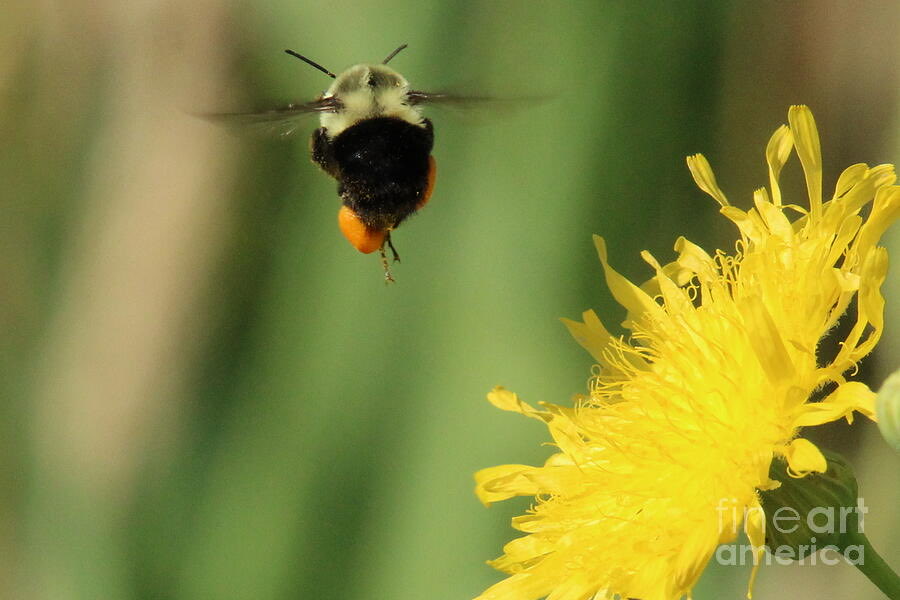
Busy Bumble Bee - artwork now available! fineartamerica.com/featured/…
#BeePollination #Pollinators #SaveTheBees #EcosystemHealth #NatureConservation #PollinatorProtection #BeeFriendly #GardenPollinators #BeeAwareness #InsectConservation #NatureLovers
6
9
103
27 Nov 2025
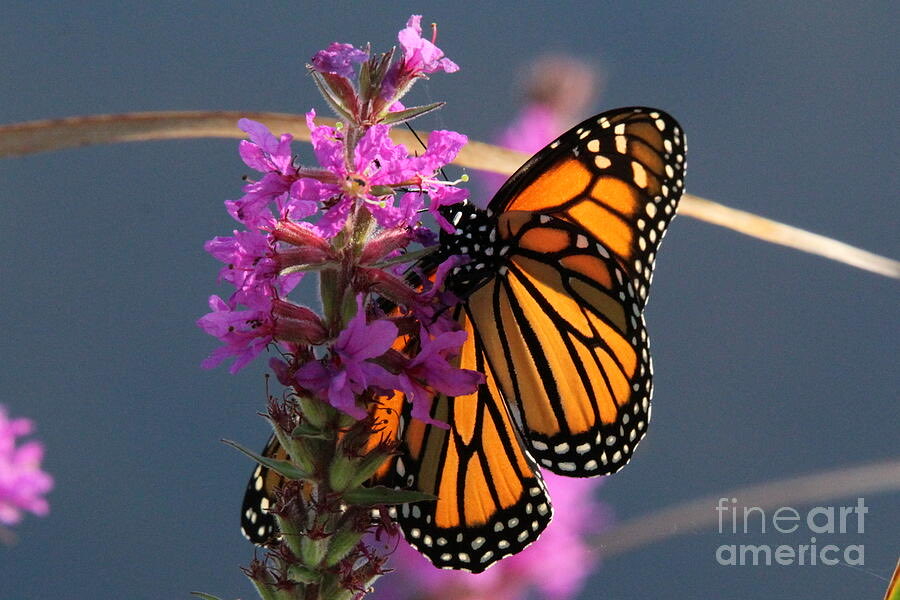
Monarch Butterfly on Wildflower - artwork now available! fineartamerica.com/featured/…
#MonarchButterfly #ButterflyConservation #NatureLovers #PollinatorProtection #InsectBeauty #ButterflyGarden #NaturePhotography #SaveTheMonarchs #ButterflyMigration #WildlifeConservation
3
3
82

27 Nov 2025
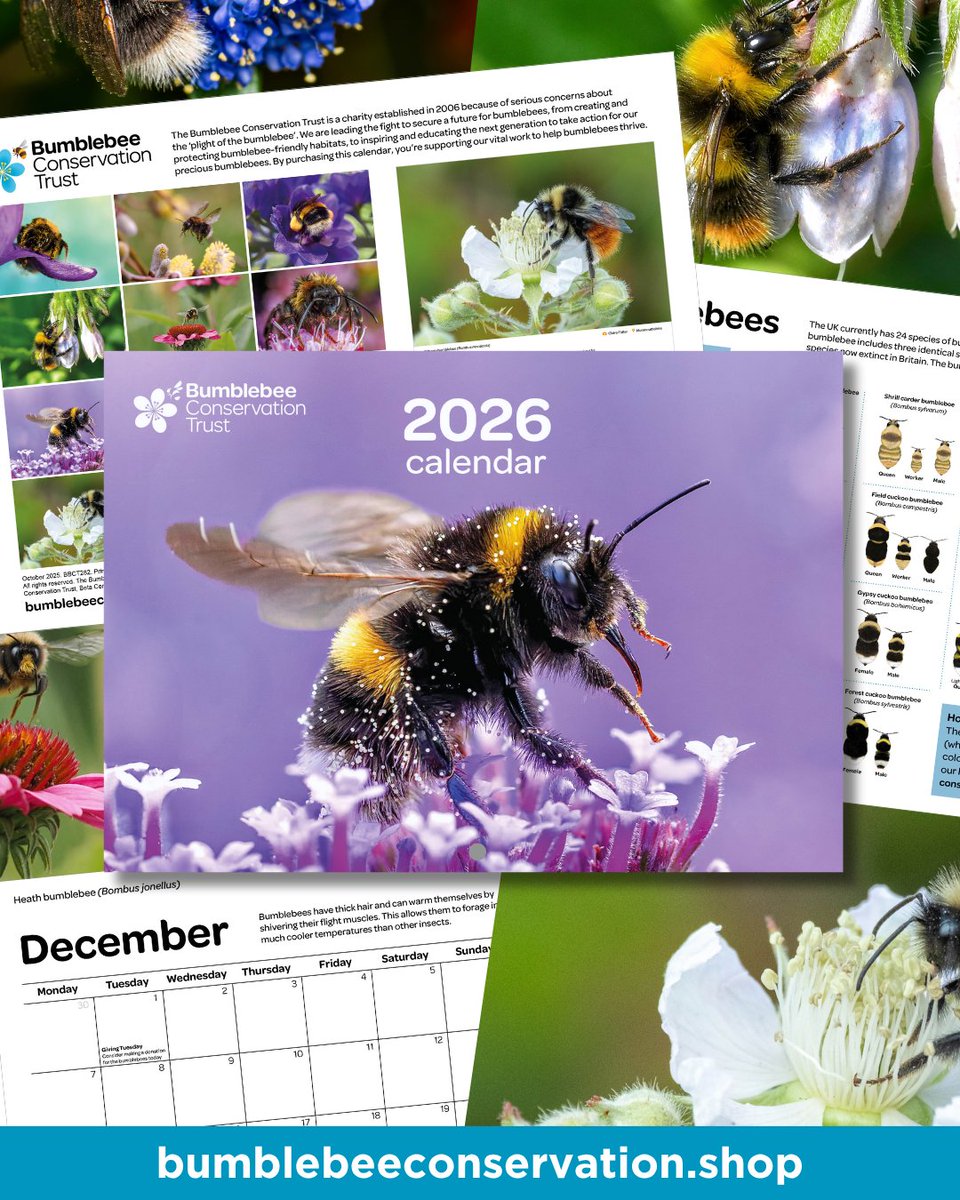
Love this! Beautiful photography, fun facts and brilliant ID guides! Such a lovely way to celebrate our precious pollinators all year round. 🗓️🐝💛 @BumblebeeTrust
#LoveBees #PollinatorProtection
27 Nov 2025

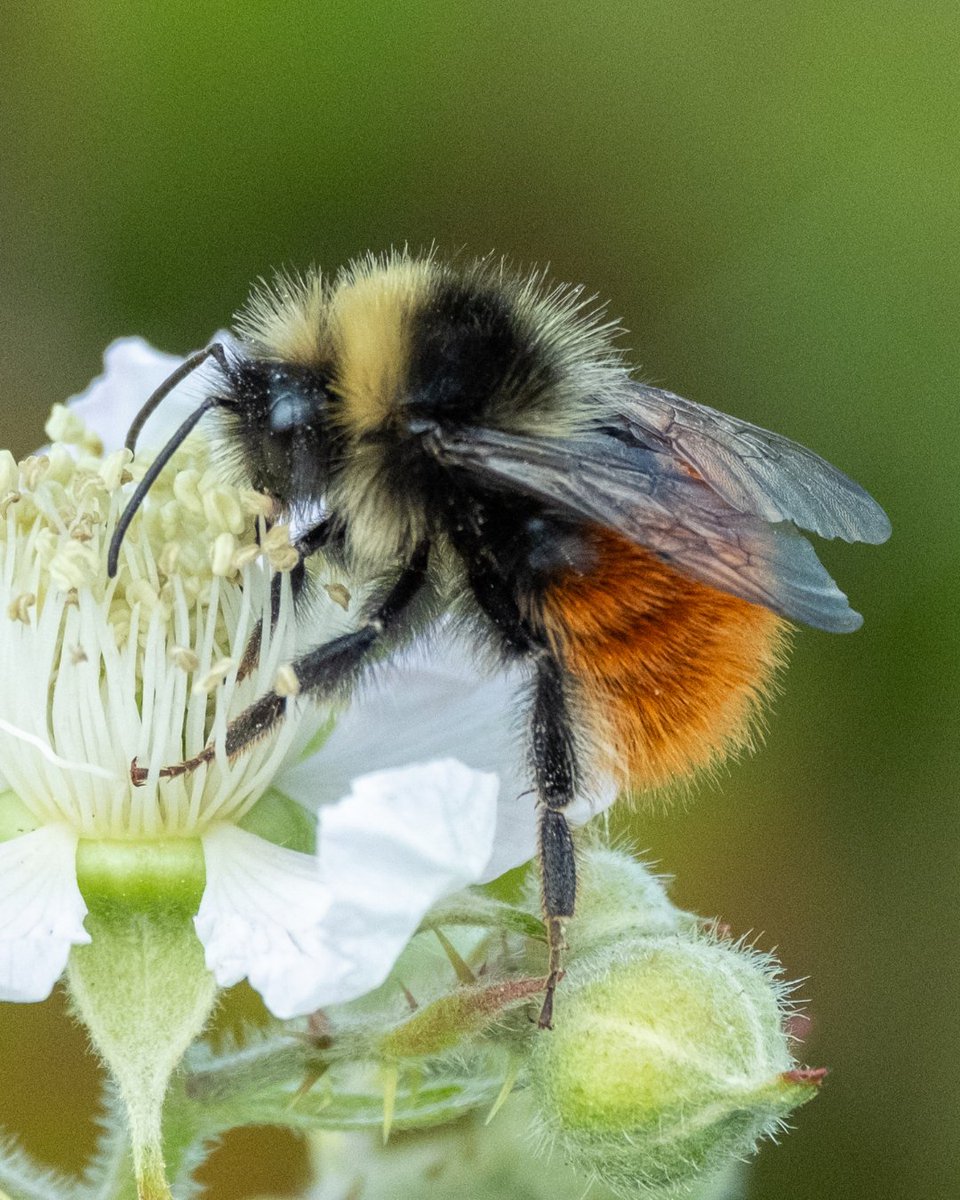
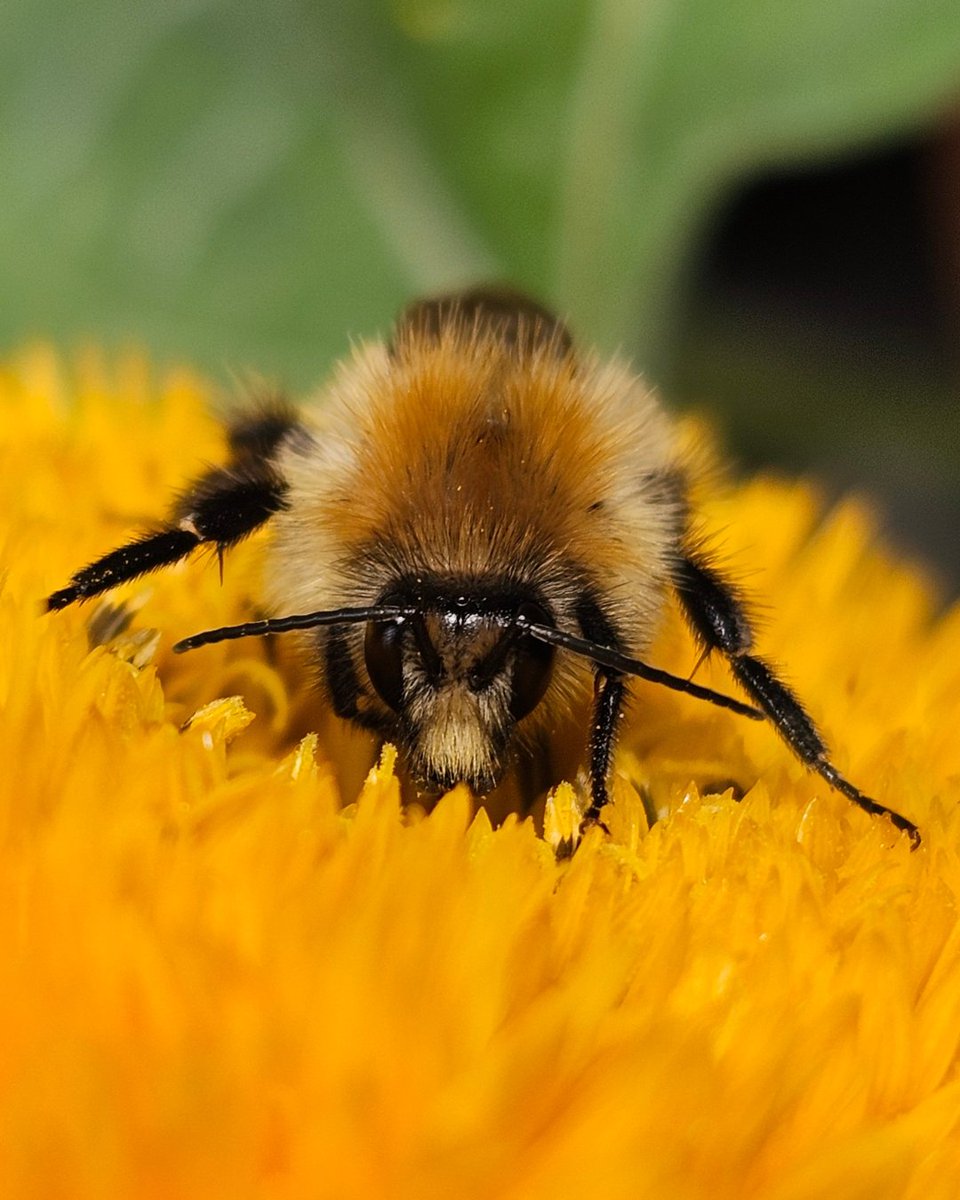
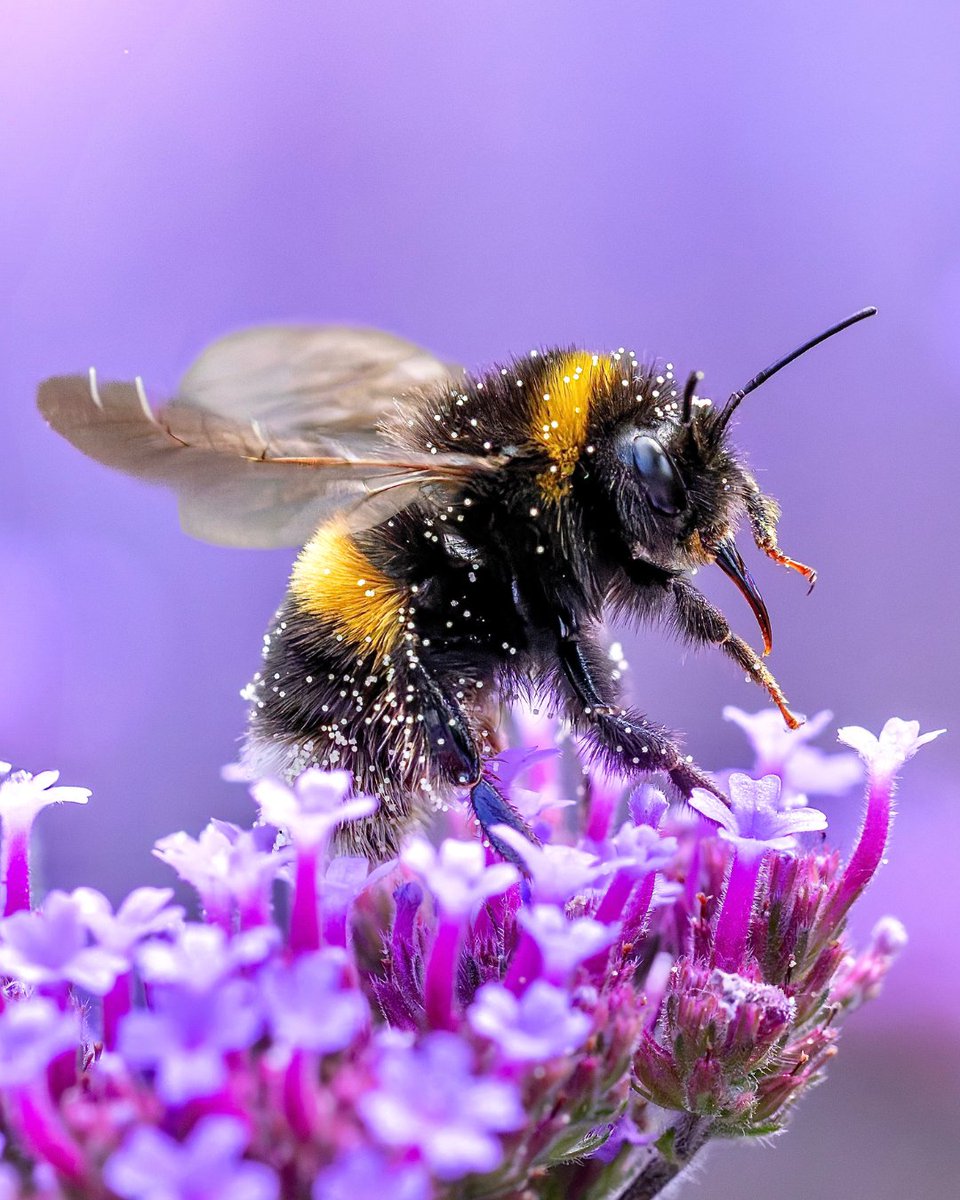
Here are a few more photos featured in the 2026 bumblebee calendar🗓️🐝
Reasons to love our A4 calendar:
🔎Bumblebee ID guide
💡Fun facts
👀Bumblebees to see this month
🌱Gardening tips
♻️100% recycled paper
🤝Supports our conservation work
Order now: ow.ly/x3il50XrBk0
2
60

22 Oct 2025
Thanks @finchandfolly for this amazing video of a bee on nasturtiums! On #NationalColorDay, celebrate the blooms that keep pollinators busy.
📞 Spot a swarm? Call The Bee Man for safe bee & wasp removal in OC!
#BeeManBuzz #PollinatorProtection #BeeLife #BeeInspired
2
78

21 Oct 2025
Just finished a tough bee removal in Fontana, CA 🐝
These girls were angry! Opened the roof and the hive exploded with energy. Safely boxed them up for relocation — they’ll settle in before I return to patch the roof.
#BeeRemoval #FontanaCA #SaveTheBees #LiveBeeRescue #Beekeeping #SouthernCaliforniaBees #BeeSafe #PollinatorProtection
2
18
537
19 Oct 2025
Found a small hive inside a railroad tie in Southern California today 🐝
Not a big colony, but every hive matters. Safely removed & relocated these bees to a new home 🌿
#BeeRemoval #BeeRescue #SaveTheBees #Beekeeping #SouthernCalifornia #PollinatorProtection #BeeRelocation #BeekeeperLife
1
2
20
390