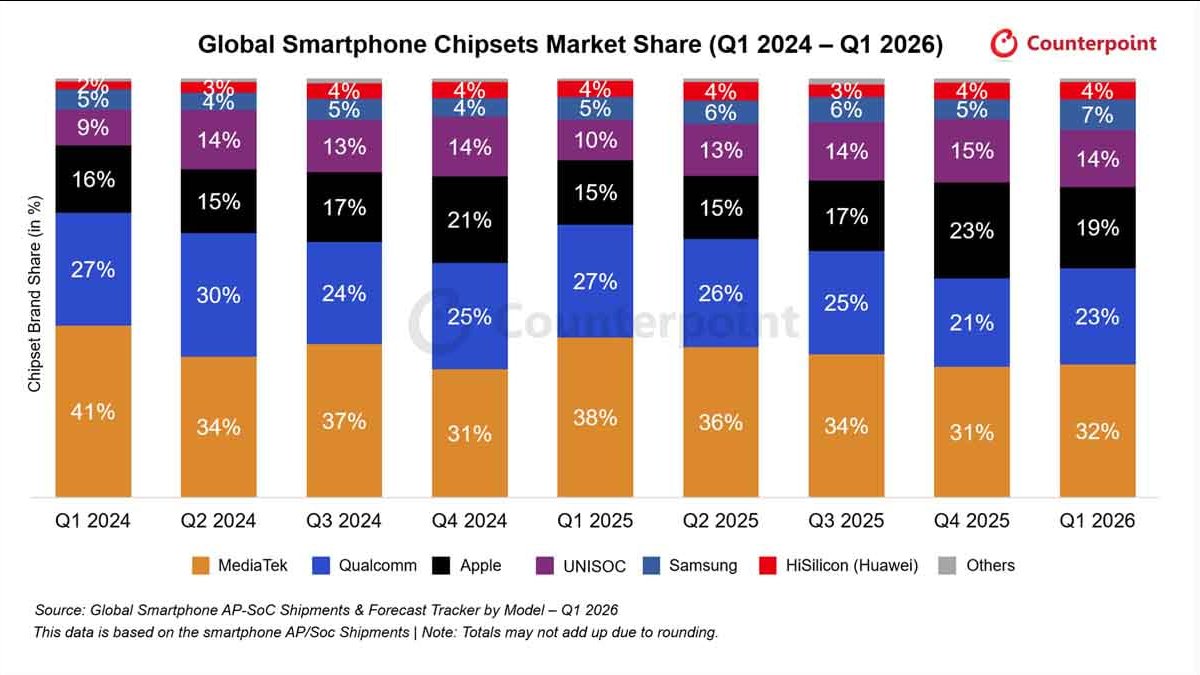
HiSilicon at a stable 4% growth since Q2 2025 up from 2%- 3% of Q1-Q2 2024 POST RECOVERY - Counterpoint Research Global Pure Foundry Market Share: Quarterly counterpointresearch.com/en/…
#HiSilicon #Marketshare #Chips #PostRecovery #Huawei #Global #Counterpoint
1
11
159

During COVID, many of us continued to write research papers. Others wrote autoethnographies about topics like being a "COVID survivor."
Abstract: "This paper provides my personal experience as a COVID-19 survivor during and postrecovery periods. The stigma that my children and I underwent exposed us to the fragility of a social system that we struggle with all through our life to remain a part of. My story revealed a strong symbiotic relationship between the disease (COVID-19) and the patient's low acceptance in society, primarily attributed to misinformation and xenophobia around the COVID-19. This autoethnography speaks for several other COVID survivors who met with the same fate of being discriminated against and stigmatized. As a COVID patient and survivor, the traumatic experience was creating a fear psychosis in me, the effect of which I presume will stay beyond COVID-19. This condition of a syndemic seems to linger and negatively affect my outlook toward society. If COVID survivors develop a syndemic condition in a pandemic situation, it will require significant efforts to reserve it or sometimes even become irreversible."
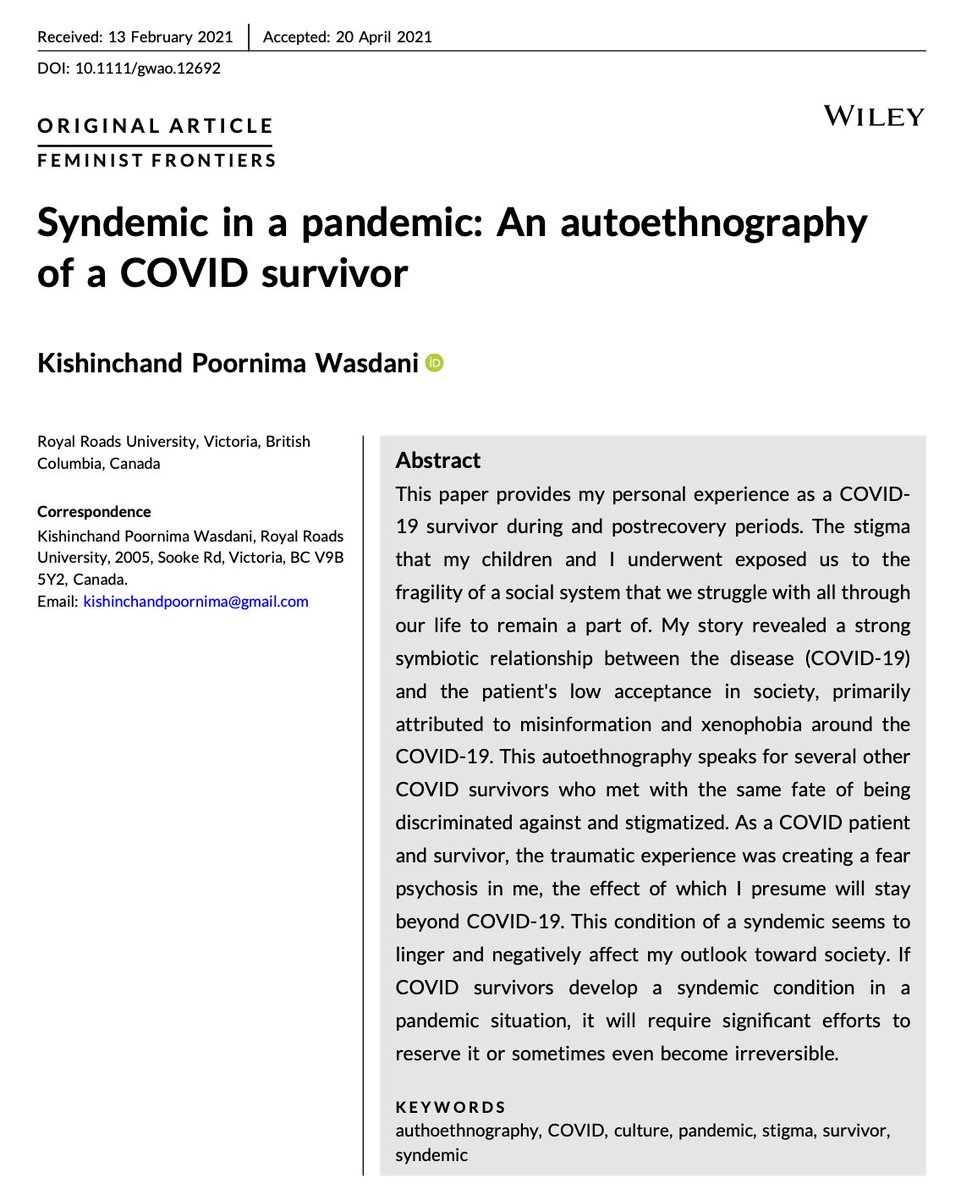

Increased numbers of academics are writing autoethnographies because autoethnographies are easier to complete and get through peer review than actual research (e.g., laboratory experiments, questionnaire studies).
2
299
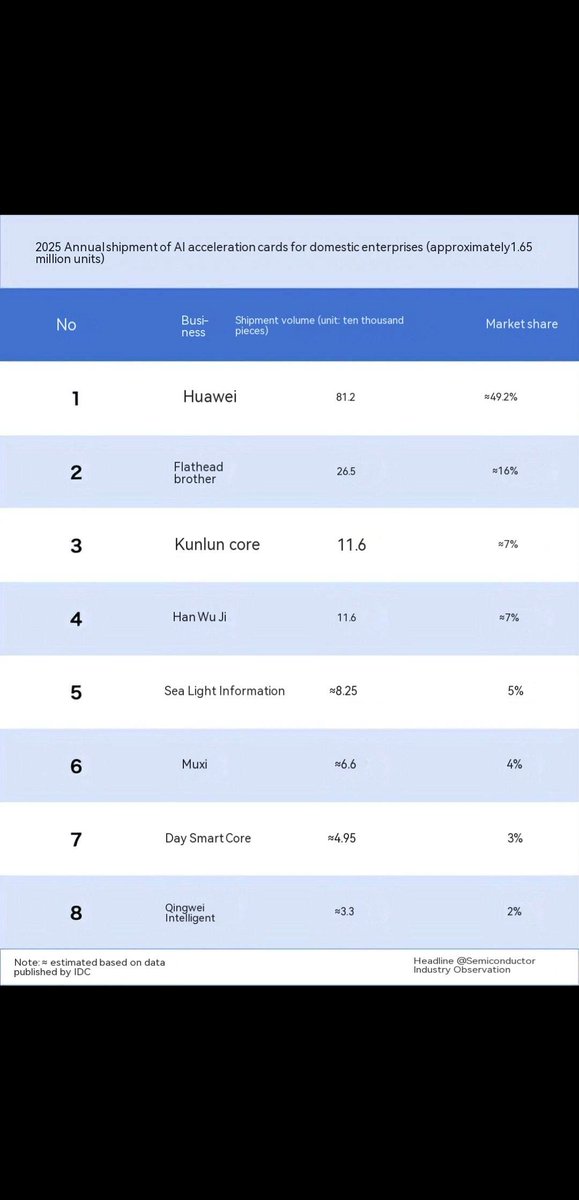
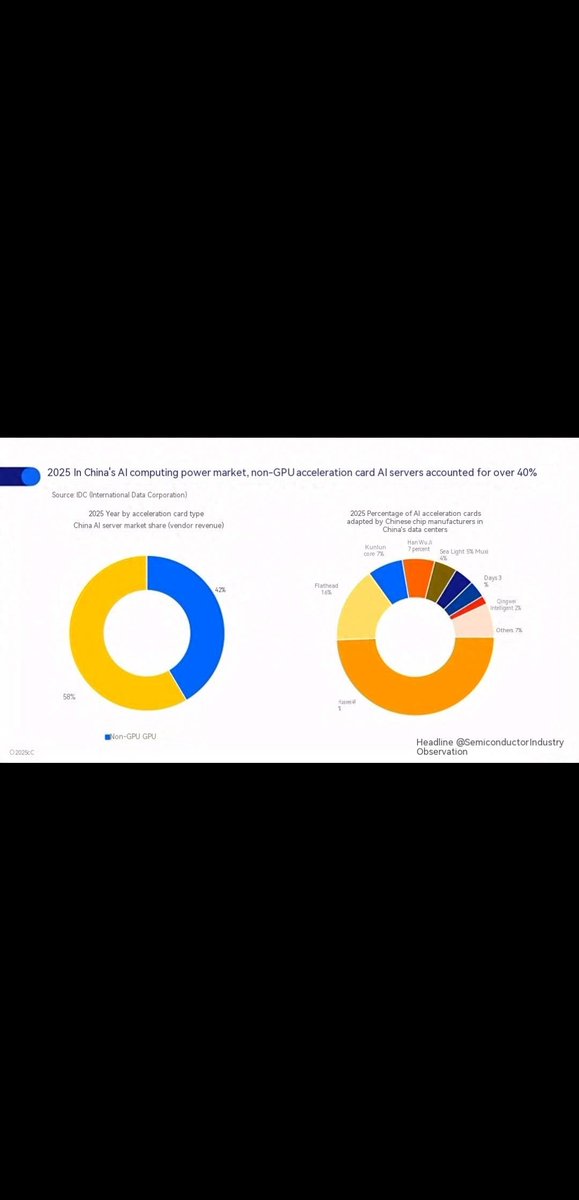
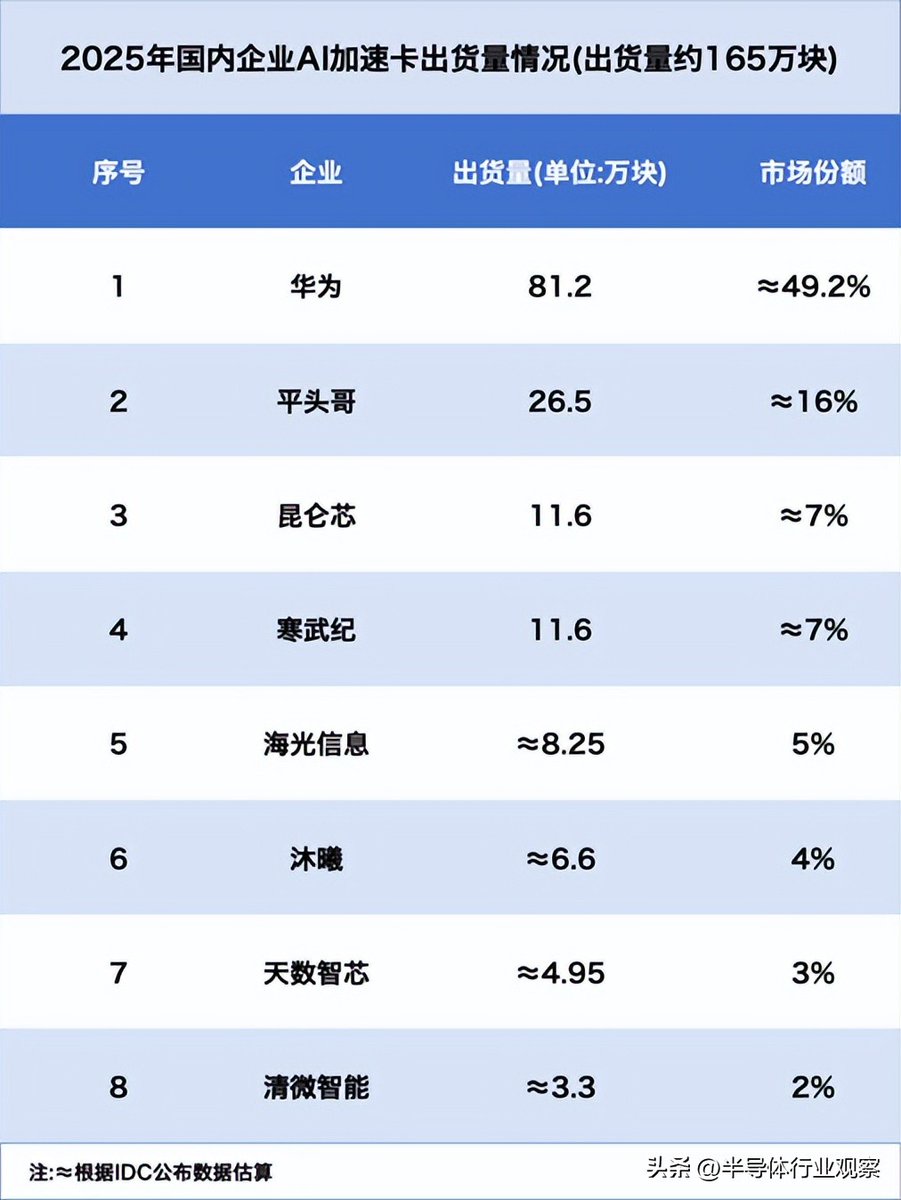
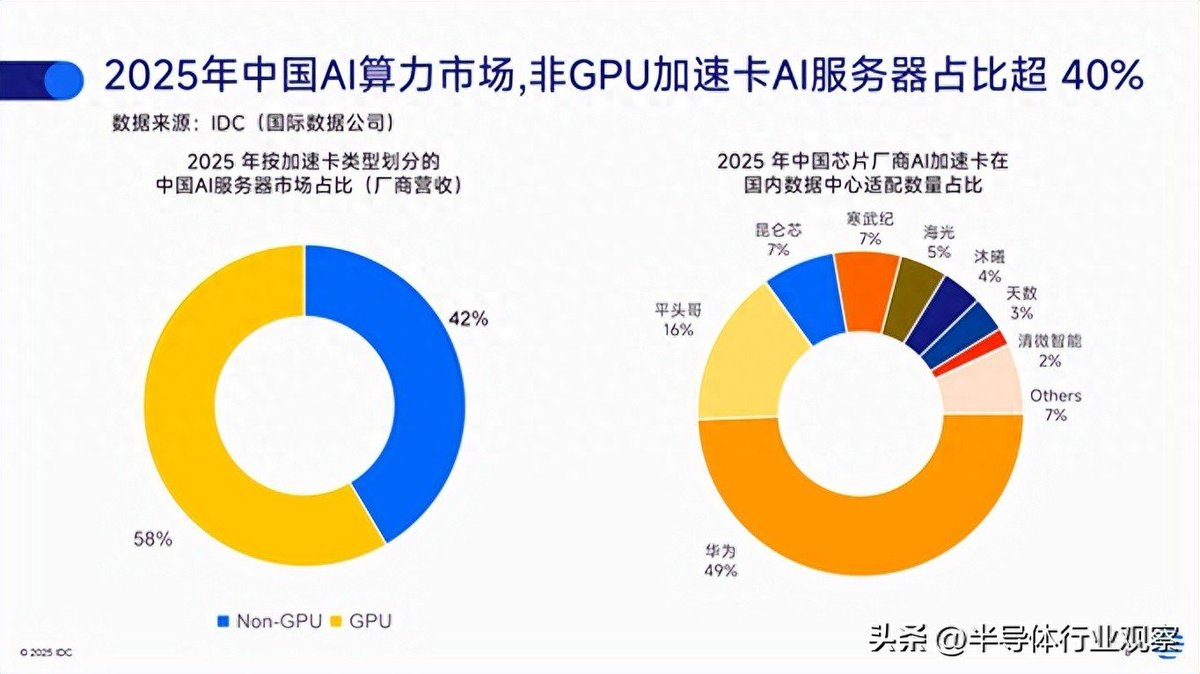
The TOP8 shipment rankings for domestic Al accelerator cards are unveiled: Huawei leads with a commanding margin at approximately 812,000 units shipped.
#Huawei #FTW #PostRecovery #Chips

4
12
652

Post-Illness Weight Gain Isn’t a Coincidence, Here’s What Your Body Is Going Through
#HealthExplained #WeightGain #PostRecovery #BodyScience #WellnessAwareness
Click below to read the article in full -
timesnownews.com/health/that…
1
358

9 Oct 2025
This is excellent. Also I think you need to get a team that is designed for postgames and postrecovery. for example mental health physical health leading experts. What you’re doing so far is absolutely incredible.
2
227

7 Aug 2025
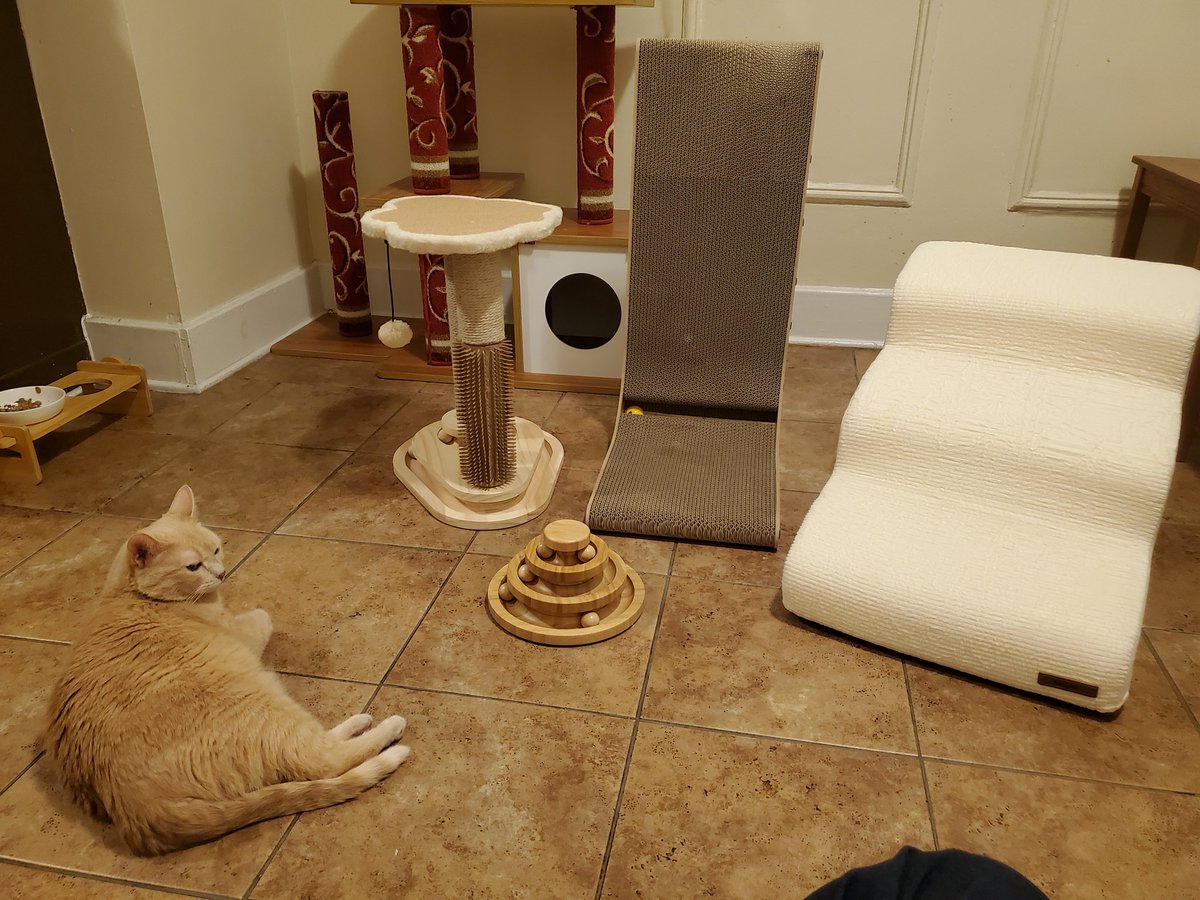
heres a pic of sunflowers postrecovery spoils and her not appreciating them
10
31
1,279
10,450

1 Jun 2025
ok its, 3:30am and my classes start tomorrow so i have to sleep fr but, i will draw more griefer and make a proper postrecovery design okay? okay, and play preprologue as well, ok gn
1
5
649
26 May 2025
YAM DID YOU SEE THE POSTRECOVERY GRIEFER CRUMB IM GOING INSANE
1
1
50
Tame expectations for Huawei's first western Europe/market event postrecovery, but could be in for a surprise with the unexpected stuff in hardware and software too.
1
1
124

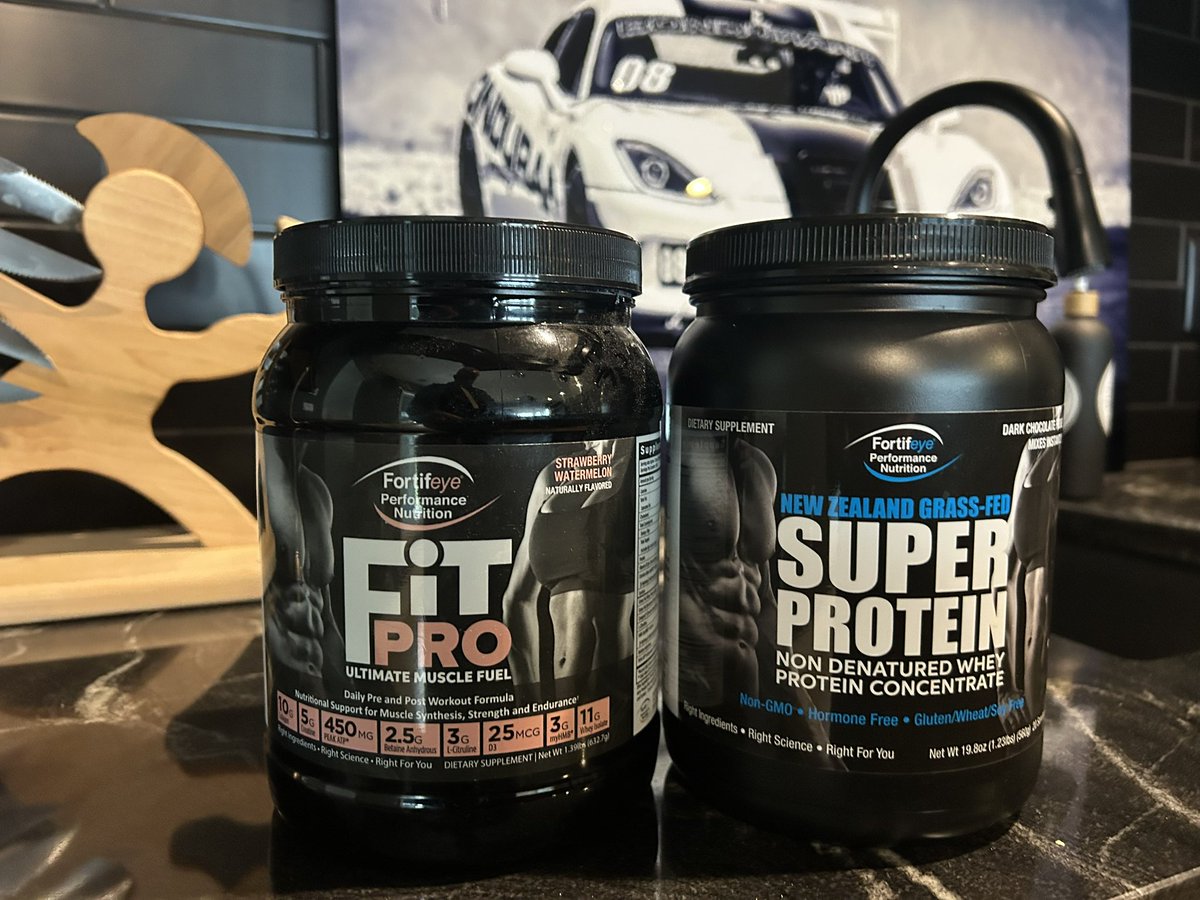
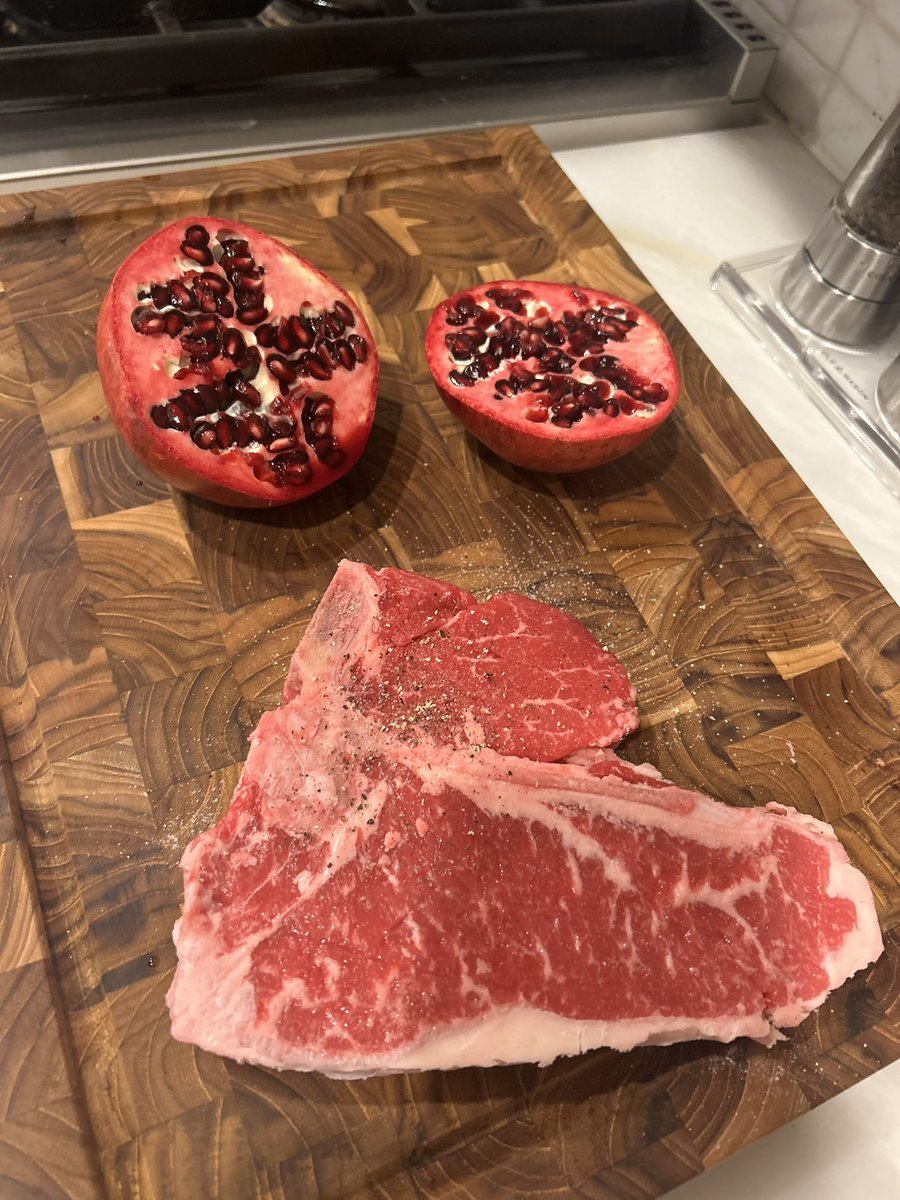
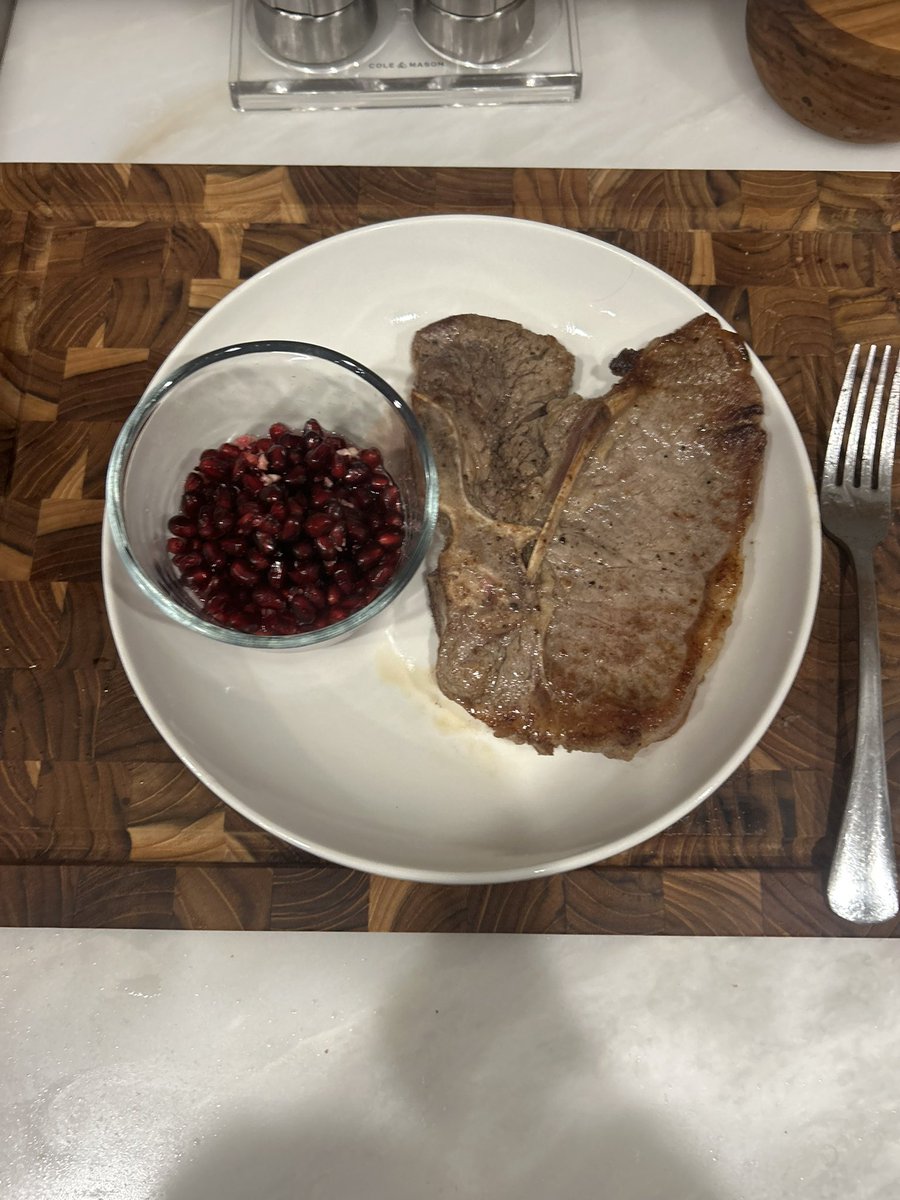
Here is the perfect Post workout senario for maximum muscle recovery and growth. Right after workout drink a combo of Fortifeye Fit Pro with one Scoop of a good whey protein. Fit Pro is the most advanced pre and post recovery powder on the market. 1-1.5 hrs after consuming the drink eat a grass fed steak with a pomegranate. Steak high in protein and omega 3 since grass fed. Pomagranate gives much needed carbs for replenishment of glycogen plus fiber and polyphenols called ellagitannis that convert in the gut to urolithin a . Urolithin a is responsible for cellular recycling in the mitochondria . This amazing nutrient increases muscle endurance, decreases age related muscle decline and increases muscle strength. #antiaging #postrecovery #urolithina #pomegranatepower #musclebuilding #bodybuilding #nutritionalwellness #HealthyFood #carnivore #carnivorediet #ketodiet #paleodiet #longevity #lifespan #happyhealth #sarcopenia
1
3
393

15 May 2024
The top 3 sectors that outperformed the #SP500 during recovery continued to do so #PostRecovery, with 10% growth & 68% outperformance. @cfraresearch's Investment Policy Committee raised the 12-month #SP500 #target to #5610, implying a 5,430 year-end level by 2024.
1
2
375

7 Mar 2024
Check out my blog post wix.to/1jZNDhq
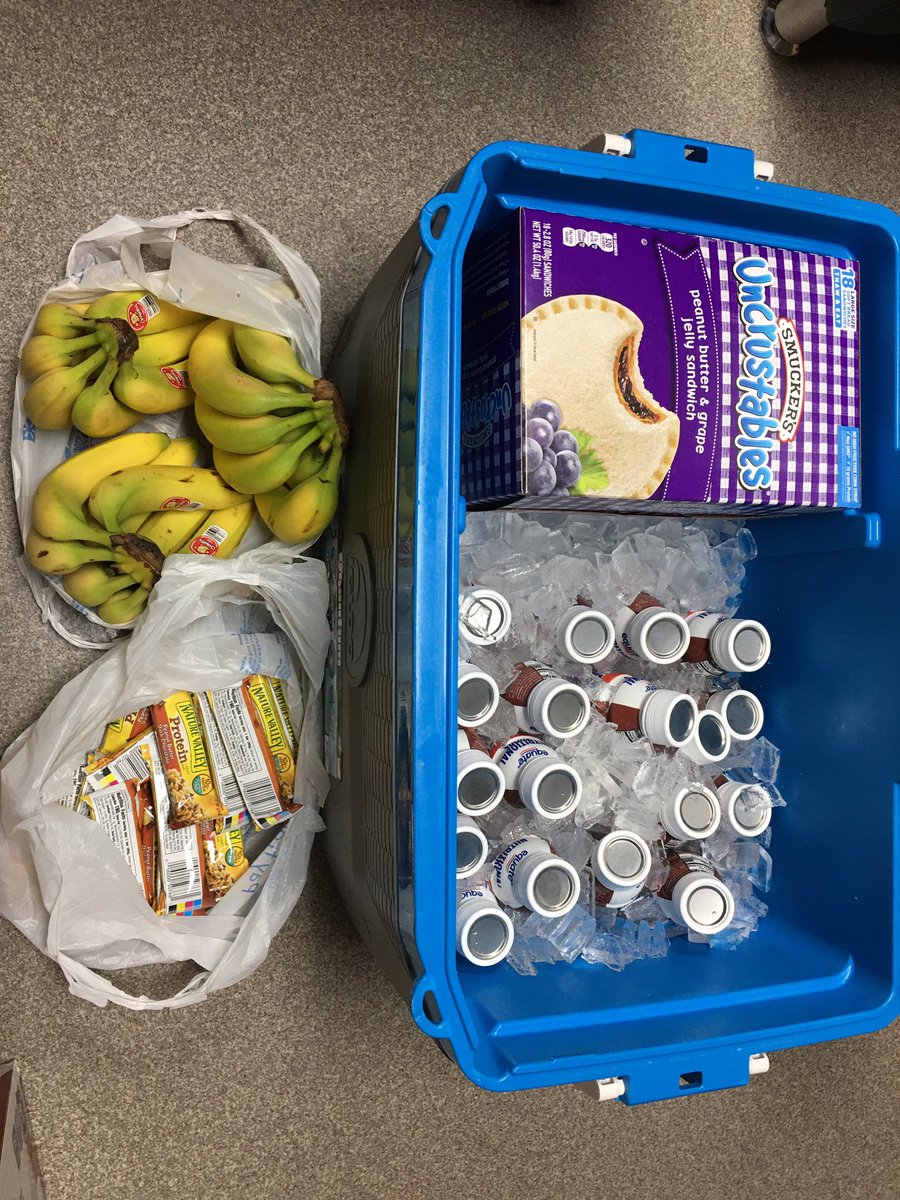
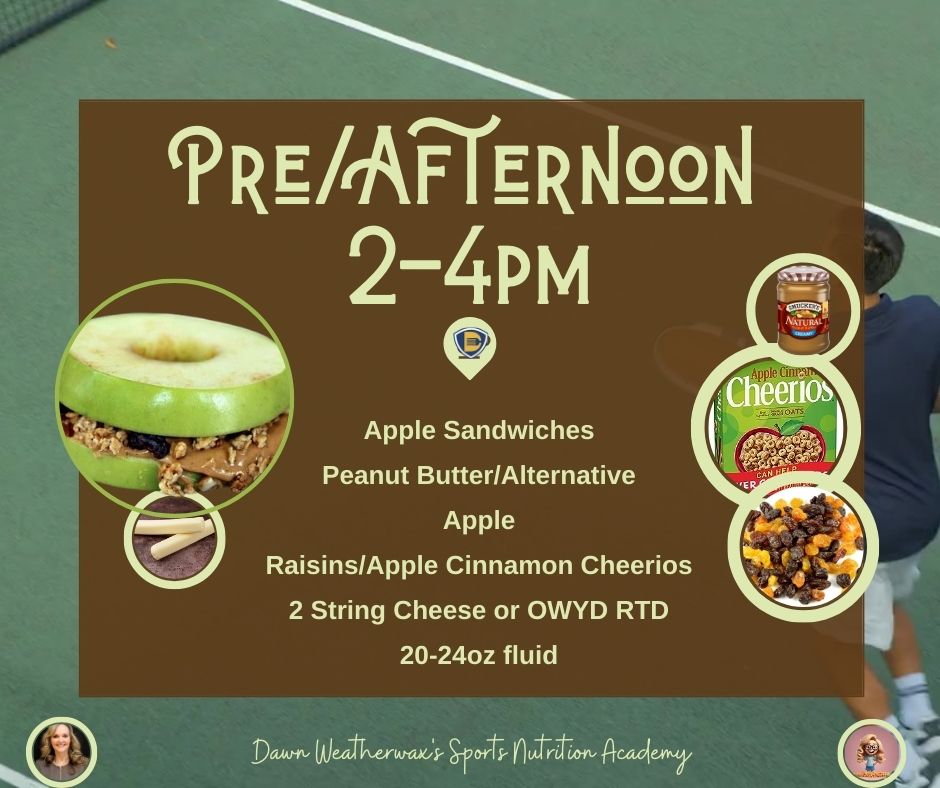
Fuel Your Day: An Athlete's Guide to Healthy Eating from Breakfast to Bedtime
#Menu #competition #postrecovery #dawnweatherwaxapproved #cheeriosteamchallenge #athleticperformance #sportsnutrition #healthysnacks #sportsdietitian
7
1
1
226

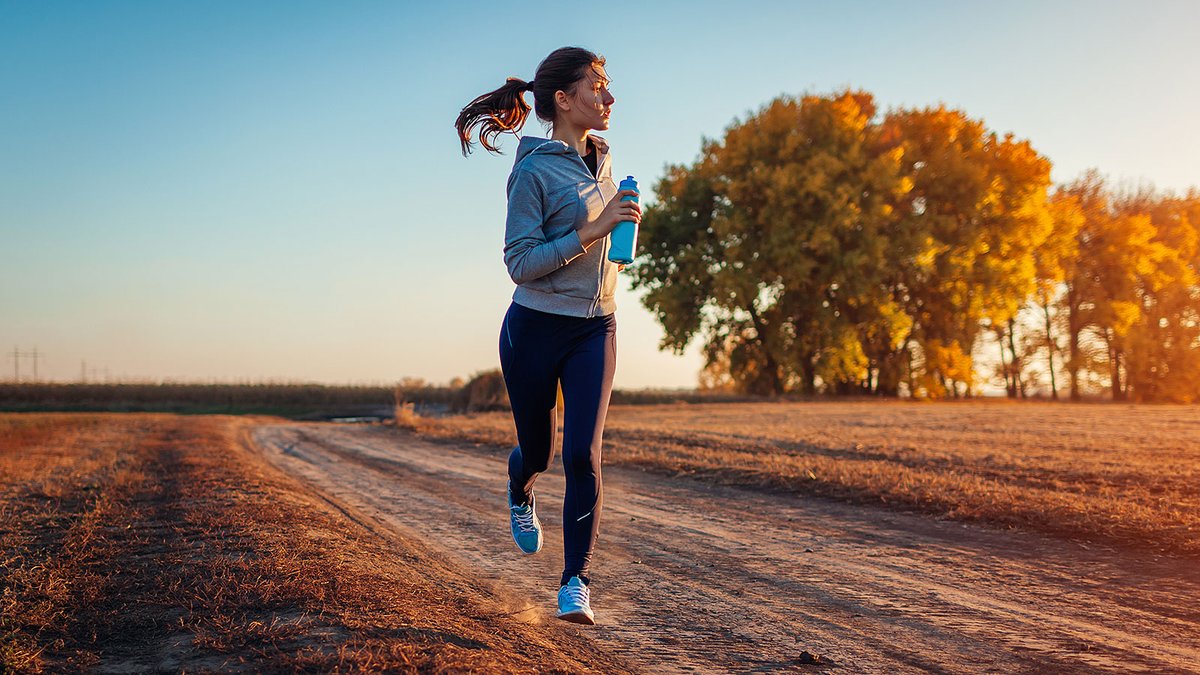
Discover the Science Behind First Endurance 𝐏𝐨𝐰𝐞𝐫𝐀𝐦𝐩 𝐒𝐩𝐨𝐫𝐭𝐬 Recovery Drink and Maximize Your Workout Results.
𝗟𝗲𝗮𝗿𝗻 𝗠𝗼𝗿𝗲: t.ly/LFASF
#postrecovery #hydration #nutrition #powerampsports
2
14

8 Aug 2023
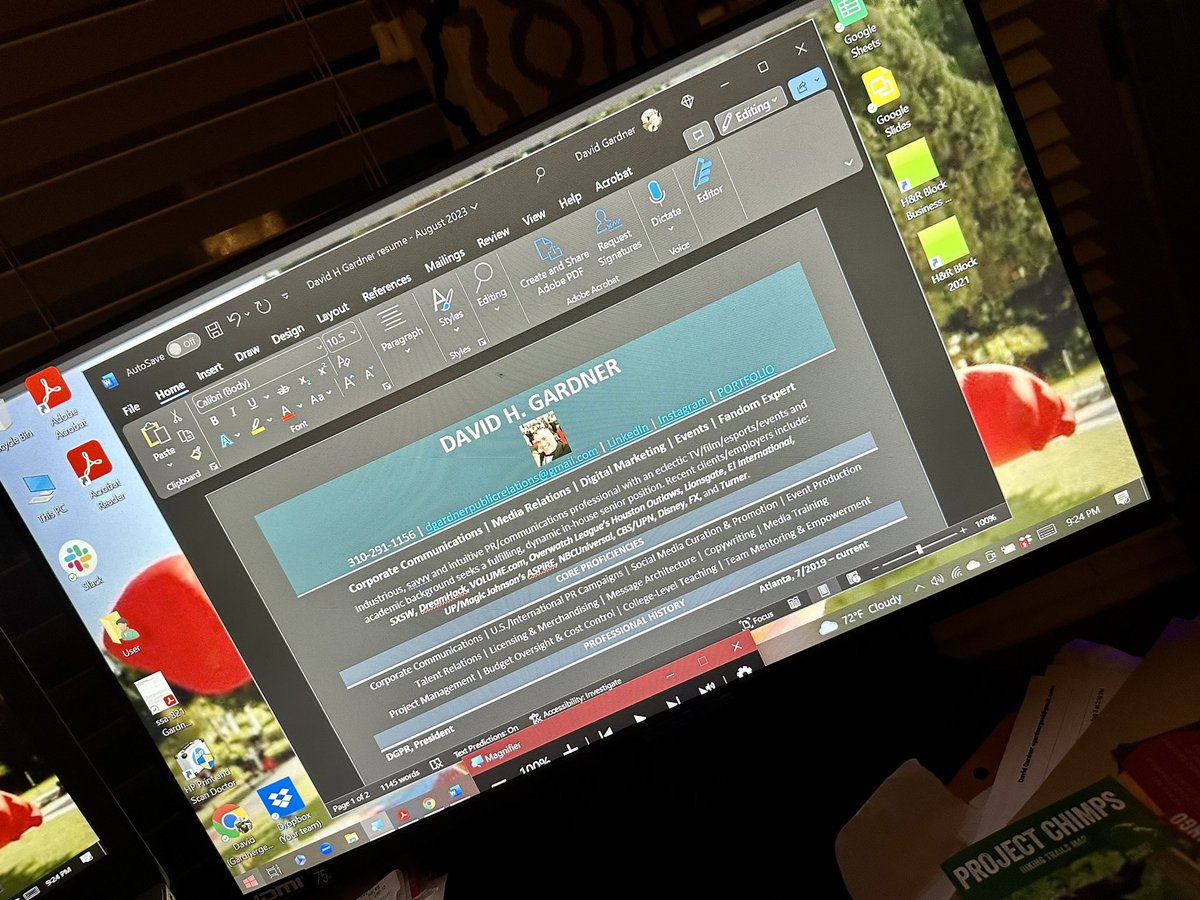
Updating resume! #LookingForward #CorneaTransplantAugust21 👁️🫰🏻🫰🏻🫰🏻#postrecovery #fullvision👀 #NotGoingAsAPirateForHalloween2023 #GoFundMe LINK: gofund.me/606d8…
6
4
5
123

11 Apr 2023
I’m so sorry to hear that.
About the same for me, with this bout of post infectious illness. I had it as a teen too, but #recovered thankfully. (Just luck. There are no magic answers.)
No one ever warned me that it could come back #PostRecovery either.
#WeAreRepeatingMistakes
1
14
1,059

Your body craves protein usually after an intensive workout. Fuel your body properly for muscle recovery purposes.
#postrecovery #postworkoutmeal #protein #fitnessmotivation #fitness #nutrition #nutricion
2
6

16 Aug 2022
Yes, but IIRC the article specifically said that the effect they were studying abated & patients' attitudes returned to normal after they recovered. Which would better fit @graeme_0 's theory.
This study aside, though, I do feel like we're seeing personality changes postrecovery.

9 Jun 2022
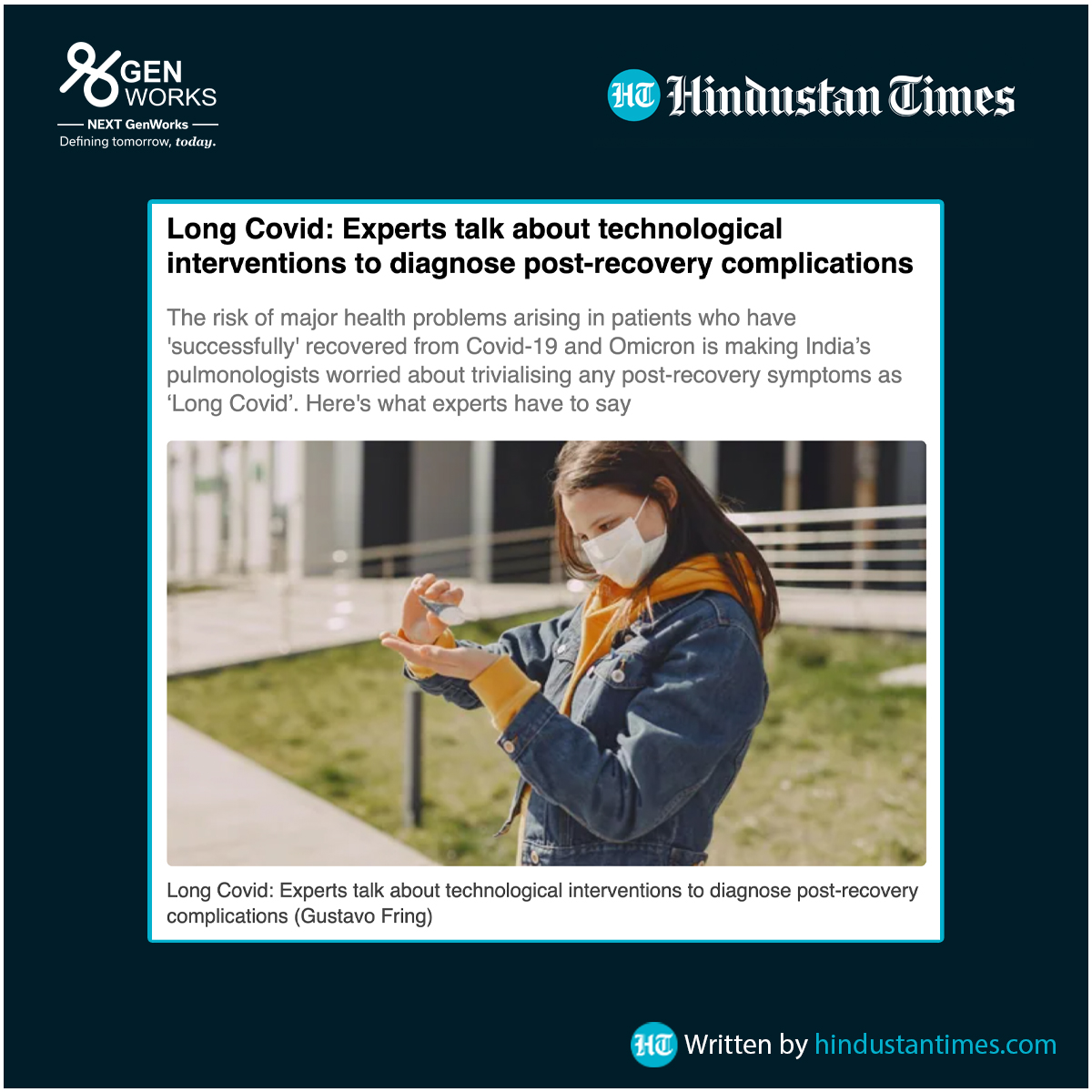
Read as Dr. Deepak Talwar & Mr. S Ganesh Prasad talk about Long COVID: the technological interventions to diagnose post-recovery complications
GenWorks is leading the way.
hubs.li/Q01dbXtz0
#GenWorks #covid19 #technologicalinterventions #diagnose #postrecovery
2